
Burkina Faso
Snakes in Burkina Faso
40+ snake species have been recorded in Burkina Faso, 14 venomous.
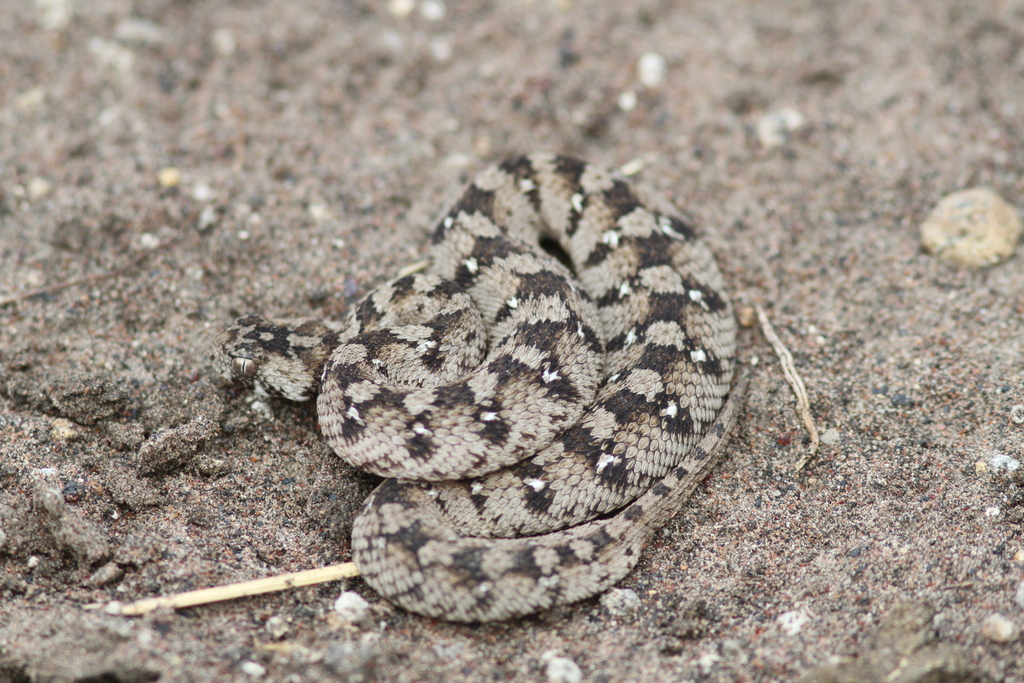
Snakes of Burkina Faso
Burkina Faso has 40+ snake species recorded in our database, 14 of them venomous. The great majority of species are non-venomous. The country sits in the West African interior, a landlocked stretch of the Sahel and northern savanna where the snake fauna reflects the broad transition from dry grassland in the north to wetter wooded country in the south.
Geography drives that diversity. The northern reaches grade into Sahelian semi-desert with sparse scrub and sandy soils, while the central and southern zones hold Sudanian savanna, gallery forest along rivers, seasonal wetlands, and farmland. Each of these settings supports a different mix of snakes. Rivers and floodplains favor water-associated species, savanna and rocky outcrops suit ground-dwelling hunters, and the patchwork of villages and croplands concentrates rodents that in turn draw snakes. Seasonal rains and the long dry season also shape when and where snakes are active.
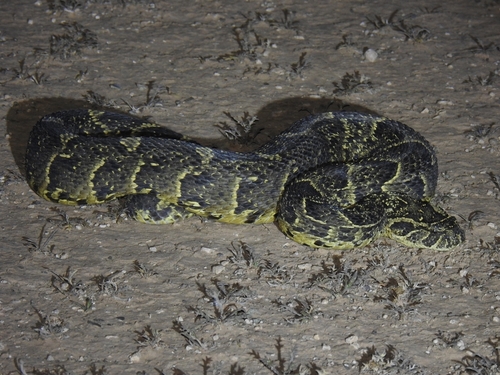
The medically important venomous snakes of Burkina Faso fall into a few well-established groups. The elapids include true cobras such as the Egyptian cobra and spitting cobras, which can eject venom toward the eyes, and the slender, fast-moving mambas of the genus Dendroaspis in wooded and savanna habitats. The vipers are the other major concern: the carpet or saw-scaled vipers of the genus Echis are small but responsible for a large share of serious bites across the Sahel, and the puff adder is a heavy-bodied, widespread savanna viper that accounts for many envenomations. The night adders and a few other vipers round out this group. There are no rattlesnakes, no pit vipers, and no coral snakes in this part of Africa, since those groups belong to other regions, and Burkina Faso is landlocked so it has no sea snakes.
The non-venomous majority is what most encounters involve. House snakes, sand and racer snakes, the various colubrids of grass and woodland, egg-eating snakes, and the burrowing blind snakes make up the bulk of the species list. Among the most famous is the African rock python, the largest snake on the continent, a powerful constrictor that takes prey by coiling rather than venom. These harmless and constricting species are far more numerous than the venomous ones and form the backbone of the country's snake life.
Snakes earn their place in these landscapes. As predators they keep rodent and other small-animal populations in check, which matters in farming country where rats and mice damage stored grain and spread disease. A healthy population of rodent-eating snakes is a quiet form of pest control that benefits households and crops alike, and the larger constrictors and the venomous hunters all contribute to that balance.
On safety, the honest framing is that most snakes you might meet in Burkina Faso are harmless, and snakes generally avoid people when given the chance. The main medical threats are the saw-scaled vipers, the puff adder, and the cobras. A venomous bite is a medical emergency, and the treatment is antivenom and supportive hospital care delivered by trained clinicians, not anything done in the field. Never handle a wild snake, venomous or not, since identification mistakes are easy and the risk is not worth it. If a bite occurs, get the person to emergency medical care immediately. In the United States, Poison Control can be reached at 1-800-222-1222; elsewhere, contact local emergency services.
Snakes in Burkina Faso: FAQ
- Are there venomous snakes in Burkina Faso?
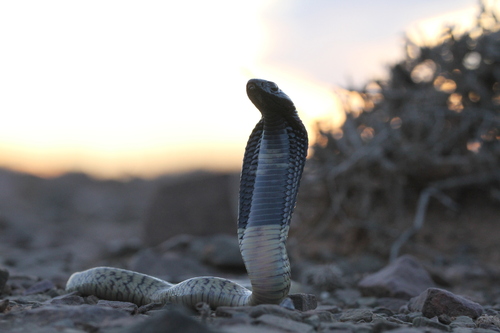
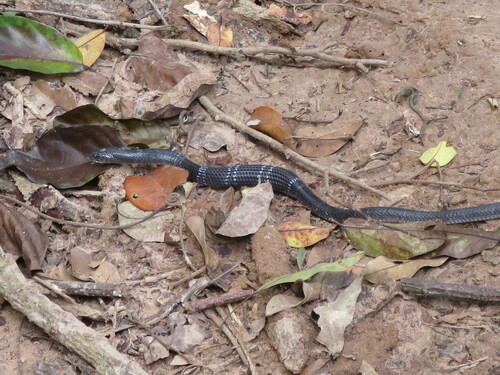
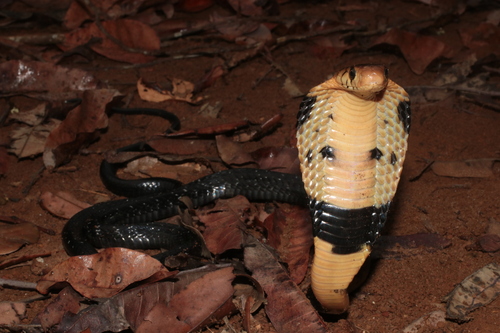
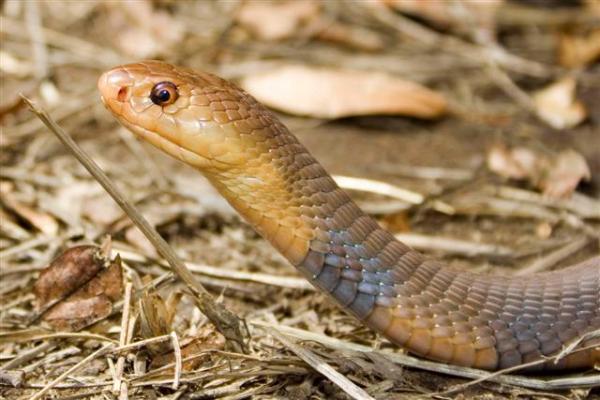
- Yes. 14 venomous snake species have verified records in Burkina Faso, including African Saw-scaled Viper, Brown Banded Cobra, Spotted Night Adder, Black-necked Spitting Cobra. Most snakes in Burkina Faso, however, are harmless.
- How many snake species live in Burkina Faso?
- 40+ snake species have verified records in Burkina Faso, of which 14 are venomous.
- What is the most commonly seen snake in Burkina Faso?
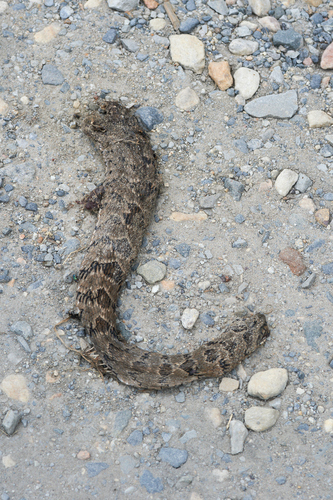
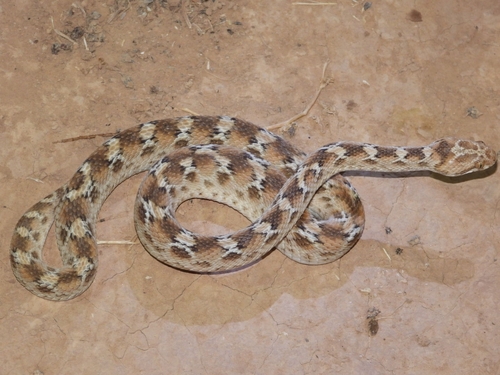
- The African Saw-scaled Viper is the most frequently reported snake in Burkina Faso, based on verified wildlife observations.
- What should I do if I see a venomous snake in Burkina Faso?
- Keep your distance and do not try to catch or kill it. Most bites happen when people handle or corner a snake. If someone is bitten, contact local emergency services or poison control immediately.
Venomous snakes in Burkina Faso
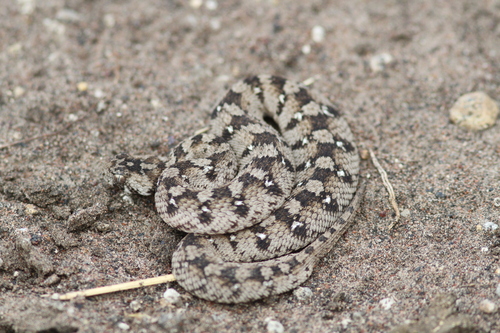
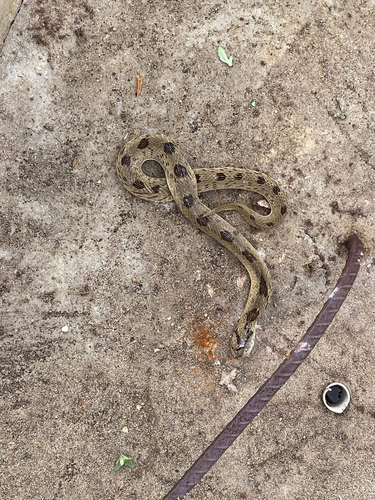
Every snake recorded in Burkina Faso
40+ species across 10 families, grouped by family. Venomous flagged.
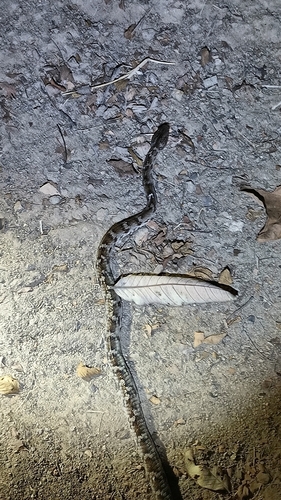
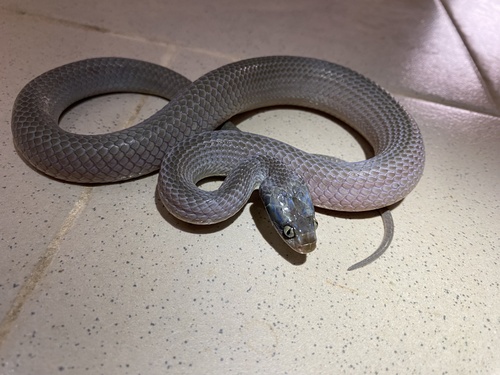
Colubridae (11)
Elapidae (7)
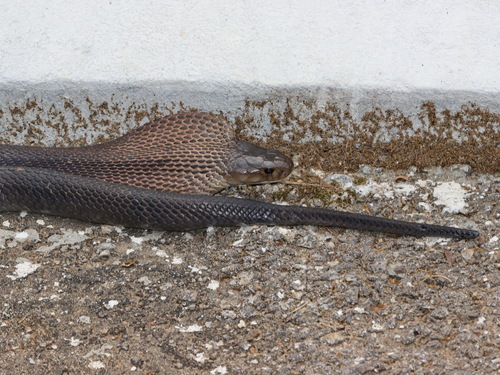
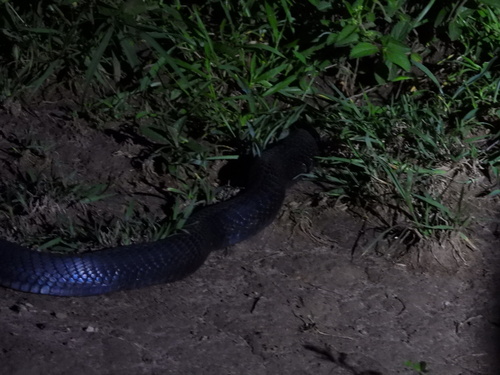

Psammophiidae (6)
Viperidae (5)
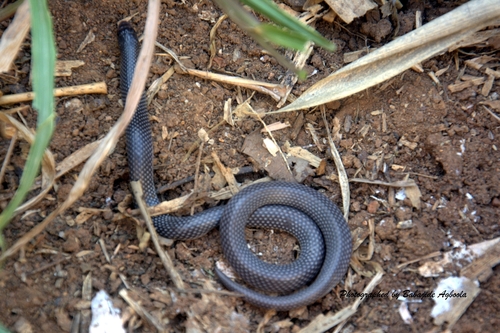
Lamprophiidae (4)
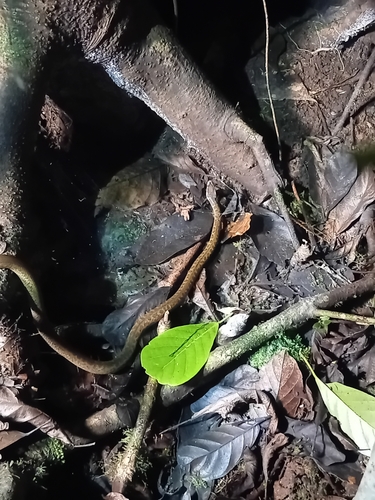
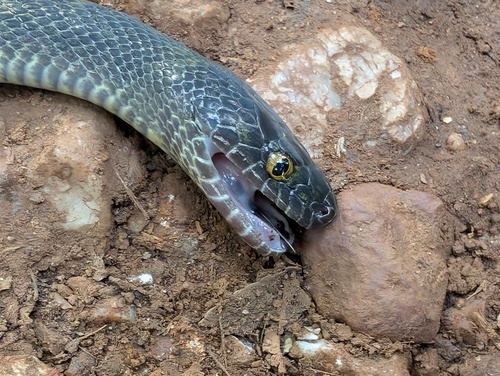
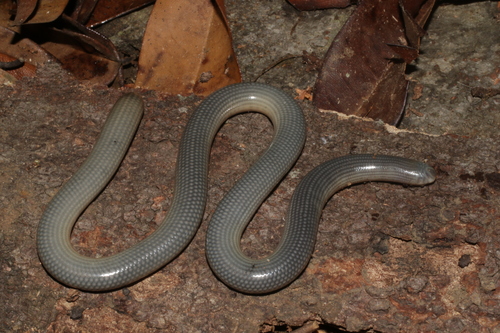
Typhlopidae (3)
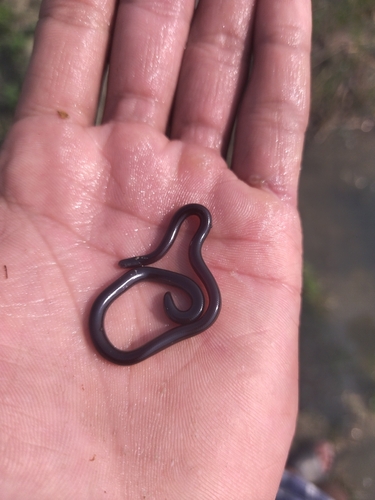
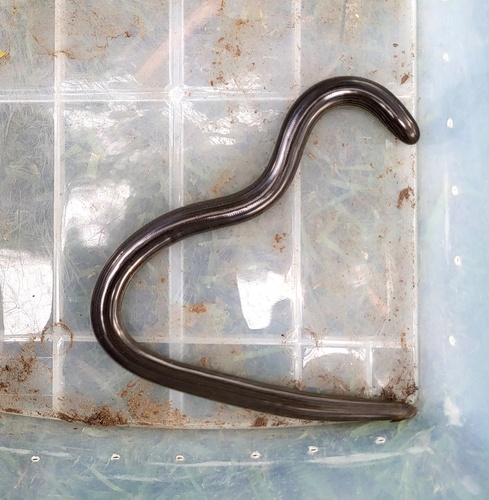
Boidae (1)
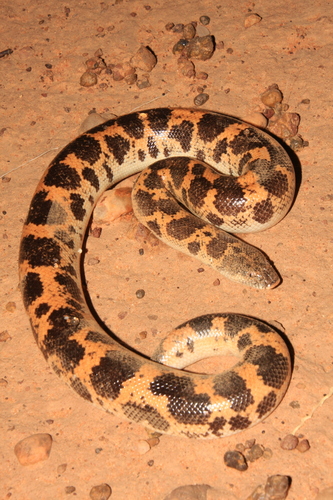
Leptotyphlopidae (1)
Atractaspididae (1)
Compiled from verified GBIF & iNaturalist observations. "How often seen" reflects how frequently a snake is reported here, not how dangerous it is. Informational only.
Keep learning
- Are Snakes Dangerous? The Real Risk, in PerspectiveMost snakes are harmless and avoid people. Here is the honest picture of snakebite risk worldwide and how to lower your own.
- Snakebite First Aid: What to Do (and What Never to Do)A clear, CDC-based guide to snakebite first aid: the steps that help, the popular myths that hurt, and how to tell a serious bite from a minor one.
- Venomous vs Nonvenomous: How to Tell the DifferenceThe folk rules for telling venomous snakes apart, where each one fails, and why location-based identification beats guessing by sight.
- What to Do If You Find a SnakeFound a snake at home or on a trail? Here is how to stay calm, give it space, identify it safely, and know when to call a professional.