
Guinea
Snakes in Guinea
100+ snake species have been recorded in Guinea, 24 venomous.
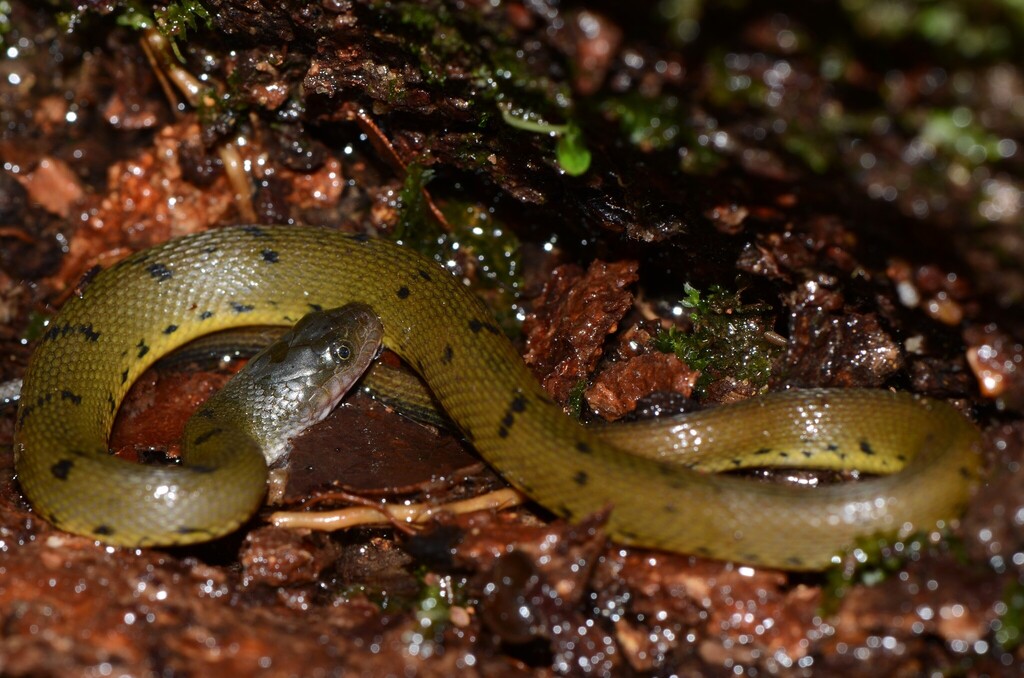
Snakes of Guinea
Guinea has 100+ snake species recorded in our database, 28 of them venomous. The great majority of species are non-venomous, a pattern that holds true across West Africa. For every snake capable of delivering a medically serious bite, several more are entirely harmless to people and play quiet, useful roles in the landscapes where they live.
The country's snake diversity is driven by its varied geography. Guinea spans coastal mangroves and lowland swamps along the Atlantic, the rolling humid forests and rivers of the Fouta Djallon highlands, dense Guinean forest in the southeast, and drier wooded savanna in the north and east. This range of habitats, from wet forest to seasonal grassland to farmland and waterways, supports a wide spread of snakes adapted to different climates, prey, and elevations. Rainfall, river systems, and forest cover all shape where particular species are found.
Several medically important venomous groups occur in Guinea. Cobras are present, including spitting cobras that can project venom toward the eyes as well as forest cobras. Mambas are found here, with the green mambas of forested zones and the larger, ground-dwelling black mamba in more open country. Vipers are the group responsible for many serious bites in the region: the puff adder, a thickset and widespread savanna species, along with carpet or saw-scaled vipers and the large, vividly patterned rhinoceros and Gaboon-type forest vipers. Burrowing asps, also called mole vipers or stiletto snakes, account for additional bites and should not be handled. These are the groups that matter most for human safety in Guinea.
The non-venomous majority is far larger and includes many of the snakes people encounter most often. The African rock python, one of the continent's largest snakes, lives in Guinea's savannas, forests, and wetlands and kills by constriction rather than venom. House snakes, sand snakes, egg-eating snakes, file snakes, and a variety of water snakes and grass snakes make up much of the everyday fauna. Most of these are shy, fast to flee, and pose no threat to people. Some, such as the egg-eaters, are entirely toothless feeders that survive by mimicking more dangerous species.
Snakes earn their place in Guinea's ecosystems and on its farms. Rodent-eating species help control rats and mice that damage stored grain and spread disease, while smaller snakes keep insect, frog, and lizard numbers in balance. Larger constrictors and the many mid-sized hunters sit in the middle of the food web, feeding on pests and in turn feeding birds of prey and other predators. A healthy snake population is a sign of a functioning landscape and a free, natural form of pest control around homes, fields, and villages.
For safety, keep the picture honest. Most snakes in Guinea are harmless, but the country does have species whose bites are medical emergencies, with vipers such as the puff adder and saw-scaled vipers, along with cobras and mambas, being the main threats. The correct treatment for a venomous bite is professional medical care: antivenom and supportive treatment given at a hospital. No wild snake should ever be picked up or handled, and a snake being non-venomous does not make it safe to grab. Do not rely on home remedies or improvised first aid. If a bite happens, get the person to emergency medical services as quickly as possible. In the United States you can also reach Poison Control at 1-800-222-1222; elsewhere, contact local emergency services.
Snakes in Guinea: FAQ
- Are there venomous snakes in Guinea?
- Yes. 24 venomous snake species have verified records in Guinea, including Spotted Night Adder, Brown Banded Cobra, Western Green Mamba, Bird Snake. Most snakes in Guinea, however, are harmless.
- How many snake species live in Guinea?
- 100+ snake species have verified records in Guinea, of which 24 are venomous.
- What is the most commonly seen snake in Guinea?
- The African Brown Water Snake is the most frequently reported snake in Guinea, based on verified wildlife observations.
- What should I do if I see a venomous snake in Guinea?
- Keep your distance and do not try to catch or kill it. Most bites happen when people handle or corner a snake. If someone is bitten, contact local emergency services or poison control immediately.
Venomous snakes in Guinea
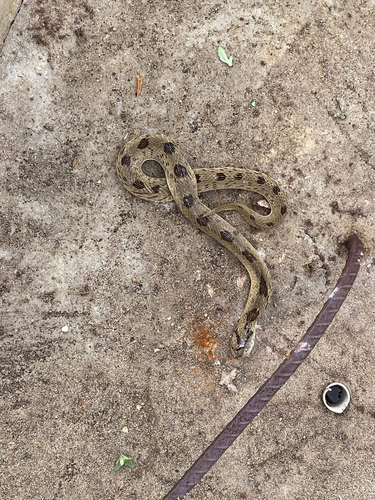
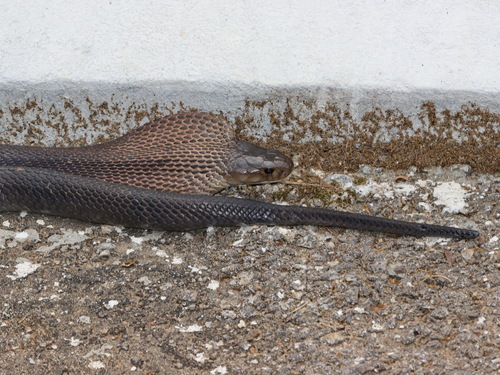
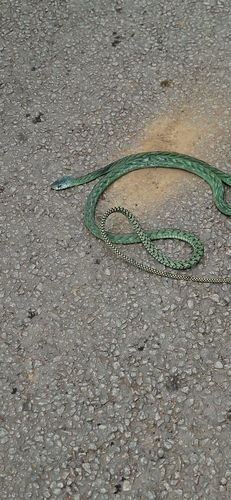
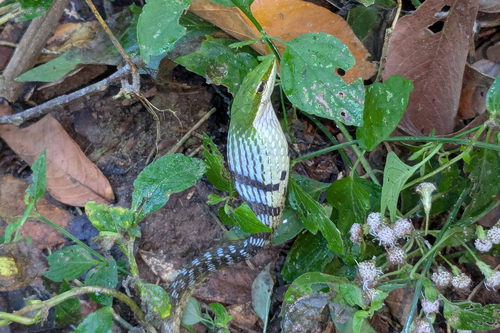
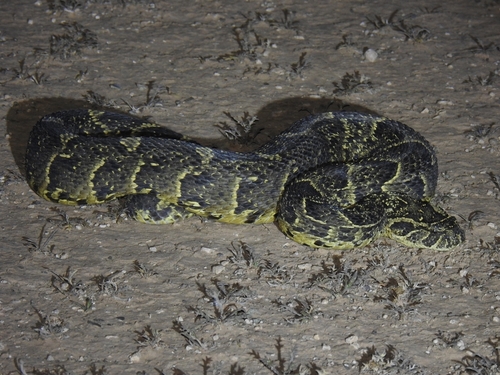
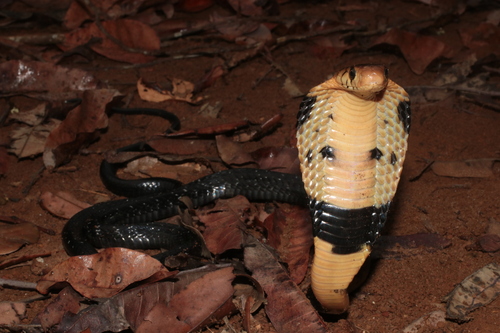
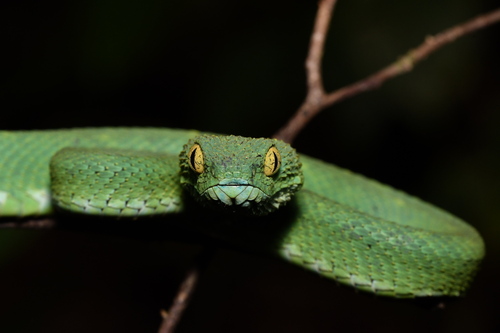
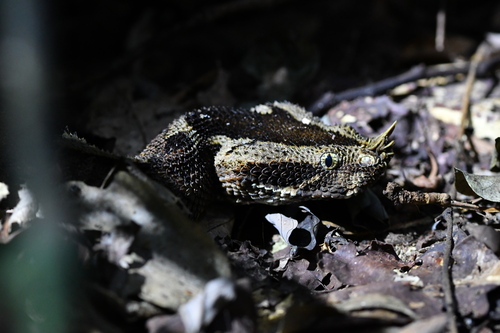
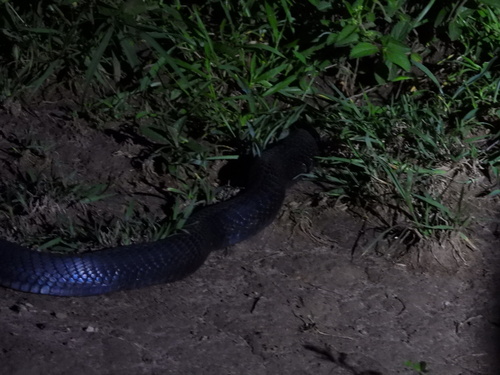

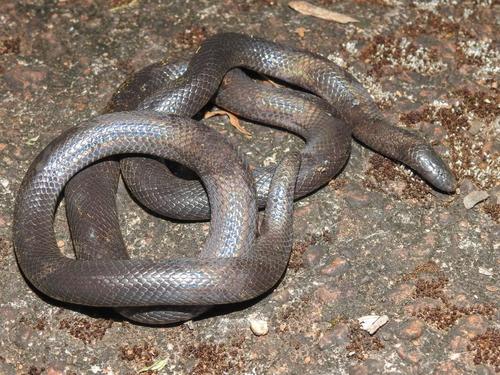
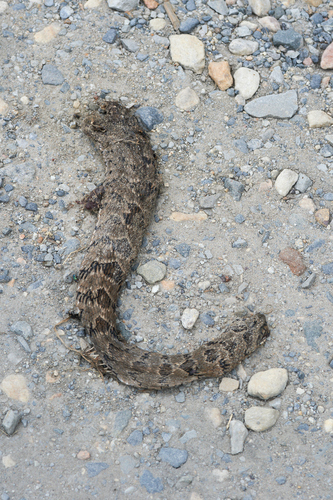
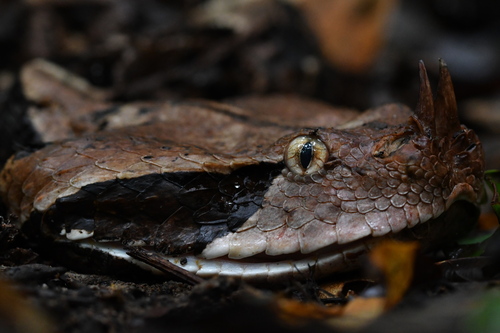
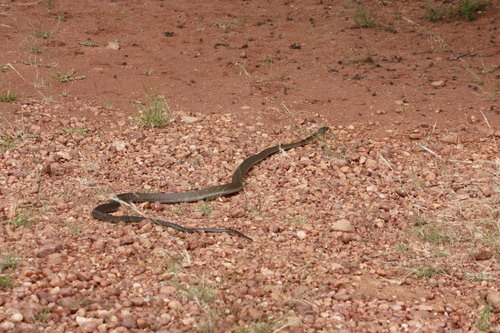
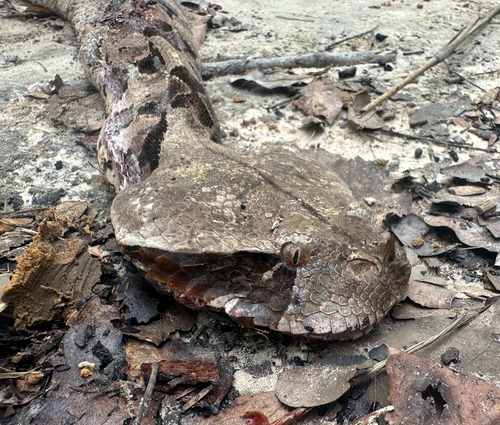

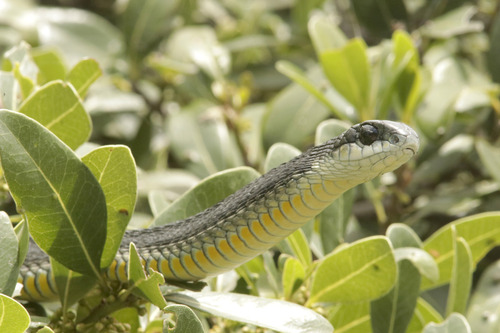
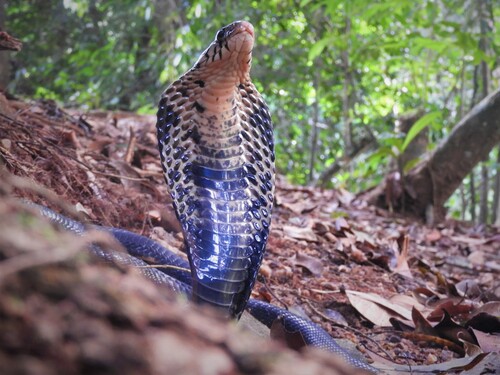
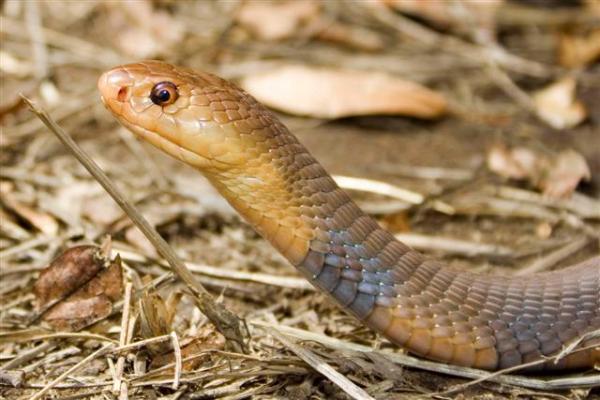
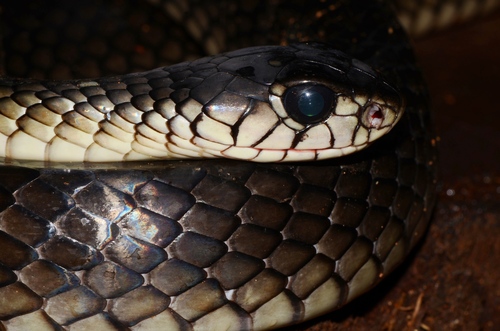
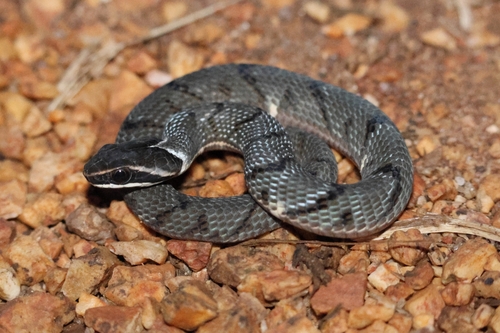
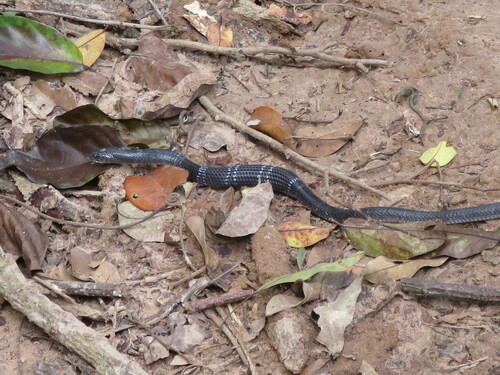
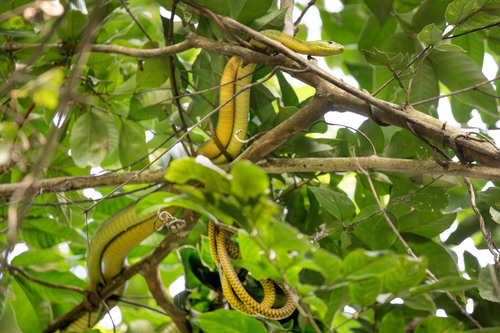
- No photo
Every snake recorded in Guinea
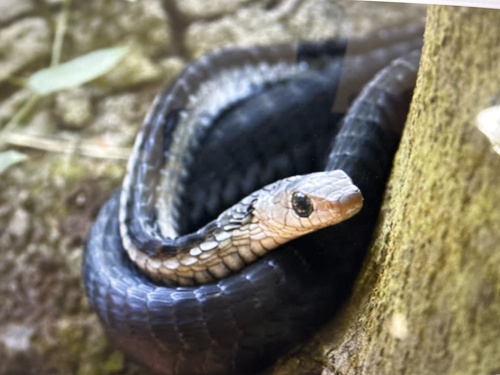
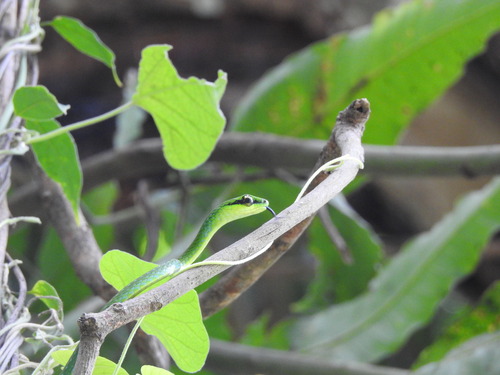
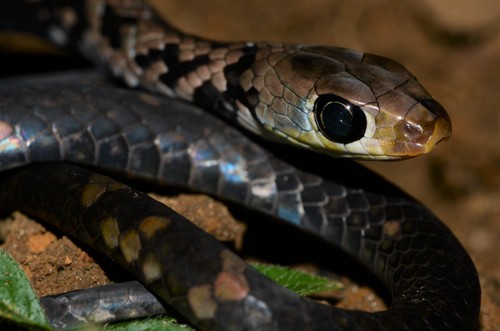
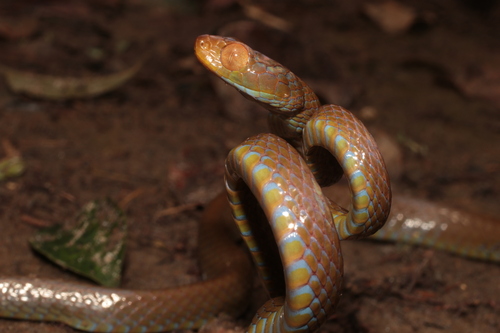
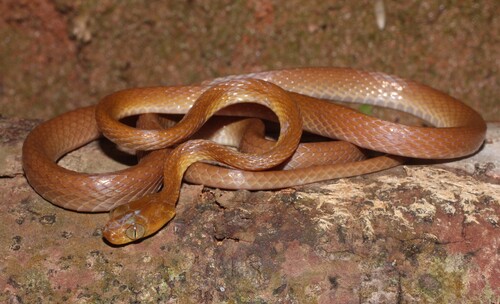
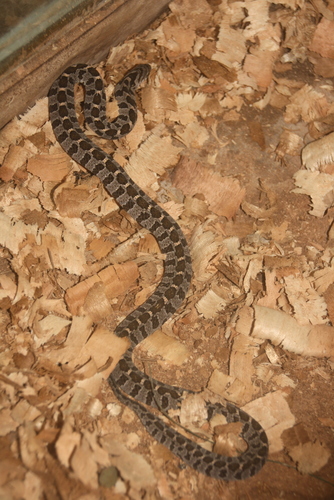
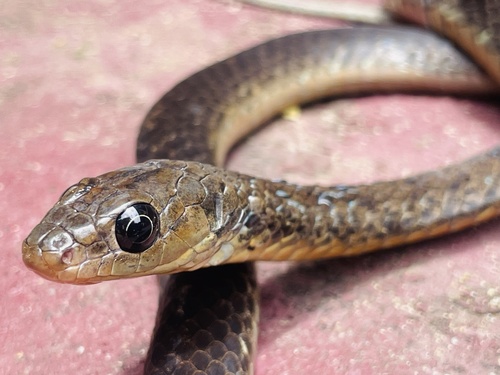
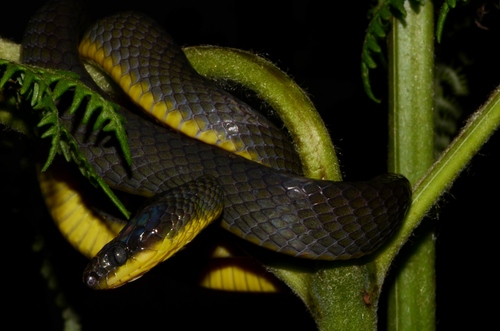
100+ species across 13 families, grouped by family. Venomous flagged.
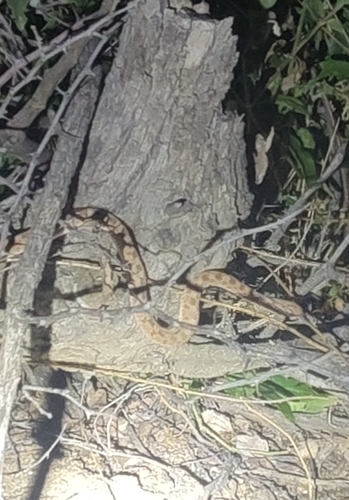
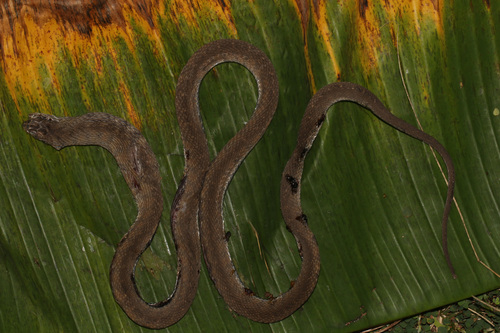
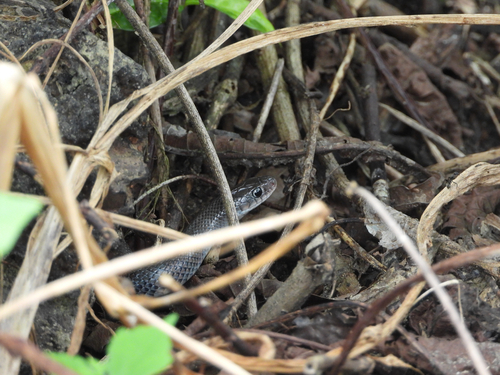
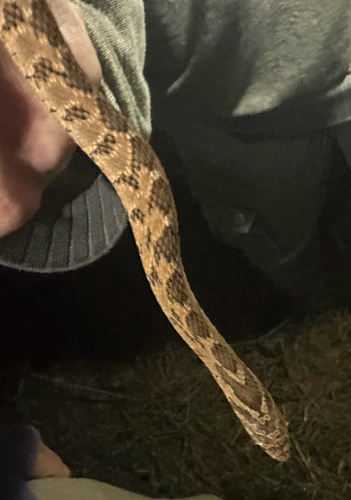
Colubridae (36)
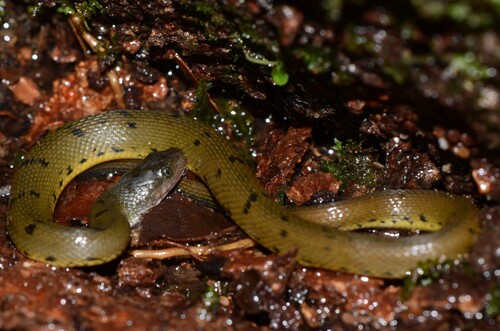
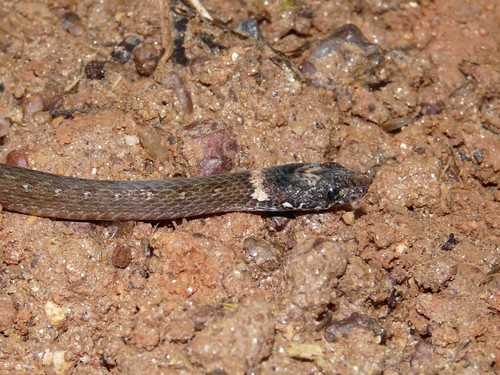
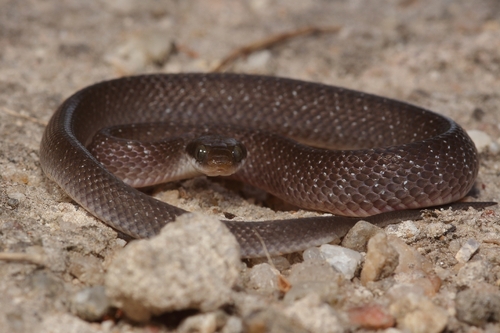
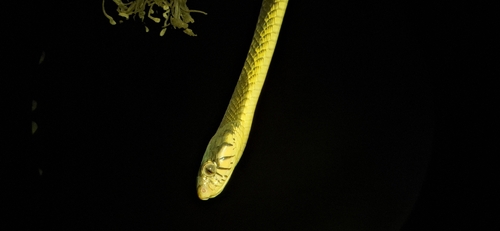
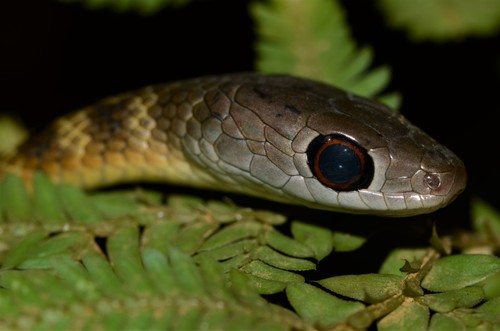
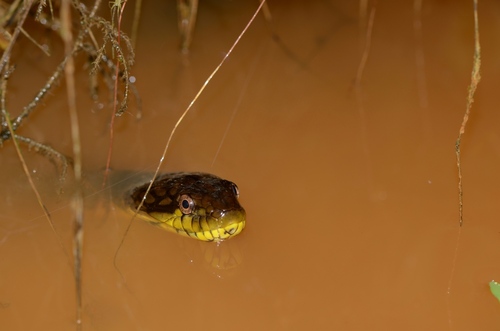

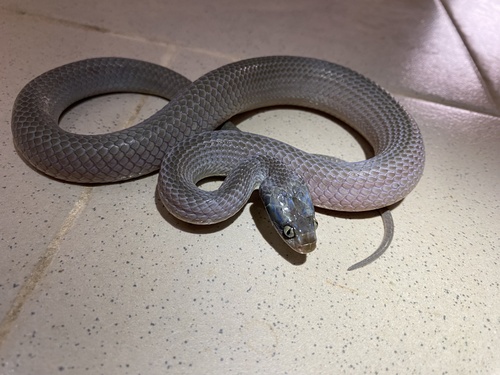
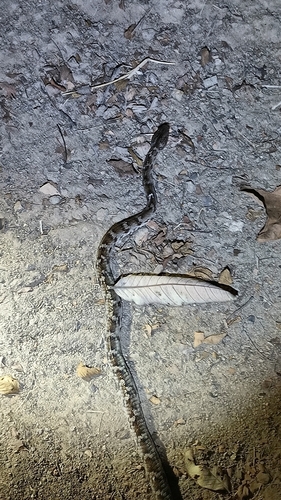

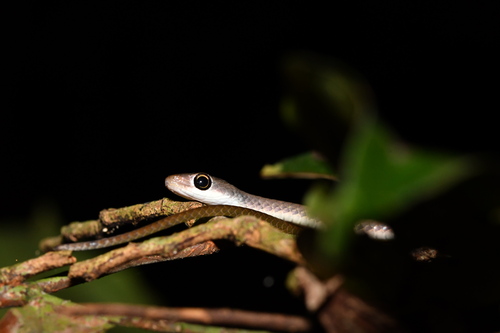
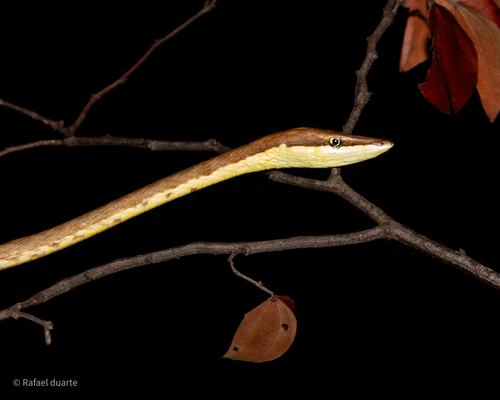
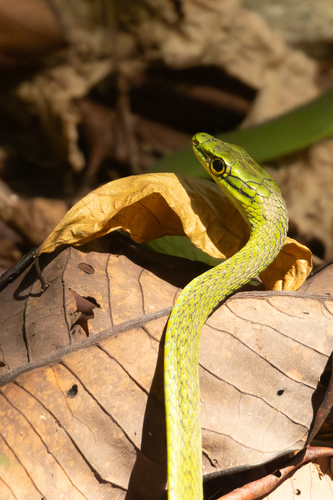
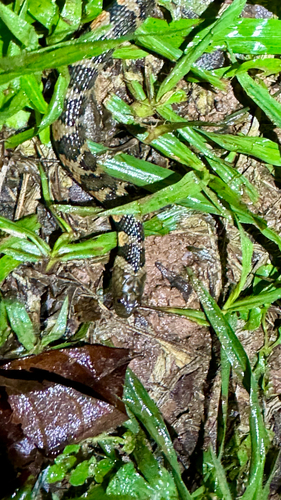
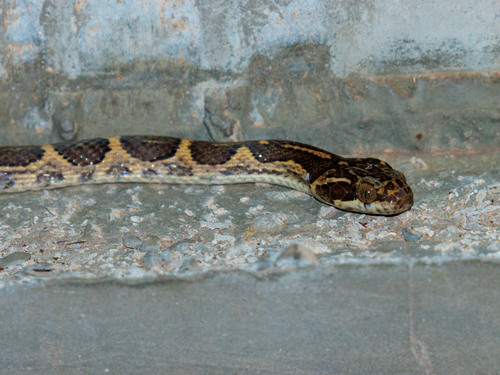
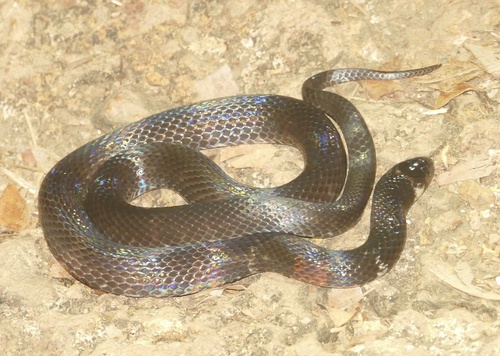
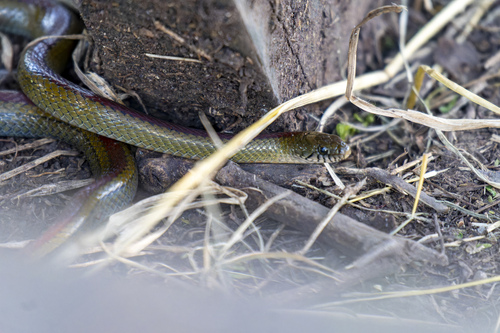
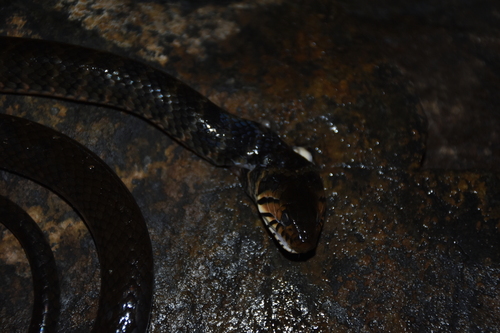
Lamprophiidae (18)
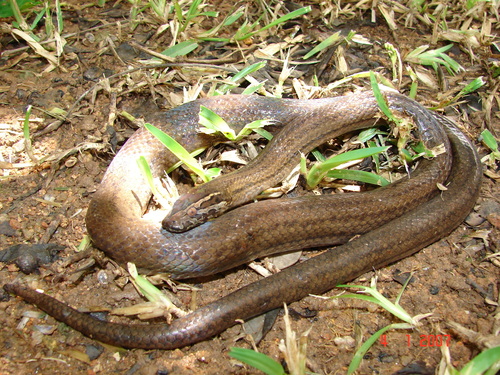
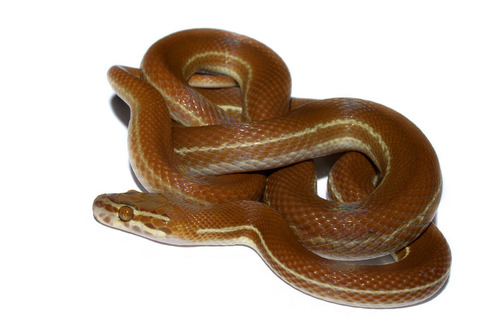
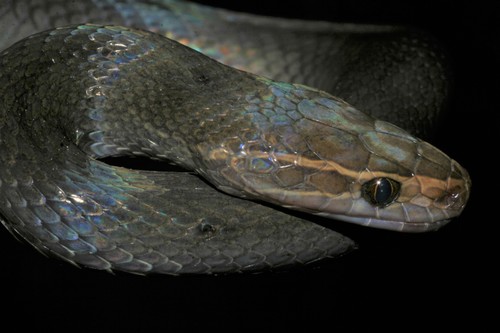
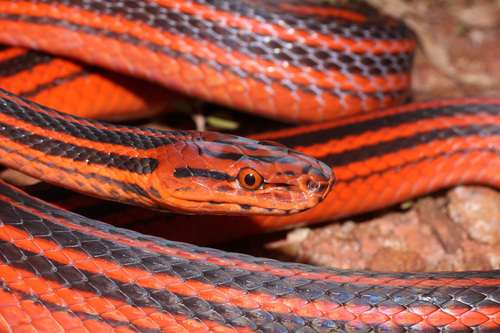
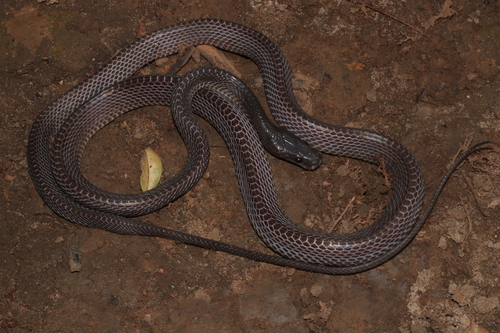
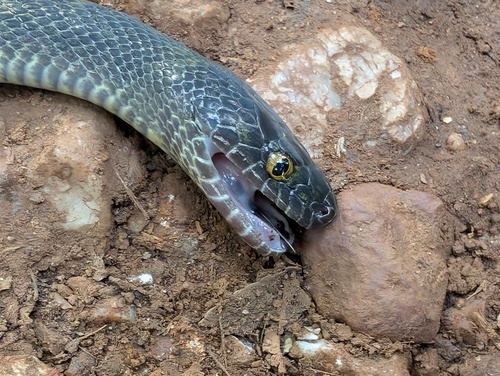
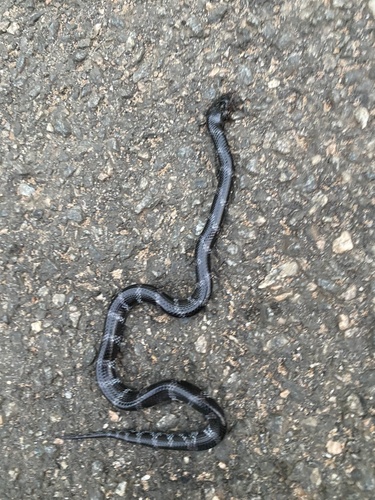
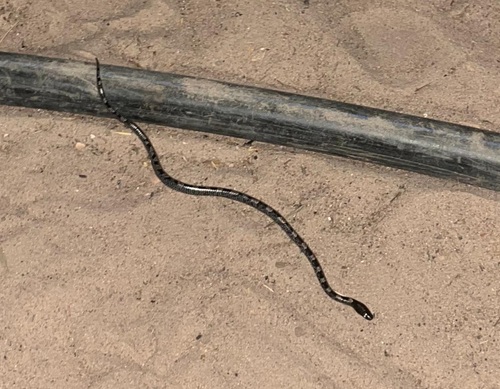
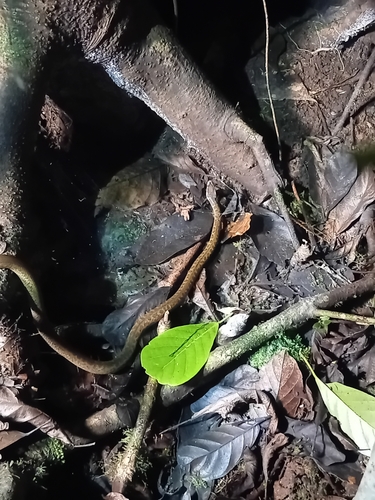
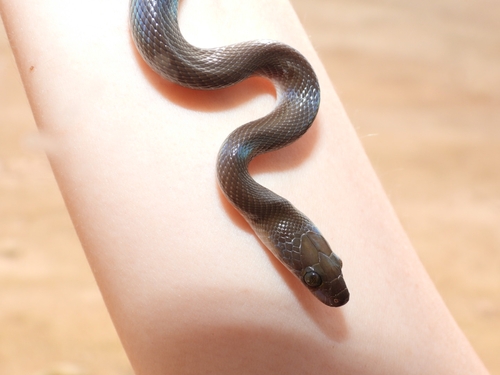
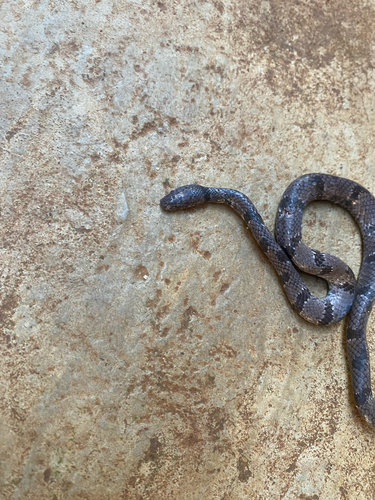
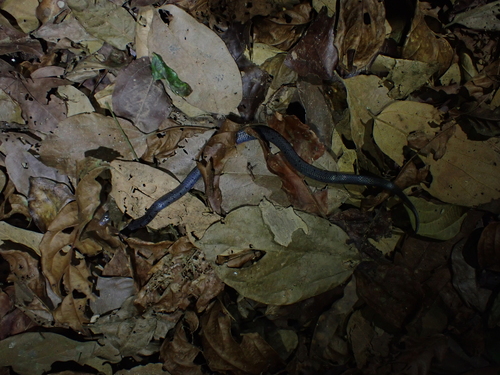
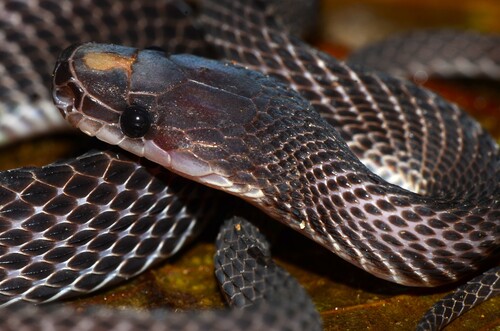
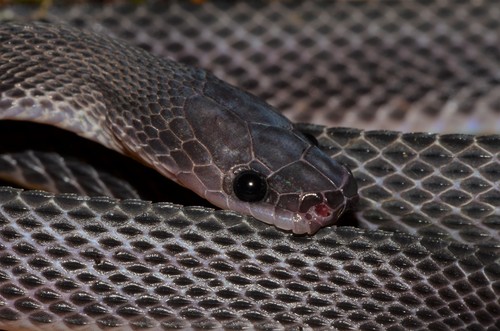
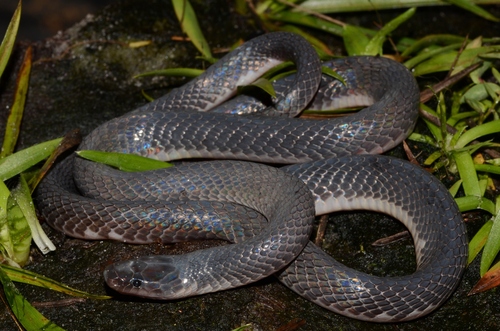
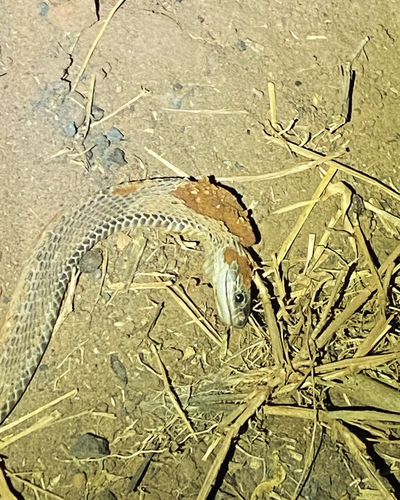
Elapidae (11)
Viperidae (8)
Psammophiidae (8)
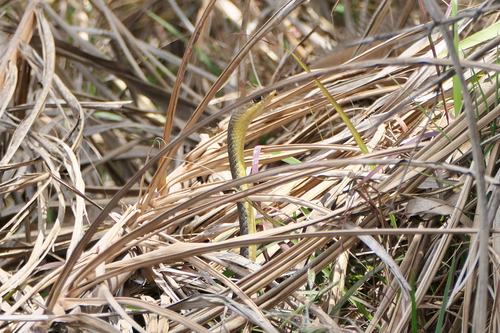
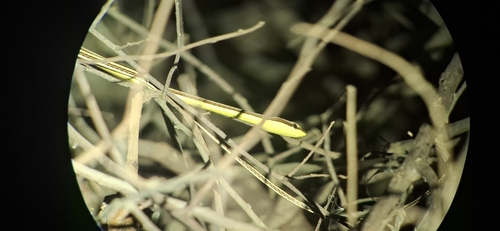
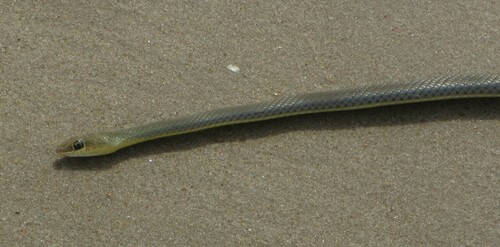
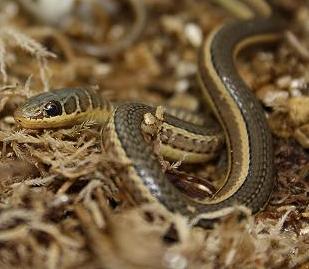
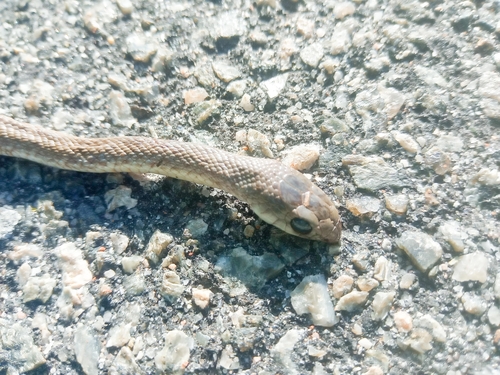
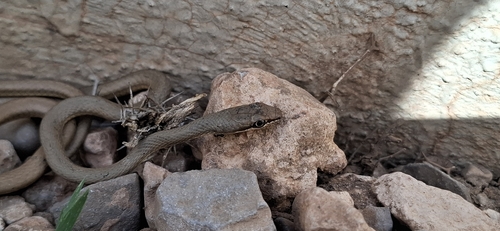
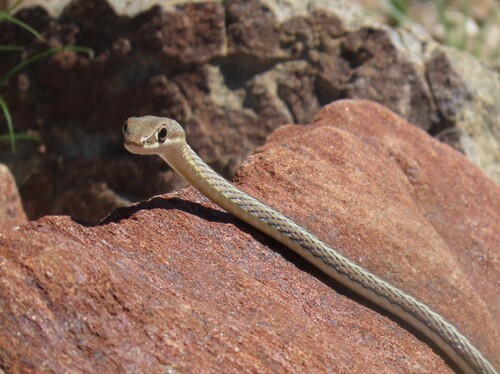
Atractaspididae (7)
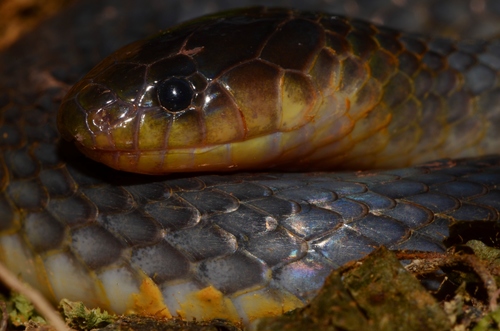

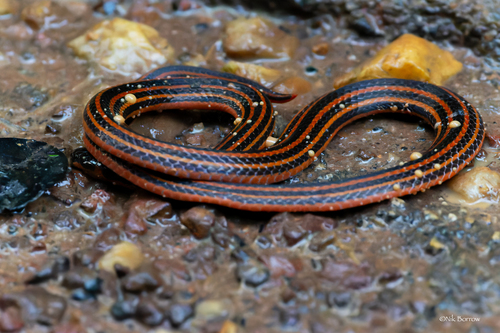
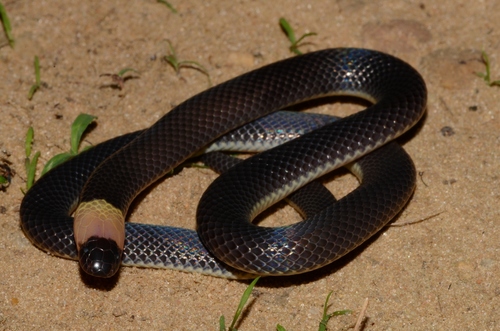
Typhlopidae (4)
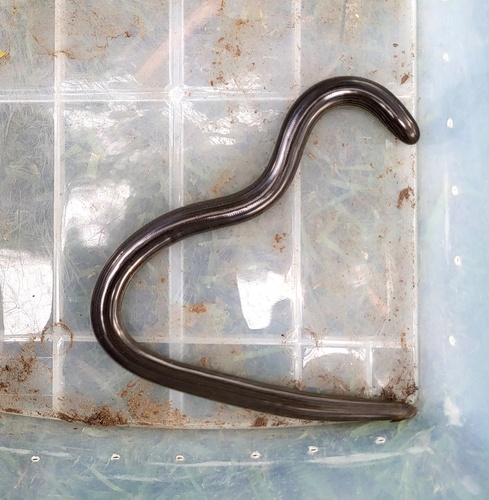
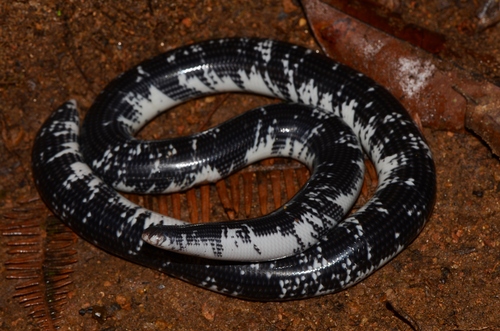
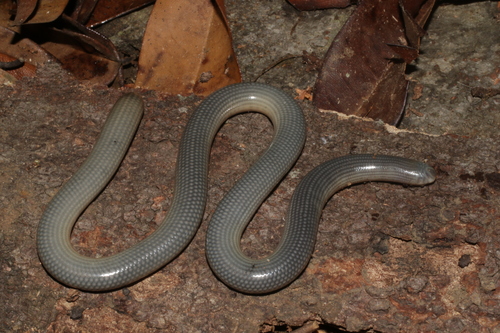
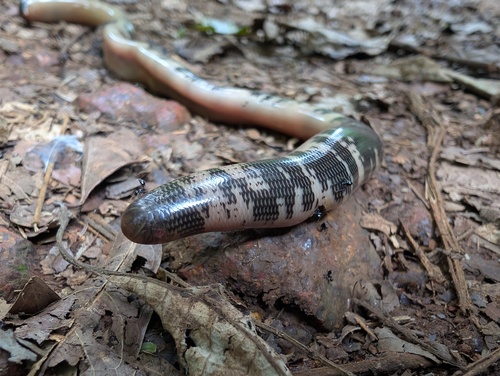
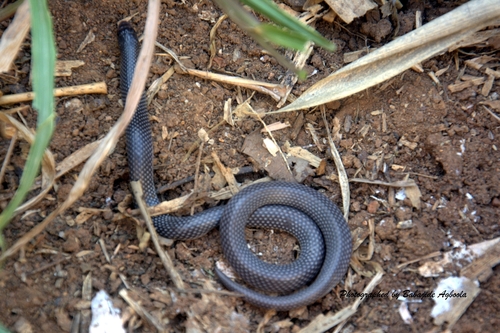
Leptotyphlopidae (2)
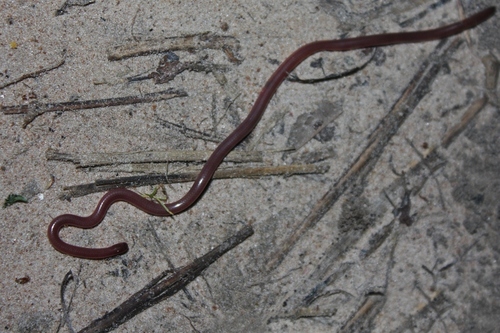
Pythonidae (1)
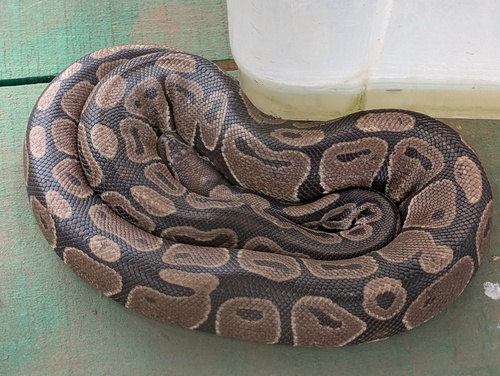
Homalopsidae (1)
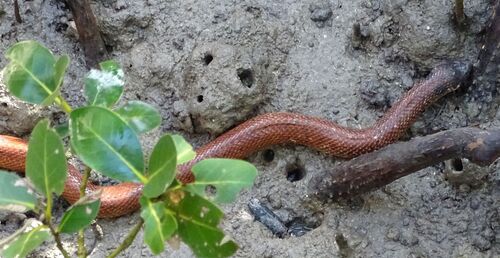
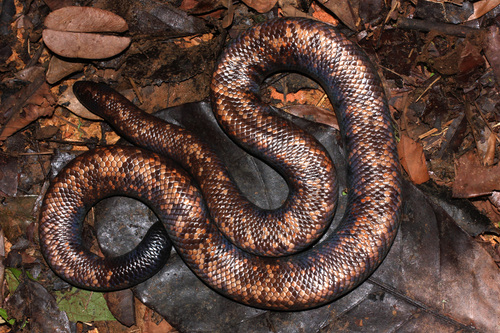
Pseudoxyrhophiidae (1)
Compiled from verified GBIF & iNaturalist observations. "How often seen" reflects how frequently a snake is reported here, not how dangerous it is. Informational only.
Keep learning
- Are Snakes Dangerous? The Real Risk, in PerspectiveMost snakes are harmless and avoid people. Here is the honest picture of snakebite risk worldwide and how to lower your own.
- Snakebite First Aid: What to Do (and What Never to Do)A clear, CDC-based guide to snakebite first aid: the steps that help, the popular myths that hurt, and how to tell a serious bite from a minor one.
- Venomous vs Nonvenomous: How to Tell the DifferenceThe folk rules for telling venomous snakes apart, where each one fails, and why location-based identification beats guessing by sight.
- What to Do If You Find a SnakeFound a snake at home or on a trail? Here is how to stay calm, give it space, identify it safely, and know when to call a professional.