
Central African Republic
Snakes in Central African Republic
100+ snake species have been recorded in Central African Republic, 29 venomous.
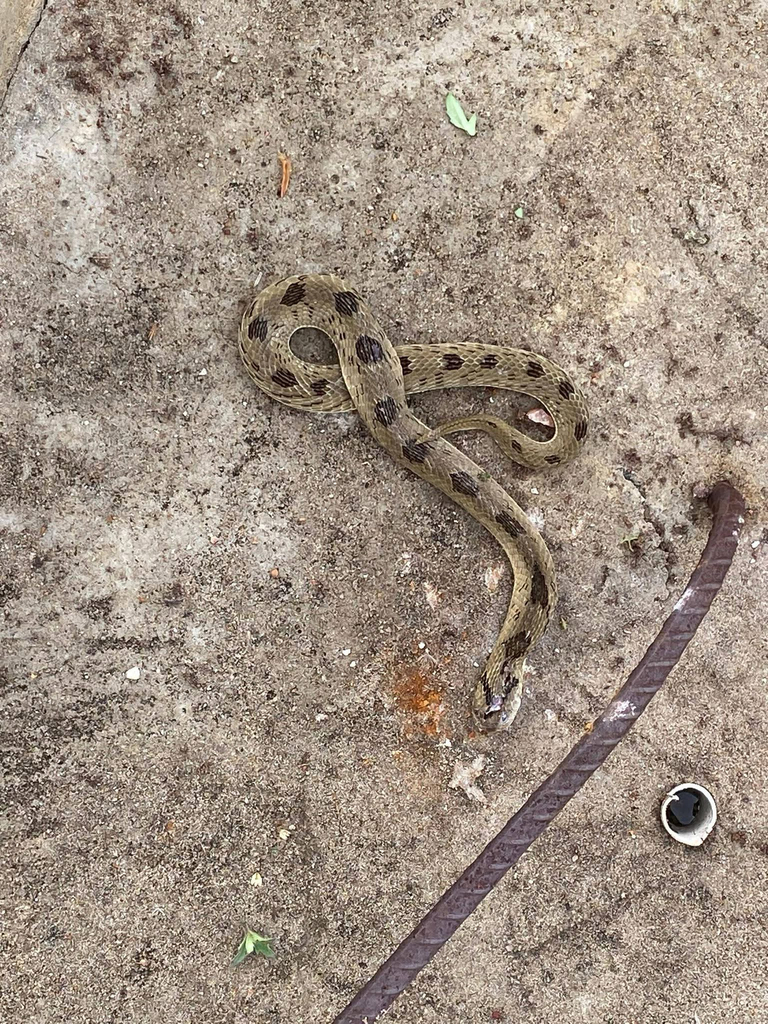
Snakes of Central African Republic
Central African Republic has 100+ snake species recorded in our database, 35 of them venomous. The great majority of species are non-venomous. The country sits at a crossroads of Central African ecosystems, where the dense rainforests of the Congo Basin in the south give way to the wooded savanna and grassland of the Sudanian belt in the north. This transition, combined with major river systems like the Ubangi and the Sangha and a warm, humid climate, produces an exceptional range of habitats packed into one country. That habitat variety is the main reason the snake fauna is so rich.
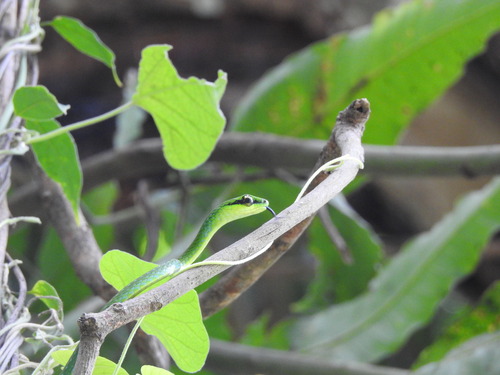
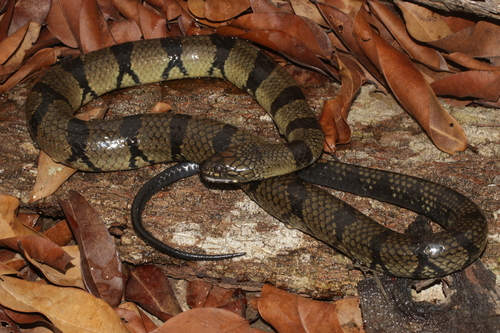
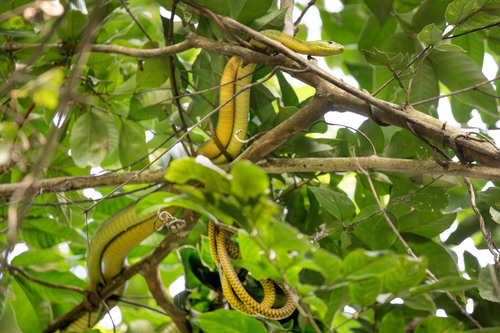
Geography drives the diversity. Forest snakes such as tree-dwelling green snakes, file snakes, and forest cobras occupy the closed-canopy south, while savanna and edge species spread across the drier north and the cleared land around farms and villages. Riverbanks, swamp forest, and seasonal floodplains add aquatic and semi-aquatic species, including water snakes that hunt frogs and fish. Each of these zones supports its own community of snakes, which is why a country this size can hold well over a hundred species.
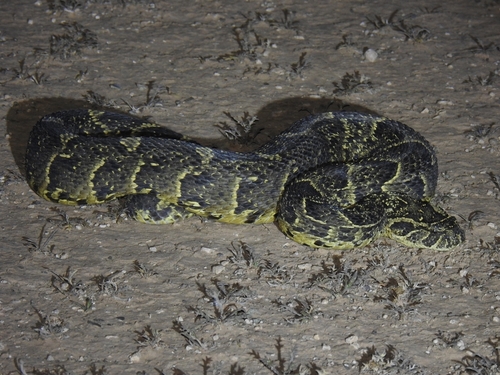
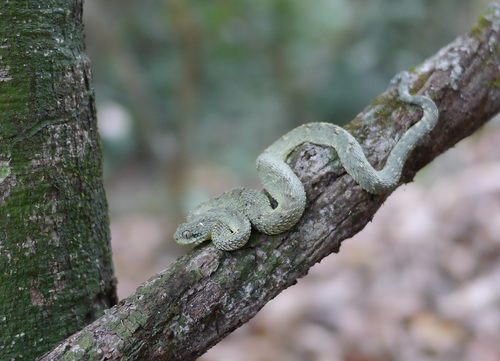
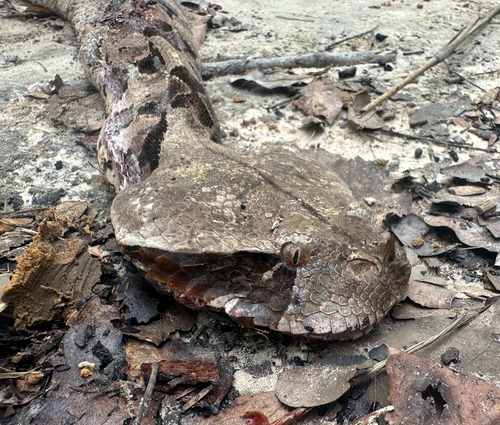
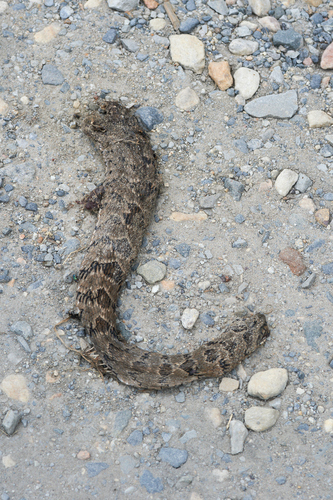
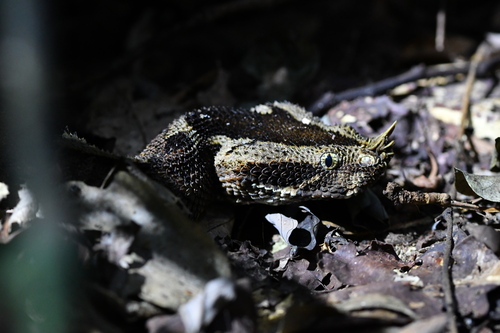
Among the venomous snakes, several medically important groups are well established in Central African Republic. Elapids include cobras, with forest cobra and spitting cobras present, along with mambas. The black mamba occurs in savanna and open country, and green mambas inhabit forest and forest edge. Vipers are the other major concern: the puff adder is widespread and is one of the most significant causes of serious snakebite across Africa because it is common, well camouflaged, and often found near people. Forest-zone vipers such as the Gaboon viper and the rhinoceros viper also occur, with potent tissue-destroying venom. There are no sea snakes, since the country is landlocked, and no rattlesnakes or coral snakes, which are New World groups not found in Africa.
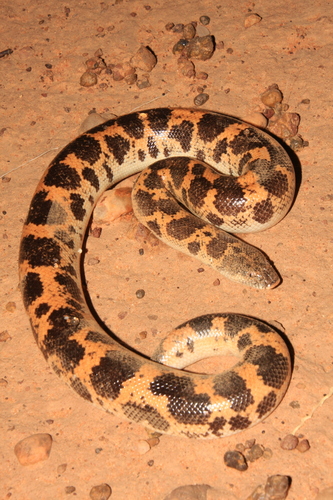
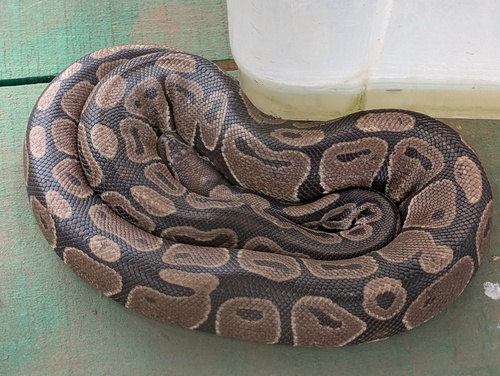
The non-venomous majority is what most people will actually encounter. Pythons are the most famous, including the African rock python, one of the largest snakes on the continent, and the smaller ball python, which is harmless to humans. House snakes, sand snakes, egg-eating snakes, and a wide assortment of colubrids make up the bulk of the fauna. Most of these are small to medium, secretive, and pose no danger at all. Many are active hunters of rodents, lizards, frogs, and insects.
Snakes are valuable to both natural ecosystems and to people living near farmland. Rodent-eating species help control rats and mice that damage stored grain and spread disease, providing free pest control around homes, fields, and food stores. Larger constrictors and many colubrids keep populations of small mammals and other prey in balance. Removing snakes from an area tends to increase rodent problems rather than solve a perceived threat.
On safety: the honest framing is that most snakes in Central African Republic are harmless, and the main medical threat comes from a small number of vipers, especially the puff adder, along with cobras and mambas. A wild venomous snake should never be handled, picked up, or cornered, no matter how calm it appears, and even a dead snake can deliver venom by reflex. The correct treatment for a venomous bite is hospital care and antivenom, given by trained medical staff as soon as possible. Do not rely on home remedies. If a bite happens, seek emergency medical care immediately by contacting local emergency services, or in the United States contact Poison Control at 1-800-222-1222.
Snakes in Central African Republic: FAQ
- Are there venomous snakes in Central African Republic?
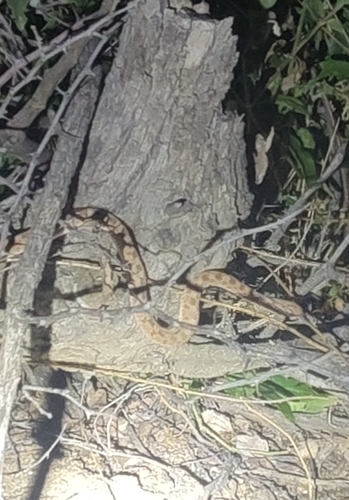
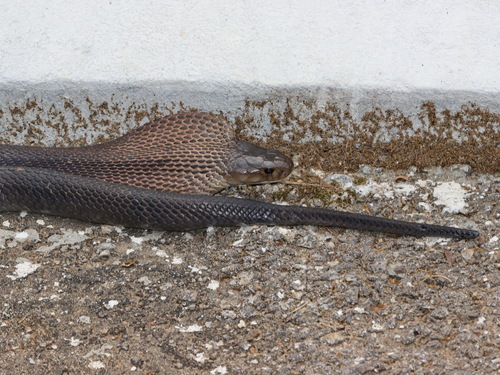
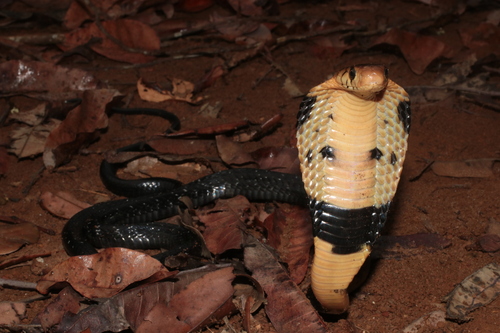
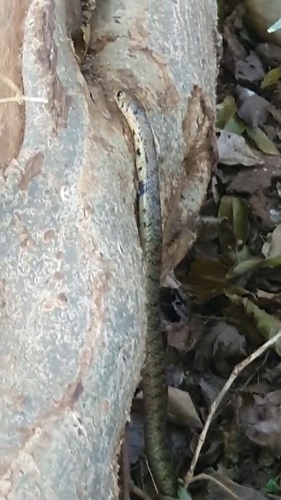
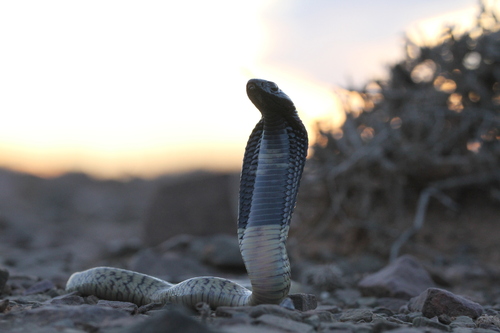
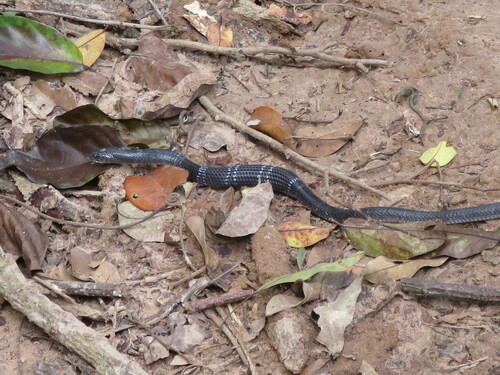
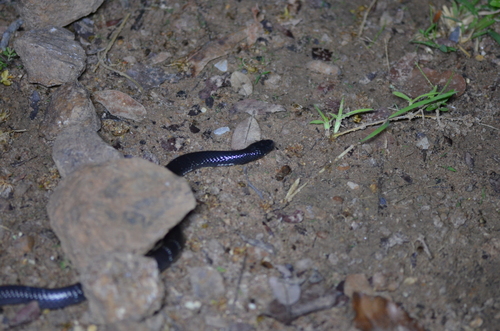
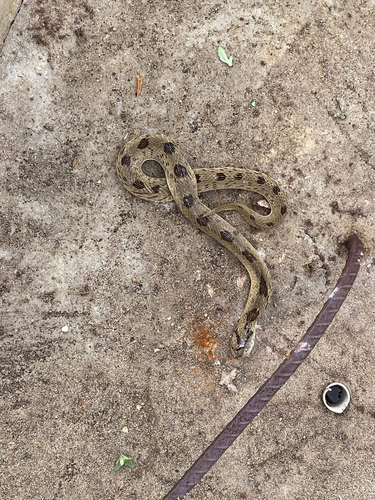
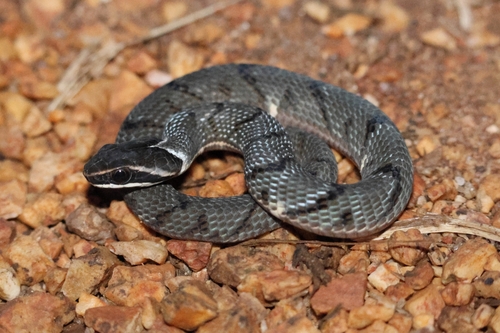
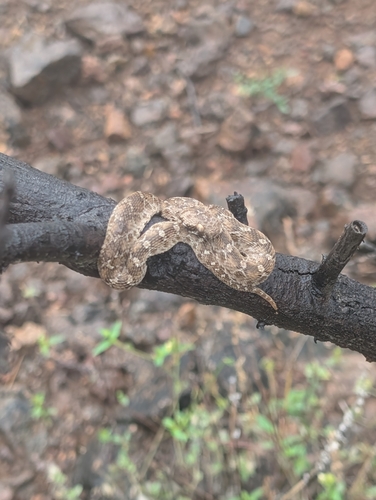
- Yes. 29 venomous snake species have verified records in Central African Republic, including Spotted Night Adder, Brown Banded Cobra, Forest Cobra, Forest Night Adder. Most snakes in Central African Republic, however, are harmless.
- How many snake species live in Central African Republic?
- 100+ snake species have verified records in Central African Republic, of which 29 are venomous.
- What is the most commonly seen snake in Central African Republic?
- The Spotted Night Adder is the most frequently reported snake in Central African Republic, based on verified wildlife observations.
- What should I do if I see a venomous snake in Central African Republic?
- Keep your distance and do not try to catch or kill it. Most bites happen when people handle or corner a snake. If someone is bitten, contact local emergency services or poison control immediately.
Venomous snakes in Central African Republic
Every snake recorded in Central African Republic
100+ species across 11 families, grouped by family. Venomous flagged.
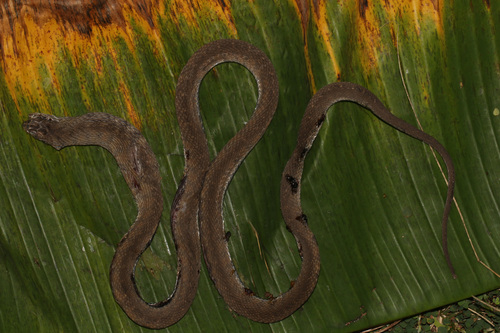
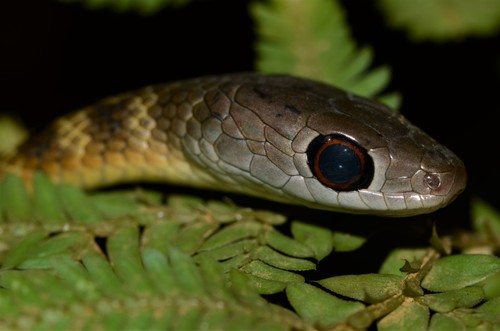
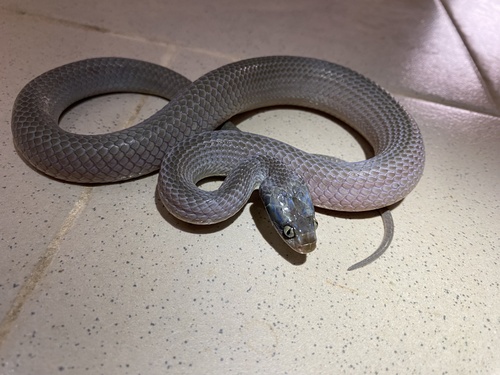
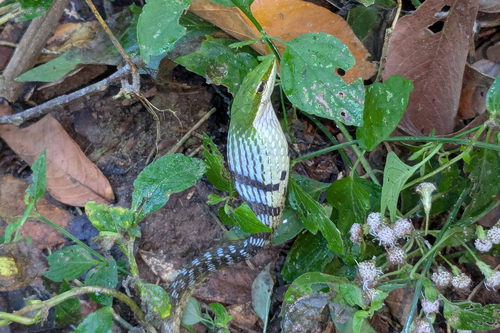
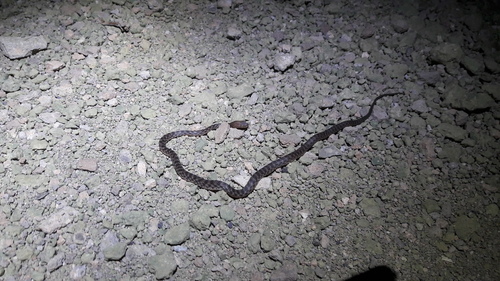
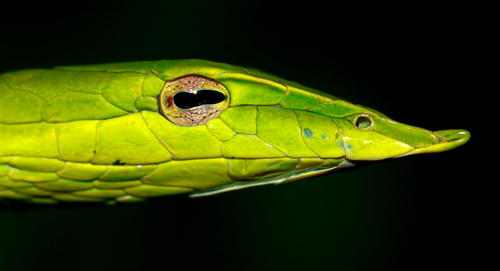
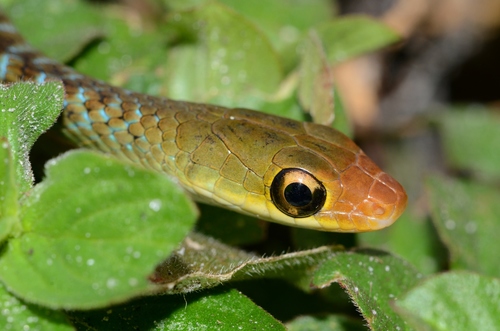
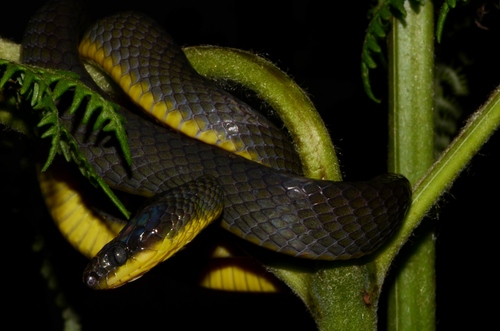
Colubridae (38)
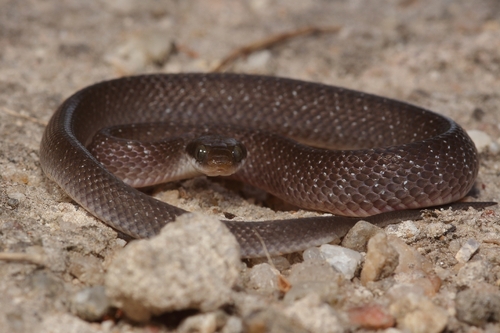
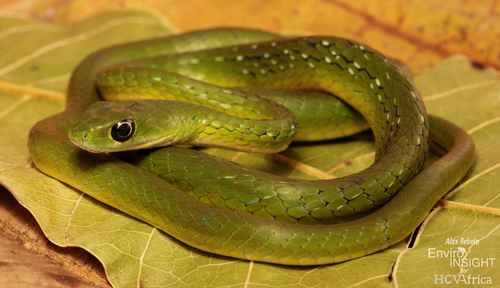
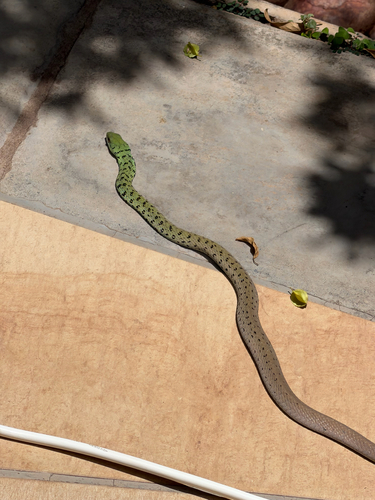
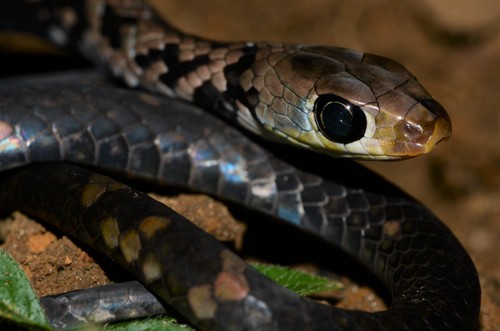
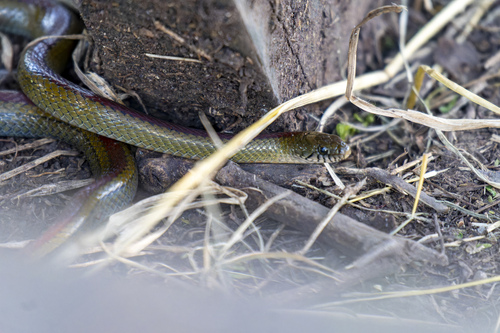
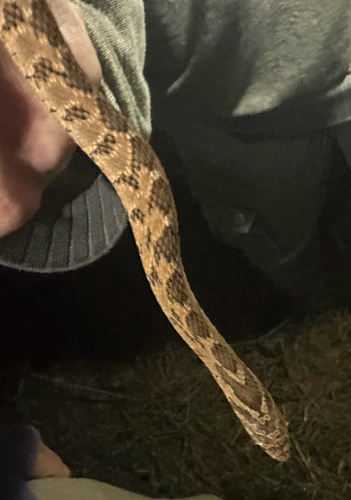
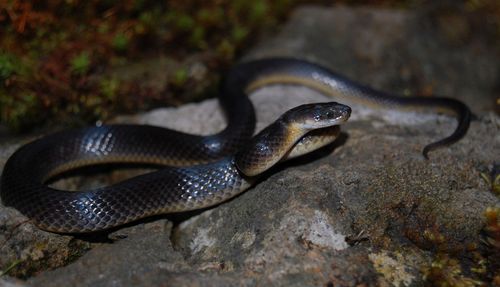
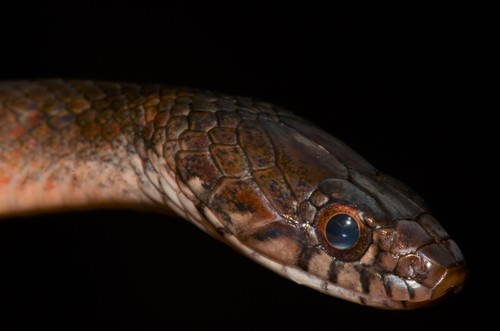
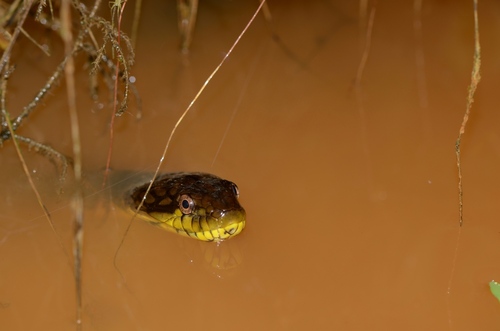
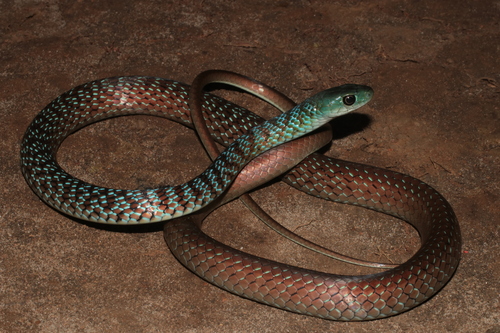
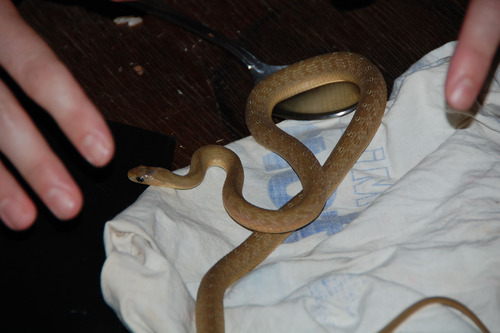
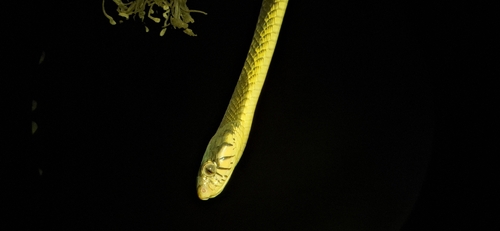
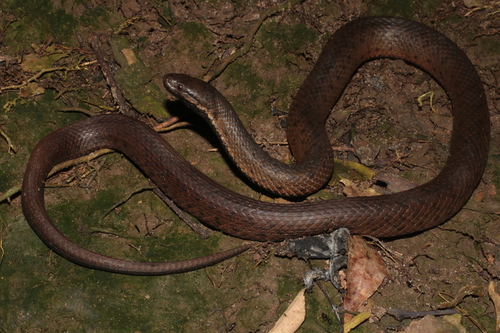
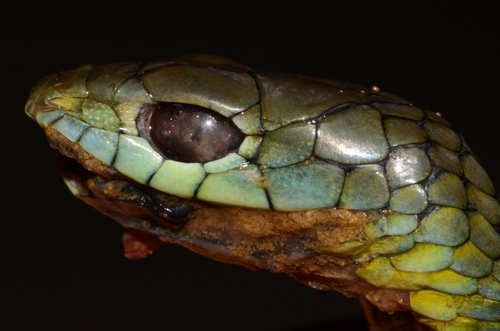
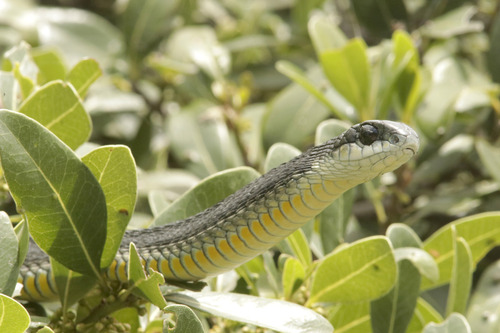
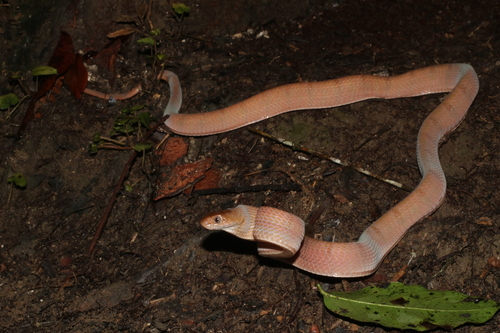

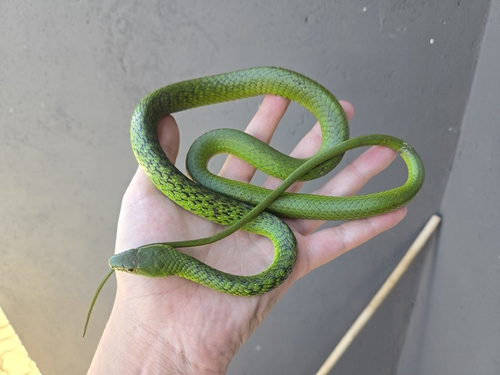
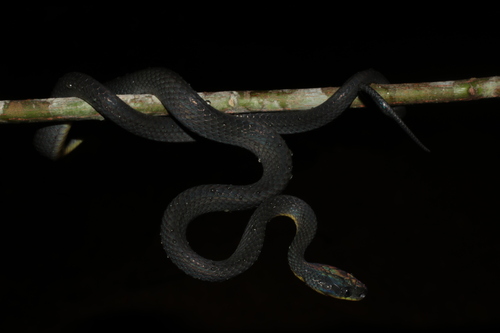
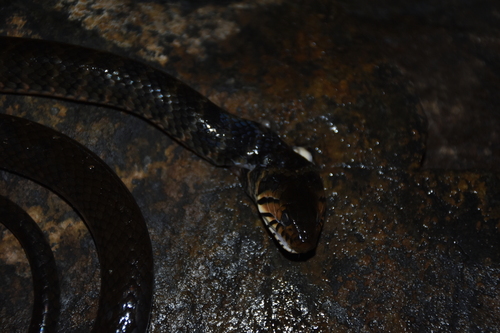
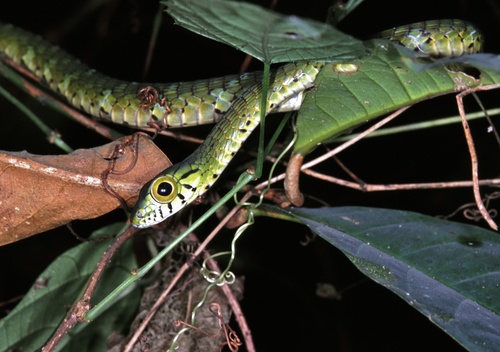
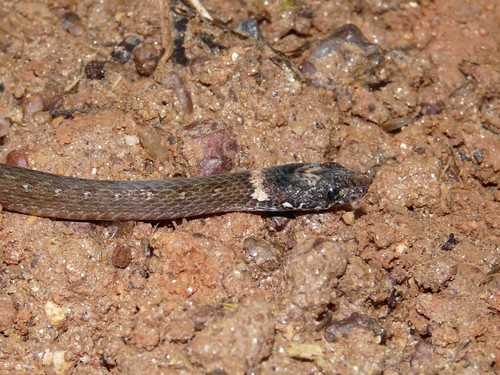
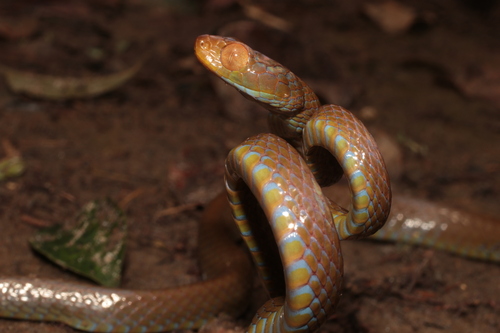


Lamprophiidae (22)
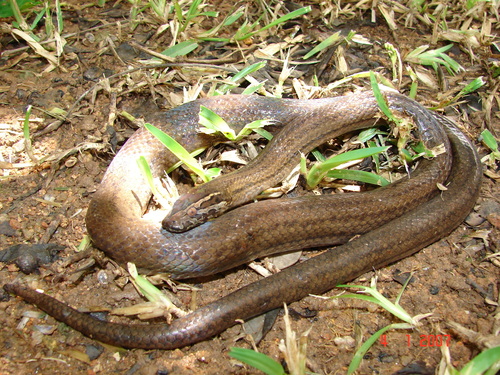
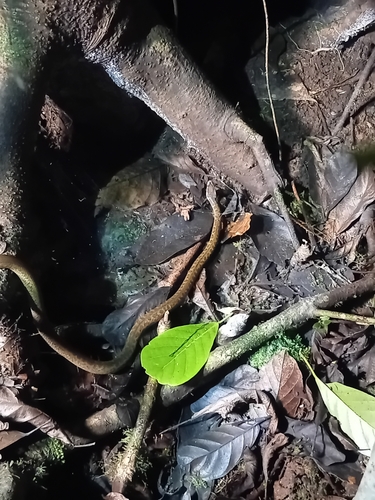
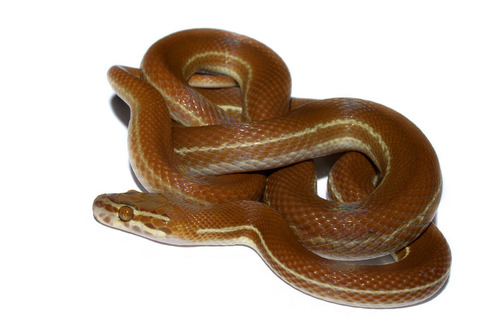
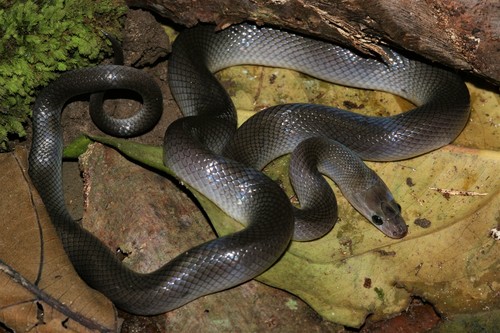
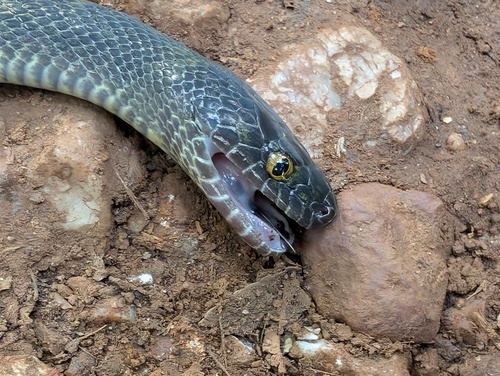
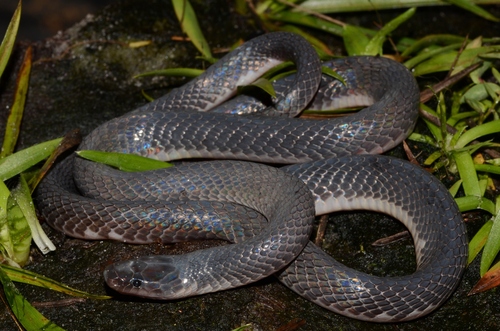
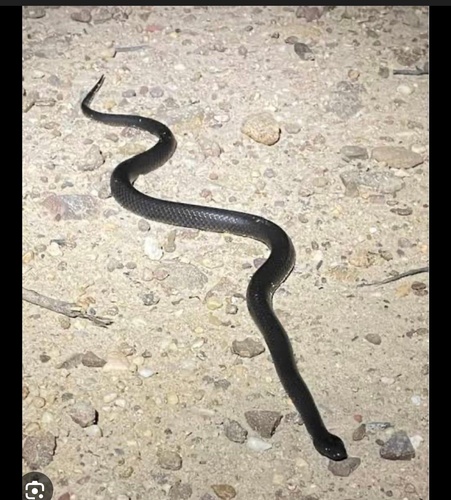
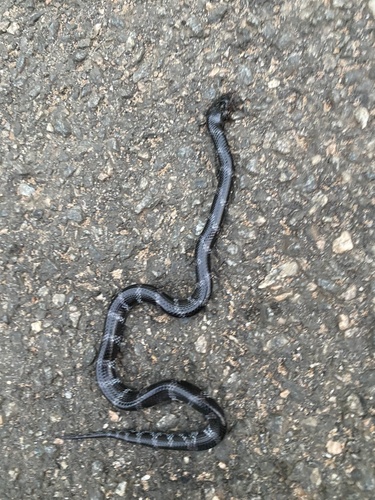
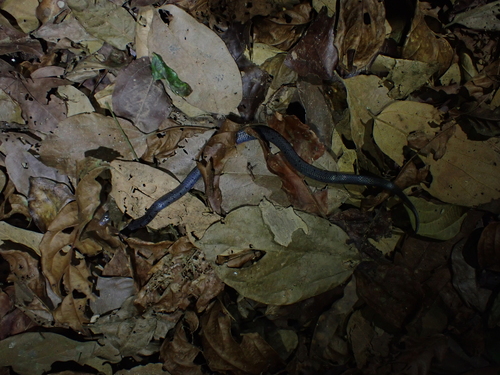
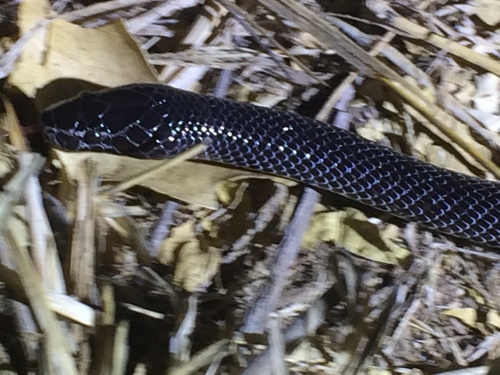
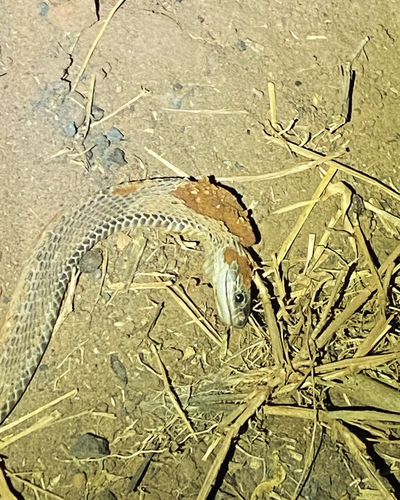
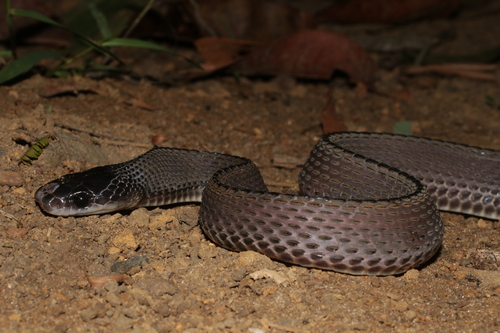
Elapidae (12)
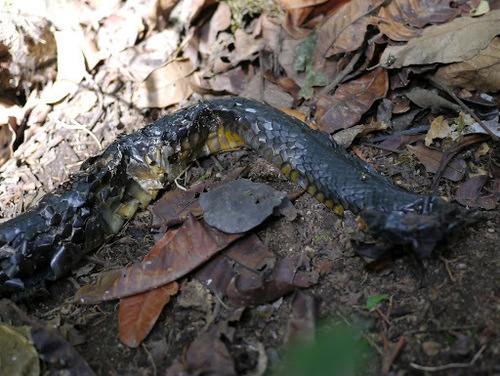
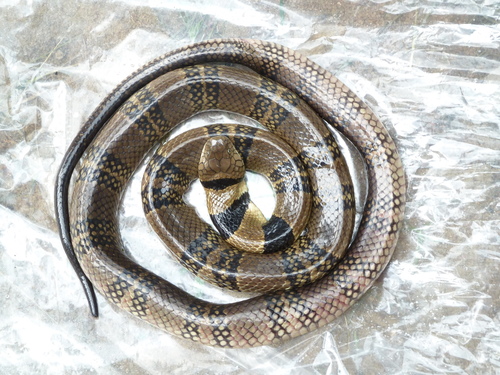
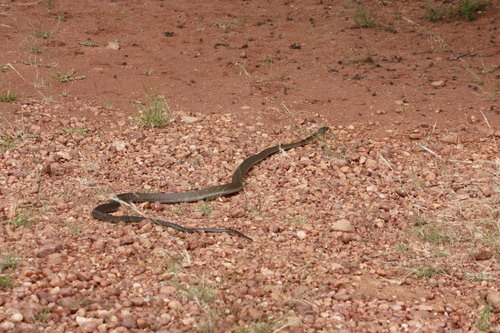
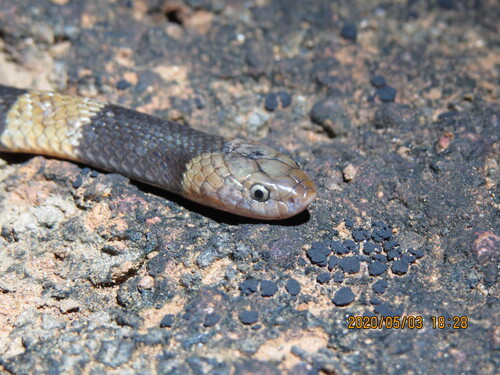
Atractaspididae (12)
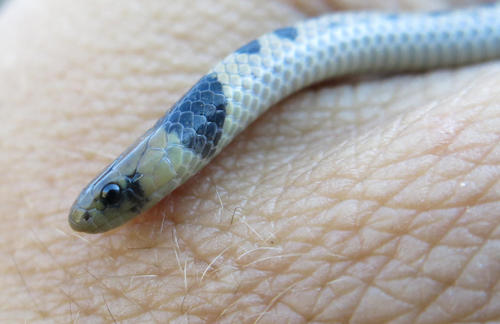

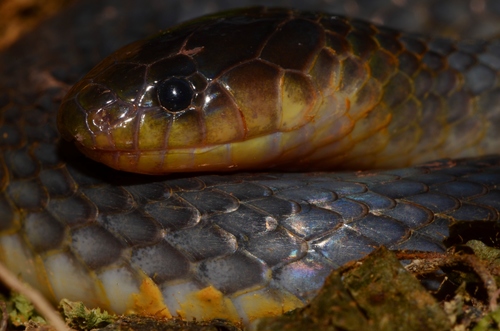

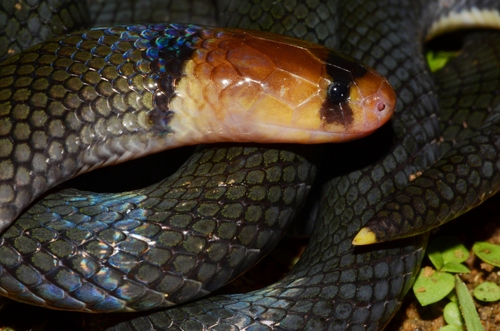
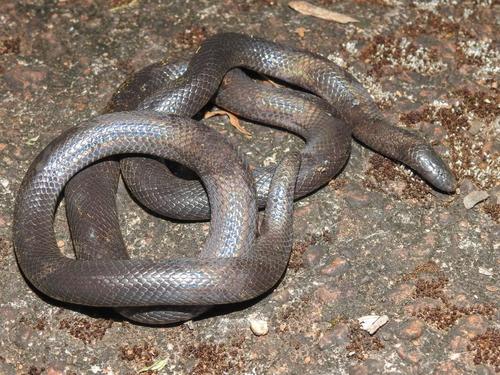
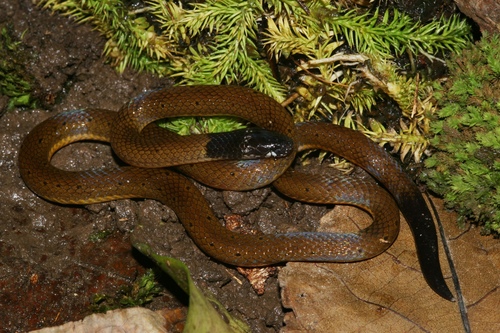
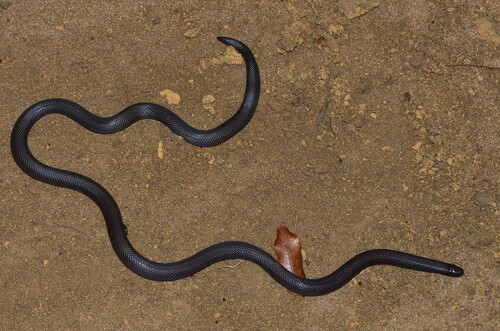
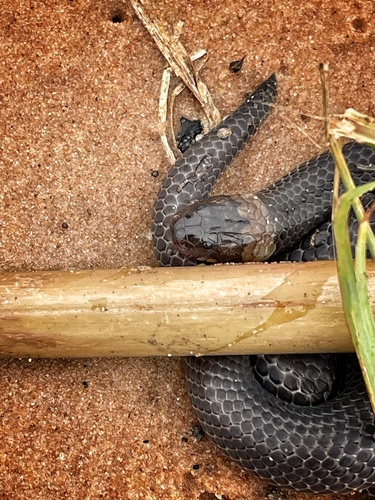
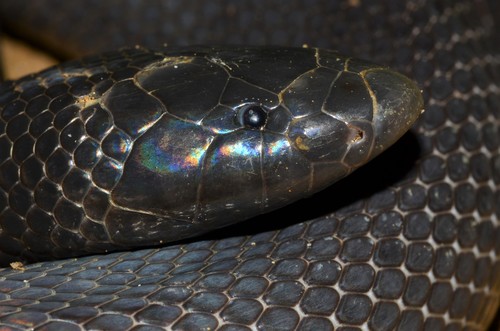
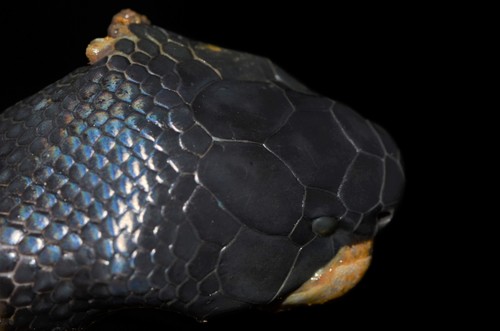
Psammophiidae (10)
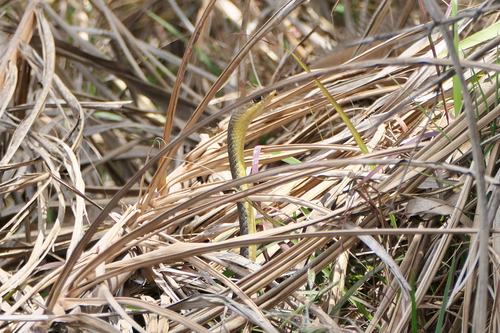
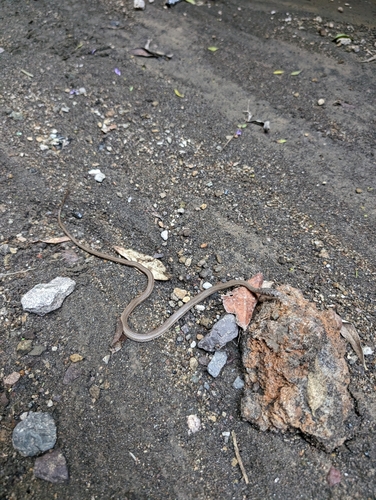
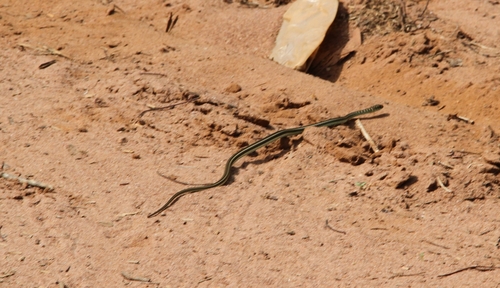
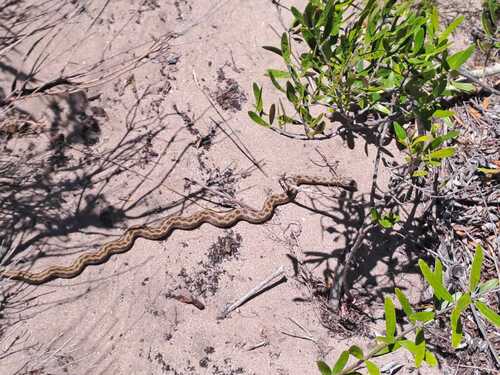
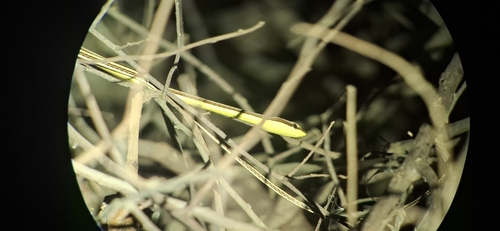
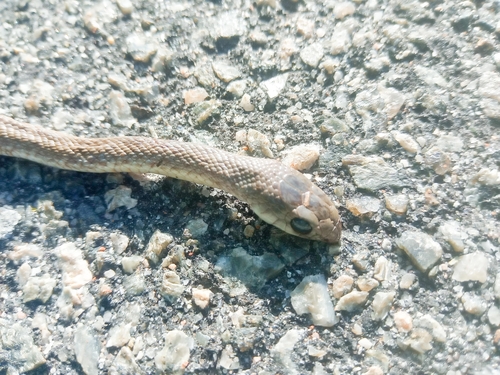
Viperidae (9)
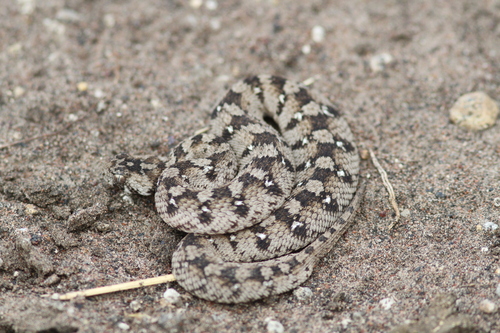
Typhlopidae (7)
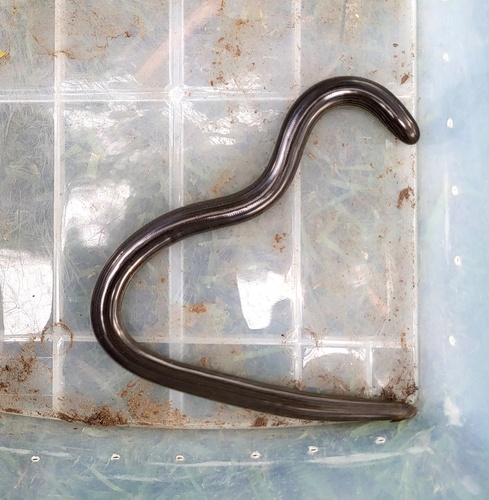
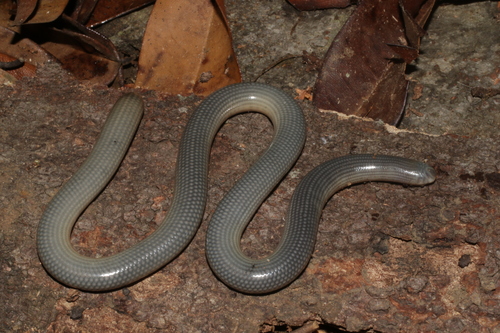

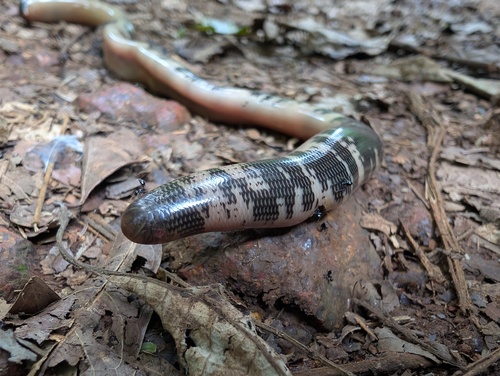
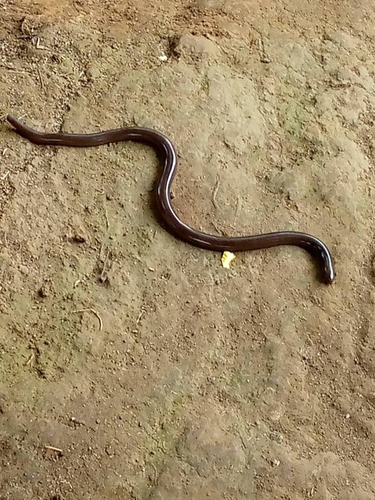
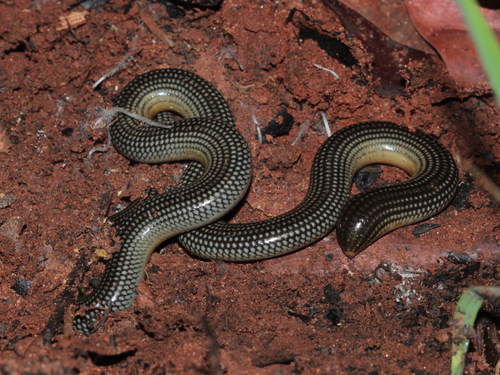
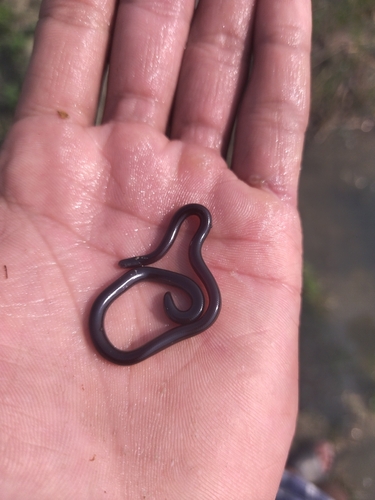
Prosymnidae (3)
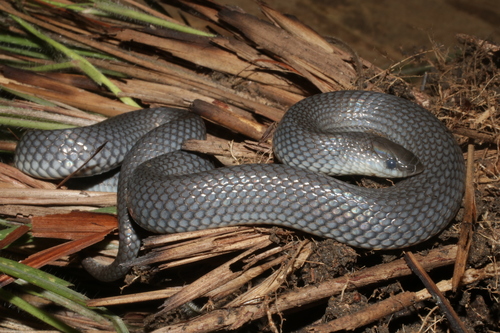
Pythonidae (1)
Leptotyphlopidae (1)
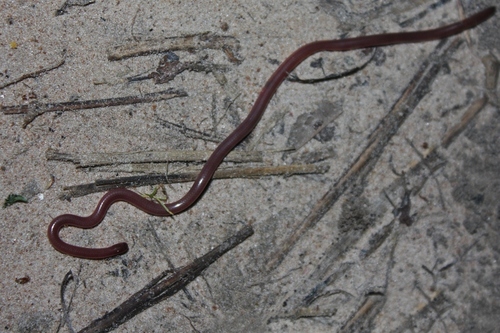
Compiled from verified GBIF & iNaturalist observations. "How often seen" reflects how frequently a snake is reported here, not how dangerous it is. Informational only.
Keep learning
- Are Snakes Dangerous? The Real Risk, in PerspectiveMost snakes are harmless and avoid people. Here is the honest picture of snakebite risk worldwide and how to lower your own.
- Snakebite First Aid: What to Do (and What Never to Do)A clear, CDC-based guide to snakebite first aid: the steps that help, the popular myths that hurt, and how to tell a serious bite from a minor one.
- Venomous vs Nonvenomous: How to Tell the DifferenceThe folk rules for telling venomous snakes apart, where each one fails, and why location-based identification beats guessing by sight.
- What to Do If You Find a SnakeFound a snake at home or on a trail? Here is how to stay calm, give it space, identify it safely, and know when to call a professional.