
Malawi
Snakes in Malawi
75+ snake species have been recorded in Malawi, 28 venomous.
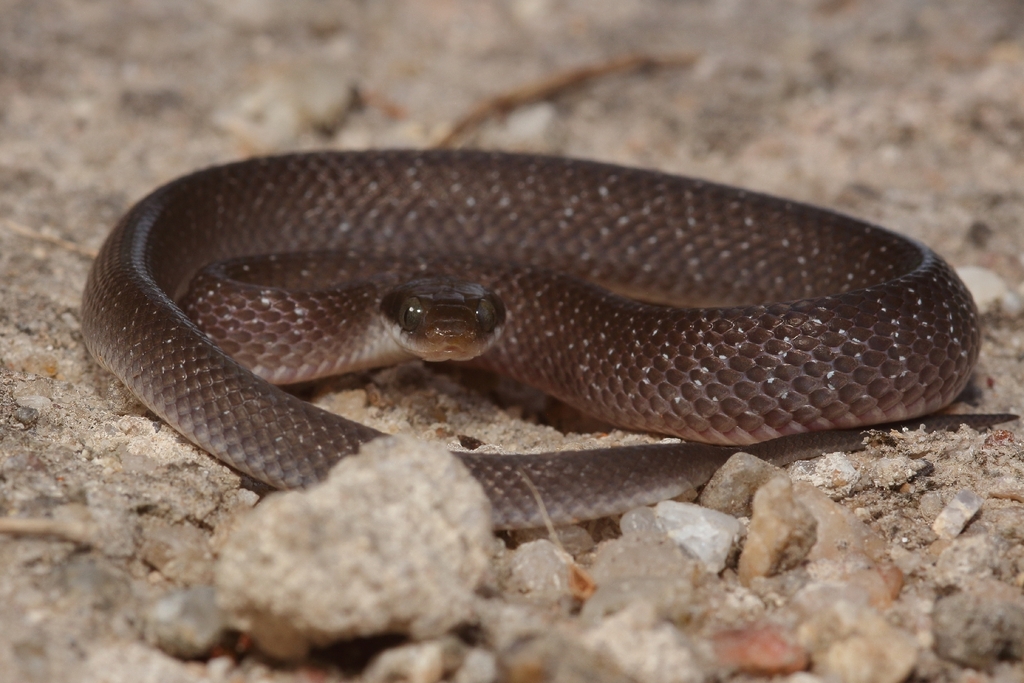
Snakes of Malawi
Malawi has 75+ snake species recorded in our database, and 34 of them are venomous. The great majority of species are non-venomous and pose no serious threat to people. Snakes are part of everyday life across the country, from the shores of Lake Malawi to farmland, miombo woodland, and the cool highlands, and most of them go entirely unnoticed.
The country's snake diversity is driven by its range of habitats and its sharp changes in altitude over short distances. Lake Malawi and its wetlands, the hot low-lying Shire River valley in the south, broad miombo and savanna woodland across the plateau, and cool montane forest on highlands such as Mount Mulanje and the Nyika and Zomba plateaus each support different communities of snakes. Warm, low-elevation areas with good cover and abundant prey hold the highest numbers, while the highlands hold specialists adapted to cooler conditions. This patchwork of climates and elevations is the main reason a relatively small country carries so many species.
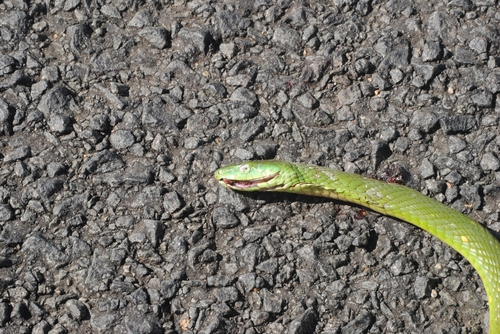
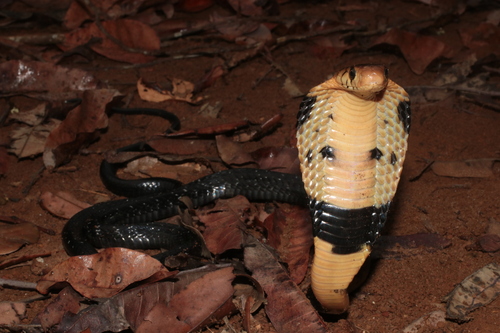
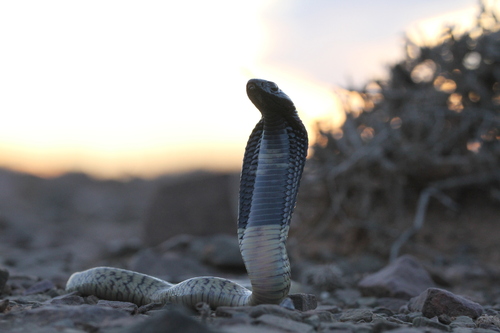
Several medically important venomous groups occur in Malawi. Elapids are represented by cobras, including spitting cobras that can spray venom toward the eyes, and by mambas, with the green mamba in forested areas and the highly dangerous black mamba in warmer lowland country. The same family includes smaller burrowing and garter snakes that are far less of a threat to people. Among the vipers, the puff adder is the most significant, a thick, well-camouflaged, slow-moving snake responsible for many serious bites across Africa, alongside night adders and other adders. There are no rattlesnakes, no coral snakes in the New World sense, and no pit vipers in Malawi, since those groups belong to other parts of the world, and Lake Malawi is freshwater so the sea snakes of coastal oceans do not occur here either.
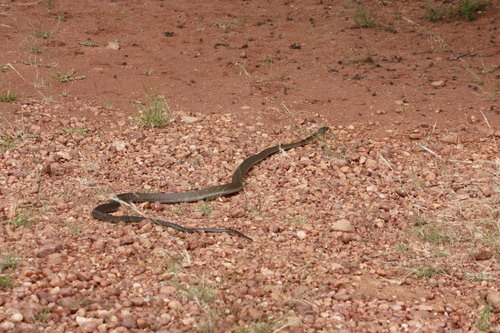
The non-venomous majority is large and varied. House snakes are common around homes and farms and are valued for hunting rodents. Sand snakes and grass snakes move fast through open ground by day, while egg-eating snakes feed only on eggs and have no functional fangs at all. The most famous of the large non-venomous snakes is the African rock python, the biggest snake on the continent, which kills prey by constriction rather than venom and is an impressive but generally shy animal. Many small, secretive, and burrowing species round out the list and are rarely seen even where they are common.
Snakes earn their place in Malawi's ecosystems, above all through pest control. Rodent-eating species such as house snakes and pythons help keep rats and mice in check around homes, grain stores, and crops, reducing damage and the spread of disease. Other snakes prey on frogs, lizards, insects, eggs, and even other snakes, helping to balance the food web. Removing snakes from an area tends to let rodent populations climb, so a healthy snake presence is generally a sign of a healthy landscape.
On safety, the honest picture is reassuring but not careless. Most snakes you might encounter in Malawi are harmless, and almost all snakes prefer to avoid people and will move away if given the chance. The main medical threats are the puff adder, cobras, and mambas, and a bite from any of these is a genuine emergency. The correct response to a serious bite is rapid transport to a hospital that can provide antivenom and supportive care. No wild snake should be picked up or handled, since even species thought to be harmless can bite and identification mistakes are easy to make. If a bite occurs, do not attempt home remedies. Get to emergency medical care without delay, and in the United States you can call Poison Control at 1-800-222-1222, or contact your local emergency services wherever you are.
Snakes in Malawi: FAQ
- Are there venomous snakes in Malawi?
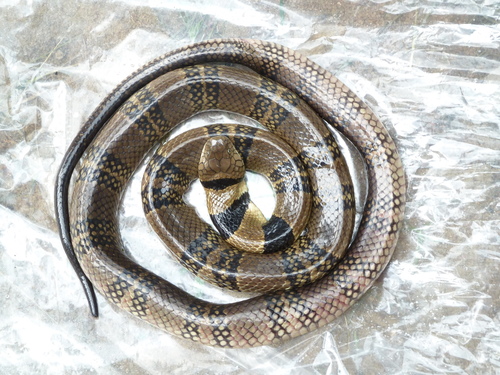
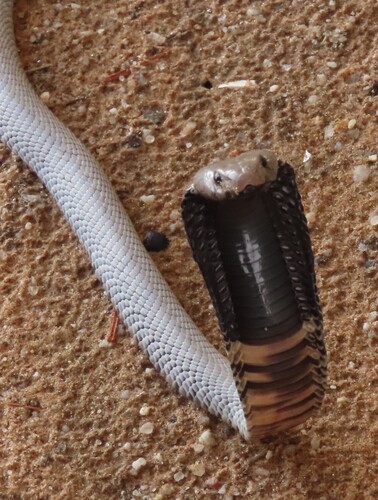
- Yes. 28 venomous snake species have verified records in Malawi, including Brown Banded Cobra, Puff Adder, Boomslang, Mozambique Spitting Cobra. Most snakes in Malawi, however, are harmless.
- How many snake species live in Malawi?
- 75+ snake species have verified records in Malawi, of which 28 are venomous.
- What is the most commonly seen snake in Malawi?
- The Red-lipped Snake is the most frequently reported snake in Malawi, based on verified wildlife observations.
- What should I do if I see a venomous snake in Malawi?
- Keep your distance and do not try to catch or kill it. Most bites happen when people handle or corner a snake. If someone is bitten, contact local emergency services or poison control immediately.
Venomous snakes in Malawi
Every snake recorded in Malawi
75+ species across 12 families, grouped by family. Venomous flagged.
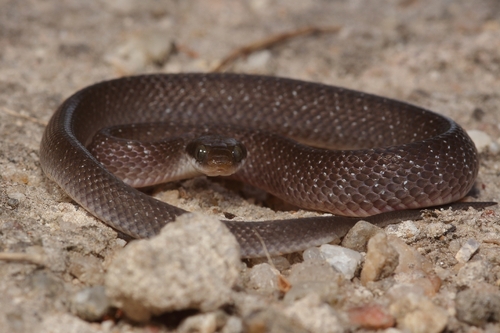
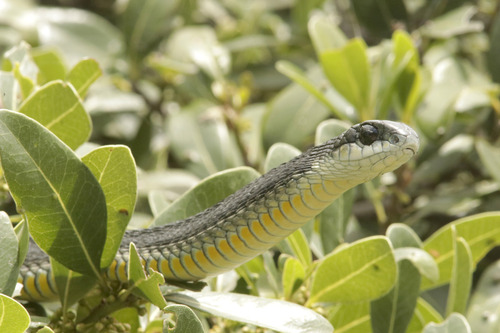
Colubridae (24)
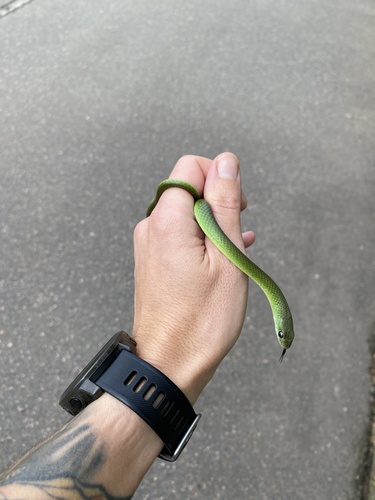
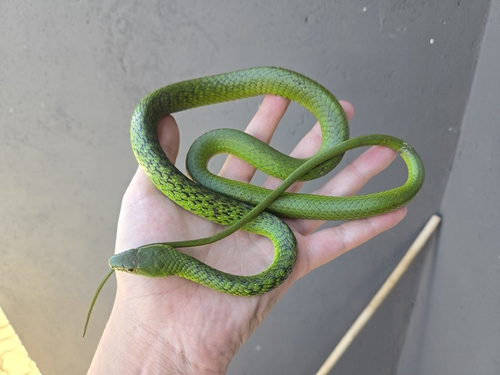
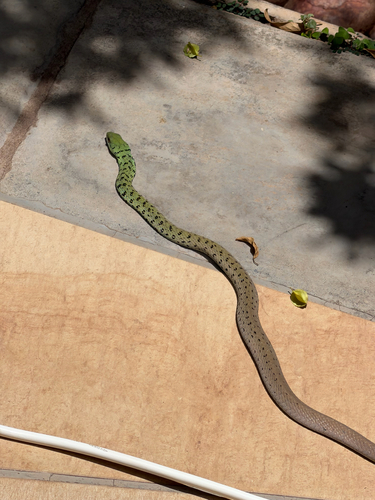
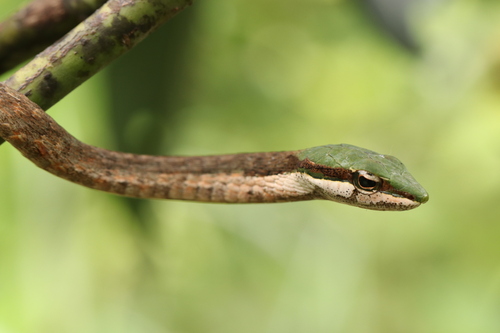
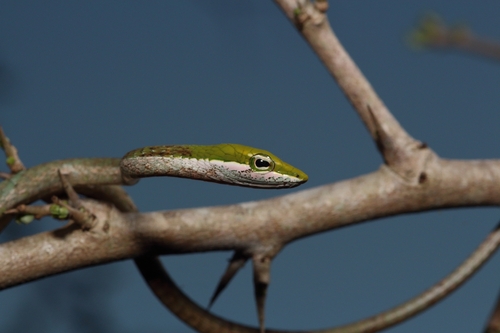
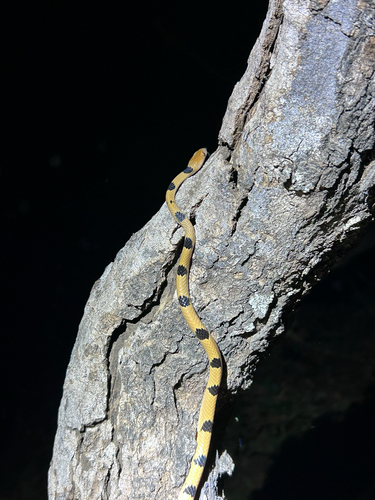
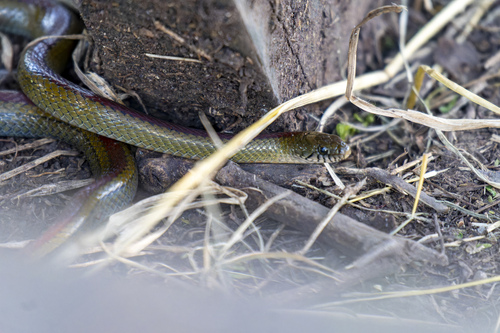
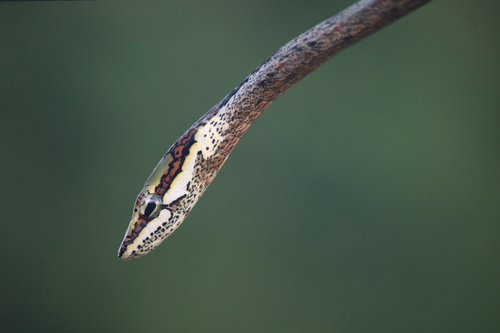
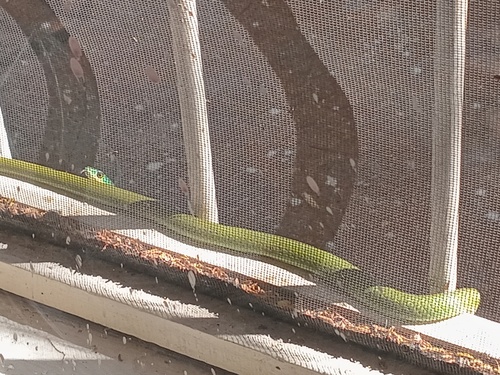
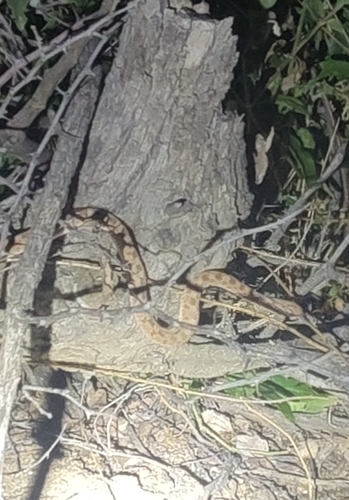
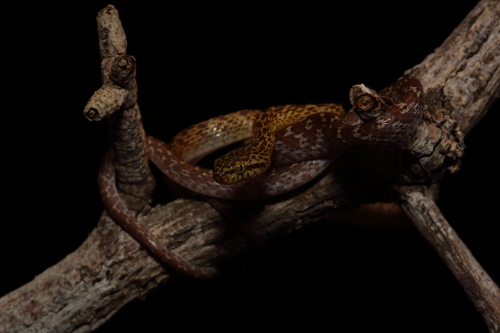
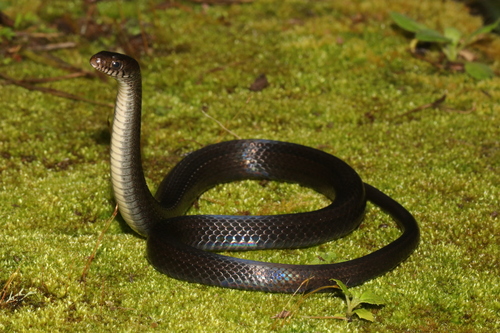
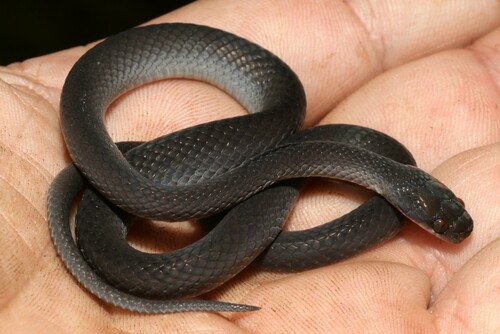
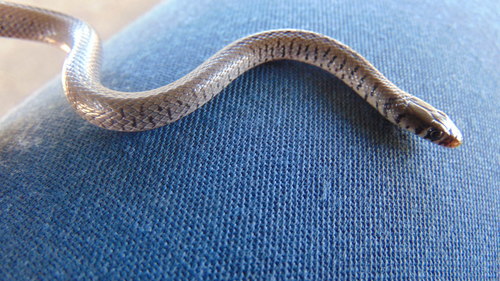
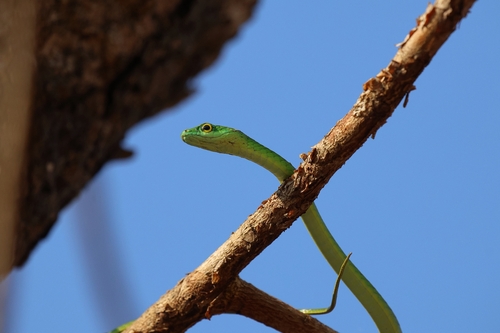
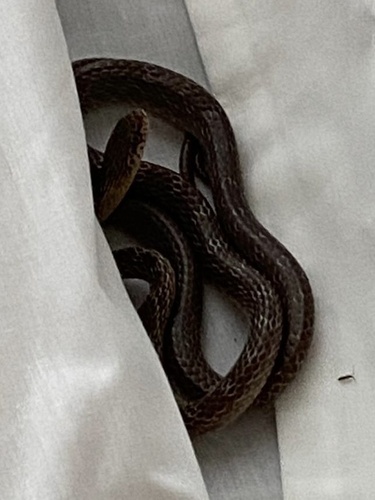
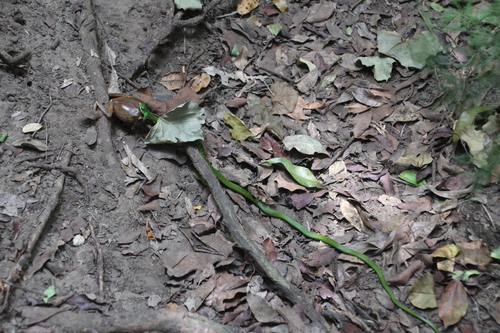
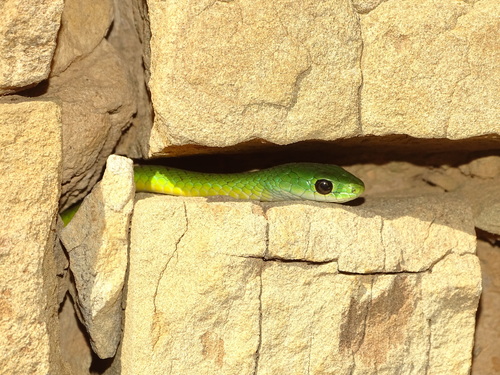
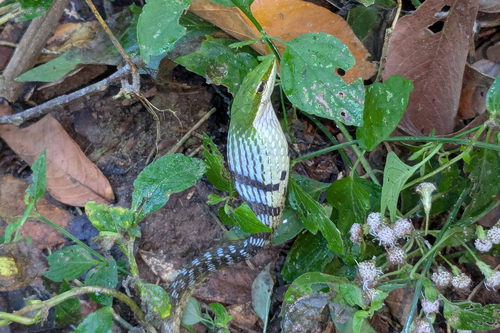
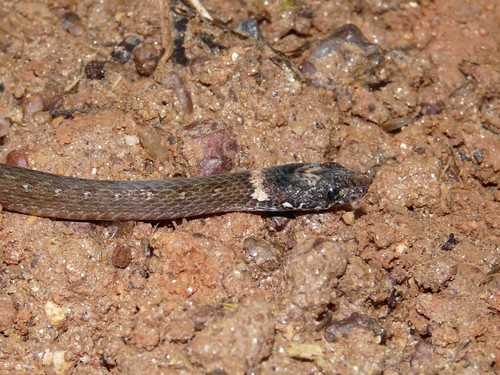
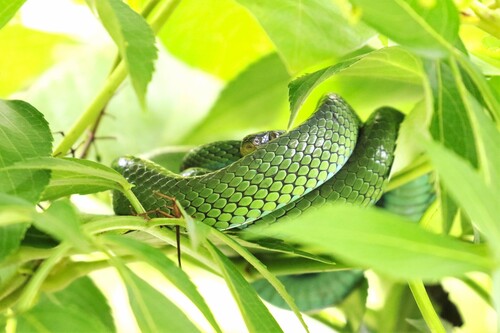
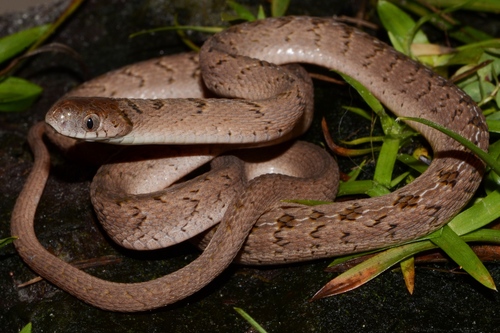
Elapidae (15)
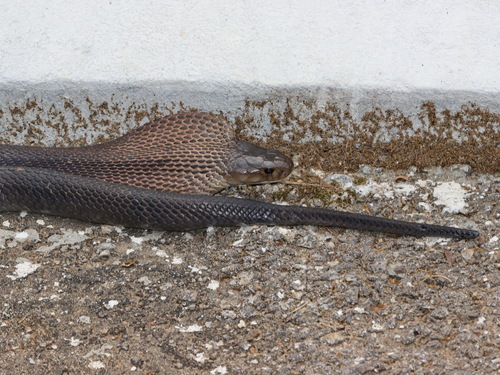
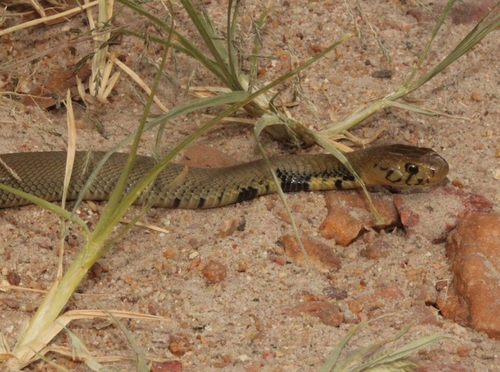
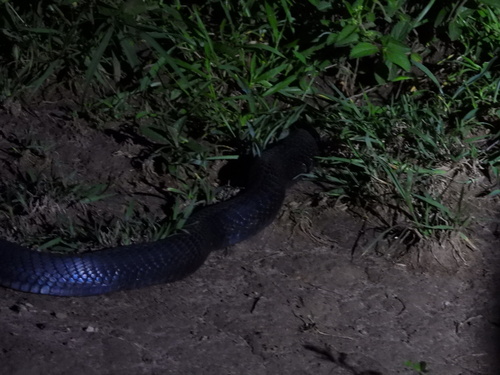
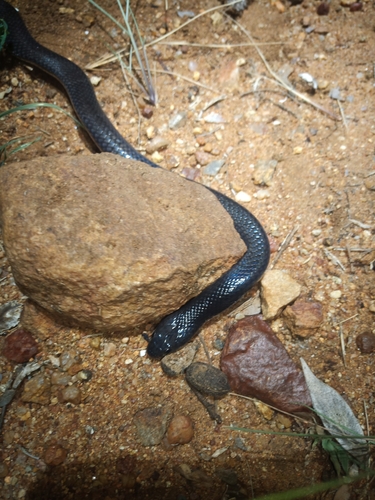
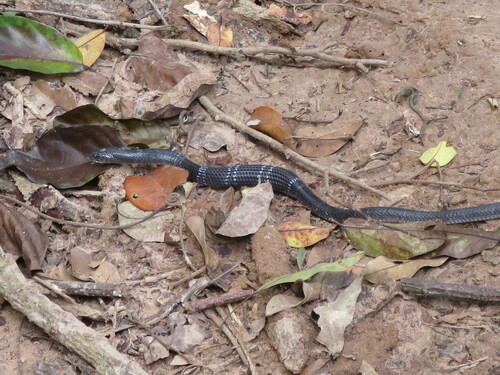
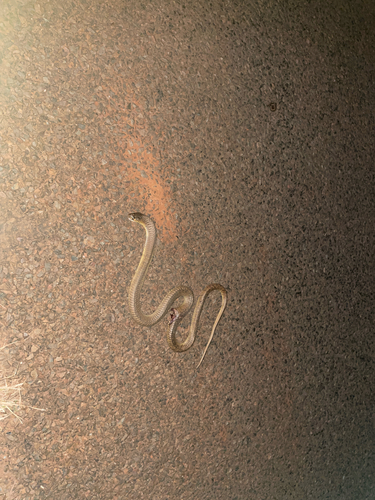
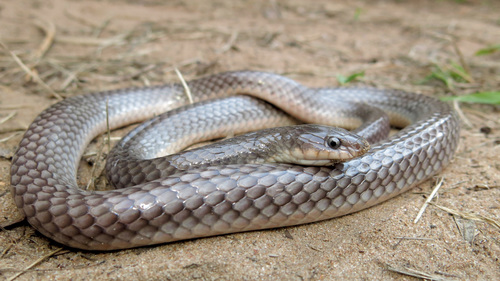
Psammophiidae (13)
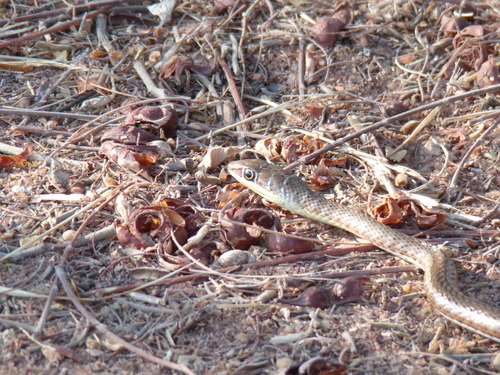
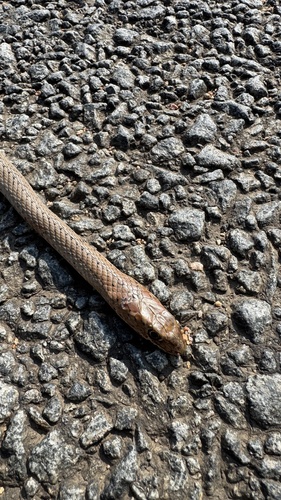
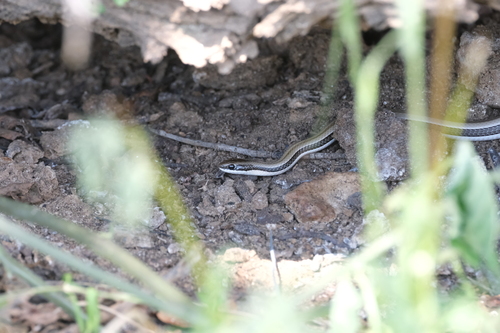
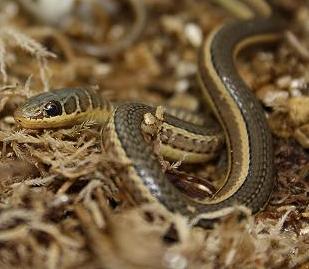
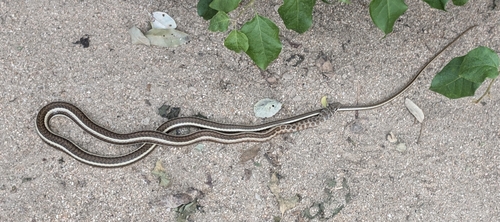
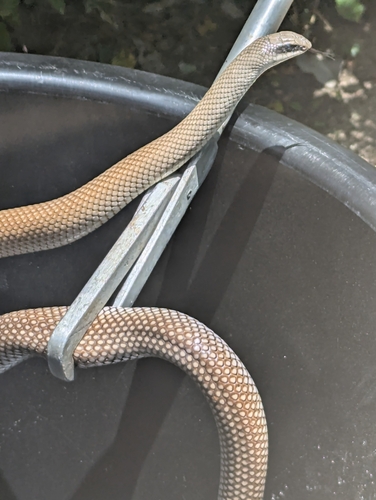
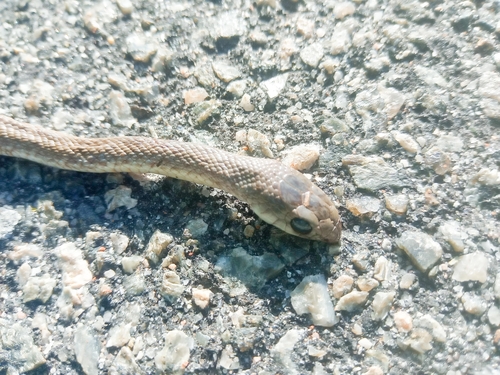
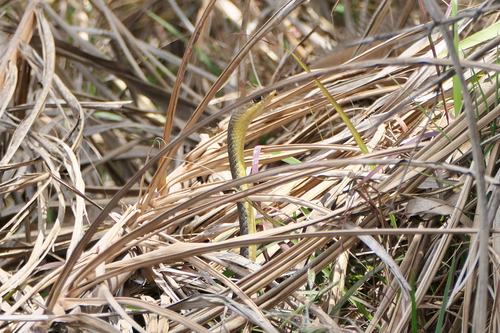
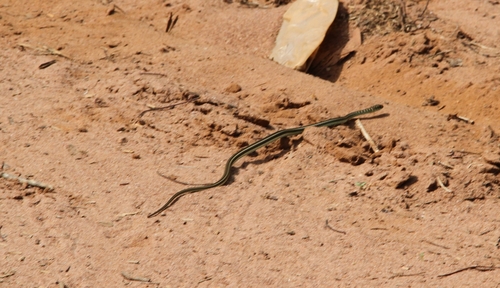
Lamprophiidae (12)
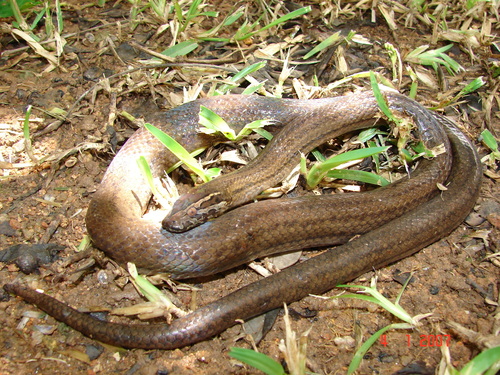
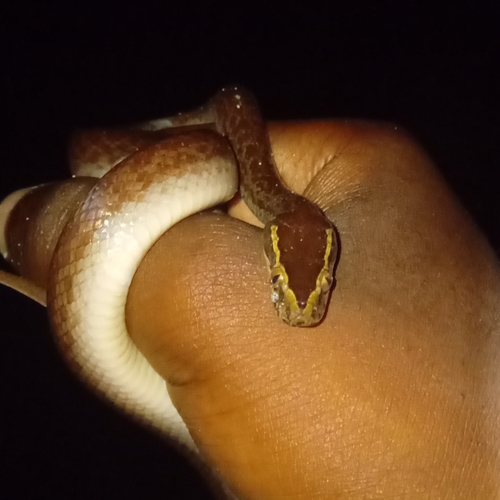
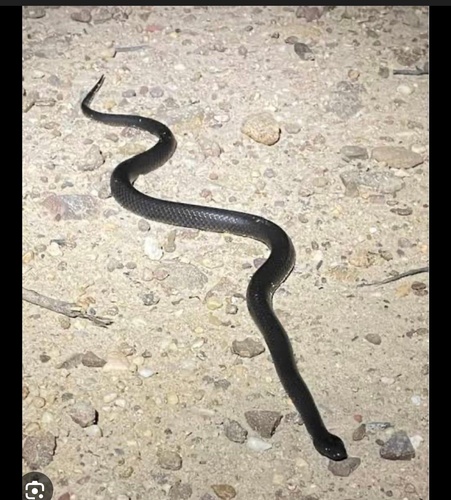
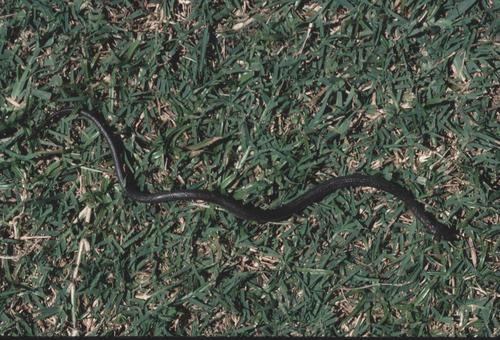
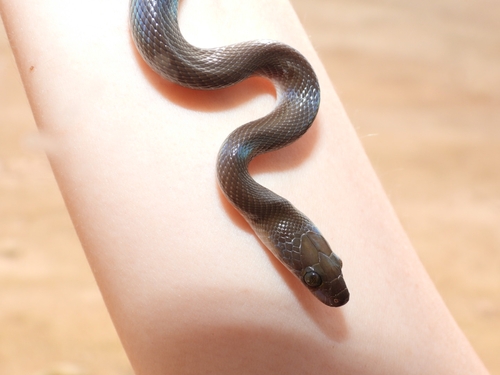
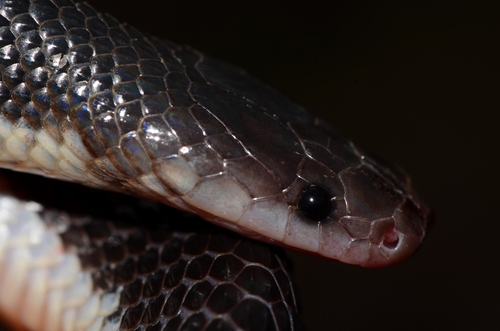
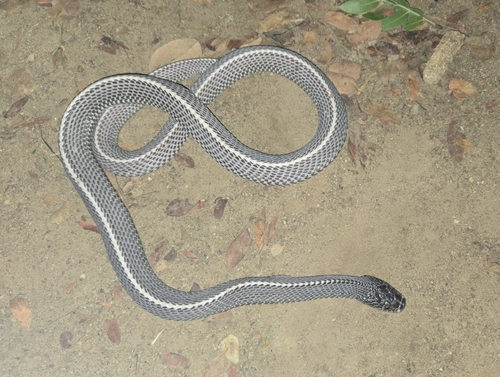
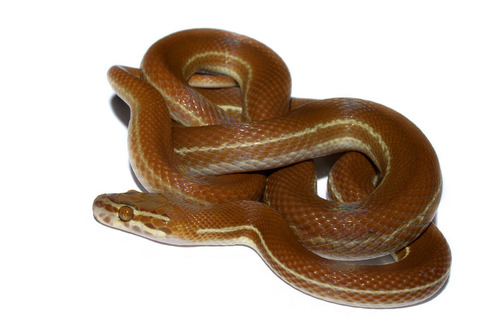
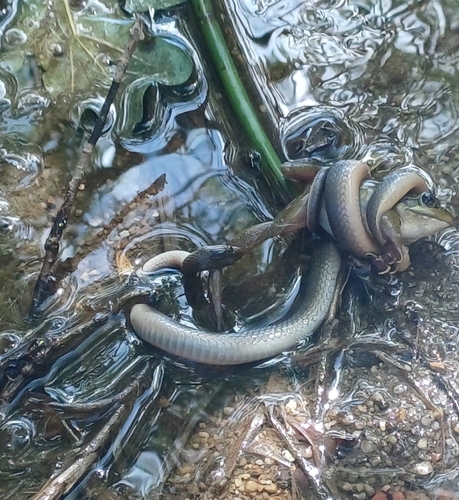
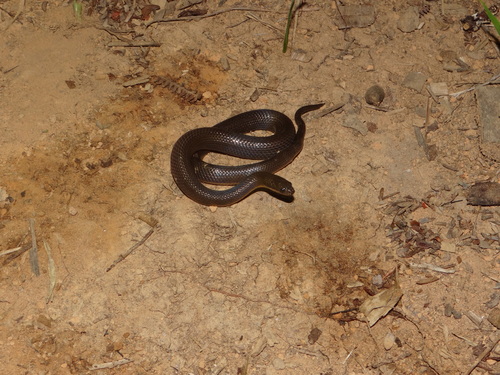
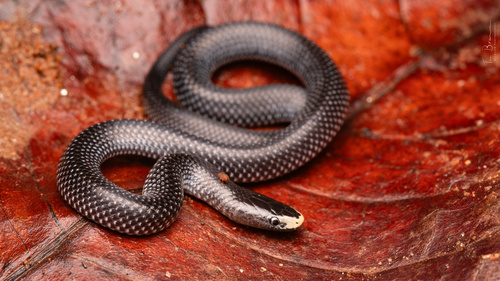
Viperidae (7)
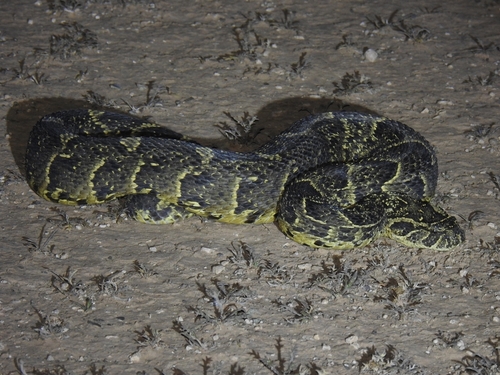
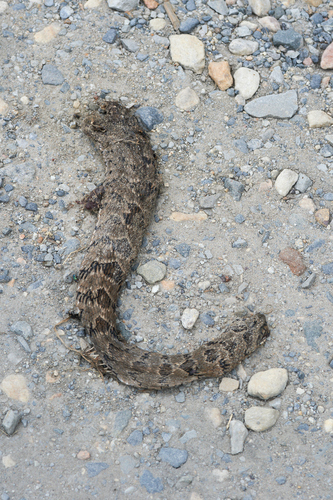
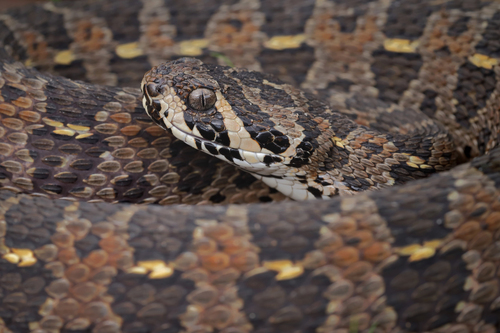
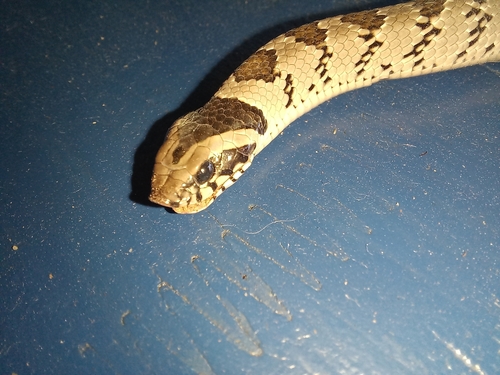
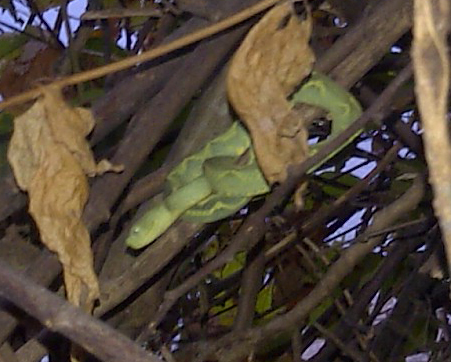
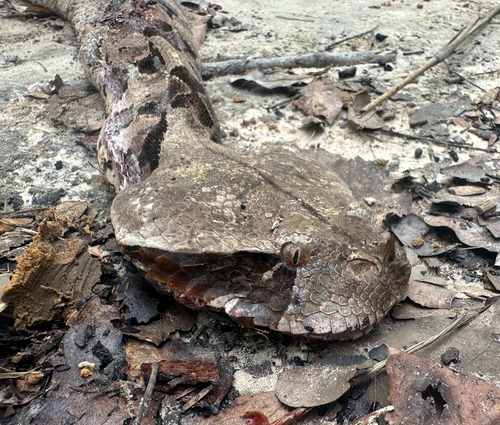
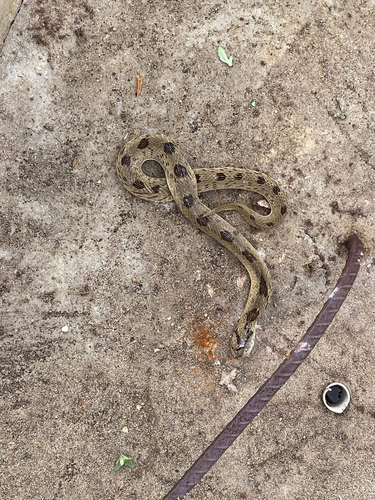
Atractaspididae (6)
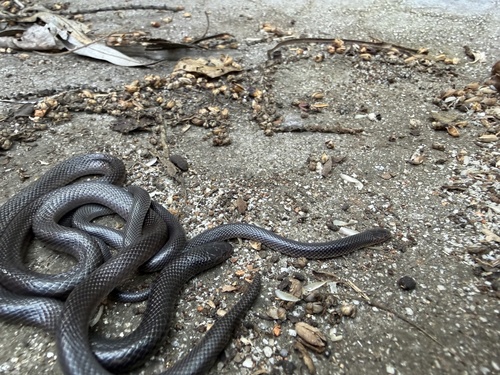
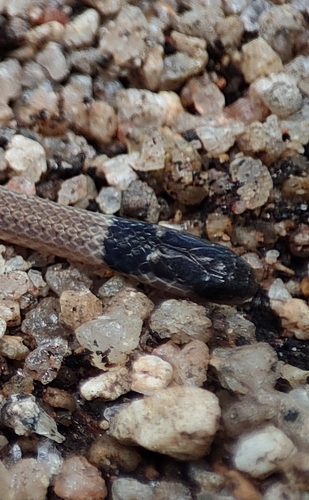
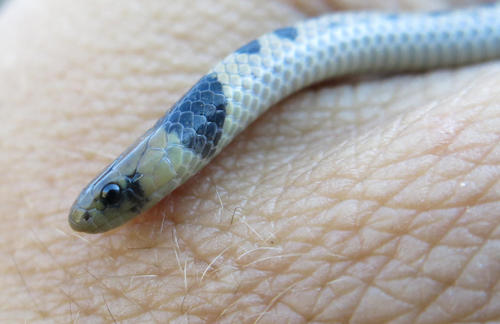
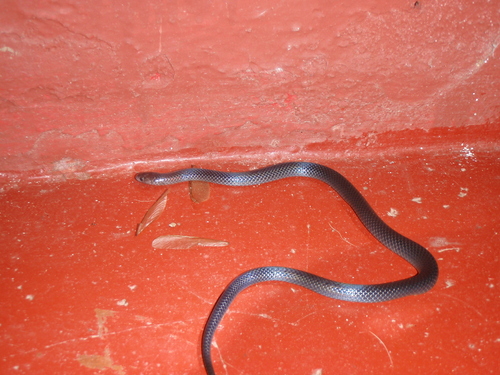
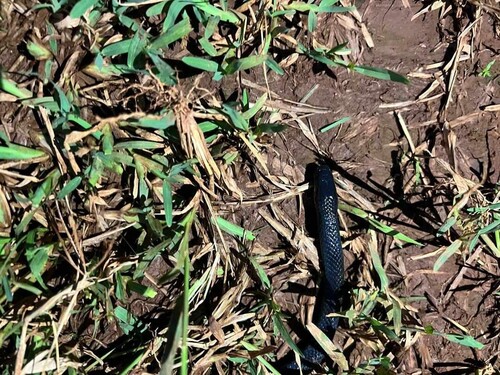
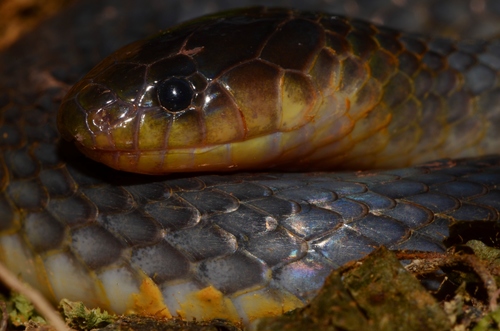
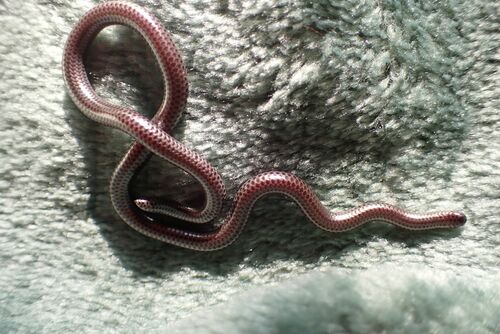
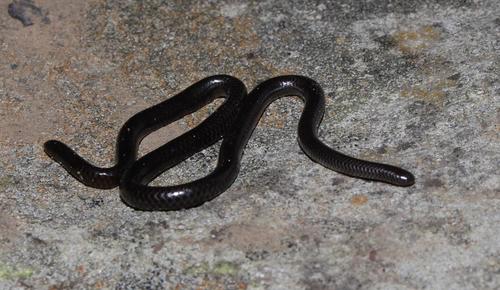
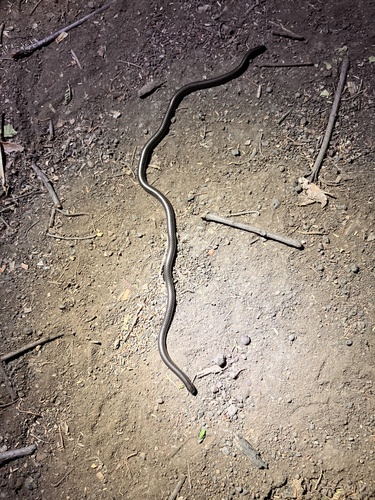
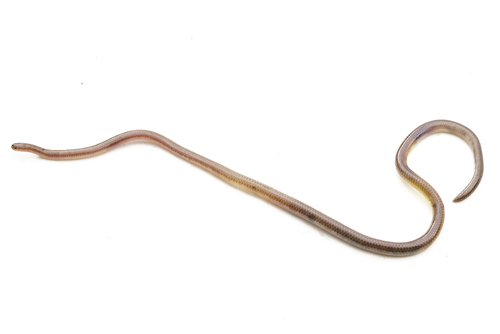
Leptotyphlopidae (6)
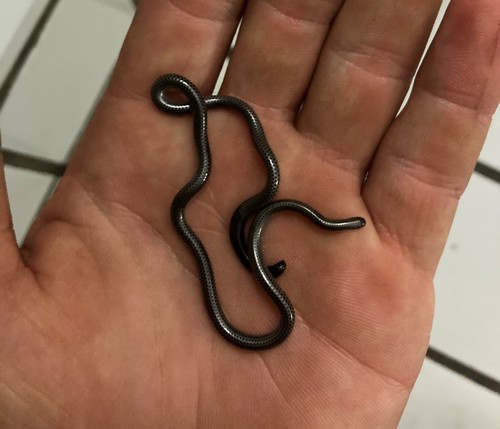
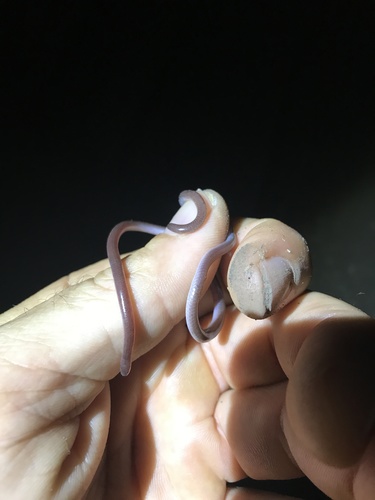
Prosymnidae (3)
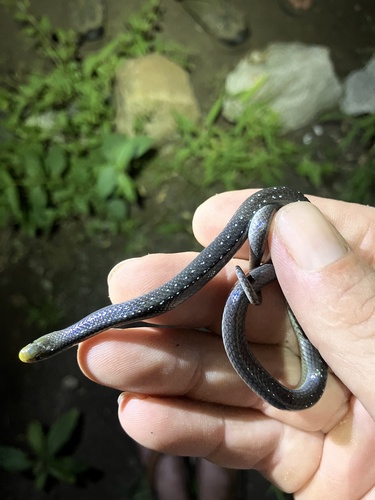
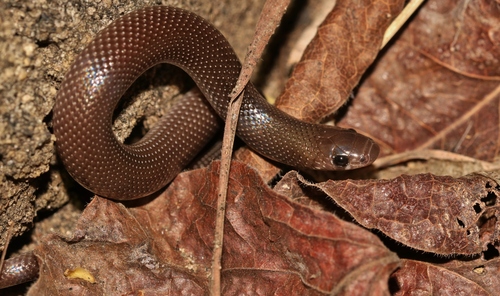
Typhlopidae (2)
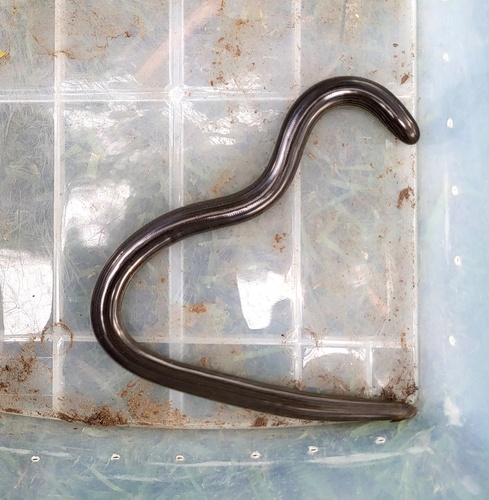
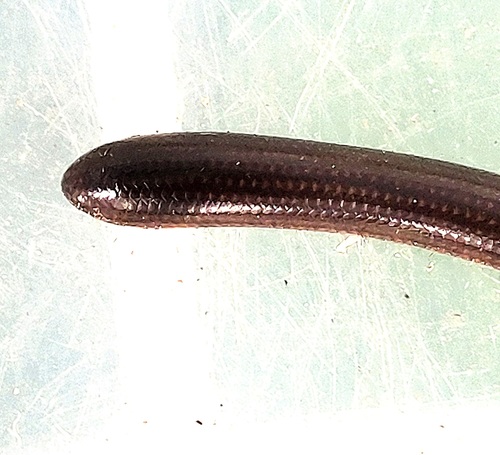
Pseudoxyrhophiidae (2)
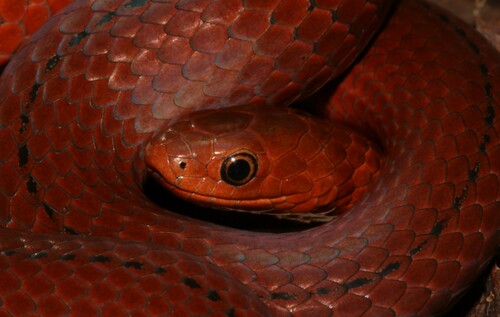
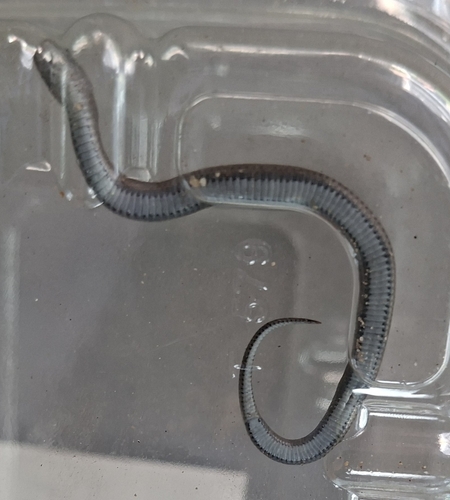
Pythonidae (1)
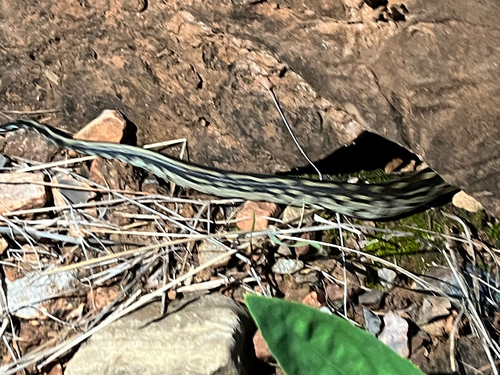
Pseudaspididae (1)
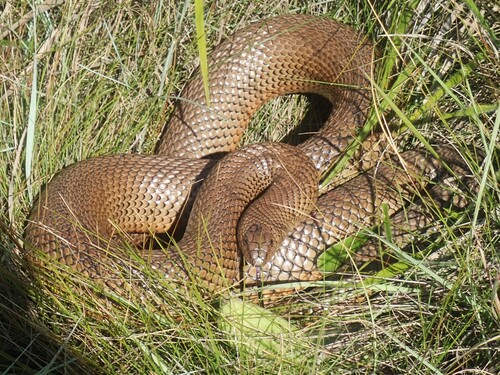
Compiled from verified GBIF & iNaturalist observations. "How often seen" reflects how frequently a snake is reported here, not how dangerous it is. Informational only.
Keep learning
- Are Snakes Dangerous? The Real Risk, in PerspectiveMost snakes are harmless and avoid people. Here is the honest picture of snakebite risk worldwide and how to lower your own.
- Snakebite First Aid: What to Do (and What Never to Do)A clear, CDC-based guide to snakebite first aid: the steps that help, the popular myths that hurt, and how to tell a serious bite from a minor one.
- Venomous vs Nonvenomous: How to Tell the DifferenceThe folk rules for telling venomous snakes apart, where each one fails, and why location-based identification beats guessing by sight.
- What to Do If You Find a SnakeFound a snake at home or on a trail? Here is how to stay calm, give it space, identify it safely, and know when to call a professional.