
Rwanda
Snakes in Rwanda
50+ snake species have been recorded in Rwanda, 18 venomous.
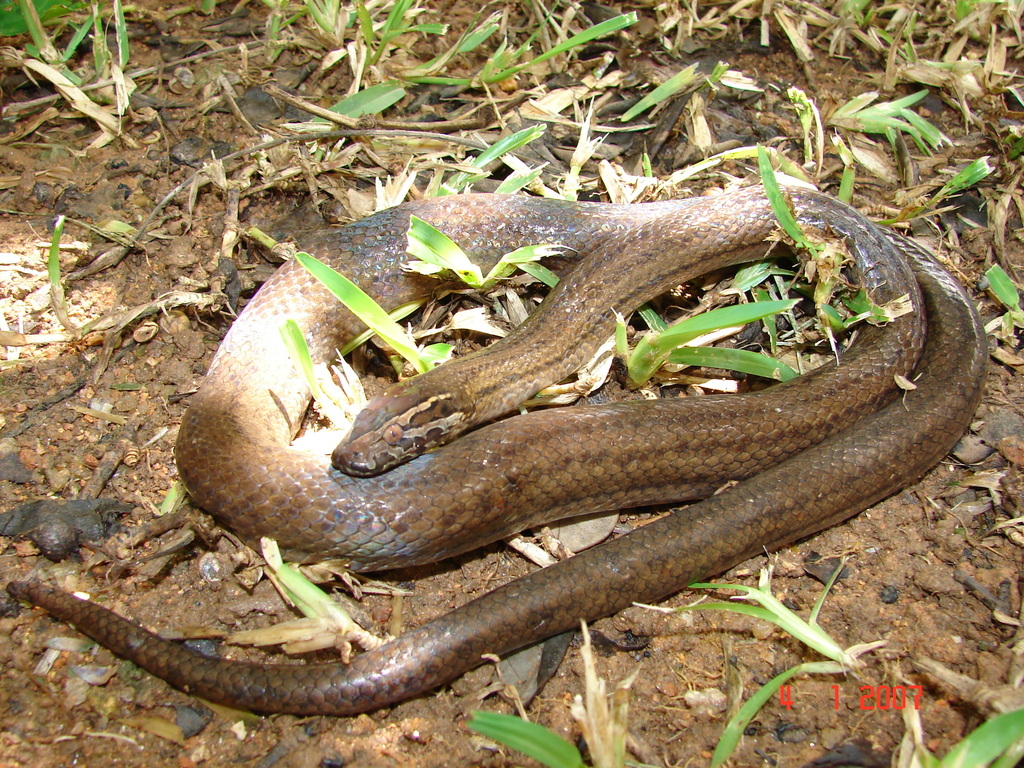
Snakes of Rwanda
Rwanda has 50+ snake species recorded in our database, and 20 of them are venomous. The great majority of species are non-venomous and pose no medical threat to people. Despite its small size, Rwanda packs a wide range of snake life into a compact territory, a reflection of how varied its landscapes are across a short distance.
The diversity is driven by geography. Rwanda sits along the spine of the Albertine Rift, with high volcanic mountains in the northwest, the forested highlands of Nyungwe in the southwest, papyrus wetlands and the shallows of Lake Kivu, and lower, warmer savanna and bushland in the east around Akagera. Cooler montane forest, marshland, agricultural hillsides, and dry lowland each support a different set of snakes, so the country holds species adapted to wet forest as well as those suited to open, warmer ground. This patchwork of habitats packed into one country is the main reason the snake fauna is so varied.
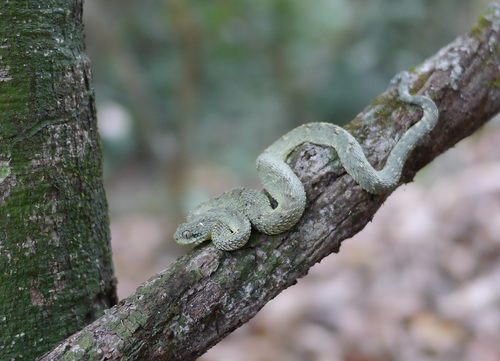
Several medically important venomous groups occur in Rwanda. Elapids are represented by cobras, including spitting cobras whose venom can be sprayed toward the eyes, and by mambas, fast tree and bush dwelling snakes with potent neurotoxic venom. Vipers are the other major group, with adders and related vipers found in grassland and bush, and arboreal bush vipers in forested and wetter areas. There are also small, secretive burrowing venomous snakes. These are the groups behind the rare but genuinely dangerous bites, and they account for the country's relatively high count of 20 venomous species.
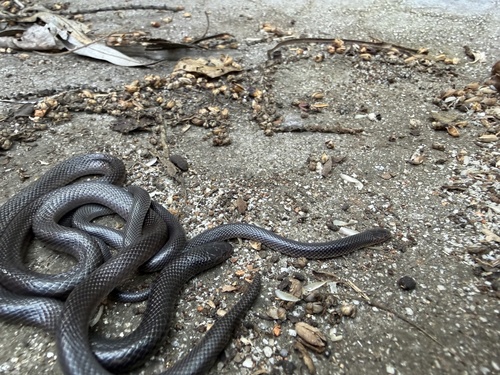
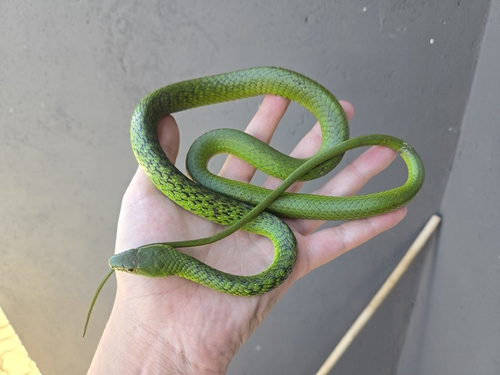
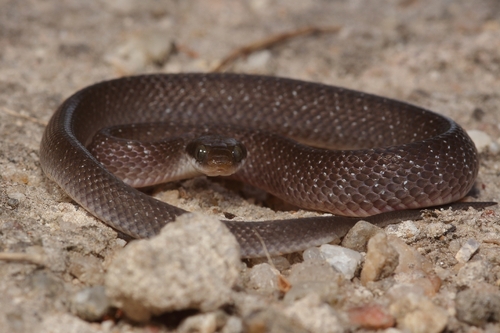
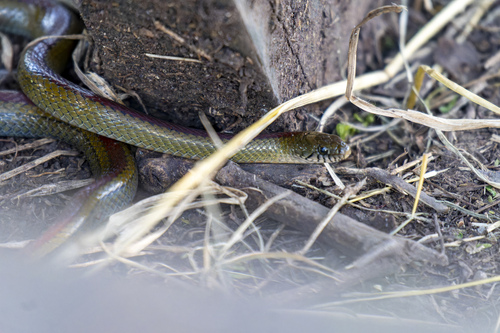
The non-venomous majority makes up most of what people actually encounter. House snakes, sand snakes, wolf snakes, water snakes, and a variety of harmless colubrids live in and around homes, gardens, fields, and wetlands. Rwanda is also home to large constrictors such as the African rock python, a powerful non-venomous snake that subdues prey by constriction rather than venom. Most snakes seen near settlements belong to this harmless majority and are simply moving through in search of food or shelter.
Snakes are valuable to Rwanda's ecology and to people. They are efficient predators of rodents and other small animals, and by keeping rodent numbers down they protect stored grain and crops and reduce the spread of rodent borne disease. Both the venomous and non-venomous species fill this role, sitting in the middle of the food web as both hunters and prey. A landscape with healthy snake populations is generally one with fewer pest problems.
On safety, the honest picture is reassuring with one firm caveat. Most snakes in Rwanda are harmless and want nothing to do with people, but the cobras, mambas, and vipers are capable of causing serious harm, and they are the main medical threat. The treatment for a venomous bite is professional medical care, including antivenom where it is indicated, given at a hospital. Never attempt to handle, catch, or kill a wild snake, even one that looks harmless, since this is how most bites happen. If a bite occurs, keep the person calm and still and get to emergency medical care without delay. In Rwanda, contact local emergency services; in the United States, contact Poison Control at 1-800-222-1222.
Snakes in Rwanda: FAQ
- Are there venomous snakes in Rwanda?
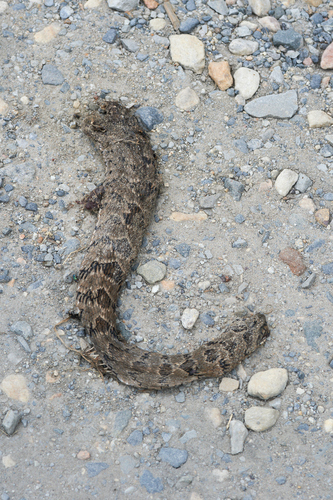
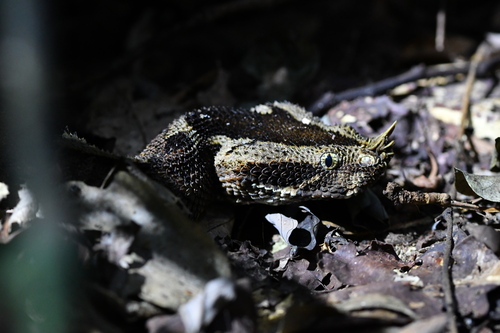
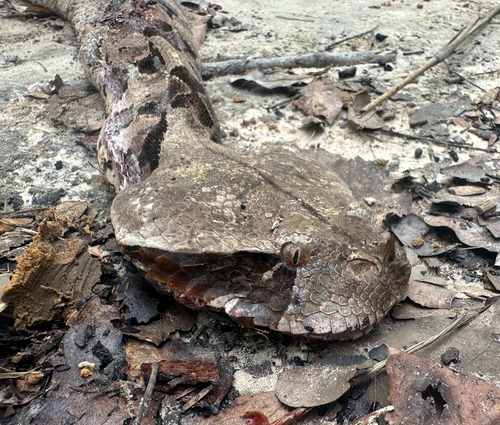
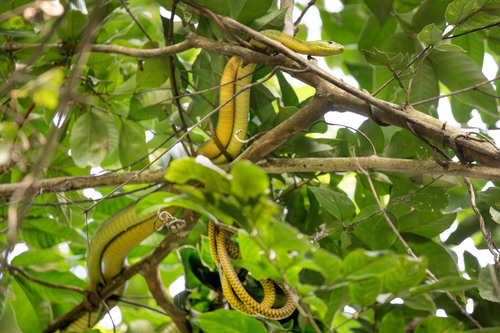
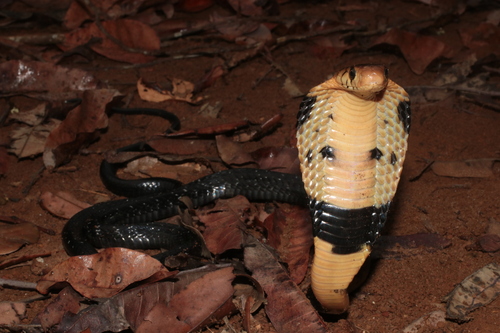
- Yes. 18 venomous snake species have verified records in Rwanda, including Great Lakes Bush Viper, Brown Banded Cobra, Black-necked Spitting Cobra, Green Night Adder. Most snakes in Rwanda, however, are harmless.
- How many snake species live in Rwanda?
- 50+ snake species have verified records in Rwanda, of which 18 are venomous.
- What is the most commonly seen snake in Rwanda?
- The Seychelles House Snake is the most frequently reported snake in Rwanda, based on verified wildlife observations.
- What should I do if I see a venomous snake in Rwanda?
- Keep your distance and do not try to catch or kill it. Most bites happen when people handle or corner a snake. If someone is bitten, contact local emergency services or poison control immediately.
Venomous snakes in Rwanda
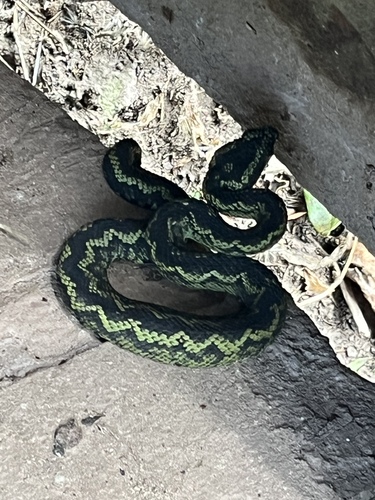
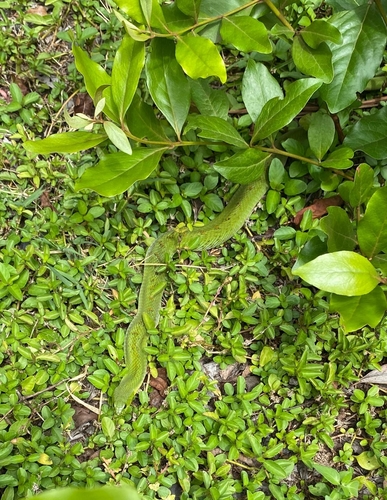
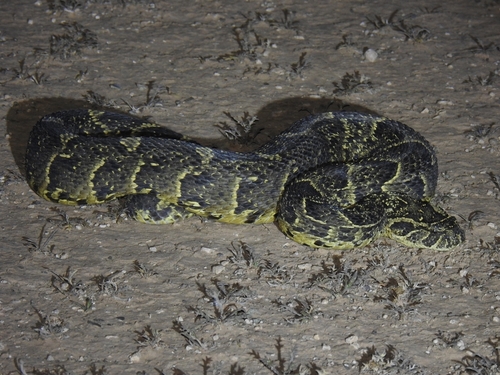

Every snake recorded in Rwanda
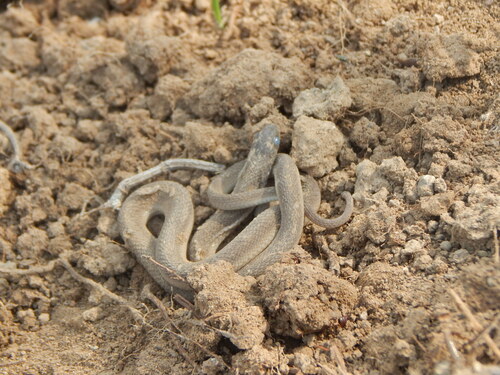
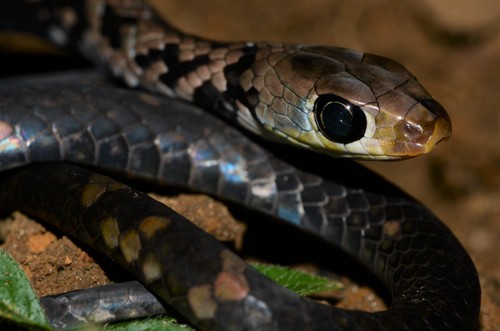
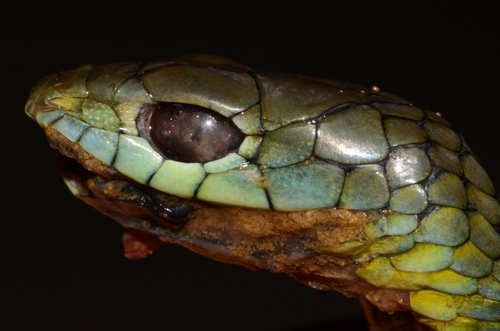
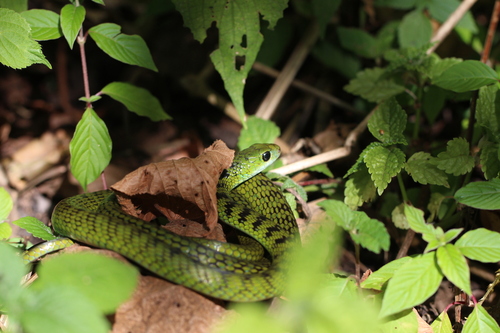
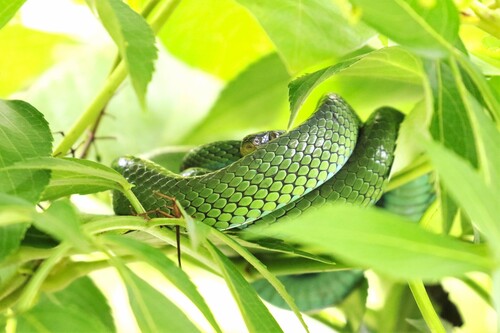
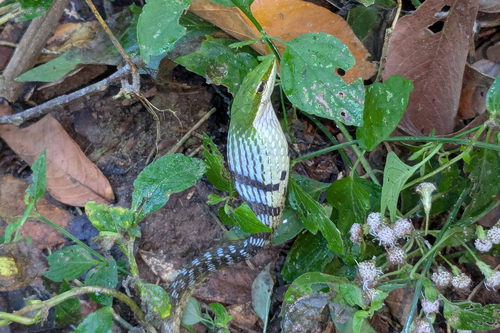
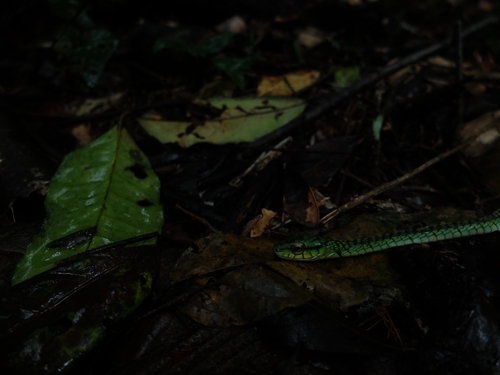
50+ species across 9 families, grouped by family. Venomous flagged.
Colubridae (18)

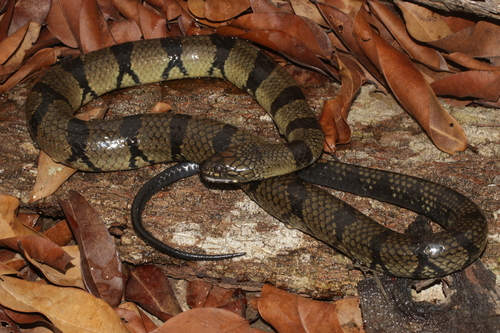
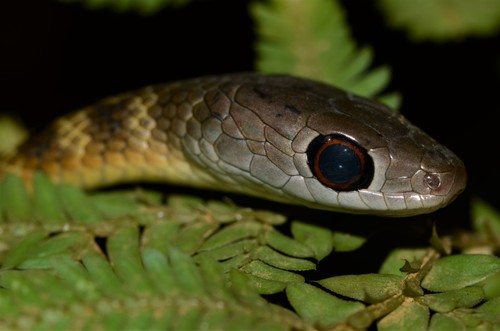
Lamprophiidae (12)
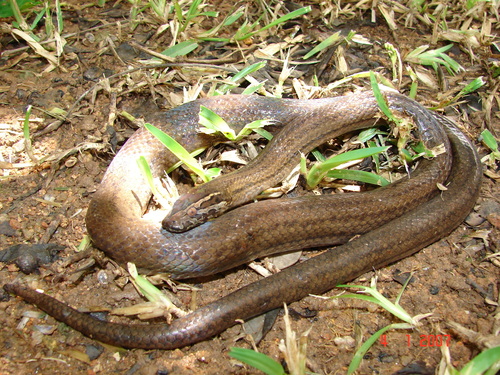
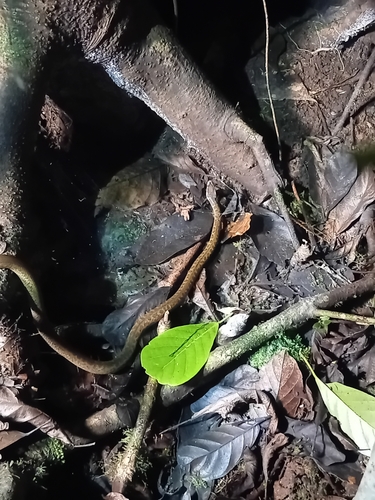
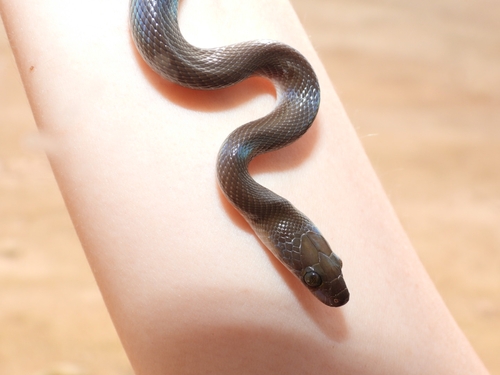
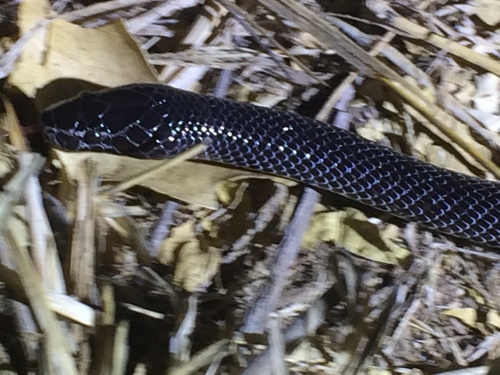
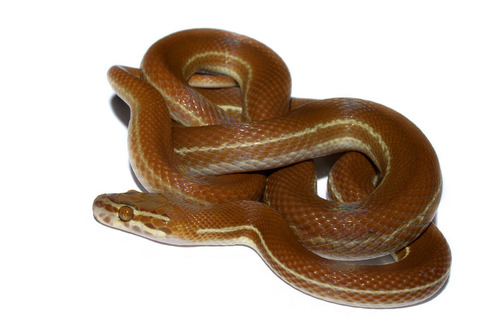
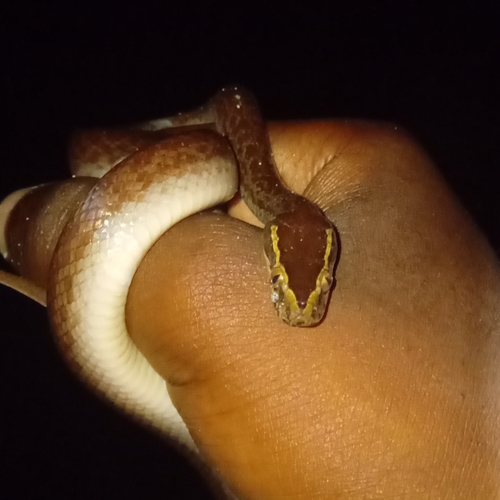
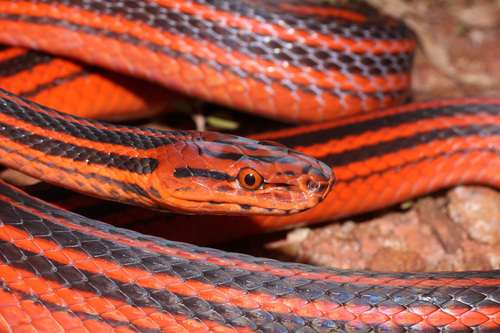
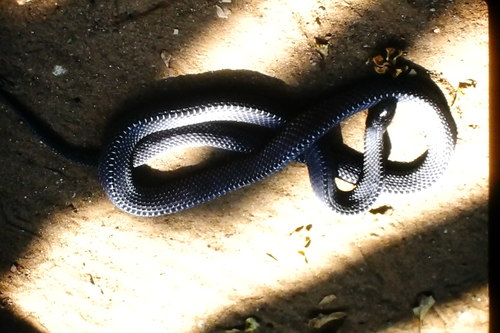
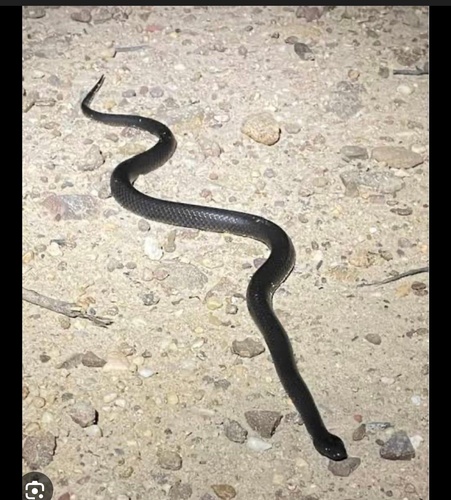
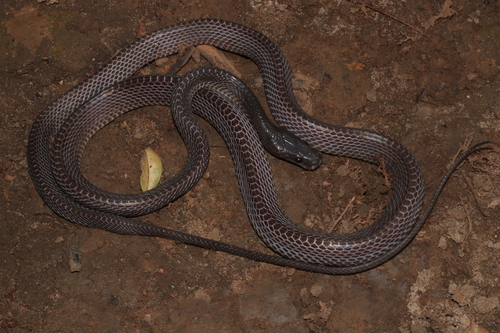
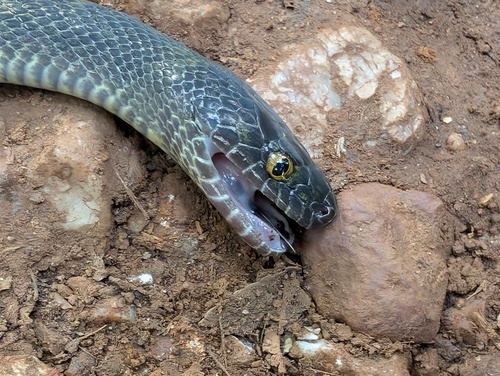
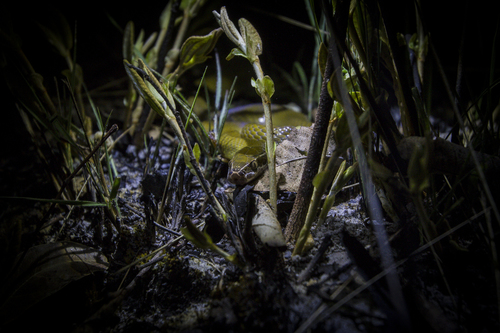
Viperidae (7)
Elapidae (7)
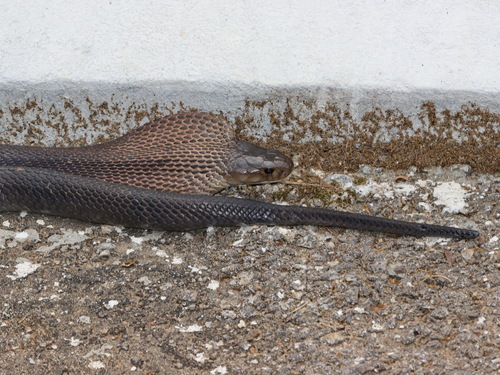
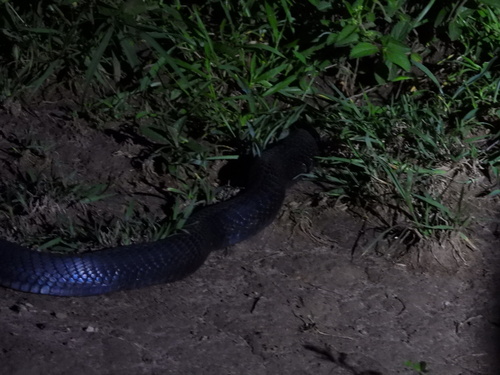
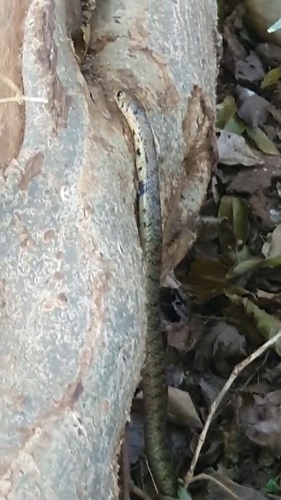
Psammophiidae (5)
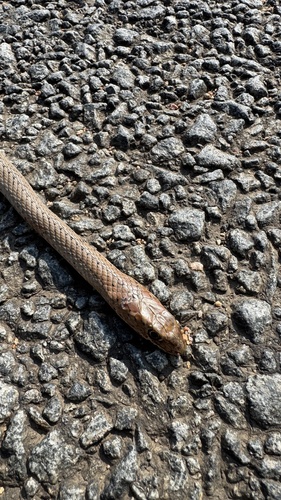
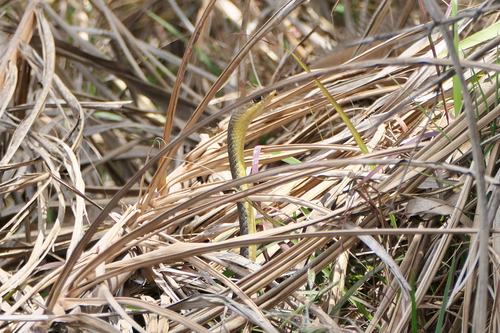
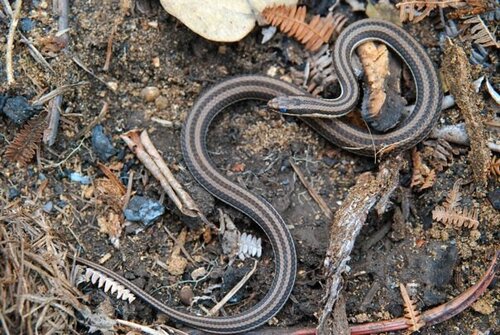
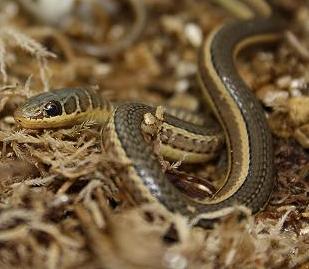
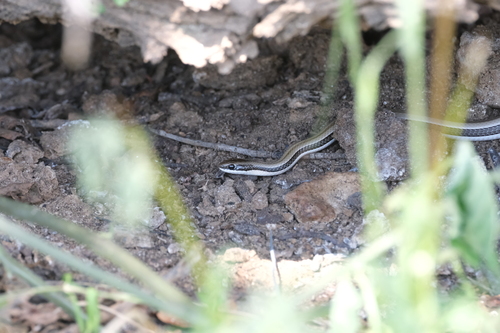
Typhlopidae (4)
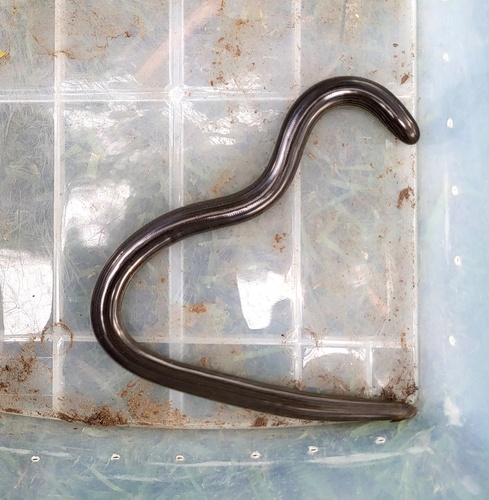
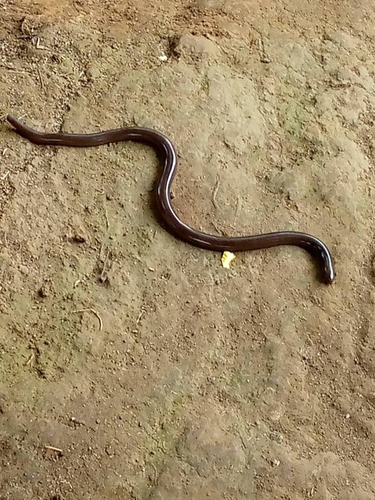
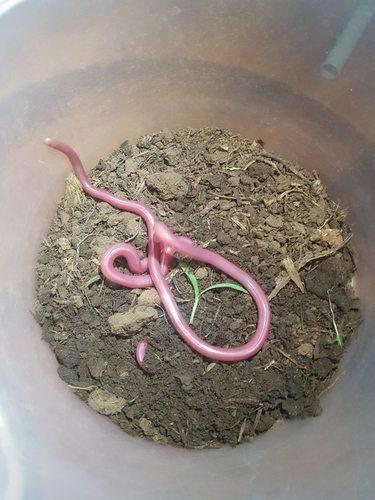
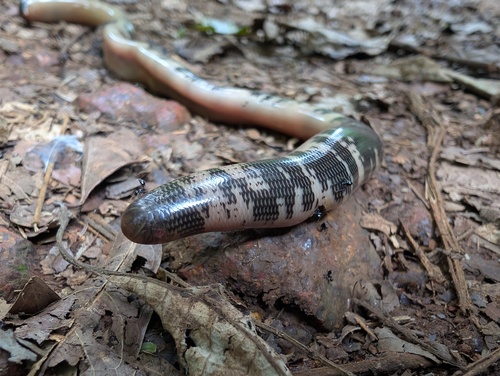
Atractaspididae (4)
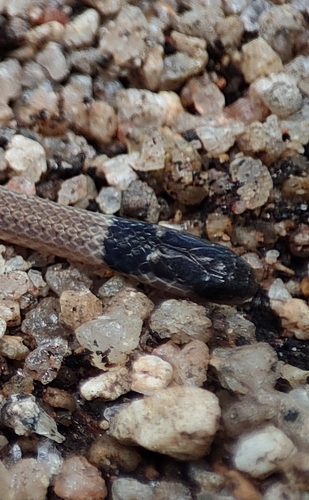
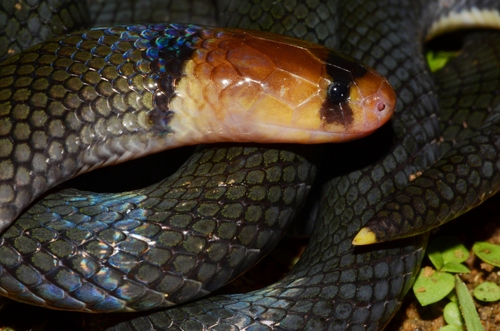
Pseudoxyrhophiidae (2)
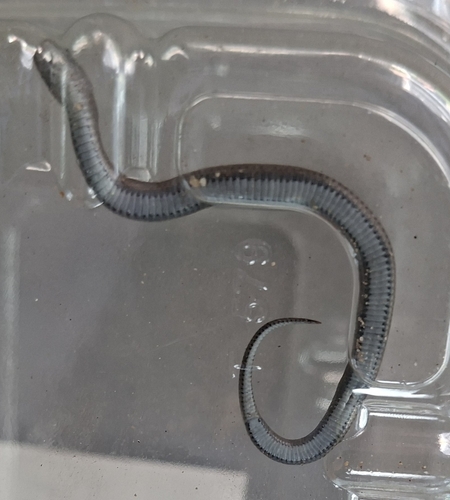
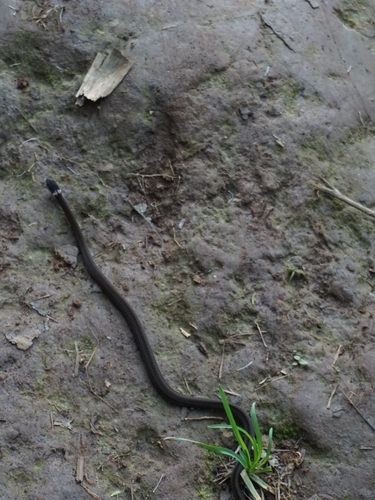
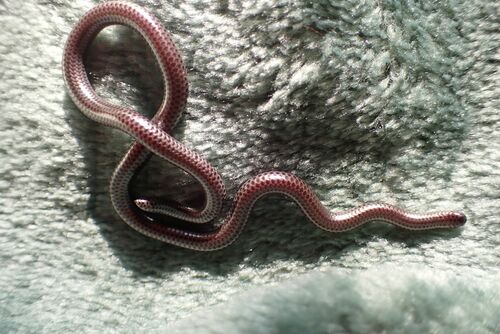
Leptotyphlopidae (1)
Compiled from verified GBIF & iNaturalist observations. "How often seen" reflects how frequently a snake is reported here, not how dangerous it is. Informational only.
Keep learning
- Are Snakes Dangerous? The Real Risk, in PerspectiveMost snakes are harmless and avoid people. Here is the honest picture of snakebite risk worldwide and how to lower your own.
- Snakebite First Aid: What to Do (and What Never to Do)A clear, CDC-based guide to snakebite first aid: the steps that help, the popular myths that hurt, and how to tell a serious bite from a minor one.
- Venomous vs Nonvenomous: How to Tell the DifferenceThe folk rules for telling venomous snakes apart, where each one fails, and why location-based identification beats guessing by sight.
- What to Do If You Find a SnakeFound a snake at home or on a trail? Here is how to stay calm, give it space, identify it safely, and know when to call a professional.