
Comoros
Snakes in Comoros
7 snake species have been recorded in Comoros, and none are venomous.
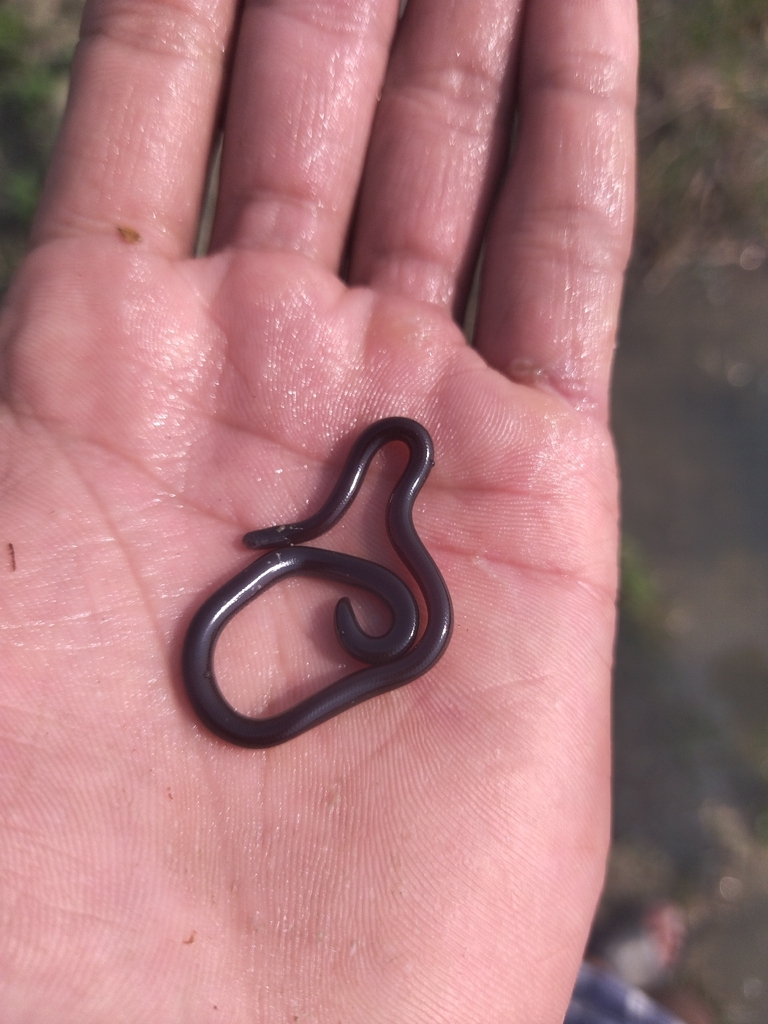
Snakes of Comoros
The Comoros are a small volcanic archipelago in the northern Mozambique Channel, between mainland Africa and Madagascar. The islands of Grande Comore, Moheli, and Anjouan rise from the sea as steep, forested volcanic cones, with crater lakes, dense humid forest at altitude, and drier coastal scrub and farmland below. This island setting strongly shapes the snake fauna. Like most oceanic islands, Comoros has a limited and selective set of reptiles, assembled from a few ancestors that crossed the channel or arrived with people, rather than the broad diversity found on the nearby continent and on Madagascar. Our database records 7 snake species for the country.
On the question of venom, the picture for Comoros is reassuring. None of the 7 species recorded here are noted as venomous in our database, and the islands have no established population of the large, medically dangerous snakes found on the African mainland. There are no cobras, no mambas, and no big vipers. This is the typical pattern for small, isolated islands: the snakes that reach and persist on them tend to be small, non-front-fanged species rather than the highly venomous groups. In practical terms, Comoros is a place where a snakebite from a wild snake is very unlikely to involve dangerous venom.
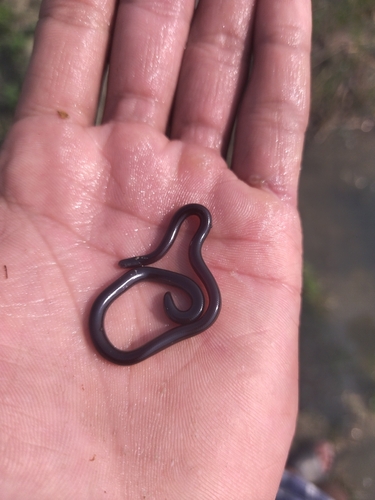
The harmless majority makes up effectively the entire local snake fauna. These are small to mid-sized, non-venomous snakes that hunt insects, lizards, frogs, and small rodents, and that pose no real threat to people. Island snake faunas in this region commonly include slender egg-laying snakes and tiny burrowing blind snakes, the latter so small and worm-like they are often mistaken for earthworms. One species that travels widely through the tropics is the Brahminy blind snake, a harmless, soil-dwelling species frequently spread in the root balls of potted plants, which is exactly how snakes often arrive on small islands.
Even with low diversity, snakes earn their place in the island ecosystem. By eating insects, frogs, lizards, and rodents, they help regulate prey populations and keep rodent numbers in check around farms and homes, which has real value on agricultural islands. They in turn are food for birds of prey and other predators. On an isolated archipelago, each species is part of a finely balanced and somewhat fragile food web, so the loss of a native snake is harder to offset than it would be on the species-rich mainland.
On safety, the honest summary is straightforward: the snakes recorded in Comoros are non-venomous, and there is no significant venomous-snakebite threat on the islands. That said, no wild snake should ever be picked up or handled, since even harmless snakes can bite and any bite can become infected, and field identification is easy to get wrong. If a person is bitten by a snake and there is any doubt, the correct response is to seek medical care promptly. Antivenom and hospital treatment, where needed, are the proper medical response to a venomous bite, not home remedies. In the United States contact Poison Control at 1-800-222-1222; in Comoros or elsewhere, contact local emergency services.
Snakes in Comoros: FAQ
- Are there venomous snakes in Comoros?
- No venomous snakes have verified records in Comoros. Every snake recorded here is harmless to humans, though any snake may bite defensively if handled.
- How many snake species live in Comoros?
- 7 snake species have verified records in Comoros.
- What is the most commonly seen snake in Comoros?
- The Brahminy Blindsnake is the most frequently reported snake in Comoros, based on verified wildlife observations.
Every snake recorded in Comoros
7 species across 2 families, grouped by family. Venomous flagged.
Pseudoxyrhophiidae (6)

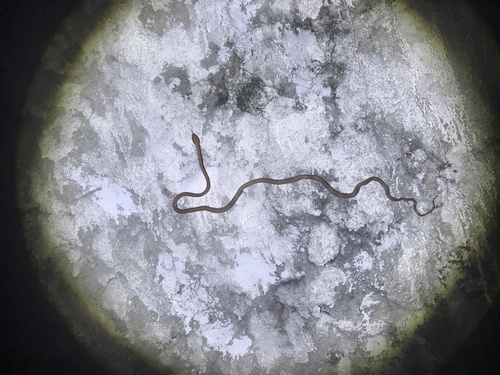
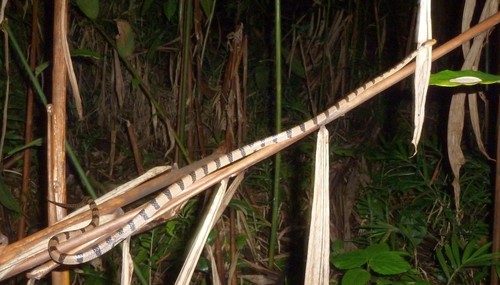
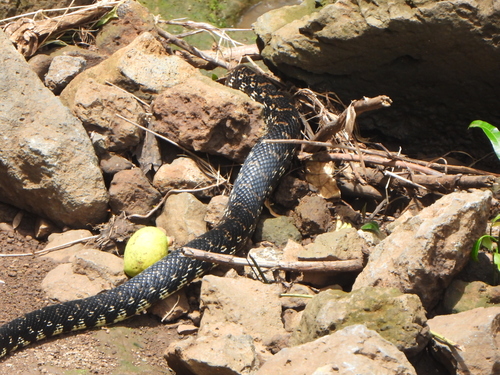
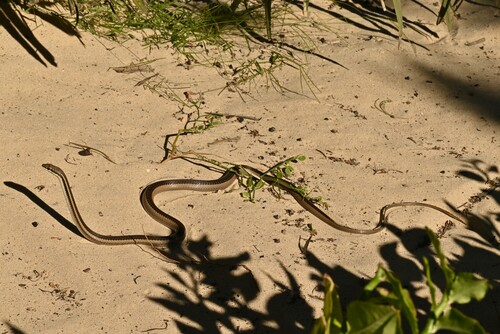
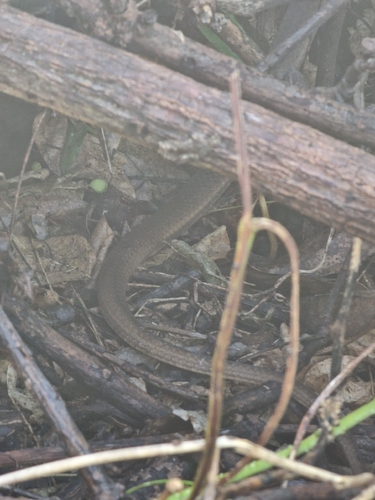
Typhlopidae (1)
Compiled from verified GBIF & iNaturalist observations. "How often seen" reflects how frequently a snake is reported here, not how dangerous it is. Informational only.
Keep learning
- What Is a Snake? Anatomy and the BasicsA clear overview of what makes a snake a snake: limbless body plan, anatomy, evolution from lizards, species diversity, and why they are ectothermic.
- What to Do If You Find a SnakeFound a snake at home or on a trail? Here is how to stay calm, give it space, identify it safely, and know when to call a professional.
- How to Keep Snakes Out of Your Yard and HomeA practical guide to keeping snakes out of your yard and home using habitat changes that work, plus what to skip and what to do if one shows up.
- Are Snakes Dangerous? The Real Risk, in PerspectiveMost snakes are harmless and avoid people. Here is the honest picture of snakebite risk worldwide and how to lower your own.