
Burundi
Snakes in Burundi
50+ snake species have been recorded in Burundi, 14 venomous.
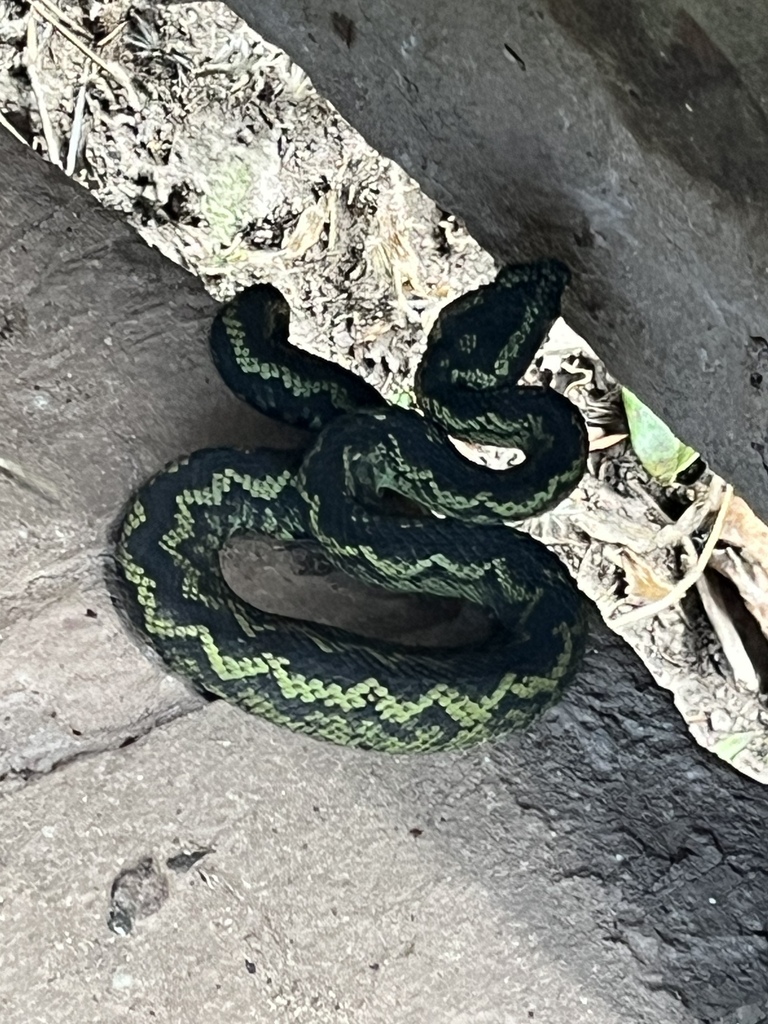
Snakes of Burundi
Burundi has 50+ snake species recorded in our database, and the great majority of them are non-venomous. Only 14 are venomous, so most snakes a person encounters in this small East African country pose no medical threat at all. Still, the venomous minority includes some of the most dangerous snakes in Africa, which is why local knowledge and caution matter.
Burundi sits at the meeting point of several major African ecosystems, and that geographic position is the main driver of its snake diversity. The country spans the western arm of the Great Rift Valley, the shore of Lake Tanganyika, broad highland plateaus, and the watershed dividing the Nile and Congo river basins. This range of elevation and rainfall produces a patchwork of habitats, from lowland gallery forest and lakeshore wetlands to montane forest, savanna, and farmland. Each of these settings supports a different mix of snakes, and the transitional zones between them are where the variety is richest.
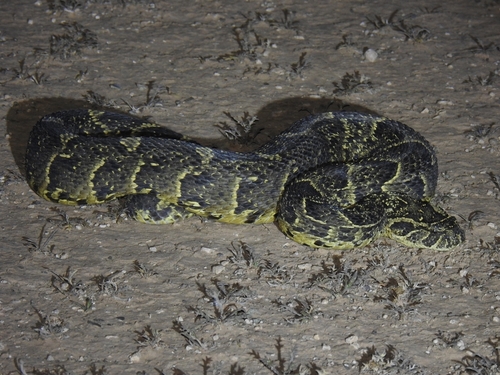
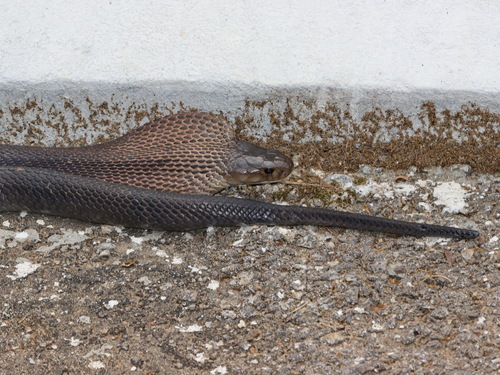
The medically important venomous snakes of Burundi belong to a few well-established groups. Elapids are represented by cobras and by mambas, including the highly dangerous green and black mamba lineages found across East and Central Africa. The region's vipers include the puff adder, a heavy-bodied savanna and grassland species responsible for many serious bites across the continent, along with arboreal bush vipers of the genus Atheris in forested zones. There are also burrowing asps and night adders. Burundi is landlocked, so there are no sea snakes, and rattlesnakes and coral snakes do not occur here, since those groups are native to the Americas. When in doubt about a specific identification, treat the group as the guide: cobras, mambas, and puff adders are the bites that warrant immediate concern.
The large non-venomous majority does most of the ecological work. House snakes, sand snakes, egg eaters, and various colubrids live alongside people in fields, gardens, and bush. The most famous resident is the African rock python, one of the continent's largest snakes, a powerful constrictor that takes rodents and other prey and is harmless in terms of venom. These species blend into the landscape and are far more often seen than the dangerous few.
Snakes are valuable to Burundi's farms and households, and that value is easy to overlook. As predators of rats, mice, and other small mammals, they suppress pests that damage stored grain and crops and that spread disease. A single python or house snake working a barn or field removes a steady stream of rodents at no cost. Removing snakes indiscriminately tends to make rodent problems worse, so coexistence usually serves people better than killing.
The honest safety picture is simple. Most snakes in Burundi are harmless, and the main medical threats are the cobras, mambas, and puff adders described above. The correct treatment for a venomous bite is antivenom and supportive hospital care, delivered as fast as possible, not anything done in the field. Never attempt to handle, catch, or kill a wild venomous snake, since most bites happen during exactly those attempts. If a bite occurs, keep the person calm and still and get them to emergency medical care immediately. In the United States you can reach Poison Control at 1-800-222-1222; elsewhere, contact local emergency services.
Snakes in Burundi: FAQ
- Are there venomous snakes in Burundi?
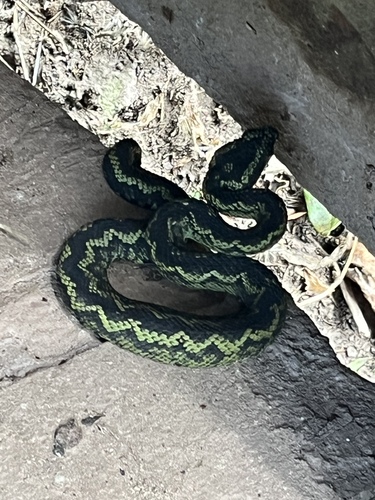
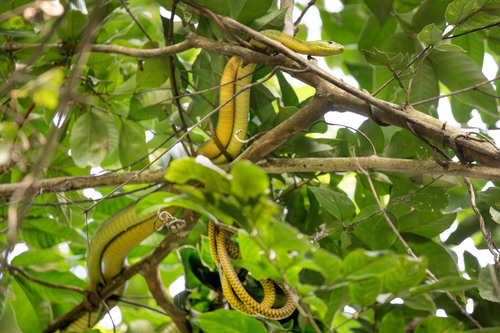
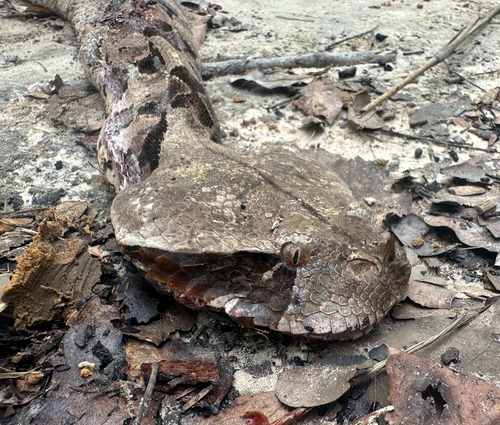
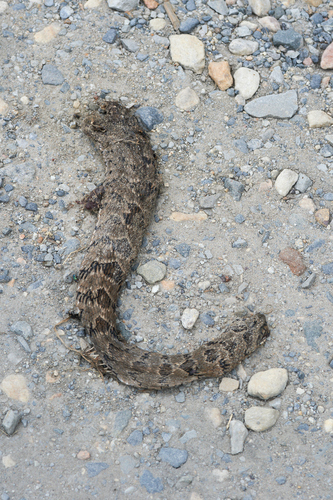
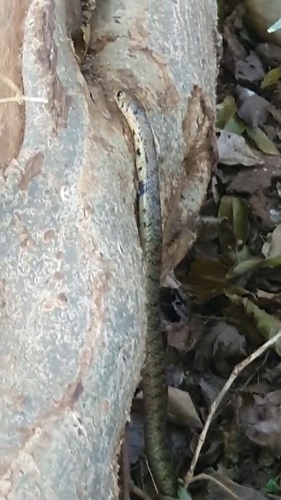
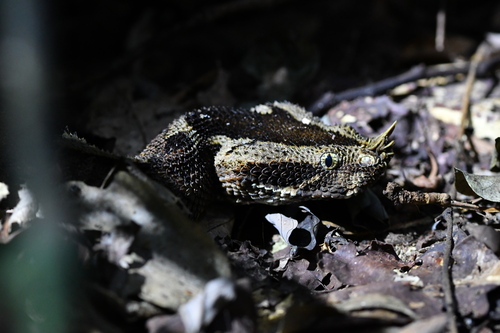
- Yes. 14 venomous snake species have verified records in Burundi, including Great Lakes Bush Viper, Jameson's Mamba, Gaboon Viper, Puff Adder. Most snakes in Burundi, however, are harmless.
- How many snake species live in Burundi?
- 50+ snake species have verified records in Burundi, of which 14 are venomous.
- What is the most commonly seen snake in Burundi?
- The Great Lakes Bush Viper is the most frequently reported snake in Burundi, based on verified wildlife observations.
- What should I do if I see a venomous snake in Burundi?
- Keep your distance and do not try to catch or kill it. Most bites happen when people handle or corner a snake. If someone is bitten, contact local emergency services or poison control immediately.
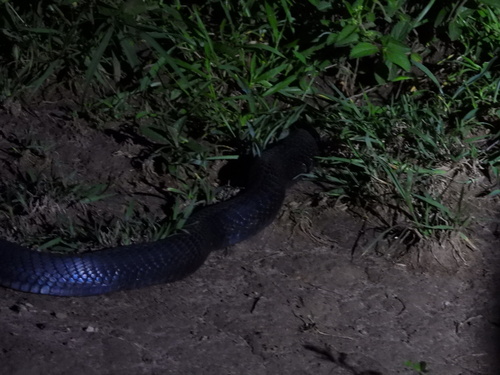
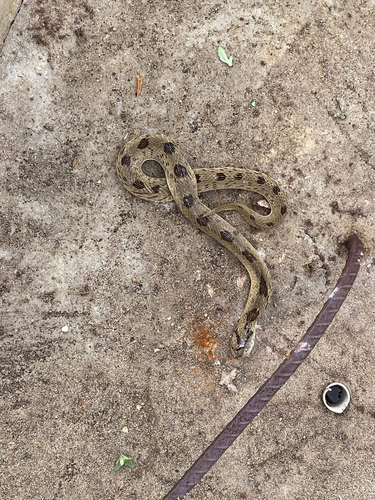
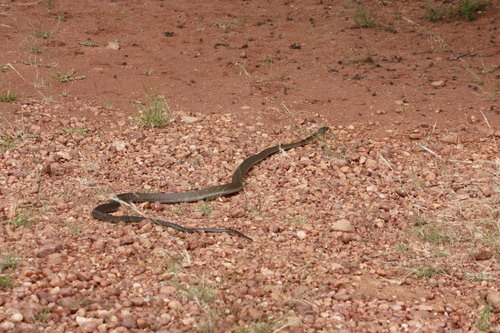
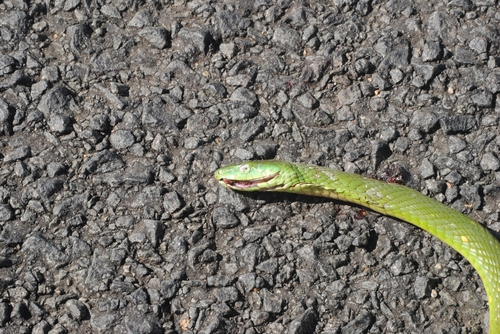
Venomous snakes in Burundi

Every snake recorded in Burundi
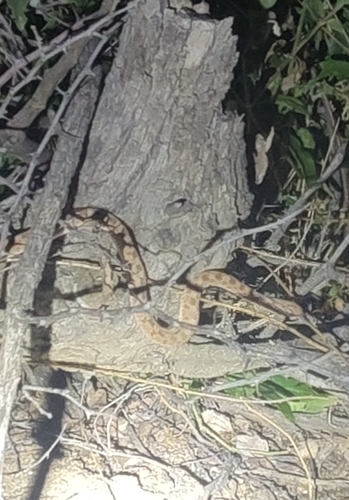
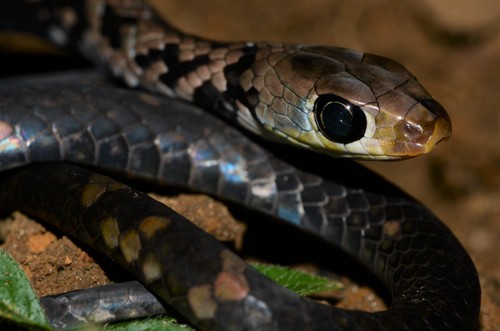
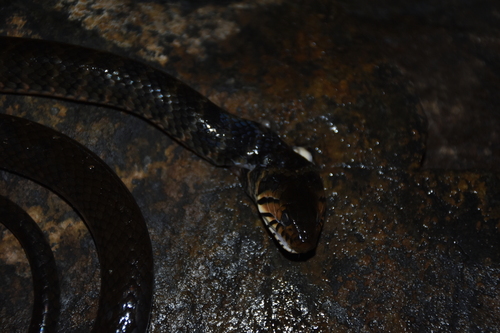
50+ species across 10 families, grouped by family. Venomous flagged.
Colubridae (14)
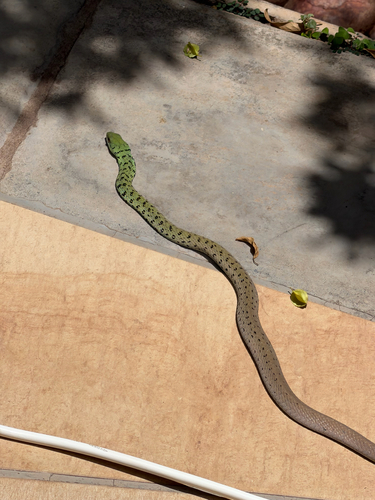
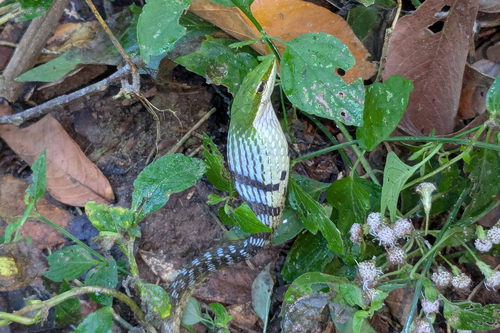
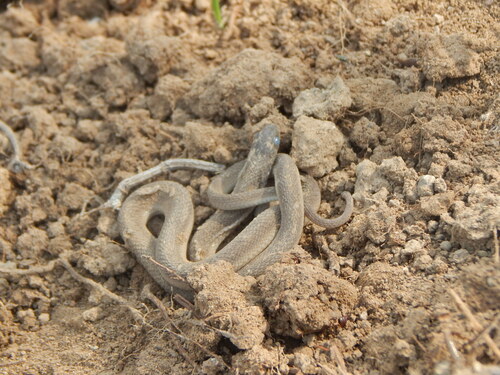
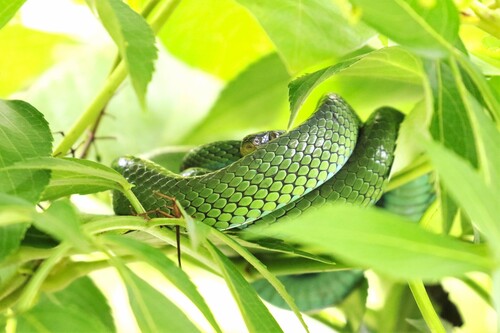
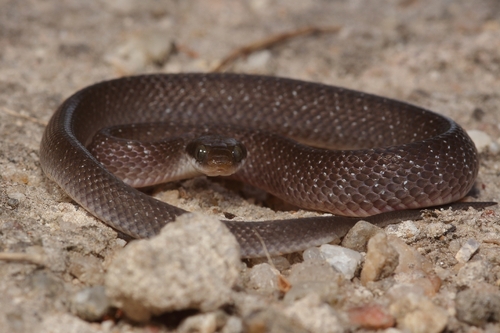
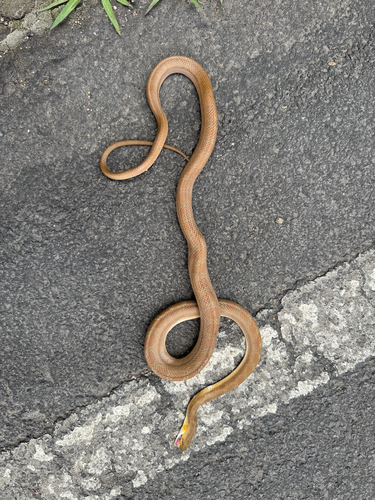
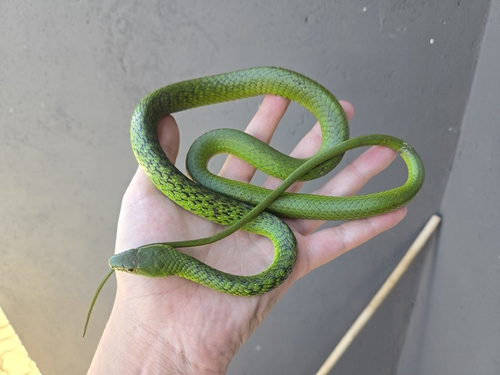
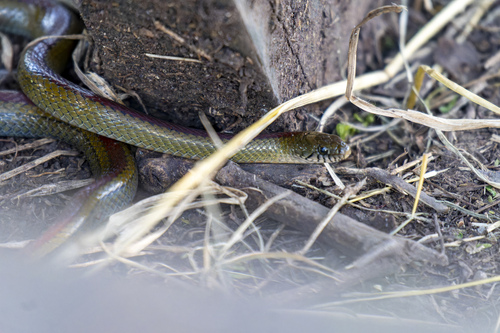
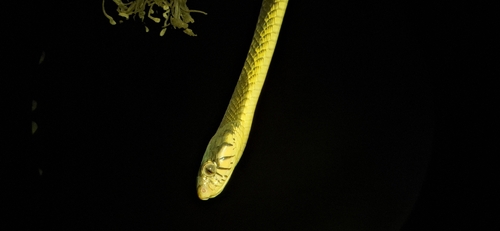
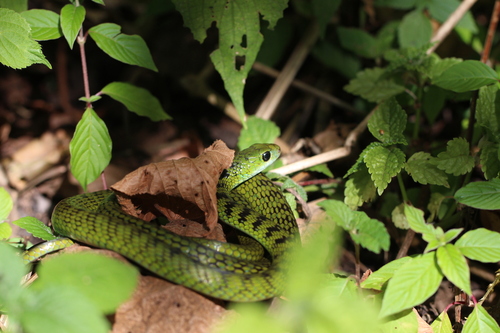
Lamprophiidae (11)
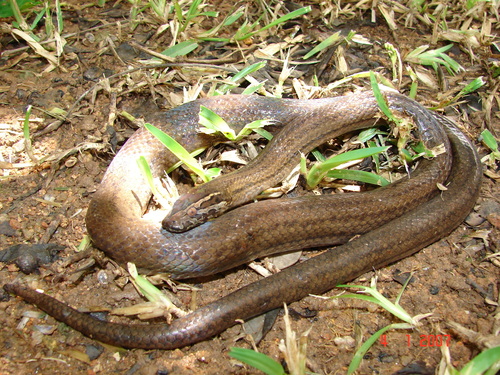
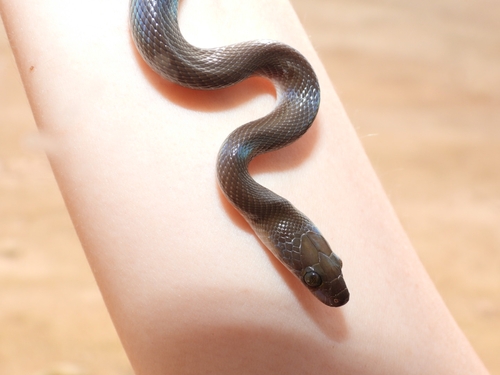
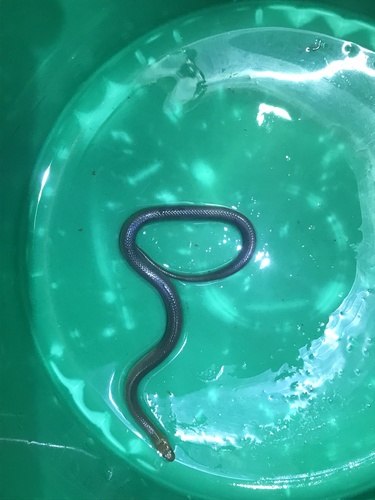
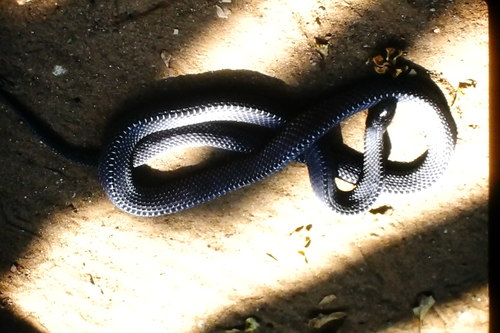
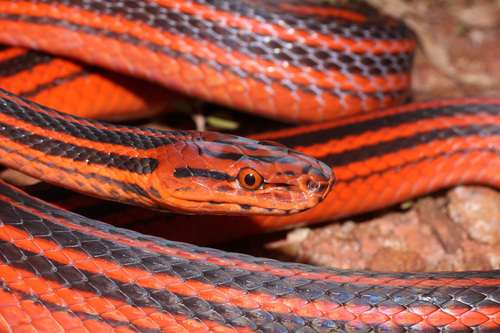
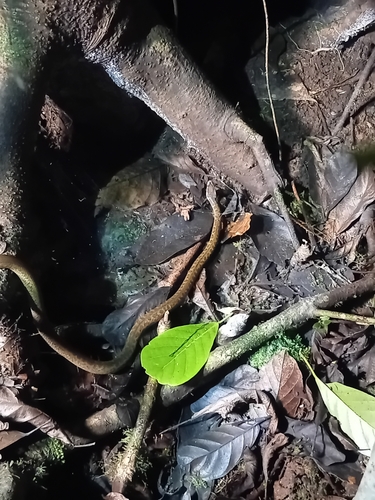
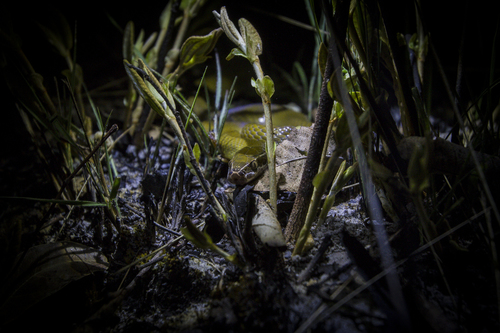
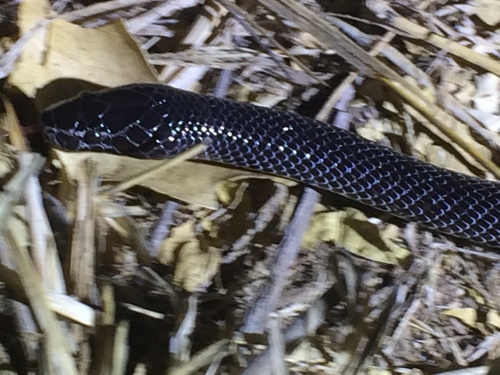
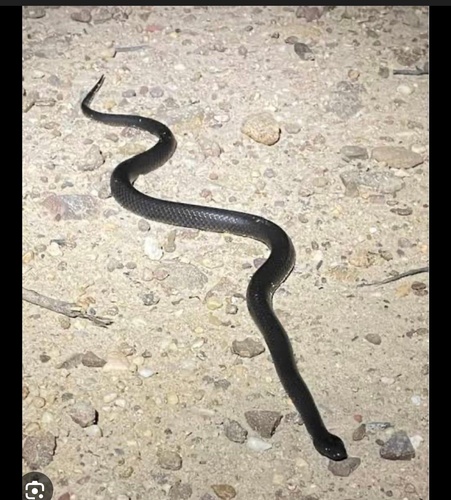
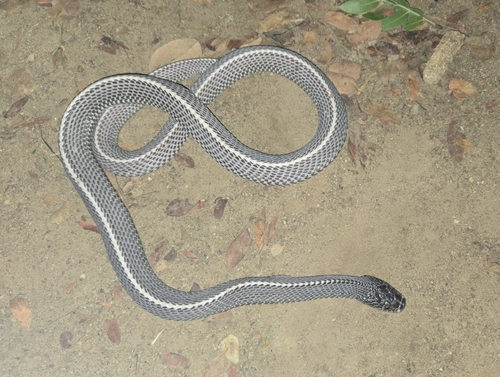
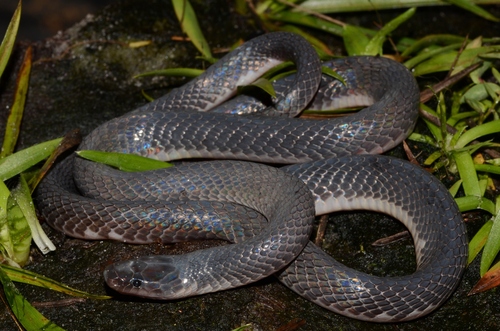
Viperidae (6)
Elapidae (6)
Psammophiidae (4)
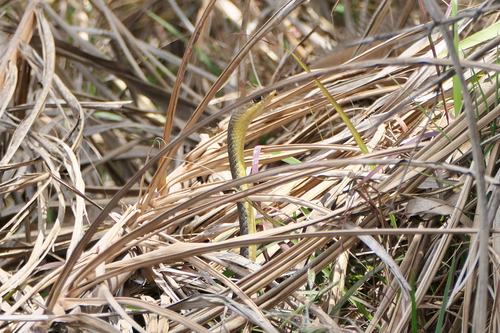
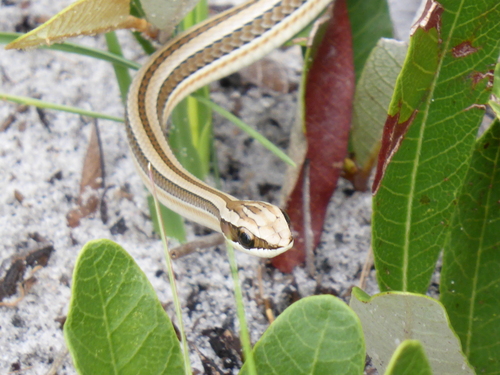
Typhlopidae (4)
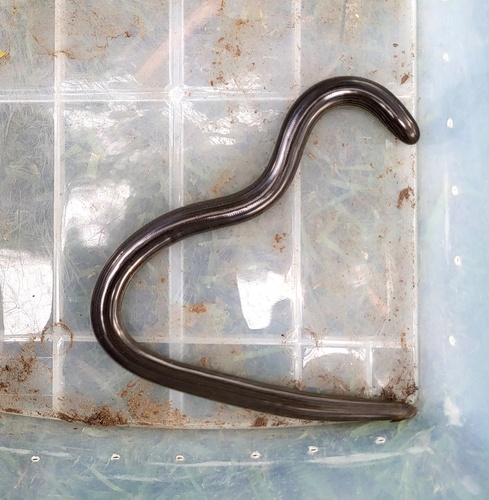
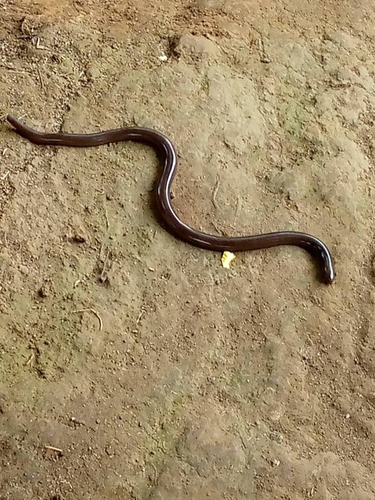
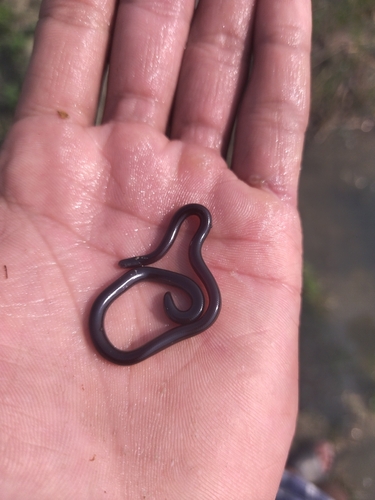
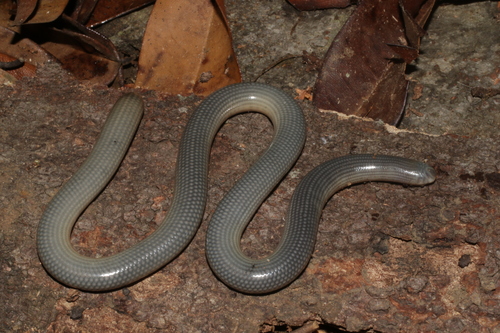
Leptotyphlopidae (2)
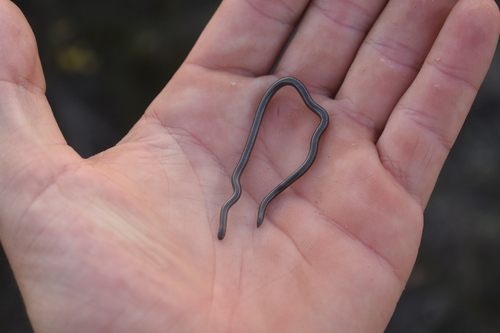
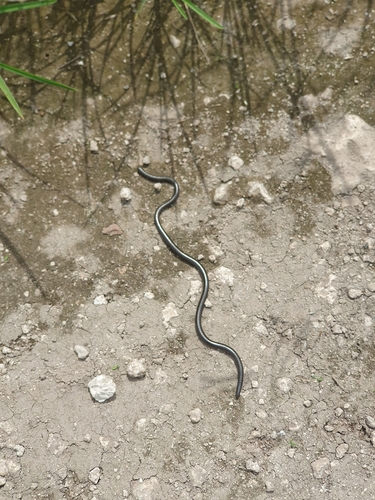
Atractaspididae (1)
Pythonidae (1)
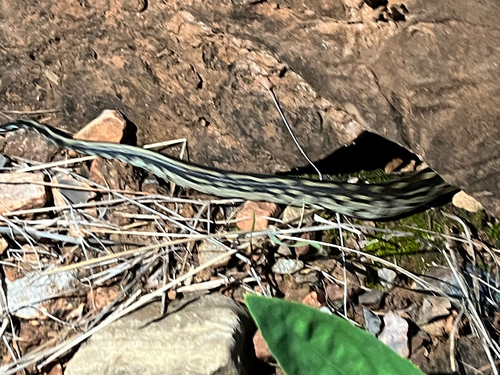
Pseudoxyrhophiidae (1)
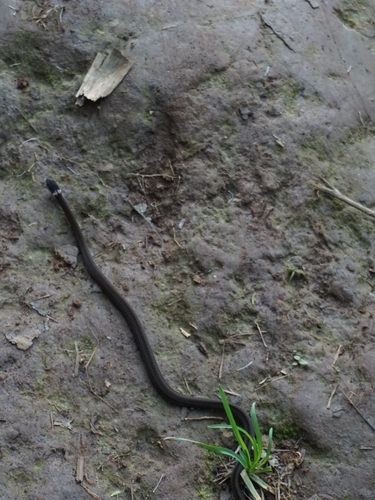
Compiled from verified GBIF & iNaturalist observations. "How often seen" reflects how frequently a snake is reported here, not how dangerous it is. Informational only.
Keep learning
- Are Snakes Dangerous? The Real Risk, in PerspectiveMost snakes are harmless and avoid people. Here is the honest picture of snakebite risk worldwide and how to lower your own.
- Snakebite First Aid: What to Do (and What Never to Do)A clear, CDC-based guide to snakebite first aid: the steps that help, the popular myths that hurt, and how to tell a serious bite from a minor one.
- Venomous vs Nonvenomous: How to Tell the DifferenceThe folk rules for telling venomous snakes apart, where each one fails, and why location-based identification beats guessing by sight.
- What to Do If You Find a SnakeFound a snake at home or on a trail? Here is how to stay calm, give it space, identify it safely, and know when to call a professional.