
Niger
Snakes in Niger
50+ snake species have been recorded in Niger, 14 venomous.
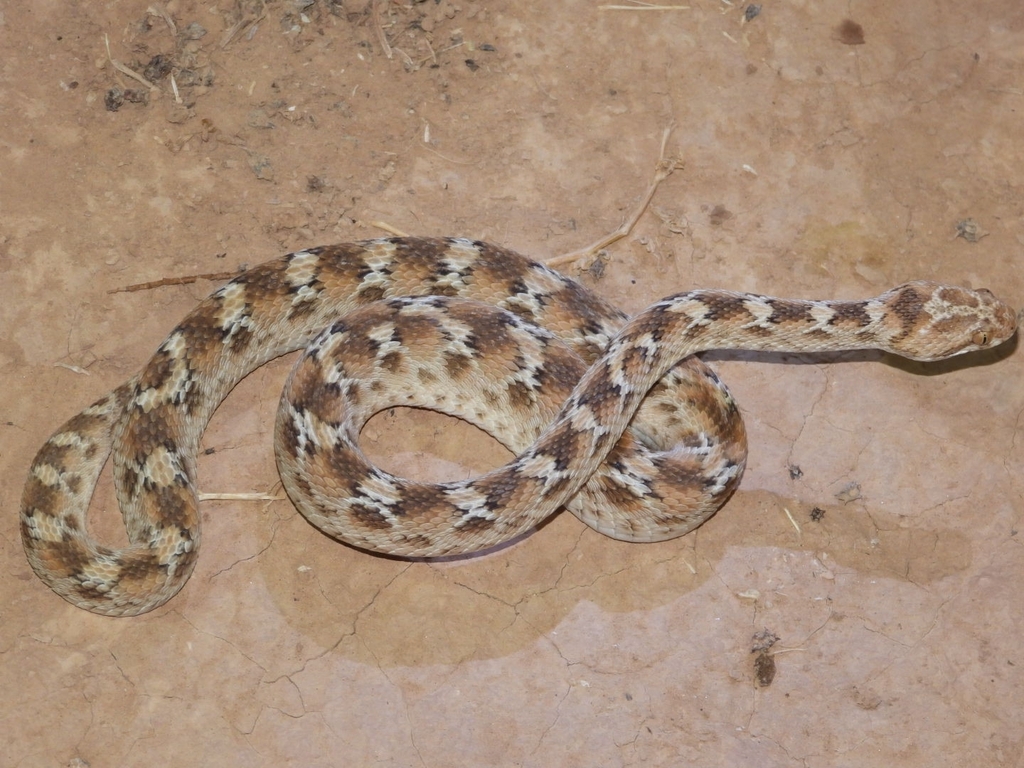
Snakes of Niger
Niger sits at the meeting point of the Sahara and the Sahel, and its snake fauna reflects that hard environmental gradient. Our database records 50+ snake species for the country, of which 20 are venomous. The great majority of species are non-venomous. The arid north is dominated by sand-adapted desert specialists, while the southern Sahel and the floodplains and gallery forests along the Niger River support a richer, more humid-adapted community. This north-to-south transition, from open dunes and rocky hamada to thornbush savanna and riverine wetland, is the main driver of which snakes you find and where.
Geography and water shape that diversity more than anything else. The Niger River and its associated wetlands in the southwest, the Lake Chad basin in the southeast, and seasonal pools and oases scattered across the interior create pockets where moisture-dependent species persist far from the coast. Rocky massifs such as the Air Mountains hold their own isolated populations. Most snakes here are tied to rodent activity, insect prey, and shade, so they concentrate around human settlements, irrigated farmland, granaries, and water sources rather than the open desert, which is why encounters cluster where people and water also cluster.
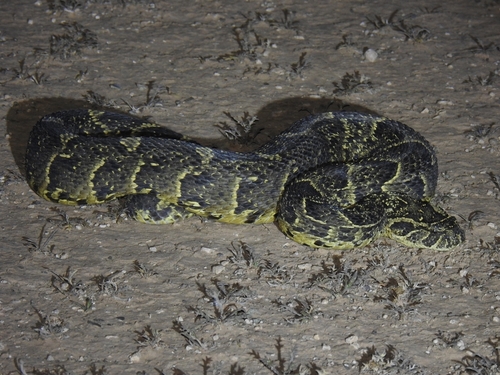
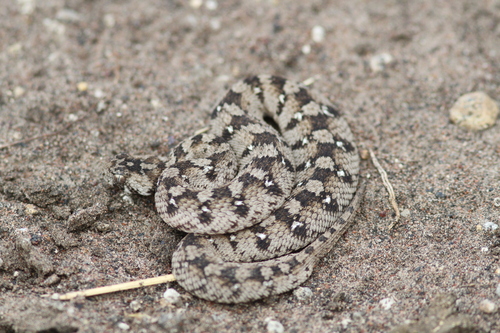
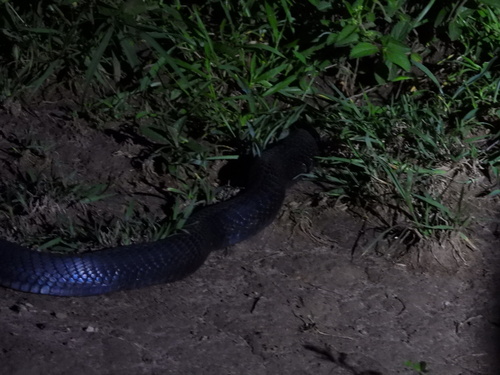
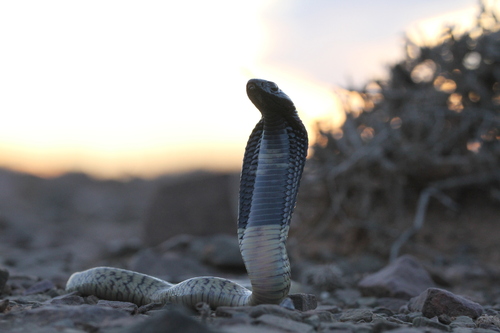
The medically important venomous snakes of Niger fall into a few well-established groups. Elapids are represented by true cobras of the genus Naja, including spitting cobras whose venom can be ejected toward the eyes, and by the desert black snake and related burrowing elapids. Vipers are the other major concern and are widespread: saw-scaled vipers of the genus Echis are small, common, and responsible for a large share of serious bites across the Sahel, while the puff adder, a thick-bodied, well-camouflaged ambush viper, is among the most dangerous snakes anywhere in its range. Carpet and sand vipers round out the viper group in the drier zones. Niger has no pit vipers, no coral snakes, no rattlesnakes, and no marine sea snakes, since all of those groups belong to other continents or to the sea coasts Niger does not have.
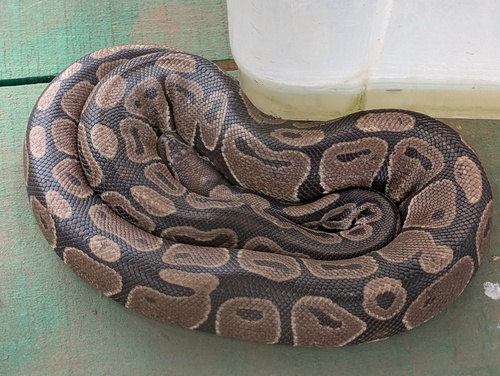
The large non-venomous majority does the everyday work of the ecosystem. Sand and racer snakes move fast across open ground in pursuit of lizards and small mammals. Egg-eating snakes specialize on raiding bird nests and are completely harmless to people. The most famous non-venomous snakes of the region are the pythons: the African rock python is the largest snake in Niger and a powerful constrictor, and the smaller royal python, often called the ball python, is recognized worldwide and valued for its docile temperament. Sand boas, file snakes, and a range of slender colubrids fill out the rest of the harmless community.
Snakes earn their place ecologically by controlling rodents and other pests. In a country where stored grain and farm yields matter enormously, the snakes that hunt rats and mice around fields and villages provide free, continuous pest control and help limit the spread of rodent-borne disease. Removing snakes tends to let rodent populations climb, so the practical value of a healthy snake population is real even for people who would rather not see one.
On safety, the honest framing is simple. Most snakes in Niger are harmless, and the species you are most likely to meet near homes and fields are not the deadly ones. The main medical threats are the saw-scaled vipers, the puff adder, and the cobras. A venomous bite is a medical emergency, and the correct treatment is antivenom and supportive care delivered at a hospital, not anything done in the field. Never attempt to handle, catch, or kill a wild venomous snake, since most bites happen during exactly those attempts. If a bite occurs, get the person to emergency medical care as fast as possible. In the United States contact Poison Control at 1-800-222-1222, and anywhere else call local emergency services.
Snakes in Niger: FAQ
- Are there venomous snakes in Niger?
- Yes. 14 venomous snake species have verified records in Niger, including Roman's Saw-scaled Viper, Desert Horned Viper, Sahara Sand Viper, Puff Adder. Most snakes in Niger, however, are harmless.
- How many snake species live in Niger?
- 50+ snake species have verified records in Niger, of which 14 are venomous.
- What is the most commonly seen snake in Niger?
- The Roman's Saw-scaled Viper is the most frequently reported snake in Niger, based on verified wildlife observations.
- What should I do if I see a venomous snake in Niger?
- Keep your distance and do not try to catch or kill it. Most bites happen when people handle or corner a snake. If someone is bitten, contact local emergency services or poison control immediately.
Venomous snakes in Niger
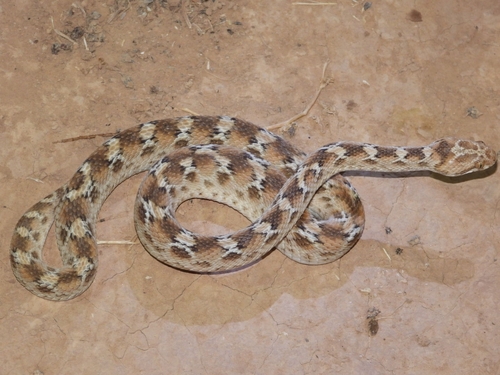
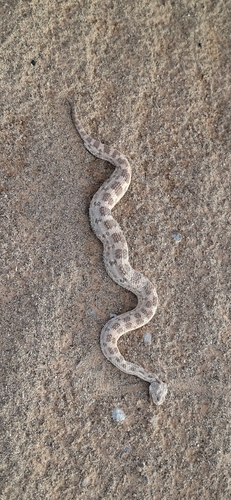
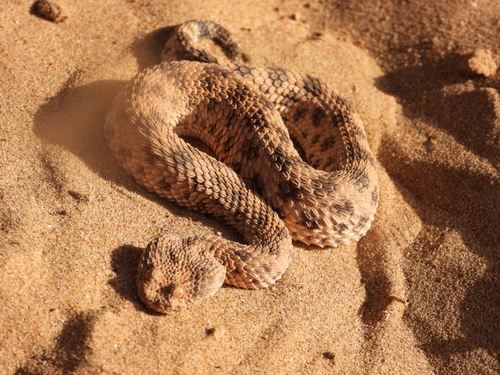
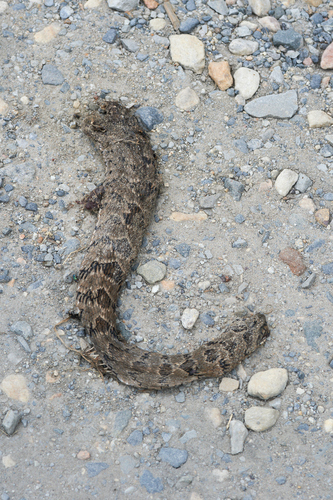
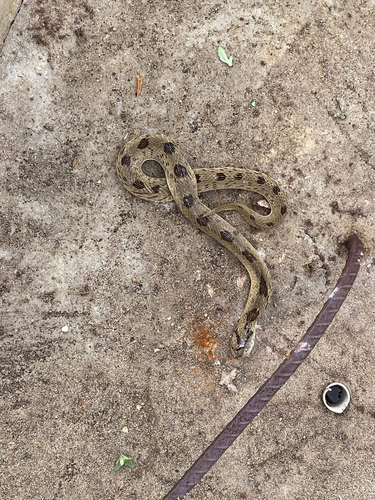
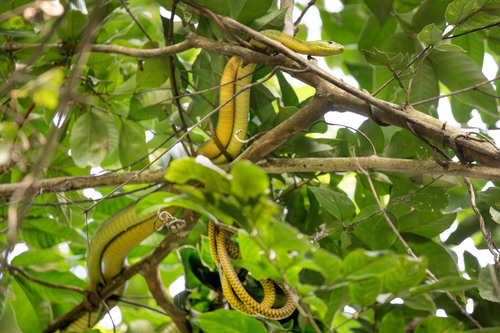
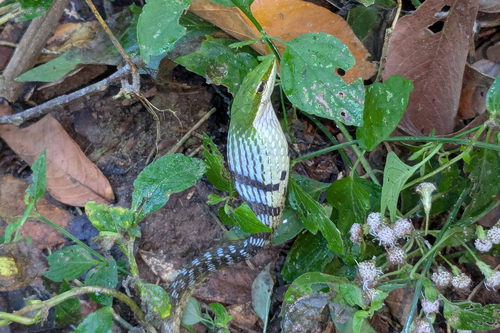
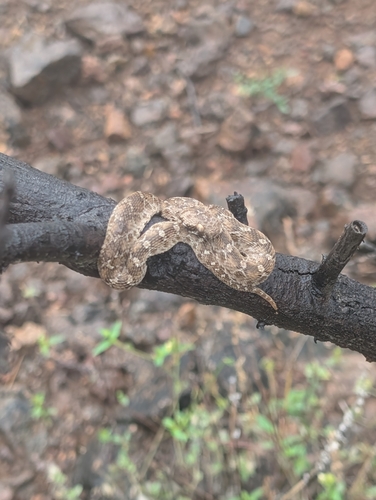
- No photo
Every snake recorded in Niger
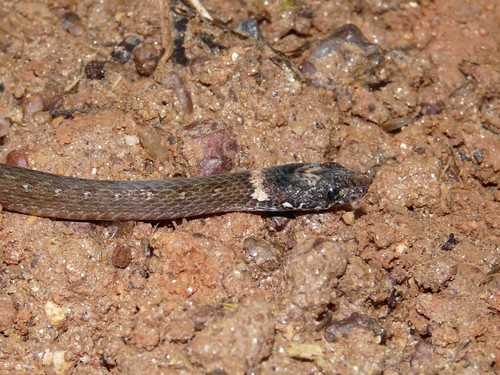
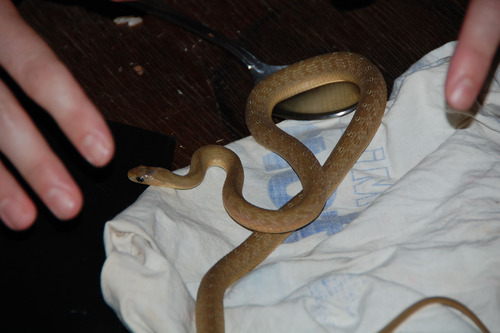
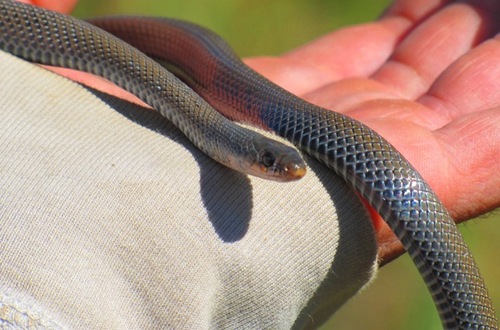
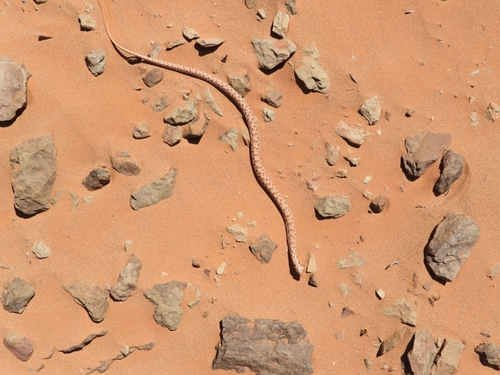
50+ species across 11 families, grouped by family. Venomous flagged.
Colubridae (14)
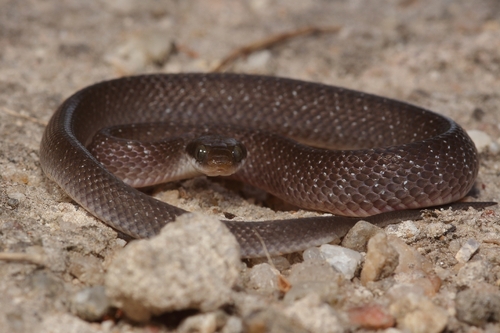
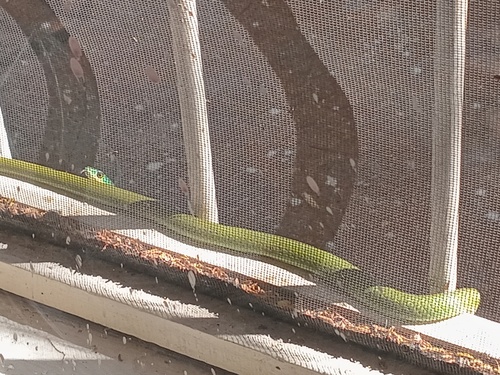
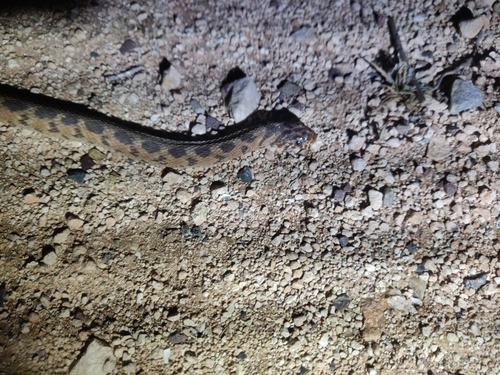
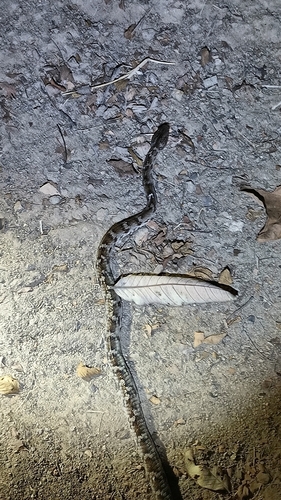
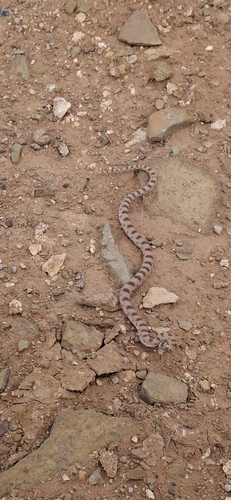
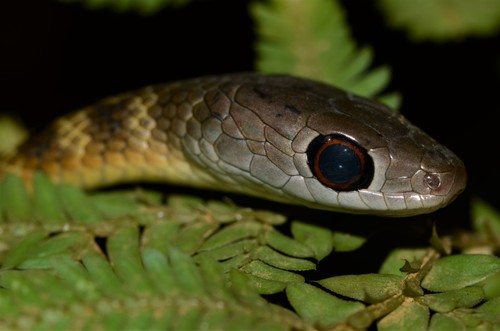
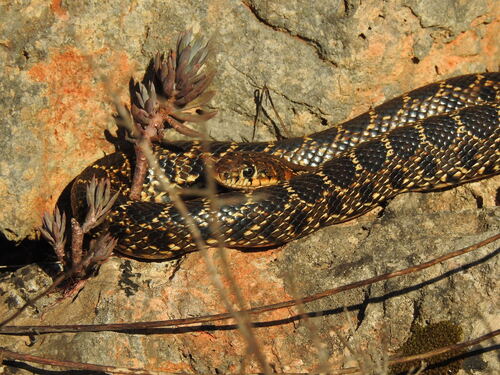
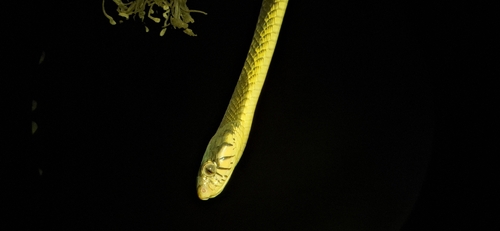
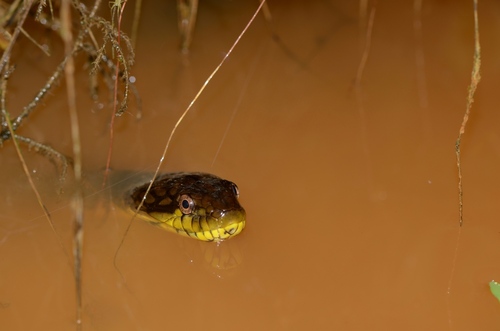
Viperidae (8)
Psammophiidae (8)
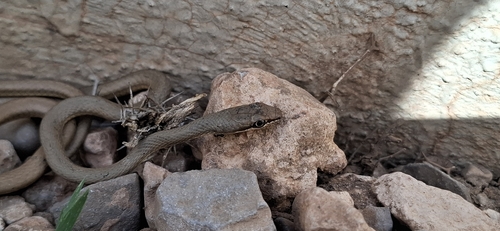
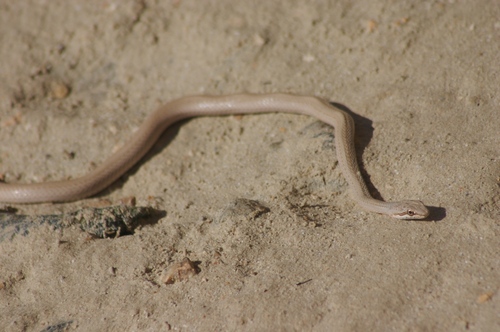
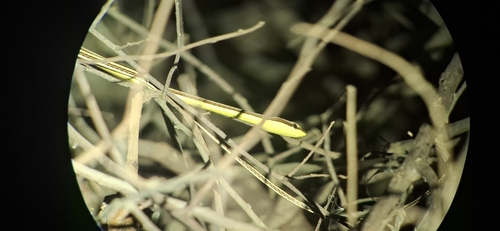
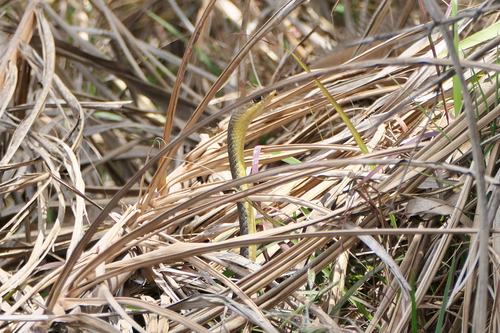
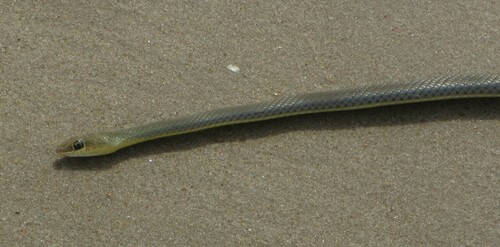
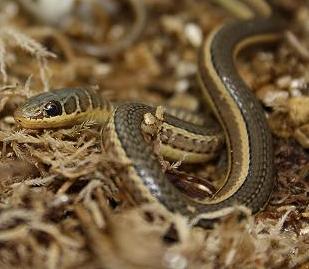
Lamprophiidae (5)
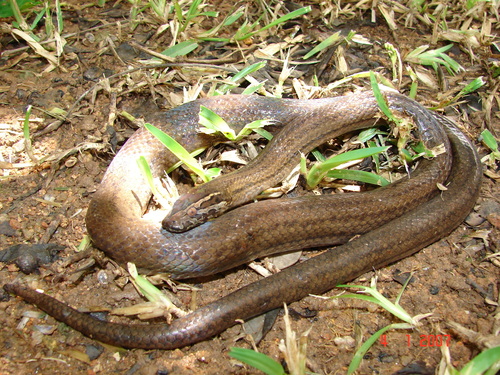
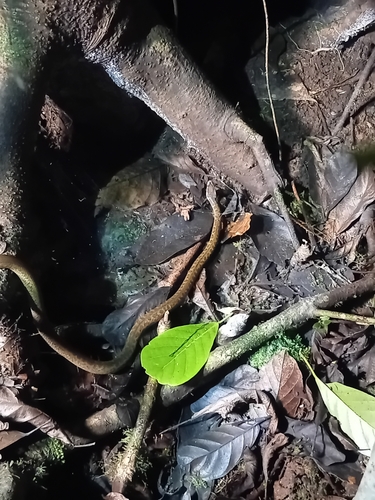
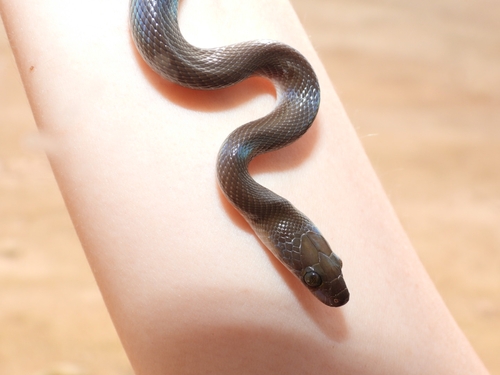
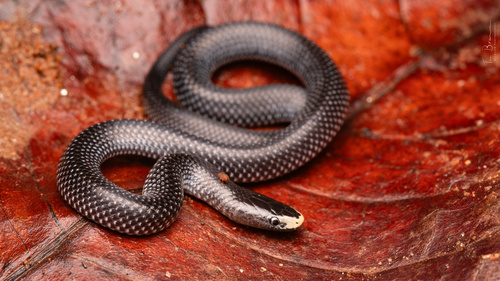
Atractaspididae (4)
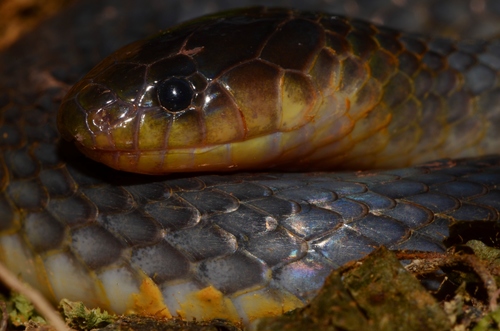

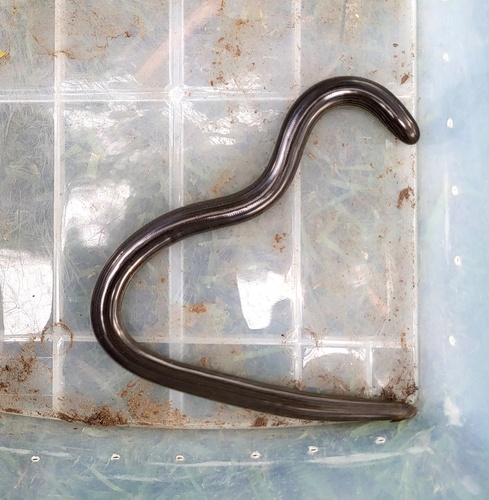
Leptotyphlopidae (3)
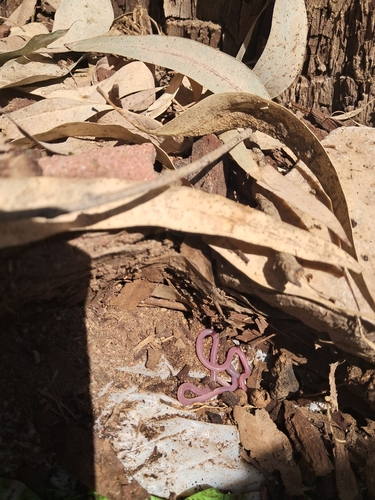
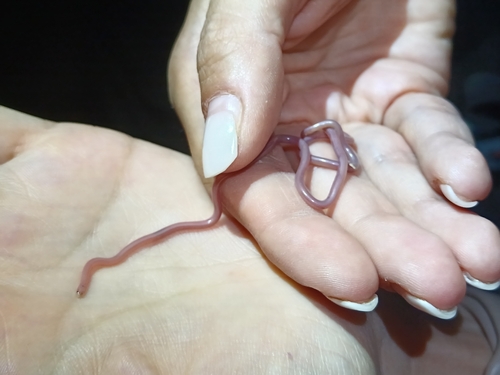
Elapidae (3)
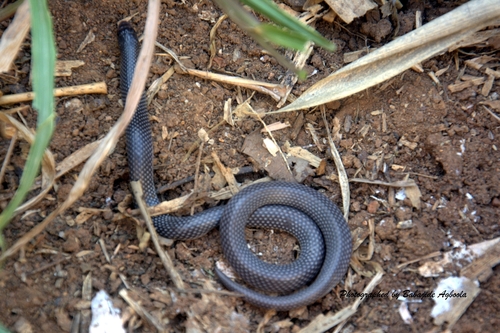
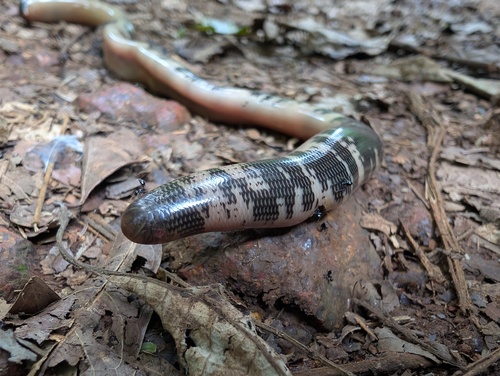
Typhlopidae (2)
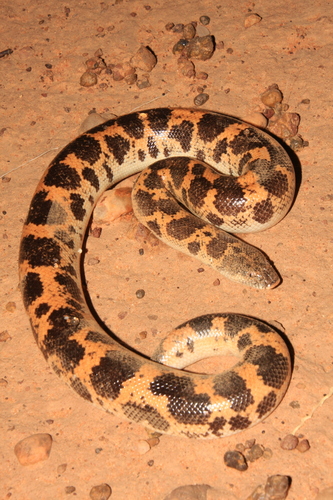
Boidae (1)
Pythonidae (1)
Compiled from verified GBIF & iNaturalist observations. "How often seen" reflects how frequently a snake is reported here, not how dangerous it is. Informational only.
Keep learning
- Are Snakes Dangerous? The Real Risk, in PerspectiveMost snakes are harmless and avoid people. Here is the honest picture of snakebite risk worldwide and how to lower your own.
- Snakebite First Aid: What to Do (and What Never to Do)A clear, CDC-based guide to snakebite first aid: the steps that help, the popular myths that hurt, and how to tell a serious bite from a minor one.
- Venomous vs Nonvenomous: How to Tell the DifferenceThe folk rules for telling venomous snakes apart, where each one fails, and why location-based identification beats guessing by sight.
- What to Do If You Find a SnakeFound a snake at home or on a trail? Here is how to stay calm, give it space, identify it safely, and know when to call a professional.