
Djibouti
Snakes in Djibouti
10+ snake species have been recorded in Djibouti, 5 venomous.
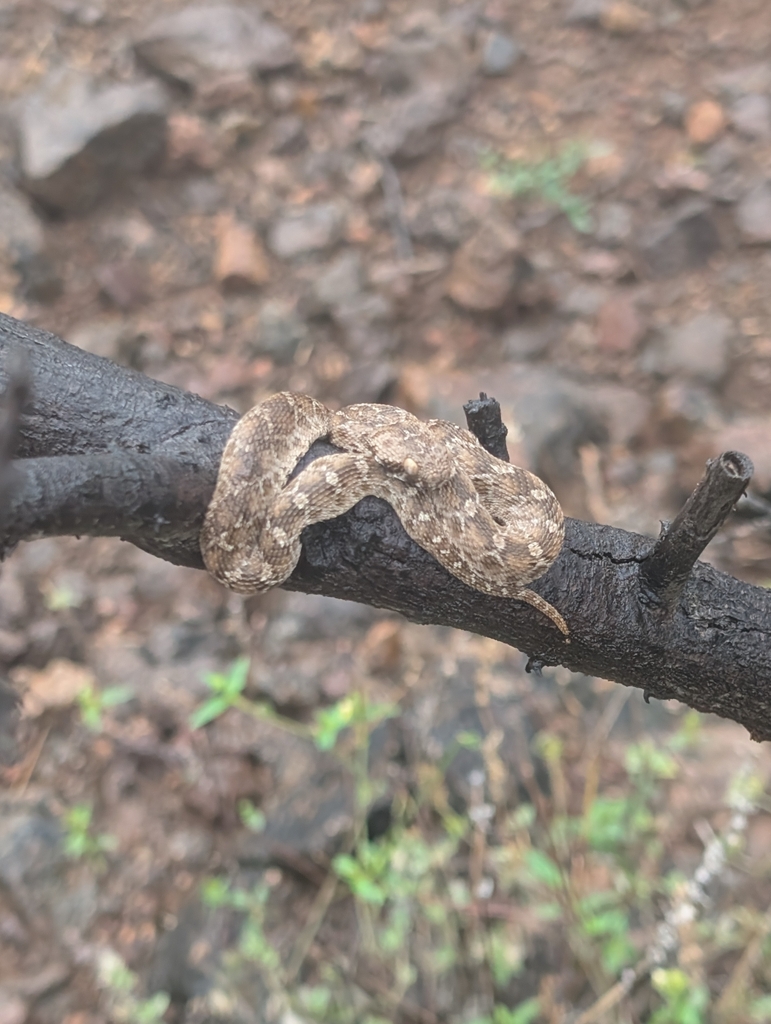
Snakes of Djibouti
Djibouti is a small, arid country at the southern end of the Red Sea, where the Horn of Africa meets the Gulf of Aden. Its landscape is dominated by volcanic rock, salt flats such as Lake Assal, sparse semidesert scrub, and dry coastal plains, with cooler relief only in the Goda and Mabla highlands. This hot, dry, low-diversity setting shapes a snake fauna built for heat and scarcity. Our database records 10+ snake species for Djibouti, 5 of them venomous, with the great majority of species being non-venomous. The snakes here are largely desert and dry-savanna specialists rather than the dense forest assemblages found in wetter parts of Africa.
The venomous snakes present belong to the groups responsible for most serious snakebite across the wider region. Vipers are the central concern, including small, well-camouflaged desert and saw-scaled type vipers that sit motionless in sand and rubble and account for the bites of greatest medical importance. Elapids, the family that includes cobras, are also part of the regional fauna and deliver neurotoxic venom. Burrowing asps, sometimes called mole or stiletto vipers, are small front-of-ground dwellers whose side-stabbing fangs make them dangerous even when handled carefully. These are best understood as groups: the exact roster at the species level for an arid, lightly surveyed country like Djibouti is not always settled, so the safe framing is family-level rather than naming doubtful species.
The harmless majority covers the rest of the recorded fauna. These are mostly non-venomous or only mildly venomous colubrid-type snakes: sand snakes and racers that move fast across open ground in the heat of the day, along with secretive nocturnal and burrowing species that spend daylight hours under rock and sand. Most are modest in size, drab in color, and pose no threat to people. They are far more often seen fleeing than confronting, and they form the everyday baseline of snake life across Djibouti's plains and wadis.
Snakes are a working part of this dry ecosystem. They are efficient predators of rodents, lizards, insects, and other small animals, and in an arid country that rodent control is real value to people, helping limit pests around settlements, grain stores, and farmland. Snakes are in turn prey for birds of prey, larger reptiles, and mammals, so they sit in the middle of the food web. Removing them tends to let rodent populations climb, which carries its own health and crop costs.
For safety, keep it simple. Most snakes you encounter in Djibouti are harmless, but the vipers, elapids, and burrowing asps present can cause serious harm, and vipers are the main medical threat. The correct response to any venomous snakebite is to get to a hospital quickly, where antivenom and supportive medical care are the real treatment. No wild snake should be picked up or handled, including ones that look dead or harmless, since misidentification and defensive strikes are how most bites happen. If a bite occurs, treat it as a medical emergency and contact local emergency services, or US Poison Control at 1-800-222-1222 if you are in the United States.
Snakes in Djibouti: FAQ
- Are there venomous snakes in Djibouti?
- Yes. 5 venomous snake species have verified records in Djibouti, including Egyptian Saw-scaled Viper, Brown Banded Cobra, Nubian Spitting Cobra, Roman's Saw-scaled Viper. Most snakes in Djibouti, however, are harmless.
- How many snake species live in Djibouti?
- 10+ snake species have verified records in Djibouti, of which 5 are venomous.
- What is the most commonly seen snake in Djibouti?
- The Egyptian Saw-scaled Viper is the most frequently reported snake in Djibouti, based on verified wildlife observations.
- What should I do if I see a venomous snake in Djibouti?
- Keep your distance and do not try to catch or kill it. Most bites happen when people handle or corner a snake. If someone is bitten, contact local emergency services or poison control immediately.
Venomous snakes in Djibouti
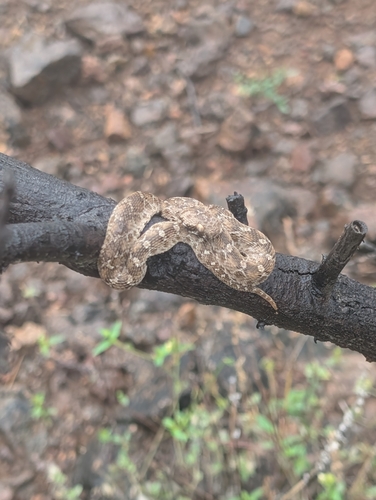
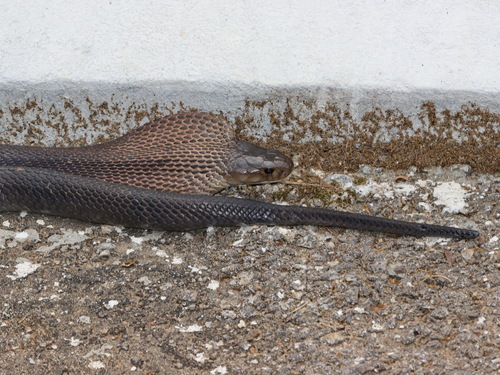
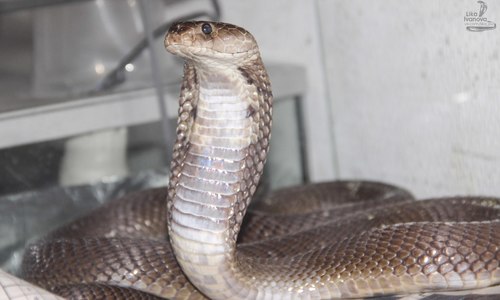
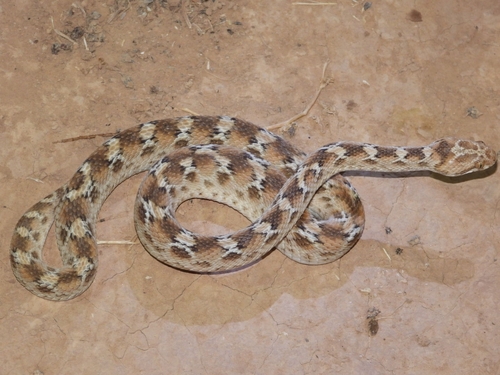
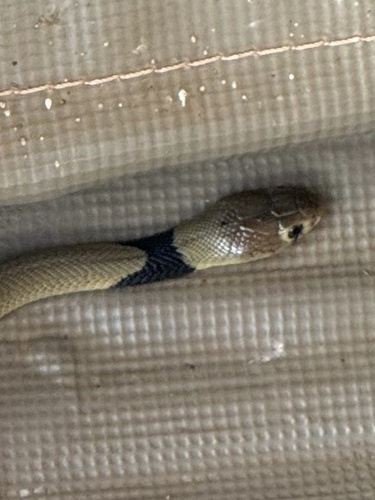
Every snake recorded in Djibouti
10+ species across 7 families, grouped by family. Venomous flagged.
Elapidae (3)
Psammophiidae (3)
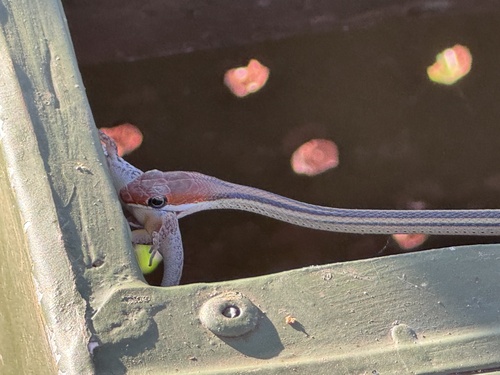
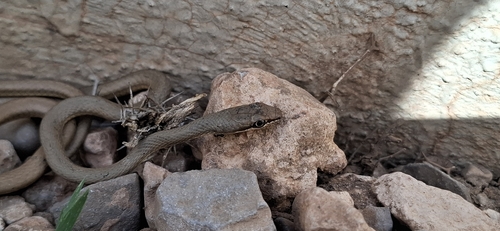
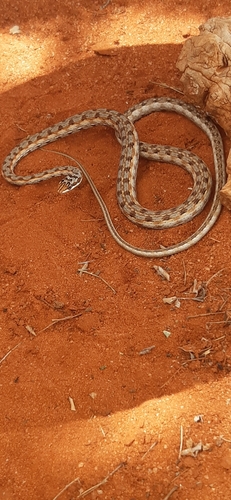
Colubridae (3)
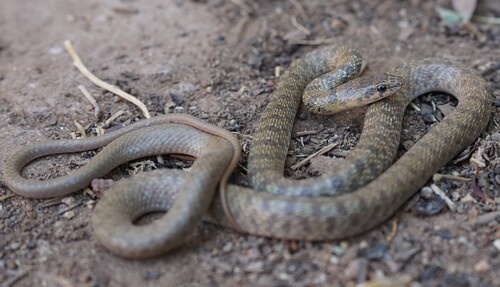
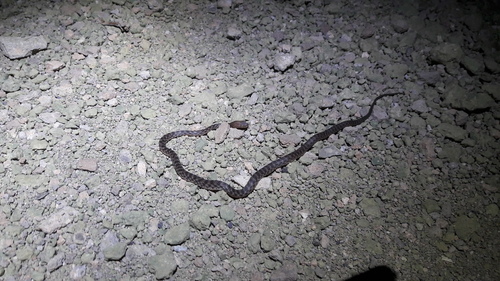
Viperidae (2)
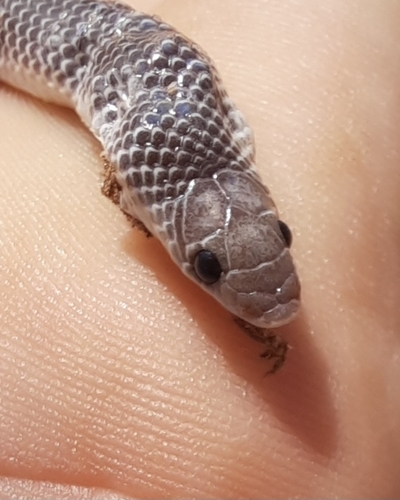
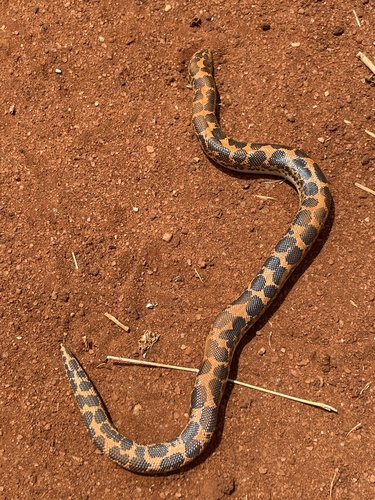
Lamprophiidae (1)
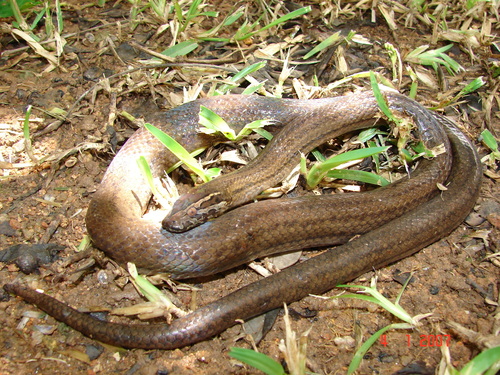
Compiled from verified GBIF & iNaturalist observations. "How often seen" reflects how frequently a snake is reported here, not how dangerous it is. Informational only.
Keep learning
- Are Snakes Dangerous? The Real Risk, in PerspectiveMost snakes are harmless and avoid people. Here is the honest picture of snakebite risk worldwide and how to lower your own.
- Snakebite First Aid: What to Do (and What Never to Do)A clear, CDC-based guide to snakebite first aid: the steps that help, the popular myths that hurt, and how to tell a serious bite from a minor one.
- Venomous vs Nonvenomous: How to Tell the DifferenceThe folk rules for telling venomous snakes apart, where each one fails, and why location-based identification beats guessing by sight.
- What to Do If You Find a SnakeFound a snake at home or on a trail? Here is how to stay calm, give it space, identify it safely, and know when to call a professional.