
Sierra Leone
Snakes in Sierra Leone
50+ snake species have been recorded in Sierra Leone, 19 venomous.
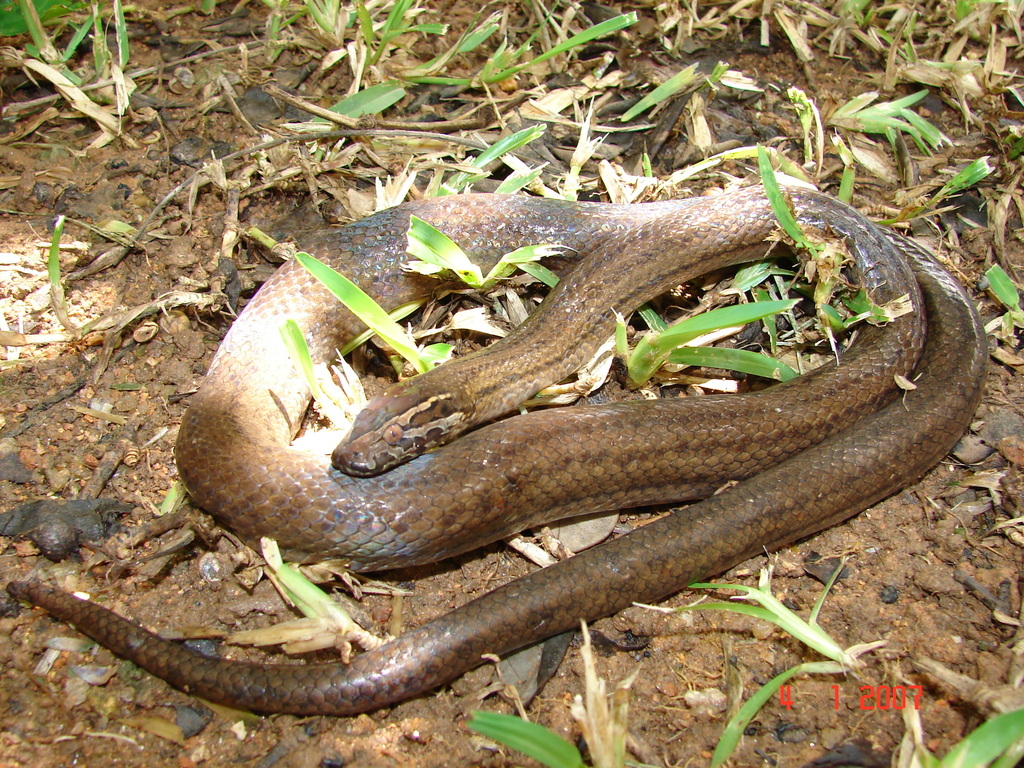
Snakes of Sierra Leone
Sierra Leone has 50+ snake species recorded in our database, 20 of them venomous. The great majority of species are non-venomous, which means most snakes encountered in the country pose no lethal threat to people. Sitting on the West African coast within the Upper Guinean rainforest belt, Sierra Leone packs a wide range of snakes into a small area, from lowland tropical forest to coastal mangroves, freshwater swamps, savanna mosaics, and farmland.
The country's snake diversity is driven by its varied geography and high rainfall. Dense rainforest in the east and south supports tree-dwelling and ground-dwelling species that depend on humid leaf litter and closed canopy, while the drier northern savanna and the cultivated lowlands favor a different set of snakes adapted to open ground and seasonal conditions. Rivers, swamps, and the long Atlantic coastline add aquatic and semi-aquatic habitats, and the warm, wet climate keeps prey such as rodents, frogs, lizards, and birds abundant year round. This mix of habitats packed into a compact territory is what produces the long species list.
The medically important venomous snakes of Sierra Leone fall into a few well established groups. Elapids include cobras and the slender, fast tree-dwelling mambas, both of which deliver neurotoxic venom that can affect breathing. The vipers are the other major concern: large terrestrial vipers of the genus Bitis, such as the puff adder and the Gaboon viper, plus arboreal green bush vipers, all of which cause severe tissue damage, swelling, and bleeding. Burrowing asps, also called stiletto snakes or mole vipers, are an additional group capable of dangerous bites. These are the venomous families that matter for human safety here. Because the marine environment borders the country, sea snakes are not a notable feature of these waters in the way they are in the Indo-Pacific.
The non-venomous majority is where most of the country's snake fauna sits. House snakes, sand snakes, file snakes, egg-eating snakes, and a range of colubrids live alongside people in farms, gardens, and bush. The most famous is the African rock python, one of the largest snakes on the continent, a powerful non-venomous constrictor that kills prey by squeezing rather than venom. Blind snakes and thread snakes, small burrowing animals often mistaken for worms, round out the harmless end of the list. Many of these species are secretive and are far more common than the venomous minority that attracts attention.
Snakes earn their place in Sierra Leone's ecosystems. Rodent-eating species, including pythons, house snakes, and many colubrids, suppress rats and mice that damage stored grain, raid crops, and carry disease. By controlling these pest populations around homes, farms, and food stores, snakes provide real economic and public health value. They also feed larger predators and help keep amphibian and reptile populations in balance, making them an integral part of the food web rather than a nuisance to be eliminated.
On safety, the honest framing is that most snakes you encounter in Sierra Leone are harmless, but the country does have a real medical threat from its venomous vipers and elapids, with the large Bitis vipers being the most significant cause of serious bites. The correct treatment for a venomous snakebite is professional medical care: antivenom and hospital management administered by clinicians. Never assume a wild snake is safe to handle, and never try to catch, kill, or restrain one, since most bites happen during exactly those attempts. If a bite occurs, treat it as a medical emergency and get the person to a hospital or emergency services without delay. In the United States you can also call Poison Control at 1-800-222-1222; elsewhere, contact your local emergency number.
Snakes in Sierra Leone: FAQ
- Are there venomous snakes in Sierra Leone?
- Yes. 19 venomous snake species have verified records in Sierra Leone, including Brown Banded Cobra, Western Green Mamba, Spotted Night Adder, Black-necked Spitting Cobra. Most snakes in Sierra Leone, however, are harmless.
- How many snake species live in Sierra Leone?
- 50+ snake species have verified records in Sierra Leone, of which 19 are venomous.
- What is the most commonly seen snake in Sierra Leone?
- The Seychelles House Snake is the most frequently reported snake in Sierra Leone, based on verified wildlife observations.
- What should I do if I see a venomous snake in Sierra Leone?
- Keep your distance and do not try to catch or kill it. Most bites happen when people handle or corner a snake. If someone is bitten, contact local emergency services or poison control immediately.
Venomous snakes in Sierra Leone
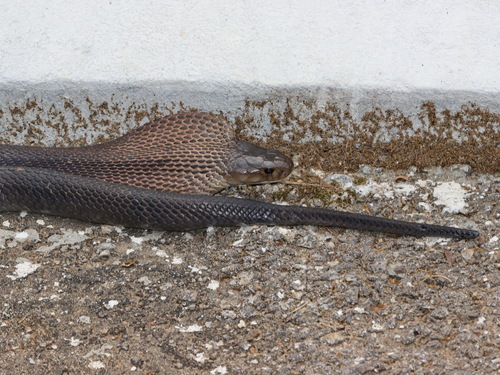
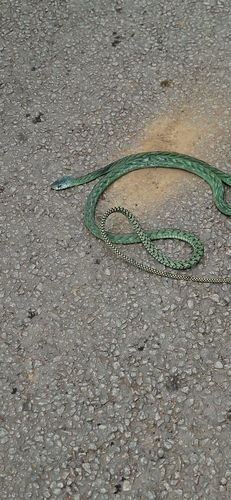
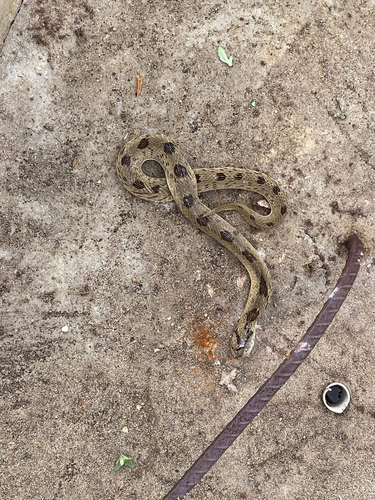
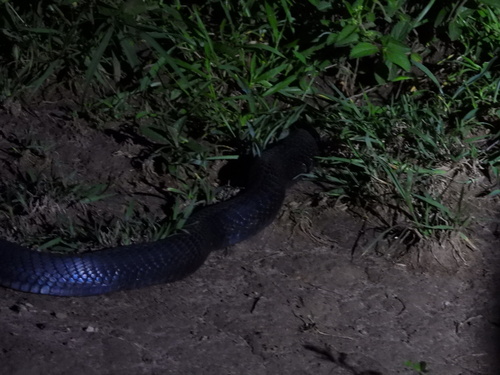
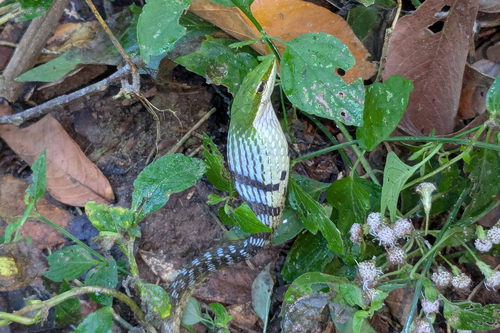
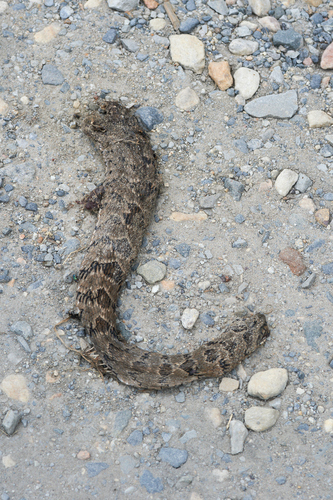
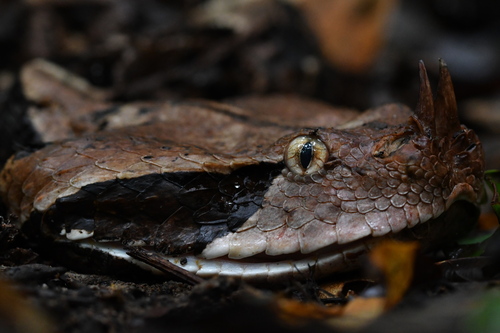
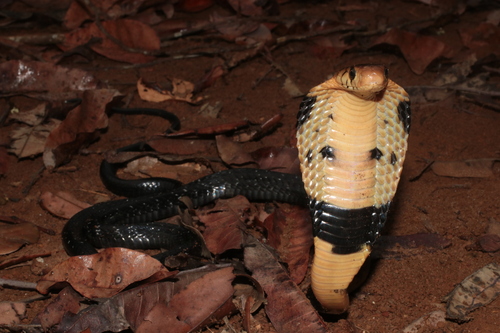
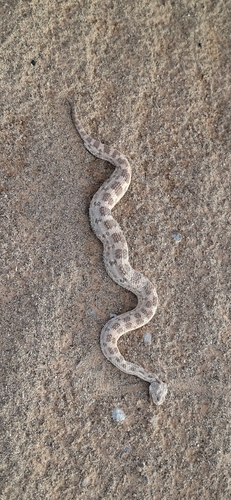
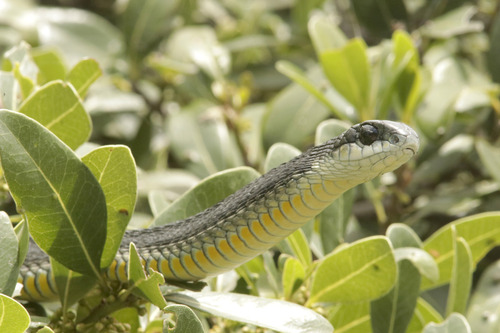
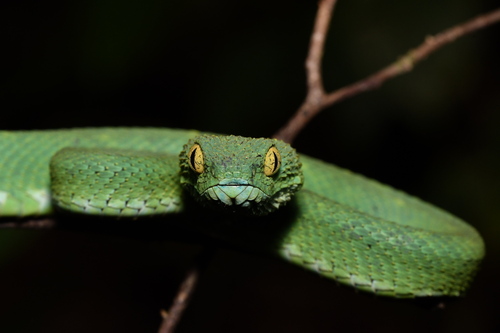
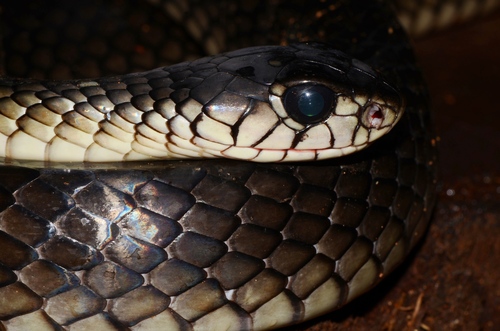
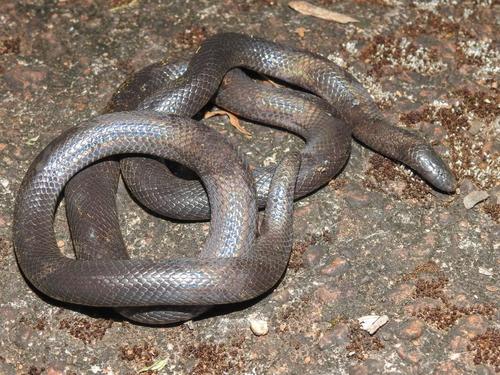
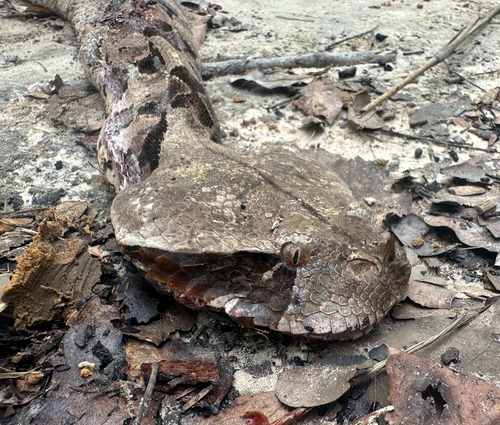
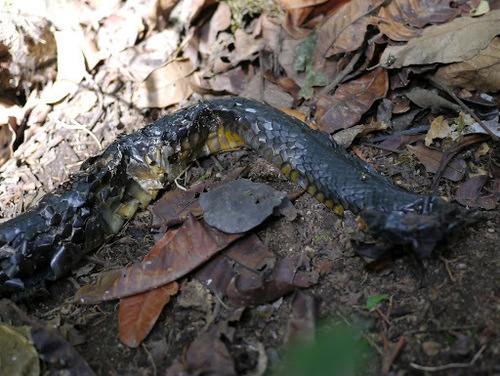
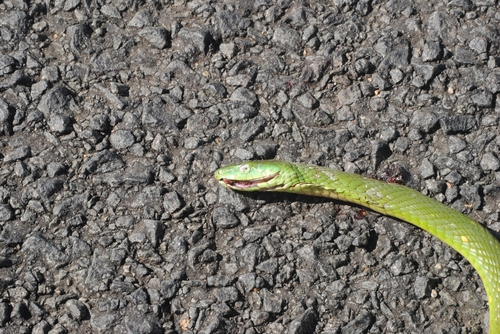

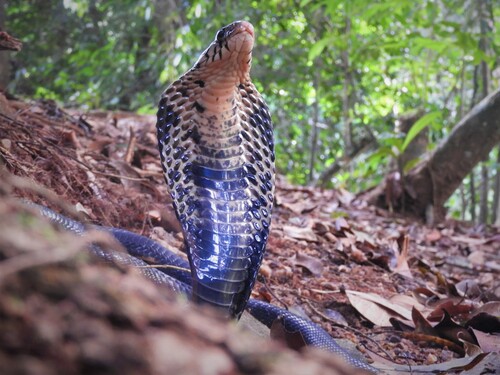
- No photo
Every snake recorded in Sierra Leone
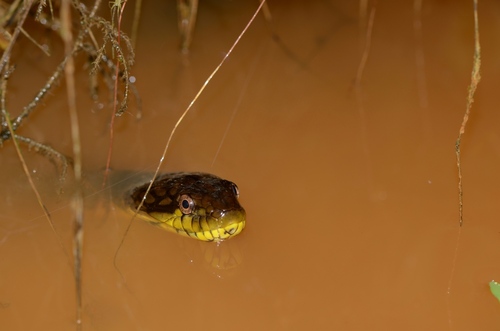
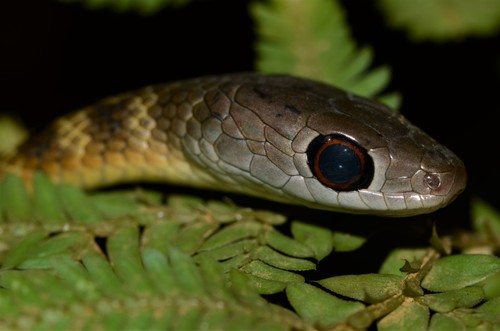
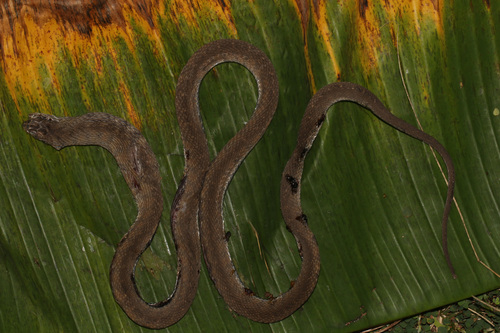
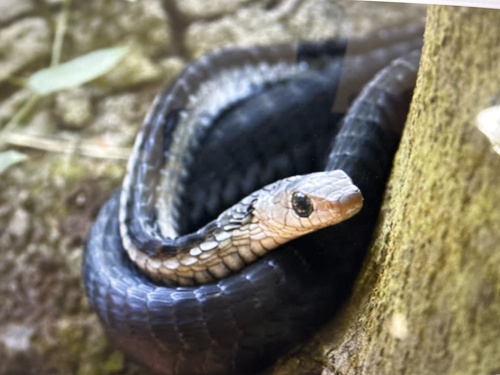
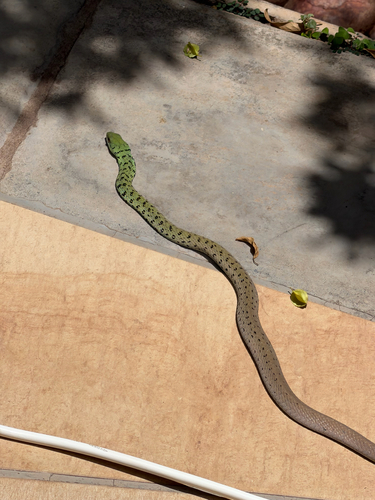
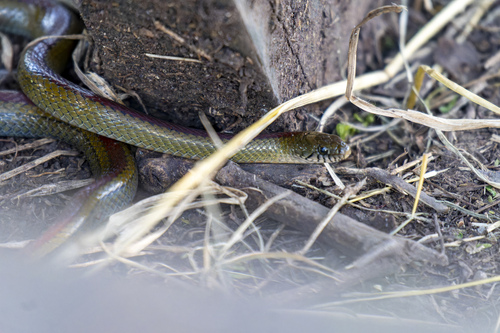
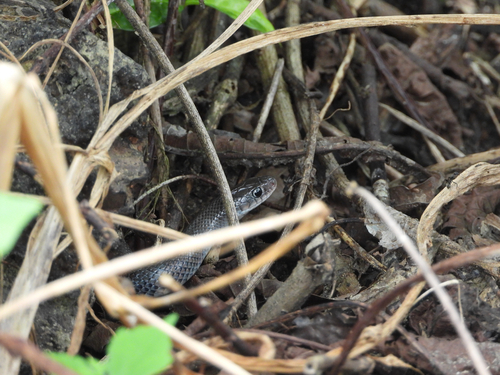
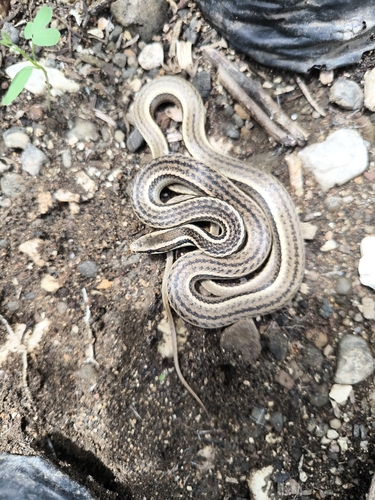
50+ species across 10 families, grouped by family. Venomous flagged.
Colubridae (26)
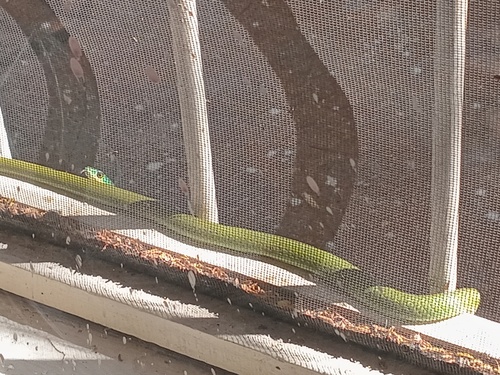
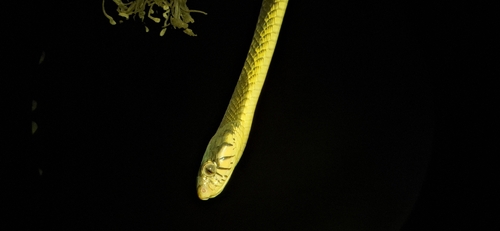
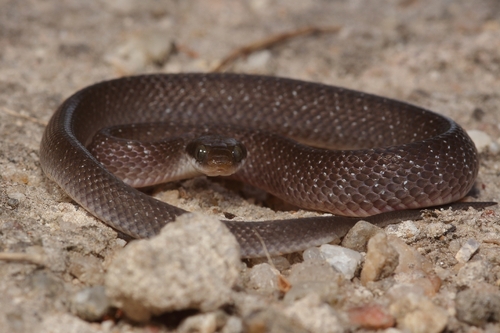
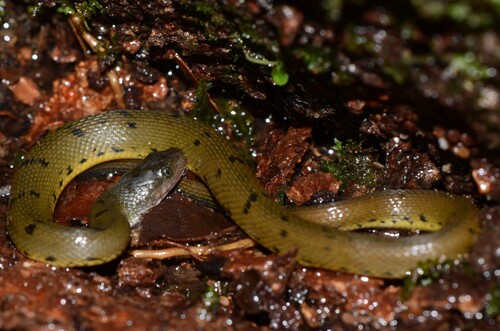
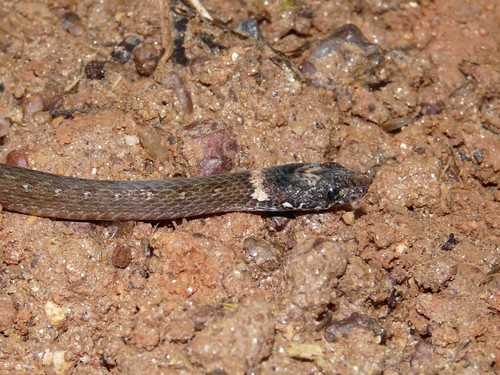
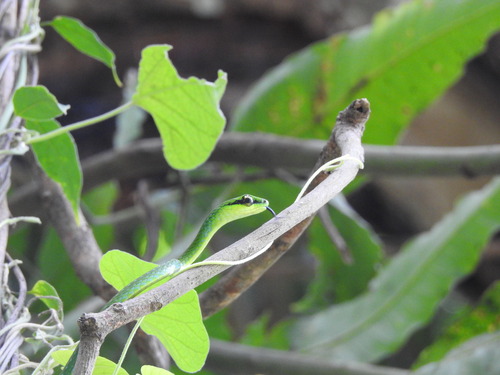
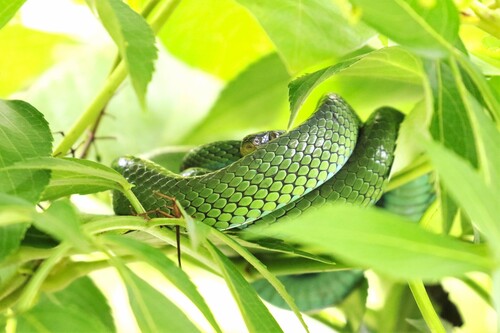
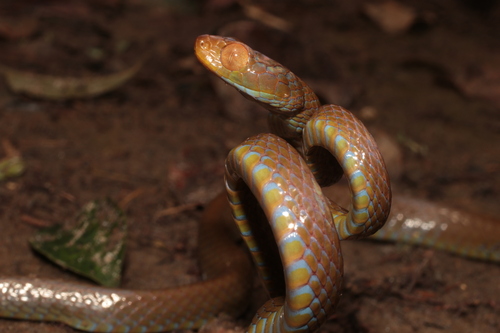
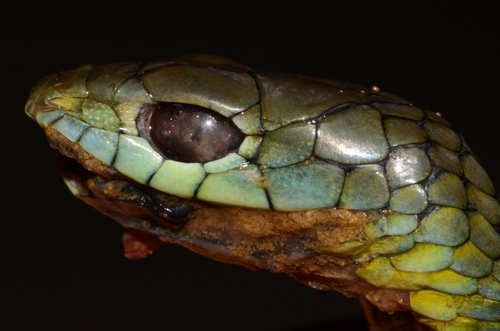
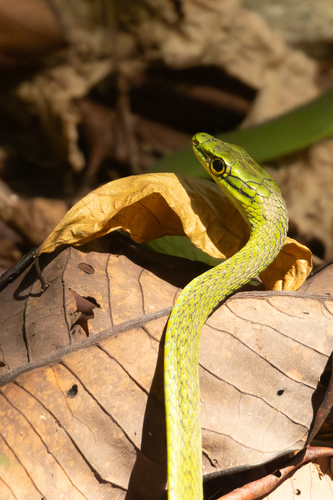
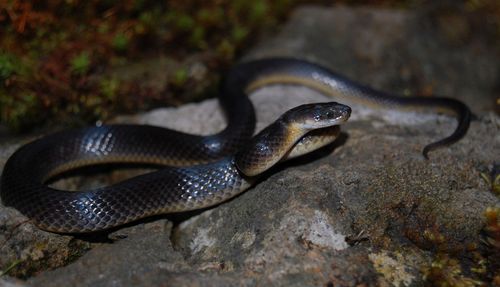
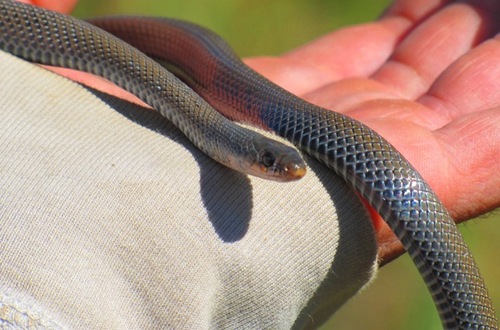
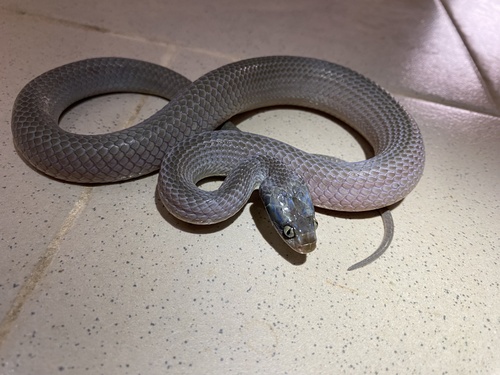
Lamprophiidae (12)
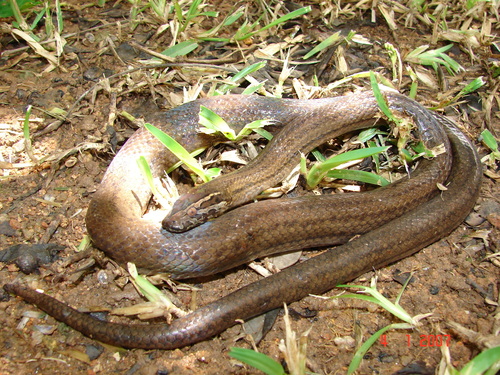
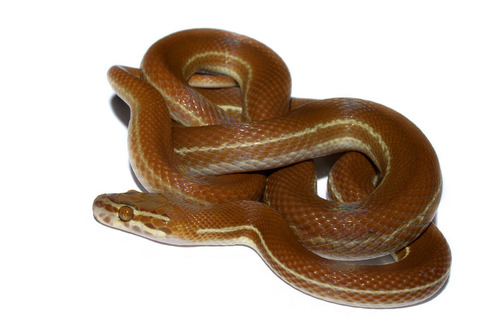
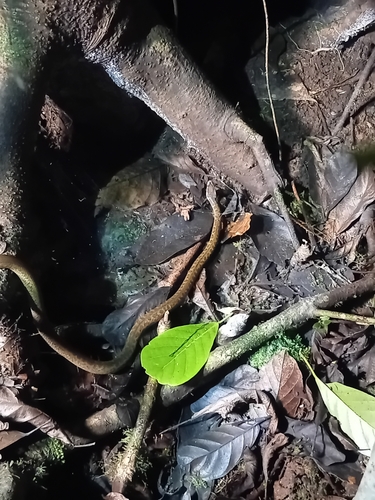
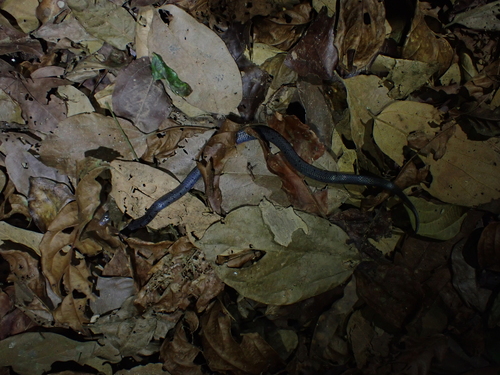
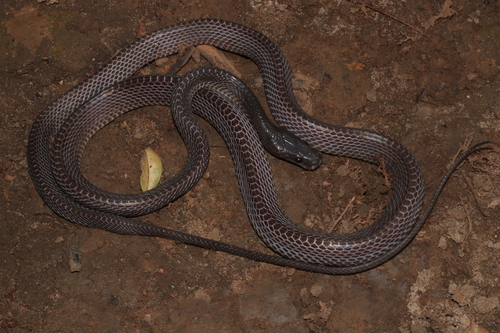
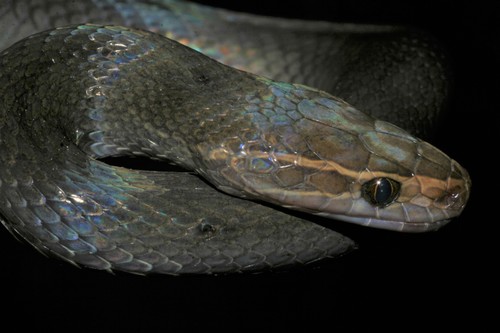
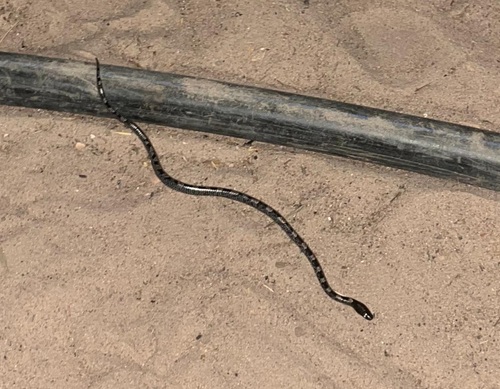
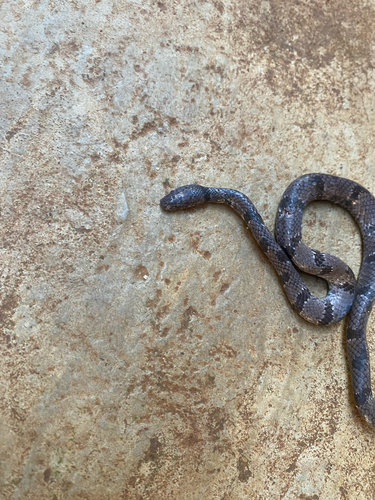
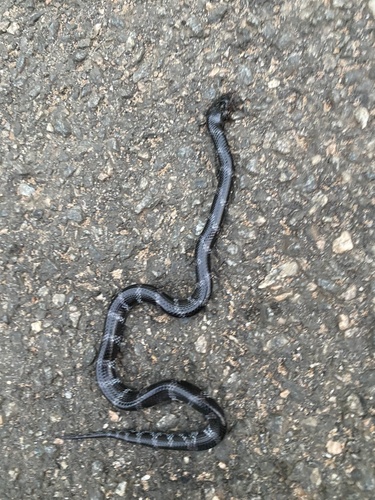
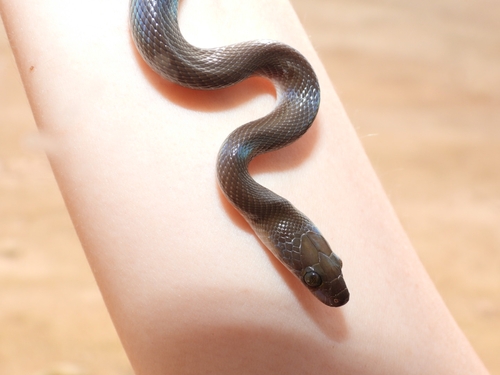
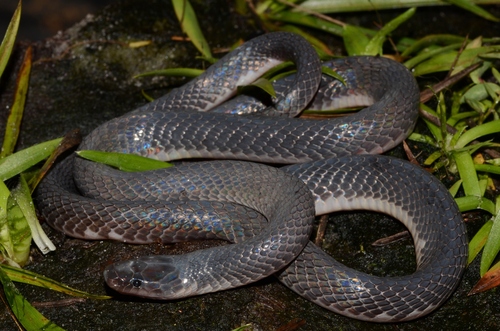
Elapidae (9)
Viperidae (6)
Psammophiidae (6)
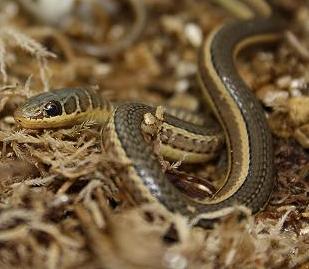
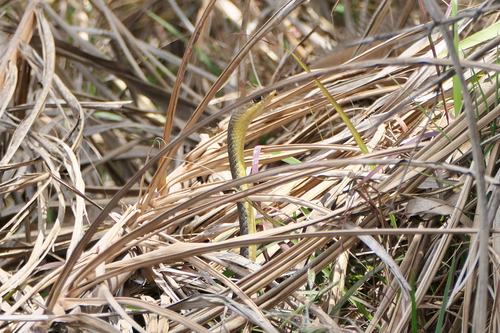
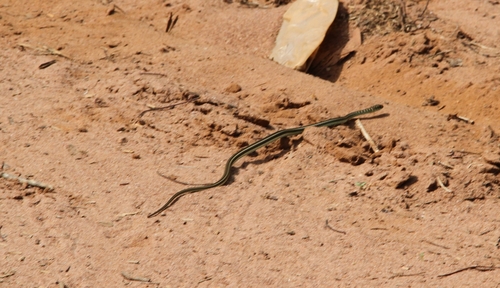
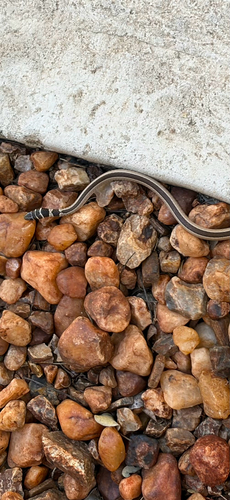
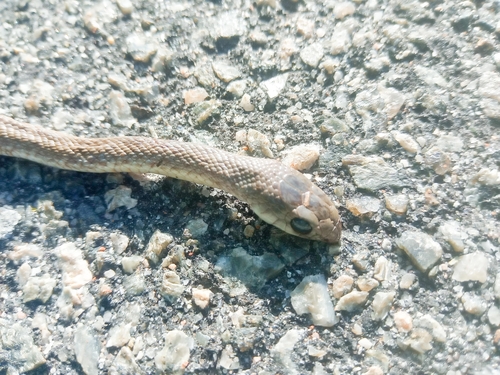
Typhlopidae (4)
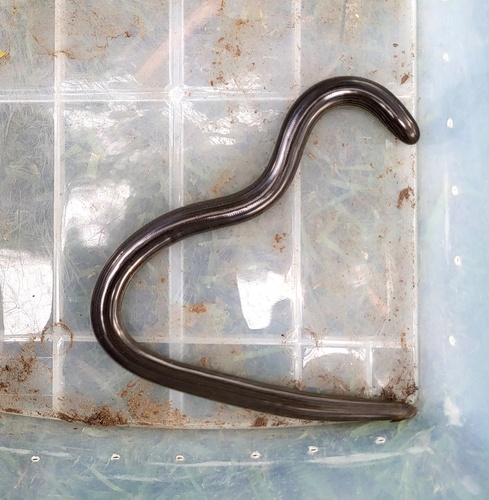
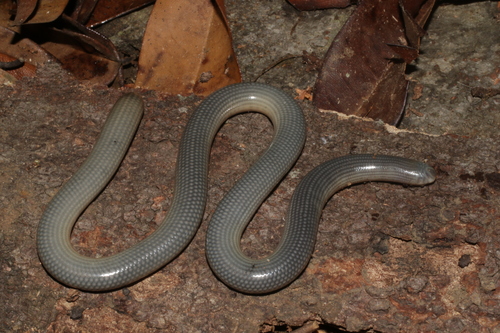
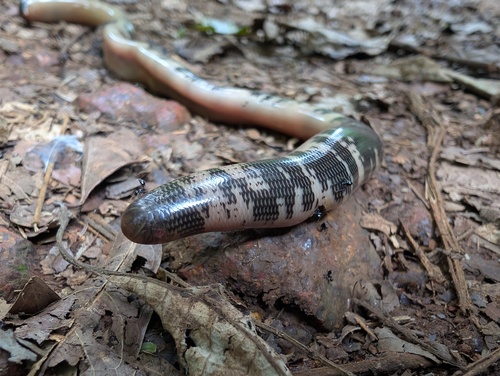
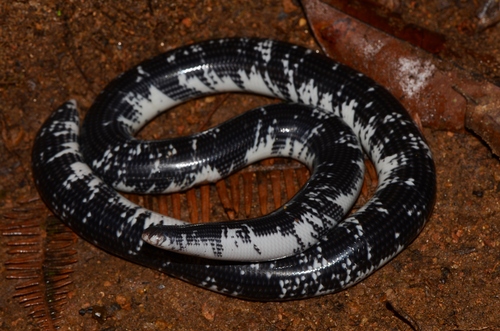
Atractaspididae (3)

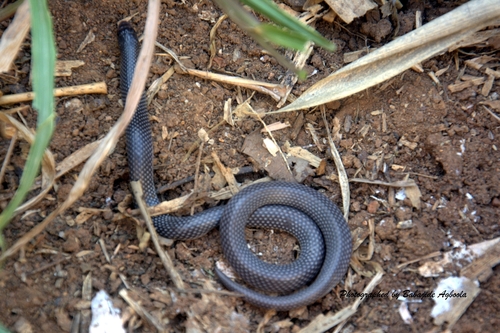
Pythonidae (1)
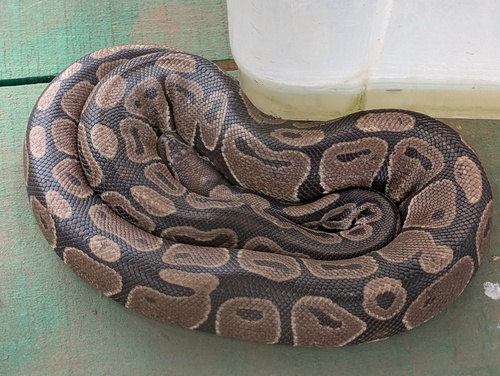
Pseudaspididae (1)
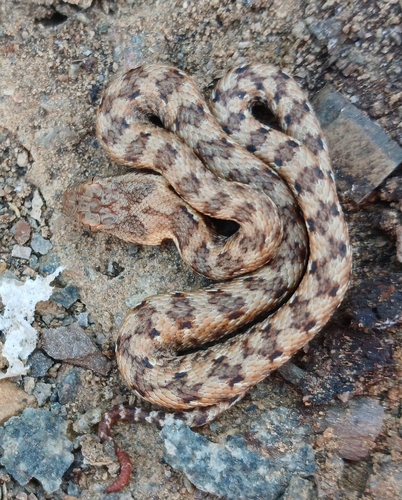
Compiled from verified GBIF & iNaturalist observations. "How often seen" reflects how frequently a snake is reported here, not how dangerous it is. Informational only.
Keep learning
- Are Snakes Dangerous? The Real Risk, in PerspectiveMost snakes are harmless and avoid people. Here is the honest picture of snakebite risk worldwide and how to lower your own.
- Snakebite First Aid: What to Do (and What Never to Do)A clear, CDC-based guide to snakebite first aid: the steps that help, the popular myths that hurt, and how to tell a serious bite from a minor one.
- Venomous vs Nonvenomous: How to Tell the DifferenceThe folk rules for telling venomous snakes apart, where each one fails, and why location-based identification beats guessing by sight.
- What to Do If You Find a SnakeFound a snake at home or on a trail? Here is how to stay calm, give it space, identify it safely, and know when to call a professional.