
Sudan
Snakes in Sudan
75+ snake species have been recorded in Sudan, 30 venomous.
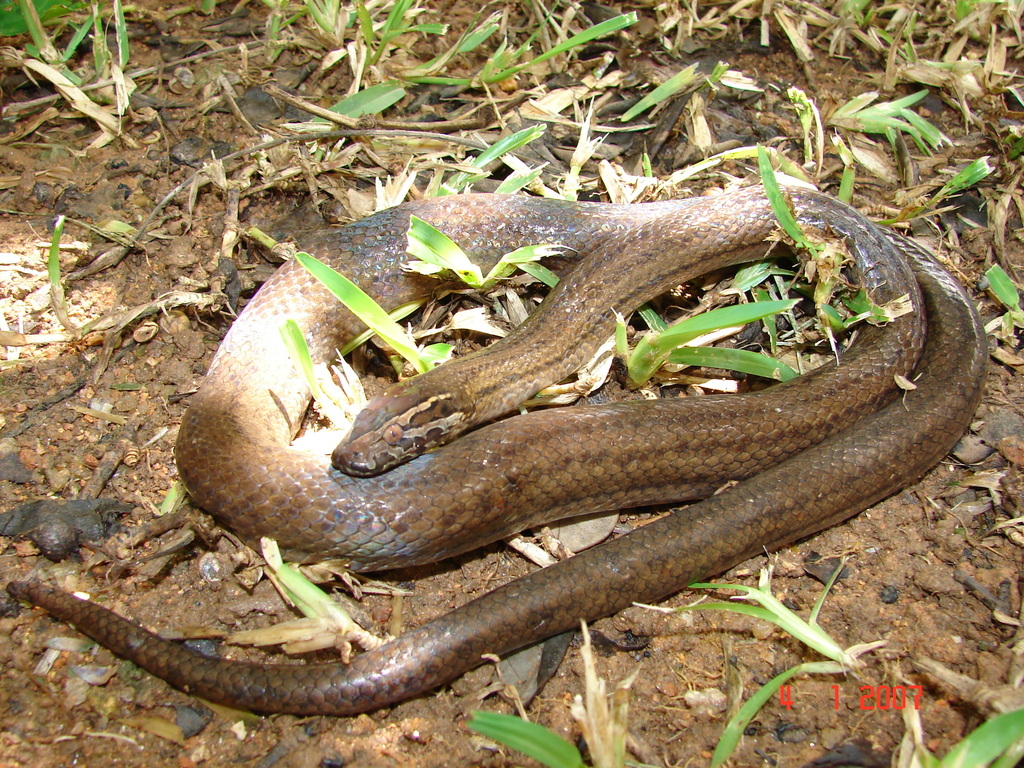
Snakes of Sudan
Sudan has 75+ snake species recorded in our database, of which 34 are venomous. The great majority of species are non-venomous and pose no medical threat to people. The country sits at a crossroads of habitats, stretching from the arid Sahara in the north through semi-desert and the Sahel belt to wooded savanna, the floodplains of the Nile and the vast Sudd wetland in the south. This range of climates and terrain, combined with permanent water along the Nile and seasonal rains farther south, is what drives the variety of snakes found here.
Geography is the engine of that diversity. Desert and rocky outcrops in the north favor heat-adapted, burrowing and sand-dwelling species. The Sahel and savanna support a broader mix of ground snakes, tree-climbing species and water-associated snakes. River systems and wetlands hold their own specialists, and the Red Sea coast adds a marine element. Each of these zones carries a distinct set of snakes, so where you are in Sudan changes which species you are likely to encounter.
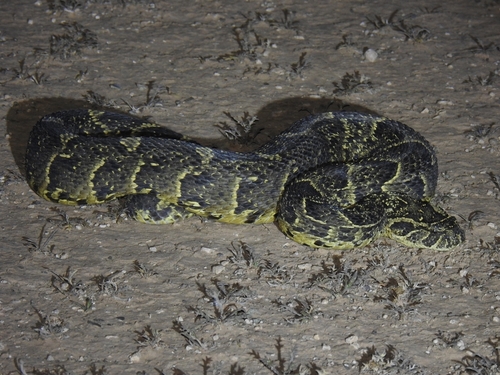
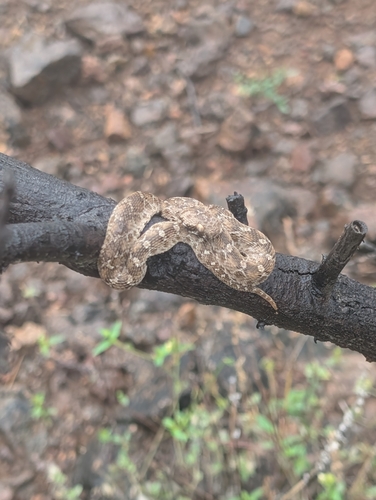
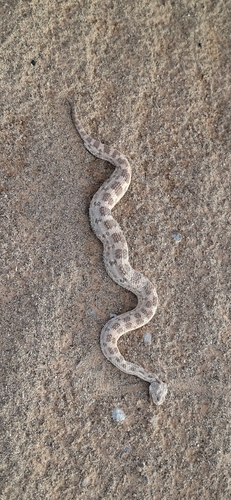
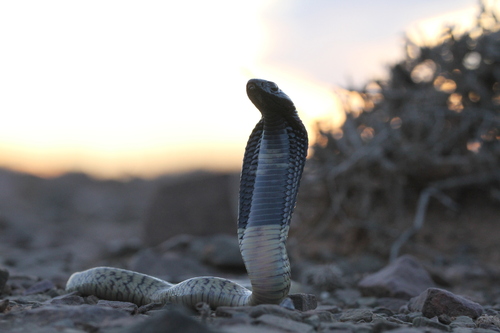
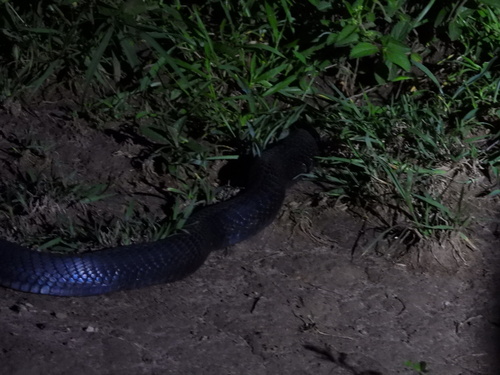
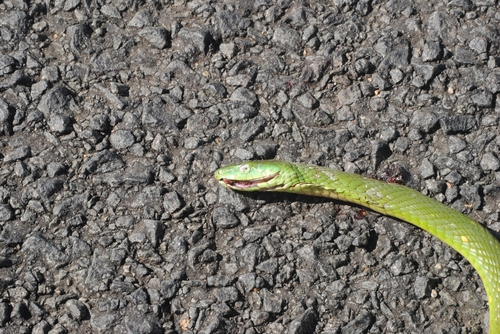
Among the venomous snakes, several medically important groups are well established in Sudan. Cobras of the genus Naja, including spitting cobras, occur across savanna and settled areas. The Egyptian cobra is part of the regional fauna. True vipers and saw-scaled vipers (genus Echis) are present and are a leading cause of serious bites in dry and Sahelian zones, where they are easily stepped on. Puff adders, large and well camouflaged, are widespread in savanna. Burrowing asps (genus Atractaspis) and the boomslang round out the land snakes capable of causing harm. Along the Red Sea coast, venomous sea snakes occur in coastal waters. There are no rattlesnakes, no coral snakes of the American type, and no pit vipers in Sudan, since those groups belong to other parts of the world.
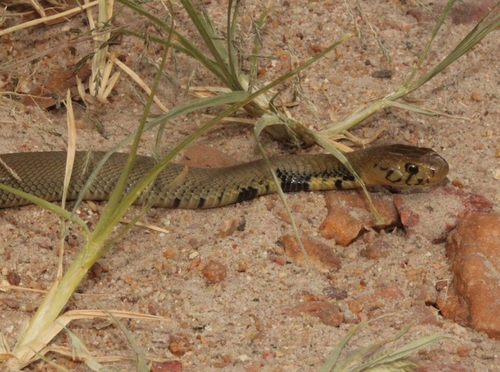
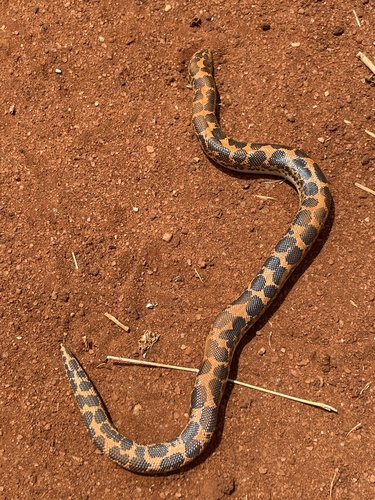
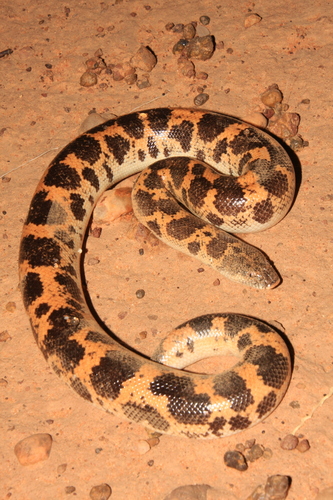
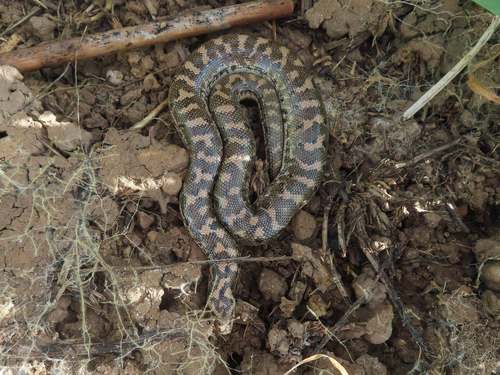
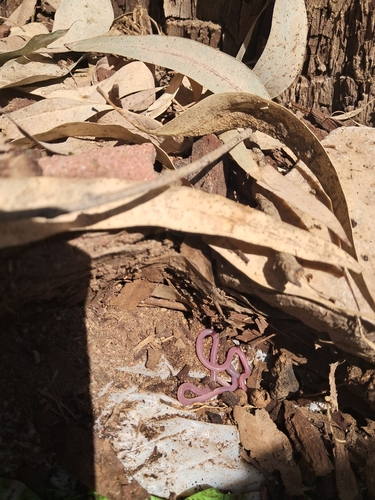
The non-venomous majority is the larger and more frequently seen part of the fauna. Sand boas, racers, sand snakes, egg-eating snakes and a range of small burrowing and blind snakes make up much of the everyday snake life. The African rock python, the largest snake in the region, is a famous non-venomous constrictor that can reach impressive lengths along rivers and wetlands. These snakes are not a venom threat and most are shy, retreating from people whenever they can.
Snakes earn their place in Sudan's ecosystems. As predators they keep rodent populations in check, which protects stored grain and reduces the spread of rodent-borne disease around farms and villages. Larger species take birds, lizards and other prey, and snakes in turn feed birds of prey and other animals. Removing them tends to backfire, because rodent numbers climb when their main natural controls disappear.
Honest safety framing matters. Most snakes in Sudan are harmless, and bites are far less common than fear suggests. The main medical threat comes from the venomous groups above, especially saw-scaled vipers, puff adders and cobras. No wild snake should ever be handled, picked up or cornered, even one that looks harmless, because identification mistakes are easy and dangerous. There is no safe way to handle a wild venomous snake. The correct response to a bite is professional medical care: antivenom and hospital treatment are what save lives and limbs. Do not rely on home remedies or field procedures. In the event of a bite, contact local emergency services without delay; in the United States, Poison Control is reachable at 1-800-222-1222.
Snakes in Sudan: FAQ
- Are there venomous snakes in Sudan?
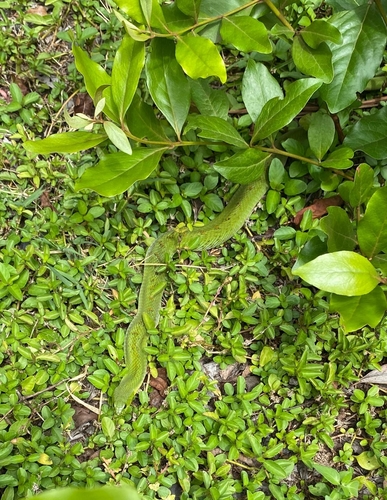
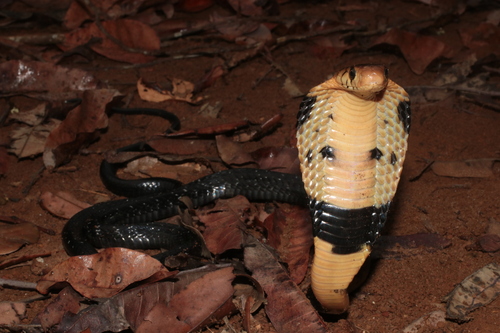
- Yes. 30 venomous snake species have verified records in Sudan, including Brown Banded Cobra, Puff Adder, Egyptian Saw-scaled Viper, Green Night Adder. Most snakes in Sudan, however, are harmless.
- How many snake species live in Sudan?
- 75+ snake species have verified records in Sudan, of which 30 are venomous.
- What is the most commonly seen snake in Sudan?
- The Seychelles House Snake is the most frequently reported snake in Sudan, based on verified wildlife observations.
- What should I do if I see a venomous snake in Sudan?
- Keep your distance and do not try to catch or kill it. Most bites happen when people handle or corner a snake. If someone is bitten, contact local emergency services or poison control immediately.
Venomous snakes in Sudan
Every snake recorded in Sudan
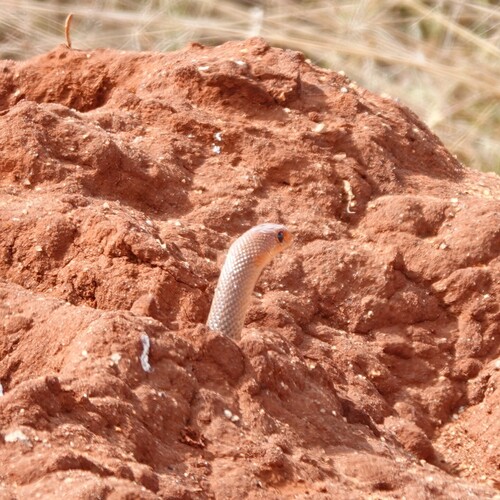
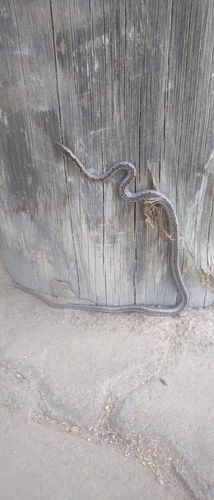
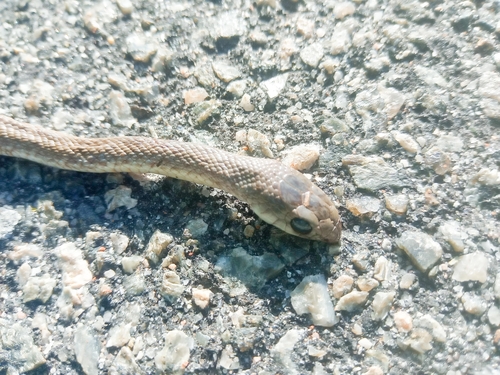
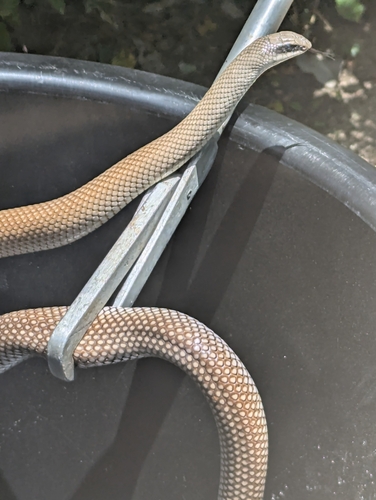
75+ species across 11 families, grouped by family. Venomous flagged.
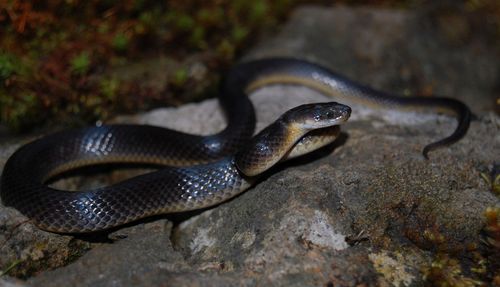
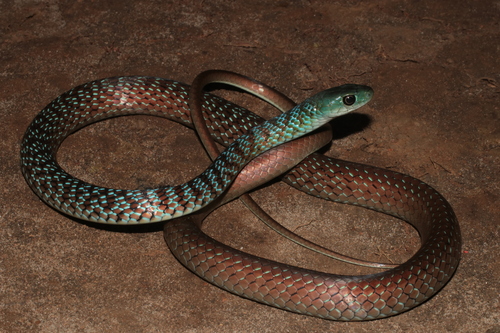
Colubridae (31)
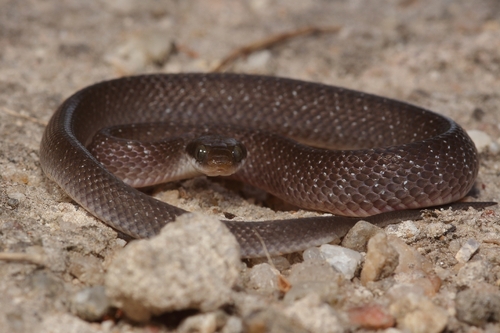
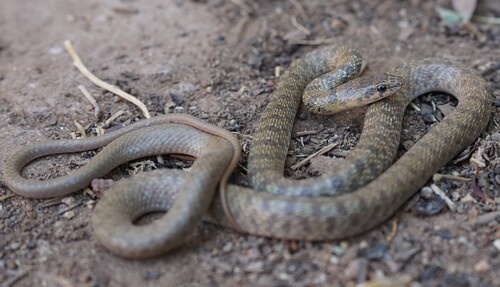
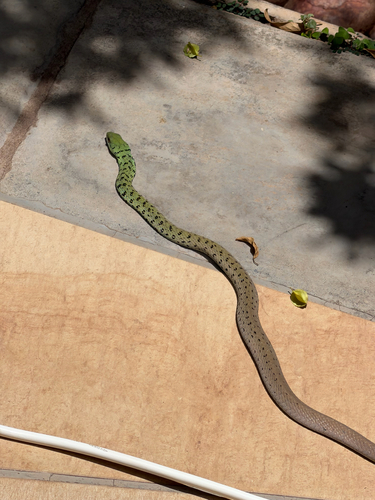
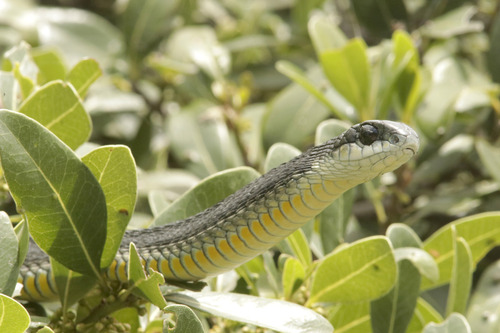
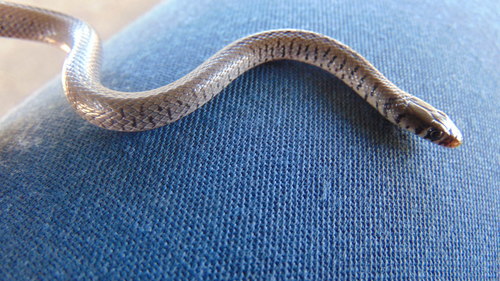
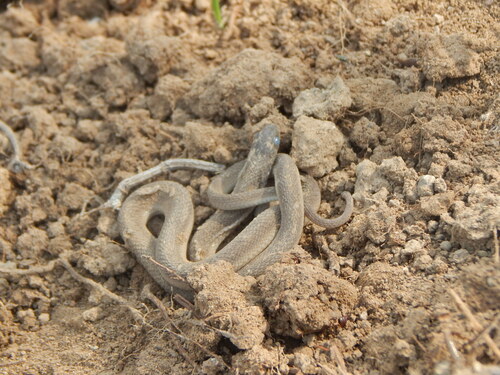
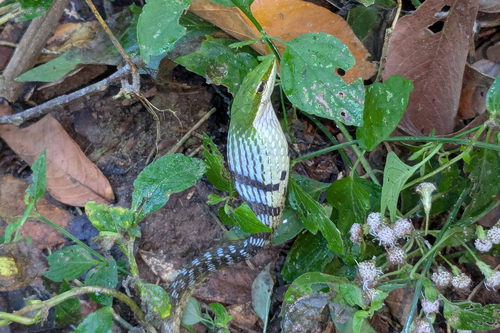
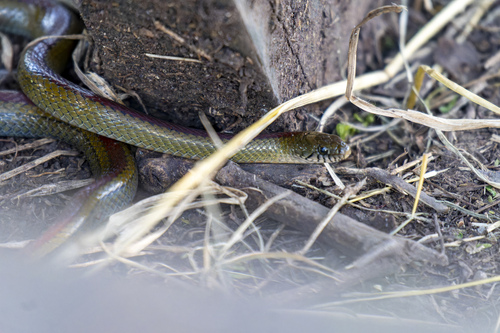

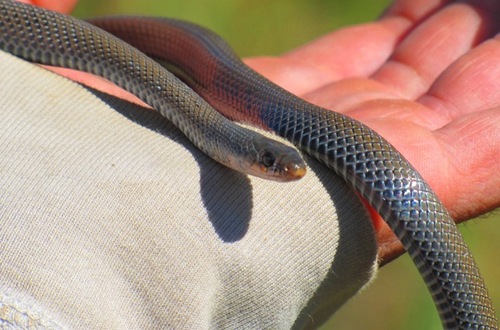
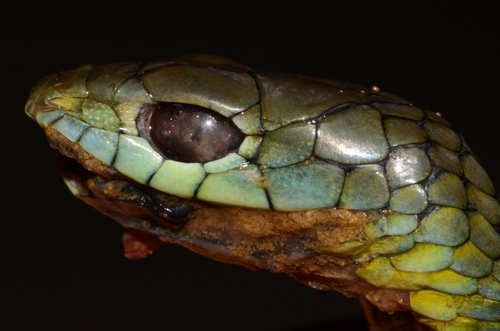
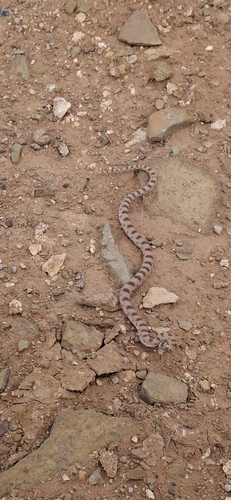
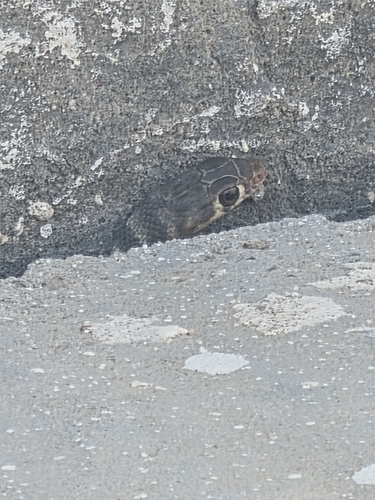
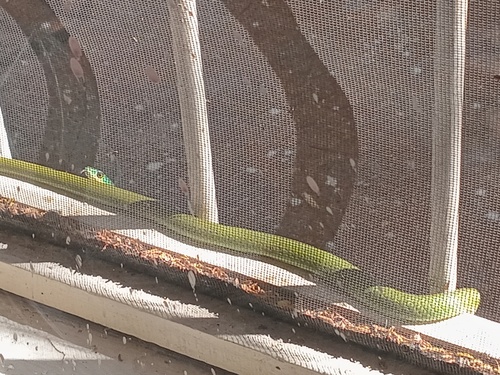
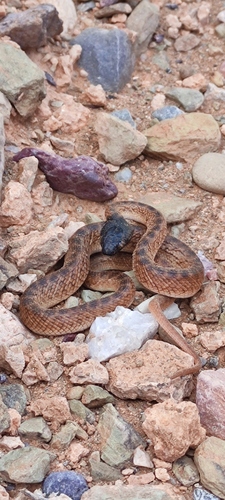
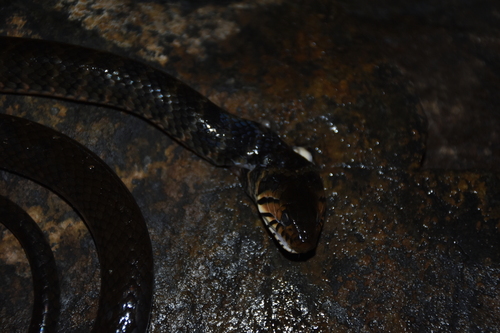
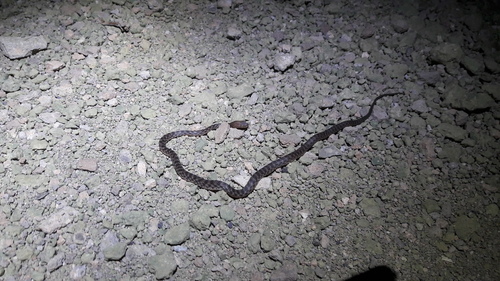
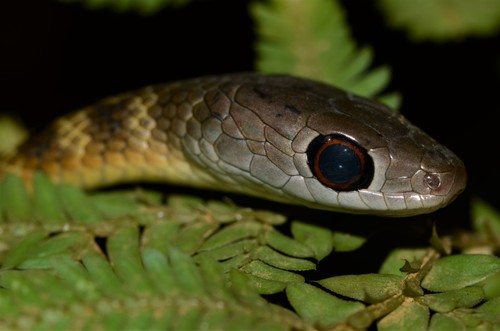
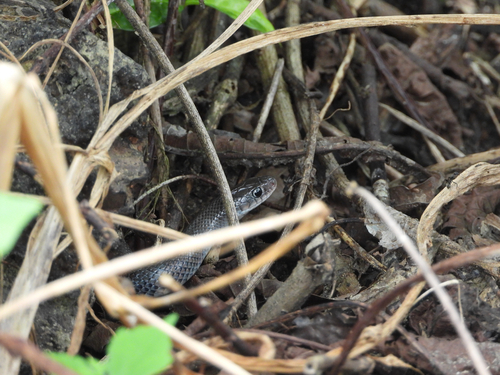
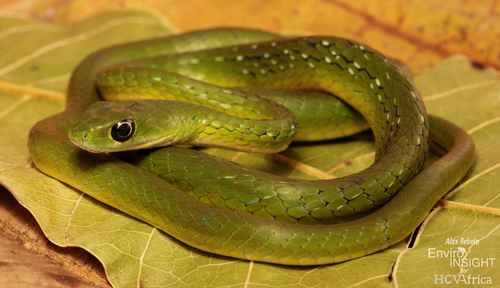
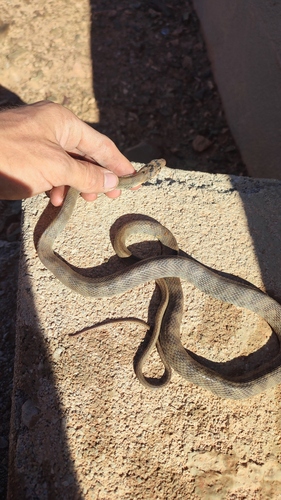
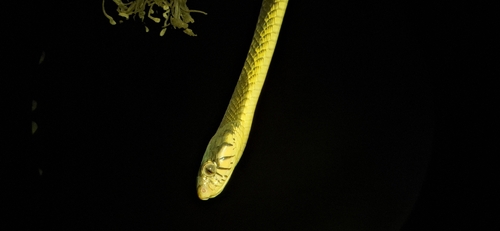
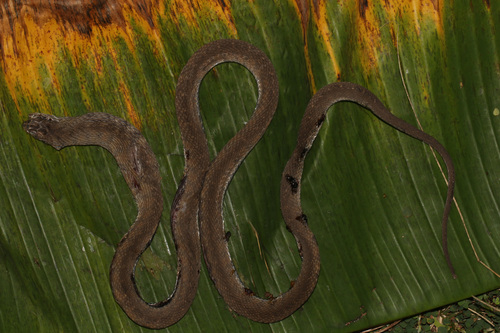
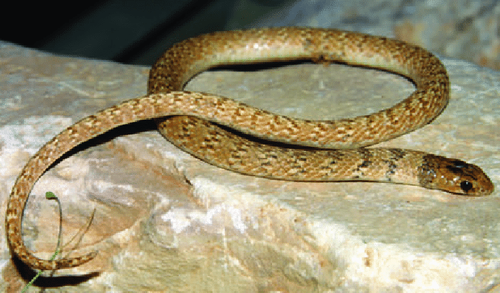
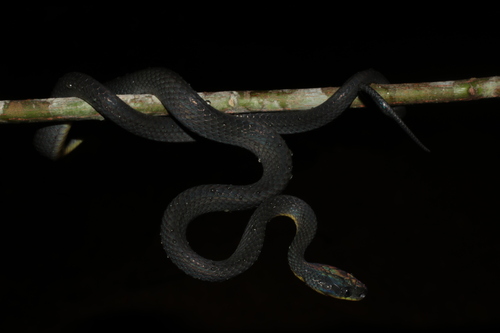
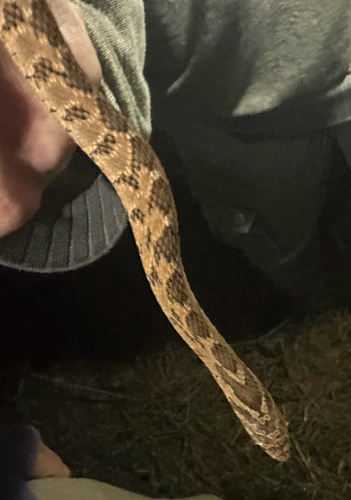
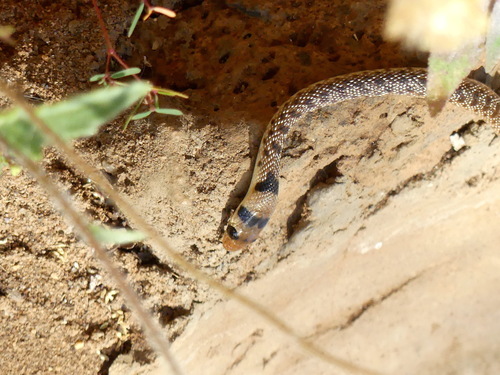
Psammophiidae (13)
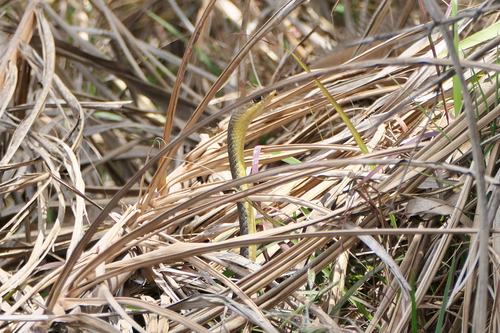
Viperidae (13)
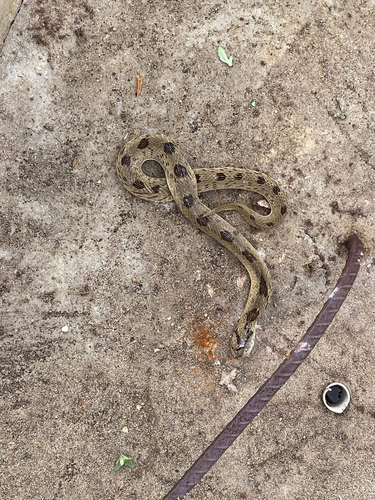
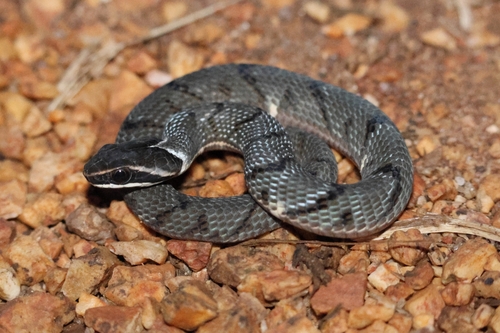
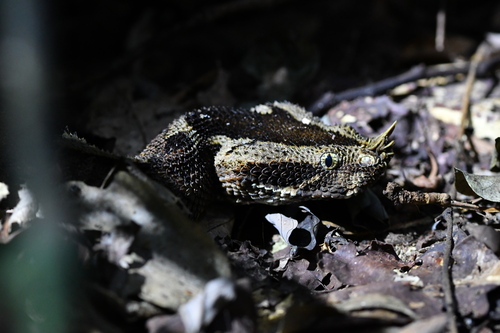
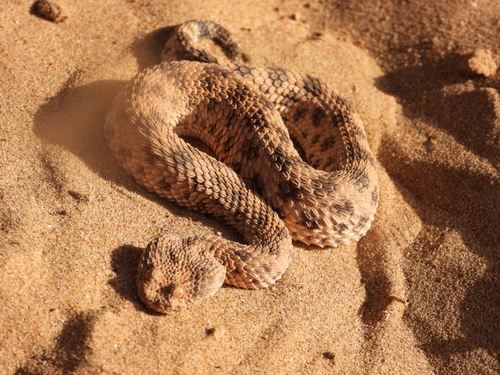
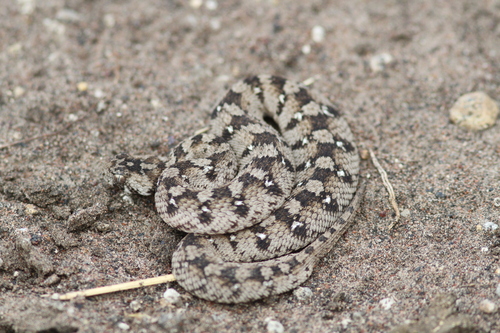
Elapidae (11)
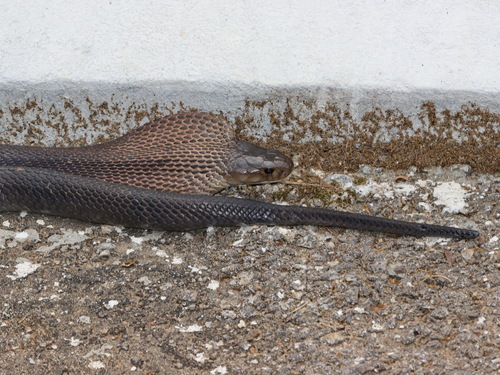
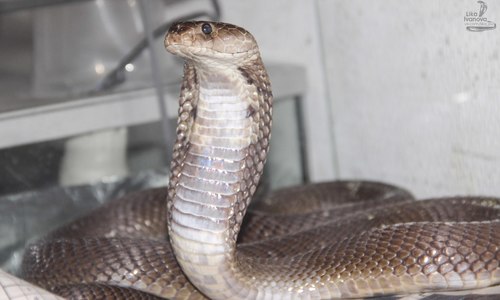
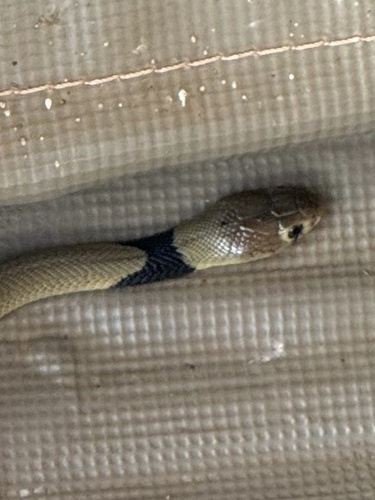
Lamprophiidae (8)
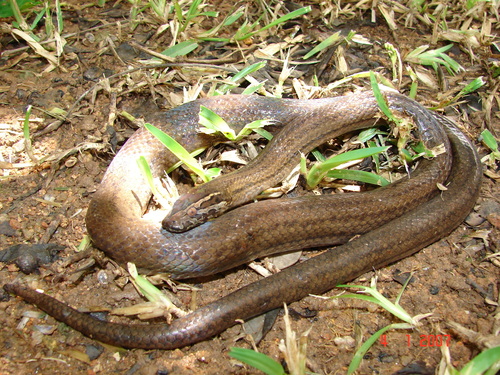
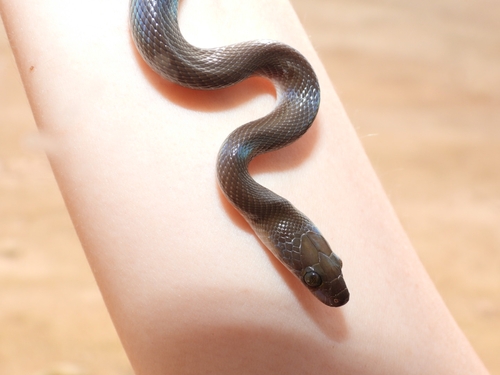
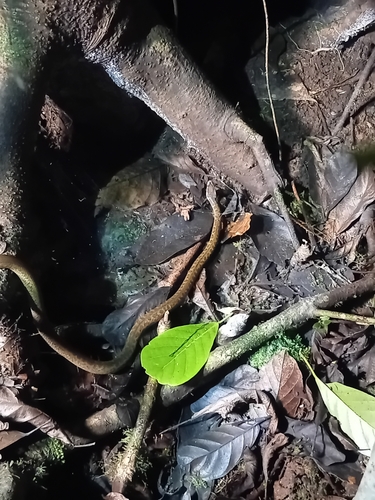
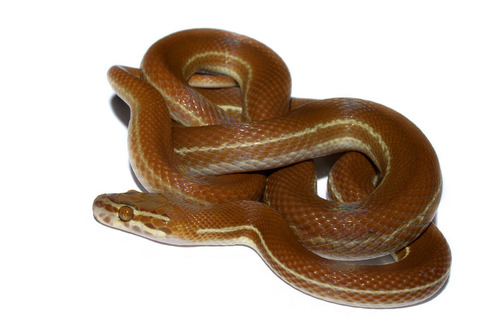
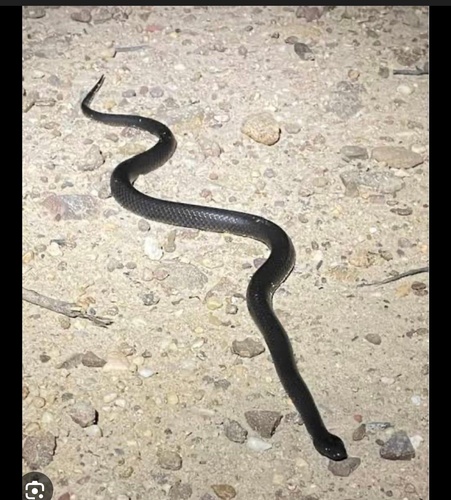
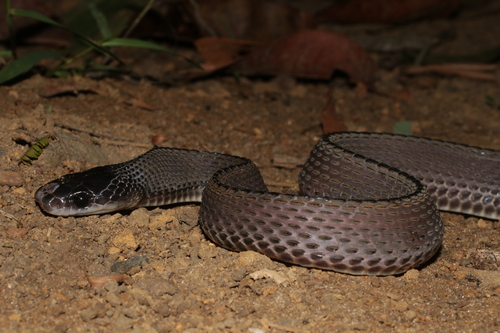
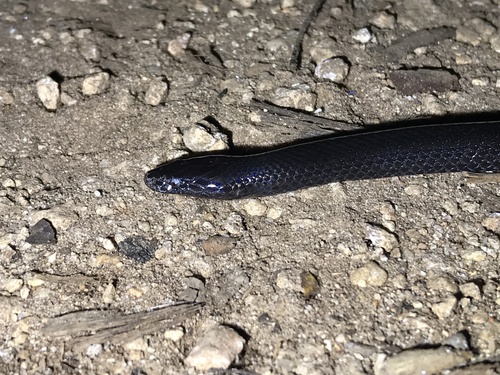
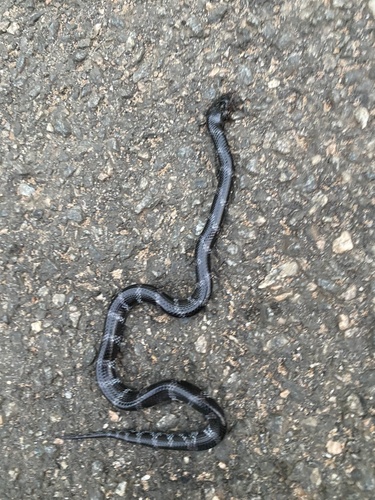
Atractaspididae (6)
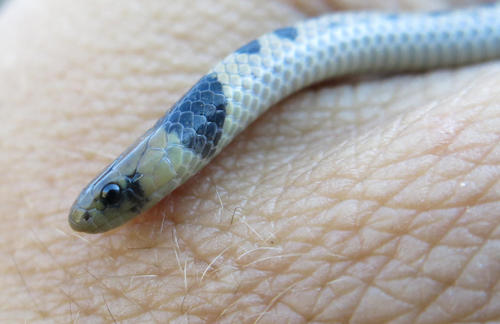
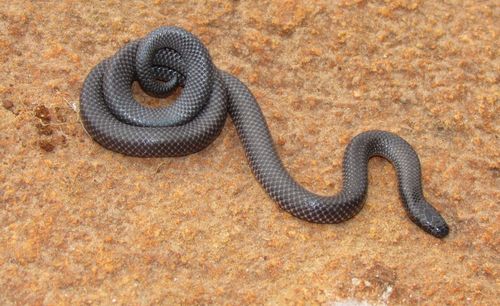

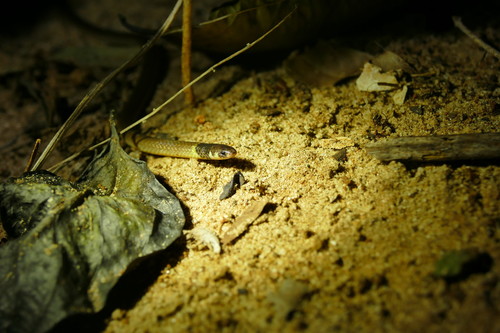
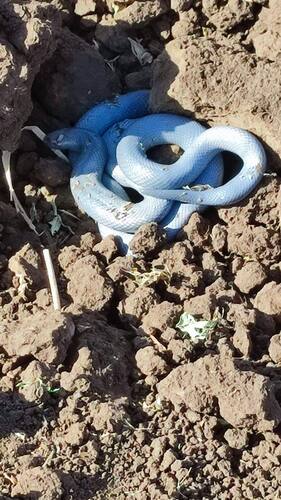
Typhlopidae (4)
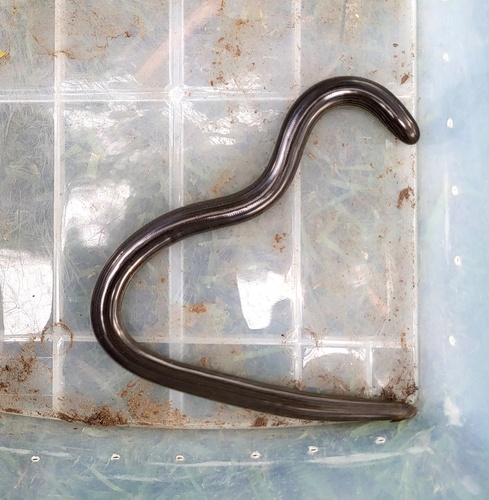
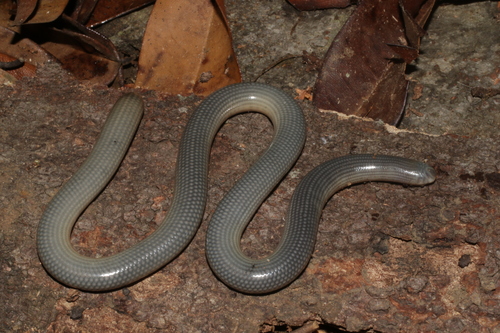
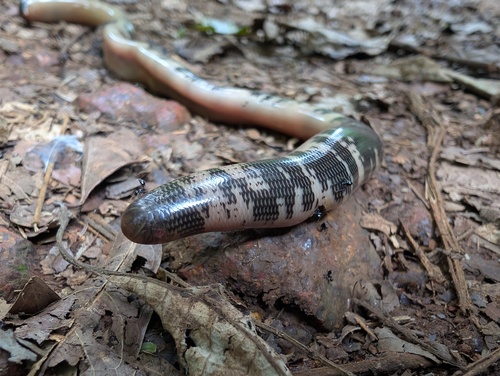
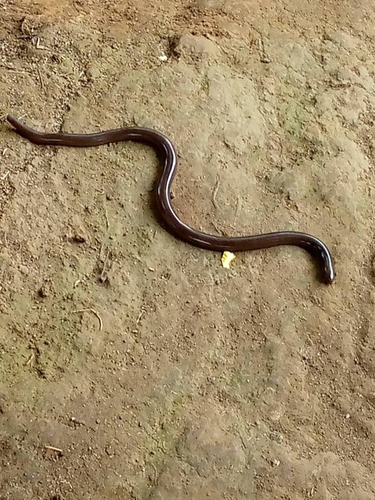
Prosymnidae (4)
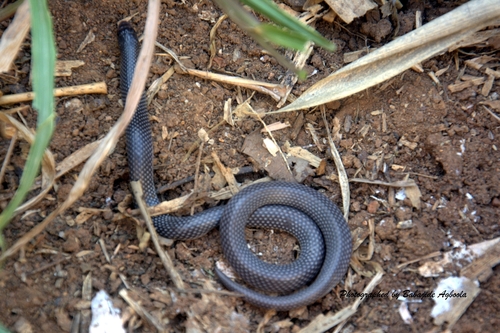
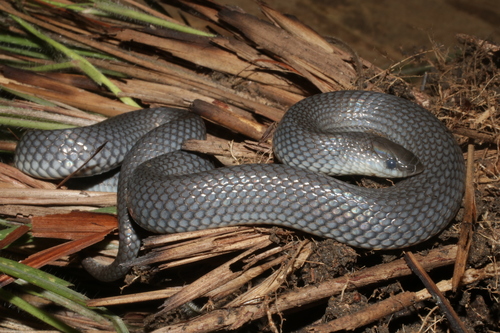
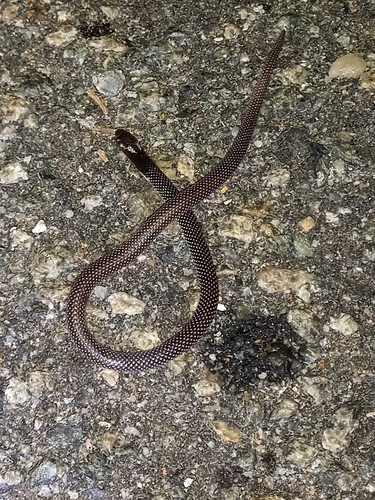
Boidae (3)
Leptotyphlopidae (2)
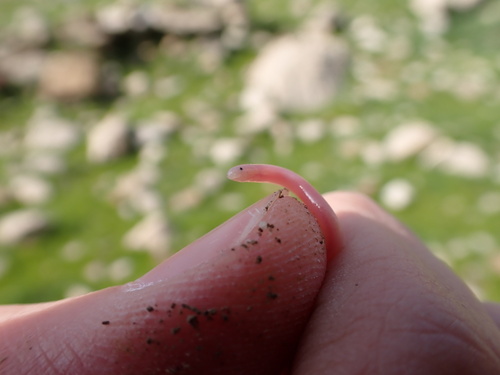
Pythonidae (1)
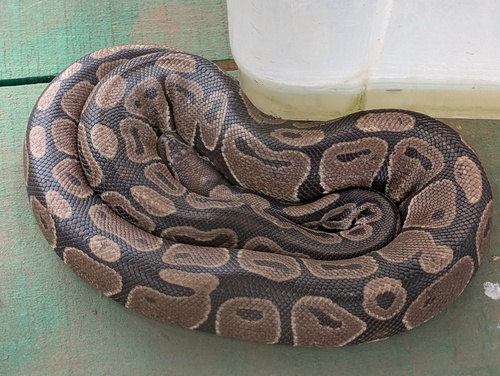
Compiled from verified GBIF & iNaturalist observations. "How often seen" reflects how frequently a snake is reported here, not how dangerous it is. Informational only.
Keep learning
- Are Snakes Dangerous? The Real Risk, in PerspectiveMost snakes are harmless and avoid people. Here is the honest picture of snakebite risk worldwide and how to lower your own.
- Snakebite First Aid: What to Do (and What Never to Do)A clear, CDC-based guide to snakebite first aid: the steps that help, the popular myths that hurt, and how to tell a serious bite from a minor one.
- Venomous vs Nonvenomous: How to Tell the DifferenceThe folk rules for telling venomous snakes apart, where each one fails, and why location-based identification beats guessing by sight.
- What to Do If You Find a SnakeFound a snake at home or on a trail? Here is how to stay calm, give it space, identify it safely, and know when to call a professional.