
Madagascar
Snakes in Madagascar
75+ snake species have been recorded in Madagascar, 5 venomous.
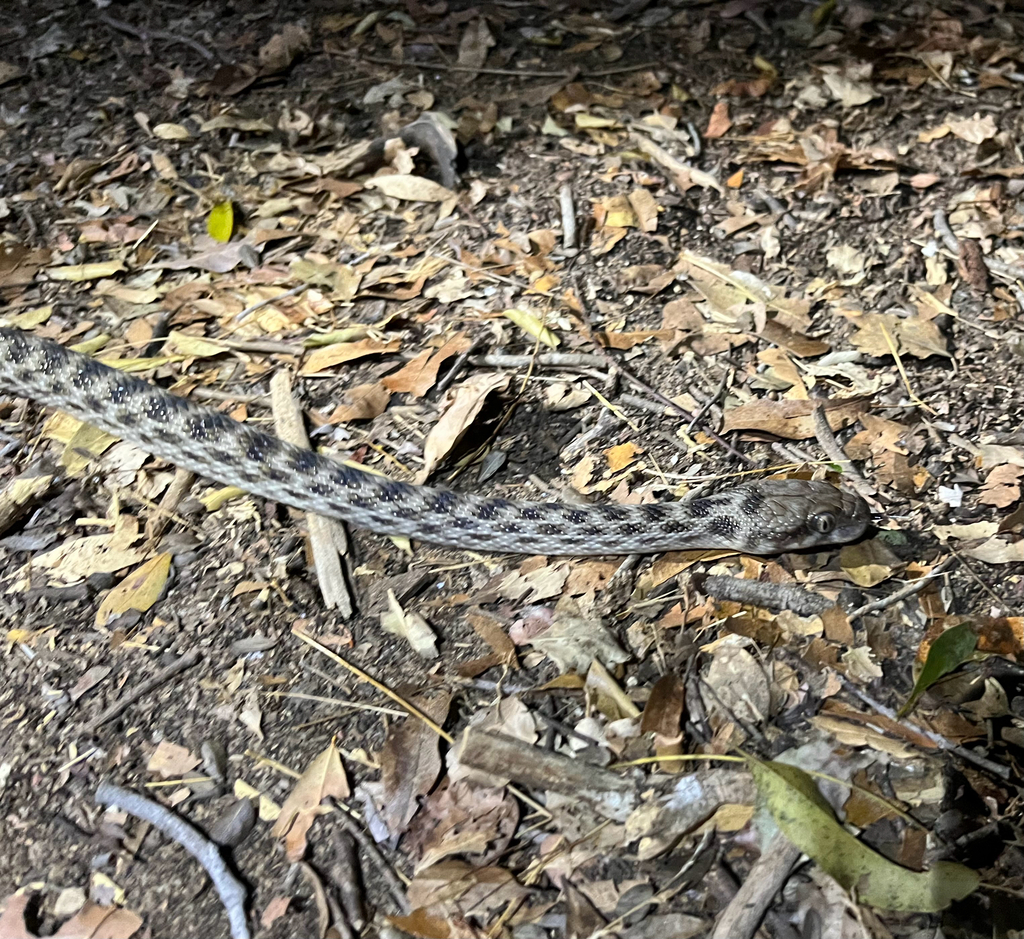
Snakes of Madagascar
Madagascar has 75+ snake species recorded in our database, and only 5 of them are venomous. The great majority of species are non-venomous, a pattern that holds across the island. Madagascar is one of the most distinctive places on Earth for reptiles because it has been isolated from other landmasses for tens of millions of years, so much of its snake fauna is found nowhere else.
The island's diversity is driven by its varied habitats and geography. The humid eastern rainforests, the dry deciduous forests of the west, the spiny thickets of the arid south, and the central highlands each support different communities of snakes. This range of climates and elevations, combined with long isolation, has produced a wide spread of species adapted to forest floor, leaf litter, tree canopy, and open ground.
Madagascar is unusual among tropical regions because it lacks the major front-fanged medical-threat groups found on the African mainland. There are no cobras, no mambas, no true vipers, no pit vipers, and no coral snakes native to the island. The terrestrial snake fauna is dominated instead by rear-fanged colubrid-type snakes, whose mild venom is delivered by grooved teeth at the back of the jaw. A small number of these rear-fanged species are the ones that warrant medical caution. The only venomous group reaching dangerous potential in the surrounding waters is the sea snakes, which can occur along the coast.
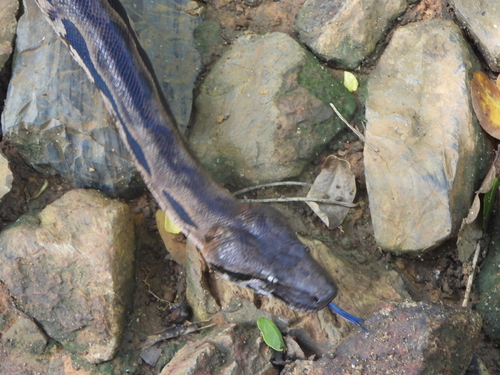
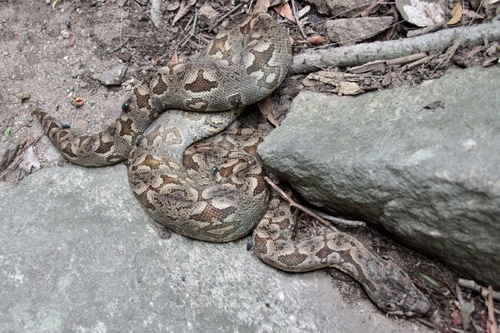
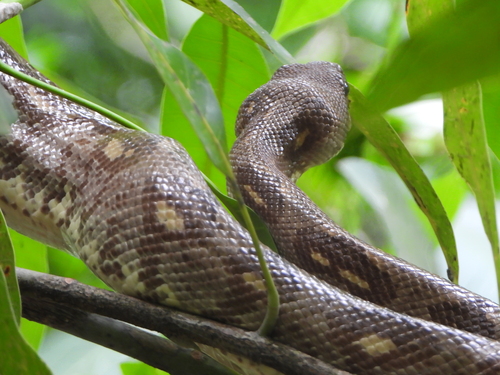
The large non-venomous majority includes many famous and ecologically important snakes. Madagascar is best known for its boas, including the Malagasy ground boa and the Malagasy tree boa, large constrictors that are harmless to people. The island also hosts a great variety of hognose and other colubrid snakes, along with the distinctive leaf-nosed snakes whose elaborate snout shapes are unique to the region. These species fill the roles that vipers and cobras occupy elsewhere, and most pose no threat to humans.
Snakes provide real ecological value across Madagascar. By preying on rodents, large insects, frogs, and other small animals, they help control populations of pests that damage crops and stored food and that can carry disease. Healthy snake populations are a sign of functioning ecosystems, and the island's many endemic species are an important part of its natural heritage.
On safety: most snakes you may encounter in Madagascar are harmless, and serious envenomation is uncommon. The main medical considerations are the few rear-fanged terrestrial species and, in coastal waters, sea snakes. The correct response to any concerning bite is professional medical care. Antivenom where appropriate and supportive hospital treatment are the proven options, so seek emergency services immediately. Never assume a wild snake is safe to pick up or handle, even one that appears non-venomous. If you are in the United States you can reach Poison Control at 1-800-222-1222, and elsewhere contact your local emergency number.
Snakes in Madagascar: FAQ
- Are there venomous snakes in Madagascar?
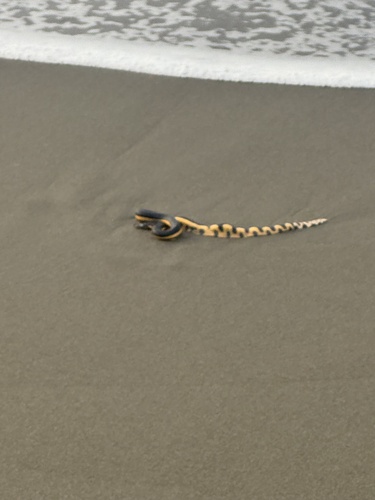
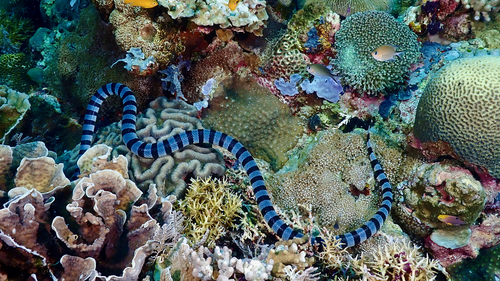
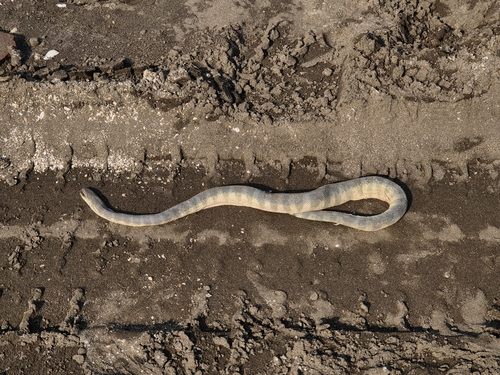
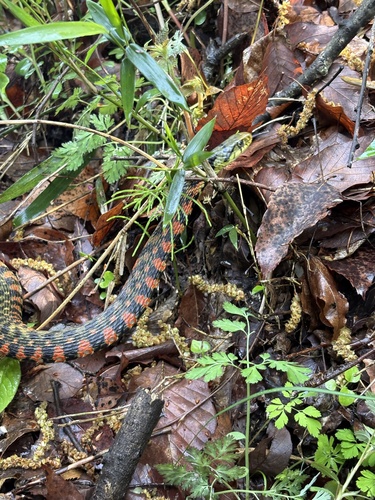
- Yes. 5 venomous snake species have verified records in Madagascar, including Yellow-bellied Sea Snake, Yellow-lipped Sea Krait, Tiger Keelback, Siamese Red-necked Keelback. Most snakes in Madagascar, however, are harmless.
- How many snake species live in Madagascar?
- 75+ snake species have verified records in Madagascar, of which 5 are venomous.
- What is the most commonly seen snake in Madagascar?
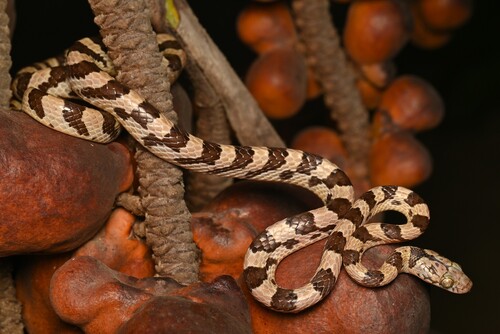
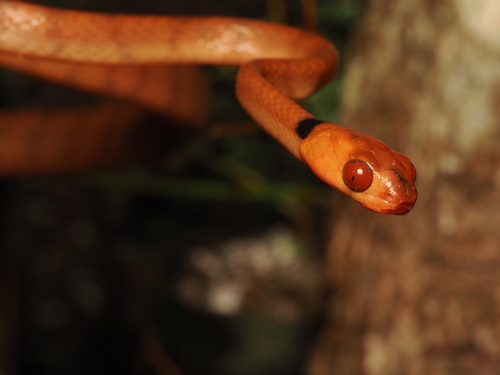
- The Common Madagascar Cat Snake is the most frequently reported snake in Madagascar, based on verified wildlife observations.
- What should I do if I see a venomous snake in Madagascar?
- Keep your distance and do not try to catch or kill it. Most bites happen when people handle or corner a snake. If someone is bitten, contact local emergency services or poison control immediately.
Venomous snakes in Madagascar
Every snake recorded in Madagascar
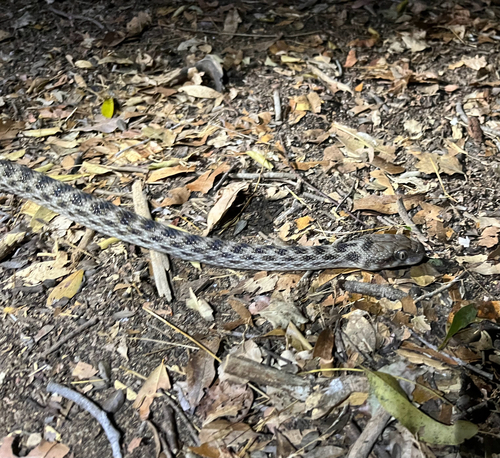
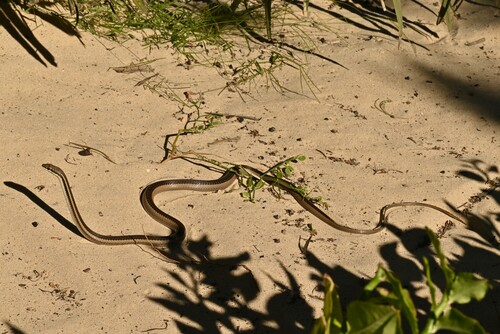
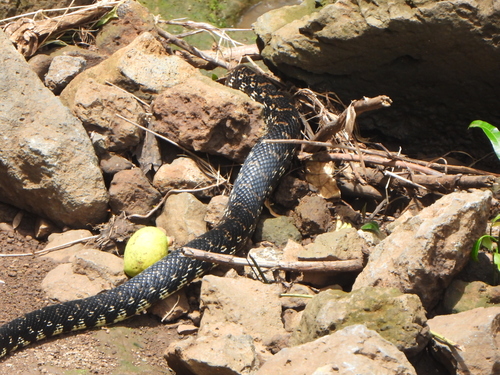
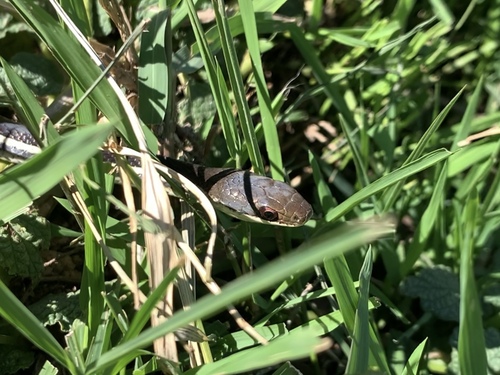
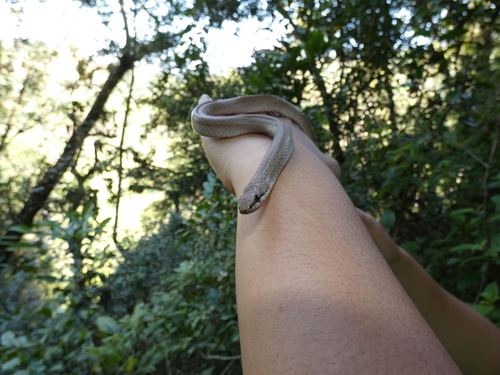
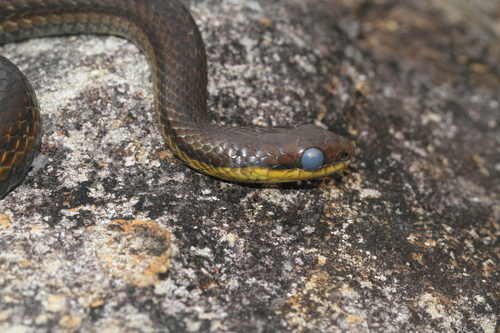
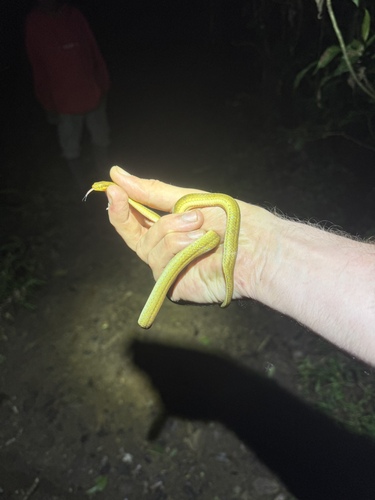
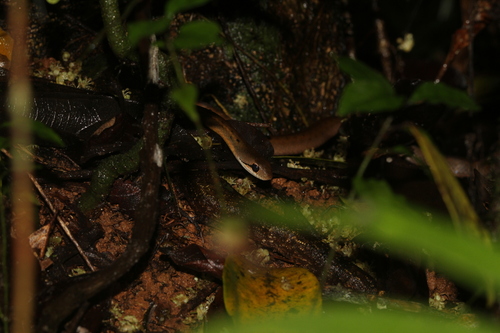
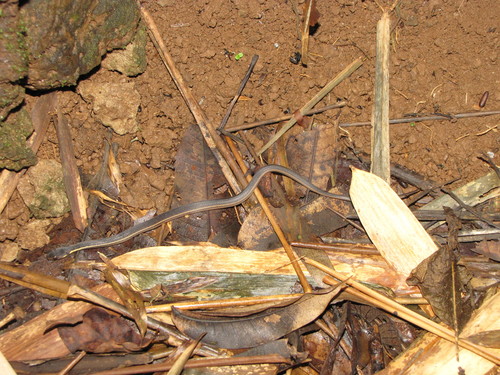
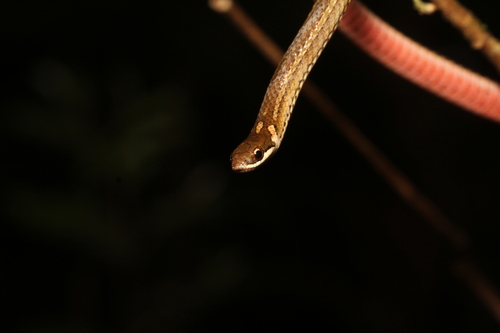
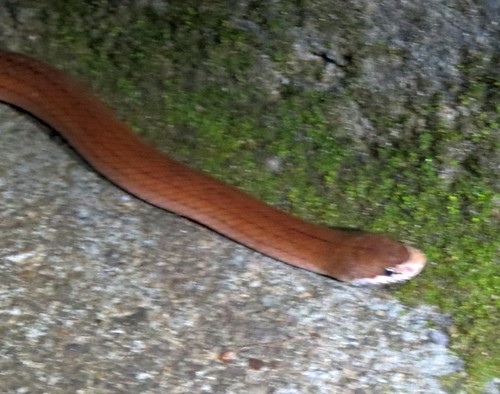
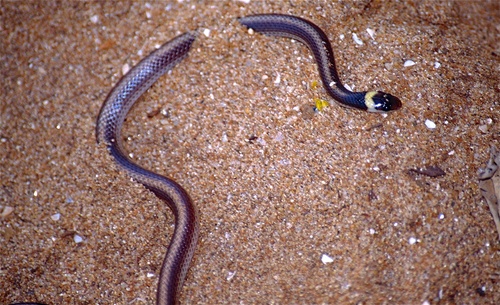
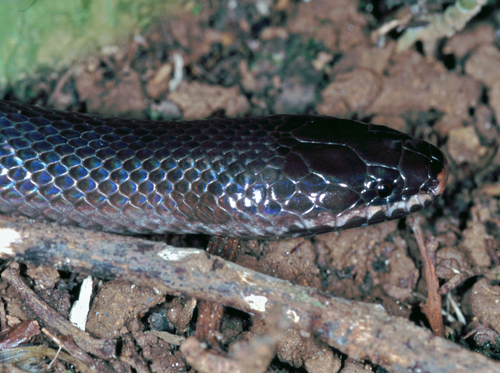
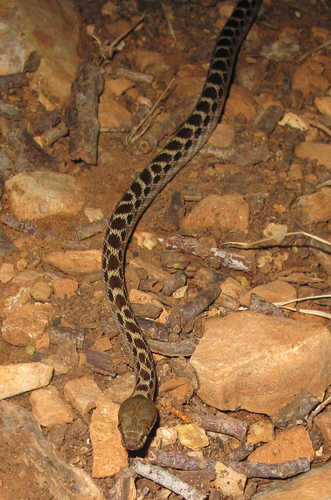
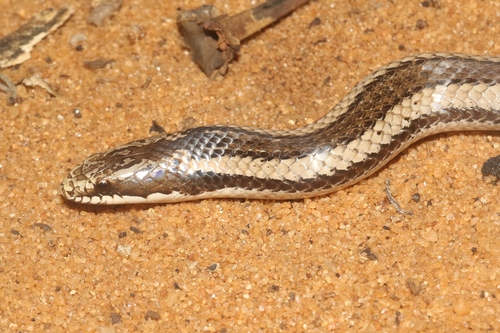
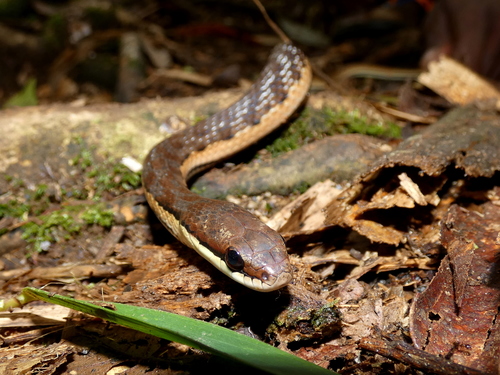
75+ species across 10 families, grouped by family. Venomous flagged.
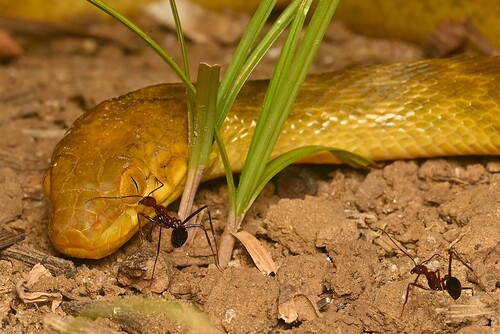
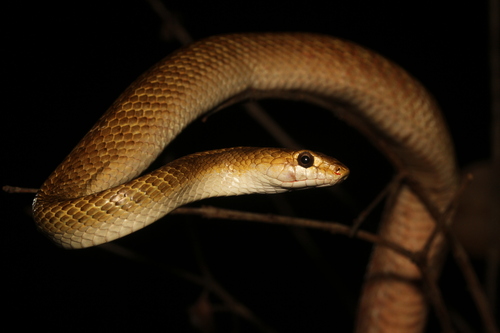
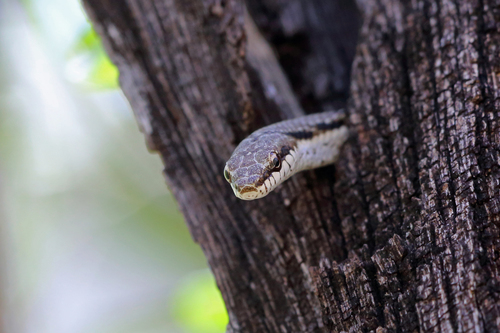
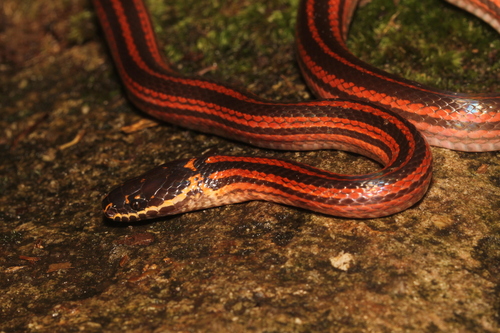
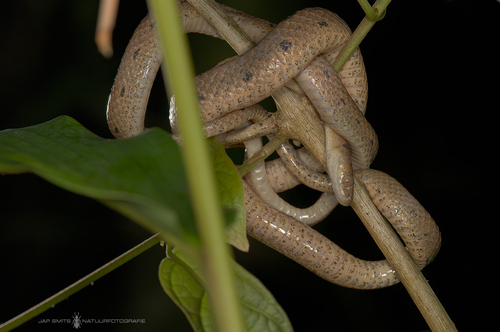
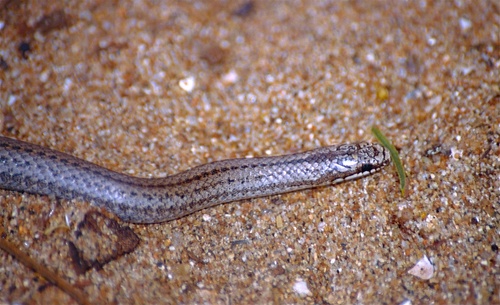
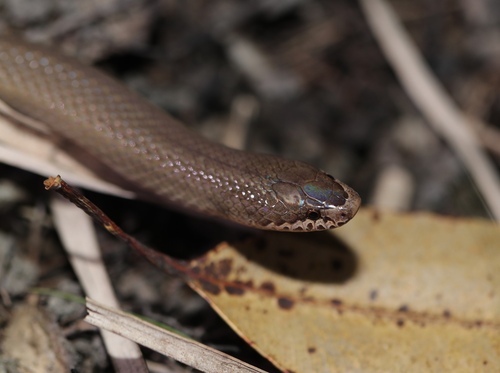
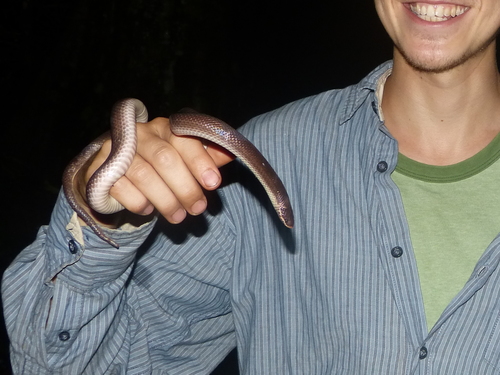
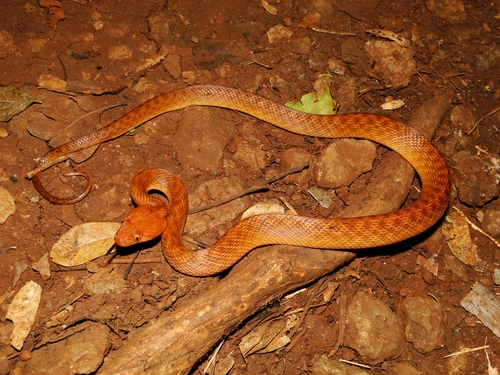
Pseudoxyrhophiidae (61)
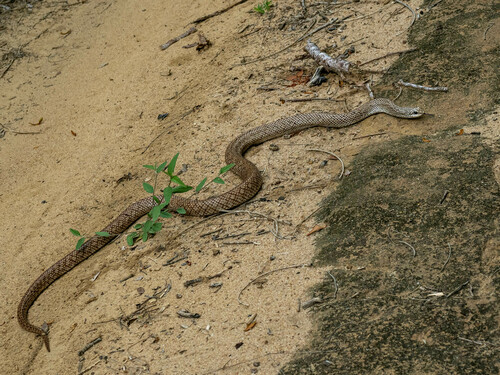
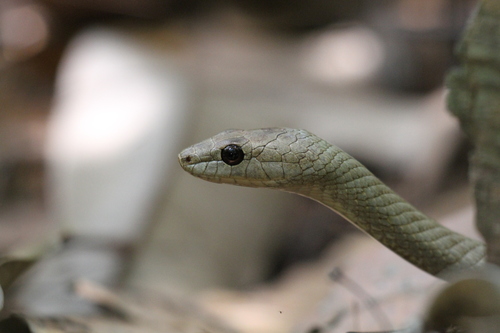
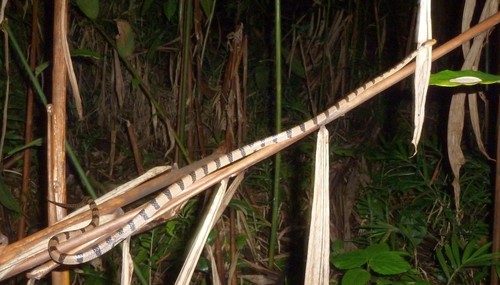
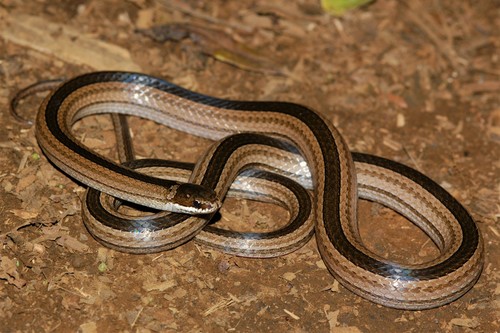
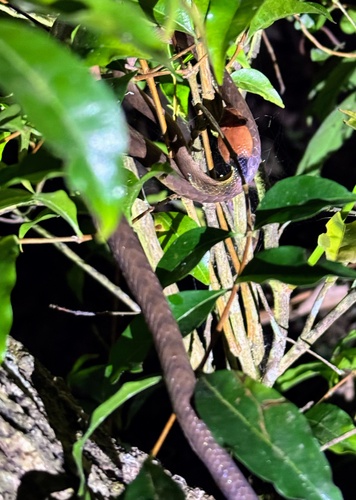
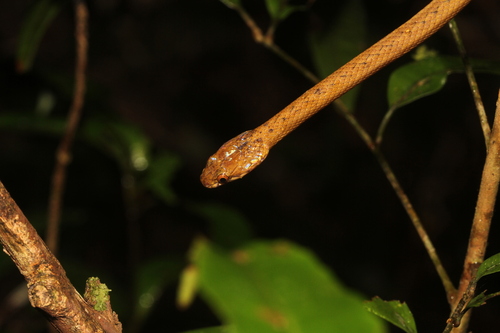
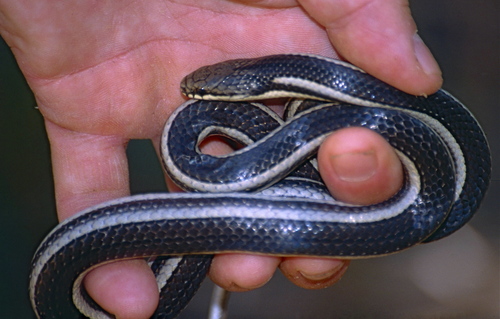
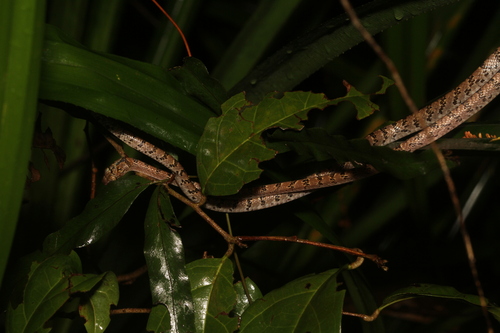


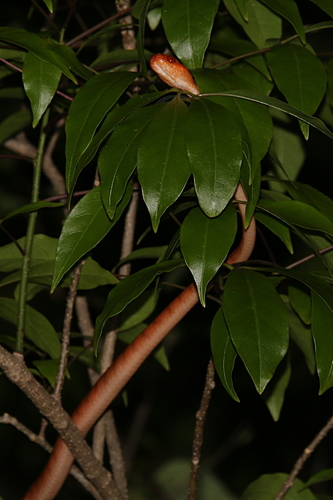
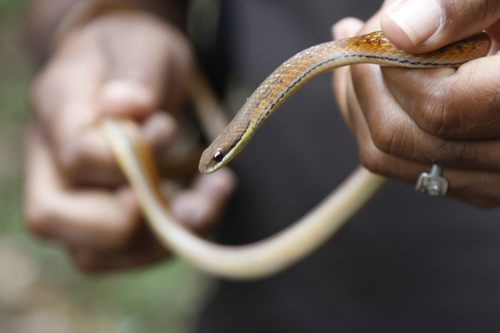
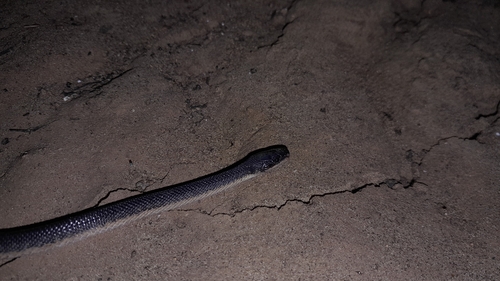
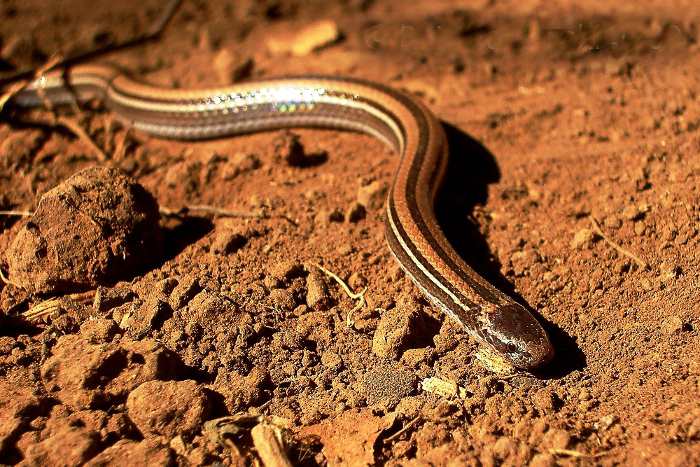

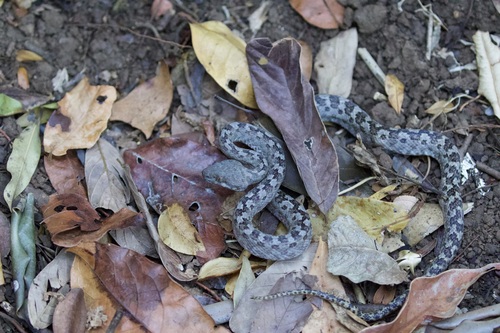
Colubridae (10)
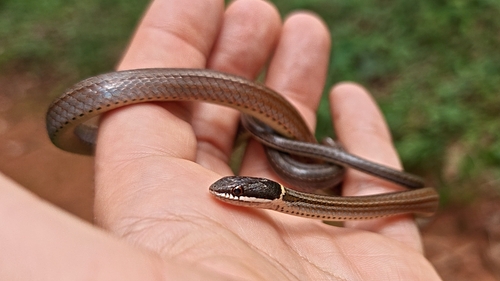
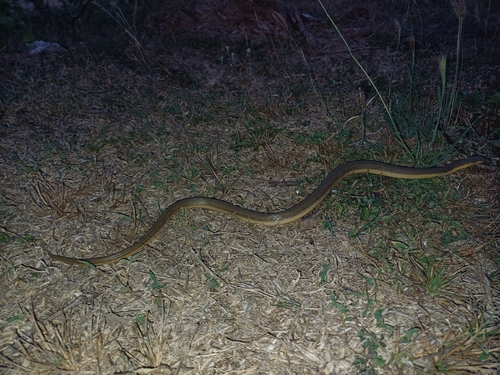
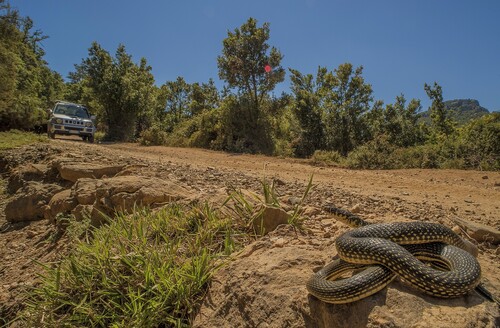
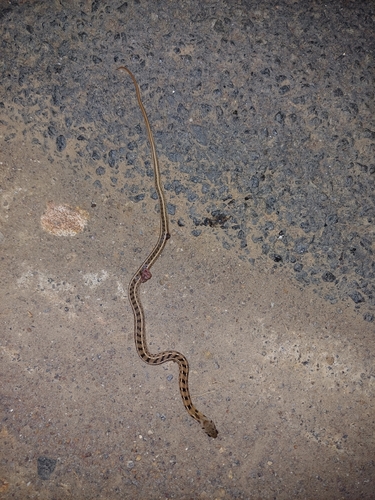
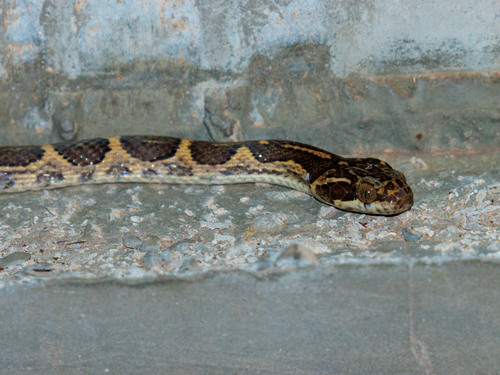
Typhlopidae (7)
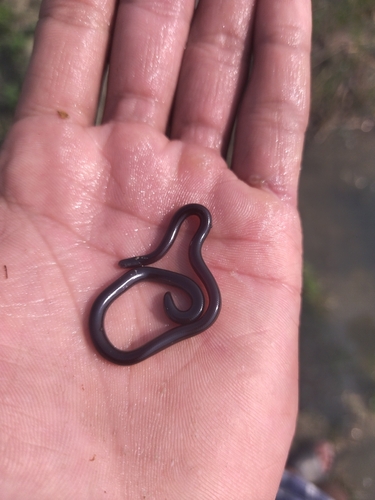
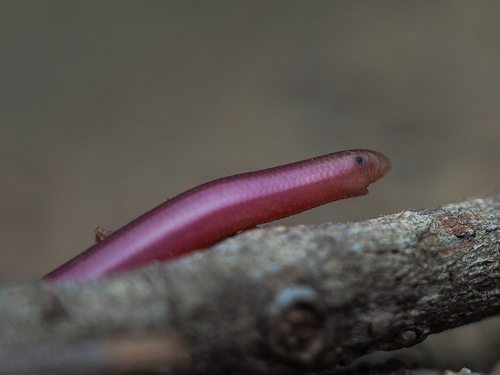
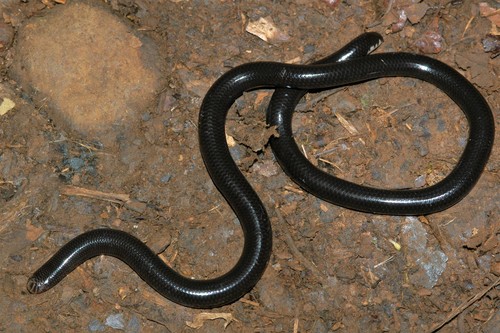
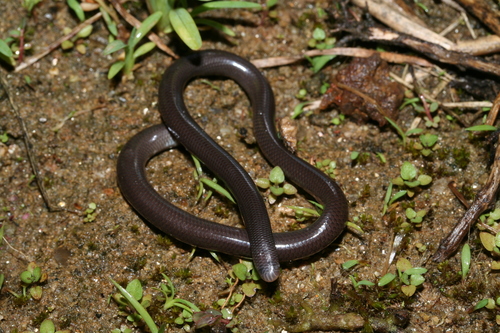
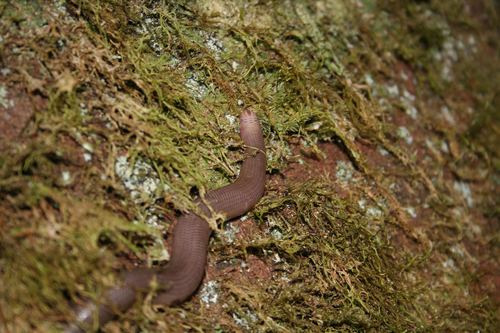
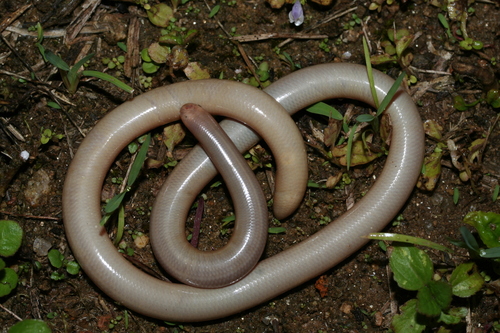
Psammophiidae (4)
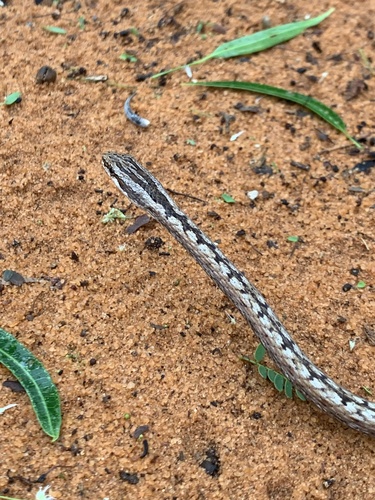
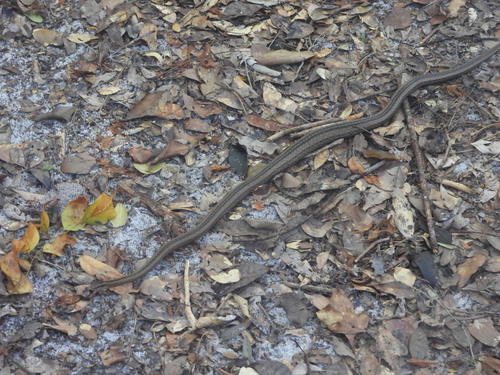
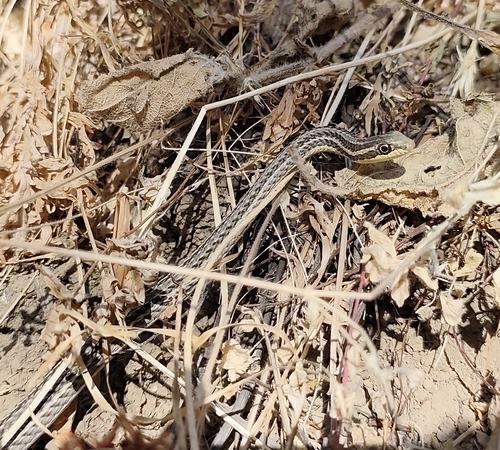
Boidae (4)
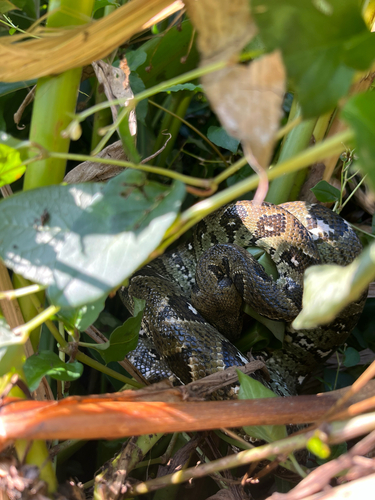
Elapidae (3)
Pythonidae (2)
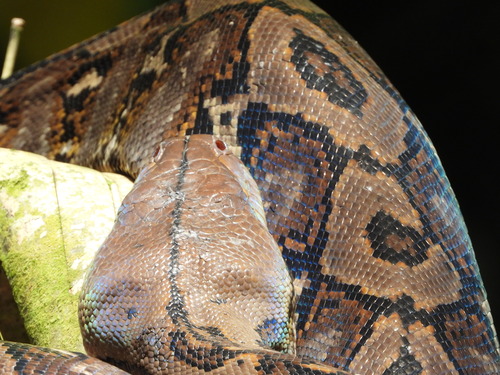
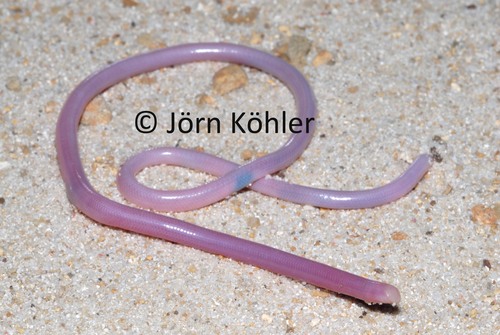
Xenotyphlopidae (1)
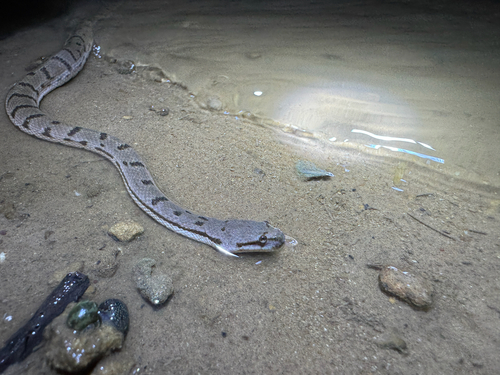
Homalopsidae (1)
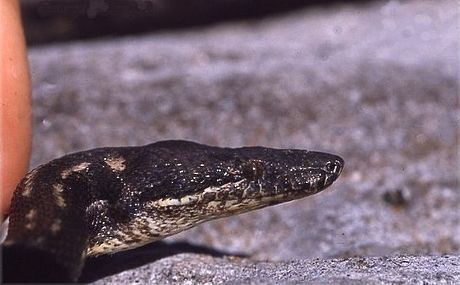
Bolyeriidae (1)
Compiled from verified GBIF & iNaturalist observations. "How often seen" reflects how frequently a snake is reported here, not how dangerous it is. Informational only.
Keep learning
- Are Snakes Dangerous? The Real Risk, in PerspectiveMost snakes are harmless and avoid people. Here is the honest picture of snakebite risk worldwide and how to lower your own.
- Snakebite First Aid: What to Do (and What Never to Do)A clear, CDC-based guide to snakebite first aid: the steps that help, the popular myths that hurt, and how to tell a serious bite from a minor one.
- Venomous vs Nonvenomous: How to Tell the DifferenceThe folk rules for telling venomous snakes apart, where each one fails, and why location-based identification beats guessing by sight.
- What to Do If You Find a SnakeFound a snake at home or on a trail? Here is how to stay calm, give it space, identify it safely, and know when to call a professional.