
Chad
Snakes in Chad
75+ snake species have been recorded in Chad, 21 venomous.
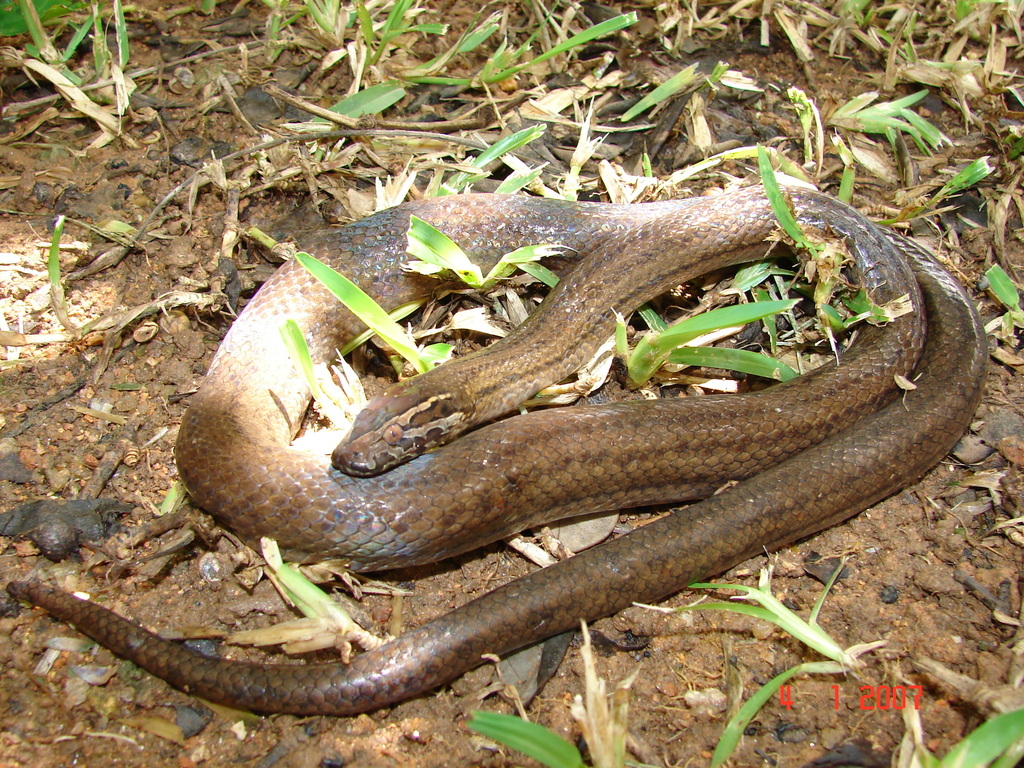
Snakes of Chad
Chad has 75+ snake species recorded in our database, 24 of them venomous. The great majority of species are non-venomous, a pattern that holds across most of the world. The country sits at the meeting point of several major ecological zones, and that range of conditions is the main reason its snake fauna is so varied.
Geography drives that diversity. The north is true Sahara, where snakes are adapted to extreme heat, sand, and scarce water, and where many species are active at night or shelter underground through the hottest hours. The central belt is Sahel, a dry zone of grass and scattered thorn scrub that grades south into Sudanian savanna with denser woodland and seasonal rains. The Lake Chad basin and the rivers feeding it add wetlands, reed beds, and floodplains that support water-associated and amphibian-eating snakes. Each of these habitats favors a different set of species, so the country as a whole carries far more variety than any single region would.
The medically important venomous snakes of Chad belong to a few well-established groups. Saw-scaled vipers (Echis) are the most significant, as they are across the Sahel, and are responsible for a large share of serious bites in the dry regions. True cobras (Naja), including spitting cobras whose venom can also injure the eyes, occur through much of the country. The puff adder, a thickset viper that relies on camouflage and is often encountered on paths and field edges, is another important species. In the wooded savanna of the south, mambas are present. Collectively these groups account for the bites that require urgent medical attention.
Against those few dangerous species stands a large non-venomous majority. Chad is home to many harmless snakes, including sand and racer species suited to the arid north, various house and wolf snakes, and the African rock python, the country's largest snake, a powerful constrictor of the savanna and waterside zones rather than a venomous threat. Most snakes a person encounters in Chad are not capable of causing a dangerous bite and would rather flee than confront a human.
Snakes earn their place in these ecosystems. By preying on rodents, they suppress populations that damage stored grain, raid crops, and spread disease, which makes them quiet allies of farming and rural communities. Many also eat other reptiles, frogs, and large insects, and in turn they feed birds of prey and larger predators. Removing snakes from a landscape tends to mean more rodents, not fewer problems.
The honest safety picture is straightforward. Most species in Chad are harmless, and the main medical threat comes from the saw-scaled vipers, cobras, and the puff adder. The correct response to a venomous bite is professional care: antivenom and treatment at a hospital. No wild venomous snake should ever be handled, and bite care belongs to trained medical staff rather than home remedies. If a bite occurs, get to emergency services immediately, and in the United States you can also reach Poison Control at 1-800-222-1222.
Snakes in Chad: FAQ
- Are there venomous snakes in Chad?
- Yes. 21 venomous snake species have verified records in Chad, including Green Night Adder, Sahara Sand Viper, Desert Horned Viper, Brown Banded Cobra. Most snakes in Chad, however, are harmless.
- How many snake species live in Chad?
- 75+ snake species have verified records in Chad, of which 21 are venomous.
- What is the most commonly seen snake in Chad?
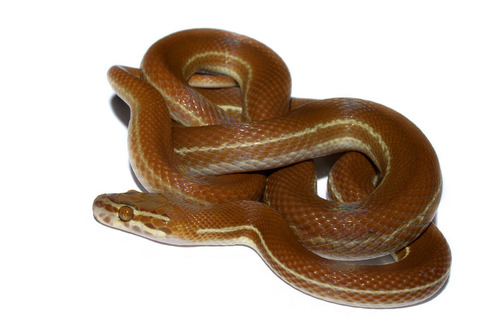
- The Seychelles House Snake is the most frequently reported snake in Chad, based on verified wildlife observations.
- What should I do if I see a venomous snake in Chad?
- Keep your distance and do not try to catch or kill it. Most bites happen when people handle or corner a snake. If someone is bitten, contact local emergency services or poison control immediately.
Venomous snakes in Chad
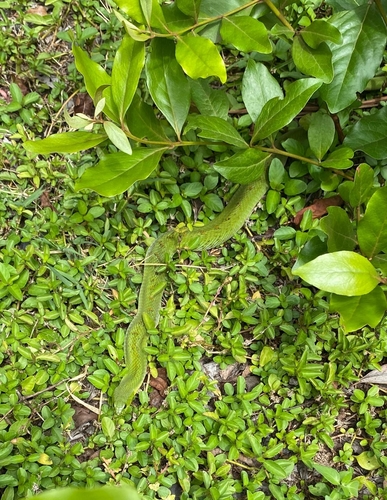
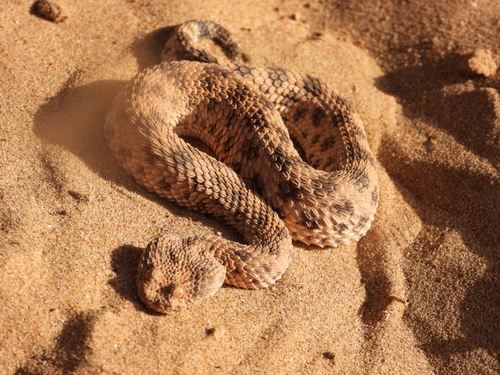
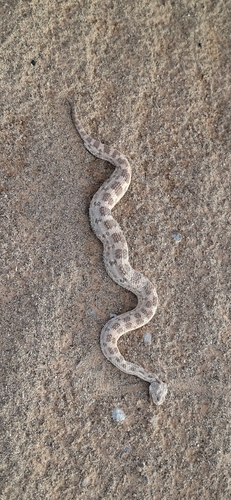
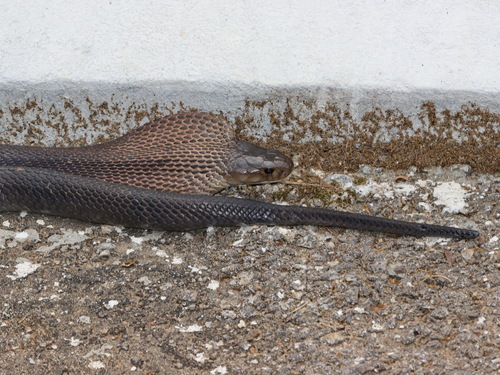
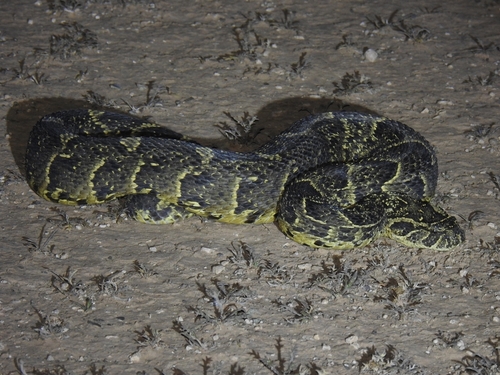
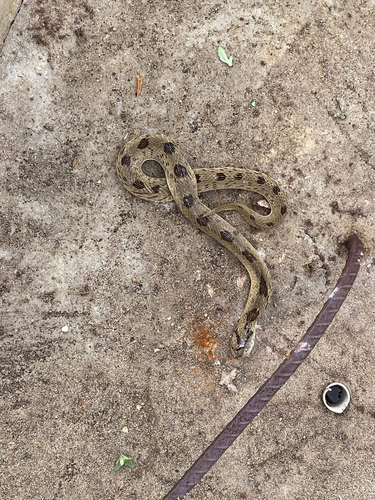
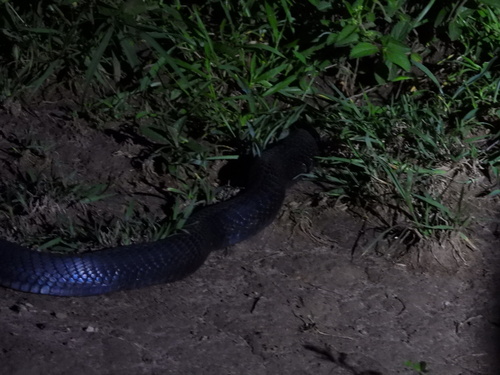
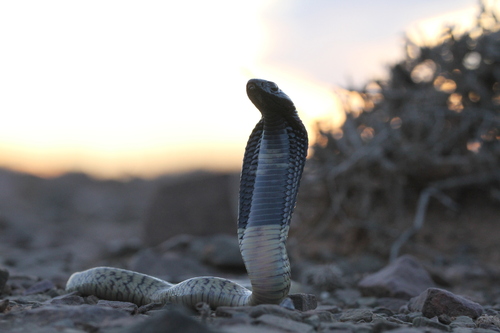
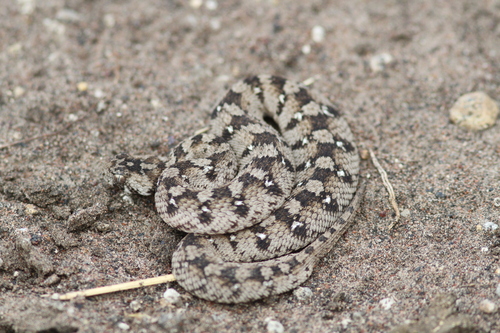
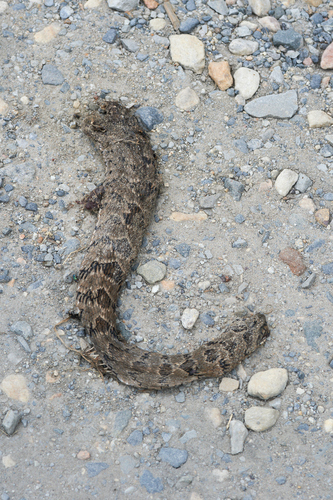
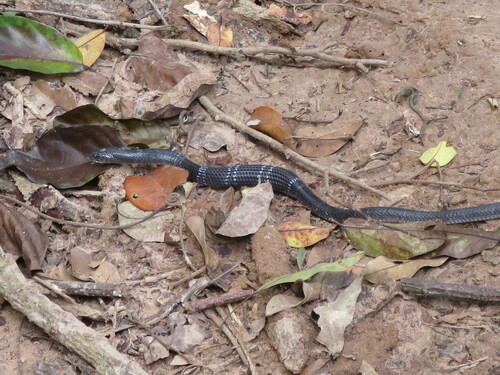
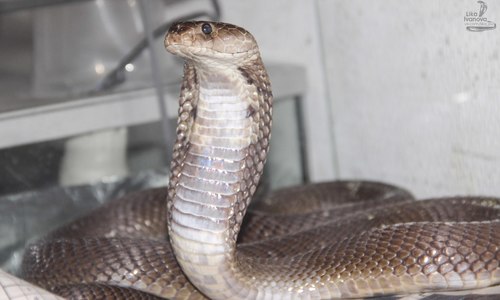
- No photo
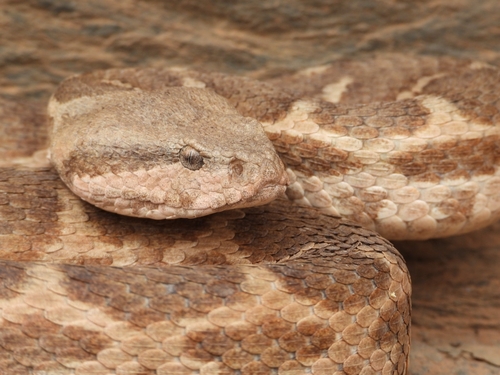
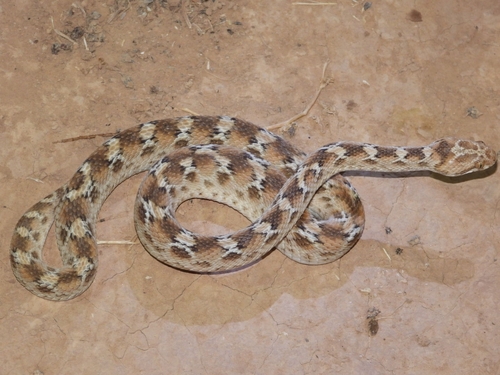
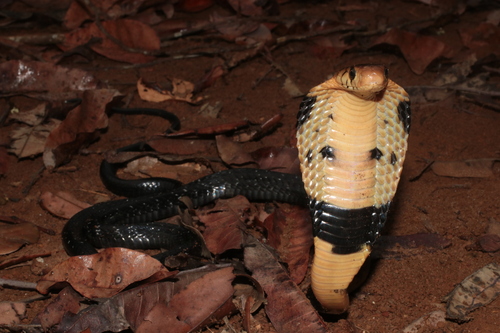
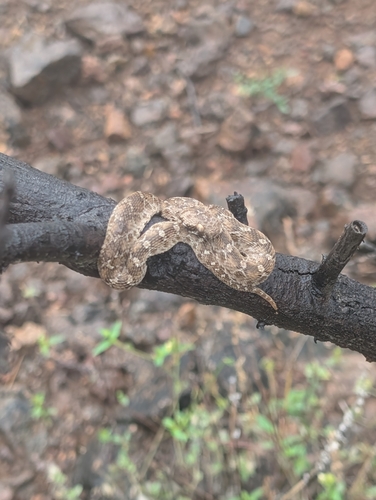
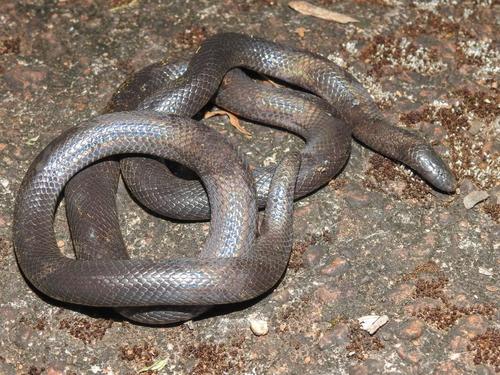
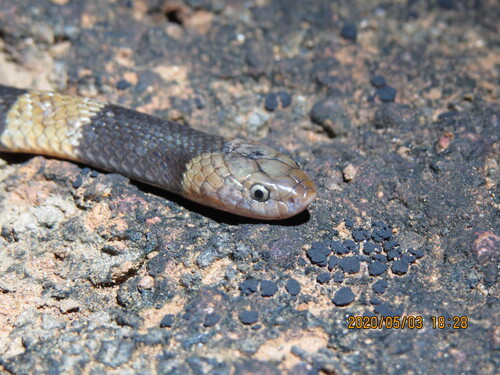
- No photo
Every snake recorded in Chad
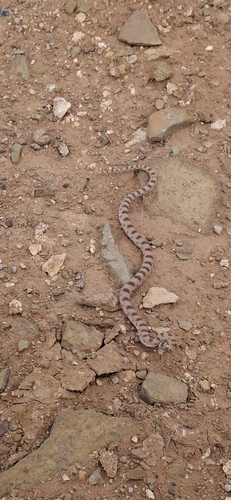
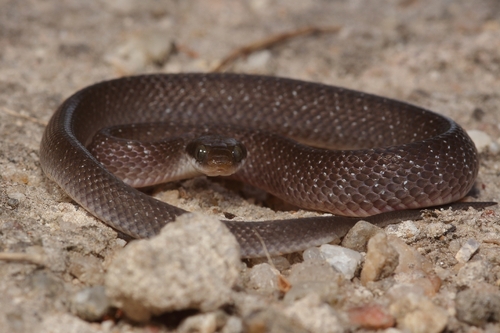
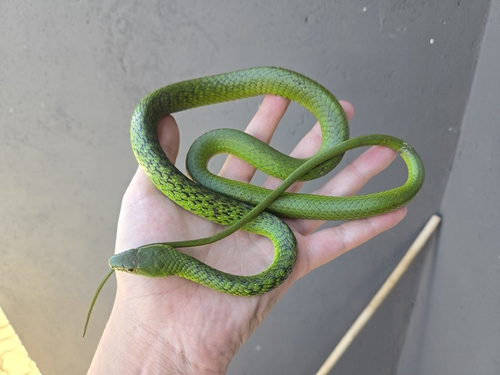
75+ species across 9 families, grouped by family. Venomous flagged.
Colubridae (27)
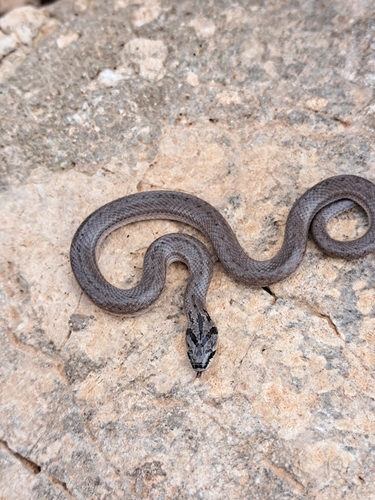
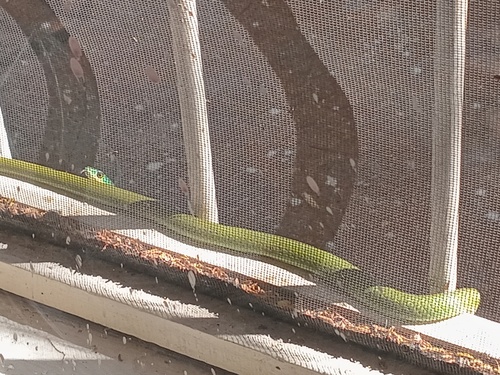
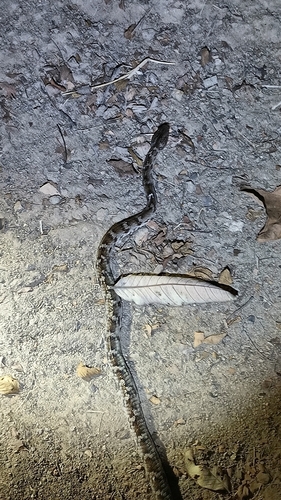
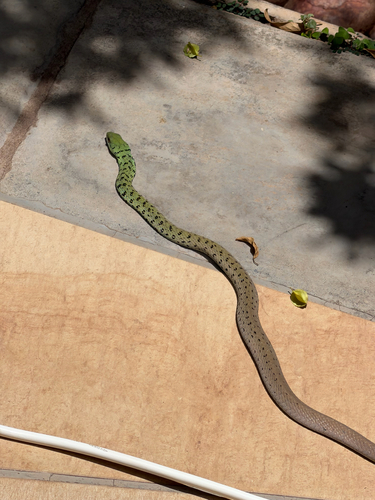
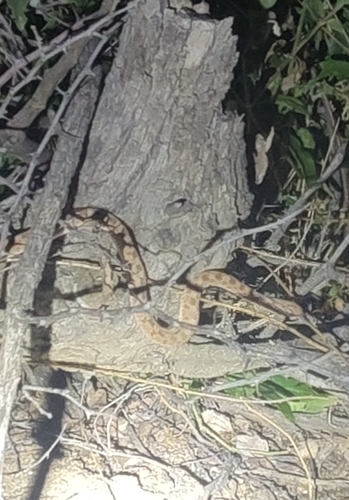
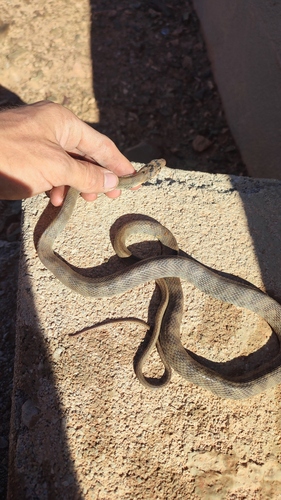
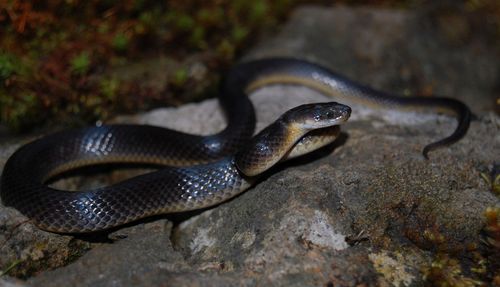
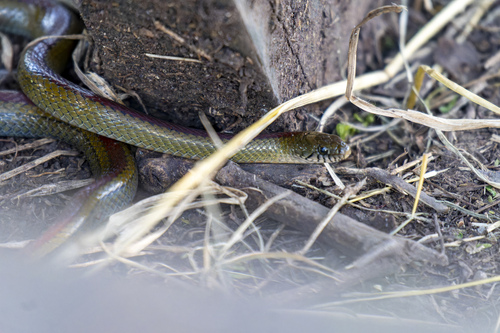
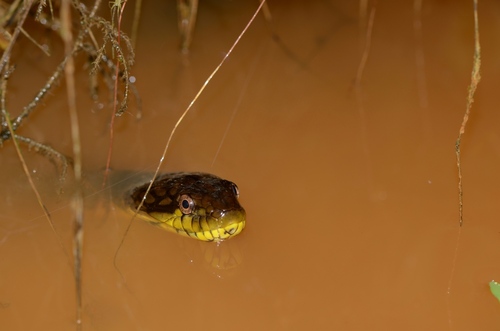
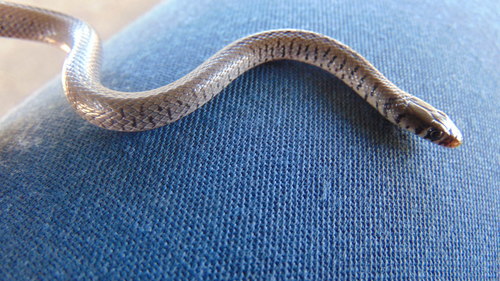

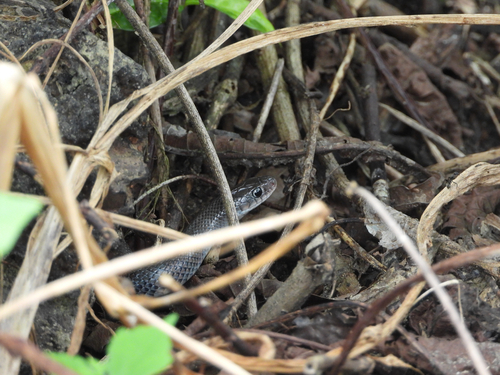
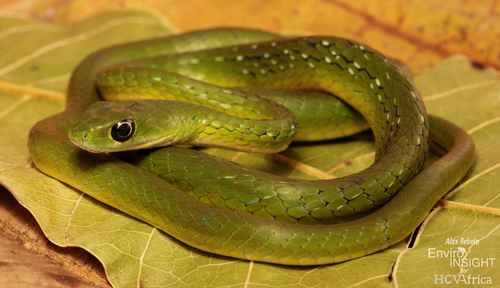
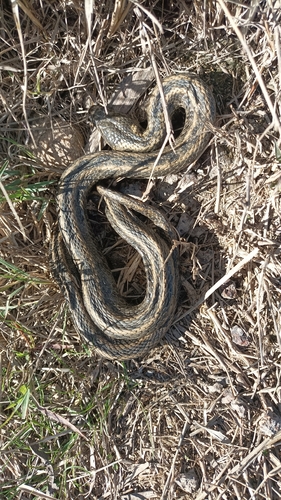
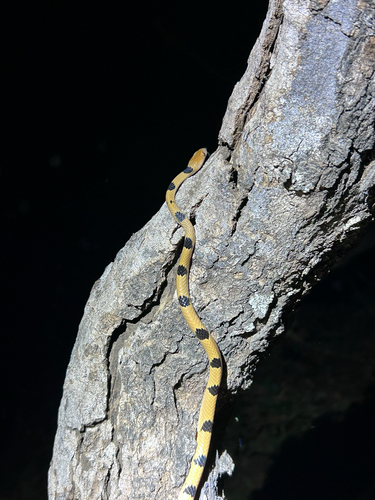
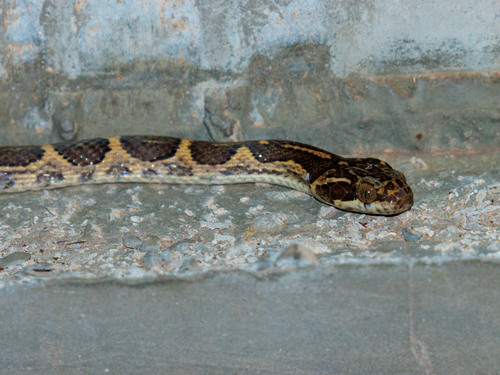
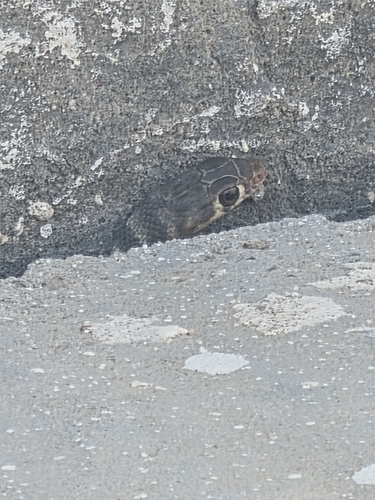
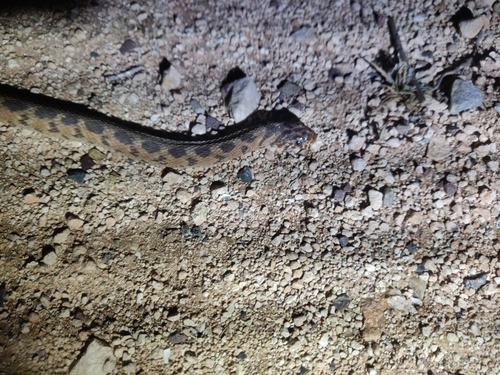
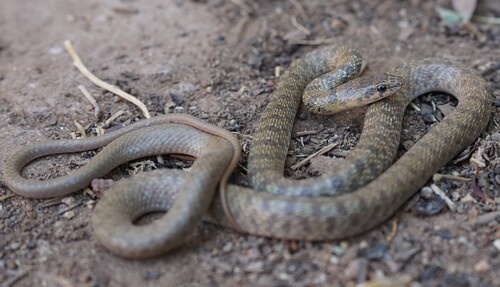
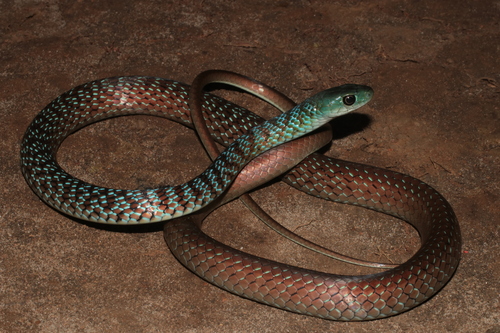
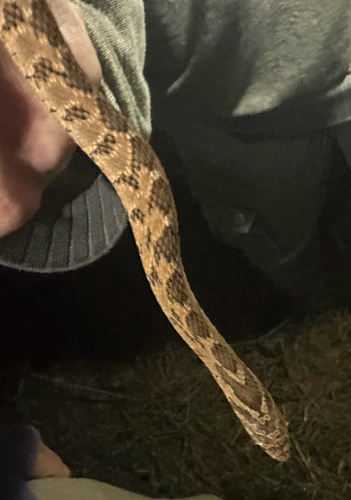
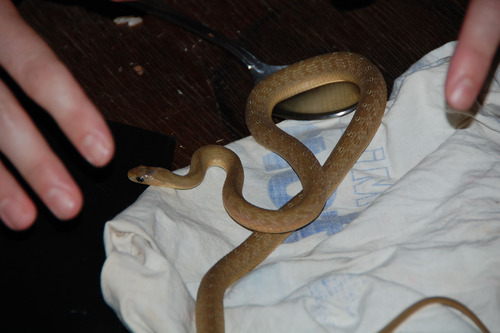
Psammophiidae (15)
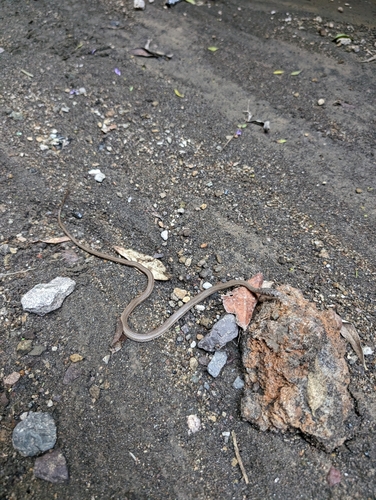
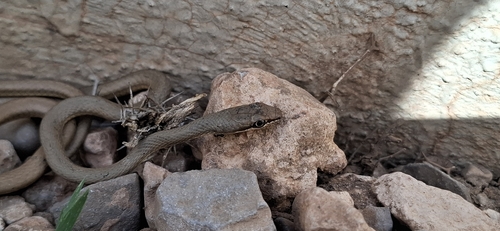
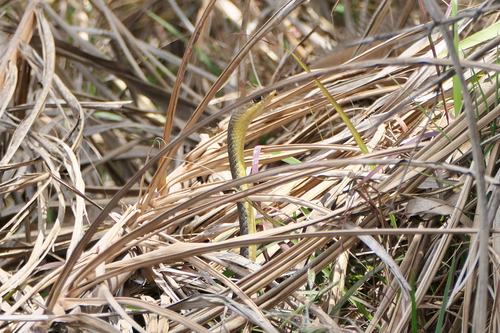
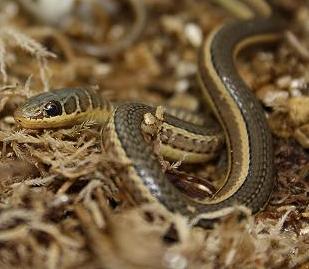
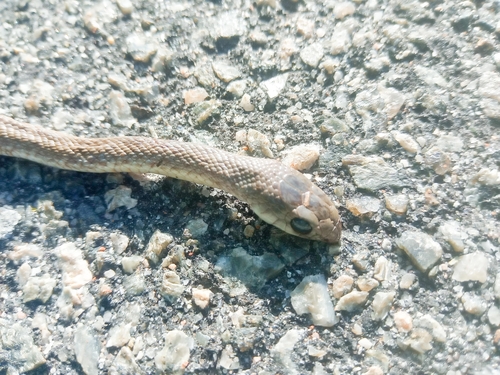
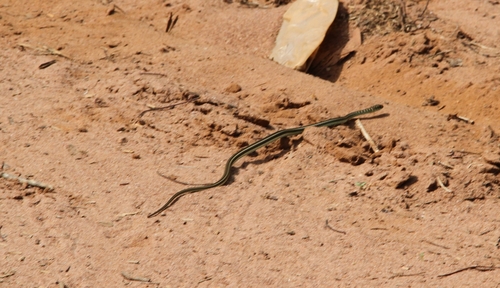
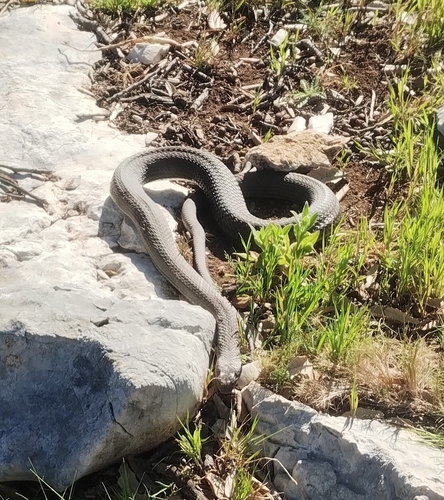
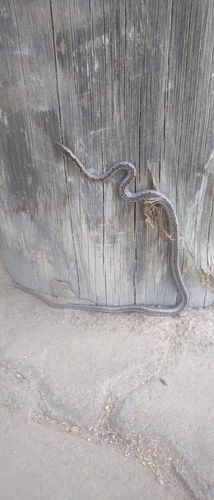
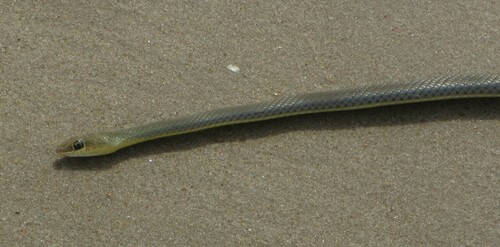
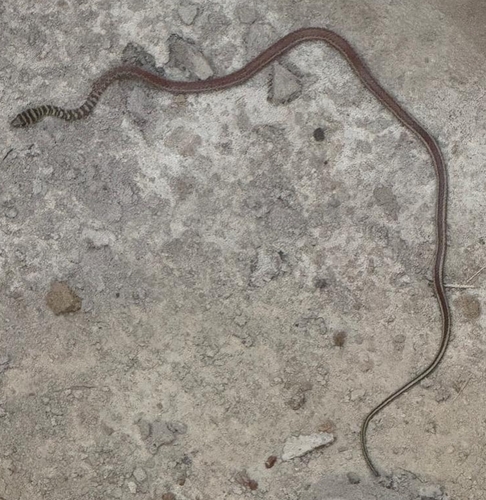
Viperidae (10)
Lamprophiidae (8)
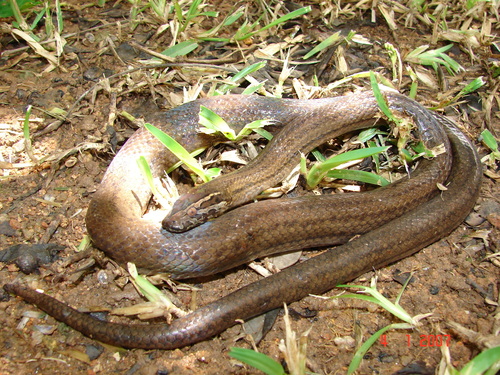
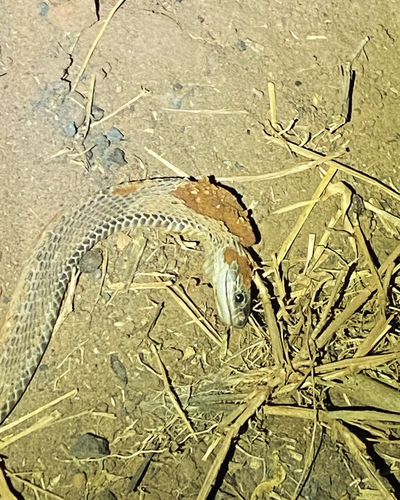
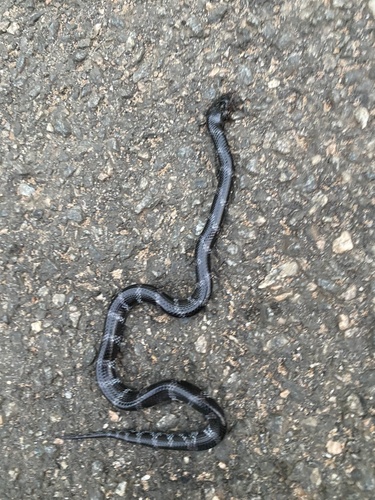
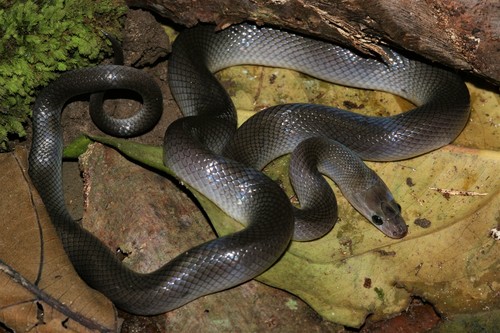
Elapidae (7)
Atractaspididae (6)

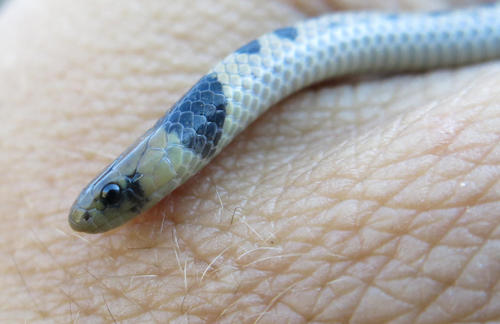
Typhlopidae (4)
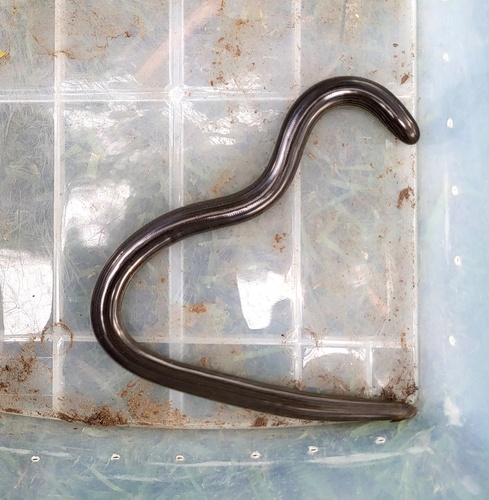
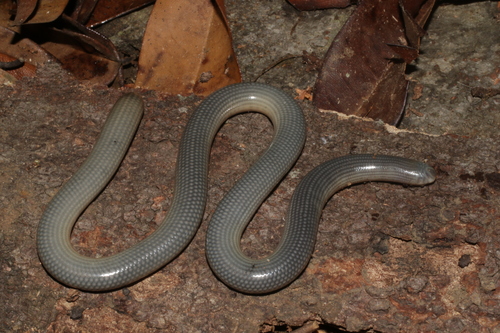
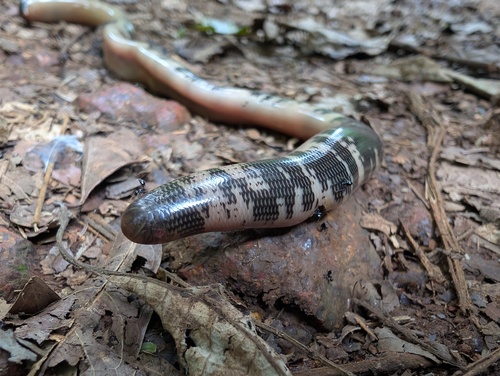
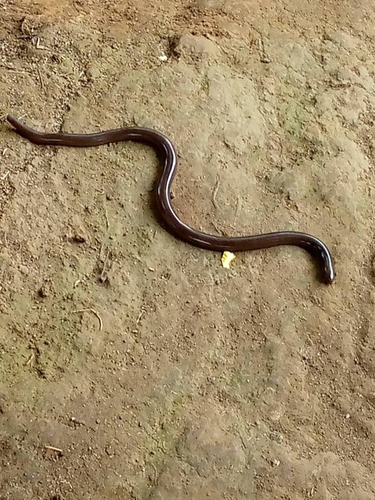
Boidae (3)
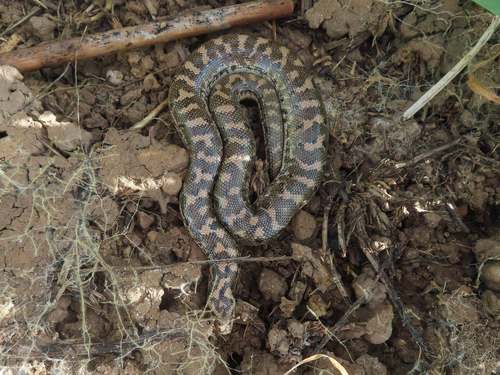
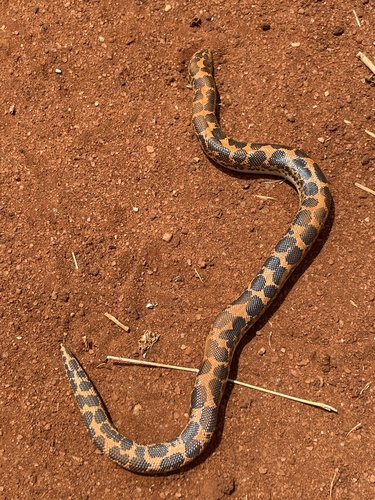
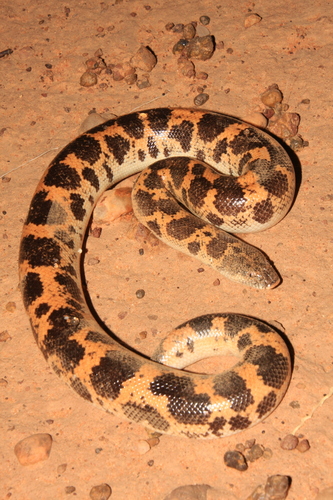
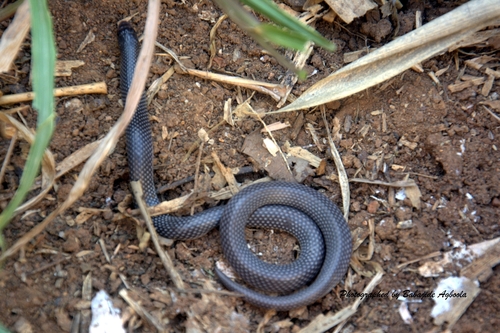
Compiled from verified GBIF & iNaturalist observations. "How often seen" reflects how frequently a snake is reported here, not how dangerous it is. Informational only.
Keep learning
- Are Snakes Dangerous? The Real Risk, in PerspectiveMost snakes are harmless and avoid people. Here is the honest picture of snakebite risk worldwide and how to lower your own.
- Snakebite First Aid: What to Do (and What Never to Do)A clear, CDC-based guide to snakebite first aid: the steps that help, the popular myths that hurt, and how to tell a serious bite from a minor one.
- Venomous vs Nonvenomous: How to Tell the DifferenceThe folk rules for telling venomous snakes apart, where each one fails, and why location-based identification beats guessing by sight.
- What to Do If You Find a SnakeFound a snake at home or on a trail? Here is how to stay calm, give it space, identify it safely, and know when to call a professional.