
Guinea-Bissau
Snakes in Guinea-Bissau
40+ snake species have been recorded in Guinea-Bissau, 13 venomous.
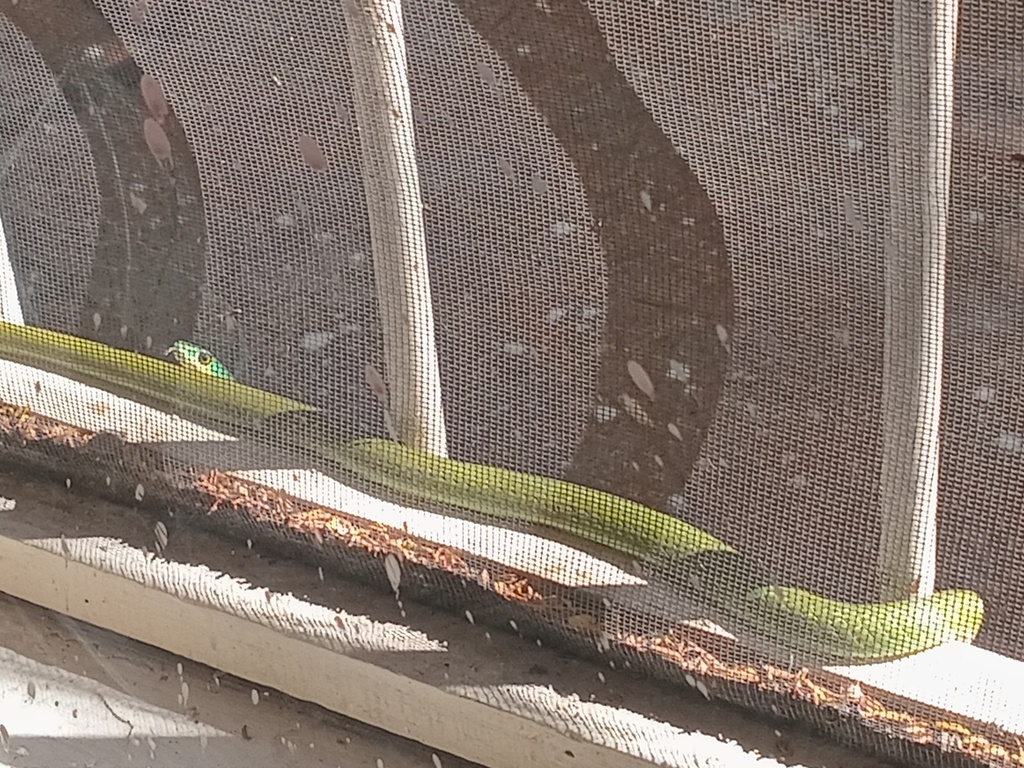
Snakes of Guinea-Bissau
Guinea-Bissau has 40+ snake species recorded in our database, 13 of them venomous. The great majority of species are non-venomous, which means most snakes you might encounter in this small West African country pose no danger to people. The country sits on the Atlantic coast at the meeting point of the Sahel and the wetter Guinean zone, and its snake life reflects that transitional position, drawing on both dry-savanna and forest faunas.
The diversity here is driven by a varied landscape packed into a compact area. Coastal mangroves and tidal estuaries, the low-lying Bijagos Archipelago of offshore islands, freshwater swamps and rice paddies, gallery forest along rivers, and open wooded savanna inland each support different snakes. Wetlands and farmland favor species that hunt frogs, fish, and rodents, while the drier interior suits savanna specialists. This patchwork of habitats, combined with a long wet season, is what packs so many species into such a small national territory.
Several medically important venomous groups occur in Guinea-Bissau. Cobras and their relatives in the family Elapidae are present, including spitting and non-spitting cobras of the genus Naja and the slender, fast-moving mambas of the genus Dendroaspis that favor wooded and forested ground. True vipers in the family Viperidae are the other major concern, most notably the puff adder, a thickset, well-camouflaged ground snake responsible for a large share of serious bites across its African range, along with carpet or saw-scaled vipers of the genus Echis in drier areas. Burrowing asps, sometimes called stiletto snakes, and smaller back-fanged colubrids round out the venomous element. There are no rattlesnakes, no New World coral snakes, and no pit vipers in this region, since those groups do not occur in West Africa.
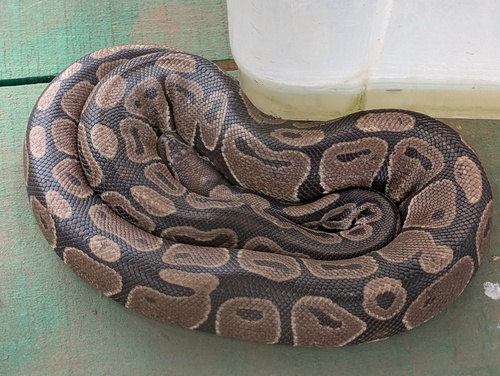
The non-venomous majority is what you are most likely to see. The African rock python, the continent's largest snake, lives near water and ambushes mammals and birds, killing by constriction rather than venom. House snakes are common around villages and farms and are valued because they hunt rats and mice. Egg-eating snakes, sand snakes, file snakes, and a range of harmless water and grass snakes fill out the list. Many of these are secretive, active at dusk or night, and rarely seen despite being widespread.
Snakes earn their place in the ecosystem. By preying heavily on rodents, they hold down populations of rats and mice that damage stored grain, raid crops in the field, and carry disease. Constrictors and the larger colubrids in particular act as natural pest control around farms and homes, and snakes themselves are food for raptors, mongooses, and other predators. Removing them tends to let rodent numbers climb, so a healthy snake population is part of a healthy rural landscape.
On safety, keep it simple and honest. Most snakes in Guinea-Bissau are harmless, and the realistic medical threat comes from the puff adder and from cobras, with saw-scaled vipers a concern in drier country. The correct treatment for a venomous bite is professional medical care, antivenom and supportive treatment delivered at a hospital, not home remedies. Never handle a wild snake, and never assume a snake is safe to pick up, since identification in the field is unreliable and even a dead or sluggish-looking snake can bite. If a bite happens, treat it as an emergency and get the person to medical care without delay. In the United States you can reach Poison Control at 1-800-222-1222; elsewhere, contact your local emergency services.
Snakes in Guinea-Bissau: FAQ
- Are there venomous snakes in Guinea-Bissau?
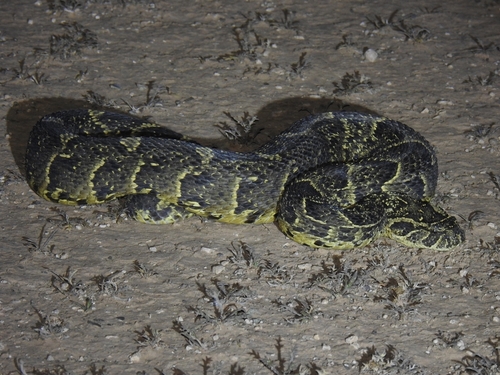
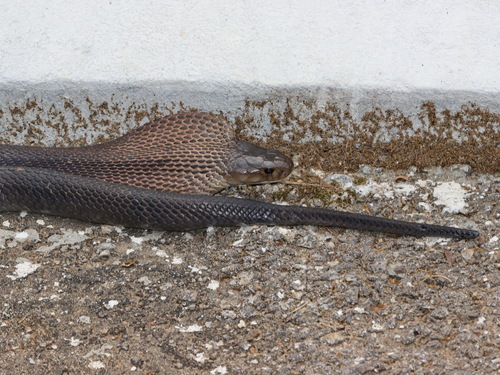
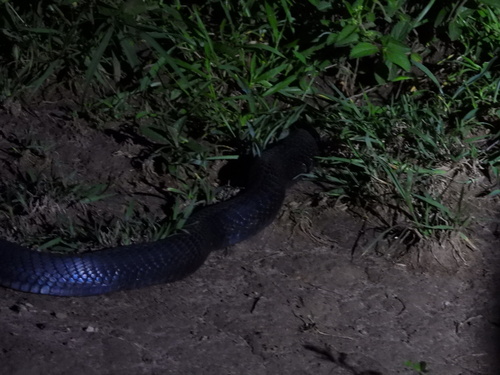
- Yes. 13 venomous snake species have verified records in Guinea-Bissau, including Puff Adder, Brown Banded Cobra, Black-necked Spitting Cobra, Western Forest Stiletto Snake. Most snakes in Guinea-Bissau, however, are harmless.
- How many snake species live in Guinea-Bissau?
- 40+ snake species have verified records in Guinea-Bissau, of which 13 are venomous.
- What is the most commonly seen snake in Guinea-Bissau?
- The Common Bush Snake is the most frequently reported snake in Guinea-Bissau, based on verified wildlife observations.
- What should I do if I see a venomous snake in Guinea-Bissau?
- Keep your distance and do not try to catch or kill it. Most bites happen when people handle or corner a snake. If someone is bitten, contact local emergency services or poison control immediately.
Venomous snakes in Guinea-Bissau
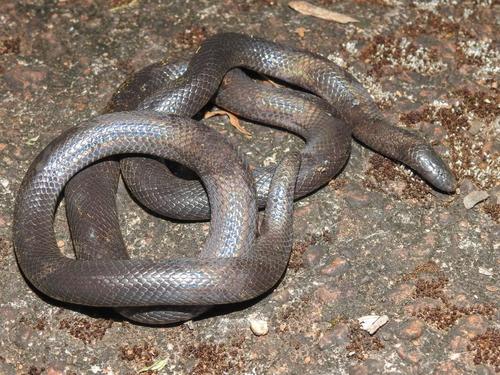
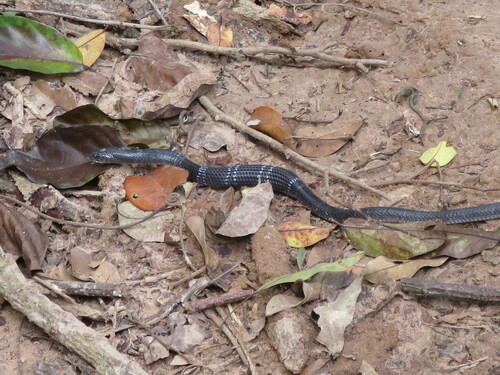
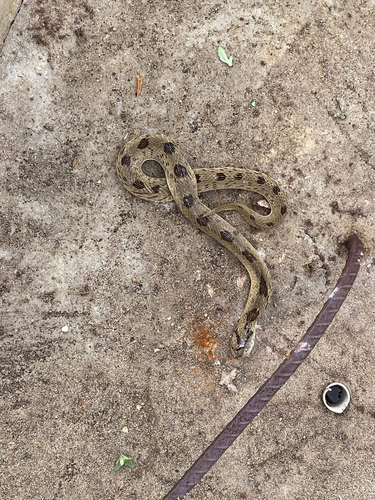
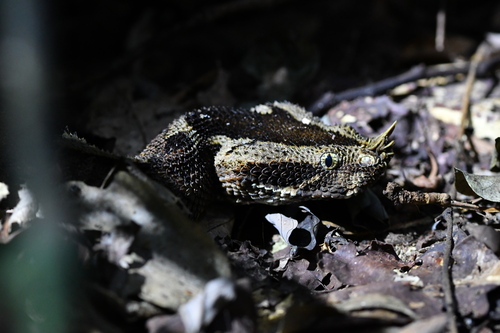
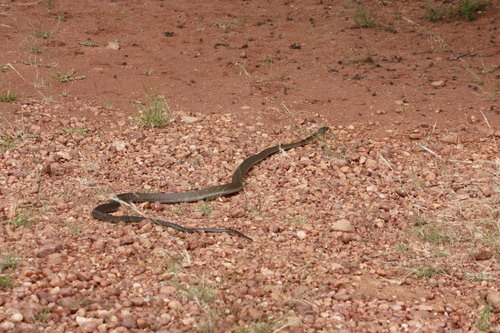
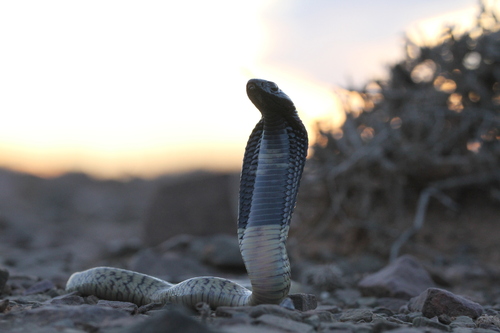
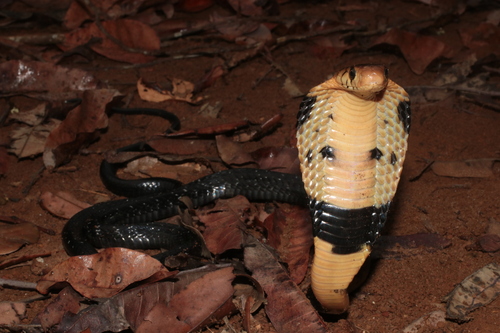
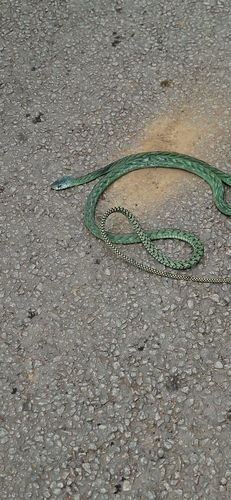
Every snake recorded in Guinea-Bissau
40+ species across 10 families, grouped by family. Venomous flagged.
Colubridae (12)
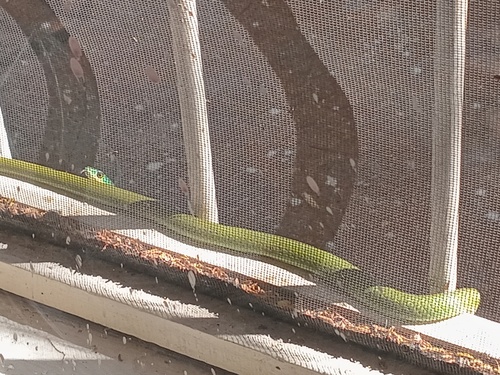
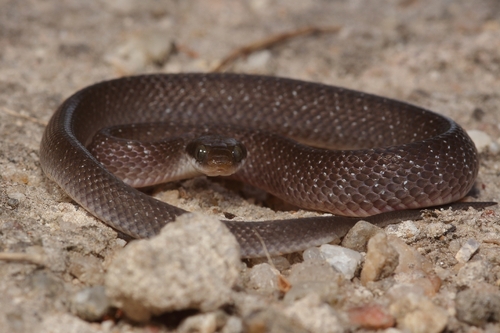
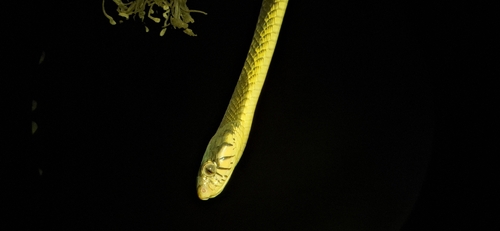
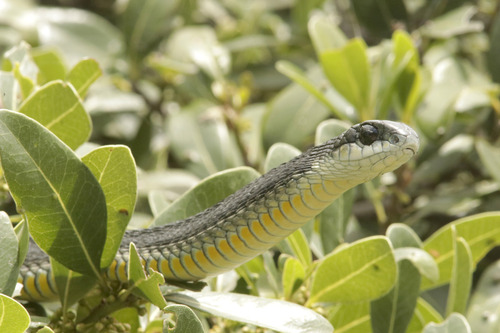
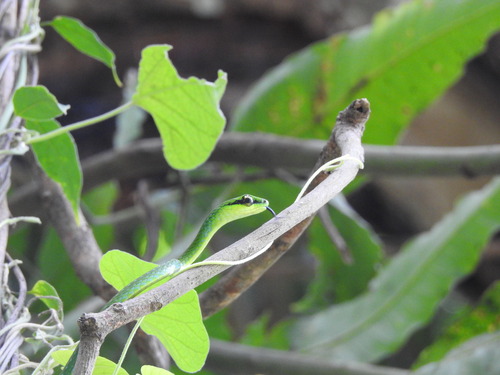
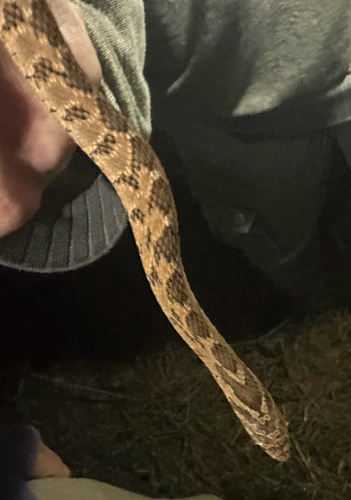
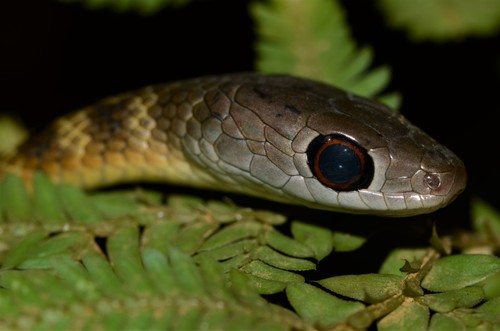
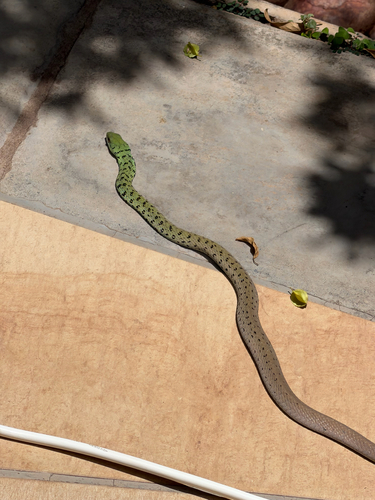
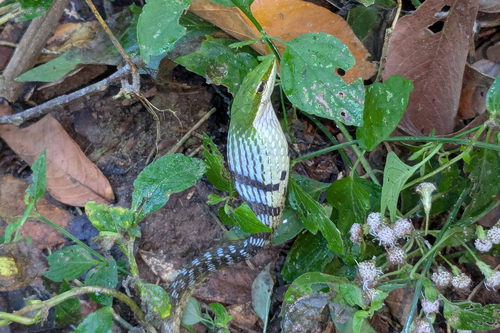
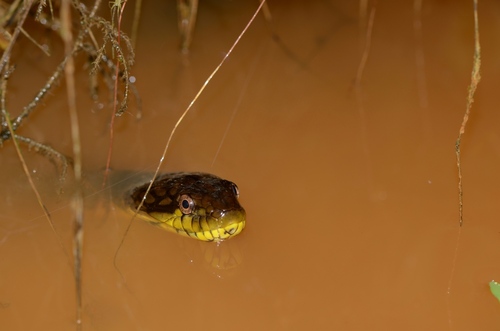
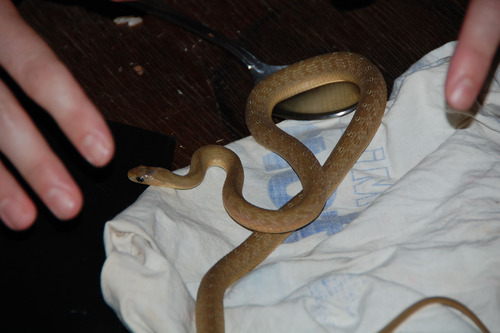
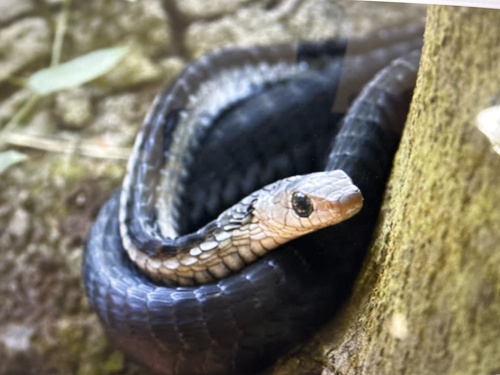
Lamprophiidae (8)
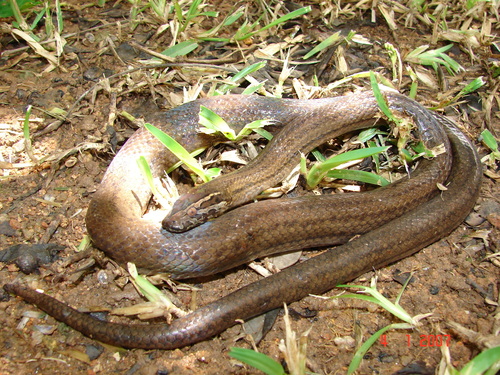
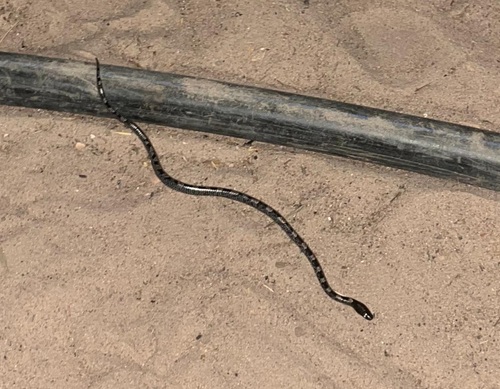
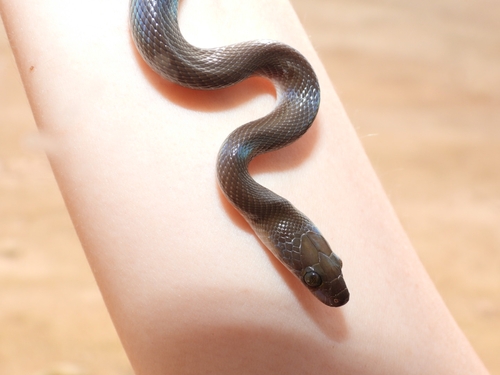
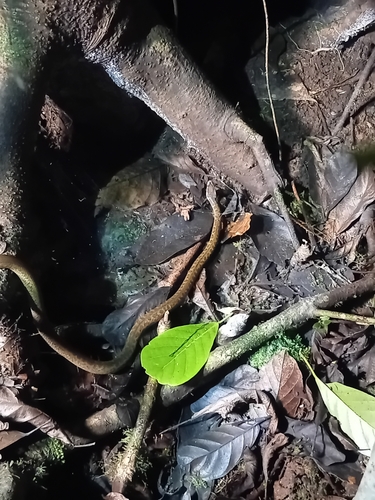
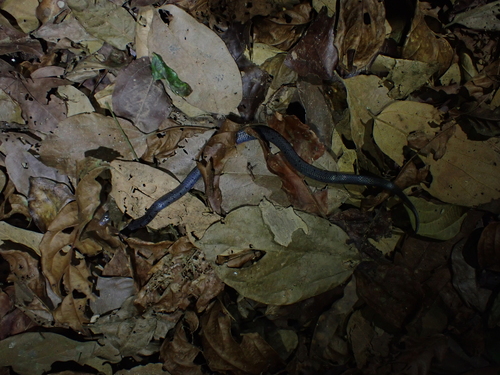
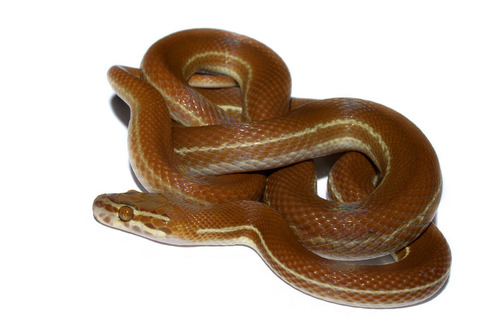
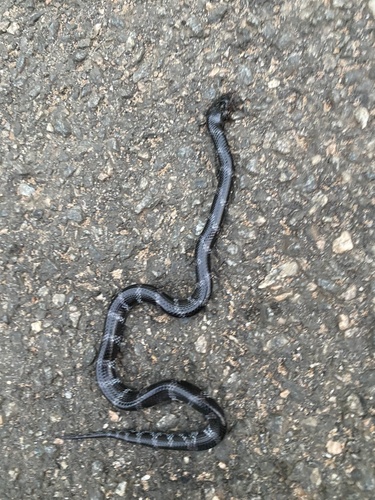
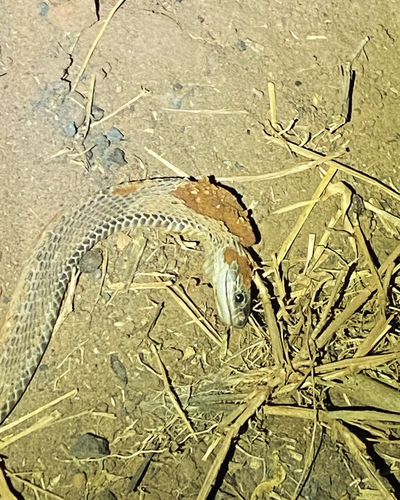
Elapidae (7)
Psammophiidae (6)
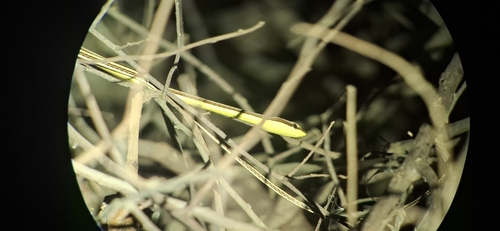
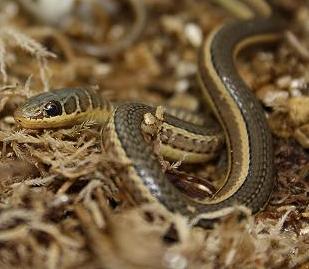
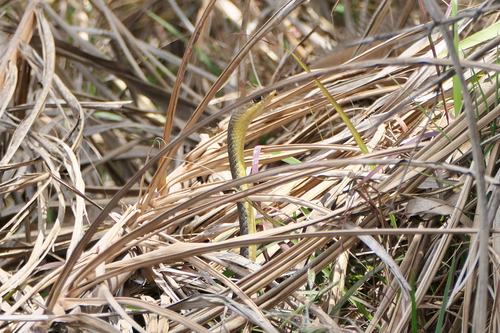
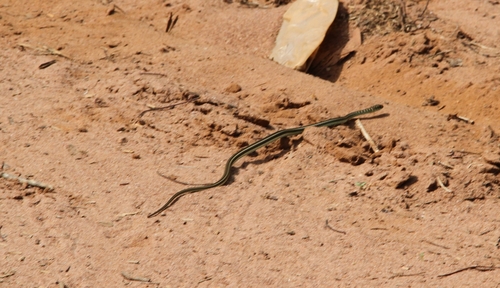
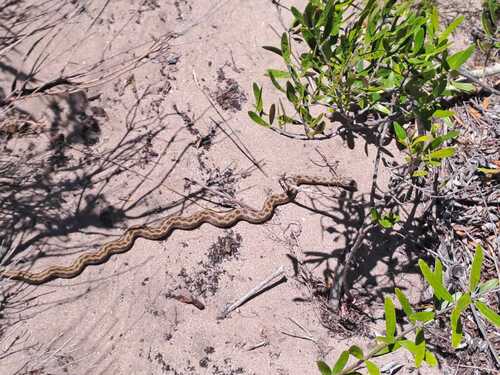
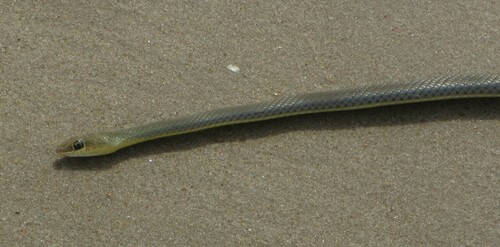
Viperidae (3)
Typhlopidae (3)
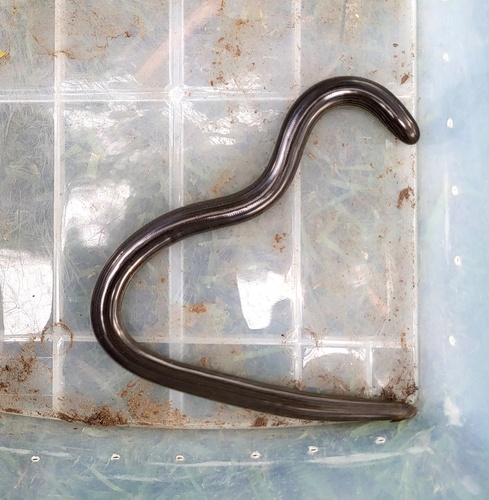
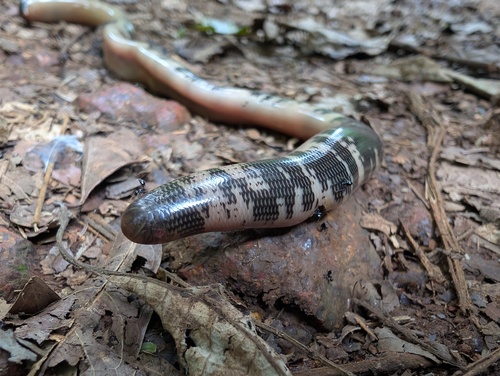
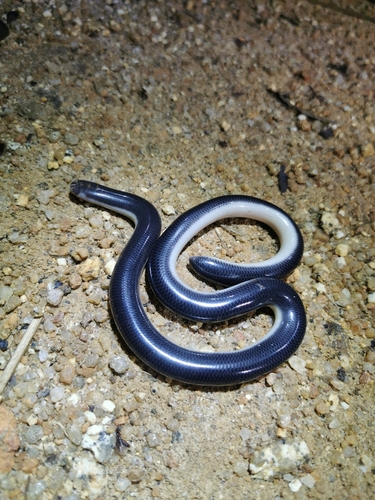
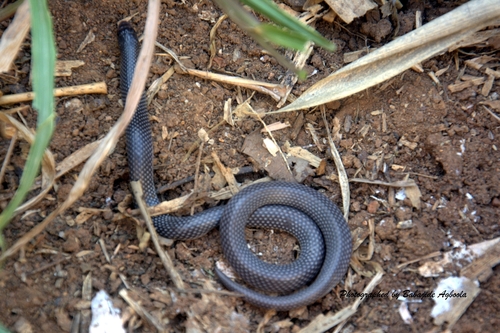
Atractaspididae (1)
Pythonidae (1)
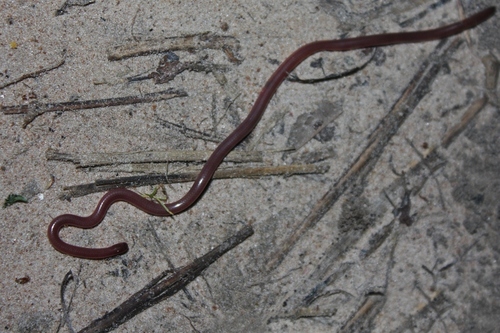
Leptotyphlopidae (1)
Compiled from verified GBIF & iNaturalist observations. "How often seen" reflects how frequently a snake is reported here, not how dangerous it is. Informational only.
Keep learning
- Are Snakes Dangerous? The Real Risk, in PerspectiveMost snakes are harmless and avoid people. Here is the honest picture of snakebite risk worldwide and how to lower your own.
- Snakebite First Aid: What to Do (and What Never to Do)A clear, CDC-based guide to snakebite first aid: the steps that help, the popular myths that hurt, and how to tell a serious bite from a minor one.
- Venomous vs Nonvenomous: How to Tell the DifferenceThe folk rules for telling venomous snakes apart, where each one fails, and why location-based identification beats guessing by sight.
- What to Do If You Find a SnakeFound a snake at home or on a trail? Here is how to stay calm, give it space, identify it safely, and know when to call a professional.