
Senegal
Snakes in Senegal
50+ snake species have been recorded in Senegal, 18 venomous.
Snakes of Senegal
Senegal sits at the western edge of Africa where the Sahara fades into the Sahel and then into wetter savanna and woodland further south. This climatic gradient, running from the dry north toward the greener Casamance region and the Niokolo-Koba forests, is the main reason the country supports a varied snake fauna. Our database records 50+ snake species in Senegal, and the great majority of them are non-venomous. The mix reflects the landscape itself: arid-adapted species in the north, wetland and riverine snakes along the Senegal and Gambia river systems, and forest-associated species in the more humid south.
Habitat is the engine of this diversity. Sand and scrub in the north favor burrowing and fast, slender species that hunt lizards and small rodents. The seasonal wetlands, floodplains, and mangroves of the river deltas support water-associated snakes that prey on fish and amphibians. Cultivated land, villages, and grain stores draw rodents, and rodents in turn draw the snakes that feed on them. Because Senegal compresses several climate zones into one country, species that would be separated by long distances elsewhere can occur within a few hours of each other here.
A minority of Senegal's snakes are medically important, and our records list 20 venomous species. The groups that matter most for human safety in this country are the elapids and the vipers. The elapids include cobras, among them spitting cobras whose venom can also cause eye injury, and the mambas, fast and highly venomous tree and bush snakes. The vipers include the carpet or saw-scaled vipers, which are small but responsible for a large share of serious bites across the Sahel, along with the puff adder, a thick-bodied, well-camouflaged ground viper that is one of the most significant causes of severe envenomation in Africa. There are no rattlesnakes, coral snakes, or pit vipers in Senegal, since those groups belong to the Americas and Asia rather than West Africa.
The non-venomous majority is what most people actually encounter. Senegal is home to numerous colubrid snakes, sand snakes, house snakes, egg-eating snakes, and the python. The African rock python is the largest snake in the region, a powerful constrictor that takes mammals and is harmless to humans in the sense that it is not venomous, though large individuals are still strong animals best left undisturbed. Many of the smaller, harmless species are rarely seen because they are nocturnal, secretive, or spend much of their time underground.
Snakes earn their place in Senegal's ecosystems and on its farms. They are among the most effective natural controllers of rats and mice, which otherwise damage stored grain and spread disease. By keeping rodent and insect populations in check, snakes provide a quiet form of pest control that benefits agriculture and rural households directly. Both the venomous and non-venomous species sit in the middle of the food web, eating pests and in turn feeding birds of prey and other predators.
On safety, keep it in proportion. Most snakes in Senegal are non-venomous and pose no danger if left alone, and the main medical threats come from the vipers, especially the saw-scaled vipers and the puff adder, and from the cobras and mambas. No wild venomous snake is safe to handle, and the right response to any snakebite is to get to a hospital quickly, since antivenom and professional medical care are the established treatment for serious envenomation. Do not rely on improvised remedies. If a bite occurs, contact local emergency services immediately, or in the United States call Poison Control at 1-800-222-1222.
Snakes in Senegal: FAQ
- Are there venomous snakes in Senegal?
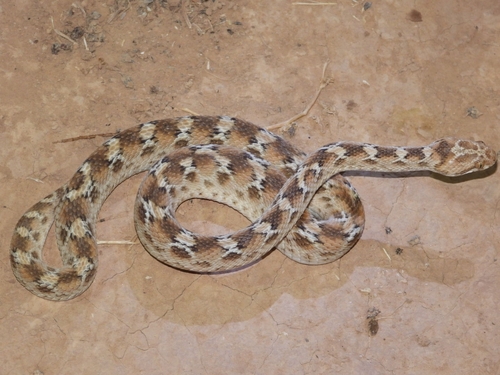
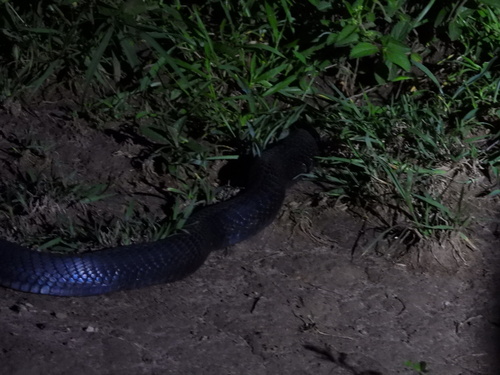
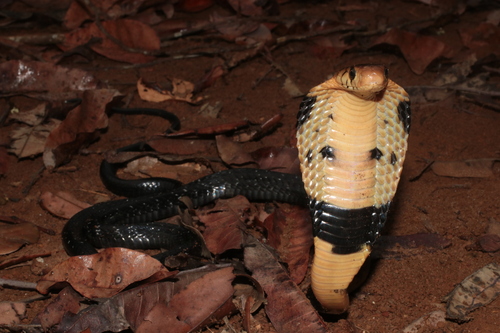
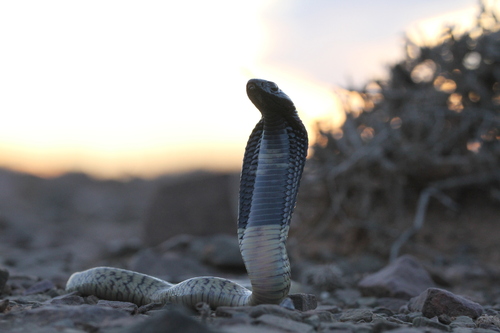
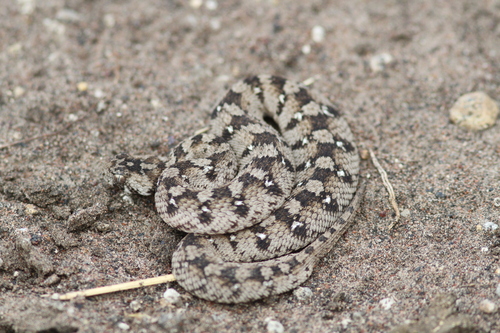
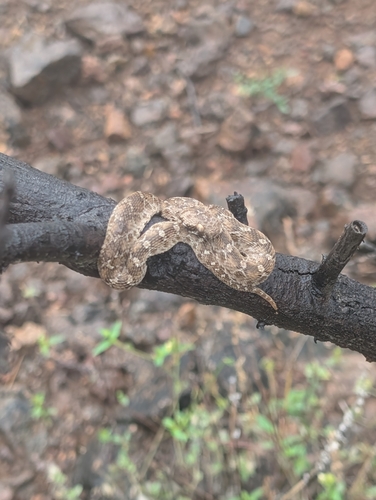
- Yes. 18 venomous snake species have verified records in Senegal, including Brown Banded Cobra, Puff Adder, Spotted Night Adder, Roman's Saw-scaled Viper. Most snakes in Senegal, however, are harmless.
- How many snake species live in Senegal?
- 50+ snake species have verified records in Senegal, of which 18 are venomous.
- What is the most commonly seen snake in Senegal?
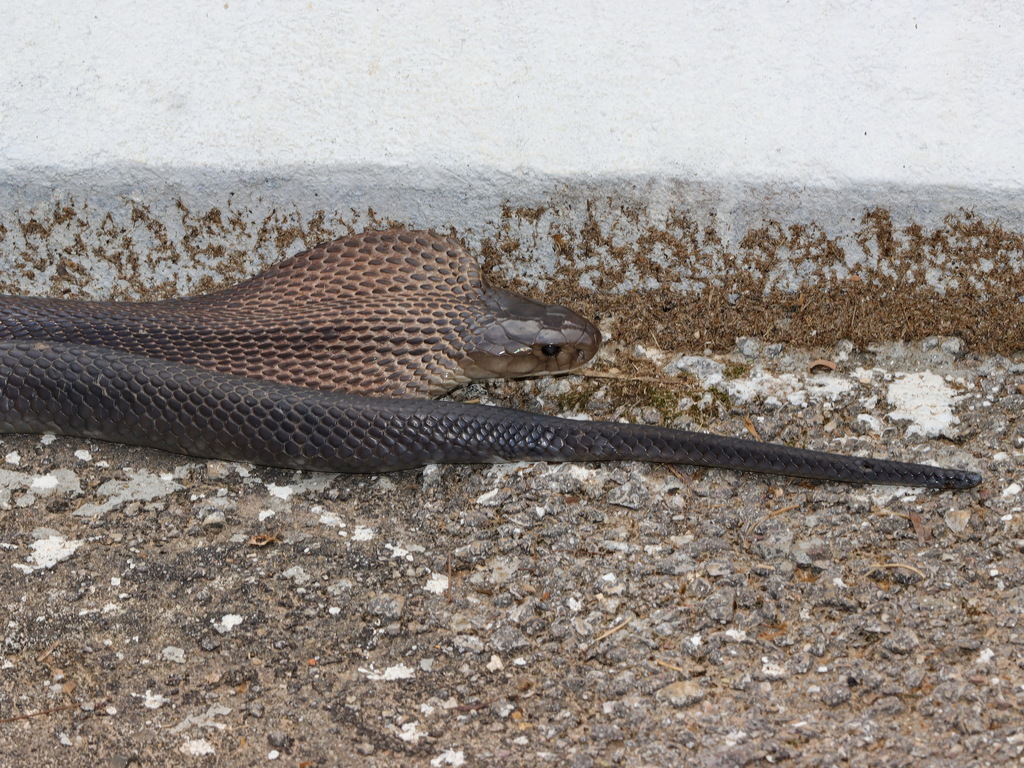
- The Brown Banded Cobra is the most frequently reported snake in Senegal, based on verified wildlife observations.
- What should I do if I see a venomous snake in Senegal?
- Keep your distance and do not try to catch or kill it. Most bites happen when people handle or corner a snake. If someone is bitten, contact local emergency services or poison control immediately.
Venomous snakes in Senegal
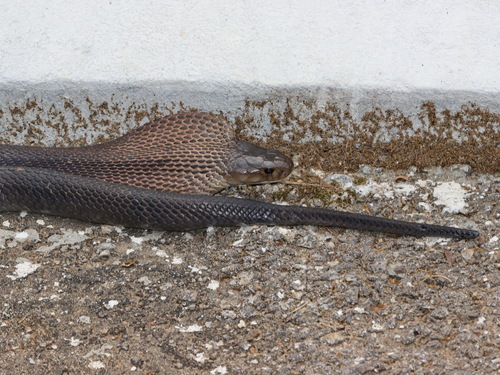
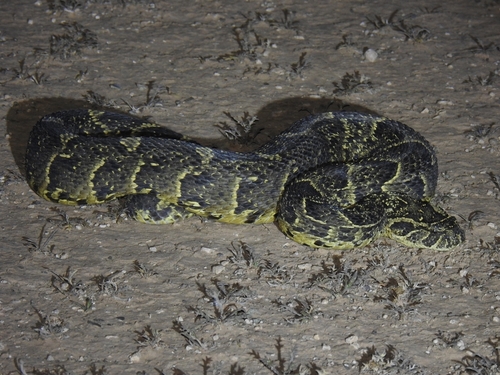
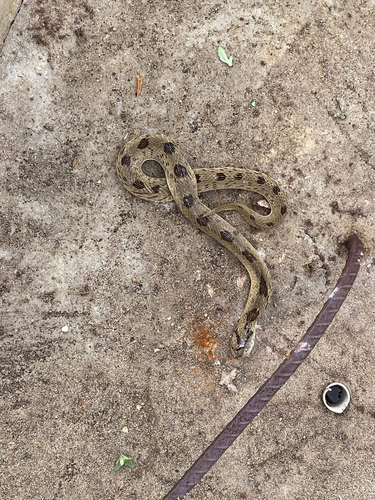

- No photo
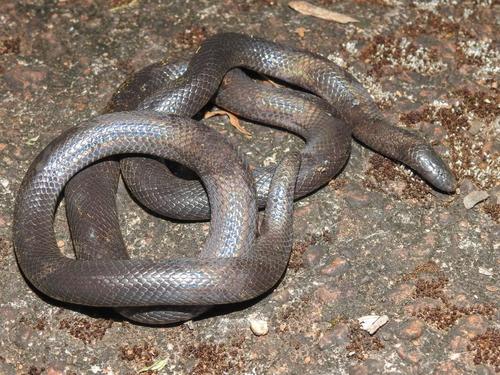
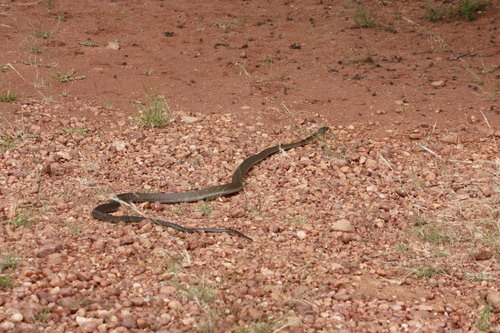
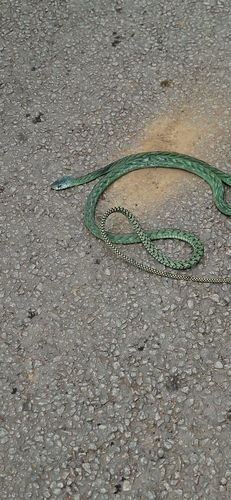
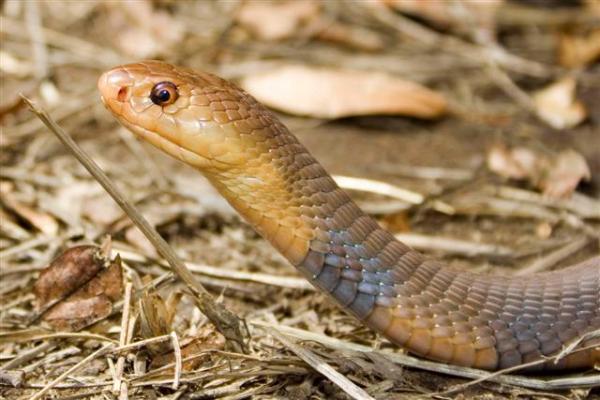
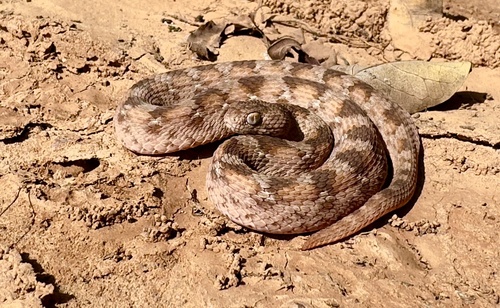
Every snake recorded in Senegal
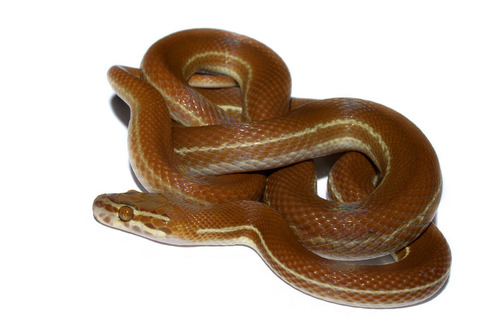
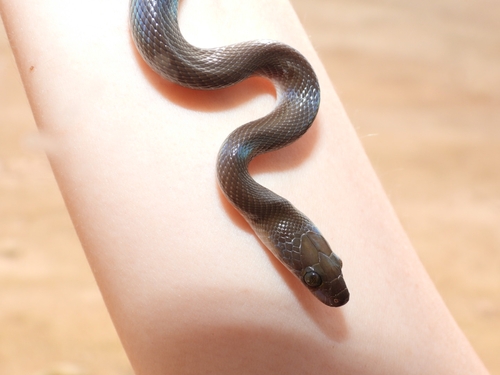
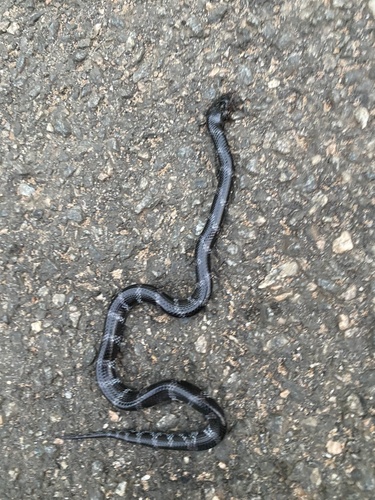
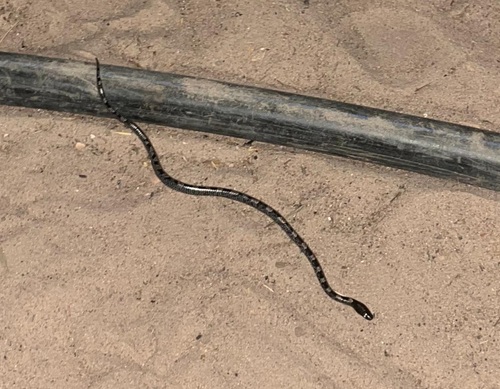
50+ species across 12 families, grouped by family. Venomous flagged.
Colubridae (21)
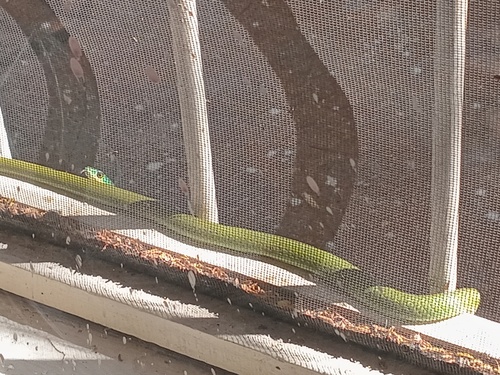
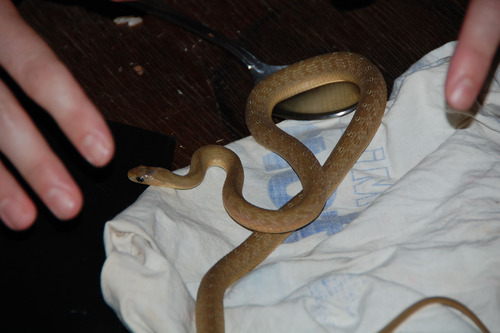
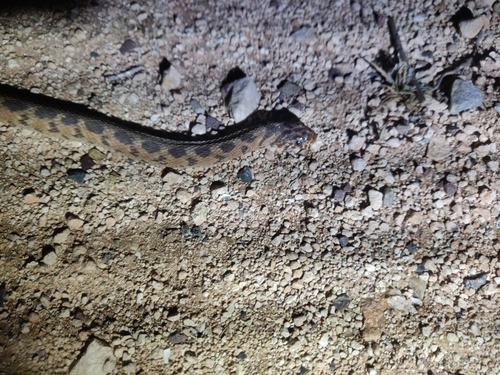
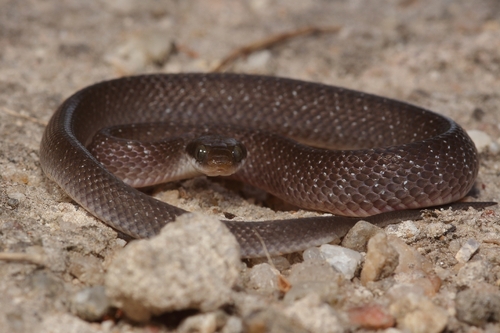
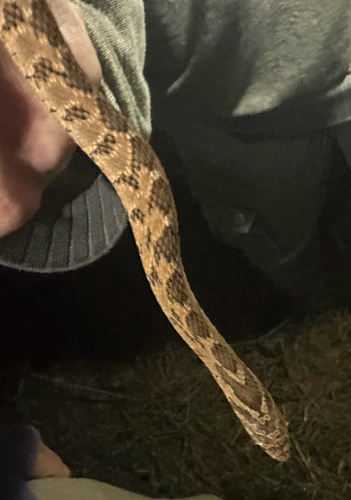
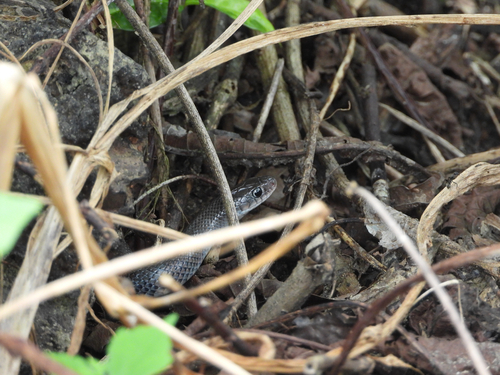
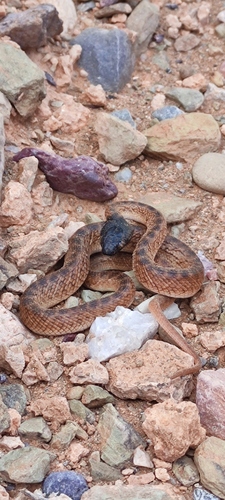
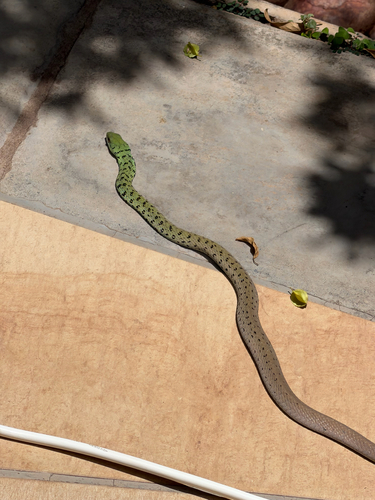
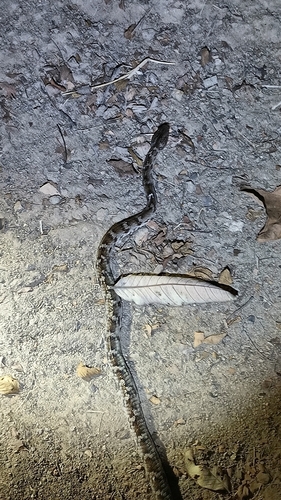
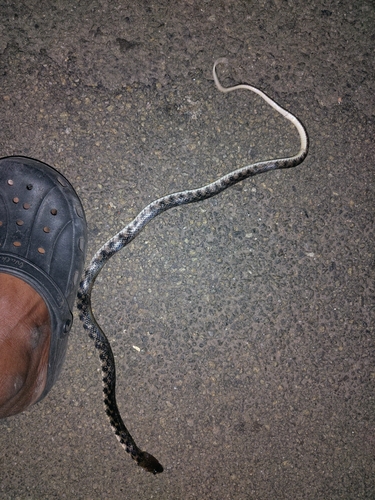
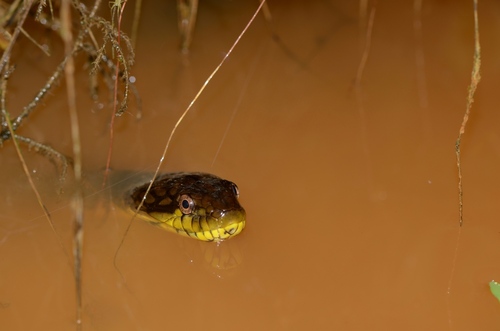
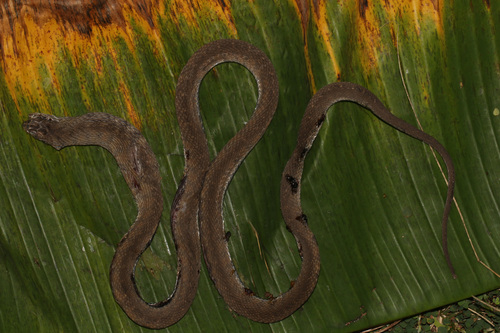
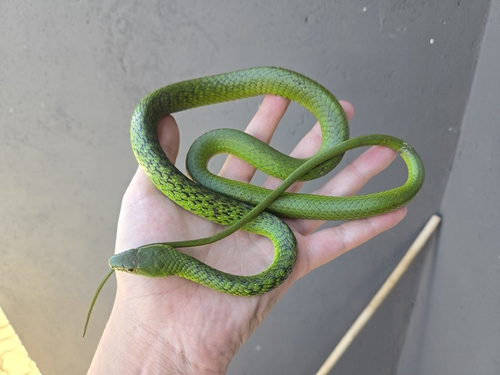
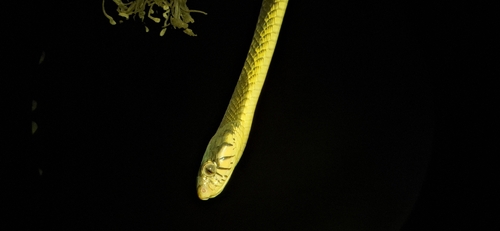
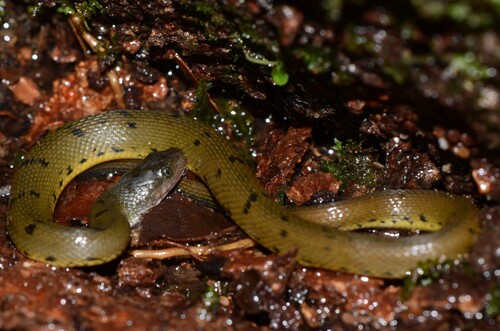
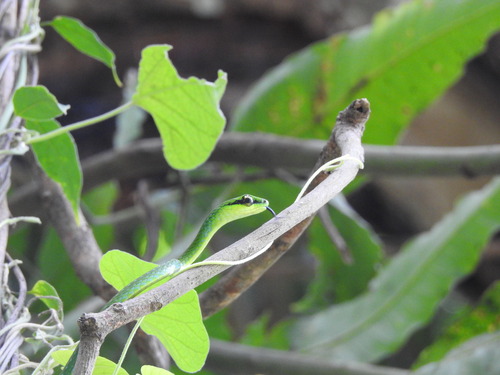
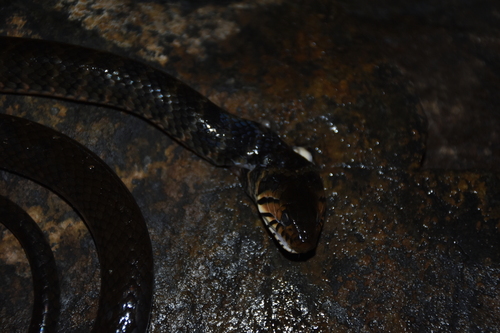
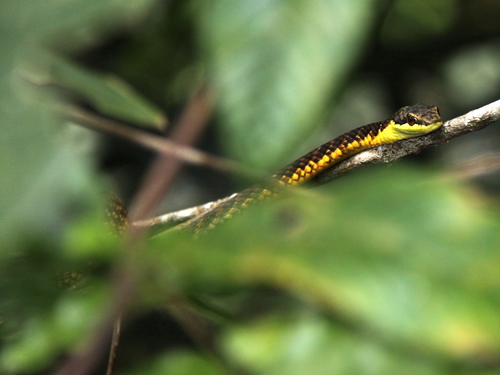
Elapidae (9)
Psammophiidae (9)
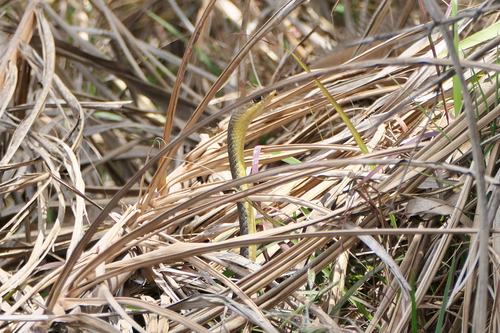
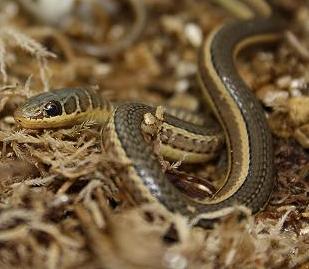
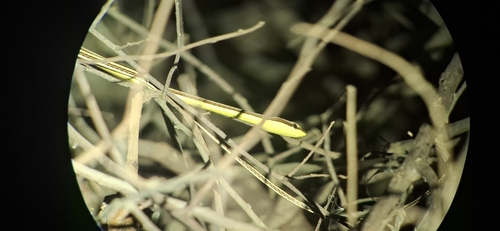
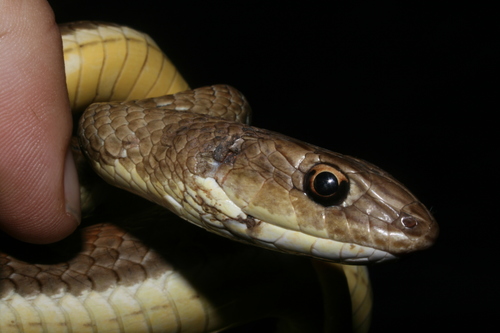
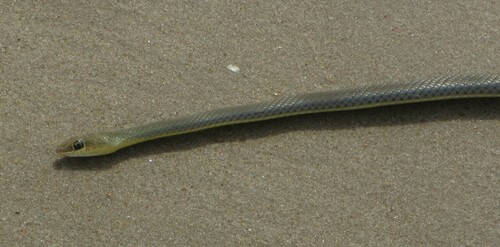
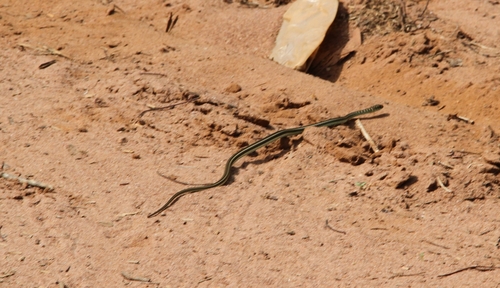
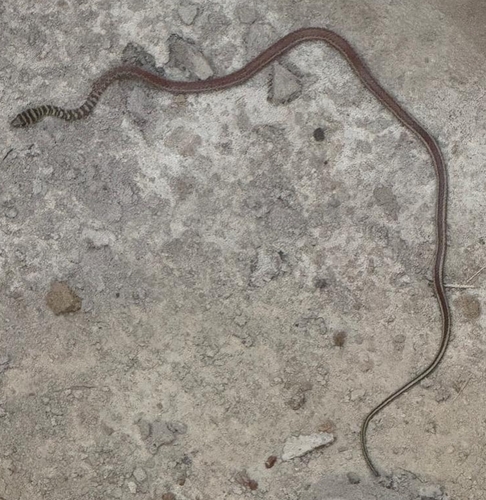
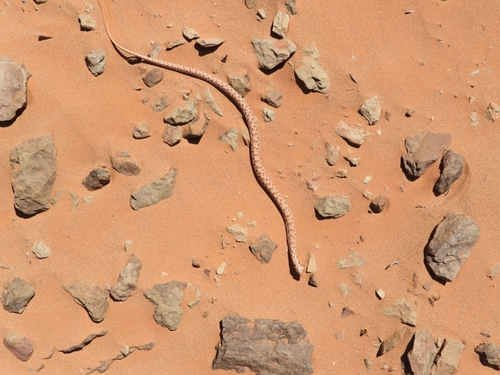
Lamprophiidae (8)
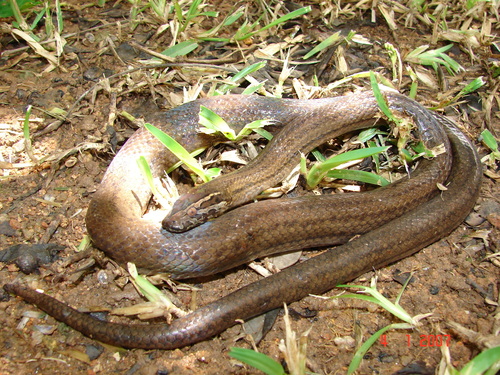
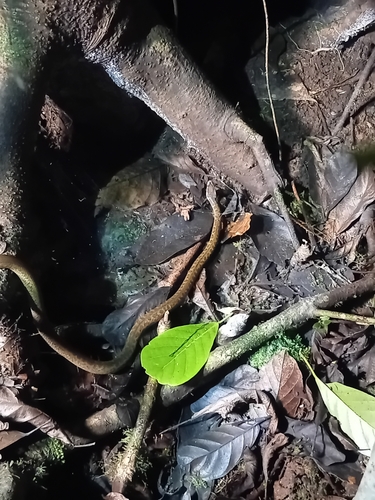
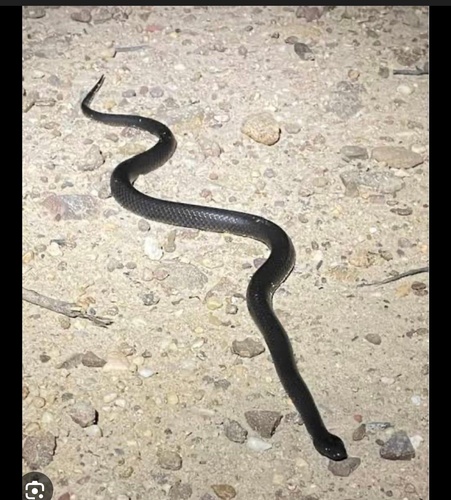
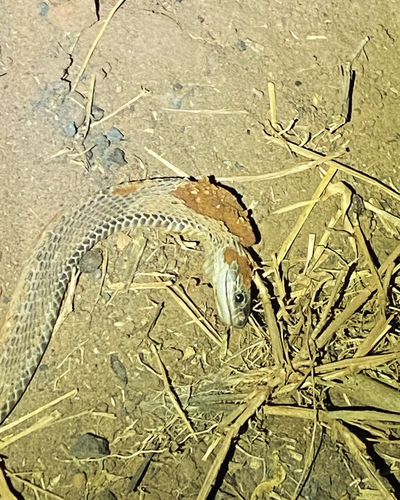
Viperidae (6)
Typhlopidae (4)
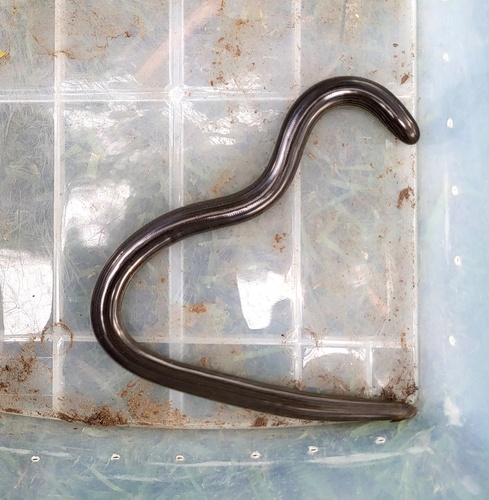
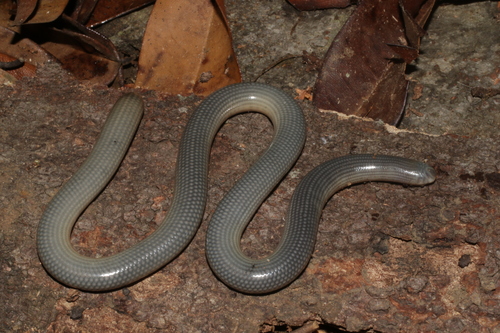
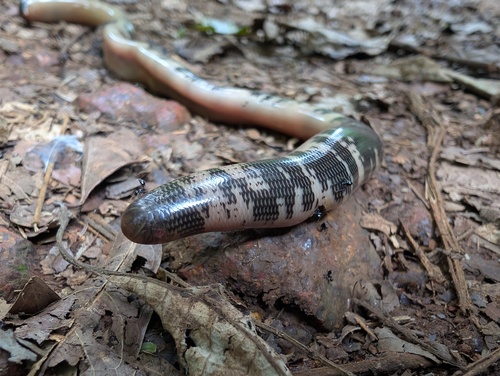
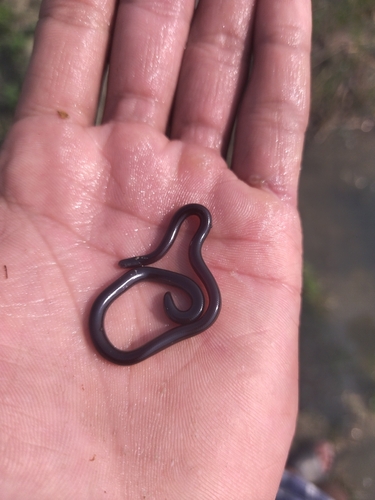
Prosymnidae (3)
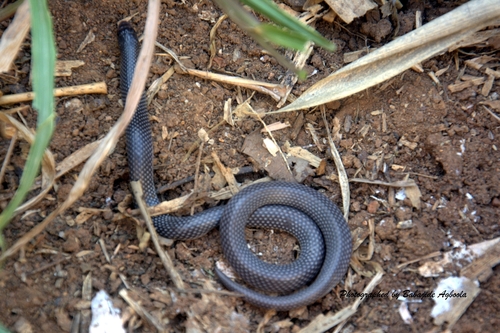
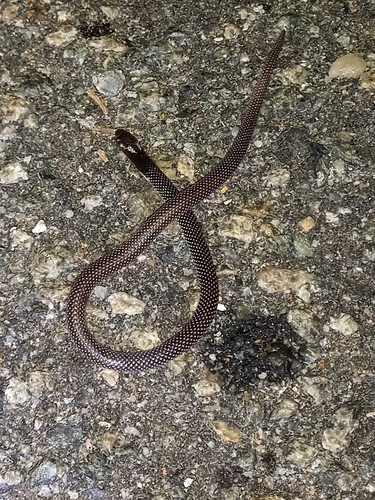
Leptotyphlopidae (3)
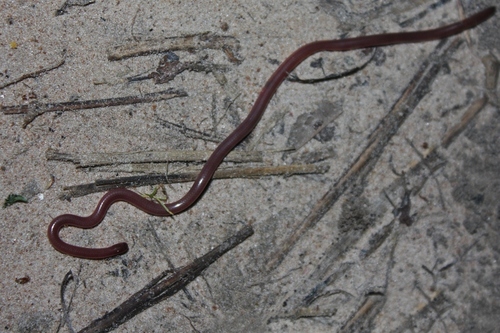
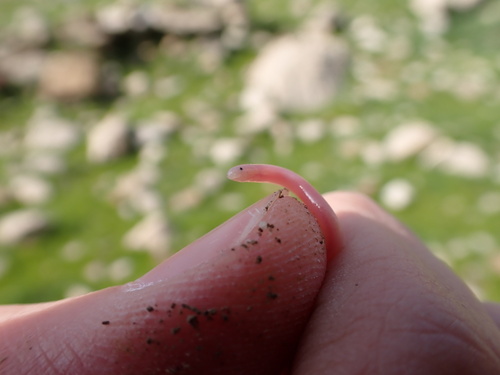
Atractaspididae (3)

Pythonidae (1)
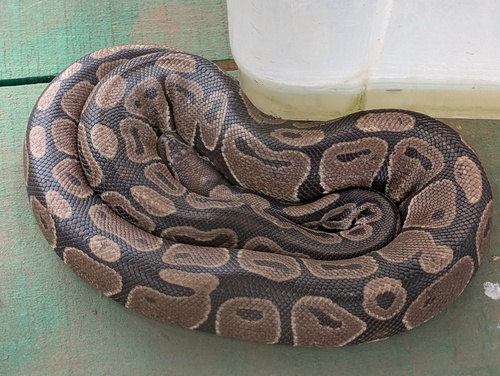
Boidae (1)
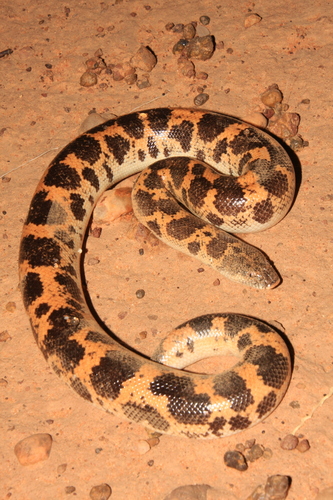
Pseudoxyrhophiidae (1)
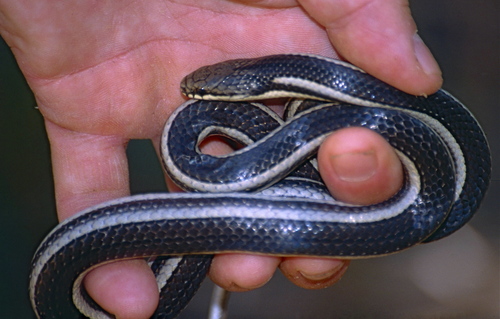
Compiled from verified GBIF & iNaturalist observations. "How often seen" reflects how frequently a snake is reported here, not how dangerous it is. Informational only.
Keep learning
- Are Snakes Dangerous? The Real Risk, in PerspectiveMost snakes are harmless and avoid people. Here is the honest picture of snakebite risk worldwide and how to lower your own.
- Snakebite First Aid: What to Do (and What Never to Do)A clear, CDC-based guide to snakebite first aid: the steps that help, the popular myths that hurt, and how to tell a serious bite from a minor one.
- Venomous vs Nonvenomous: How to Tell the DifferenceThe folk rules for telling venomous snakes apart, where each one fails, and why location-based identification beats guessing by sight.
- What to Do If You Find a SnakeFound a snake at home or on a trail? Here is how to stay calm, give it space, identify it safely, and know when to call a professional.