
Libya
Snakes in Libya
20+ snake species have been recorded in Libya, 4 venomous.
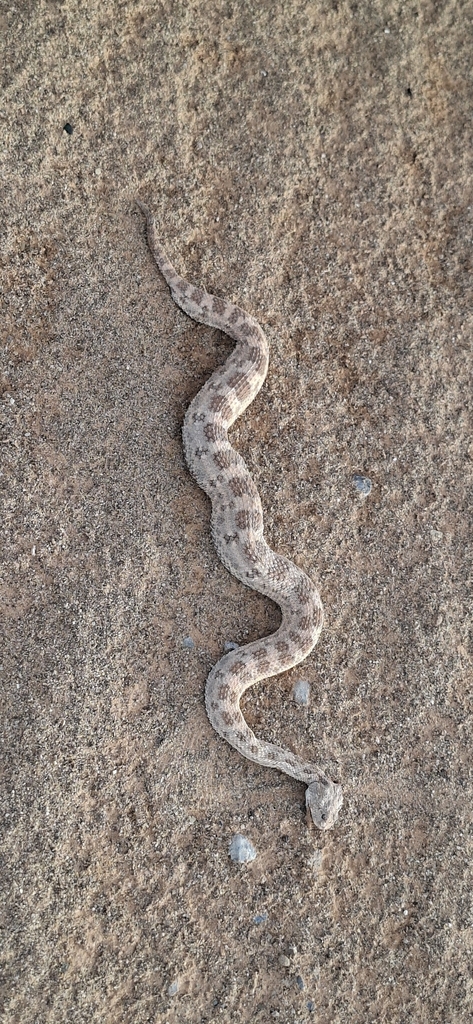
Snakes of Libya
Libya has 20+ snake species recorded in our database, 7 of them venomous. The great majority of species are non-venomous, which means most snakes you might encounter across the country pose no serious medical danger to people. Snakes are a normal part of Libyan wildlife, and understanding which groups carry medical risk is the practical way to stay safe without fearing every snake on sight.
Libya is overwhelmingly desert, and its snake fauna reflects that. The vast Sahara, with its sand seas, stony plains, rocky outcrops, and scattered oases, shapes a community of reptiles adapted to extreme heat and aridity. Many species are nocturnal, sheltering under rocks or burrowing into sand during the day and hunting at night when temperatures drop. The narrow Mediterranean coastal strip in the north is greener and milder, supporting different species tied to scrub, farmland, and rocky hillsides. This split between coast and deep desert, along with elevation changes in areas like the Jebel Akhdar, is what drives the diversity packed into those 23 recorded species.
The medically important venomous snakes in Libya come from two main groups. Vipers are the primary concern, including true vipers and the desert-adapted horned vipers and sand vipers that ambush prey buried in sand. Their bites can cause significant local tissue damage, swelling, and bleeding effects. The second group is the elapids, represented in North Africa by desert cobras and the burrowing snakes sometimes called false cobras or related fixed-fang species, whose venom acts more on the nervous system. Some small rear-fanged colubrids also occur, but these are of limited danger to humans. There are no mambas, no pit vipers, no rattlesnakes, no coral snakes, and no sea snakes established in Libya, so the realistic threat is centered on the vipers and a smaller set of cobras.
The large non-venomous majority is what most people actually see. These include sand racers and whip snakes that move fast across open ground, the diadem snake and other colubrids of the coast and oases, the burrowing sand boa that spends much of its life under the surface, and various worm-like blind snakes that are easily mistaken for earthworms. Many of these are slender, fast, and harmless, doing their work quietly across both desert and coastal habitats. They make up the everyday snake life of the country and account for the bulk of the recorded species.
Snakes earn their place in Libyan ecosystems by controlling rodents and other pests. A single snake can remove large numbers of mice, rats, and insects over a season, which protects stored grain, reduces crop loss around oases and farmland, and limits the spread of rodent-borne disease. Removing or killing snakes on sight tends to backfire, allowing pest populations to climb. Leaving them undisturbed is usually the better choice for both farmers and households.
The honest safety picture is that most snakes in Libya are harmless, and the main medical threat comes from the vipers, with cobras a smaller concern. The correct treatment for a venomous bite is professional medical care: antivenom and supportive hospital treatment given by trained clinicians. Never attempt to handle, catch, or kill a wild venomous snake, since most bites happen when people try to interact with the animal. If a bite occurs, treat it as an emergency and seek medical help immediately. In the United States you can reach Poison Control at 1-800-222-1222; in Libya or elsewhere, contact local emergency services right away. Keep the person calm and get them to a hospital as fast as safely possible.
Snakes in Libya: FAQ
- Are there venomous snakes in Libya?
- Yes. 4 venomous snake species have verified records in Libya, including Desert Horned Viper, Sahara Sand Viper, Egyptian Cobra, Egyptian Saw-scaled Viper. Most snakes in Libya, however, are harmless.
- How many snake species live in Libya?
- 20+ snake species have verified records in Libya, of which 4 are venomous.
- What is the most commonly seen snake in Libya?
- The Desert Horned Viper is the most frequently reported snake in Libya, based on verified wildlife observations.
- What should I do if I see a venomous snake in Libya?
- Keep your distance and do not try to catch or kill it. Most bites happen when people handle or corner a snake. If someone is bitten, contact local emergency services or poison control immediately.
Venomous snakes in Libya
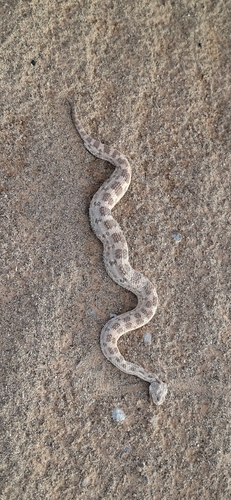
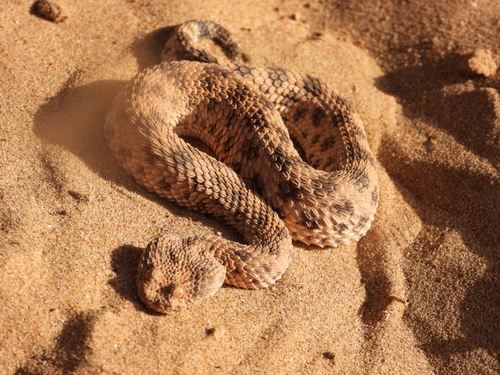
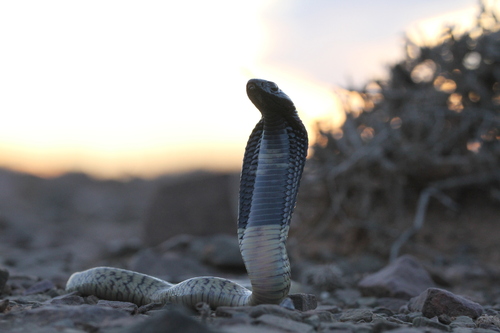
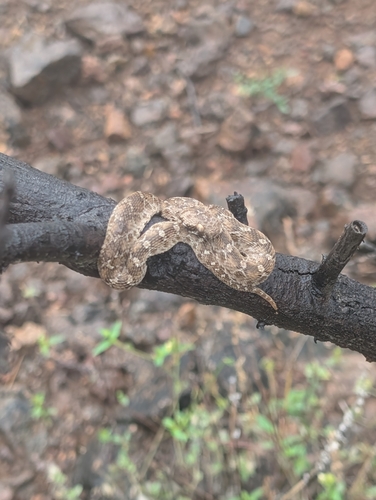
Every snake recorded in Libya
20+ species across 5 families, grouped by family. Venomous flagged.
Colubridae (10)
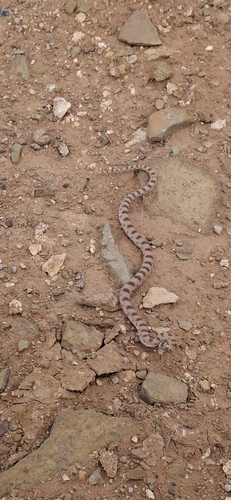
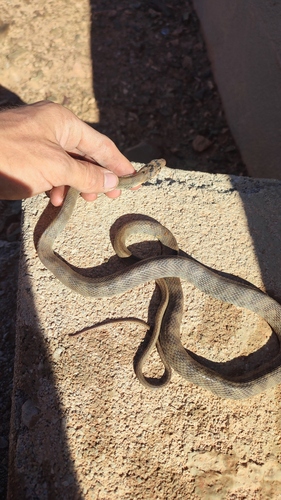
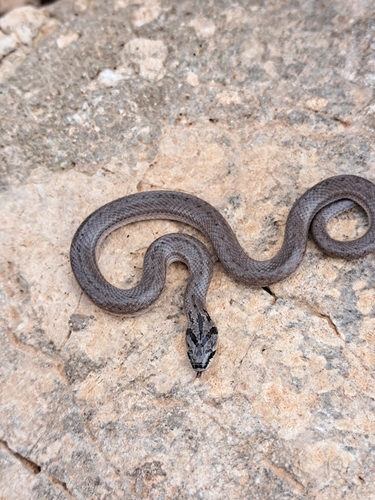
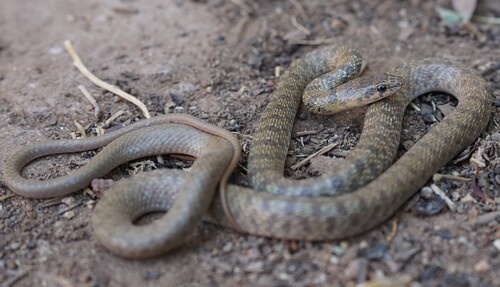
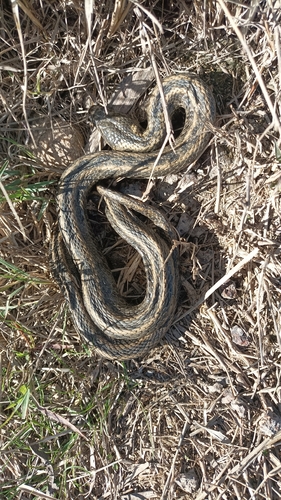
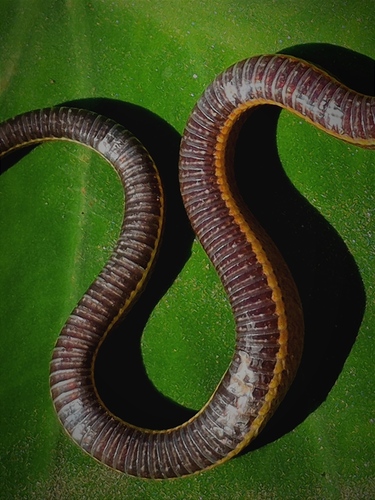
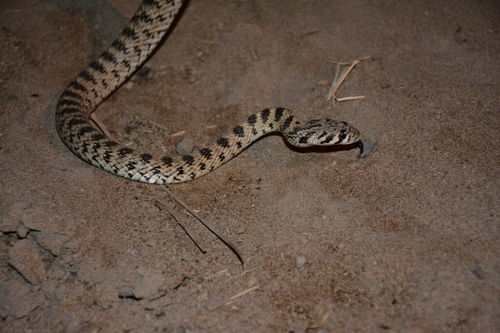
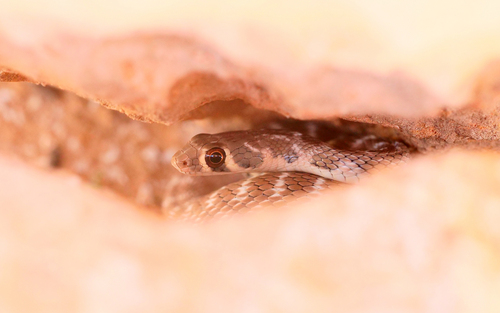
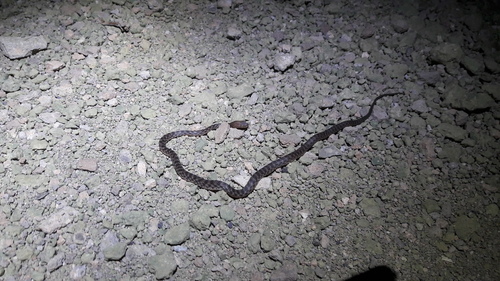
Psammophiidae (5)
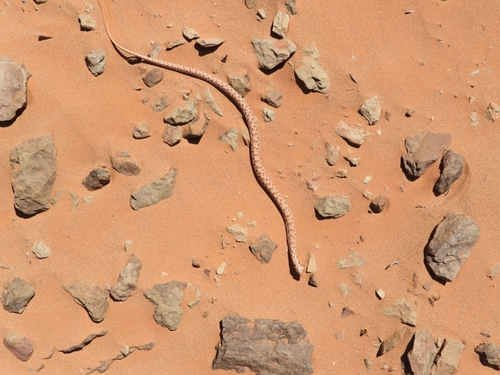
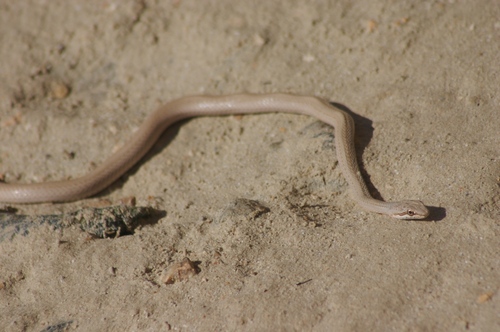
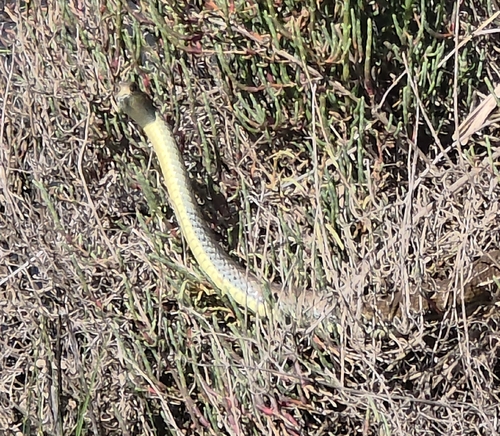
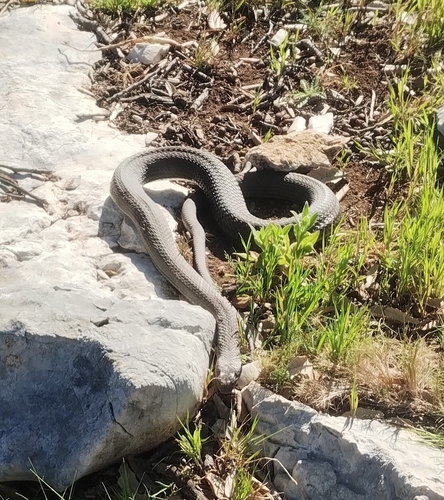
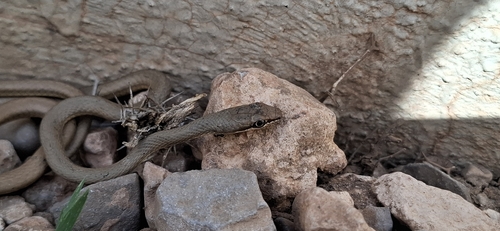
Viperidae (3)
Elapidae (1)
Boidae (1)
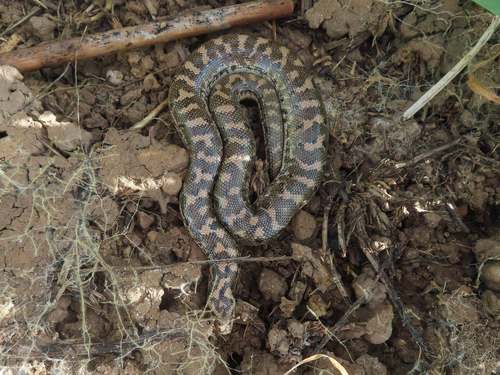
Compiled from verified GBIF & iNaturalist observations. "How often seen" reflects how frequently a snake is reported here, not how dangerous it is. Informational only.
Keep learning
- Are Snakes Dangerous? The Real Risk, in PerspectiveMost snakes are harmless and avoid people. Here is the honest picture of snakebite risk worldwide and how to lower your own.
- Snakebite First Aid: What to Do (and What Never to Do)A clear, CDC-based guide to snakebite first aid: the steps that help, the popular myths that hurt, and how to tell a serious bite from a minor one.
- Venomous vs Nonvenomous: How to Tell the DifferenceThe folk rules for telling venomous snakes apart, where each one fails, and why location-based identification beats guessing by sight.
- What to Do If You Find a SnakeFound a snake at home or on a trail? Here is how to stay calm, give it space, identify it safely, and know when to call a professional.