
Botswana
Snakes in Botswana
50+ snake species have been recorded in Botswana, 20 venomous.
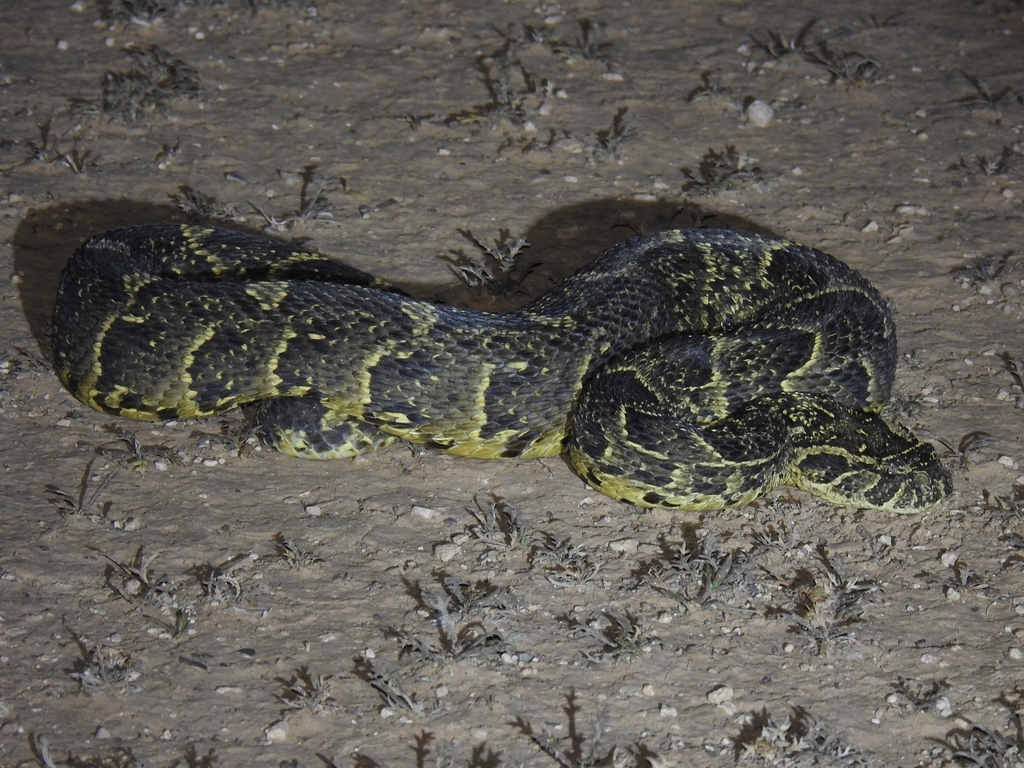
Snakes of Botswana
Botswana sits across the heart of southern Africa, and its snake fauna reflects the dramatic range of landscapes packed into one country. Our database records 50+ snake species here, of which 24 are venomous. As in most places, the great majority of species are not dangerous to people, but the country does hold several of Africa's most medically significant snakes. Understanding which is which starts with the land itself.
Geography is the main engine of that diversity. The Kalahari sand sheet covers much of central and western Botswana, a semi-arid expanse of grassland and acacia scrub that suits burrowing and sand-adapted species. To the north, the Okavango Delta and the Chobe and Linyanti river systems create permanent wetlands, floodplains, and dense riverine woodland, supporting water-associated snakes and a far richer mix of life. Rocky outcrops, pans, and seasonal river courses add further microhabitats. This patchwork of dry savanna, wetland, and rock is why a landlocked country can host so many species side by side.
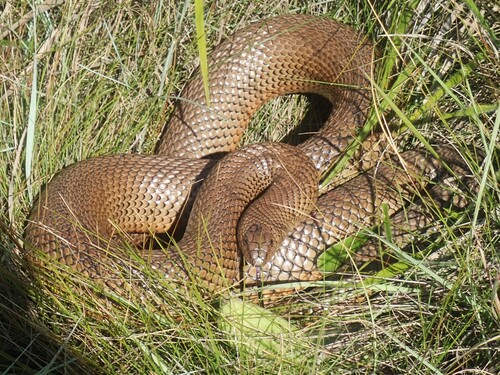
The medically important venomous snakes in Botswana fall into a few well-established groups. The elapids are represented by true cobras, including spitting cobras whose venom can cause severe tissue damage and eye injury, and by the black mamba, a fast, large, neurotoxic snake that is the most feared in the region. The burrowing asps, sometimes called stiletto snakes, deliver a painful cytotoxic bite and are easy to mishandle because of their sideways-stabbing fangs. Among the vipers, the puff adder is the standout: heavy-bodied, well camouflaged, widespread, and responsible for a large share of serious bites across Africa. There are no pit vipers, coral snakes, rattlesnakes, or sea snakes in Botswana, which is landlocked, so those groups can be set aside entirely.
Against those few dangerous species sits a large non-venomous majority that does the quiet ecological work. The African rock python, the continent's largest snake, is the most famous non-venomous resident, killing prey by constriction rather than venom. Alongside it are many harmless or only mildly venomous species: house snakes, sand snakes, egg-eaters, mole snakes, and a range of grass and water snakes. Most of these are small, secretive, and far more interested in avoiding people than confronting them. The handful of rear-fanged species in this group pose little to no threat to humans under normal circumstances.
Snakes earn their place in Botswana's ecosystems. Rodent-eating species suppress mice and rats that would otherwise damage stored grain, spread disease, and multiply around homes and farms. Larger snakes help regulate prey populations, and many snakes are themselves food for birds of prey, mongooses, and other predators, sitting squarely in the middle of the food web. Removing snakes from an area tends to invite the pest problems they had been keeping in check, which is one reason coexistence usually serves people better than killing on sight.
On safety, keep the framing honest. Most snakes you might encounter in Botswana are harmless, and the main medical threats are the puff adder, the cobras, the black mamba, and the burrowing asps. The correct response to any venomous bite is professional medical care: get to a hospital as quickly as possible, where antivenom and supportive treatment are administered by clinicians. No wild venomous snake should ever be handled, picked up, or provoked, even one that appears dead or sluggish, and admiring or photographing them is best done from a safe distance. If a bite occurs, contact local emergency services immediately, or in the United States call Poison Control at 1-800-222-1222.
Snakes in Botswana: FAQ
- Are there venomous snakes in Botswana?
- Yes. 20 venomous snake species have verified records in Botswana, including Puff Adder, Brown Banded Cobra, Boomslang, Mozambique Spitting Cobra. Most snakes in Botswana, however, are harmless.
- How many snake species live in Botswana?
- 50+ snake species have verified records in Botswana, of which 20 are venomous.
- What is the most commonly seen snake in Botswana?
- The Puff Adder is the most frequently reported snake in Botswana, based on verified wildlife observations.
- What should I do if I see a venomous snake in Botswana?
- Keep your distance and do not try to catch or kill it. Most bites happen when people handle or corner a snake. If someone is bitten, contact local emergency services or poison control immediately.
Venomous snakes in Botswana
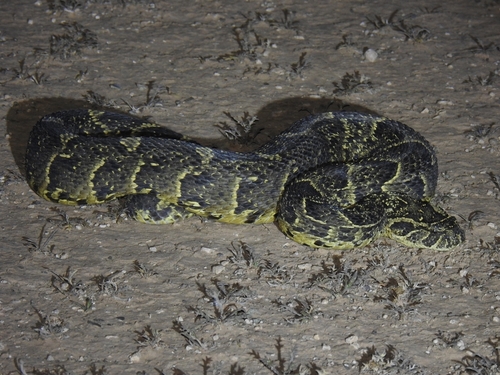
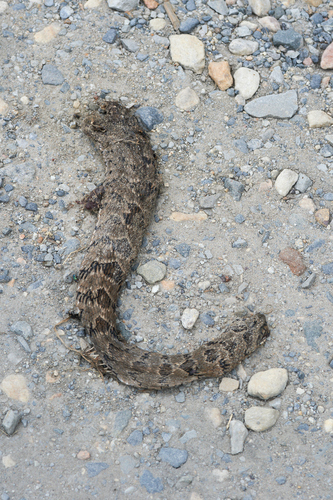
Every snake recorded in Botswana
50+ species across 11 families, grouped by family. Venomous flagged.
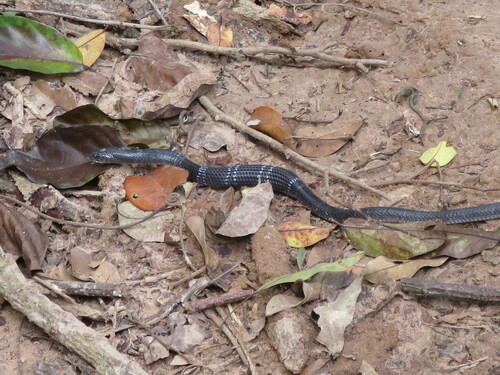
Elapidae (13)
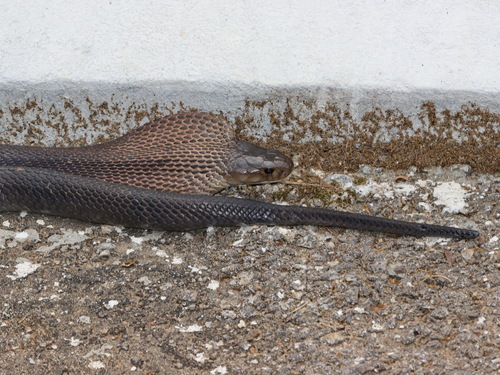
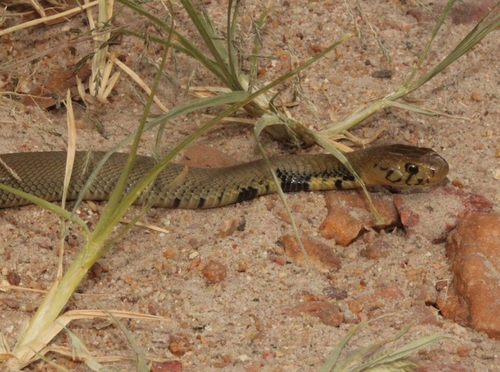
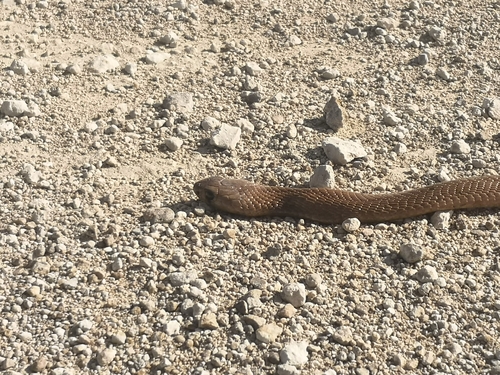
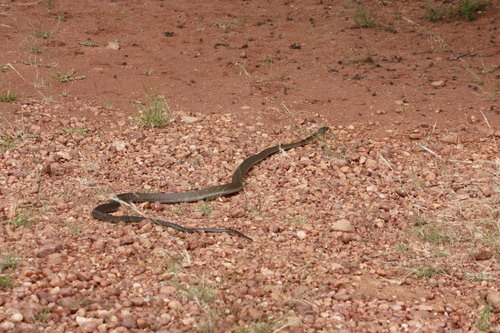
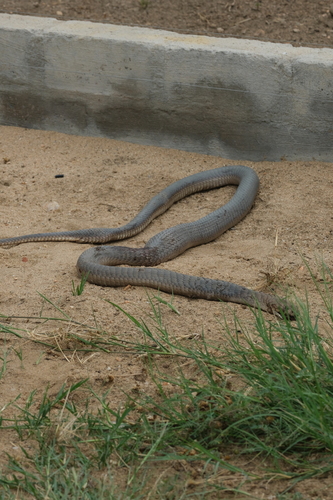
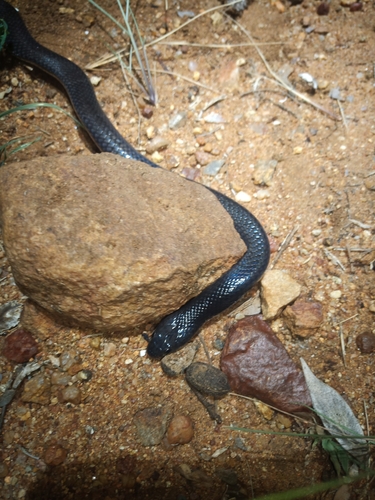
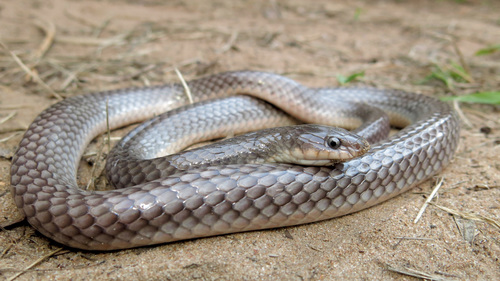
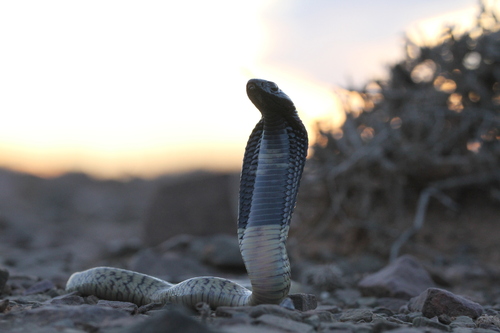
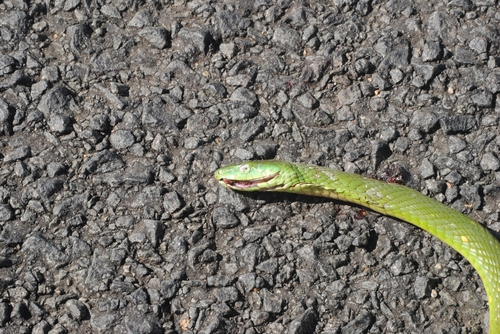
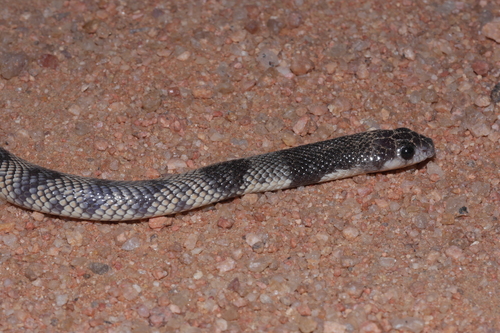
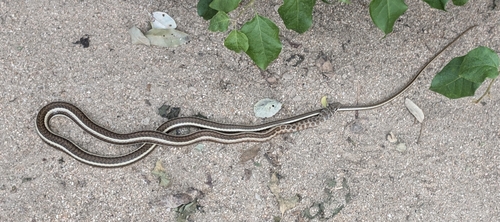
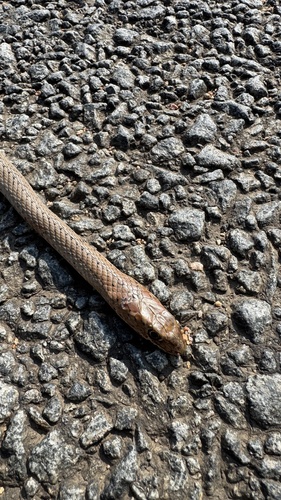
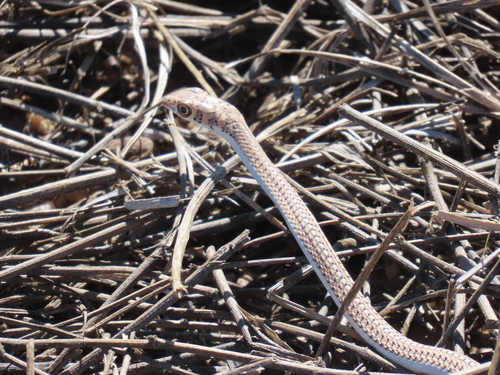
Psammophiidae (12)
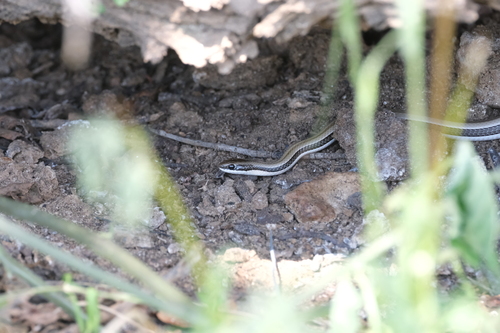
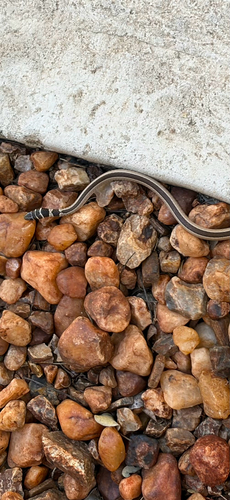
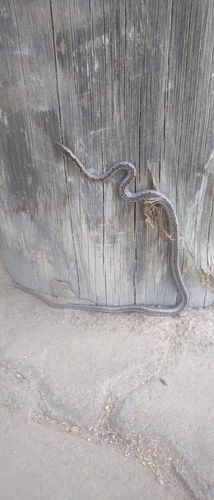

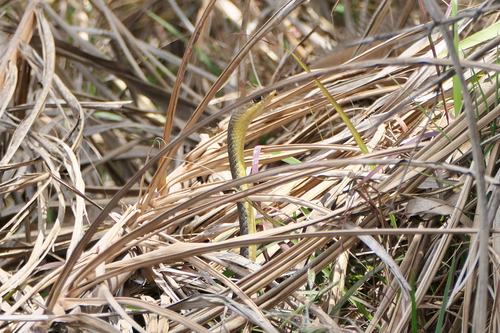
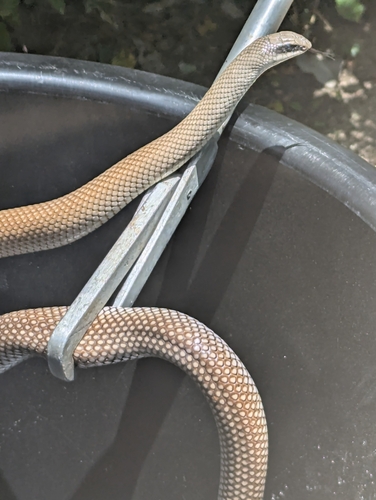
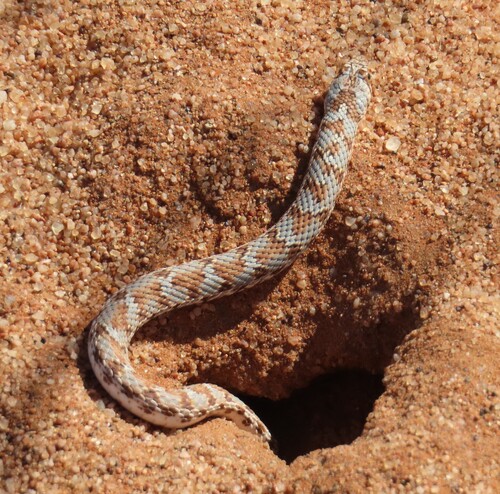
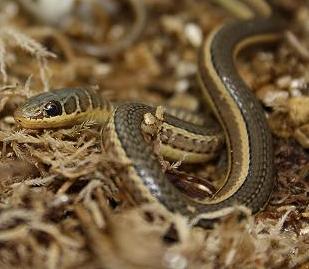
Colubridae (12)
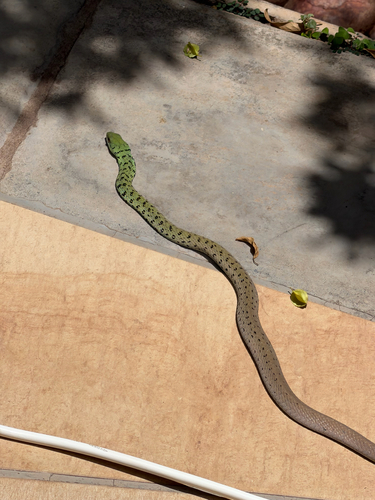
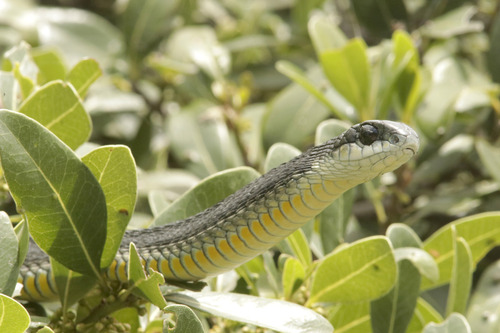
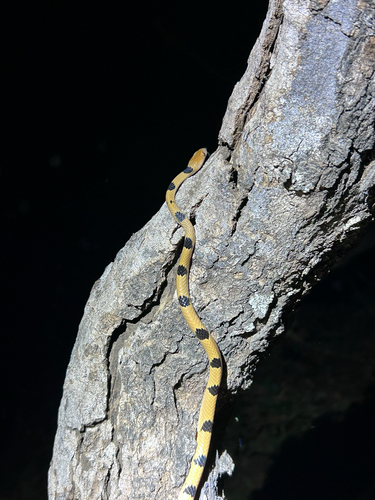
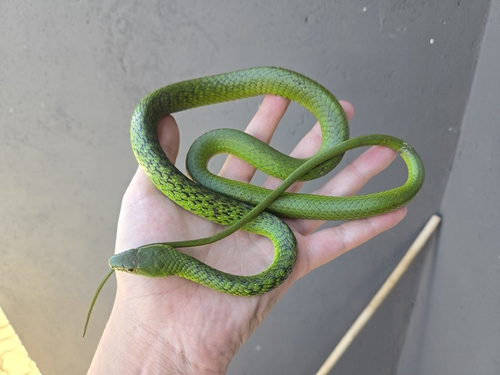
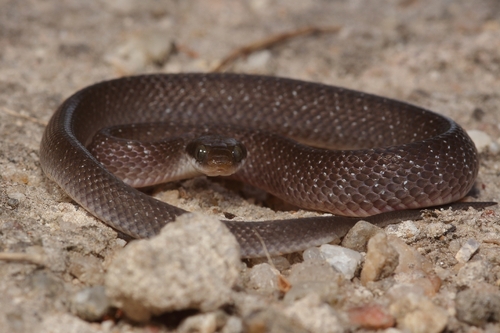
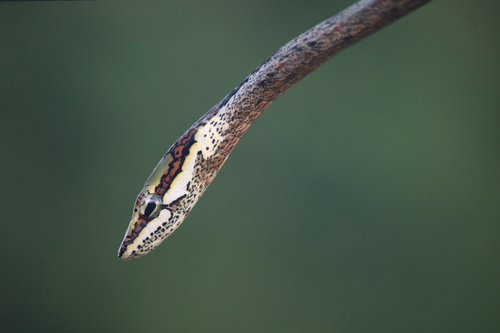
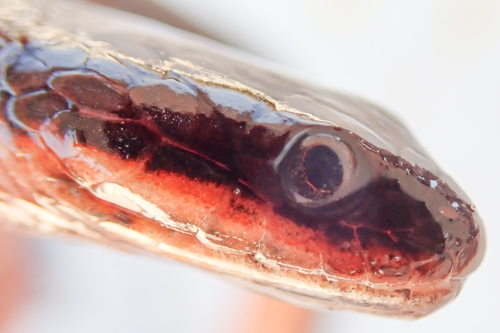
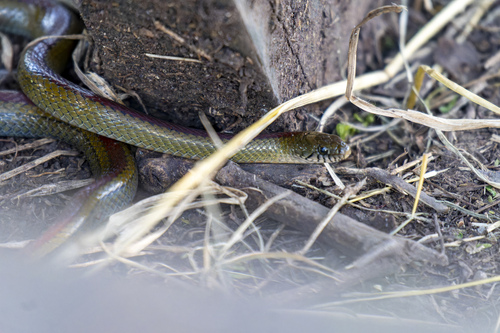
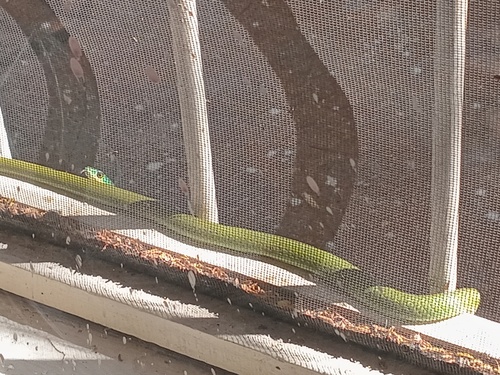
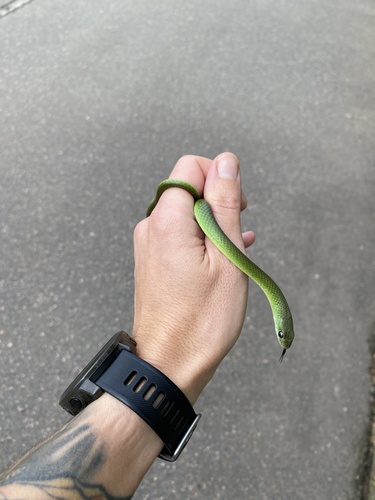
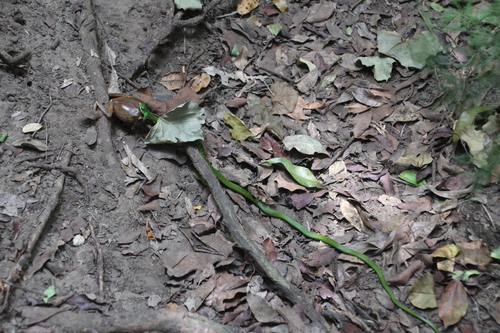
Lamprophiidae (9)
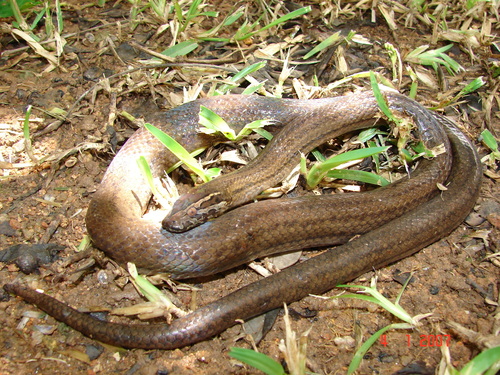
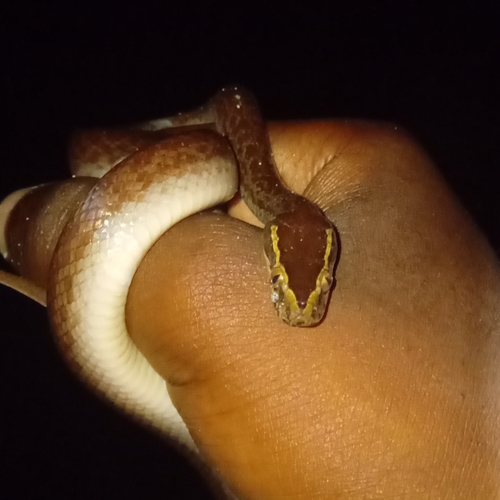
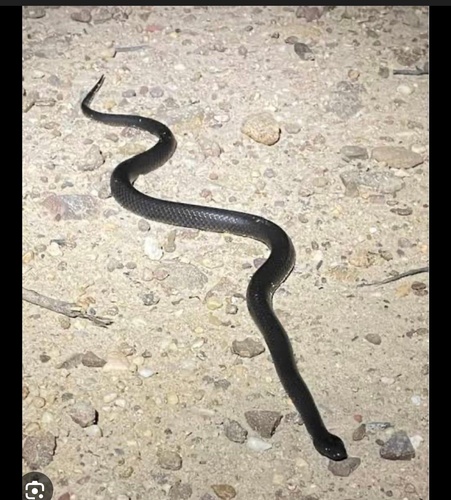
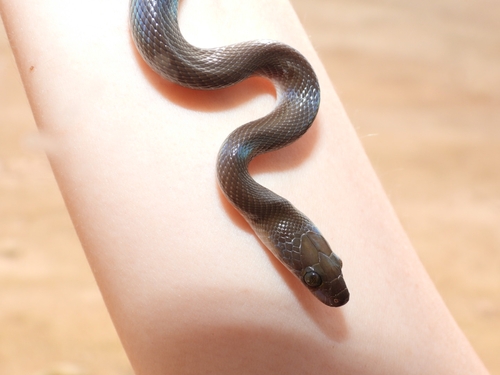
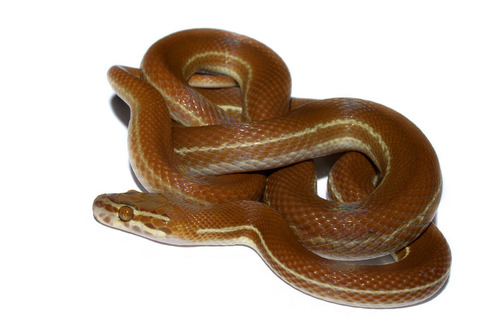
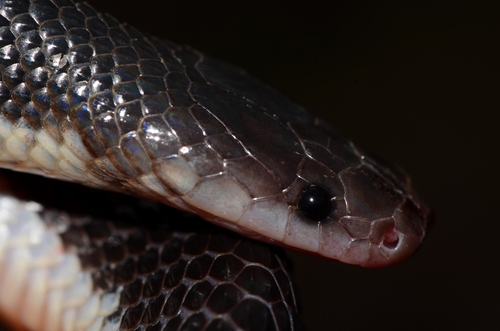
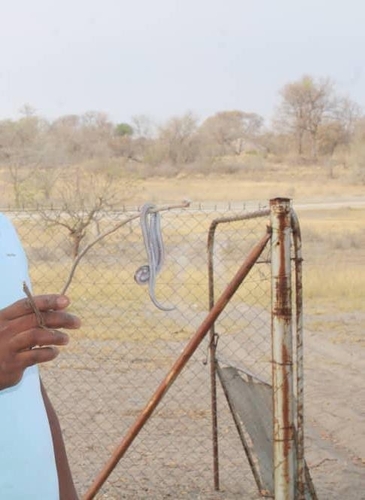
Atractaspididae (6)
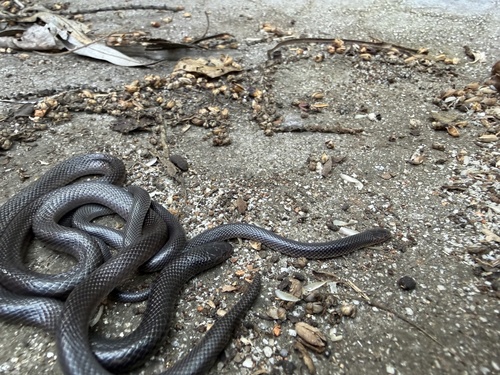
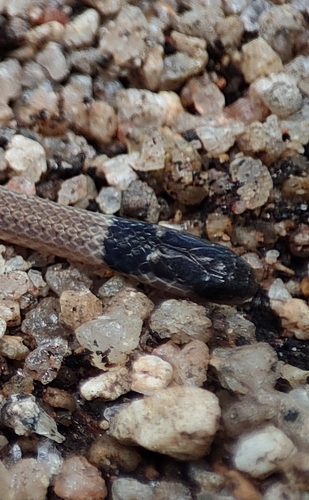
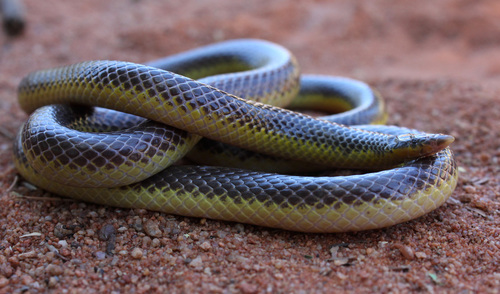
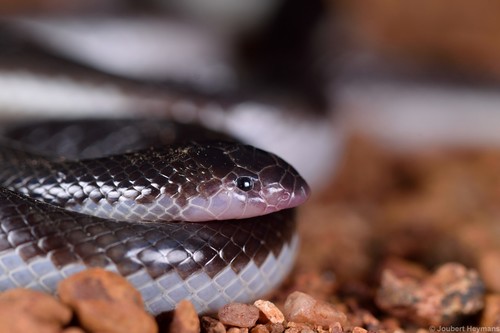
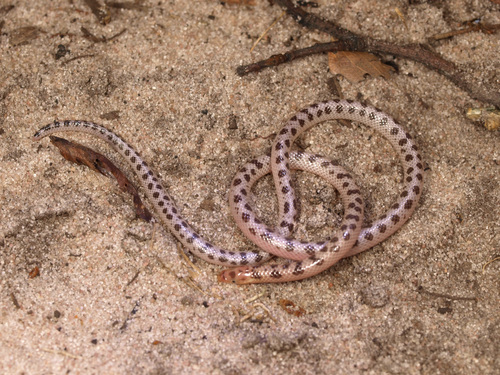
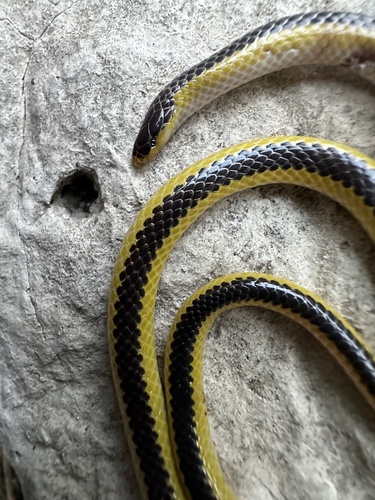
Viperidae (3)
Prosymnidae (3)
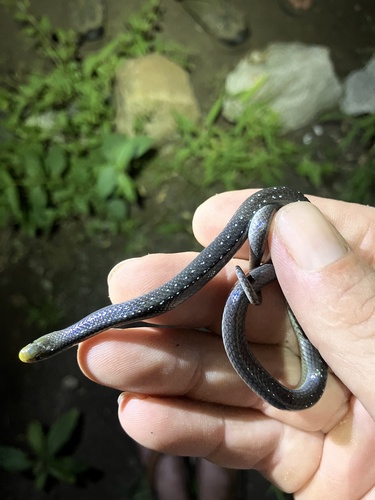
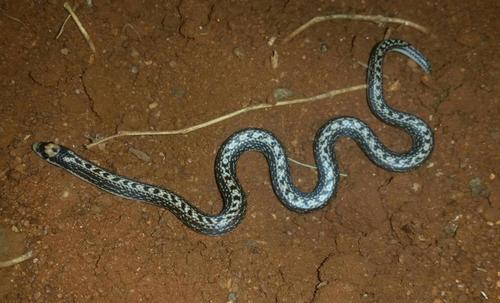
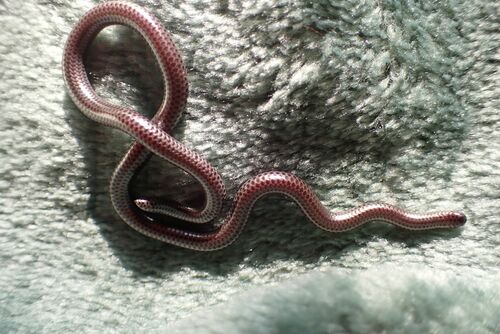
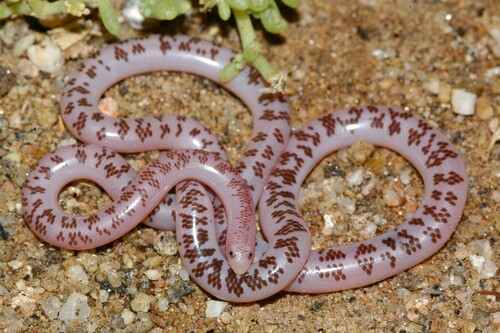
Leptotyphlopidae (2)
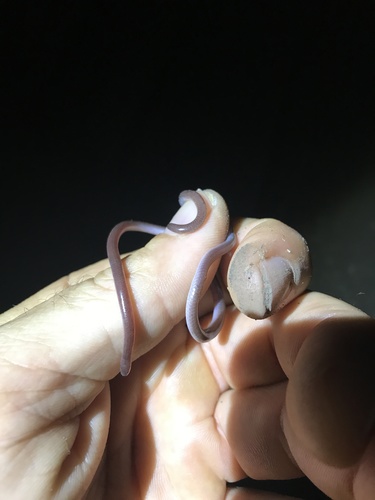
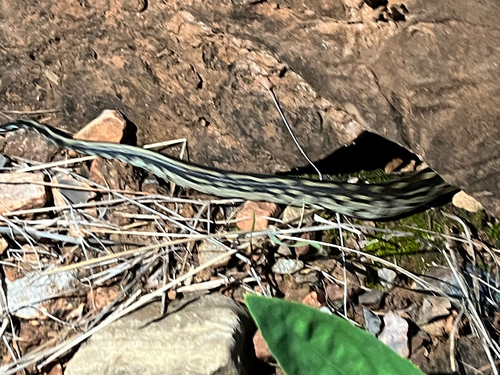
Typhlopidae (2)
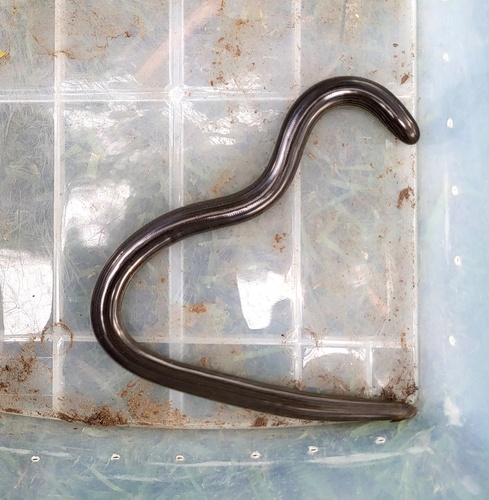
Pythonidae (1)
Pseudaspididae (1)
Compiled from verified GBIF & iNaturalist observations. "How often seen" reflects how frequently a snake is reported here, not how dangerous it is. Informational only.
Keep learning
- Are Snakes Dangerous? The Real Risk, in PerspectiveMost snakes are harmless and avoid people. Here is the honest picture of snakebite risk worldwide and how to lower your own.
- Snakebite First Aid: What to Do (and What Never to Do)A clear, CDC-based guide to snakebite first aid: the steps that help, the popular myths that hurt, and how to tell a serious bite from a minor one.
- Venomous vs Nonvenomous: How to Tell the DifferenceThe folk rules for telling venomous snakes apart, where each one fails, and why location-based identification beats guessing by sight.
- What to Do If You Find a SnakeFound a snake at home or on a trail? Here is how to stay calm, give it space, identify it safely, and know when to call a professional.