
South Sudan
Snakes in South Sudan
50+ snake species have been recorded in South Sudan, 19 venomous.
Snakes of South Sudan
South Sudan has 50+ snake species recorded in our database, of which 22 are venomous. As in most parts of the world, the great majority of species here are non-venomous and pose no medical threat to people. The country sits in the heart of northeast Africa, and its snake fauna reflects that crossroads position, blending species typical of the East African savanna, the Sahel to the north, and the Congolian forests and wetlands to the southwest.
The diversity is driven by a wide range of habitats. The vast Sudd wetlands along the White Nile form one of the largest freshwater swamp systems in the world and support water snakes and the snakes that hunt amphibians and fish along their margins. Beyond the wetlands, open savanna and seasonally flooded grassland cover much of the country, giving way to dry Sahelian scrub in the north and patches of moist tropical forest and rugged hills in the south near the borders with Uganda, Congo, and Ethiopia. Each of these zones carries its own assemblage of snakes, which is why a single country can hold so many species.
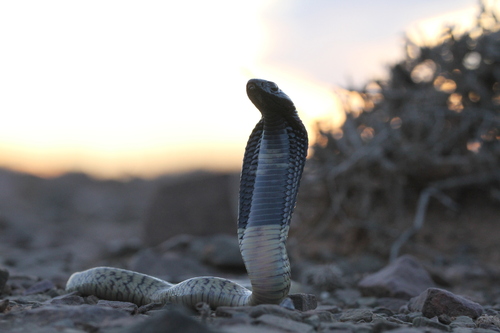
Several medically important venomous groups occur in South Sudan. The elapids are well represented: spitting and non-spitting cobras of the genus Naja live across the savanna and near human settlements, and the black mamba, one of Africa's most dangerous snakes, ranges through parts of the country. Among the vipers, the puff adder is widespread and is responsible for a large share of serious bites across its African range because it is common, well camouflaged, and slow to move off paths. Saw-scaled vipers, small but highly venomous, occur in the drier northern zones. The region also holds burrowing asps, sometimes called stiletto snakes, and the rear-fanged boomslang and twig snakes, which are arboreal and rarely bite people but can be dangerous. There are no rattlesnakes, coral snakes, or pit vipers in South Sudan, as those groups belong to other parts of the world, and the country is landlocked, so sea snakes do not occur here.
The non-venomous majority is large and ecologically central. Pythons are the most famous, especially the African rock python, the continent's largest snake, which takes prey by constriction rather than venom. House snakes, sand snakes, egg-eating snakes, and a variety of harmless colubrids are common across the savanna and around villages, where they often go unnoticed. Many of these species are mistaken for dangerous snakes and killed on sight, even though they present no venom risk to people.
Snakes provide real ecological value. As predators of rodents, they help control the rats and mice that damage stored grain and spread disease, which matters in rural and agricultural communities. Some species also prey on other snakes, including venomous ones, and across the food web snakes are both hunters and prey for birds and mammals. A healthy snake population is a sign of a functioning ecosystem, and the rodent control they provide is a direct, practical benefit to people living alongside them.
For safety, the honest framing is simple. Most snakes you encounter in South Sudan are harmless, but the country does hold dangerous species, with the puff adder and the cobras among the most significant medical threats alongside the black mamba. Never attempt to handle, catch, or kill a wild snake, even one you believe is harmless, because misidentification is the most common cause of avoidable bites. The treatment for a serious venomous bite is antivenom and supportive hospital care delivered by medical professionals, not home remedies. If a bite occurs, keep the person calm and still and get them to emergency medical care as quickly as possible. In the United States, Poison Control can be reached at 1-800-222-1222; elsewhere, contact local emergency services.
Snakes in South Sudan: FAQ
- Are there venomous snakes in South Sudan?
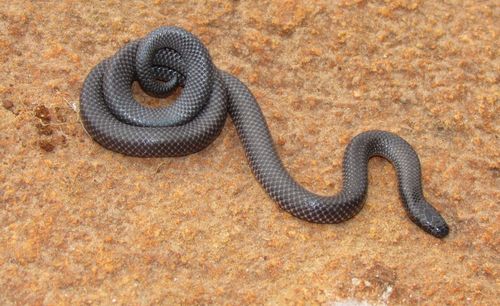
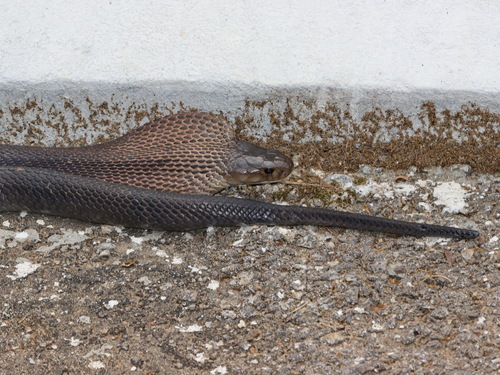
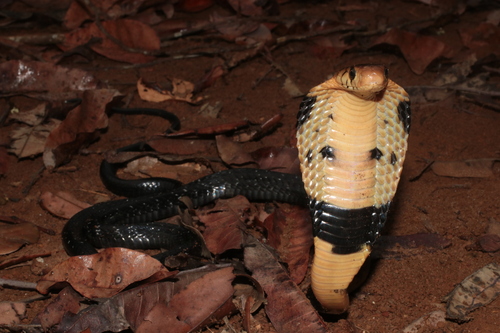
- Yes. 19 venomous snake species have verified records in South Sudan, including Brown Banded Cobra, Boomslang, Variable Burrowing Asp, Forest Cobra. Most snakes in South Sudan, however, are harmless.
- How many snake species live in South Sudan?
- 50+ snake species have verified records in South Sudan, of which 19 are venomous.
- What is the most commonly seen snake in South Sudan?
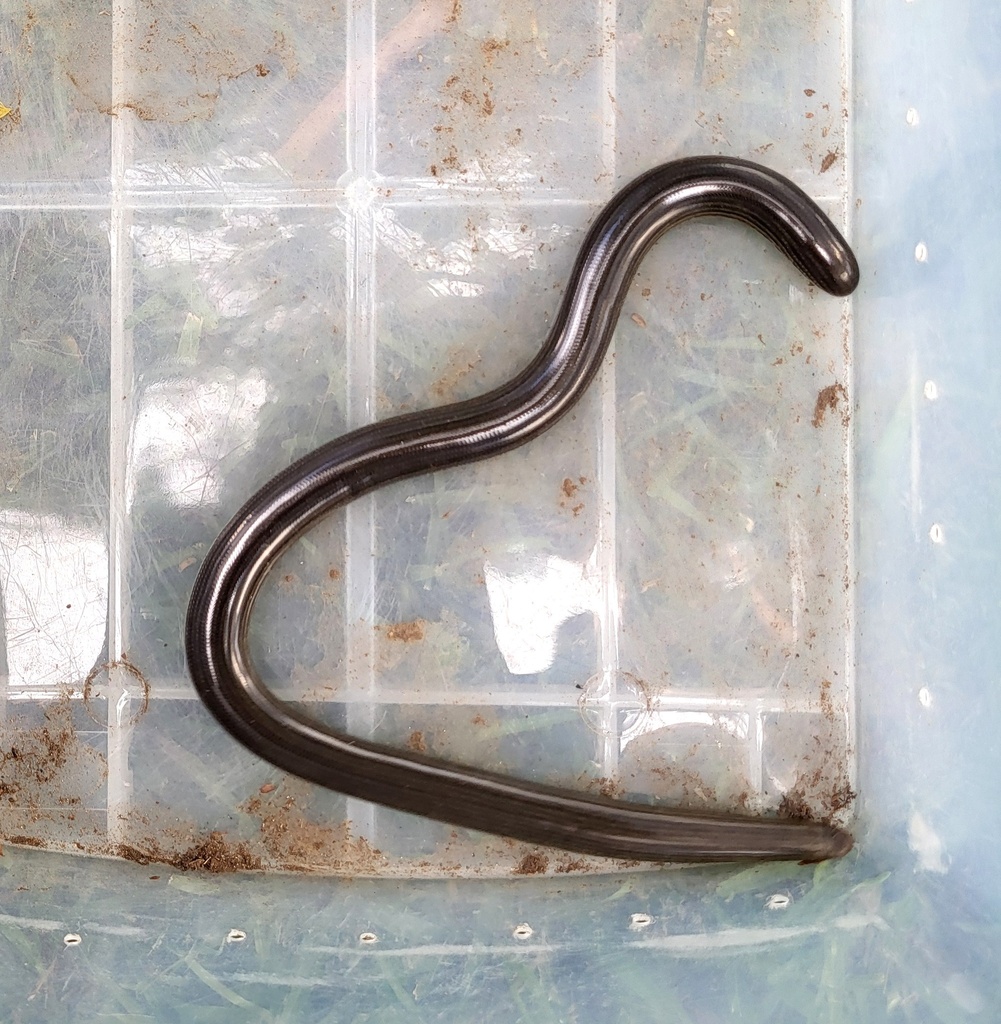
- The Zambezi Blind Snake is the most frequently reported snake in South Sudan, based on verified wildlife observations.
- What should I do if I see a venomous snake in South Sudan?
- Keep your distance and do not try to catch or kill it. Most bites happen when people handle or corner a snake. If someone is bitten, contact local emergency services or poison control immediately.
Venomous snakes in South Sudan

Every snake recorded in South Sudan
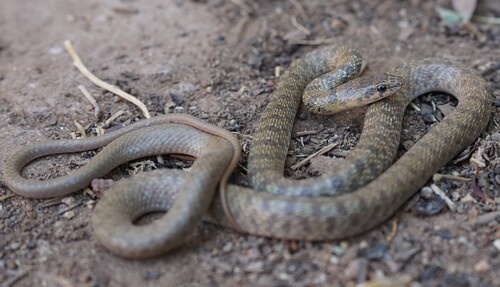
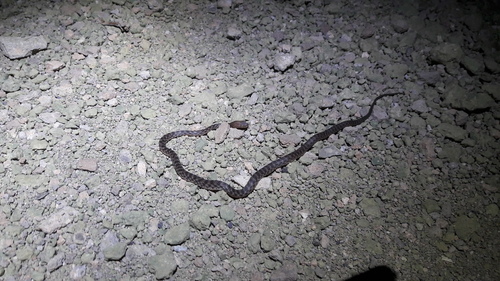
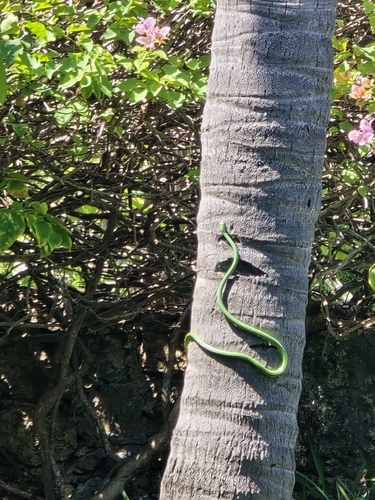
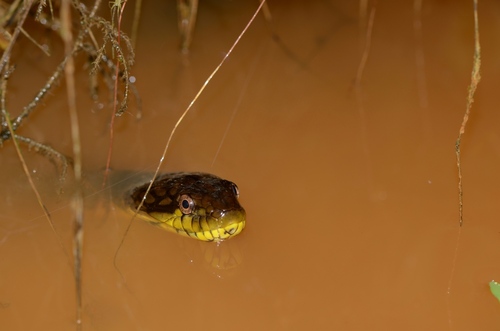
50+ species across 8 families, grouped by family. Venomous flagged.
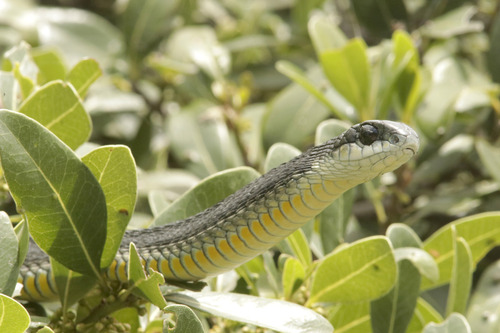
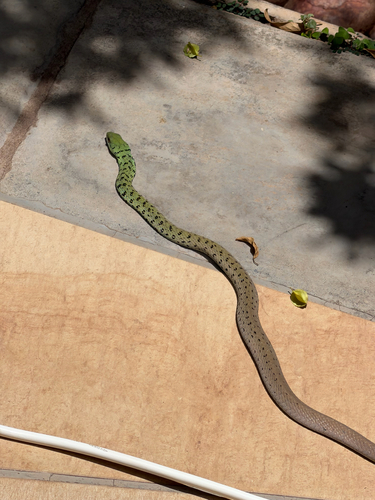
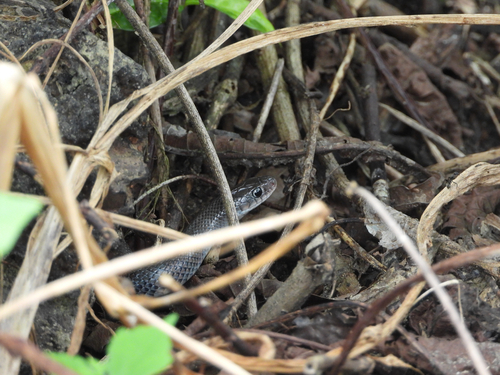
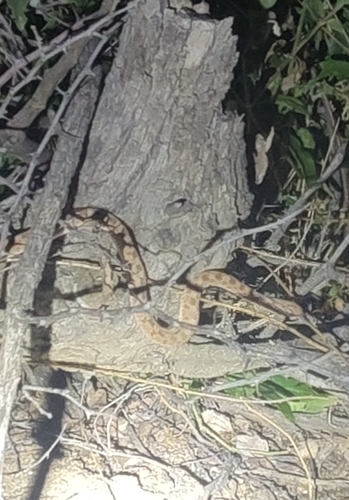
Colubridae (19)

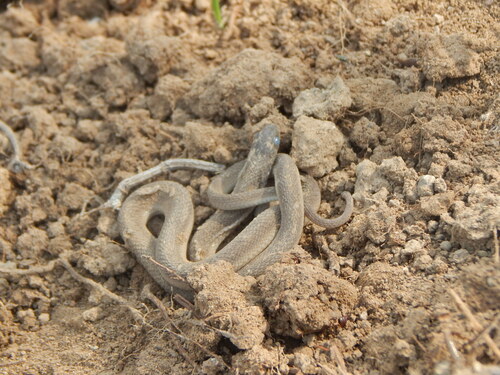
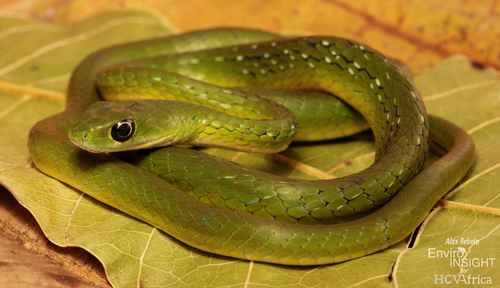
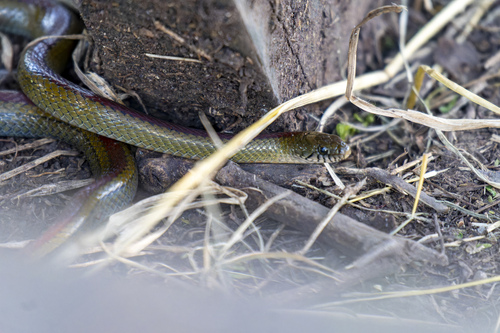
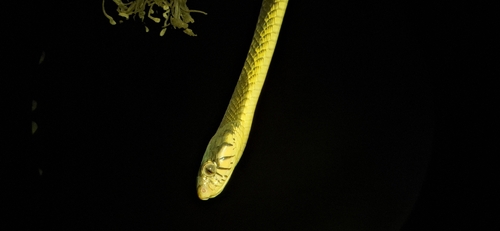

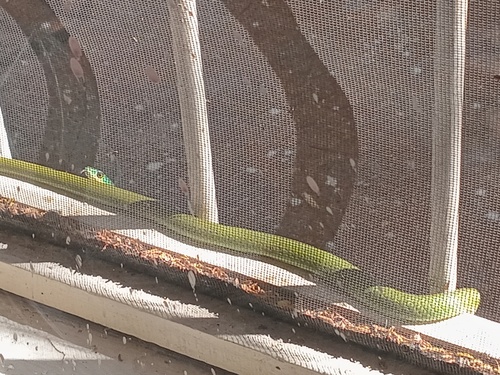
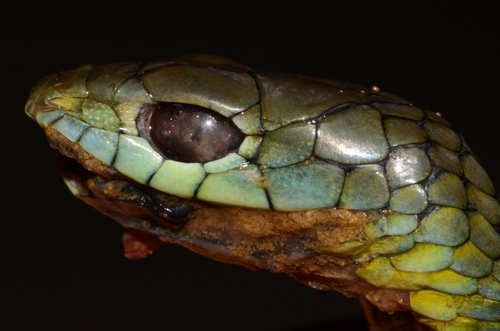
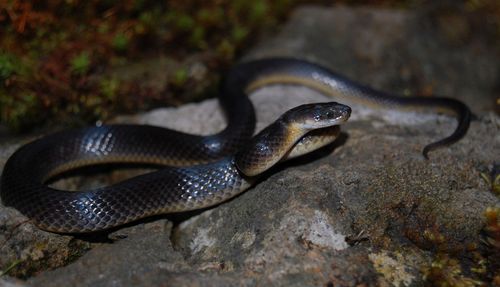
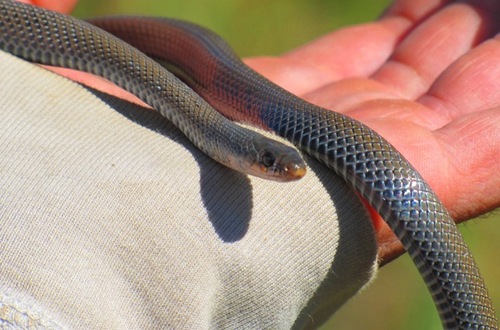
Elapidae (8)
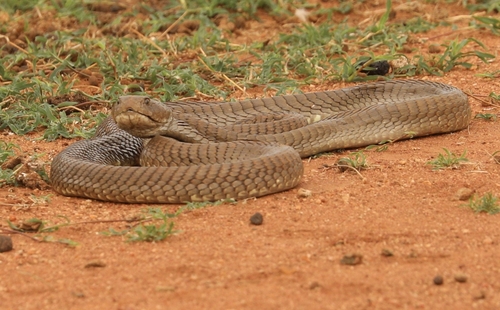
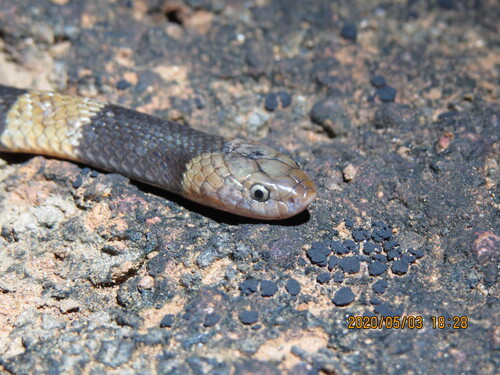
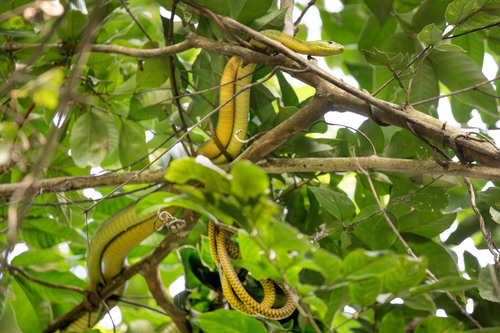
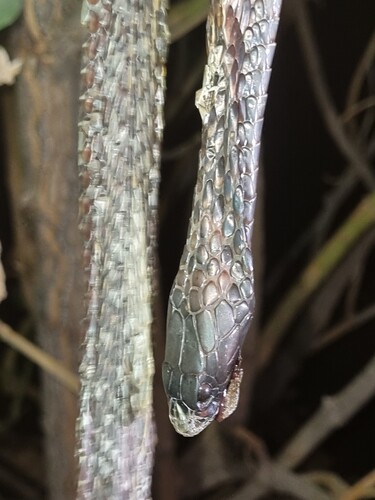
Lamprophiidae (8)
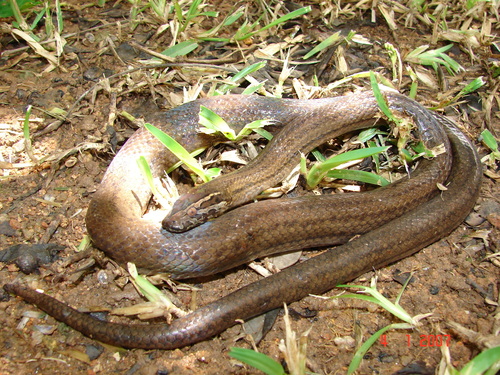
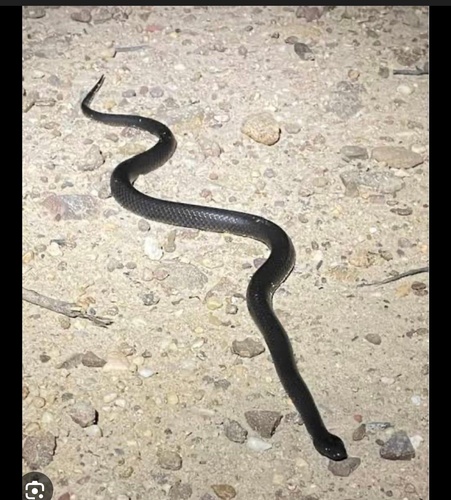
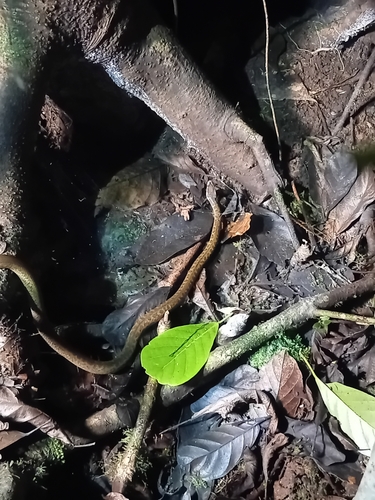
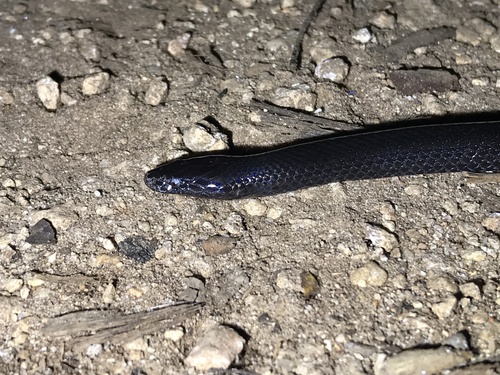
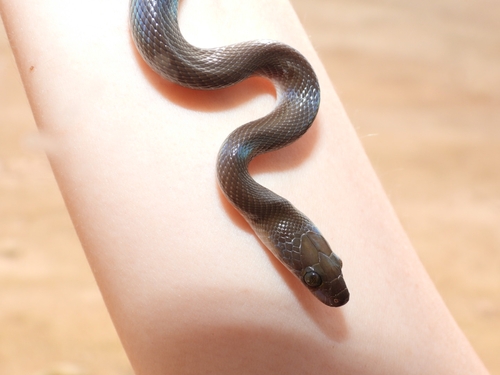
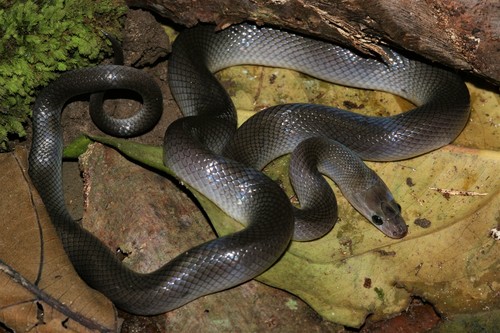
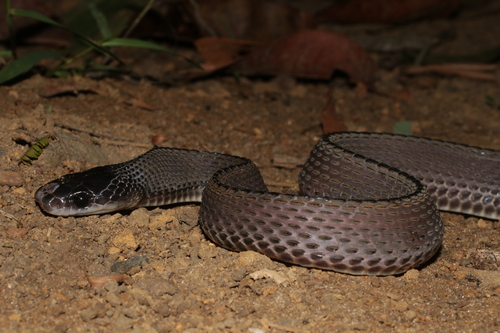
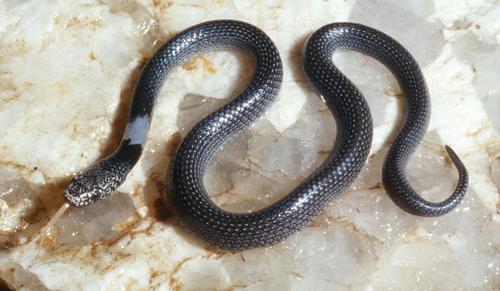
Psammophiidae (8)
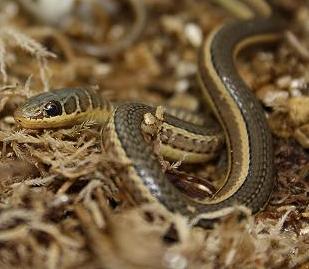
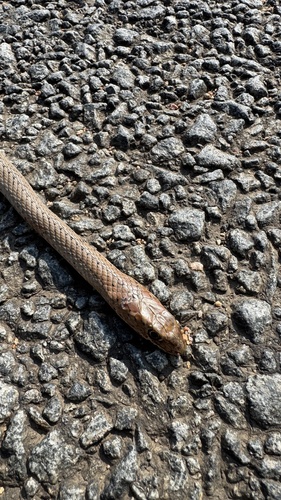
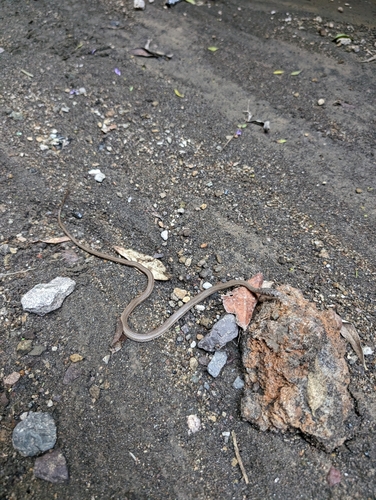
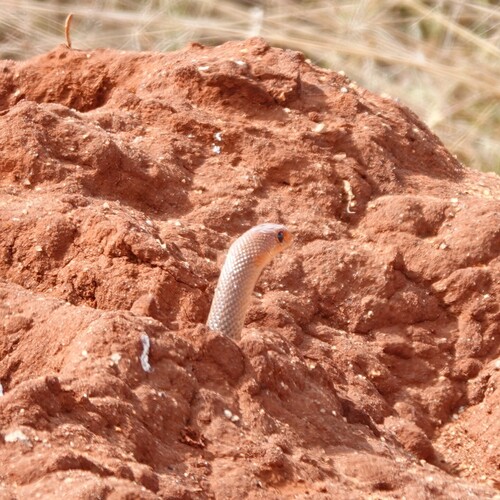
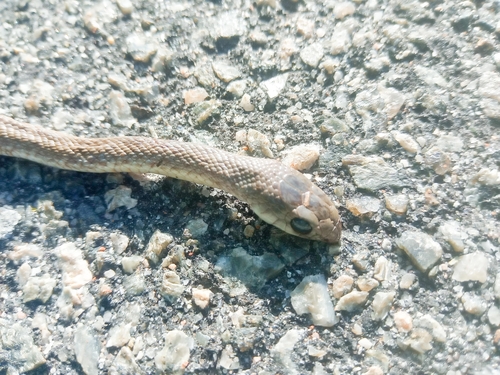
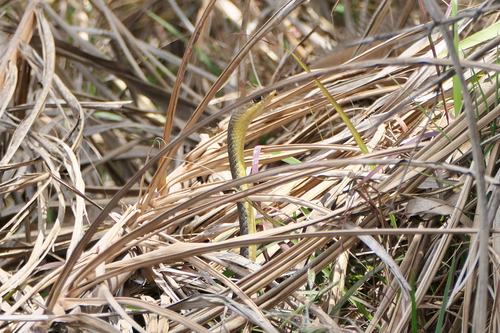
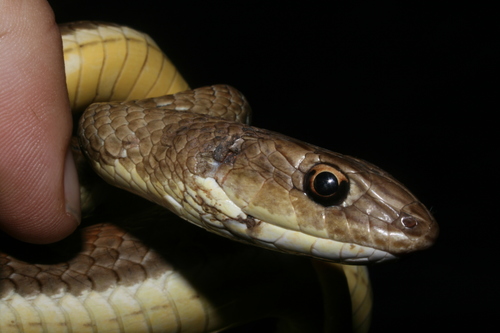
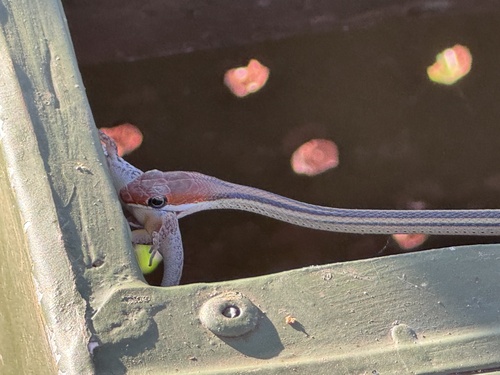
Viperidae (7)
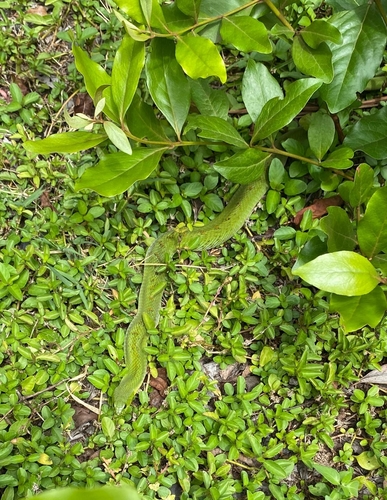
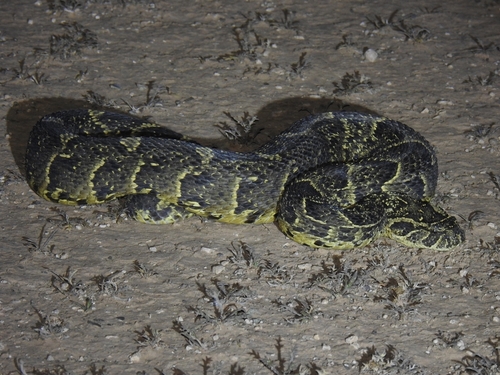
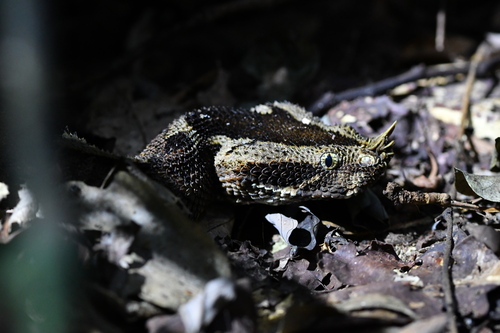
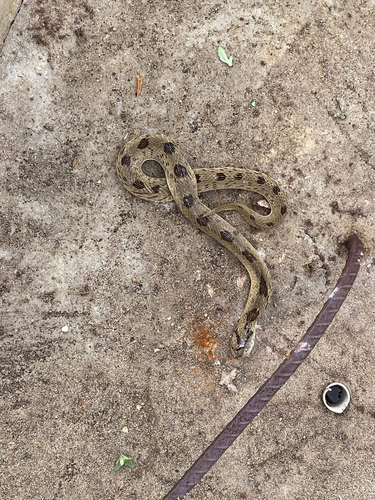
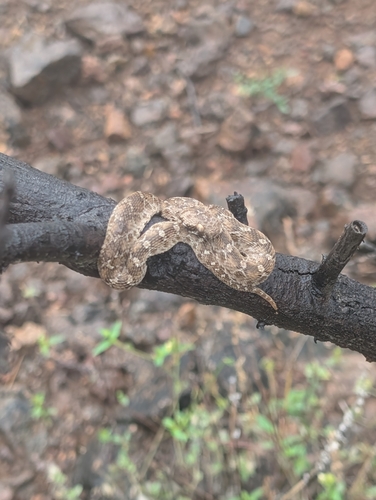
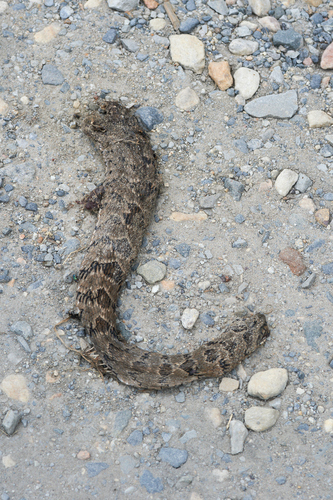
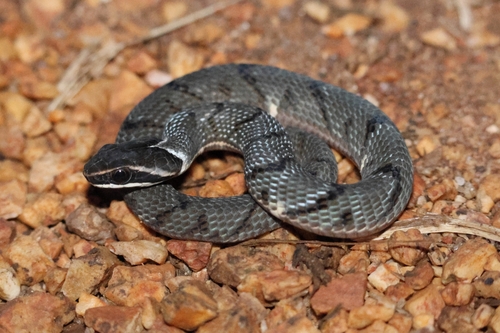
Atractaspididae (5)
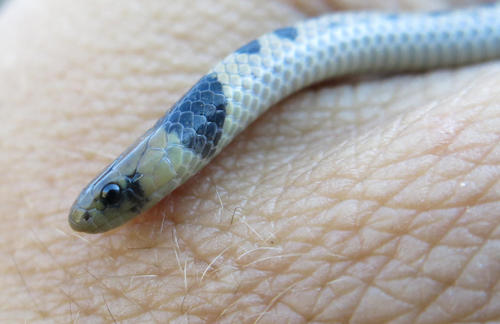
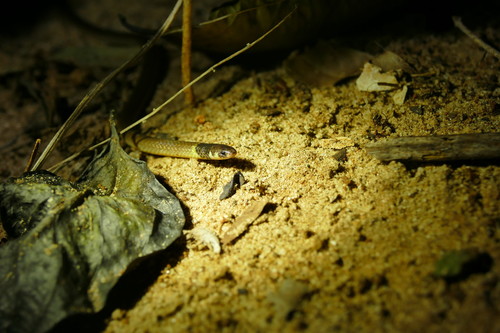
Prosymnidae (4)
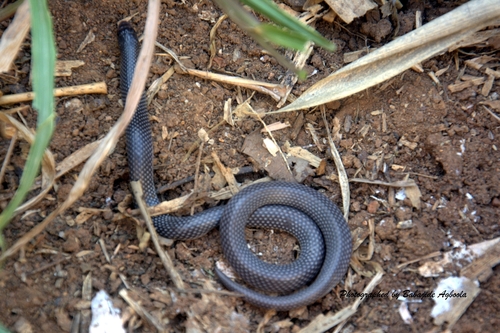
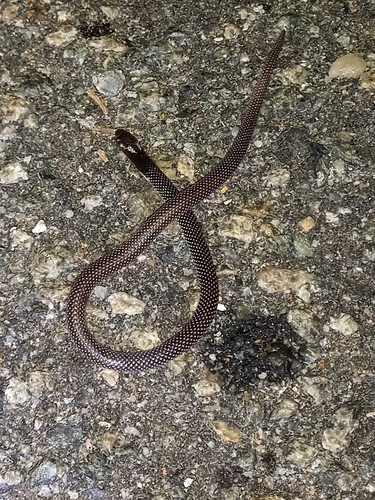
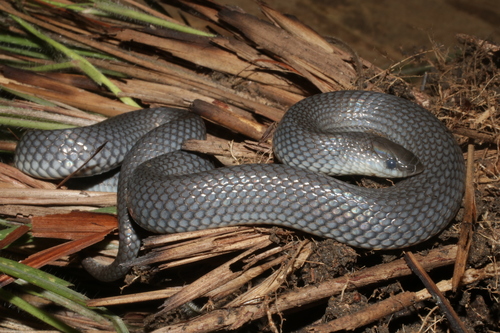
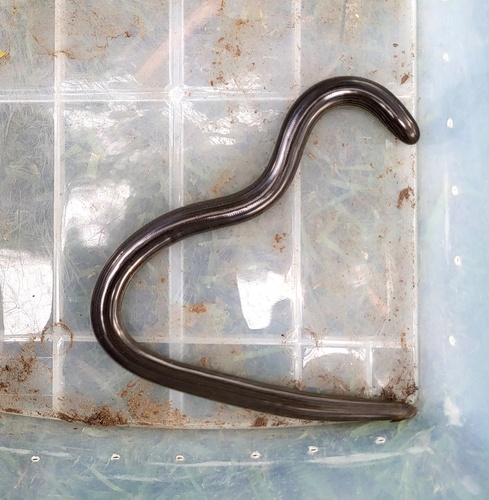
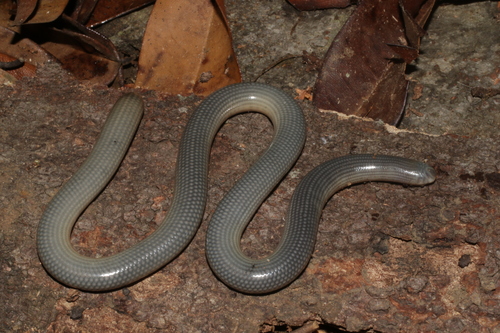
Compiled from verified GBIF & iNaturalist observations. "How often seen" reflects how frequently a snake is reported here, not how dangerous it is. Informational only.
Keep learning
- Are Snakes Dangerous? The Real Risk, in PerspectiveMost snakes are harmless and avoid people. Here is the honest picture of snakebite risk worldwide and how to lower your own.
- Snakebite First Aid: What to Do (and What Never to Do)A clear, CDC-based guide to snakebite first aid: the steps that help, the popular myths that hurt, and how to tell a serious bite from a minor one.
- Venomous vs Nonvenomous: How to Tell the DifferenceThe folk rules for telling venomous snakes apart, where each one fails, and why location-based identification beats guessing by sight.
- What to Do If You Find a SnakeFound a snake at home or on a trail? Here is how to stay calm, give it space, identify it safely, and know when to call a professional.