
Seychelles
Snakes in Seychelles
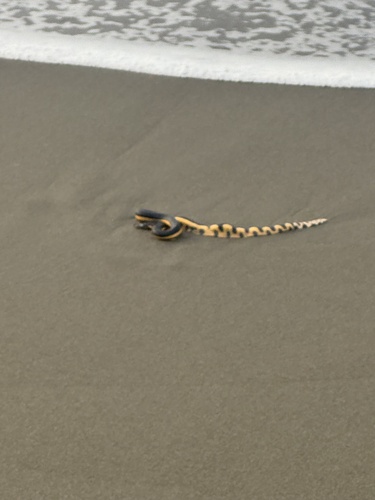
4 snake species have been recorded in Seychelles, 1 venomous.
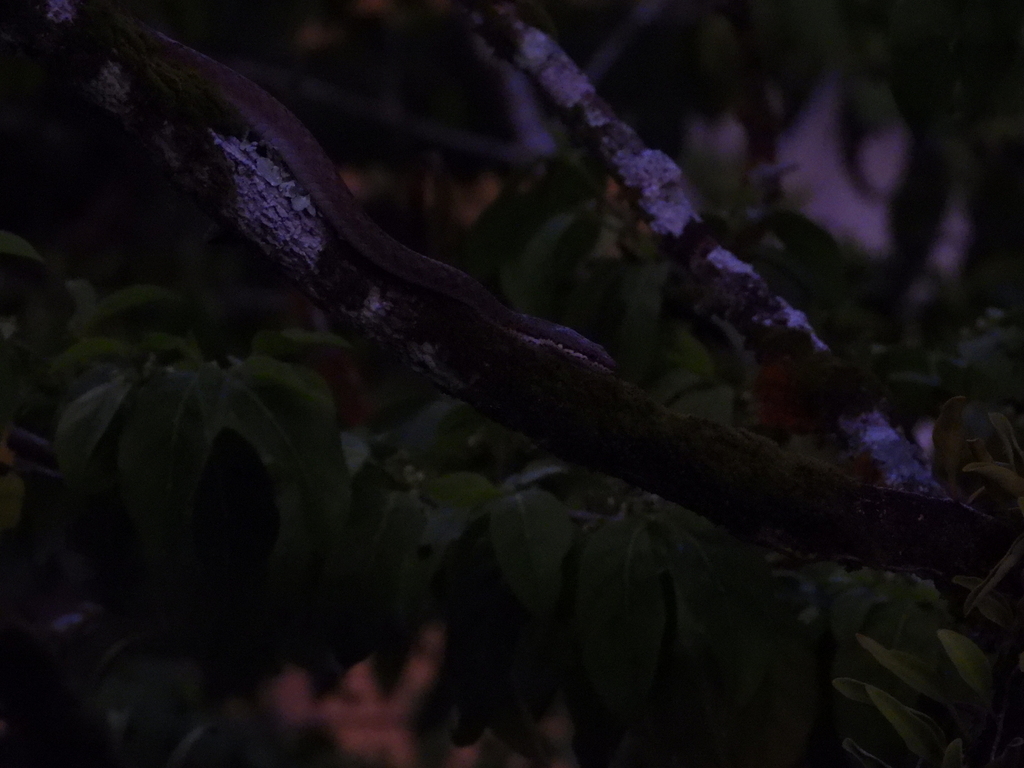
Snakes of Seychelles
Seychelles is a small archipelago in the western Indian Ocean, made up of granitic inner islands such as Mahe, Praslin, and La Digue, along with low coral outer islands. Our database records 4 snake species across the country, of which 1 is venomous. As on many isolated island groups, the snake fauna is limited and most of the species present are not dangerous to people. The granitic islands carry forested hills, rocky slopes, and stream margins that support the native land snakes, while the lower vegetation and gardens near the coast hold smaller, secretive species.
The single venomous species in our records is a small, mildly venomous, rear-fanged snake. Snakes in this group deliver weak venom through grooved teeth set far back in the mouth, and they pose little to no threat to humans during normal encounters. Seychelles has no large front-fanged land snakes of the kind found on the African or Asian mainland, so the islands lack the highly dangerous terrestrial snakes seen in those regions. The practical risk from the country's land snakes is low.
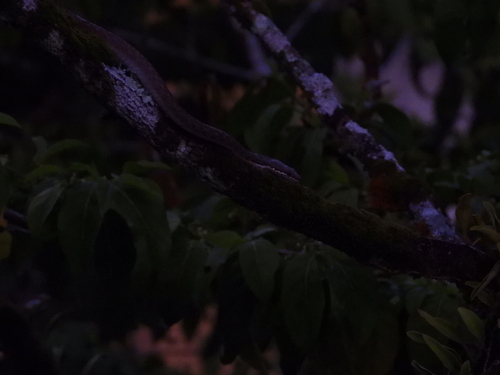
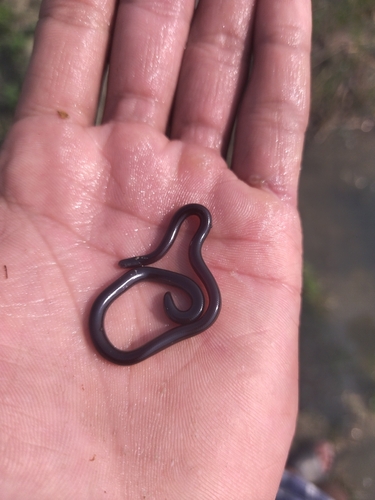
The harmless majority includes the native house snakes and a small burrowing, worm-like blind snake. The house snakes are slender, non-venomous constrictors that hunt geckos, frogs, and other small prey, and they are the snakes residents most often see around buildings, walls, and garden edges. The blind snake is a tiny, soil-dwelling animal that is often mistaken for an earthworm and feeds on ant and termite brood underground. These species are endemic or long established on the islands and are part of what makes the Seychelles fauna distinctive.
Even on a small island group, snakes do real ecological work. They control populations of geckos, rodents, frogs, and insects, and the burrowing species help turn over and aerate soil while feeding on ant and termite colonies. In a limited island ecosystem each native species carries extra weight, since there are few others to fill the same role, so the local snakes matter to the balance of the islands they inhabit.
For safety, the honest summary is that the great majority of Seychelles snakes are harmless and the islands have no large dangerous land snakes. The only venomous land species present is small and rear-fanged with weak venom, and serious bites are not a feature of the country. Even so, no wild snake should be handled, and any bite or unexpected reaction should be treated as a medical matter. Definitive treatment for venom effects is hospital care, including antivenom where a doctor judges it appropriate. If a bite occurs, seek emergency medical care or contact local emergency services right away. In the United States, Poison Control can be reached at 1-800-222-1222.
Snakes in Seychelles: FAQ
- Are there venomous snakes in Seychelles?
- Yes. 1 venomous snake species has verified records in Seychelles, including Yellow-bellied Sea Snake. Most snakes in Seychelles, however, are harmless.
- How many snake species live in Seychelles?
- 4 snake species have verified records in Seychelles, of which 1 is venomous.
- What is the most commonly seen snake in Seychelles?
- The Seychelles Wolf Snake is the most frequently reported snake in Seychelles, based on verified wildlife observations.
- What should I do if I see a venomous snake in Seychelles?
- Keep your distance and do not try to catch or kill it. Most bites happen when people handle or corner a snake. If someone is bitten, contact local emergency services or poison control immediately.
Venomous snakes in Seychelles
Every snake recorded in Seychelles
4 species across 4 families, grouped by family. Venomous flagged.
Typhlopidae (1)
Lamprophiidae (1)
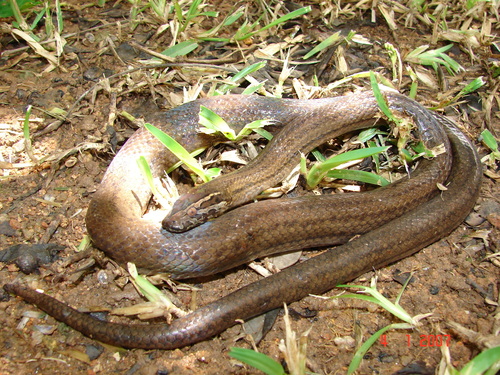
Compiled from verified GBIF & iNaturalist observations. "How often seen" reflects how frequently a snake is reported here, not how dangerous it is. Informational only.
Keep learning
- Are Snakes Dangerous? The Real Risk, in PerspectiveMost snakes are harmless and avoid people. Here is the honest picture of snakebite risk worldwide and how to lower your own.
- Snakebite First Aid: What to Do (and What Never to Do)A clear, CDC-based guide to snakebite first aid: the steps that help, the popular myths that hurt, and how to tell a serious bite from a minor one.
- Venomous vs Nonvenomous: How to Tell the DifferenceThe folk rules for telling venomous snakes apart, where each one fails, and why location-based identification beats guessing by sight.
- What to Do If You Find a SnakeFound a snake at home or on a trail? Here is how to stay calm, give it space, identify it safely, and know when to call a professional.