
Uganda
Snakes in Uganda
100+ snake species have been recorded in Uganda, 32 venomous.
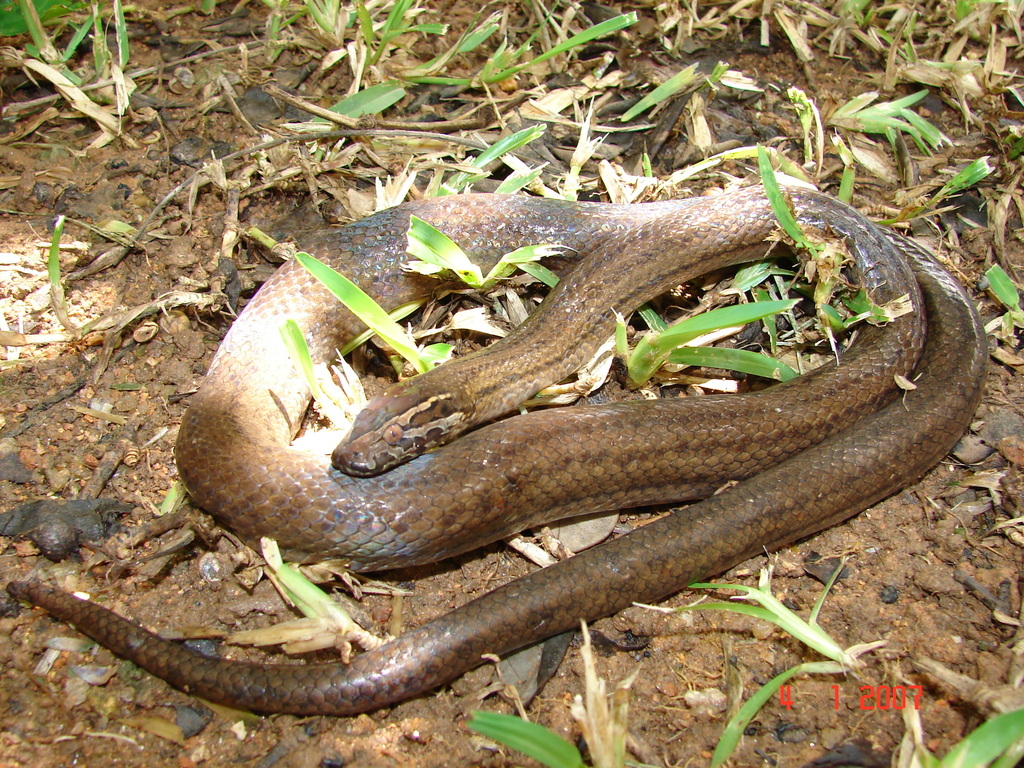
Snakes of Uganda
Uganda has 100+ snake species recorded in our database, 39 of them venomous. That means the great majority of snakes you can encounter here are non-venomous, a pattern that holds across most of the world. The country sits at a biological crossroads in equatorial East Africa, where the snake fauna is unusually rich for its size. Understanding what that fauna actually is, where it lives, and which few species carry real medical risk is the foundation for living and traveling around snakes sensibly.
Uganda's diversity is driven by its geography. The country straddles the equator and packs together a remarkable range of habitats: the moist forests of the Albertine Rift along the western border, the savannas and grasslands of the central and northern regions, the shores and wetlands of Lake Victoria and other lakes, papyrus swamps, and montane zones rising into the highlands. Each of these environments supports its own set of snakes. Forest specialists, water-associated species, savanna hunters, and burrowing snakes that spend most of their lives underground all add to the total, which is why a relatively compact country can hold 100+ species.
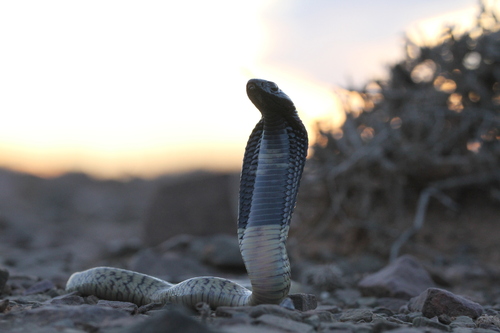
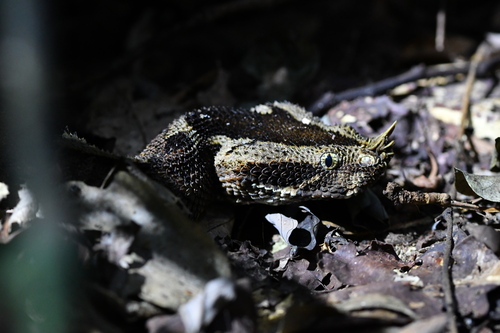
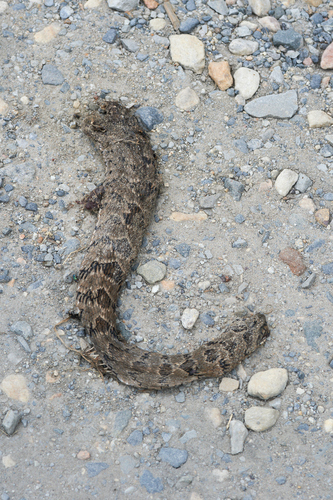
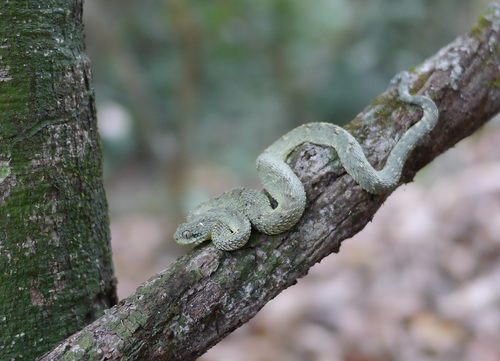
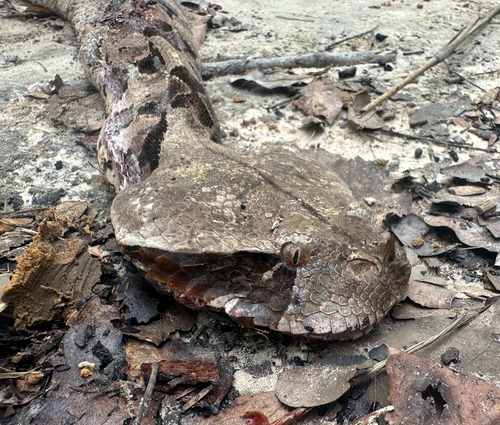
Among the venomous snakes, a few medically important groups account for the serious bites in Uganda. Vipers are the foremost concern, especially the puff adder, a thickset, slow ground-dwelling snake responsible for a large share of severe envenomations across sub-Saharan Africa, along with forest and bush vipers in the wooded west. Elapids are also present: spitting and non-spitting cobras occur across savanna and farmland, and the forest cobra is among the largest. Mambas are represented as well, with the black mamba in drier savanna and green mambas in forested zones. Burrowing asps, sometimes called mole vipers, and several species of small, secretive elapids round out the venomous fauna. There are no rattlesnakes, no coral snakes in the New World sense, and no sea snakes in Uganda, as the country is landlocked.
The non-venomous majority is where most of the country's snake life sits, and it includes many of its most familiar and impressive species. The African rock python, Uganda's largest snake, is a powerful constrictor that can reach several meters and is harmless to people in terms of venom. House snakes, sand snakes, egg-eating snakes, file snakes, and a wide array of water snakes and grass snakes make up the bulk of what people actually see in gardens, near water, and around homes. Many of these are small, shy, and active at night, which is part of why they go unnoticed despite being common.
Snakes earn their place in Uganda's ecosystems mainly through pest control. Rodent-eating species suppress rats and mice that would otherwise damage stored grain, raid crops, and spread disease, providing free service to farmers and households. Other snakes prey on frogs, lizards, insects, and even other snakes, helping keep those populations in balance. Removing snakes from an area tends to let rodent numbers climb, so a healthy snake population is generally a sign of a working local food web rather than a problem to be eliminated.
On safety, keep the framing honest. Most species in Uganda are harmless, and the main medical threats are the puff adder and the cobras and mambas described above. A venomous bite is a medical emergency: the treatment is antivenom and supportive hospital care delivered by professionals, so the priority is to reach emergency medical services quickly. Never attempt to handle, catch, or kill a wild snake, venomous or not, since most bites happen when people try to interact with the animal; give it room and let it move away. If you are bitten, contact local emergency services immediately, and in the United States you can also reach Poison Control at 1-800-222-1222.
Snakes in Uganda: FAQ
- Are there venomous snakes in Uganda?
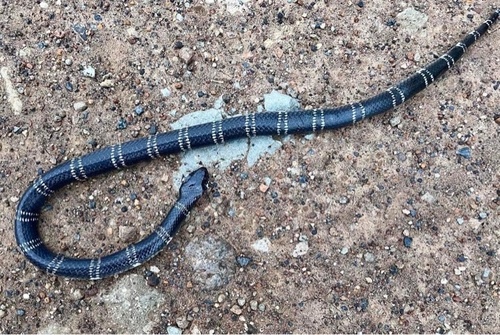
- Yes. 32 venomous snake species have verified records in Uganda, including Brown Banded Cobra, Great Lakes Bush Viper, Puff Adder, Rhinoceros Viper. Most snakes in Uganda, however, are harmless.
- How many snake species live in Uganda?
- 100+ snake species have verified records in Uganda, of which 32 are venomous.
- What is the most commonly seen snake in Uganda?
- The Seychelles House Snake is the most frequently reported snake in Uganda, based on verified wildlife observations.
- What should I do if I see a venomous snake in Uganda?
- Keep your distance and do not try to catch or kill it. Most bites happen when people handle or corner a snake. If someone is bitten, contact local emergency services or poison control immediately.
Venomous snakes in Uganda
Every snake recorded in Uganda
100+ species across 13 families, grouped by family. Venomous flagged.
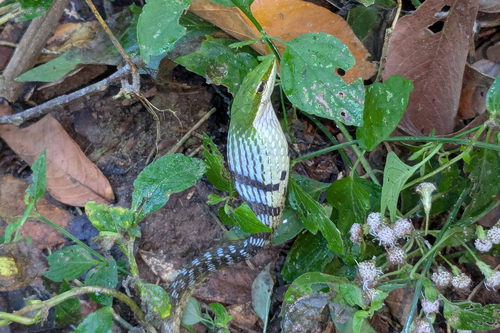
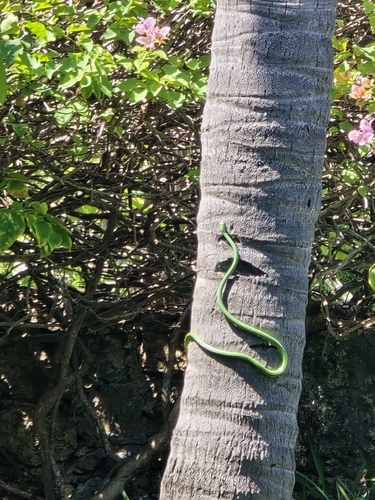
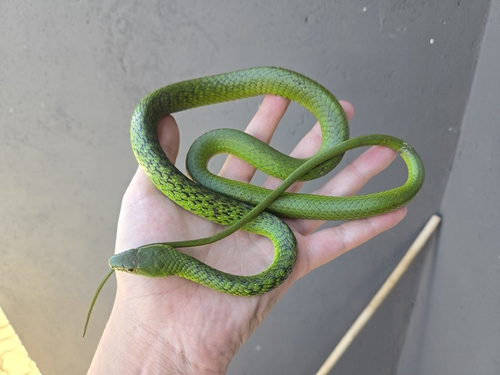
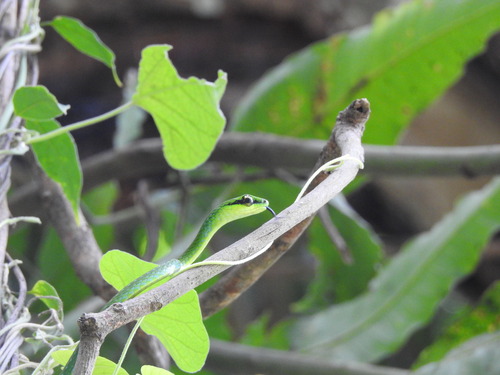
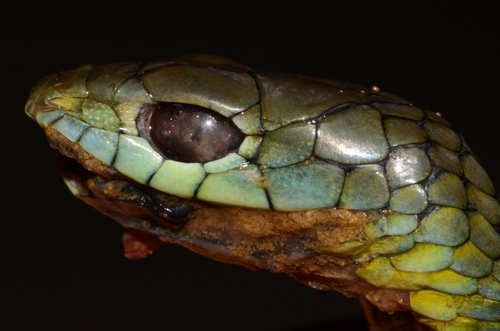
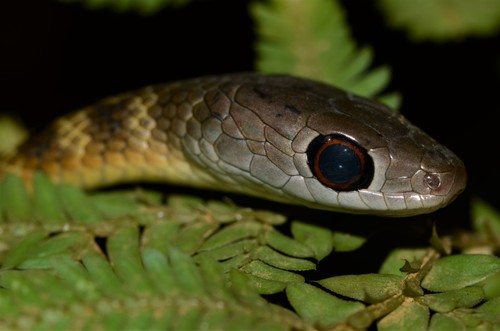
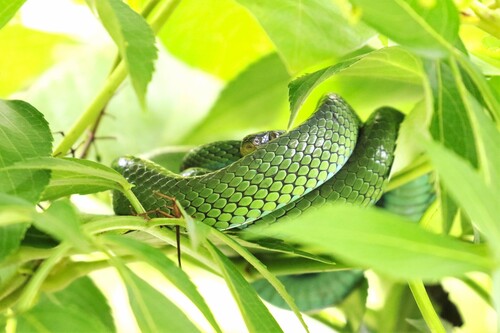
Colubridae (38)
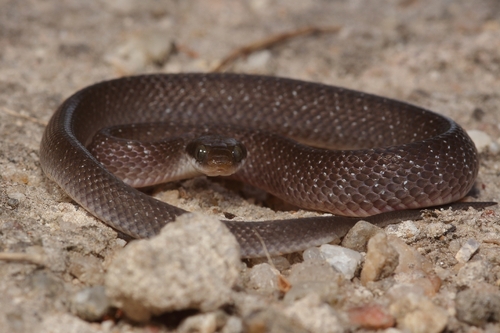
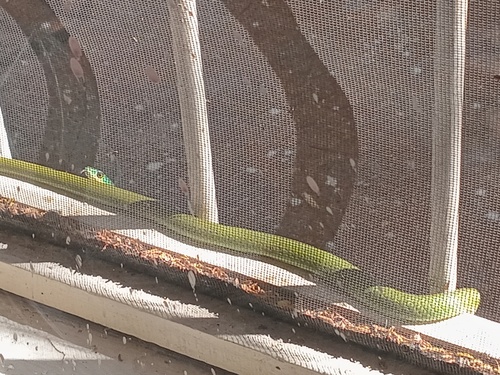
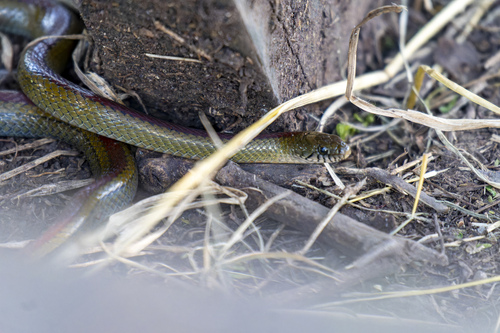
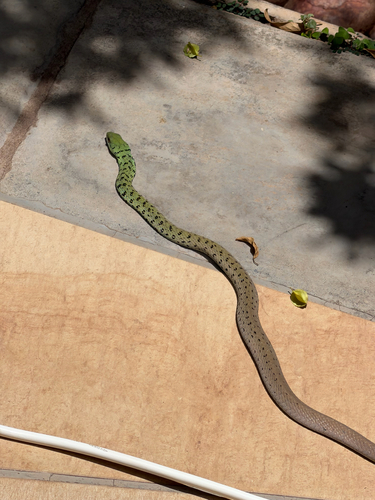
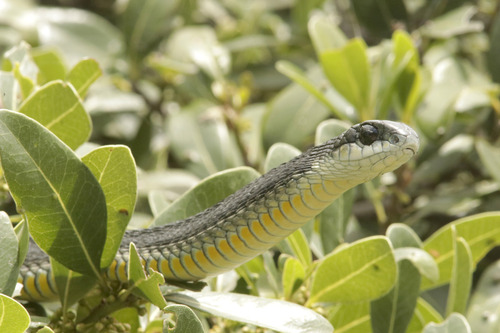
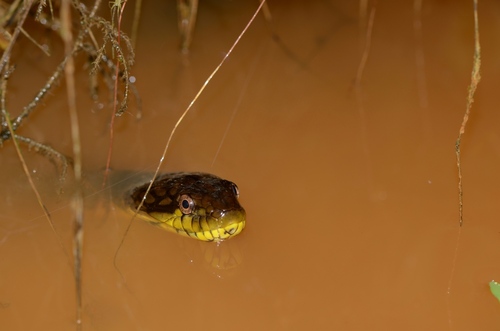

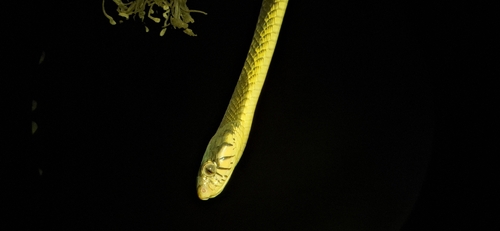
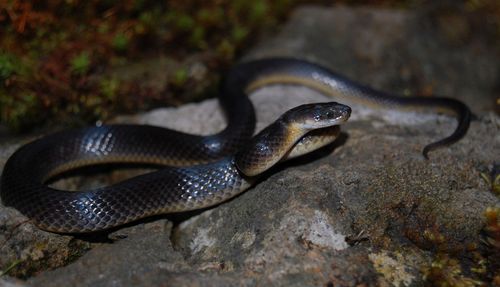
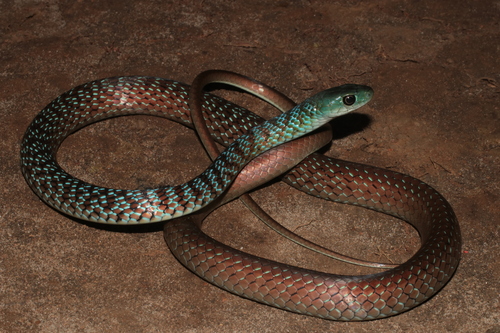
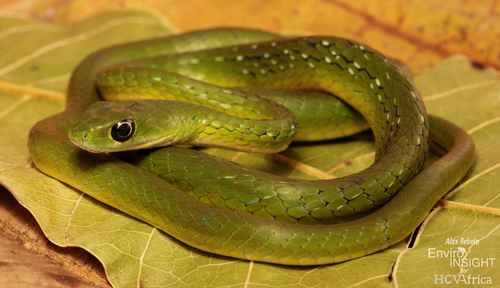
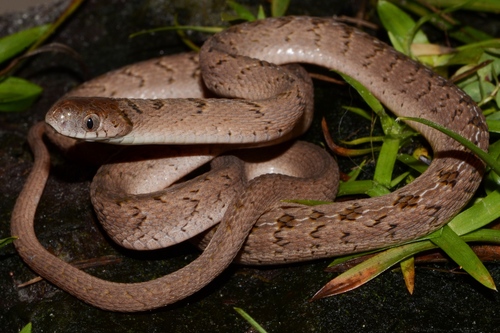
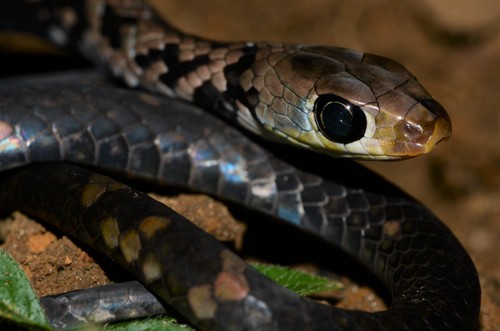
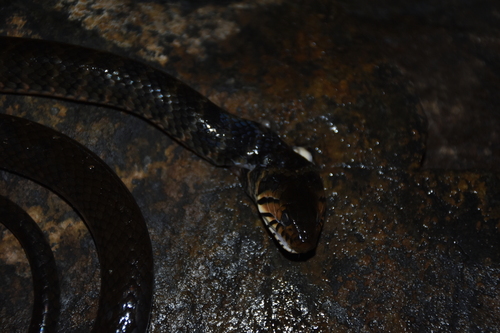

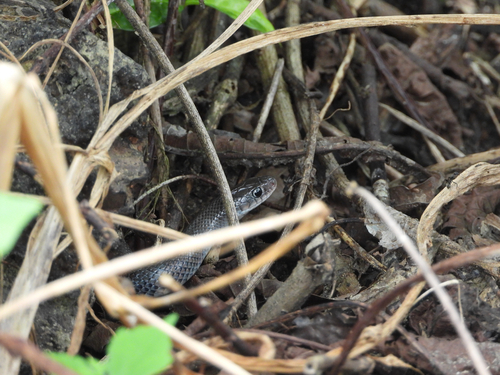
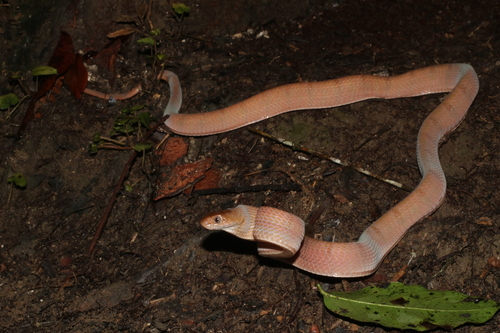
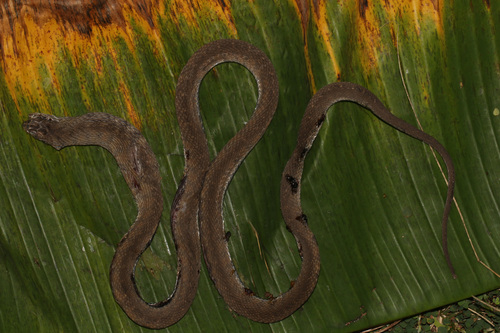
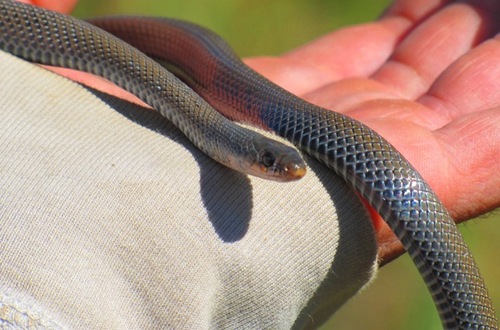
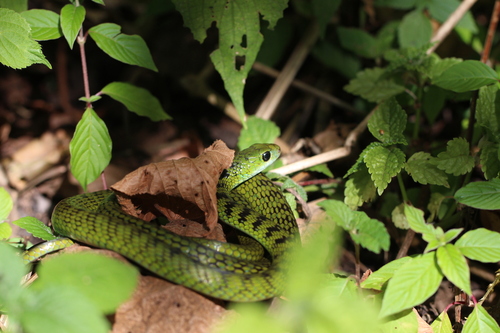
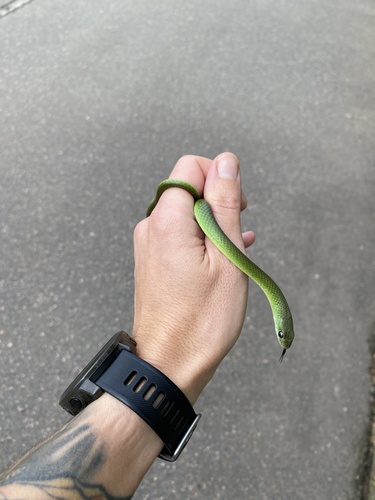
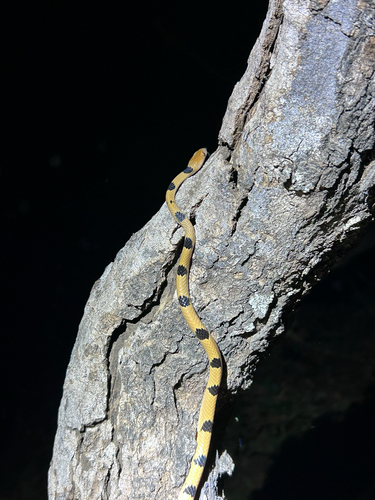
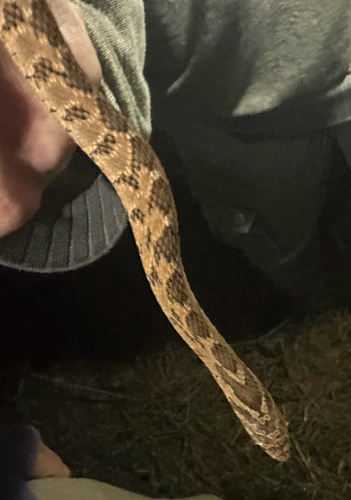
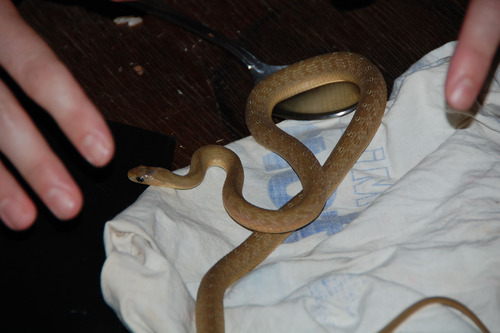
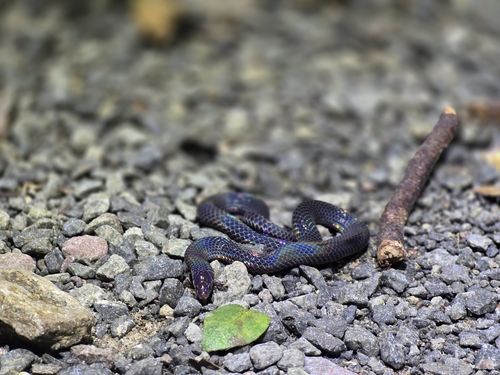
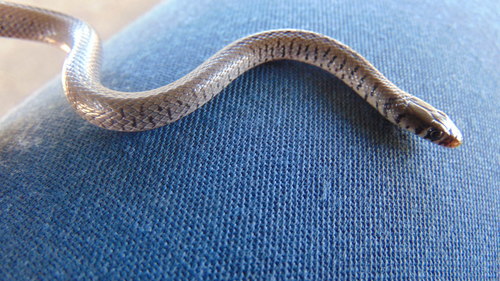
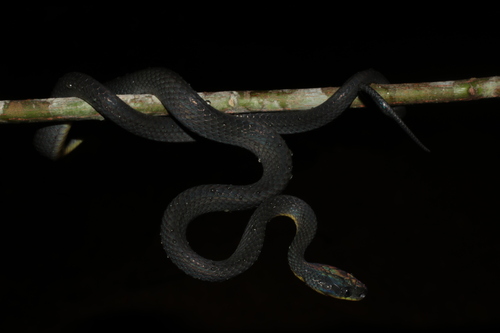
Lamprophiidae (18)
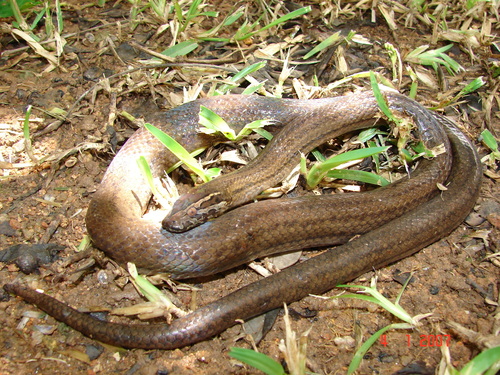
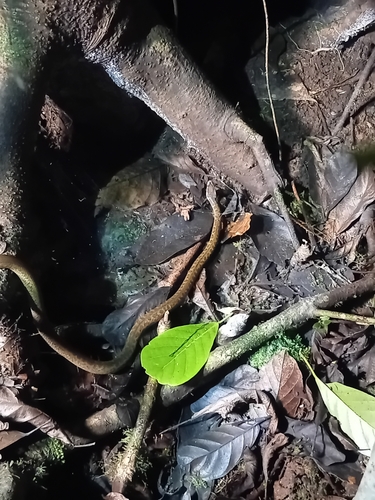
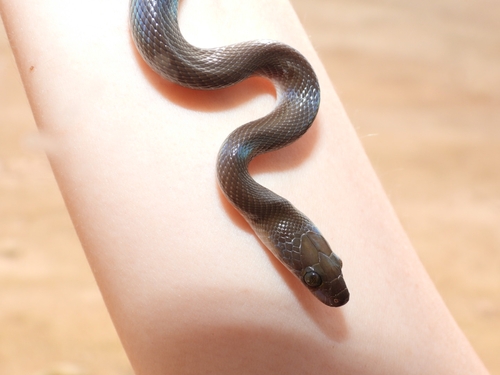
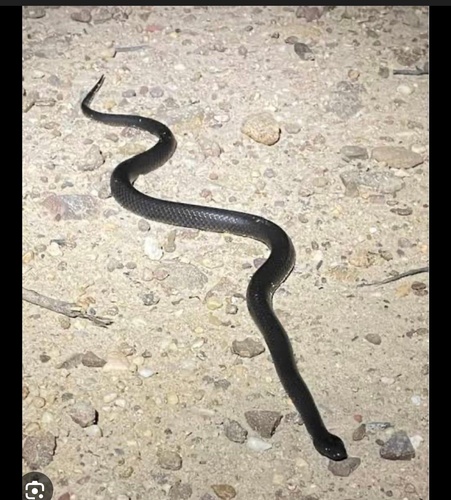
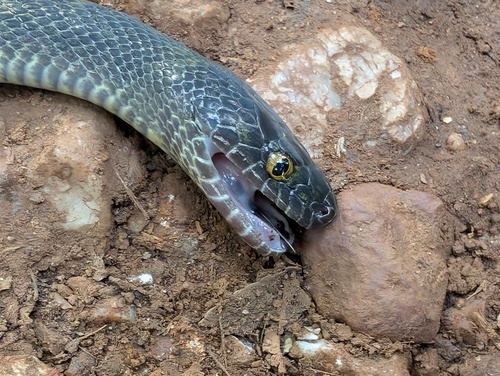
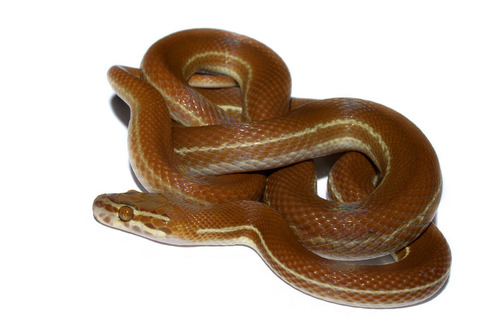
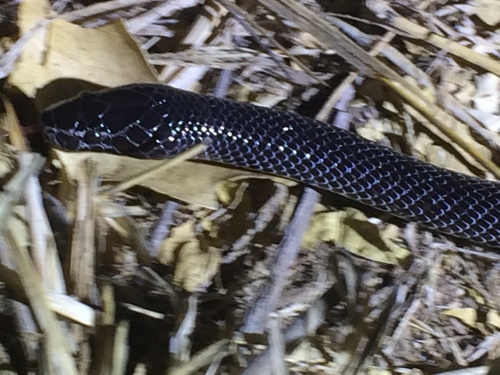
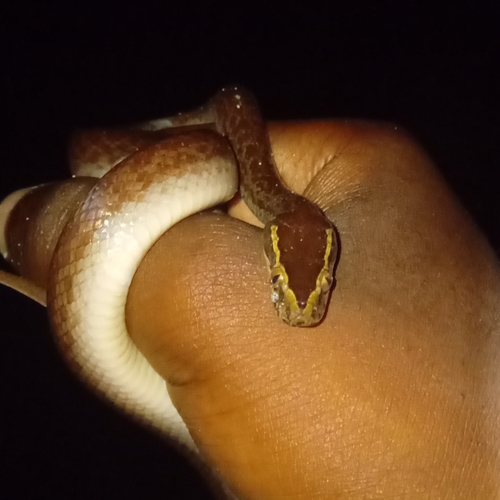
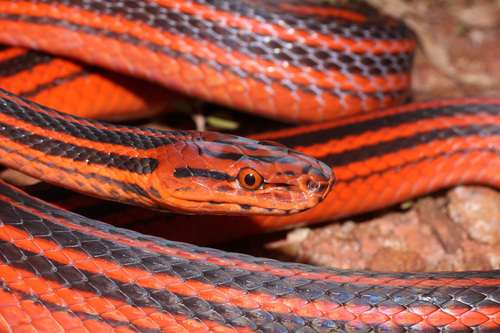
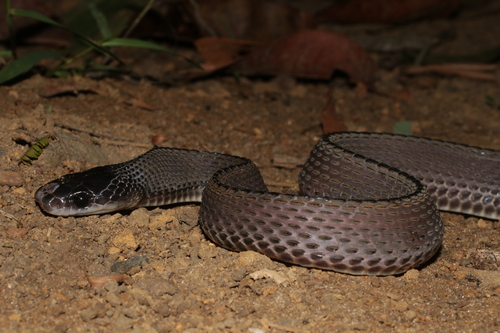
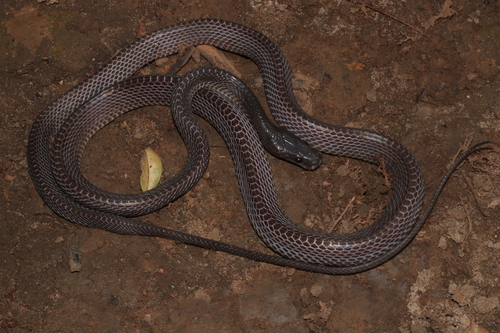
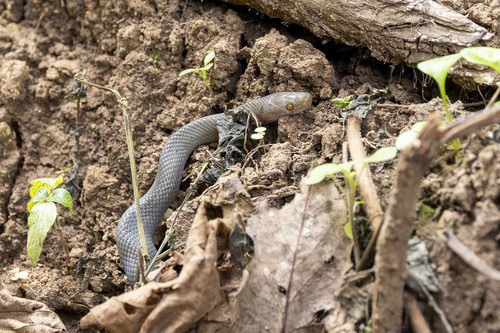
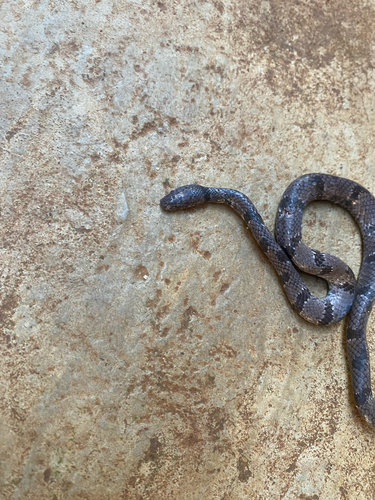
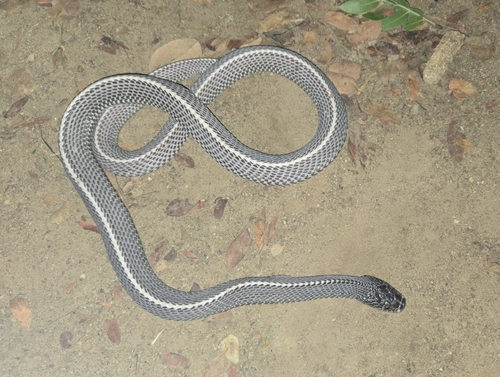
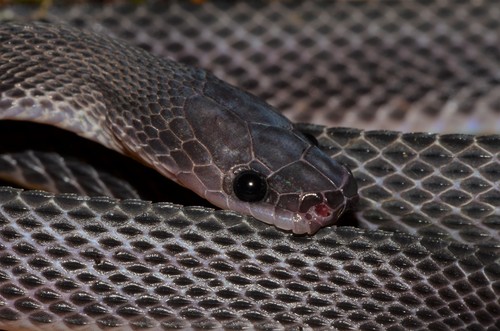
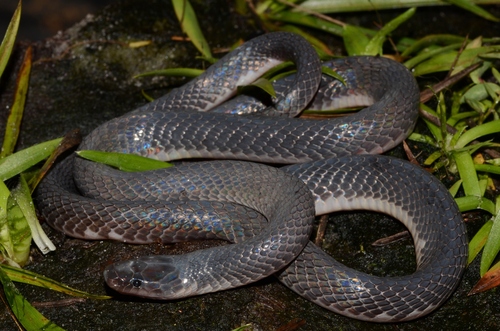
Elapidae (17)
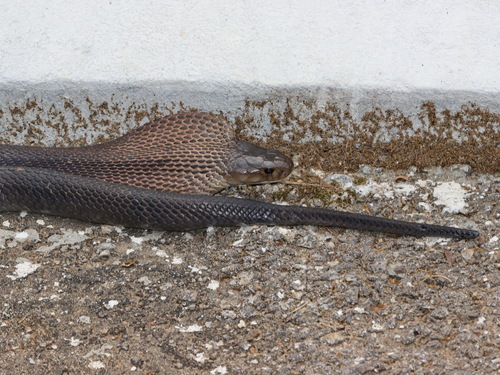
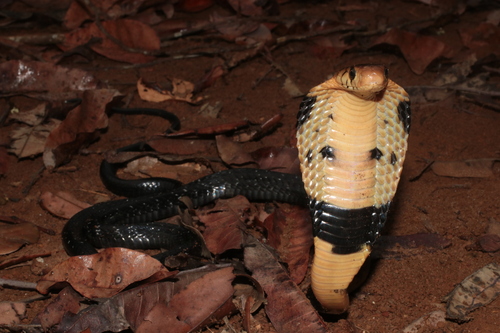
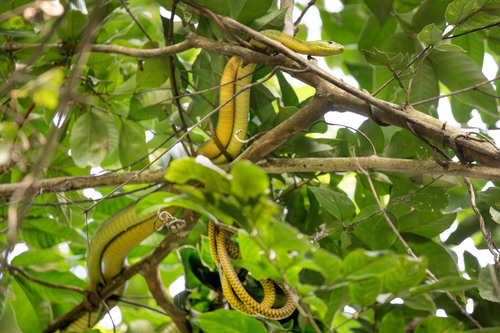
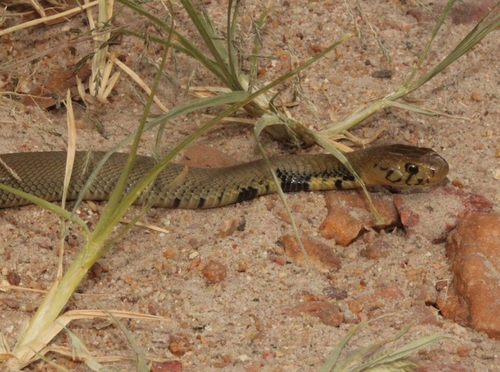
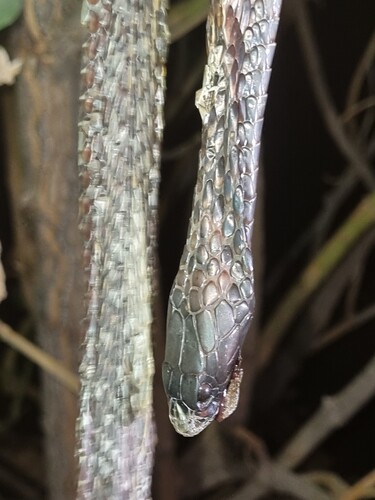
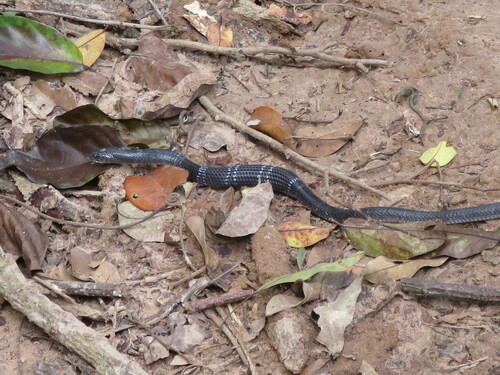
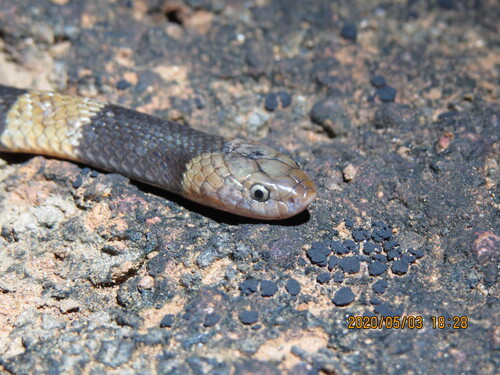
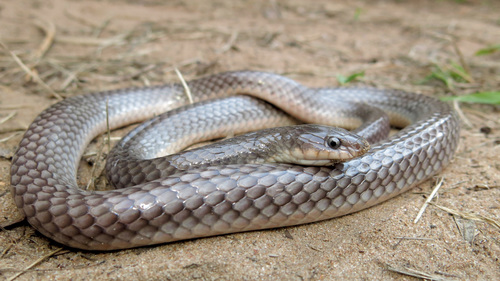
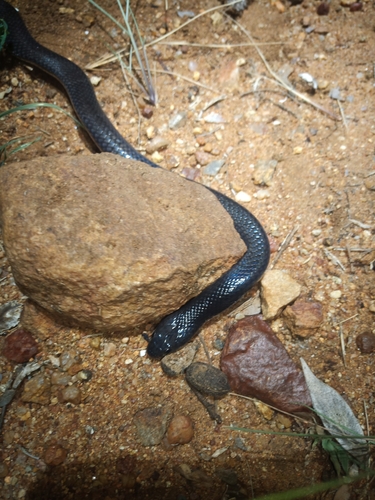
Psammophiidae (12)
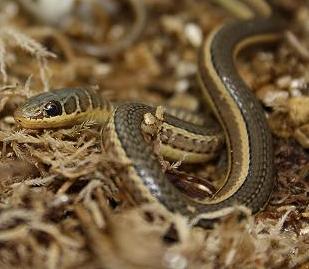
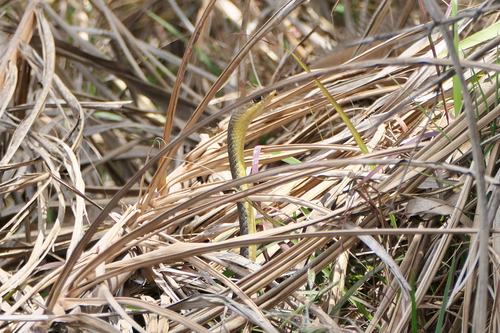
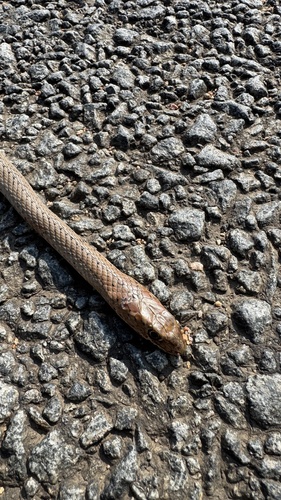
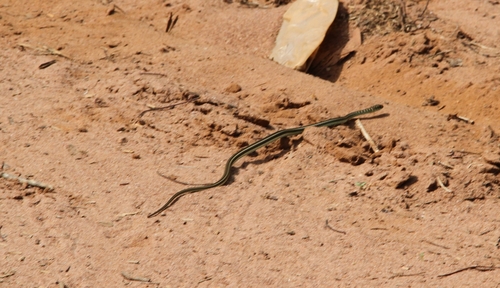
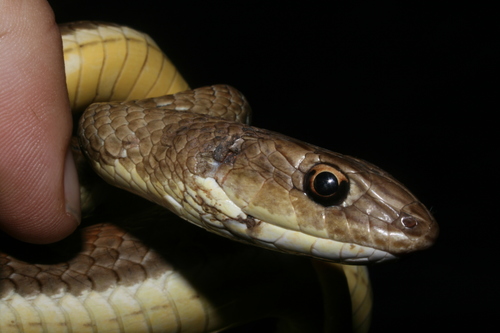
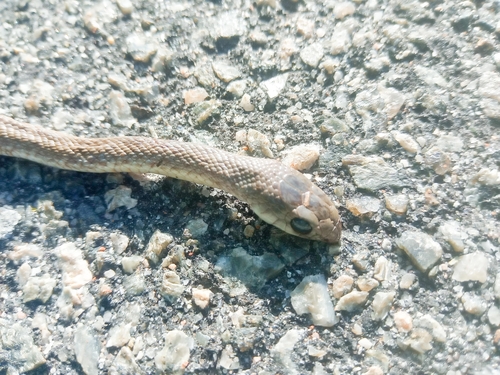
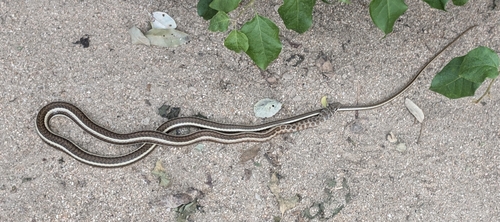
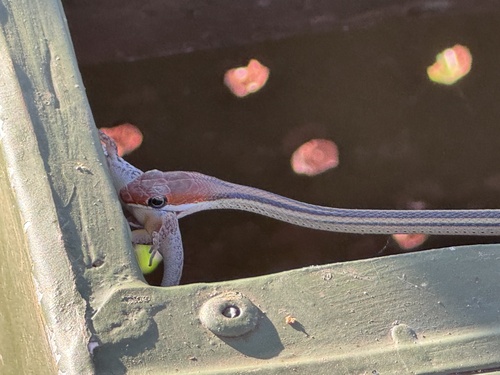
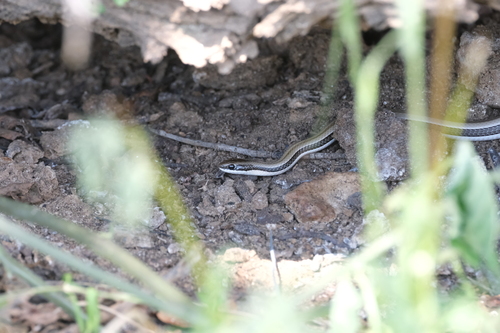
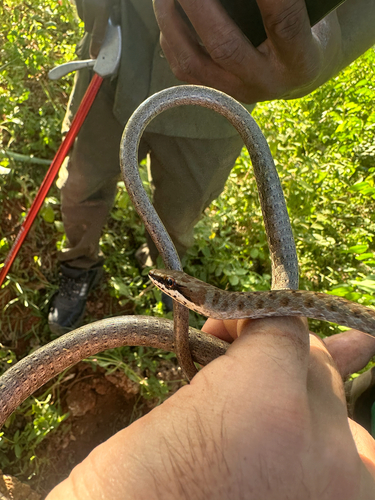
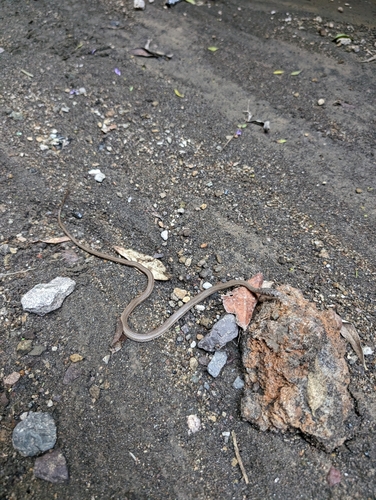
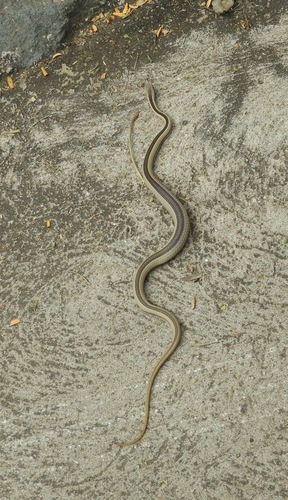
Viperidae (10)
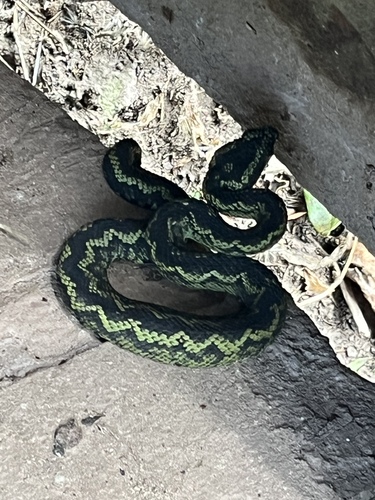
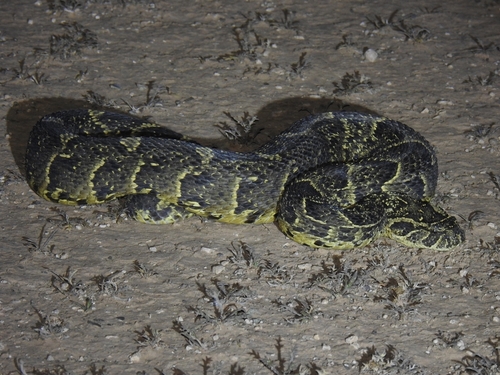
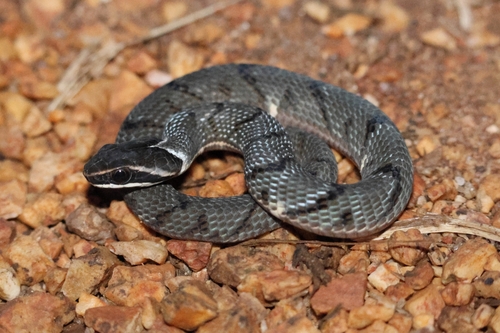
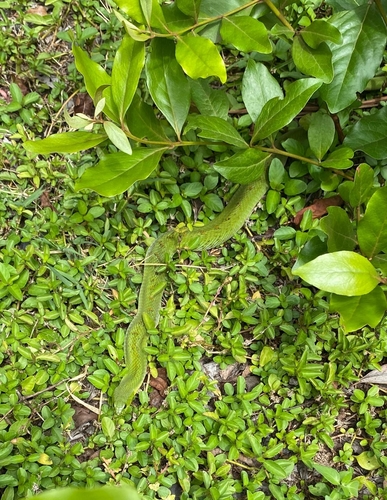
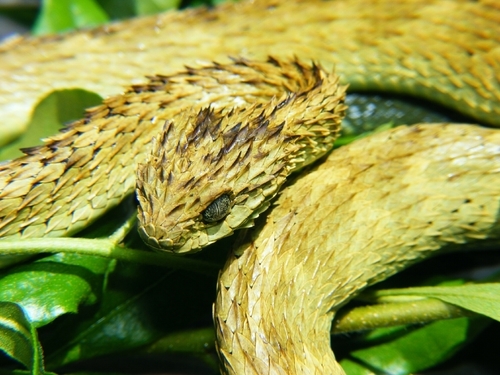
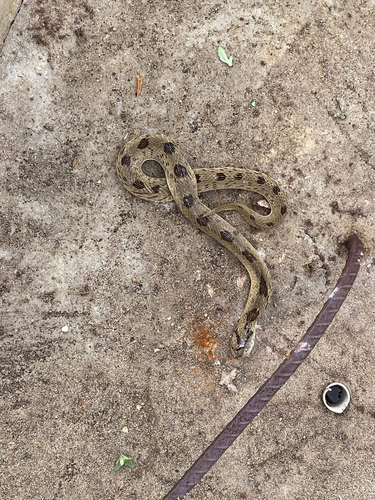
Atractaspididae (9)

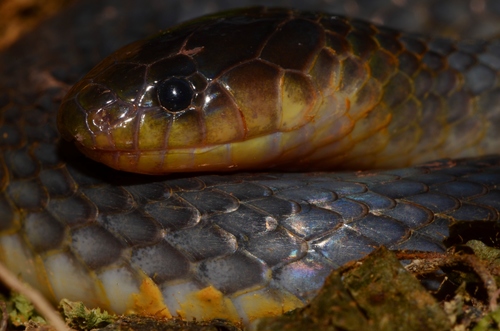
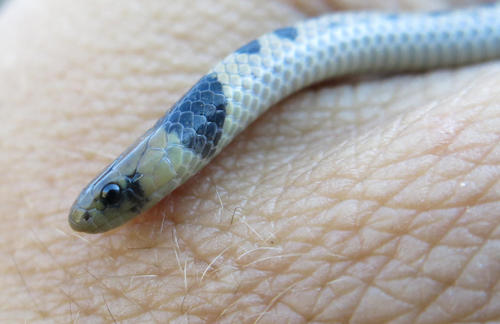

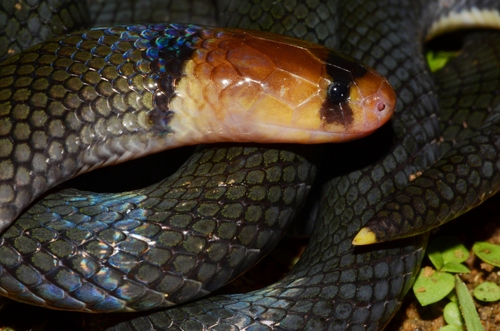
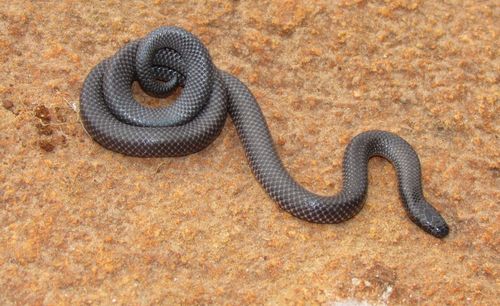
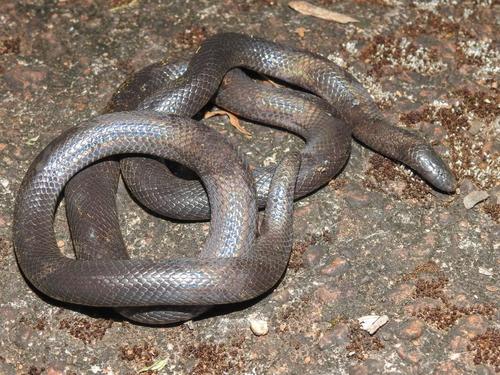
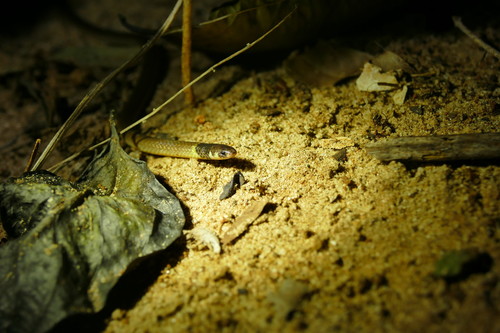
Typhlopidae (6)
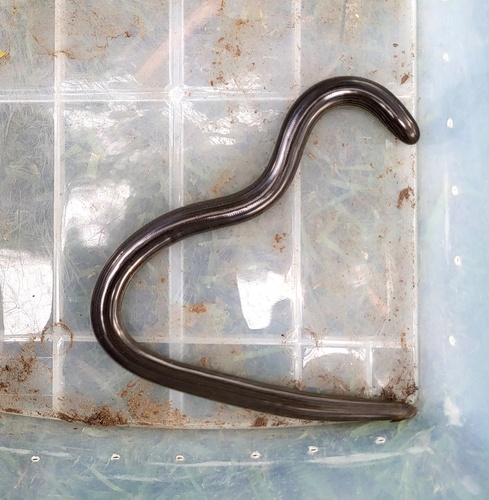
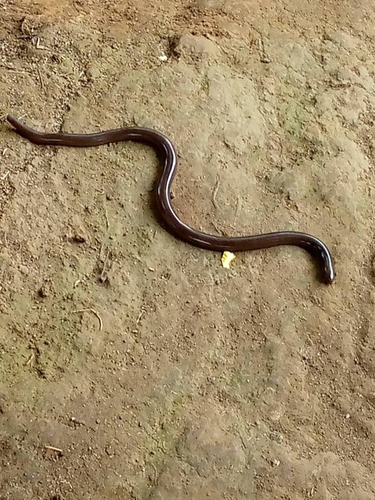
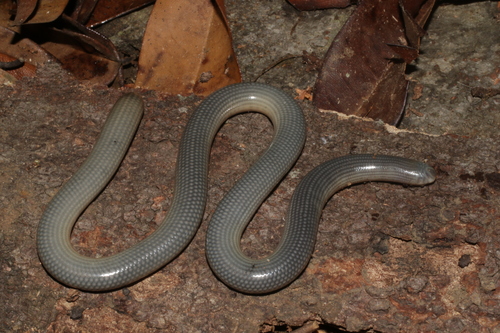
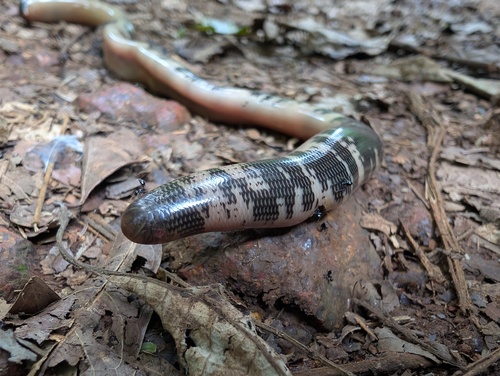
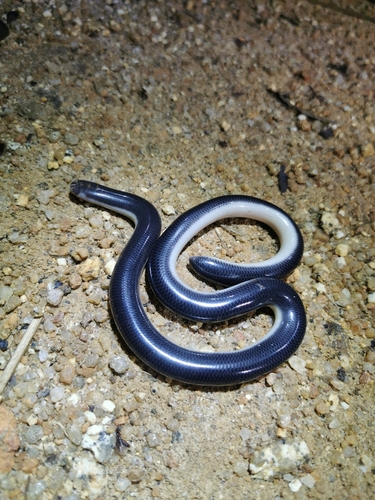

Leptotyphlopidae (4)
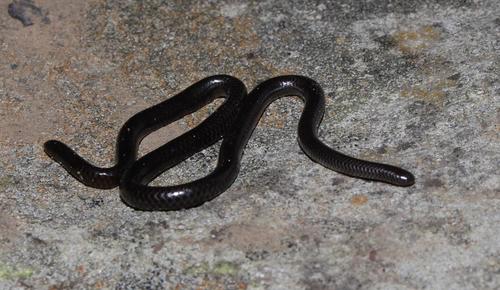
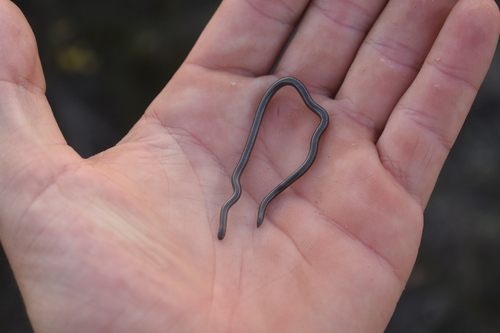
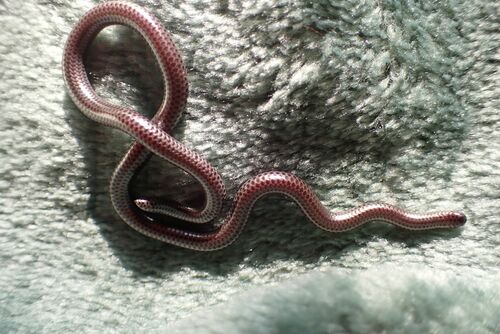
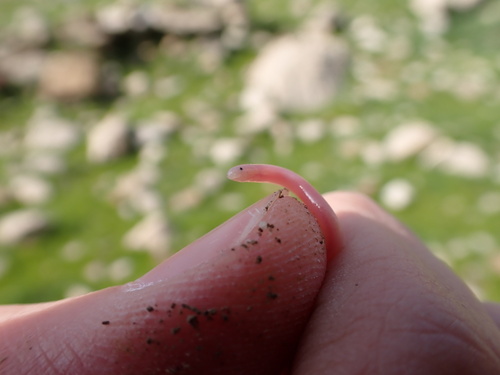
Prosymnidae (3)
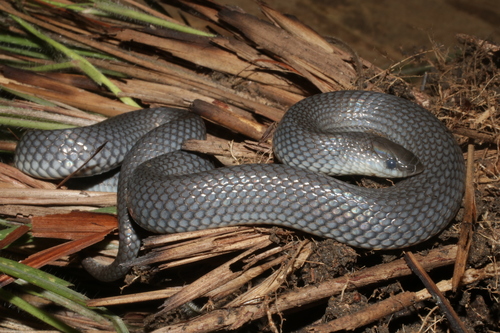
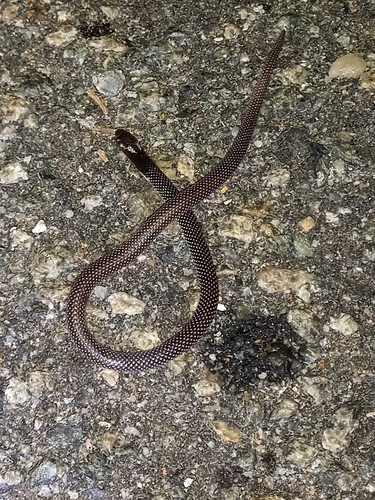
Pseudoxyrhophiidae (2)
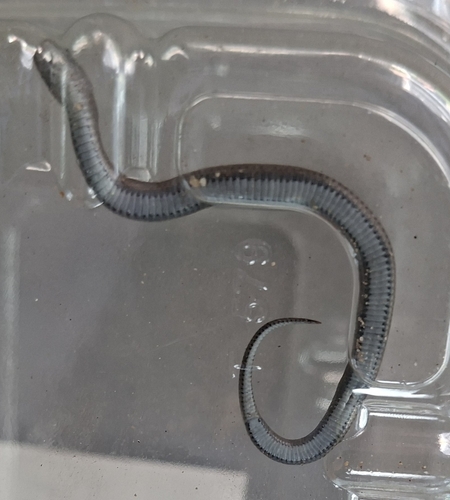
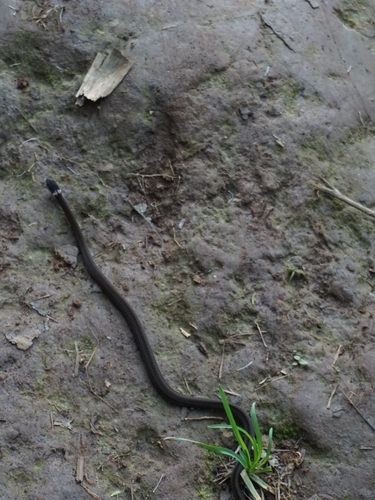
Pythonidae (1)
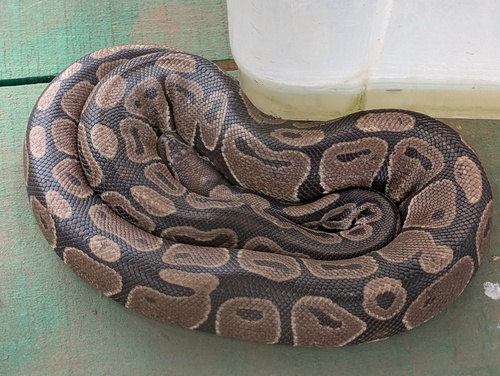
Pseudaspididae (1)
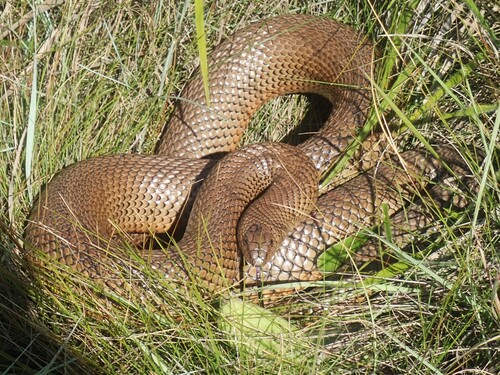
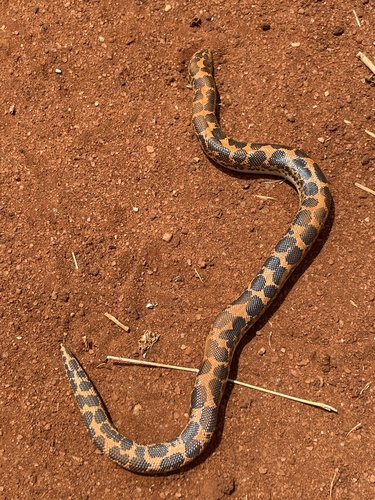
Compiled from verified GBIF & iNaturalist observations. "How often seen" reflects how frequently a snake is reported here, not how dangerous it is. Informational only.
Keep learning
- Are Snakes Dangerous? The Real Risk, in PerspectiveMost snakes are harmless and avoid people. Here is the honest picture of snakebite risk worldwide and how to lower your own.
- Snakebite First Aid: What to Do (and What Never to Do)A clear, CDC-based guide to snakebite first aid: the steps that help, the popular myths that hurt, and how to tell a serious bite from a minor one.
- Venomous vs Nonvenomous: How to Tell the DifferenceThe folk rules for telling venomous snakes apart, where each one fails, and why location-based identification beats guessing by sight.
- What to Do If You Find a SnakeFound a snake at home or on a trail? Here is how to stay calm, give it space, identify it safely, and know when to call a professional.