
Togo
Snakes in Togo
75+ snake species have been recorded in Togo, 21 venomous.
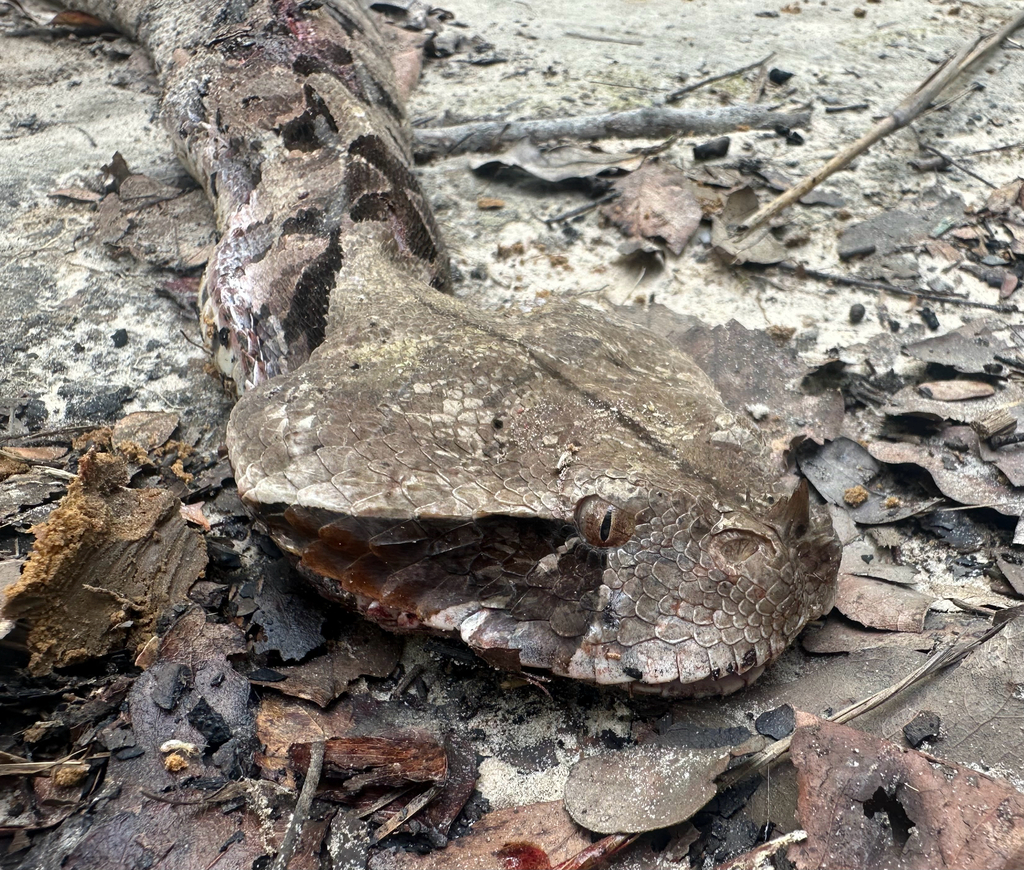
Snakes of Togo
Togo is a narrow country in West Africa stretching from the Gulf of Guinea coast in the south to the dry savanna of the north, and that vertical sweep across climate zones is the main reason its snake fauna is so varied. Our database records 75+ snake species for Togo, of which 25 are venomous. The great majority of species are non-venomous. The country packs coastal lagoons, the humid forest remnants and plateaus of the central region, the Atakora mountain chain, and open Sudanian savanna into a small area, and each of these habitats supports a different community of snakes.
Geography drives this diversity directly. The wetter south and the gallery forests along rivers favor moisture-loving species, climbing snakes, and amphibian and fish eaters, while the northern savanna favors burrowing snakes and species adapted to seasonal dry conditions. Elevation in the Atakora range and the patchwork of farmland, wetland, and remaining woodland create many edges and microhabitats. More habitat types in a small space means more niches, and more niches means more snake species coexisting across the country.
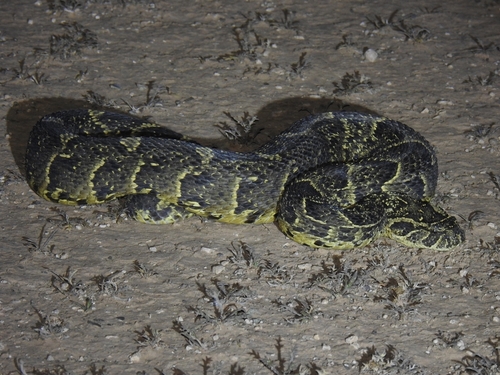
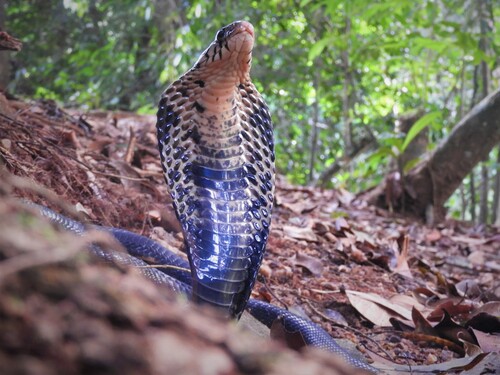
Several medically important venomous groups occur in Togo. Elapids are represented by African cobras, including spitting cobras whose venom can also cause eye injury, and by mambas, fast arboreal and terrestrial snakes whose bites are serious emergencies. Among vipers, the puff adder is widespread and is one of the most significant causes of serious snakebite across the region, and other African vipers including night adders and arboreal bush vipers are present. Burrowing asps, sometimes called mole vipers, are also part of the fauna and can deliver a venomous bite. There are no rattlesnakes, coral snakes, or pit vipers in Togo, as those groups belong to other parts of the world. True sea snakes are not established in the Atlantic, so the marine venomous-snake risk seen in the Indo-Pacific does not apply here.
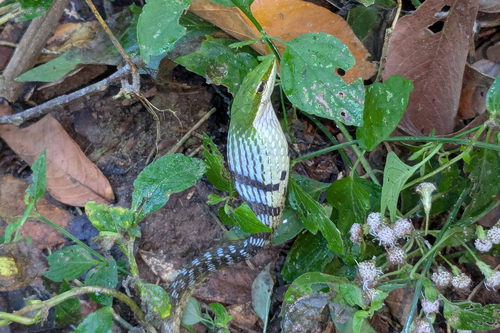
The non-venomous majority is what most people will actually encounter. Togo is home to many harmless species, including house snakes that hunt around buildings, sand and racer snakes of the open ground, water snakes and file snakes near rivers and wetlands, and a range of small burrowing blind and worm snakes that spend most of their lives underground. The most famous large snakes are the pythons, including the African rock python, one of the continent's largest snakes, and the smaller ball python, a heavily traded and culturally recognized species. These constrictors are non-venomous and kill prey by constriction rather than venom.
Snakes are valuable to the landscapes and communities of Togo. Rodent-eating species suppress rats and mice that damage stored grain, raid crops, and spread disease, providing natural pest control around farms, villages, and homes. Other snakes prey on insects, amphibians, fish, and even other snakes, helping keep these populations in balance. As both predators and prey for birds and mammals, snakes are woven into the food web, and removing them tends to bring more pests, not fewer problems.
On safety, the honest picture is reassuring but not careless. Most of Togo's snakes are harmless to people, and snakes generally avoid humans and bite only when cornered or handled. The main medical threat comes from the puff adder, cobras, and mambas, and a bite from any of these is a medical emergency. The treatment for a serious venomous bite is professional hospital care and antivenom, not anything done in the field, so the priority is to reach emergency medical services as fast as possible. Never attempt to handle, capture, or kill a wild snake, including ones you believe are harmless, because misidentification is easy and many bites happen during these attempts. In the United States, contact Poison Control at 1-800-222-1222; elsewhere, call your local emergency number.
Snakes in Togo: FAQ
- Are there venomous snakes in Togo?
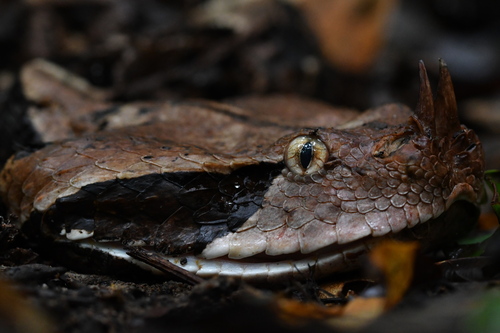
- Yes. 21 venomous snake species have verified records in Togo, including Gaboon Viper, African Saw-scaled Viper, Rhinoceros Viper, Spotted Night Adder. Most snakes in Togo, however, are harmless.
- How many snake species live in Togo?
- 75+ snake species have verified records in Togo, of which 21 are venomous.
- What is the most commonly seen snake in Togo?
- The Gaboon Viper is the most frequently reported snake in Togo, based on verified wildlife observations.
- What should I do if I see a venomous snake in Togo?
- Keep your distance and do not try to catch or kill it. Most bites happen when people handle or corner a snake. If someone is bitten, contact local emergency services or poison control immediately.
Venomous snakes in Togo
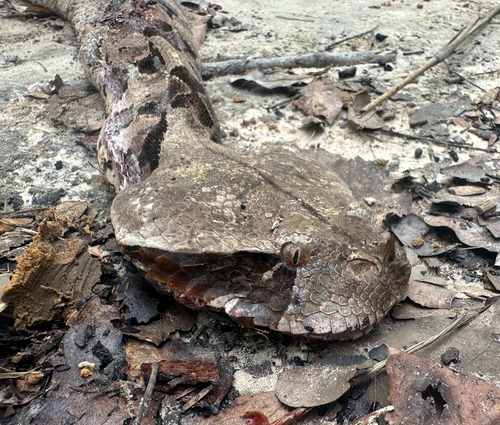
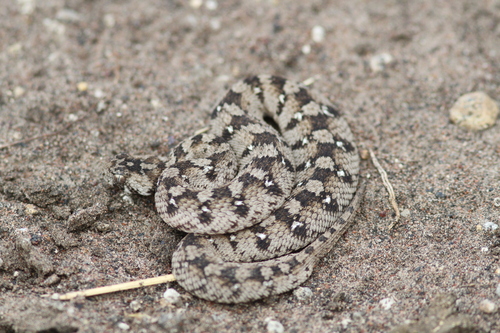
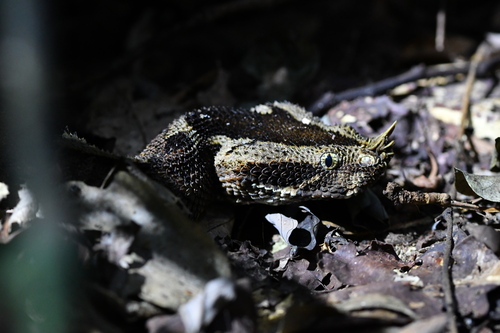
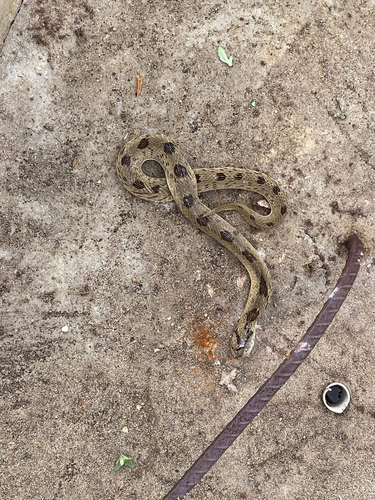
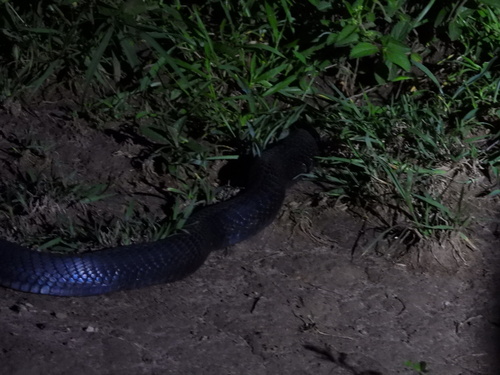
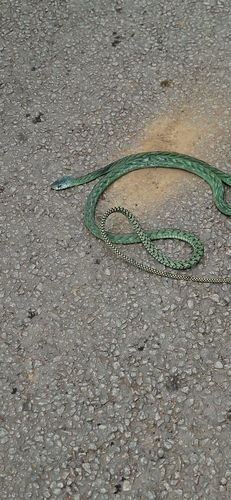
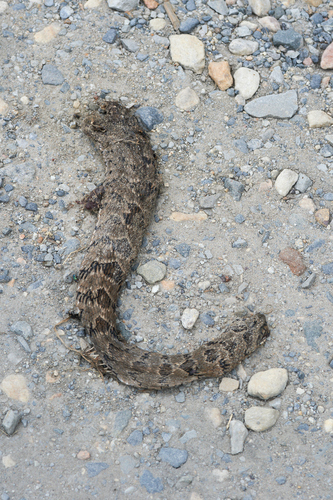
- No photo
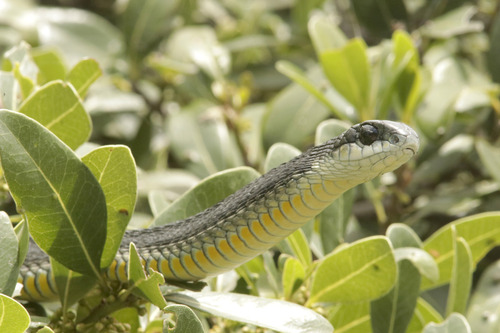
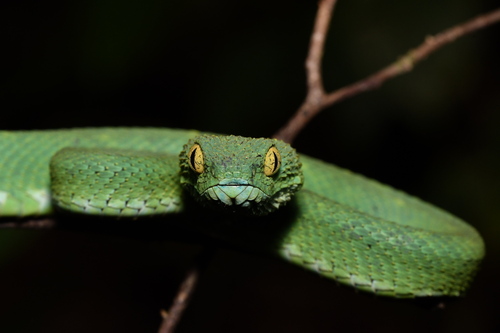

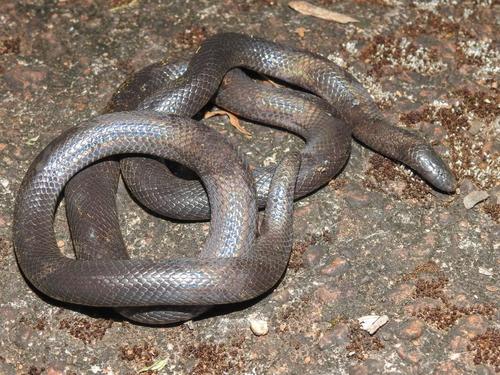
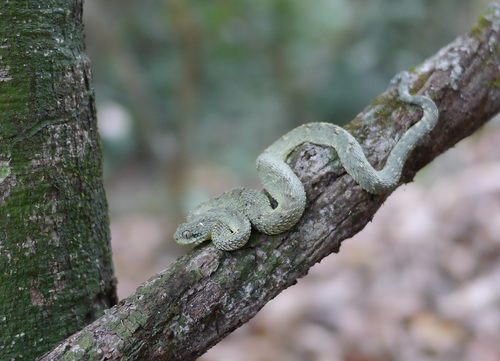
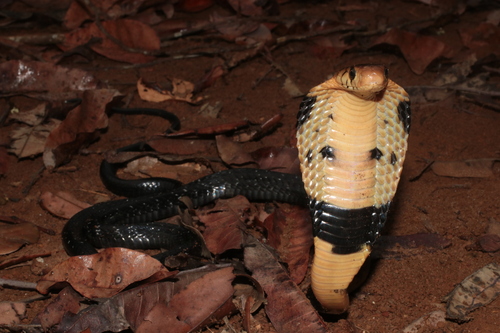
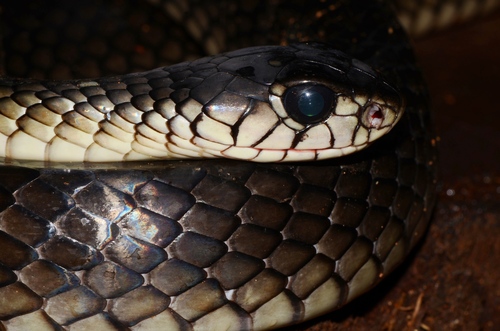
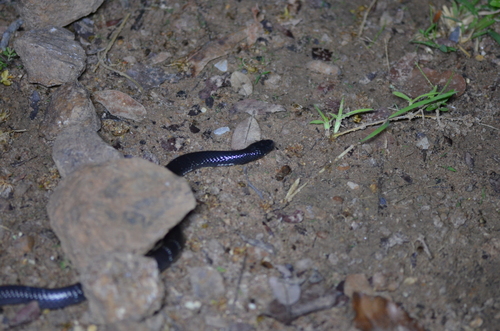
- No photo
Every snake recorded in Togo
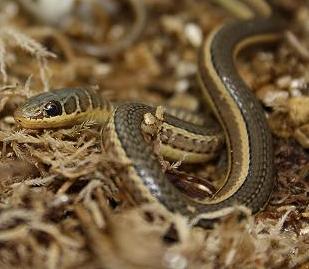
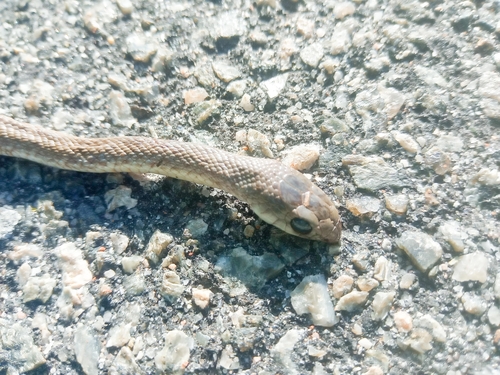
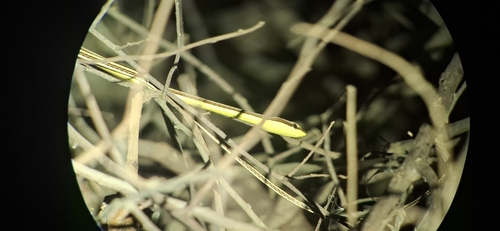
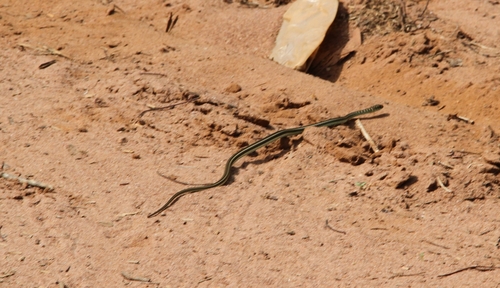
75+ species across 11 families, grouped by family. Venomous flagged.
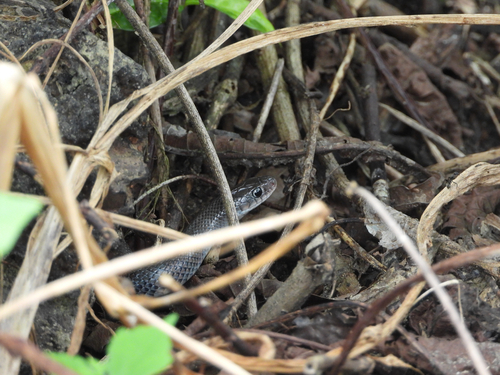
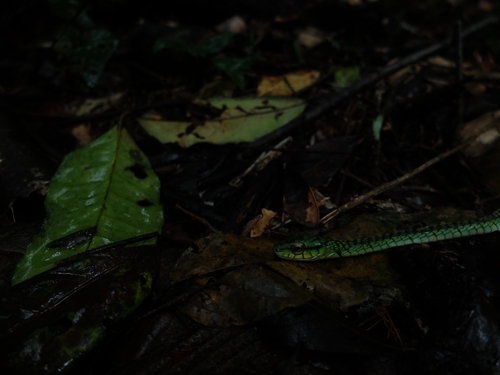
Colubridae (23)
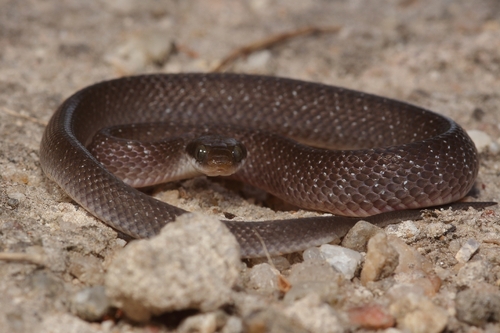
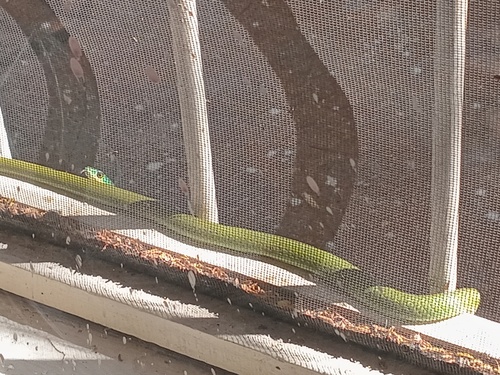
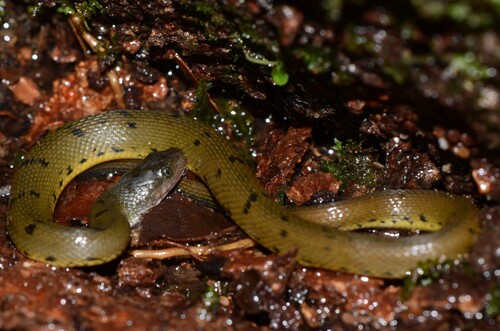
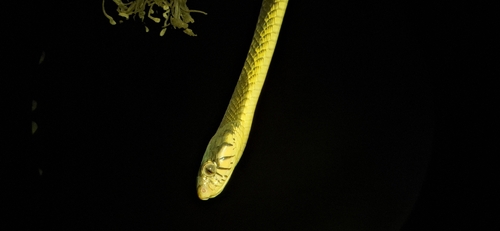
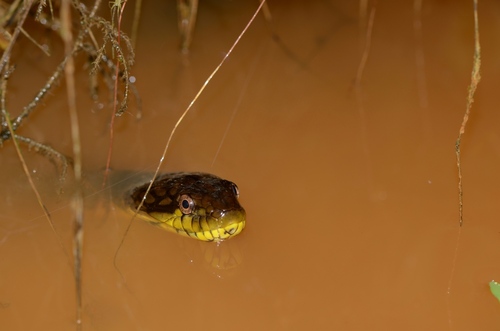
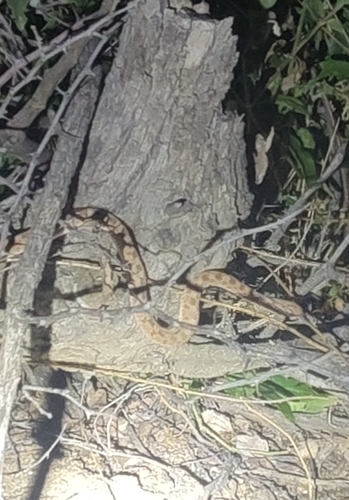
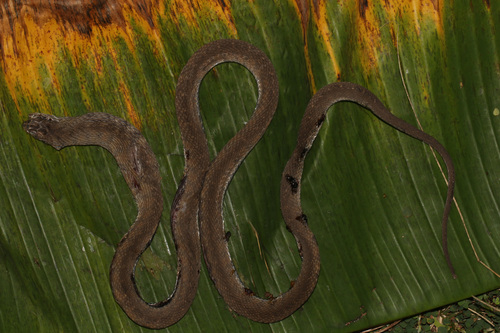

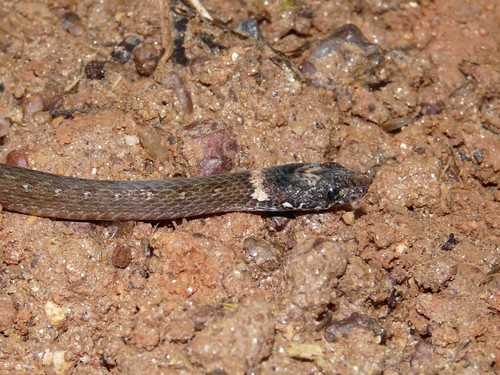
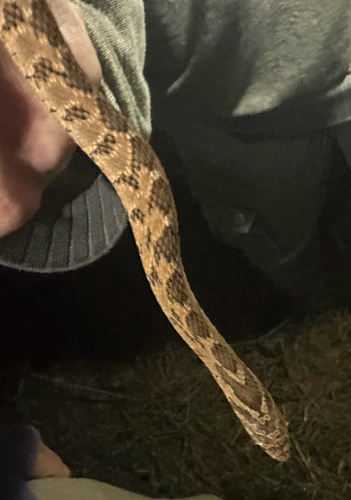
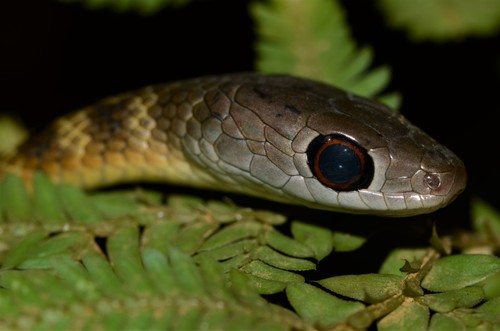
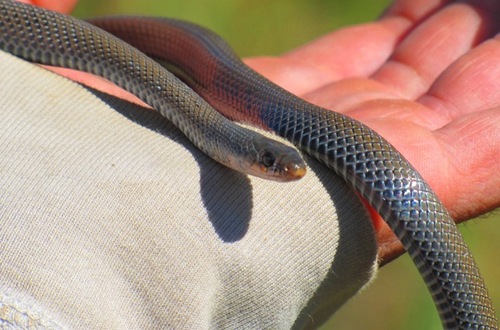
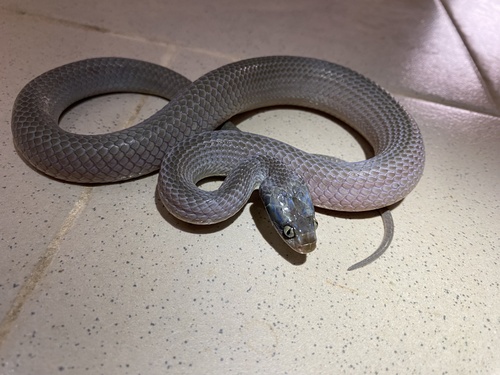
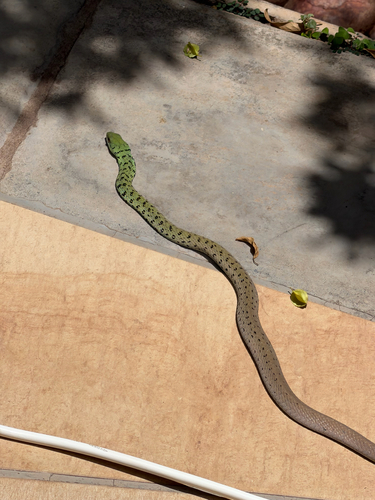
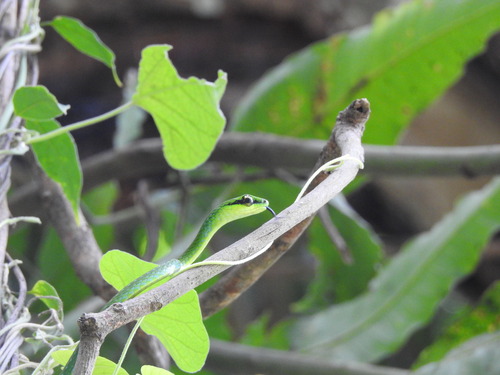
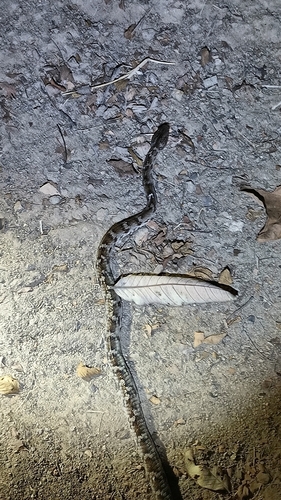
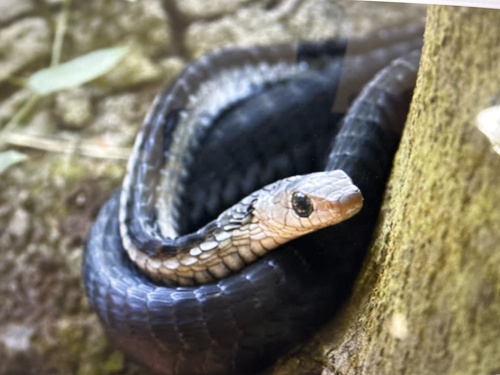
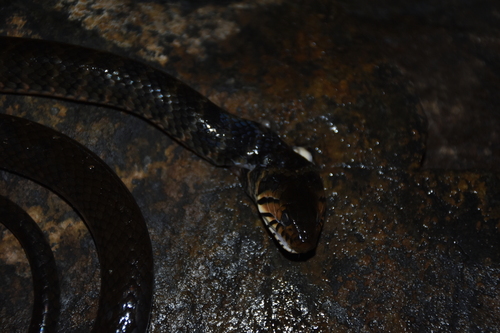
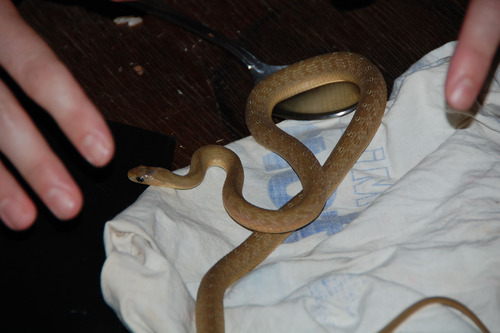
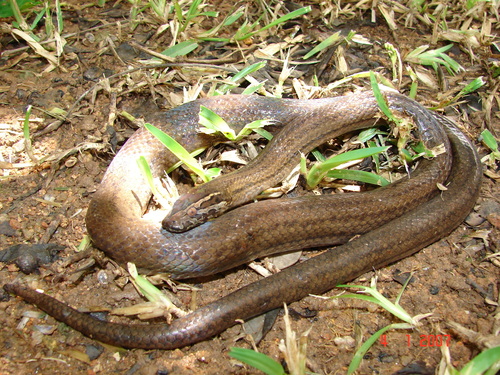
Lamprophiidae (12)
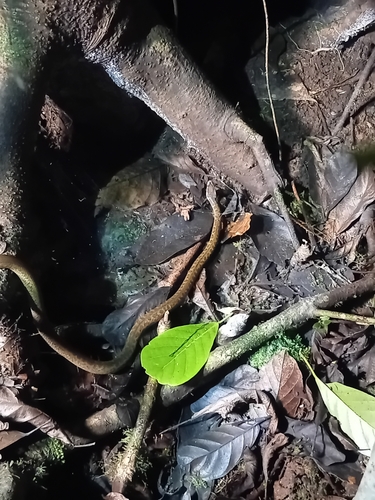
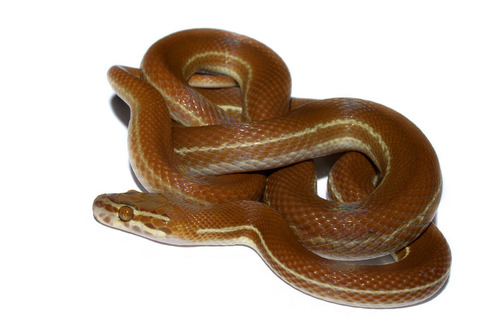
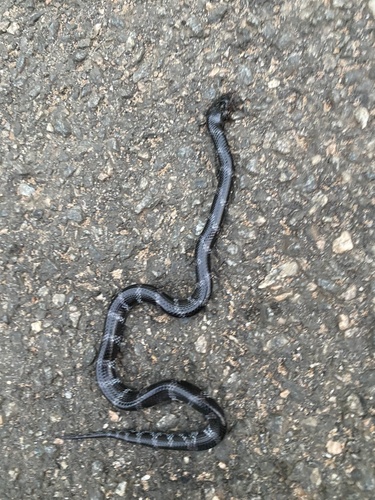
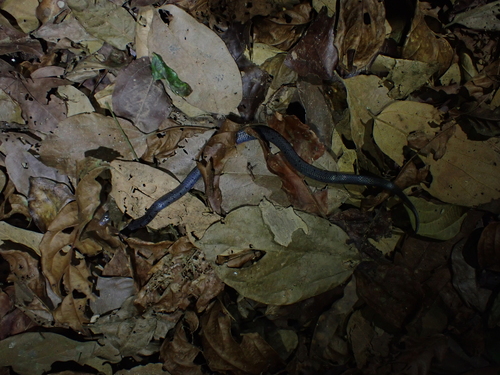
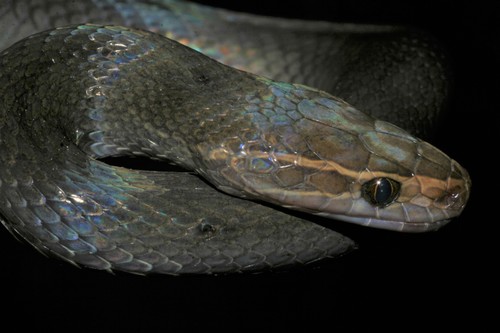
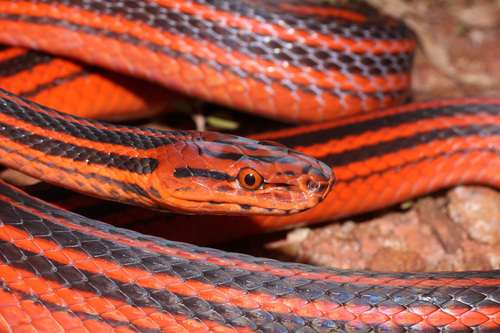
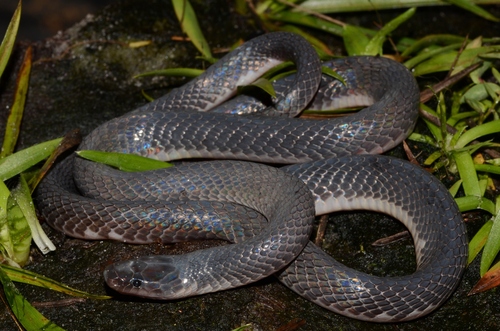
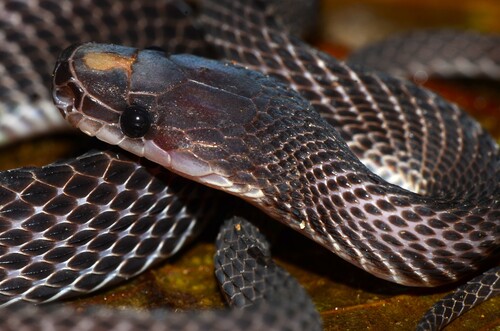
Viperidae (9)
Psammophiidae (8)
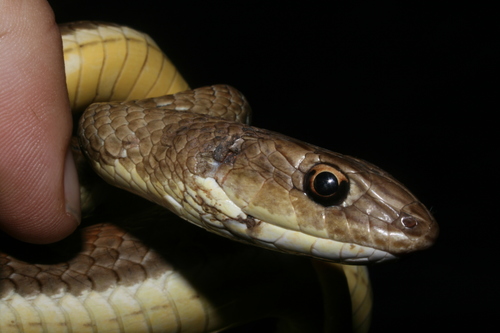
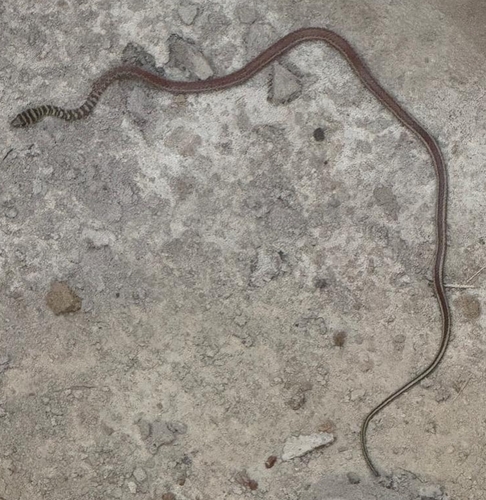
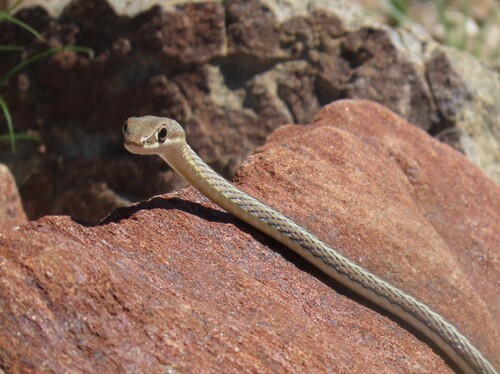
Atractaspididae (7)
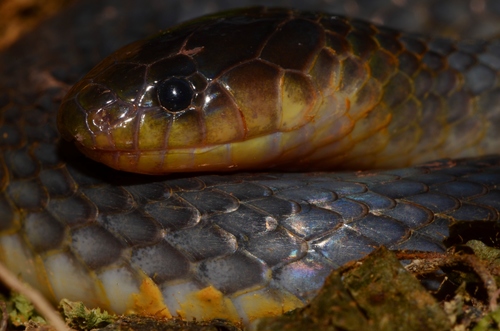

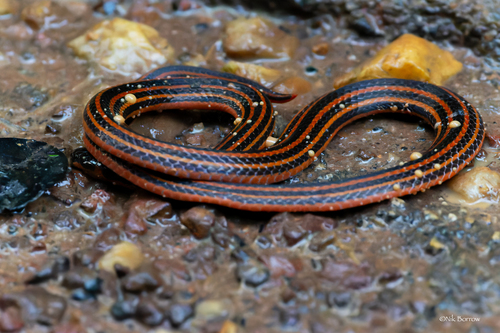
Elapidae (6)
Typhlopidae (3)
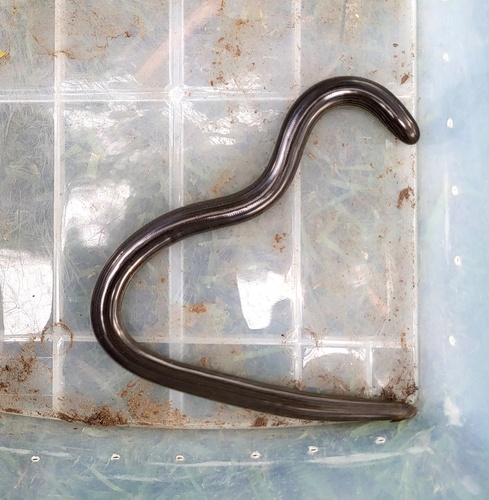
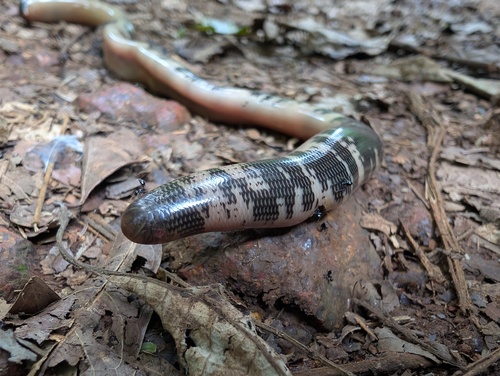

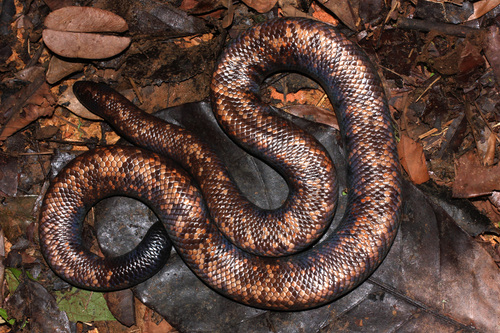
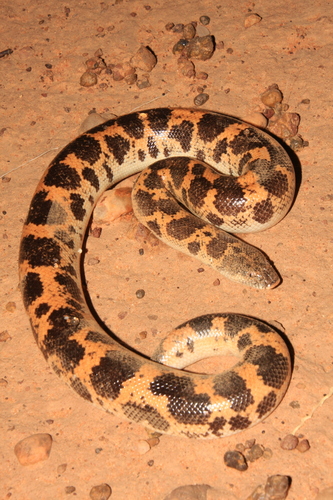
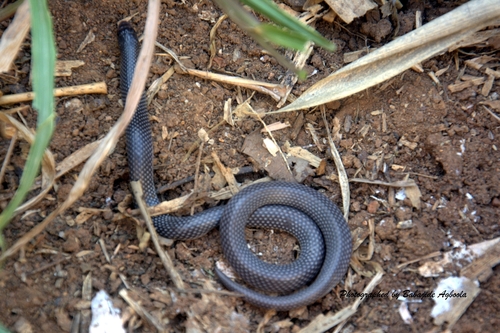
Leptotyphlopidae (2)
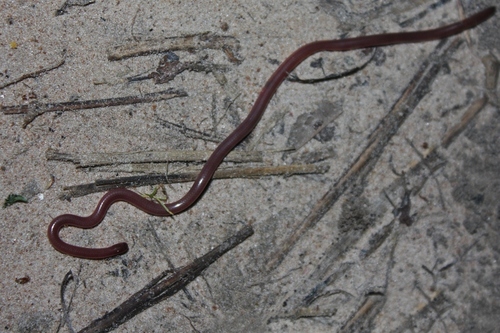
Pythonidae (1)
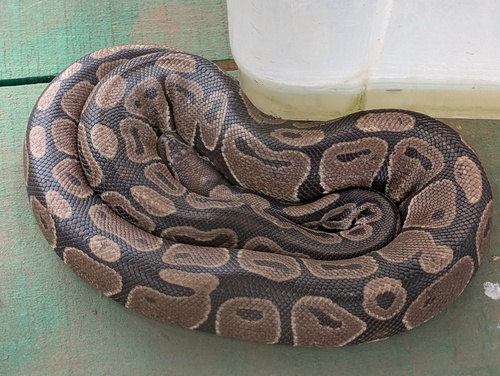
Compiled from verified GBIF & iNaturalist observations. "How often seen" reflects how frequently a snake is reported here, not how dangerous it is. Informational only.
Keep learning
- Are Snakes Dangerous? The Real Risk, in PerspectiveMost snakes are harmless and avoid people. Here is the honest picture of snakebite risk worldwide and how to lower your own.
- Snakebite First Aid: What to Do (and What Never to Do)A clear, CDC-based guide to snakebite first aid: the steps that help, the popular myths that hurt, and how to tell a serious bite from a minor one.
- Venomous vs Nonvenomous: How to Tell the DifferenceThe folk rules for telling venomous snakes apart, where each one fails, and why location-based identification beats guessing by sight.
- What to Do If You Find a SnakeFound a snake at home or on a trail? Here is how to stay calm, give it space, identify it safely, and know when to call a professional.