
Mozambique
Snakes in Mozambique
100+ snake species have been recorded in Mozambique, 28 venomous.
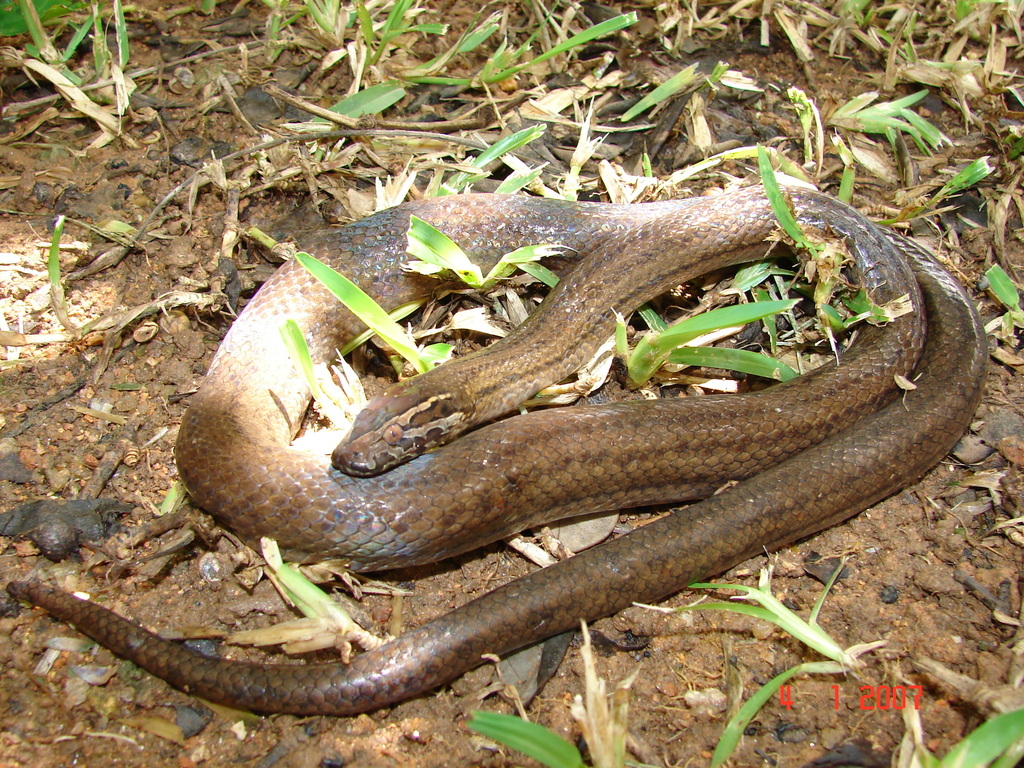
Snakes of Mozambique
Mozambique has 100+ snake species recorded in our database, 38 of them venomous. The great majority of species are non-venomous and pose no threat to people. The country sits along a long stretch of southeastern Africa, running from tropical lowlands in the north to subtropical coast and inland plateau in the south, and that range of conditions supports one of the richer snake faunas on the continent.
The diversity is driven by geography. Mozambique combines a warm, humid coastline on the Indian Ocean, the broad floodplains and wetlands of the Zambezi and other rivers, dry savanna and miombo woodland inland, and rocky highlands along its western borders. Each of these habitats supports different snakes, from burrowing and leaf litter species in moist forest to fast diurnal hunters in open grassland and water associated species in the river systems. The mix of tropical and subtropical zones across the country means species from both warmer and cooler ranges overlap here.
Several medically important venomous groups occur in Mozambique. Elapids are well represented and include cobras and mambas. The black mamba and green mambas are present, along with several cobra species, including spitting cobras that can project venom toward the eyes. The country also gives its name to the Mozambique spitting cobra, one of the more frequently encountered venomous snakes in the region. Among vipers, the puff adder is widespread and is a leading cause of serious bites across its African range, and the night adders and other adders are also found here. The boomslang and the vine or twig snakes are rear fanged colubrids whose venom can be dangerous as well. These elapid and viper groups account for the bites that need urgent medical attention.
The large non-venomous majority is what most people actually encounter. African rock pythons are the country's giants and are non-venomous constrictors. Many house snakes, sand snakes, egg eaters, file snakes, and a wide range of harmless colubrids live across Mozambique's habitats. These snakes kill prey by constriction or simply by seizing it, and the vast majority of snakes a person sees, in a garden, near water, or in the bush, belong to this harmless group rather than to the dangerous one.
Snakes play a real ecological role here. By preying on rodents and other small animals, they help control pests that damage stored grain and crops and that carry disease. A healthy snake population is part of a balanced landscape, and removing snakes often means more rodents, not fewer problems. Even the venomous species contribute to this balance and are best left undisturbed in the wild.
On safety, the honest framing is that most snakes in Mozambique are harmless, but the country does have dangerous species, with the puff adder and the cobras and mambas being the main medical threats. A venomous bite is a medical emergency. The treatment is hospital care and antivenom delivered by trained medical staff, not anything done in the field. Never attempt to handle, catch, or kill a wild snake, venomous or not, since most bites happen when people try to interact with them. If a bite occurs, get the person to emergency medical care as quickly as possible. In the United States contact Poison Control at 1-800-222-1222, and elsewhere call local emergency services.
Snakes in Mozambique: FAQ
- Are there venomous snakes in Mozambique?
- Yes. 28 venomous snake species have verified records in Mozambique, including Puff Adder, Brown Banded Cobra, Snouted Night Adder, Boomslang. Most snakes in Mozambique, however, are harmless.
- How many snake species live in Mozambique?
- 100+ snake species have verified records in Mozambique, of which 28 are venomous.
- What is the most commonly seen snake in Mozambique?
- The Seychelles House Snake is the most frequently reported snake in Mozambique, based on verified wildlife observations.
- What should I do if I see a venomous snake in Mozambique?
- Keep your distance and do not try to catch or kill it. Most bites happen when people handle or corner a snake. If someone is bitten, contact local emergency services or poison control immediately.
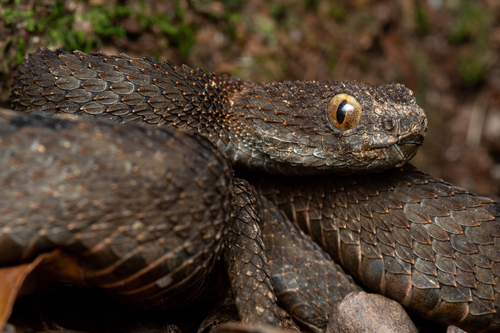
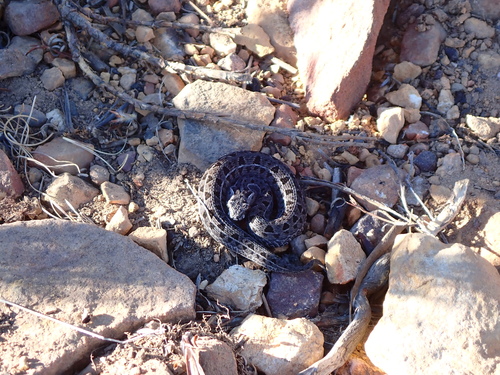
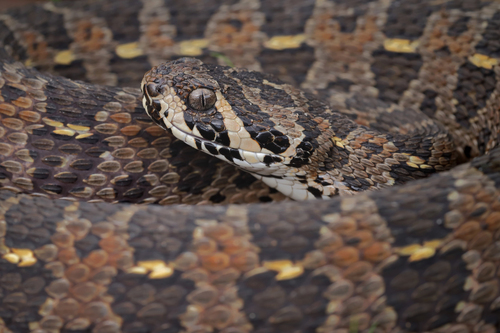
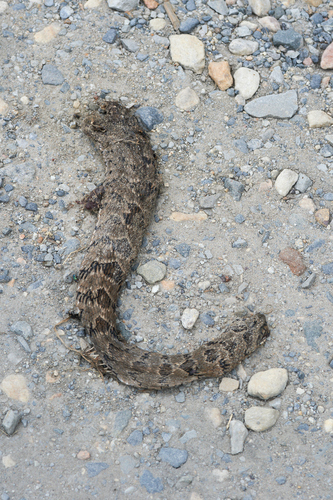
Venomous snakes in Mozambique
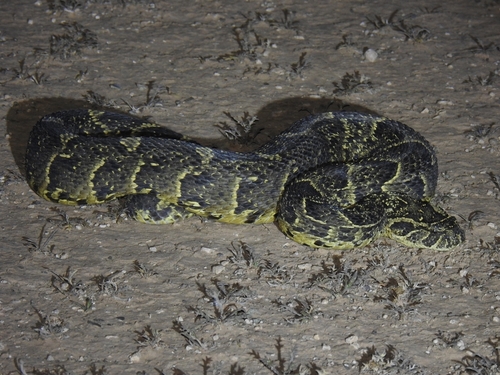
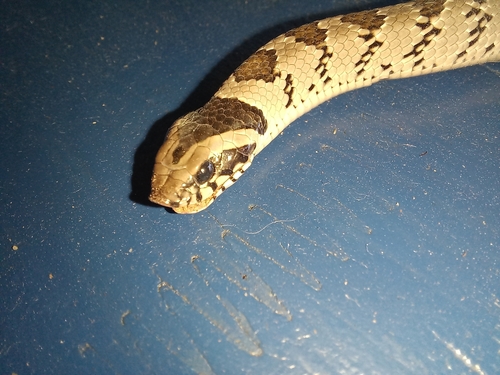
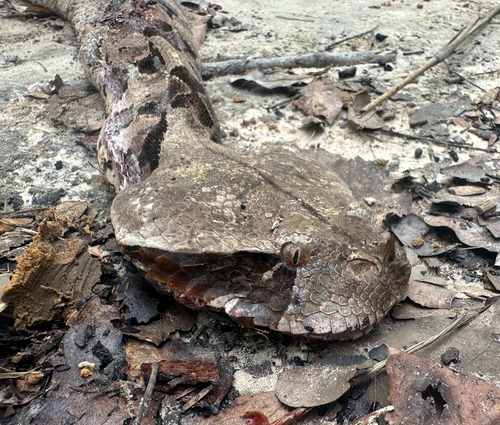
Every snake recorded in Mozambique
100+ species across 12 families, grouped by family. Venomous flagged.
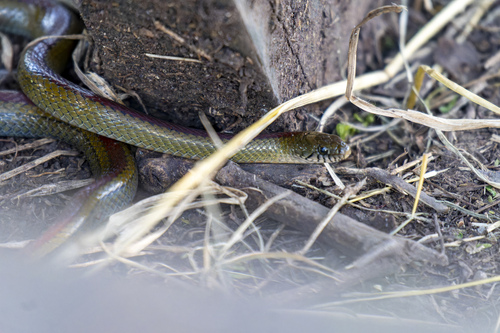
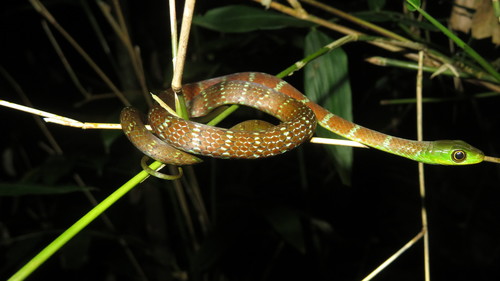
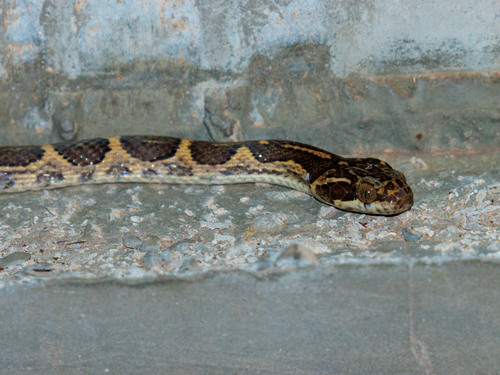
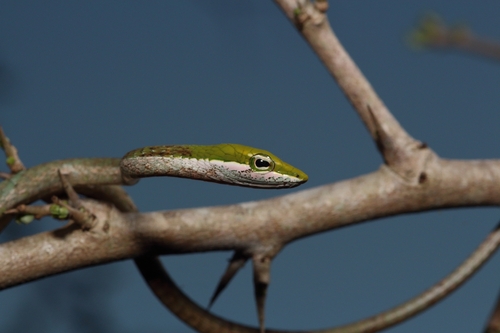
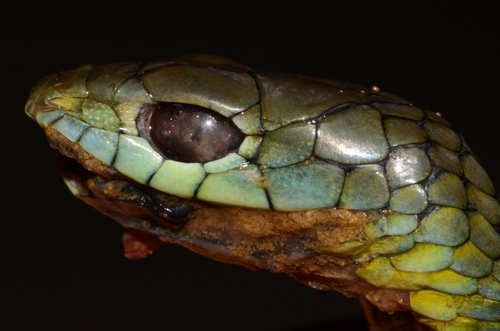
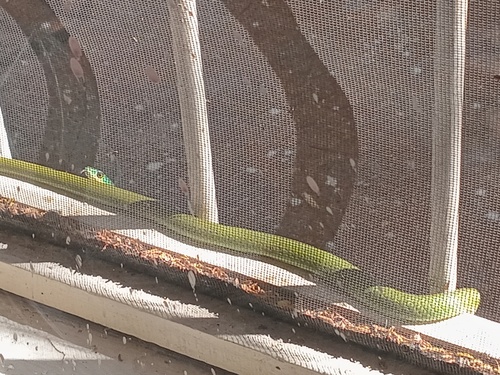
Colubridae (22)
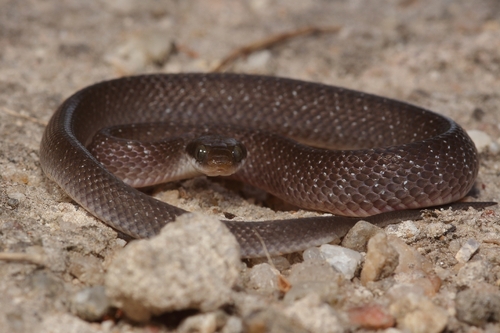
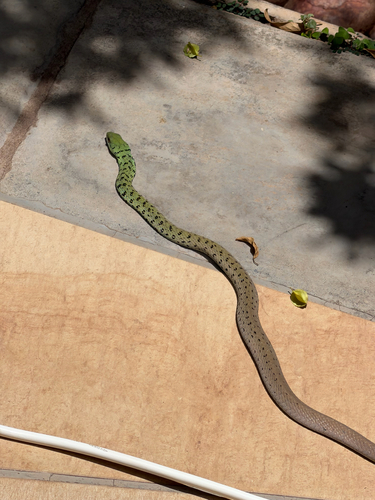
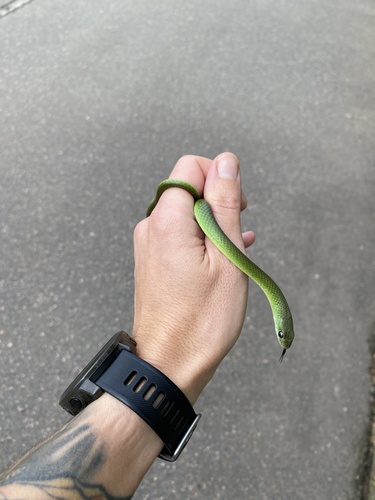
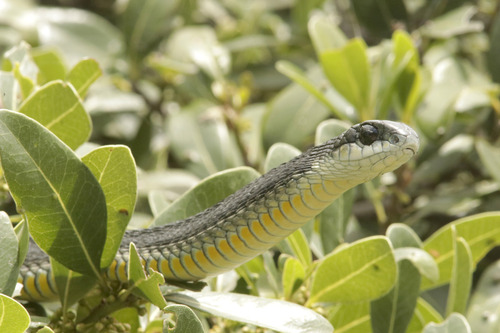
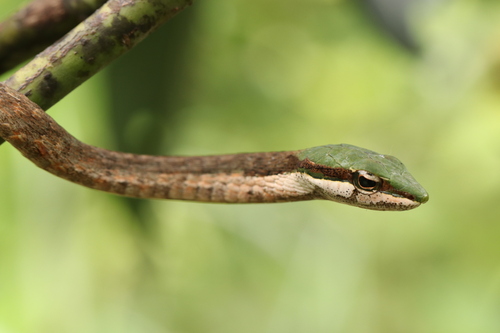
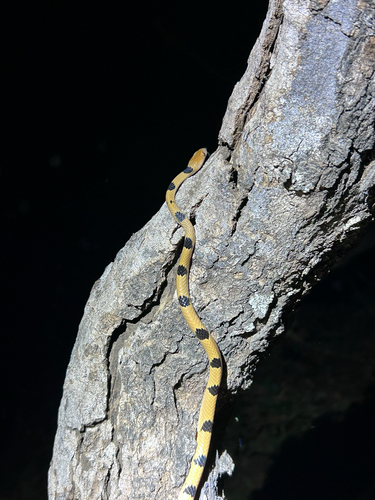
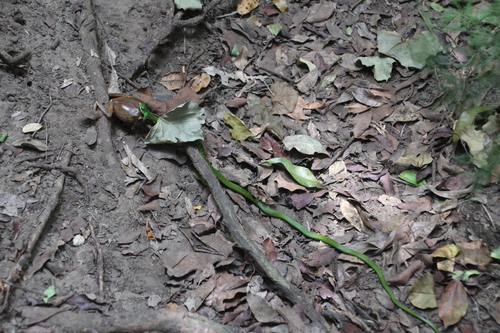
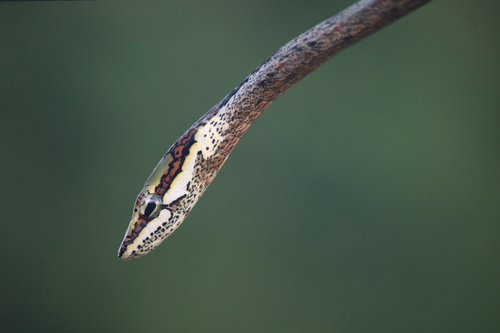
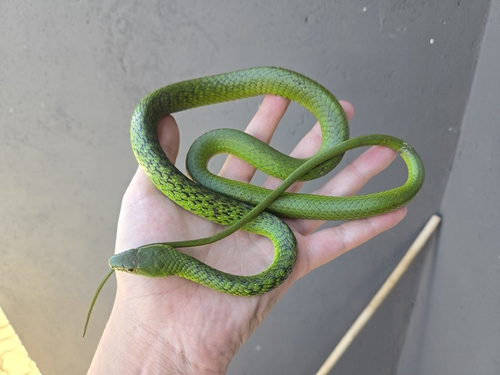
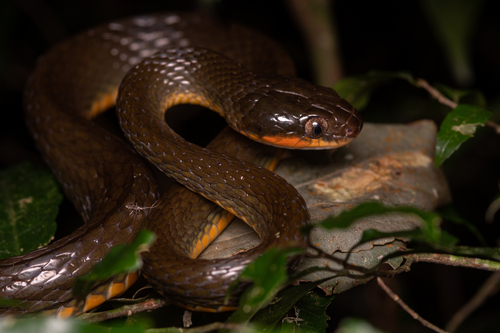
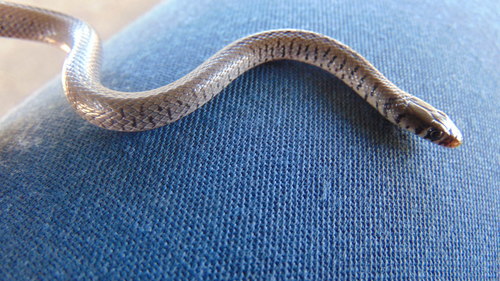
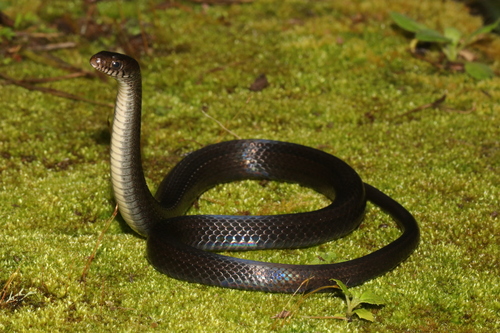
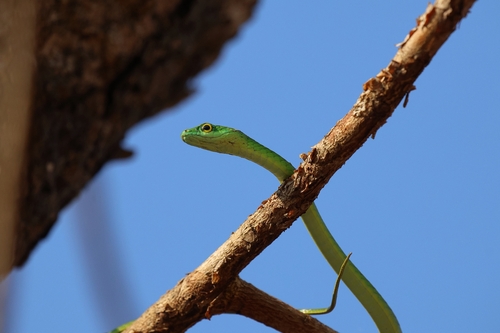
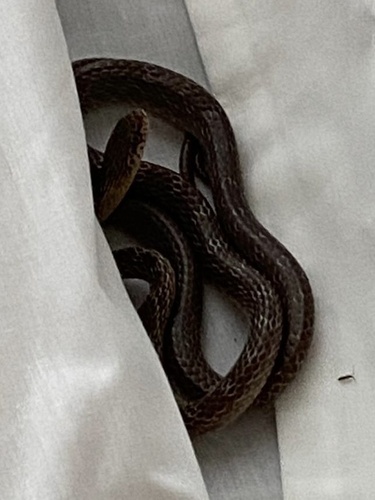
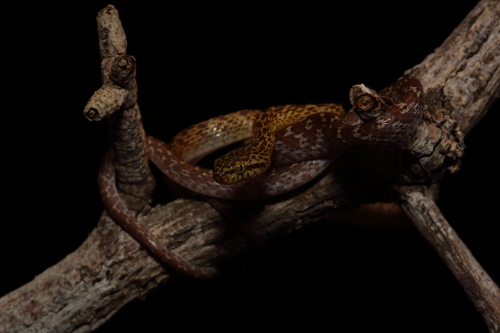
Elapidae (16)
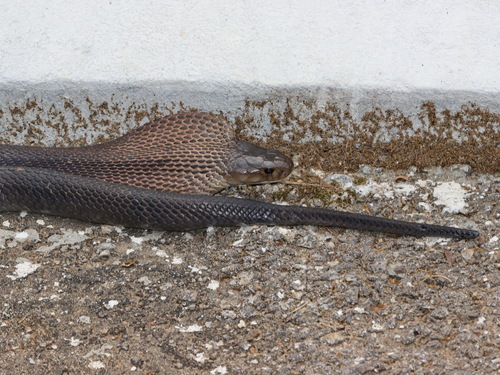
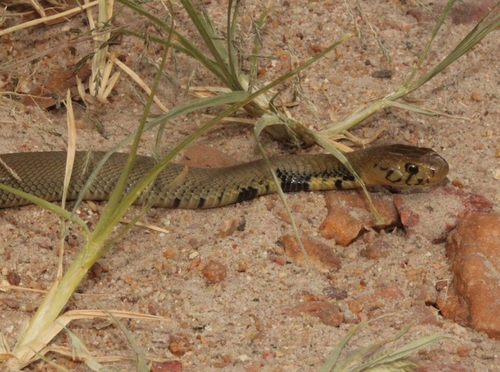
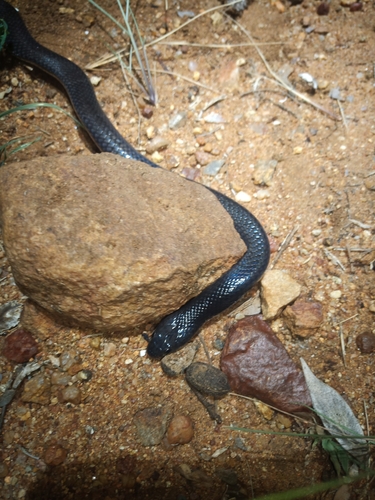
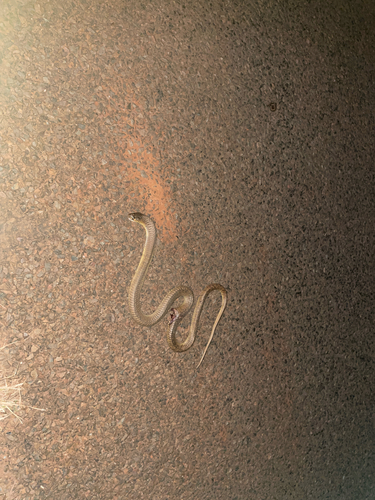
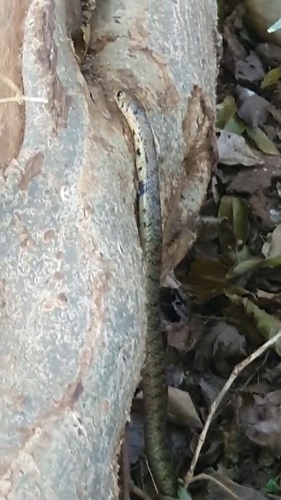
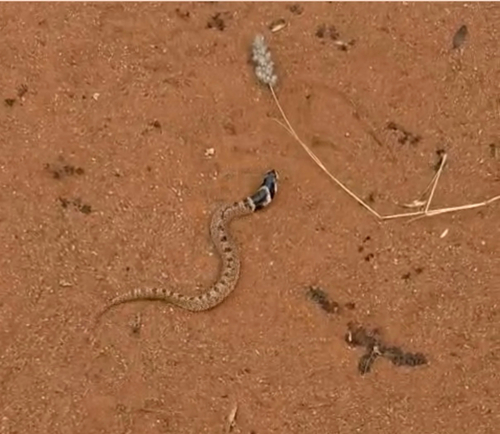
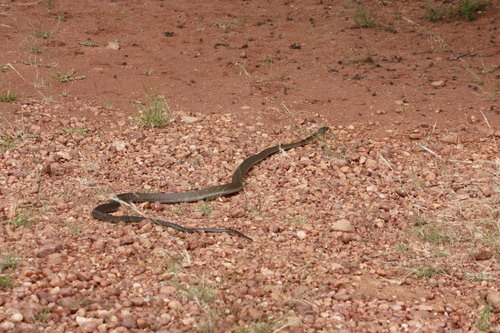
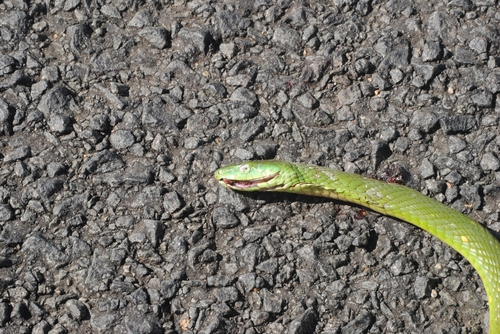
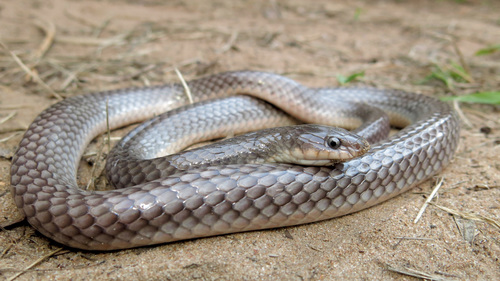
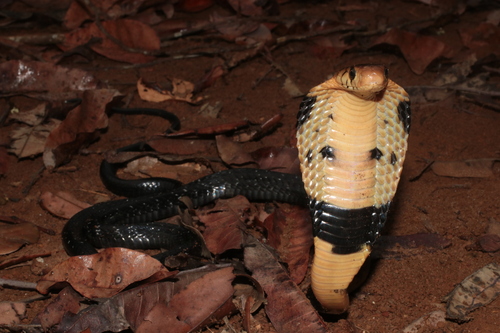
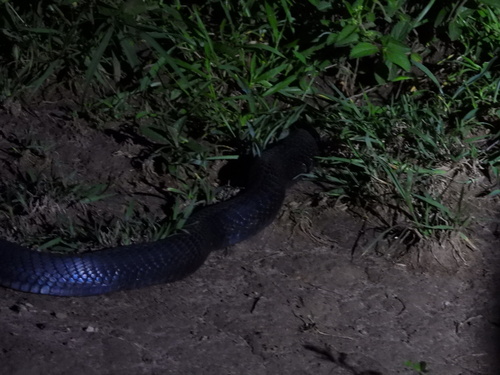
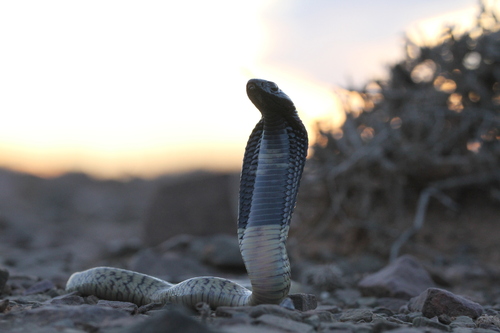
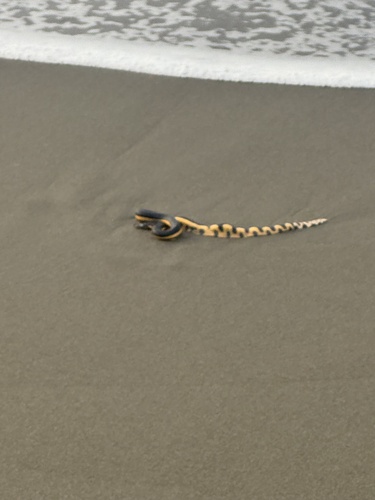
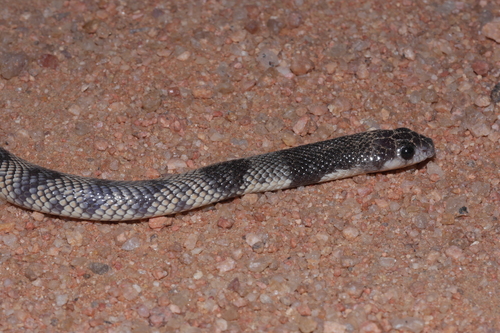
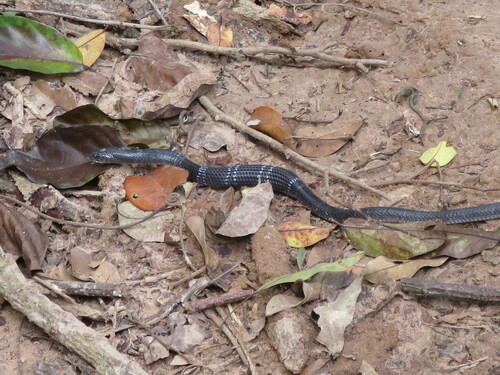
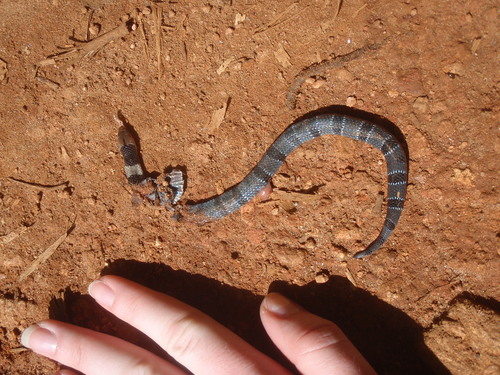
Lamprophiidae (15)
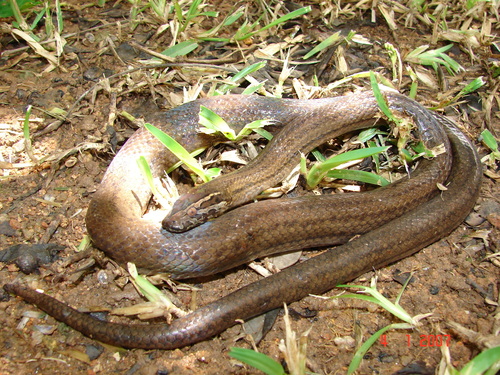
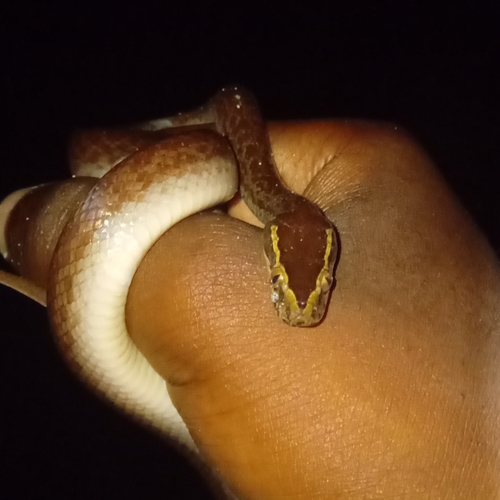
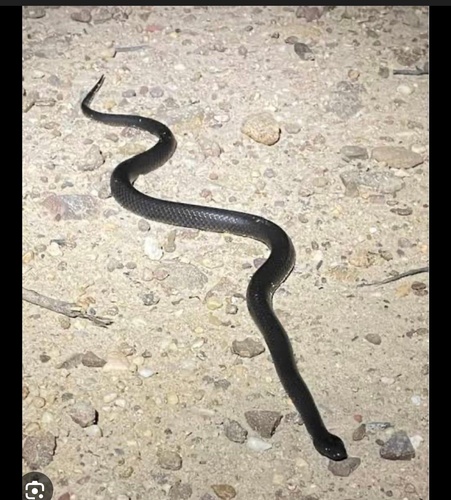
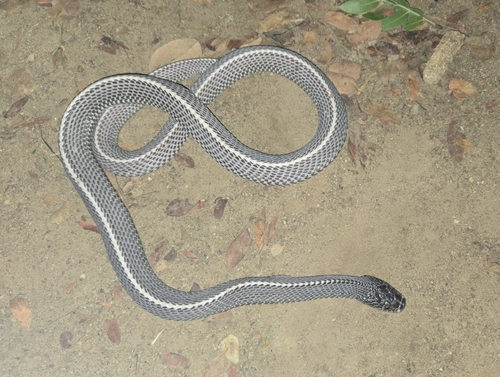
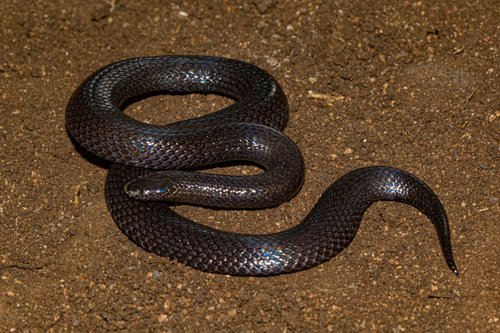
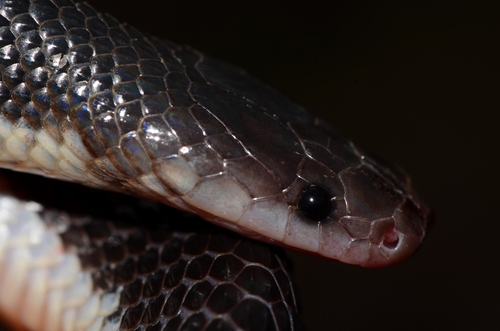
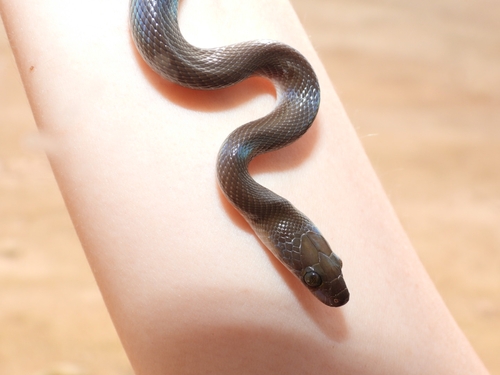
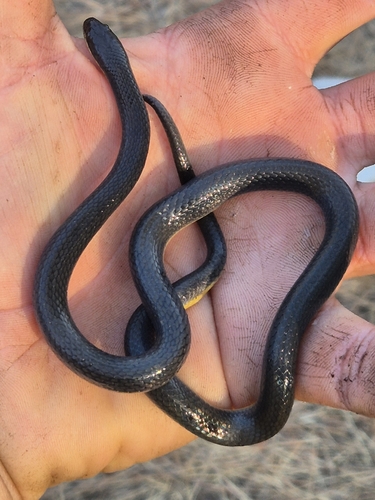
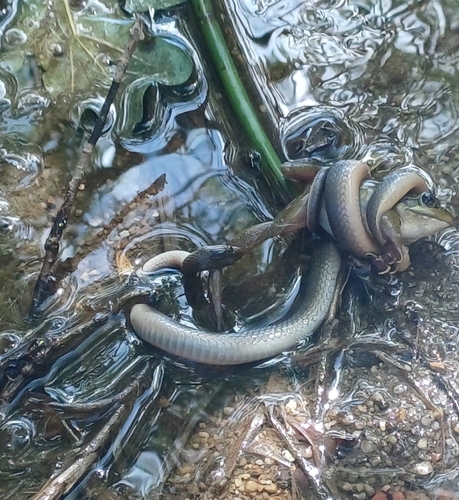
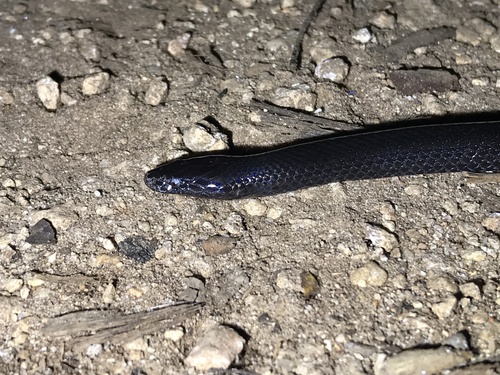
Psammophiidae (11)
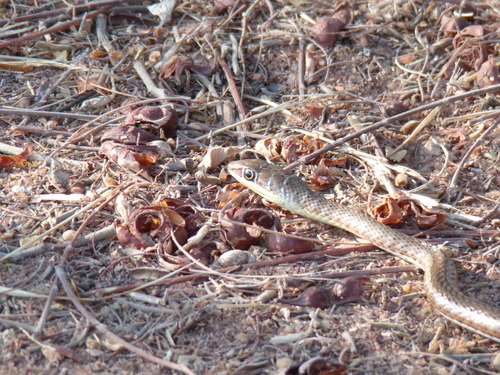
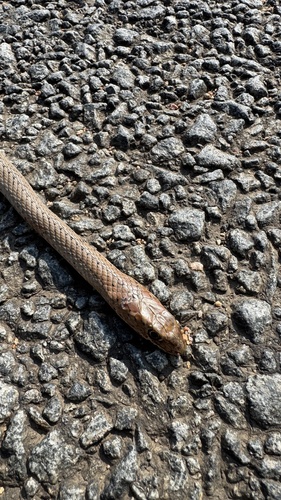
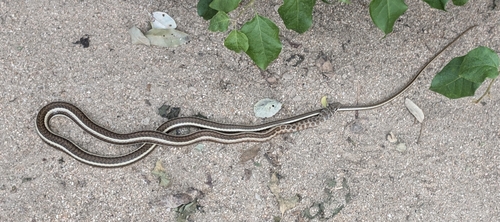
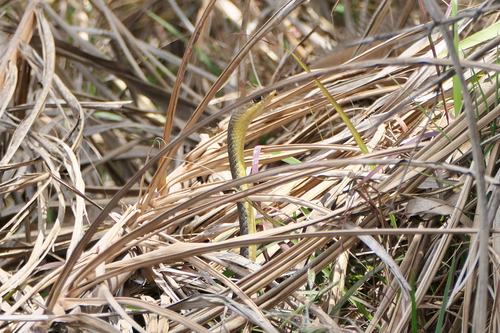
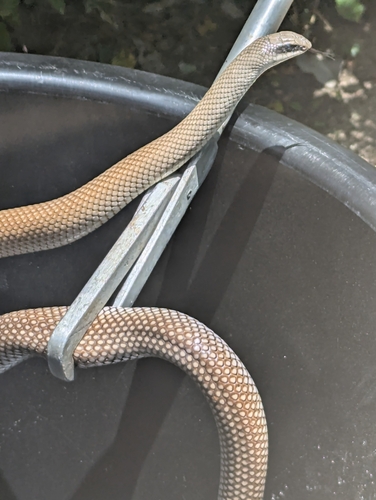
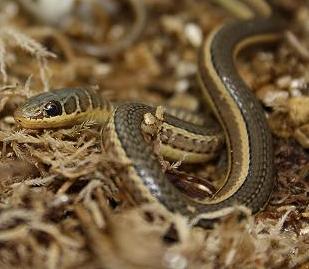
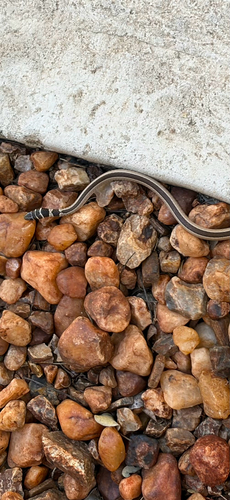
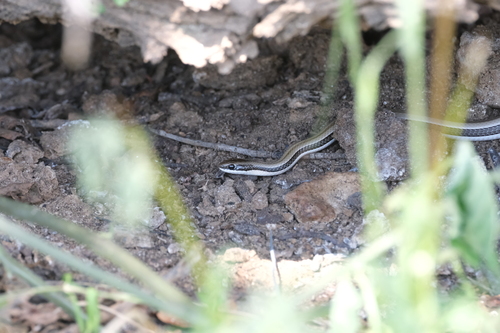
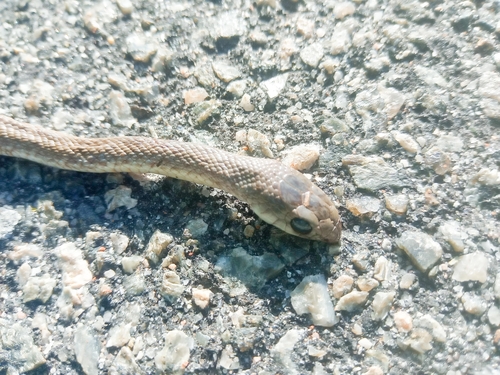
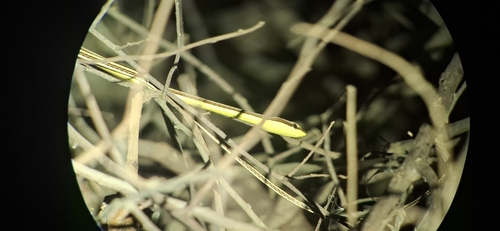
Atractaspididae (10)
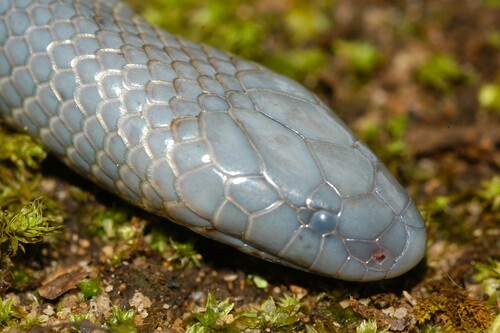
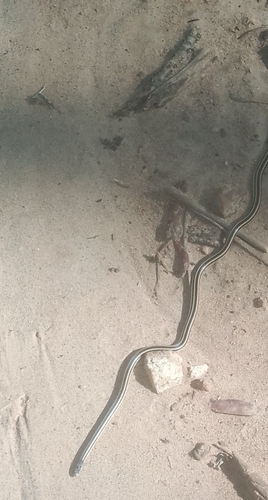
Viperidae (7)
Typhlopidae (7)
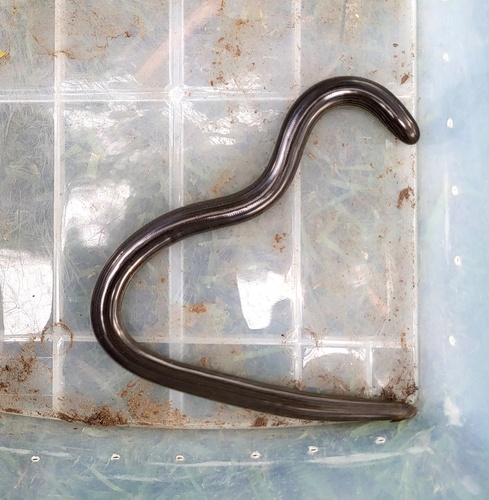
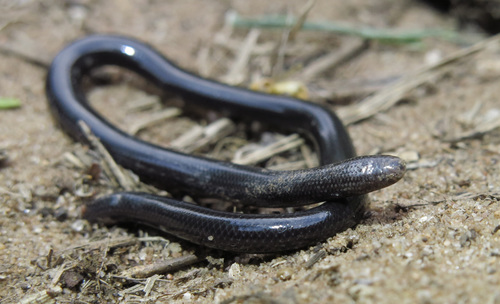
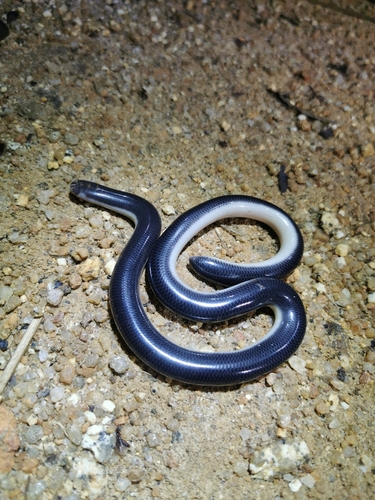
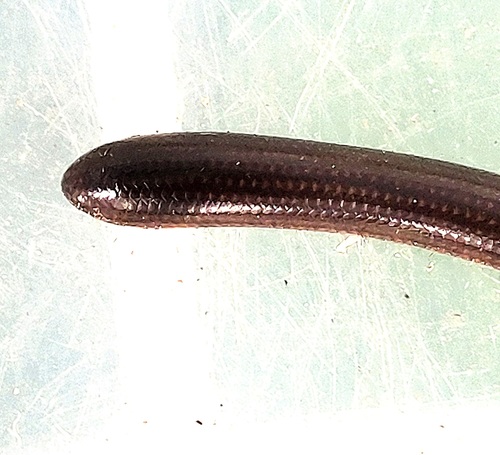
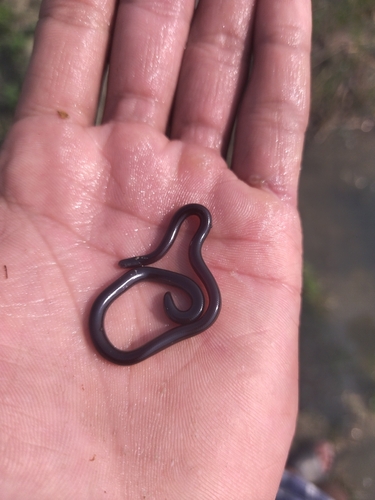
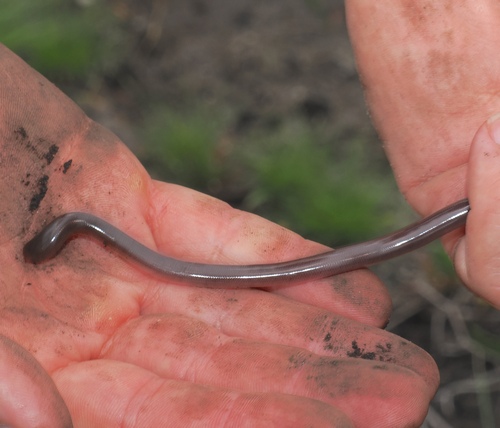
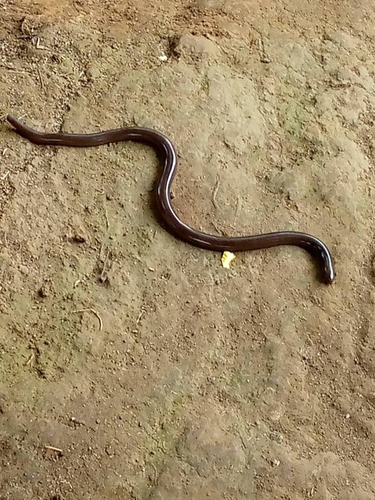
Prosymnidae (6)
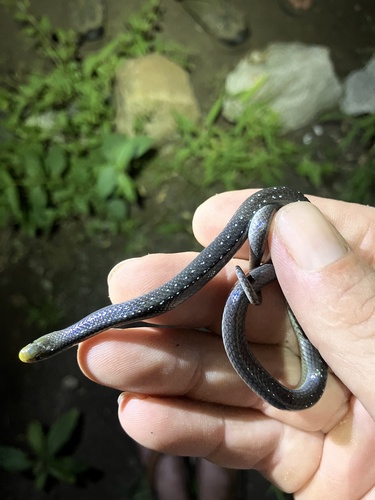
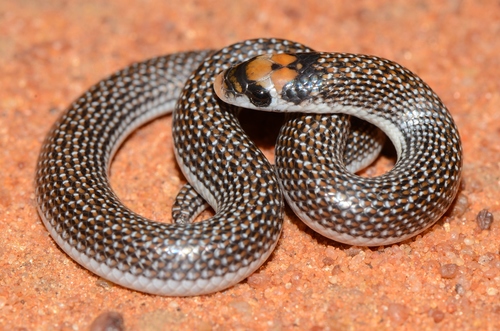
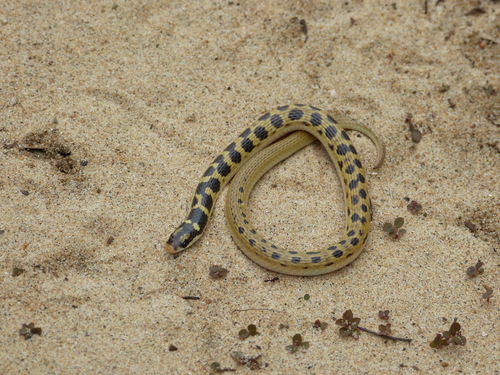
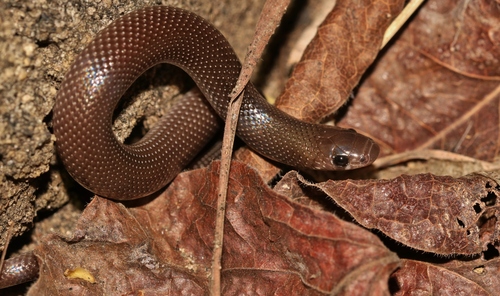
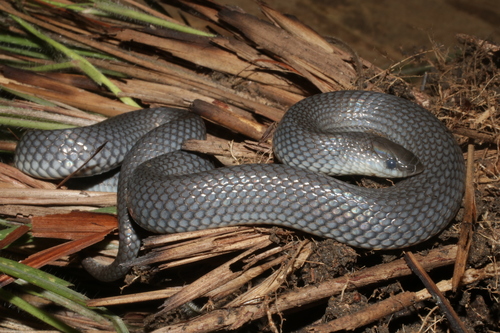
Leptotyphlopidae (5)
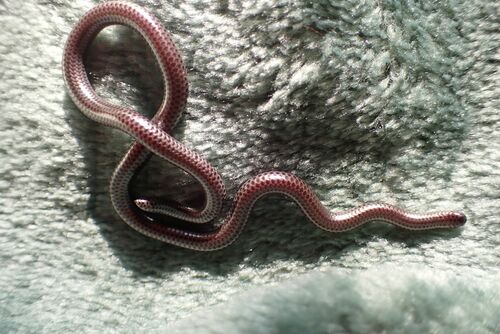
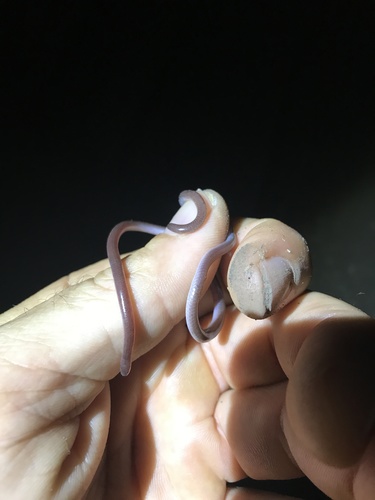
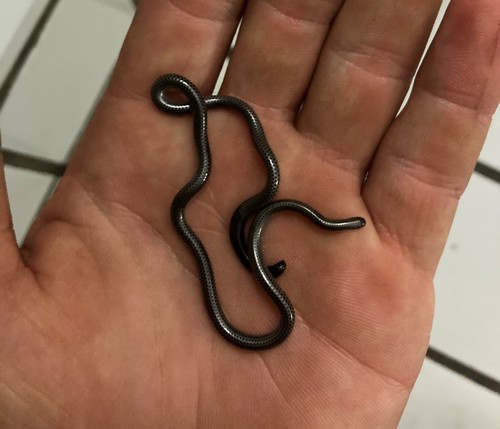
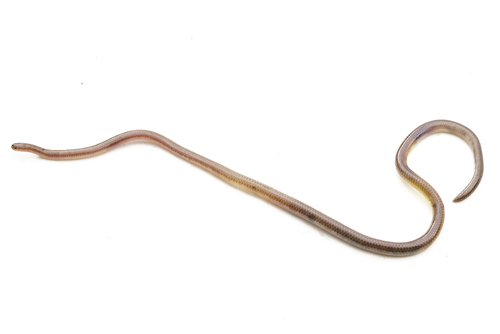
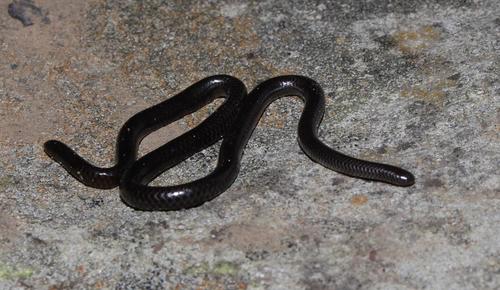
Pseudoxyrhophiidae (3)
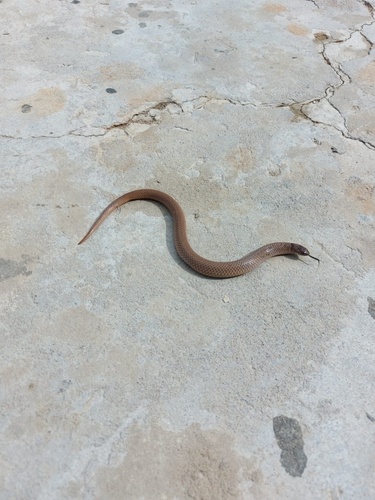
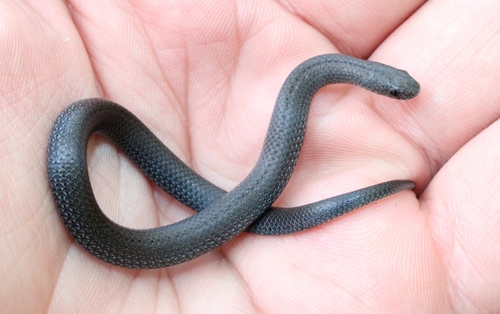
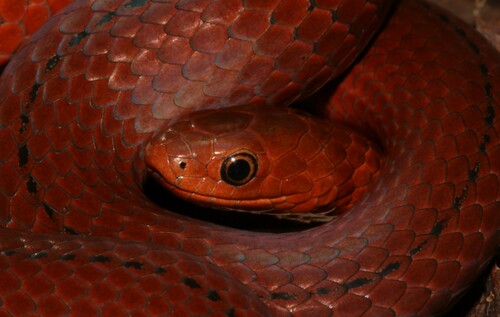
Pythonidae (1)
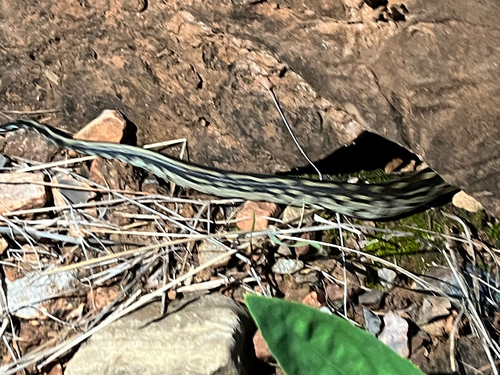
Pseudaspididae (1)
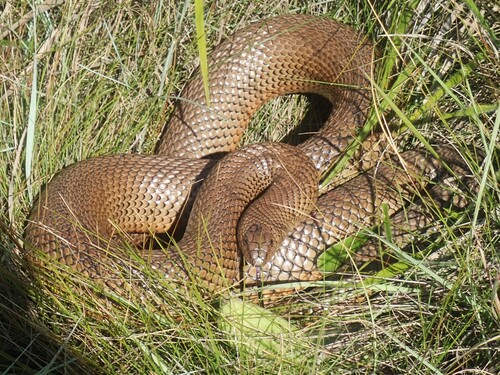
Compiled from verified GBIF & iNaturalist observations. "How often seen" reflects how frequently a snake is reported here, not how dangerous it is. Informational only.
Keep learning
- Are Snakes Dangerous? The Real Risk, in PerspectiveMost snakes are harmless and avoid people. Here is the honest picture of snakebite risk worldwide and how to lower your own.
- Snakebite First Aid: What to Do (and What Never to Do)A clear, CDC-based guide to snakebite first aid: the steps that help, the popular myths that hurt, and how to tell a serious bite from a minor one.
- Venomous vs Nonvenomous: How to Tell the DifferenceThe folk rules for telling venomous snakes apart, where each one fails, and why location-based identification beats guessing by sight.
- What to Do If You Find a SnakeFound a snake at home or on a trail? Here is how to stay calm, give it space, identify it safely, and know when to call a professional.