
Egypt
Snakes in Egypt
50+ snake species have been recorded in Egypt, 16 venomous.
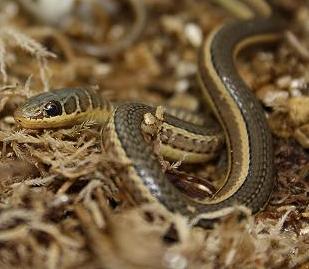
Snakes of Egypt
Egypt records 50+ snake species in our data, 62 in total, of which 20 are venomous. That is a modest tally compared to wetter, more vegetated countries, and the reason is written across the map: most of Egypt is desert. The vast Sahara dominates the west and the interior, a landscape of sand seas, gravel plains, and rocky plateaus where extreme heat, scarce water, and sparse vegetation set a hard limit on how many species can survive. Snake life here is not abundant so much as it is specialized, shaped by the few corridors and edges where conditions ease enough for reptiles to thrive.
The country's geography concentrates that life into a handful of distinct zones. The Nile Valley and Delta form a narrow green ribbon running the length of an otherwise arid land, and this strip of farmland, reeds, and irrigation channels supports far more reptile activity than the surrounding desert ever could. To the east, the Sinai Peninsula adds rugged mountains and wadis with their own assemblage of species, while the Red Sea coast brings a marine dimension entirely absent inland. Each of these settings selects for different adaptations, from snakes that burrow to escape the midday heat to species at home in water rather than on sand.
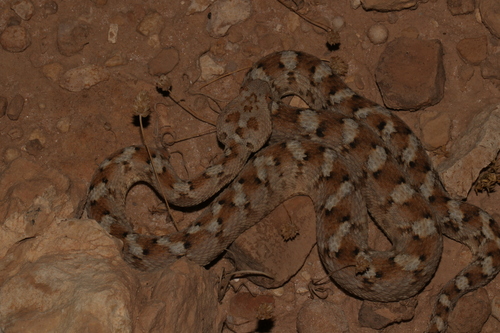
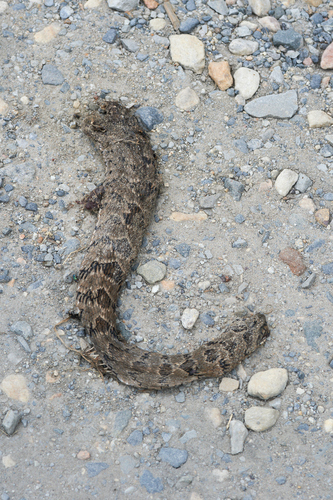
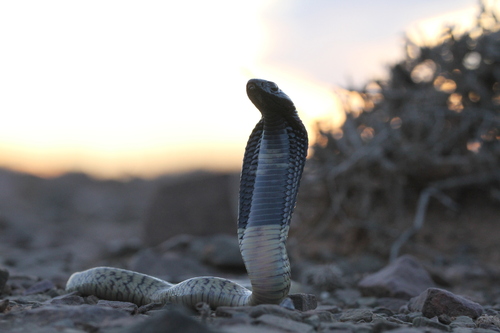
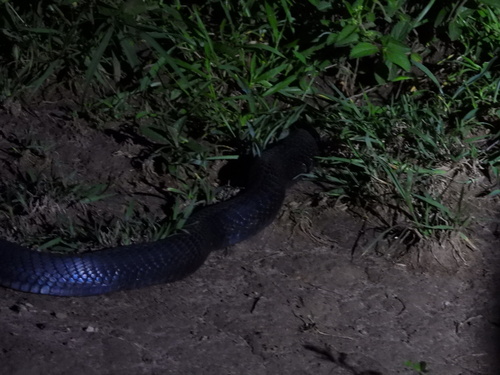
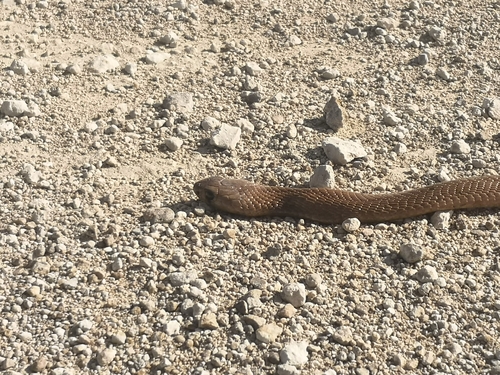
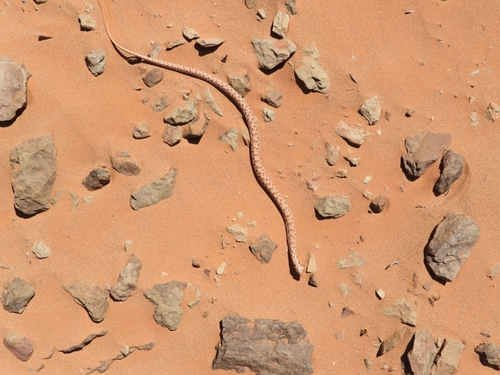
Egypt's venomous snakes are few in number but include some of the most storied in the world. The Egyptian cobra, Naja haje, is the most famous, a large and capable elapid woven deeply into the country's history and widely identified as the asp tied to the legend of Cleopatra. Other cobra species share the region. Among the vipers, the desert horned viper, Cerastes cerastes, is unmistakable: it often bears a small hornlike scale above each eye and moves across loose sand by sidewinding, a looping gait that minimizes contact with scorching ground. The saw-scaled viper, Echis, is smaller but medically significant, named for the rasping sound it makes by rubbing its rough scales together. Offshore, true sea snakes inhabit the warm waters of the Red Sea, venomous but rarely encountered by people on land.
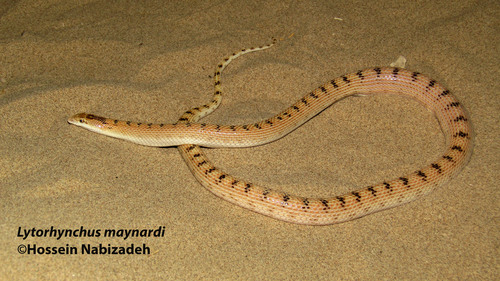
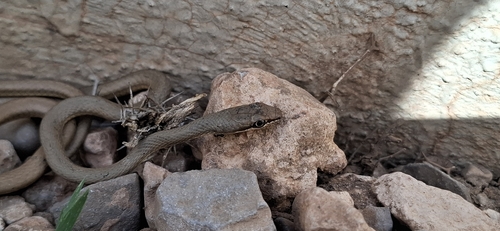
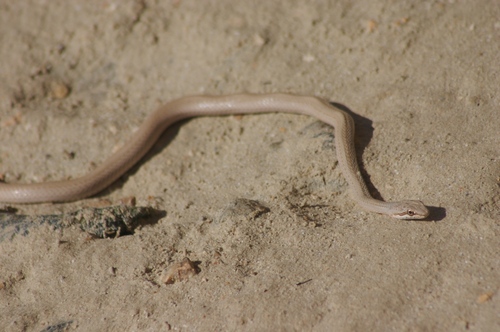
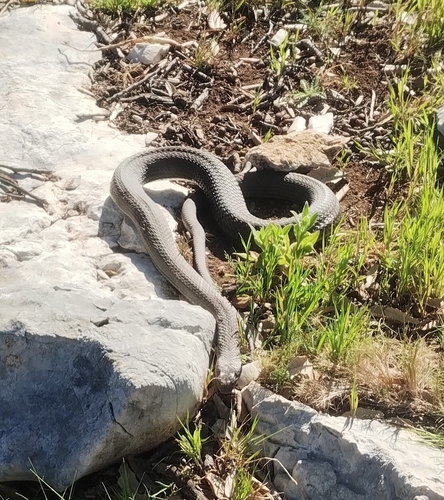
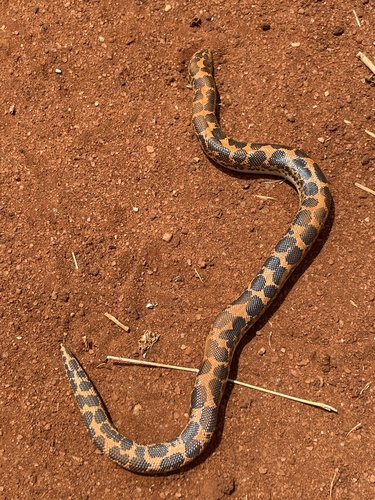
The non-venomous majority quietly outnumbers these headline species. Sand boas are stout, blunt-tailed burrowers that spend much of their lives beneath the surface, ambushing prey from just below the sand. Fast-moving racers patrol open ground and rocky terrain, relying on speed and alertness rather than venom. Sand snakes are slender, agile species well suited to dune environments, using their build to move efficiently over shifting substrate. Together these harmless snakes do most of the ecological work, controlling rodents and other small animals across desert edges, oases, and the cultivated Nile corridor.
The cobra's place in Egyptian culture runs deeper than any single legend. The uraeus, the rearing cobra mounted on the pharaoh's crown, was a symbol of royal authority and divine protection, a reminder of how closely this animal has been bound to Egyptian iconography for thousands of years. That cultural weight aside, the practical picture today is reassuring: the great majority of Egypt's snakes are harmless to people, and the species that warrant real caution are mainly the horned viper and the cobras. Bites occur most often in rural areas and along the desert edge where people and snakes overlap. No wild snake should ever be picked up or handled, regardless of how it appears. If a bite occurs, treat it as a medical emergency and seek professional care immediately rather than attempting any field remedy.
Snakes in Egypt: FAQ
- Are there venomous snakes in Egypt?
- Yes. 16 venomous snake species have verified records in Egypt, including Desert Horned Viper, Sahara Sand Viper, Brown Banded Cobra, Egyptian Cobra. Most snakes in Egypt, however, are harmless.
- How many snake species live in Egypt?
- 50+ snake species have verified records in Egypt, of which 16 are venomous.
- What is the most commonly seen snake in Egypt?
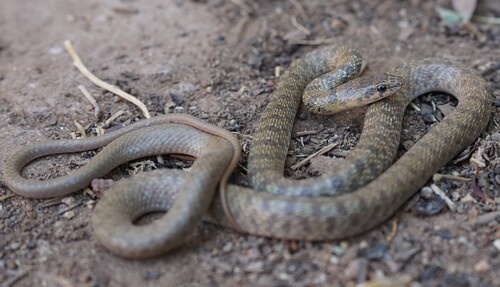
- The Hissing Sand Snake is the most frequently reported snake in Egypt, based on verified wildlife observations.
- What should I do if I see a venomous snake in Egypt?
- Keep your distance and do not try to catch or kill it. Most bites happen when people handle or corner a snake. If someone is bitten, contact local emergency services or poison control immediately.
Venomous snakes in Egypt
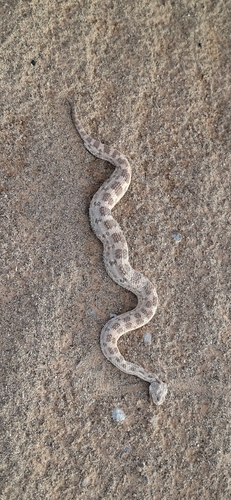
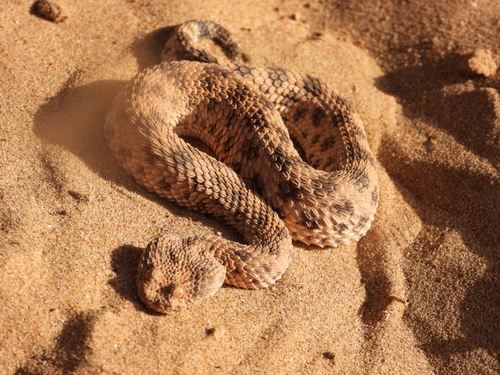
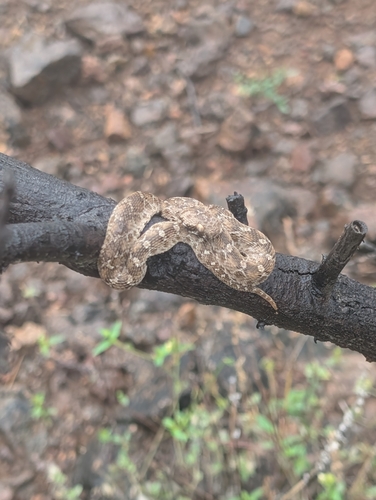

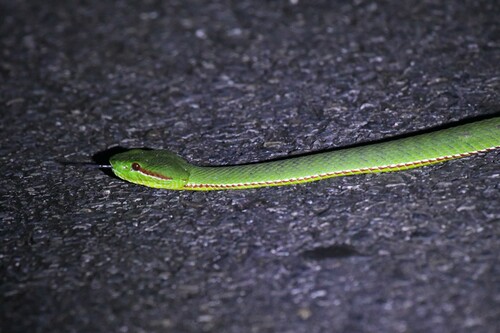
Every snake recorded in Egypt
50+ species across 8 families, grouped by family. Venomous flagged.
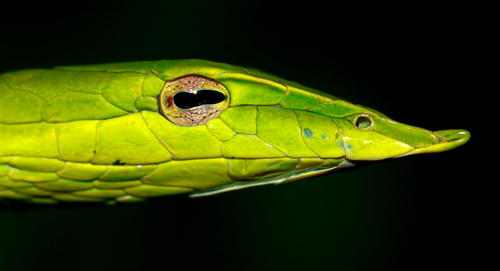
Colubridae (28)
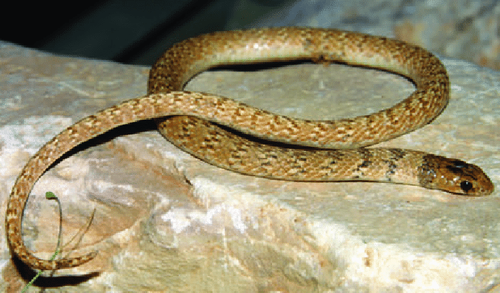
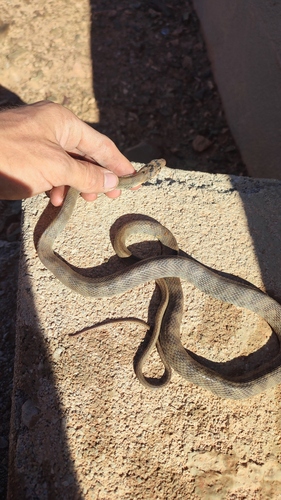
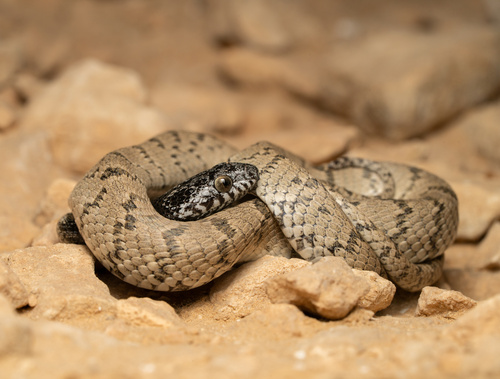
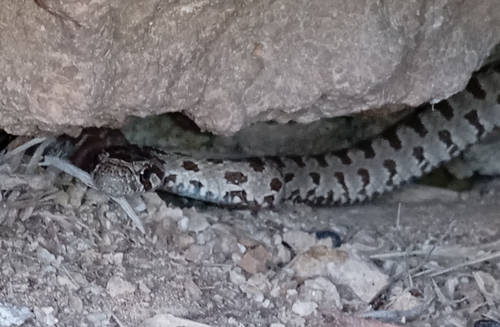
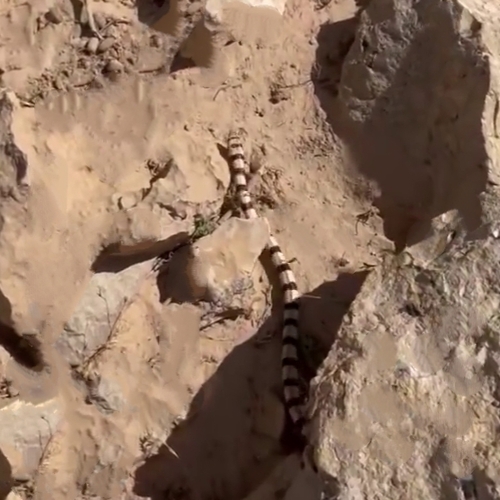
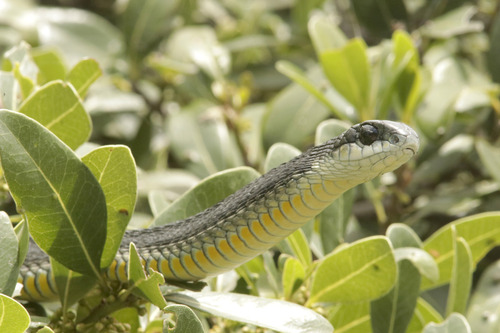
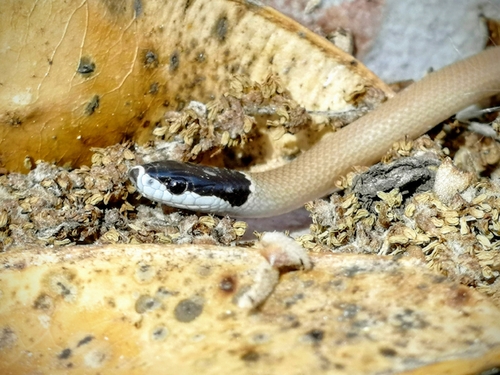
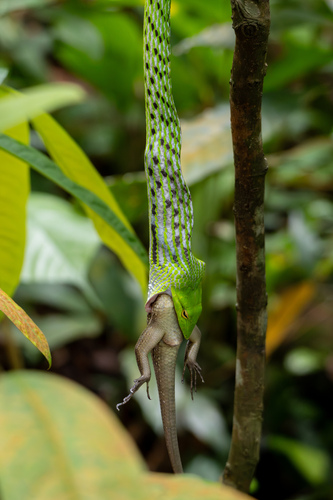
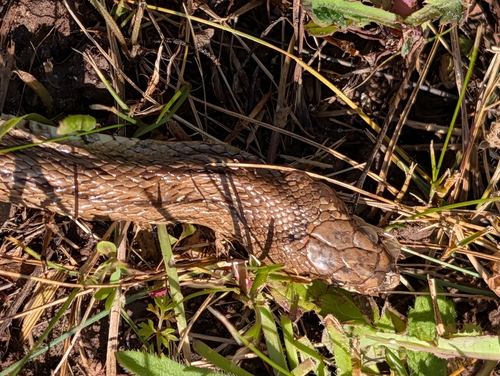
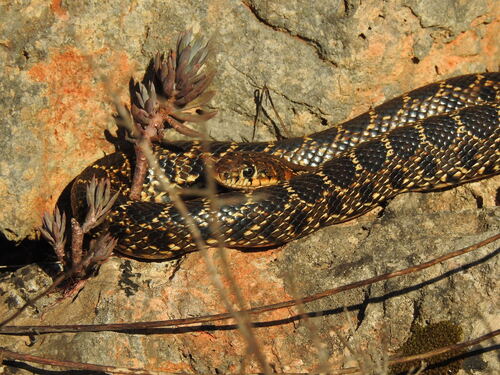
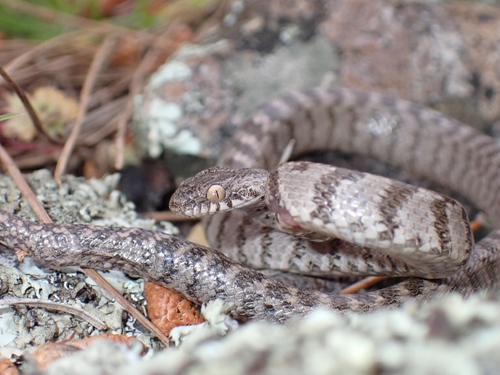

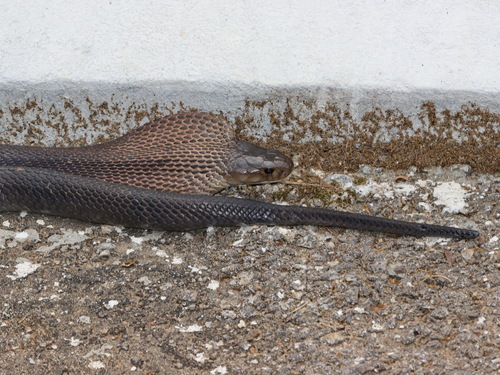
Elapidae (8)
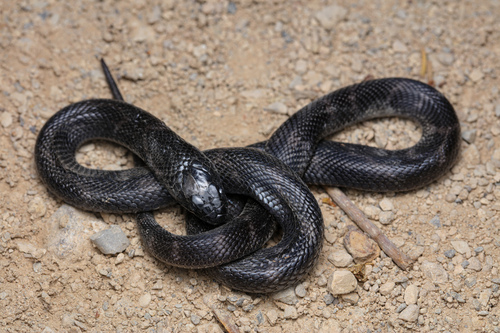
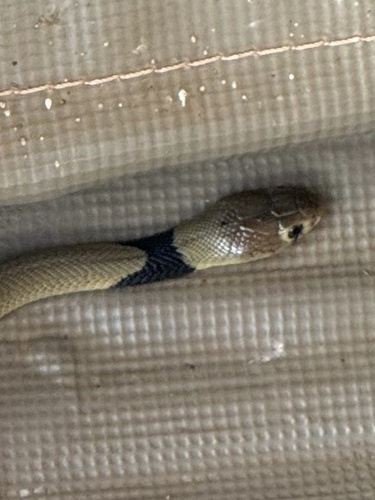
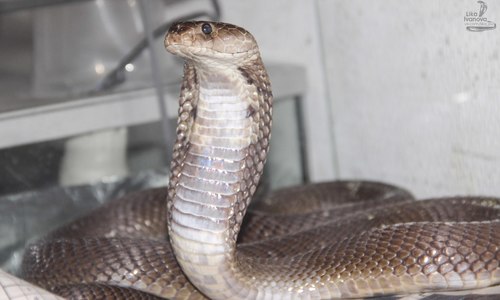
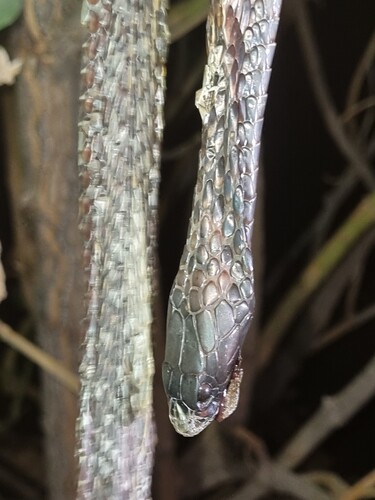
Psammophiidae (7)
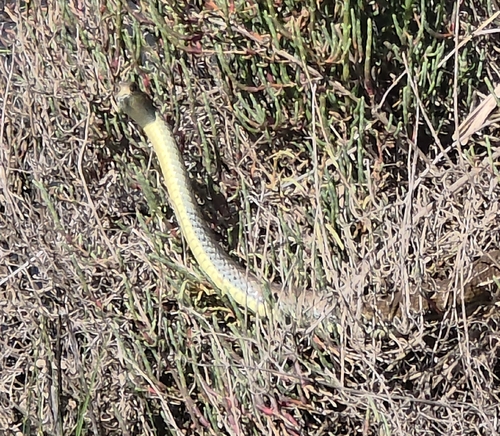
Viperidae (6)
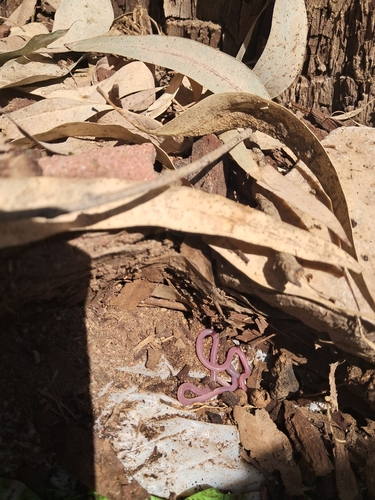
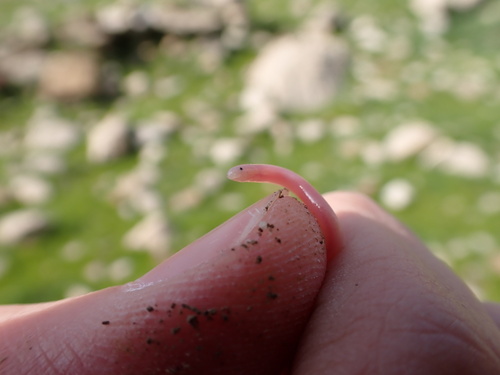
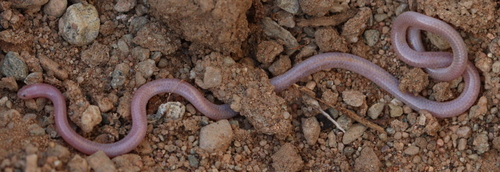
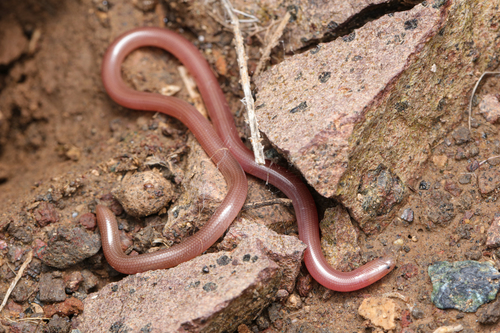
Leptotyphlopidae (3)
Boidae (3)
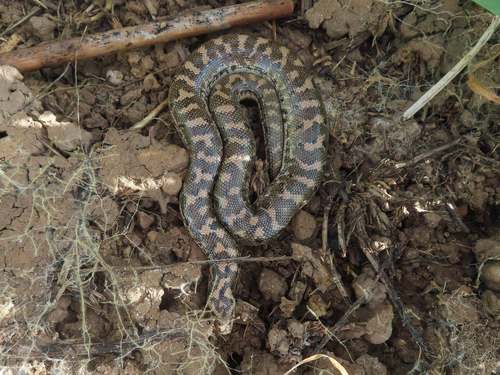
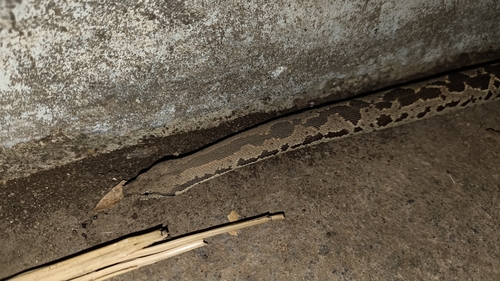
Typhlopidae (2)
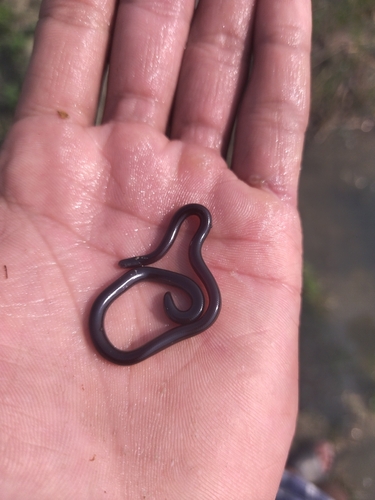
Atractaspididae (1)
Compiled from verified GBIF & iNaturalist observations. "How often seen" reflects how frequently a snake is reported here, not how dangerous it is. Informational only.
Keep learning
- Are Snakes Dangerous? The Real Risk, in PerspectiveMost snakes are harmless and avoid people. Here is the honest picture of snakebite risk worldwide and how to lower your own.
- Snakebite First Aid: What to Do (and What Never to Do)A clear, CDC-based guide to snakebite first aid: the steps that help, the popular myths that hurt, and how to tell a serious bite from a minor one.
- Venomous vs Nonvenomous: How to Tell the DifferenceThe folk rules for telling venomous snakes apart, where each one fails, and why location-based identification beats guessing by sight.
- What to Do If You Find a SnakeFound a snake at home or on a trail? Here is how to stay calm, give it space, identify it safely, and know when to call a professional.