
Gambia
Snakes in Gambia
40+ snake species have been recorded in Gambia, 14 venomous.
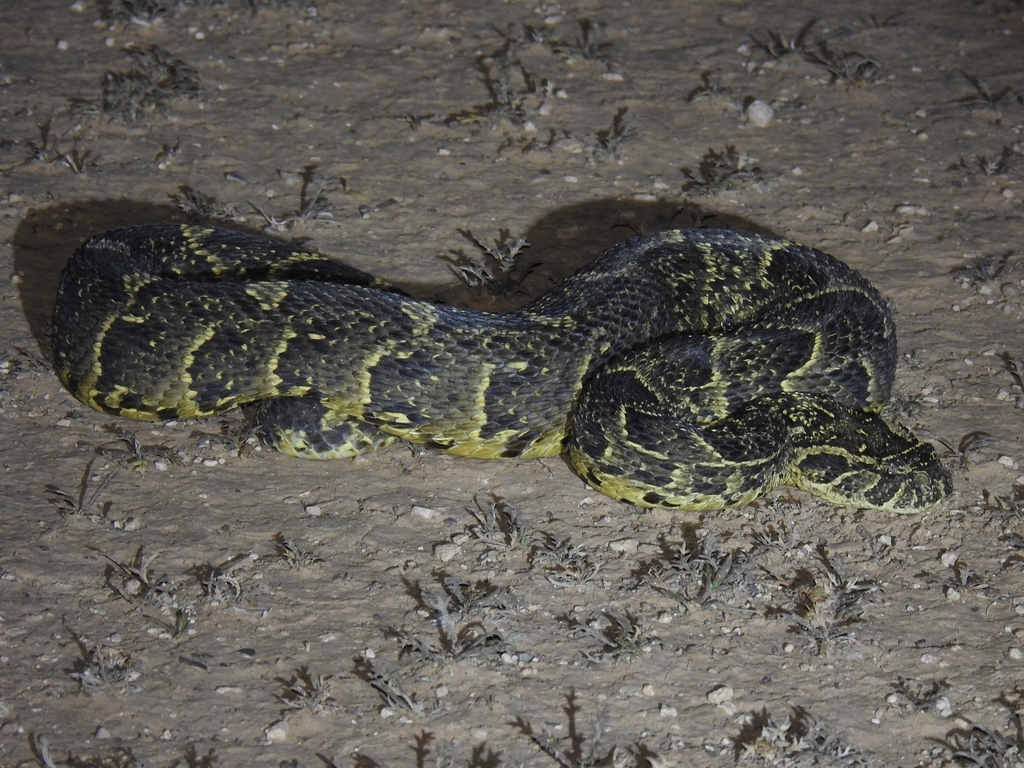
Snakes of Gambia
Gambia is a small West African country defined by the river that runs through its center, and its snake fauna reflects that mix of water, woodland, and savanna. Our database records 40+ snake species for the country, of which 15 are venomous. The great majority of species, more than two thirds, are non-venomous and pose no medical threat to people. Understanding which snakes live here, and which of them actually matter for human safety, makes encounters far less frightening and far more manageable.
The country sits within the Sudanian and Guinean savanna belt, and its geography drives a surprising amount of snake diversity for so small an area. The Gambia River and its tributaries create wetlands, mangroves, and gallery forest, while the drier interior is open grassland and farmland dotted with woodland. These habitats sit side by side, so within a short distance you can find water snakes near the river, fast diurnal hunters in open grass, and burrowing and leaf litter species in shaded ground. Seasonal flooding and the long dry season both push snakes to move, which is why sightings rise around the start and end of the rains.
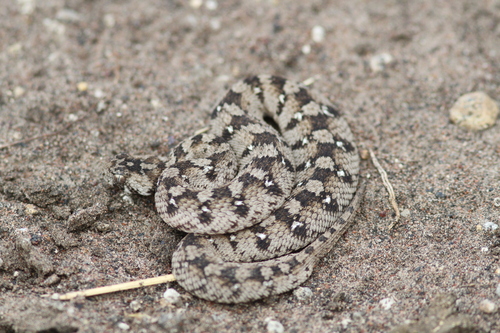
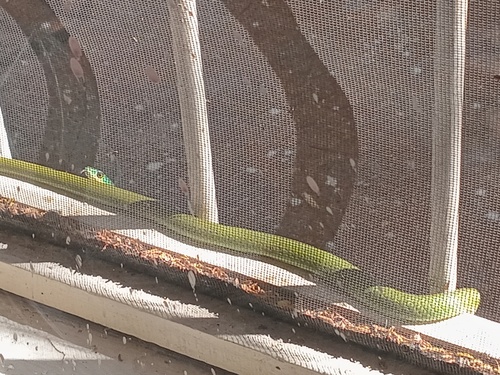
The medically important venomous snakes of Gambia fall into a few well understood groups. Vipers are the most significant, including saw scaled vipers and the large puff adder, which are responsible for the bulk of serious bites across the West African savanna because they are common, well camouflaged, and active where people farm and walk. Elapids are also present, including spitting and non spitting cobras and the mambas, fast and potent snakes of woodland and savanna. Smaller burrowing venomous snakes such as night adders and the cryptic stiletto type snakes round out the group. There are no rattlesnakes, no New World coral snakes, and no pit vipers in Africa, so those families do not occur here.
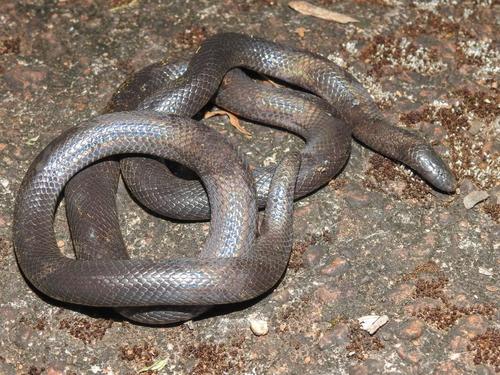
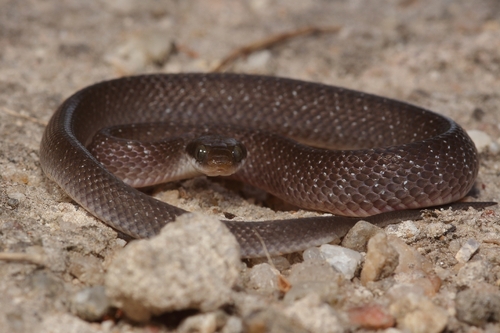
The large non-venomous majority is what most people actually encounter. House snakes, sand snakes and grass snakes, egg eating snakes, the file snakes, and various small burrowing and semi aquatic species are all harmless to humans and form the backbone of the local snake community. The African rock python is the most famous Gambian snake, a powerful non-venomous constrictor that can reach impressive sizes and is harmless to people in nearly all circumstances. These snakes are far more numerous than the venomous species and are a normal, beneficial part of gardens, farmland, and bush.
Snakes earn their place in this ecosystem. Both the venomous and non-venomous species are efficient predators of rodents, which protects stored grain and reduces the crop losses and disease that rats and mice carry. Snakes also control frogs, insects, and other small animals, and they are prey for birds and larger predators in turn. Removing snakes from an area tends to increase rodent problems rather than solve anything, so a healthy snake population is a quiet asset to farms and villages.
On safety, keep it in proportion. Most snakes in Gambia are harmless, and most bites happen when a snake is cornered, stepped on, or handled. The real medical threat comes from the vipers and the elapids described above, and a bite from one of those is a genuine emergency. The correct response to any venomous snakebite is rapid transport to a hospital for medical evaluation and antivenom where indicated, given by trained staff. No wild venomous snake should ever be picked up or handled, and identification should be done from a safe distance or from a clear photo. If a bite occurs, contact local emergency services immediately, or in the United States call Poison Control at 1-800-222-1222, and get the person to professional care without delay.
Snakes in Gambia: FAQ
- Are there venomous snakes in Gambia?
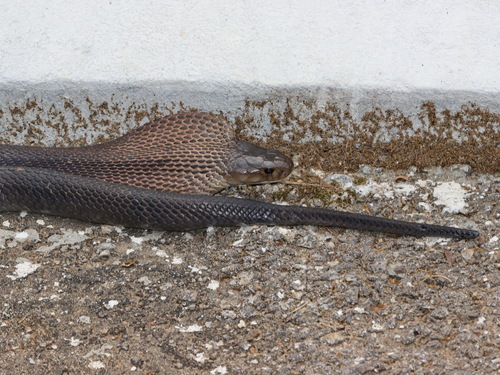
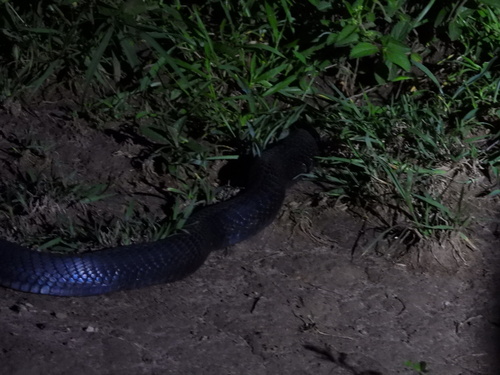
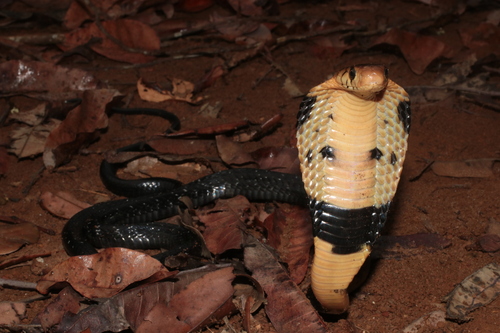
- Yes. 14 venomous snake species have verified records in Gambia, including Puff Adder, Brown Banded Cobra, Black-necked Spitting Cobra, Western Green Mamba. Most snakes in Gambia, however, are harmless.
- How many snake species live in Gambia?
- 40+ snake species have verified records in Gambia, of which 14 are venomous.
- What is the most commonly seen snake in Gambia?
- The Puff Adder is the most frequently reported snake in Gambia, based on verified wildlife observations.
- What should I do if I see a venomous snake in Gambia?
- Keep your distance and do not try to catch or kill it. Most bites happen when people handle or corner a snake. If someone is bitten, contact local emergency services or poison control immediately.
Venomous snakes in Gambia
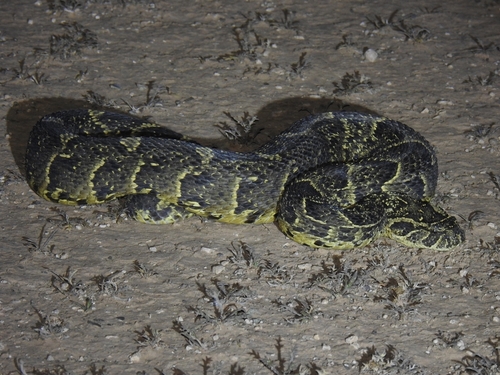
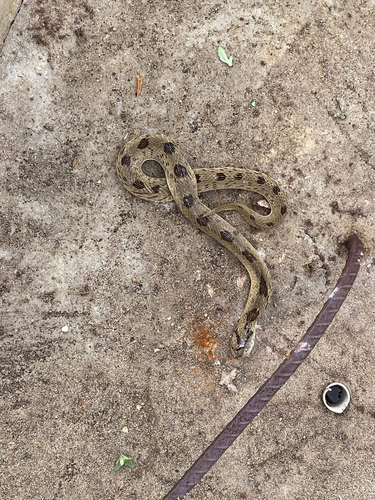
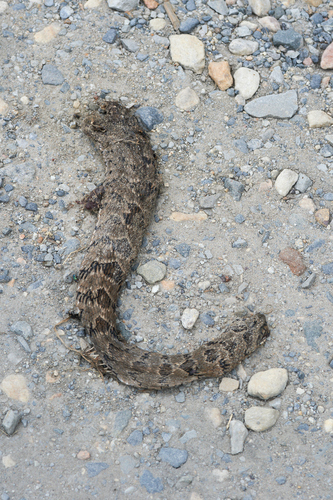
Every snake recorded in Gambia
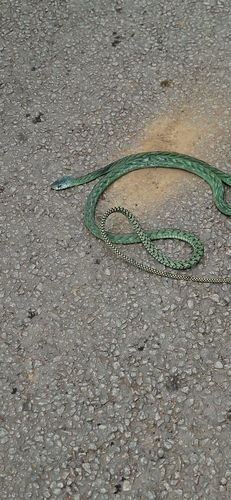
40+ species across 11 families, grouped by family. Venomous flagged.
Colubridae (10)
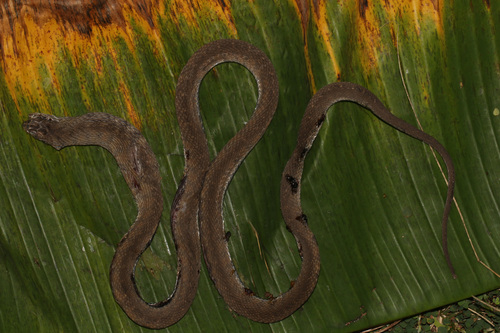
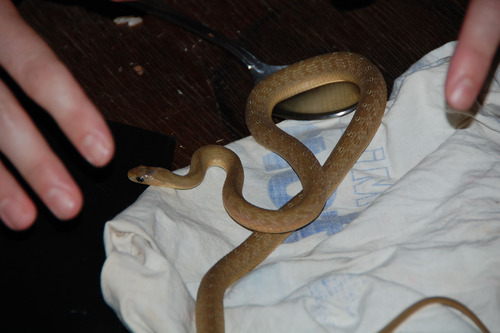
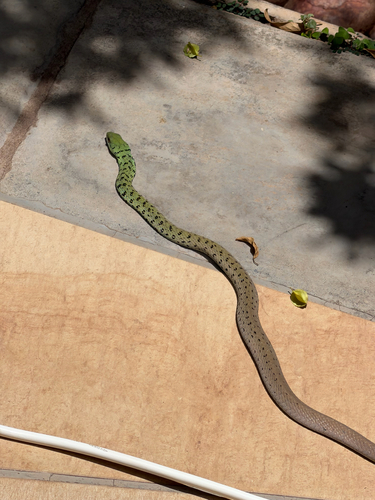
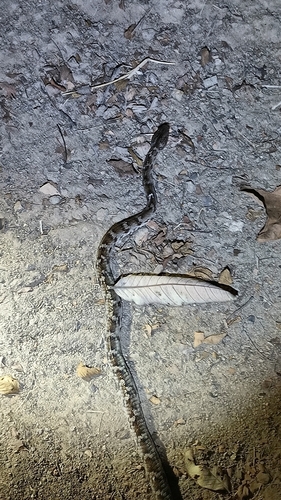
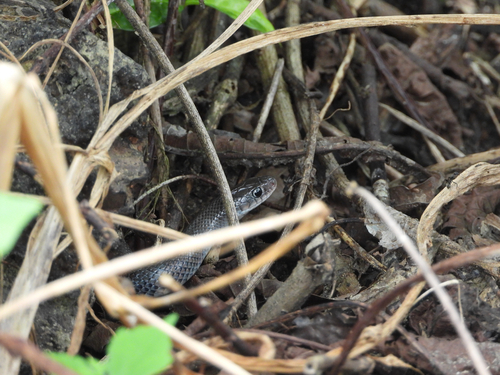
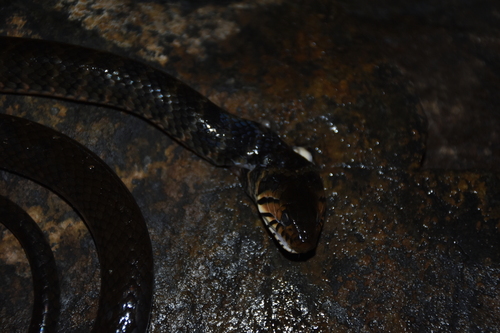
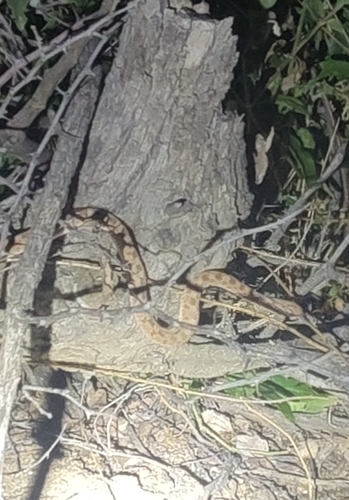
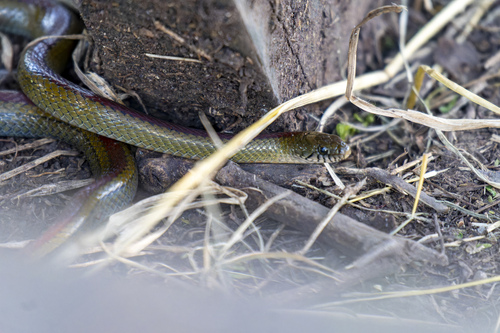
Elapidae (9)

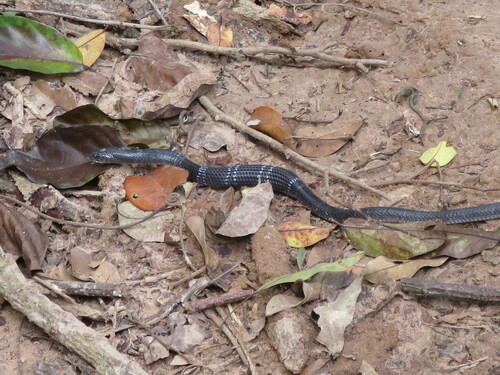
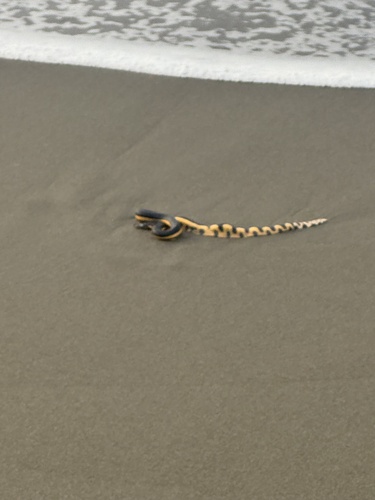
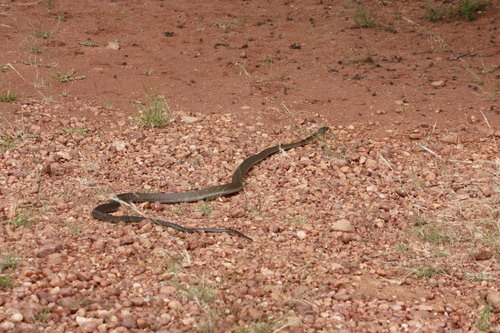
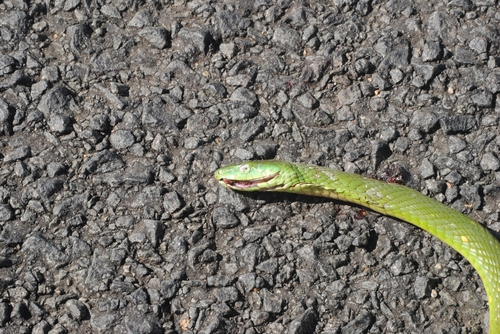
Psammophiidae (8)
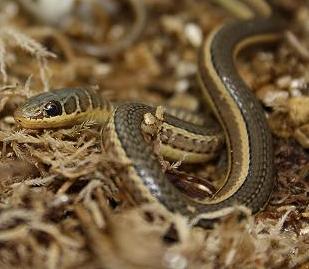
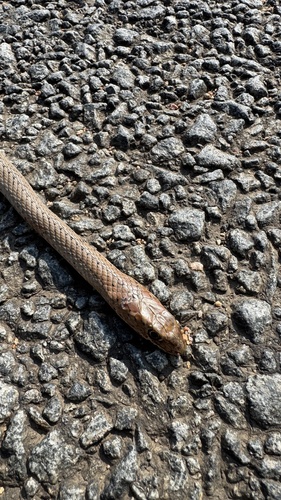
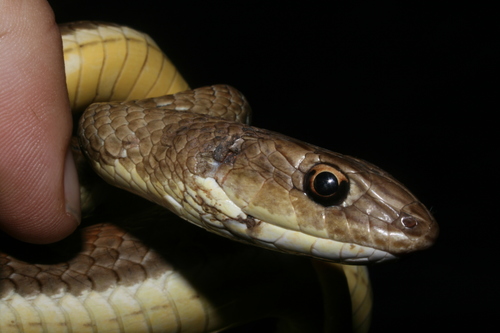
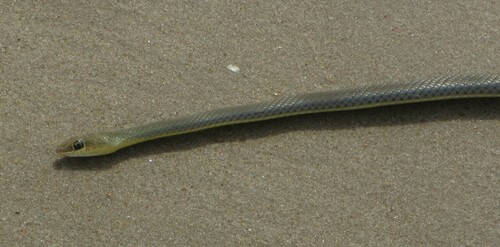
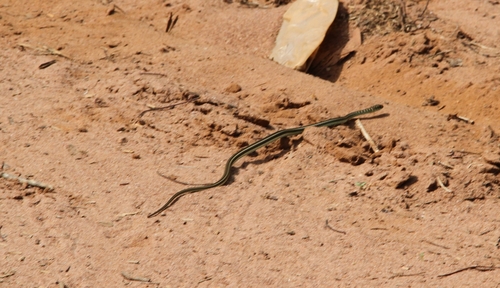
Lamprophiidae (7)
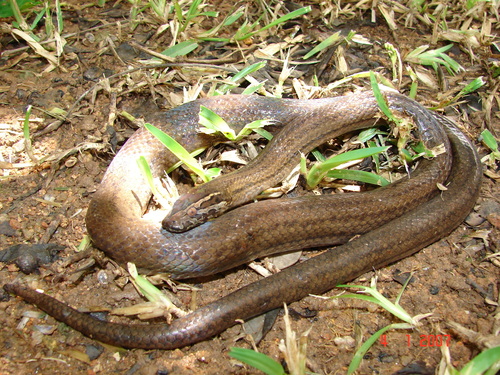
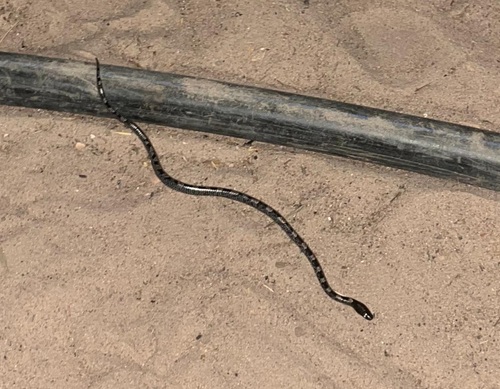
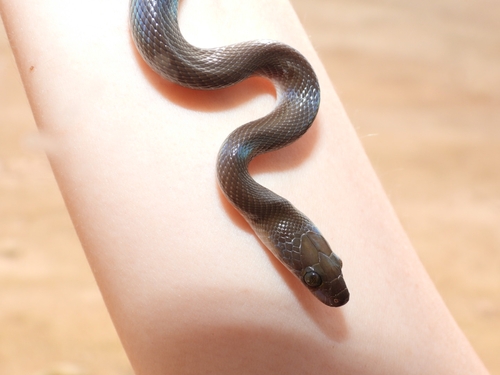
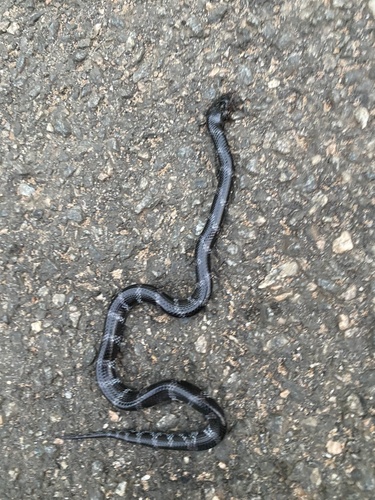
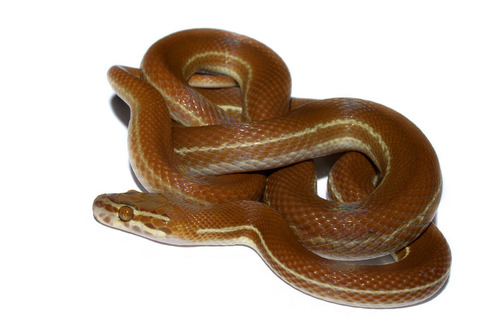
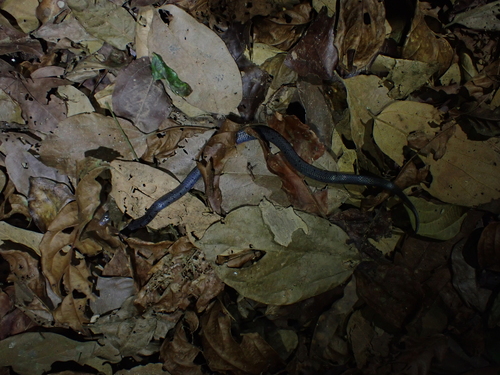
Viperidae (4)
Typhlopidae (3)
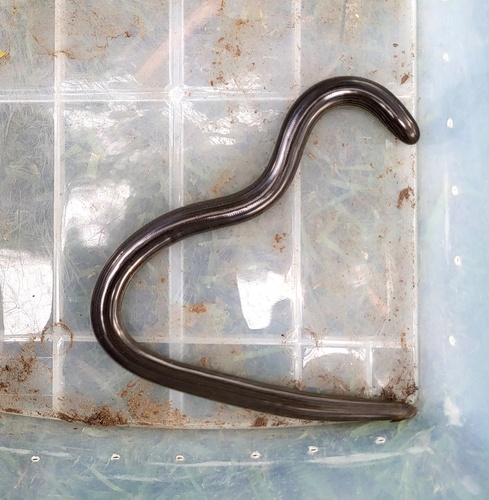
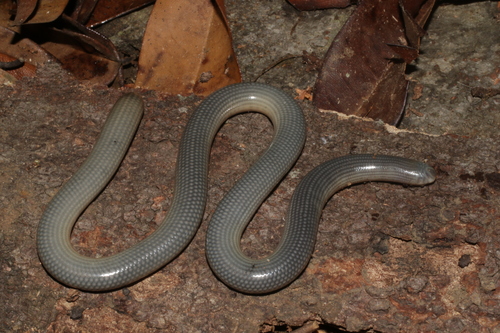
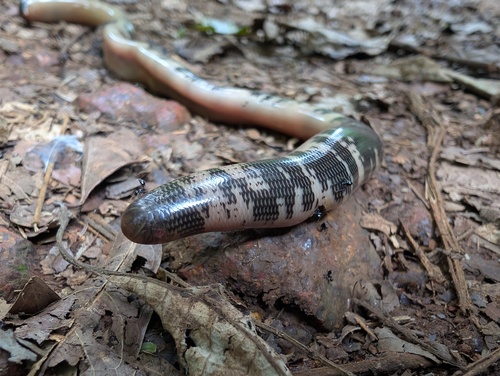
Leptotyphlopidae (2)
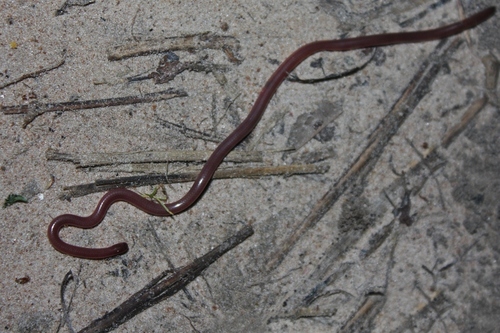
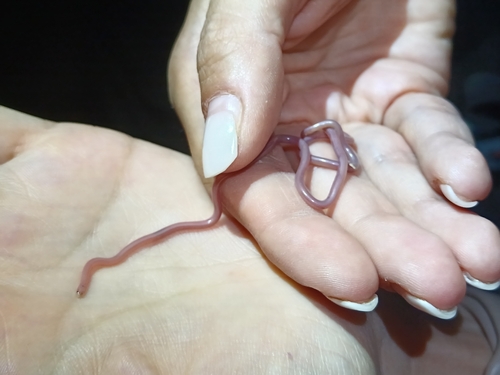
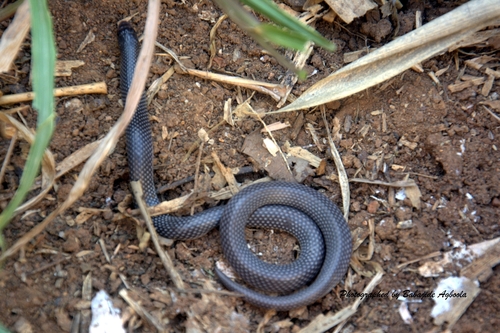
Atractaspididae (2)

Pythonidae (1)
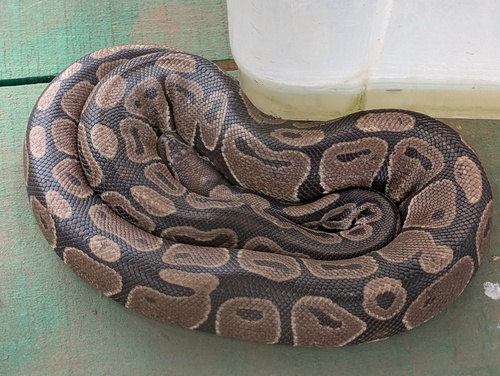
Boidae (1)
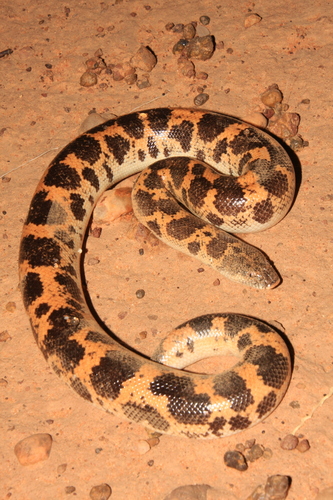
Compiled from verified GBIF & iNaturalist observations. "How often seen" reflects how frequently a snake is reported here, not how dangerous it is. Informational only.
Keep learning
- Are Snakes Dangerous? The Real Risk, in PerspectiveMost snakes are harmless and avoid people. Here is the honest picture of snakebite risk worldwide and how to lower your own.
- Snakebite First Aid: What to Do (and What Never to Do)A clear, CDC-based guide to snakebite first aid: the steps that help, the popular myths that hurt, and how to tell a serious bite from a minor one.
- Venomous vs Nonvenomous: How to Tell the DifferenceThe folk rules for telling venomous snakes apart, where each one fails, and why location-based identification beats guessing by sight.
- What to Do If You Find a SnakeFound a snake at home or on a trail? Here is how to stay calm, give it space, identify it safely, and know when to call a professional.