
Kenya
Snakes in Kenya
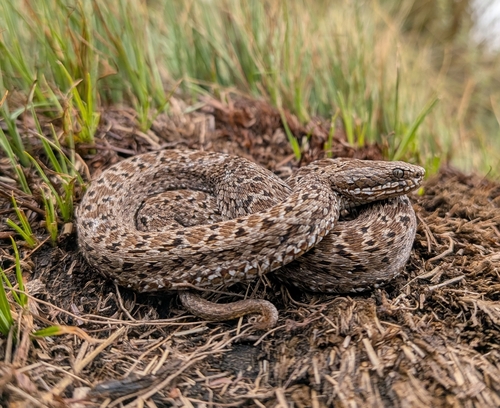
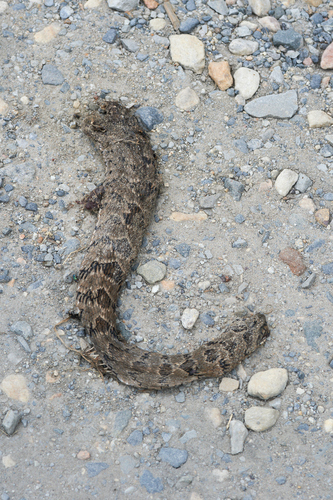
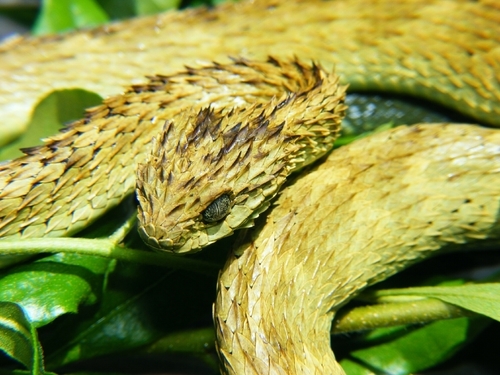
150+ snake species have been recorded in Kenya, 40 venomous.
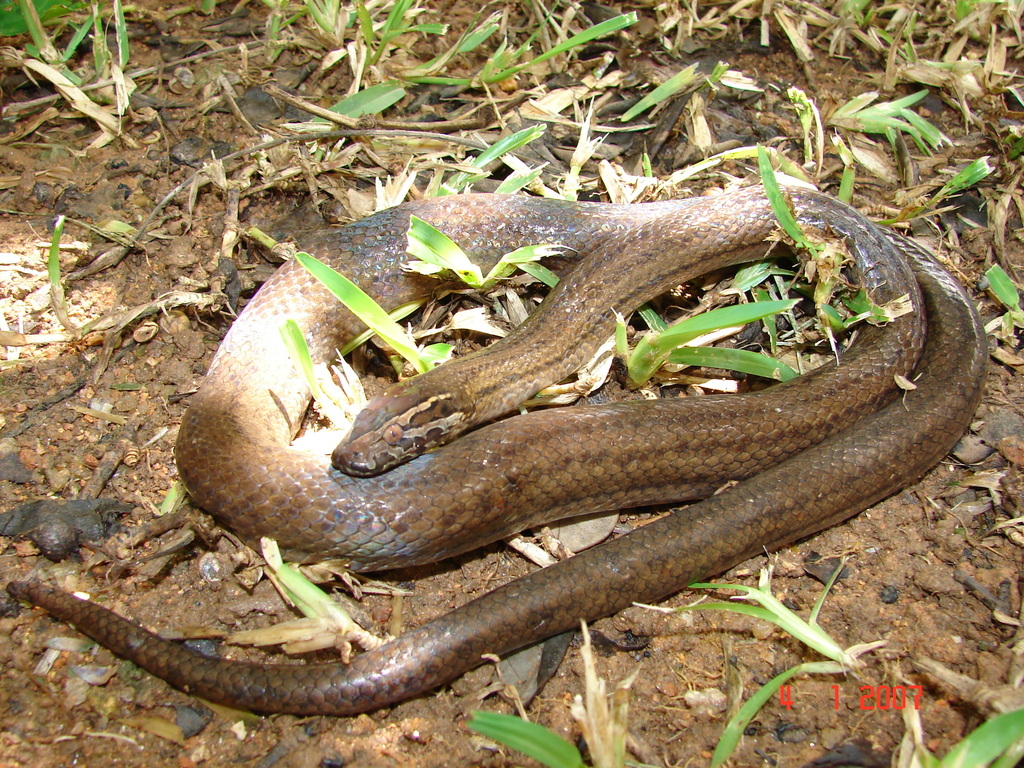
Snakes of Kenya
Kenya is one of the most snake-rich countries in Africa, with 150+ species recorded in our data, of which 47 are venomous. That diversity is a direct product of geography. Few countries pack so many different habitats into one set of borders, and snakes have adapted to nearly all of them.
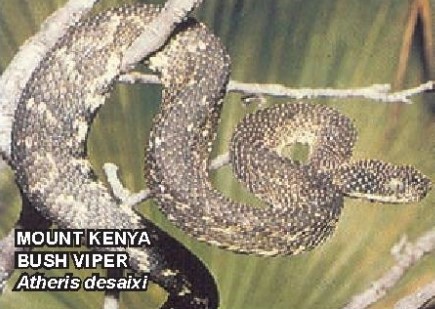
The range of landscapes is the key. Vast savanna and grassland stretch across much of the country and support a huge variety of ground-dwelling and rodent-hunting snakes. The Great Rift Valley cuts through Kenya from north to south, creating escarpments, lakes, and isolated pockets where distinct populations have evolved. Cool, wet highlands around Mount Kenya and the Aberdares hold their own specialized species, while the warm, humid coastal forests near the Indian Ocean shelter snakes found nowhere inland. To the north, the arid and semi-desert country is home to species built for heat and sand. Each of these zones favors different prey, temperatures, and cover, and the result is the wide spread of species seen across the country.
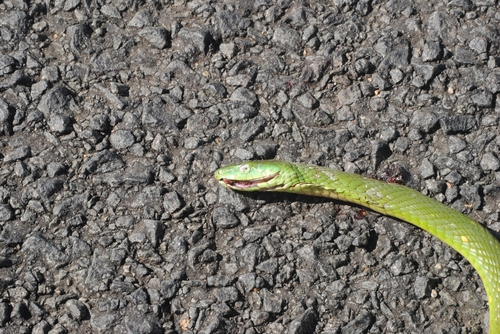
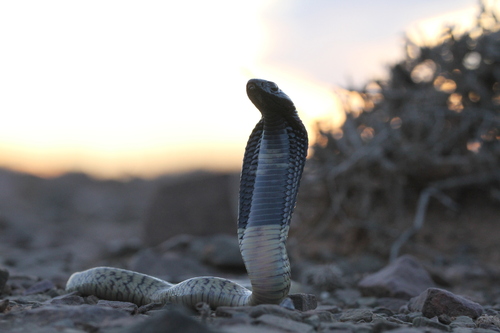
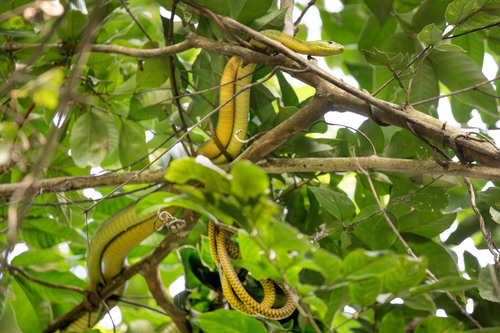
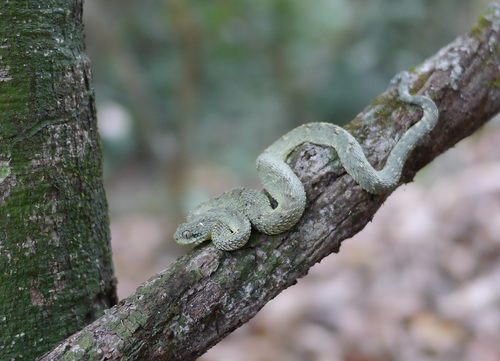
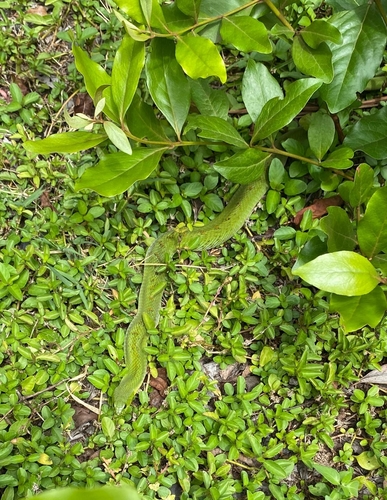
Among the venomous snakes, several groups account for most of the serious medical cases. The black mamba (Dendroaspis polylepis) is fast-moving and highly venomous, and Kenya is also home to green mambas that live in trees and dense vegetation. Cobras are well represented, including the Egyptian cobra and several spitting cobras in the genus Naja, which can spray venom toward the eyes of a perceived threat from a distance. The puff adder (Bitis arietans) is responsible for a large share of serious bites because it is well camouflaged, slow to flee, and often lies still on paths and trails where it is easily stepped on. The boomslang (Dispholidus typus) is a rear-fanged tree snake whose venom is potent, though bites are uncommon because the species is shy and lives high in vegetation.
It is worth keeping the threat in proportion. The large majority of Kenya's snakes are not dangerous to people. The African rock python, the continent's largest snake, is non-venomous and kills prey by constriction. Sand boas burrow through loose soil in the drier regions, and a wide assortment of harmless colubrids fills out the bulk of the species count. Most snakes a person encounters are far more interested in avoiding humans than in confronting them.
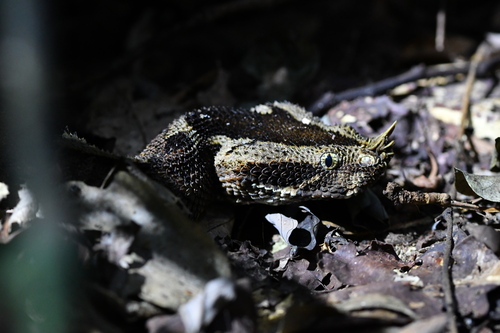
From a safety standpoint, the puff adder and the cobras are the species behind most of the medically significant bites in Kenya, both because their venom is dangerous and because they live in places where people walk, farm, and work. A practical complication is access to care. Effective antivenom and the medical staff who can administer it are concentrated in larger towns and cities, so people bitten in remote rural areas can face long and difficult journeys to treatment. That gap between where bites happen and where care is available is a genuine challenge.
No wild snake should ever be handled, picked up, or approached, regardless of whether it appears to be venomous, because identification in the field is unreliable and even non-venomous species can injure. If a snakebite occurs, the only correct response is to seek professional emergency medical care as quickly as possible and let trained clinicians manage it. The safest approach to any snake in Kenya is to give it distance and let it move away on its own.
Snakes in Kenya: FAQ
- Are there venomous snakes in Kenya?
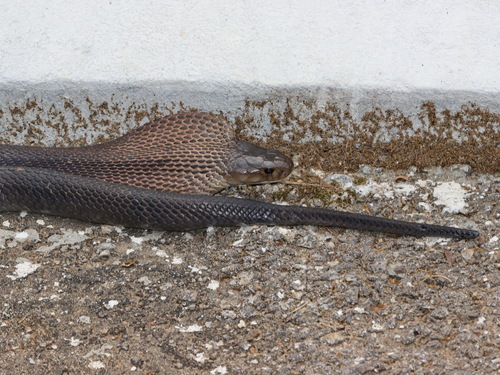
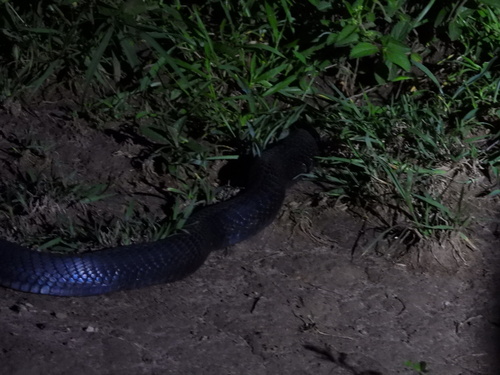
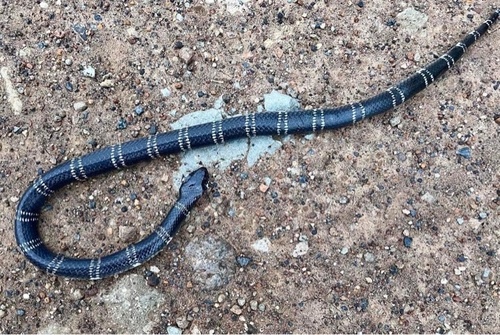
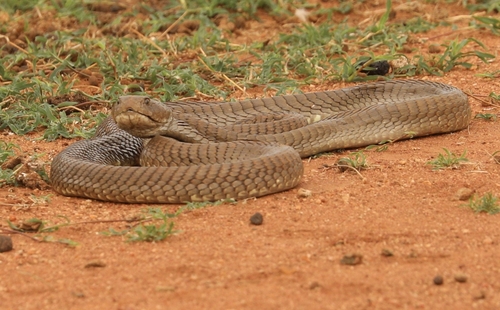
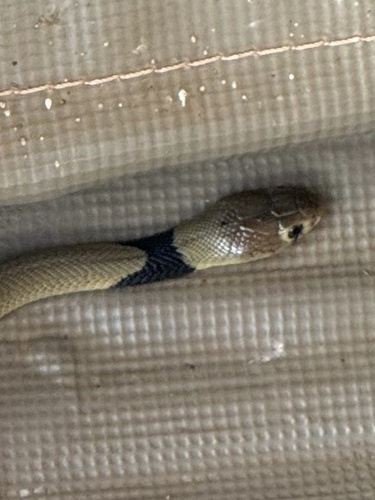
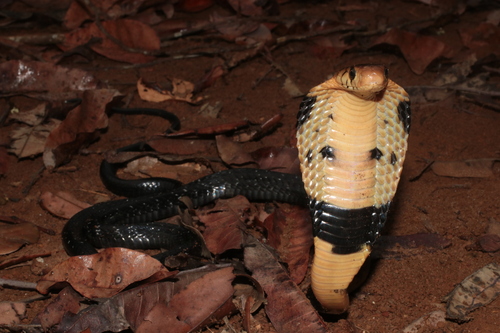
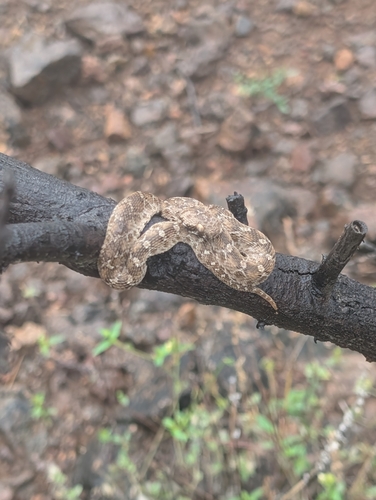
- Yes. 40 venomous snake species have verified records in Kenya, including Brown Banded Cobra, Puff Adder, Boomslang, Egyptian Saw-scaled Viper. Most snakes in Kenya, however, are harmless.
- How many snake species live in Kenya?
- 150+ snake species have verified records in Kenya, of which 40 are venomous.
- What is the most commonly seen snake in Kenya?
- The Seychelles House Snake is the most frequently reported snake in Kenya, based on verified wildlife observations.
- What should I do if I see a venomous snake in Kenya?
- Keep your distance and do not try to catch or kill it. Most bites happen when people handle or corner a snake. If someone is bitten, contact local emergency services or poison control immediately.
Venomous snakes in Kenya
Every snake recorded in Kenya
150+ species across 14 families, grouped by family. Venomous flagged.
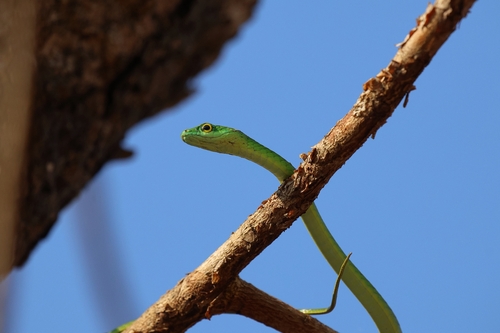
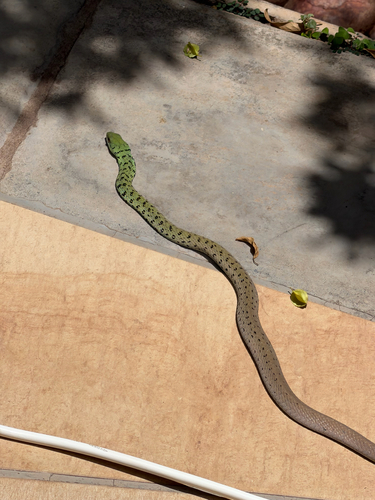
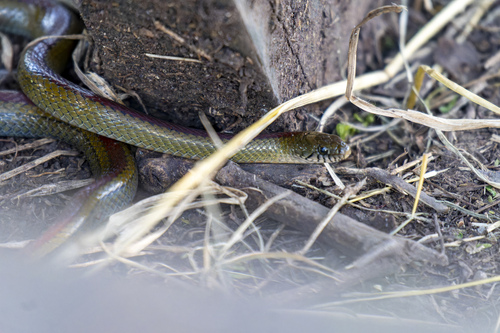
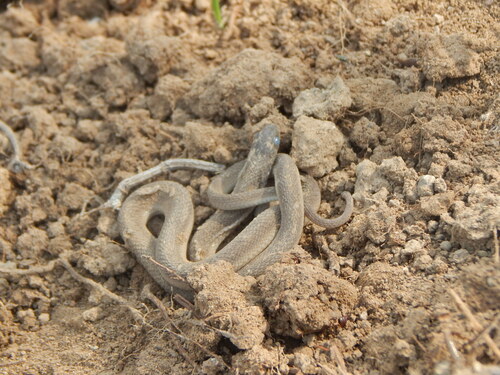
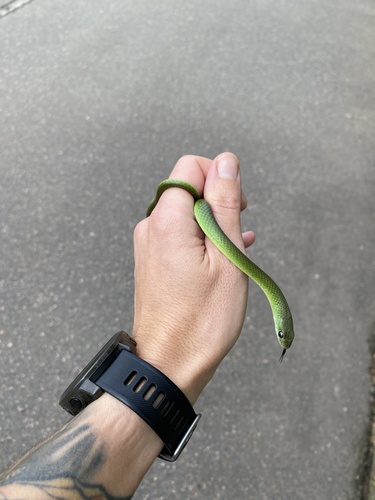
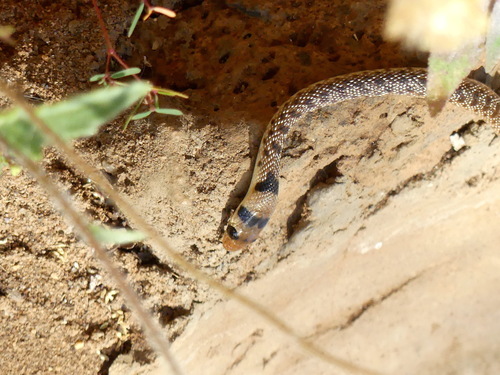
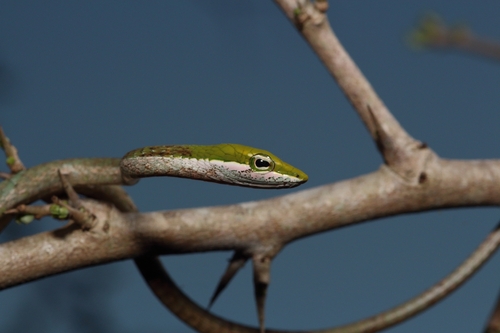
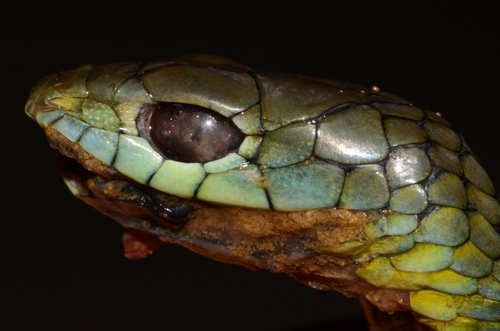
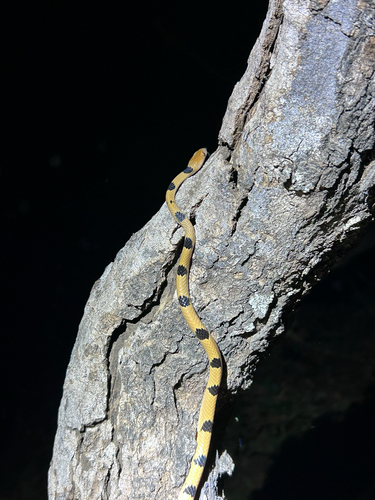
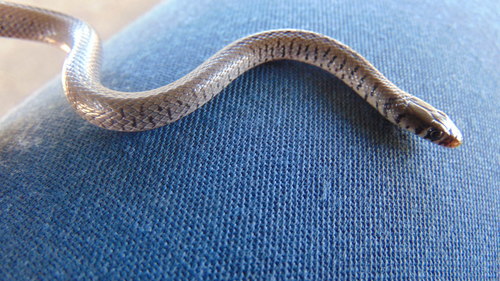
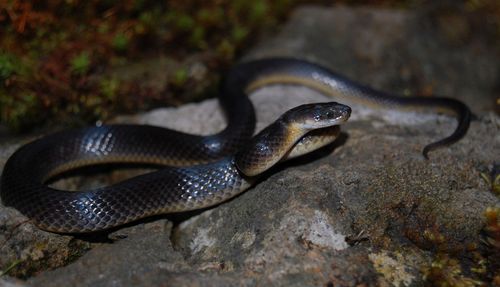
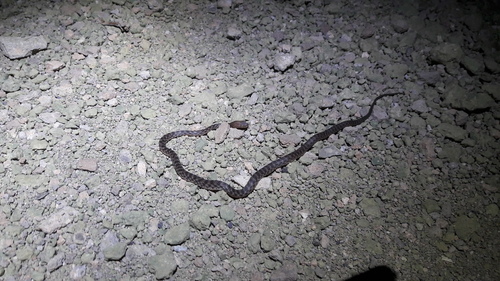
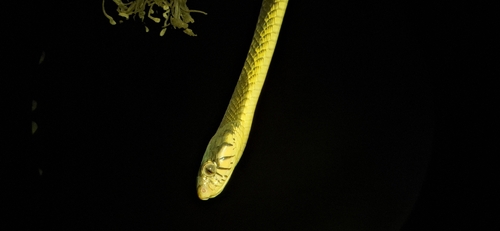
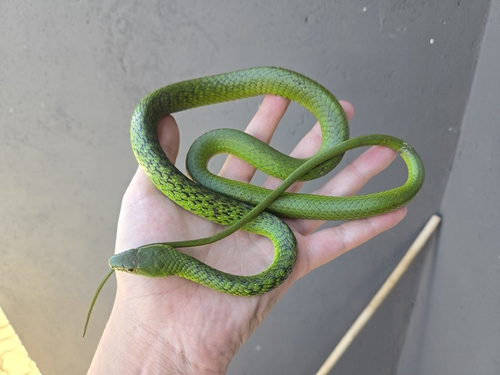
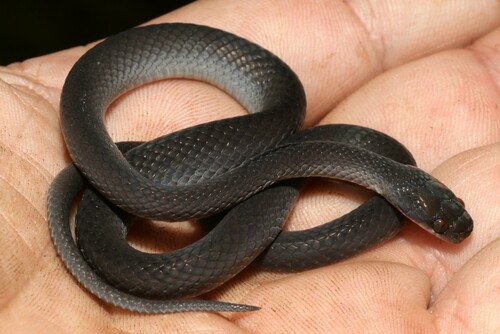
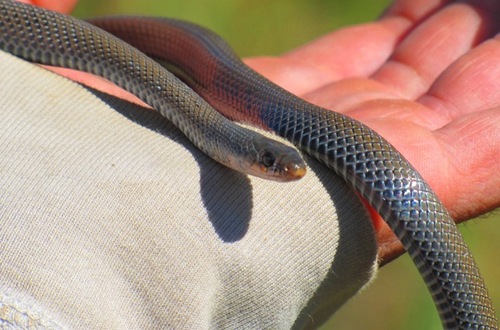
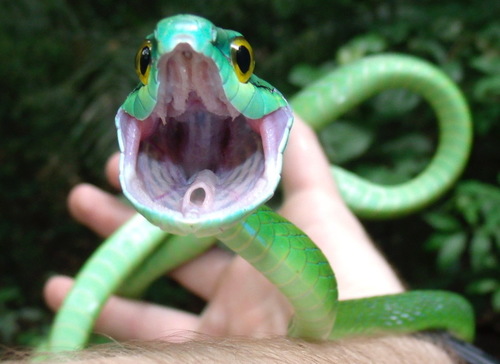
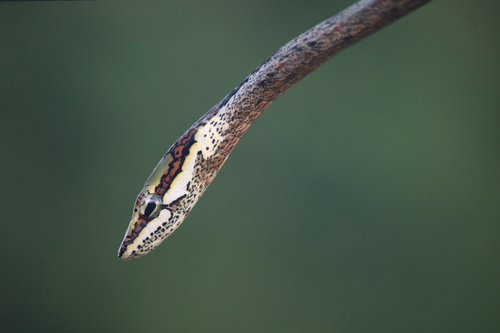
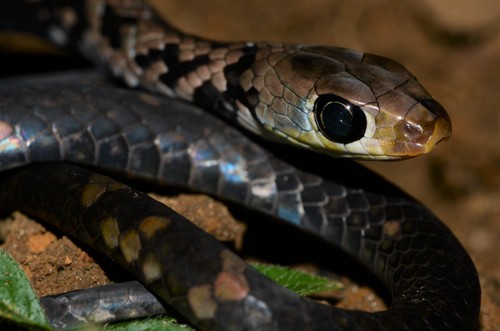
Colubridae (40)
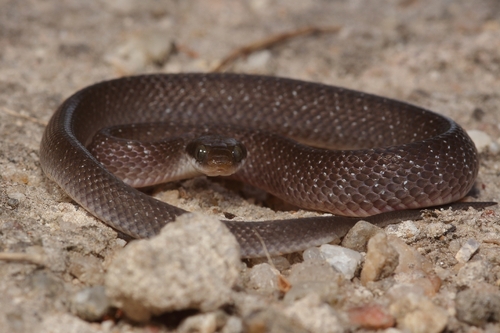
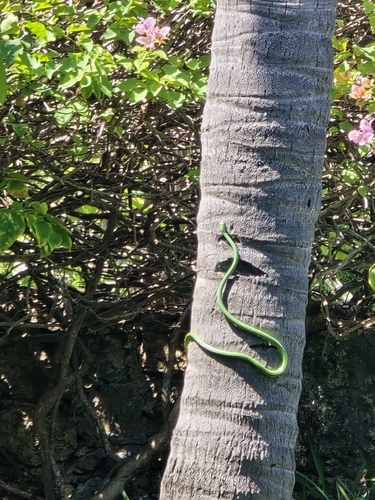
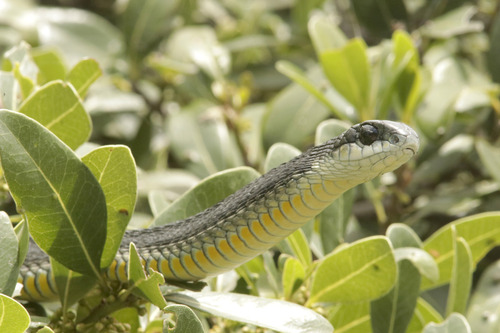
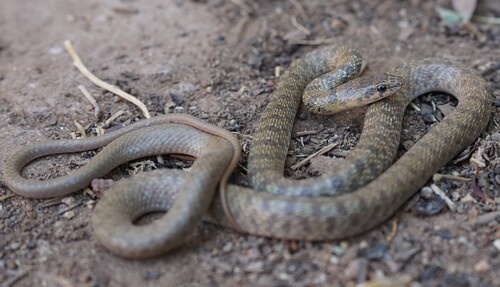
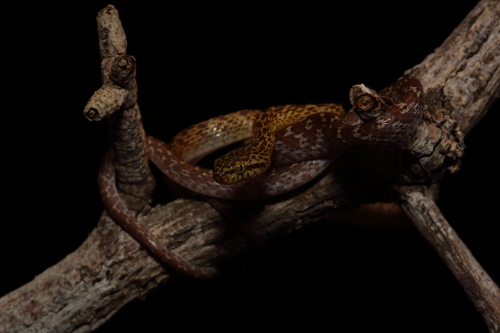

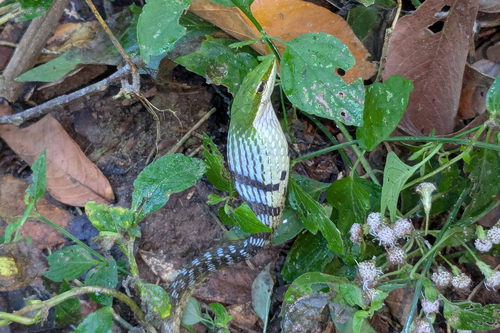
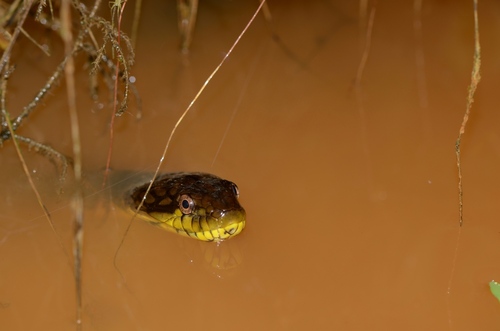
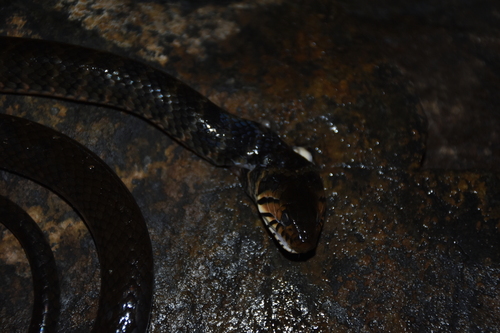
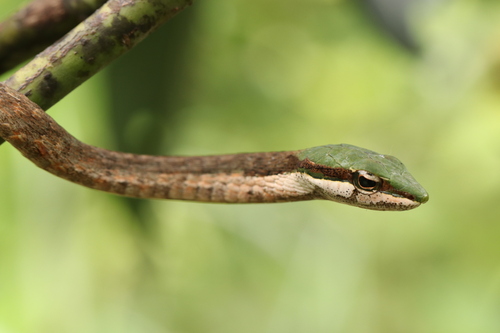
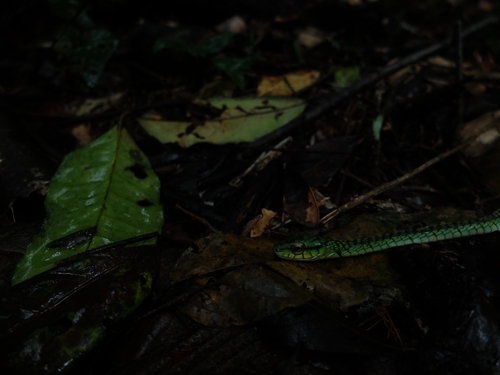


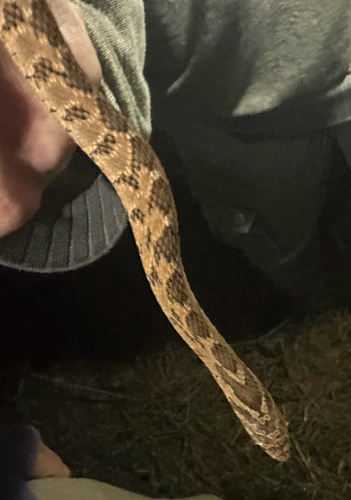
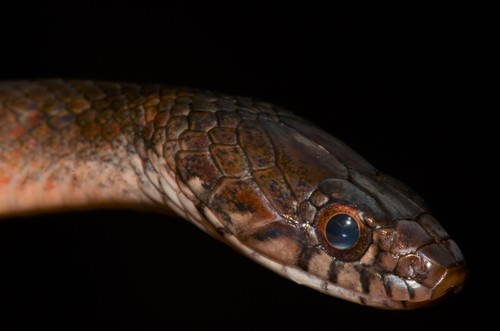
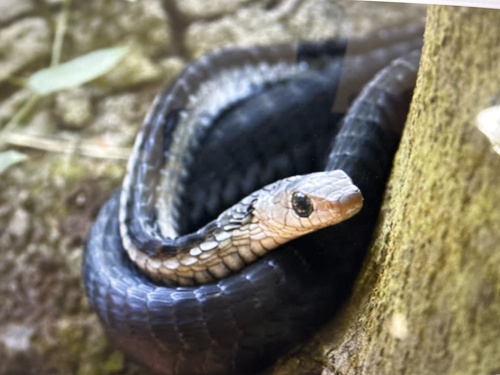
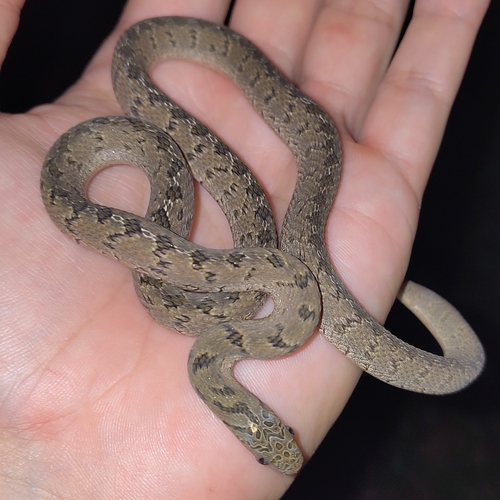
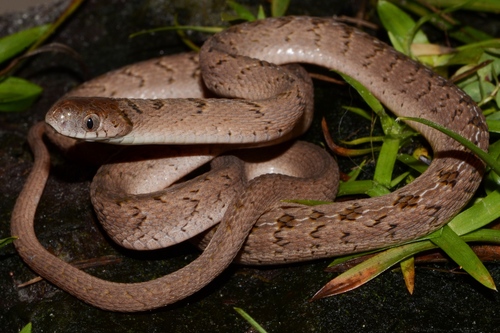
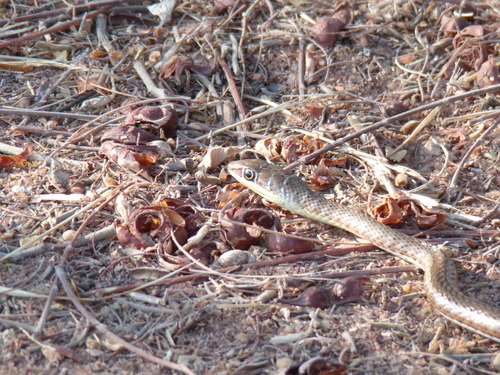
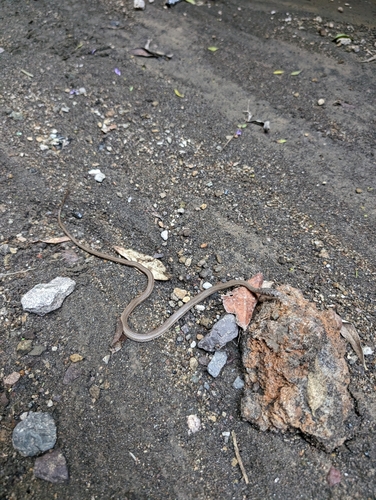
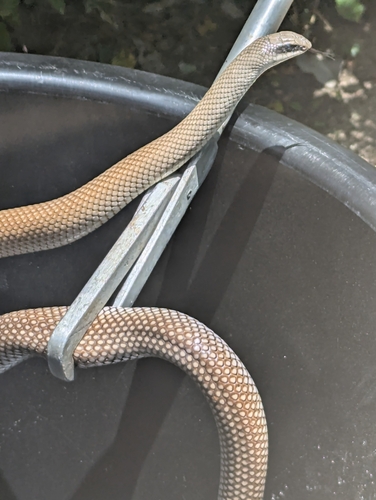
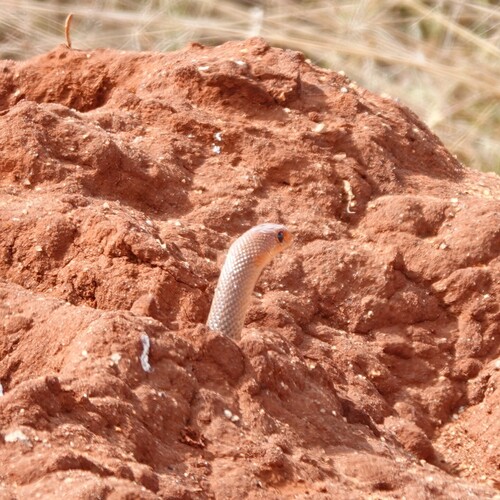
Psammophiidae (22)
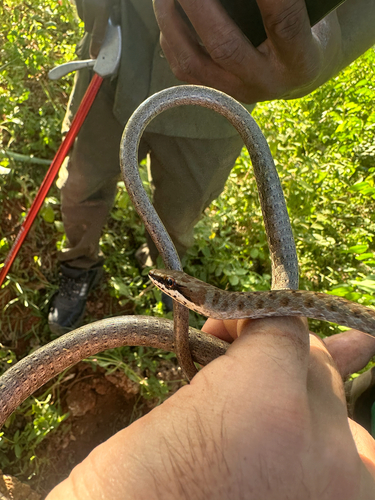
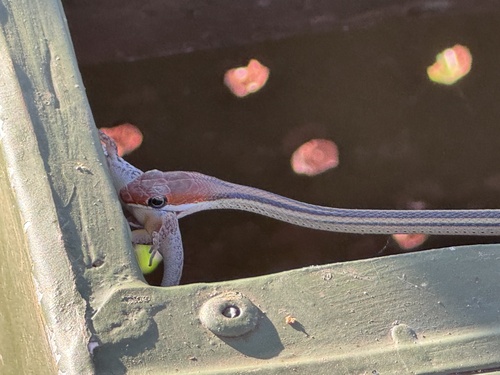
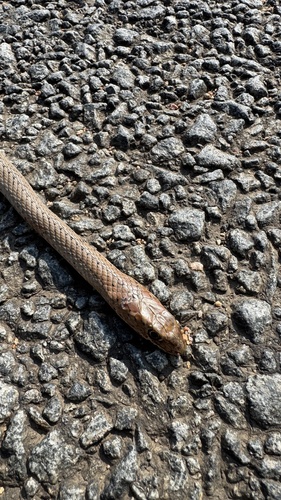
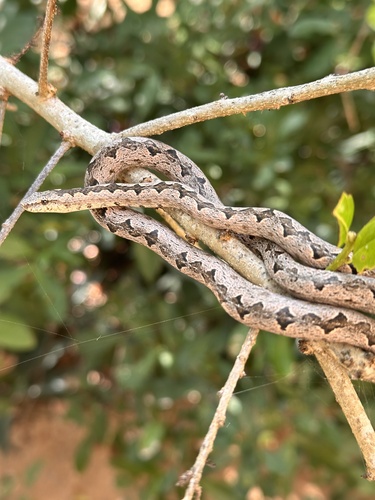
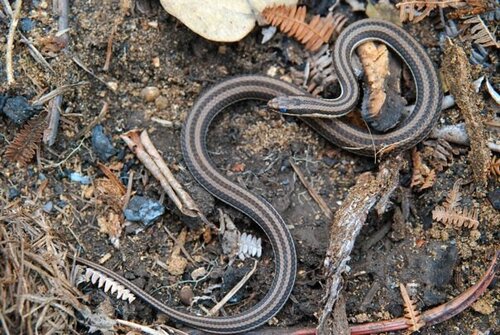
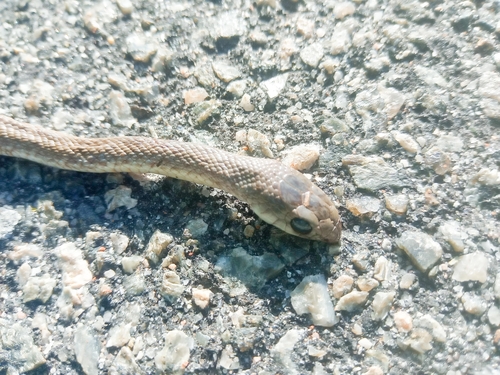
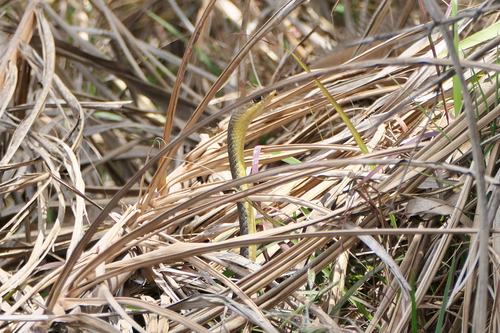
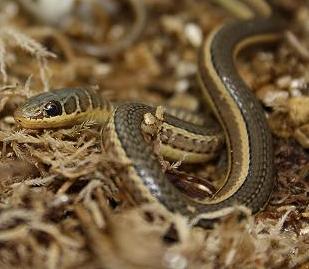
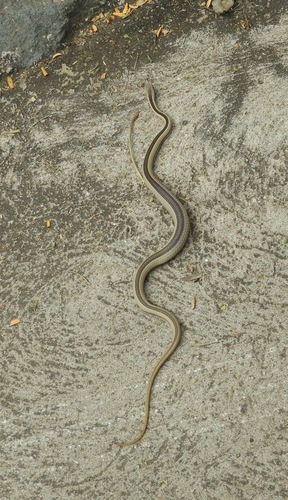
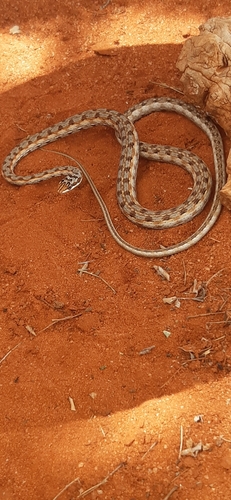
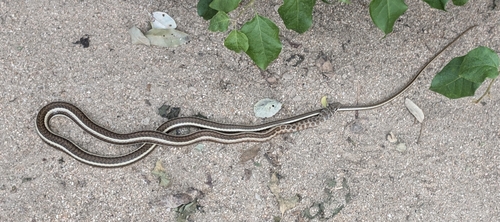
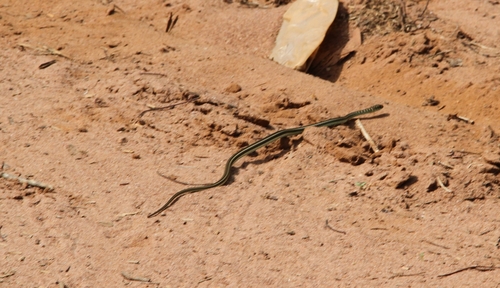
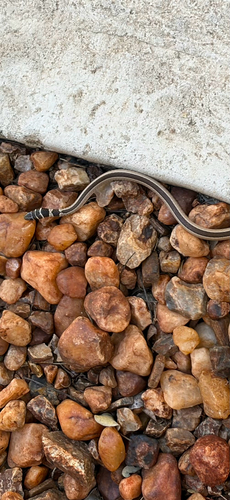
Lamprophiidae (18)
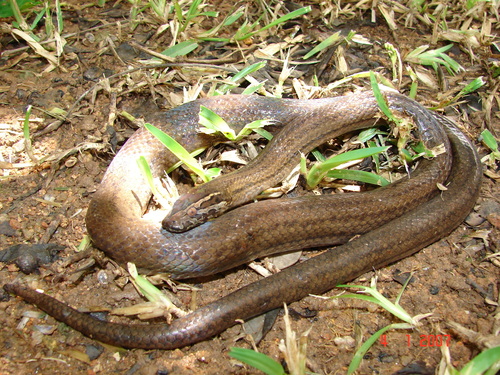
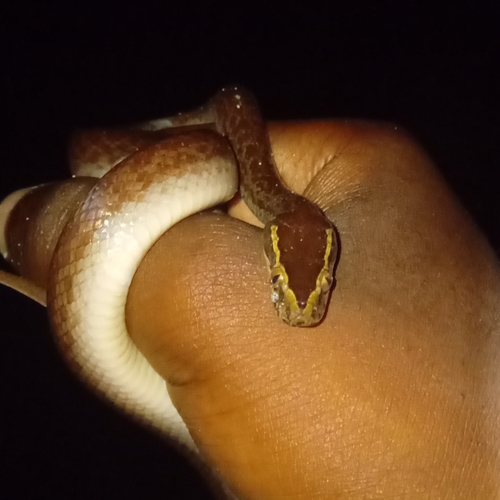
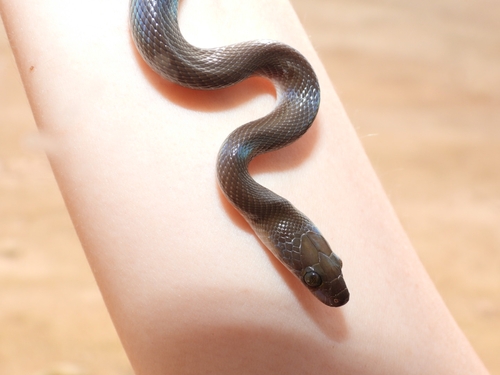
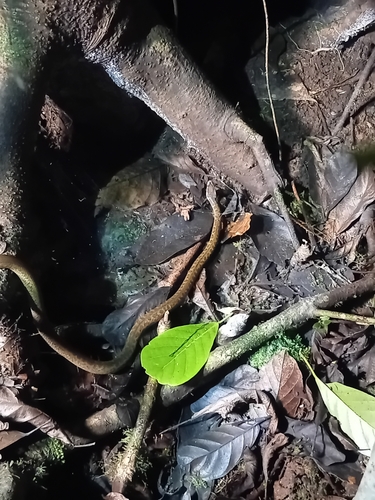
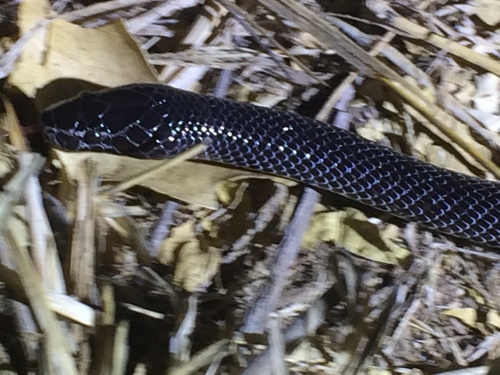
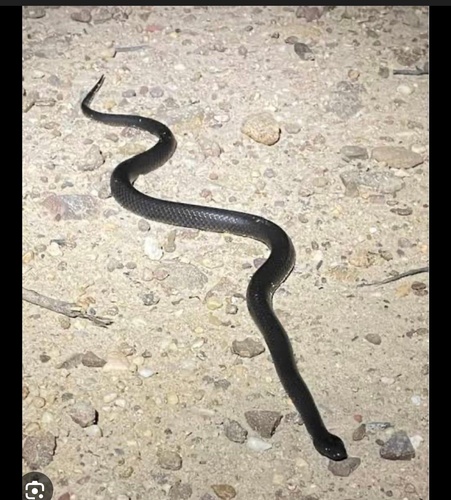
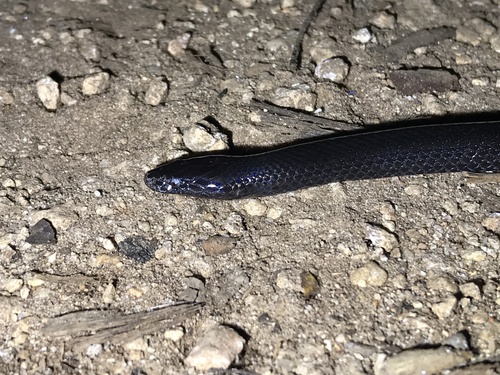
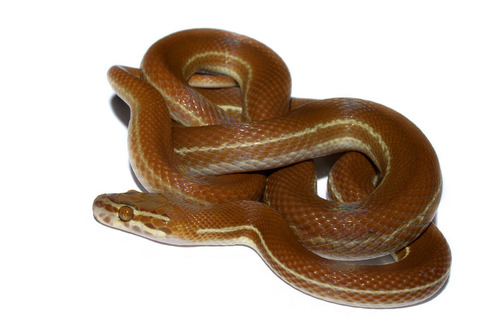
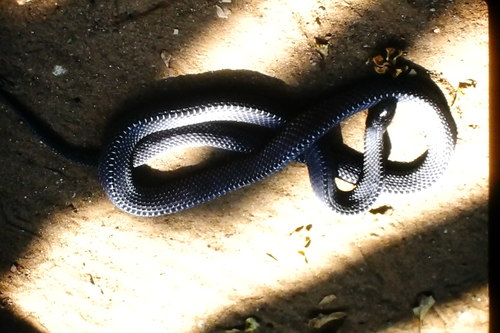
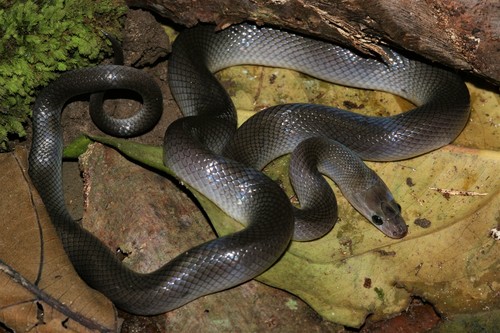
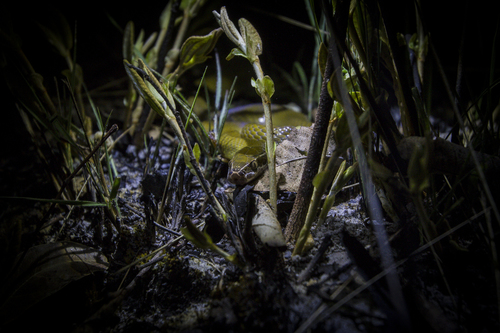
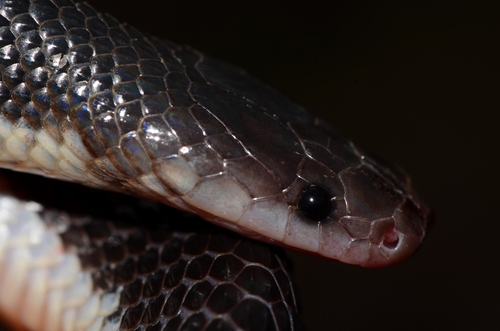
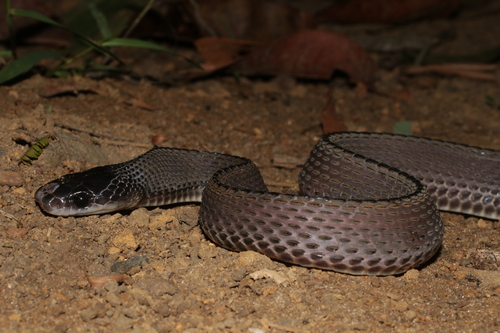
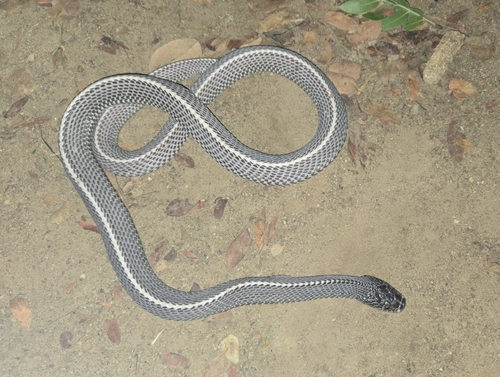
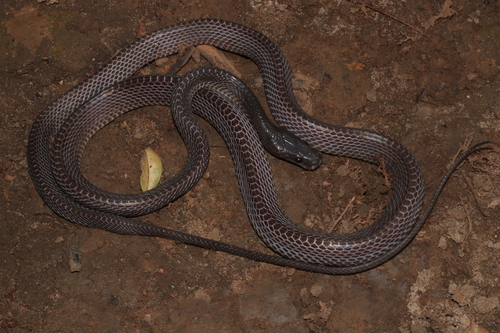
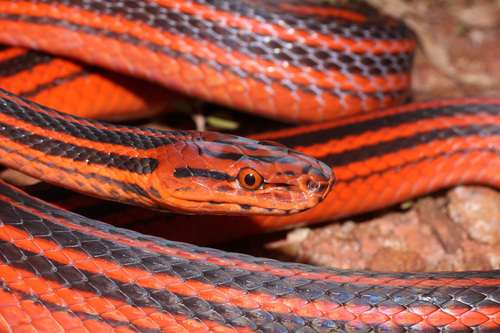
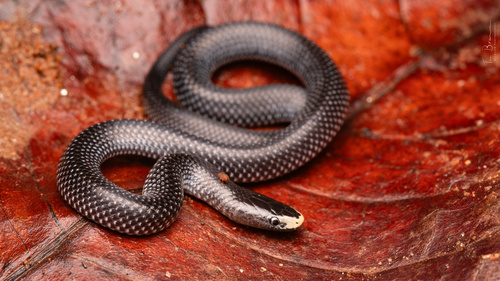
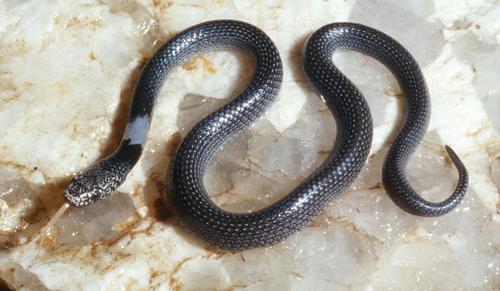
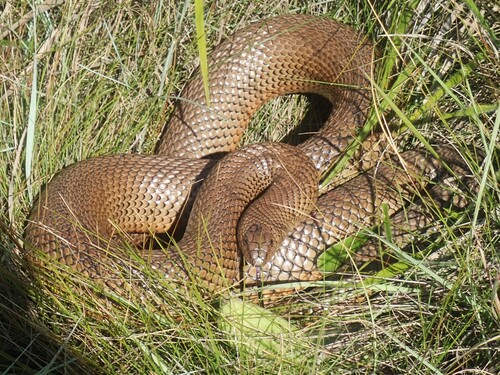
Elapidae (15)
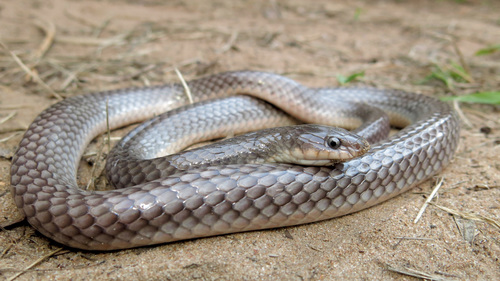
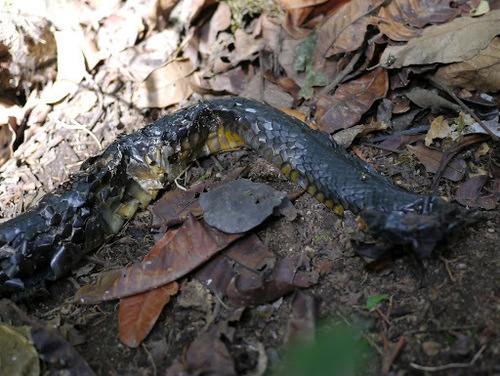
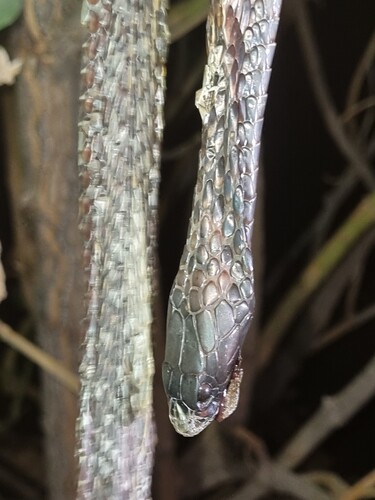
Viperidae (15)
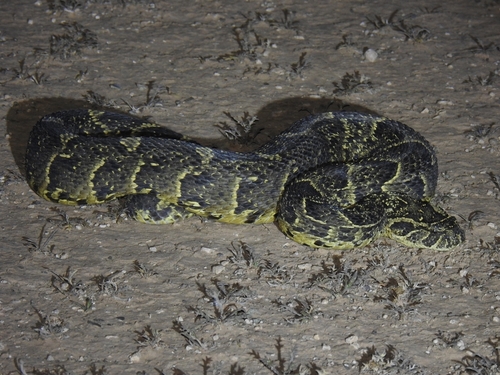

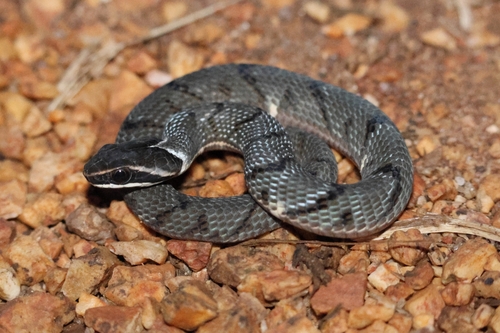
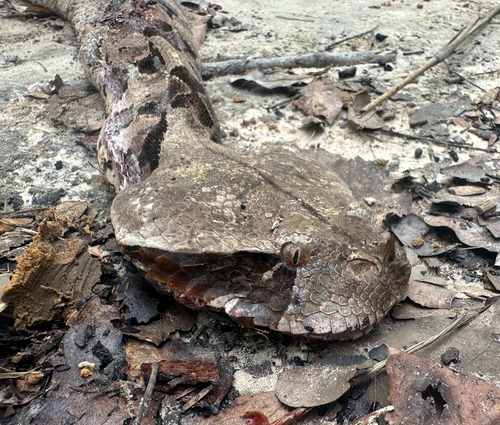
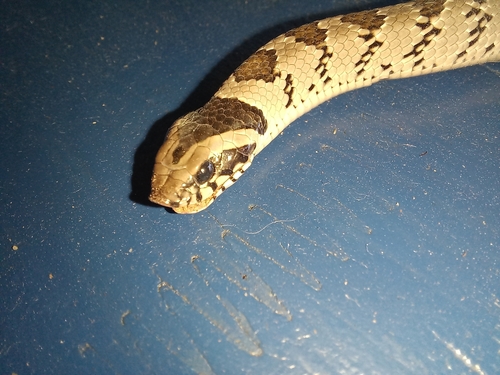
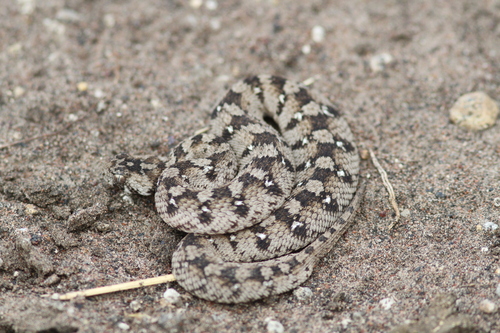
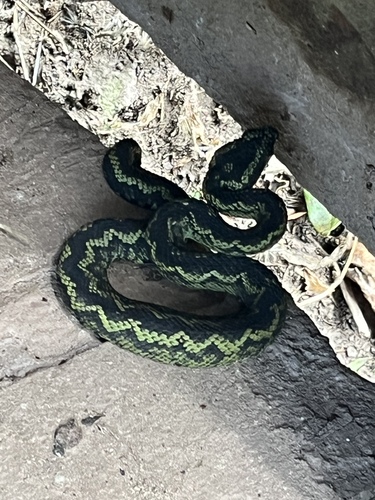
Atractaspididae (11)
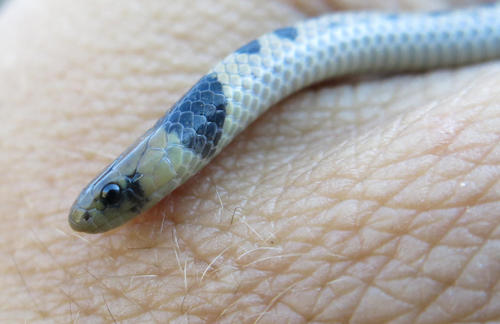
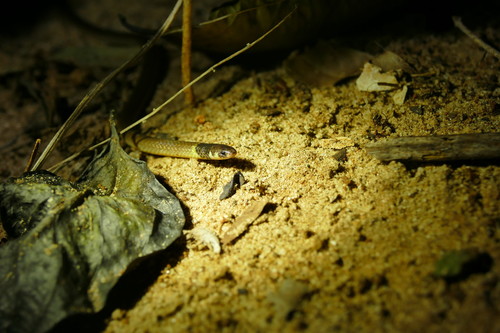
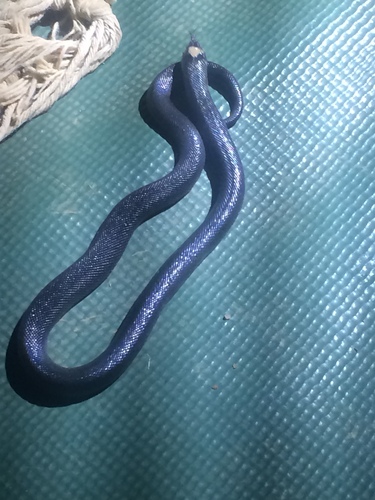
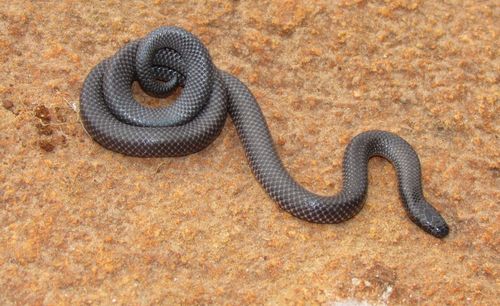

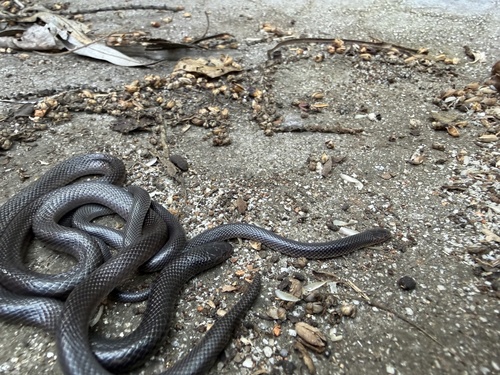
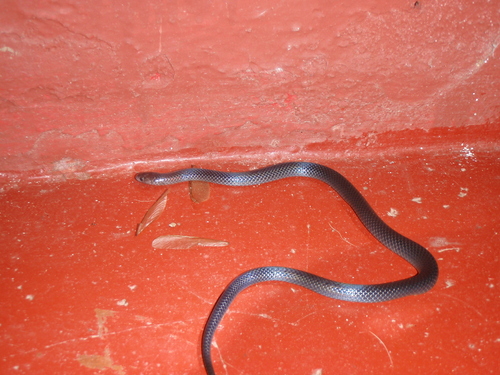


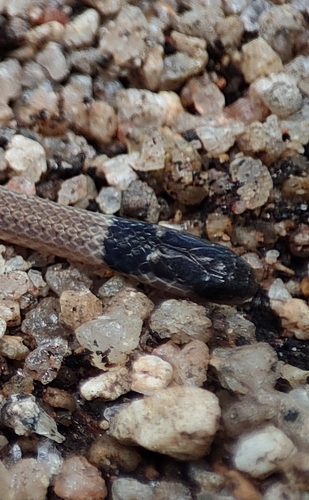
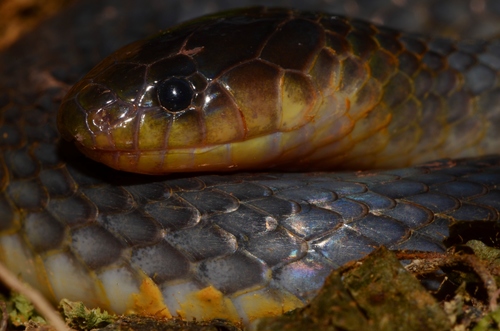
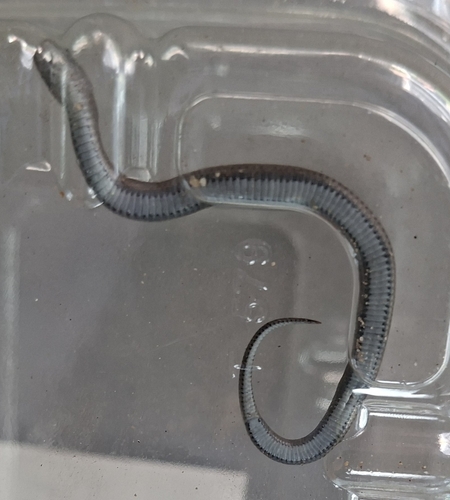
Typhlopidae (9)
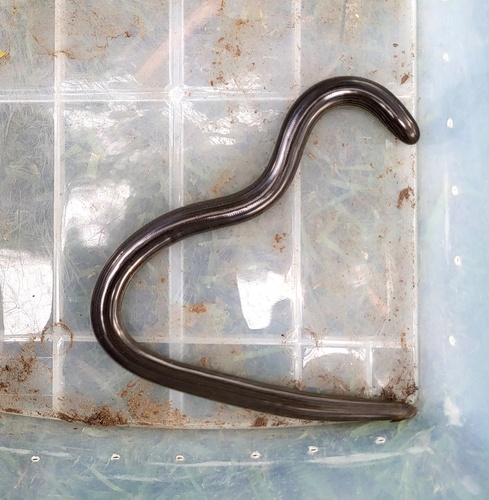
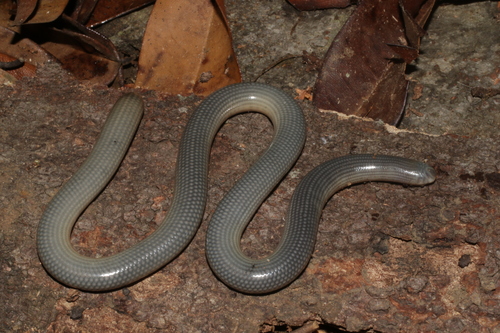
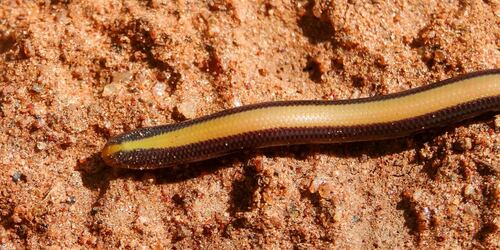
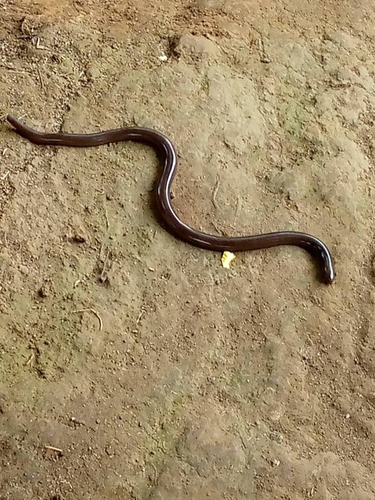
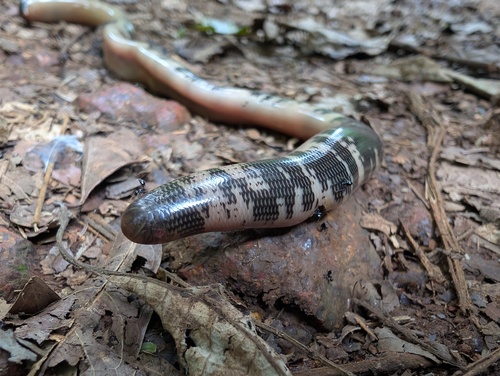
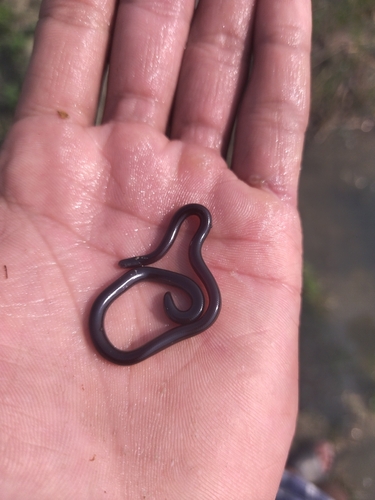
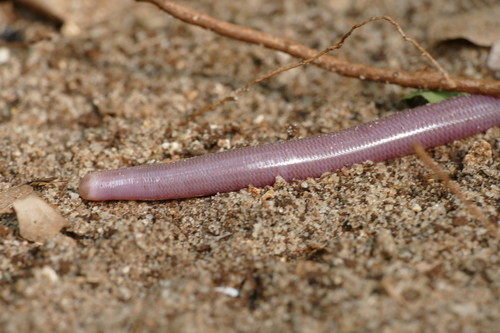
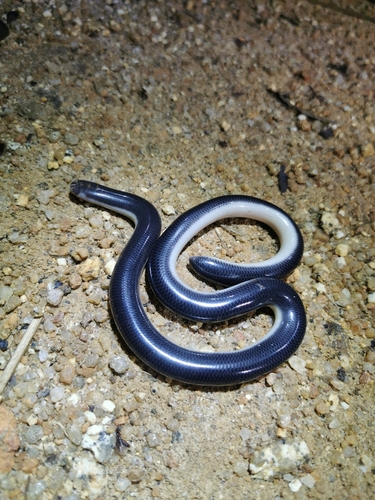
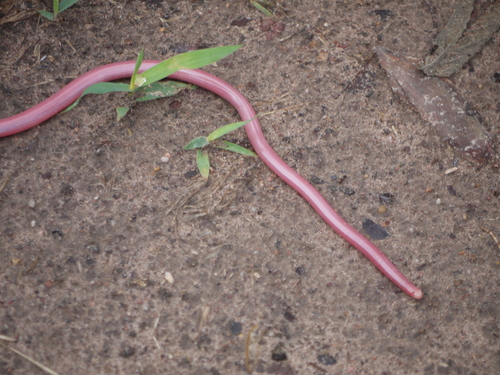
Leptotyphlopidae (9)
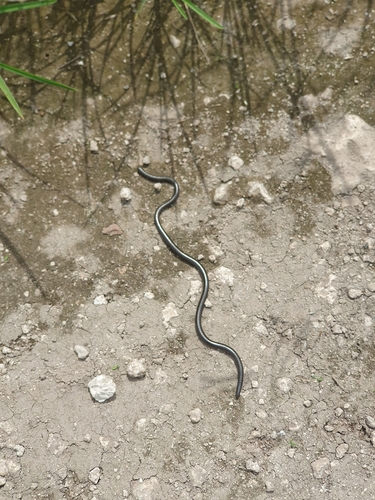
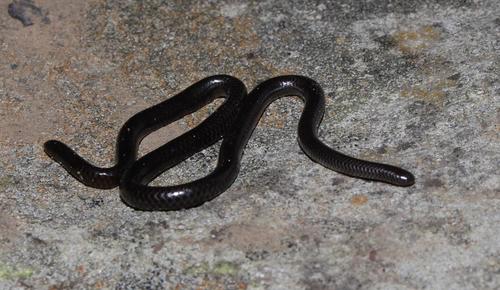
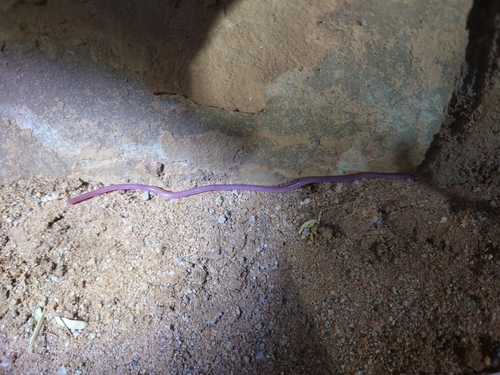
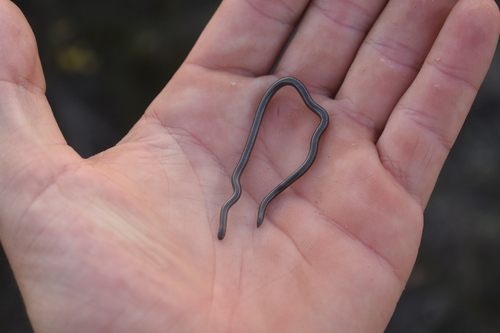
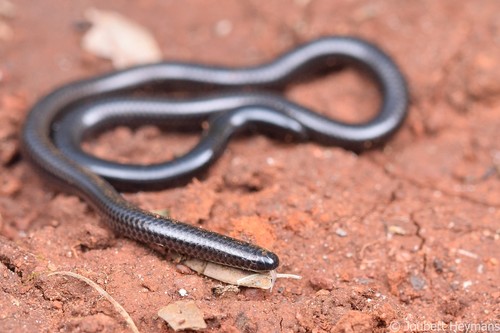
Prosymnidae (5)
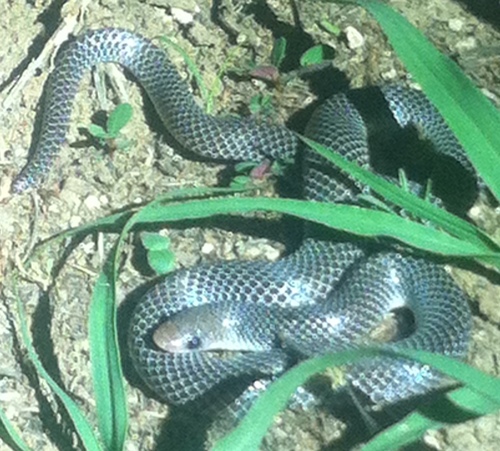
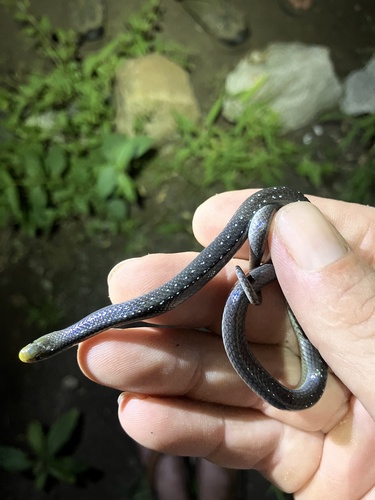
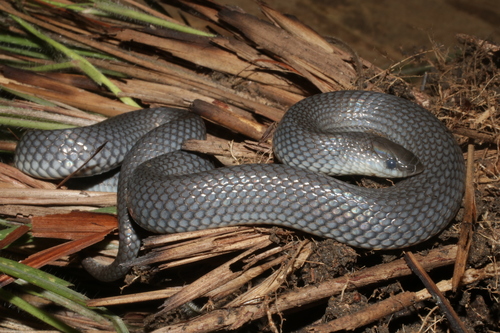
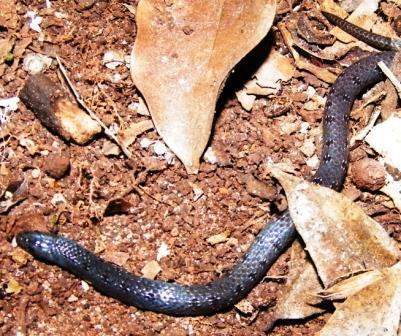
Boidae (4)
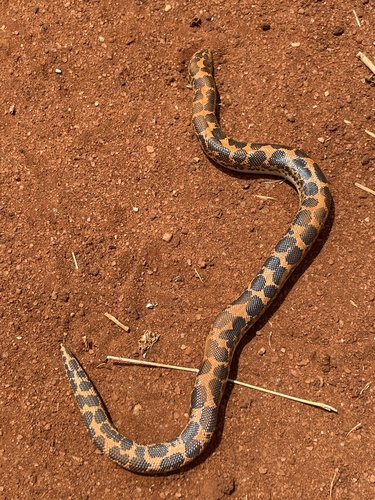
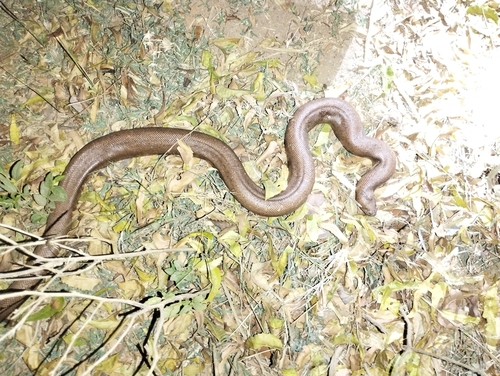
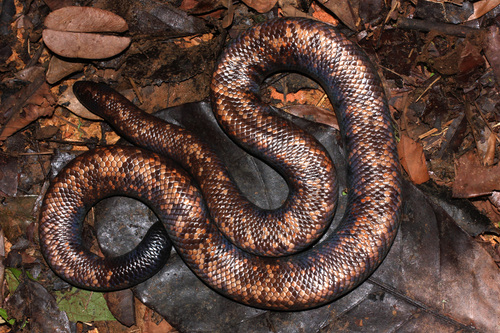
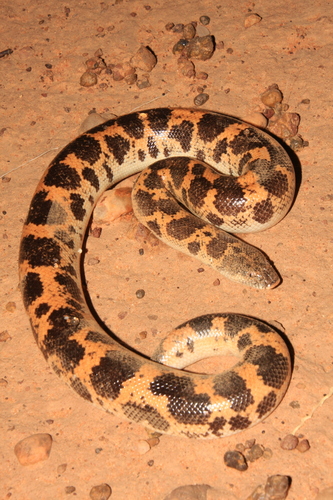
Pythonidae (1)
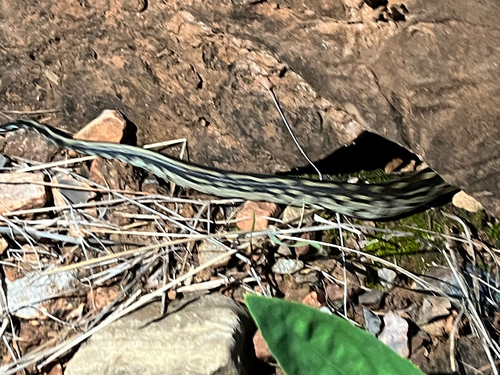
Pseudoxyrhophiidae (1)
Pseudaspididae (1)
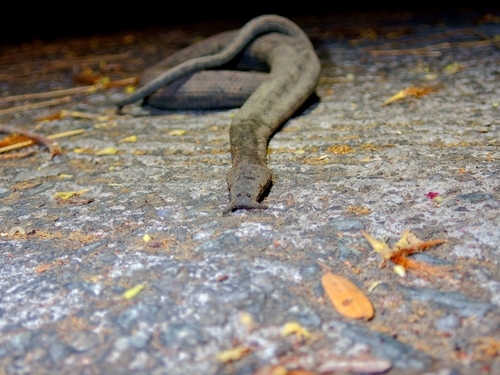
Homalopsidae (1)
Compiled from verified GBIF & iNaturalist observations. "How often seen" reflects how frequently a snake is reported here, not how dangerous it is. Informational only.
Keep learning
- Are Snakes Dangerous? The Real Risk, in PerspectiveMost snakes are harmless and avoid people. Here is the honest picture of snakebite risk worldwide and how to lower your own.
- Snakebite First Aid: What to Do (and What Never to Do)A clear, CDC-based guide to snakebite first aid: the steps that help, the popular myths that hurt, and how to tell a serious bite from a minor one.
- Venomous vs Nonvenomous: How to Tell the DifferenceThe folk rules for telling venomous snakes apart, where each one fails, and why location-based identification beats guessing by sight.
- What to Do If You Find a SnakeFound a snake at home or on a trail? Here is how to stay calm, give it space, identify it safely, and know when to call a professional.