
Nigeria
Snakes in Nigeria
125+ snake species have been recorded in Nigeria, 34 venomous.
Snakes of Nigeria
Nigeria has 125+ snake species recorded in our database, 40 of them venomous. The great majority of species are non-venomous, which means that most snakes a person encounters in the country pose no medical threat. The venomous minority matters out of proportion to its size, but it is still a minority within a fauna that is overwhelmingly harmless to people.
Nigeria's snake diversity is driven by a strong north-to-south gradient in habitat. The south holds humid lowland rainforest and the mangrove and freshwater swamps of the Niger Delta, environments rich in frogs, fish, and small mammals that support a dense community of snakes. Moving north, the forest gives way to the Guinea and Sudan savanna, then to the drier Sahel near the border with Niger. Rivers such as the Niger and the Benue, along with farmland, wetlands, and rocky hills, add further variety. Each of these zones favors a different set of species, so the country supports both forest specialists and arid-country snakes.
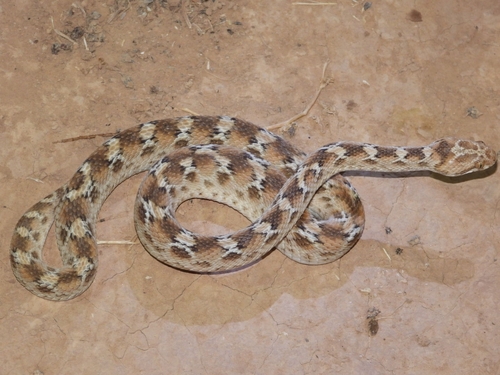
The medically important venomous snakes of Nigeria fall into a few well-established groups. Vipers are the most significant: the carpet or saw-scaled viper of the drier north and the puff adder of savanna and farmland are leading causes of serious snakebite, and forest species such as the Gaboon viper and rhinoceros viper occur in the south. Among the elapids, Nigeria has cobras, including spitting cobras whose venom can be sprayed toward the eyes, and it lies within the range of African mambas, fast arboreal snakes of forest and savanna. Burrowing asps, sometimes called stiletto snakes, are also present and can deliver a painful bite. Where exact species ranges are uncertain, it is safest to think in terms of these groups, vipers, cobras, mambas, and burrowing asps, rather than relying on a single name.
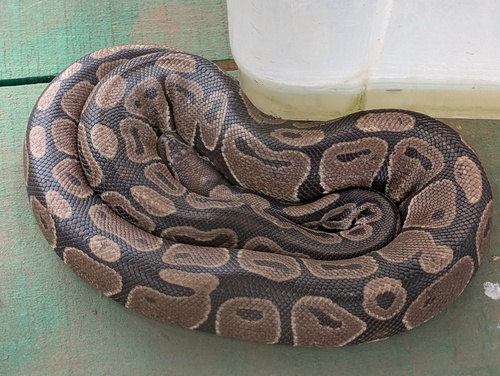
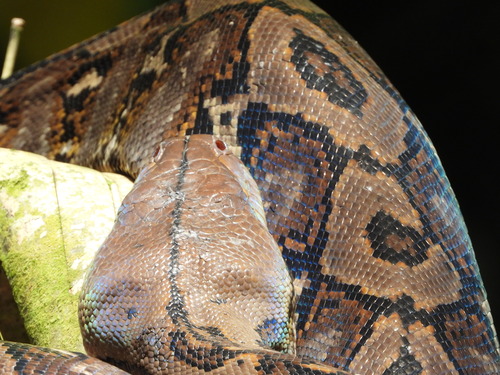
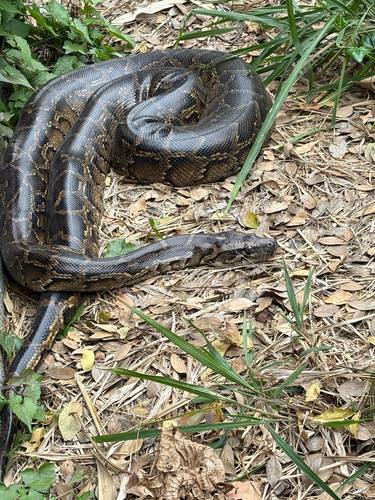
The large non-venomous majority defines what Nigerian snake life actually looks like day to day. The African rock python, one of the continent's largest snakes, is the country's most famous serpent and is a constrictor rather than a venomous animal. House snakes, sand snakes, egg-eating snakes, file snakes, and a wide range of water snakes and small burrowers fill out the fauna. Many of these are common around villages, farms, and water, and most people who see a snake in Nigeria are looking at one of these harmless species.
Snakes are valuable to people and to the wider ecosystem. By preying on rats, mice, and other rodents, they help control pests that damage stored grain and crops and that carry disease. Constrictors and small hunters alike keep rodent and amphibian populations in balance, and the snakes themselves are food for birds of prey and other predators. A landscape with healthy snake populations is usually one with fewer rodent problems.
On safety, the honest picture is that most Nigerian snakes are harmless and the main medical threat comes from vipers, especially the saw-scaled viper and puff adder, along with cobras and mambas. The correct response to a venomous bite is professional medical care: antivenom and hospital treatment are what work. No wild snake should be handled, and a venomous snake is never safe to pick up regardless of how calm it appears. This page does not give first-aid steps. If a bite occurs, seek emergency medical care immediately by contacting local emergency services, or in the United States contact Poison Control at 1-800-222-1222.
Snakes in Nigeria: FAQ
- Are there venomous snakes in Nigeria?
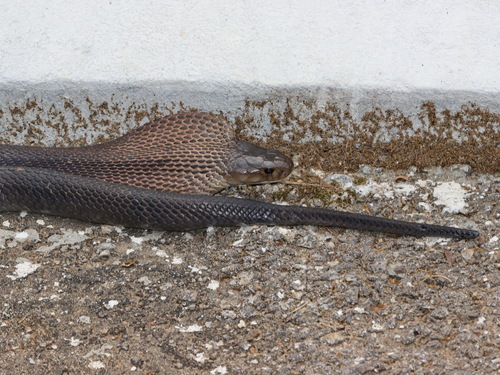
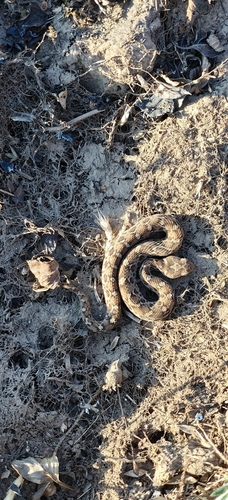
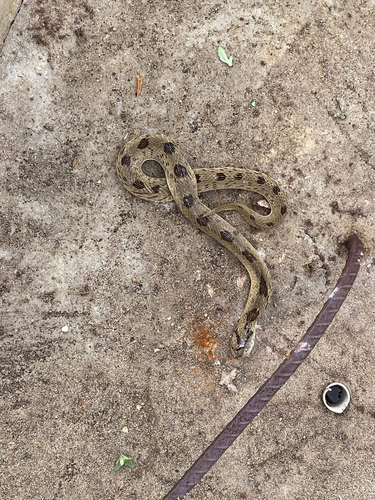
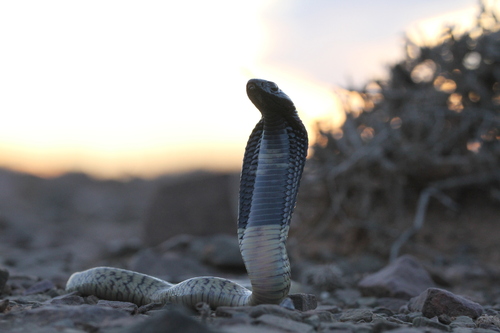
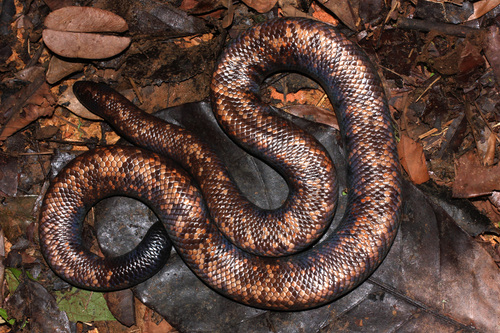
- Yes. 34 venomous snake species have verified records in Nigeria, including Brown Banded Cobra, Saw-scaled Viper, Spotted Night Adder, Forest Cobra. Most snakes in Nigeria, however, are harmless.
- How many snake species live in Nigeria?
- 125+ snake species have verified records in Nigeria, of which 34 are venomous.
- What is the most commonly seen snake in Nigeria?
- The Brown Banded Cobra is the most frequently reported snake in Nigeria, based on verified wildlife observations.
- What should I do if I see a venomous snake in Nigeria?
- Keep your distance and do not try to catch or kill it. Most bites happen when people handle or corner a snake. If someone is bitten, contact local emergency services or poison control immediately.
Venomous snakes in Nigeria
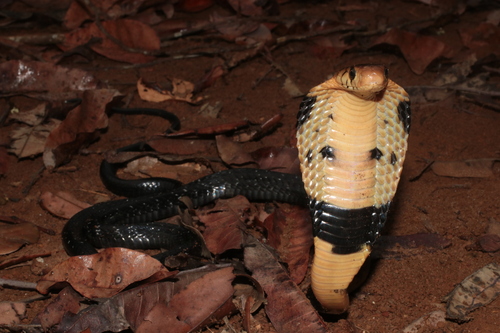
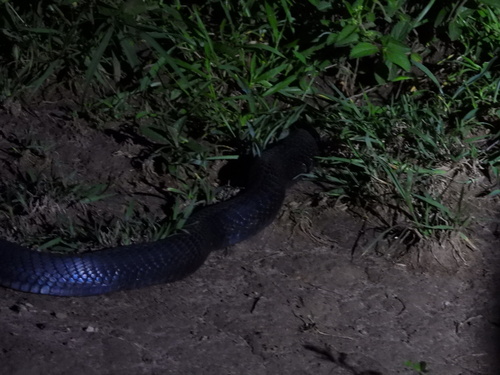
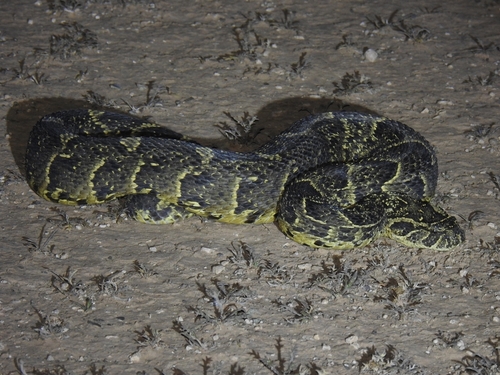
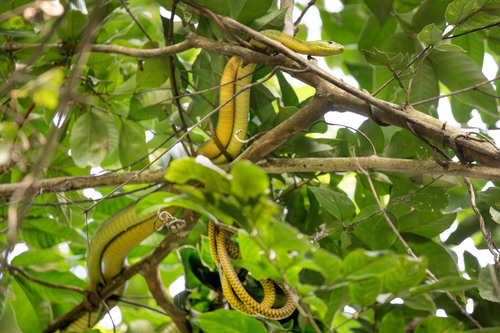
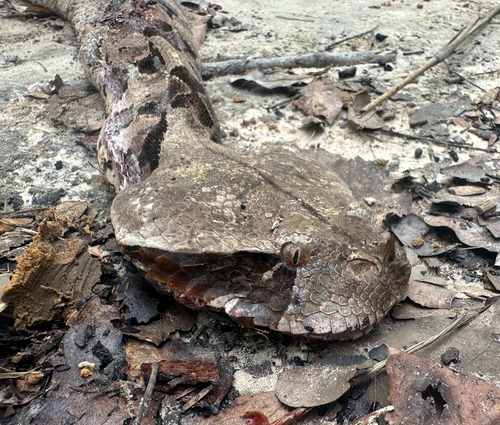
- No photo

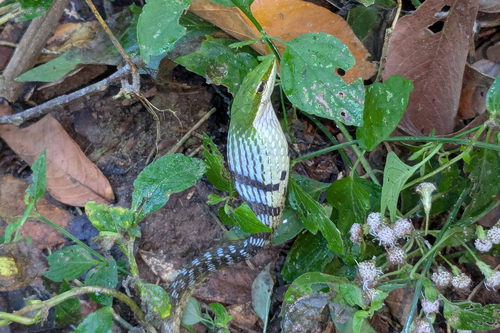
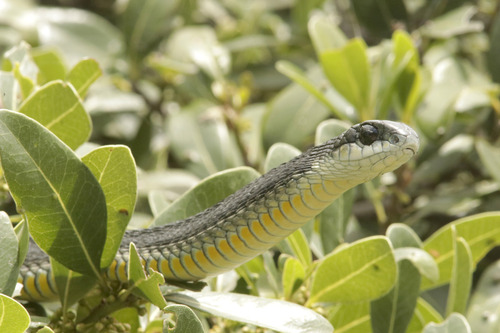
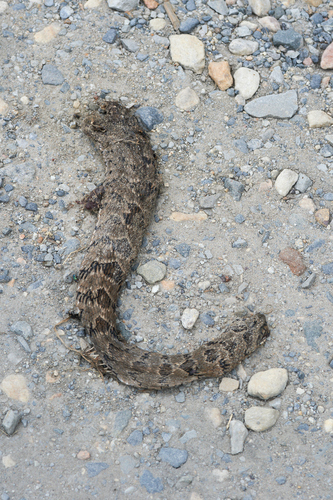
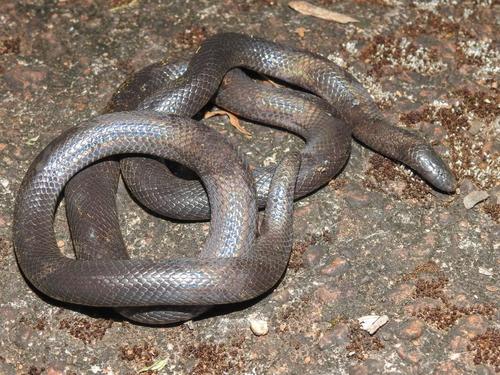
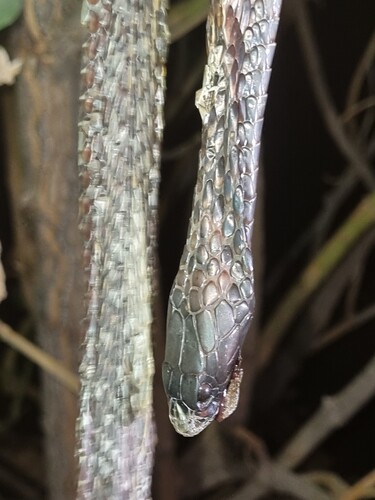
- No photo
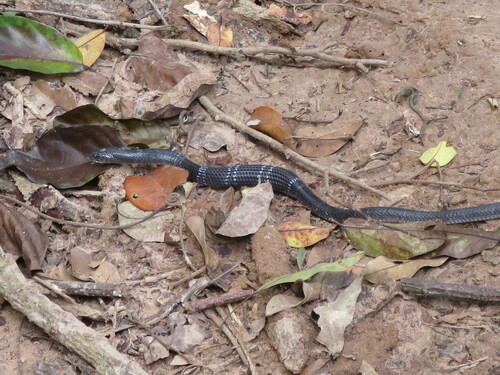
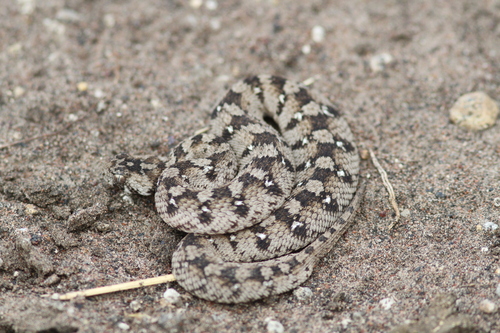
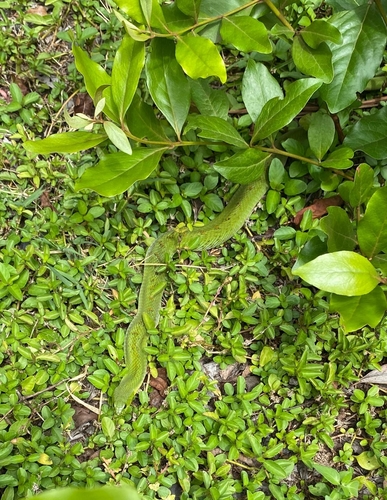
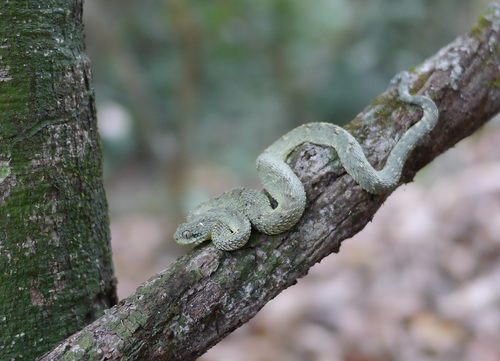
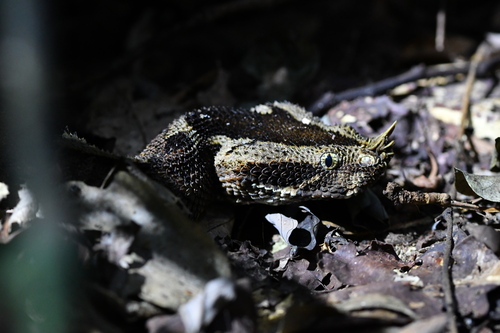
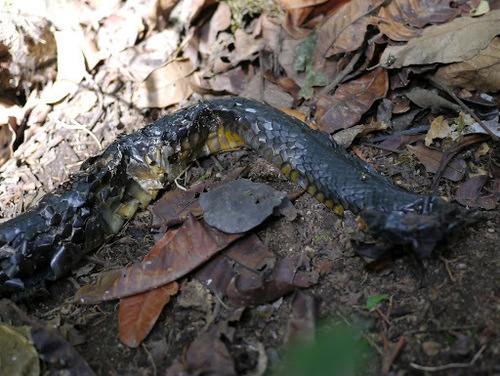
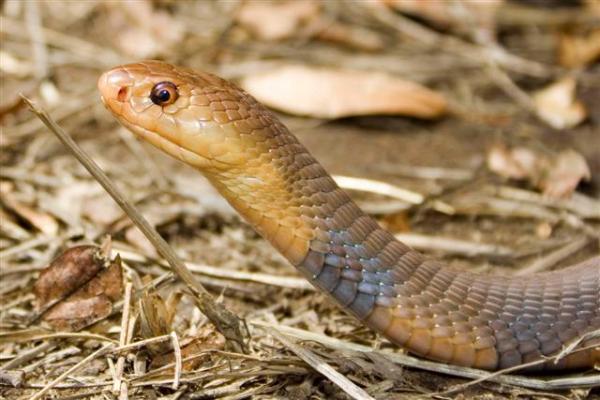
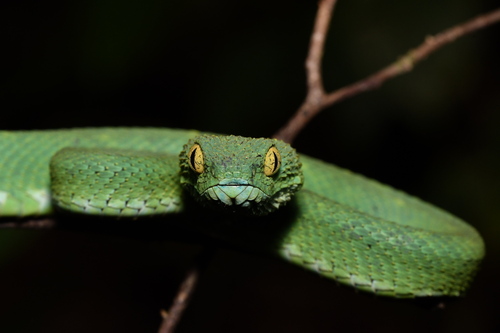

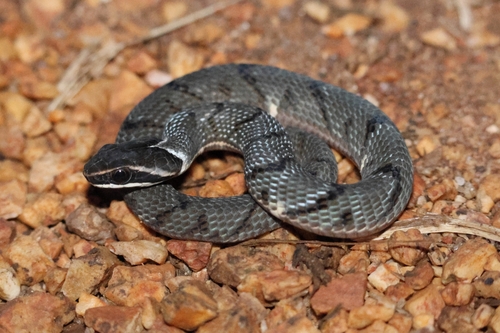
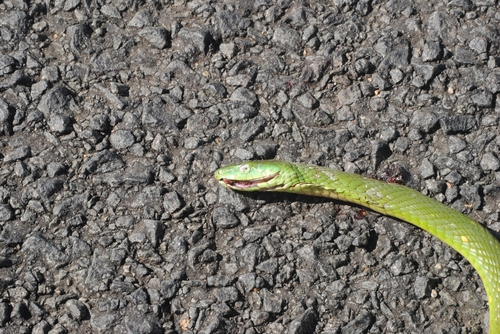
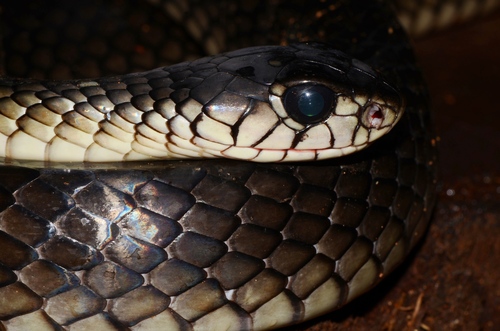
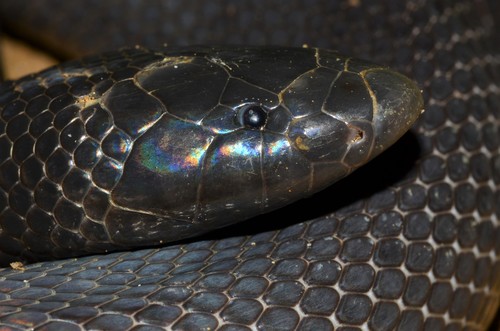
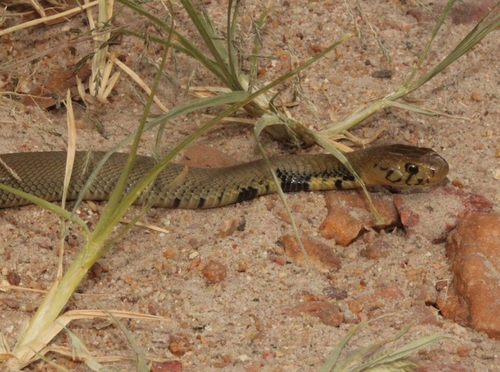
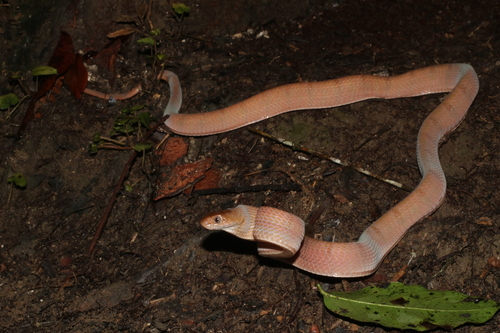
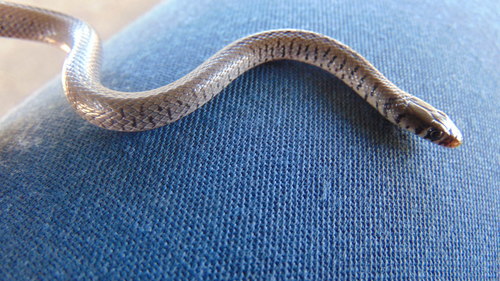
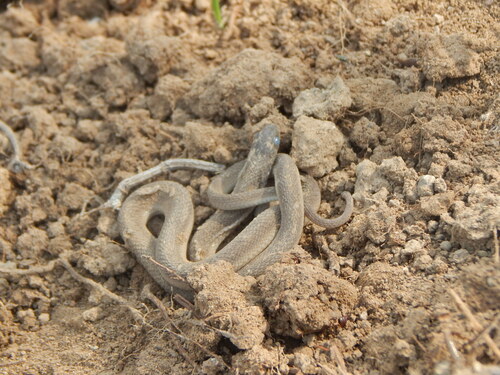
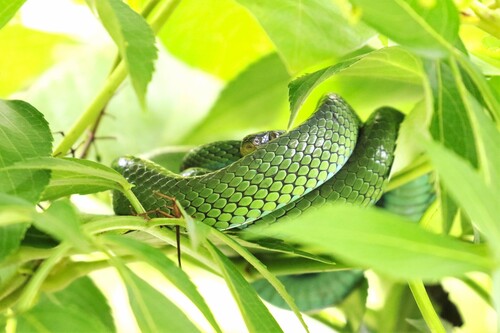
Every snake recorded in Nigeria
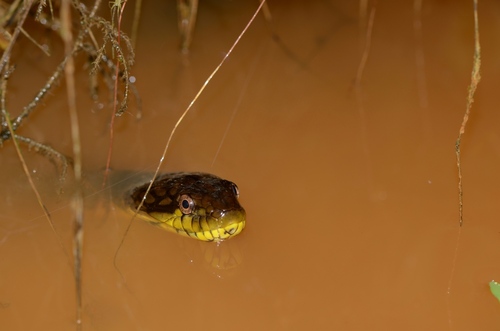
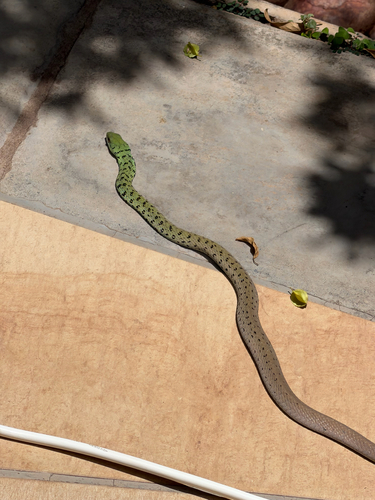
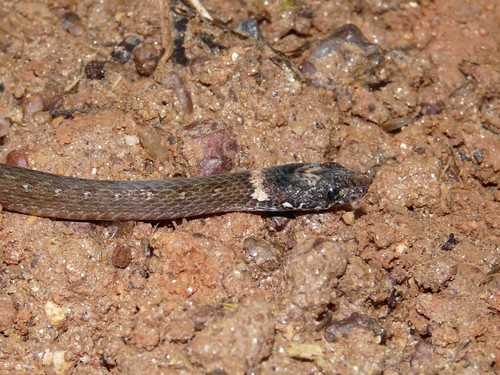
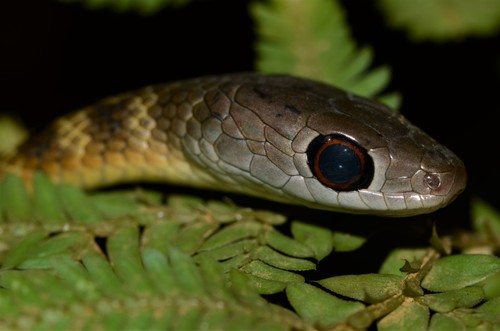
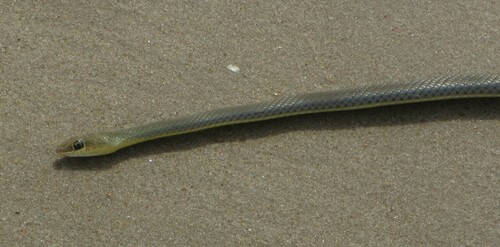
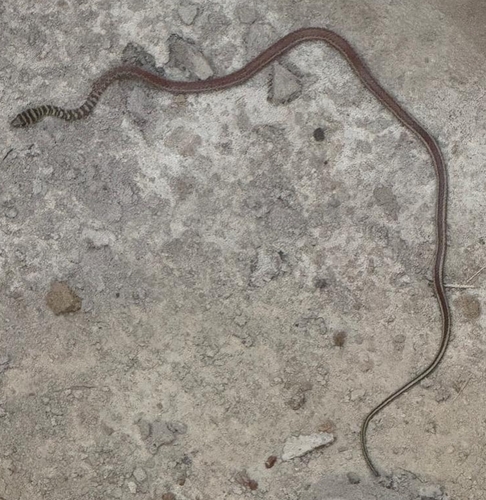
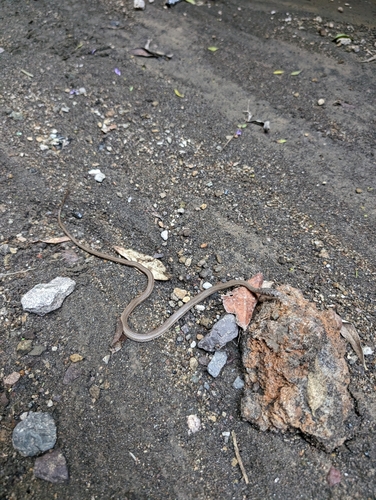
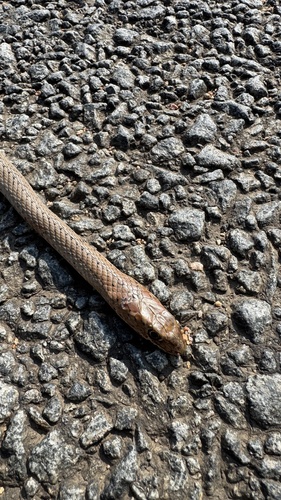
125+ species across 11 families, grouped by family. Venomous flagged.
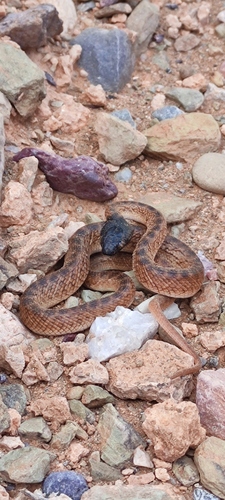
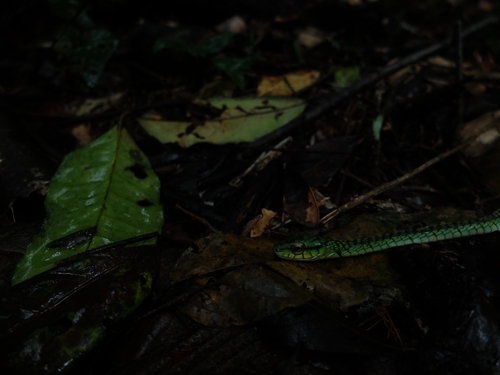
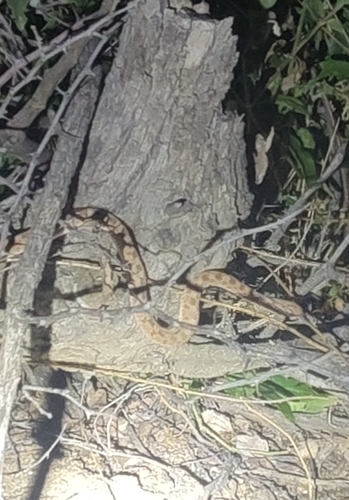
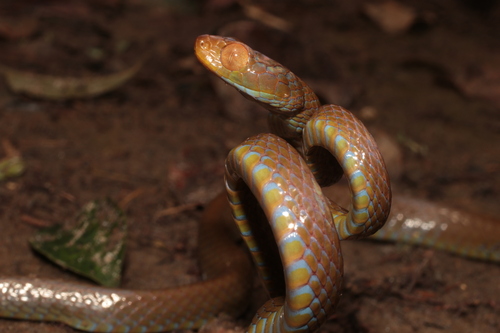
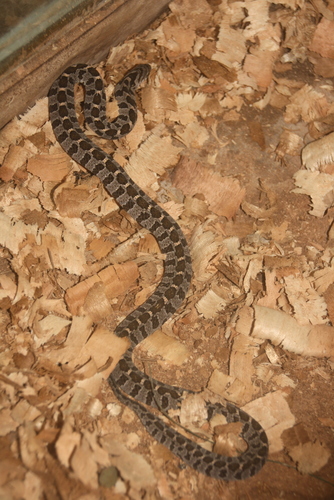
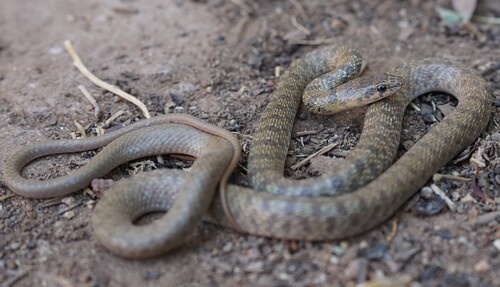
Colubridae (45)
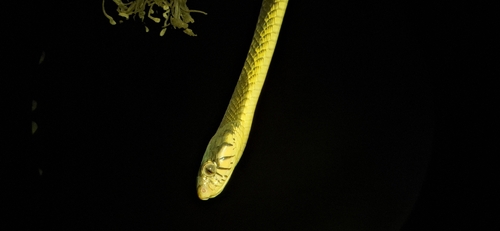
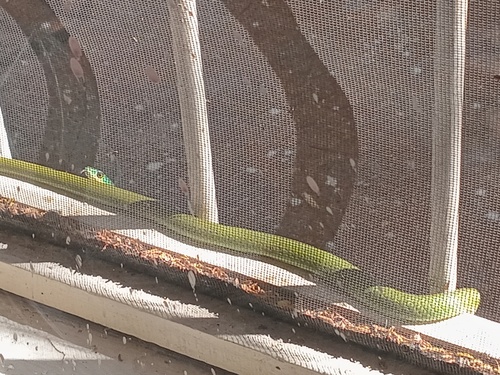
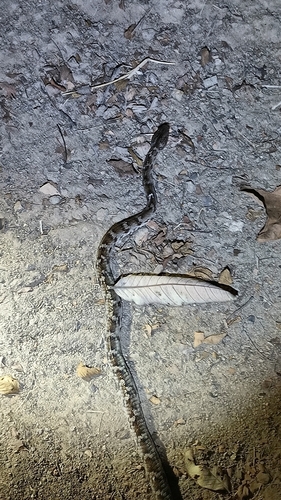
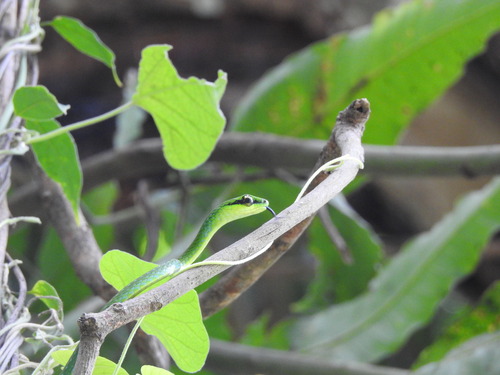
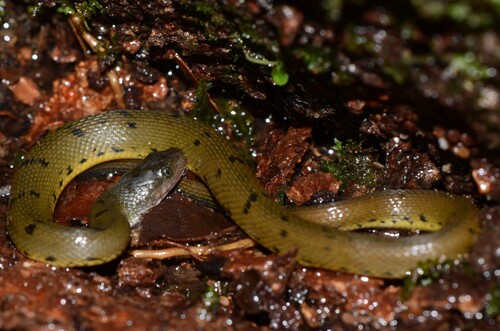
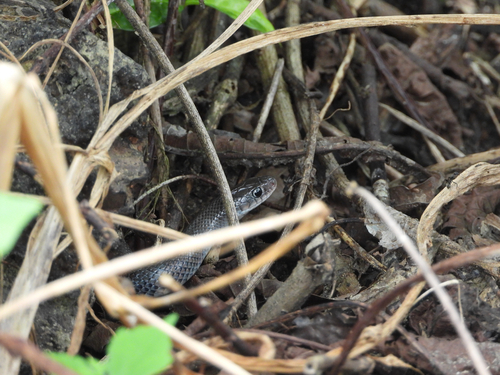
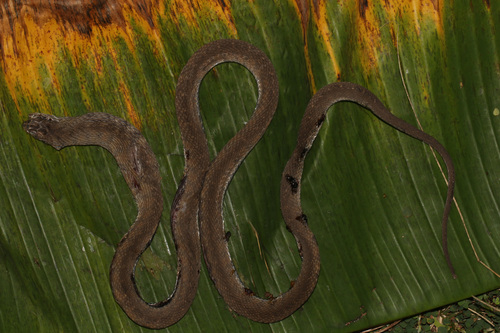
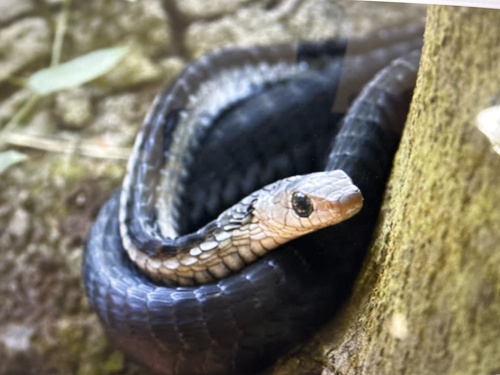

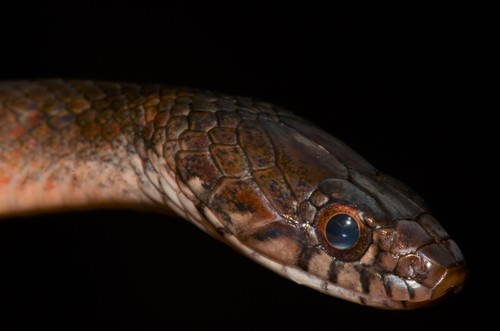
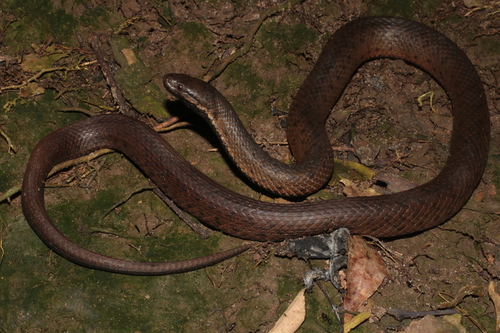
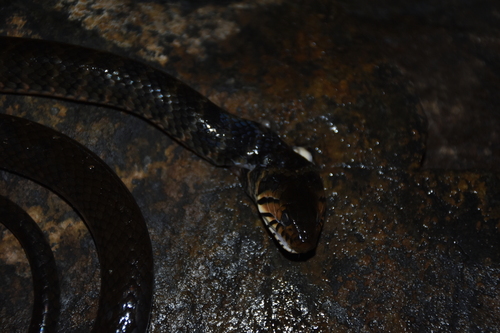
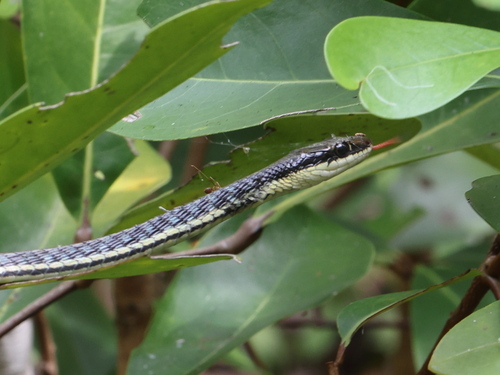
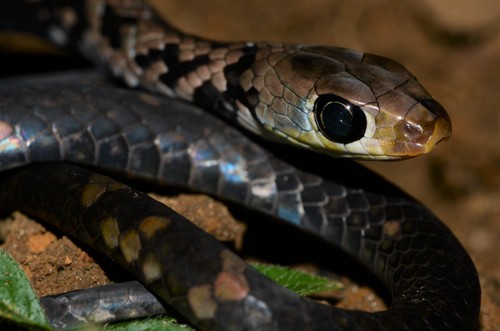

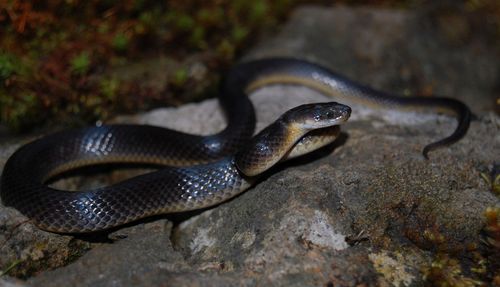

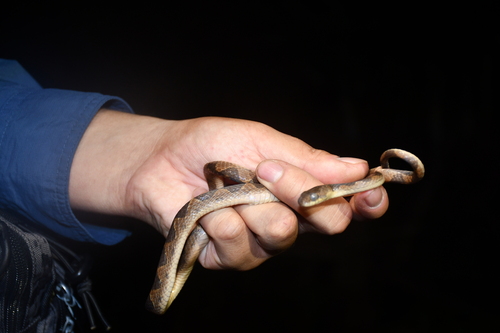
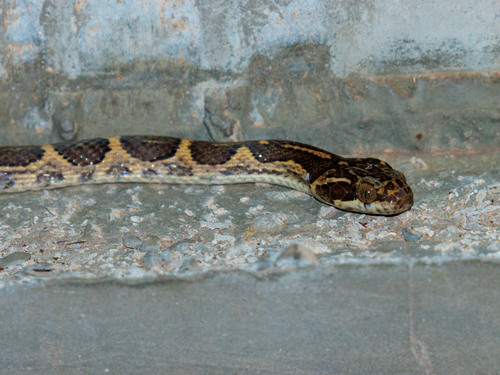
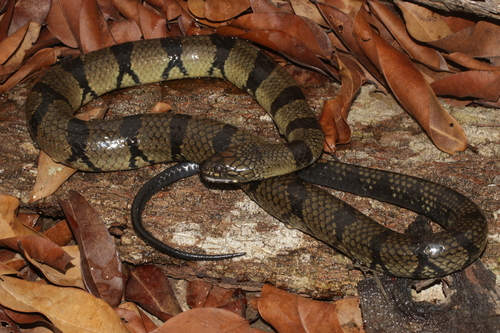
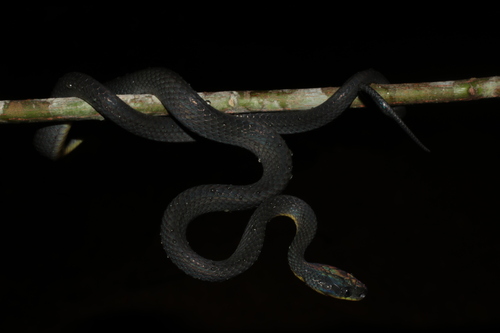
Lamprophiidae (20)
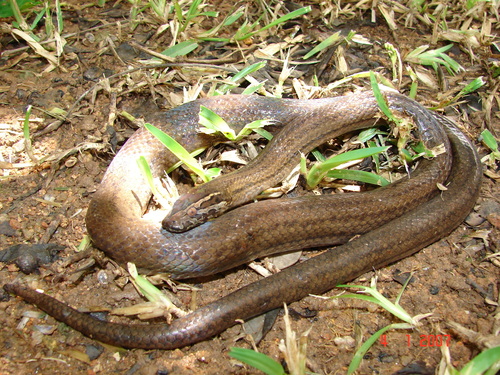
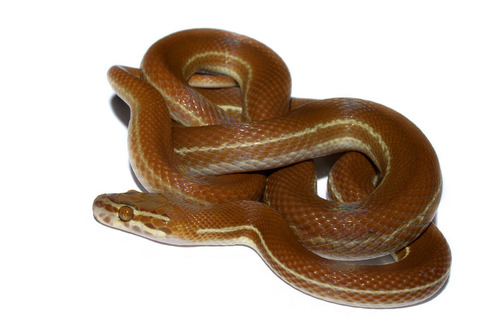
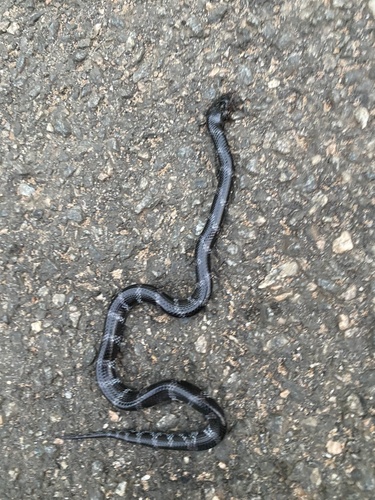
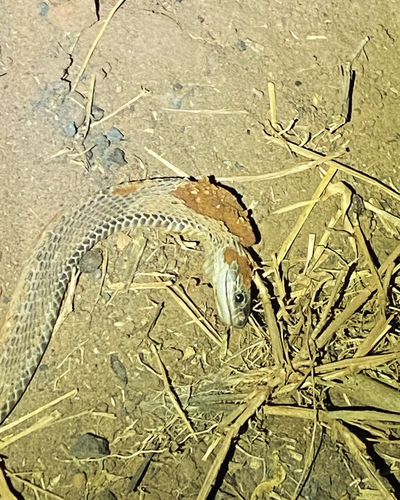
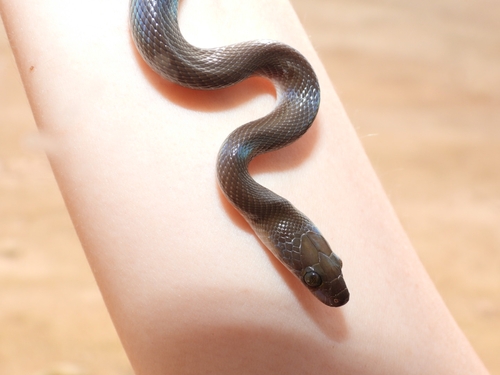
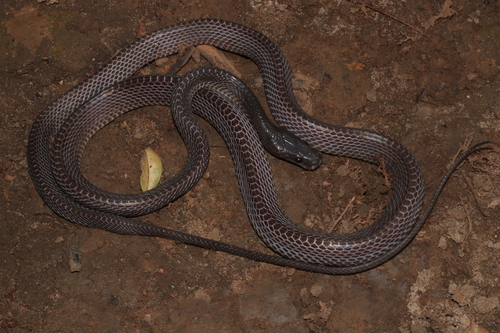
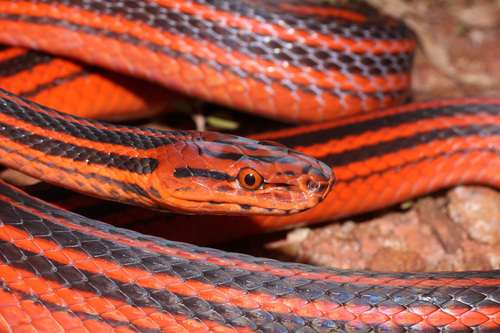
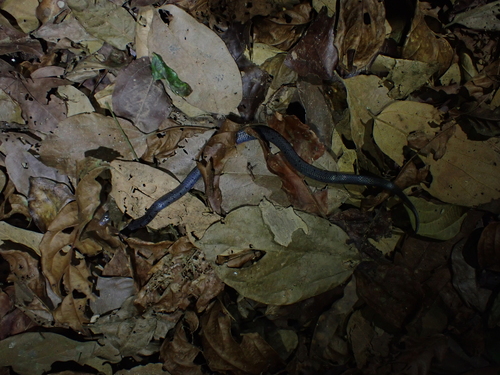
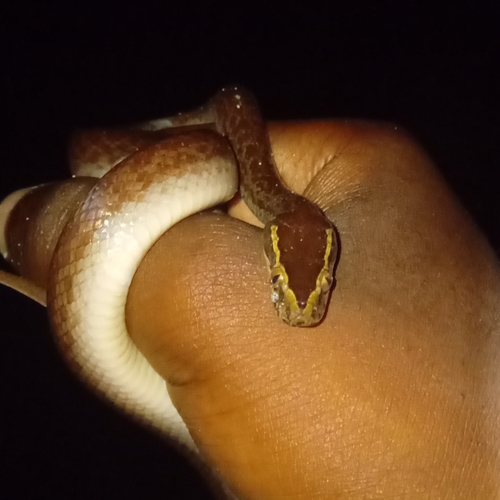
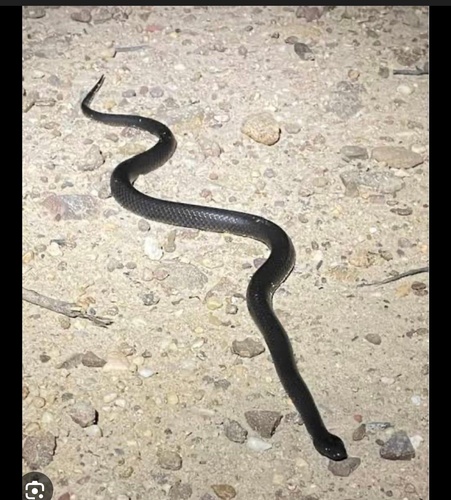
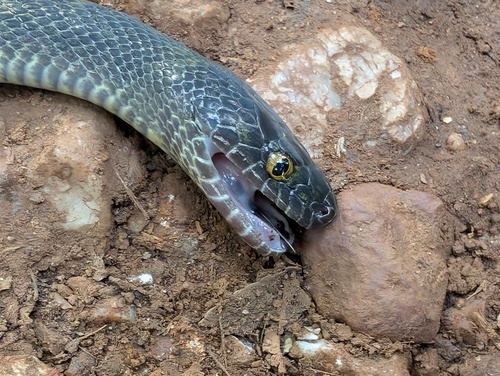
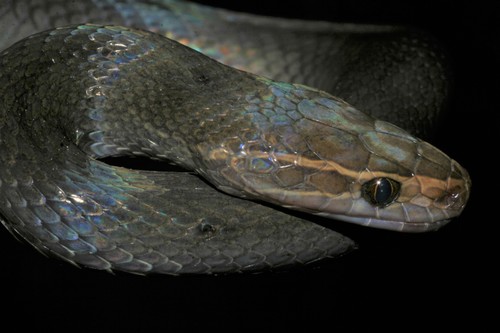
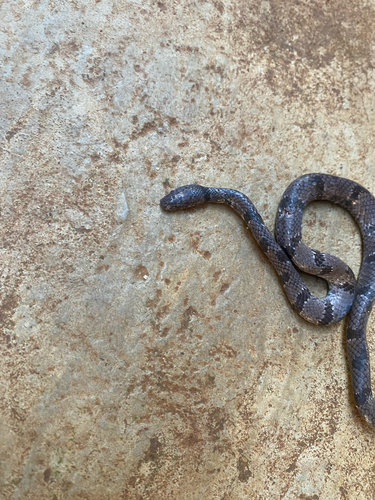
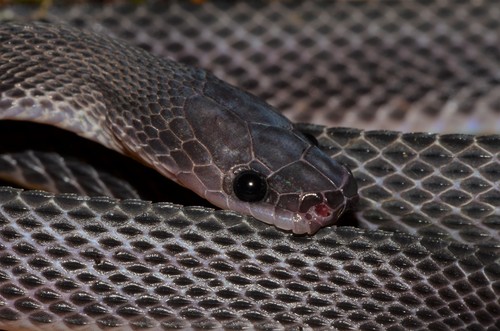
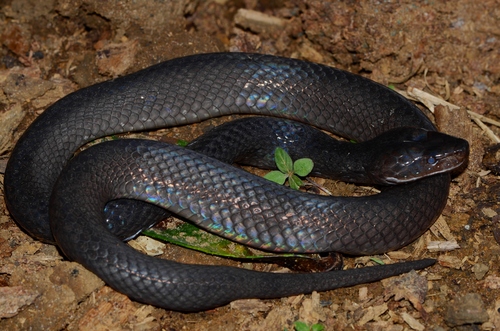
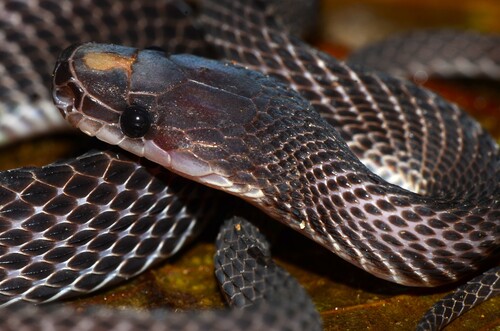

Elapidae (14)
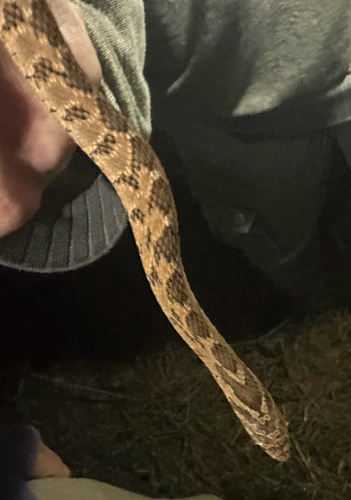
Viperidae (12)
Atractaspididae (12)
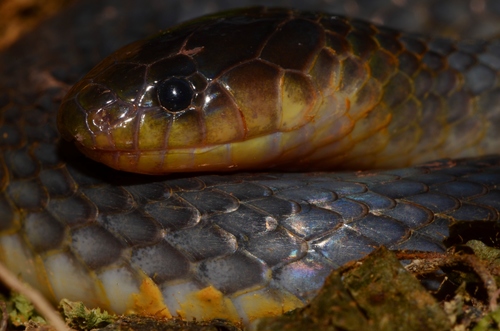

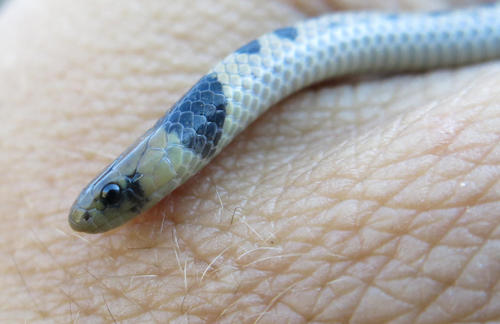
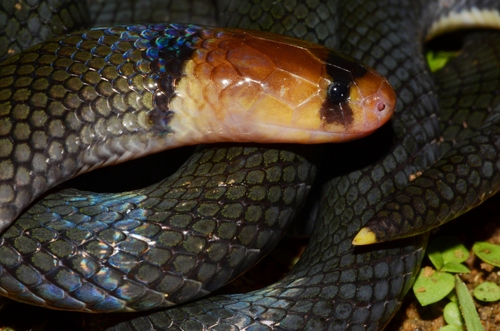
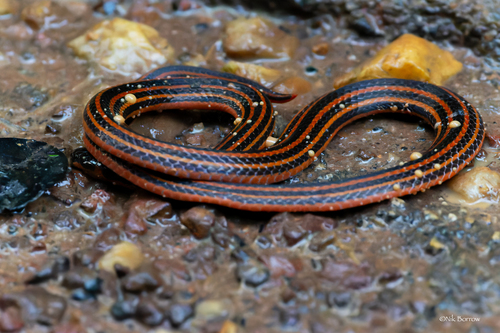
Psammophiidae (10)
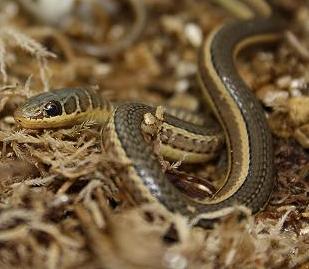
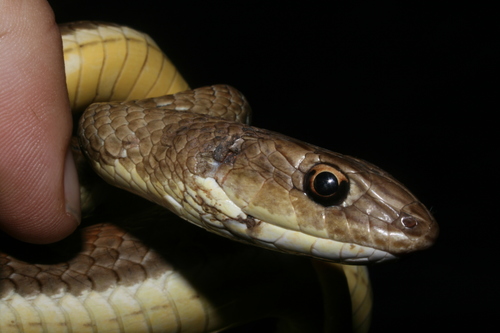
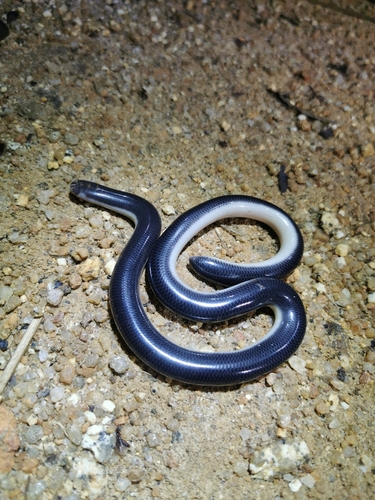
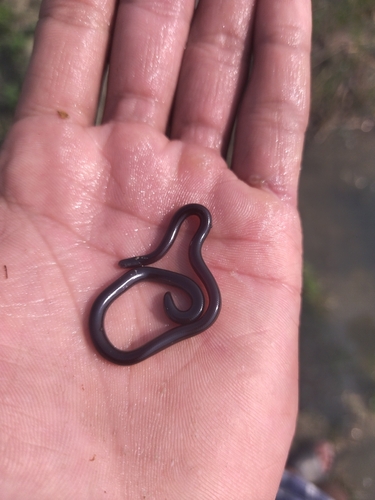
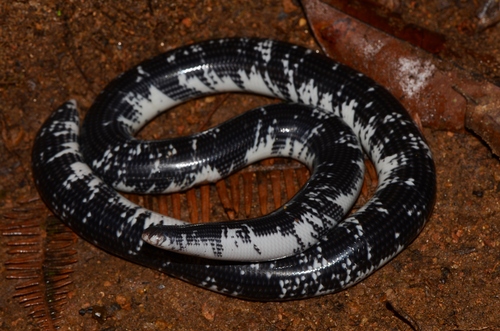
Typhlopidae (7)
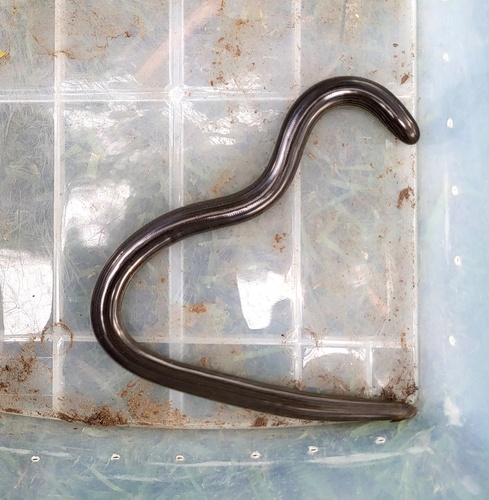
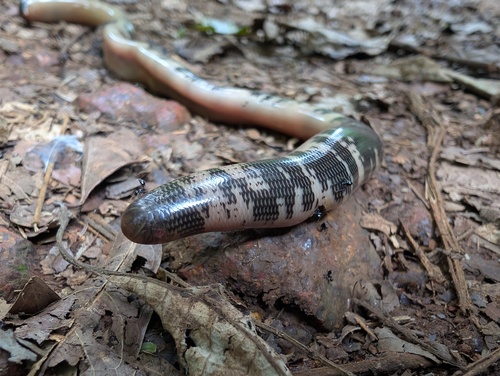
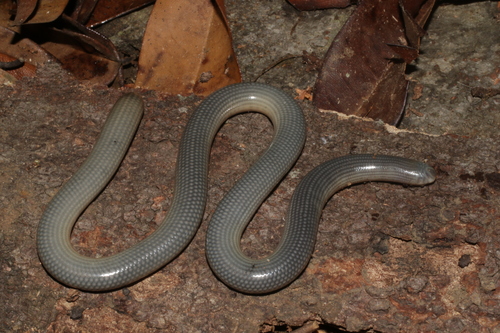

Pythonidae (4)
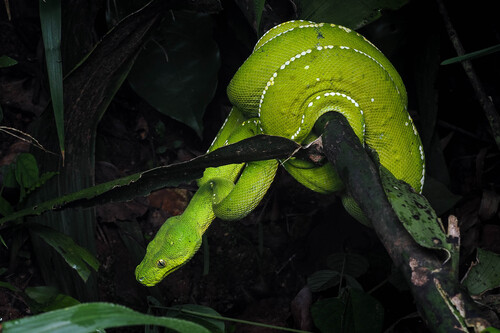
Prosymnidae (3)
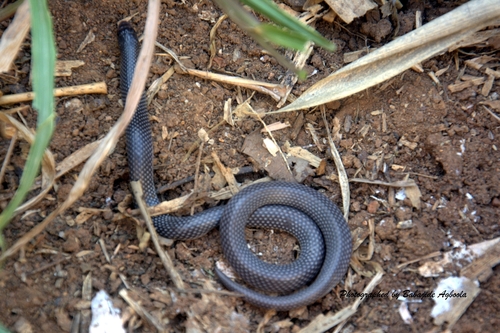
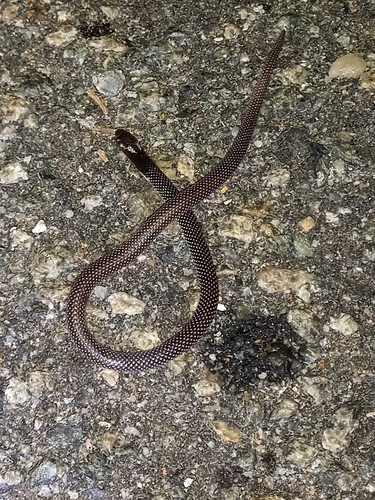
Leptotyphlopidae (3)
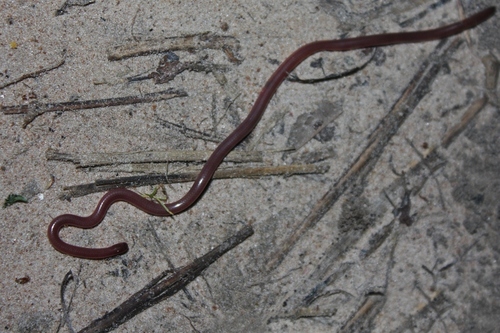
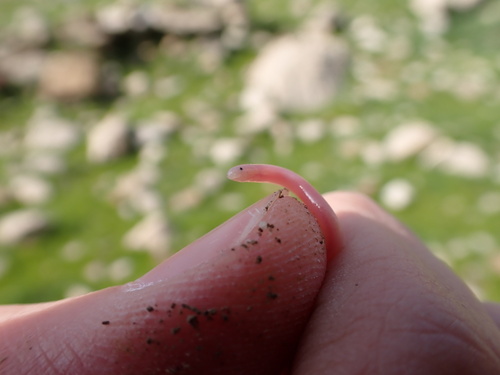
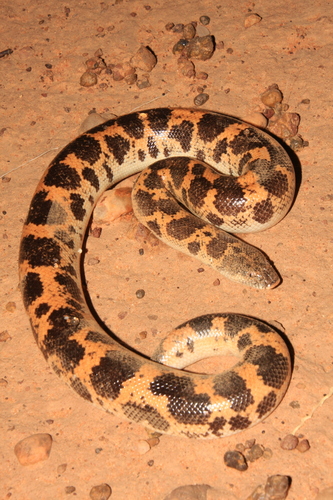
Compiled from verified GBIF & iNaturalist observations. "How often seen" reflects how frequently a snake is reported here, not how dangerous it is. Informational only.
Keep learning
- Are Snakes Dangerous? The Real Risk, in PerspectiveMost snakes are harmless and avoid people. Here is the honest picture of snakebite risk worldwide and how to lower your own.
- Snakebite First Aid: What to Do (and What Never to Do)A clear, CDC-based guide to snakebite first aid: the steps that help, the popular myths that hurt, and how to tell a serious bite from a minor one.
- Venomous vs Nonvenomous: How to Tell the DifferenceThe folk rules for telling venomous snakes apart, where each one fails, and why location-based identification beats guessing by sight.
- What to Do If You Find a SnakeFound a snake at home or on a trail? Here is how to stay calm, give it space, identify it safely, and know when to call a professional.