
Singapore
Snakes in Singapore
100+ snake species have been recorded in Singapore, 36 venomous.
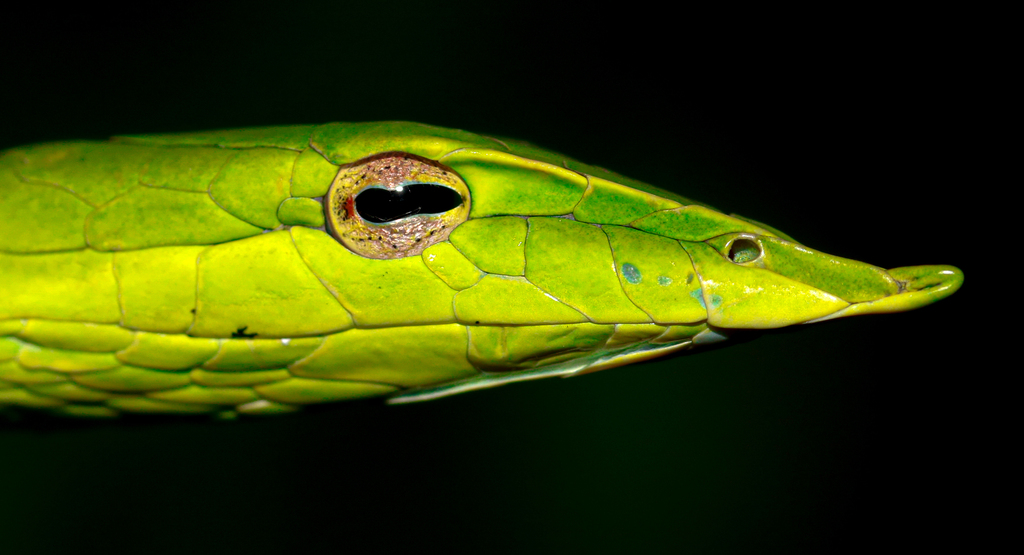
Snakes of Singapore
Singapore packs an unusually rich snake fauna into a small, densely developed island. Our database records 100+ snake species for the country, of which 37 are venomous. That ratio matters: the great majority of species here are non-venomous, and most snakes a person encounters are harmless animals going about the business of hunting prey and avoiding people. The high species count reflects Singapore's position in the wet tropics of Southeast Asia, where warm temperatures and year-round rainfall support a deep diversity of reptiles.
The diversity is driven by the range of habitats squeezed into the island and its waters. Singapore holds patches of primary and secondary lowland rainforest in reserves such as Bukit Timah and the Central Catchment, extensive mangrove and coastal wetland at Sungei Buloh, freshwater swamp and stream systems, and a heavily urbanized matrix of parks, drains, and gardens that many adaptable snakes now use. Offshore reefs, seagrass beds, and estuaries add a fully marine dimension. Each of these settings favors different snakes, from canopy and leaf-litter specialists in the forest to mangrove and water-associated species in the wetlands, which is why so many species coexist in such a small area.
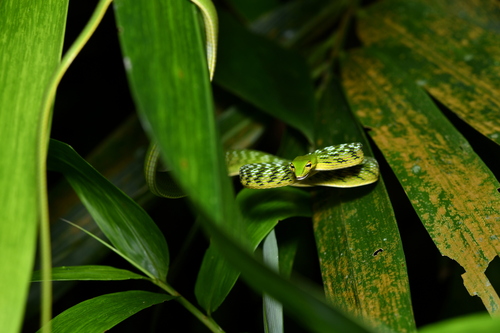
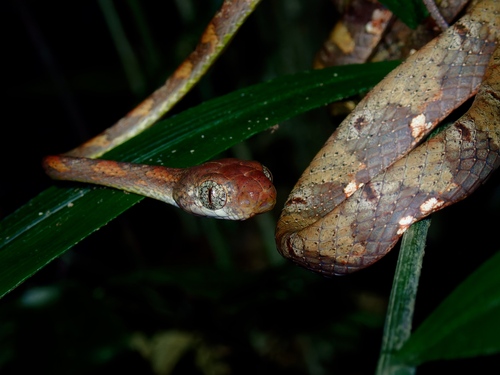
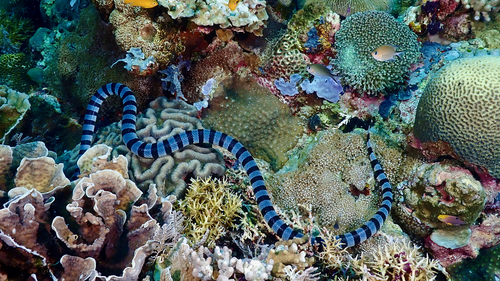
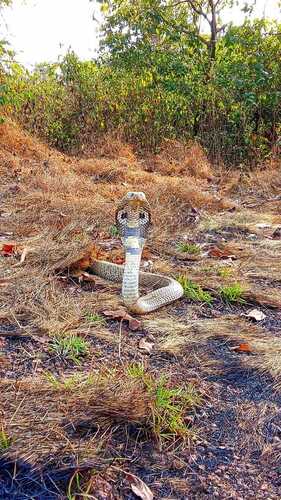
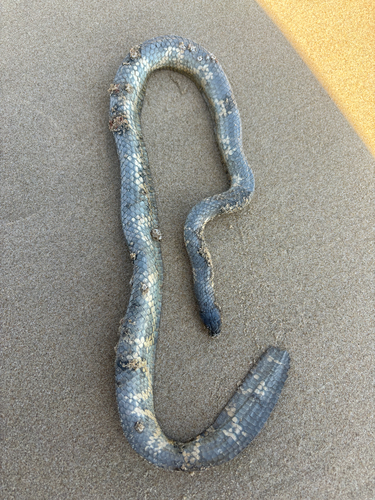
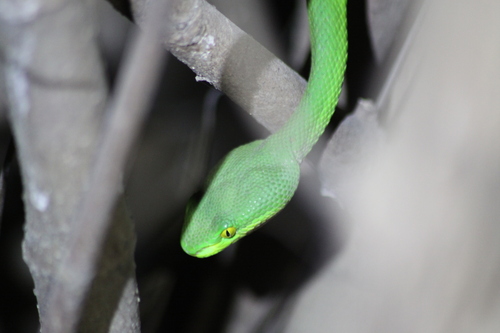
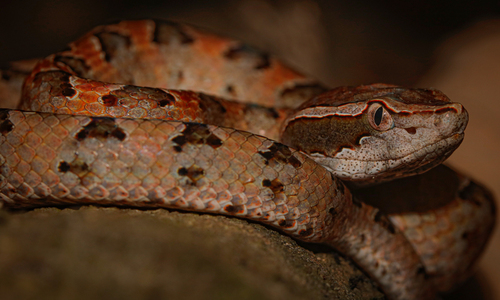
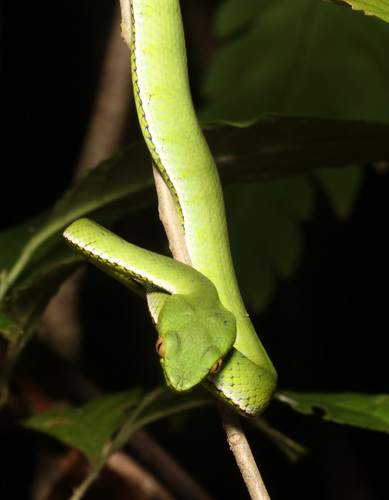
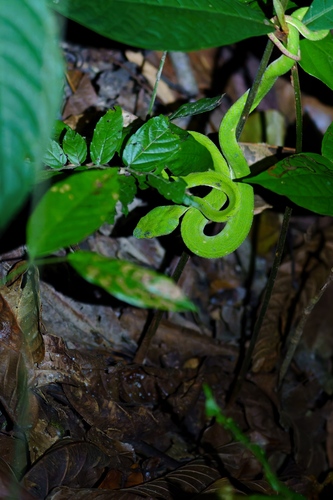
Several medically important venomous groups occur in Singapore. The elapids include cobras, represented by spitting and non-spitting cobras, and the king cobra, the world's longest venomous snake, along with kraits and coral snakes whose neurotoxic venom is the primary concern in this group. The vipers are represented by pit vipers, including arboreal green pit vipers that are responsible for many of the country's snakebites because they rest in vegetation at human height. Singapore's coastal and marine waters are home to sea snakes, a venomous group that is normally placid but capable of serious envenomation. There are no mambas in Singapore, which are African snakes, and no rattlesnakes, which are confined to the Americas.
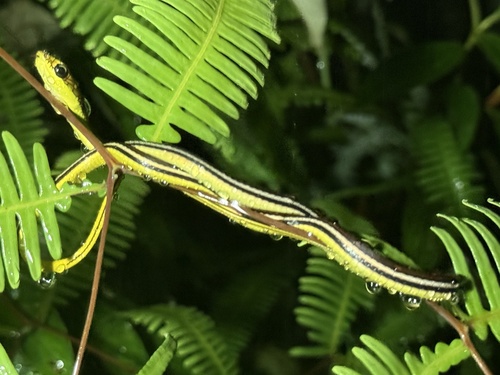
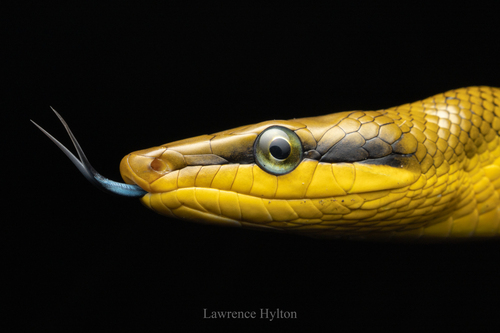
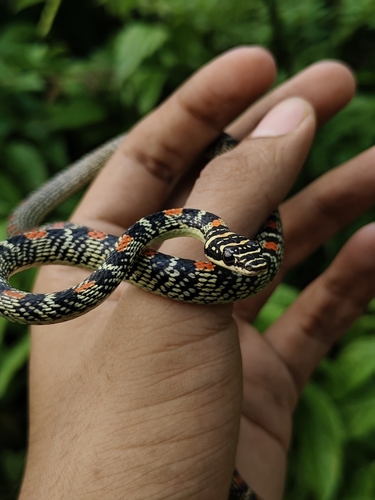
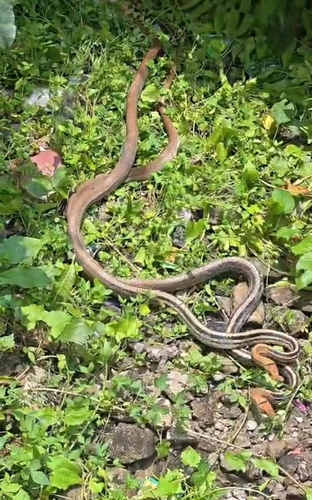
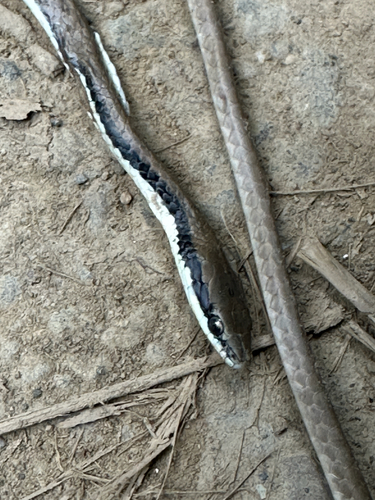
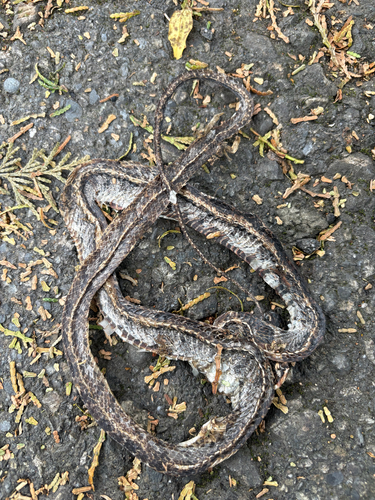
The non-venomous majority covers most of what people actually see. Pythons are the most conspicuous, with the reticulated python, one of the longest snakes in the world, regularly turning up in drains, ponds, and even built-up neighborhoods. Other common harmless snakes include the many wolf snakes, kukri snakes, keelbacks, whip snakes, and the slender, fast-moving racers and rat snakes that help keep rodent numbers down. The paradise tree snake, a so-called flying snake that glides between trees, is among the island's more famous residents. These species are not a danger to people and form the bulk of the 123 recorded snakes.
Snakes earn their place in Singapore's ecology. As predators they sit in the middle of the food web, controlling populations of rats, mice, and other small animals that would otherwise multiply around homes, farms, and food stores. Pythons and rat snakes in particular provide free, continuous rodent and pest control in both natural and urban settings, while smaller species keep frogs, lizards, and invertebrates in check. Removing snakes tends to make rodent and pest problems worse, so a healthy snake population is an asset to the island rather than a threat.
On safety, the honest picture is reassuring but not careless. Most snakes in Singapore are harmless, and most encounters end with the snake leaving on its own if it is given space. The main medical threats are the cobras and king cobra, kraits, and the pit vipers on land, and sea snakes in the water. Bites from these animals can be serious and are a medical emergency. The treatment for a venomous bite is professional hospital care and antivenom, not anything done at the scene, so the right response is to get the person to emergency services without delay. Never handle, pin, or attempt to capture a wild snake, including ones that look dead, and never assume a wild snake is safe to pick up. If a bite occurs, call local emergency services immediately, or in the United States contact Poison Control at 1-800-222-1222.
Snakes in Singapore: FAQ
- Are there venomous snakes in Singapore?
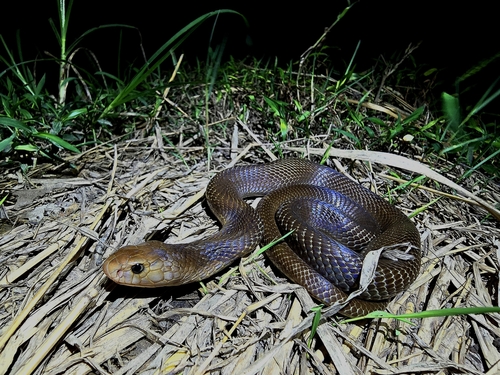
- Yes. 36 venomous snake species have verified records in Singapore, including Wagler's Pit Viper, Lanna Green Pitviper, Mangrove Viper, Brown Banded Cobra. Most snakes in Singapore, however, are harmless.
- How many snake species live in Singapore?
- 100+ snake species have verified records in Singapore, of which 36 are venomous.
- What is the most commonly seen snake in Singapore?
- The Indochinese Long-nosed Whipsnake is the most frequently reported snake in Singapore, based on verified wildlife observations.
- What should I do if I see a venomous snake in Singapore?
- Keep your distance and do not try to catch or kill it. Most bites happen when people handle or corner a snake. If someone is bitten, contact local emergency services or poison control immediately.
Venomous snakes in Singapore
Every snake recorded in Singapore
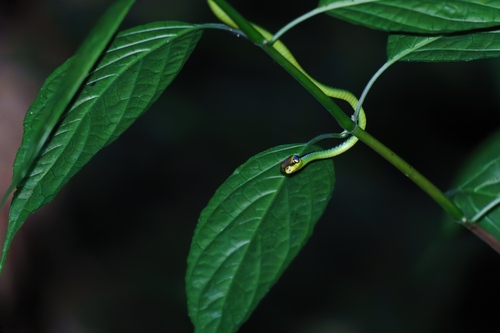
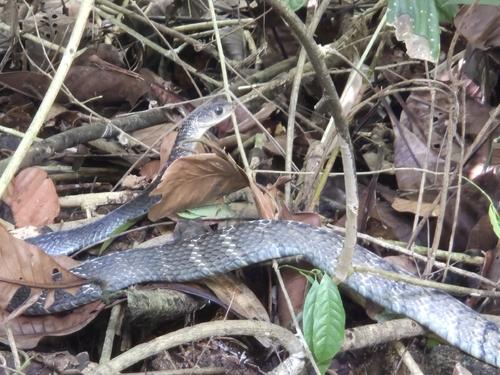
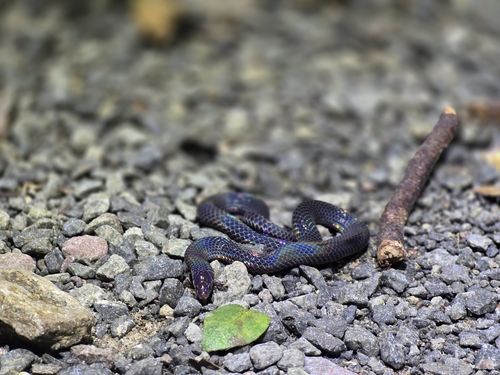
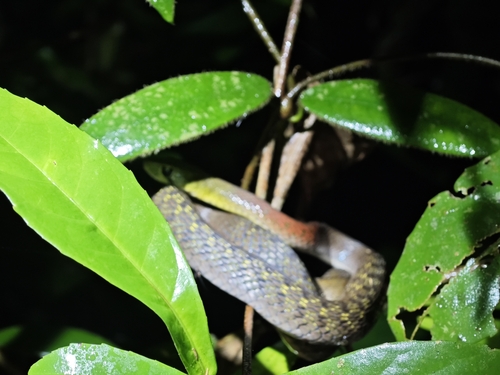
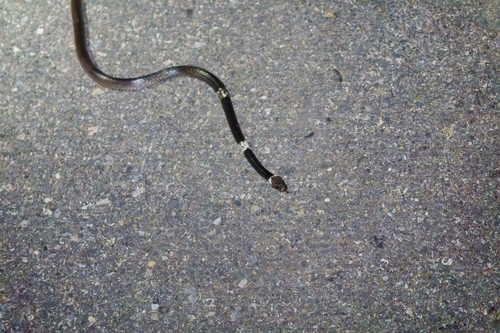
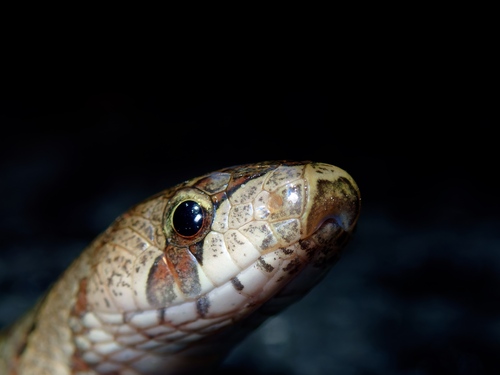
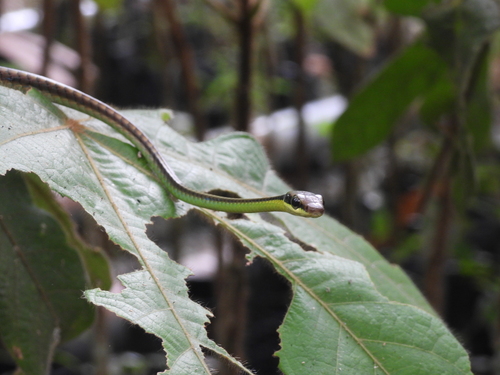
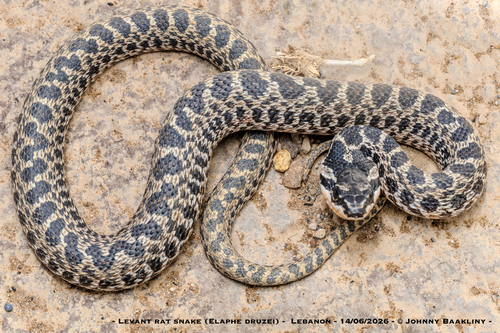
100+ species across 11 families, grouped by family. Venomous flagged.
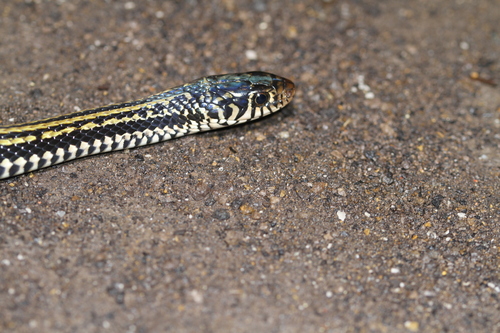
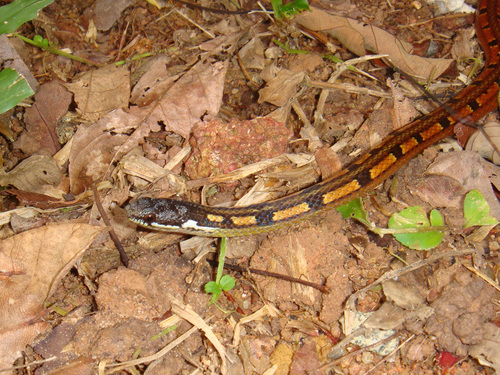
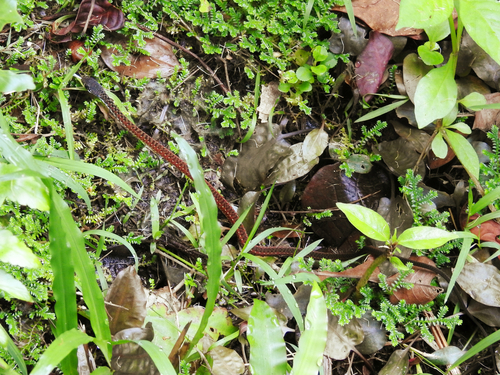
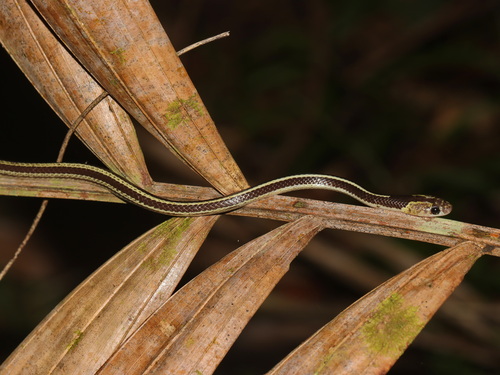
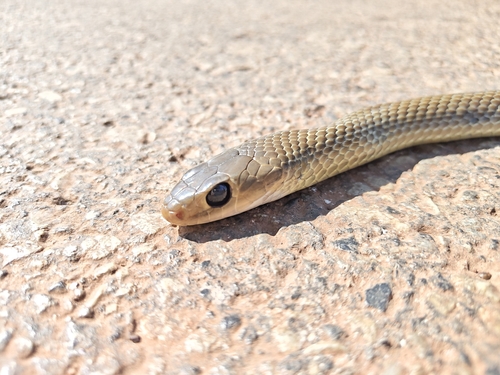
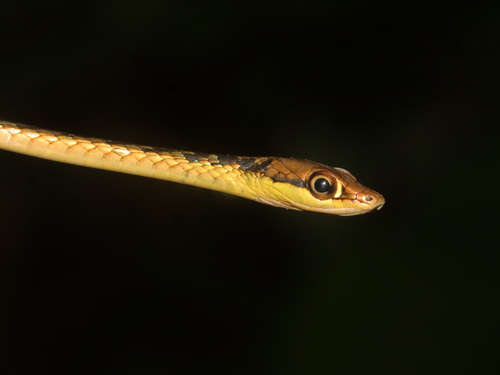
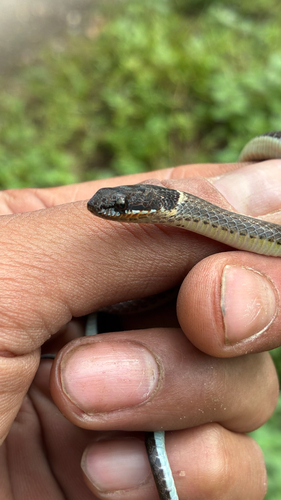
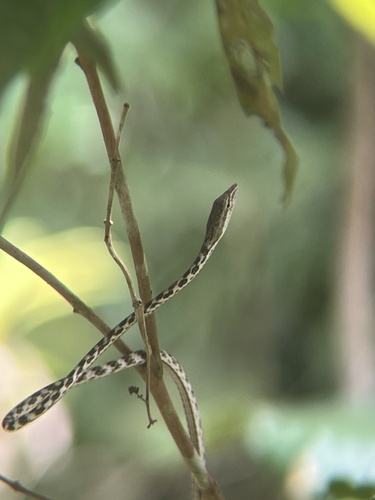
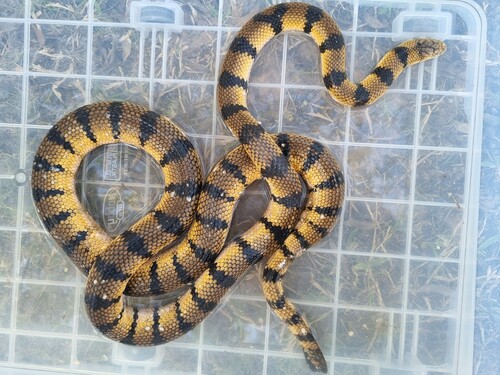
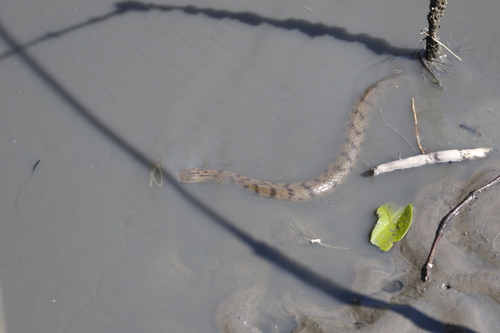
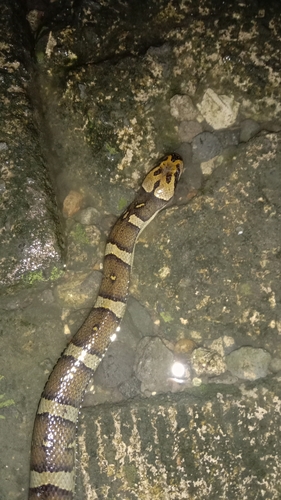
Colubridae (63)
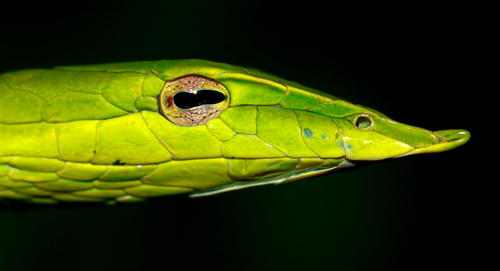
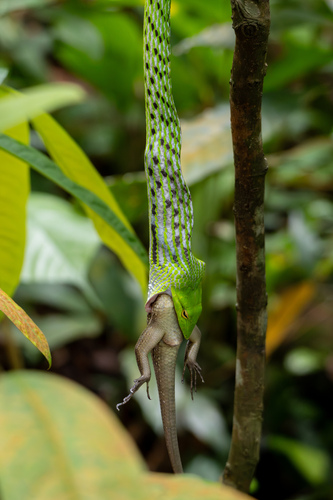
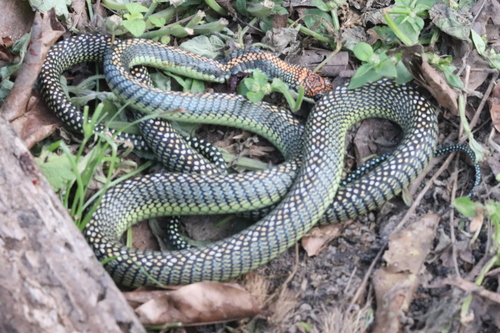
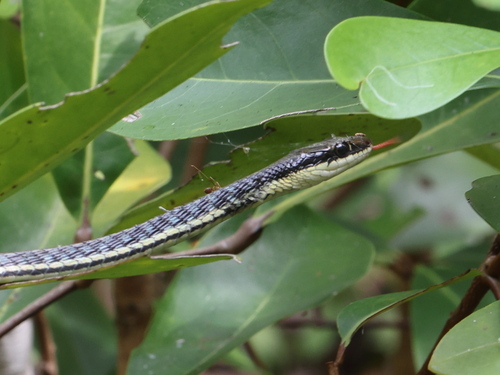
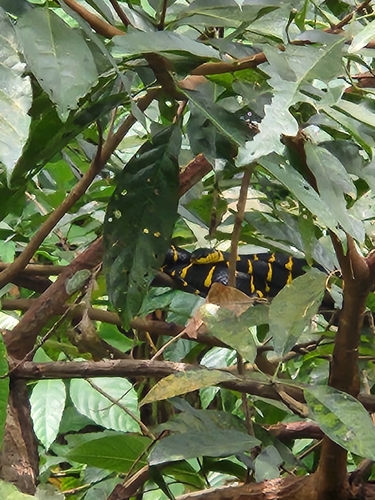
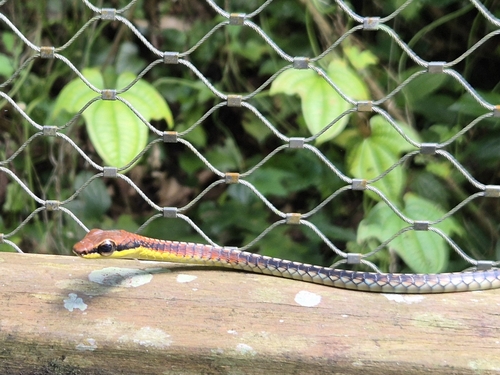
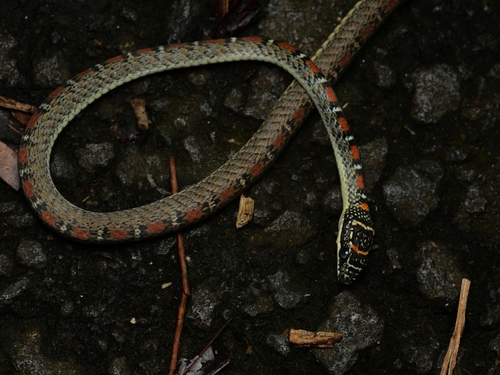
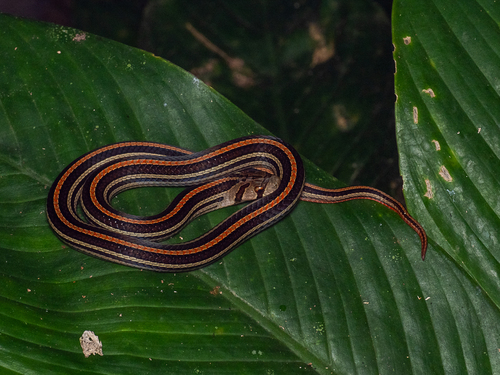
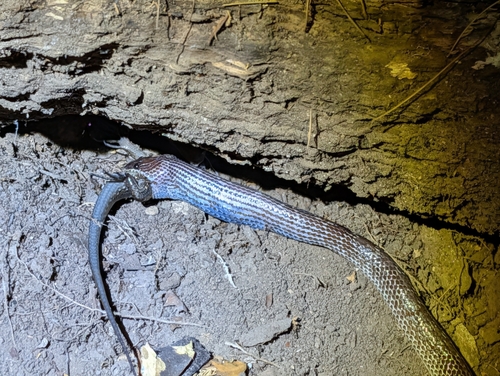
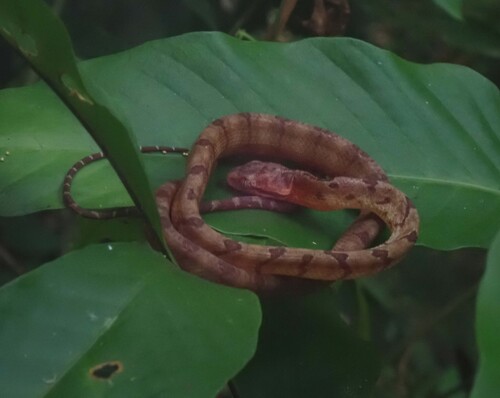
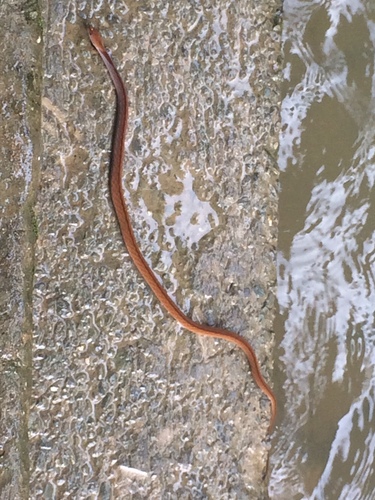
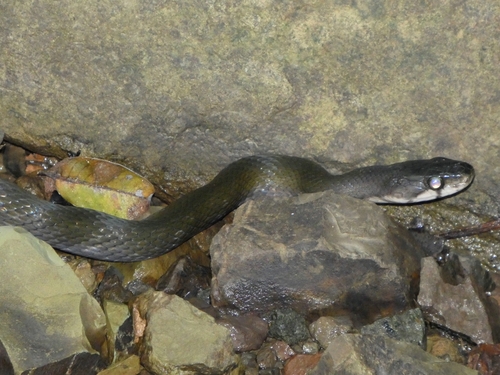
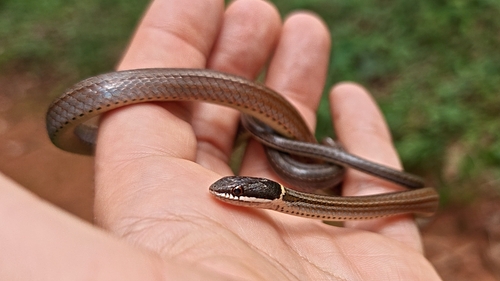
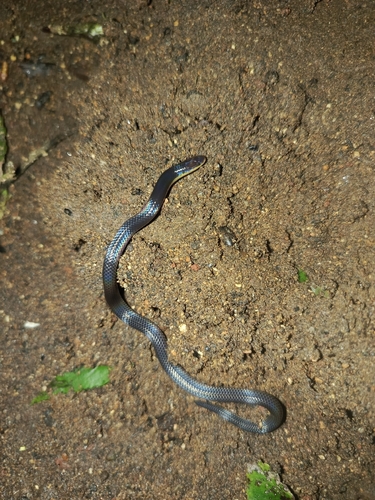
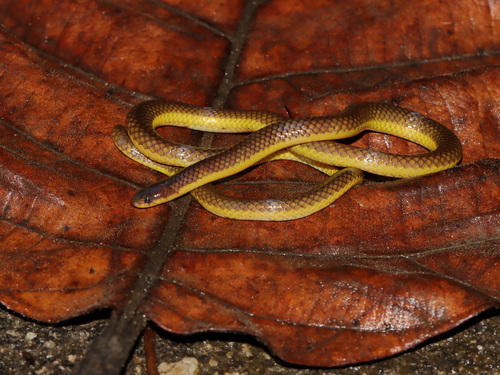
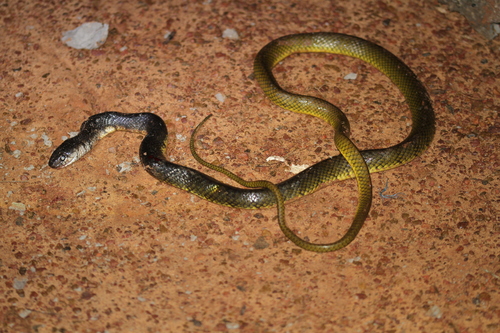
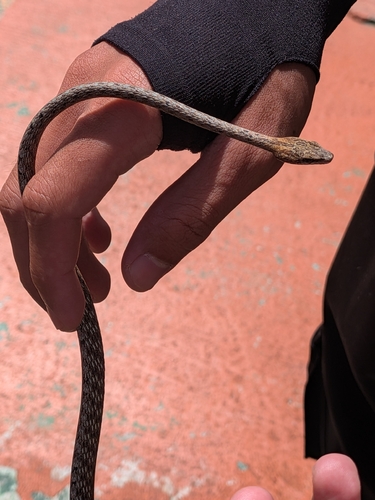
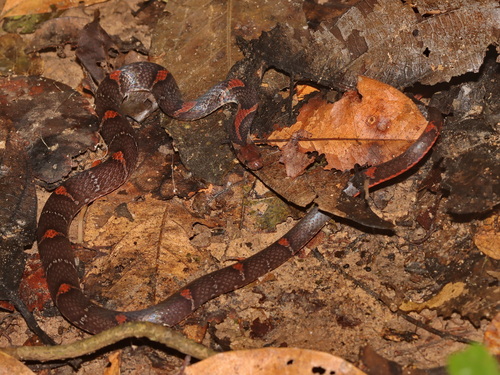
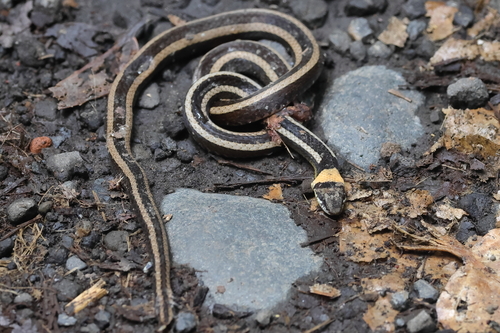
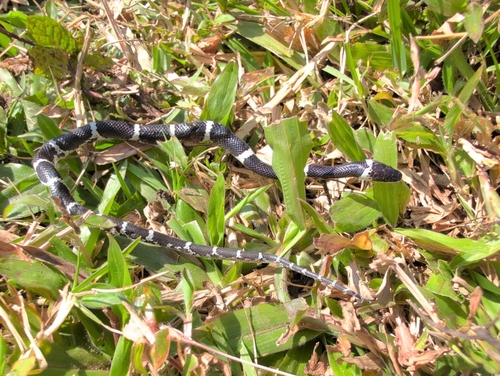
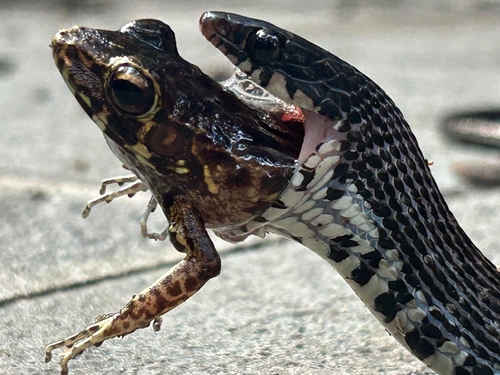
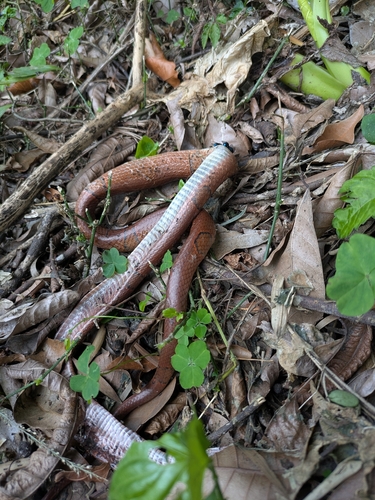
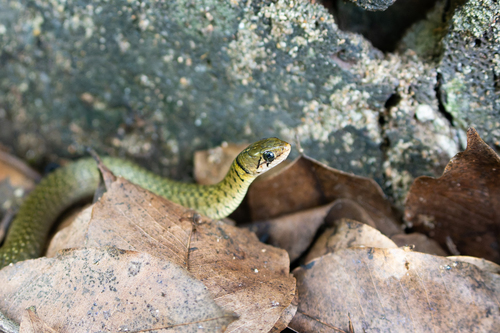
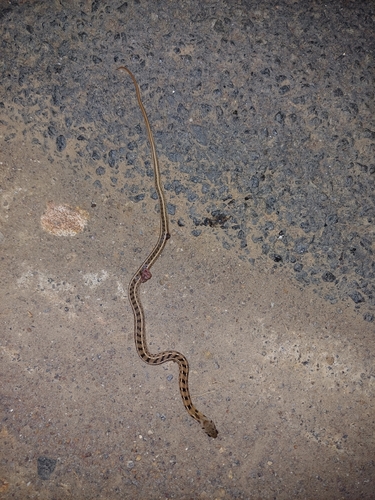
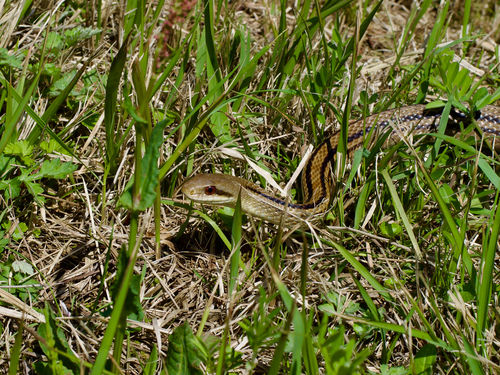
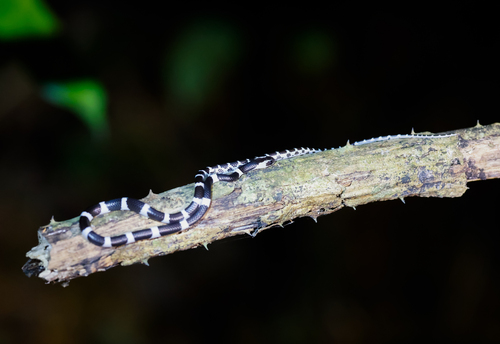
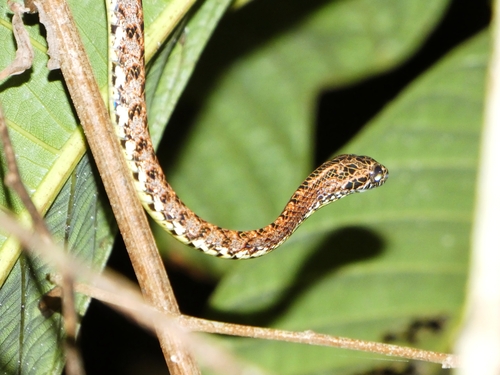

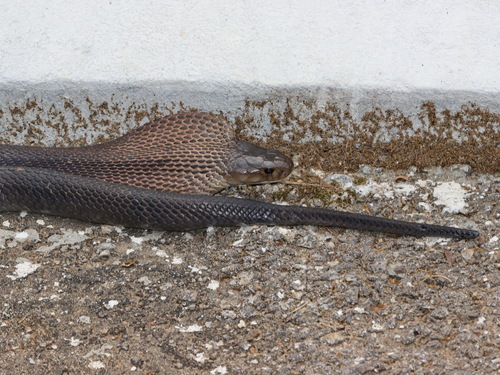
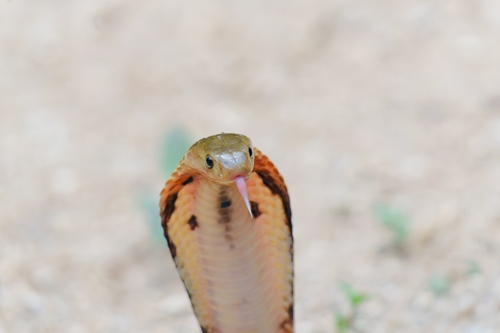
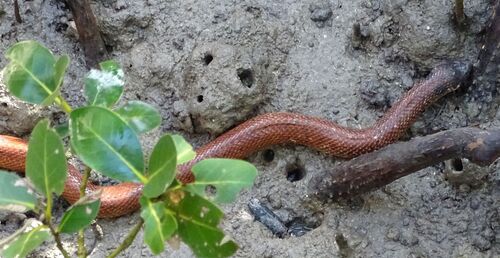
Elapidae (26)
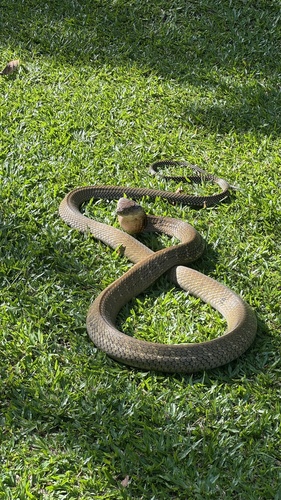
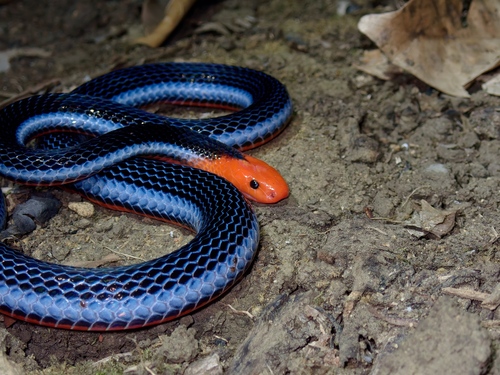
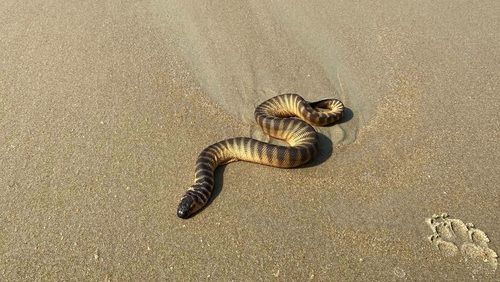
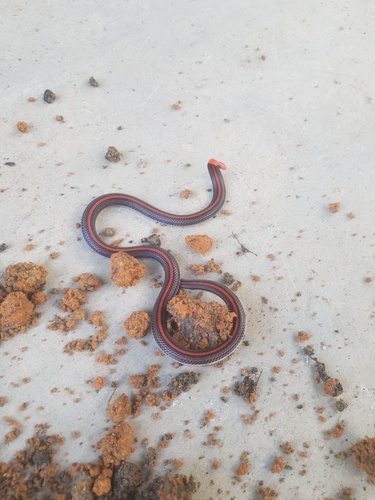

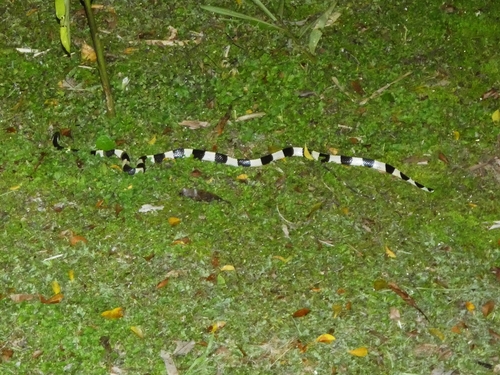
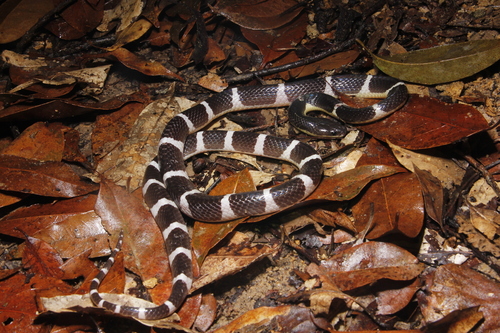
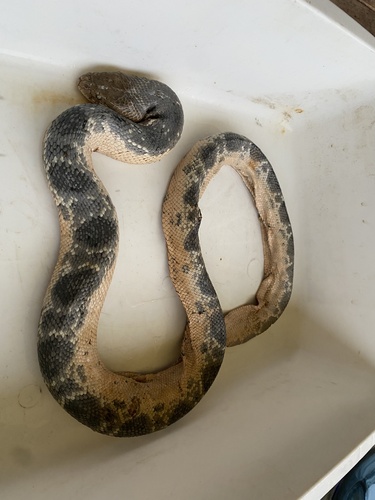
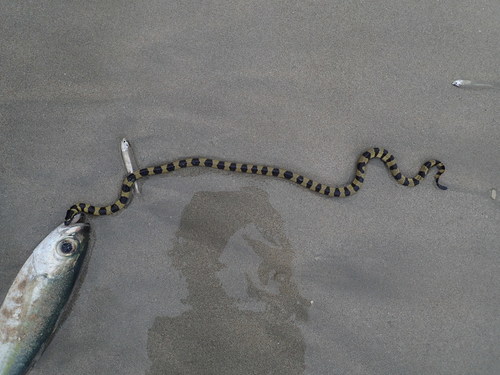
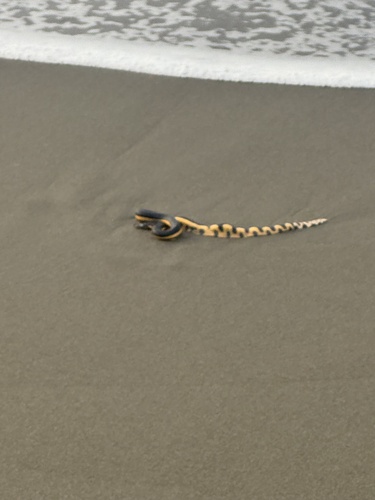
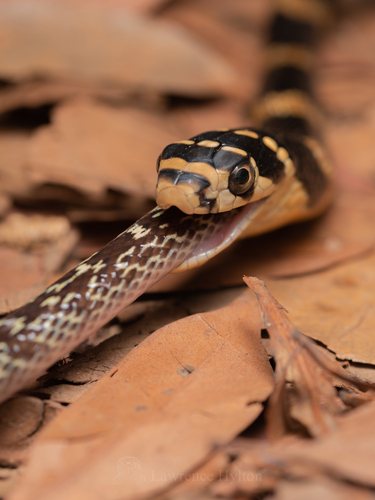
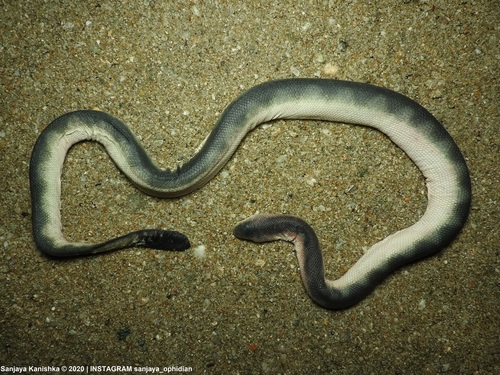

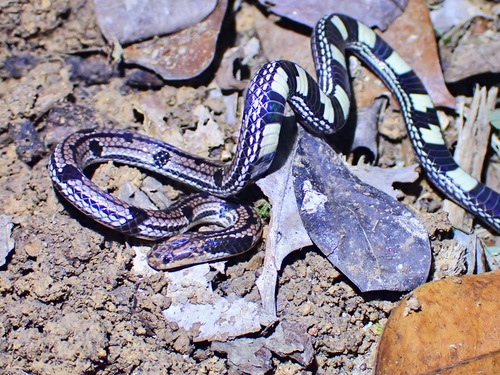
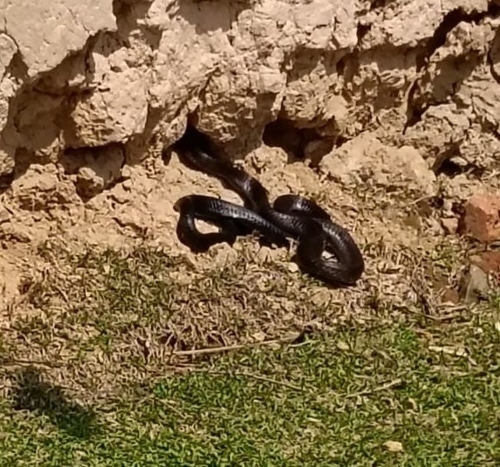
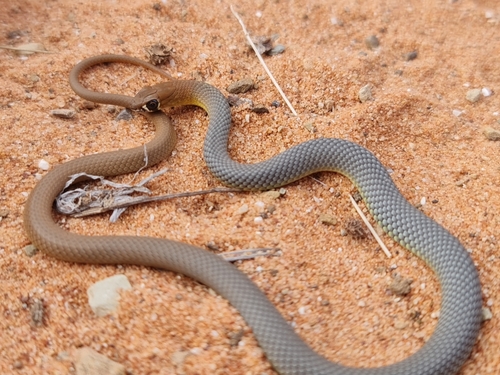


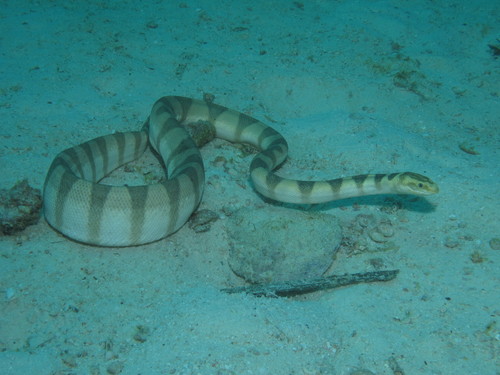
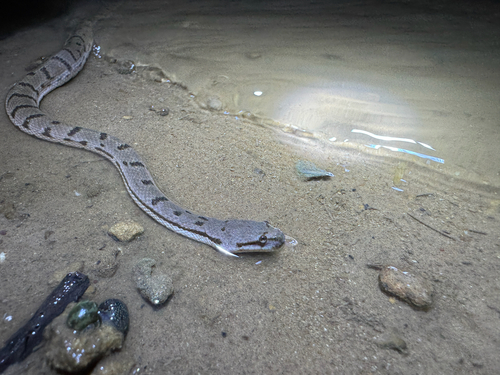
Homalopsidae (9)
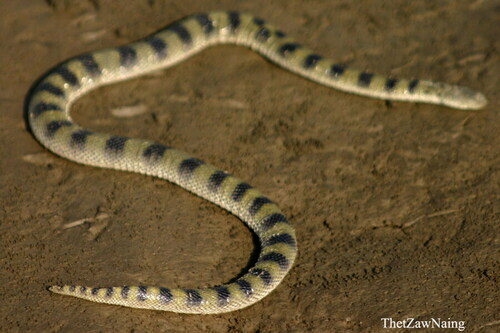
Viperidae (8)
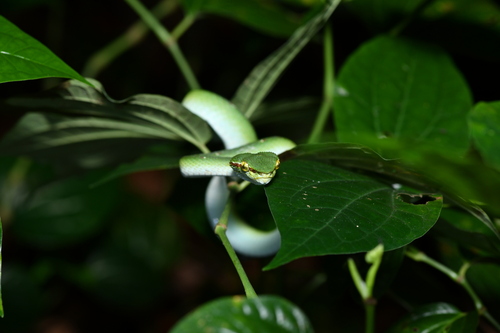
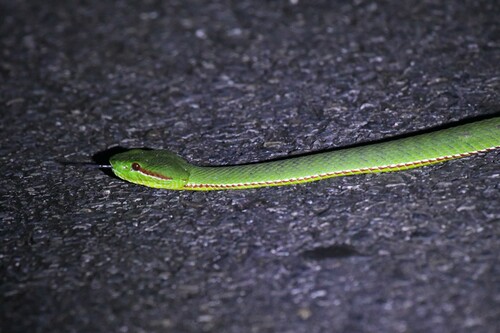
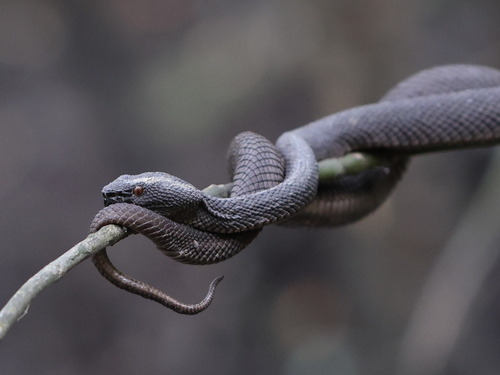
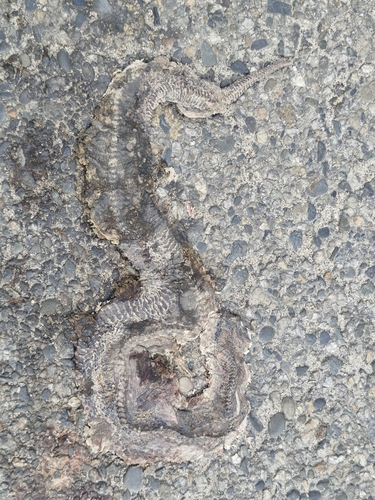
Pythonidae (5)
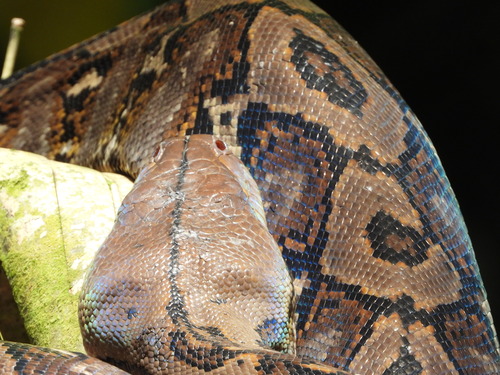
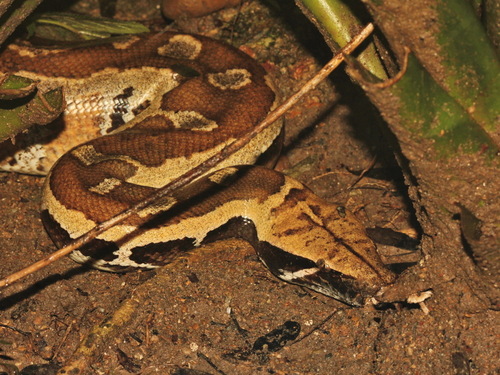

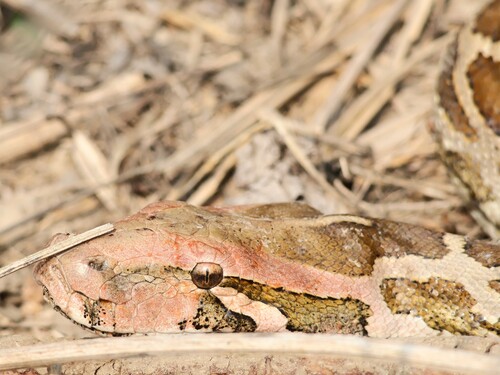
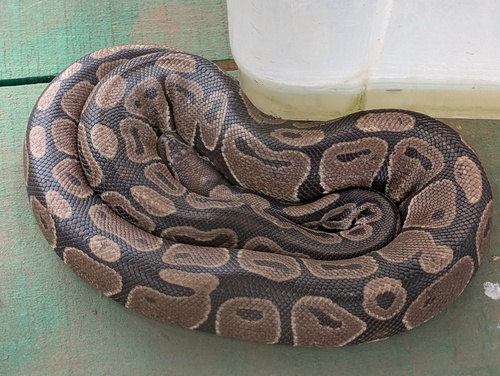
Typhlopidae (4)
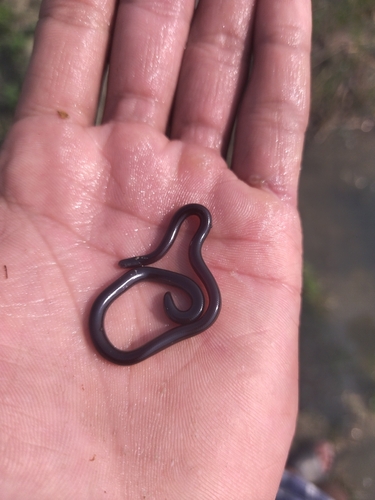
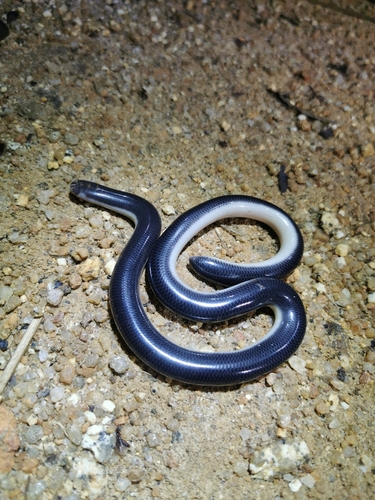
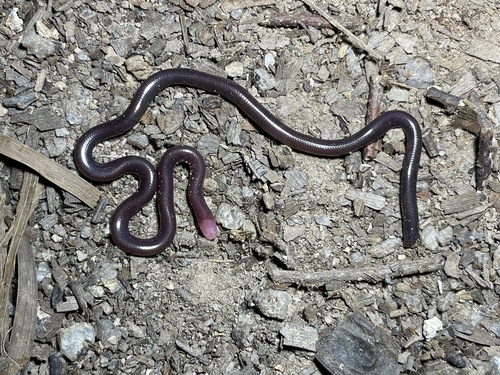
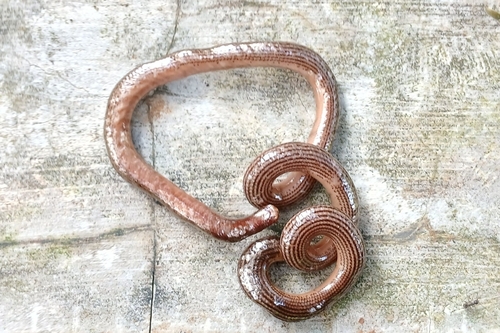
Acrochordidae (2)
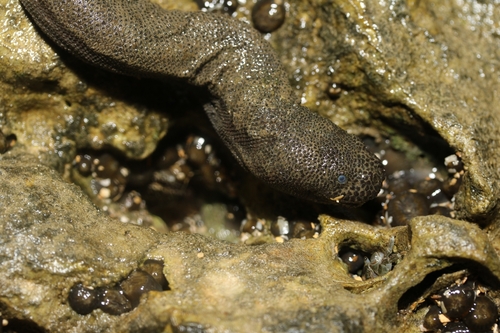
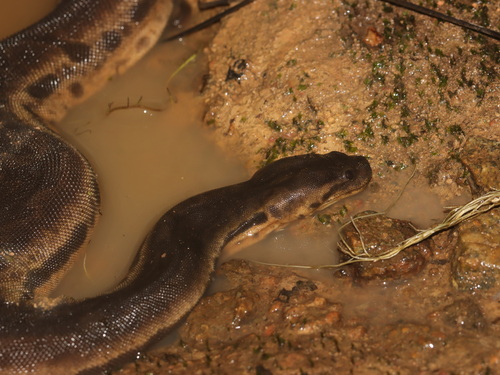
Cylindrophiidae (2)
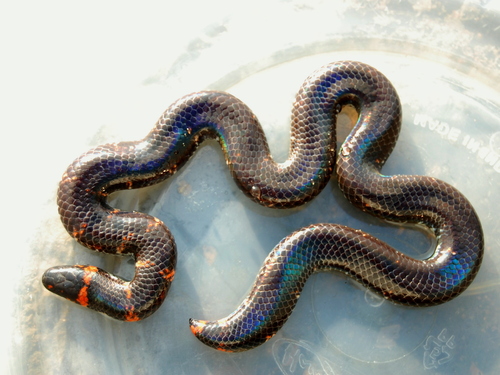
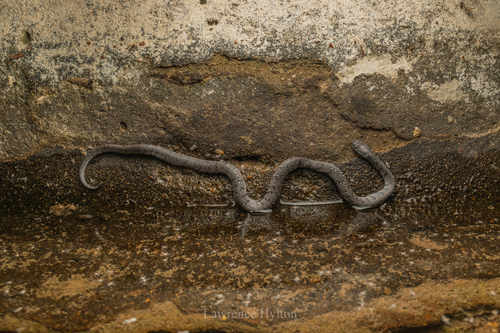
Xenopeltidae (1)
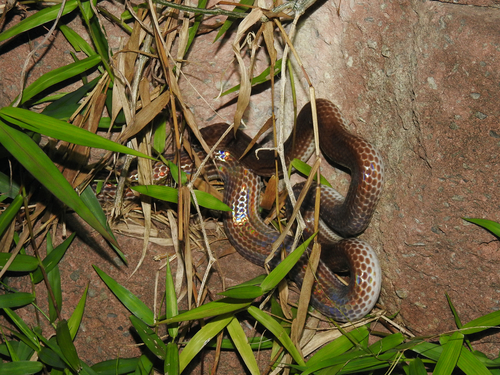
Pseudaspididae (1)
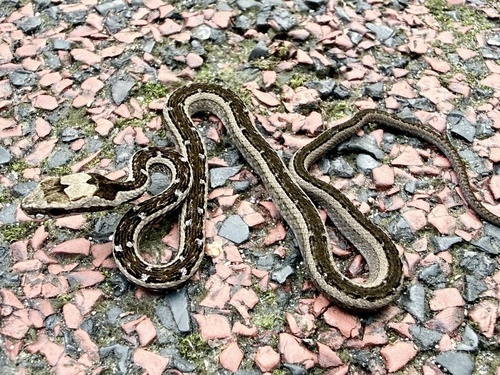
Compiled from verified GBIF & iNaturalist observations. "How often seen" reflects how frequently a snake is reported here, not how dangerous it is. Informational only.
Keep learning
- Are Snakes Dangerous? The Real Risk, in PerspectiveMost snakes are harmless and avoid people. Here is the honest picture of snakebite risk worldwide and how to lower your own.
- Snakebite First Aid: What to Do (and What Never to Do)A clear, CDC-based guide to snakebite first aid: the steps that help, the popular myths that hurt, and how to tell a serious bite from a minor one.
- Venomous vs Nonvenomous: How to Tell the DifferenceThe folk rules for telling venomous snakes apart, where each one fails, and why location-based identification beats guessing by sight.
- What to Do If You Find a SnakeFound a snake at home or on a trail? Here is how to stay calm, give it space, identify it safely, and know when to call a professional.