
Japan
Snakes in Japan
75+ snake species have been recorded in Japan, 41 venomous.
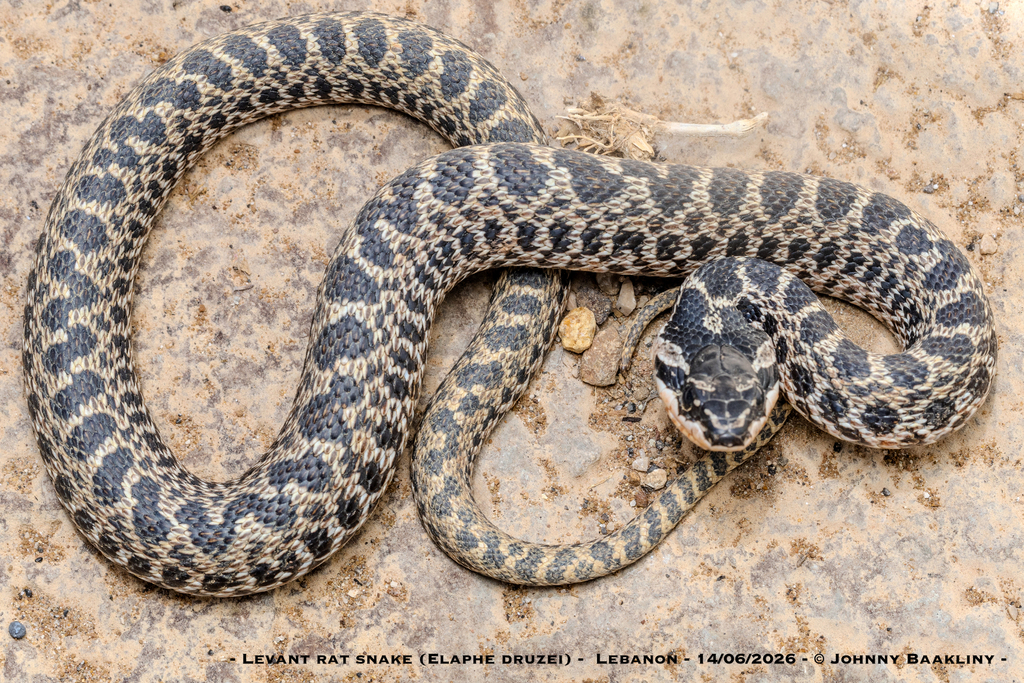
Snakes of Japan
Japan records 75+ snake species across its long, fractured archipelago, and roughly 43 of those carry venom. That venomous figure looks alarming until you understand what drives it: the count is heavily inflated by the many sea snakes that patrol the southern seas and by the dense cluster of endemic species packed into the far southern islands. On the temperate main islands where most people actually live and hike, the snakes you are likely to encounter are overwhelmingly harmless. The headline number reflects the full national tally, not the everyday risk.
The single most important thing to grasp about Japanese snakes is that the fauna splits sharply by latitude. The temperate main islands, Honshu, Hokkaido, Shikoku and Kyushu, have cold winters and a relatively modest set of resident species. Travel south to the subtropical Ryukyu Islands, including Okinawa, and the picture changes completely: warm, humid, forested islands that have been isolated for a long geological span, producing far higher diversity and a remarkable level of endemism. Many of the species that push the national total upward exist only on these southern islands and never appear on the mainland at all.
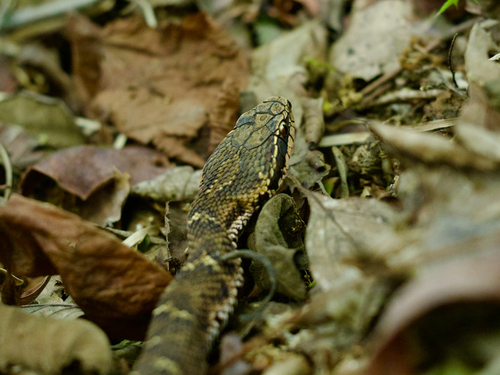
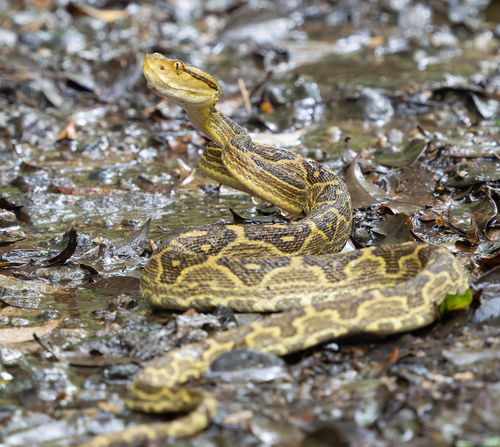
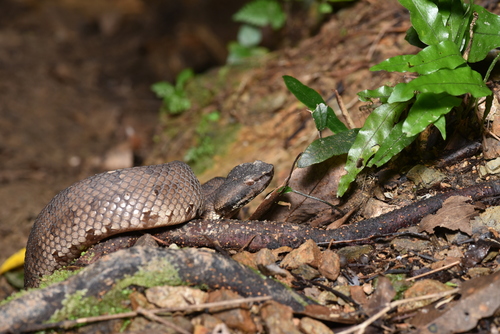
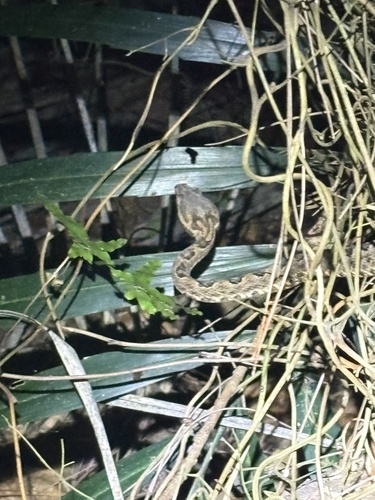
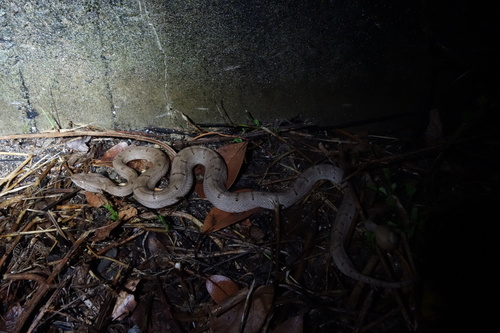
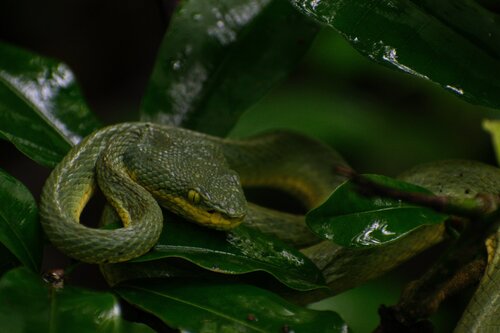
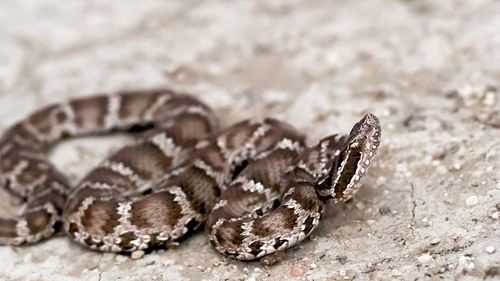
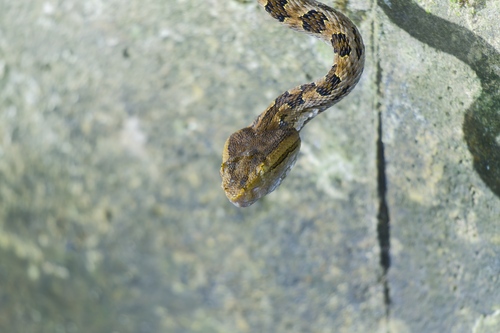
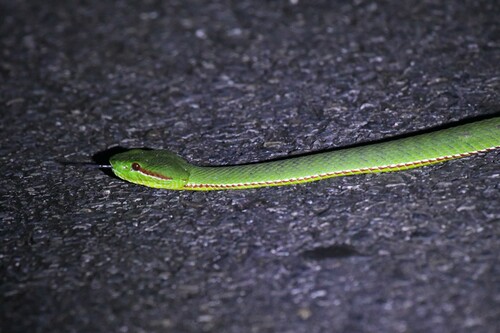
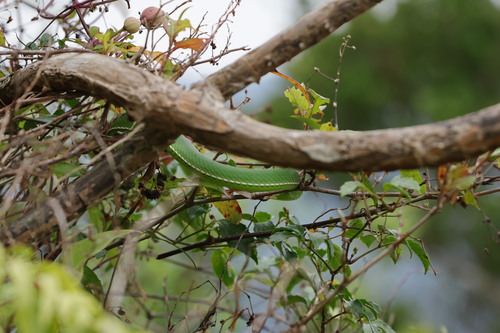
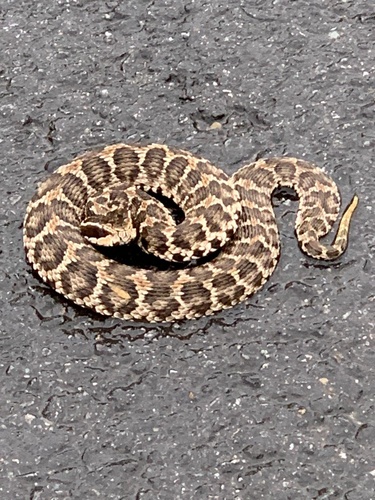
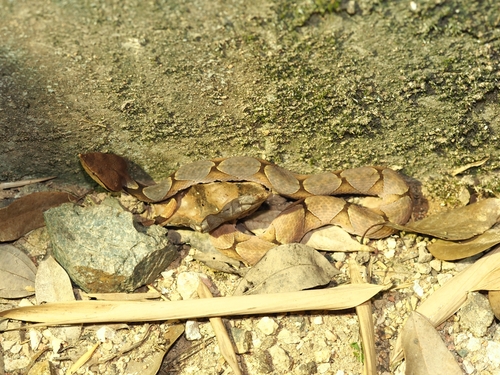
Two pit vipers carry most of Japan's medical reputation. On the main islands the mamushi (Gloydius blomhoffii) is the species that matters: a relatively small but widespread pit viper found in rice paddies, field margins and woodland edges, and the snake responsible for the large majority of serious bites in temperate Japan. In the Ryukyus the standout is the habu (Protobothrops flavoviridis), a much larger and more formidable pit viper that is a genuine local hazard on Okinawa and a deep part of the island's culture, appearing in folklore, warning signs and even the famous habu-infused awamori liquor. Offshore, numerous sea snakes, known locally as erabu, inhabit the warm southern waters and account for a sizeable share of the venomous species count even though land travelers rarely meet them.
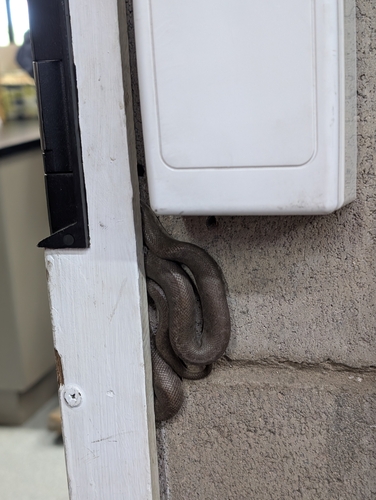
The non-venomous majority is what most visitors and residents will actually see. The aodaisho, or Japanese rat snake, is a large, common and harmless climber often found near homes and barns, historically welcomed as a rodent controller. Several other colourful but harmless species share the countryside. One species worth flagging is the yamakagashi, which is technically rear-fanged and mildly venomous; for many years it was assumed innocuous, and while bites are uncommon and usually minor, it is a reminder that snake identification is not always simple. Snakes also hold a warm place in Japanese culture: the white snake is widely seen as a symbol of good fortune and prosperity, and certain shrines keep snake associations that draw visitors hoping for luck and protection.
The honest safety picture is reassuring without being careless. The vast majority of Japanese snakes pose no threat to people, and the real concerns come down to two species: the mamushi on the main islands and the habu in the Ryukyus. Bites do happen, particularly to people working in fields or moving through dense vegetation, but effective antivenom is available and fatalities are rare in modern Japan. No wild snake should ever be picked up or handled, even one that appears harmless, because confident identification in the field is difficult and the consequences of a mistake are not worth it. If a bite occurs, the right move is to seek emergency medical care immediately and let trained clinicians manage it.
Snakes in Japan: FAQ
- Are there venomous snakes in Japan?
- Yes. 41 venomous snake species have verified records in Japan, including Siamese Red-necked Keelback, Tiger Keelback, Gloydius variegatus, Vang Vieng lance-headed pit viper. Most snakes in Japan, however, are harmless.
- How many snake species live in Japan?
- 75+ snake species have verified records in Japan, of which 41 are venomous.
- What is the most commonly seen snake in Japan?
- The Levant Rat Snake is the most frequently reported snake in Japan, based on verified wildlife observations.
- What should I do if I see a venomous snake in Japan?
- Keep your distance and do not try to catch or kill it. Most bites happen when people handle or corner a snake. If someone is bitten, contact local emergency services or poison control immediately.
Venomous snakes in Japan
Every snake recorded in Japan
75+ species across 11 families, grouped by family. Venomous flagged.
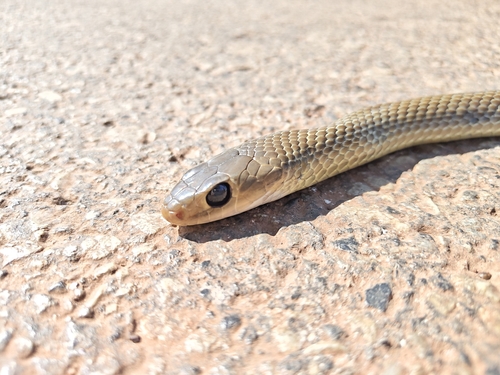
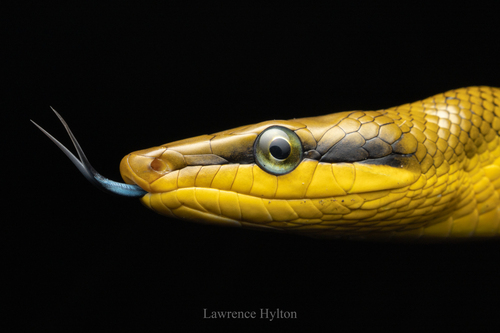
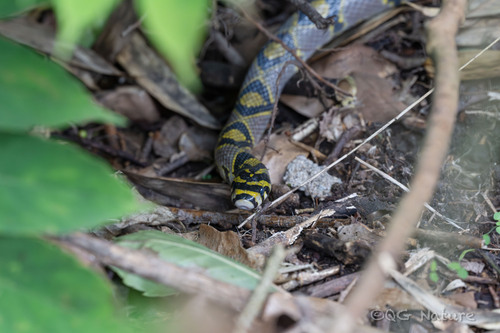
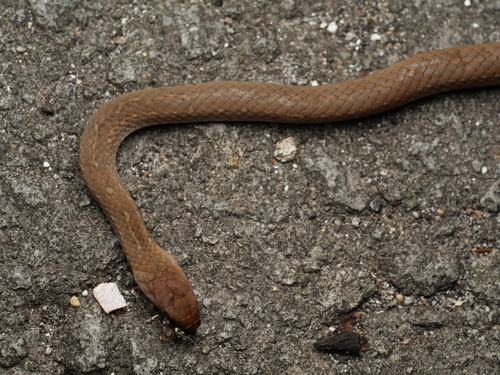
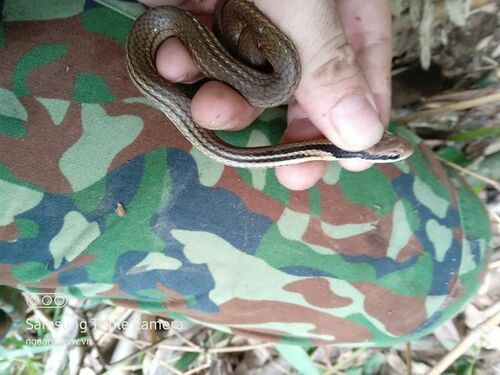
Colubridae (33)
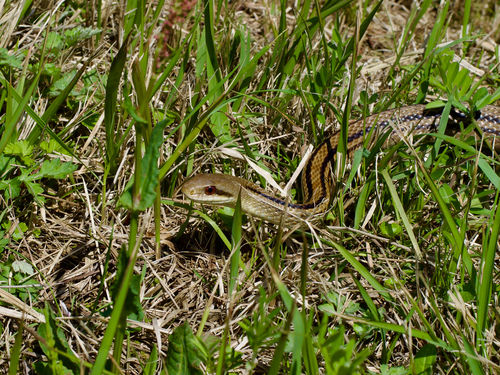
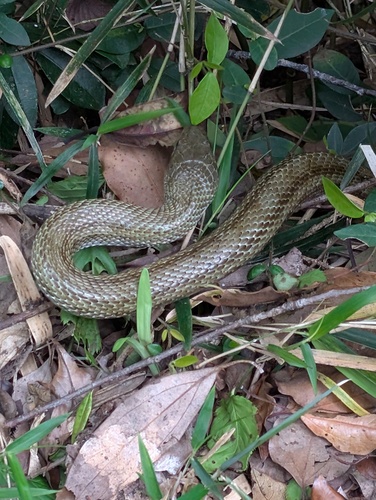
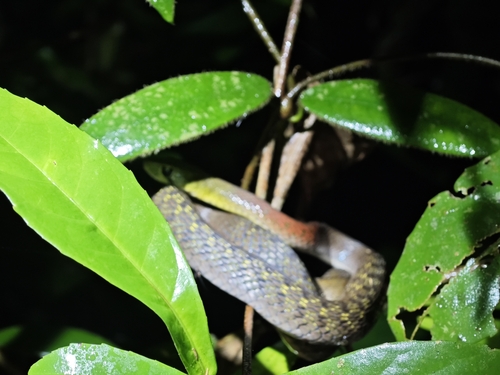
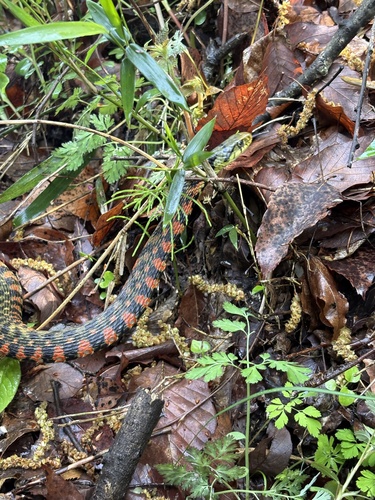
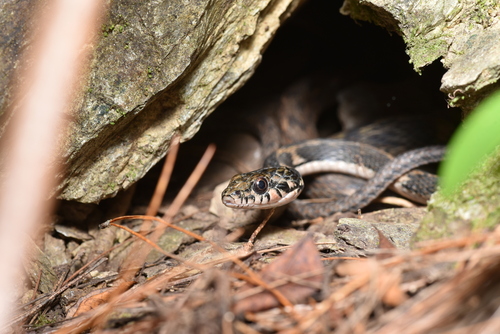
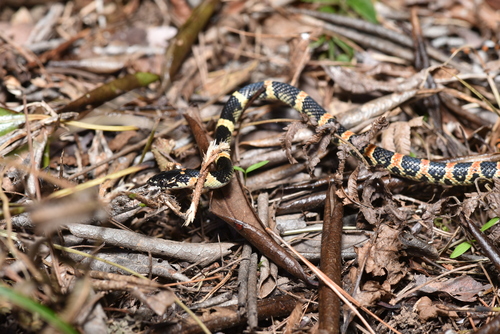
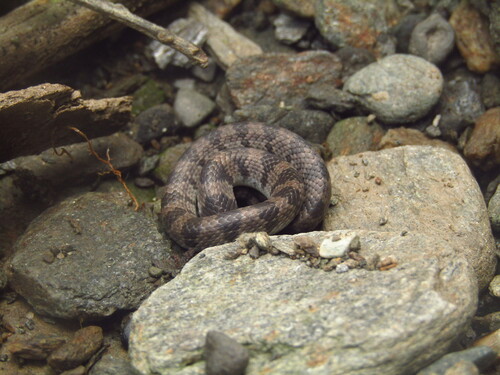
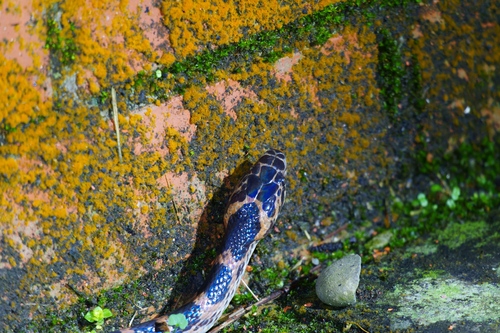
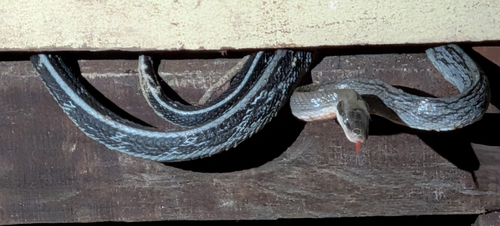
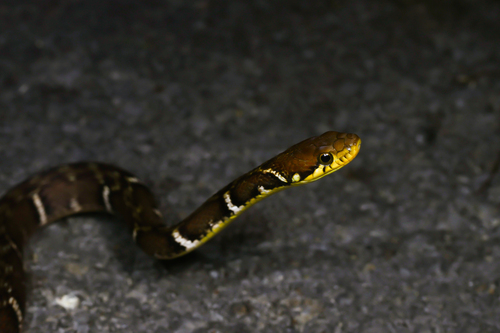
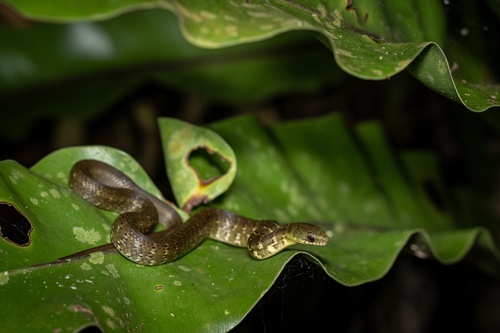
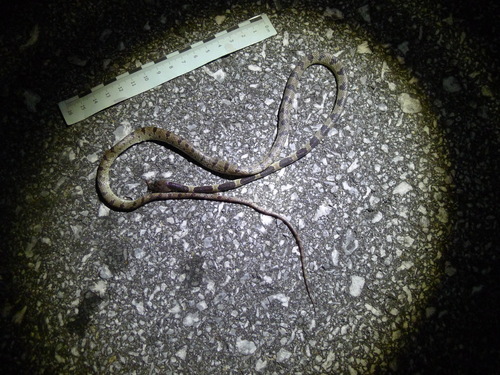
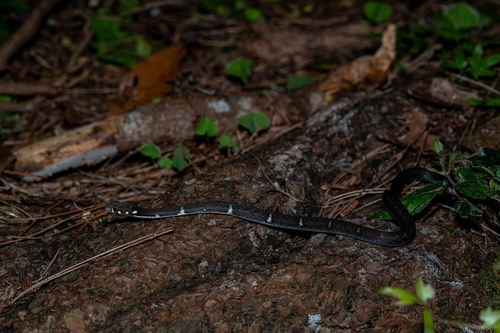
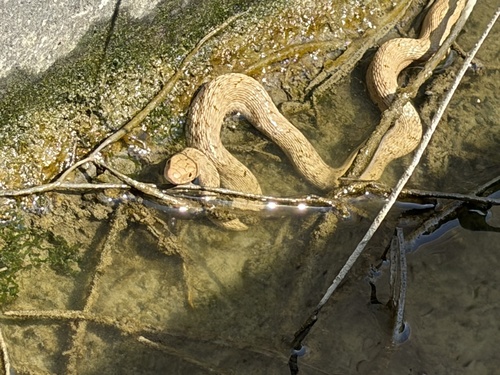
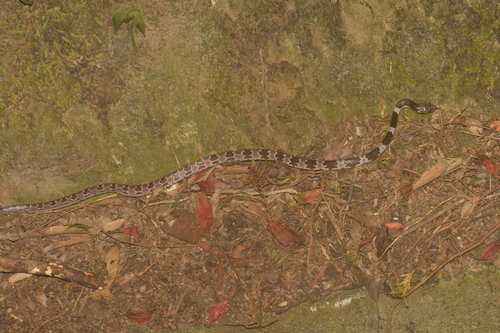
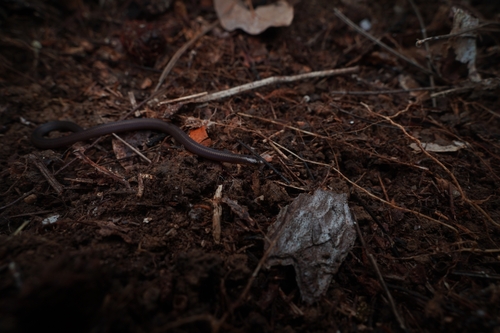
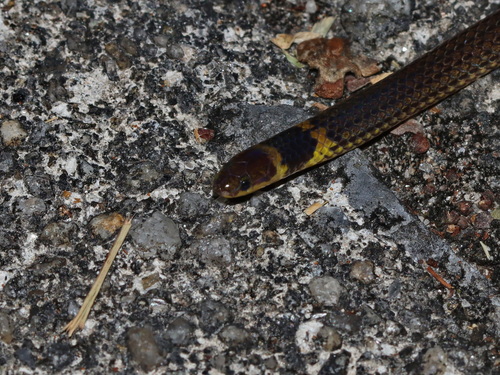
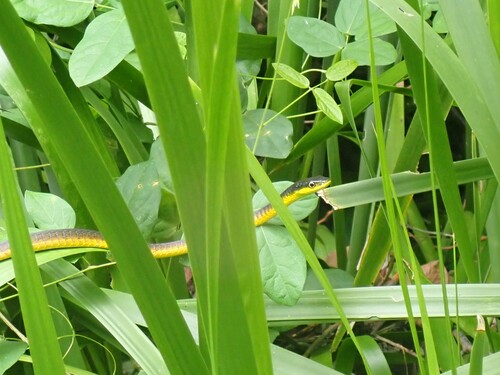
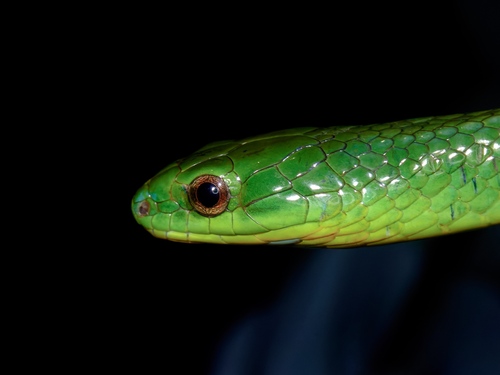
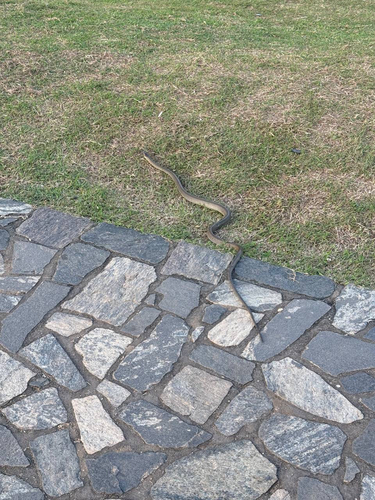
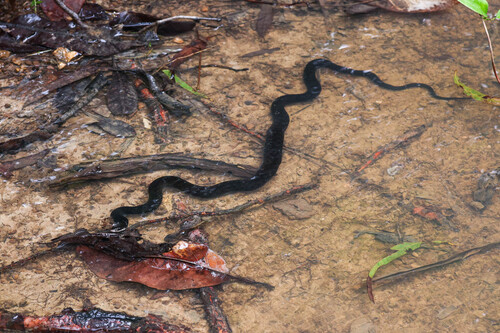
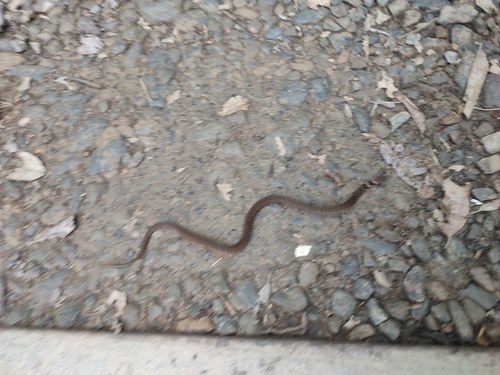
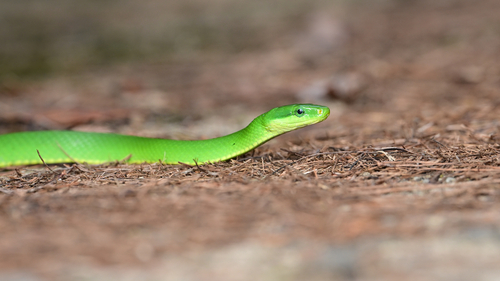
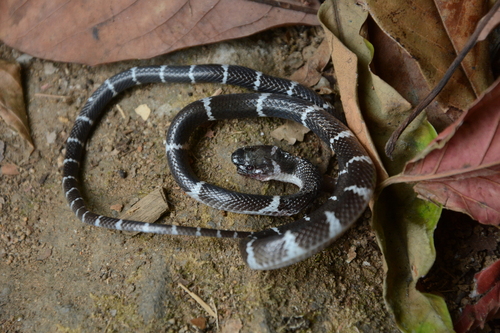
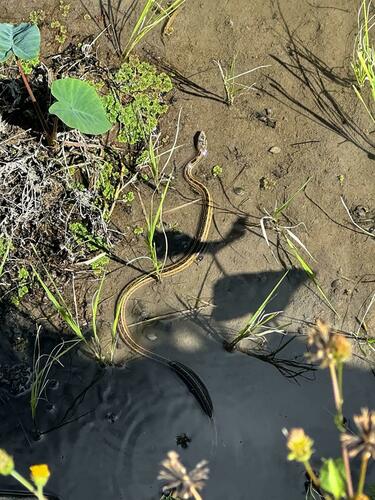
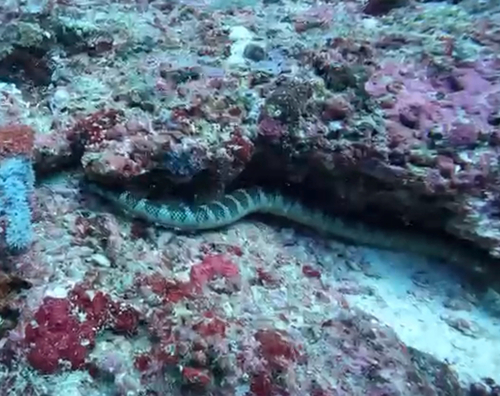
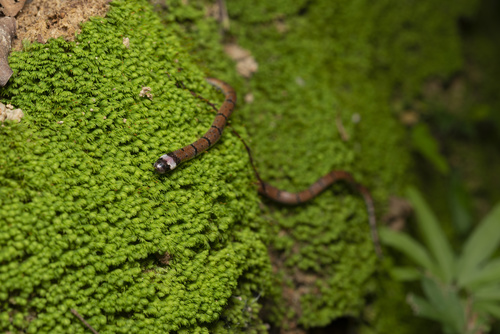
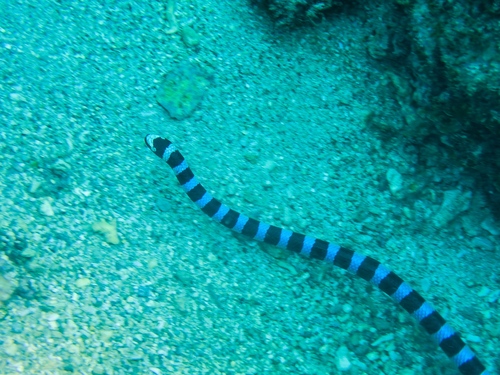
Elapidae (23)

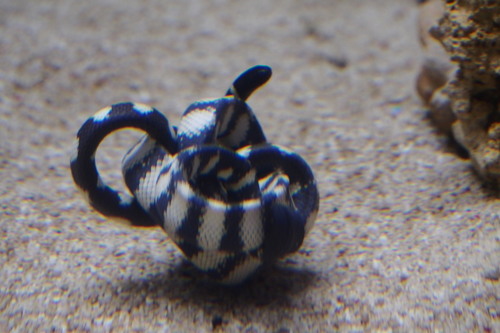
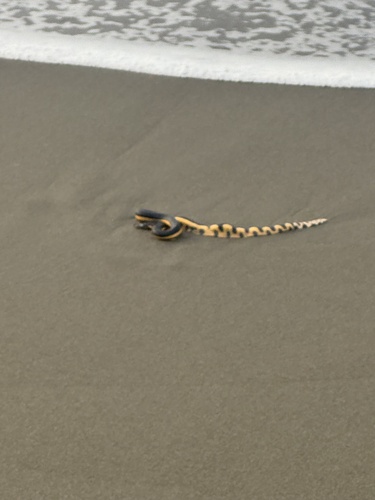
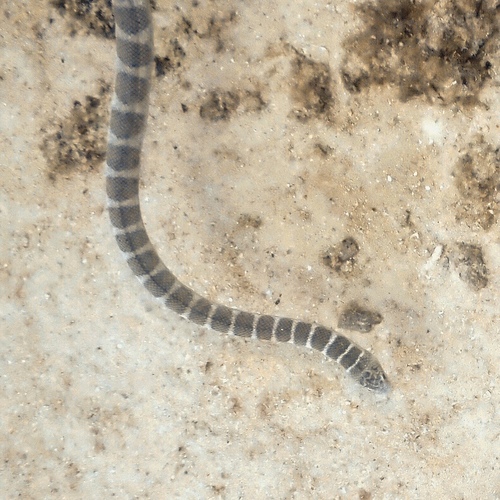
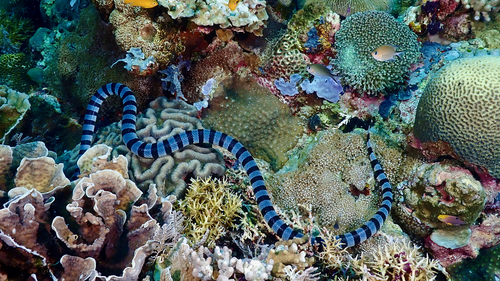
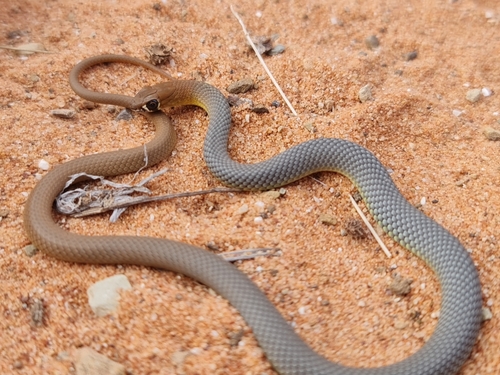
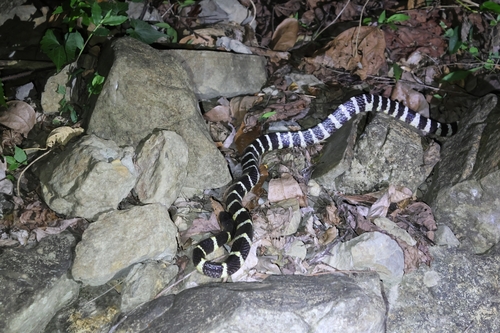
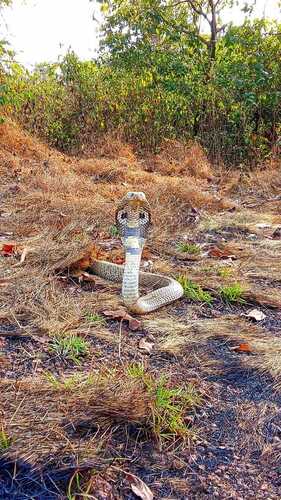
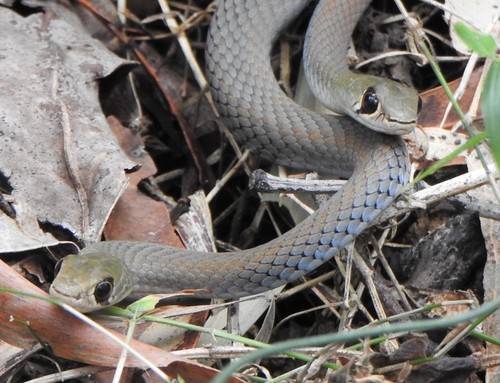
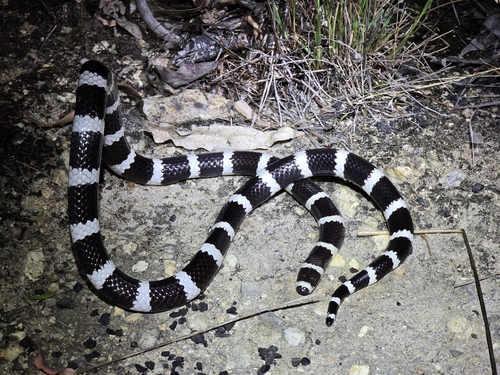
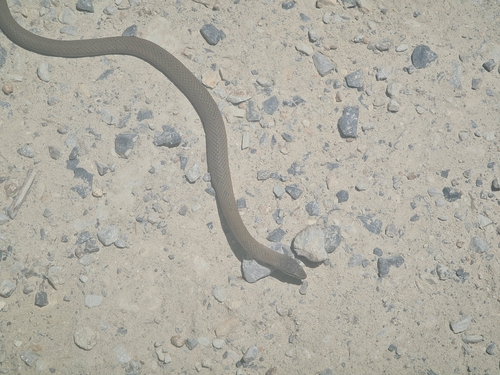
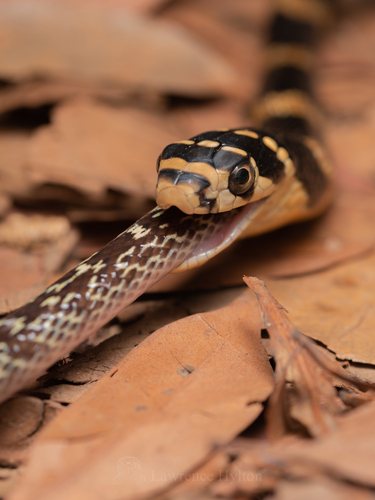
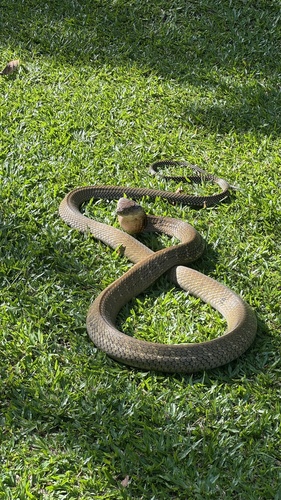
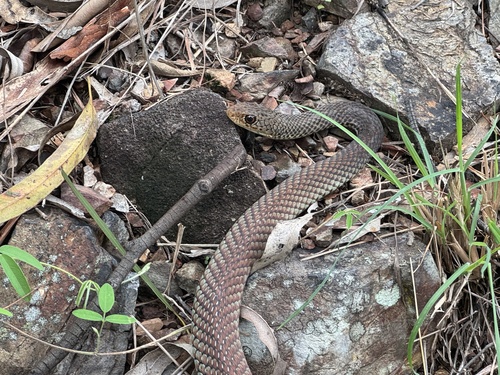
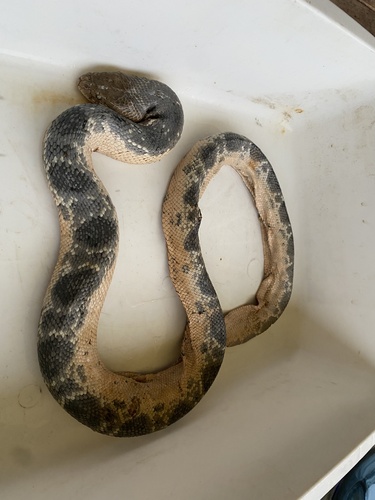
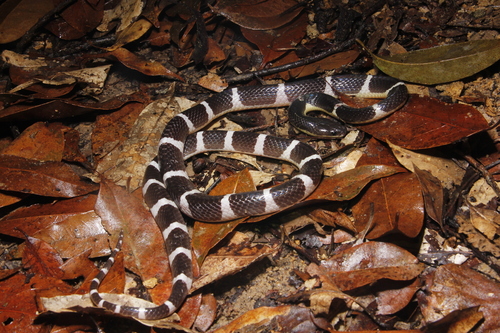
Viperidae (15)
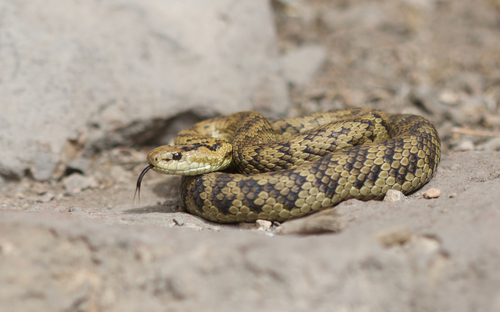


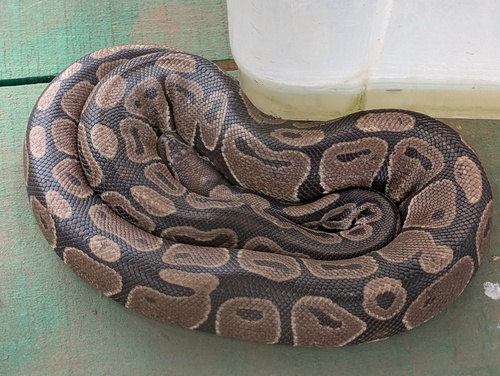
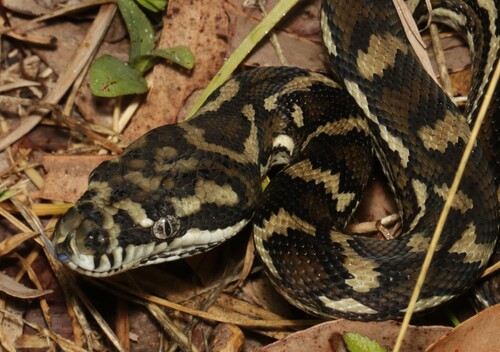
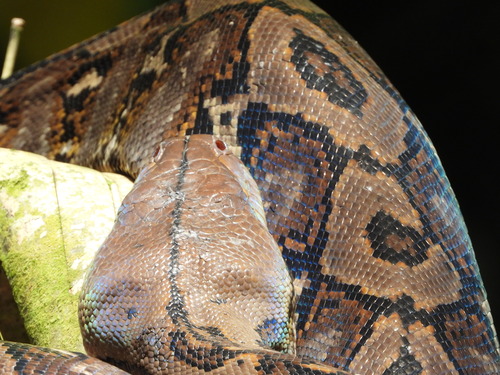
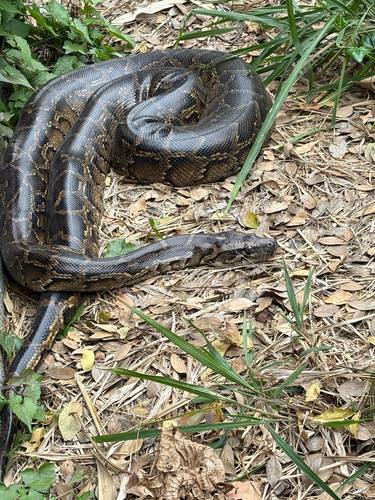
Pythonidae (7)
Xenodermidae (3)
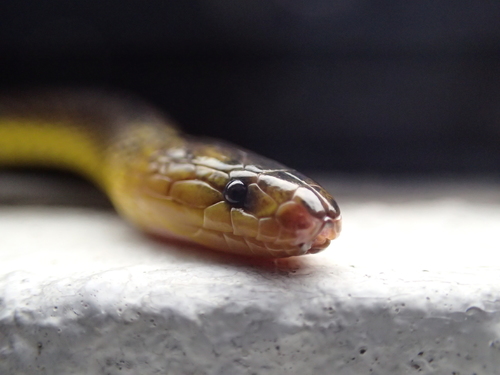
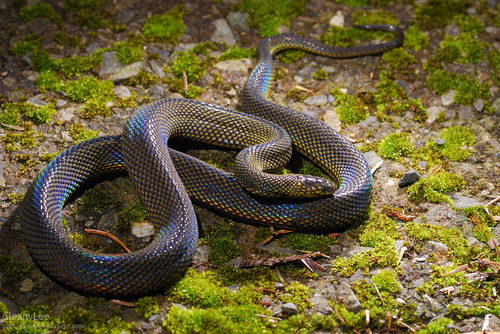
Typhlopidae (2)
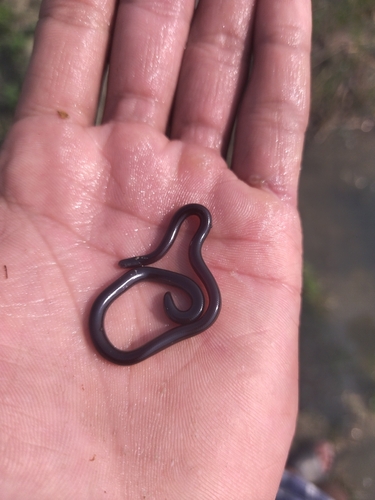
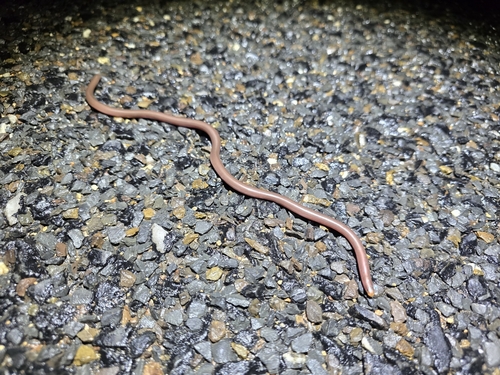
Pareidae (1)
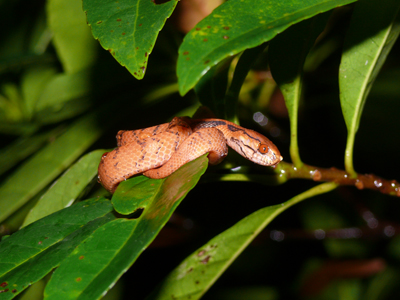
Boidae (1)
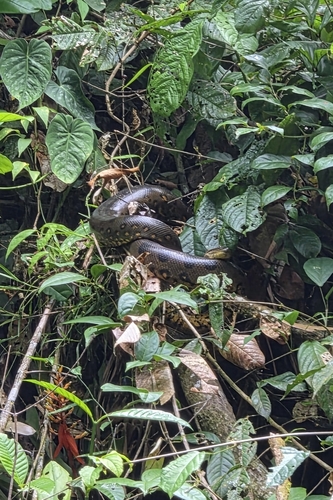
Pseudaspididae (1)
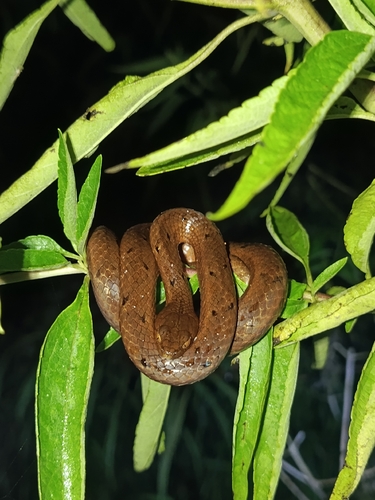
Homalopsidae (1)
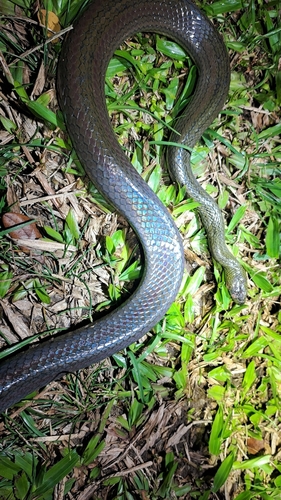
Acrochordidae (1)
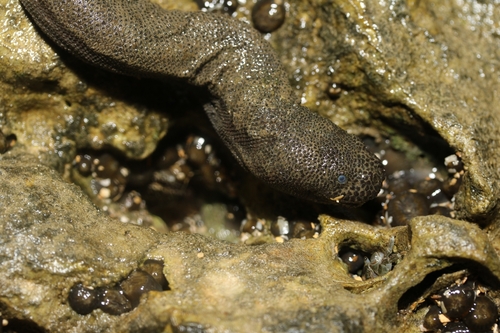
Compiled from verified GBIF & iNaturalist observations. "How often seen" reflects how frequently a snake is reported here, not how dangerous it is. Informational only.
Keep learning
- Are Snakes Dangerous? The Real Risk, in PerspectiveMost snakes are harmless and avoid people. Here is the honest picture of snakebite risk worldwide and how to lower your own.
- Snakebite First Aid: What to Do (and What Never to Do)A clear, CDC-based guide to snakebite first aid: the steps that help, the popular myths that hurt, and how to tell a serious bite from a minor one.
- Venomous vs Nonvenomous: How to Tell the DifferenceThe folk rules for telling venomous snakes apart, where each one fails, and why location-based identification beats guessing by sight.
- What to Do If You Find a SnakeFound a snake at home or on a trail? Here is how to stay calm, give it space, identify it safely, and know when to call a professional.