
Philippines
Snakes in Philippines
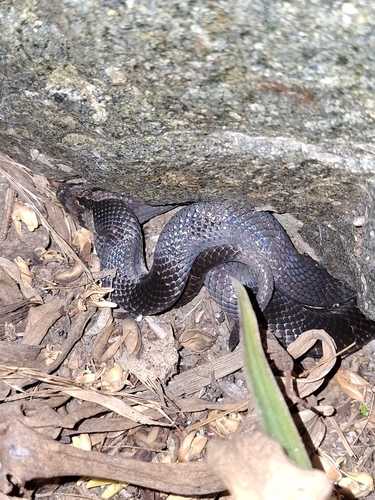
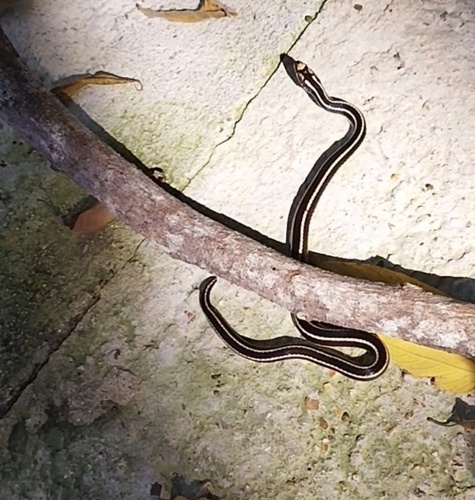
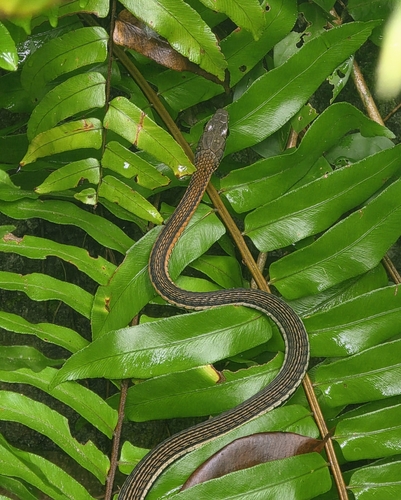
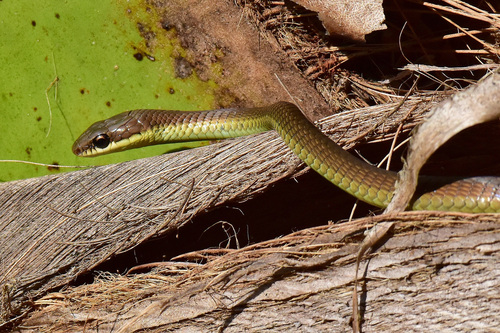
150+ snake species have been recorded in Philippines, 51 venomous.
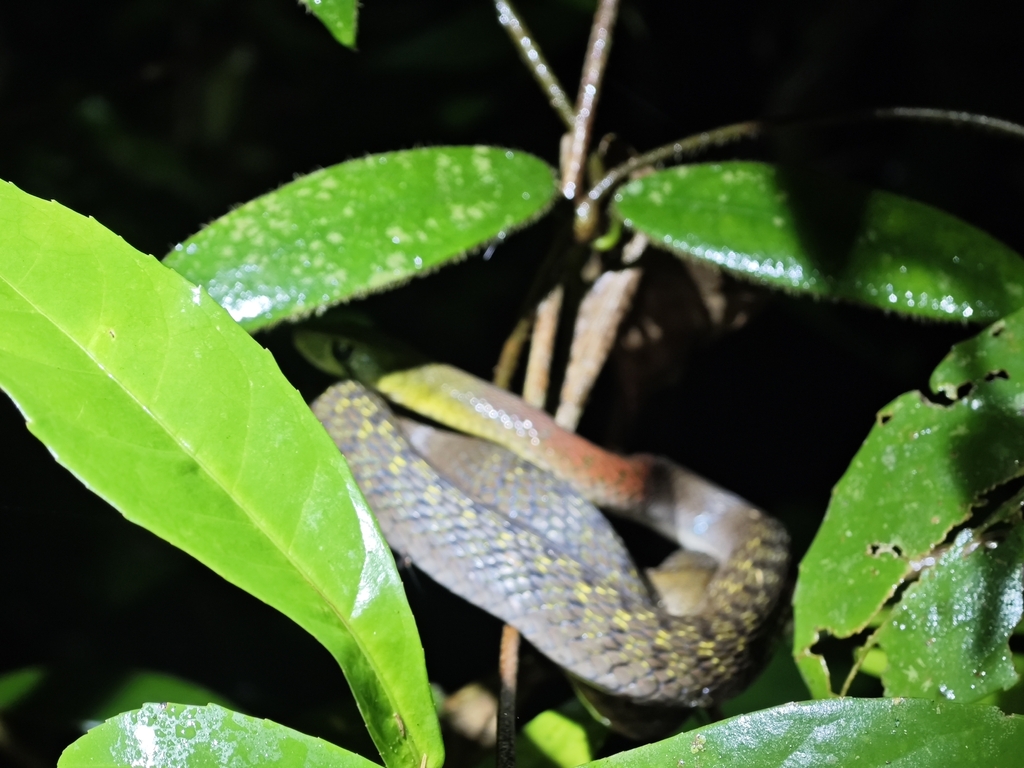
Snakes of Philippines
The Philippines is an archipelago of more than seven thousand islands scattered across the western Pacific and the South China Sea, and that geography is the single biggest reason its snake fauna is so distinctive. Our data records 150+ snake species in the country, of which 52 are venomous. Because populations on separate islands have been isolated from one another for long stretches of evolutionary time, the islands have become engines of endemism, producing snakes found nowhere else on Earth. Tropical rainforest, limestone karst, lowland agricultural land, and extensive mangrove and coastal habitat give these species a wide range of niches to fill, from forest canopy to tidal mudflat to open sea.
Island isolation tends to drive lineages down their own evolutionary paths, so the Philippines holds a high proportion of species with restricted ranges, some confined to a single island or mountain range. This same isolation means that snake communities differ noticeably from island to island, and that surveys continue to turn up new and poorly documented species. For anyone trying to understand a snake encountered in the country, location matters: what is common on Luzon may be absent on Mindanao or Palawan, and a species' identity often depends heavily on exactly where it was found.
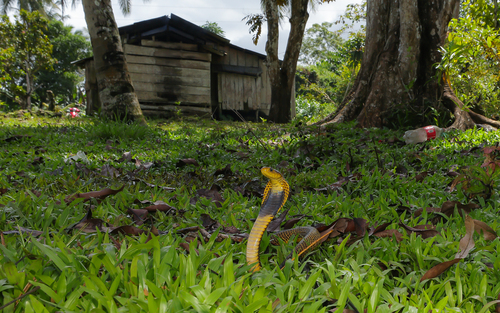
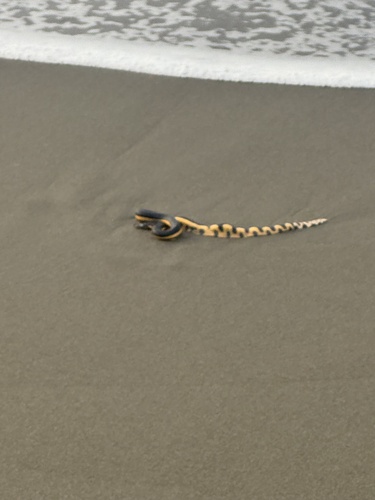
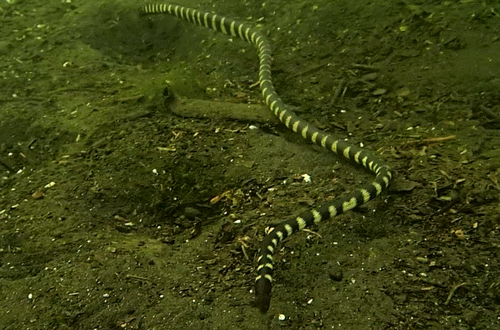
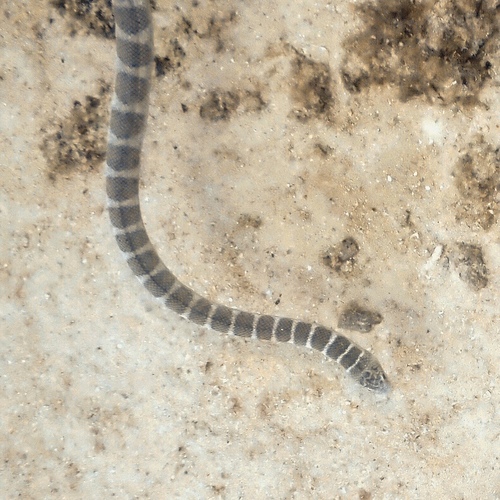
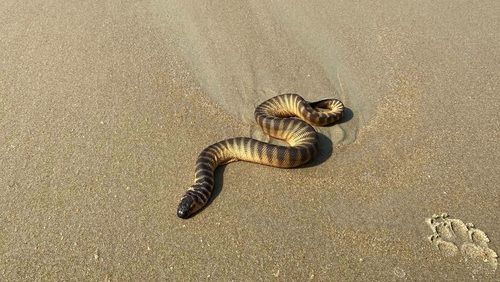
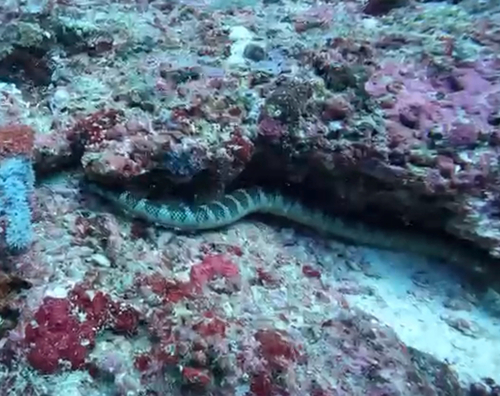
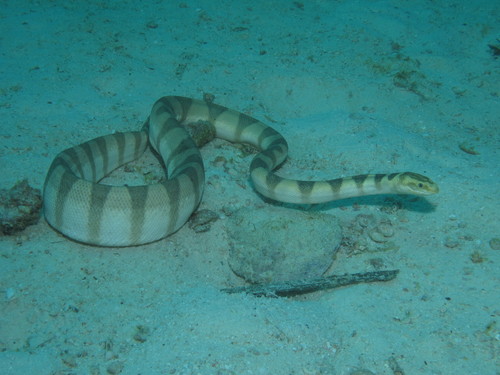
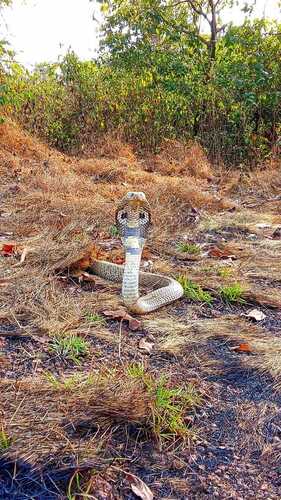
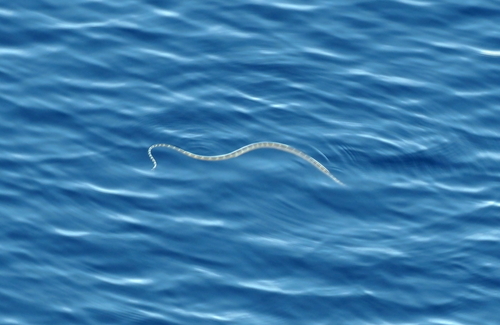
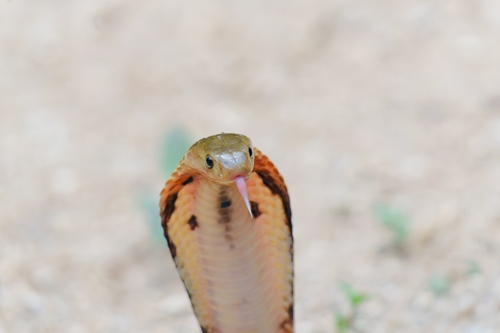
The venomous species fall into several broad groups. The Philippine cobra, Naja philippinensis, is the snake most associated with serious land bites here; it is a notable spitting cobra with potent venom and is found across parts of the northern islands, often in lowland and agricultural areas where it overlaps with people. The king cobra also occurs in forested regions. Offshore, the surrounding tropical seas are home to many sea snakes and to sea kraits, which come ashore to rest and lay eggs, and several pit viper species inhabit forest and upland areas. Each of these groups carries medically significant venom, which is why identification and professional care matter.
Despite the attention the venomous species receive, the large majority of Philippine snakes are non-venomous and pose little threat to people. The reticulated python, the longest snake in the world, is found here and can reach extraordinary sizes, though it is a constrictor rather than a venomous animal. Alongside it are numerous endemic species and a broad cast of colubrids, including tree snakes, water snakes, and small leaf-litter dwellers, most of which are secretive and far more interested in avoiding humans than confronting them. These harmless species play important roles in controlling rodents and maintaining the balance of forest and farmland ecosystems.
Honest safety guidance starts with perspective: most snakes you might encounter in the Philippines are harmless, and bites are uncommon relative to the number of snakes present. On land, the Philippine cobra is the main species of concern, particularly in rural and agricultural settings. Sea snakes and sea kraits are venomous but are generally not aggressive and tend to bite only when handled or trapped. Antivenom availability and the speed of access to treatment can vary considerably between major cities and remote islands, which makes prevention and quick transport to care especially important in rural areas.
No wild snake should be considered safe to pick up or handle, regardless of how harmless it may appear, and even non-venomous species can bite defensively. The safest approach to any snake is to give it distance and let it move away on its own. If a bite occurs, treat it as a medical emergency and seek professional emergency care immediately rather than relying on improvised remedies. Knowing which species are present in a given island or region, and respecting them at a distance, is the most reliable way to coexist with the country's remarkably diverse snake fauna.
Snakes in Philippines: FAQ
- Are there venomous snakes in Philippines?
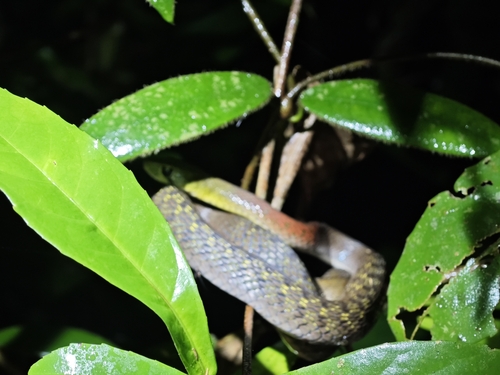
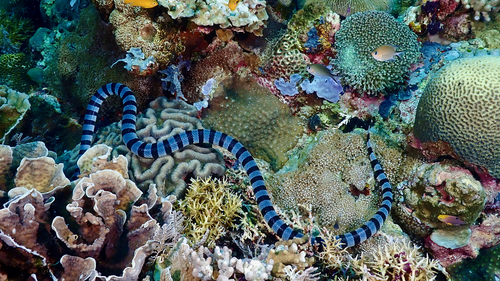
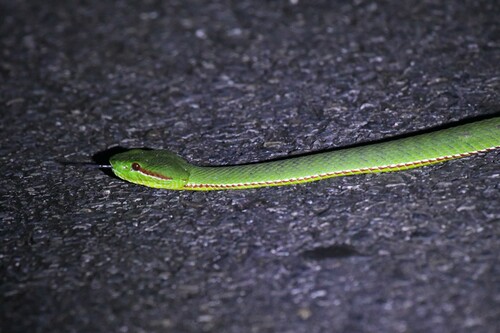
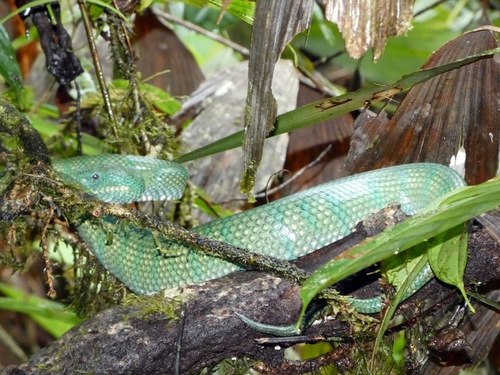
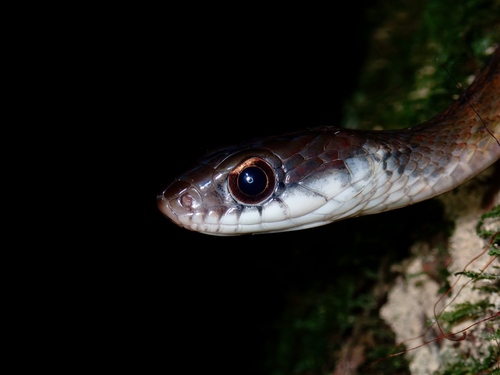
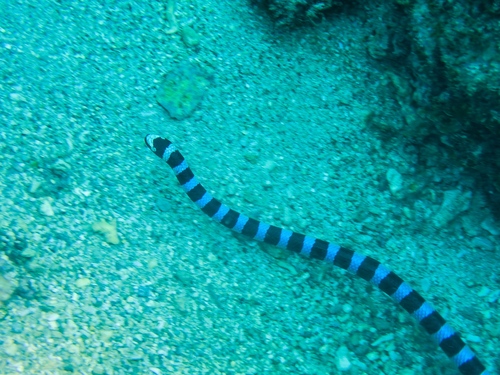
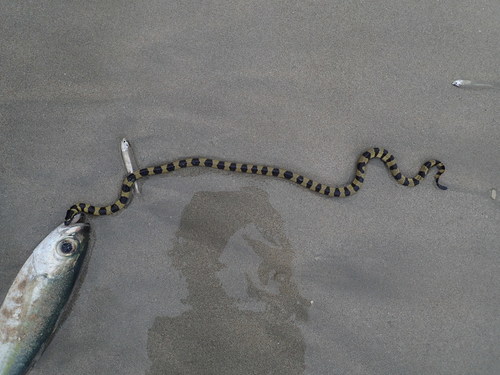
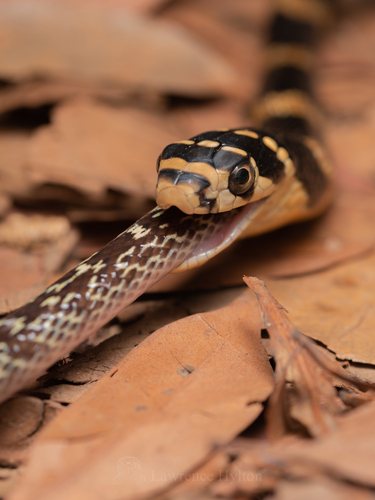
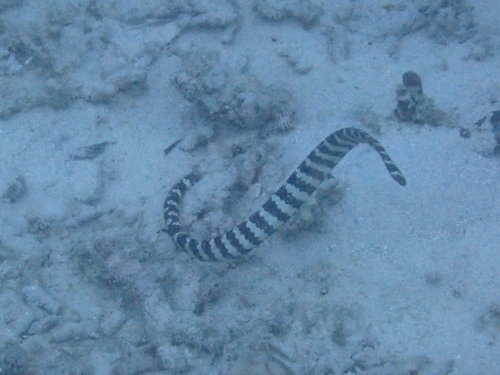
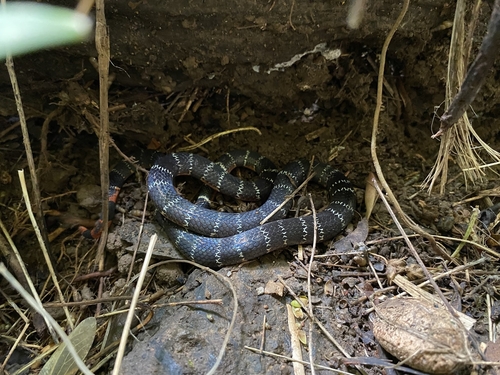
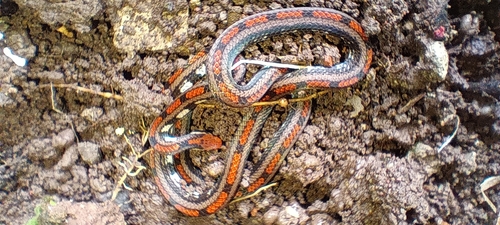
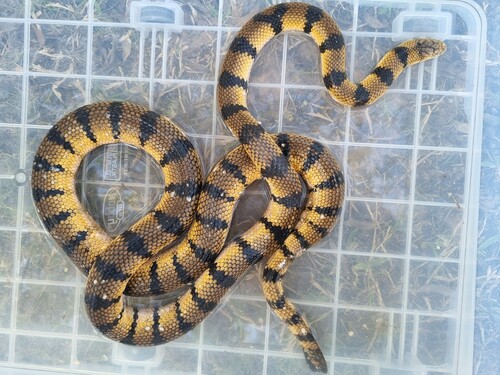
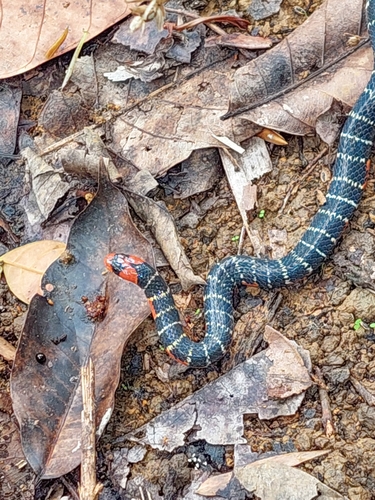
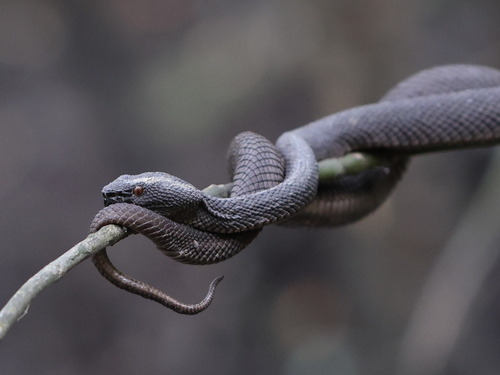
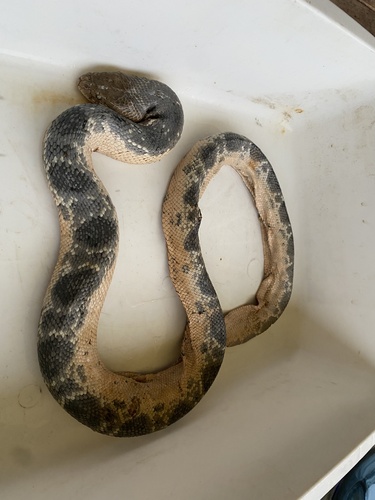
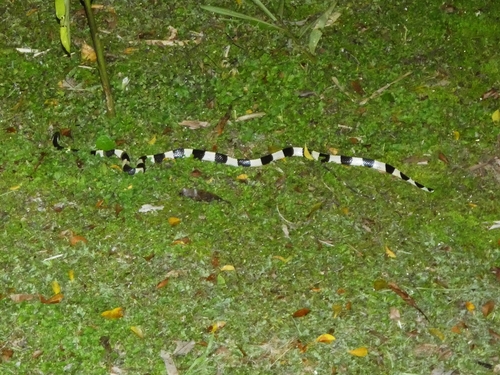
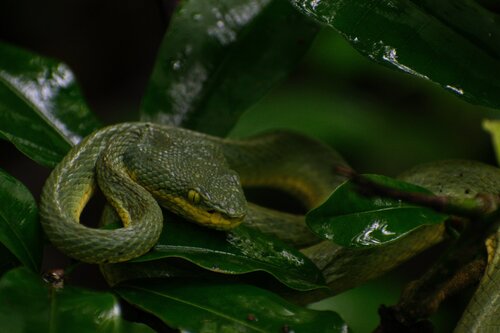
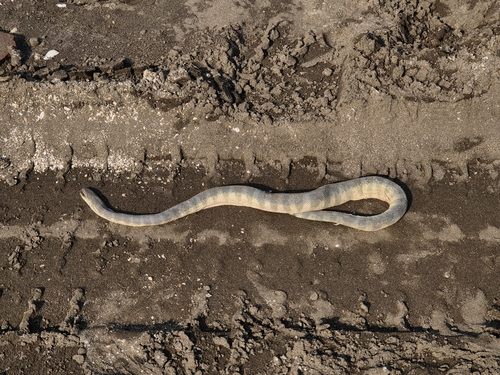
- Yes. 51 venomous snake species have verified records in Philippines, including Siamese Red-necked Keelback, Yellow-lipped Sea Krait, Lanna Green Pitviper, Philippine Pit Viper. Most snakes in Philippines, however, are harmless.
- How many snake species live in Philippines?
- 150+ snake species have verified records in Philippines, of which 51 are venomous.
- What is the most commonly seen snake in Philippines?
- The Dendrelaphis thasuni is the most frequently reported snake in Philippines, based on verified wildlife observations.
- What should I do if I see a venomous snake in Philippines?
- Keep your distance and do not try to catch or kill it. Most bites happen when people handle or corner a snake. If someone is bitten, contact local emergency services or poison control immediately.
Venomous snakes in Philippines
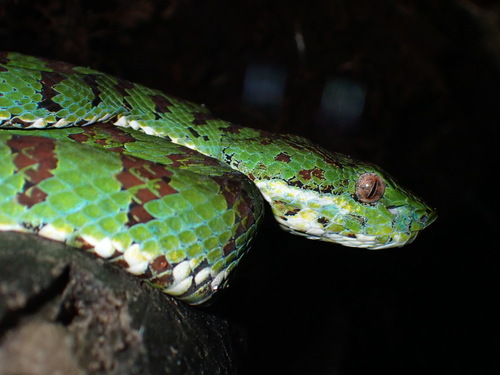
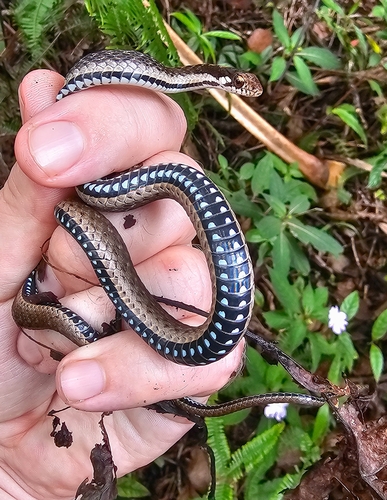
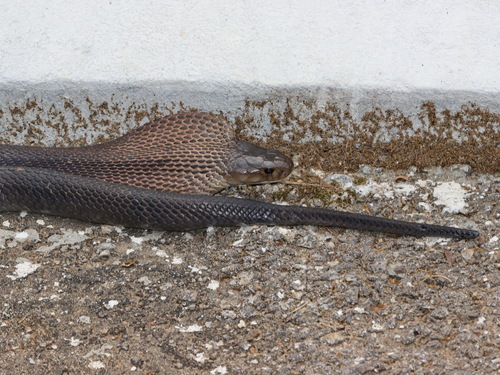
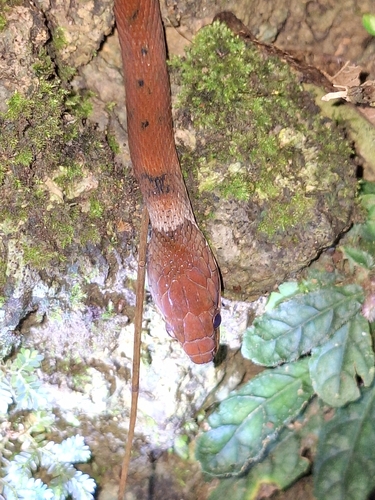
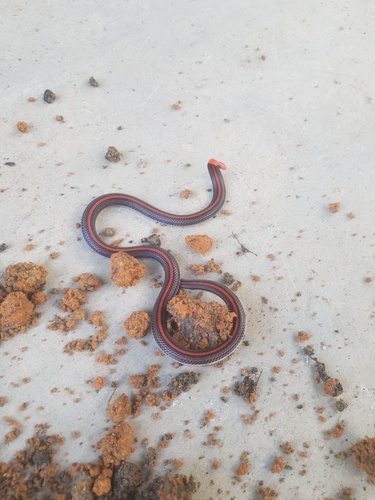
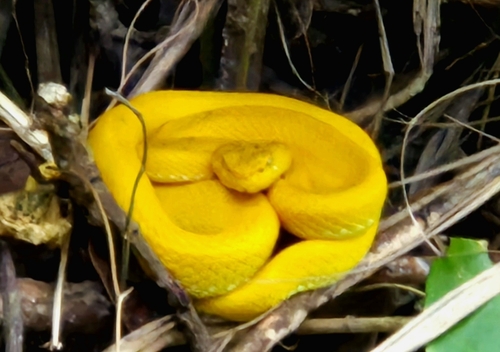
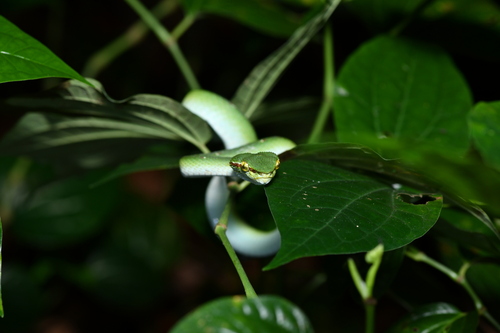
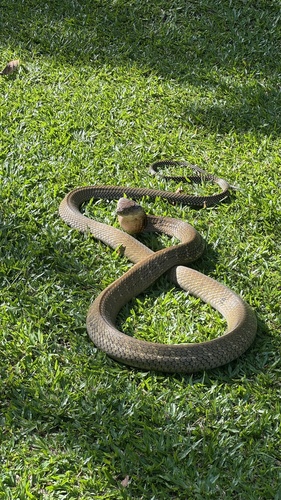



- No photo

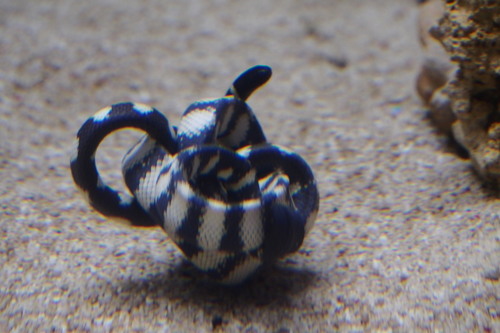
- No photo
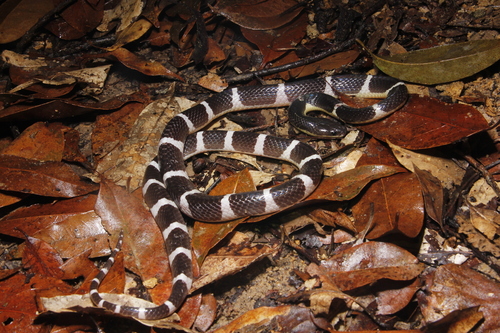
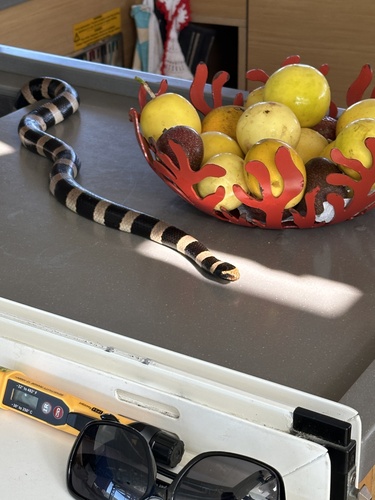
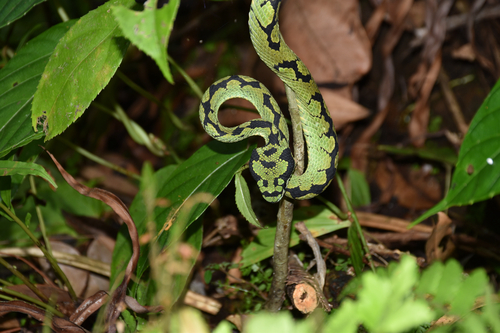
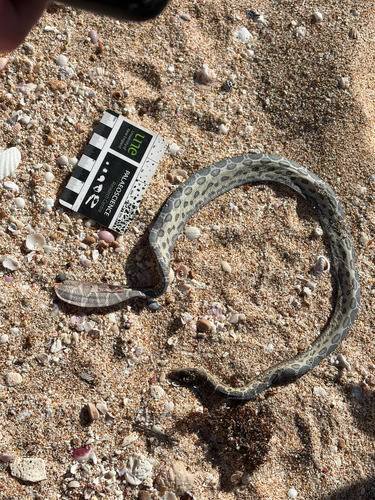
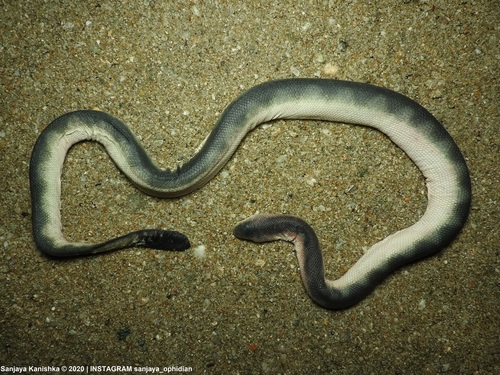
Every snake recorded in Philippines
150+ species across 14 families, grouped by family. Venomous flagged.
Colubridae (89)
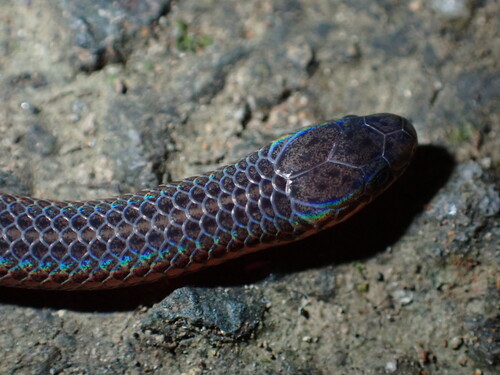
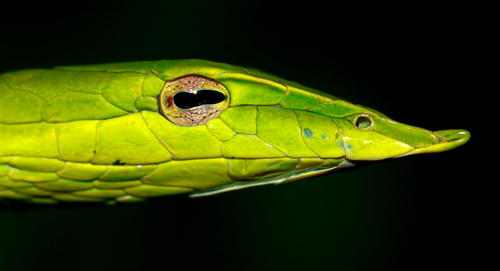
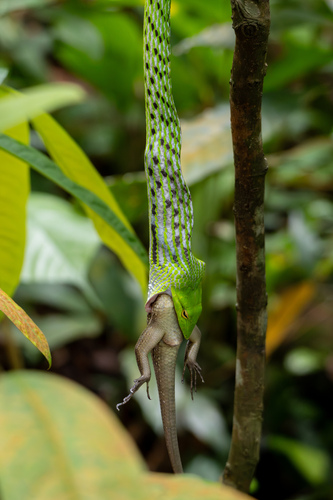
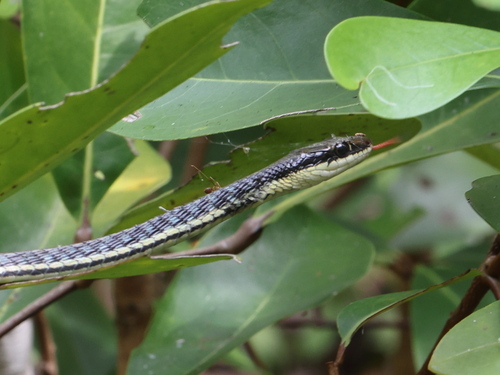
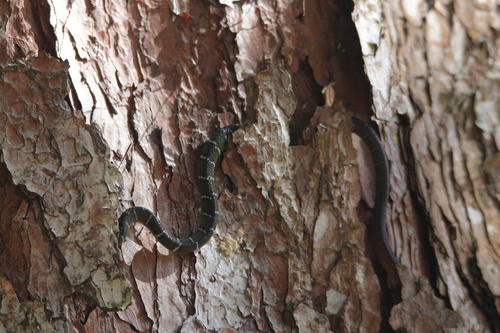
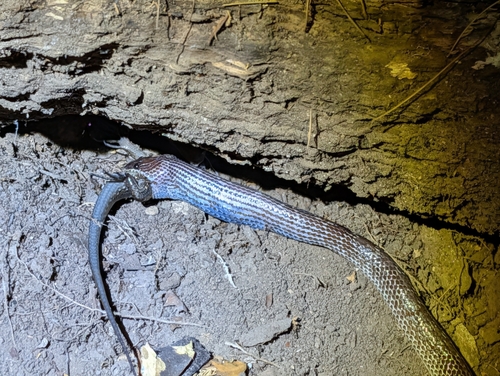
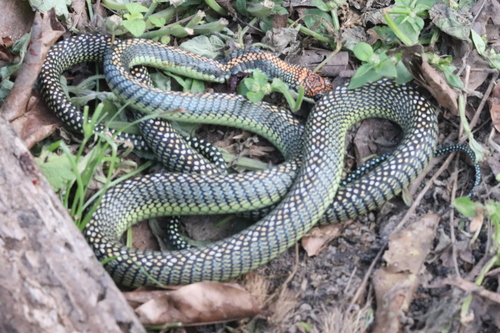
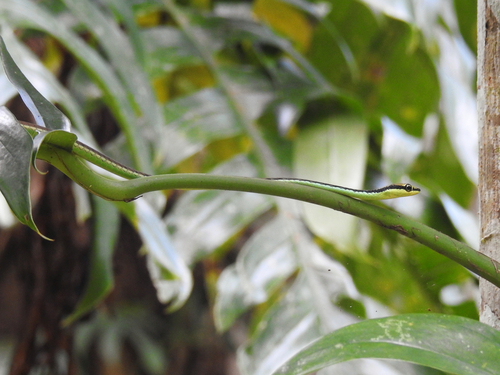
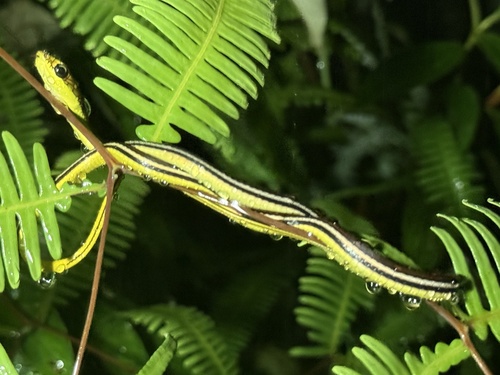
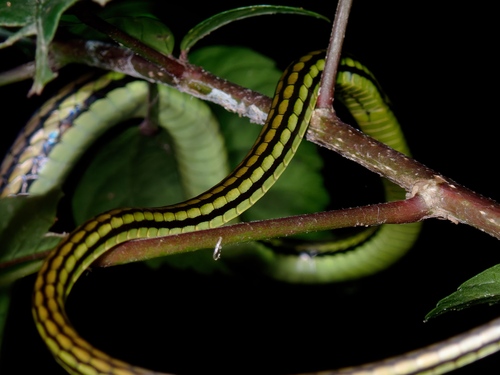
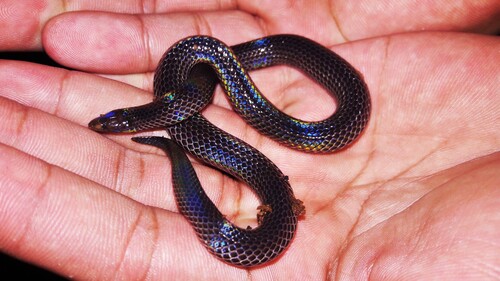
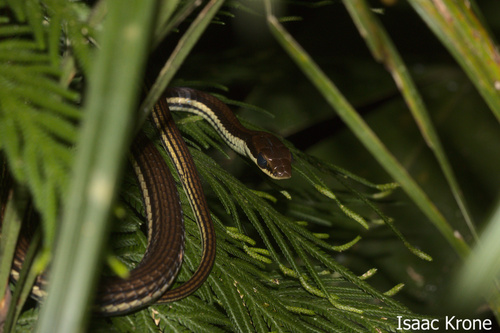
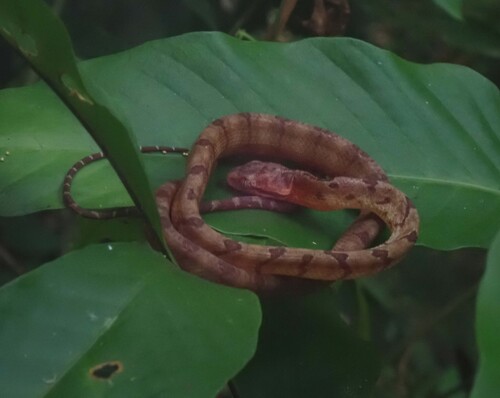
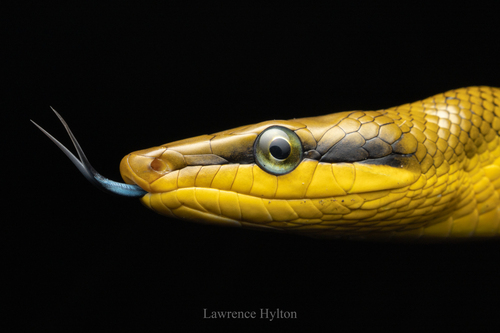
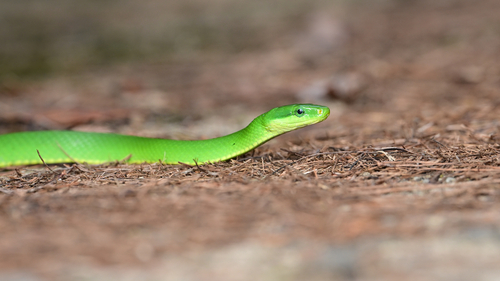
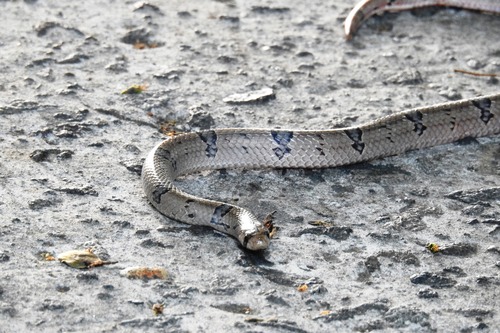
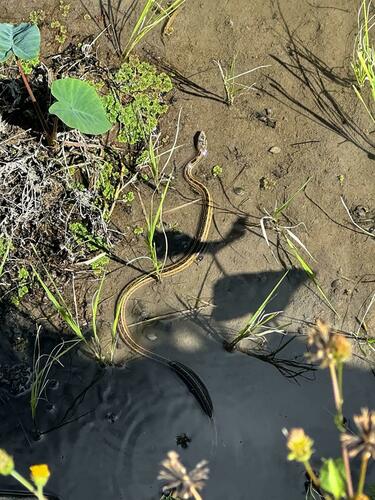
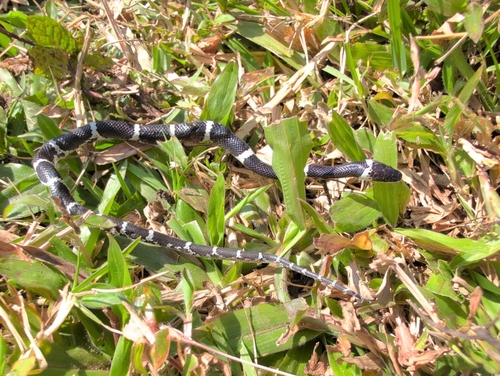
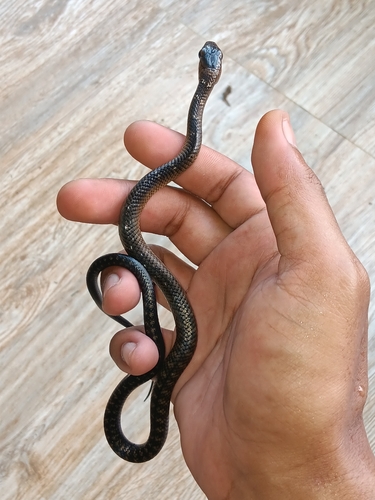
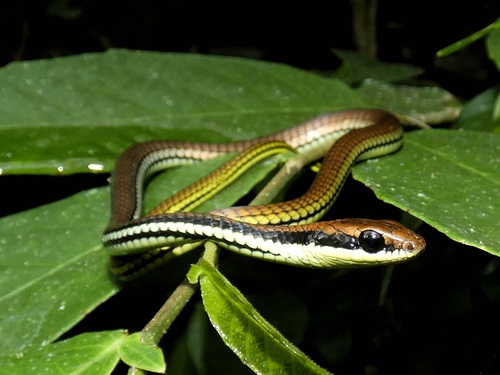
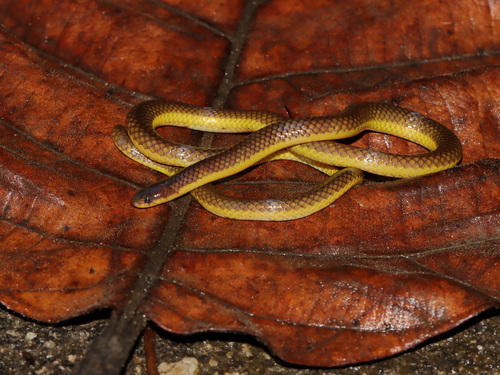

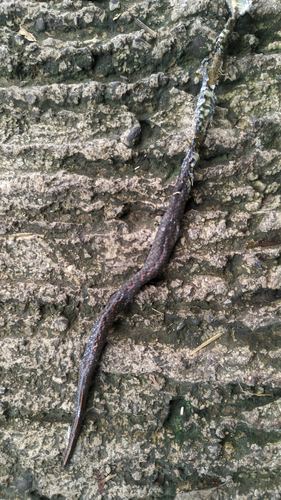
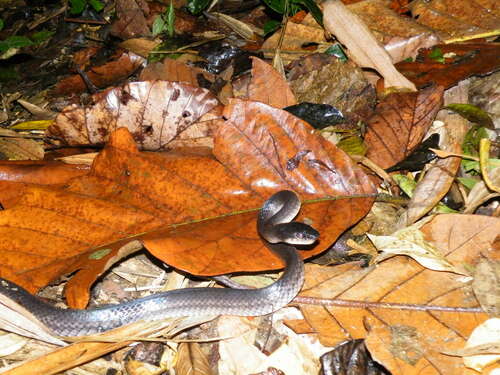
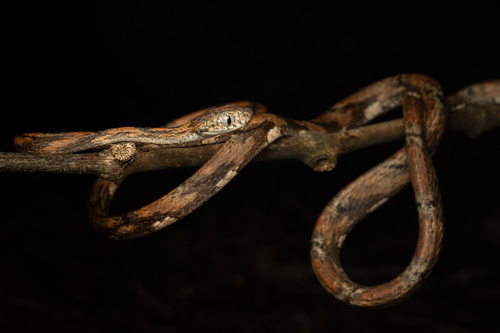
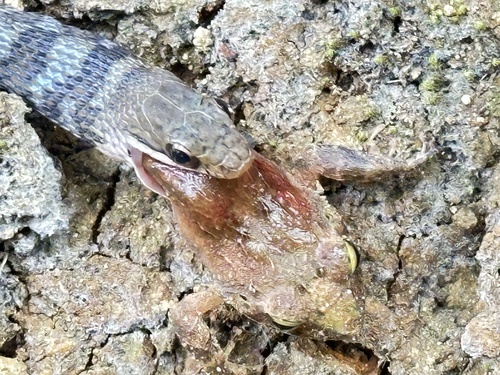
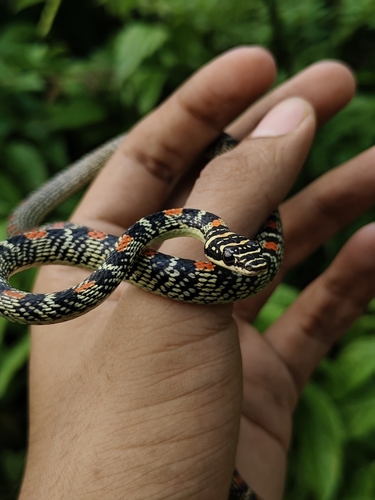
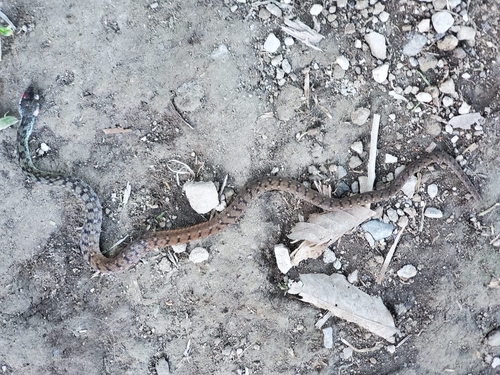
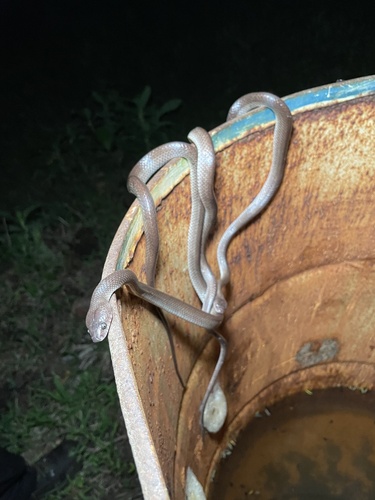
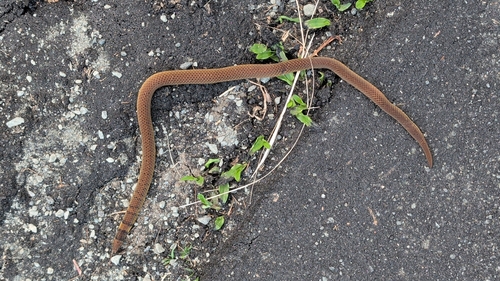
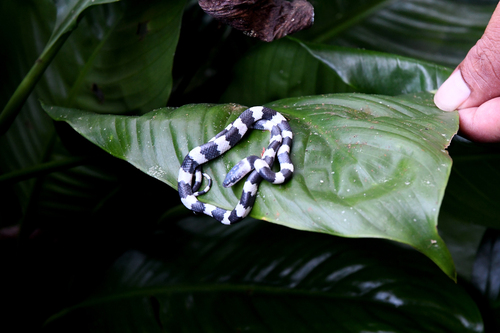
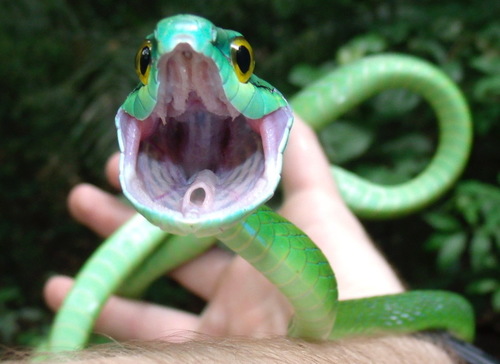
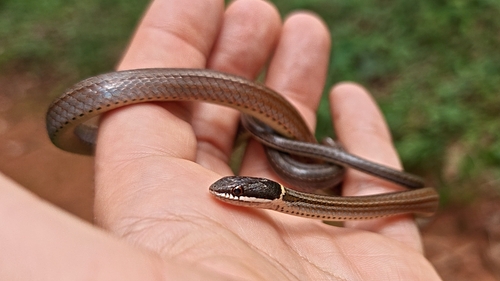

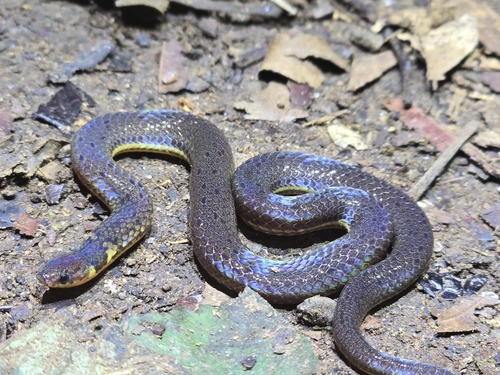
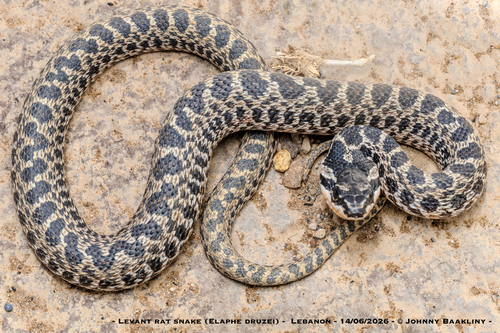
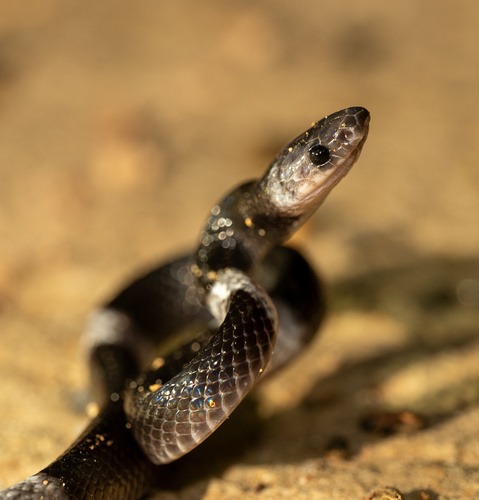
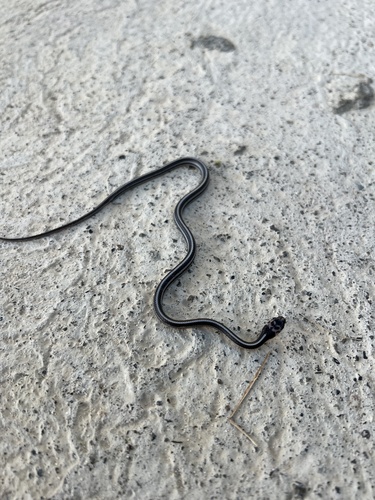
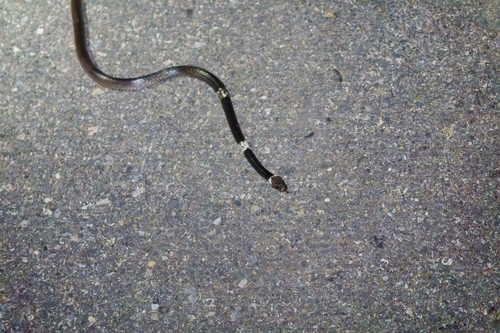
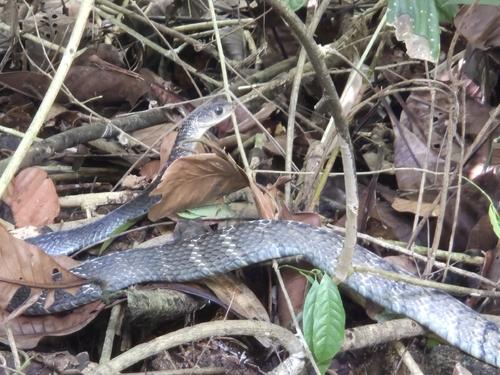
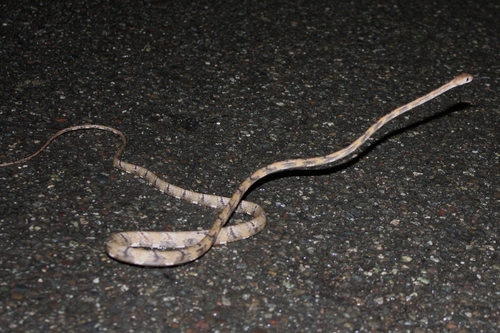
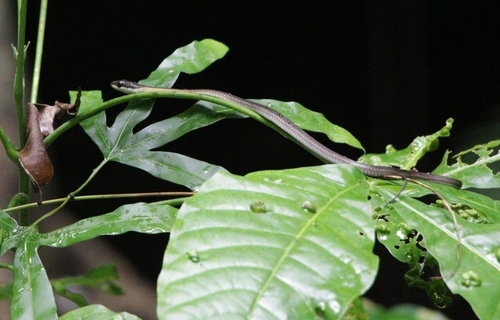
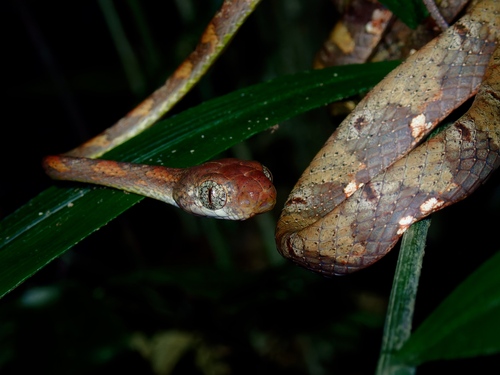
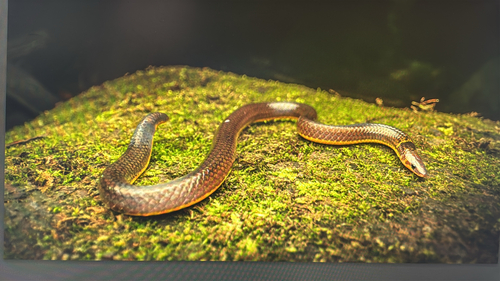
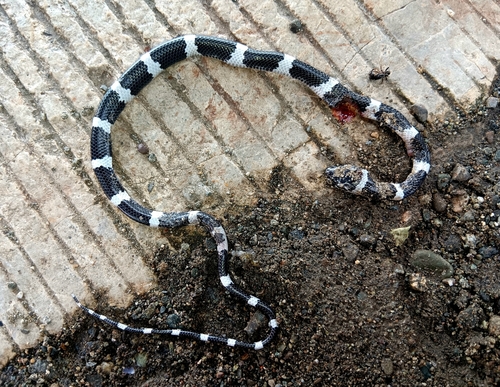
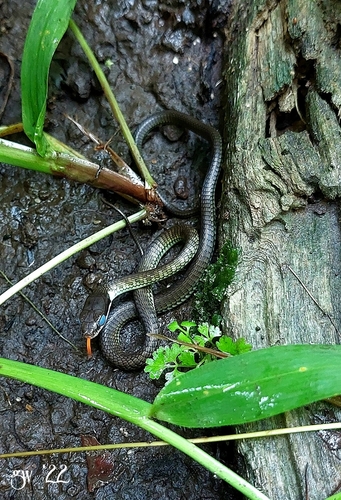

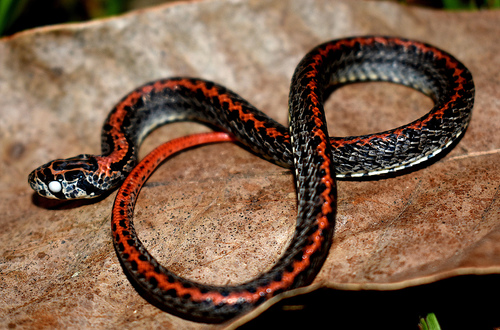
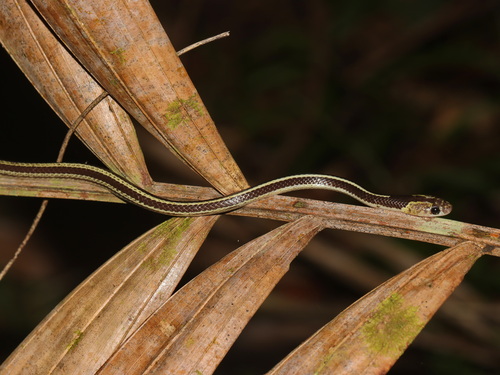
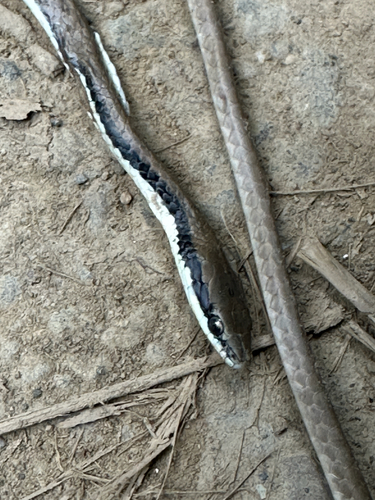
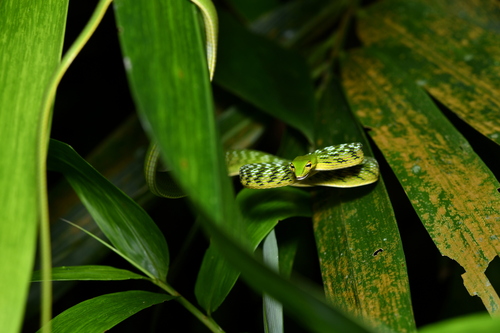
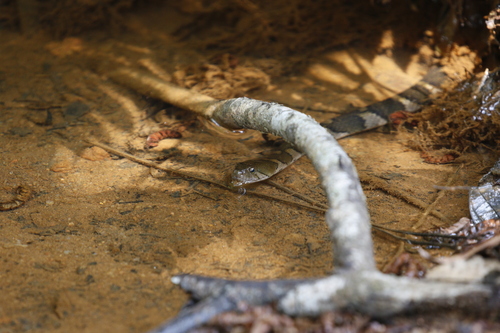
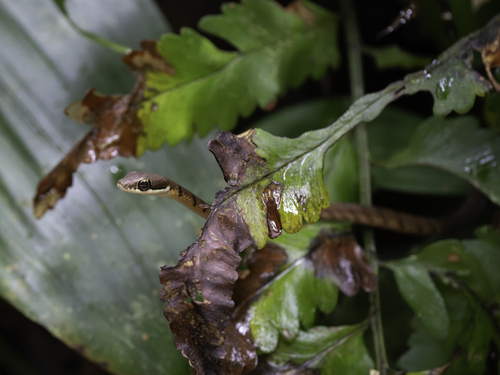
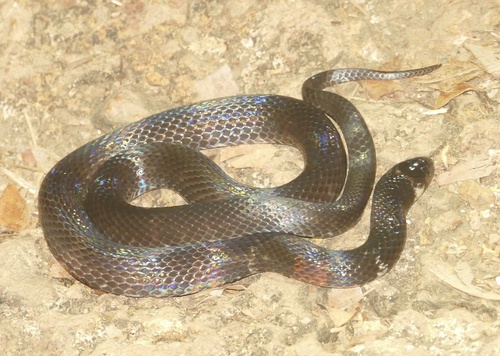
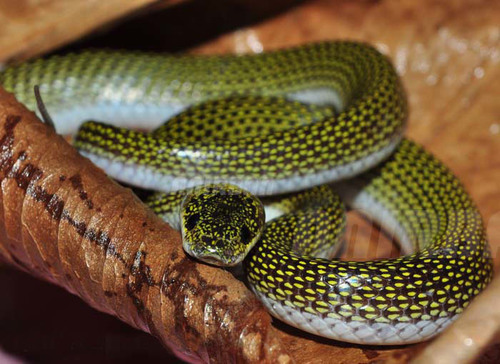
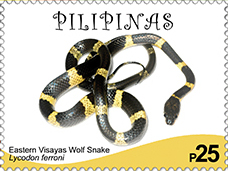
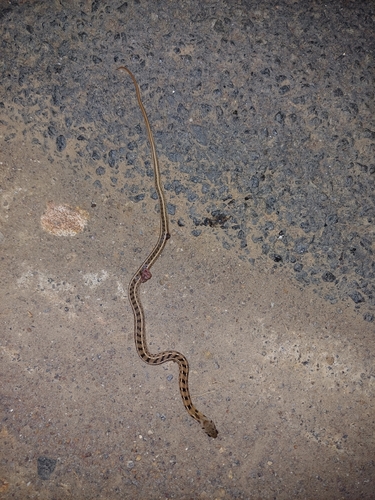
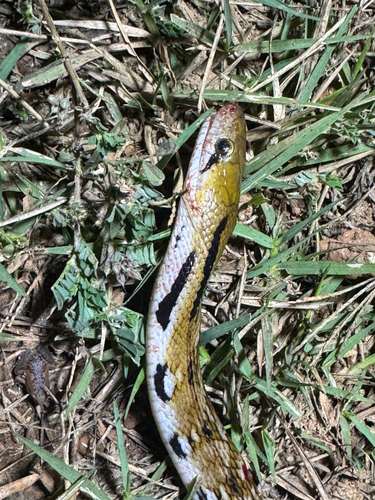
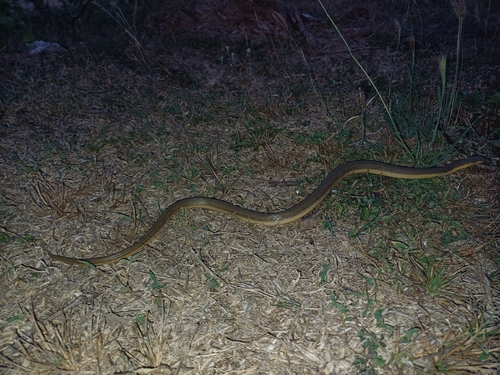
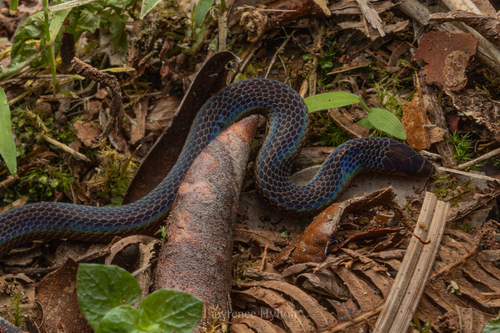
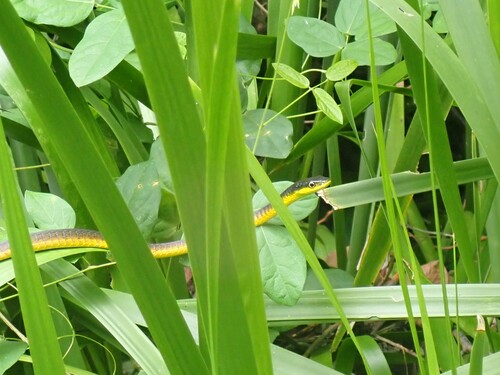
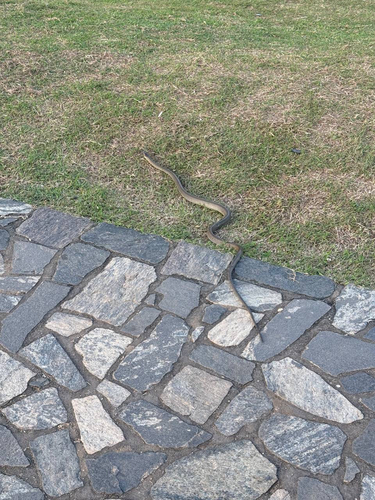
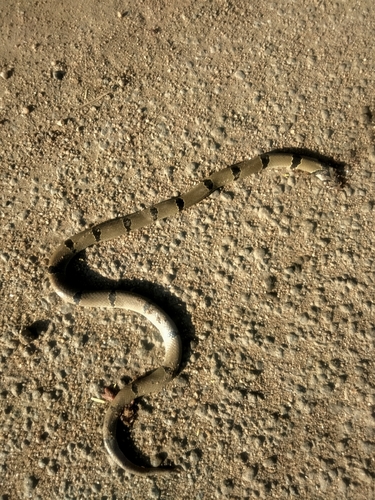
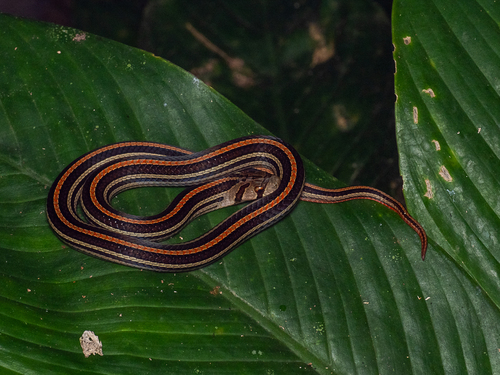
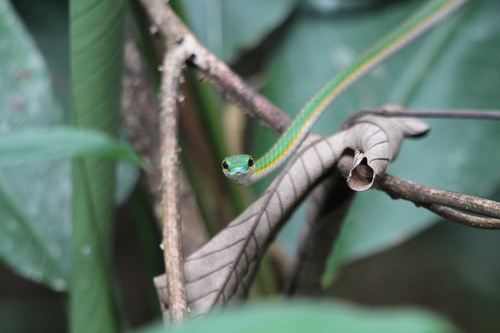
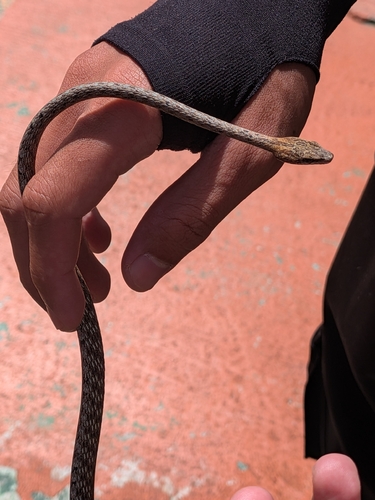
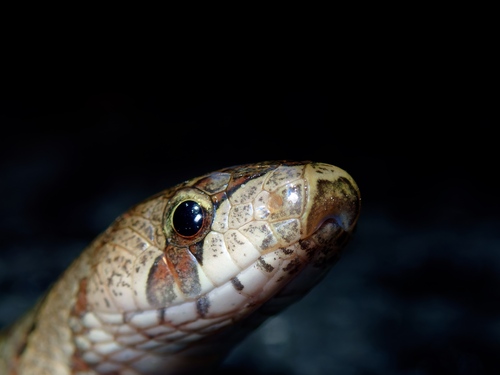
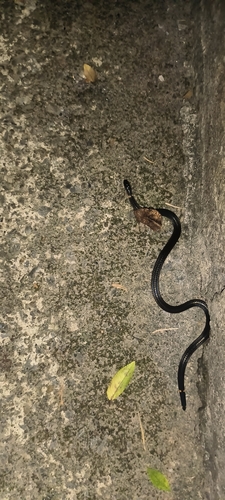
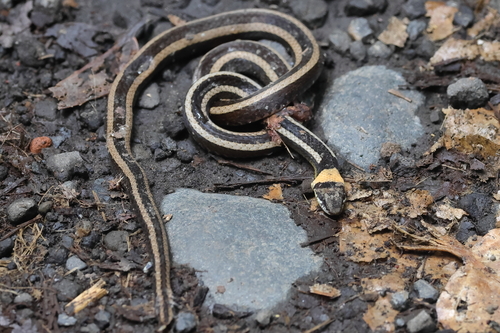
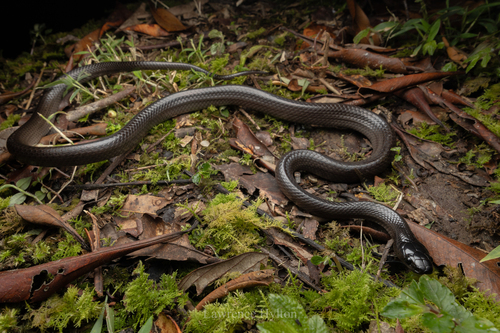
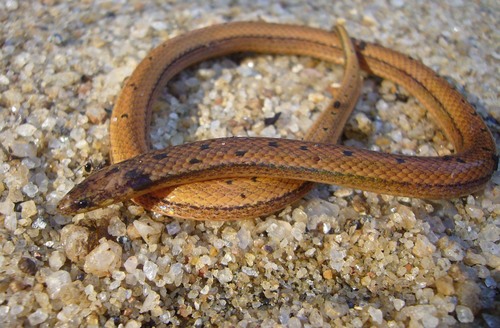
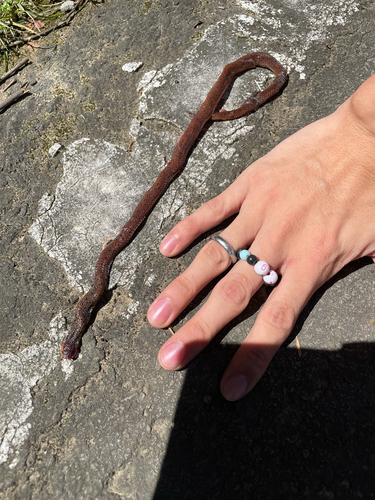
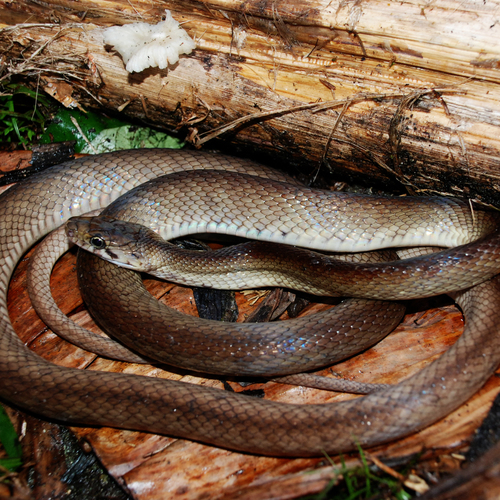
Elapidae (36)
Viperidae (10)
Cyclocoridae (7)
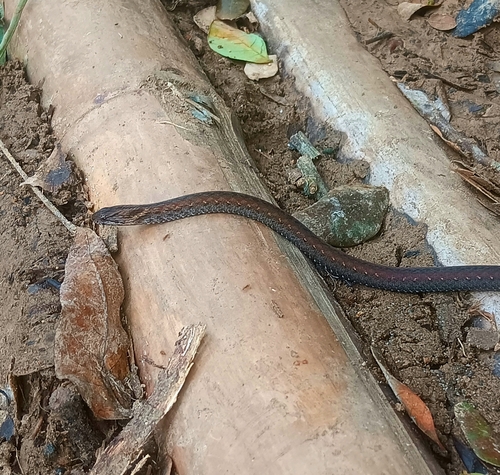
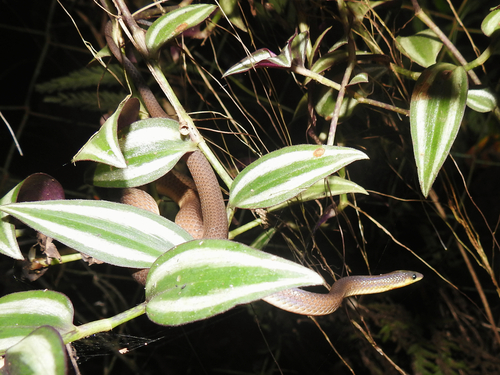
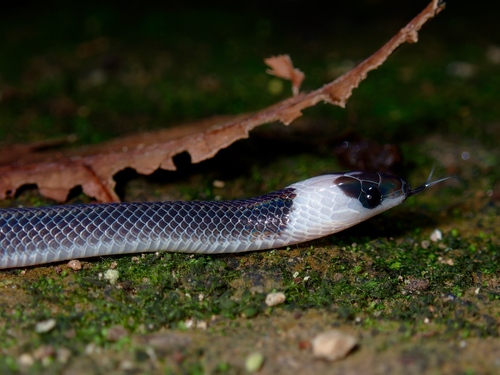
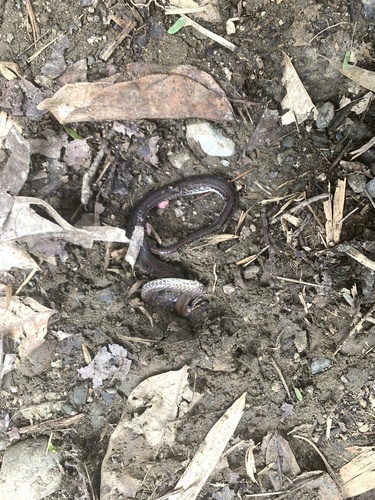
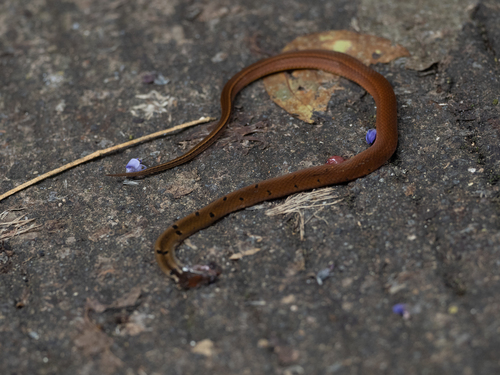
Typhlopidae (4)
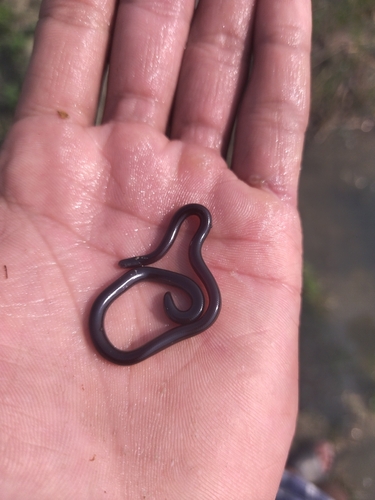
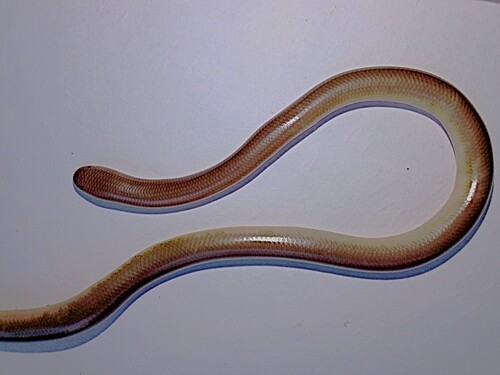
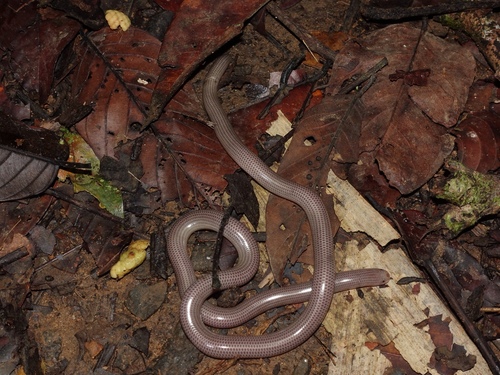
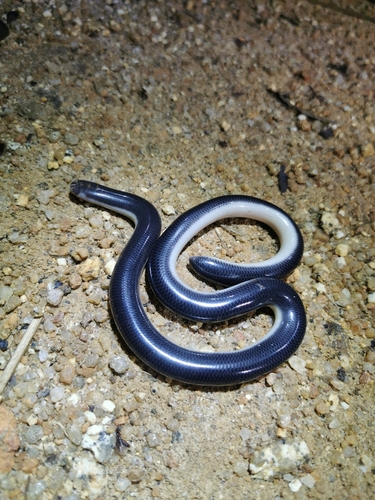
Homalopsidae (4)
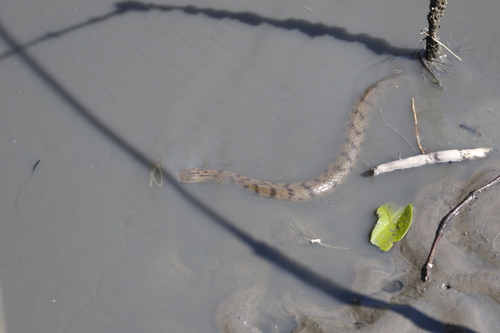
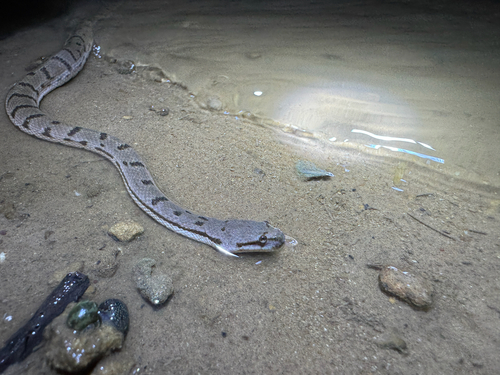
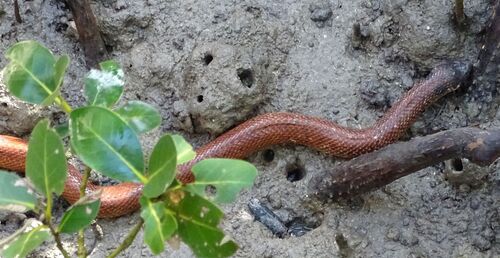
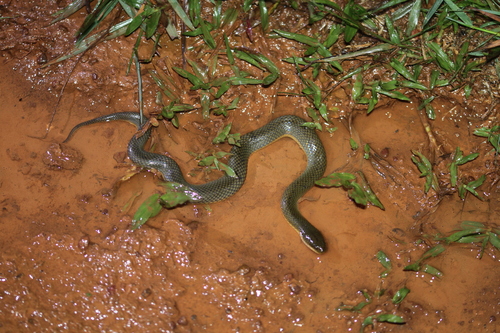
Pythonidae (3)
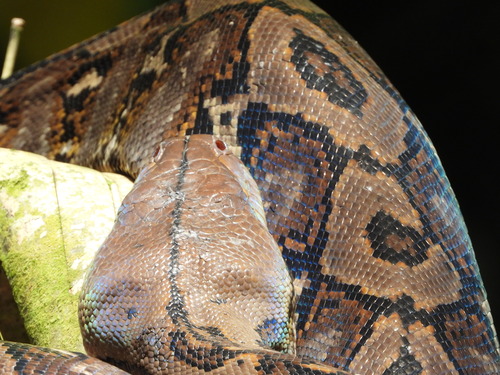
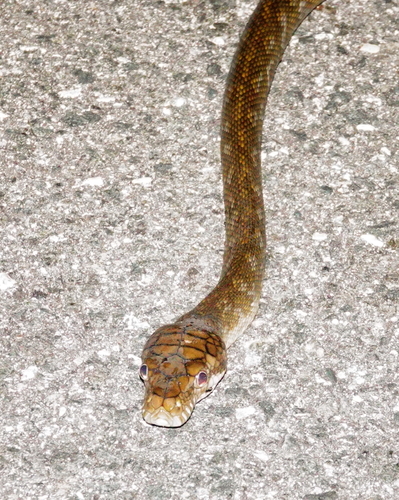
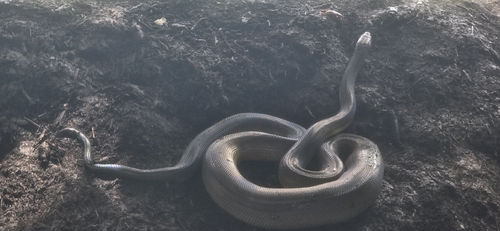
Uropeltidae (2)

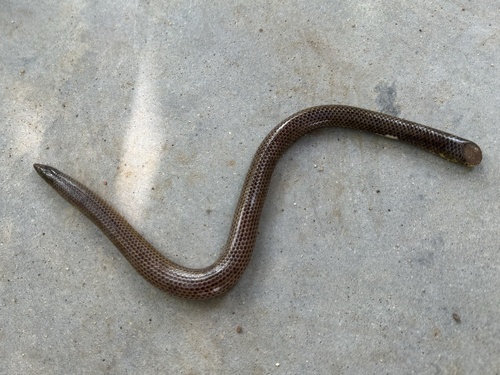
Pseudaspididae (1)
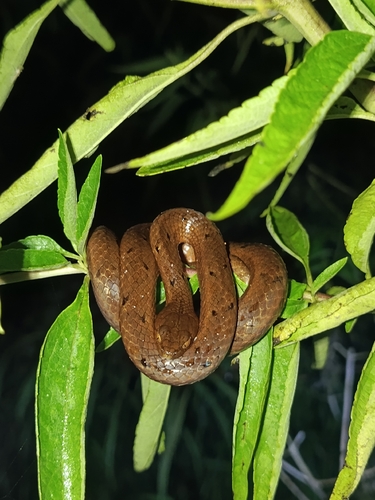
Acrochordidae (1)
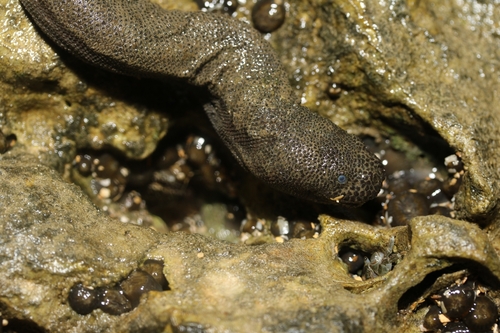
Pareidae (1)
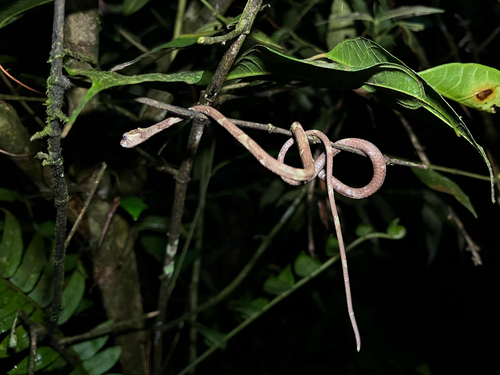
Xenopeltidae (1)
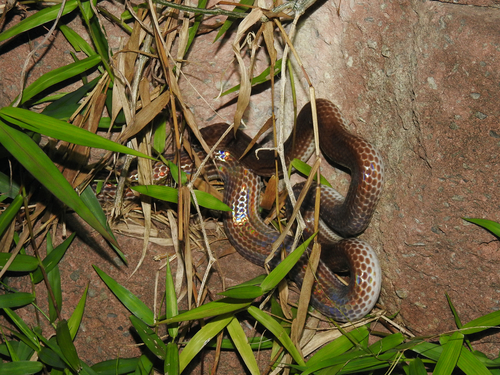
Gerrhopilidae (1)
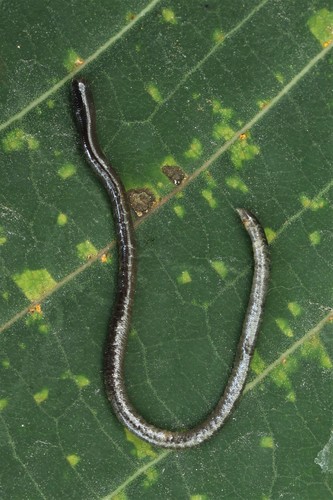
Cylindrophiidae (1)
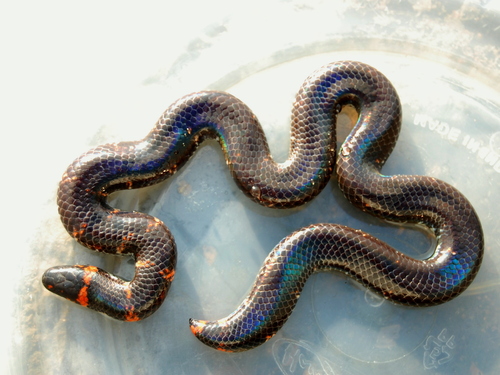
Compiled from verified GBIF & iNaturalist observations. "How often seen" reflects how frequently a snake is reported here, not how dangerous it is. Informational only.
Keep learning
- Are Snakes Dangerous? The Real Risk, in PerspectiveMost snakes are harmless and avoid people. Here is the honest picture of snakebite risk worldwide and how to lower your own.
- Snakebite First Aid: What to Do (and What Never to Do)A clear, CDC-based guide to snakebite first aid: the steps that help, the popular myths that hurt, and how to tell a serious bite from a minor one.
- Venomous vs Nonvenomous: How to Tell the DifferenceThe folk rules for telling venomous snakes apart, where each one fails, and why location-based identification beats guessing by sight.
- What to Do If You Find a SnakeFound a snake at home or on a trail? Here is how to stay calm, give it space, identify it safely, and know when to call a professional.