
Bolivia
Snakes in Bolivia
200+ snake species have been recorded in Bolivia, 35 venomous.
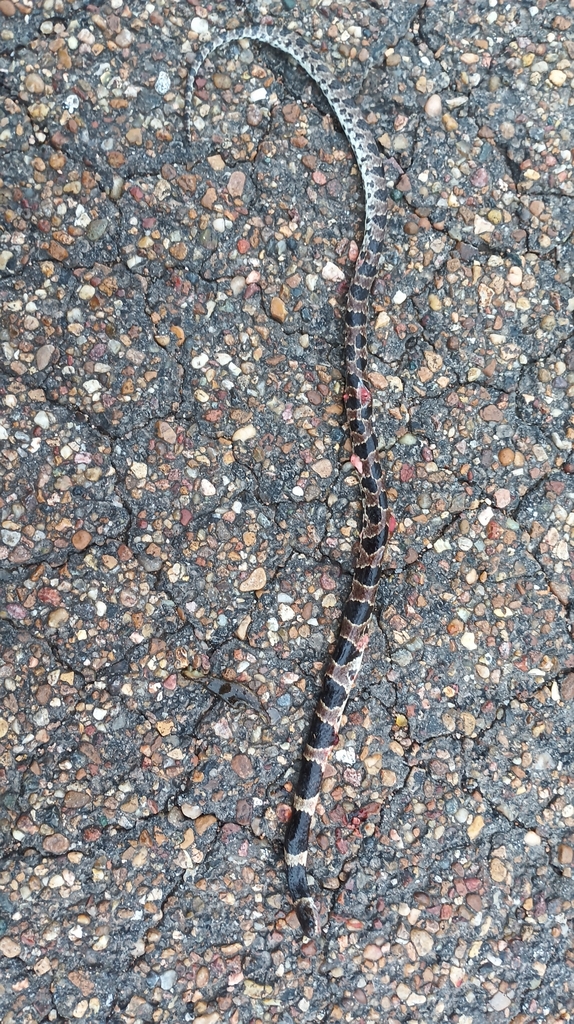
Snakes of Bolivia
Bolivia (Plurinational State of) has 200+ snake species recorded in our database, 37 of them venomous. The great majority of species are non-venomous, a reflection of the country's position at the meeting point of several major South American ecosystems. From the high, cold Andes in the west to the vast lowland tropics in the east, Bolivia packs an unusual range of climates and habitats into one country, and snakes have diversified to fill nearly all of them.
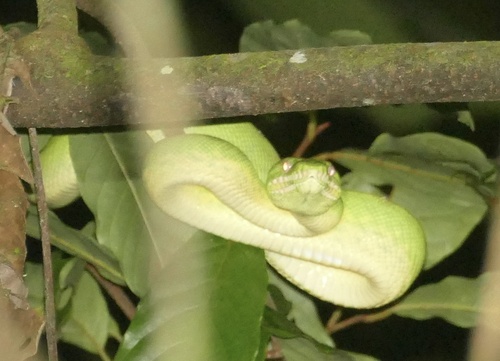
Geography is the main driver of this diversity. Eastern and northern Bolivia hold large stretches of Amazon rainforest, while the central and southeastern regions include seasonally flooded savannas, the Pantanal wetlands, and the dry thorn forest of the Gran Chaco. To the southwest, the land climbs into the Andes and the high Altiplano plateau, where cold and altitude limit reptile life. Warm, wet lowlands support the richest snake communities, including arboreal species in the forest canopy, aquatic species in rivers and marshes, and burrowing species in the leaf litter. Drier and higher zones host fewer but specially adapted snakes.
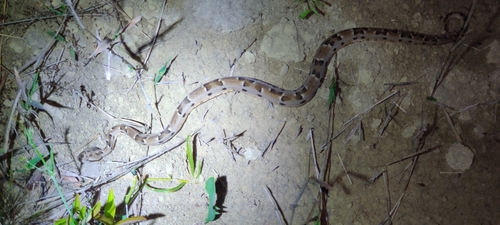
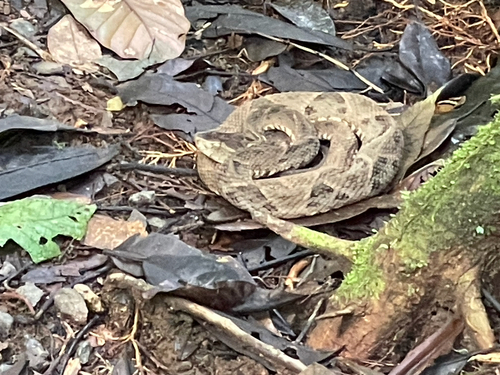
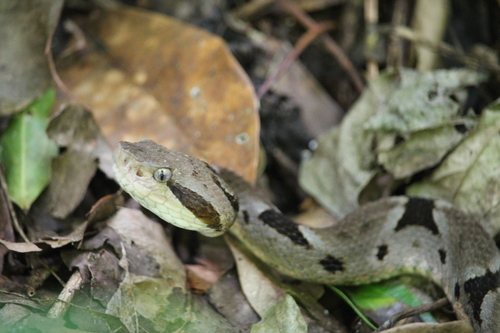
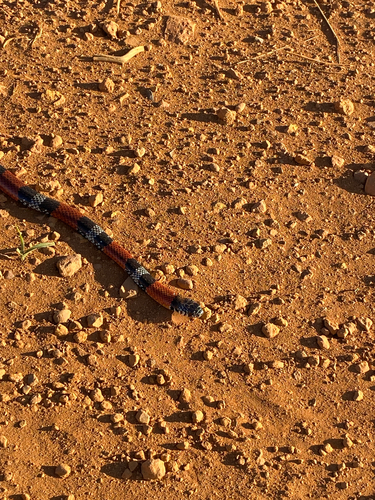
The medically important venomous snakes of Bolivia fall into two main groups, both within the families that account for most serious snakebite in South America. The pit vipers (family Viperidae, subfamily Crotalinae) are the leading concern. These include lanceheads of the genus Bothrops, broadly known in the region as yarara, which are responsible for the majority of dangerous bites because they are widespread and often found near settlements and farmland. The group also includes the bushmaster (Lachesis), a very large forest pit viper, and the Neotropical rattlesnake (Crotalus durissus), found in drier savanna and Chaco country. The second group is the coral snakes (genus Micrurus, family Elapidae), brightly banded snakes with potent venom; bites are far less common because corals are secretive and not aggressive, but they are still significant. Bolivia is landlocked, so sea snakes do not occur, and cobras and mambas are Old World snakes that are not part of the native fauna.
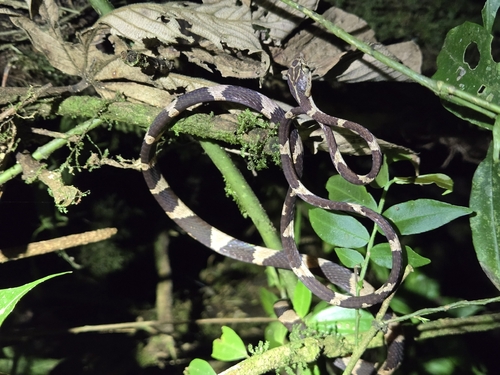
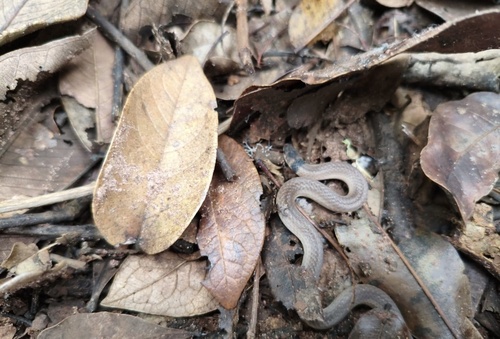
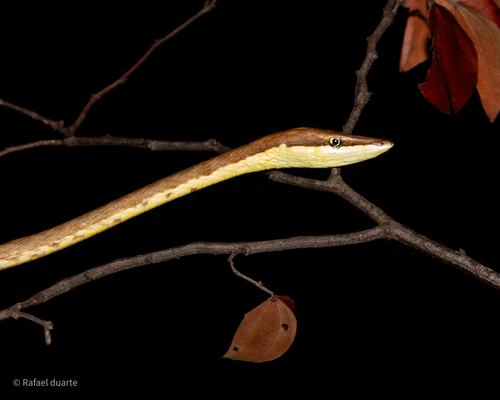
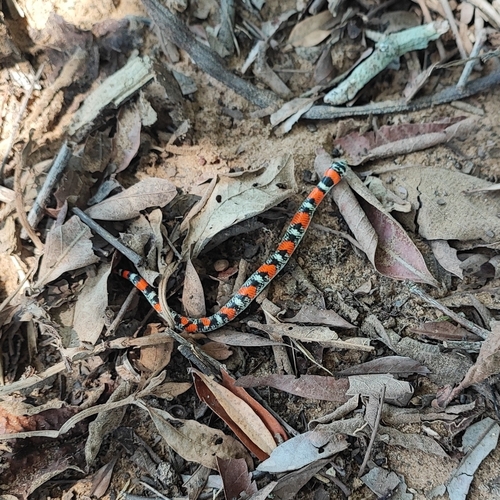
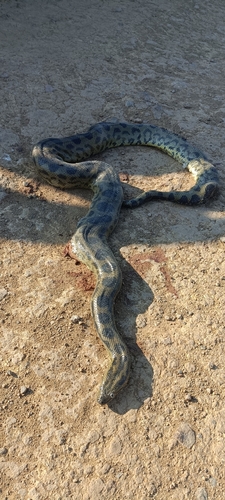
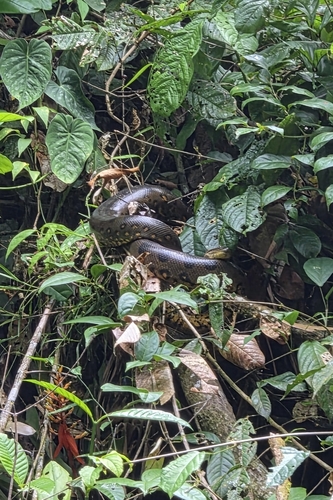
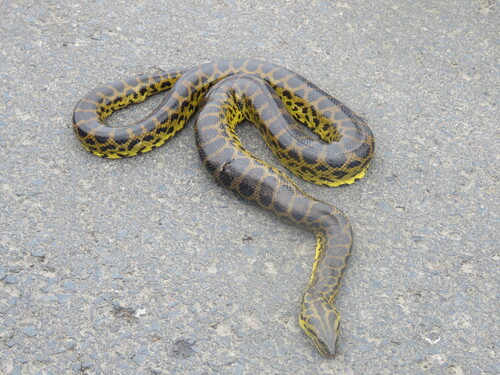
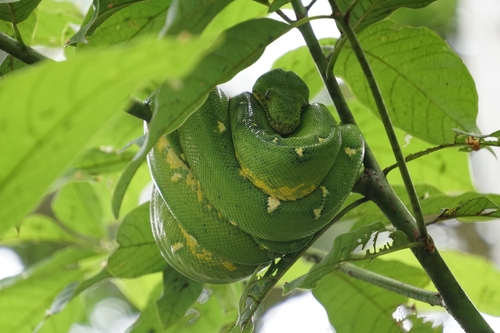
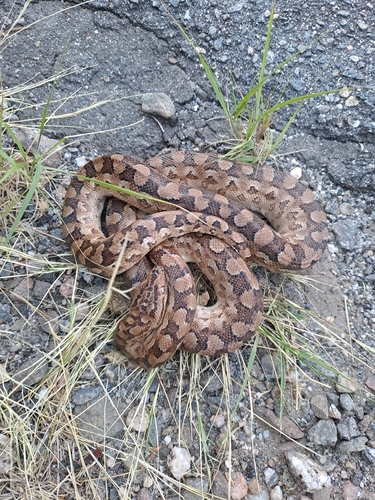
The large non-venomous majority spans many forms and lifestyles. Boas are among the most recognizable, including the green anaconda, one of the heaviest snakes in the world, which lives in the rivers and flooded savannas of the lowlands, along with the boa constrictor and several tree boas. The great bulk of species, however, are colubrid and related snakes, agile generalists that hunt frogs, lizards, rodents, fish, and other snakes across forest, grassland, and wetland. Many are small and rarely seen, and a number of harmless species carry color patterns that can cause them to be mistaken for coral snakes or vipers.
Snakes earn their place in these ecosystems. As predators they control populations of rodents and other small animals, which protects crops, stored grain, and reduces the spread of rodent-borne disease around farms and rural homes. They are also prey for hawks, caimans, larger snakes, and mammals, making them an integral link in the food web. A landscape with healthy snake populations is generally one with a balanced, functioning ecosystem.
On safety, the honest framing is that most snakes in Bolivia are harmless to people and want nothing to do with humans. The real medical threat comes from the pit vipers, especially Bothrops lanceheads, with coral snakes and the Neotropical rattlesnake as additional dangers. The correct treatment for a venomous bite is professional medical care: antivenom and supportive treatment given at a hospital. No wild snake should be handled, picked up, or killed, since most bites happen when people try to catch or attack the animal, and even a snake believed to be non-venomous can injure. If a bite occurs, keep the person calm and still and get them to emergency medical care without delay. In the United States contact Poison Control at 1-800-222-1222; elsewhere, contact local emergency services.
Snakes in Bolivia: FAQ
- Are there venomous snakes in Bolivia?
- Yes. 35 venomous snake species have verified records in Bolivia, including Mato Grosso Lancehead, Neotropical Rattlesnake, Jararaca Pintada, Bolivian Coralsnake. Most snakes in Bolivia, however, are harmless.
- How many snake species live in Bolivia?
- 200+ snake species have verified records in Bolivia, of which 35 are venomous.
- What is the most commonly seen snake in Bolivia?
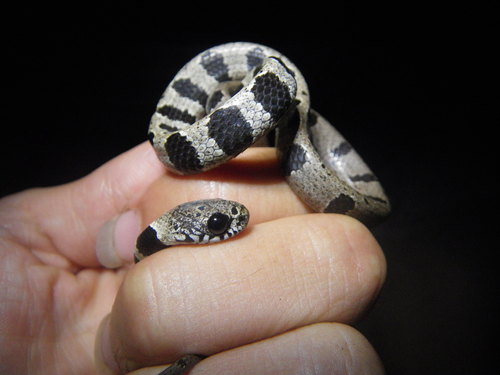
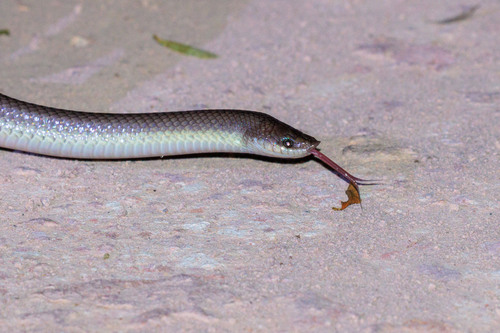
- The Bolivian Snail-eater is the most frequently reported snake in Bolivia, based on verified wildlife observations.
- What should I do if I see a venomous snake in Bolivia?
- Keep your distance and do not try to catch or kill it. Most bites happen when people handle or corner a snake. If someone is bitten, contact local emergency services or poison control immediately.
Venomous snakes in Bolivia
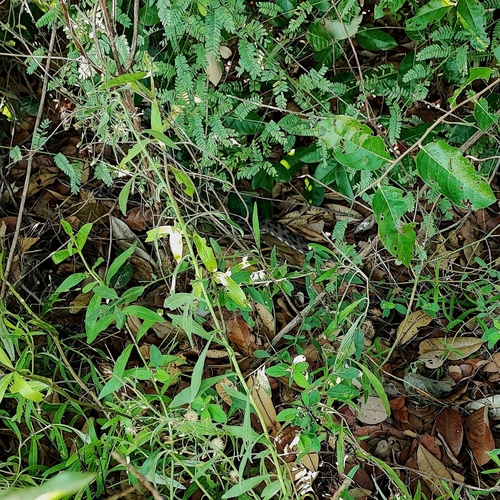
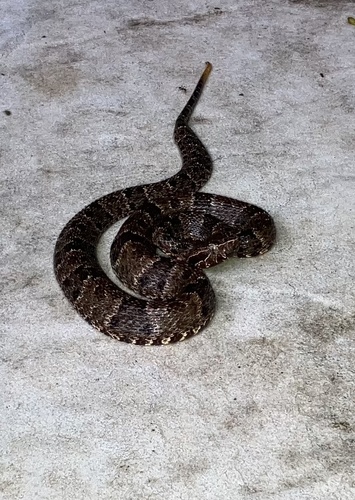
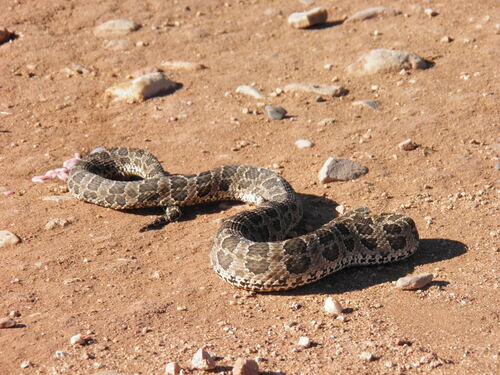
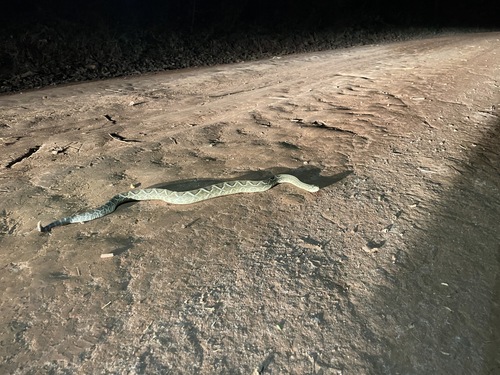 Neotropical RattlesnakeCrotalus durissusVenomous
Heavy body, broad triangular head, vertical (cat-like) pupils, and a segmented keratin rattle at the tail tip.
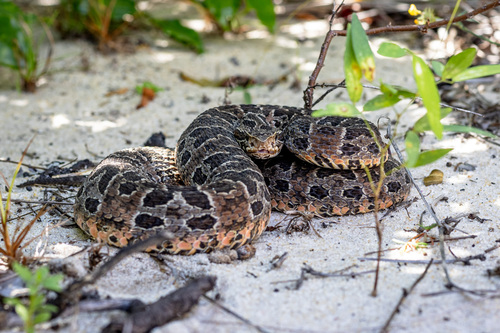
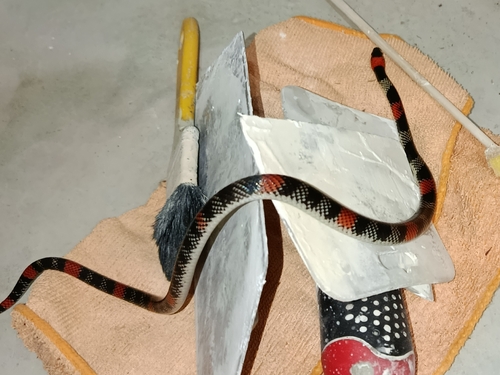
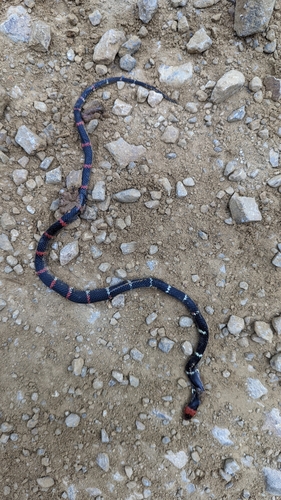
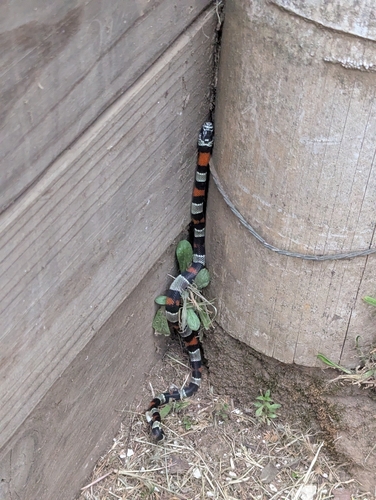
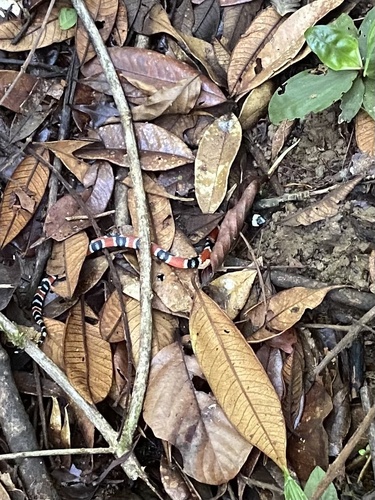
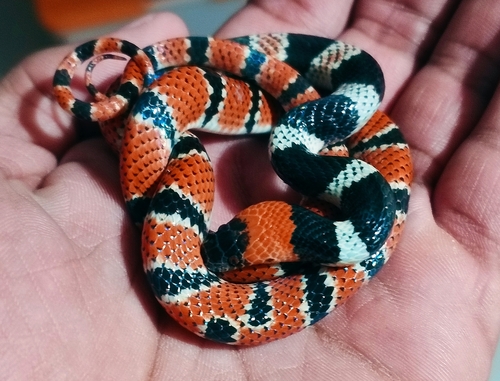
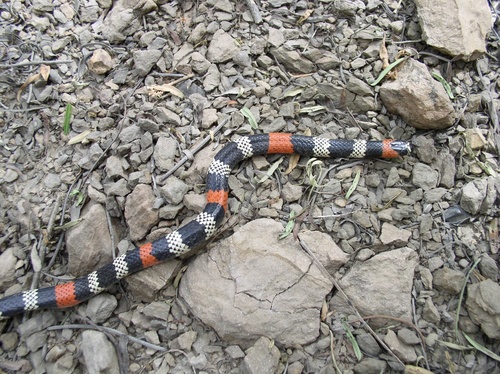 Bolivian CoralsnakeMicrurus serranusVenomous
Rings of red, yellow, and black where red touches yellow; small rounded head and round pupils.
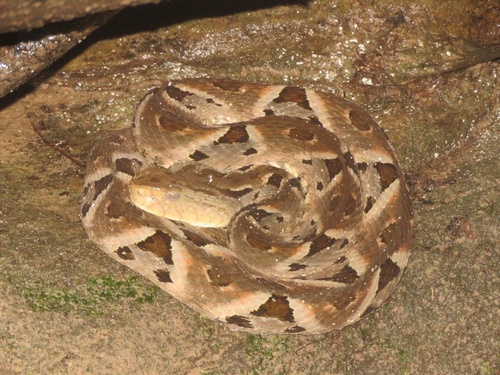
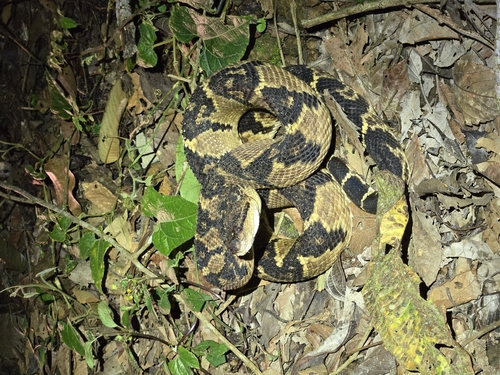
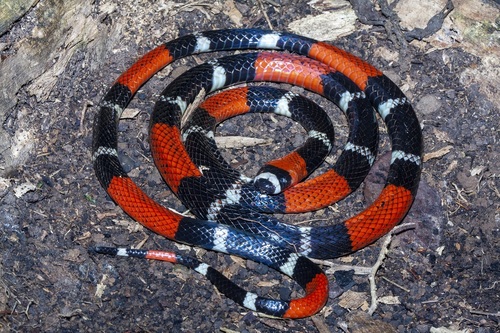 Ribbon CoralsnakeMicrurus lemniscatusVenomous
Rings of red, yellow, and black where red touches yellow; small rounded head and round pupils.
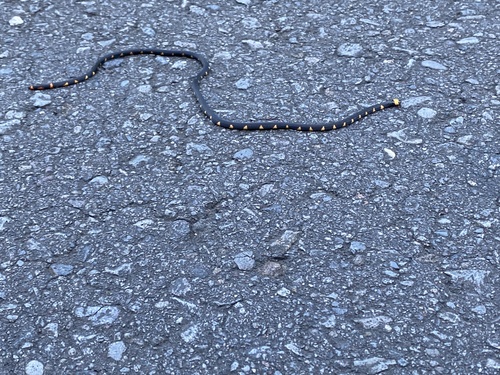 Andean Blackback CoralsnakeMicrurus narducciiVenomous
Rings of red, yellow, and black where red touches yellow; small rounded head and round pupils.
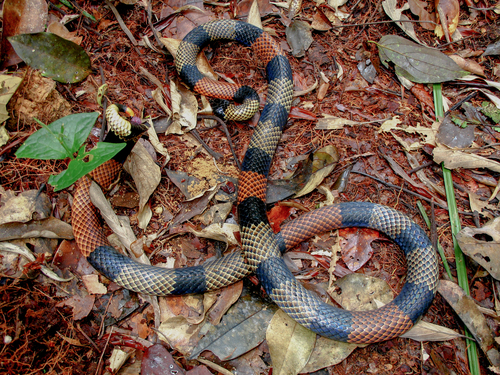 Amazon CoralsnakeMicrurus spixiiVenomous
Rings of red, yellow, and black where red touches yellow; small rounded head and round pupils.
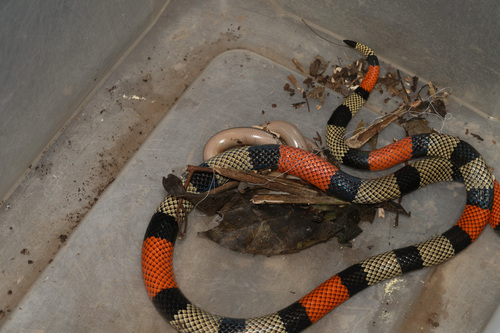 Black-necked Amazonian CoralsnakeMicrurus obscurusVenomous
Rings of red, yellow, and black where red touches yellow; small rounded head and round pupils.
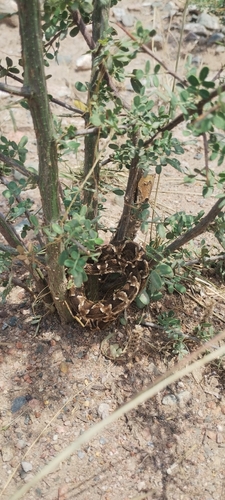
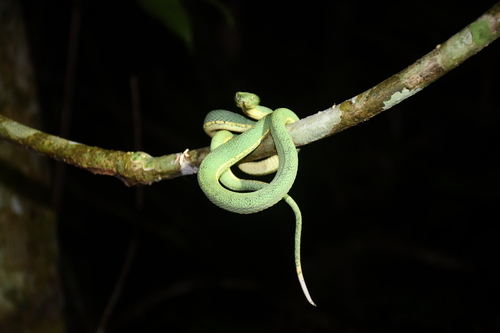
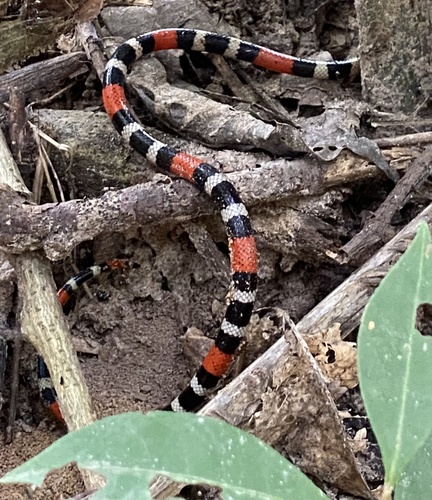 Bolivian Coral SnakeMicrurus frontifasciatusVenomous
Rings of red, yellow, and black where red touches yellow; small rounded head and round pupils.
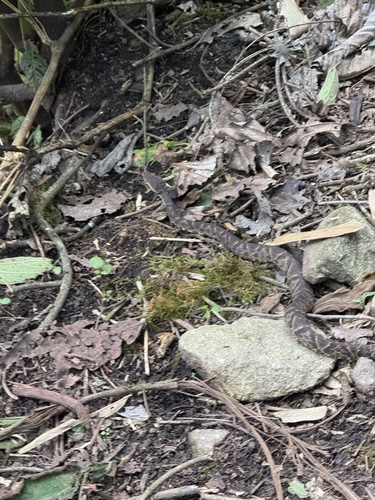
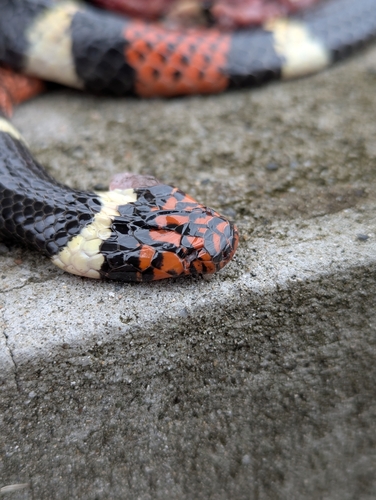 Aquatic CoralsnakeMicrurus surinamensisVenomous
Rings of red, yellow, and black where red touches yellow; small rounded head and round pupils.
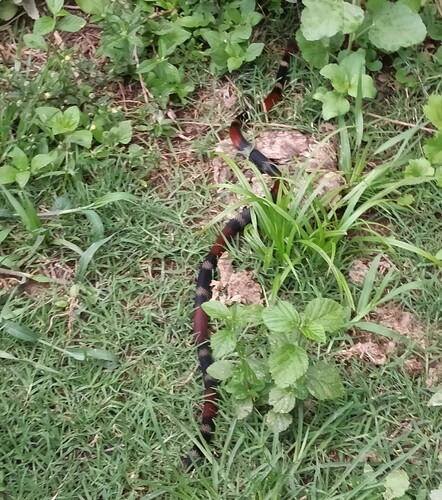 Argentinian CoralsnakeMicrurus pyrrhocryptusVenomous
Rings of red, yellow, and black where red touches yellow; small rounded head and round pupils.
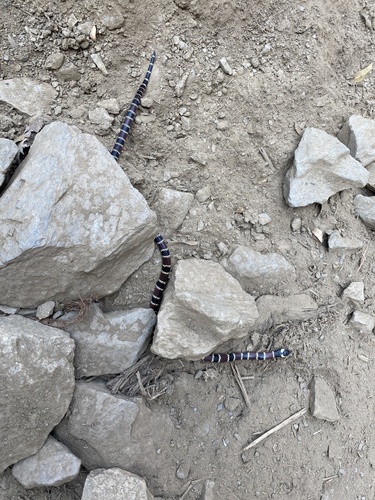 Annellated CoralsnakeMicrurus annellatusVenomous
Rings of red, yellow, and black where red touches yellow; small rounded head and round pupils.
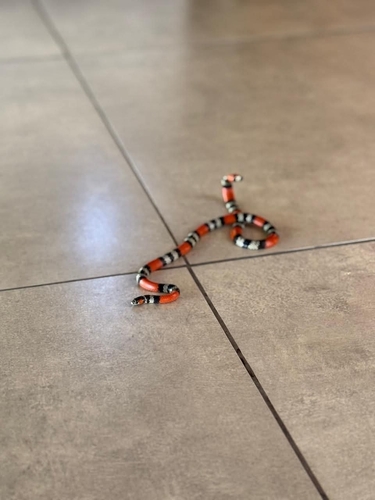 Diana's CoralsnakeMicrurus dianaVenomous
Rings of red, yellow, and black where red touches yellow; small rounded head and round pupils.
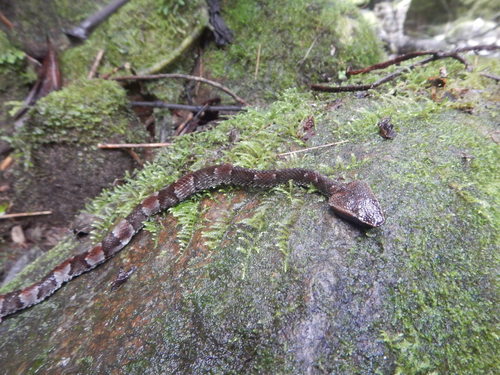
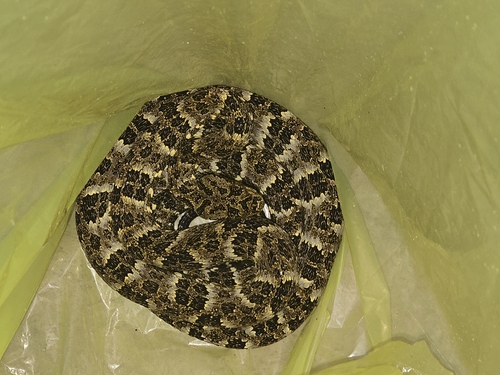
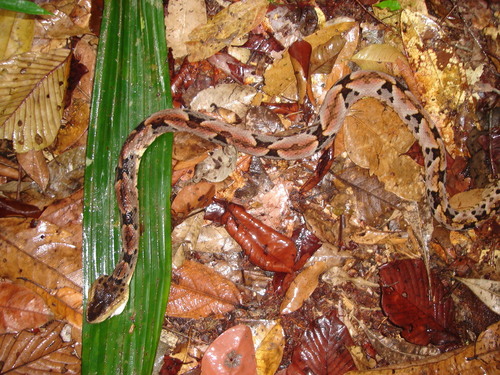
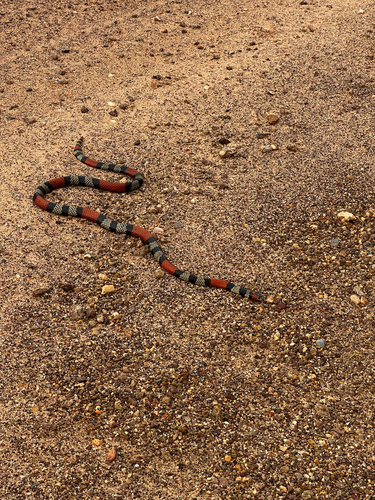 Southern CoralsnakeMicrurus frontalisVenomous
Rings of red, yellow, and black where red touches yellow; small rounded head and round pupils.
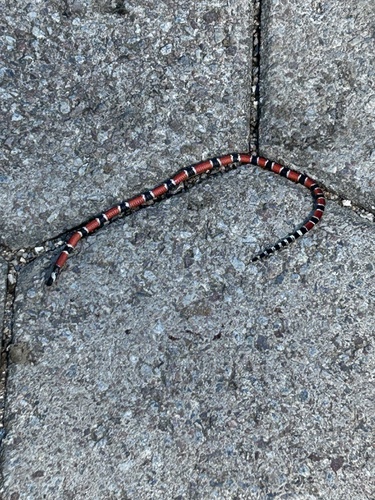 Painted CoralsnakeMicrurus corallinusVenomous
Rings of red, yellow, and black where red touches yellow; small rounded head and round pupils.
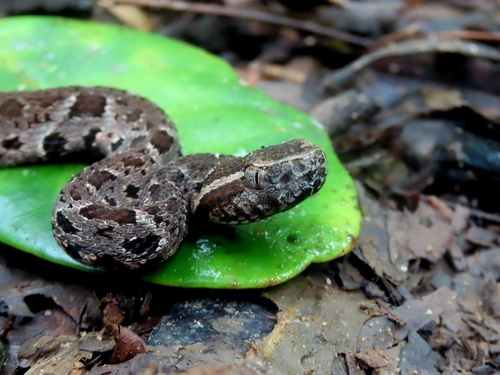
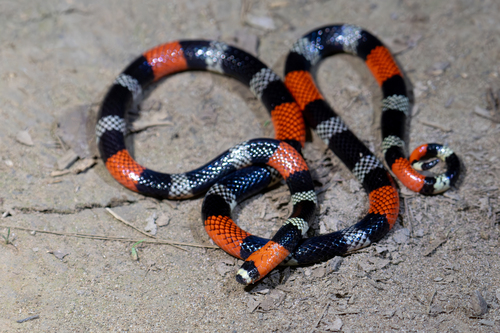 Western Ribbon CoralsnakeMicrurus helleriVenomous
Rings of red, yellow, and black where red touches yellow; small rounded head and round pupils.
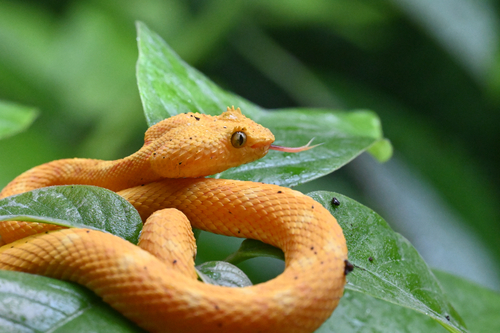
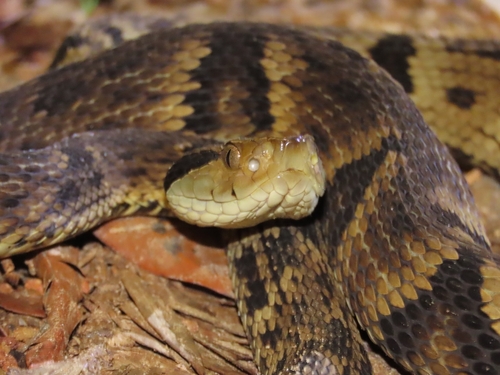
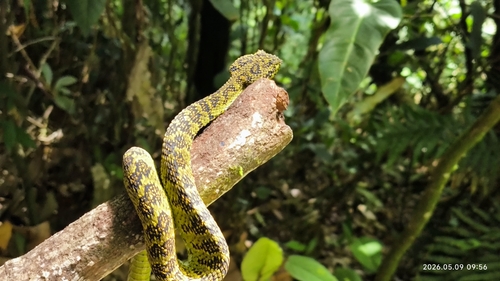
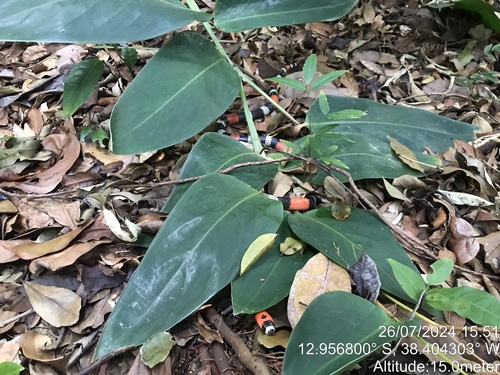 Caatinga CoralsnakeMicrurus ibibobocaVenomous
Rings of red, yellow, and black where red touches yellow; small rounded head and round pupils.
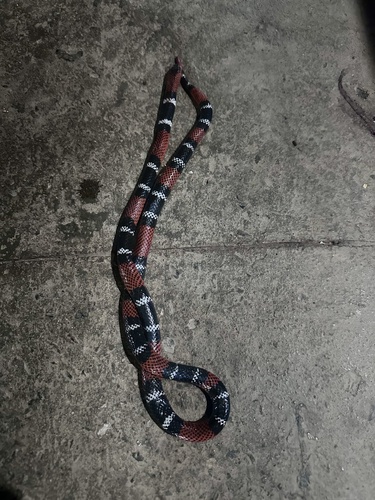 Argentinean CoralsnakeMicrurus tricolorVenomous
Rings of red, yellow, and black where red touches yellow; small rounded head and round pupils.
Every snake recorded in Bolivia
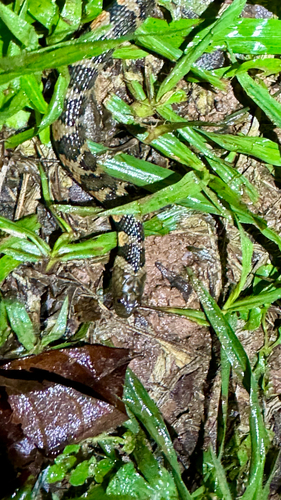
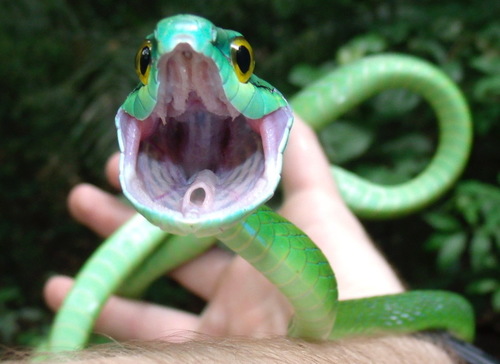
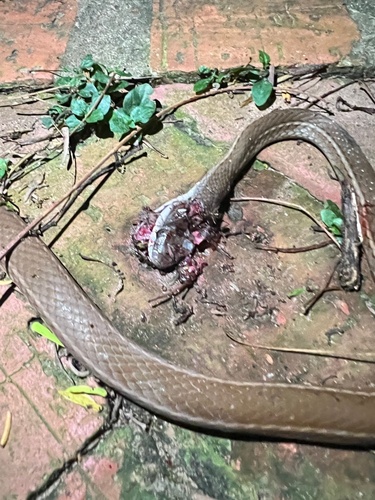
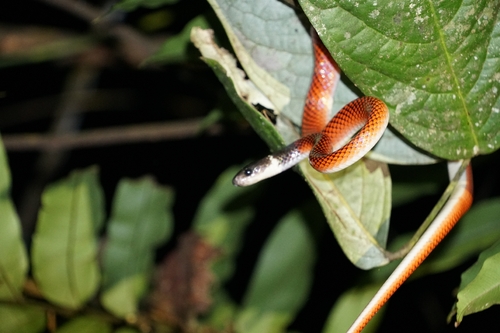
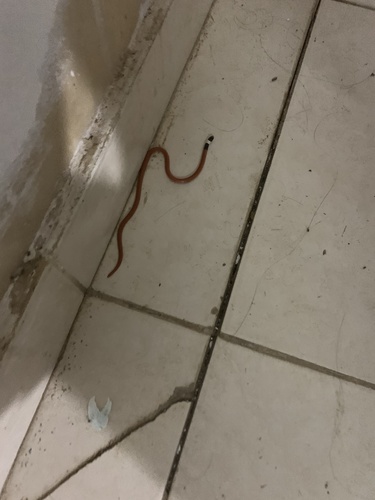
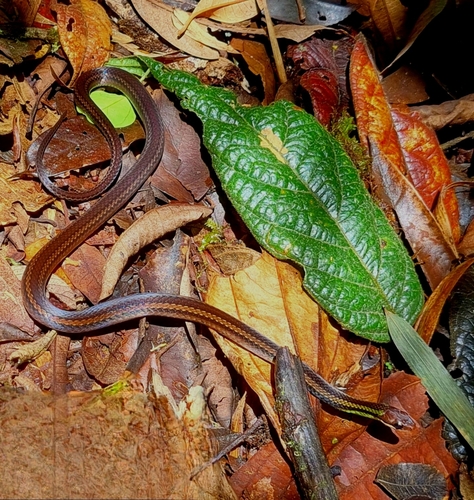
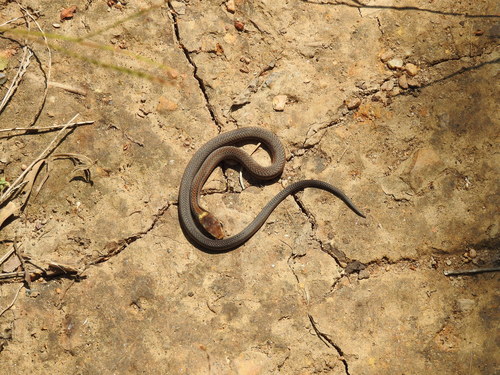
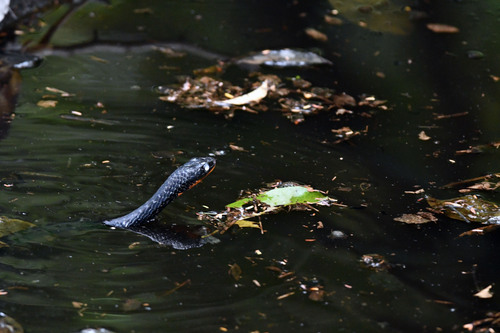
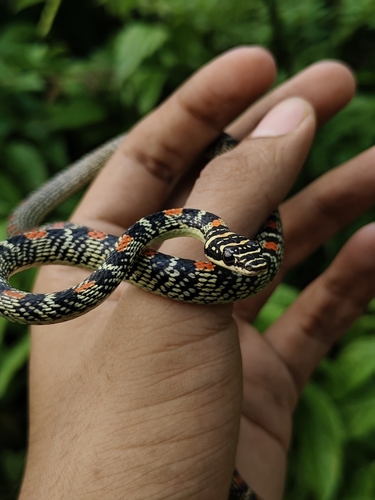
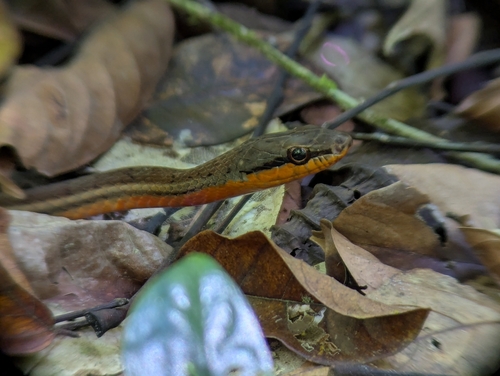
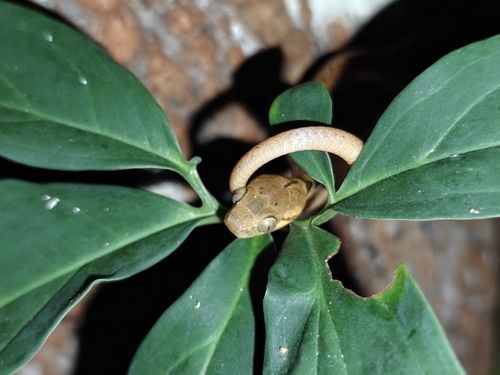
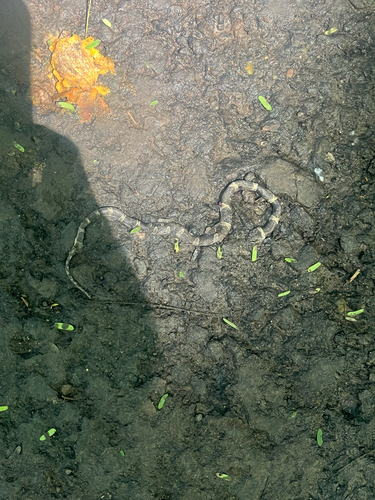
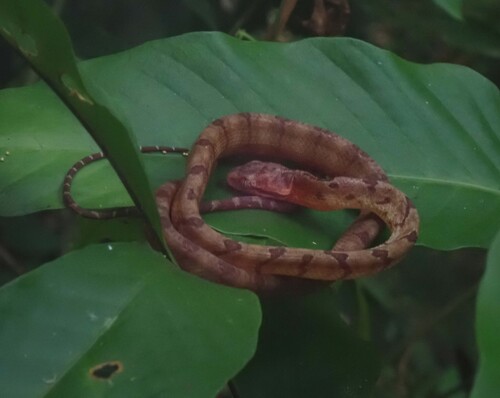
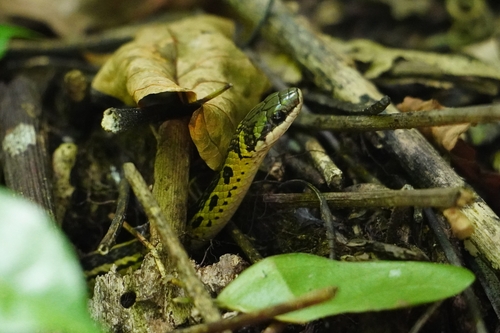
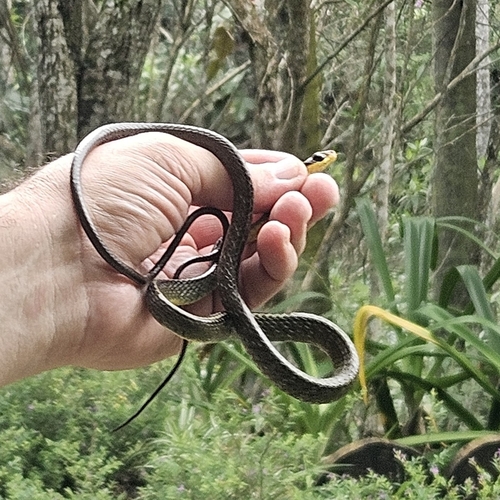
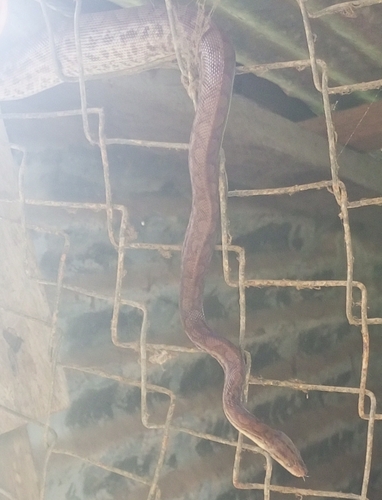
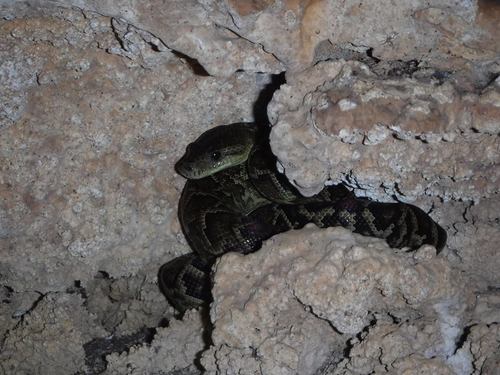
200+ species across 8 families, grouped by family. Venomous flagged.
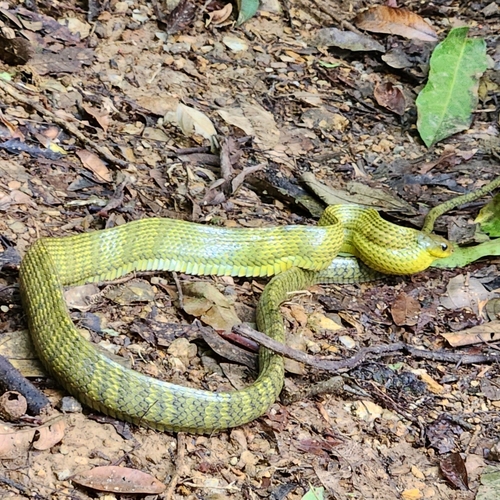
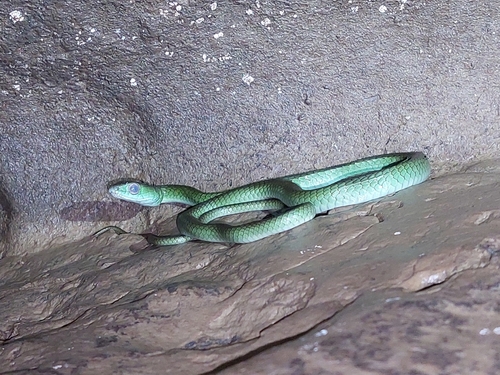
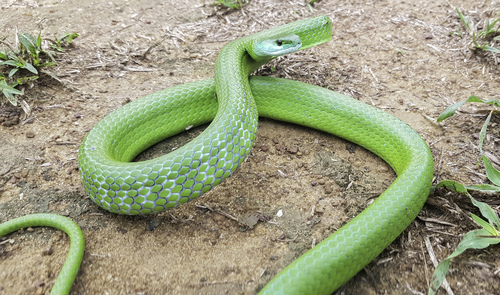
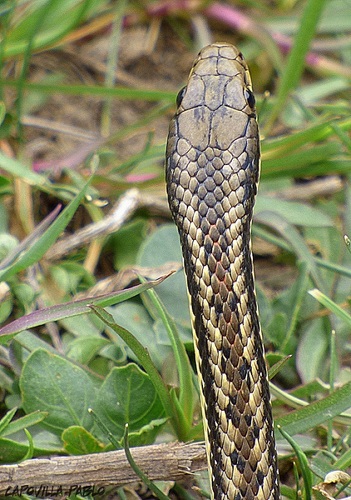
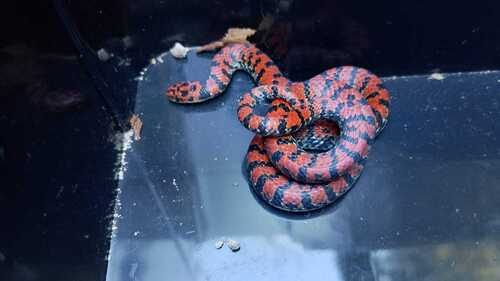
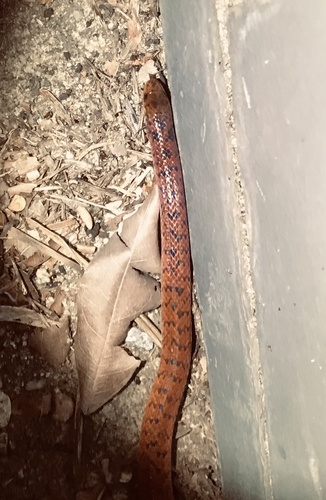
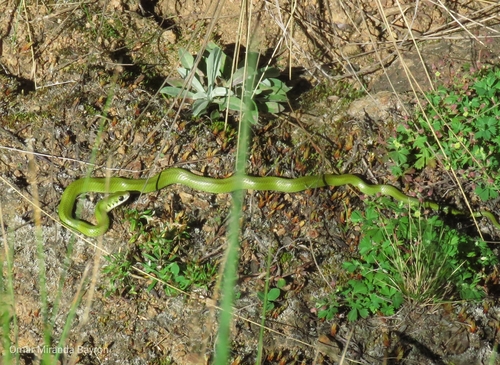
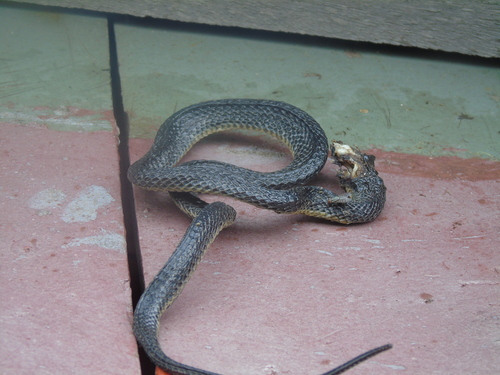
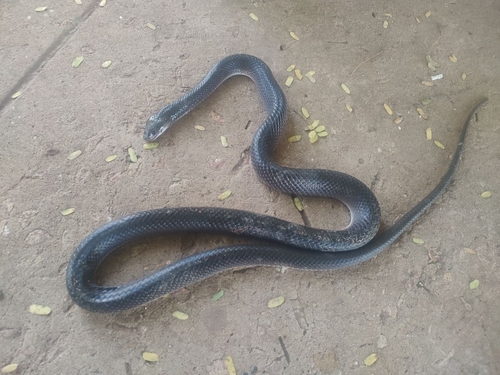
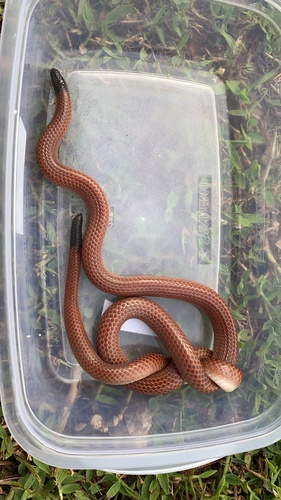
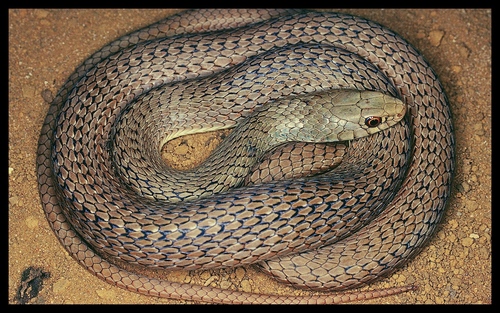
Colubridae (147)
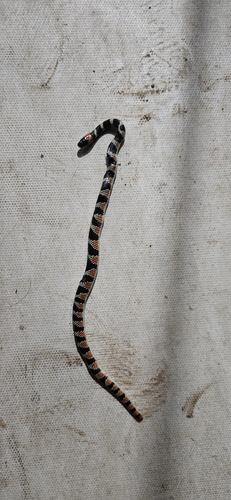
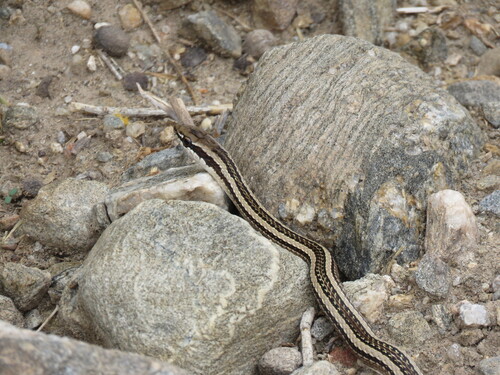
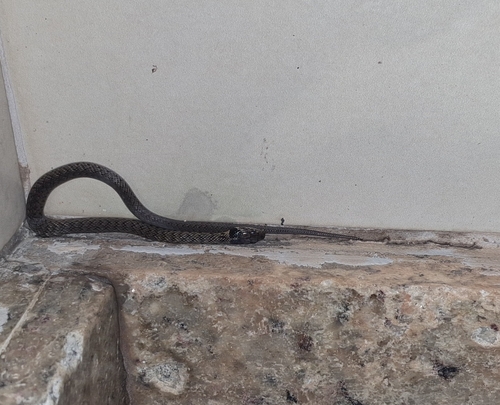
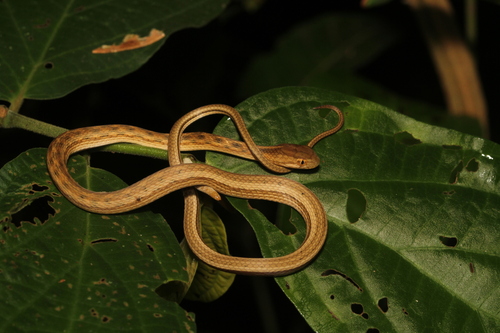
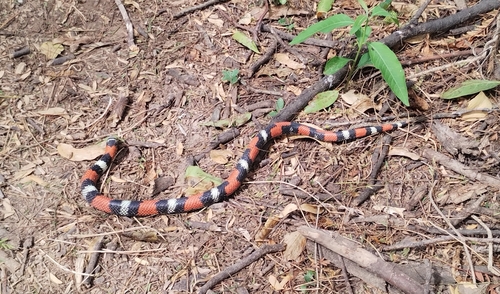
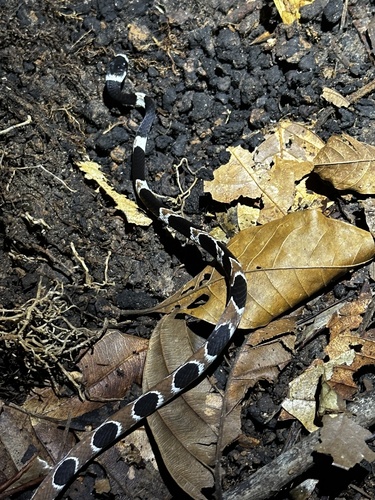
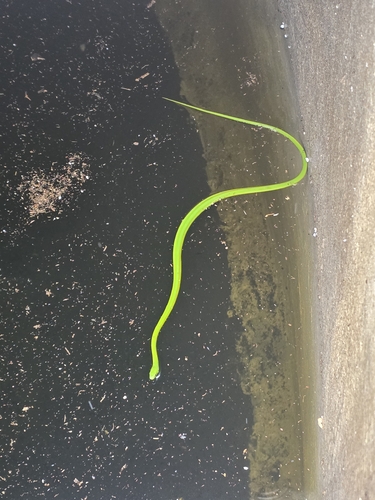
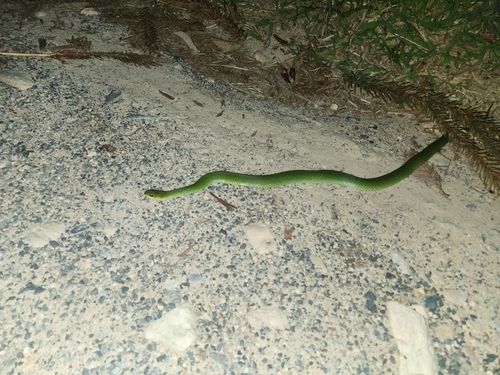
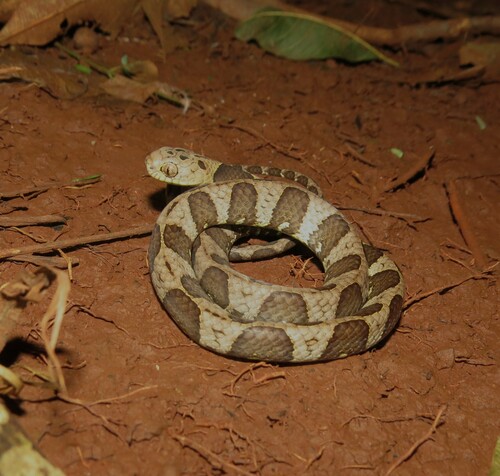
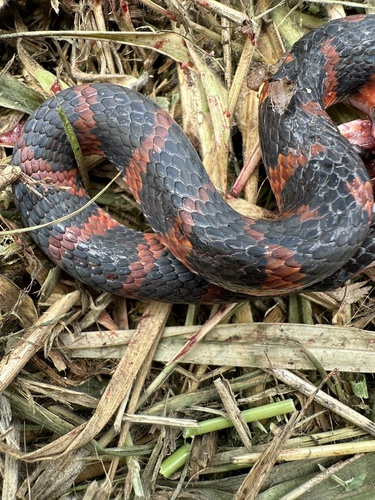
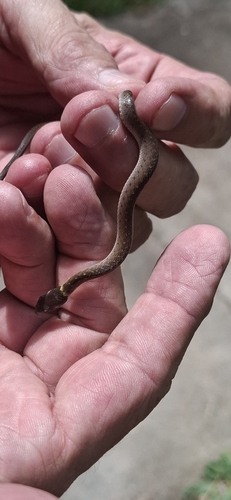
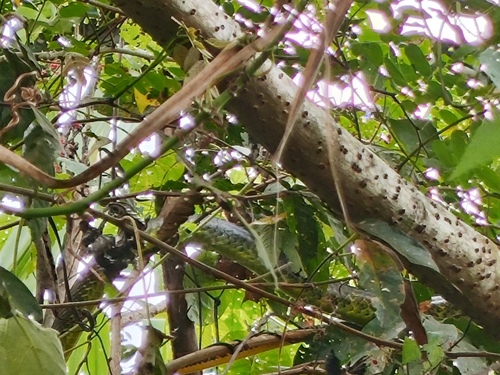
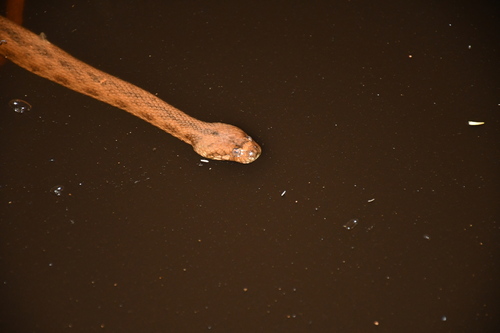
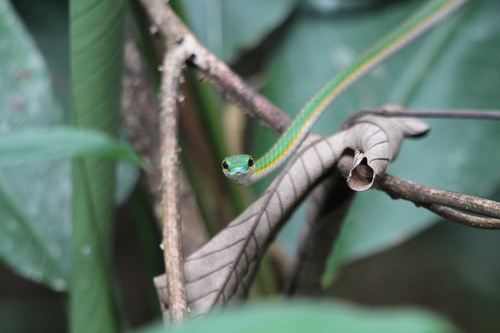
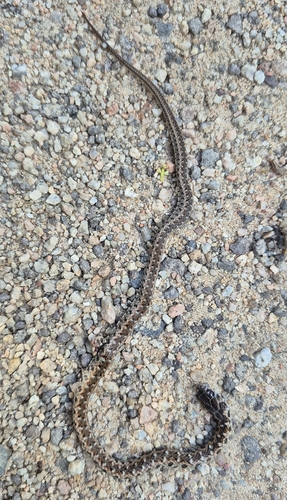
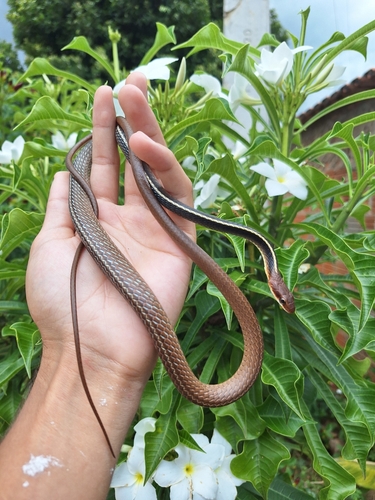
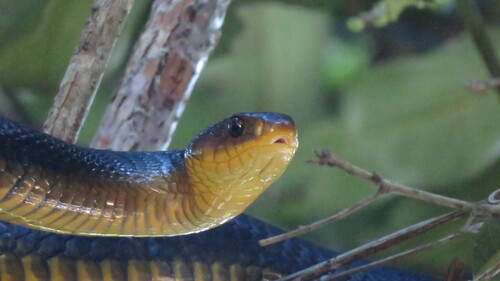
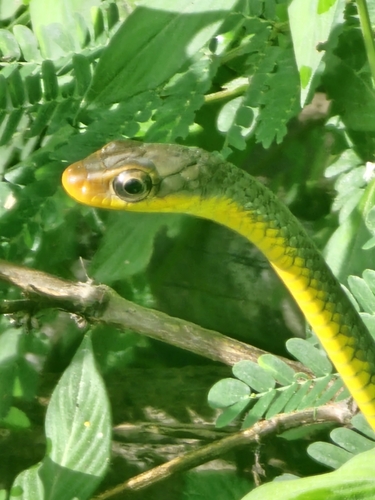
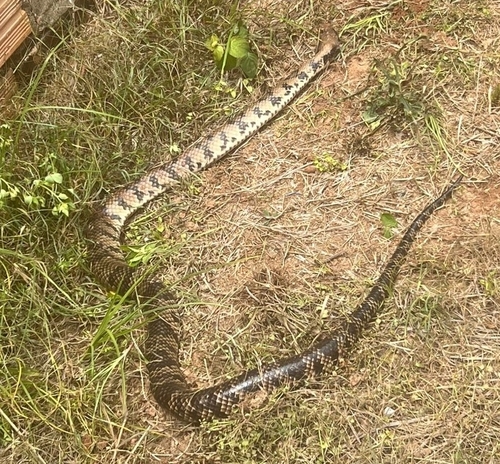
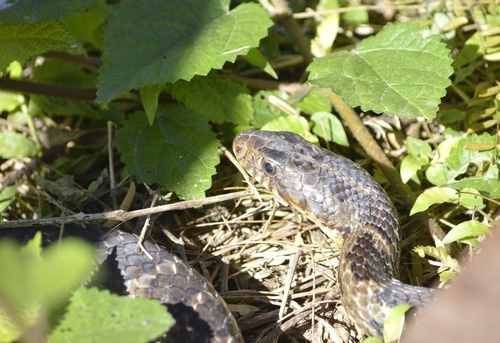
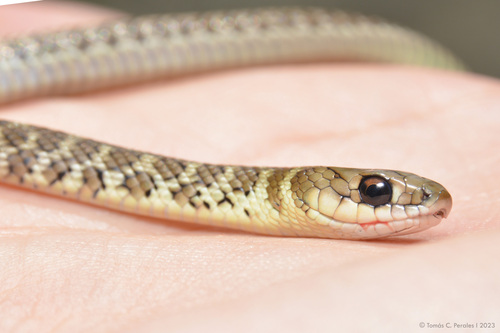
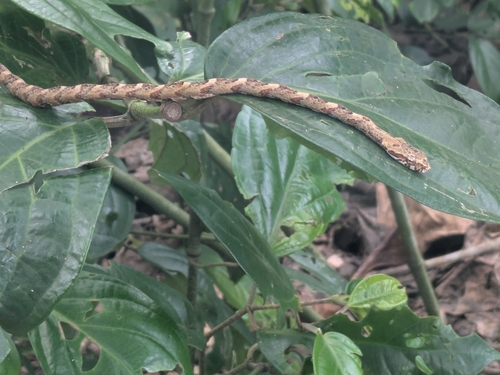
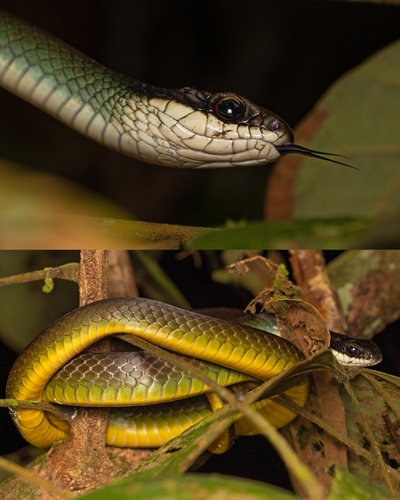
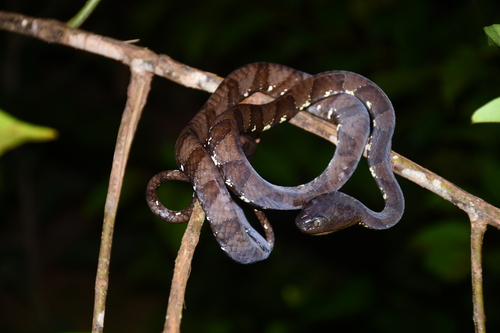
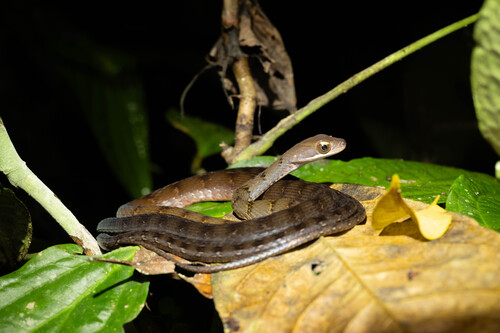
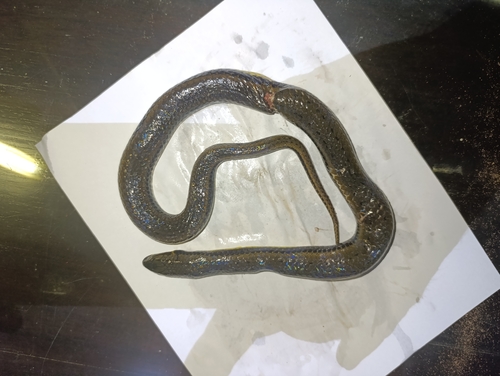
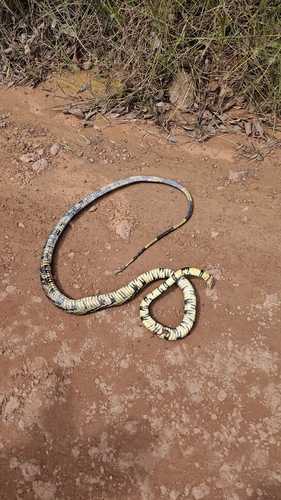
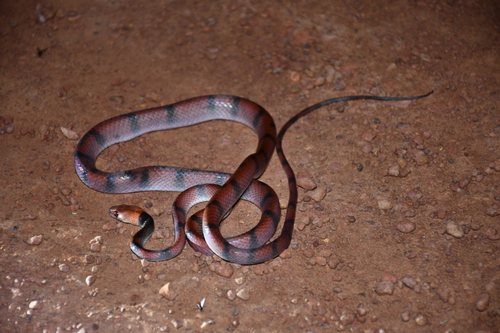
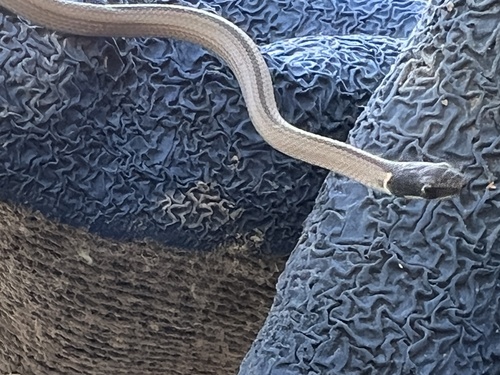
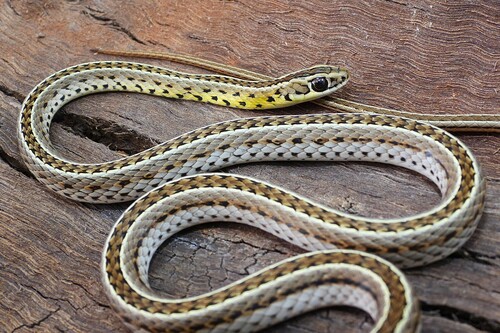
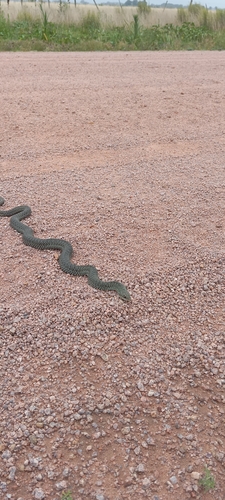
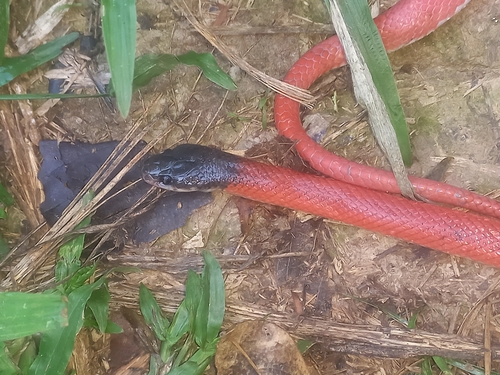
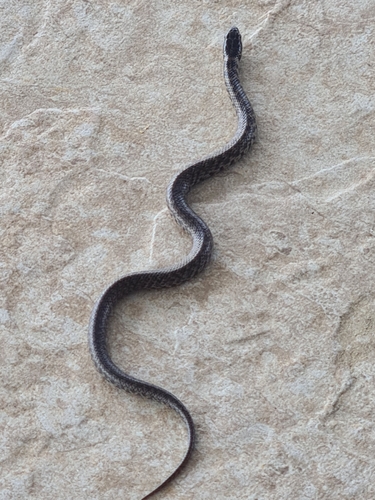
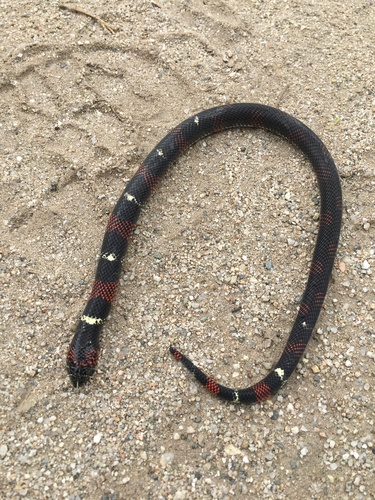
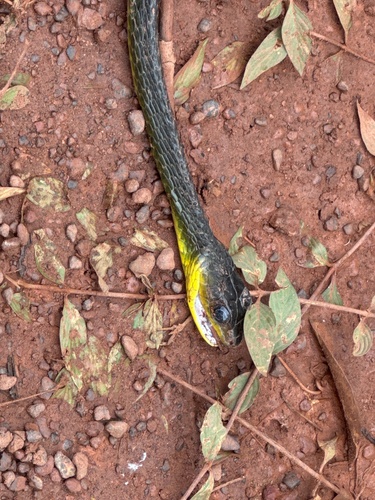
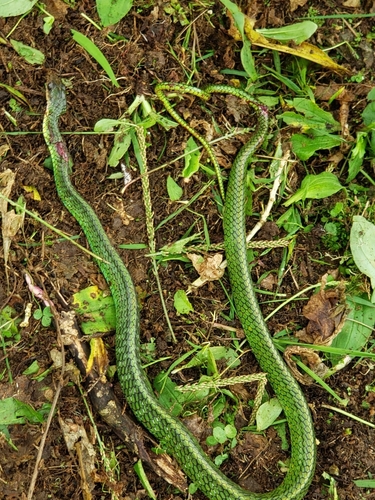
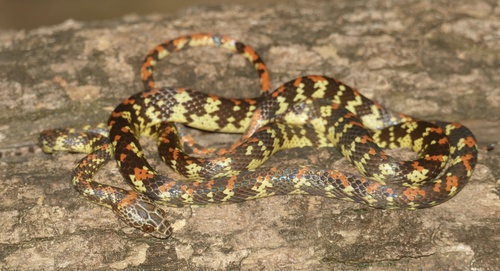
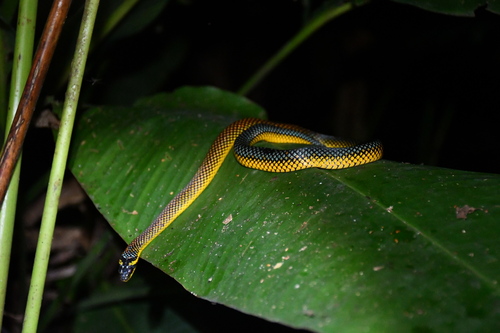
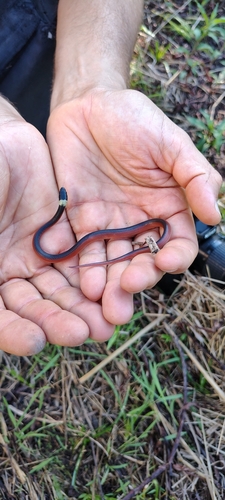
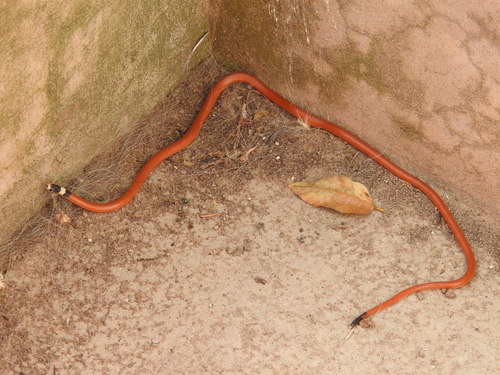
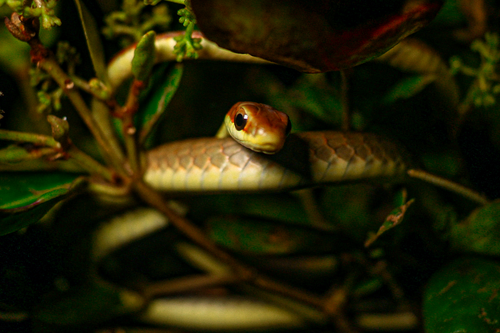
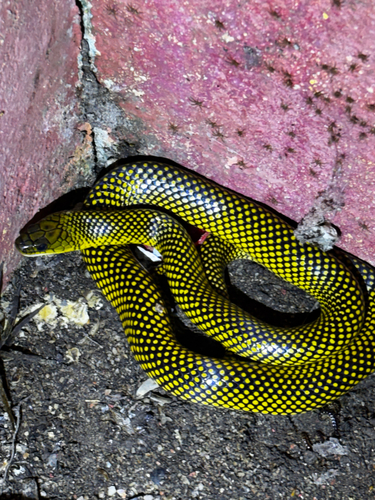
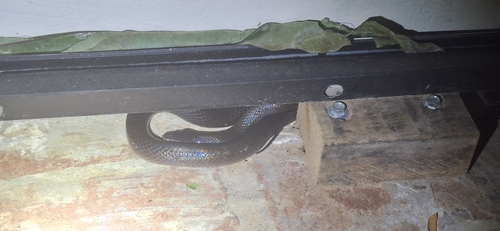
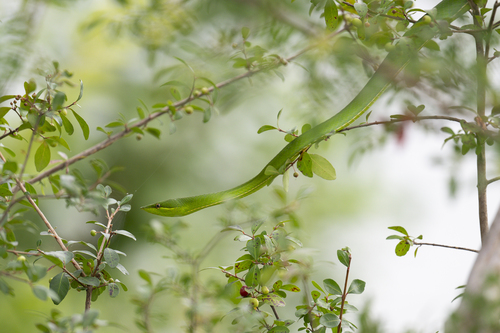
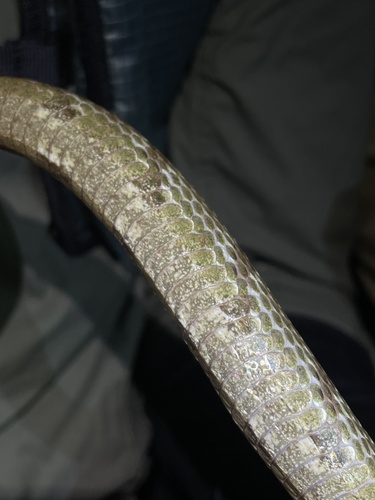
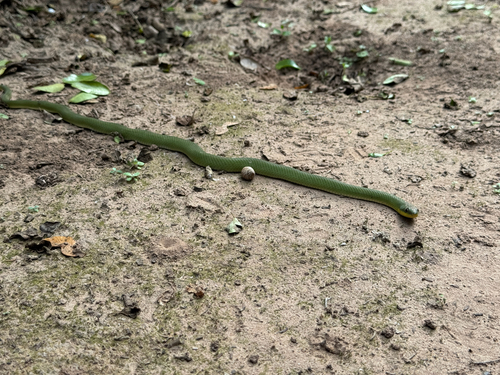
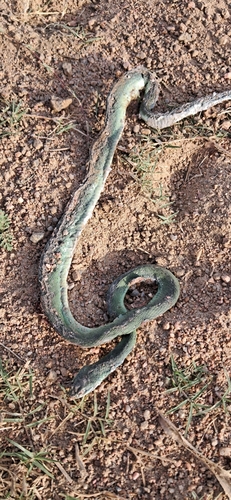
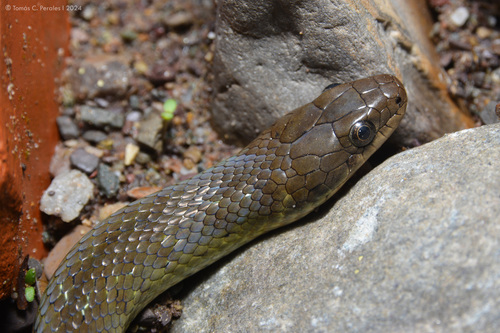
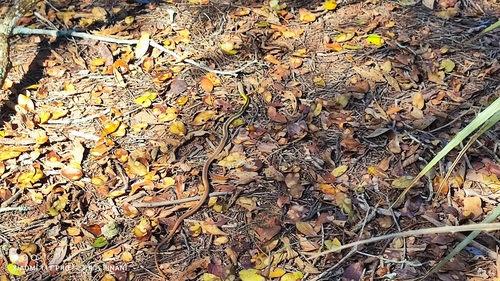
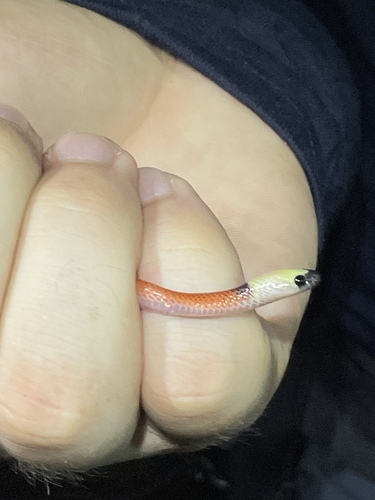
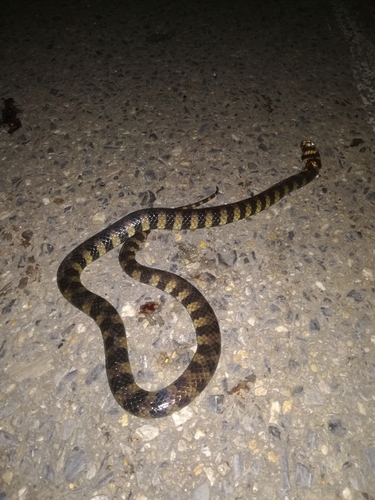
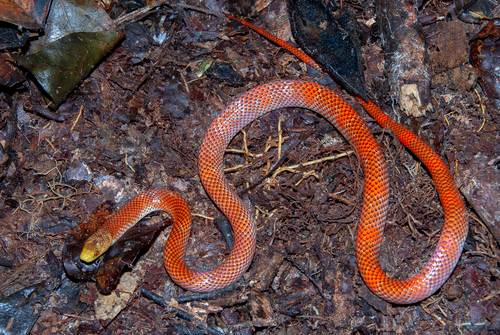
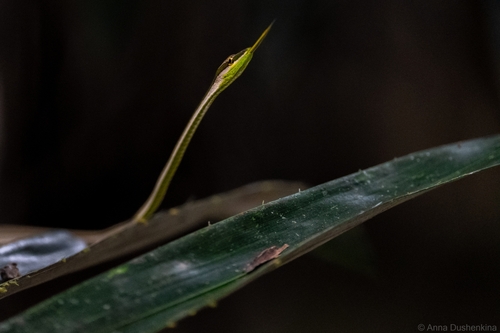
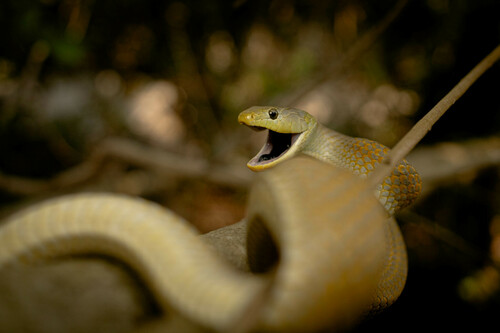

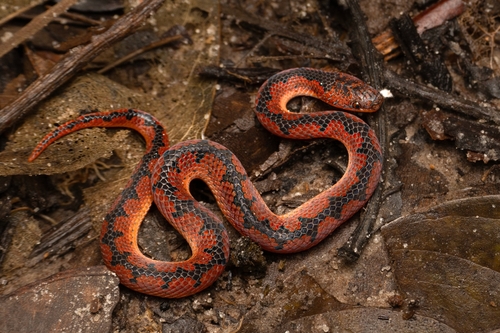
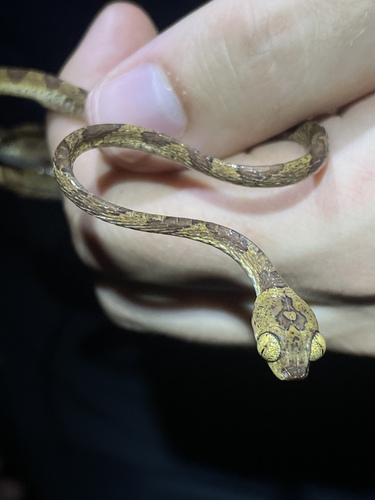
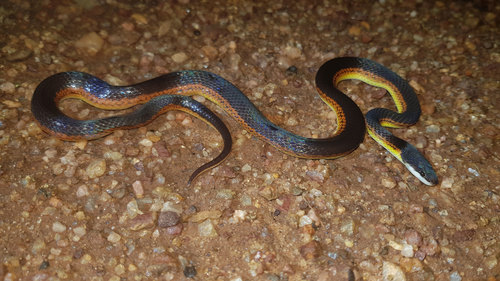
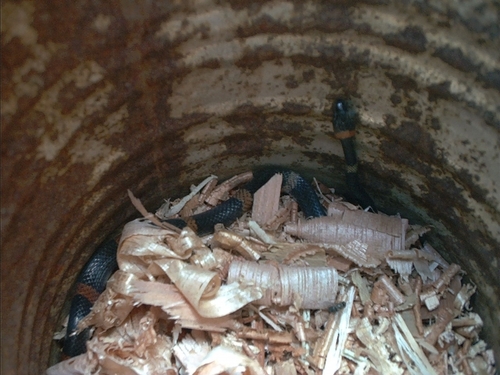
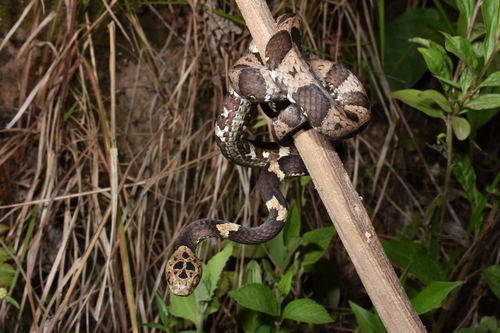
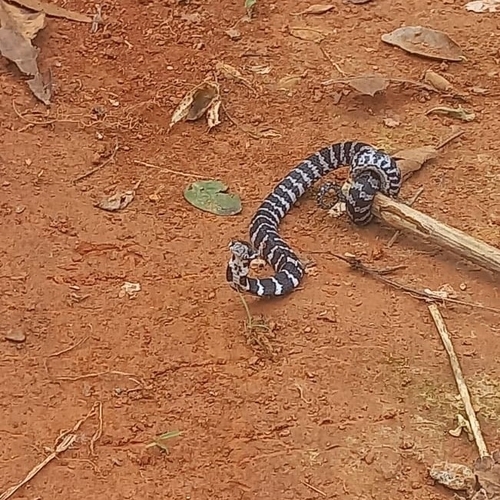
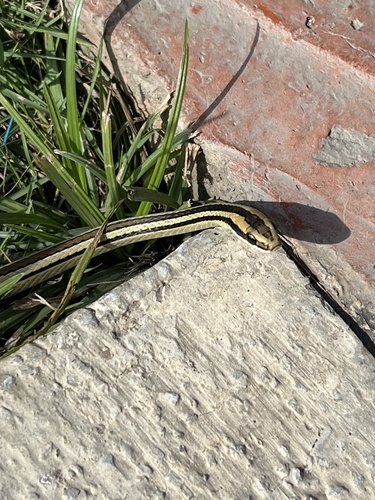
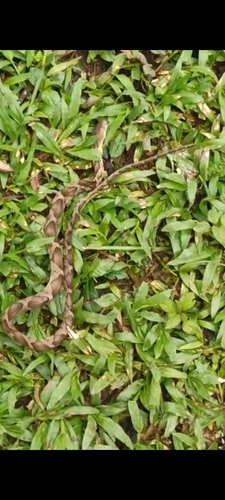
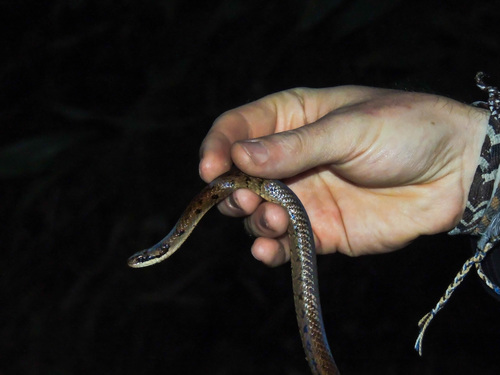
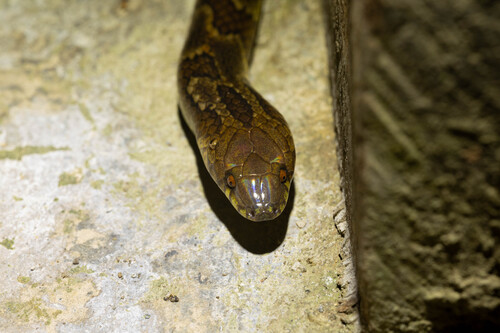
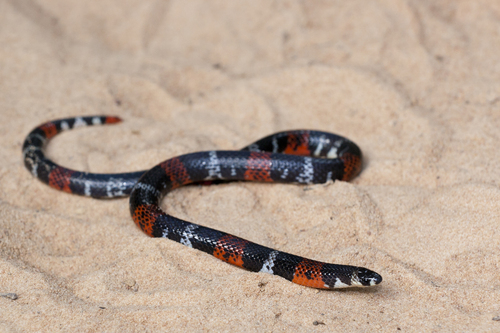

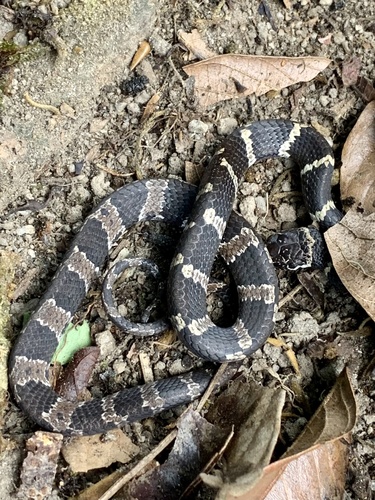
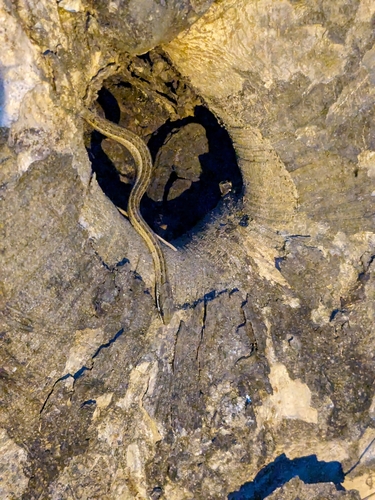
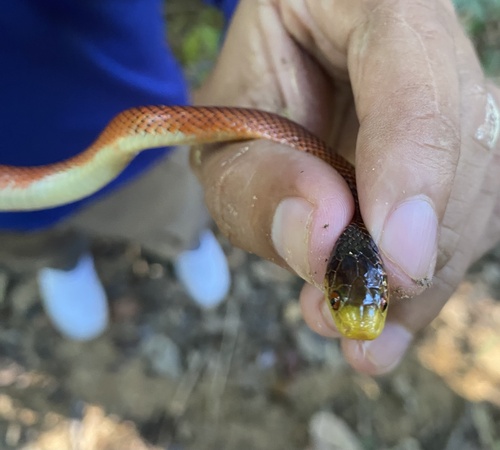
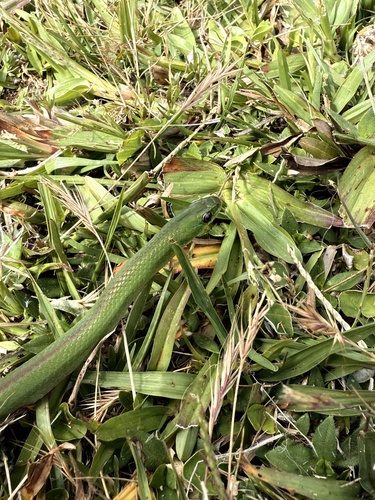
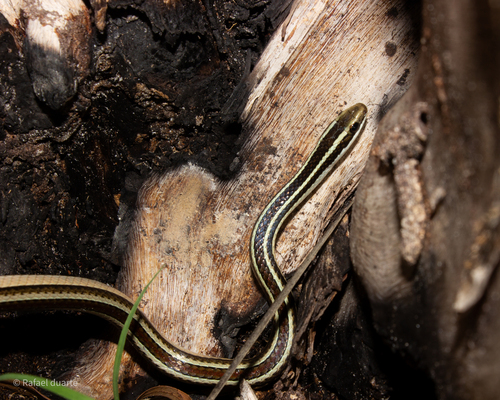
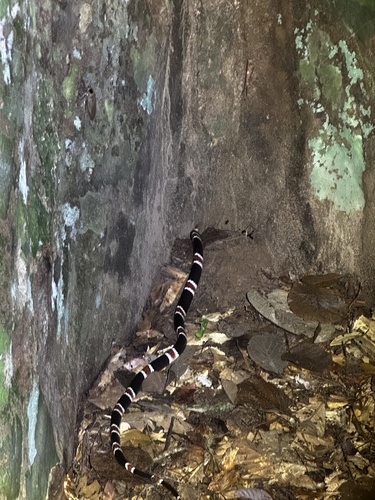
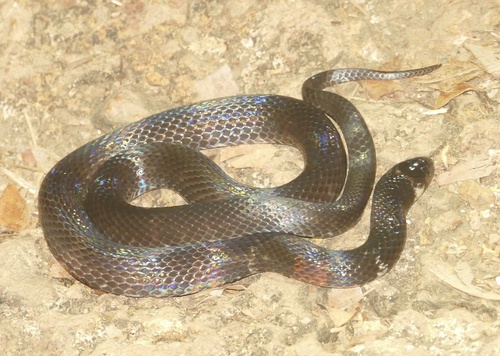
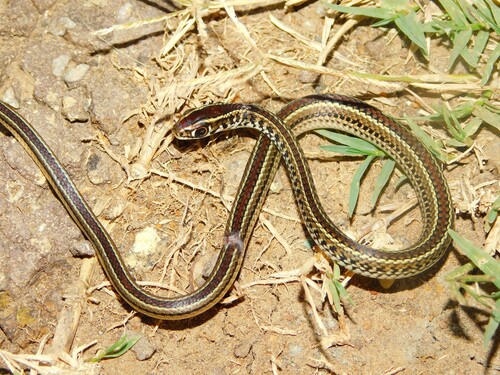
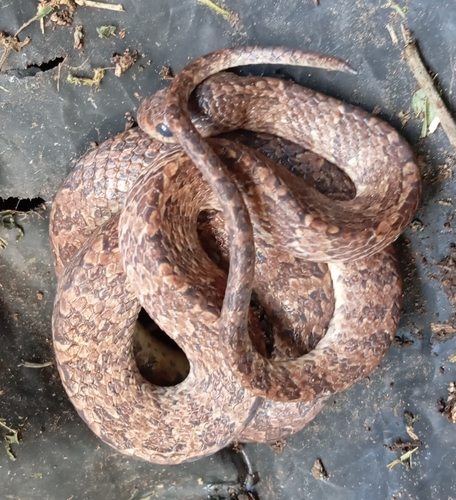
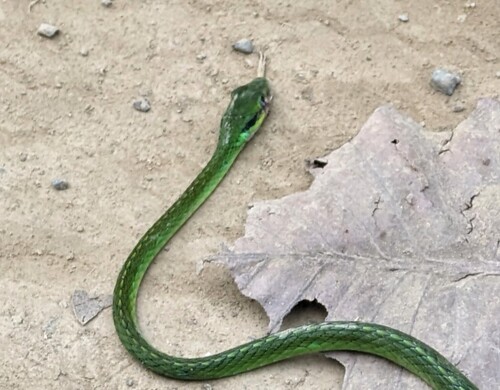
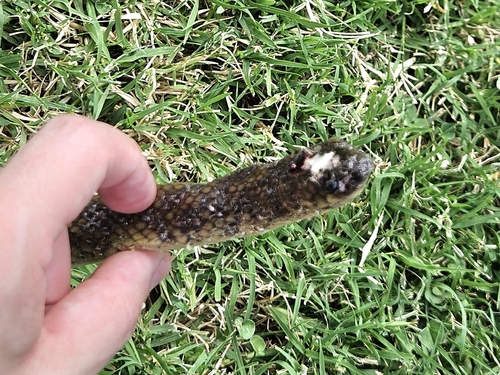
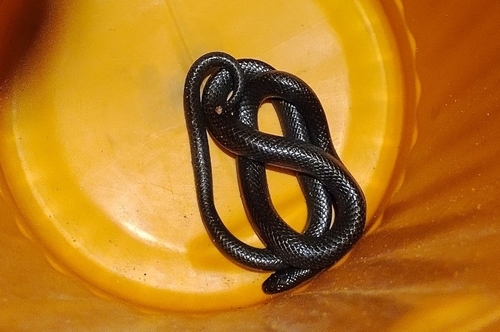
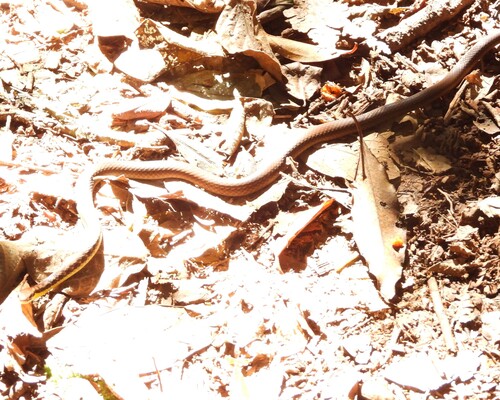
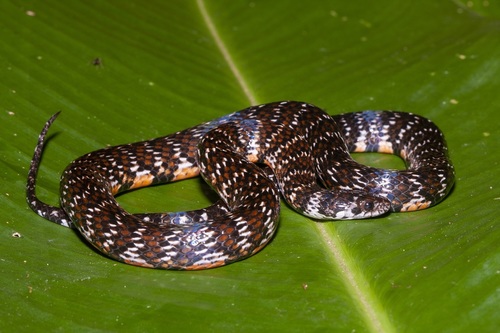
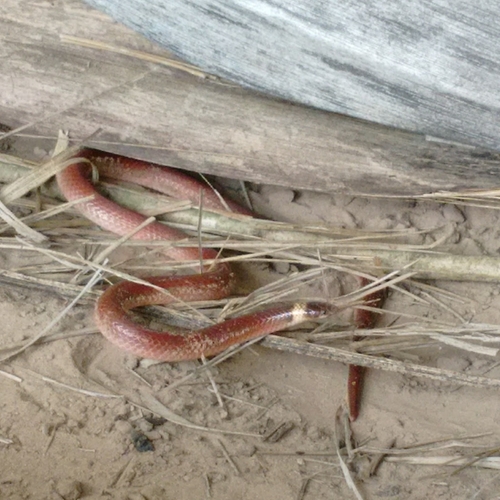
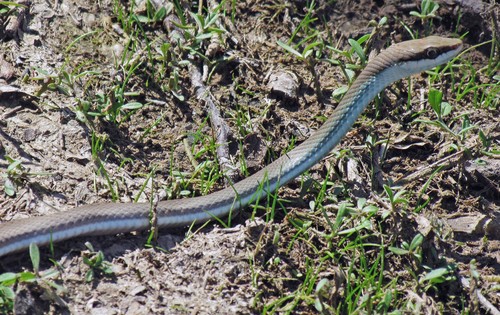
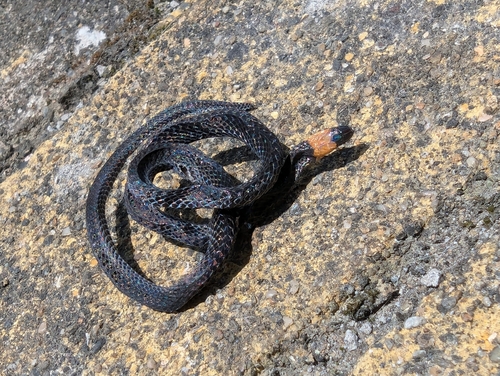
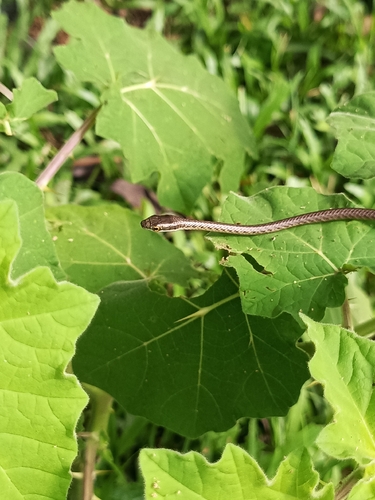
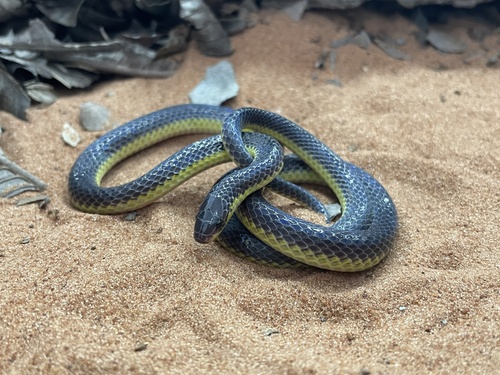
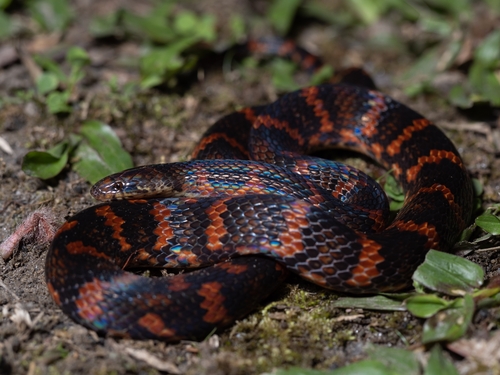
Viperidae (20)
Elapidae (15)
Boidae (12)
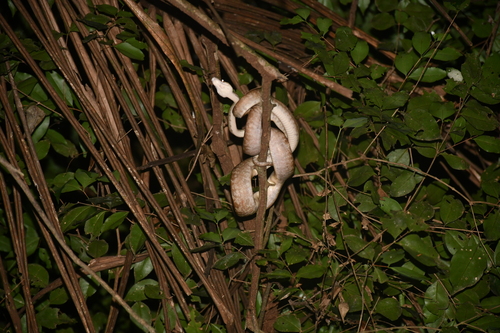
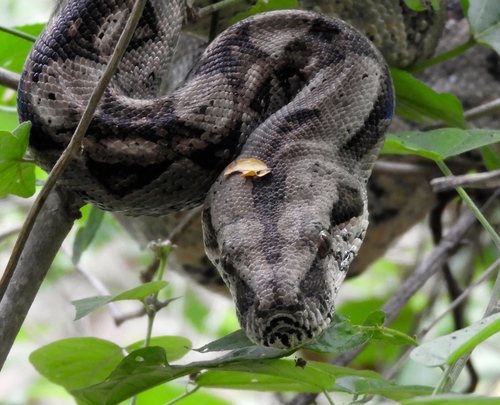
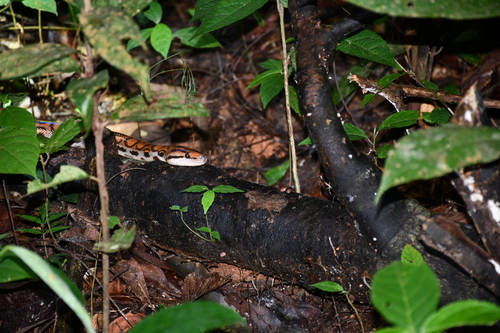
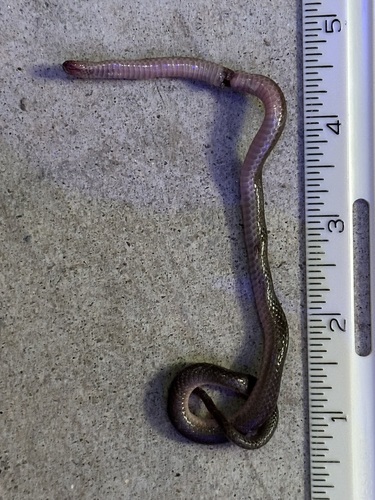
Leptotyphlopidae (6)
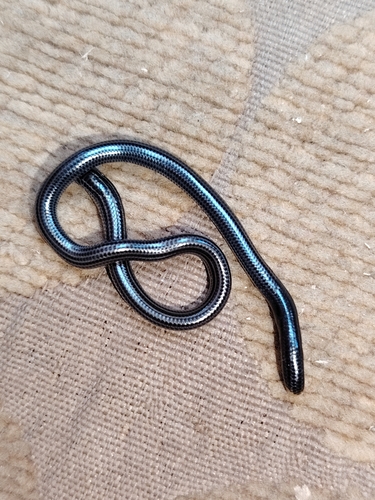
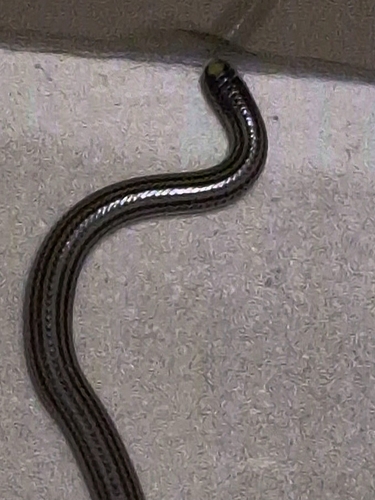
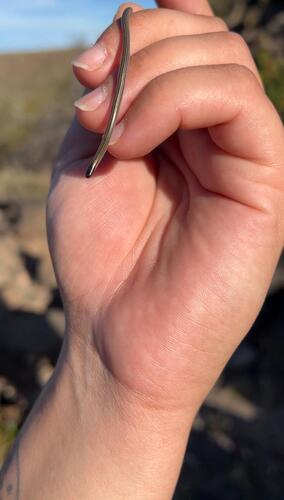
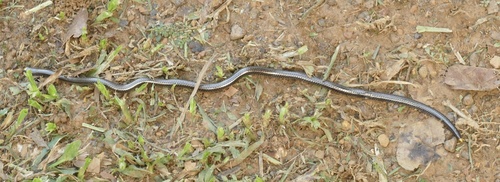
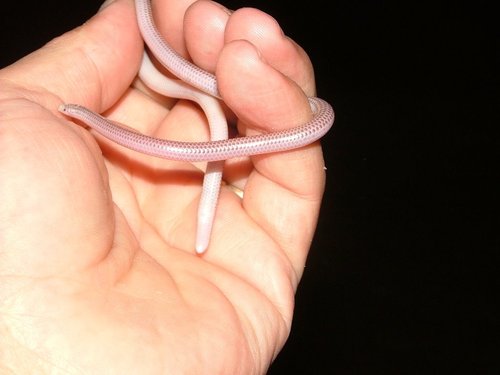
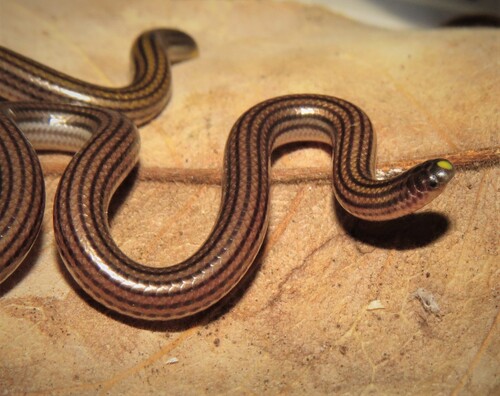
Typhlopidae (2)
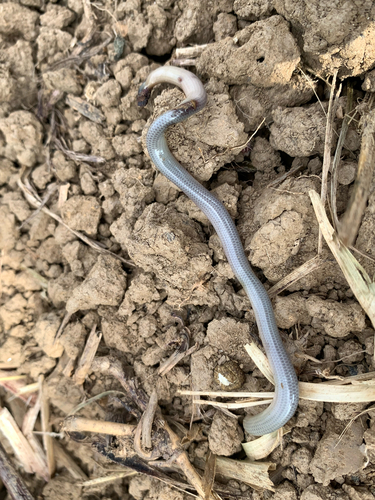
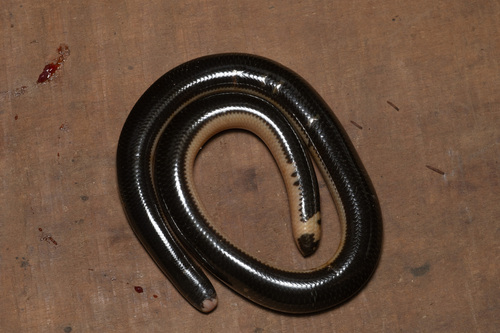
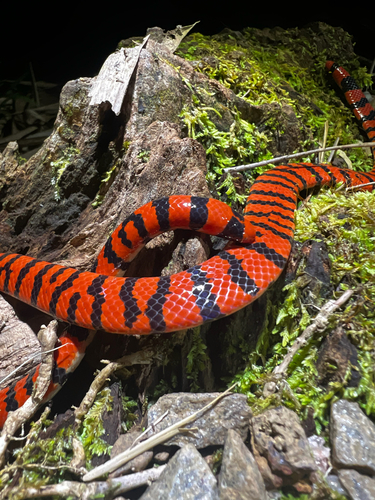
Aniliidae (1)
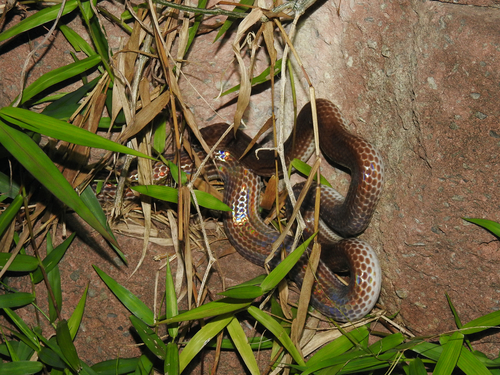
Xenopeltidae (1)
Compiled from verified GBIF & iNaturalist observations. "How often seen" reflects how frequently a snake is reported here, not how dangerous it is. Informational only.
Keep learning
- Are Snakes Dangerous? The Real Risk, in PerspectiveMost snakes are harmless and avoid people. Here is the honest picture of snakebite risk worldwide and how to lower your own.
- Snakebite First Aid: What to Do (and What Never to Do)A clear, CDC-based guide to snakebite first aid: the steps that help, the popular myths that hurt, and how to tell a serious bite from a minor one.
- Venomous vs Nonvenomous: How to Tell the DifferenceThe folk rules for telling venomous snakes apart, where each one fails, and why location-based identification beats guessing by sight.
- What to Do If You Find a SnakeFound a snake at home or on a trail? Here is how to stay calm, give it space, identify it safely, and know when to call a professional.