
Colubridae
Günther’s Green Liophis
HarmlessErythrolamprus albertguentheri
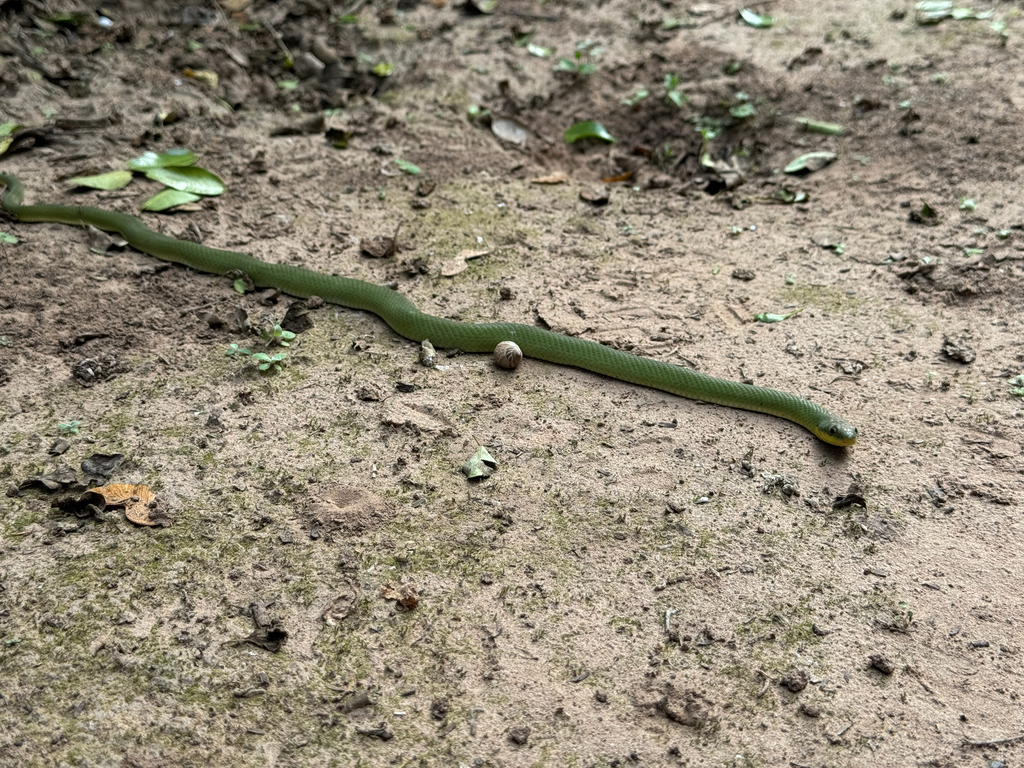
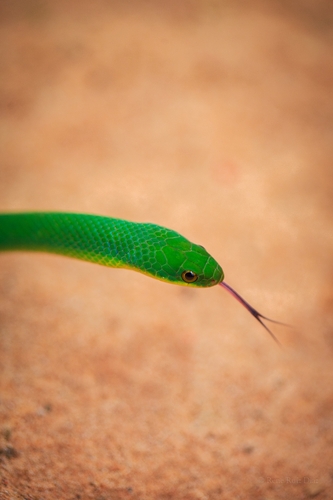
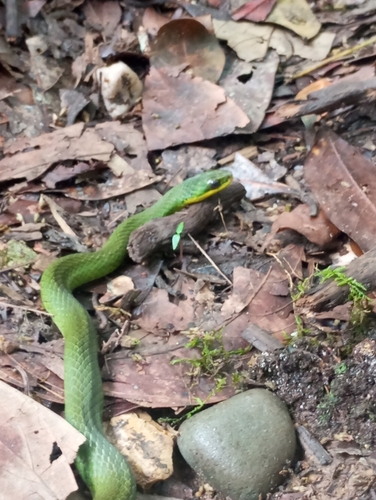
3 photographs of the Günther’s Green Liophis. (c) CONRADO CEBALLOS RUMACHELLA, some rights reserved (CC BY-NC).
The Günther’s Green Liophis (Erythrolamprus albertguentheri) is a non-venomous snake in the Colubridae family, recorded in 3 countries.
- Family
- Colubridae
About the Günther’s Green Liophis
Erythrolamprus albertguentheri, also known commonly as Günther's green liophis, is a species of snake in the subfamily Dipsadinae of the family Colubridae. The species is native to central South America.
Etymology
The specific name, albertguentheri, is in honor of German-British herpetologist Albert Günther.
Geographic range
E. albertguentheri is found in northern Argentina, southern Bolivia, and western Paraguay.
Habitat
The preferred natural habitats of E. albertguentheri are forest and savanna.
Description
Dorsally, E. albertguentheri is uniformly grass green; ventrally it is yellowish white.
Reproduction
E. albertguentheri is oviparous.
Taxonomy
Erythrolamprus albertguentheri was originally described as Liophis guentheri by Peracca in 1897. Studies by Grazziotin et al. in 2012 found that the species should be reassigned to the genus Erythrolamprus. However, the scientific name Erythrolamprus guentheri was preoccupied by another Erythrolamprus guentheri which had been described by Garman in 1883. Therefore, Grazziotin et al. created the replacement name Erythrolamprus albertguentheri so as to differentiate the two species while maintaining the homage to Günther which Peracca had intended.
Adapted from Wikipedia, available under CC BY-SA.
Frequently asked: Günther’s Green Liophis
- Is the Günther’s Green Liophis venomous?
- No. The Günther’s Green Liophis (Erythrolamprus albertguentheri) is non-venomous and is not considered dangerous to humans. Like most snakes, it will retreat rather than bite when given the chance.
- Is the Günther’s Green Liophis poisonous?
- Snakes are venomous, not poisonous. "Poisonous" means harmful to eat or touch; "venomous" means injecting toxins through a bite. The Günther’s Green Liophis is neither poisonous nor venomous.
- Is the Günther’s Green Liophis dangerous?
- The Günther’s Green Liophis is not dangerous to humans. It has no medically significant venom and bites only defensively if cornered or handled.
- Where does the Günther’s Green Liophis live?
- The Günther’s Green Liophis has verified records in 3 countries, including Bolivia (Plurinational State of), Argentina, Paraguay. See the distribution section below for its full range.
- Why is it called the Günther’s Green Liophis?
- The specific name, albertguentheri, is in honor of German-British herpetologist Albert Günther.
Where it is found
More Colubridae snakes
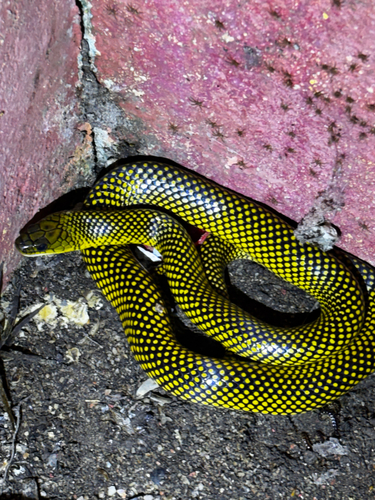
 Yellow-bellied LiophisErythrolamprus poecilogyrus
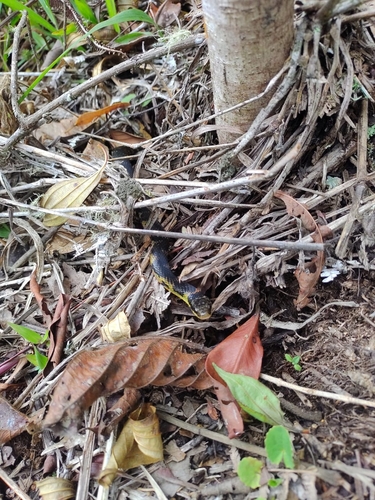
 Military Ground SnakeErythrolamprus miliaris
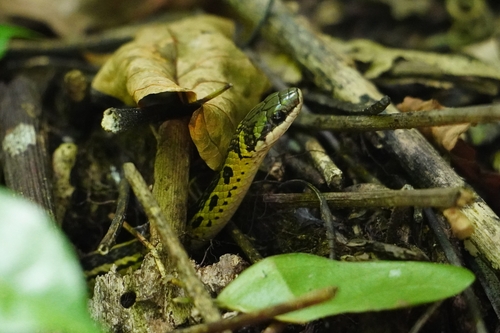
 Fire-bellied SnakeErythrolamprus epinephalus
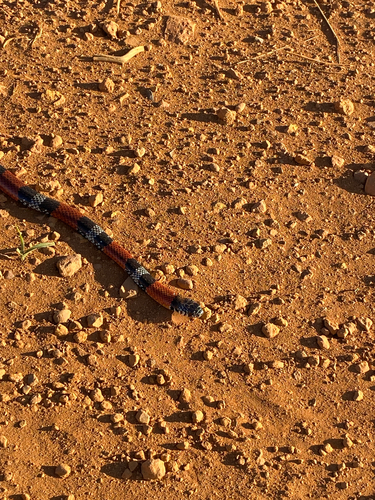
 Black-backed SnakeErythrolamprus melanotus
 Aesculapian False Coral SnakeErythrolamprus aesculapii
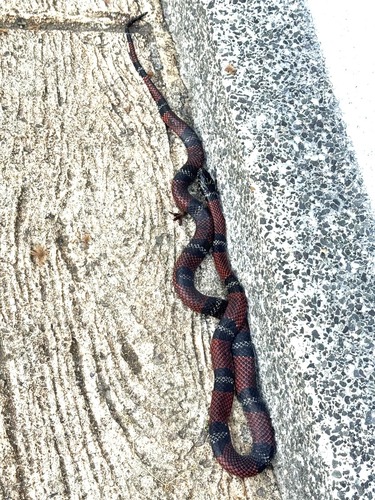 Double-banded Coral Snake MimicErythrolamprus bizona
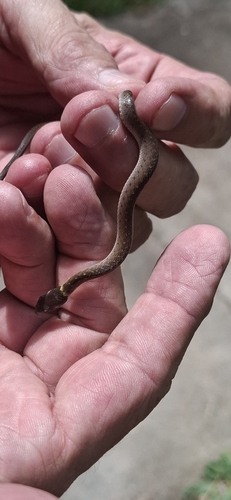 Royal Ground SnakeErythrolamprus reginae
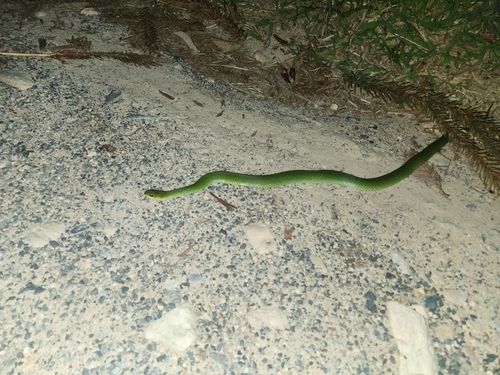 Velvet SwampsnakeErythrolamprus typhlus
Classification
How scientists group this snake, from the broadest category down to the exact species. Each step narrows to its closest relatives.
- OrderThe broad group of scaled reptiles: all snakes and lizards
- Squamata
- FamilyA group of related snakes that share key traits
- Colubridae
- GenusA close-knit group of very similar species
- Erythrolamprus
- SpeciesThis exact snake, named in the two-part scientific name
- Erythrolamprus albertguentheri
Keep learning
- What to Do If You Find a SnakeFound a snake at home or on a trail? Here is how to stay calm, give it space, identify it safely, and know when to call a professional.
- Venomous vs Nonvenomous: How to Tell the DifferenceThe folk rules for telling venomous snakes apart, where each one fails, and why location-based identification beats guessing by sight.
- What Is a Snake? Anatomy and the BasicsA clear overview of what makes a snake a snake: limbless body plan, anatomy, evolution from lizards, species diversity, and why they are ectothermic.
- How to Keep Snakes Out of Your Yard and HomeA practical guide to keeping snakes out of your yard and home using habitat changes that work, plus what to skip and what to do if one shows up.
Distribution from GBIF & iNaturalist. Venom status per CDC. Background: Wikipedia. Informational only. Never handle a snake to identify it.