
Nepal
Snakes in Nepal
75+ snake species have been recorded in Nepal, 31 venomous.
Snakes of Nepal
Nepal has 75+ snake species recorded in our database, 31 of them venomous. That ratio tells the real story: even with a substantial venomous contingent, the great majority of snakes a person is likely to encounter in Nepal are non-venomous and pose no danger to humans. The country sits at a crossroads of Indo-Malayan and Palearctic fauna, so its snake list mixes lowland tropical species with hardy montane forms found almost nowhere else.
Geography is the engine of that diversity. Nepal compresses an enormous range of habitats into a short north-to-south span, from the hot, humid subtropical lowlands of the Terai through the middle hills and river valleys up to high Himalayan slopes. The Terai grasslands, marshes, and sal forests support the richest snake communities, including most of the medically important species. As elevation climbs, temperatures drop and snake diversity thins, but a handful of cold-tolerant species persist into the hills and lower mountains. Rivers, paddy fields, irrigation channels, and the edges of villages all create the warm, prey-rich conditions snakes favor.
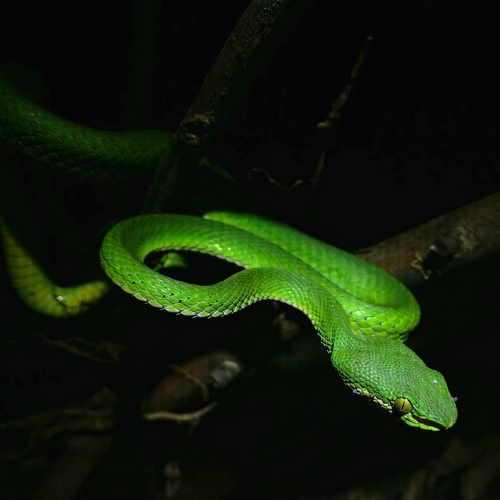
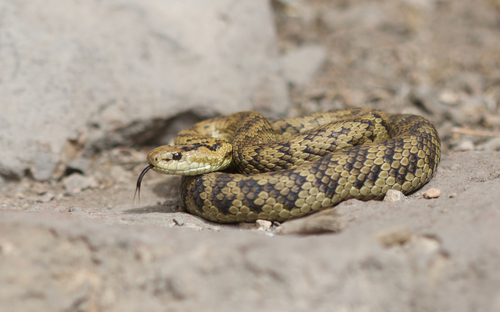
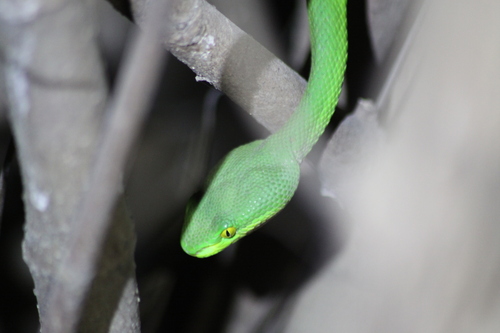
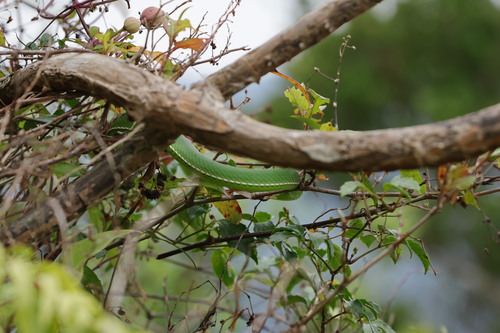
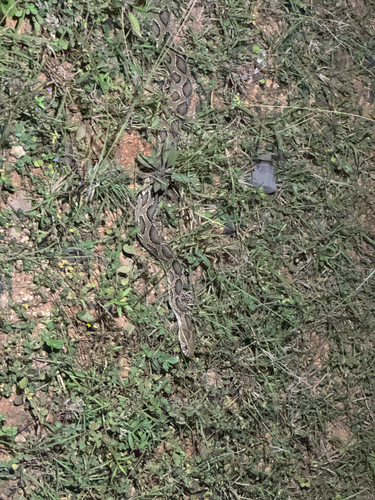
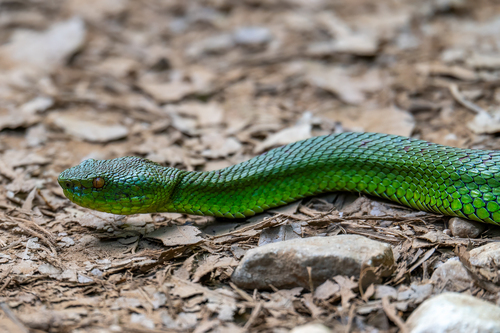
The medically important venomous snakes of Nepal fall into a few well-established groups. Cobras of the genus Naja are present in the lowlands and lower hills. Kraits, highly neurotoxic elapids most active at night, are a serious concern in the Terai, where bites can occur while people sleep on the ground. Russell's viper and saw-scaled vipers represent the dangerous true vipers of the plains, both capable of severe envenomation. In the forested hills, green pit vipers of the broader Trimeresurus group account for many bites that are painful and tissue-damaging but less often fatal. These elapid and viper groups are the snakes that drive Nepal's snakebite burden, which is concentrated in the agricultural lowlands.
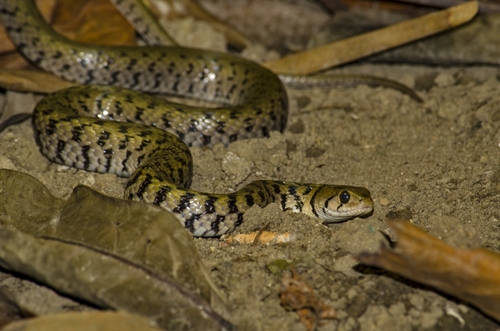
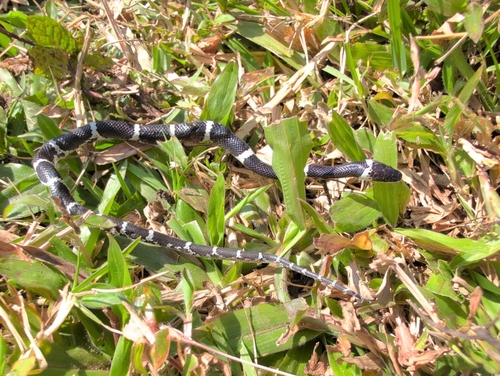
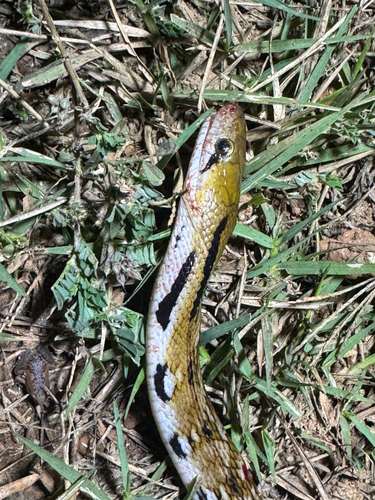
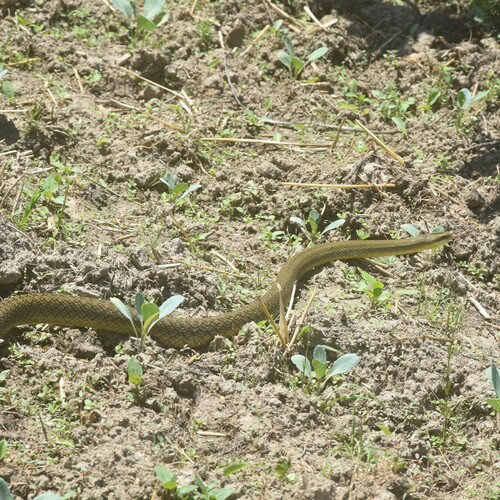
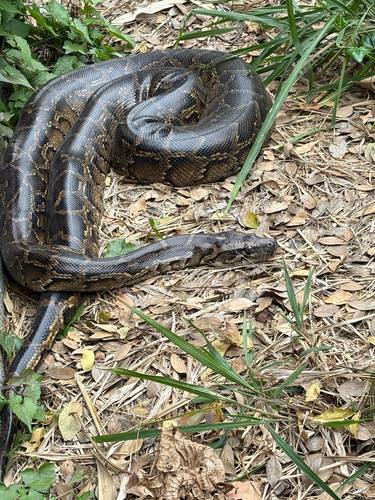
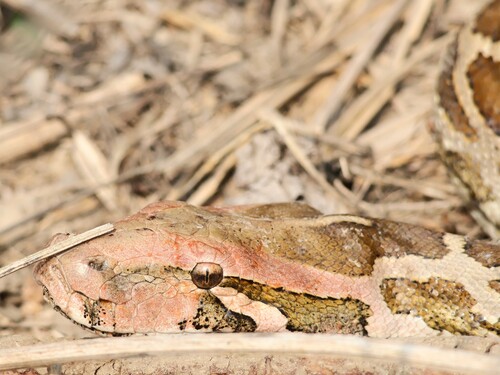
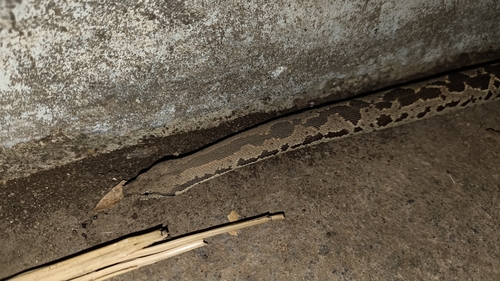
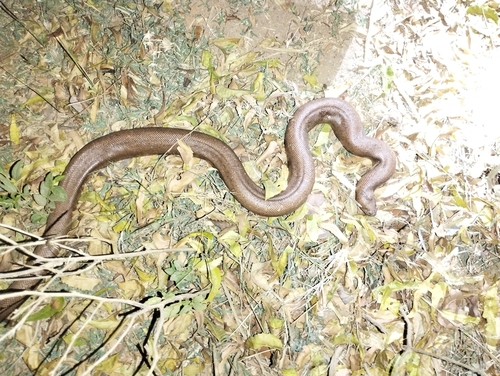
Against those few dangerous species stands the large non-venomous majority. Nepal is home to many harmless colubrids, including rat snakes, the big and impressive Indian rock python, sand boas, wolf snakes, keelbacks, kukri snakes, and a variety of small, secretive burrowing and water snakes. Rat snakes are among the most commonly seen and are frequently mistaken for cobras because of their size and speed, yet they are entirely harmless to people. Many of these species are valuable simply for being abundant and widespread, quietly filling the ecological roles that keep lowland ecosystems balanced.
Those roles matter to people directly. Snakes are among the most effective natural controllers of rodents and other pests. A single rat snake or python removes large numbers of rats and mice from fields and granaries, reducing crop loss and the spread of rodent-borne disease. Smaller snakes prey on insects, frogs, and other small animals, and in turn feed birds of prey and larger predators. Killing snakes on sight, a common reaction, often removes the very animals that suppress the rodent populations farmers most want gone.
On safety, the honest framing is this: most snakes in Nepal are harmless, but the country does have a real medical threat from its cobras, kraits, and vipers, with the krait and Russell's viper among the most dangerous. The correct response to any venomous snakebite is rapid transport to a hospital where antivenom and trained medical care are available, not home remedies. Never attempt to handle, catch, or kill a wild snake, even one you believe is harmless, since misidentification is easy and many bites happen during exactly those attempts. Give snakes distance and they will almost always move away on their own. In an emergency involving a bite, contact local emergency services immediately, or in the United States call Poison Control at 1-800-222-1222.
Snakes in Nepal: FAQ
- Are there venomous snakes in Nepal?
- Yes. 31 venomous snake species have verified records in Nepal, including Lanna Green Pitviper, Nepal Pitviper, Chinese Mountain Pit Viper, Gloydius variegatus. Most snakes in Nepal, however, are harmless.
- How many snake species live in Nepal?
- 75+ snake species have verified records in Nepal, of which 31 are venomous.
- What is the most commonly seen snake in Nepal?
- The Tikiri Keelback is the most frequently reported snake in Nepal, based on verified wildlife observations.
- What should I do if I see a venomous snake in Nepal?
- Keep your distance and do not try to catch or kill it. Most bites happen when people handle or corner a snake. If someone is bitten, contact local emergency services or poison control immediately.
Venomous snakes in Nepal
Every snake recorded in Nepal
75+ species across 9 families, grouped by family. Venomous flagged.
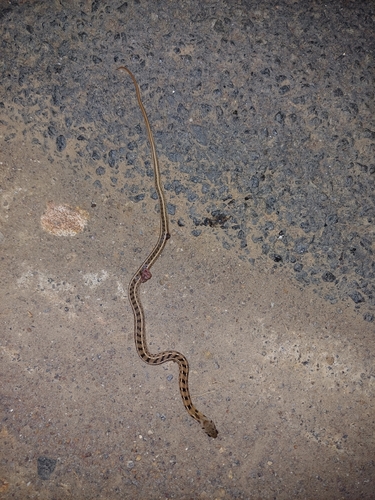
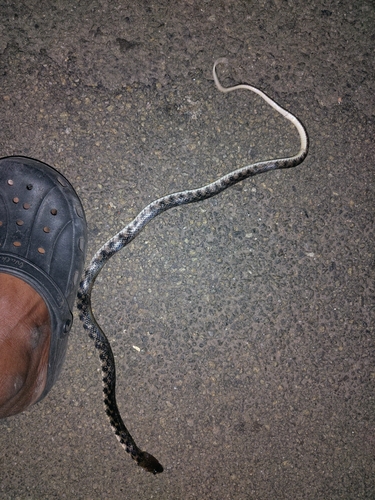
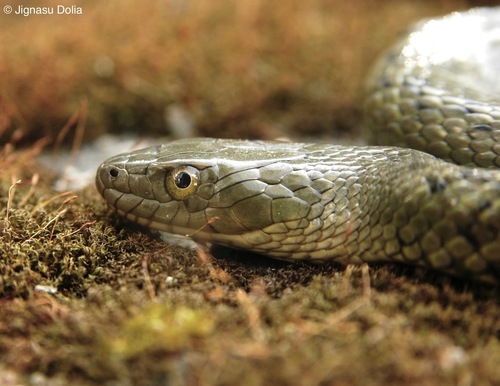
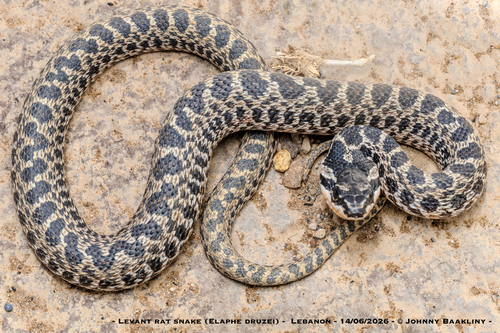
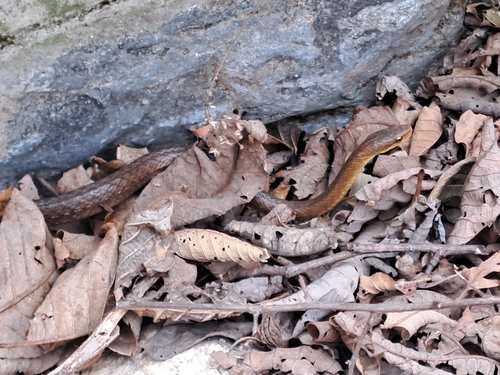
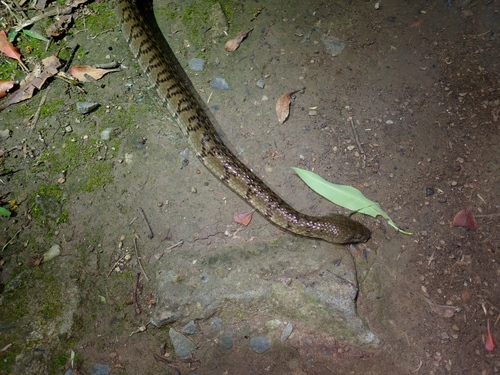
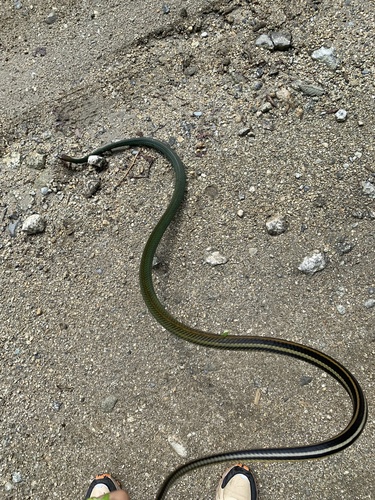
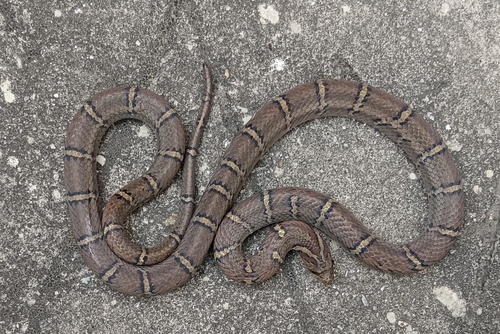
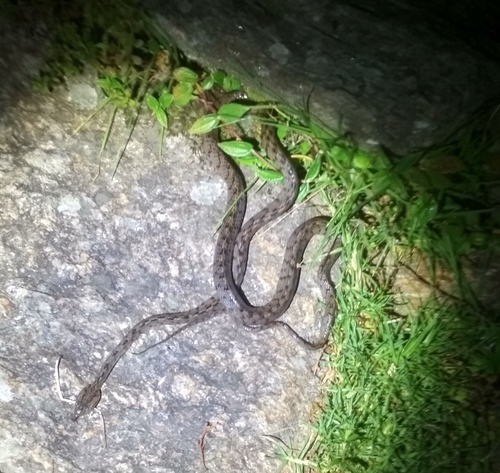
Colubridae (50)
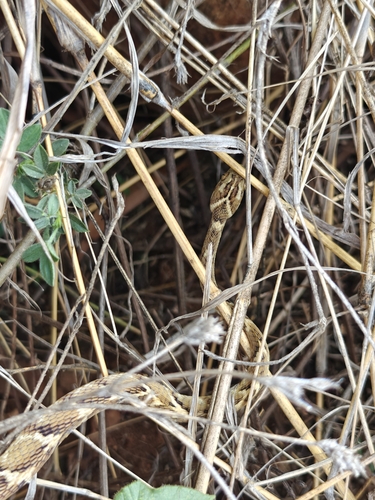
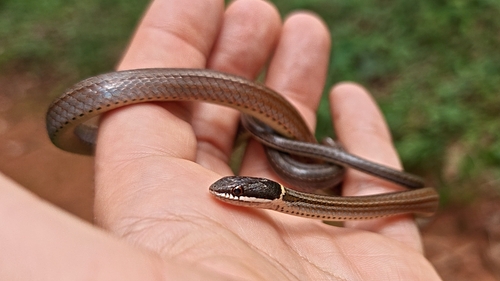
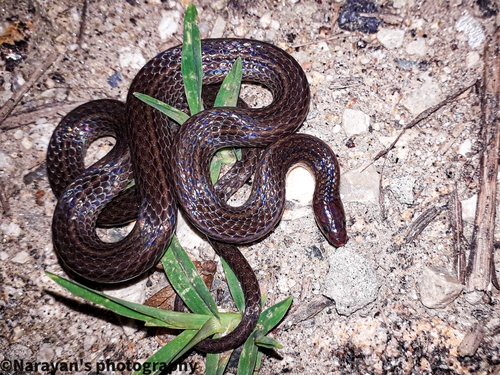

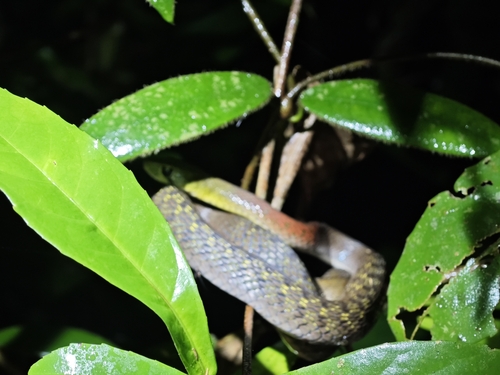
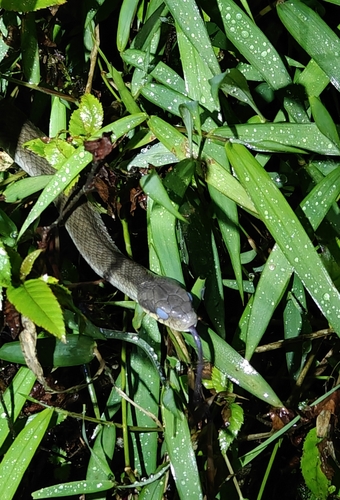
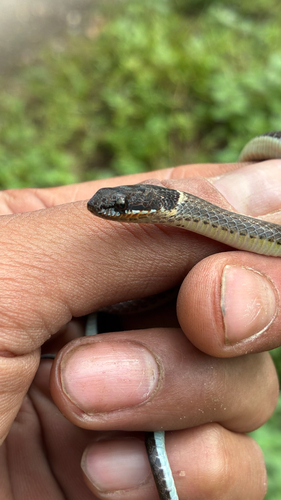
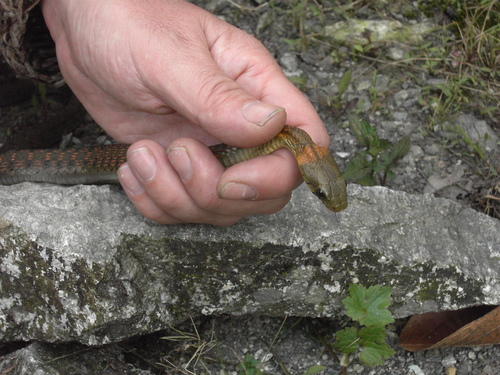

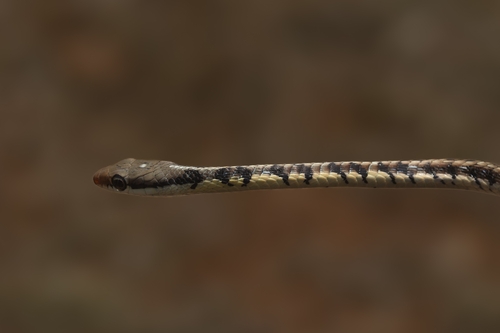
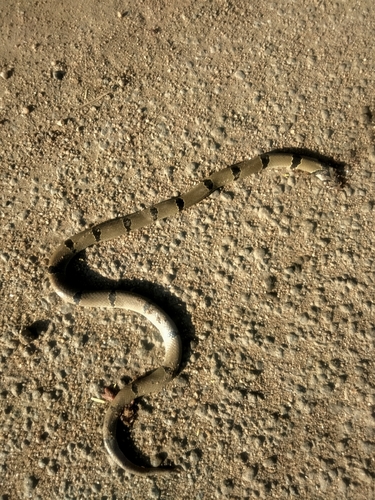



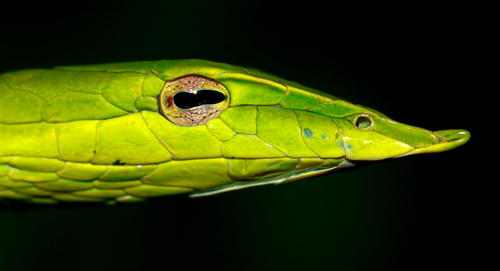
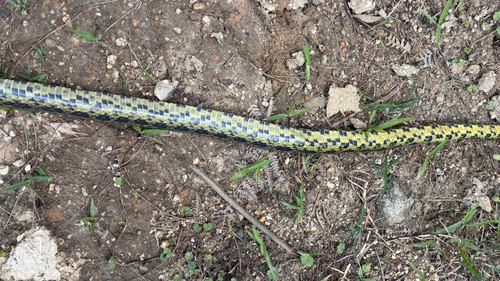
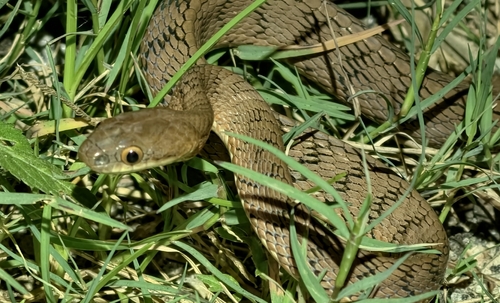
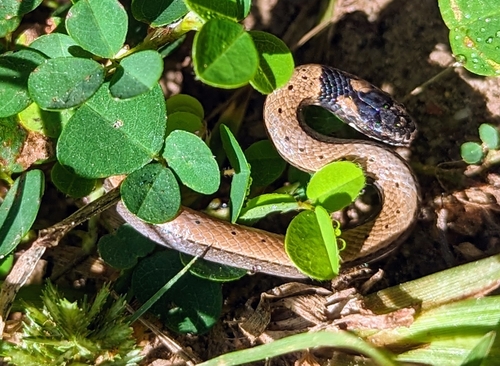
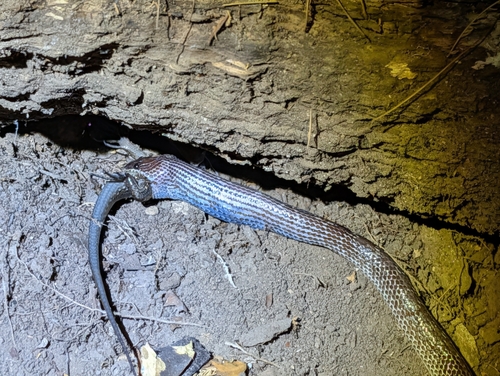
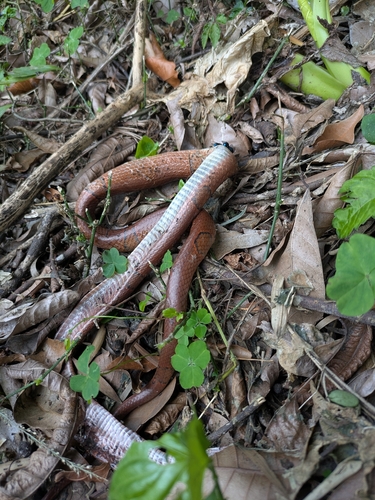
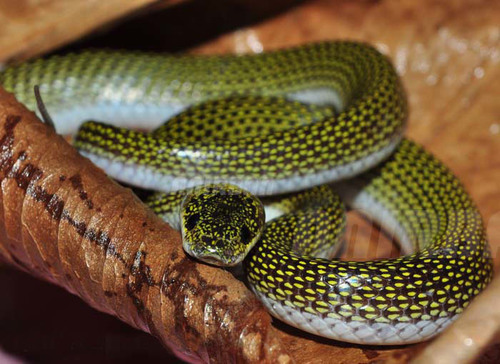
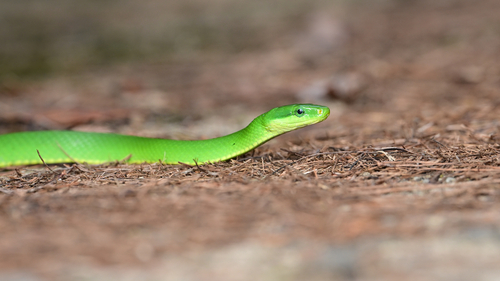
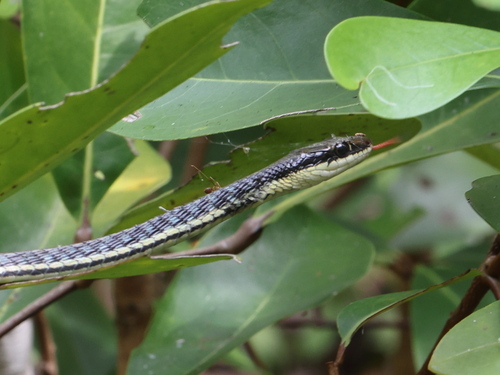
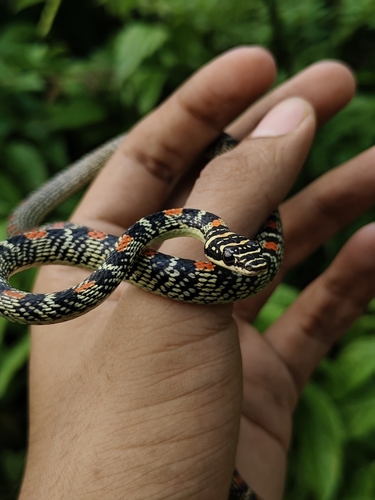
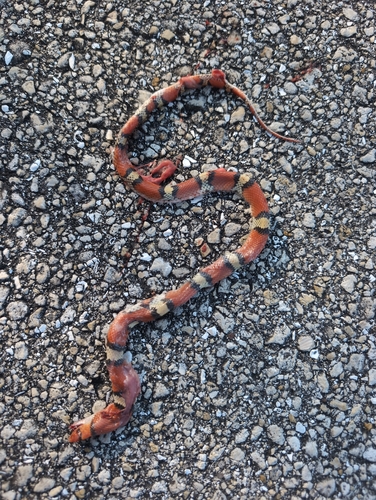

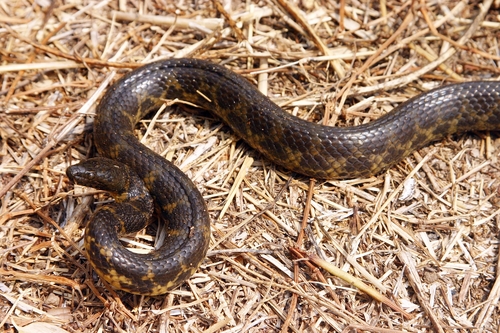
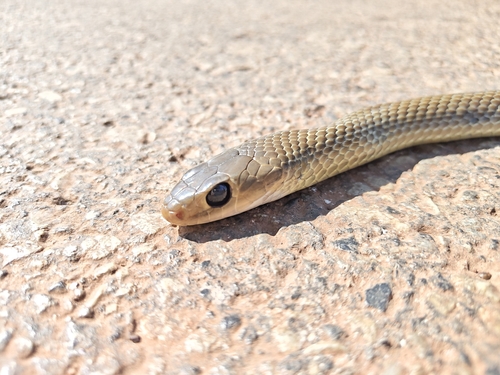
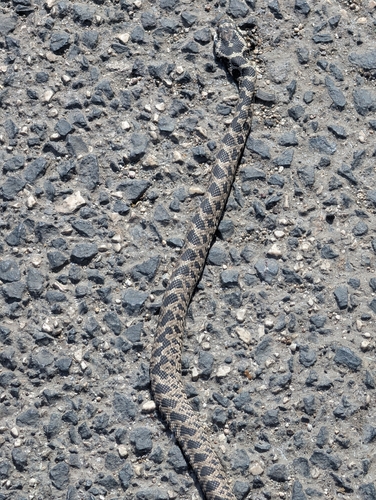
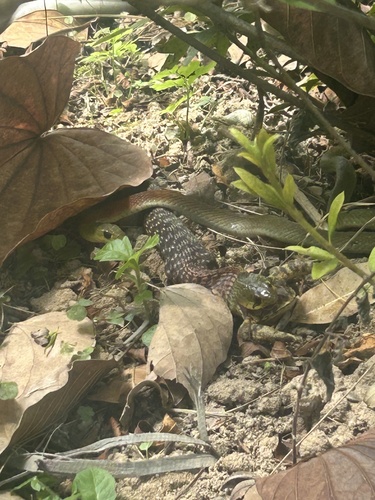
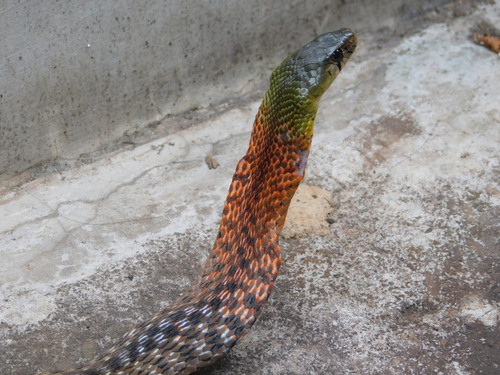
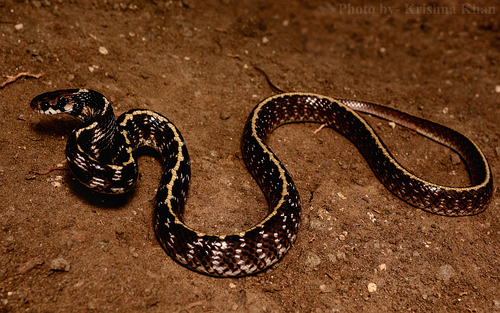

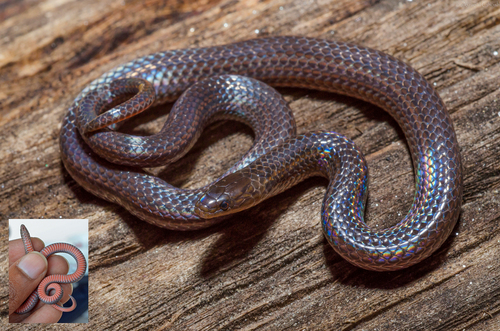
Viperidae (14)
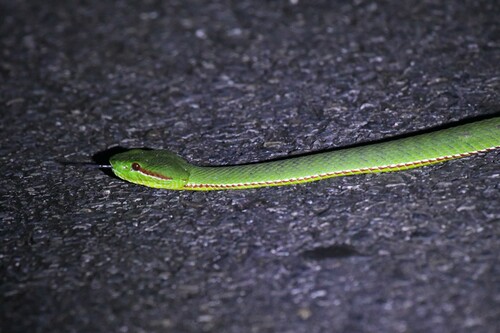

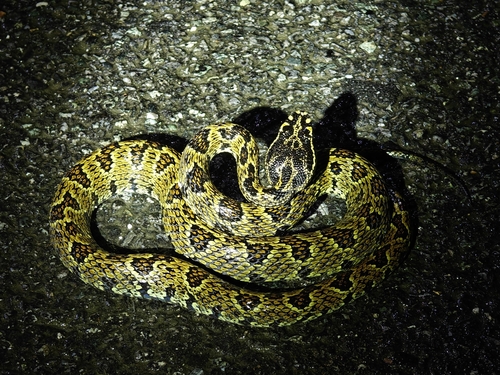
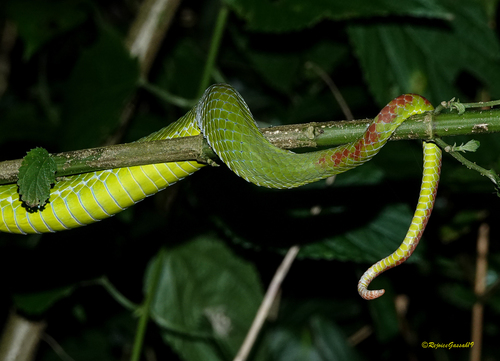
Elapidae (13)
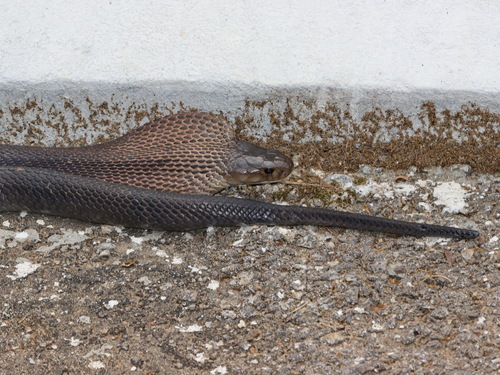
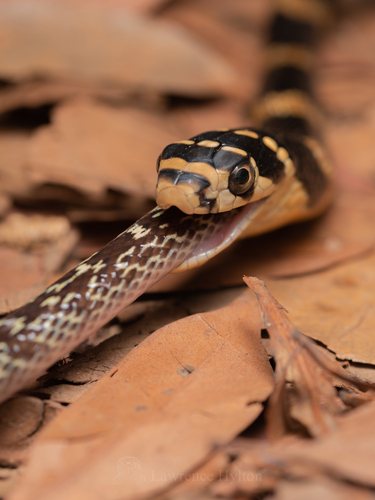

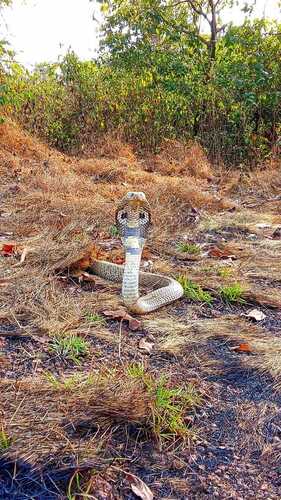
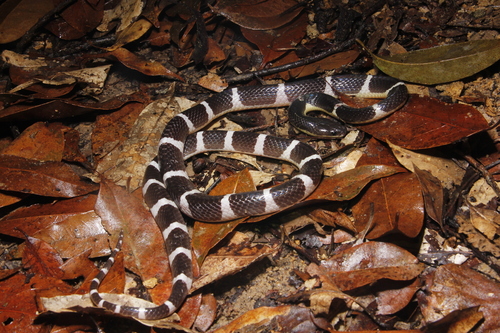
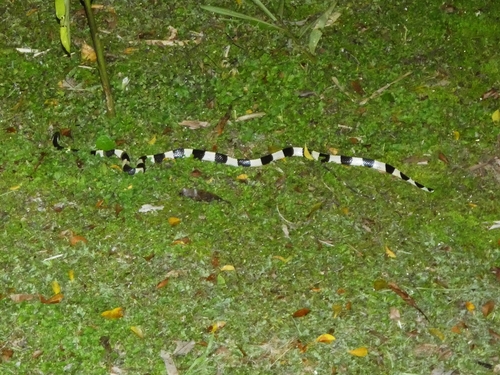
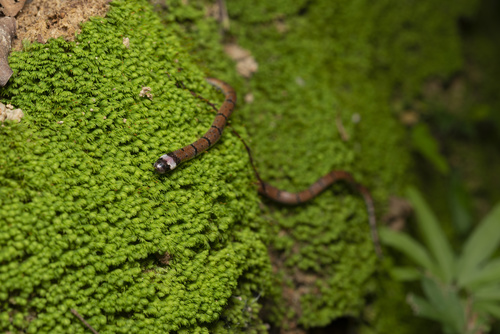
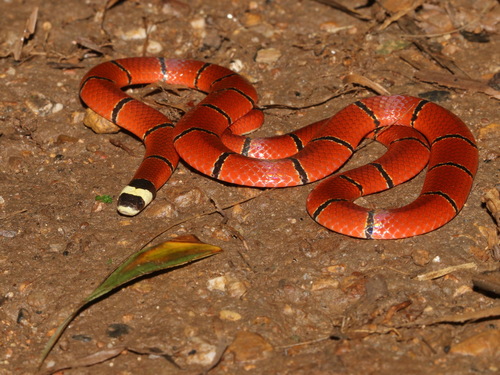
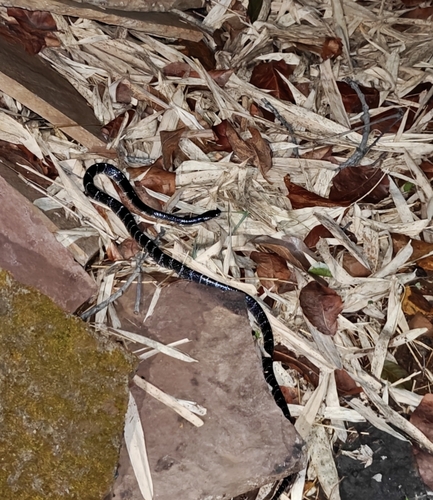

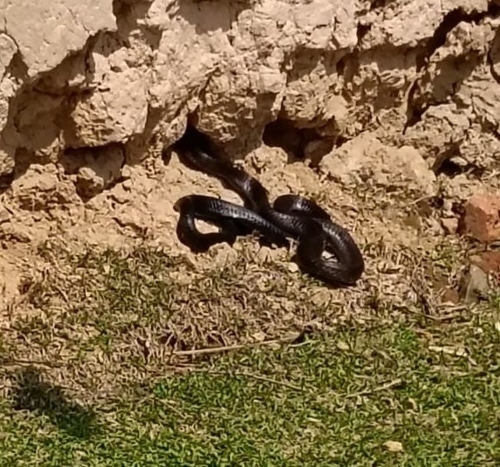
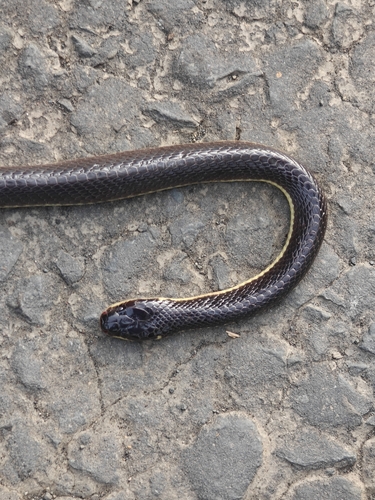
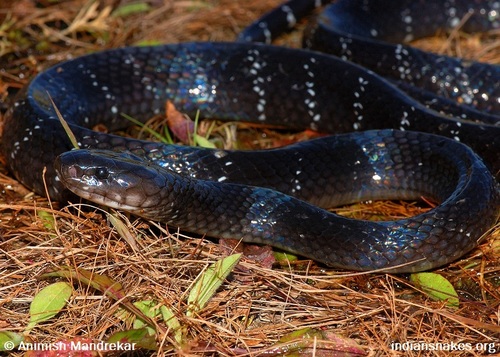
Typhlopidae (2)
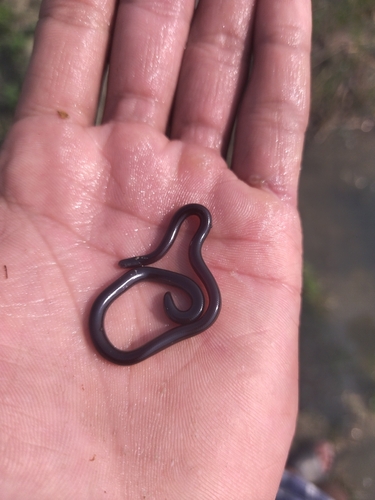

Homalopsidae (2)


Pseudaspididae (1)
Psammophiidae (1)

Compiled from verified GBIF & iNaturalist observations. "How often seen" reflects how frequently a snake is reported here, not how dangerous it is. Informational only.
Keep learning
- Are Snakes Dangerous? The Real Risk, in PerspectiveMost snakes are harmless and avoid people. Here is the honest picture of snakebite risk worldwide and how to lower your own.
- Snakebite First Aid: What to Do (and What Never to Do)A clear, CDC-based guide to snakebite first aid: the steps that help, the popular myths that hurt, and how to tell a serious bite from a minor one.
- Venomous vs Nonvenomous: How to Tell the DifferenceThe folk rules for telling venomous snakes apart, where each one fails, and why location-based identification beats guessing by sight.
- What to Do If You Find a SnakeFound a snake at home or on a trail? Here is how to stay calm, give it space, identify it safely, and know when to call a professional.