
Canada
Snakes in Canada
50+ snake species have been recorded in Canada, 13 venomous.
Browse by province or territory
Snake records in Canada go down to the county level. Pick a province or territory to narrow in on where you are.


Snakes of Canada
Canada has 50+ snake species recorded in our database, of which 13 are venomous. The great majority of the country's snakes are non-venomous, and across most of the populated south a person is far more likely to meet a harmless garter snake than anything dangerous. Snake diversity here is shaped by a cold climate: snakes are ectotherms, so the richest variety sits in the warmer southern pockets of the country, while the far north has very few or no species at all.
Geography drives that pattern. The southern fringe of Ontario, the prairie grasslands and river valleys of Alberta, Saskatchewan and Manitoba, the dry interior of southern British Columbia, and the woodlands and wetlands of southern Quebec and the Maritimes hold the bulk of the fauna. Snakes concentrate where they can find warmth, cover and prey: rocky south-facing slopes for basking, marshes and lakeshores for water snakes, open grassland and sagebrush for the prairie and Great Basin species, and forest edges for the widespread garter and brown snakes. Communal winter dens, where many snakes gather to survive the cold months underground, are a defining feature of Canadian snake life and are especially famous on the Manitoba prairie.
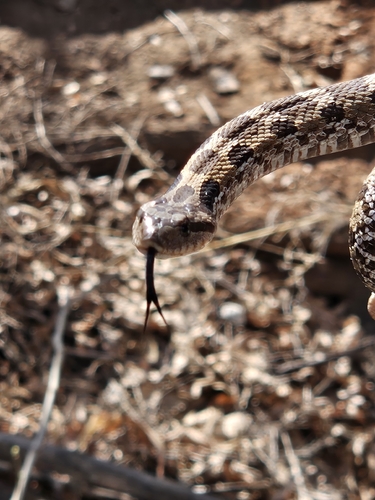
The medically important venomous snakes in Canada belong to one group: the rattlesnakes, which are New World pit vipers. There are no cobras, mambas, true vipers of the Old World, coral snakes or sea snakes native to Canada. The rattlesnakes found in the country include the timber rattlesnake and eastern massasauga in the east, and the prairie rattlesnake, western rattlesnake and related pit vipers in the dry grasslands and interior of the west. These are the snakes that account for serious bites, and most are rare, localized and protected, with the massasauga in particular being a threatened species in Ontario. Bites are uncommon and usually happen when a snake is stepped on, cornered or handled.
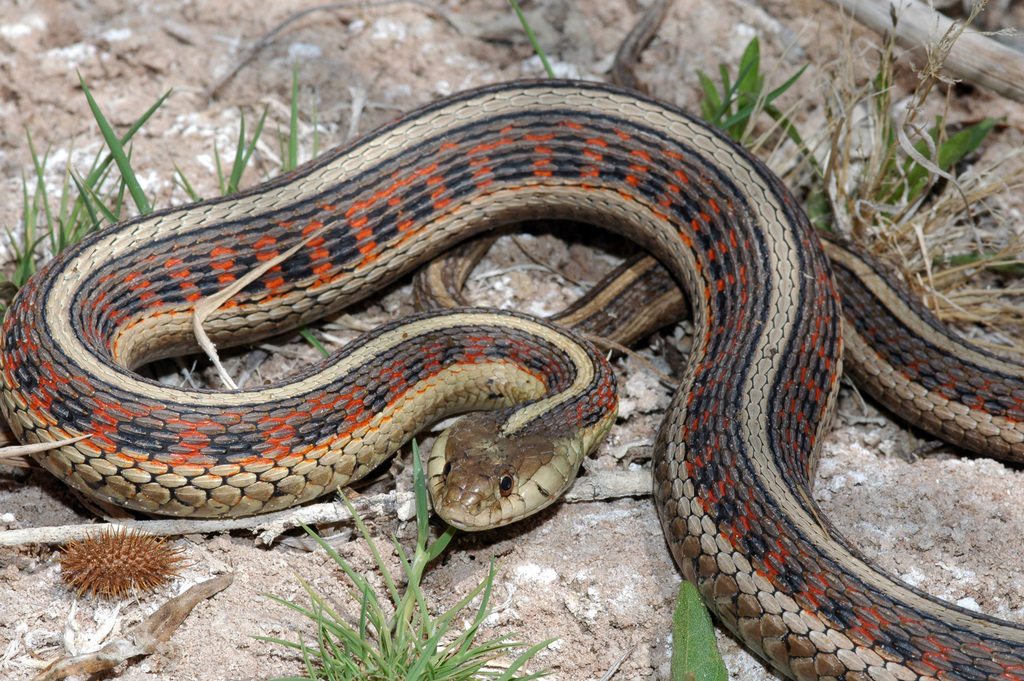
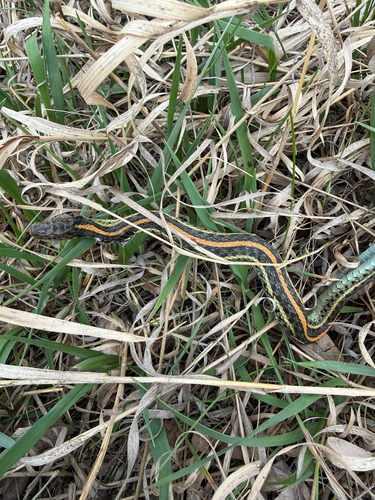
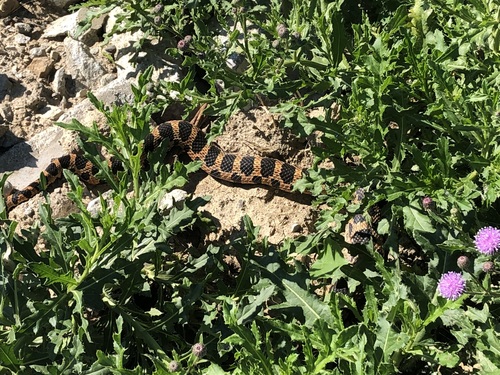
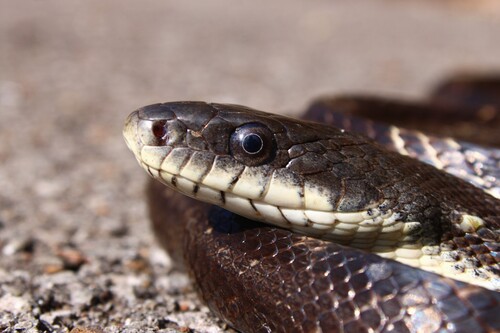
The large non-venomous majority is what most Canadians actually encounter. Garter snakes are by far the most familiar, found from coast to coast and active even in cool weather; the Narcisse dens in Manitoba host one of the largest gatherings of snakes anywhere on Earth, with tens of thousands of red-sided garter snakes emerging each spring. Other common harmless snakes include water snakes around lakes and rivers, the small brown and red-bellied snakes of gardens and forests, smooth and rough green snakes, the gopher or bullsnake of the prairies, milk snakes, and various racers and hognose snakes. None of these can deliver a dangerous bite, though several will bluff convincingly when threatened.
Snakes earn their place in Canadian ecosystems. They are efficient predators of mice, voles, rats and insects, and a healthy snake population helps keep rodent numbers and the crop damage and disease they carry in check. In farm country, grassland and suburban yards alike, snakes provide free, continuous pest control, and they are in turn an important food source for hawks, owls, foxes and other wildlife. Removing snakes from a landscape tends to push rodent populations up, not down.
On safety: most snakes you meet in Canada are harmless, and the only group capable of a medically serious bite is the rattlesnakes. The treatment for a venomous snakebite is professional medical care, which may include antivenom given at a hospital, not anything done in the field. No wild snake should ever be picked up or handled, even one that looks harmless, because identification mistakes happen and stress provokes defensive bites. If a bite occurs, treat it as an emergency: contact local emergency services right away, or in the United States call Poison Control at 1-800-222-1222. Keep the person calm and still and get them to medical care as fast as possible.
Snakes in Canada: FAQ
- Are there venomous snakes in Canada?
- Yes. 13 venomous snake species have verified records in Canada, including Eastern Massasauga, Prairie Rattlesnake, Western Rattlesnake, Timber Rattlesnake. Most snakes in Canada, however, are harmless.
- How many snake species live in Canada?
- 50+ snake species have verified records in Canada, of which 13 are venomous.
- What is the most commonly seen snake in Canada?
- The Common Garter Snake is the most frequently reported snake in Canada, based on verified wildlife observations.
- What should I do if I see a venomous snake in Canada?
- Keep your distance and do not try to catch or kill it. Most bites happen when people handle or corner a snake. If someone is bitten, contact local emergency services or poison control immediately.
Venomous snakes in Canada
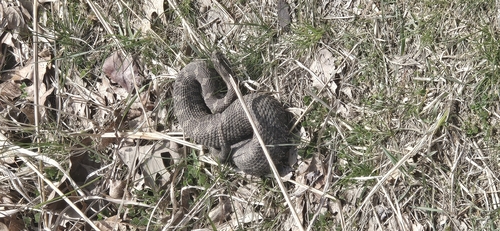 Eastern MassasaugaSistrurus catenatusVenomous
Stout, dark-blotched body, nine large scales on the crown, and a small rattle.
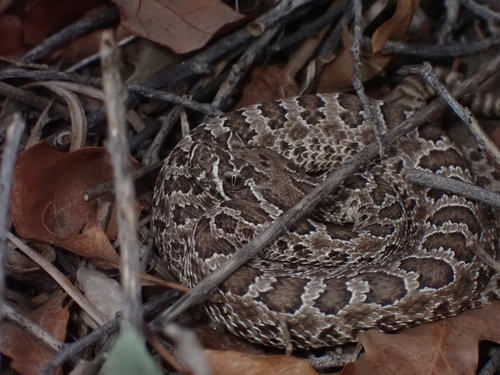 Prairie RattlesnakeCrotalus viridisVenomous
Heavy body, broad triangular head, vertical (cat-like) pupils, and a segmented keratin rattle at the tail tip.
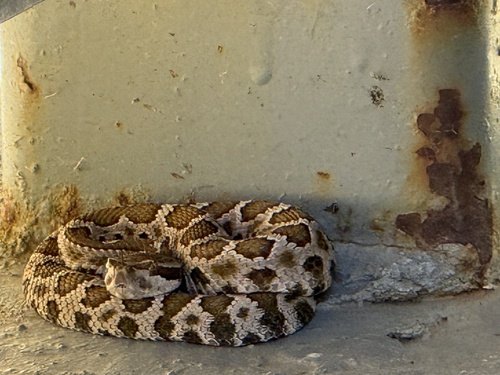 Western RattlesnakeCrotalus oreganusVenomous
Heavy body, broad triangular head, vertical (cat-like) pupils, and a segmented keratin rattle at the tail tip.
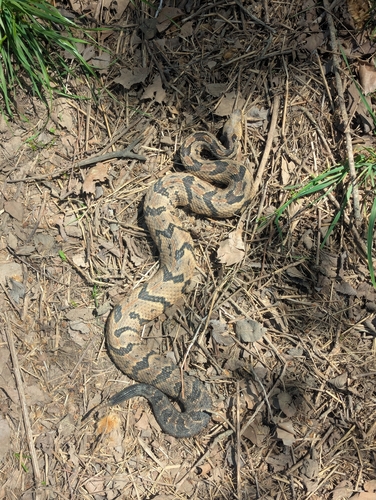 Timber RattlesnakeCrotalus horridusVenomous
Heavy body, broad triangular head, vertical (cat-like) pupils, and a segmented keratin rattle at the tail tip.
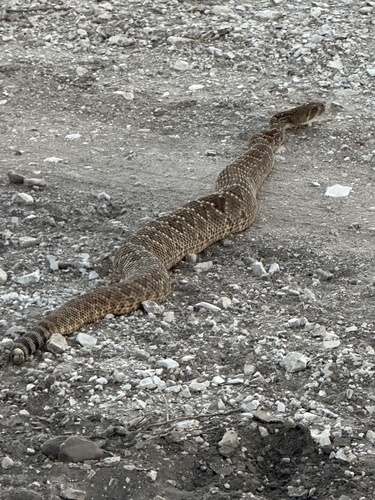 Western Diamond-backed RattlesnakeCrotalus atroxVenomous
Heavy body, broad triangular head, vertical (cat-like) pupils, and a segmented keratin rattle at the tail tip.
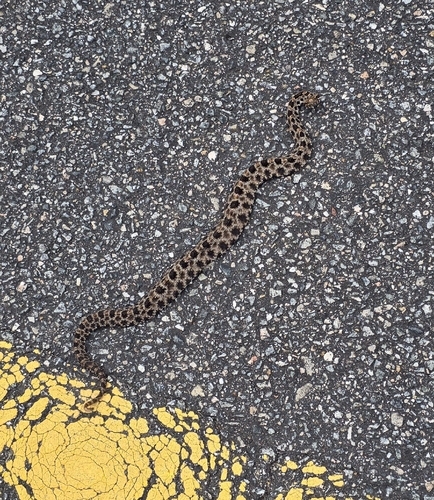 Pygmy RattlesnakeSistrurus miliariusVenomous
Stout, dark-blotched body, nine large scales on the crown, and a small rattle.
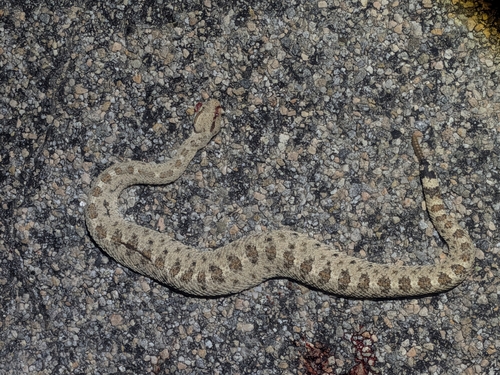 SidewinderCrotalus cerastesVenomous
Heavy body, broad triangular head, vertical (cat-like) pupils, and a segmented keratin rattle at the tail tip.
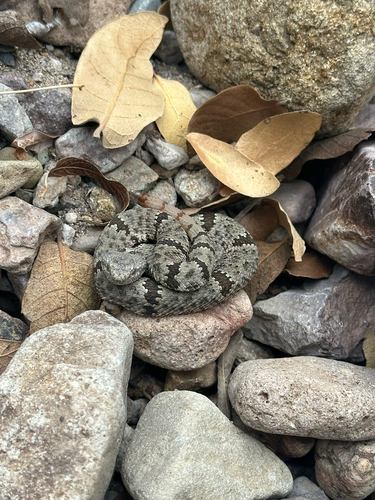 Rock RattlesnakeCrotalus lepidusVenomous
Heavy body, broad triangular head, vertical (cat-like) pupils, and a segmented keratin rattle at the tail tip.
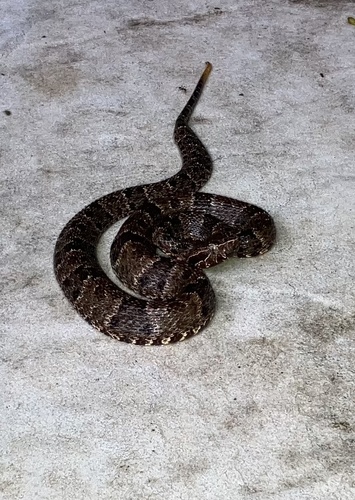
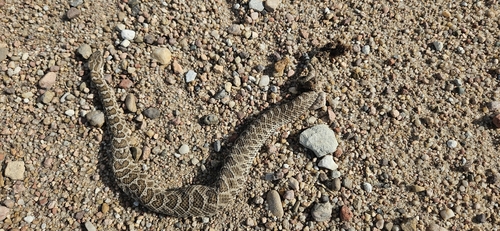 Western MassasaugaSistrurus tergeminusVenomous
Stout, dark-blotched body, nine large scales on the crown, and a small rattle.
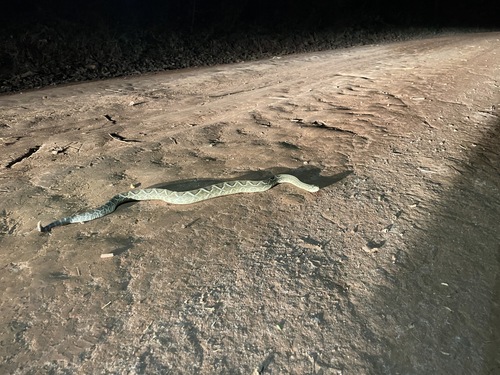 Neotropical RattlesnakeCrotalus durissusVenomous
Heavy body, broad triangular head, vertical (cat-like) pupils, and a segmented keratin rattle at the tail tip.
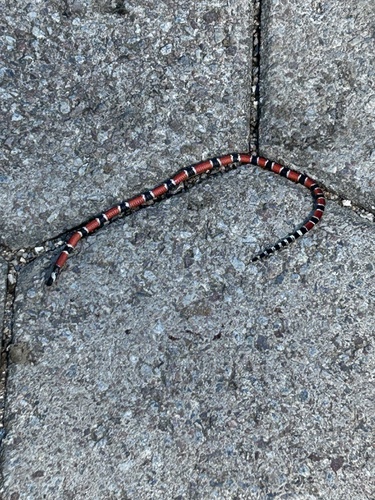 Painted CoralsnakeMicrurus corallinusVenomous
Rings of red, yellow, and black where red touches yellow; small rounded head and round pupils.
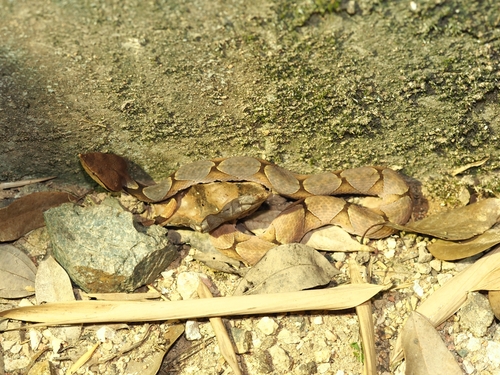
Every snake recorded in Canada
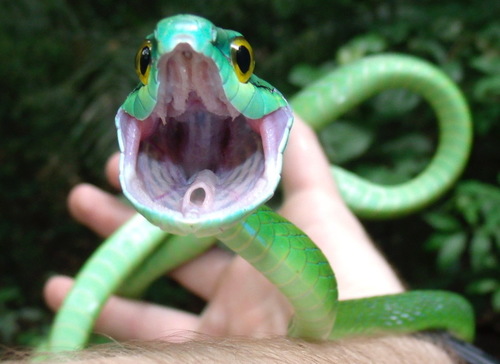
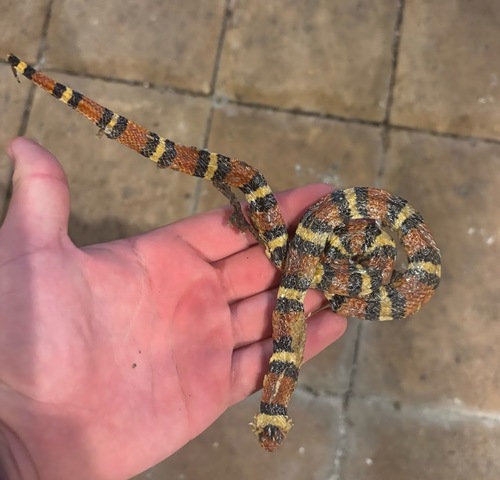
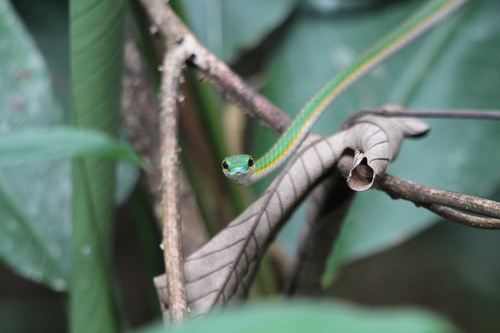
50+ species across 6 families, grouped by family. Venomous flagged.
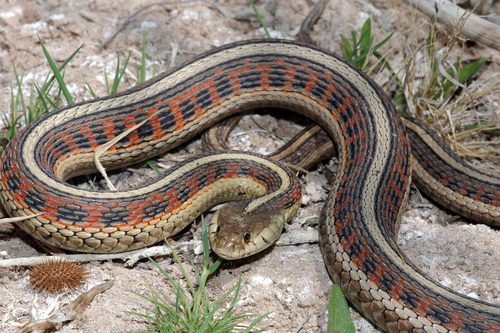
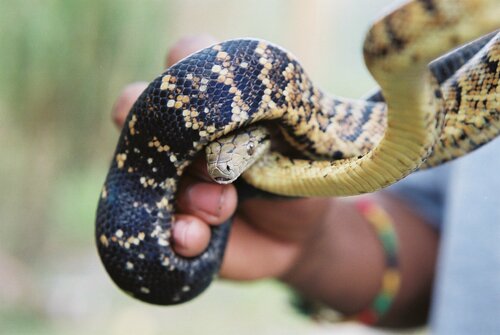
Colubridae (39)
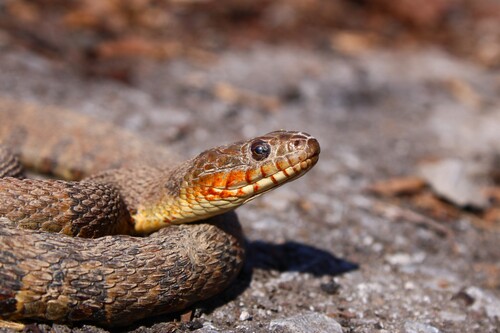
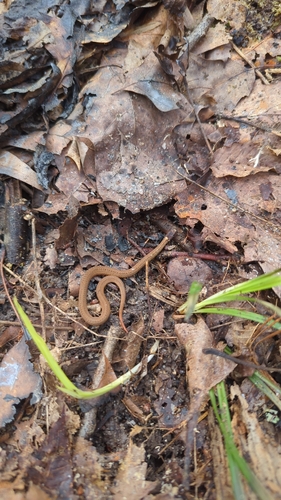
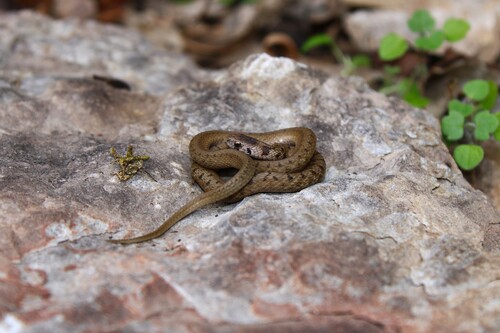
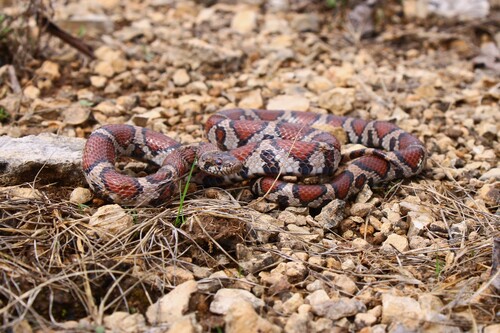
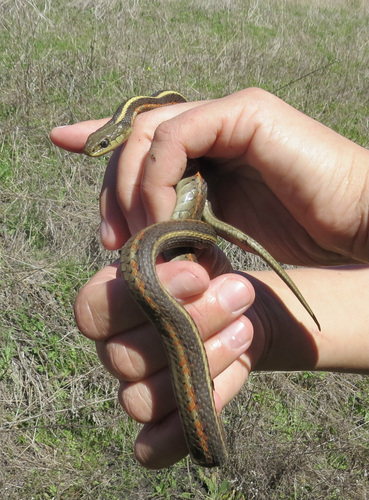
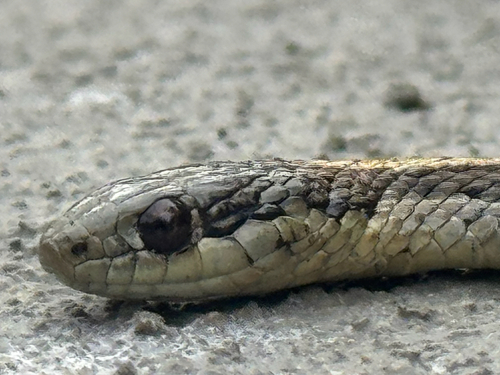
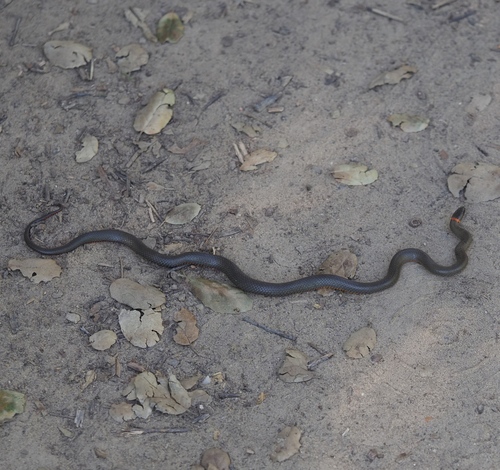
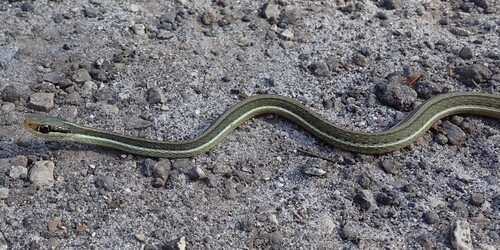
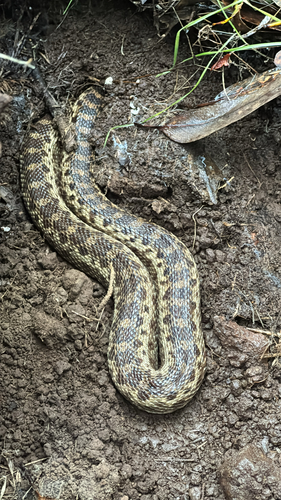
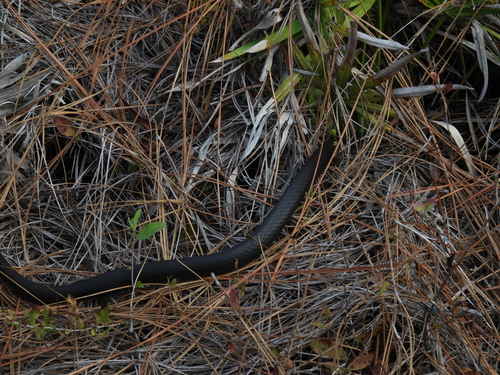
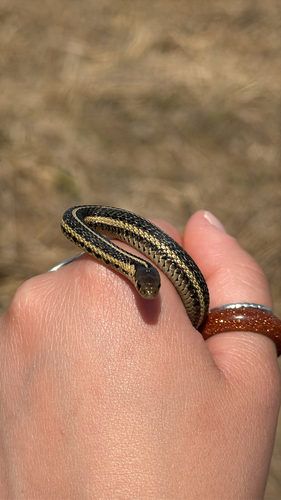
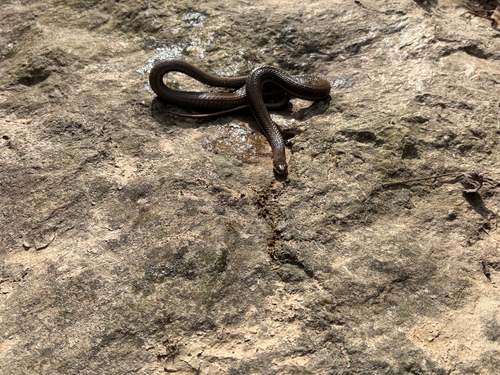
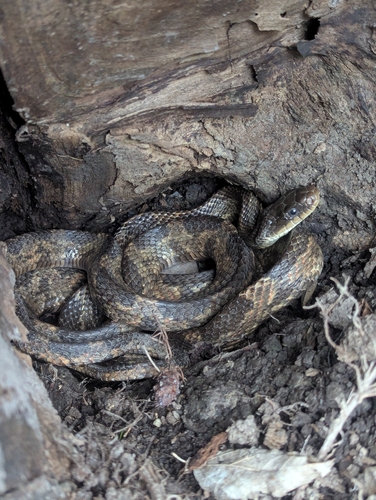
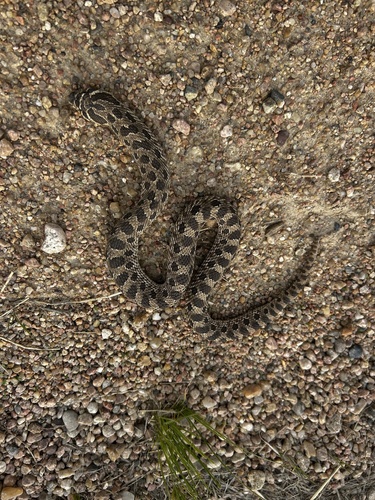
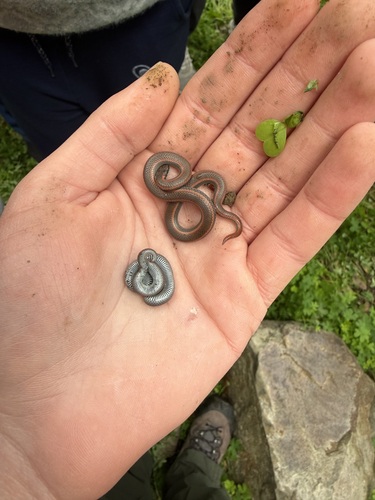
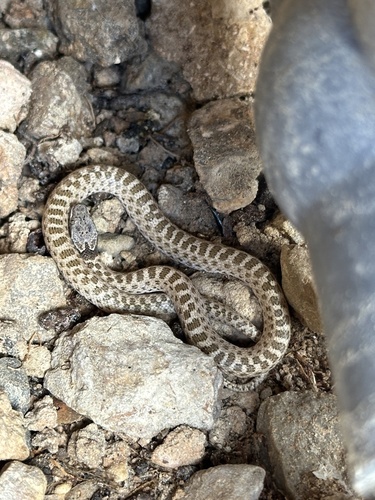
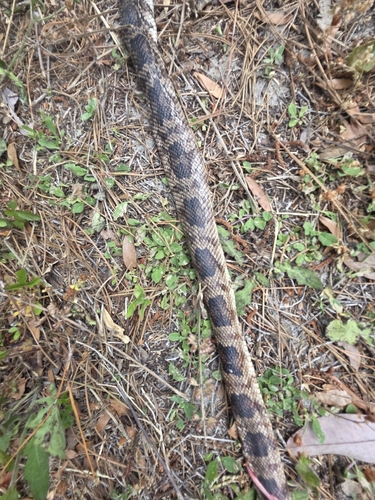
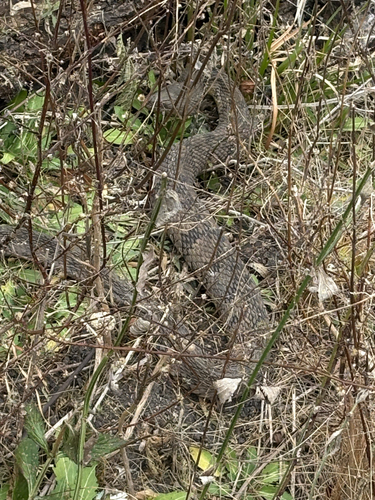
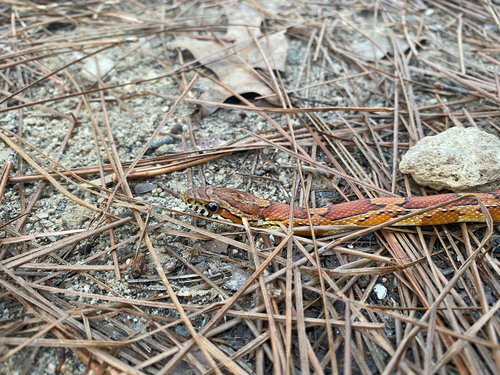
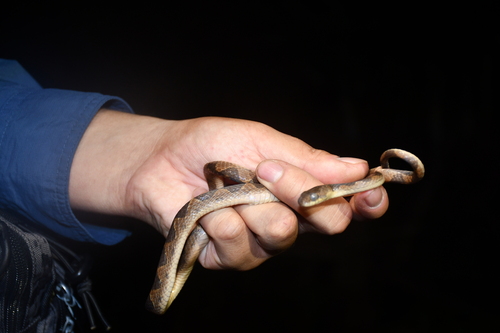
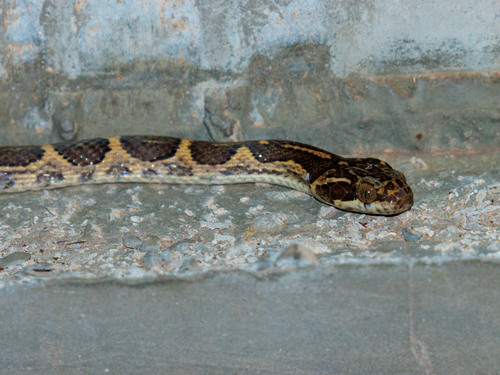
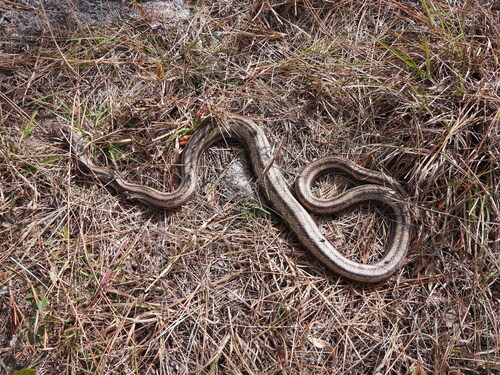
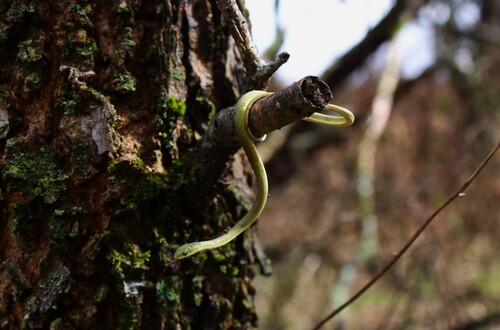
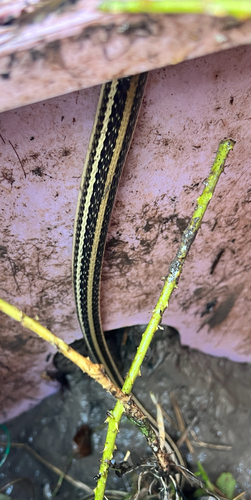
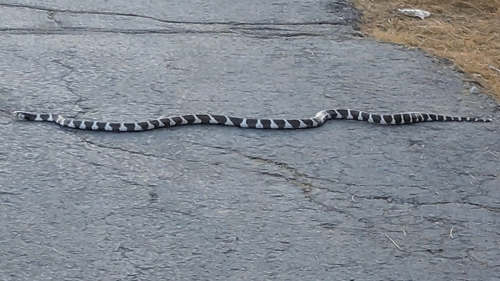
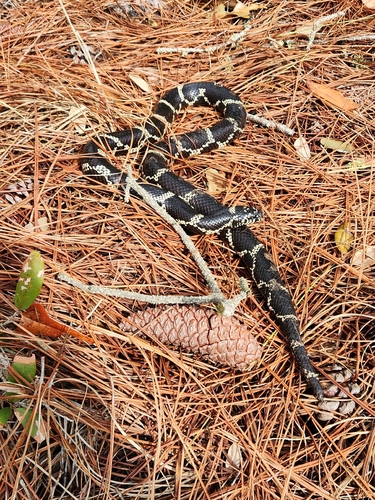
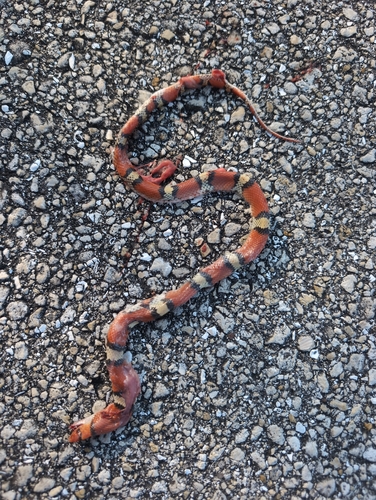
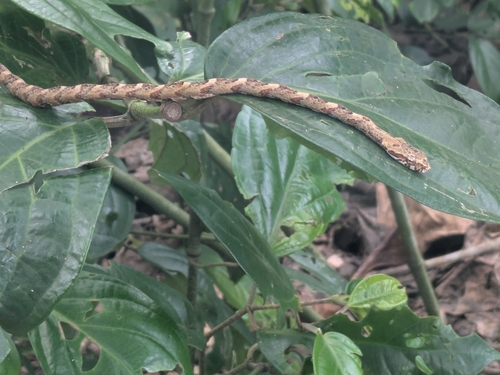
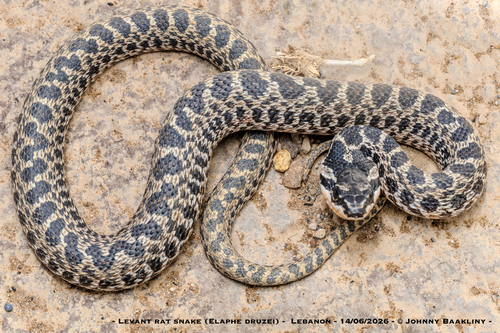
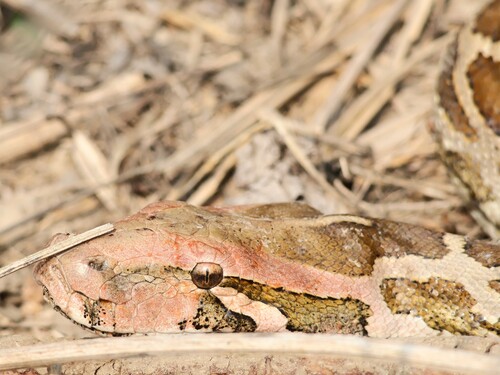
Viperidae (12)
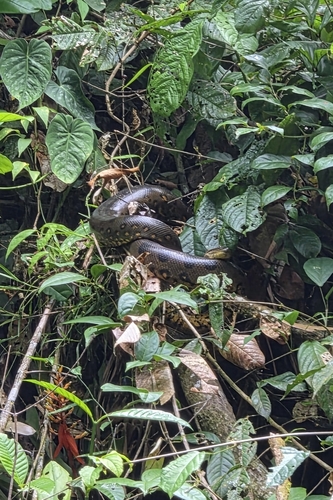
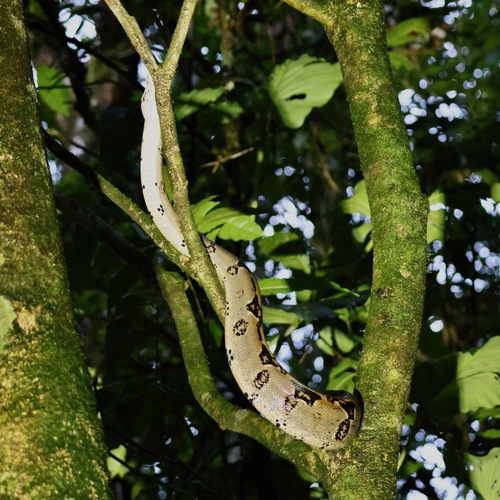
Boidae (6)
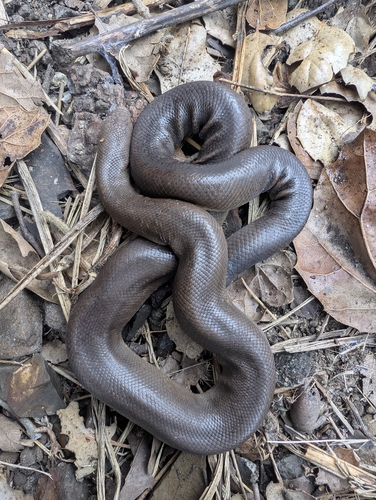
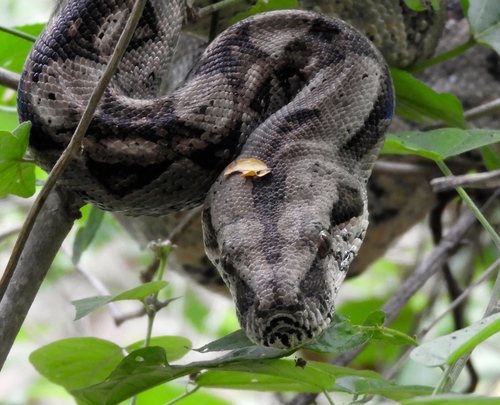
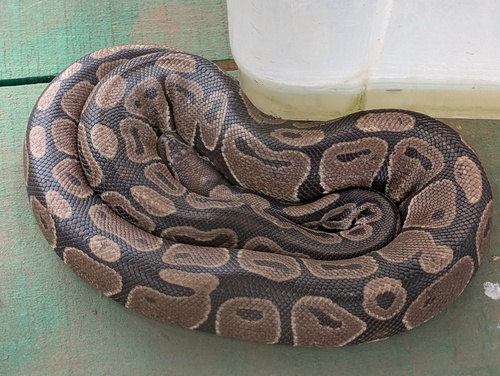
Typhlopidae (1)
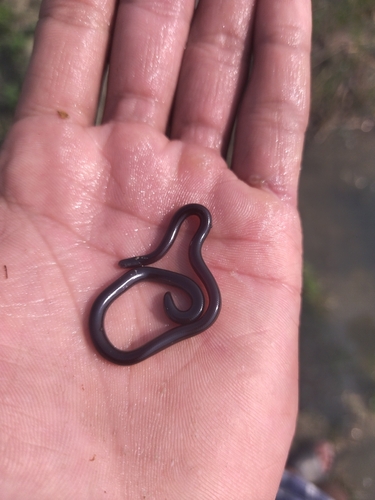
Elapidae (1)
Compiled from verified GBIF & iNaturalist observations. "How often seen" reflects how frequently a snake is reported here, not how dangerous it is. Informational only.
Keep learning
- Are Snakes Dangerous? The Real Risk, in PerspectiveMost snakes are harmless and avoid people. Here is the honest picture of snakebite risk worldwide and how to lower your own.
- Snakebite First Aid: What to Do (and What Never to Do)A clear, CDC-based guide to snakebite first aid: the steps that help, the popular myths that hurt, and how to tell a serious bite from a minor one.
- Venomous vs Nonvenomous: How to Tell the DifferenceThe folk rules for telling venomous snakes apart, where each one fails, and why location-based identification beats guessing by sight.
- What to Do If You Find a SnakeFound a snake at home or on a trail? Here is how to stay calm, give it space, identify it safely, and know when to call a professional.