
Germany
Snakes in Germany
50+ snake species have been recorded in Germany, 12 venomous.
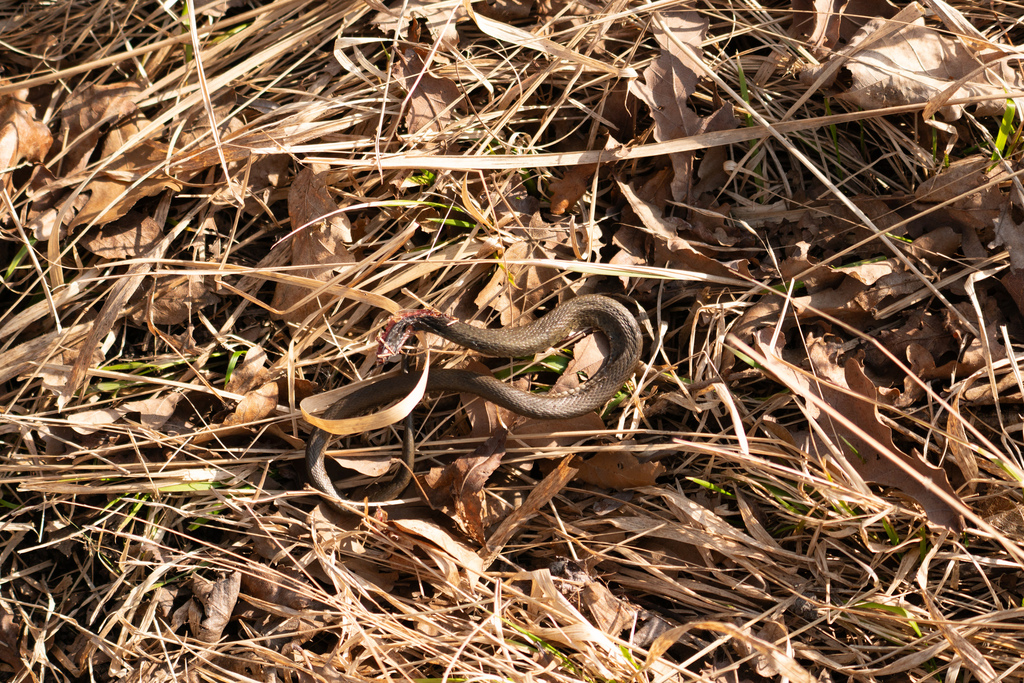
Snakes of Germany
Germany records 75+ snake species in our database, of which 17 are venomous. The great majority of species are non-venomous, and the snakes a person is most likely to encounter in the field are harmless to humans. Germany sits in temperate Central Europe, so its native serpent fauna is modest in number compared to tropical regions, but the figures here reflect the full set of species held in our records for the country.
Germany's geography drives what diversity it has. The country spans the North German Plain, the central uplands, the river systems of the Rhine, Elbe, and Danube, and the Alpine foothills in the far south. Warm, sunny slopes, dry heathland, stone walls, forest edges, wetland margins, and the banks of lakes and rivers all create microhabitats that suit different snakes. Reptiles in a temperate climate depend on basking sites and frost-free refuges for winter, so south-facing rocky ground, sandy heaths, and well-drained embankments concentrate the species that do occur.
The venomous snakes that matter medically in Germany belong to the viper group, the Old World vipers of the family Viperidae. Germany has no native cobras, mambas, coral snakes, sea snakes, or New World rattlesnakes, so the true venomous risk to people is limited to vipers. These are the heavy-bodied, slow-moving snakes of dry uplands and heath, and they account for the country's genuine envenomation concern. Bites are uncommon and serious outcomes are rare, but a viper bite is a medical event that requires professional assessment, not something to manage at home.
The large non-venomous majority is what defines snake life in Germany day to day. The most familiar native is the grass snake, a widespread water-loving species often seen near ponds, ditches, and damp meadows and recognized by the pale collar behind its head. Other harmless natives and recorded species include smooth-bodied colubrids of forest, grassland, and rocky terrain. These snakes are non-venomous, generally retiring, and pose no danger to people. They are far more often heard slipping away than seen.
Snakes are valuable members of the ecosystem and worth protecting. They are efficient predators of rodents, helping keep populations of mice, rats, and other small mammals in check around farmland, gardens, and natural areas. By controlling these prey species they reduce crop damage and limit the spread of the pests and parasites that rodents carry. Several of Germany's native snakes are legally protected and have declined with habitat loss, so leaving them undisturbed supports a healthier local environment.
On safety, the honest framing is simple. Most snakes in Germany are non-venomous and harmless, and the main medical threat comes from the native vipers. No wild snake should ever be handled, including ones that look harmless, because identification mistakes happen and a frightened snake will defend itself. If a venomous bite is suspected, the correct response is professional medical care: get to a hospital, where antivenom and supportive treatment are available. Do not attempt field treatment. In the United States you can reach Poison Control at 1-800-222-1222, and anywhere you should contact local emergency services without delay.
Snakes in Germany: FAQ
- Are there venomous snakes in Germany?
- Yes. 12 venomous snake species have verified records in Germany, including Adder, Asp Viper, Halys Pit Viper, Gloydius variegatus. Most snakes in Germany, however, are harmless.
- How many snake species live in Germany?
- 50+ snake species have verified records in Germany, of which 12 are venomous.
- What is the most commonly seen snake in Germany?
- The Grass Snake is the most frequently reported snake in Germany, based on verified wildlife observations.
- What should I do if I see a venomous snake in Germany?
- Keep your distance and do not try to catch or kill it. Most bites happen when people handle or corner a snake. If someone is bitten, contact local emergency services or poison control immediately.
Venomous snakes in Germany
Every snake recorded in Germany
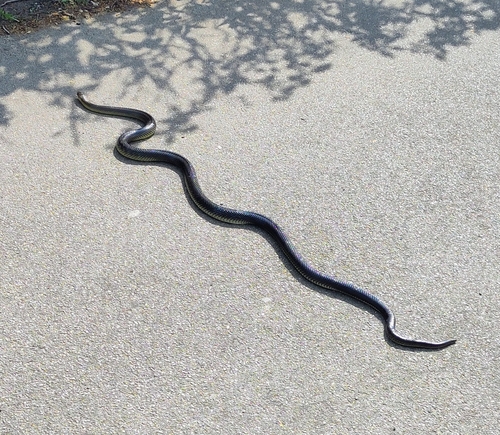
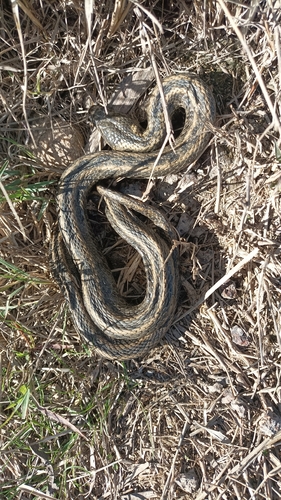
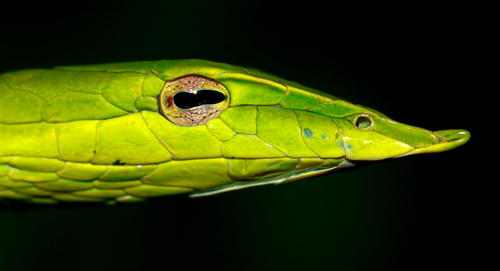
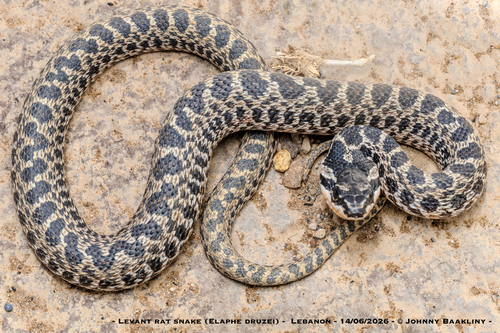
50+ species across 9 families, grouped by family. Venomous flagged.
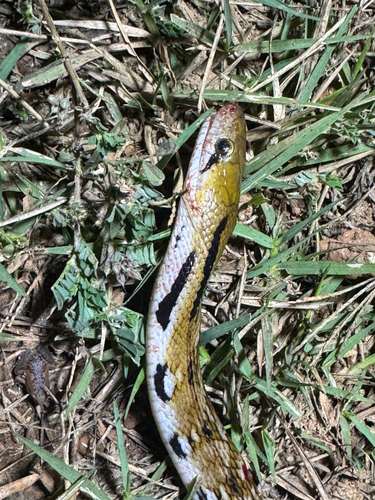
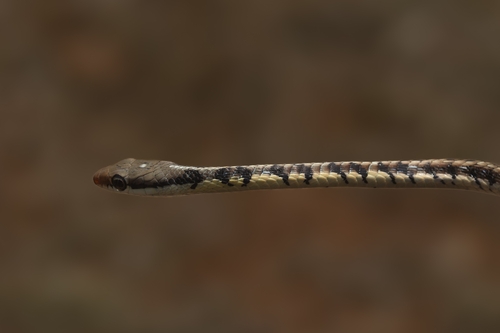
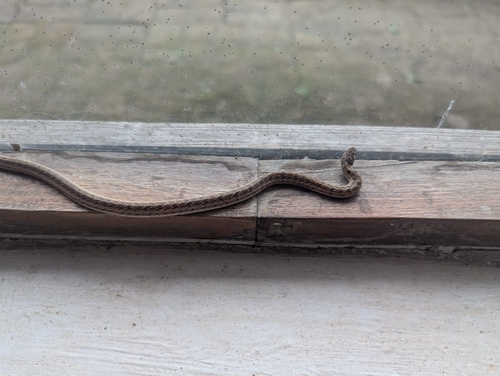
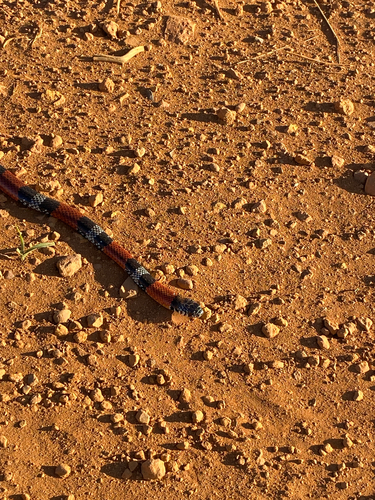
Colubridae (44)
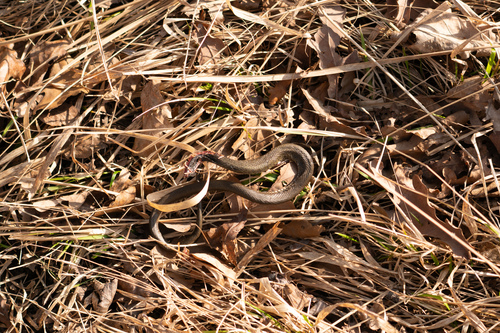
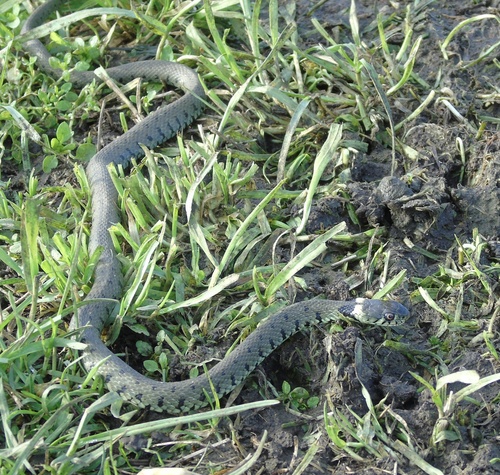
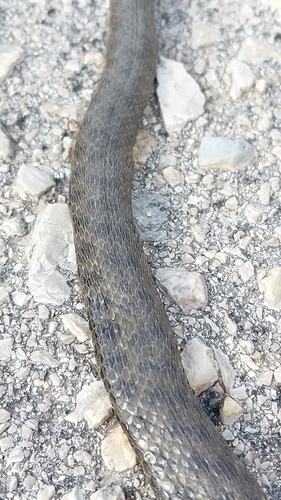
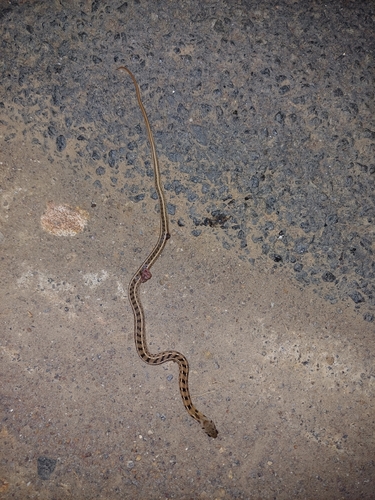
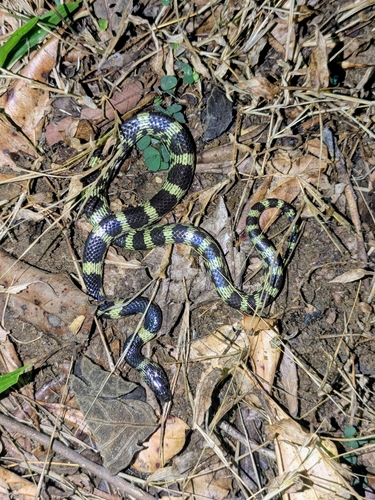
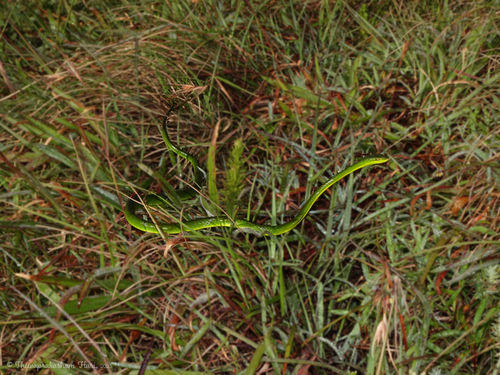
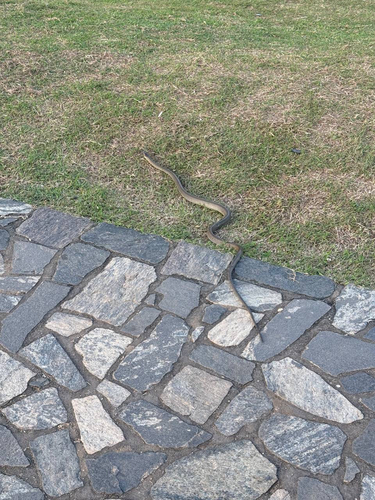
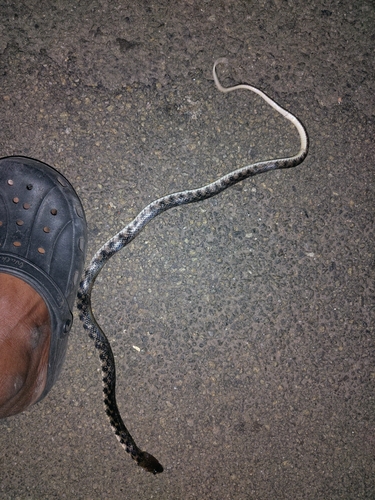
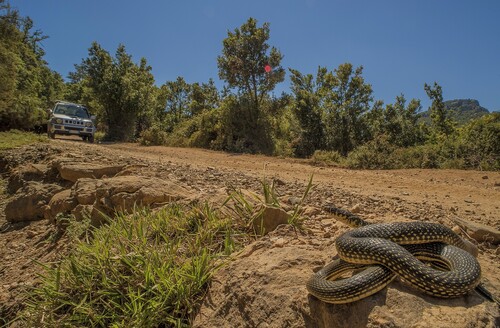
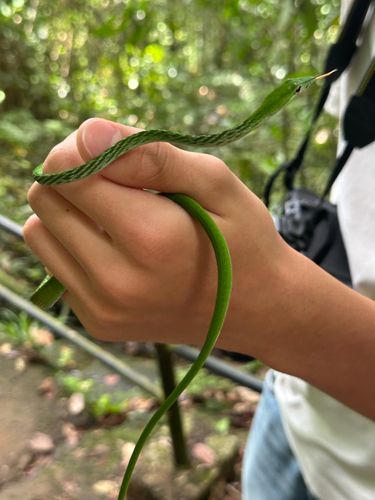
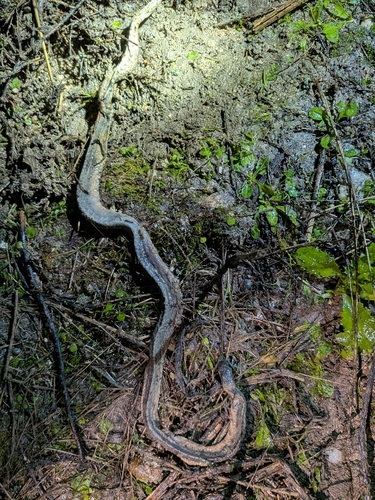
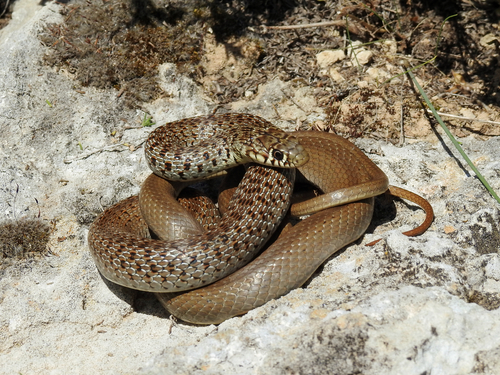
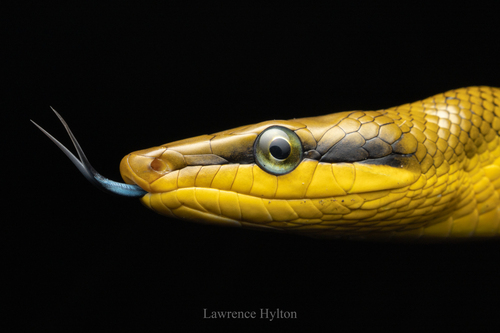
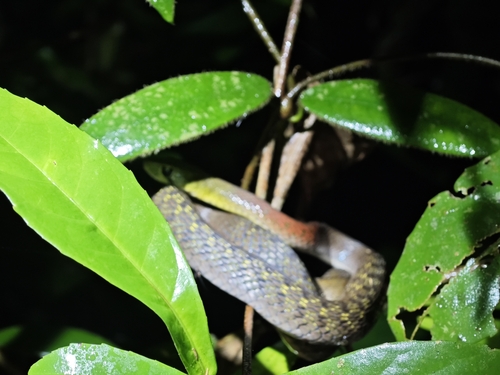
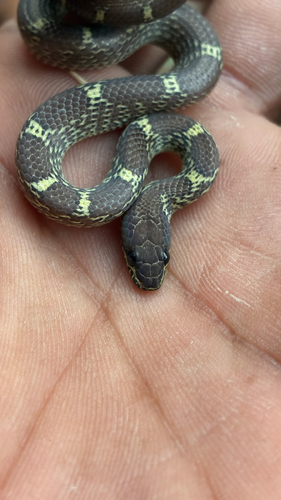
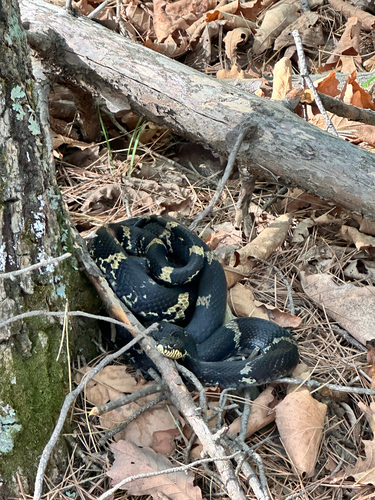
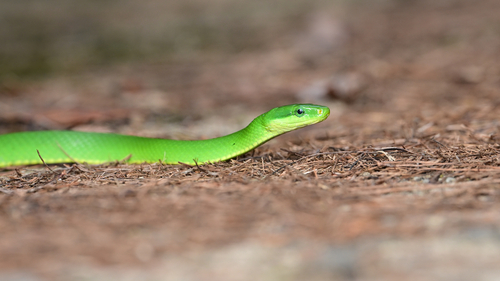
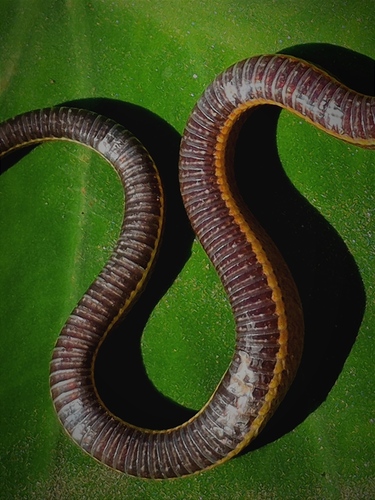
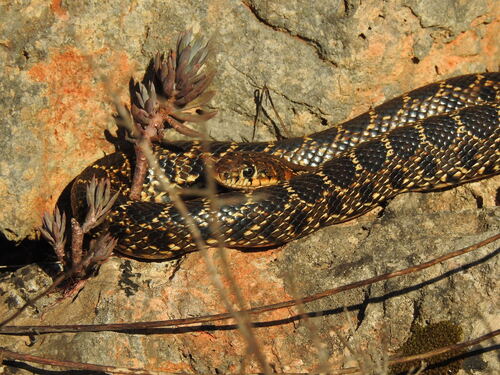
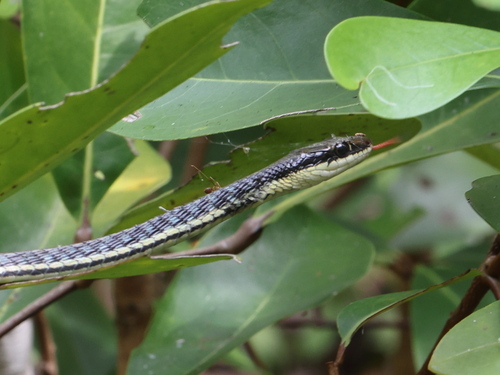
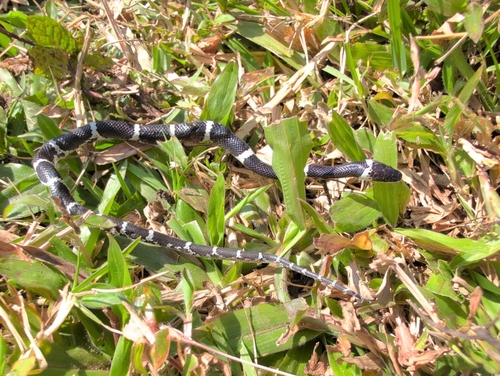
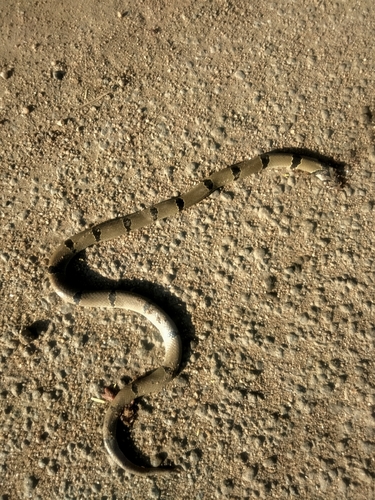
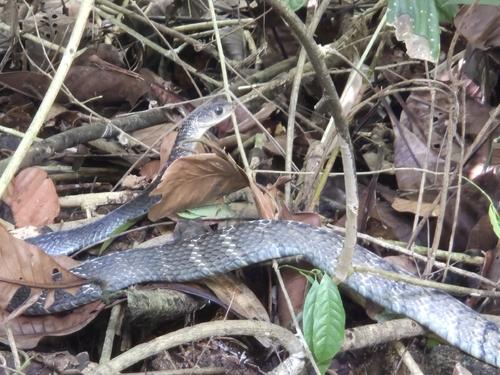
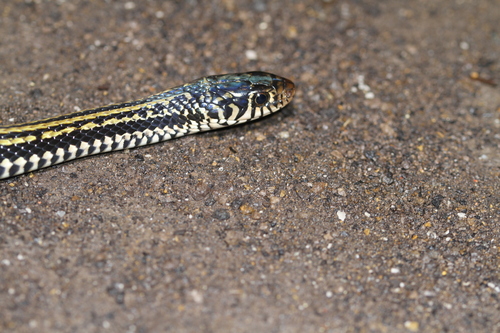
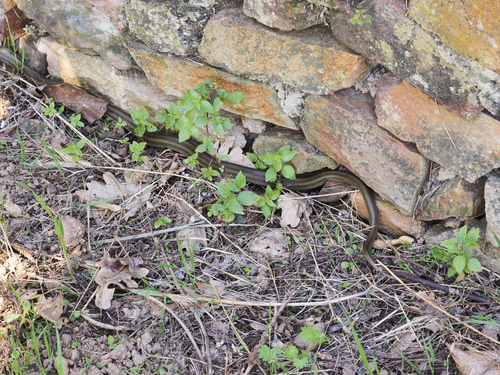
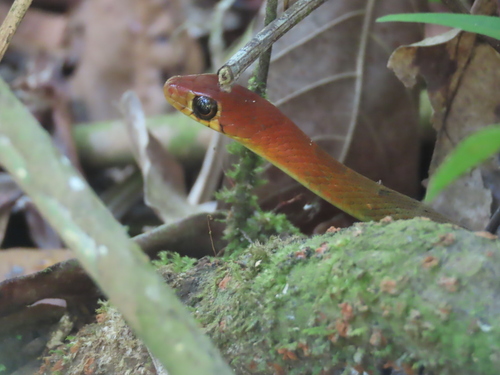
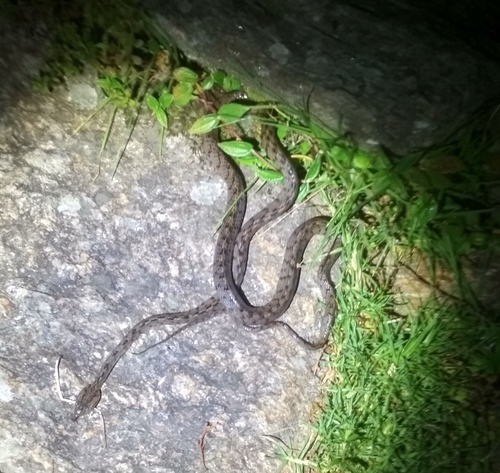
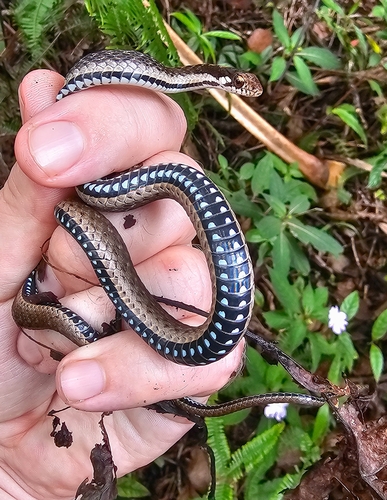

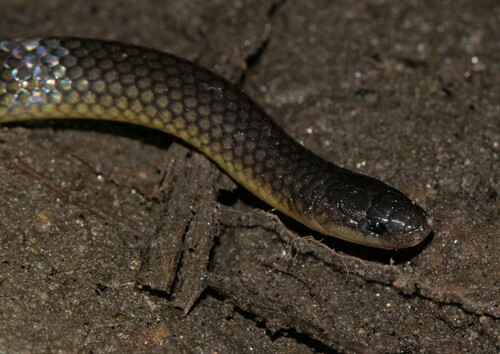
Viperidae (10)
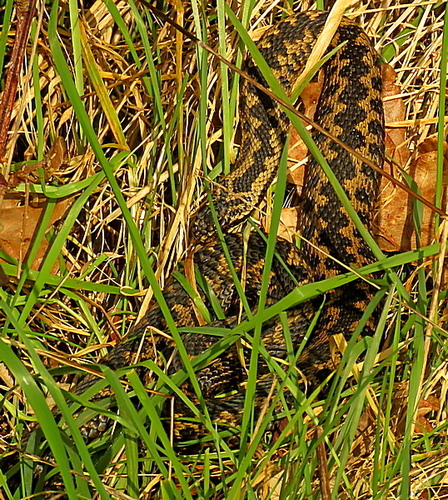
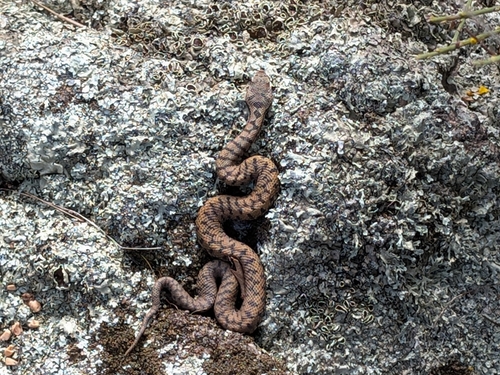
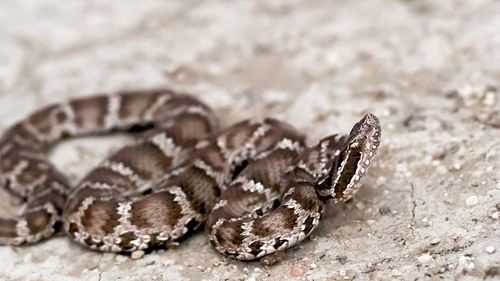
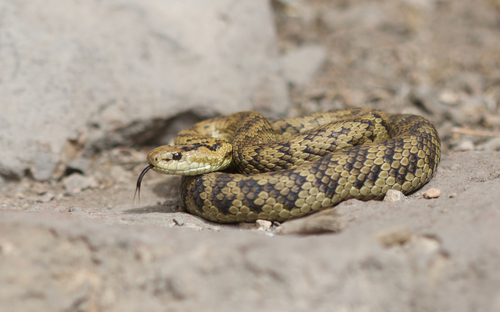
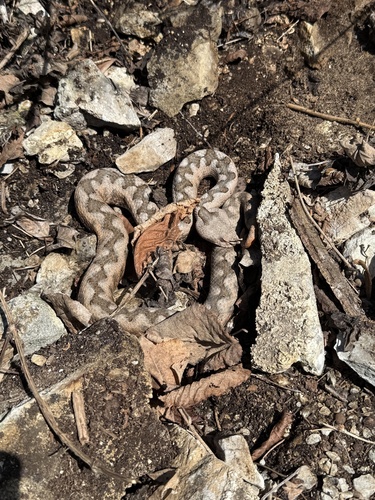

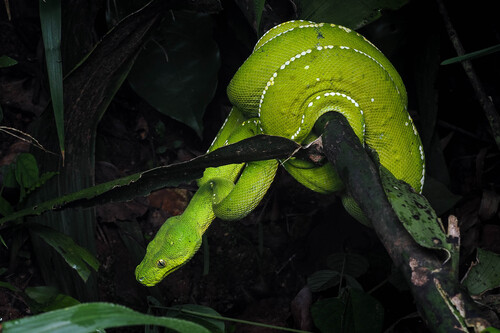
Pythonidae (5)
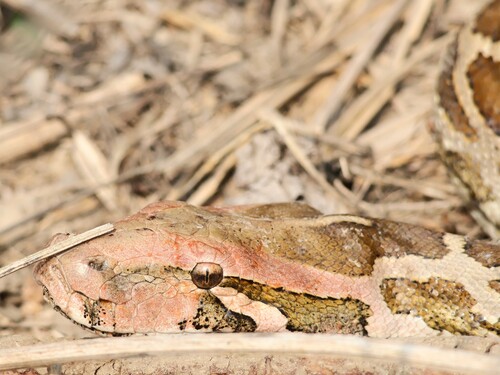
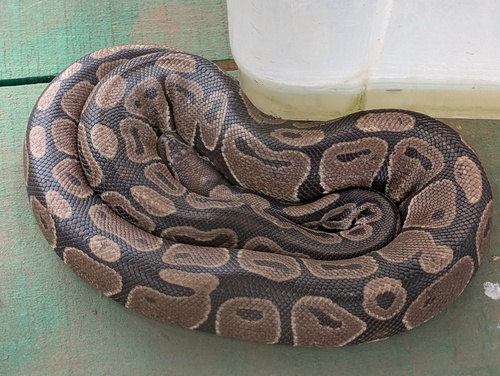
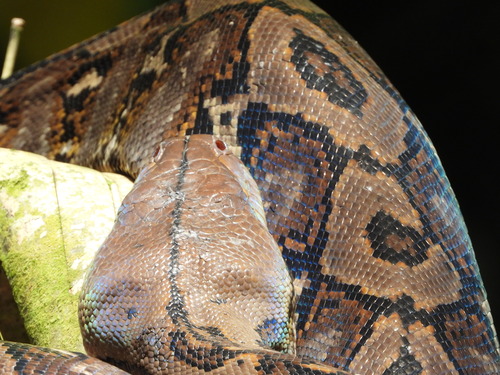
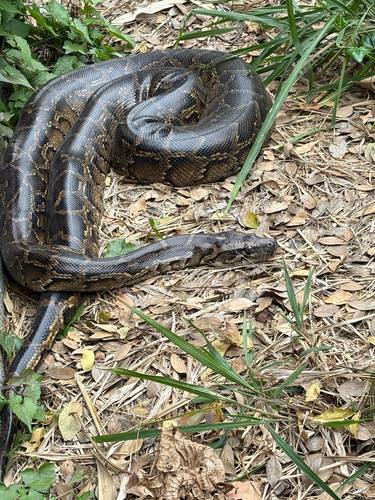
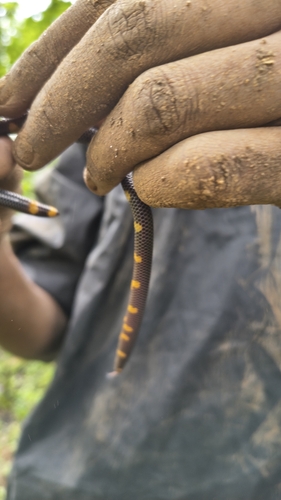
Uropeltidae (4)
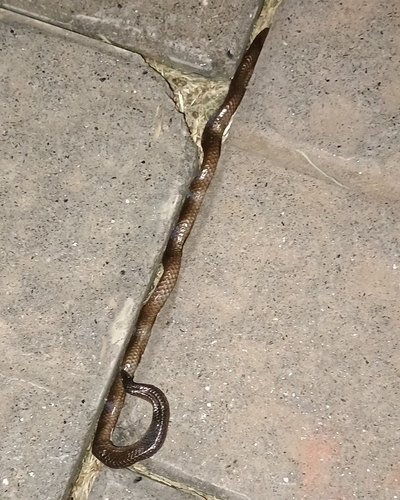

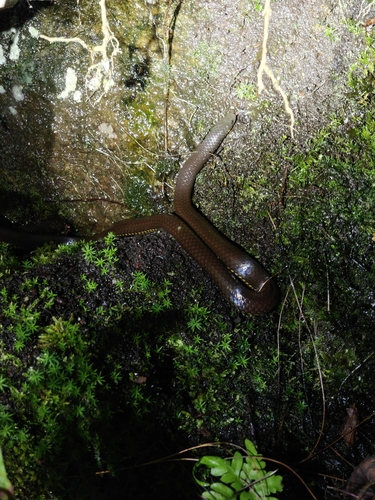
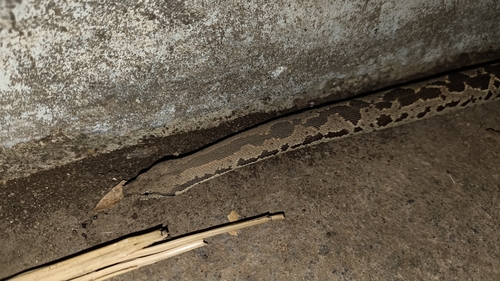
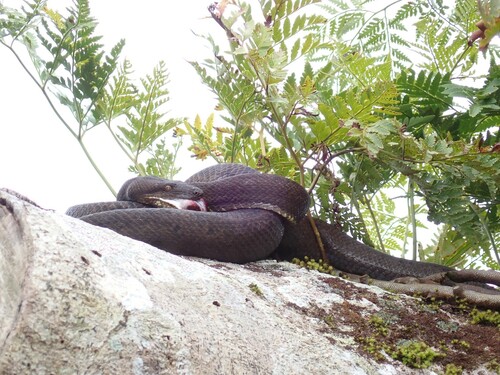
Pareidae (2)
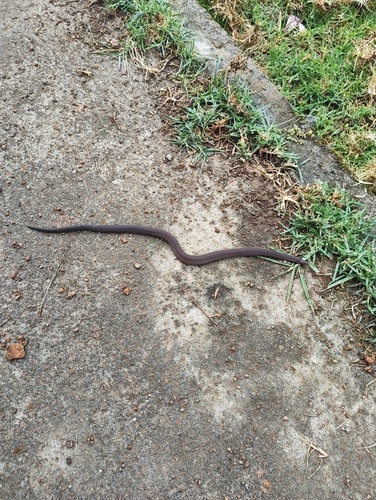
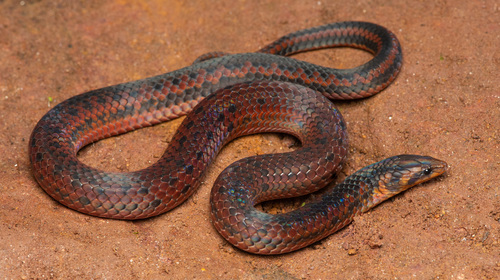
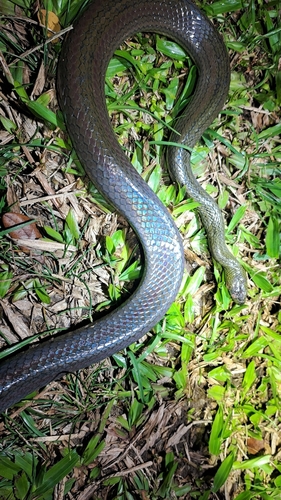
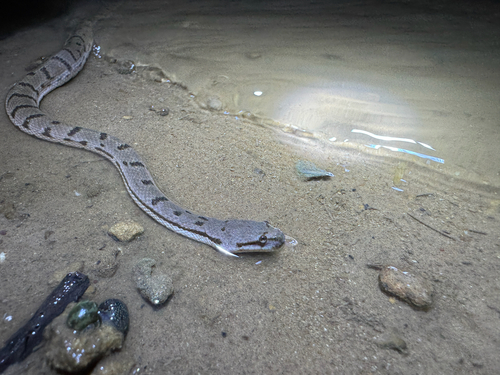
Typhlopidae (1)
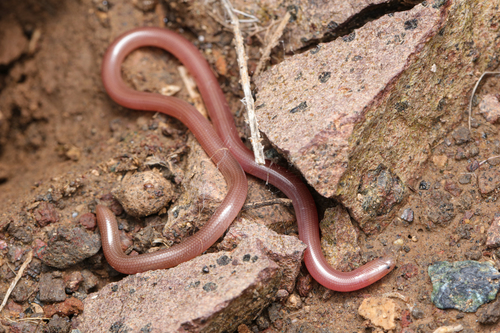
Pseudaspididae (1)
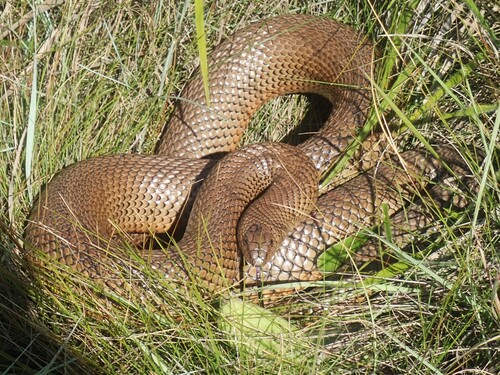
Compiled from verified GBIF & iNaturalist observations. "How often seen" reflects how frequently a snake is reported here, not how dangerous it is. Informational only.
Keep learning
- Are Snakes Dangerous? The Real Risk, in PerspectiveMost snakes are harmless and avoid people. Here is the honest picture of snakebite risk worldwide and how to lower your own.
- Snakebite First Aid: What to Do (and What Never to Do)A clear, CDC-based guide to snakebite first aid: the steps that help, the popular myths that hurt, and how to tell a serious bite from a minor one.
- Venomous vs Nonvenomous: How to Tell the DifferenceThe folk rules for telling venomous snakes apart, where each one fails, and why location-based identification beats guessing by sight.
- What to Do If You Find a SnakeFound a snake at home or on a trail? Here is how to stay calm, give it space, identify it safely, and know when to call a professional.