
Guatemala
Snakes in Guatemala
175+ snake species have been recorded in Guatemala, 31 venomous.
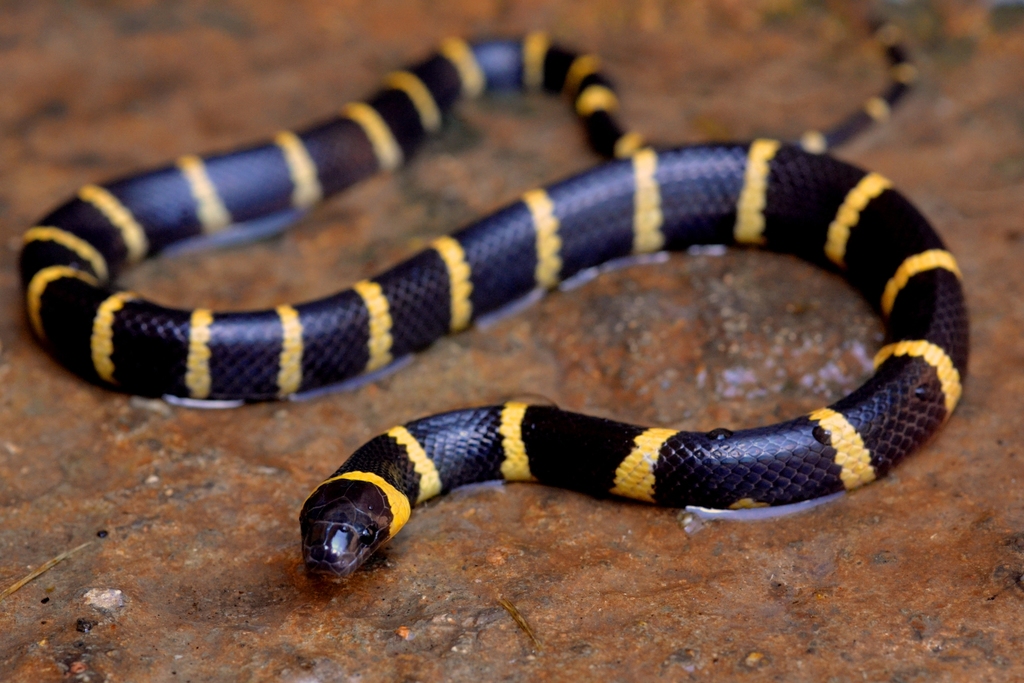
Snakes of Guatemala
Guatemala has 175+ snake species recorded in our database, making it one of the richest countries for snake diversity in Central America. Of those, 32 are venomous. The great majority of species, roughly five out of every six, are non-venomous and pose no medical threat to people. That balance matters: the snake you are most likely to meet in a field, a coffee plantation, or near a home is far more likely to be harmless than dangerous.
This diversity is driven by Guatemala's varied geography. The country packs lowland Caribbean and Pacific coastal plains, dense tropical rainforest in the Petén to the north, dry forests, and a spine of volcanic highlands and cloud forest into a relatively small area. Each of these zones supports its own snake community, from heat-loving lowland species to highland snakes adapted to cooler, wetter mountain forest. Where elevation, rainfall, and forest type change quickly across short distances, species turnover is high, and that is the main reason the country's snake list is so long.
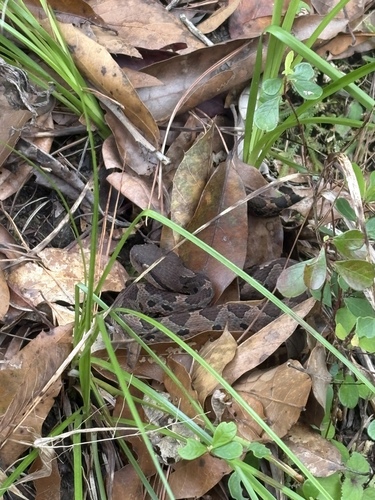
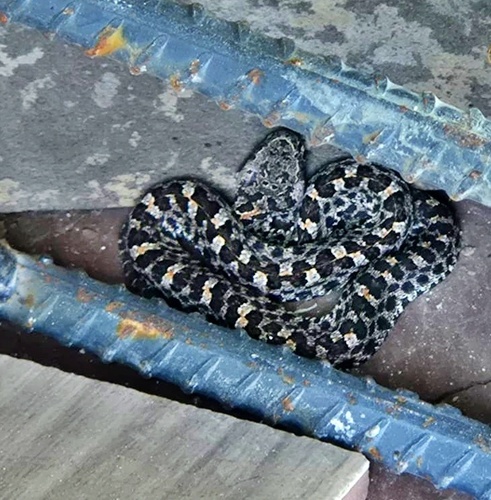
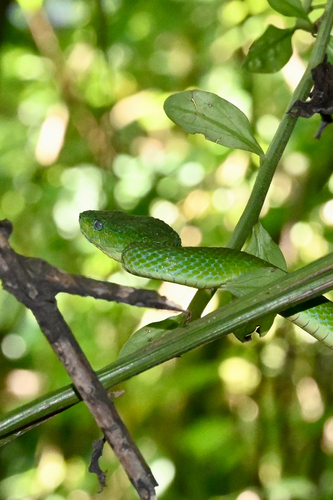
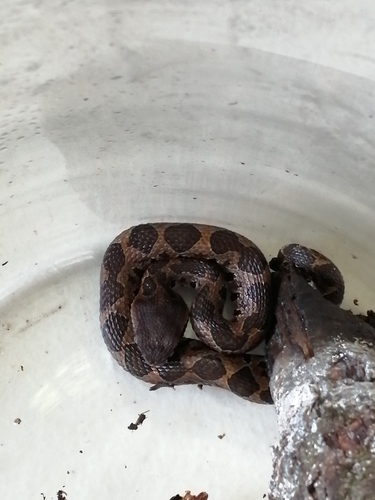
The medically important venomous snakes of Guatemala fall into two main groups. The first and most significant is the pit vipers, which includes the lanceheads of the genus Bothrops, the larger Bothrops asper (often called the fer-de-lance or terciopelo), the eyelash palm pit vipers and other arboreal palm vipers, and the Central American jumping pit viper. Rattlesnakes also occur in the drier and more open parts of the country. The second group is the coral snakes, brightly banded elapids with a potent neurotoxic venom; they are generally secretive and reluctant to bite, but they are genuinely dangerous. Of these, the Bothrops lanceheads cause the most serious snakebites in Guatemala because they are widespread, well camouflaged, and frequently encountered in agricultural areas.
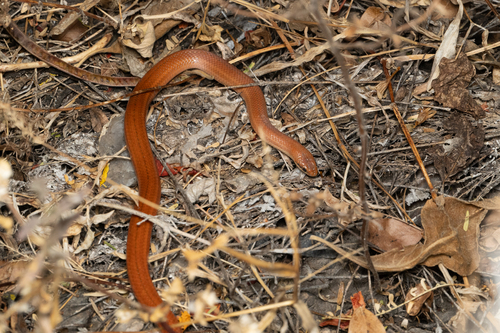
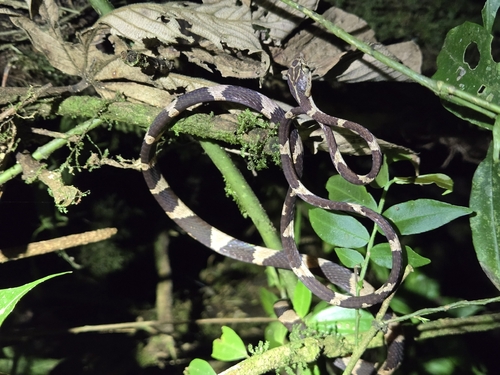
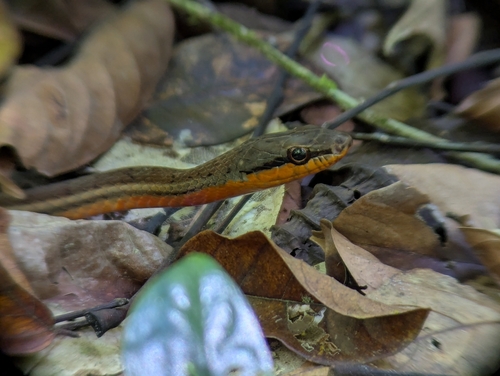
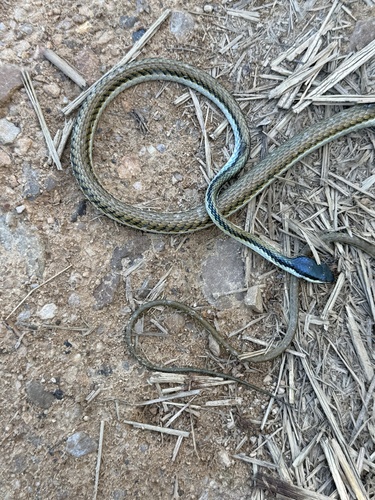
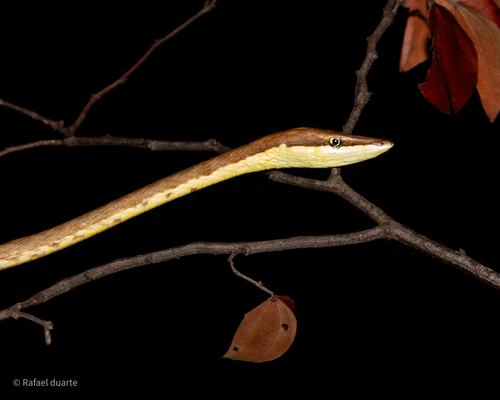
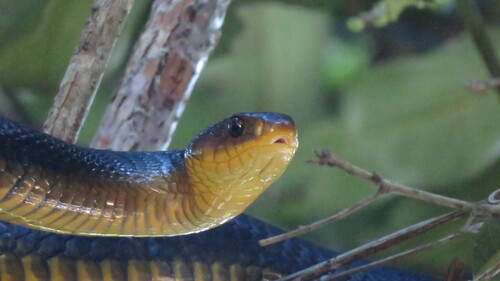
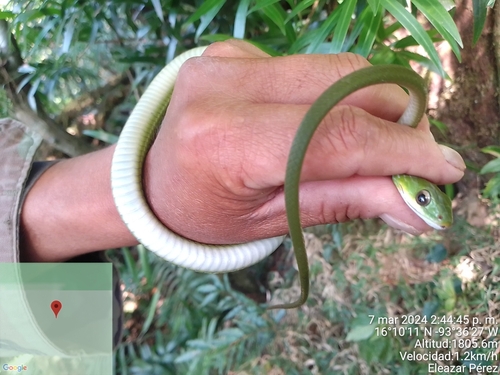
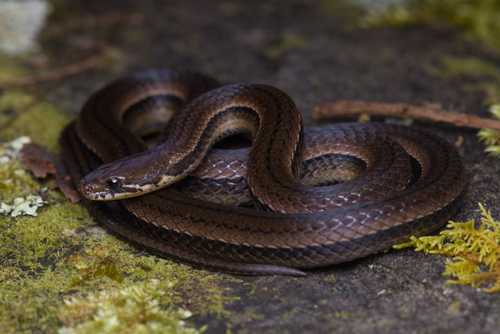
The non-venomous majority is the heart of Guatemala's snake fauna. It includes a wide range of colubrids and other harmless families: rat snakes, racers, the many vine and parrot snakes that hunt in foliage, the large and beautiful tiger rat snake, the indigo snake, cat-eyed snakes, and the boa constrictor, the country's largest and most famous non-venomous snake. Many of these are skilled climbers or active daytime hunters, and several mimic the warning colors of coral snakes despite being completely harmless. They are a normal and healthy part of forests, farmland, and even gardens.
Snakes earn their place in these landscapes by controlling populations of rodents and other pests. A single snake can remove large numbers of rats and mice over a season, which protects stored grain, reduces crop losses, and limits the rodents that carry disease. Larger constrictors and many colubrids fill this role, while smaller snakes keep insects, frogs, and other small animals in check. Removing or killing snakes tends to backfire, because the pests they suppress rebound quickly.
On safety, the honest framing is simple: most snakes you encounter in Guatemala are harmless, and even venomous species would rather avoid you than confront you. The main medical threat comes from the Bothrops lanceheads, with coral snakes and rattlesnakes as additional dangers. The correct response to any venomous snakebite is rapid transport to a hospital for professional evaluation and antivenom; antivenom and supportive hospital care are the treatment, not anything done in the field. Never attempt to handle, capture, or kill a wild venomous snake, and never assume a wild snake is safe to pick up. If a bite occurs, contact local emergency services immediately, or in the United States call Poison Control at 1-800-222-1222, and let trained medical staff manage care.
Snakes in Guatemala: FAQ
- Are there venomous snakes in Guatemala?
- Yes. 31 venomous snake species have verified records in Guatemala, including Central American Eyelash-Viper, Terciopelo, Yellow-blotched Palm Pit Viper, Central American Jumping Pit Viper. Most snakes in Guatemala, however, are harmless.
- How many snake species live in Guatemala?
- 175+ snake species have verified records in Guatemala, of which 31 are venomous.
- What is the most commonly seen snake in Guatemala?
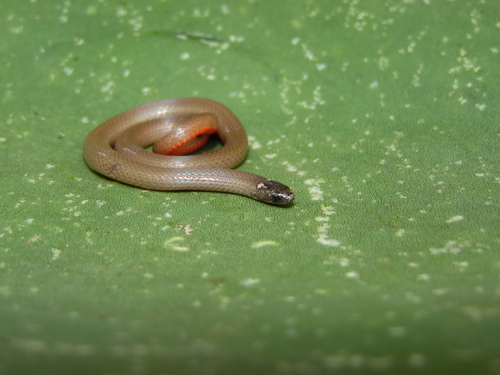
- The Terrestrial Snail Sucker is the most frequently reported snake in Guatemala, based on verified wildlife observations.
- What should I do if I see a venomous snake in Guatemala?
- Keep your distance and do not try to catch or kill it. Most bites happen when people handle or corner a snake. If someone is bitten, contact local emergency services or poison control immediately.
Venomous snakes in Guatemala
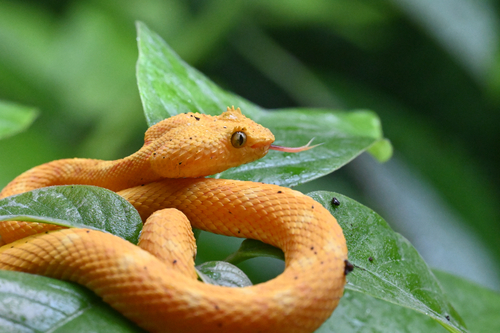
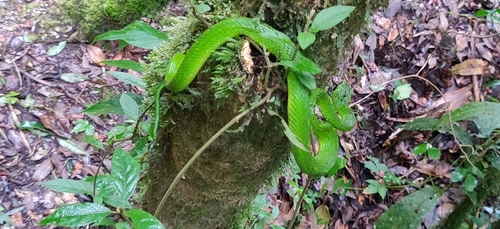
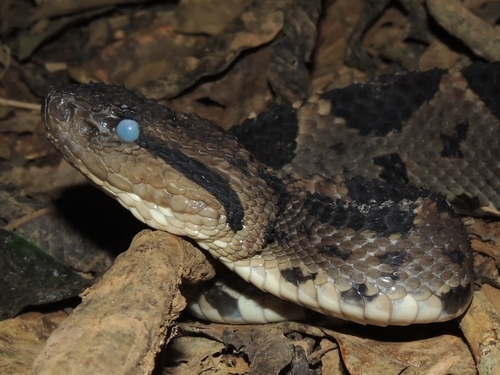
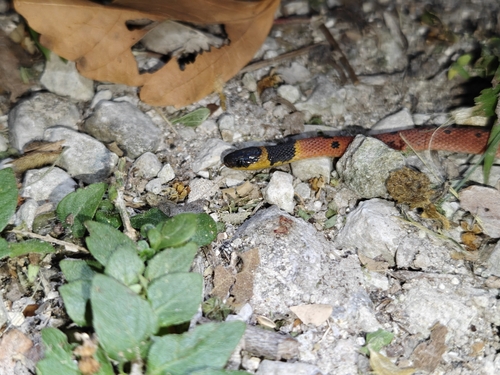
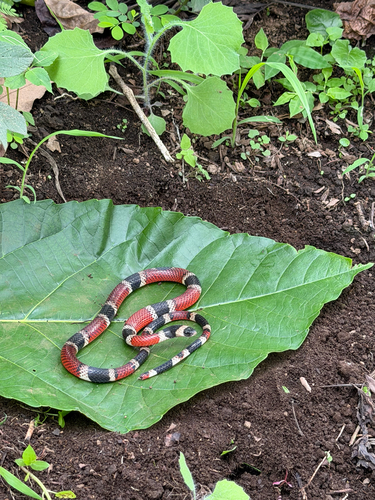
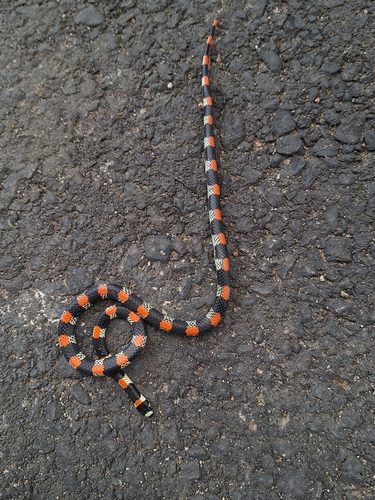
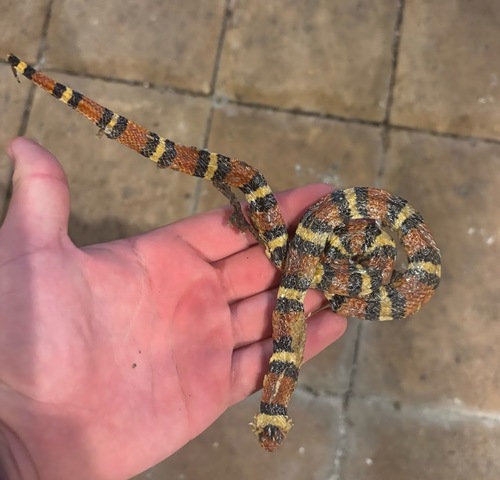
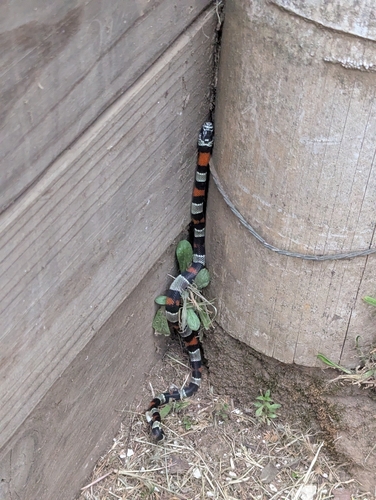
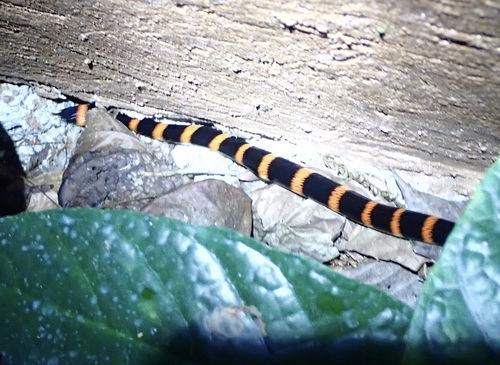
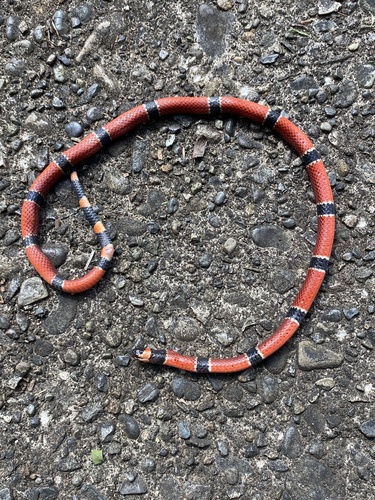 Central American CoralsnakeMicrurus nigrocinctusVenomous
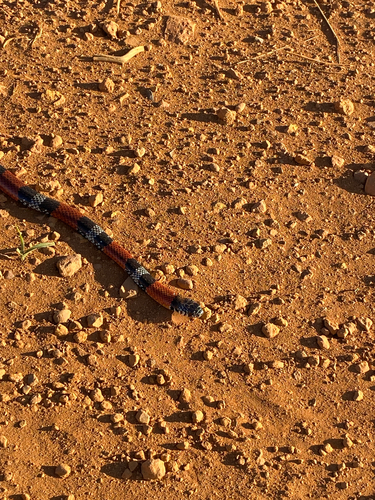
Rings of red, yellow, and black where red touches yellow; small rounded head and round pupils.
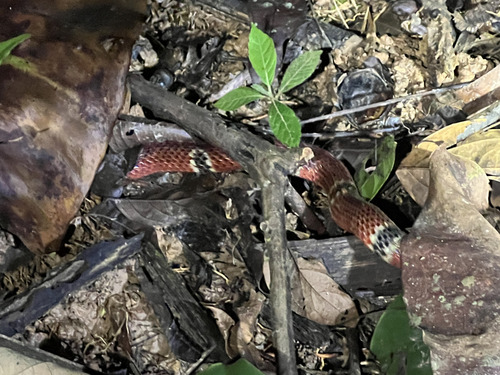 Variable CoralsnakeMicrurus diastemaVenomous
Rings of red, yellow, and black where red touches yellow; small rounded head and round pupils.
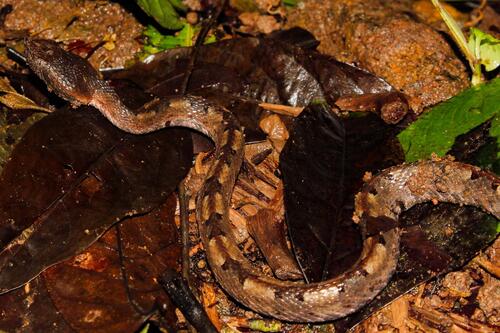
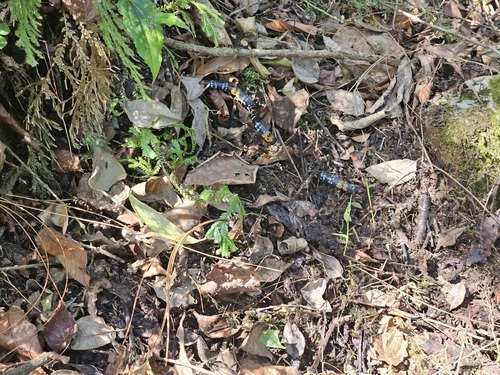 Elegant CoralsnakeMicrurus elegansVenomous
Rings of red, yellow, and black where red touches yellow; small rounded head and round pupils.
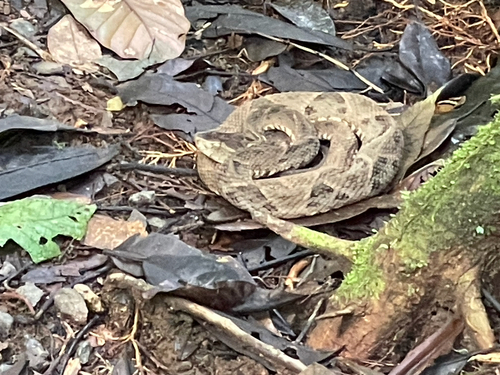
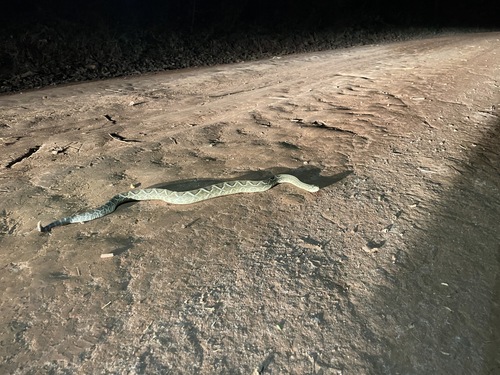 Neotropical RattlesnakeCrotalus durissusVenomous
Heavy body, broad triangular head, vertical (cat-like) pupils, and a segmented keratin rattle at the tail tip.
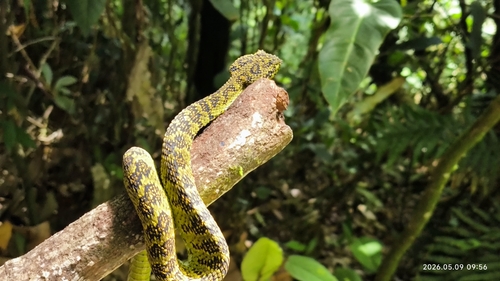
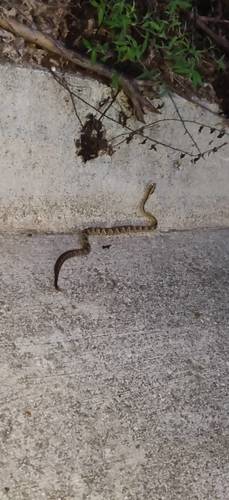 Central American RattlesnakeCrotalus simusVenomous
Heavy body, broad triangular head, vertical (cat-like) pupils, and a segmented keratin rattle at the tail tip.
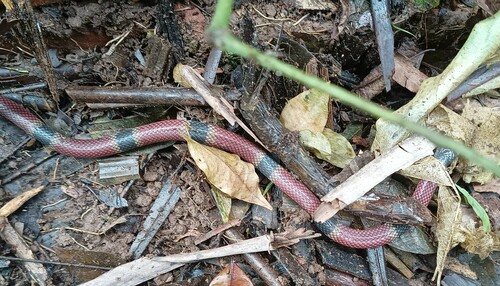 Broad-ringed CoralsnakeMicrurus latifasciatusVenomous
Rings of red, yellow, and black where red touches yellow; small rounded head and round pupils.
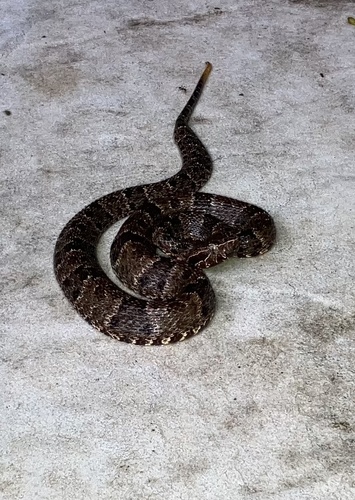
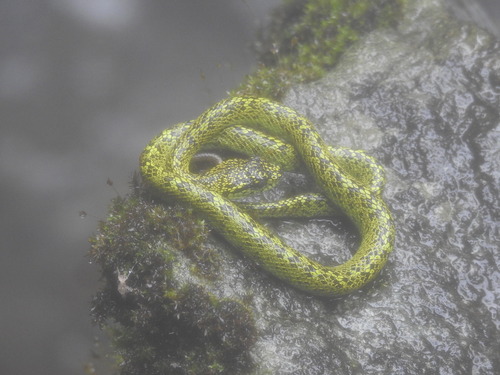
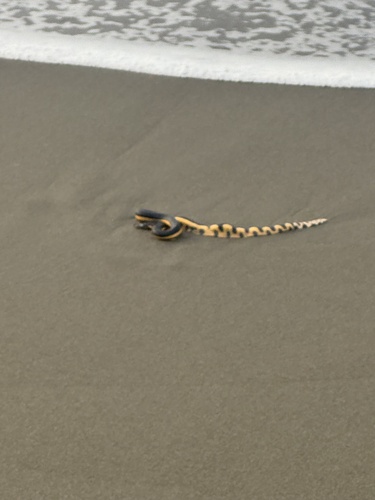

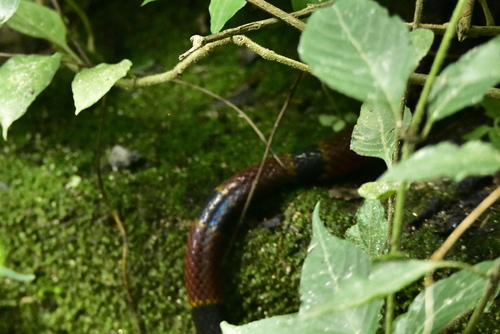 Brown's CoralsnakeMicrurus browniVenomous
Rings of red, yellow, and black where red touches yellow; small rounded head and round pupils.
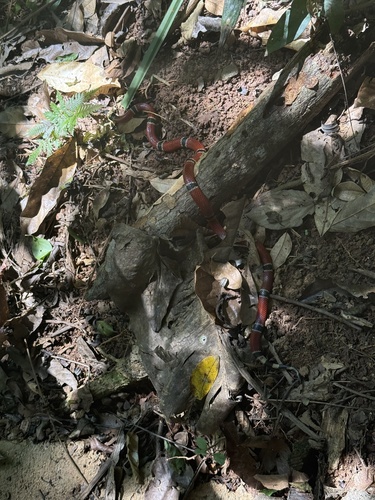 Mayan CoralsnakeMicrurus hippocrepisVenomous
Rings of red, yellow, and black where red touches yellow; small rounded head and round pupils.
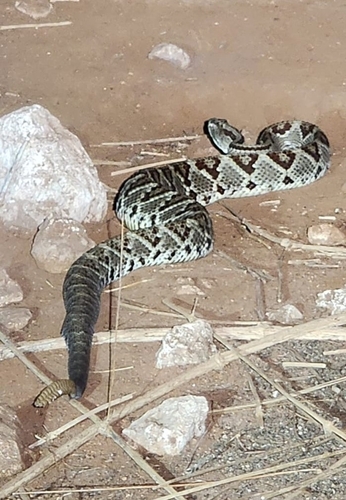 Yucatán Neotropical RattlesnakeCrotalus tzabcanVenomous
Heavy body, broad triangular head, vertical (cat-like) pupils, and a segmented keratin rattle at the tail tip.
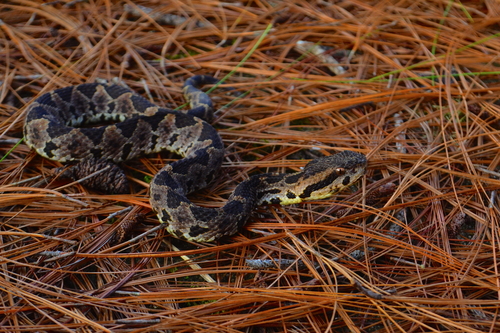
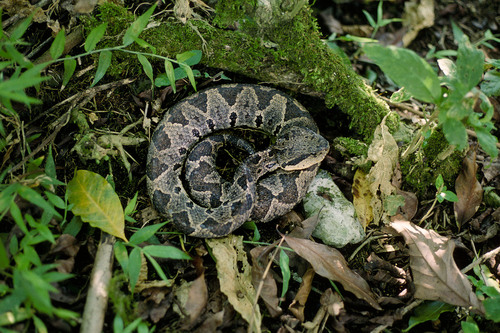
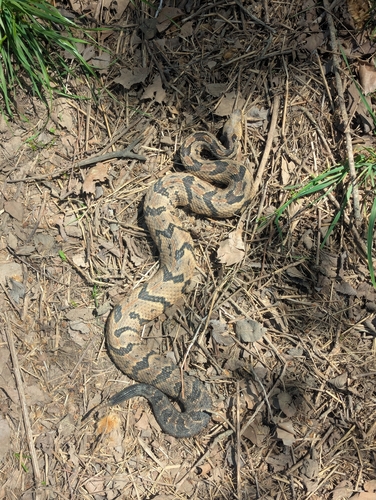 Timber RattlesnakeCrotalus horridusVenomous
Heavy body, broad triangular head, vertical (cat-like) pupils, and a segmented keratin rattle at the tail tip.
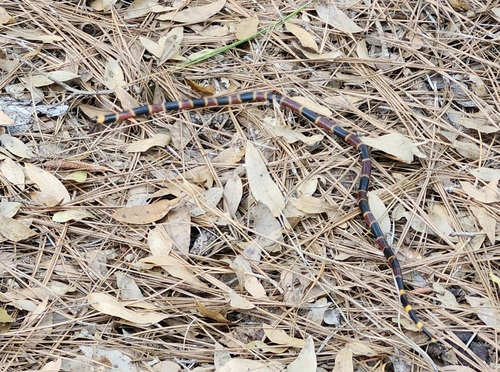 Eastern CoralsnakeMicrurus fulviusVenomous
Rings of red, yellow, and black where red touches yellow; small rounded head and round pupils.
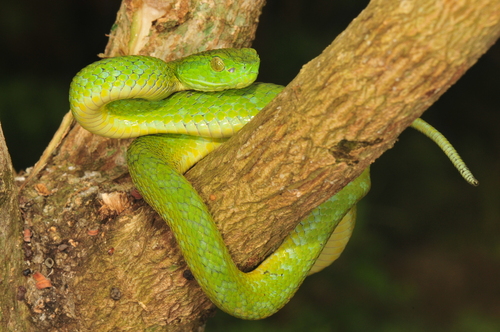
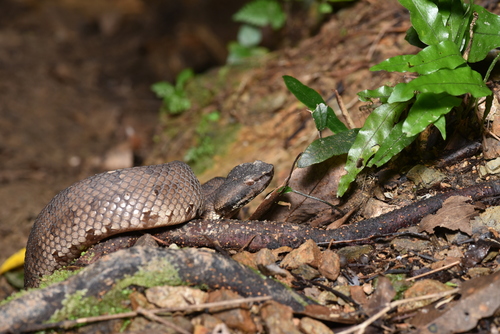
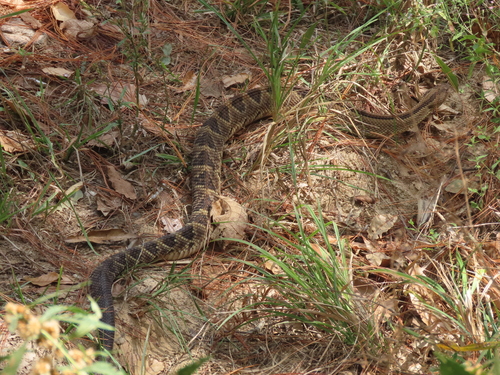 Tehuantepec Isthmus Neotropical RattlesnakeCrotalus ehecatlVenomous
Heavy body, broad triangular head, vertical (cat-like) pupils, and a segmented keratin rattle at the tail tip.
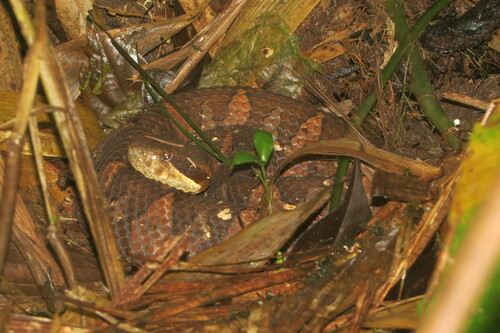
Every snake recorded in Guatemala
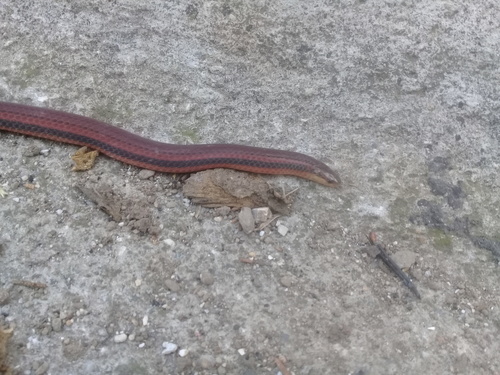
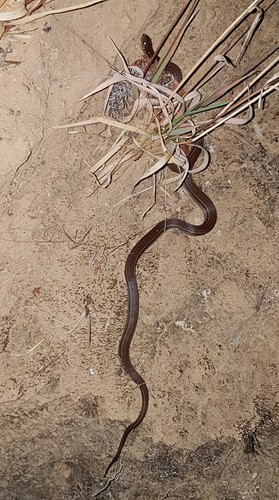
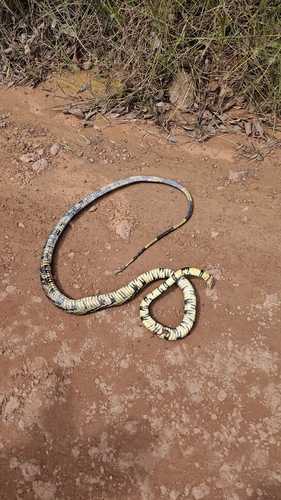
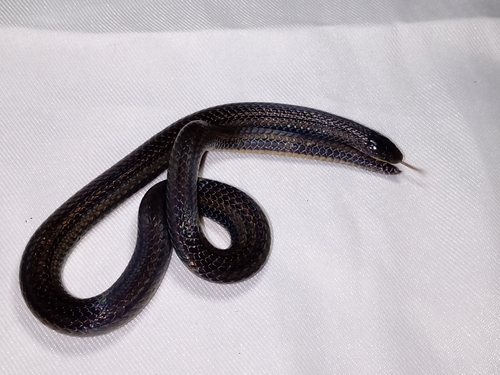
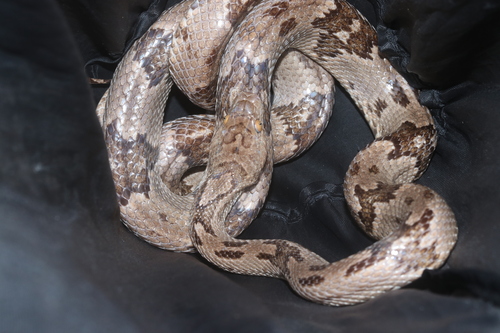
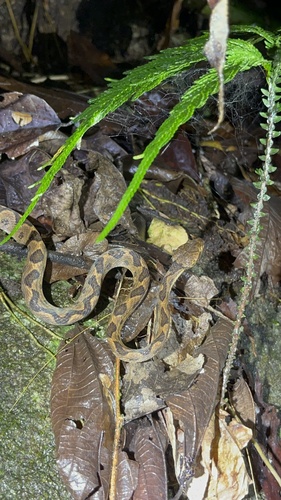
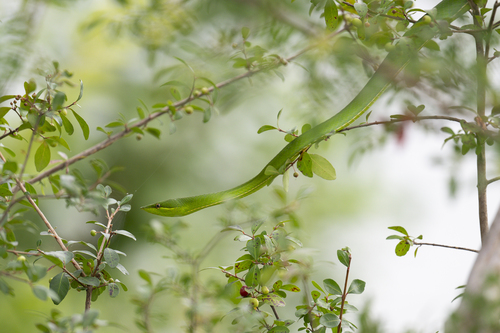
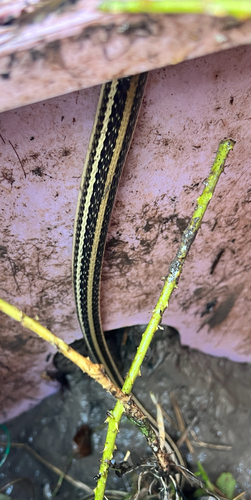
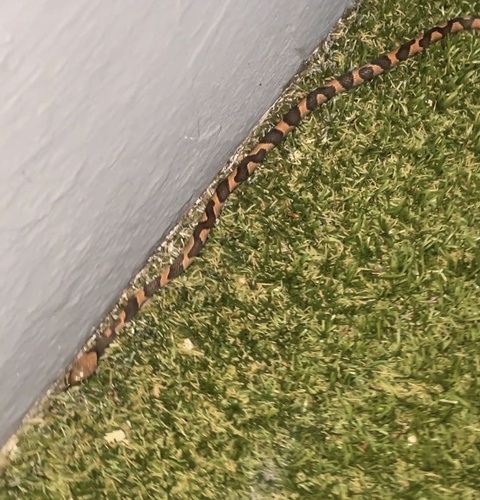
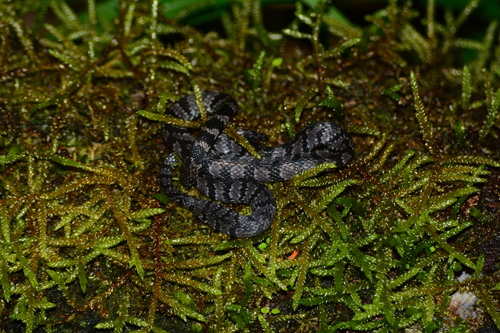
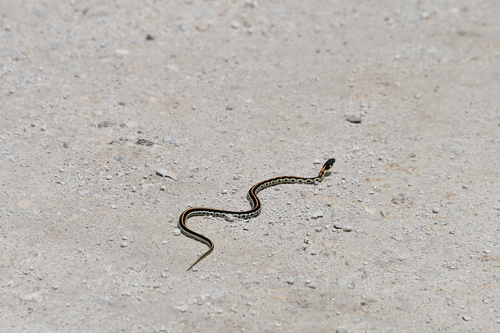
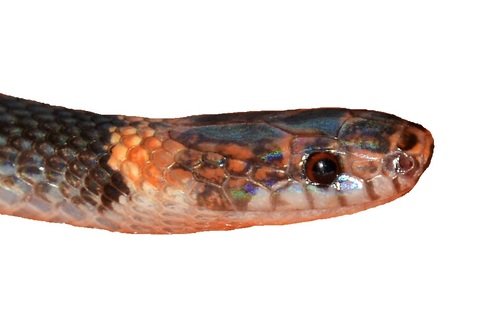
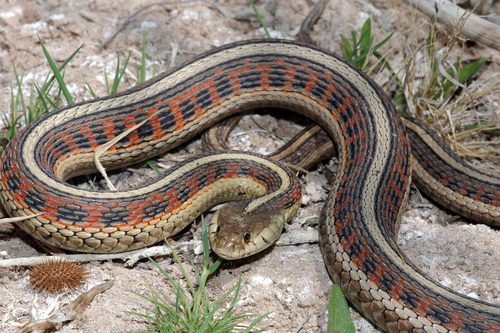
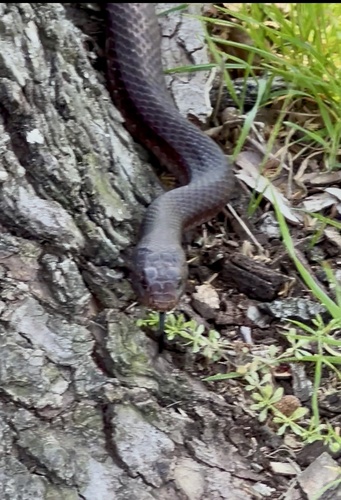
175+ species across 10 families, grouped by family. Venomous flagged.
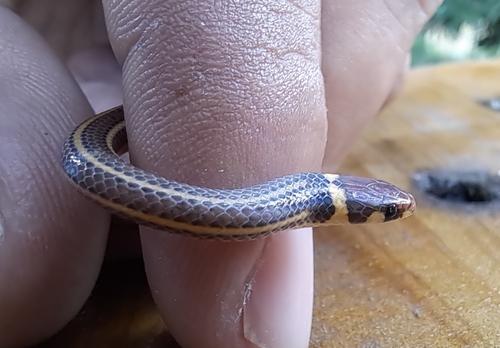
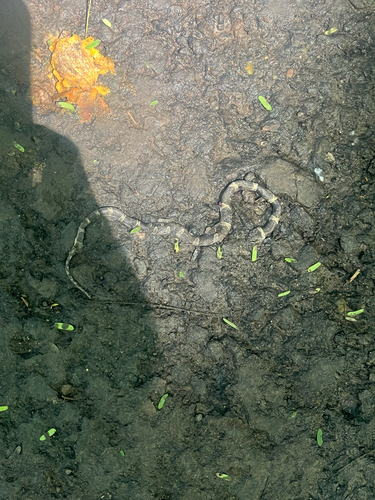
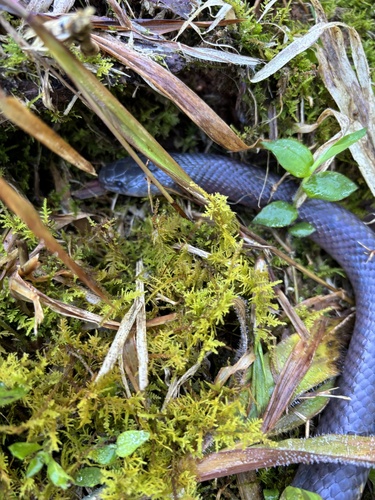
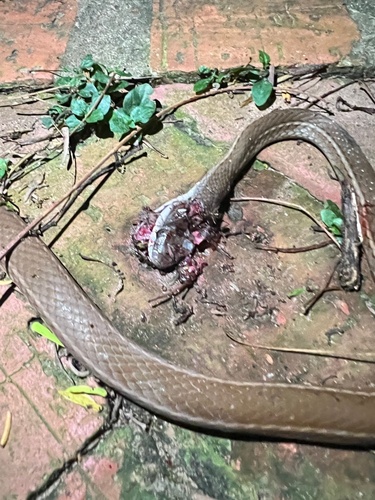
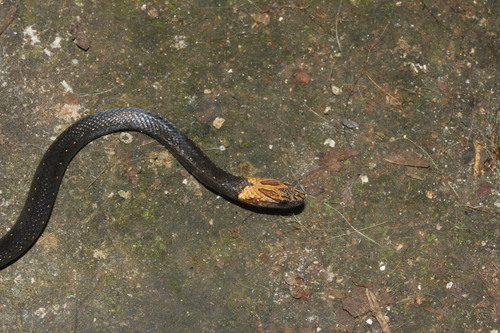
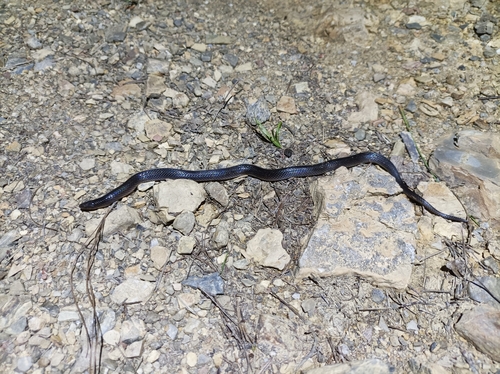
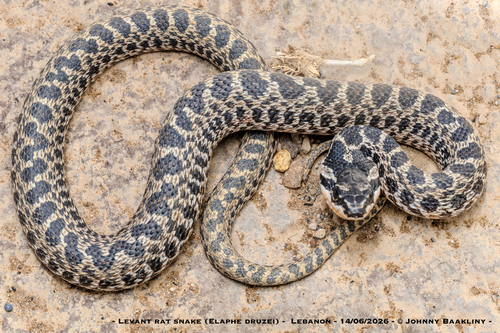
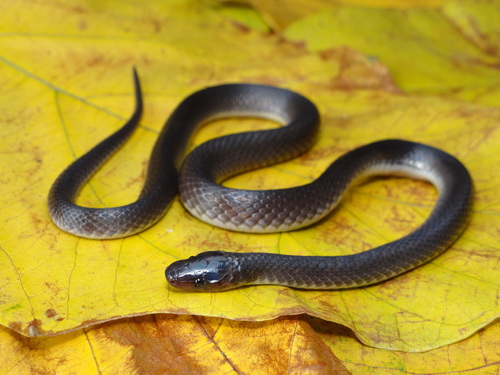
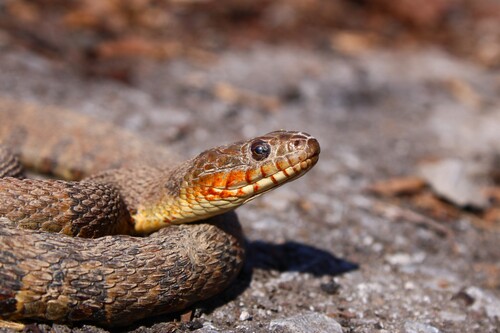
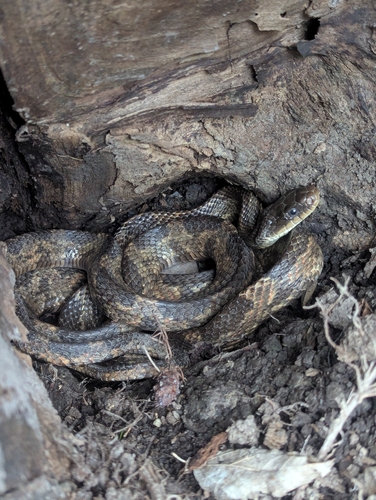
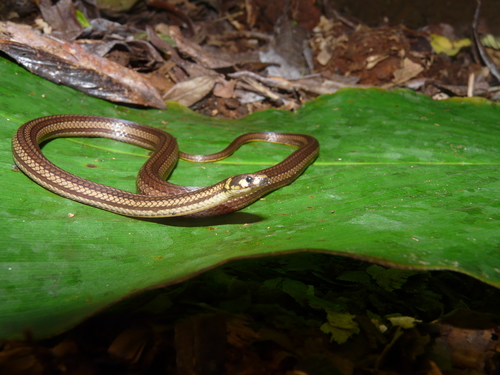
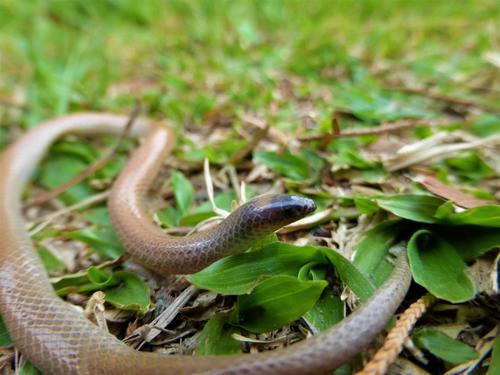
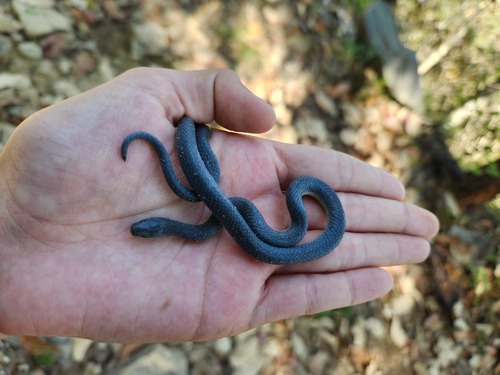
Colubridae (152)
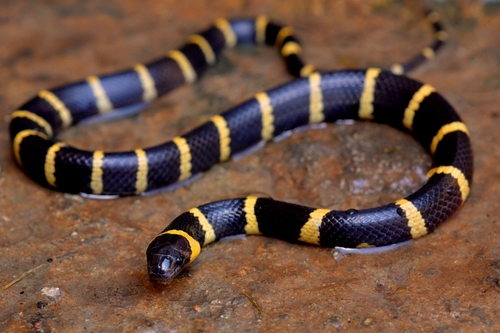
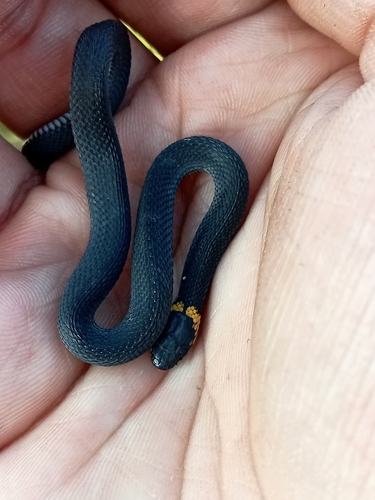
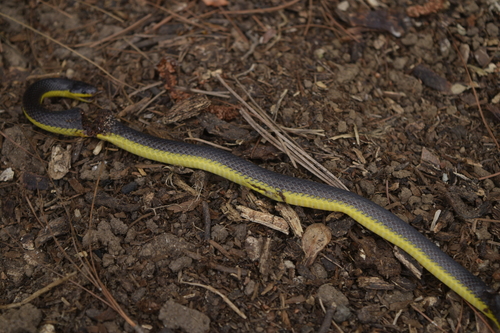
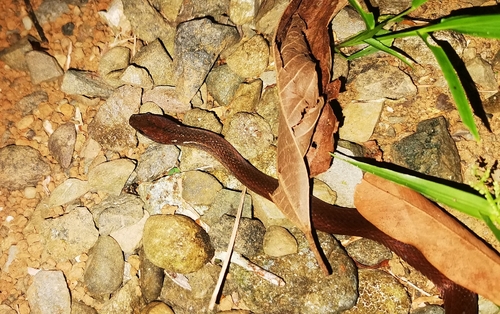
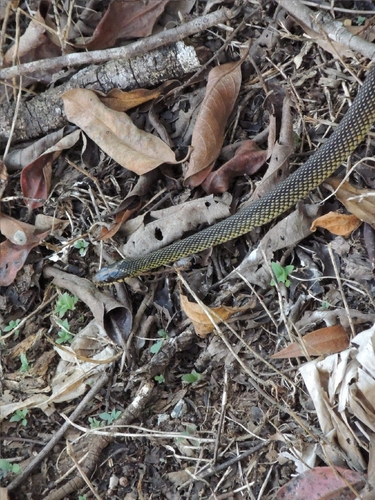
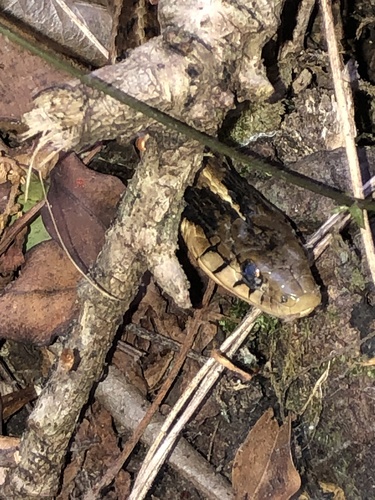
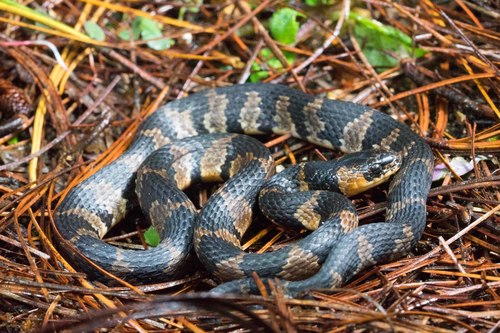
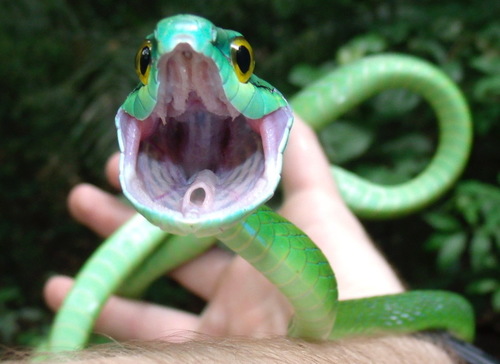
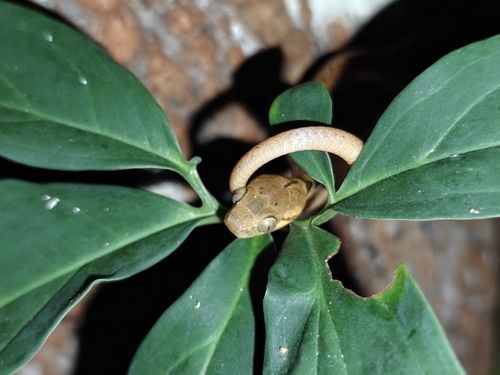
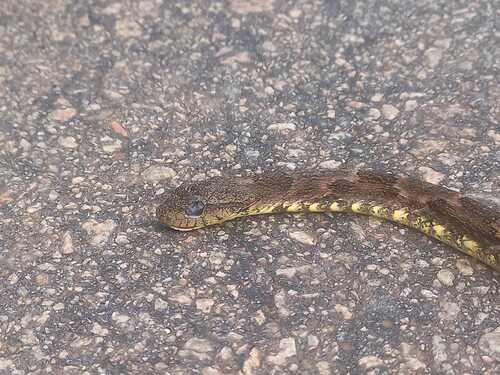
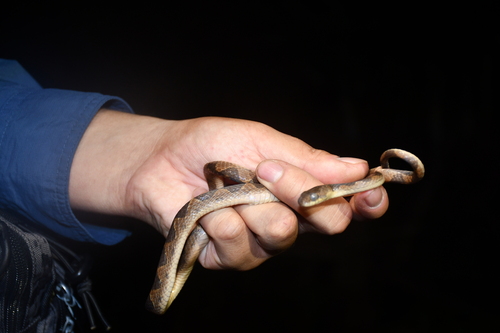
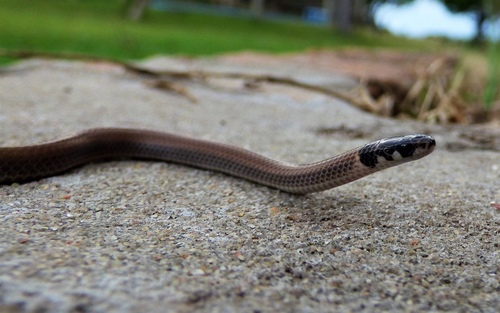
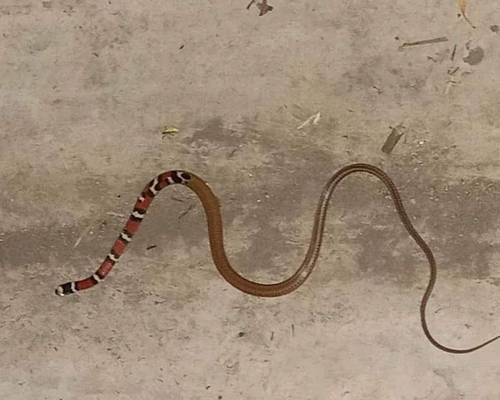
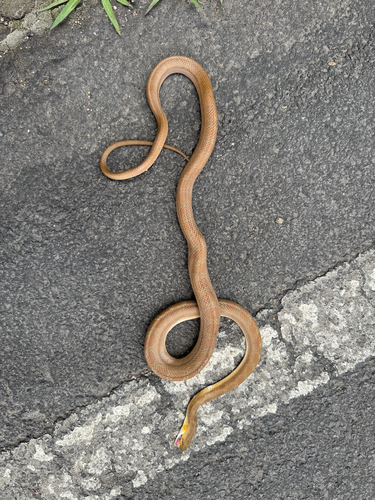
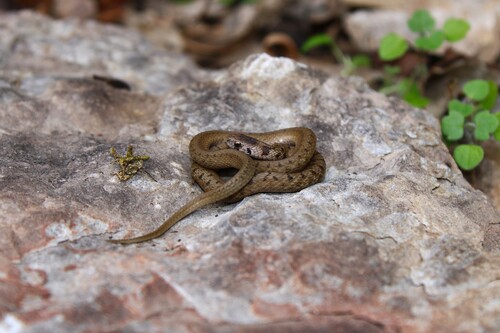
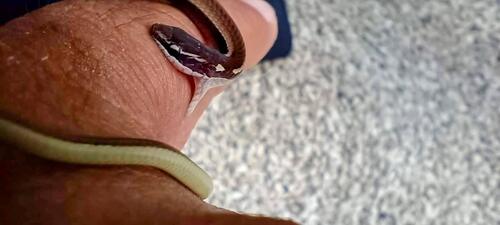
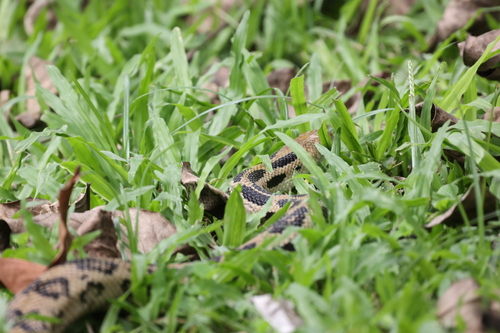
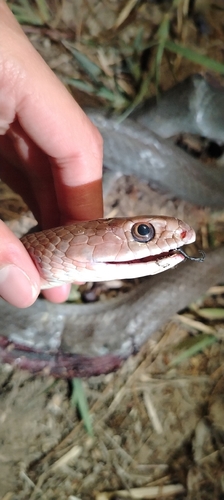
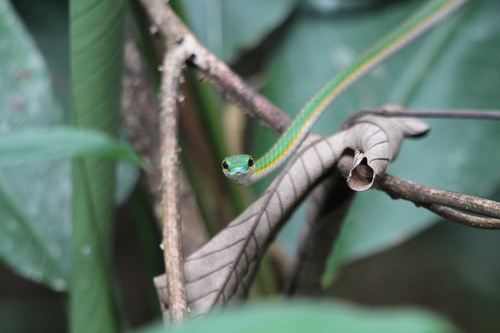
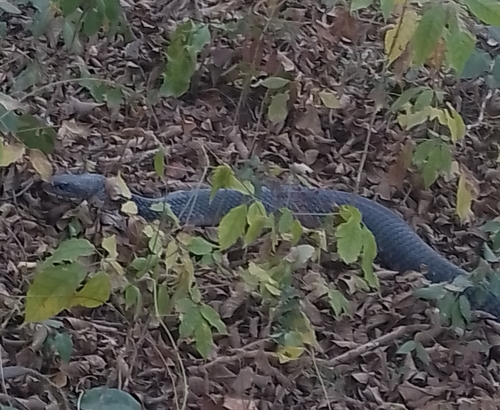
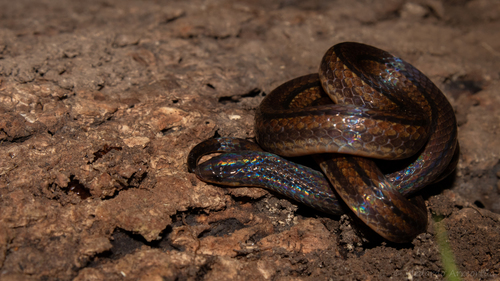
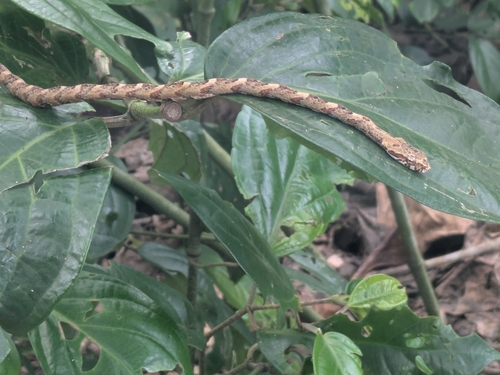
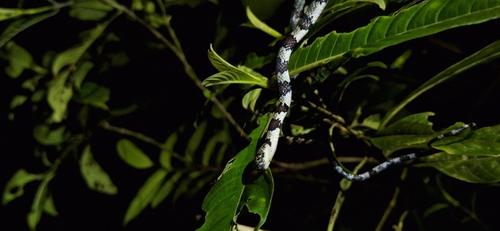
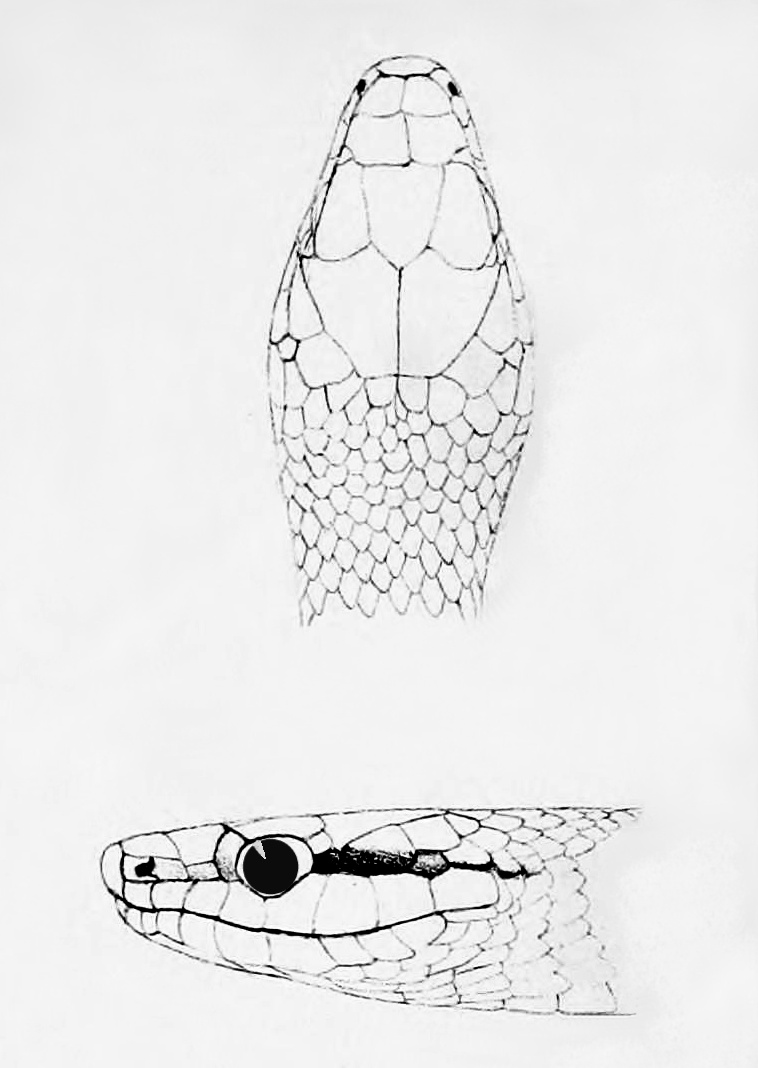
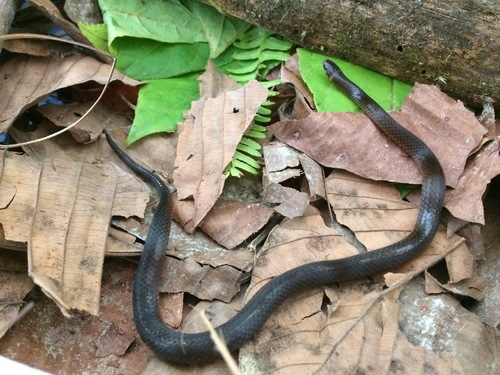
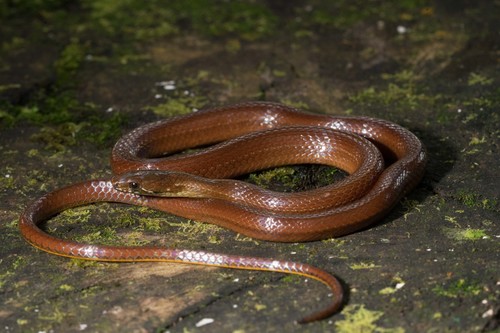
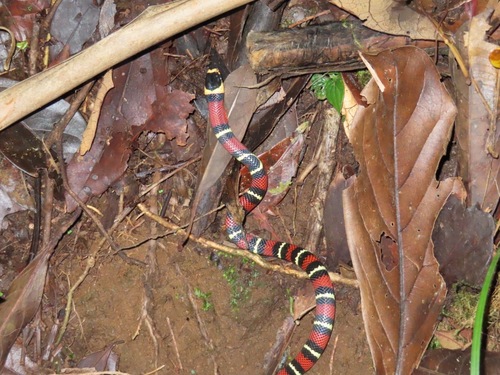
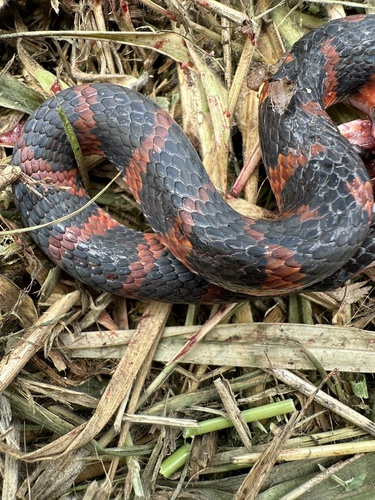
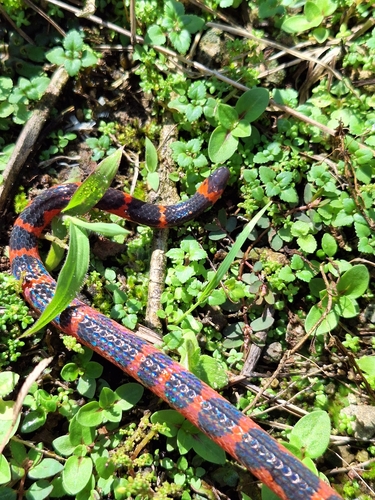
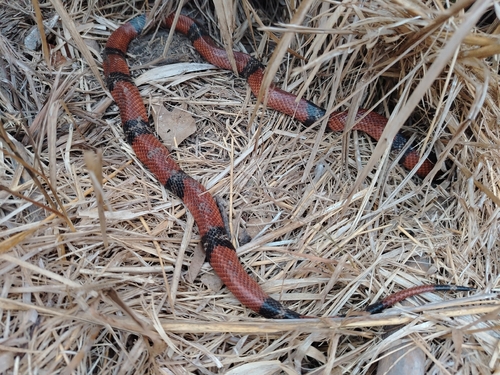
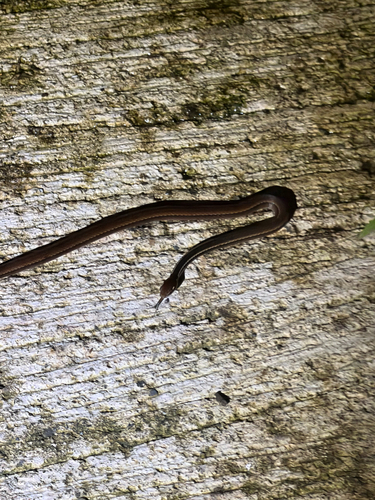
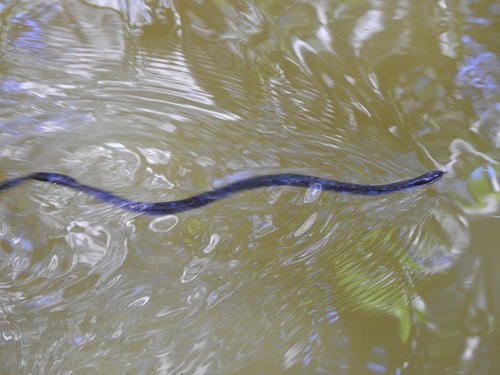
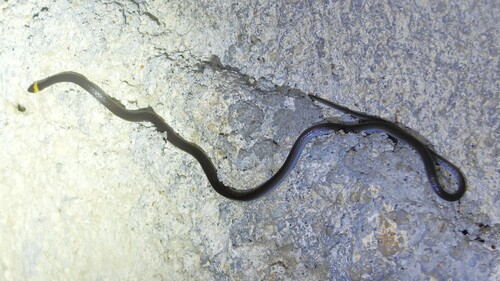
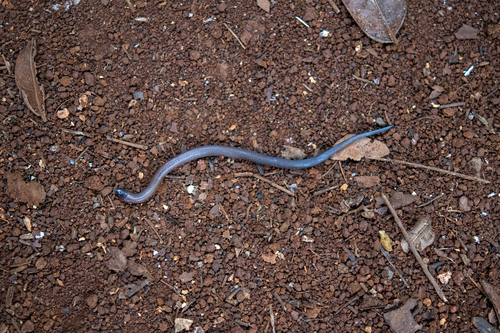
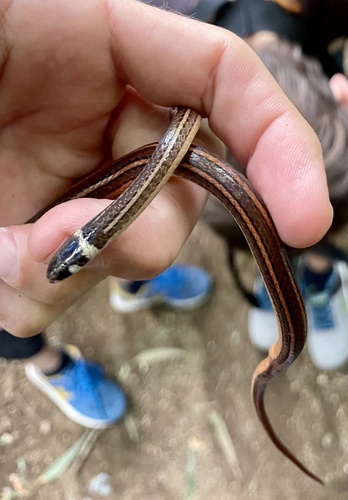
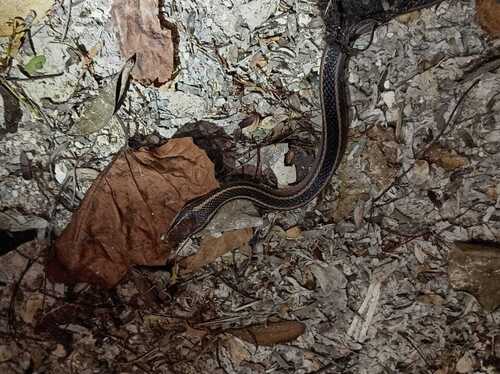
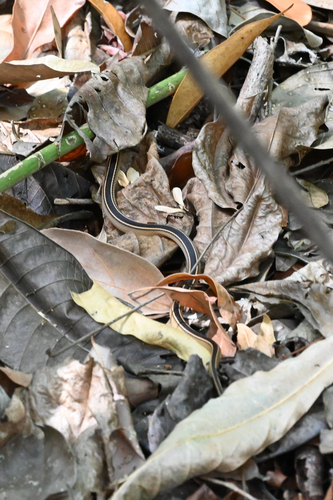
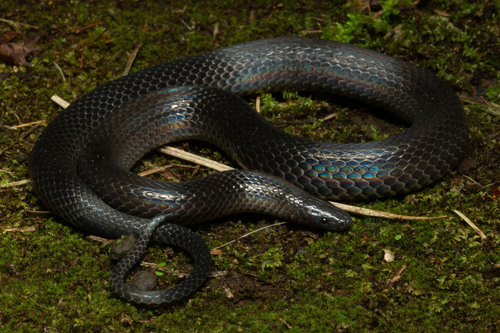
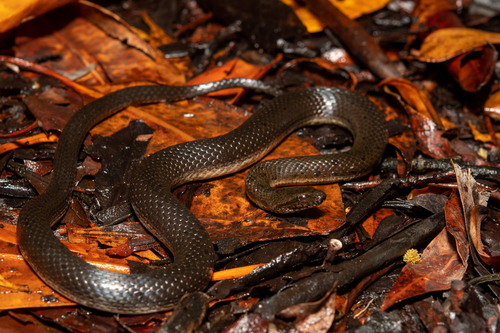
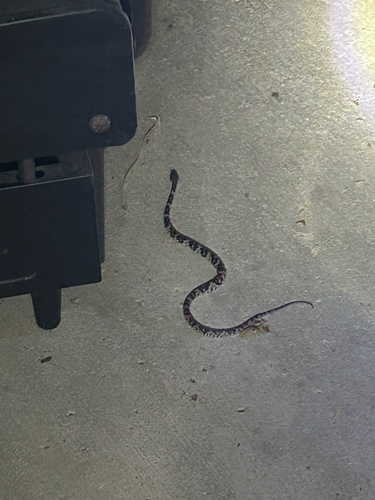
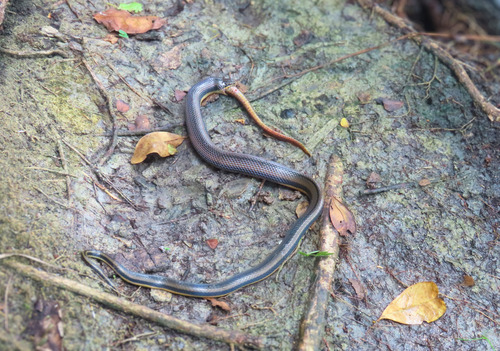
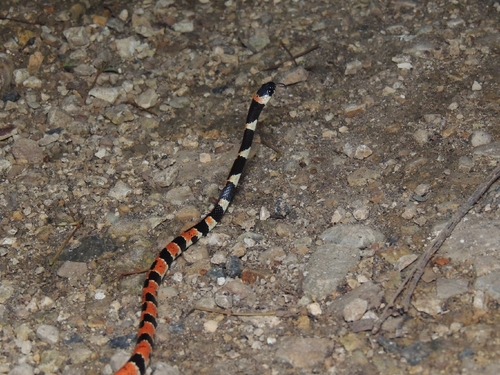
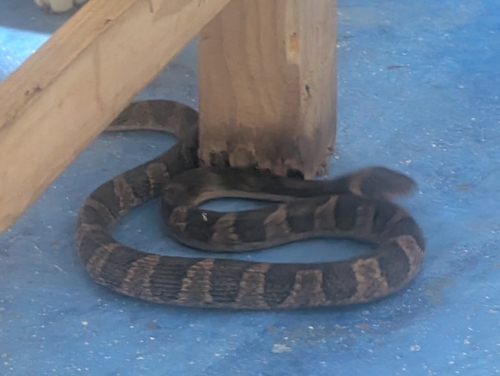
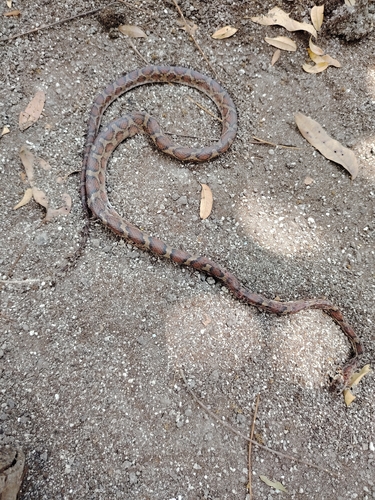
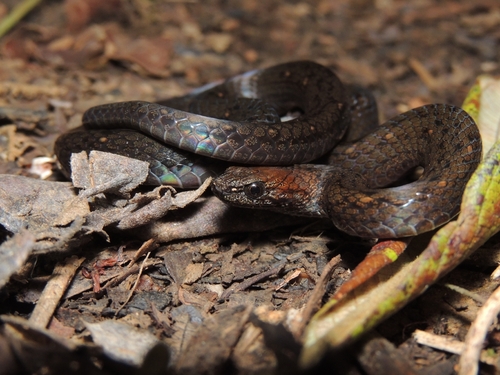
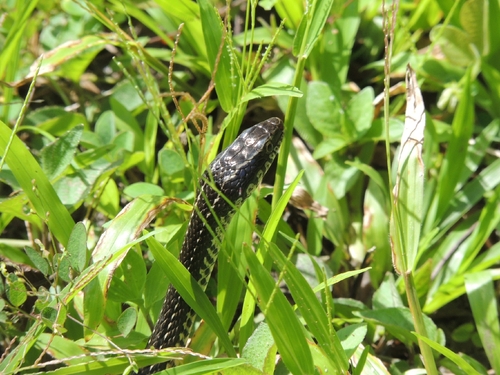
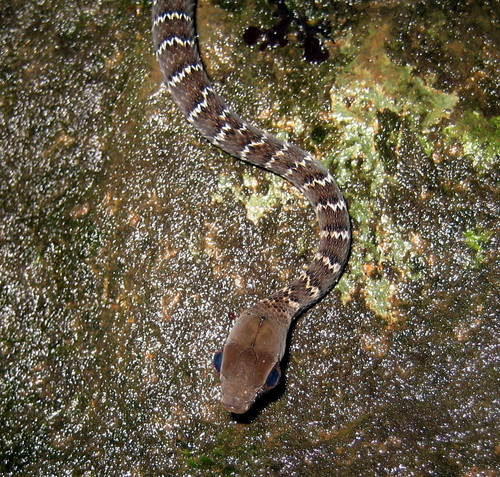
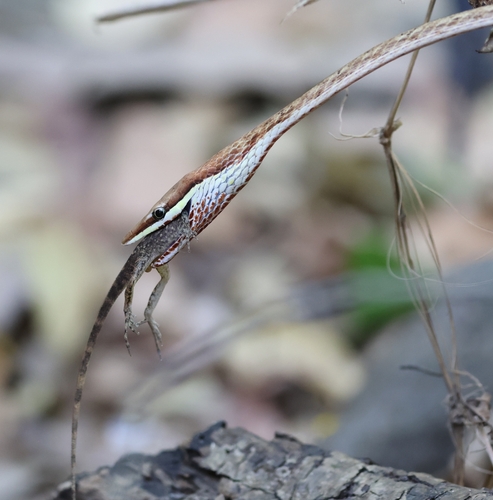
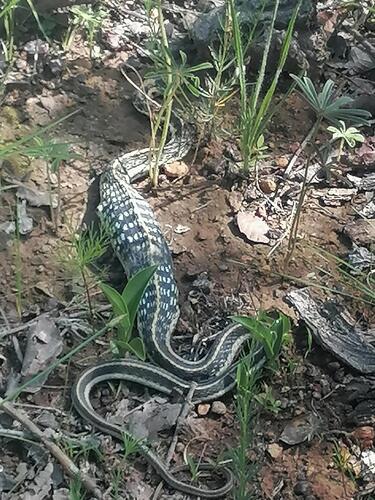
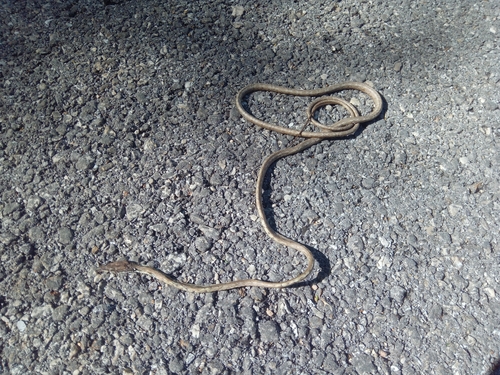
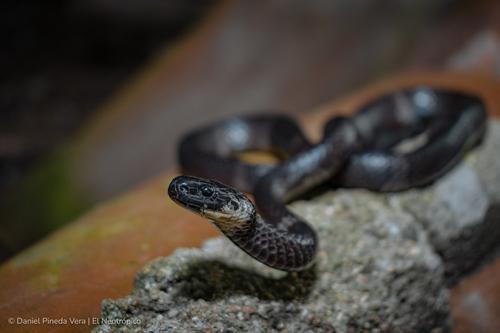
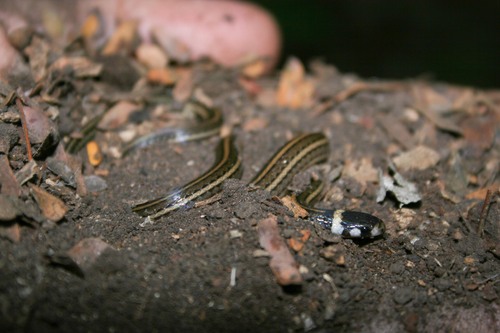
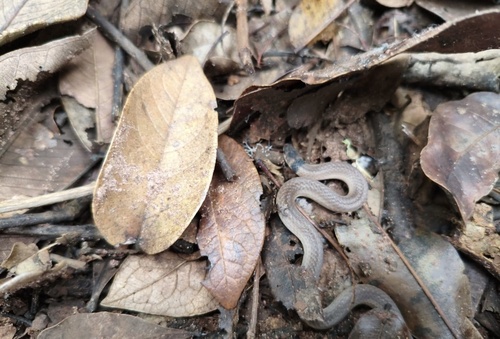
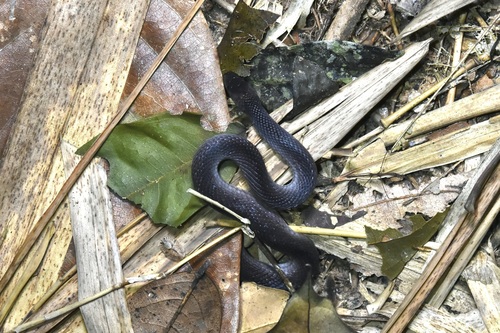
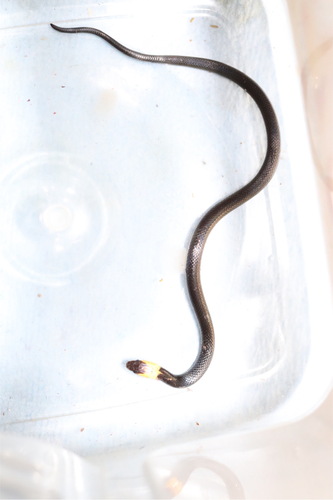
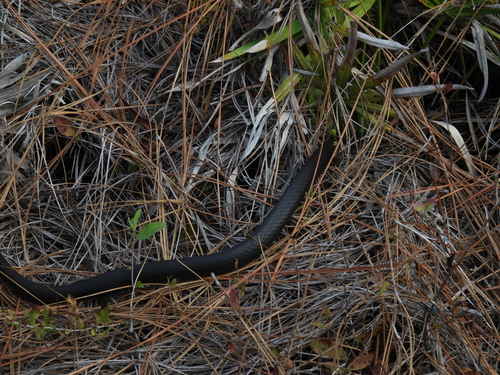
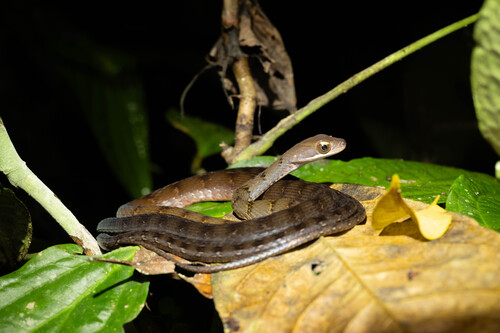
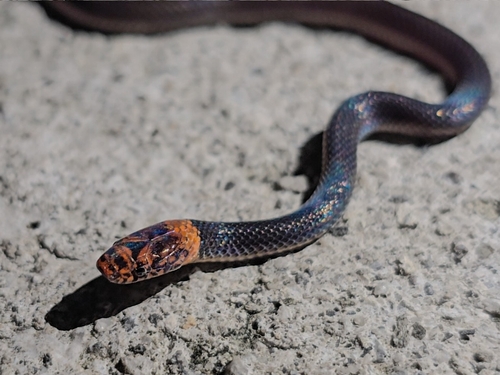
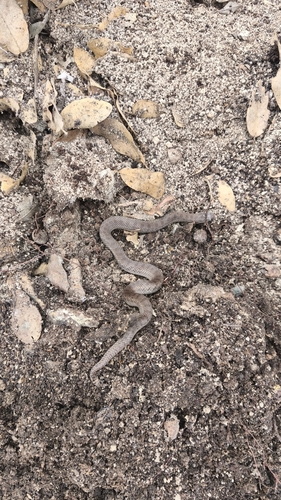
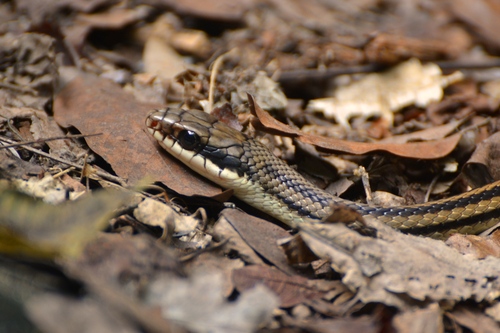
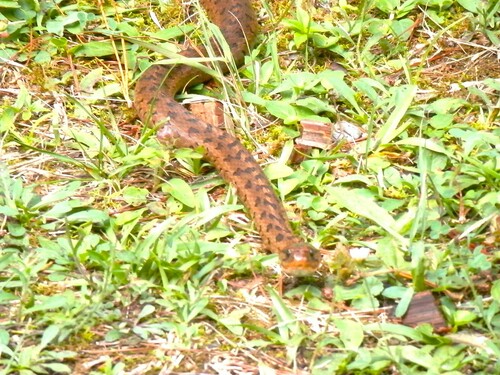
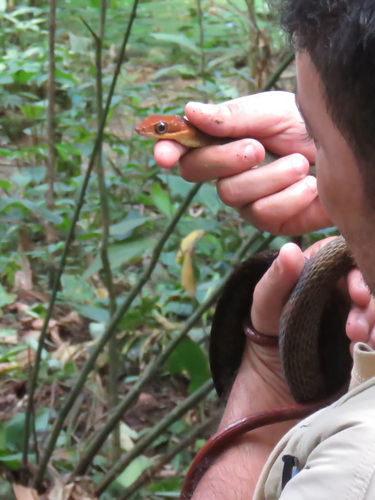
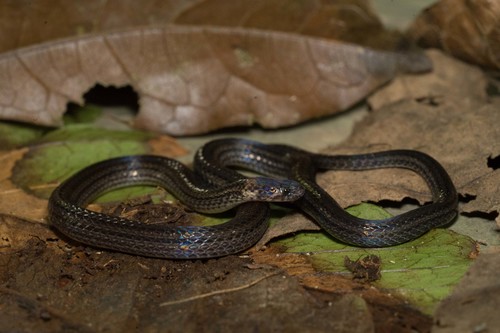
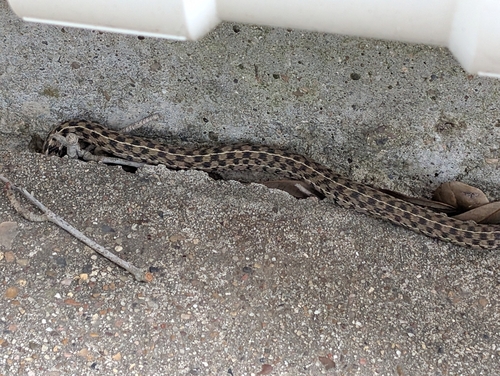
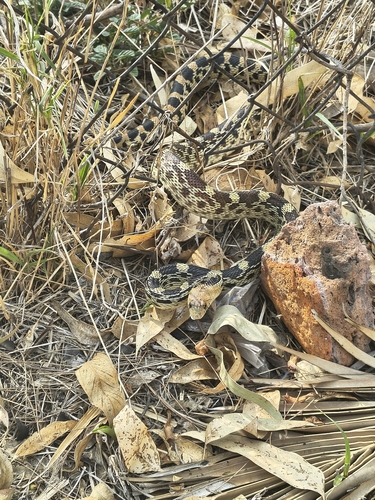
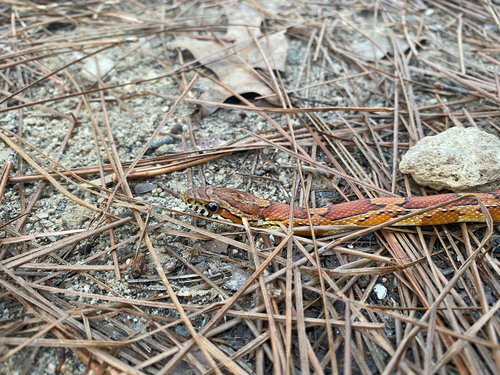
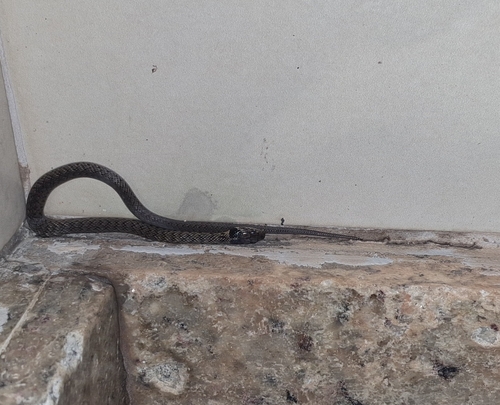
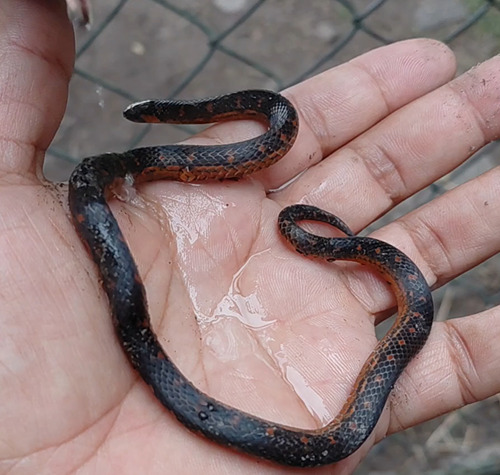
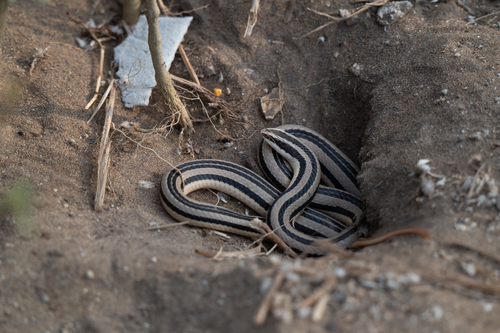

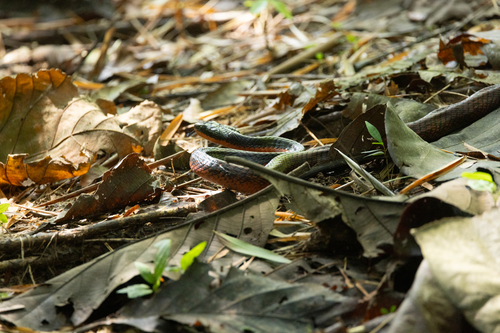
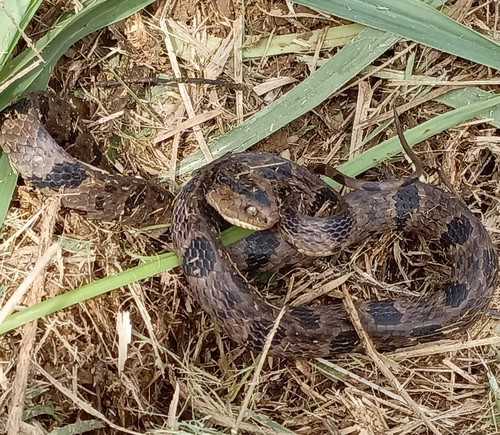
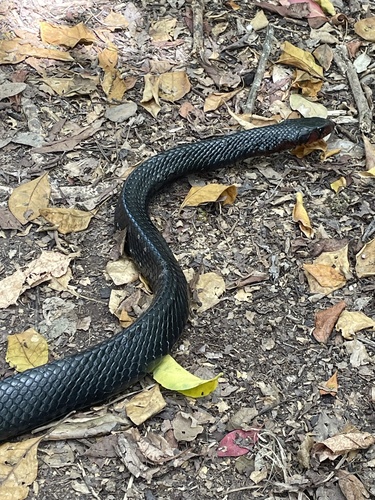
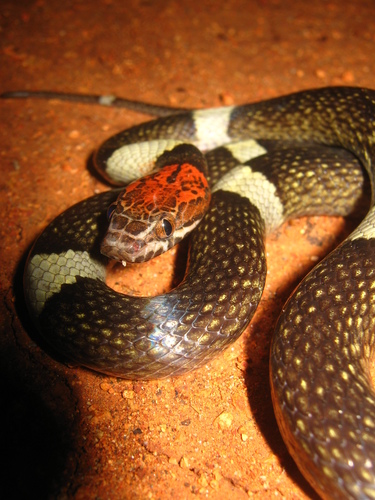
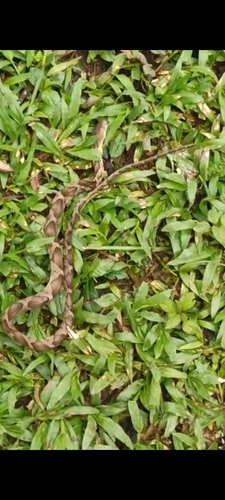
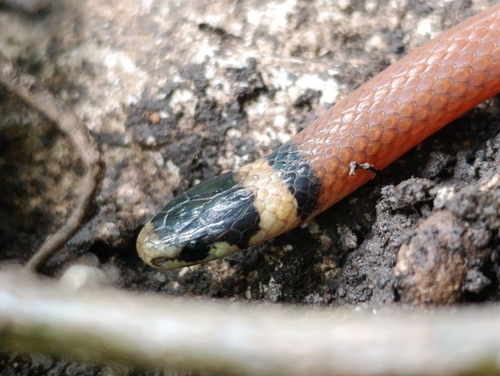
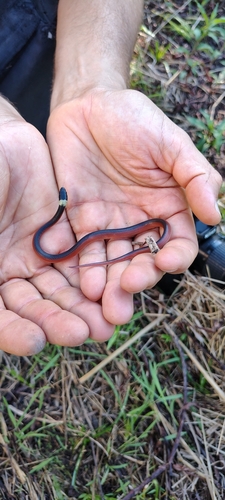
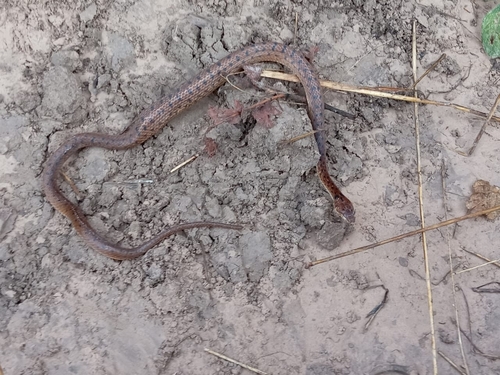
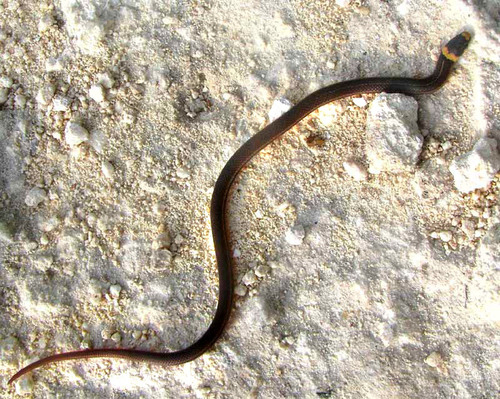
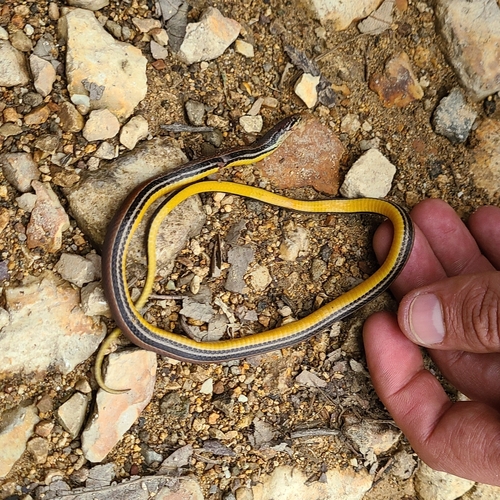

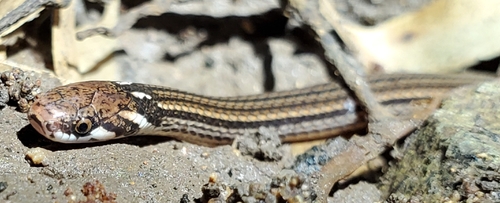
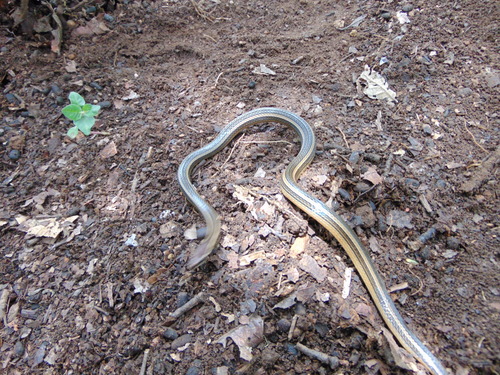
Viperidae (23)
Elapidae (8)
Boidae (4)
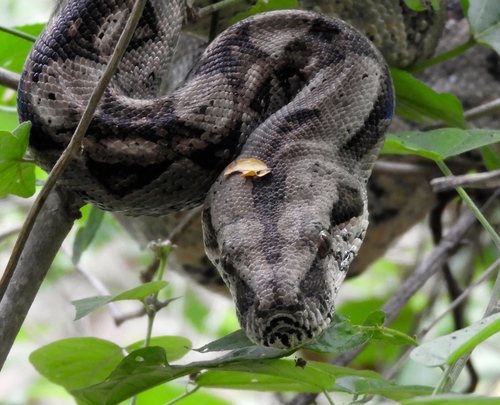
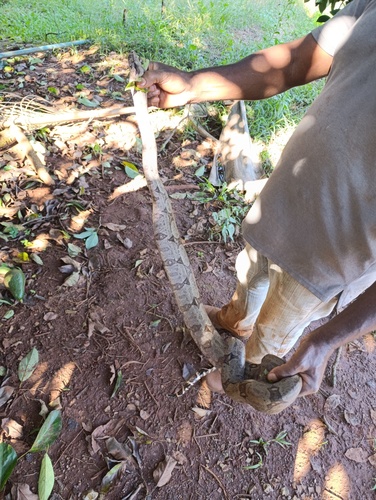
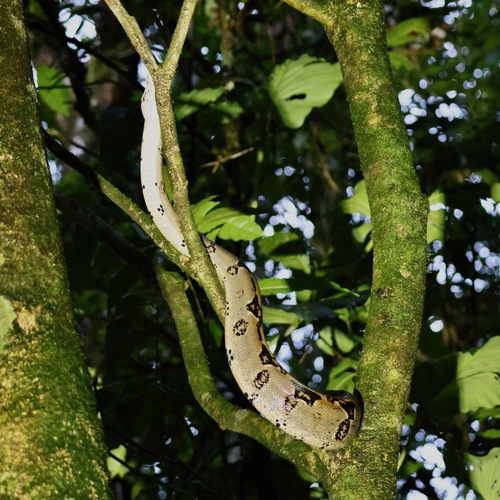
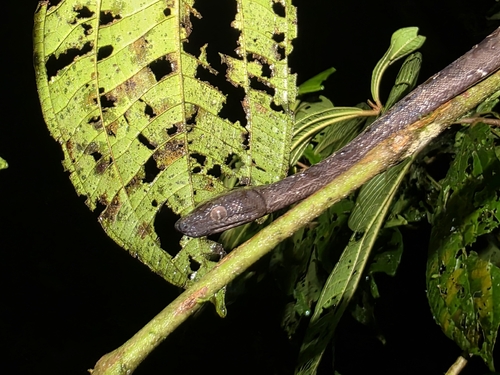
Typhlopidae (4)
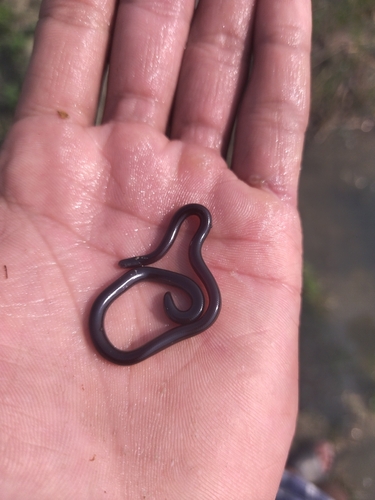
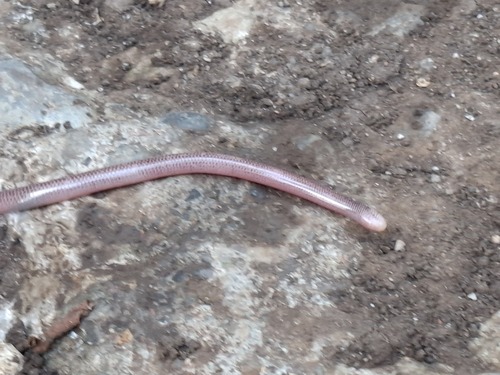
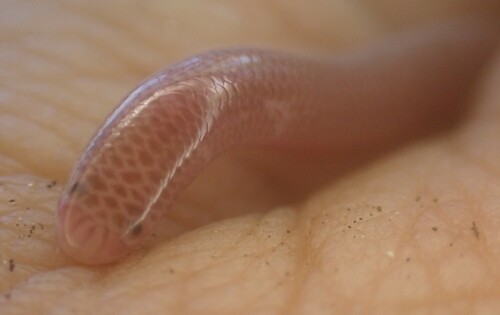
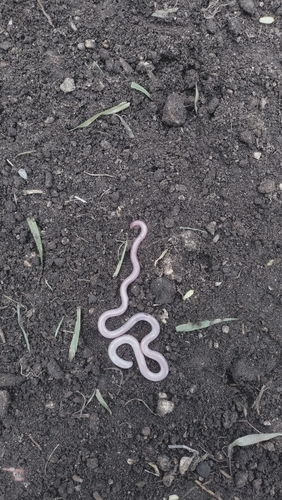
Leptotyphlopidae (3)
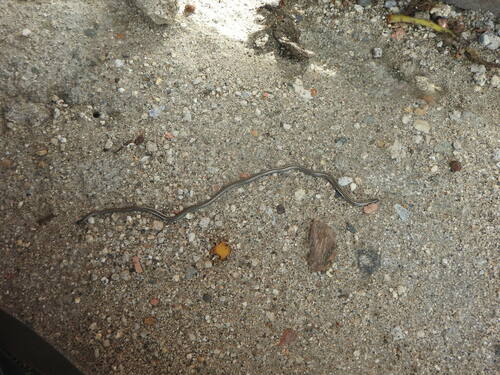
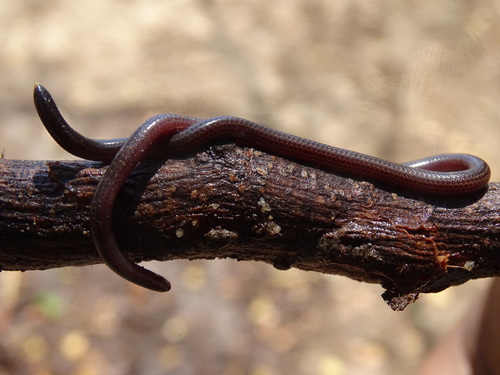
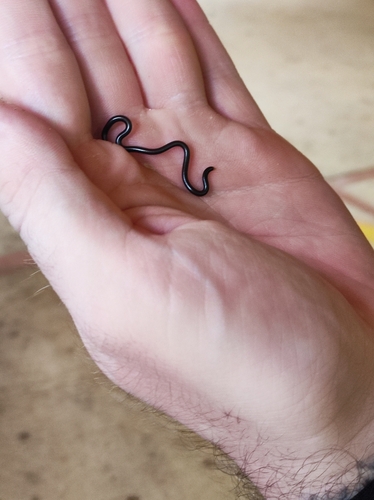
Loxocemidae (1)
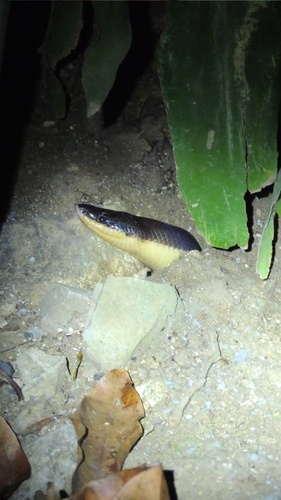
Pseudoxyrhophiidae (1)
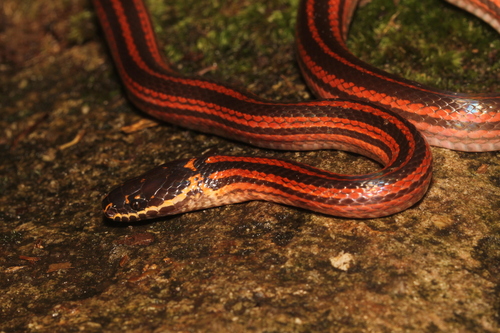
Pythonidae (1)
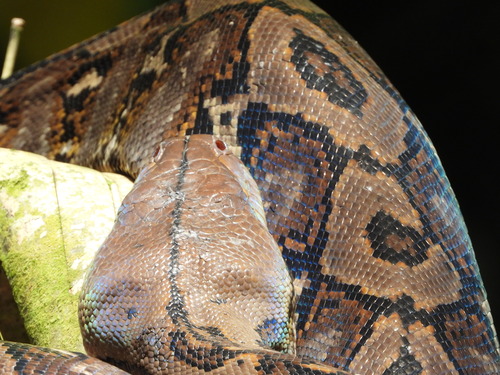
Dipsadidae (1)
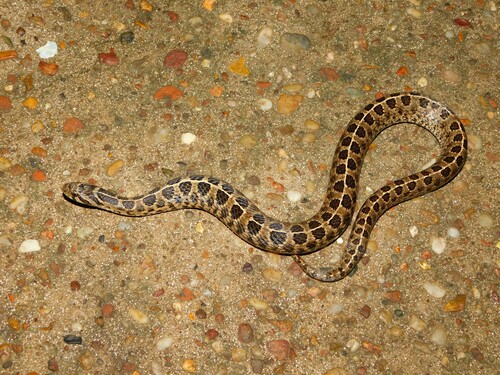
Compiled from verified GBIF & iNaturalist observations. "How often seen" reflects how frequently a snake is reported here, not how dangerous it is. Informational only.
Keep learning
- Are Snakes Dangerous? The Real Risk, in PerspectiveMost snakes are harmless and avoid people. Here is the honest picture of snakebite risk worldwide and how to lower your own.
- Snakebite First Aid: What to Do (and What Never to Do)A clear, CDC-based guide to snakebite first aid: the steps that help, the popular myths that hurt, and how to tell a serious bite from a minor one.
- Venomous vs Nonvenomous: How to Tell the DifferenceThe folk rules for telling venomous snakes apart, where each one fails, and why location-based identification beats guessing by sight.
- What to Do If You Find a SnakeFound a snake at home or on a trail? Here is how to stay calm, give it space, identify it safely, and know when to call a professional.