
Viperidae
Black-speckled Palm Pit Viper
VenomousBothriechis nigroviridis
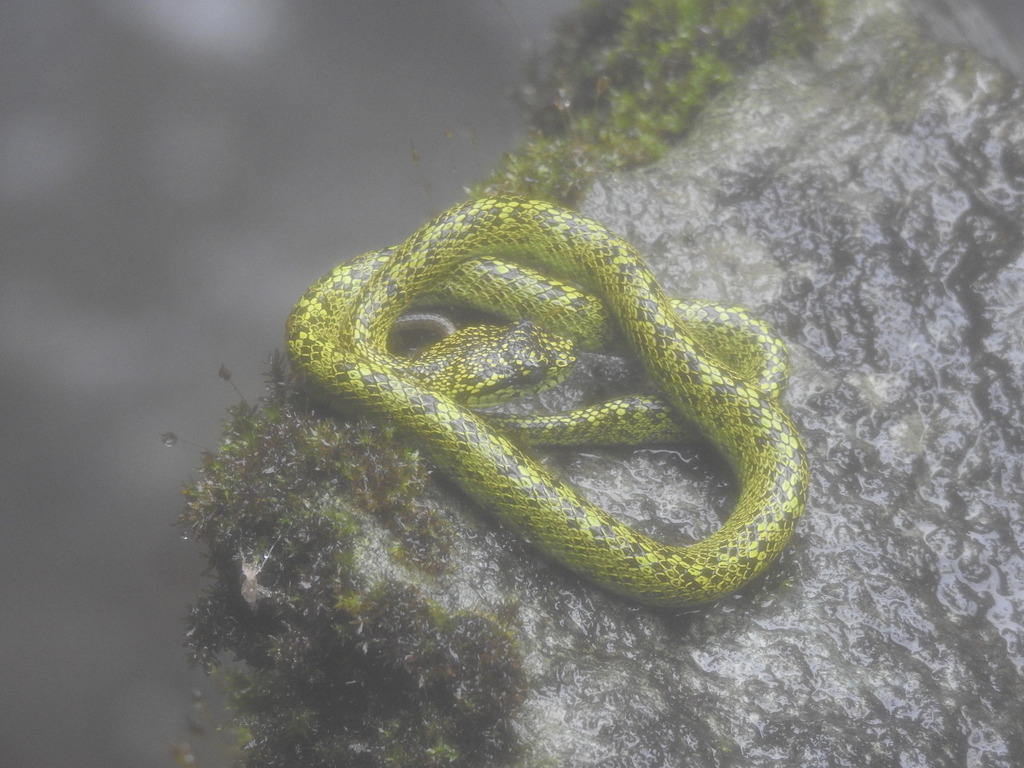
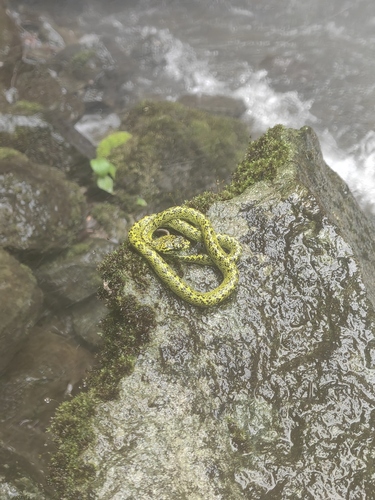
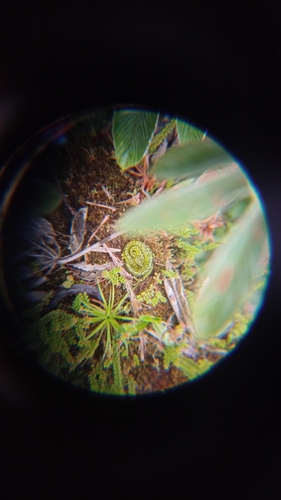
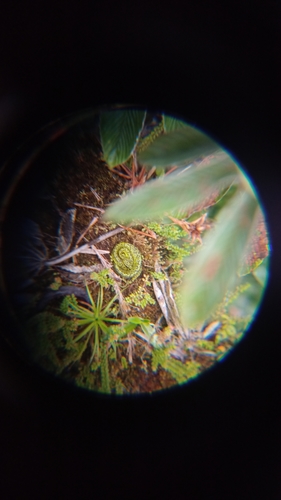
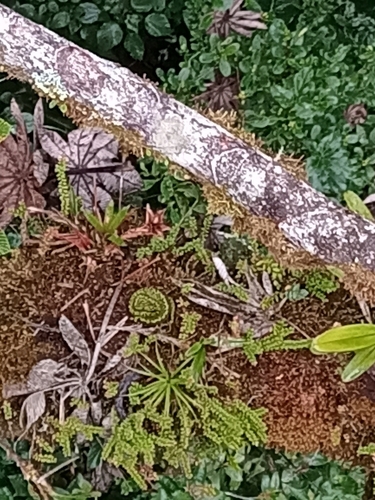
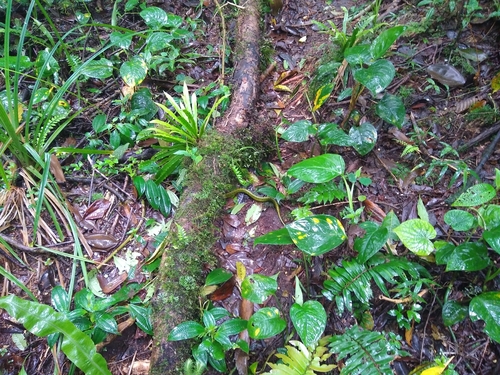
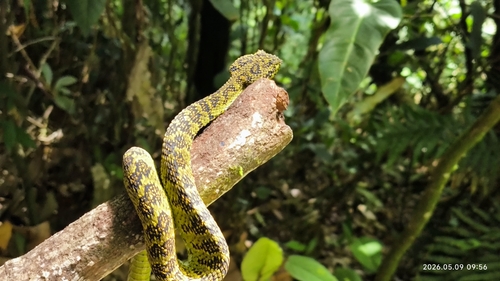
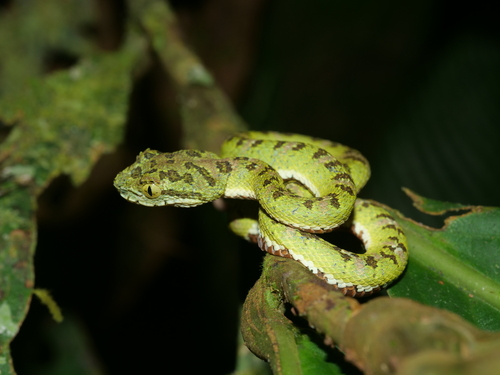
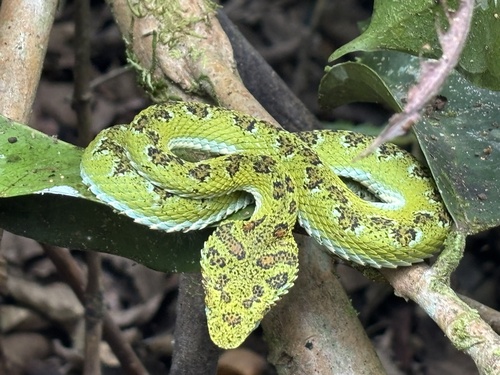
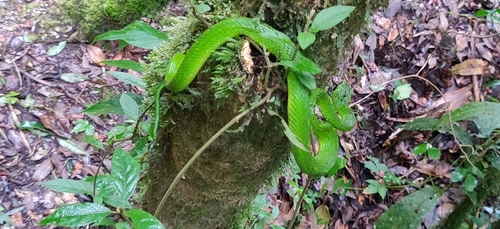
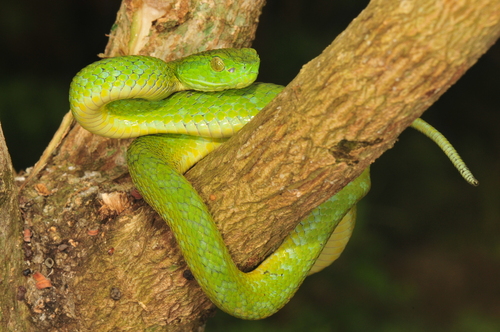
6 photographs of the Black-speckled Palm Pit Viper. © Michelle Monge-Velazquez.
The Black-speckled Palm Pit Viper (Bothriechis nigroviridis) is a venomous snake in the Viperidae family, recorded in 3 countries.
If you are bitten
This is a venomous snake. Treat any bite as a medical emergency: stay calm, keep the bitten limb still and roughly level with the heart, remove rings and tight clothing, and get to emergency care immediately. Do not apply a tourniquet, cut the wound, apply ice, or try to suck out venom. Call your local emergency number or poison center.
- Family
- Viperidae
- Danger
- high
About the Black-speckled Palm Pit Viper
Bothriechis nigroviridis is a pit viper species found in the mountains of Costa Rica and Panama. No subspecies are currently recognized. The specific name is derived from the Latin niger (black) and viridis (green) in reference to its distinctive color pattern.
Common names
Black-speckled palm-pit viper, speckled palm viper, black-spotted palm viper, yellow-spotted palm viper.
Description
Adults may exceed 80 centimetres (31 in), although most are less than 60 centimetres (24 in) in length. They are relatively slender and have a prehensile tail. Two exceptionally large females were reported by Hammack and Antonio (1991) that measured 89.2 centimetres (35.1 in) and 93.7 centimetres (36.9 in).
The color pattern usually consists of an emerald green (rarely yellowish green) ground color with strong black mottling. There may also be pale green dorsal blotches that have black edges. The belly is yellowish green and lightly mottled with black. The head is heavily mottled with black on top, often with black parietal stripes. There is also a clearly defined postocular stripe running back towards the angle of the jaw. The iris is heavily stippled and appears almost black. The tongue is also black. Juveniles have a similar color pattern, although it is more pale and the tip of the tail is black.
Geographic range
Found in the mountains of Costa Rica and Panama. Also found in the cloud forests of the Cordillera Central and the Cordillera de Talamanca at 1,150–2,400 m altitude. The type locality given is "Vulcan von Barbo" (Volcán Barba, Costa Rica).
According to Campbell and Lamar (2004), this species prefers medium to high elevations from 1,150 to over 3,000 m, and is found from the Cordillera Tilarán and Cordillera Central in the southeastern Alajuela province in Costa Rica, southeast through the Cordillera de Talamanca to Chiriquí province in Panama. It occurs on both the Atlantic and Pacific slopes.
Habitat
This species inhabits high montane forest and lower montane wet forest and cloud forest. It has a limited range and is generally considered relatively rare, even though it is locally common in habitat that has not been disturbed. However, Picado (1931) mentioned that they soon disappear from cultivated areas.
Venom
Fatalities have been reported, with the bite symptoms including intense pain, nausea and asphyxia.
Adapted from Wikipedia, available under CC BY-SA.
Local and regional names
The Black-speckled Palm Pit Viper is known by these names across the regions where it lives:
- Czech
- křovinář černozelený
- Danish
- Sortplettet Palmelanseslange
- German
- Schwarzgefleckte Palmlanzenotter, Schwarzgelbe Palmenlanzenotter
- Italian
- Vipera delle palme neroverde
- Polish
- żararaka czarnozielona
- Russian
- Чёрно-зелёный ботропс
- Spanish
- Lora Pintada, Toboba de árbol, nauyaca de manchas negras
Frequently asked: Black-speckled Palm Pit Viper
- Is the Black-speckled Palm Pit Viper venomous?
- Yes. The Black-speckled Palm Pit Viper (Bothriechis nigroviridis) is venomous and belongs to the Viperidae family (viper). Its bite is considered high risk to people. Treat any bite as a medical emergency.
- Is the Black-speckled Palm Pit Viper poisonous?
- Snakes are venomous, not poisonous. "Poisonous" means harmful to eat or touch; "venomous" means injecting toxins through a bite. The Black-speckled Palm Pit Viper is venomous, delivering venom through a bite.
- Is the Black-speckled Palm Pit Viper dangerous?
- This is a venomous snake. Treat any bite as a medical emergency: stay calm, keep the bitten limb still and roughly level with the heart, remove rings and tight clothing, and get to emergency care immediately. Do not apply a tourniquet, cut the wound, apply ice, or try to suck out venom. Call your local emergency number or poison center.
- Where does the Black-speckled Palm Pit Viper live?
- The Black-speckled Palm Pit Viper has verified records in 3 countries, including Costa Rica, Panama, Guatemala. See the distribution section below for its full range.
- Why is it called the Black-speckled Palm Pit Viper?
- Black-speckled palm-pit viper, speckled palm viper, black-spotted palm viper, yellow-spotted palm viper.
If you are bitten by the Black-speckled Palm Pit Viper
Do
- Get away from the snake and stay calm. Most bites worsen when people panic or try again to handle the snake.
- Call 911 or Poison Control (1-800-222-1222) right away. Antivenom works best when given early.
- Note the time of the bite and, from a safe distance, the snake's color and pattern, a phone photo is enough. Do not chase it.
- Keep the bitten limb still and at roughly heart level. Sit or lie down and limit movement.
- Remove rings, watches, and tight clothing near the bite before swelling starts.
- Gently wash the bite with soap and water and cover it with a clean, dry dressing.
Do not
- Do not cut the wound or try to suck out the venom.
- Do not apply a tourniquet or ice.
- Do not drink alcohol or caffeine.
- Do not take aspirin or ibuprofen, they can worsen bleeding. Acetaminophen is safer for pain.
- Do not try to catch or kill the snake. A dead snake can still bite by reflex.
First-aid guidance adapted from the U.S. Centers for Disease Control and Prevention (CDC NIOSH), Venomous Snakes. Educational only; always follow the instructions of emergency responders.
Where it is found
More Viperidae snakes
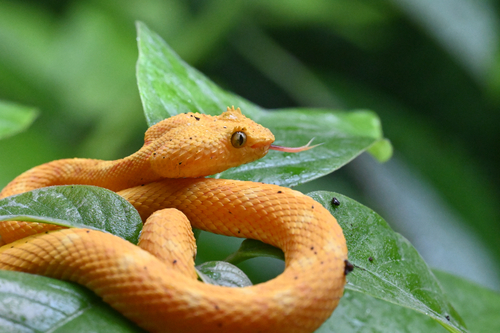 Central American Eyelash-ViperBothriechis nigroadspersus
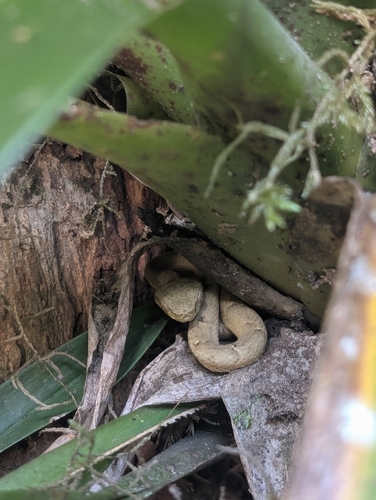 Side-striped palm pit viperBothriechis lateralis
 Highland Eyelash-PitviperBothriechis schlegelii
 Ecuadorian Eyelash-ViperBothriechis nitidus
 Blotched Palm-pitviperBothriechis supraciliaris
 Yellow-blotched Palm Pit ViperBothriechis aurifer
 March's Palm Pit ViperBothriechis marchi
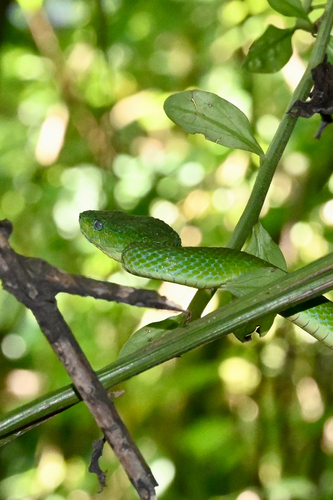 Guatemala Palm Pit ViperBothriechis bicolor
Classification
How scientists group this snake, from the broadest category down to the exact species. Each step narrows to its closest relatives.
- OrderThe broad group of scaled reptiles: all snakes and lizards
- Squamata
- FamilyA group of related snakes that share key traits
- Viperidae
- GenusA close-knit group of very similar species
- Bothriechis
- SpeciesThis exact snake, named in the two-part scientific name
- Bothriechis nigroviridis
Keep learning
- Are Snakes Dangerous? The Real Risk, in PerspectiveMost snakes are harmless and avoid people. Here is the honest picture of snakebite risk worldwide and how to lower your own.
- Snakebite First Aid: What to Do (and What Never to Do)A clear, CDC-based guide to snakebite first aid: the steps that help, the popular myths that hurt, and how to tell a serious bite from a minor one.
- Venomous vs Nonvenomous: How to Tell the DifferenceThe folk rules for telling venomous snakes apart, where each one fails, and why location-based identification beats guessing by sight.
- What to Do If You Find a SnakeFound a snake at home or on a trail? Here is how to stay calm, give it space, identify it safely, and know when to call a professional.
Distribution from GBIF & iNaturalist. Venom status per CDC. Background: Wikipedia. Informational only. Never handle a snake to identify it.