
France
Snakes in France
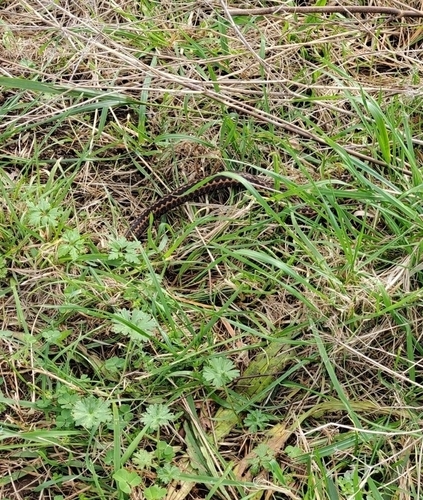
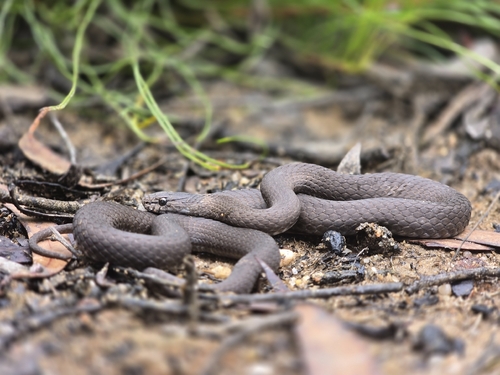
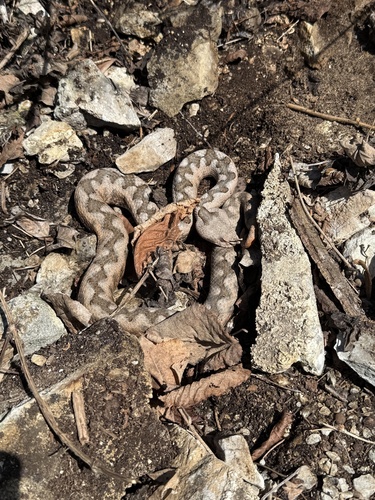
50+ snake species have been recorded in France, 8 venomous.
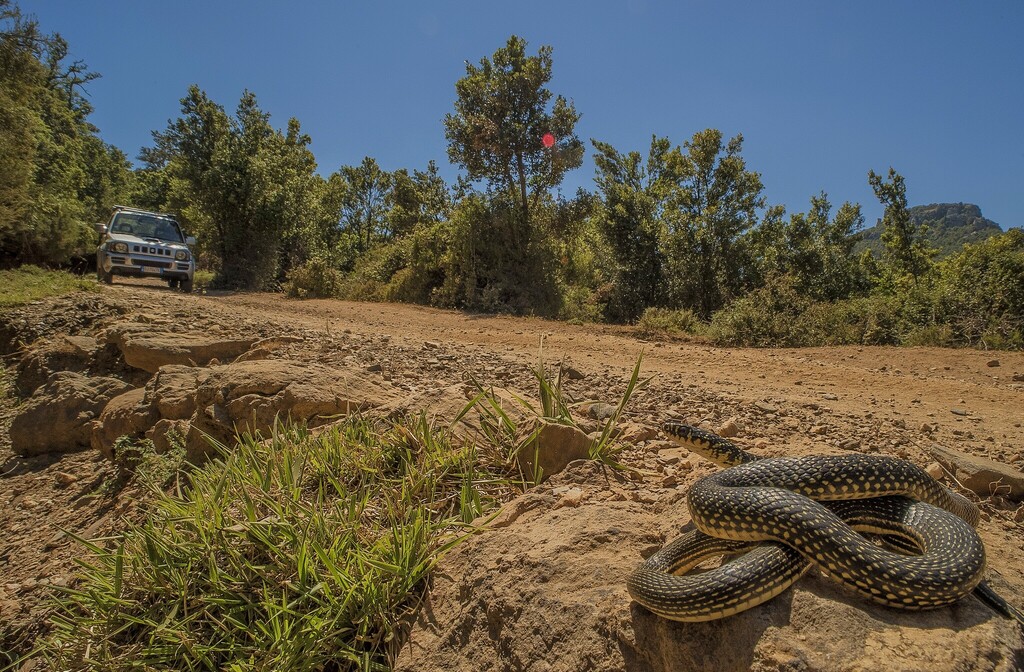
Snakes of France
France has 50+ snake species recorded in our database, of which 12 are venomous. The great majority are non-venomous, which means the typical snake a person encounters in France poses no medical danger. The country sits at a crossroads of European biogeography, blending temperate northern fauna with warmer Mediterranean elements, and this mix is what gives France its range of snakes across mainland regions and Corsica.
The diversity is driven by varied habitats and geography. France spans cool Atlantic woodlands, the dry scrub and rocky garrigue of the Mediterranean south, alpine slopes, river valleys, hedgerows, farmland, and coastal dunes. Warm, sun-exposed, rocky terrain in the south supports the highest snake variety, since snakes are ectotherms that depend on external heat. Wetlands and waterways favor water-associated species, while stone walls, scrub, and field margins give cover and prey to many others.
The medically important venomous snakes in France belong to the viper group, the true vipers of the genus Vipera. These are the only snakes in France whose bite is a genuine medical concern. France is home to vipers such as the asp viper and the common European adder, with additional viper species in the south and on Corsica. There are no cobras, mambas, coral snakes, sea snakes, or rattlesnakes native to France, and no pit vipers of the kind found in the Americas and Asia. The venomous risk is the European vipers and nothing more exotic.
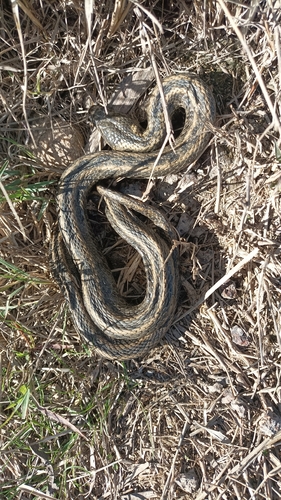
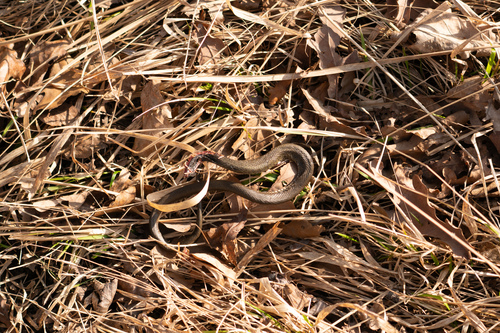
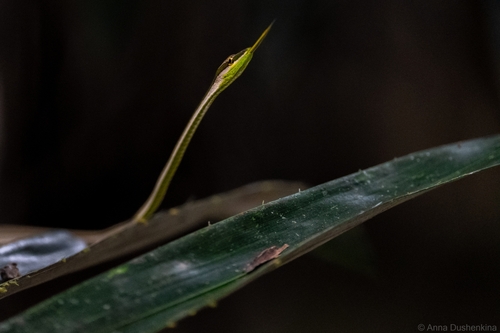
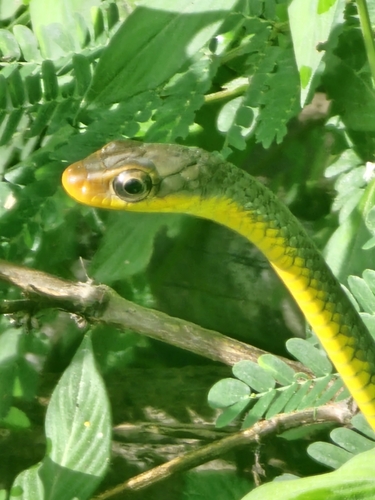
The large non-venomous majority includes many familiar and widespread snakes. Colubrids dominate, among them grass snakes that are strong swimmers and often seen near water, smooth snakes, the Aesculapian snake known for its size and climbing ability, the Montpellier snake of the dry south, and various whip snakes that move fast across open ground. These snakes are harmless to people and form the bulk of what anyone is likely to see in gardens, fields, and woodlands.
Snakes are ecologically valuable. They are efficient predators of rodents, keeping populations of mice, rats, and voles in check, which protects stored grain, reduces crop damage, and limits the spread of rodent-borne disease. Vipers and colubrids alike help balance the food web, and they are themselves prey for birds of prey and other wildlife. A healthy snake population is a sign of a functioning local ecosystem.
On safety, the honest framing is that most snakes in France are harmless and the only real medical threat is the European vipers. Even viper bites are uncommon and rarely fatal when treated, but a bite from a viper is a medical emergency. The treatment is hospital care and antivenom administered by professionals, not anything done in the field. Never handle a wild snake, venomous or not, since identification mistakes happen and a frightened snake will defend itself. If a bite occurs, contact emergency services immediately, or in the United States call Poison Control at 1-800-222-1222. Outside the United States, contact local emergency services.
Snakes in France: FAQ
- Are there venomous snakes in France?
- Yes. 8 venomous snake species have verified records in France, including Asp Viper, Adder, Meadow Viper, Seoane's Viper. Most snakes in France, however, are harmless.
- How many snake species live in France?
- 50+ snake species have verified records in France, of which 8 are venomous.
- What is the most commonly seen snake in France?
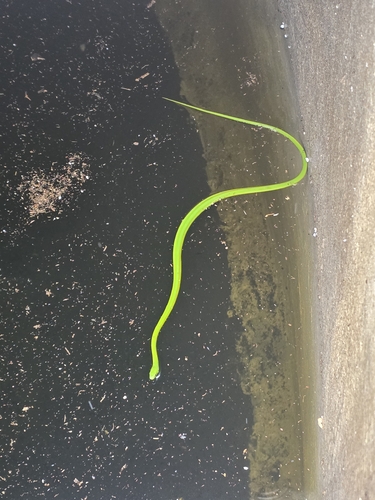
- The Green Whip Snake is the most frequently reported snake in France, based on verified wildlife observations.
- What should I do if I see a venomous snake in France?
- Keep your distance and do not try to catch or kill it. Most bites happen when people handle or corner a snake. If someone is bitten, contact local emergency services or poison control immediately.
Venomous snakes in France
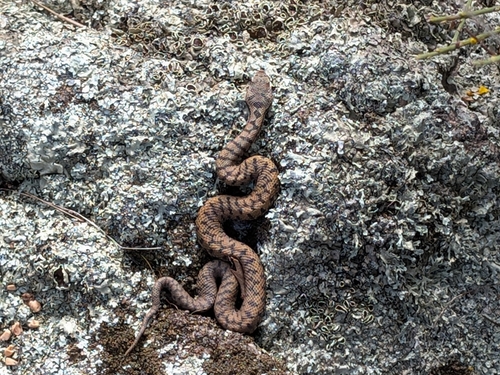
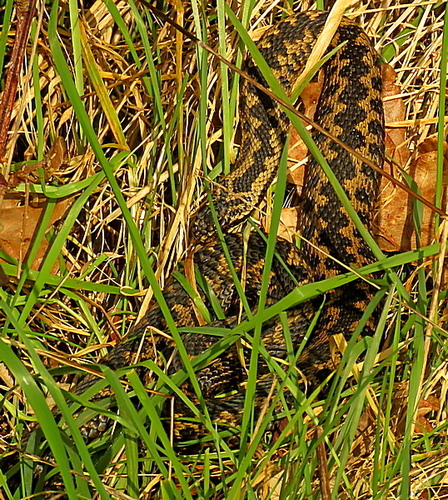
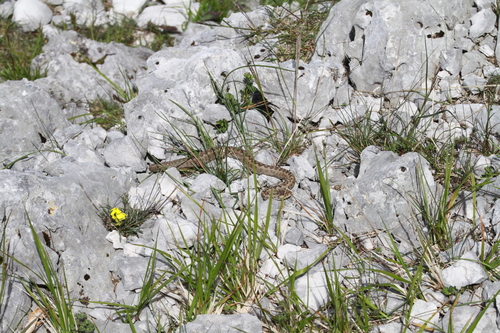
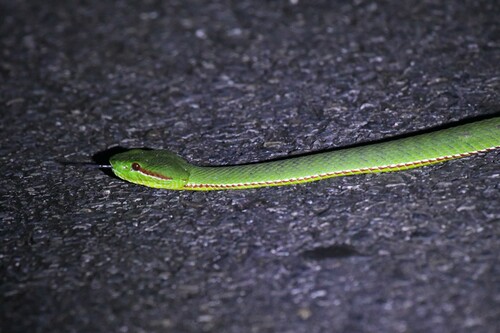
Every snake recorded in France
50+ species across 9 families, grouped by family. Venomous flagged.
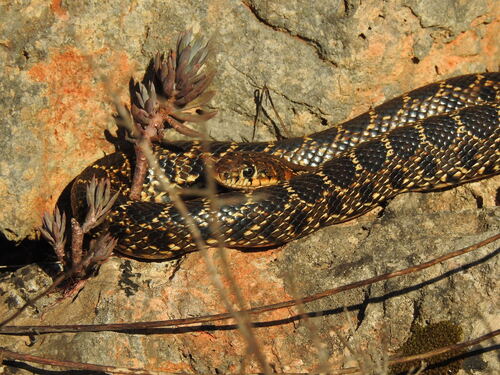
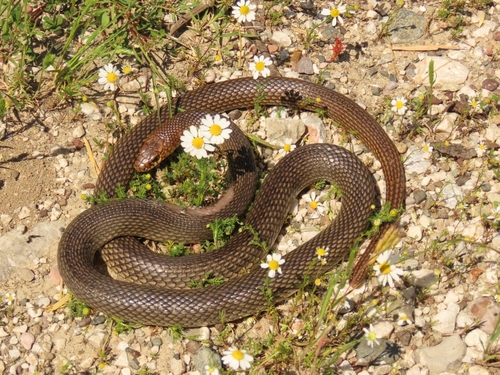
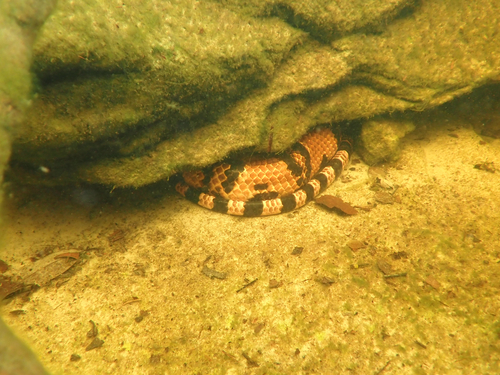
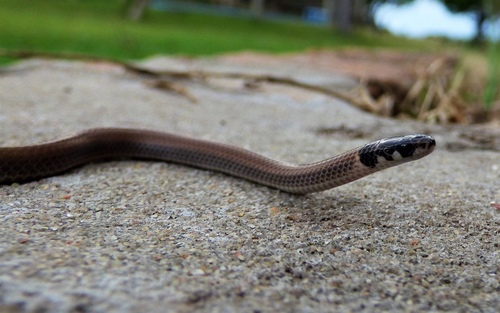
Colubridae (45)
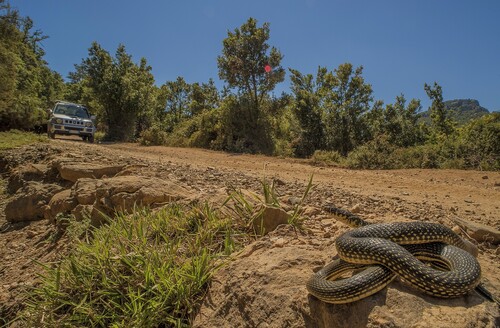
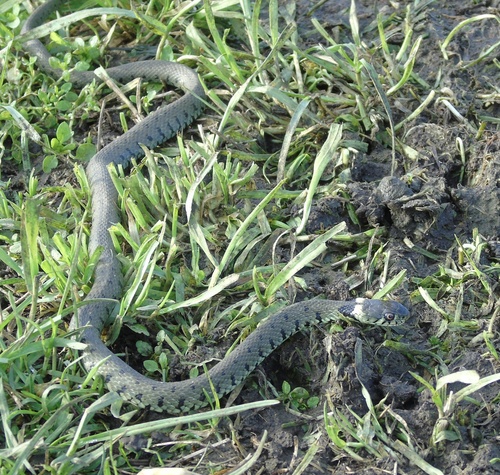
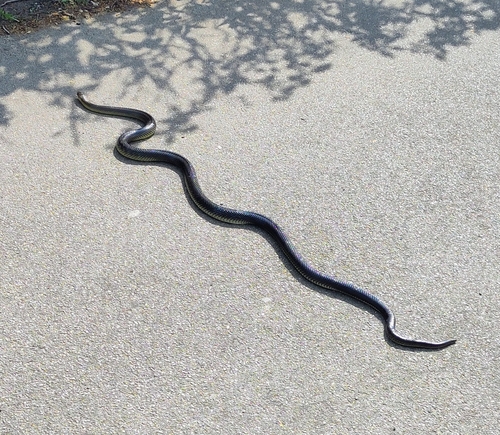
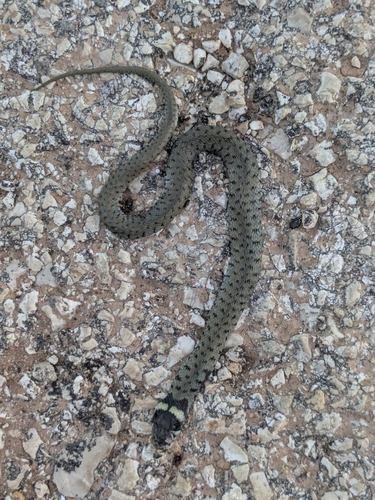
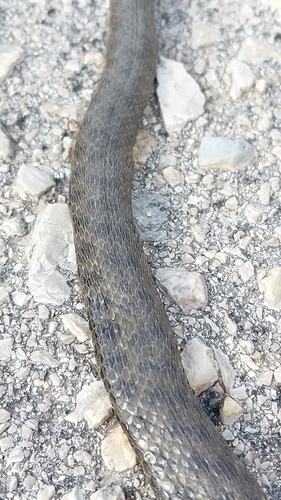
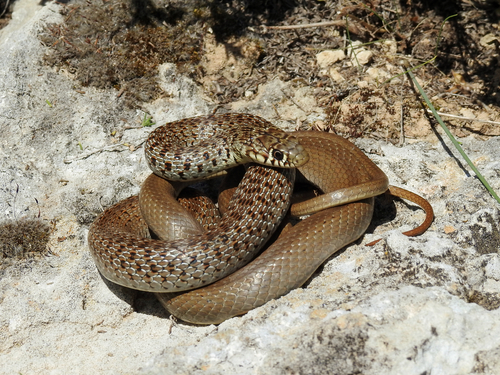
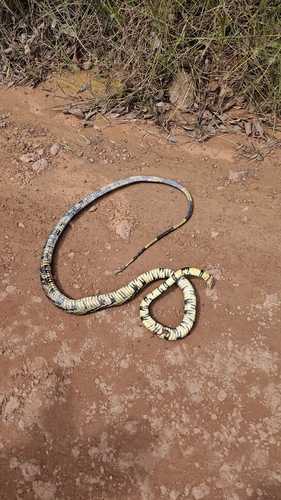
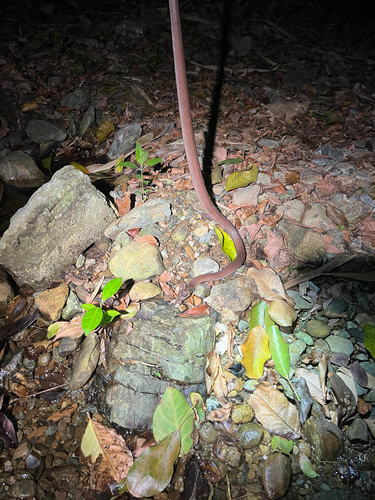
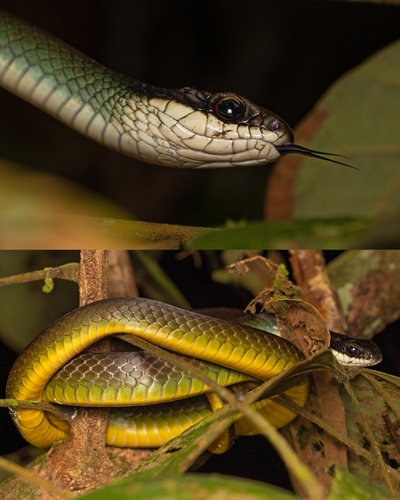
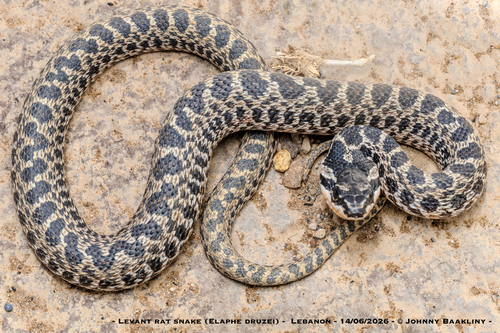
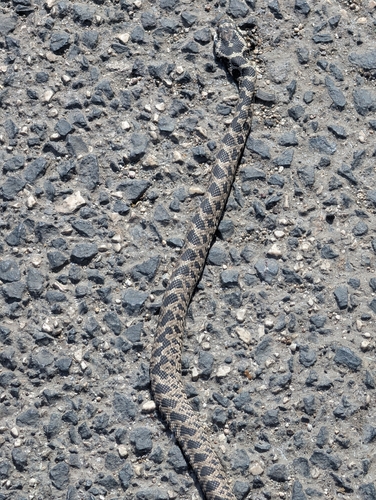
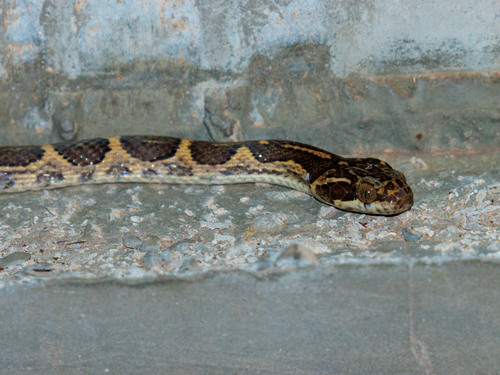
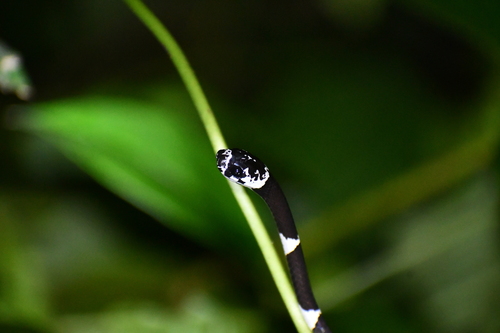
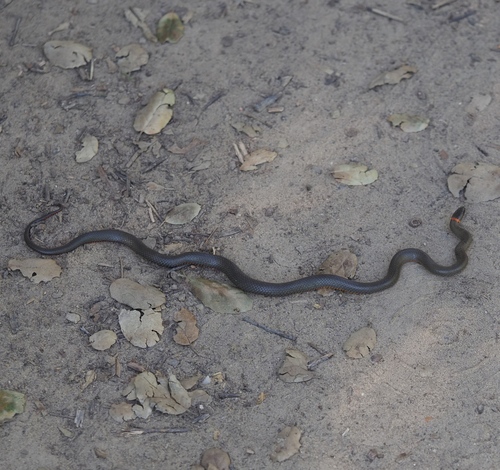
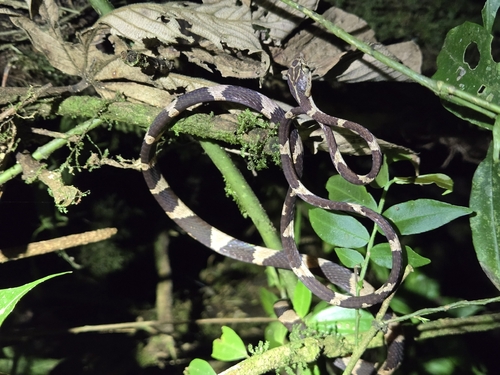
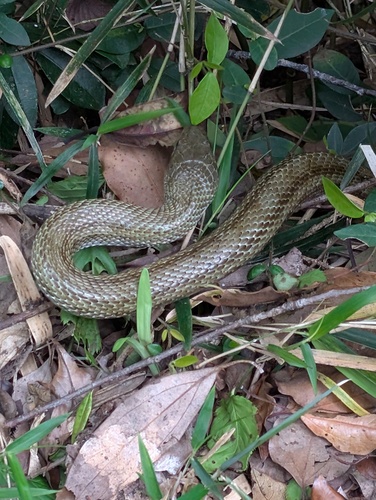
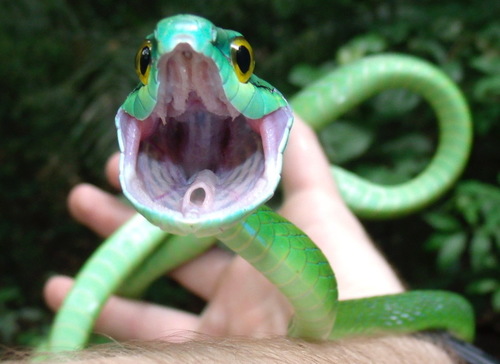
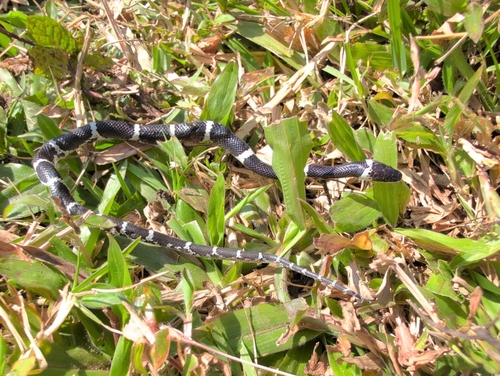
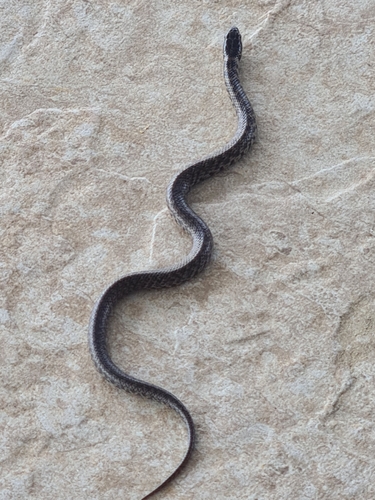
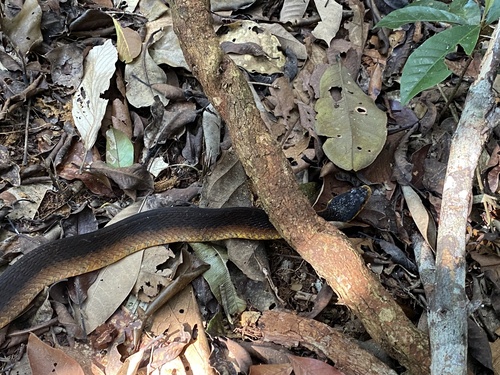
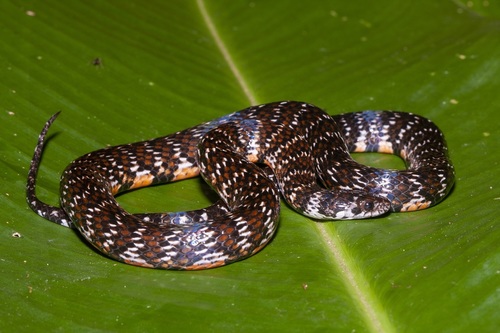
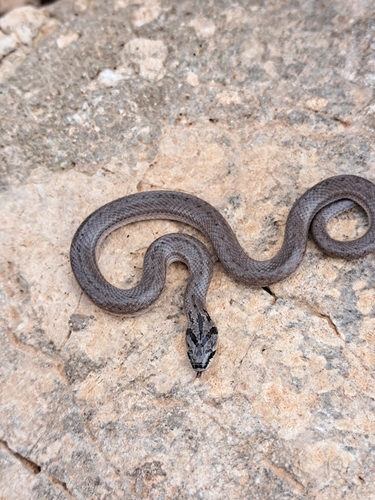
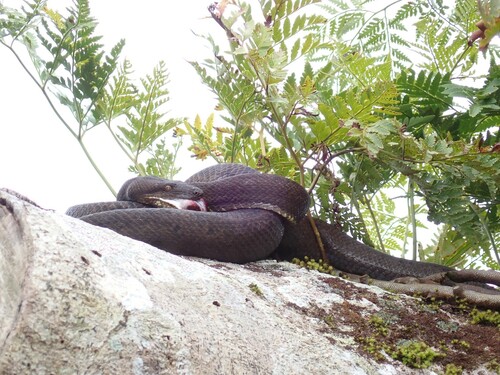
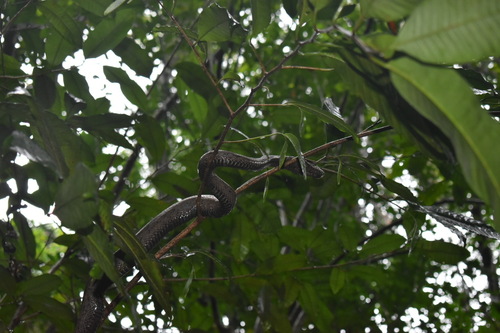
Boidae (7)
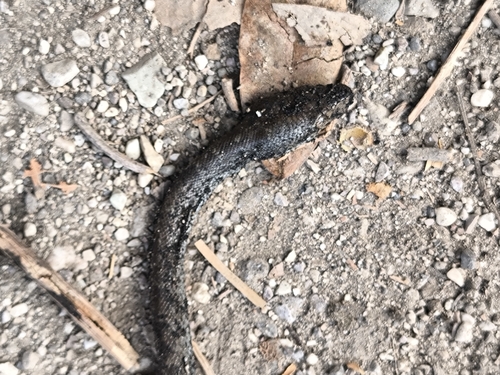
Viperidae (6)
Psammophiidae (2)
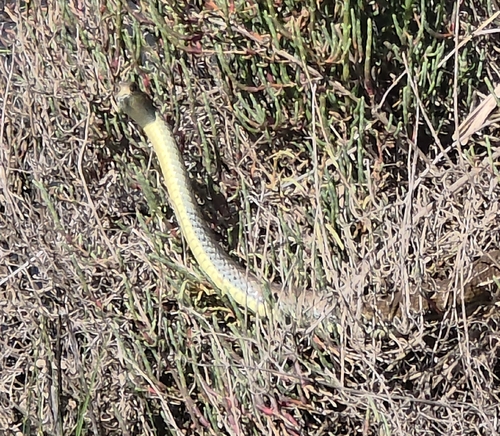
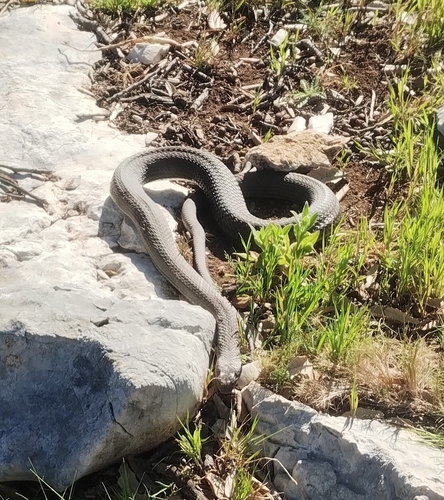
Typhlopidae (2)
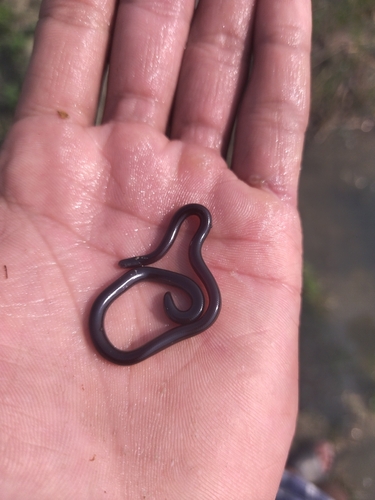
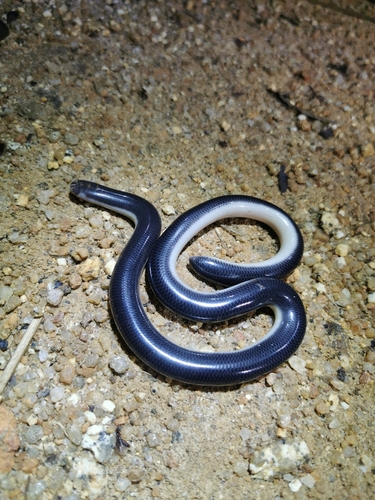
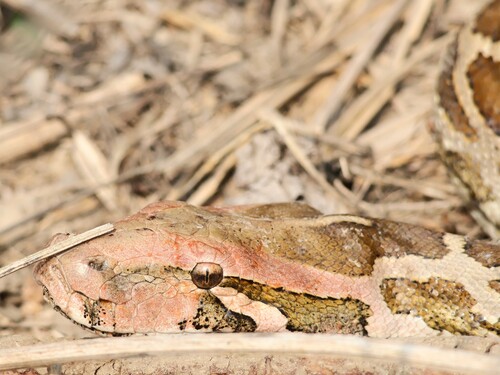
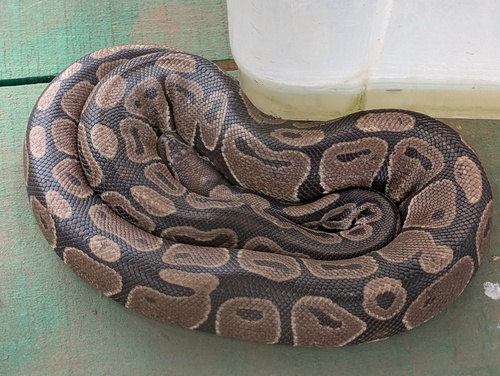
Elapidae (2)
Pseudoxyrhophiidae (2)

Anomalepididae (1)
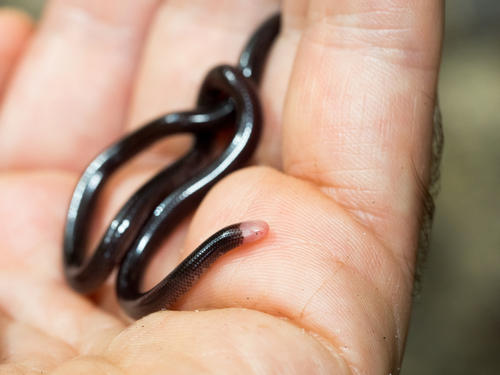
Compiled from verified GBIF & iNaturalist observations. "How often seen" reflects how frequently a snake is reported here, not how dangerous it is. Informational only.
Keep learning
- Are Snakes Dangerous? The Real Risk, in PerspectiveMost snakes are harmless and avoid people. Here is the honest picture of snakebite risk worldwide and how to lower your own.
- Snakebite First Aid: What to Do (and What Never to Do)A clear, CDC-based guide to snakebite first aid: the steps that help, the popular myths that hurt, and how to tell a serious bite from a minor one.
- Venomous vs Nonvenomous: How to Tell the DifferenceThe folk rules for telling venomous snakes apart, where each one fails, and why location-based identification beats guessing by sight.
- What to Do If You Find a SnakeFound a snake at home or on a trail? Here is how to stay calm, give it space, identify it safely, and know when to call a professional.