
Colubridae
Iberian Grass Snake
HarmlessNatrix astreptophora
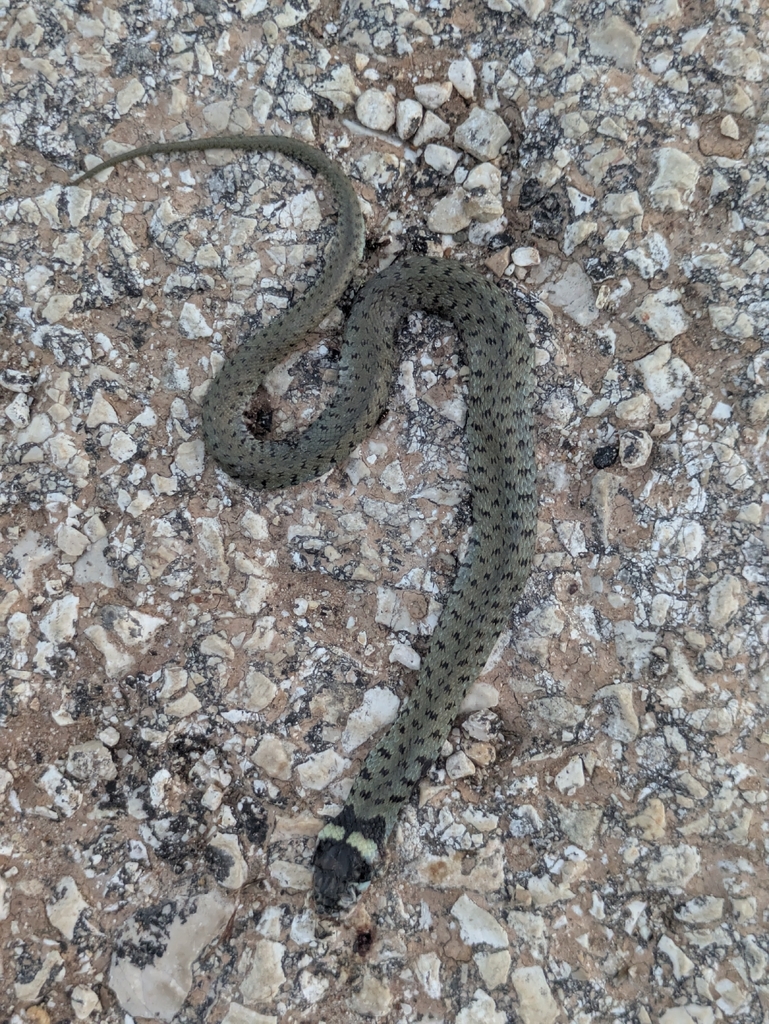
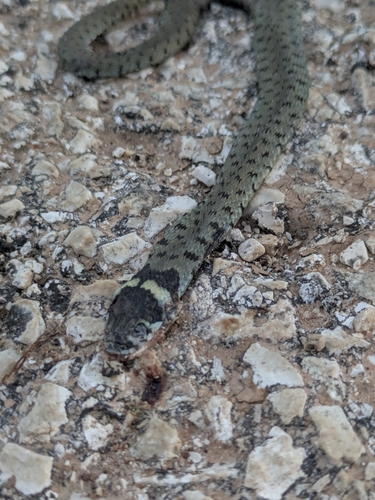
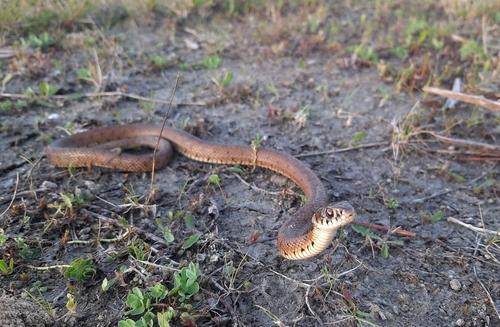
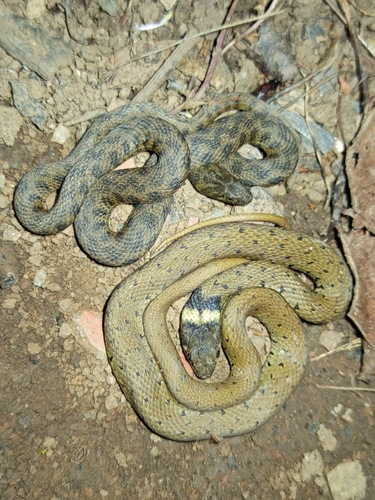
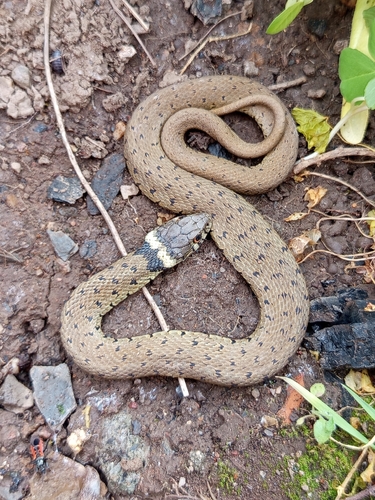
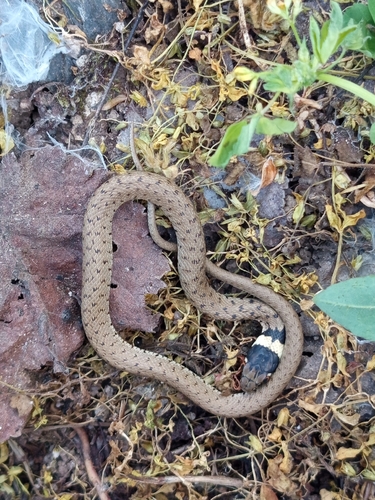
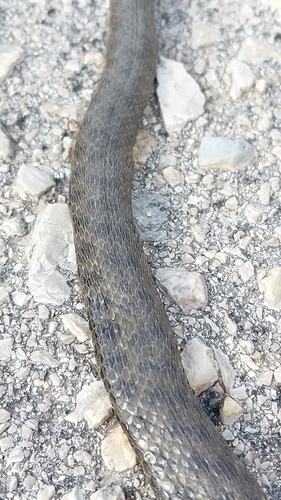
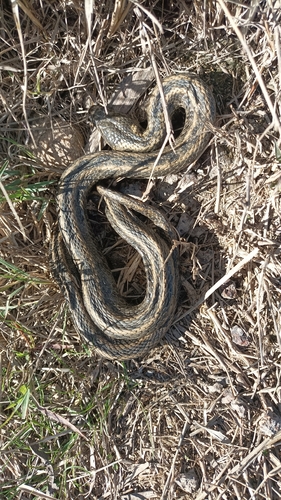
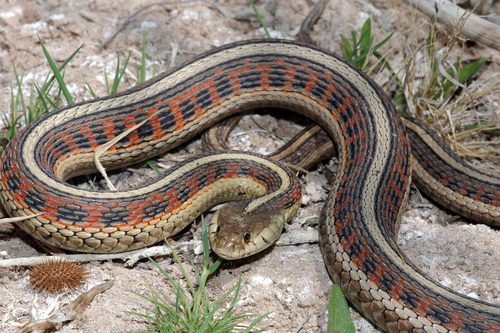
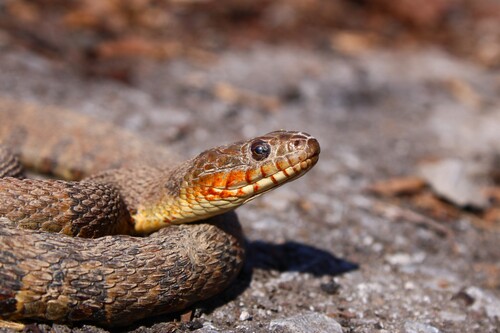
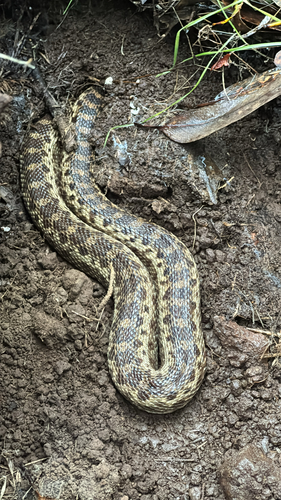
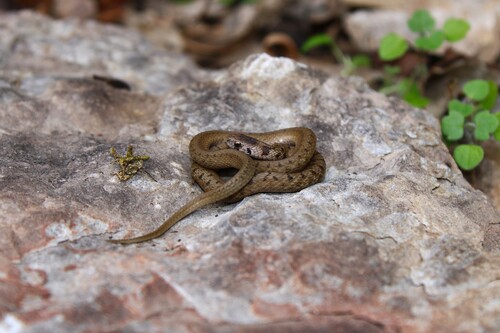
6 photographs of the Iberian Grass Snake. © Karsten Ste.
The Iberian Grass Snake (Natrix astreptophora) is a non-venomous snake in the Colubridae family, recorded in 8 countries.
- Family
- Colubridae
About the Iberian Grass Snake
Natrix astreptophora, the red-eyed grass snake or the Iberian grass snake, is a species of natricine snake found in the Iberian Peninsula, south of France, and some coastal areas in the Maghreb, from Tangier to Tunisia. Long considered a subspecies of the European grass snake, Natrix natrix, the subspecies was split off from that taxon in 2016.
Taxonomy
The red-eyed grass snake was formally described by the Spanish herpetologist Victor Lopez Seoane in 1903 as Natrix astreptophora based on specimens from Galicia, Spain (later restricted to A Coruña). The species was subsequently treated as a subspecies in the grass snake complex (Natrix natrix sensu lato). The North African populations of the red-eyed grass snake were described as a separate subspecies of the grass snake, Tropidonotus natrix algericus, by the German herpetologist Günther Hecht in 1930. The taxonomy of the grass snake complex remained unsettled throughout the 20th century, with various authors recognizing anywhere from four to fourteen subspecies in the complex. A 2012 study of genetic data, morphology, and bone characteristics found the red-eyed grass snake to hybridize only very rarely with the barred grass snake (Natrix natrix helvetica) where their ranges met in southern France, and recommended raising it to full species status. Subsequent genetic studies supported this arrangement, and also raised the barred grass snake to full species status.
The 2012 study also found the Tunisian populations of the red-eyed grass snake to be highly distinct from the Iberian population. A subsequent study into the genetic differences between populations of the species found three well-supported clades: the Iberian population, the Moroccan population, and the Tunisian and Algerian population. The Iberian population split from the North African clade around 5.44 million years ago, while the two North African populations split from each other around 4.64 million years ago. These dates correspond to the Messinian Salinity Crisis and the reflooding of the Mediterranean, which are probable triggers for the radiation of these clades. The subspecies algerica was then resurrected for the North African populations to reflect their genetic divergence from the nominate Iberian subspecies.
Fossils of the red-eyed grass snake have been found from the Upper Pliocene to the Upper Pleistocene in Spain.
Description
The red-eyed grass snake can be distinguished from all other grass snakes by its reddish irises and fewer ventral scales. The species is known to show erythrism.
Distribution and habitat
There are three disjunct populations of the red-eyed grass snake. The European population in found in the Iberian Peninsula and Occitania in southwestern France. The population in the Maghreb is divided into two disjunct subpopulations, one in northern Morocco and one in northwestern Tunisia and northeastern Algeria.
Ecology
Adapted from Wikipedia, available under CC BY-SA.
Frequently asked: Iberian Grass Snake
- Is the Iberian Grass Snake venomous?
- No. The Iberian Grass Snake (Natrix astreptophora) is non-venomous and is not considered dangerous to humans. Like most snakes, it will retreat rather than bite when given the chance.
- Is the Iberian Grass Snake poisonous?
- Snakes are venomous, not poisonous. "Poisonous" means harmful to eat or touch; "venomous" means injecting toxins through a bite. The Iberian Grass Snake is neither poisonous nor venomous.
- Is the Iberian Grass Snake dangerous?
- The Iberian Grass Snake is not dangerous to humans. It has no medically significant venom and bites only defensively if cornered or handled.
- Where does the Iberian Grass Snake live?
- The Iberian Grass Snake has verified records in 8 countries, including Spain, Portugal, France. See the distribution section below for its full range.
Where it is found
More Colubridae snakes
Classification
How scientists group this snake, from the broadest category down to the exact species. Each step narrows to its closest relatives.
- OrderThe broad group of scaled reptiles: all snakes and lizards
- Squamata
- FamilyA group of related snakes that share key traits
- Colubridae
- GenusA close-knit group of very similar species
- Natrix
- SpeciesThis exact snake, named in the two-part scientific name
- Natrix astreptophora
Keep learning
- What to Do If You Find a SnakeFound a snake at home or on a trail? Here is how to stay calm, give it space, identify it safely, and know when to call a professional.
- Venomous vs Nonvenomous: How to Tell the DifferenceThe folk rules for telling venomous snakes apart, where each one fails, and why location-based identification beats guessing by sight.
- What Is a Snake? Anatomy and the BasicsA clear overview of what makes a snake a snake: limbless body plan, anatomy, evolution from lizards, species diversity, and why they are ectothermic.
- How to Keep Snakes Out of Your Yard and HomeA practical guide to keeping snakes out of your yard and home using habitat changes that work, plus what to skip and what to do if one shows up.
Distribution from GBIF & iNaturalist. Venom status per CDC. Background: Wikipedia. Informational only. Never handle a snake to identify it.