
Ecuador
Snakes in Ecuador
250+ snake species have been recorded in Ecuador, 47 venomous.
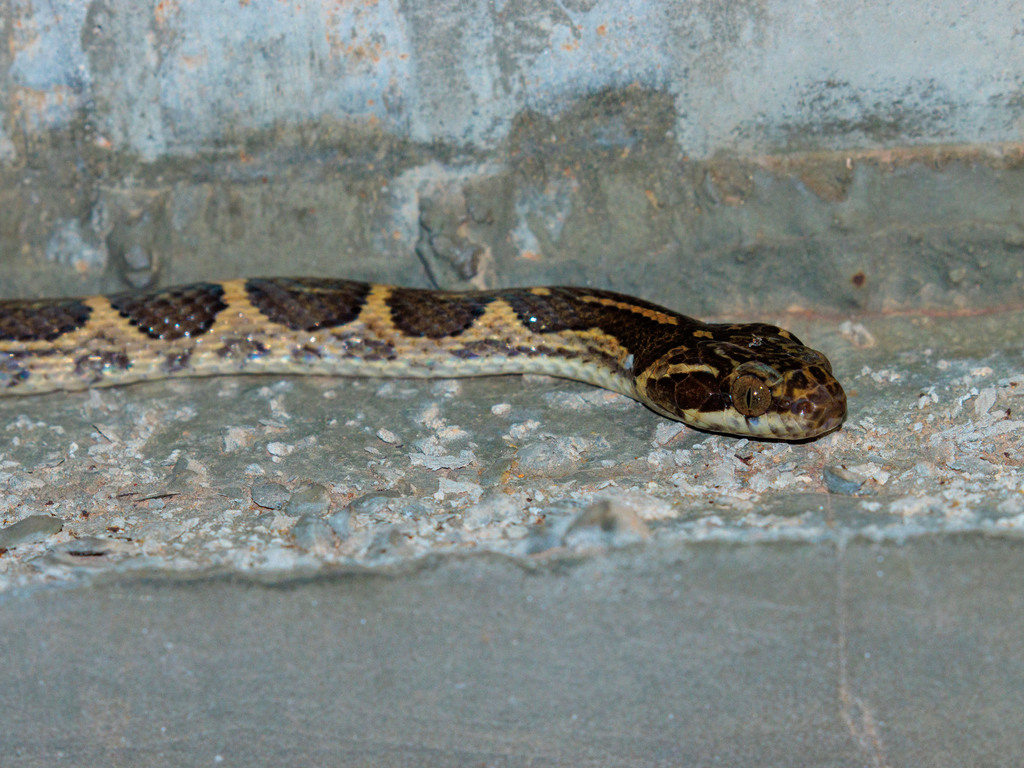
Snakes of Ecuador
Ecuador packs an extraordinary number of snakes into a small footprint. Our data records 250+ snake species across the country, of which 48 are venomous. For a nation roughly the size of the state of Nevada, supporting 250+ species is one of the highest concentrations of snake diversity anywhere on Earth, and it reflects a landscape that stacks several of the planet's richest habitats almost on top of one another.
The reason for this density is geography. The Andes run down the center of the country and split it into dramatically different worlds. To the west lies the Choco, a wet lowland rainforest that ranks among the most biodiverse regions on the planet. To the east, the land falls away into the headwaters of the Amazon, a vast network of rivers and flooded forest. Between them, the mountain slopes hold cool, misty cloud forests at middle elevations, each with its own specialized fauna. Far offshore, the Galapagos Islands add yet another distinct community of reptiles found nowhere else. A snake can travel a short horizontal distance in Ecuador and pass through more ecological zones than it would crossing an entire temperate country, and each zone has evolved its own residents.
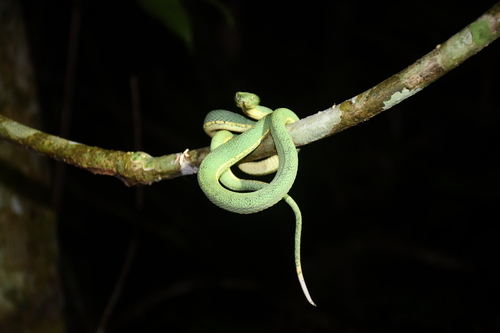
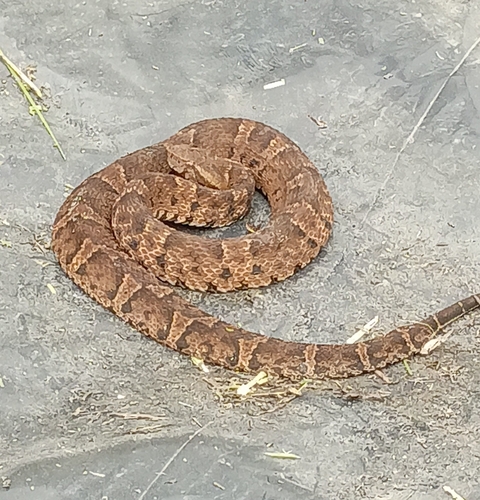
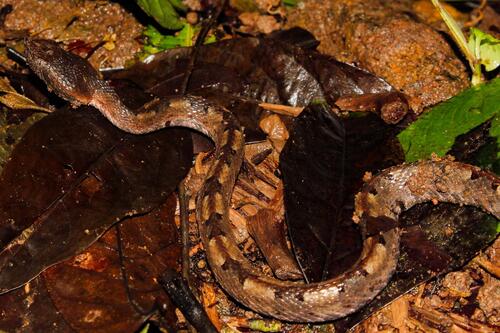
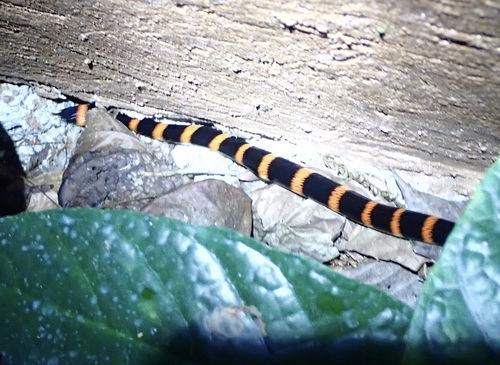
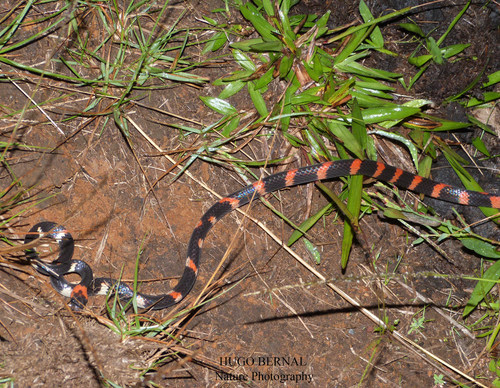
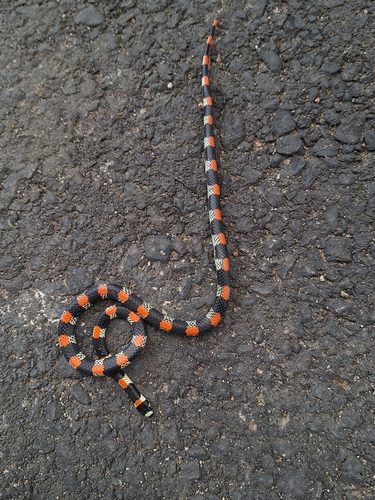
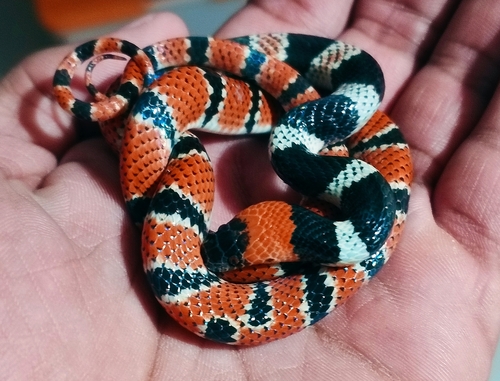
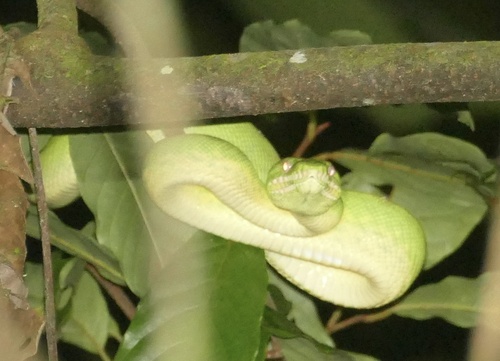
The venomous species fall into a few well known groups. Pit vipers are the most significant, especially the genus Bothrops, which includes the fer-de-lance and its relatives. These snakes are responsible for the large majority of serious bites in the region because they are widespread, well camouflaged in leaf litter, and sometimes found near farms and trails. The bushmaster, Lachesis, is the longest viper in the Americas and lives in remote lowland forest, where encounters are rare but consequential. Coral snakes of the genus Micrurus carry a different, neurotoxic venom and are recognizable by their banded patterns, though they are reclusive and bite people infrequently.
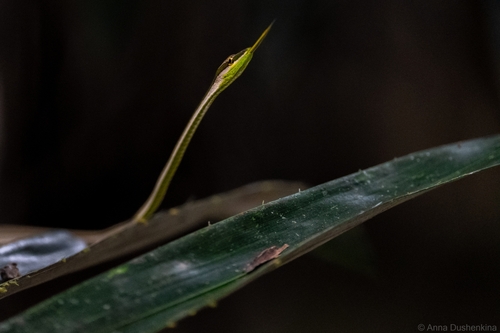
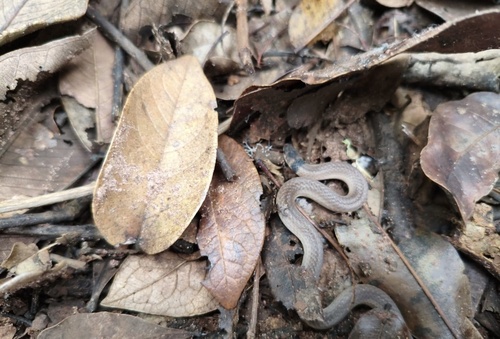
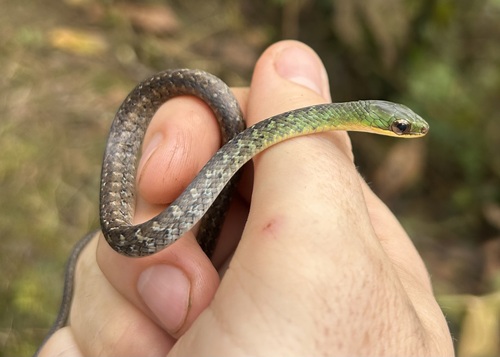
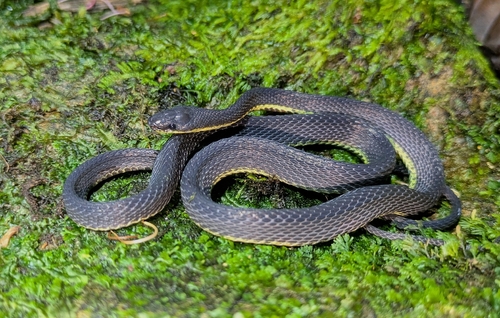
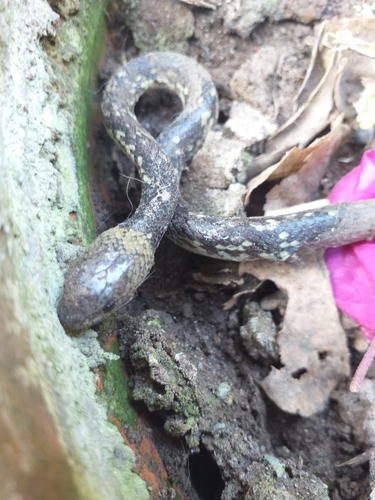
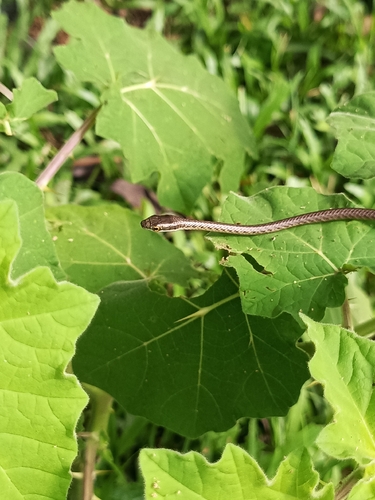
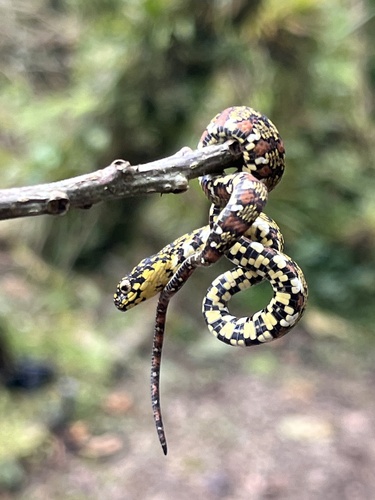
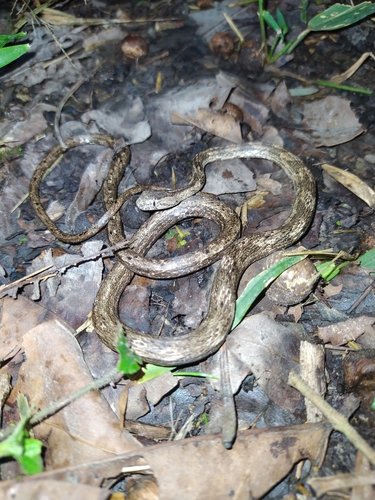
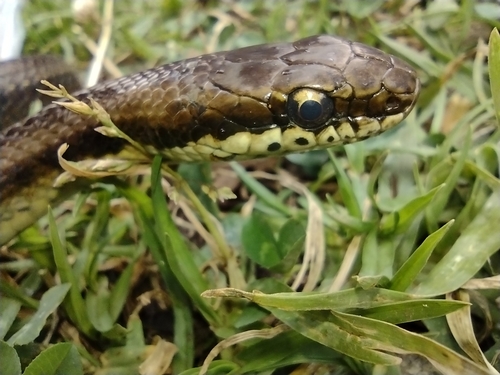
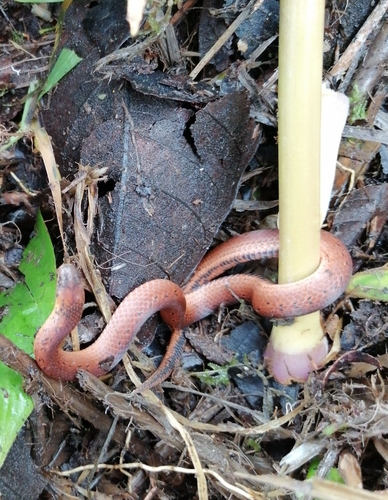
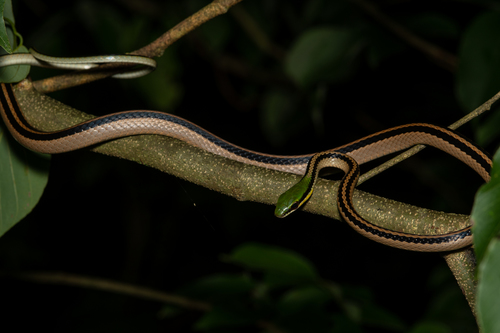
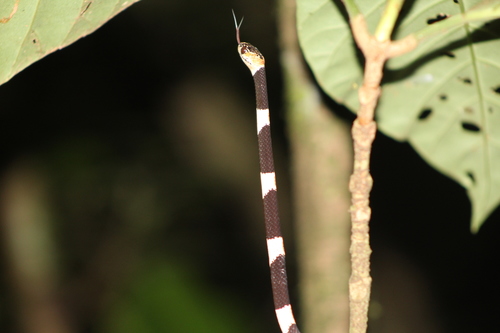
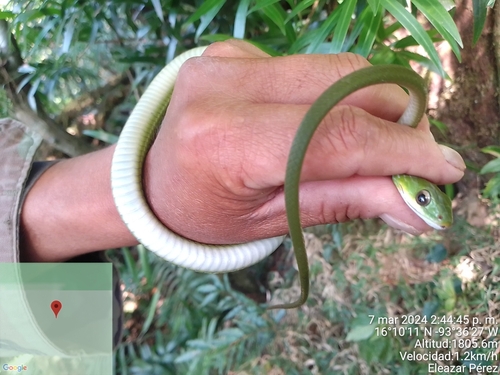
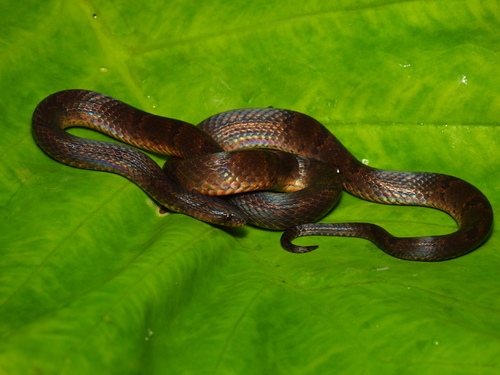
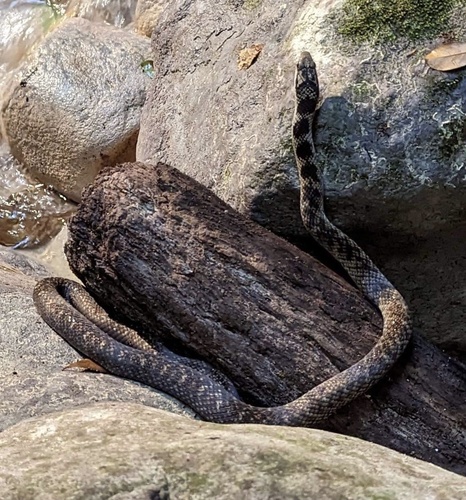
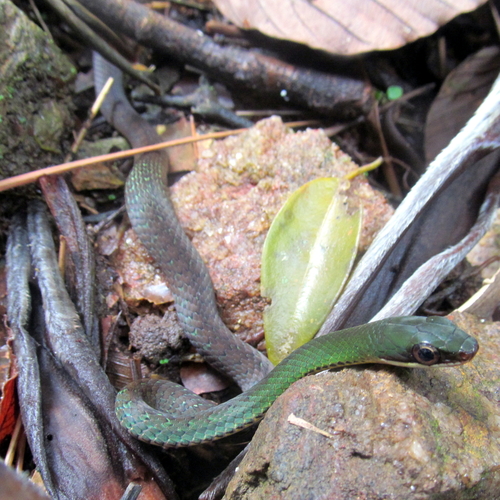
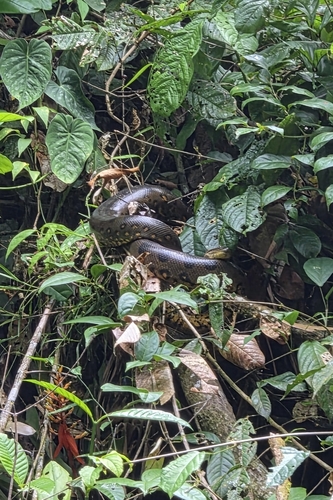
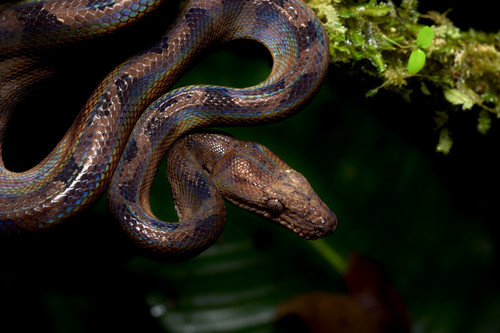
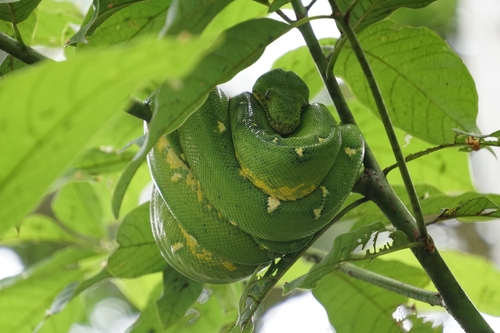
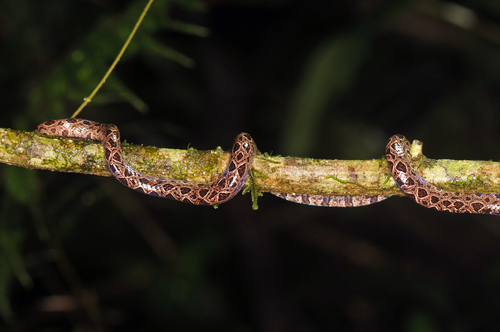
The non-venomous majority is where Ecuador's variety truly shows. Boas constrict rather than envenomate, and the Amazon basin is home to the green anaconda, one of the heaviest snakes in the world, which spends much of its life in slow water and swamp. Alongside the boas are hundreds of colubrids, the large family of mostly harmless snakes that fill nearly every niche, from tiny burrowers to slender tree dwellers to fast ground hunters. This group accounts for the bulk of the 299 recorded species and is the reason most snakes a visitor might glimpse pose no danger at all.
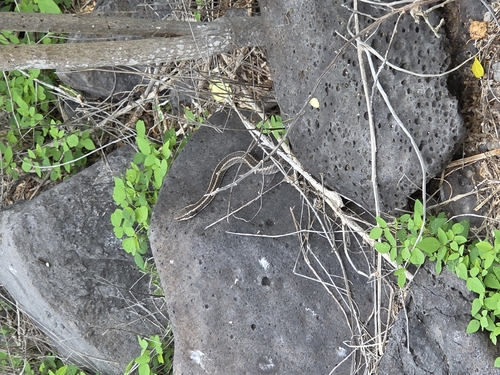
A standout point of interest is the Galapagos racers, a set of mild rear-fanged snakes endemic to the islands. They are best known from nature documentaries that captured them swarming after newly hatched marine iguanas racing across the sand toward the sea. Their venom is weak and oriented toward small prey, not a meaningful concern to people, and they exist nowhere else on the planet, which makes them a vivid example of how isolation on the islands produced animals found only there.
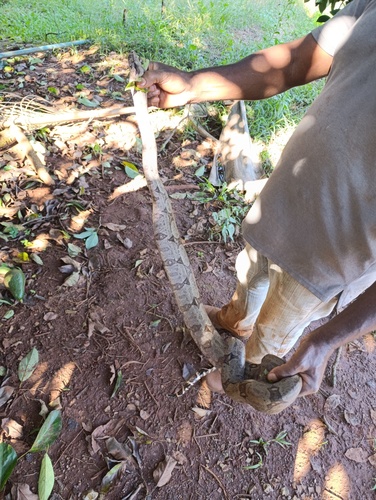
On safety, the honest picture is reassuring with real caveats. The great majority of Ecuador's snakes are harmless, and bites are uncommon relative to the number of snakes present. Bothrops vipers are the main threat to watch for in lowland and agricultural areas. Antivenom is available at hospitals, and any suspected venomous bite should be treated as a medical emergency with immediate transport to professional care. One genuine challenge is access: in remote stretches of the Amazon, reaching a hospital quickly can be difficult, which raises the stakes of a serious bite. No wild snake should ever be handled regardless of how harmless it appears, and proper identification and treatment should be left to emergency medical professionals.
Snakes in Ecuador: FAQ
- Are there venomous snakes in Ecuador?
- Yes. 47 venomous snake species have verified records in Ecuador, including Terciopelo, Common Lancehead, Central American Eyelash-Viper, Manabí Hognose Viper. Most snakes in Ecuador, however, are harmless.
- How many snake species live in Ecuador?
- 250+ snake species have verified records in Ecuador, of which 47 are venomous.
- What is the most commonly seen snake in Ecuador?
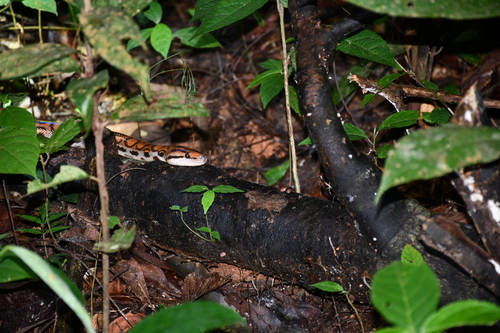
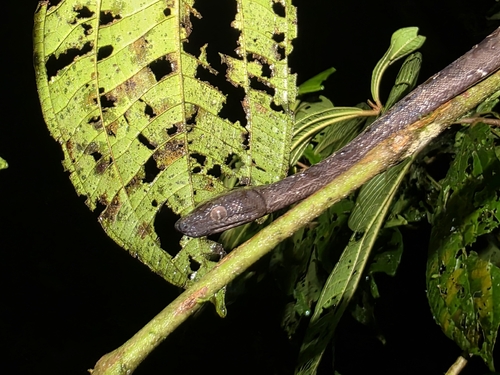
- The Paraiba Cat-eyed Snake is the most frequently reported snake in Ecuador, based on verified wildlife observations.
- What should I do if I see a venomous snake in Ecuador?
- Keep your distance and do not try to catch or kill it. Most bites happen when people handle or corner a snake. If someone is bitten, contact local emergency services or poison control immediately.
Venomous snakes in Ecuador
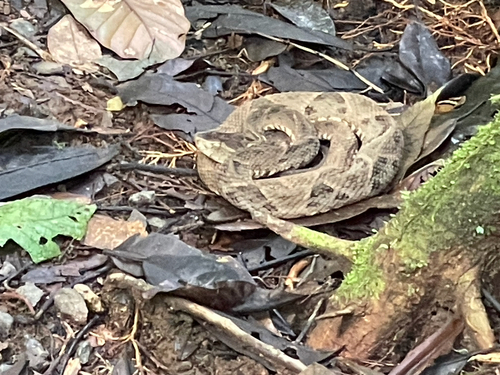
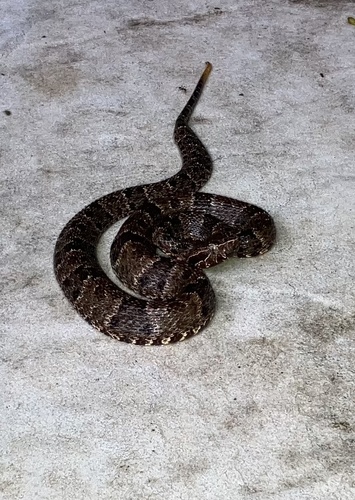
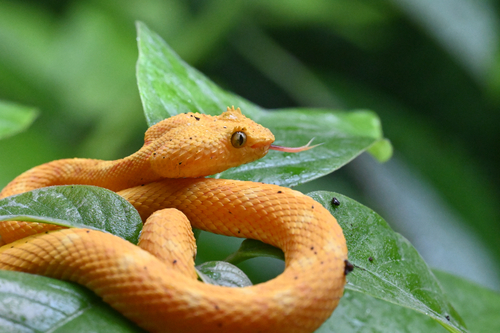
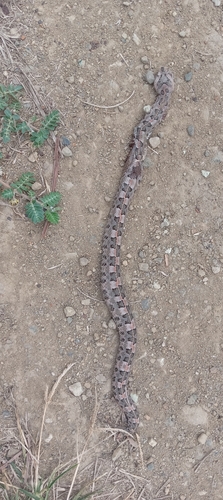
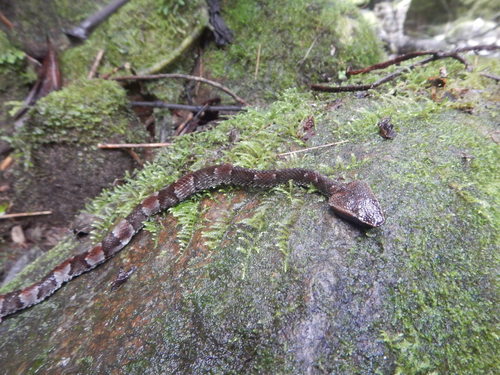
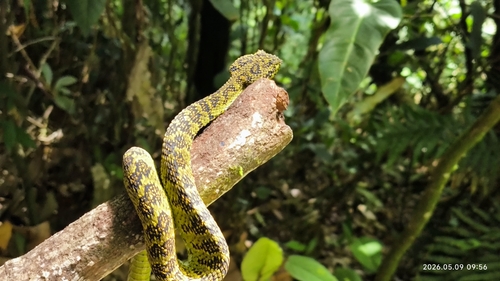
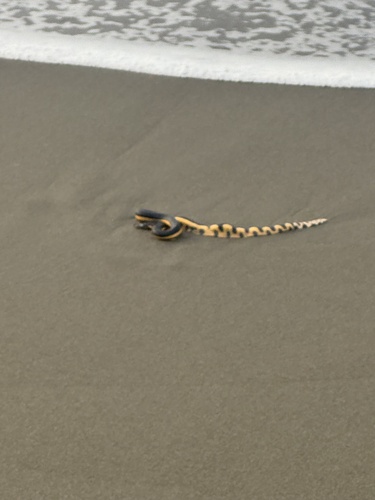
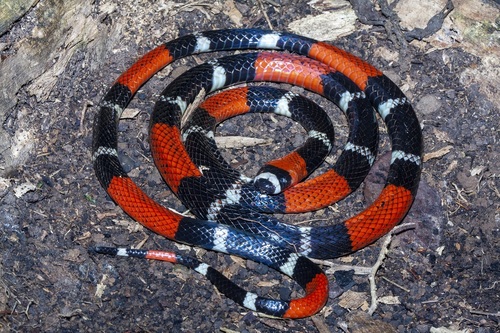 Ribbon CoralsnakeMicrurus lemniscatusVenomous
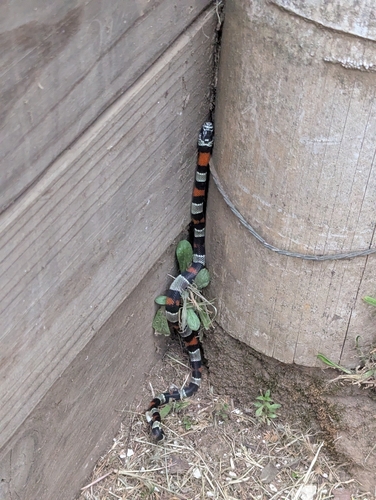
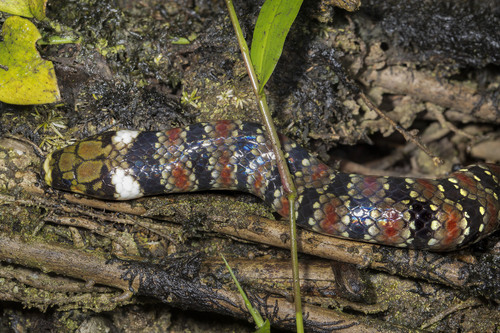
Rings of red, yellow, and black where red touches yellow; small rounded head and round pupils.
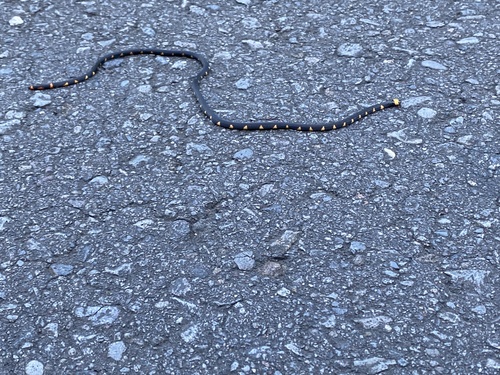 Andean Blackback CoralsnakeMicrurus narducciiVenomous
Rings of red, yellow, and black where red touches yellow; small rounded head and round pupils.
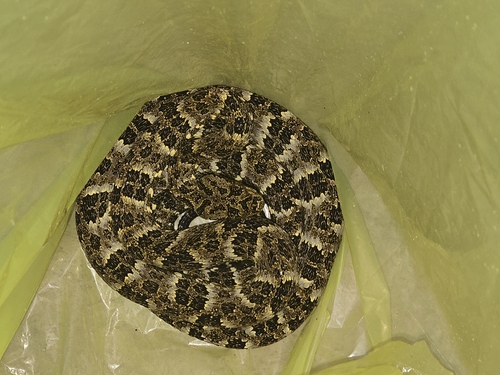
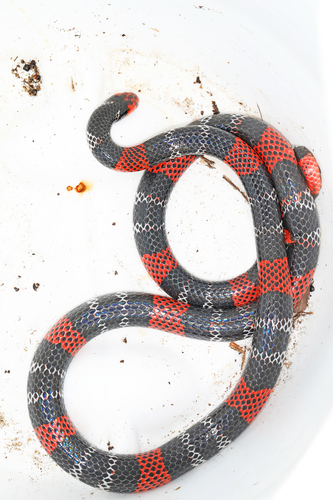 Regal CoralsnakeMicrurus ancoralisVenomous
Rings of red, yellow, and black where red touches yellow; small rounded head and round pupils.
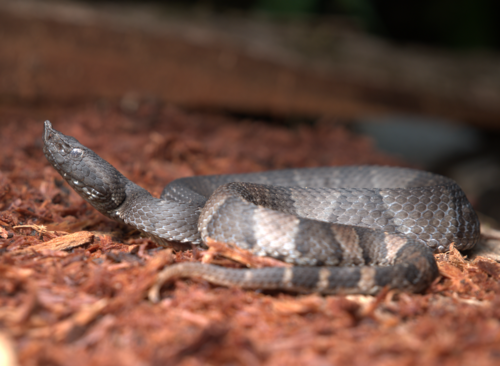
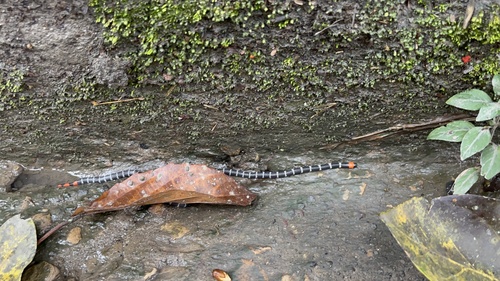 Redtail CoralsnakeMicrurus mipartitusVenomous
Rings of red, yellow, and black where red touches yellow; small rounded head and round pupils.
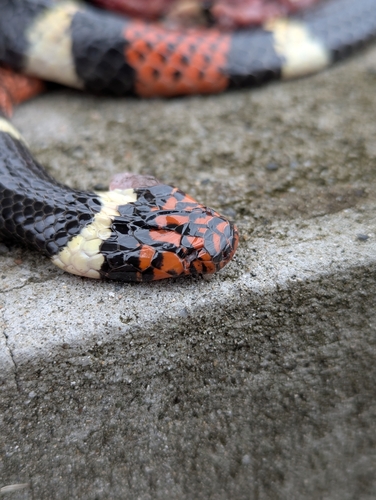 Aquatic CoralsnakeMicrurus surinamensisVenomous
Rings of red, yellow, and black where red touches yellow; small rounded head and round pupils.
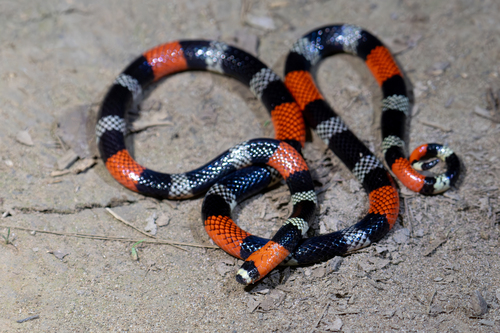 Western Ribbon CoralsnakeMicrurus helleriVenomous
Rings of red, yellow, and black where red touches yellow; small rounded head and round pupils.
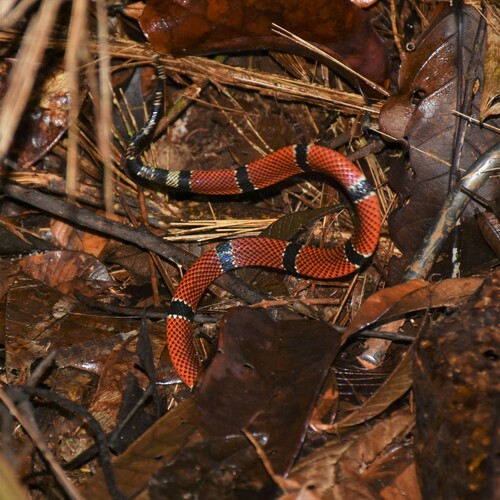 Transandean Capuchin CoralsnakeMicrurus dumeriliiVenomous
Rings of red, yellow, and black where red touches yellow; small rounded head and round pupils.
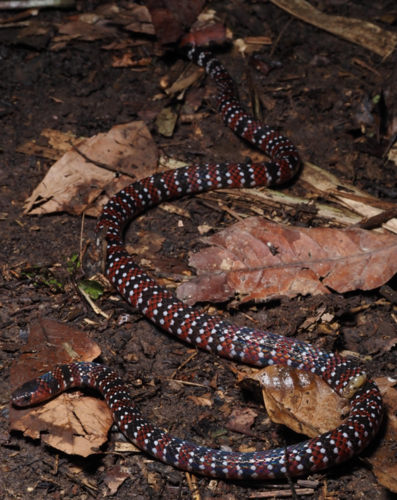 Ornate CoralsnakeMicrurus ornatissimusVenomous
Rings of red, yellow, and black where red touches yellow; small rounded head and round pupils.
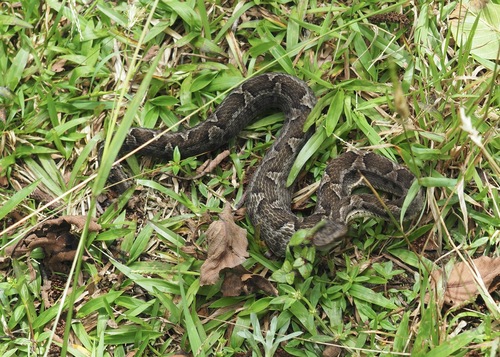
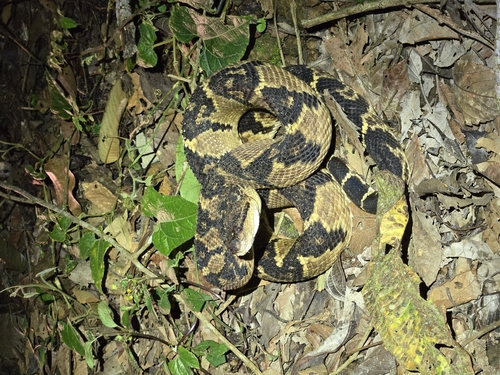
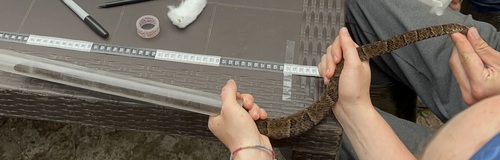
 Ecuador CoralsnakeMicrurus bocourtiVenomous
Rings of red, yellow, and black where red touches yellow; small rounded head and round pupils.
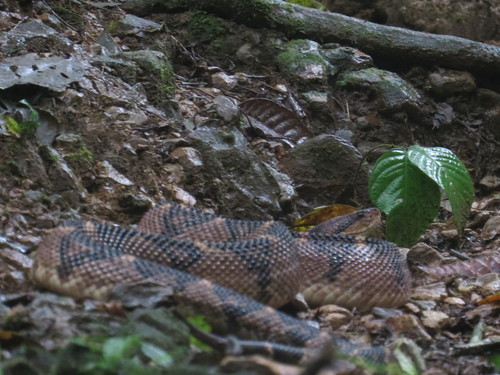
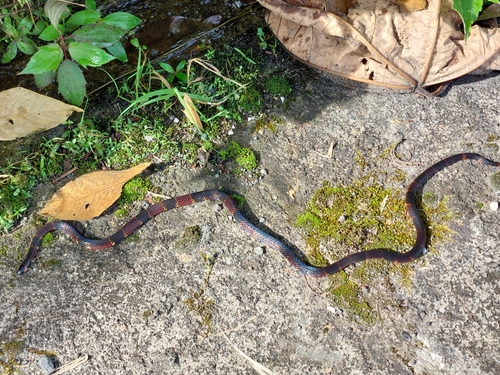 Steindachner's CoralsnakeMicrurus steindachneriVenomous
Rings of red, yellow, and black where red touches yellow; small rounded head and round pupils.
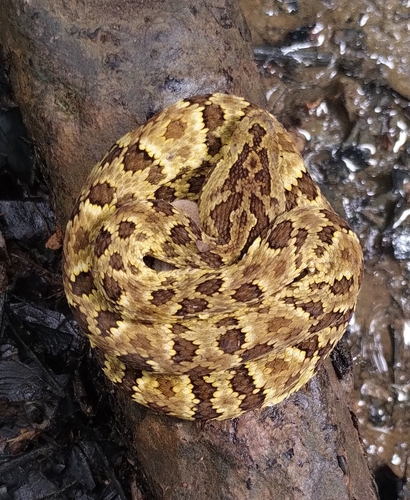
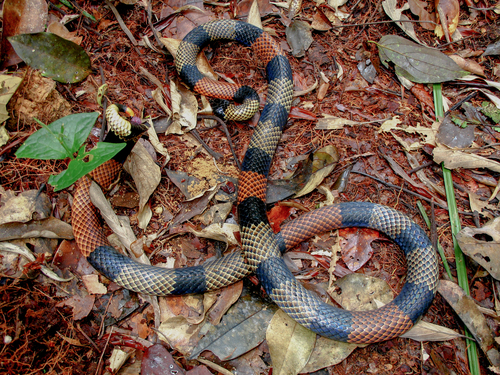 Amazon CoralsnakeMicrurus spixiiVenomous
Rings of red, yellow, and black where red touches yellow; small rounded head and round pupils.
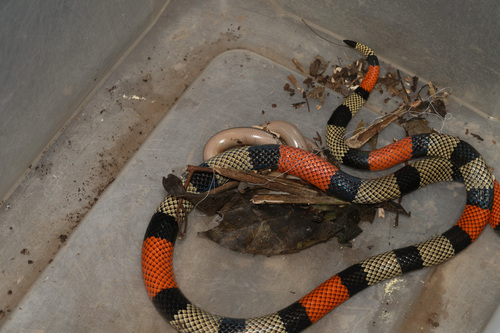 Black-necked Amazonian CoralsnakeMicrurus obscurusVenomous
Rings of red, yellow, and black where red touches yellow; small rounded head and round pupils.
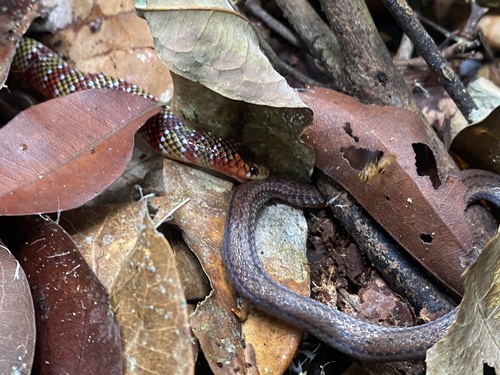 Langsdorff's CoralsnakeMicrurus langsdorffiVenomous
Rings of red, yellow, and black where red touches yellow; small rounded head and round pupils.
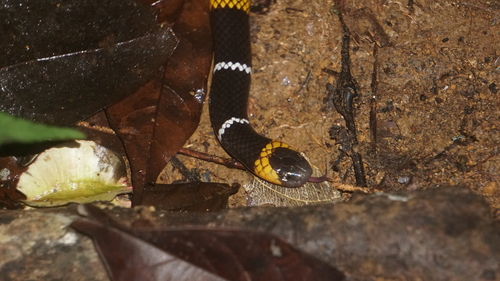 Hemprich's CoralsnakeMicrurus hemprichiiVenomous
Rings of red, yellow, and black where red touches yellow; small rounded head and round pupils.
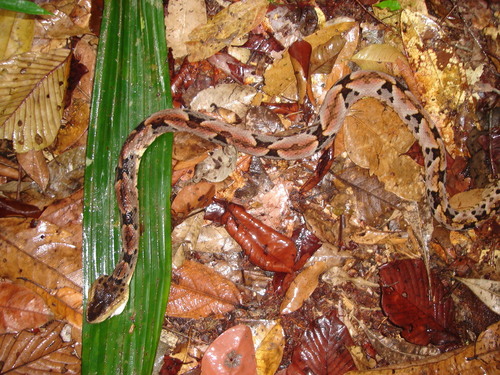
- No photoPeters' CoralsnakeMicrurus petersiVenomous
Rings of red, yellow, and black where red touches yellow; small rounded head and round pupils.
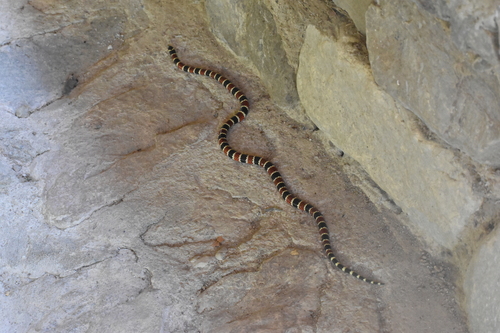 Mertens' CoralsnakeMicrurus mertensiVenomous
Rings of red, yellow, and black where red touches yellow; small rounded head and round pupils.
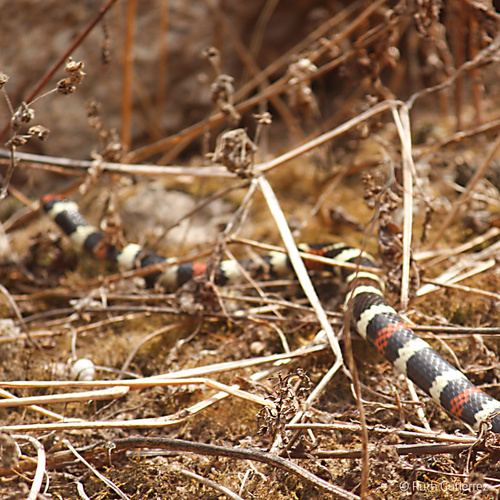 Desert CoralsnakeMicrurus tschudiiVenomous
Rings of red, yellow, and black where red touches yellow; small rounded head and round pupils.
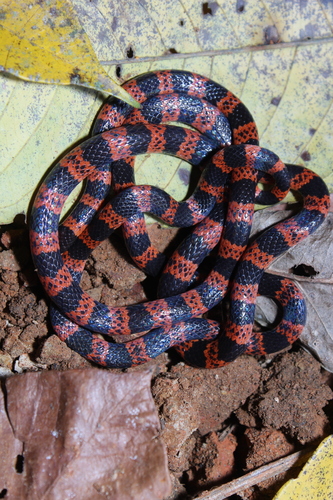 Cauca CoralsnakeMicrurus multiscutatusVenomous
Rings of red, yellow, and black where red touches yellow; small rounded head and round pupils.
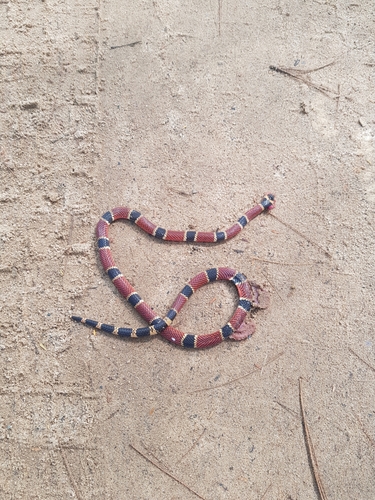 Peru CoralsnakeMicrurus peruvianusVenomous
Rings of red, yellow, and black where red touches yellow; small rounded head and round pupils.
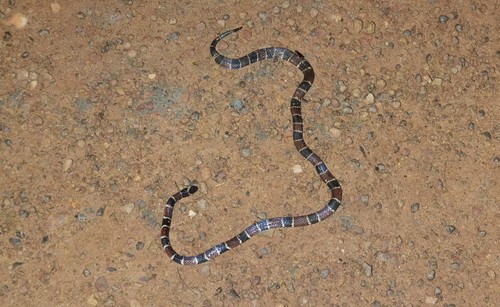 Carib CoralsnakeMicrurus psychesVenomous
Rings of red, yellow, and black where red touches yellow; small rounded head and round pupils.
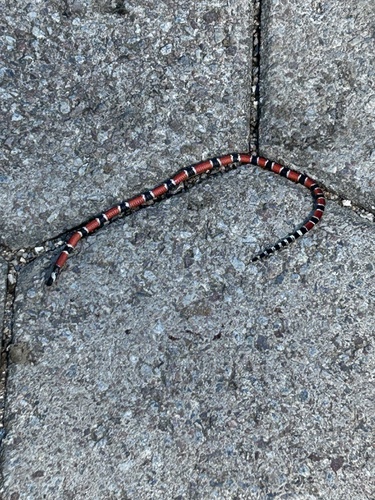 Painted CoralsnakeMicrurus corallinusVenomous
Rings of red, yellow, and black where red touches yellow; small rounded head and round pupils.
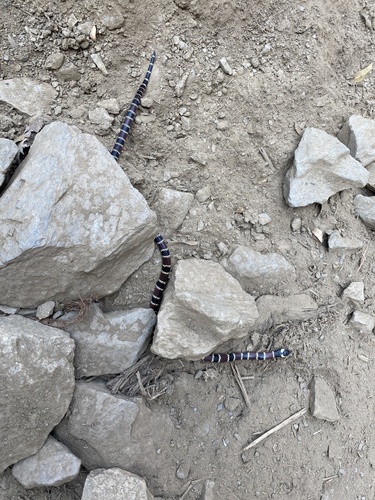 Annellated CoralsnakeMicrurus annellatusVenomous
Rings of red, yellow, and black where red touches yellow; small rounded head and round pupils.
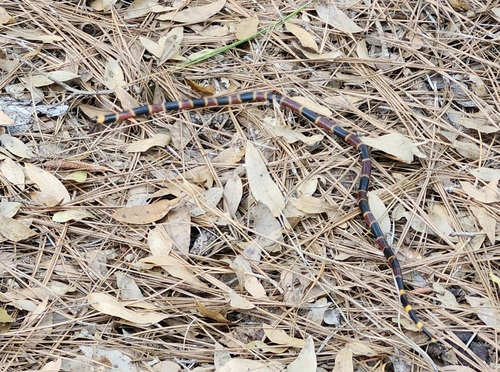 Eastern CoralsnakeMicrurus fulviusVenomous
Rings of red, yellow, and black where red touches yellow; small rounded head and round pupils.
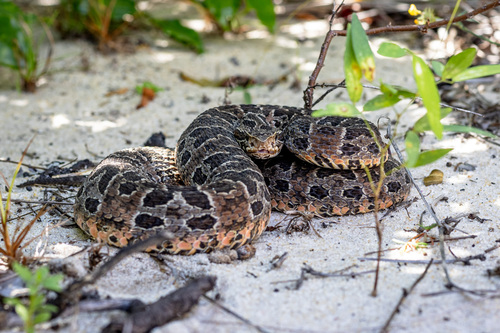
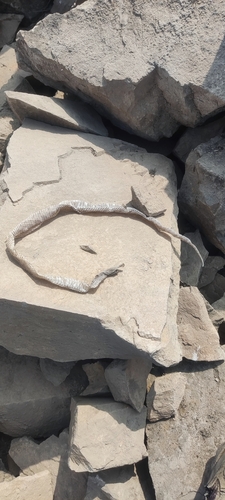
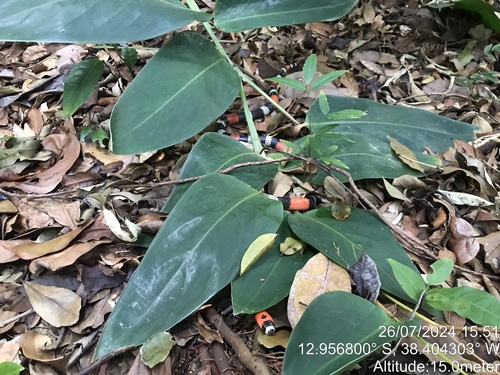 Caatinga CoralsnakeMicrurus ibibobocaVenomous
Rings of red, yellow, and black where red touches yellow; small rounded head and round pupils.
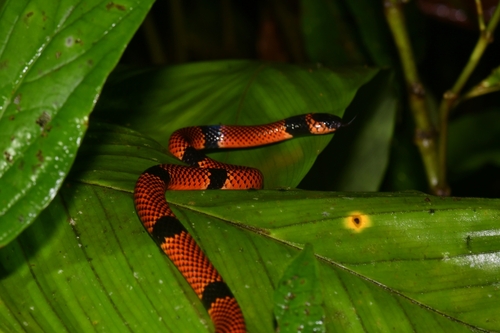 Clark's CoralsnakeMicrurus clarkiVenomous
Rings of red, yellow, and black where red touches yellow; small rounded head and round pupils.
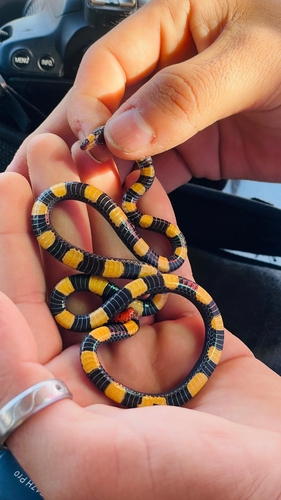 Pygmy Slender CoralsnakeMicrurus scutiventrisVenomous
Rings of red, yellow, and black where red touches yellow; small rounded head and round pupils.
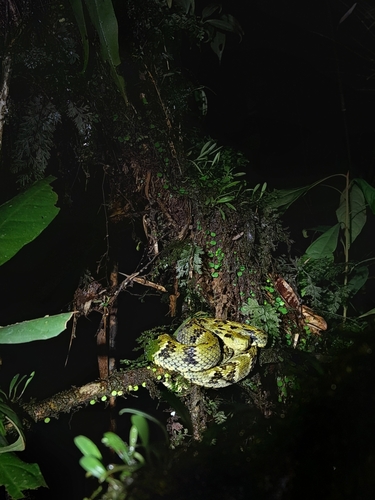
Every snake recorded in Ecuador
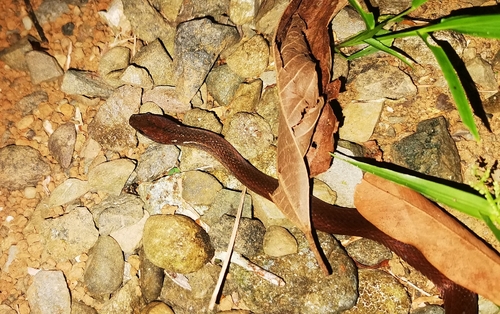
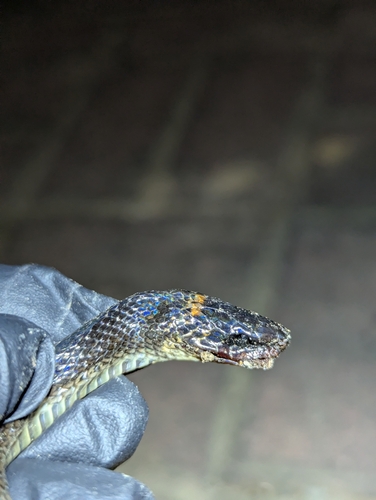
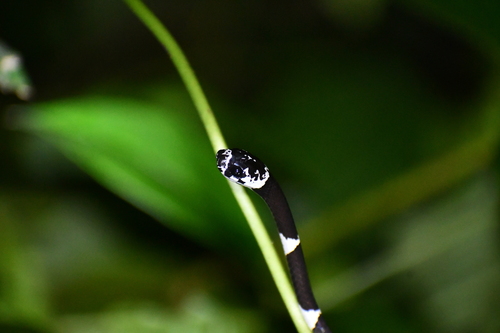
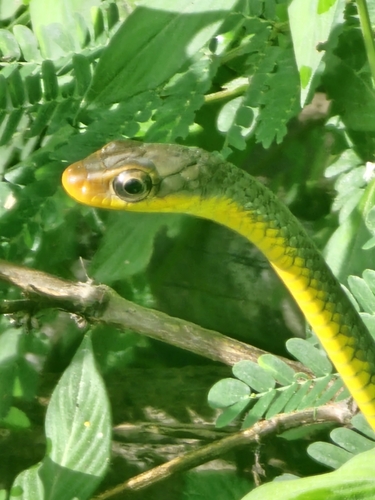
250+ species across 9 families, grouped by family. Venomous flagged.
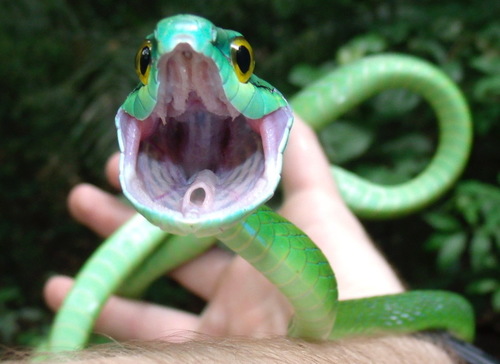
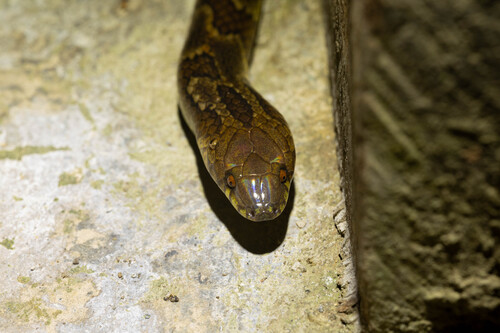
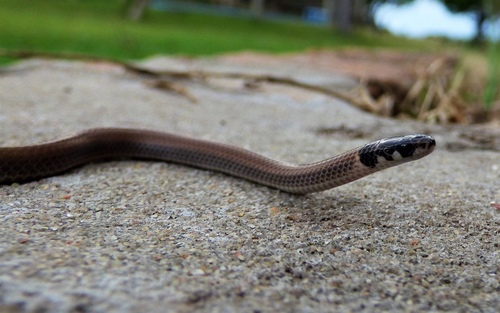
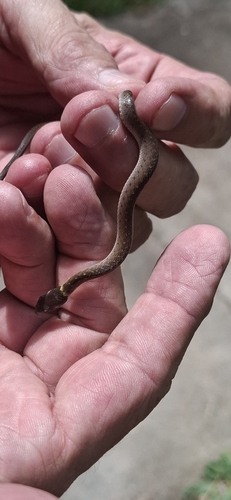
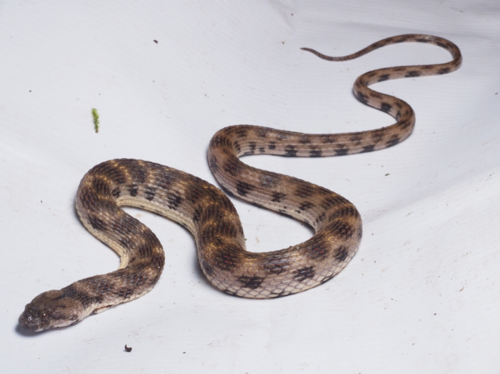
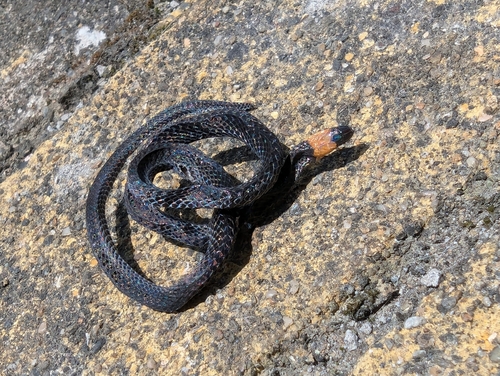
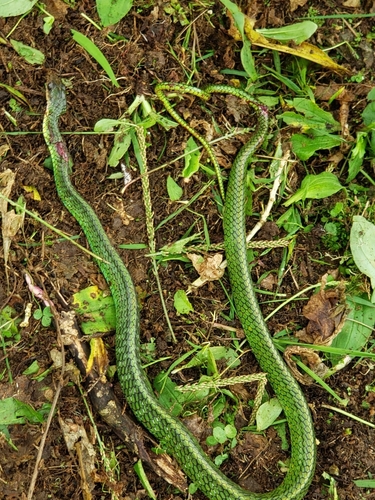
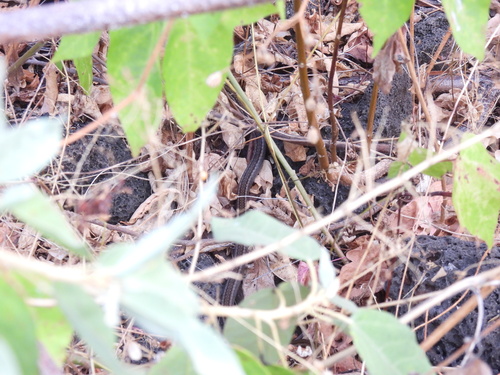
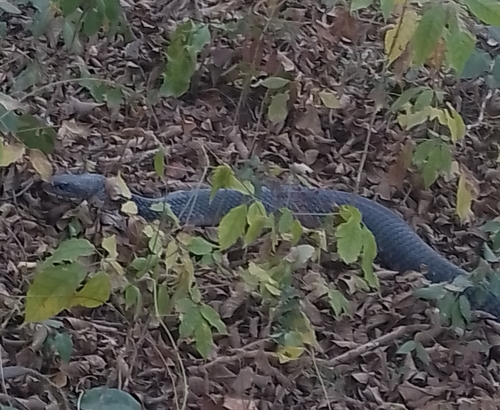
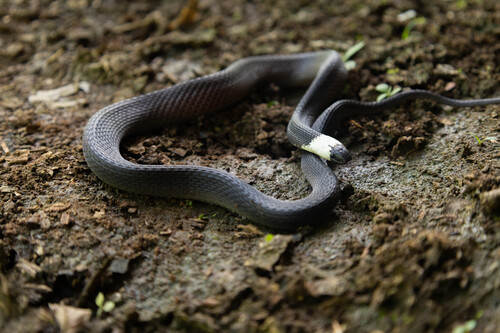
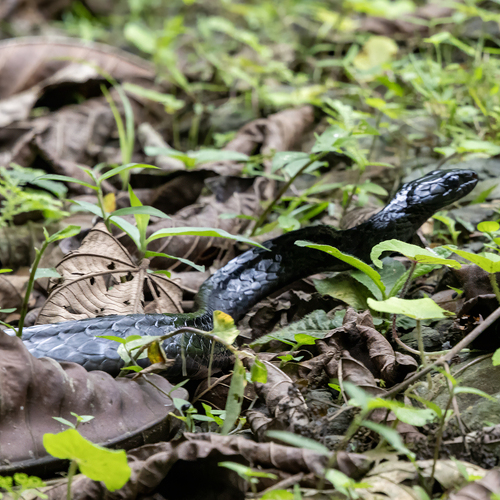
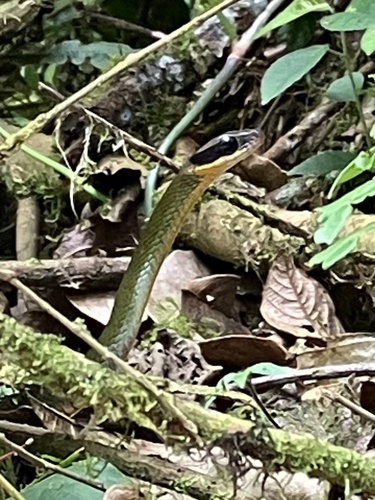
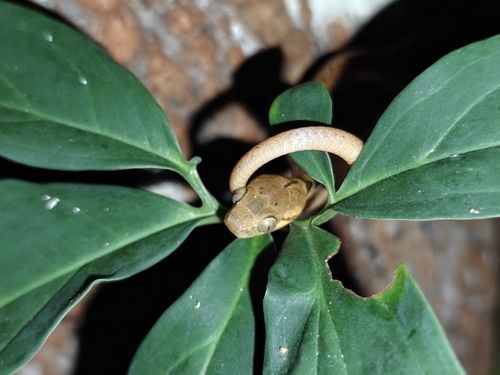
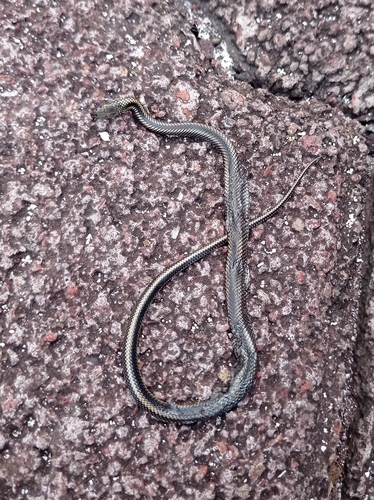
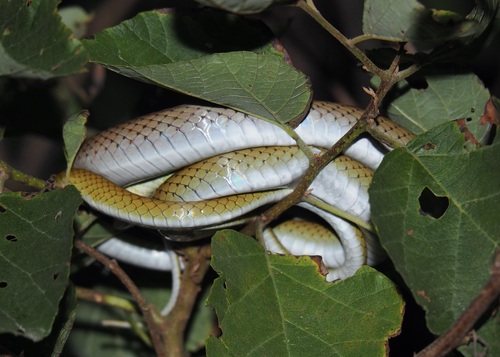
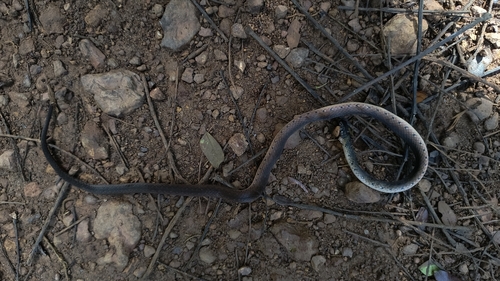
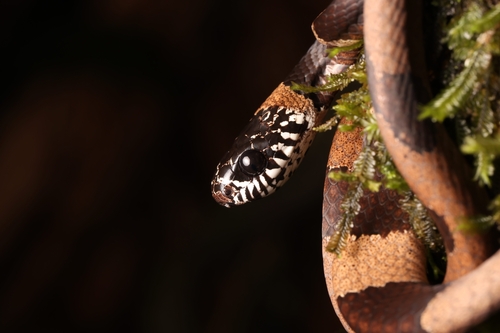
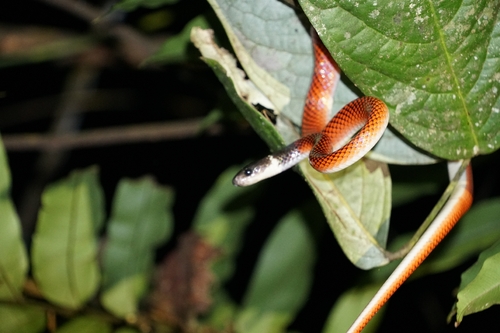
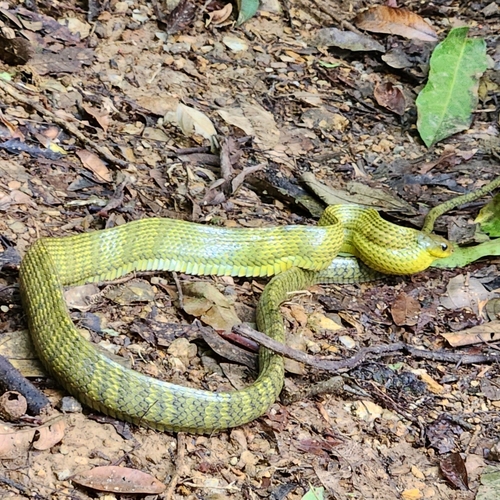
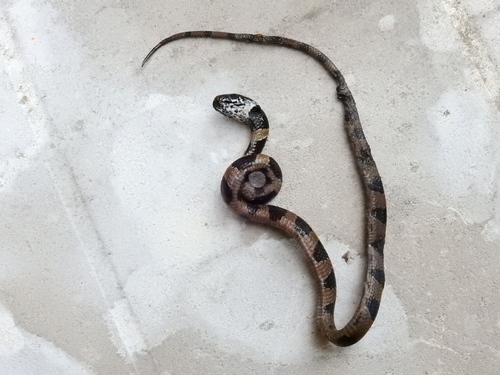
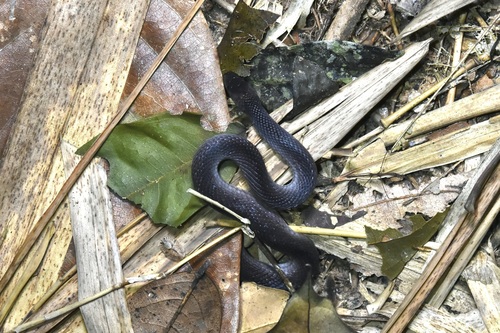
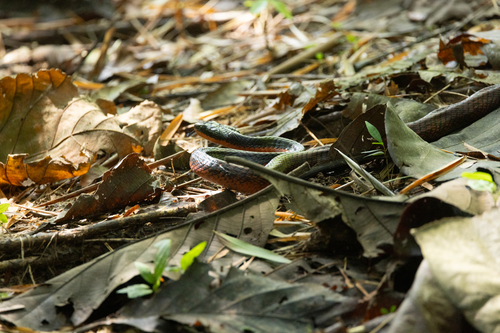
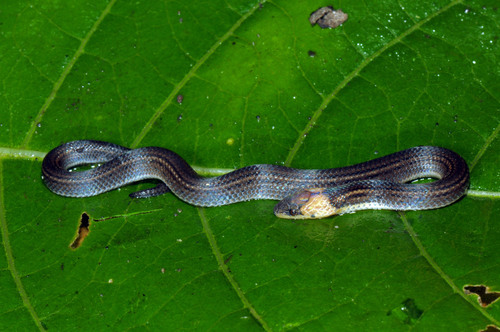
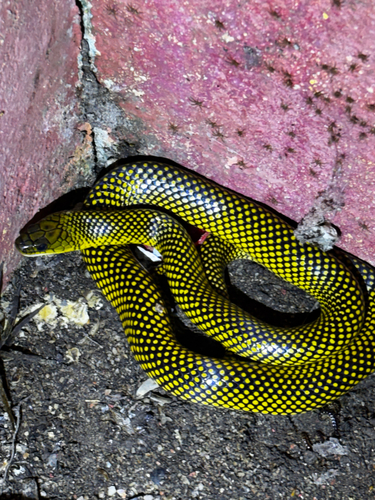
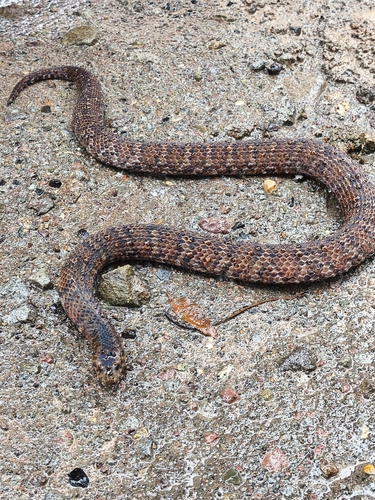
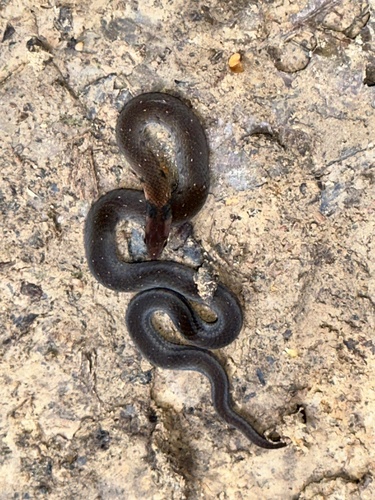
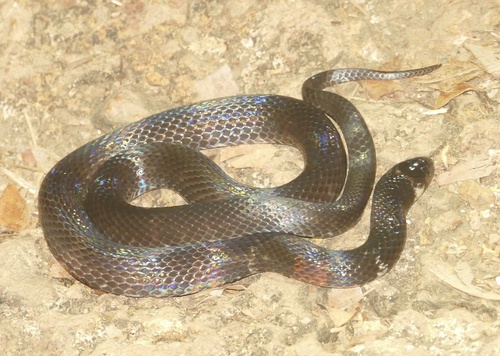
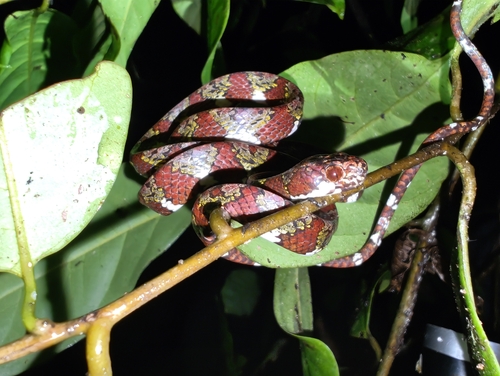
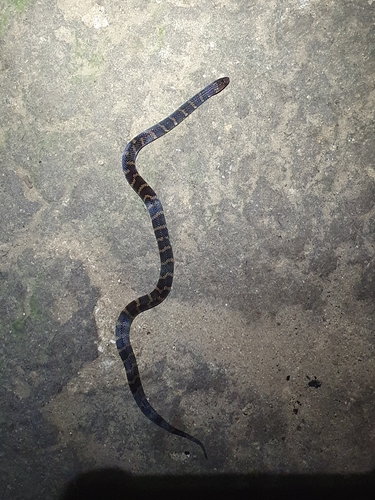
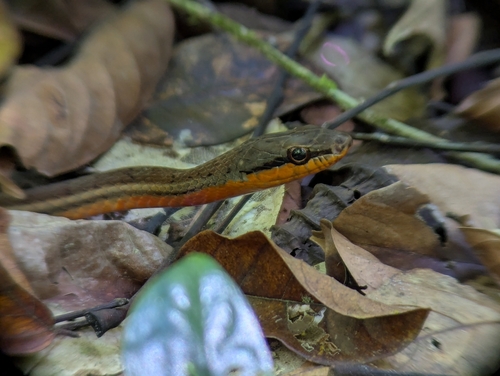
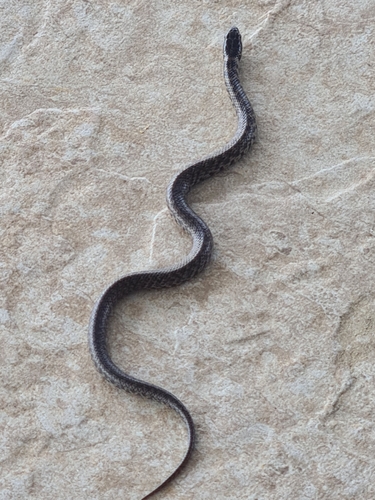
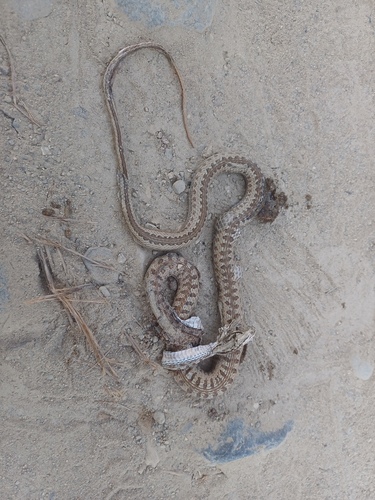
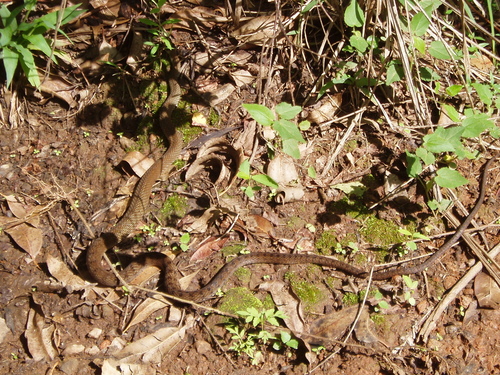
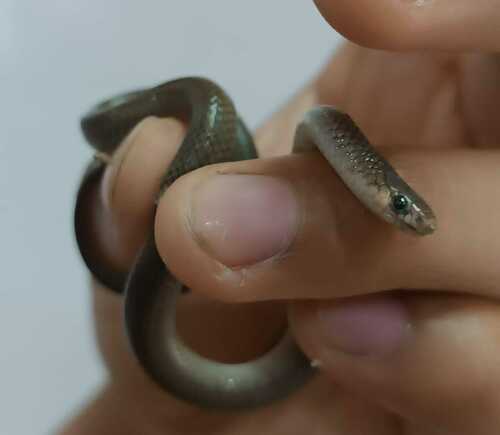
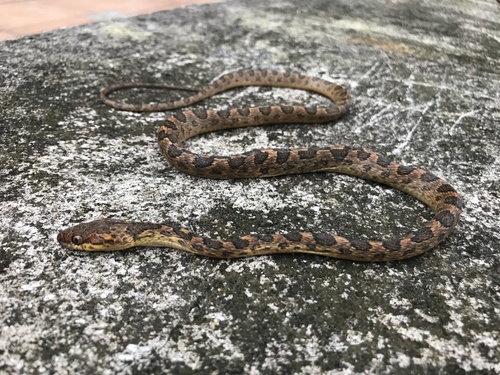
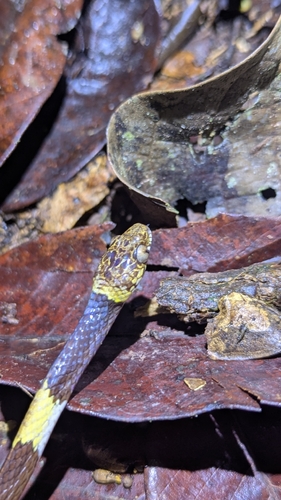
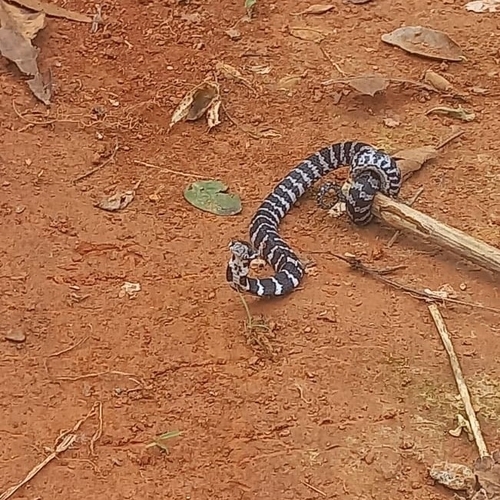
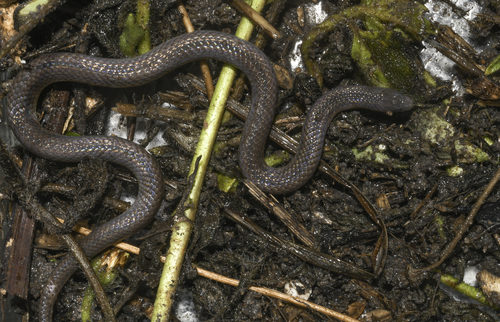
Colubridae (224)
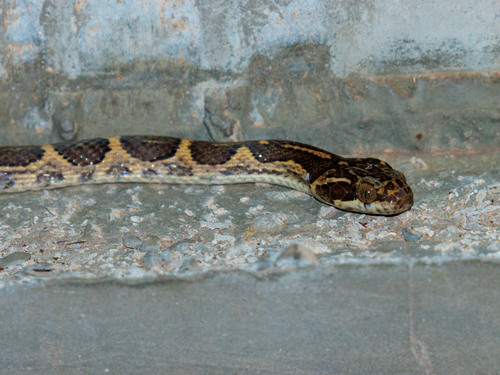
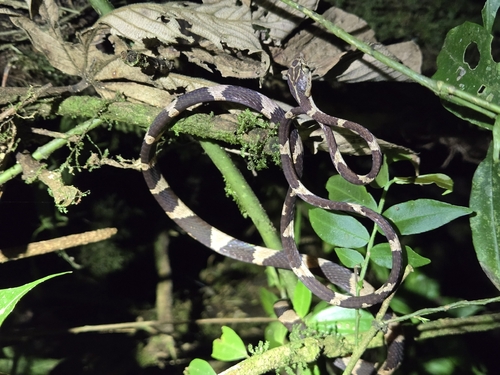
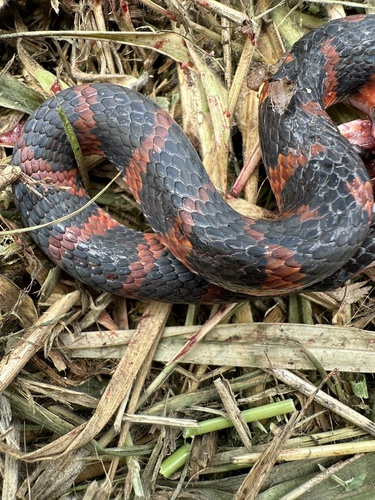
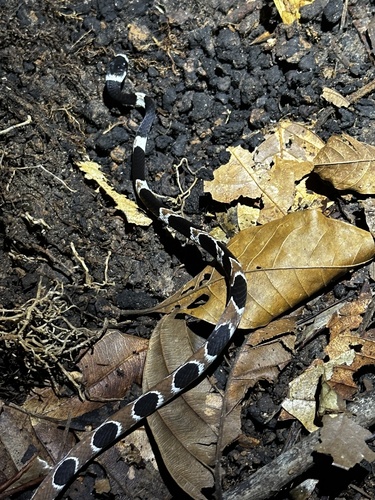
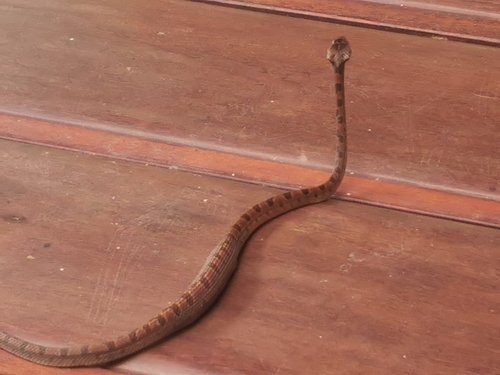
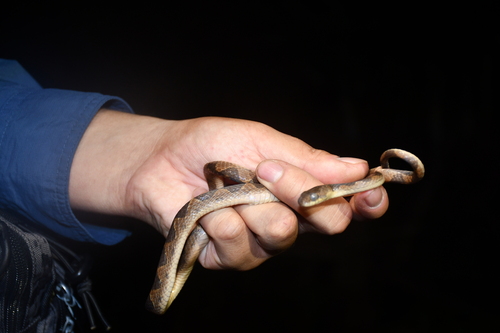

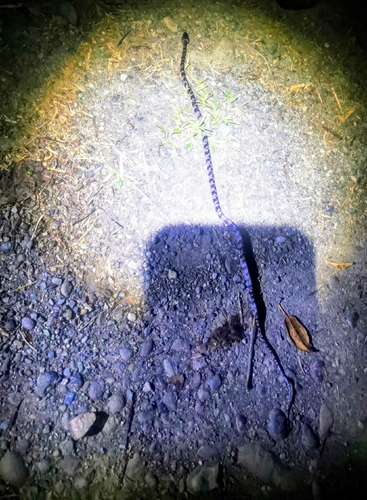
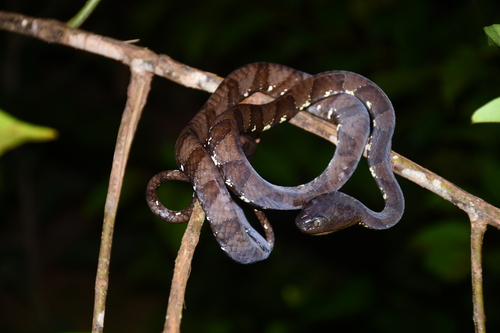
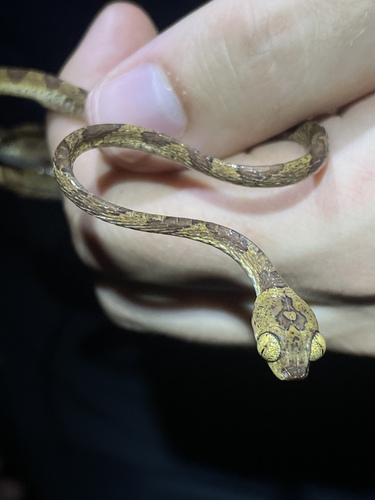
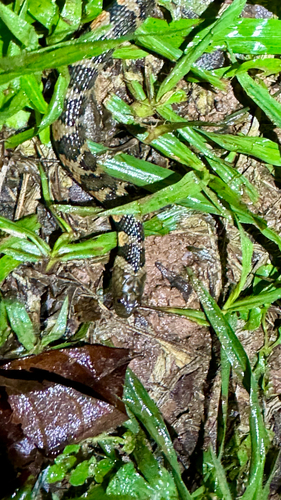
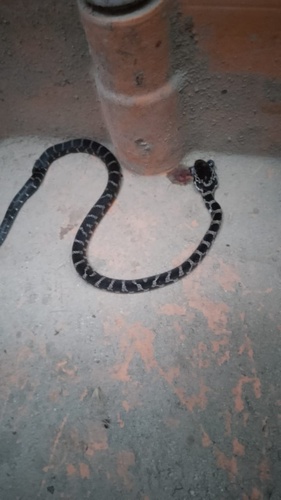
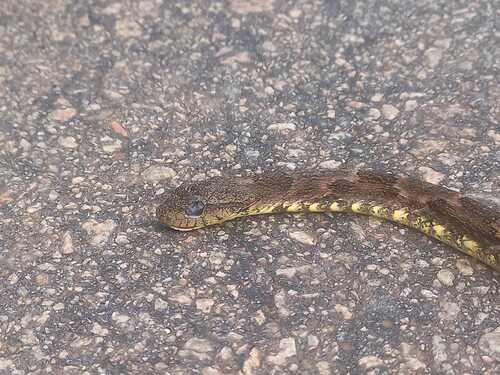
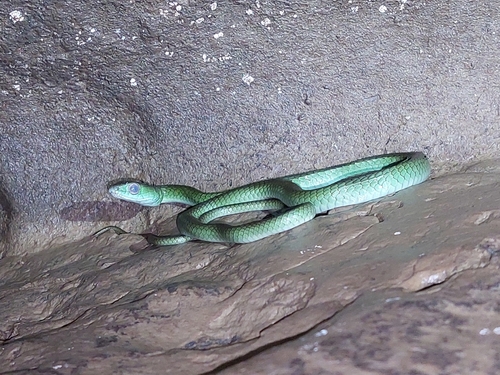
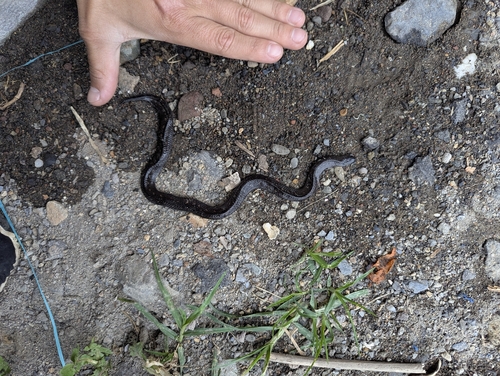
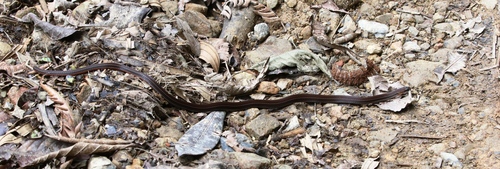
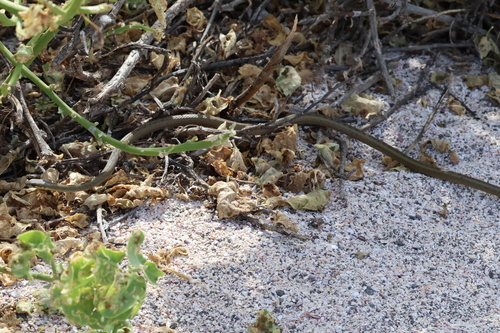

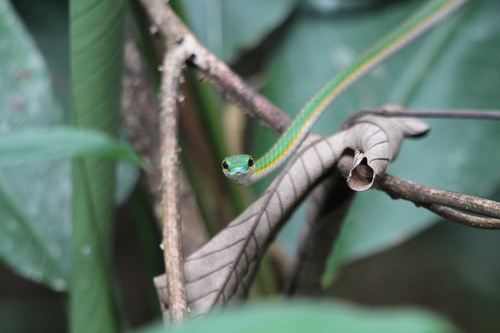
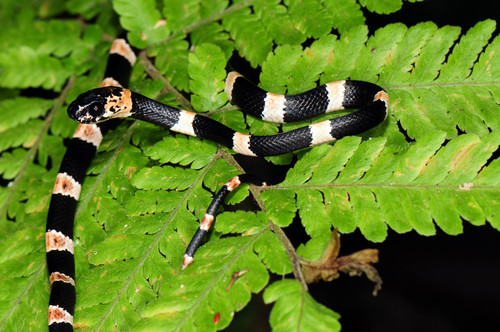
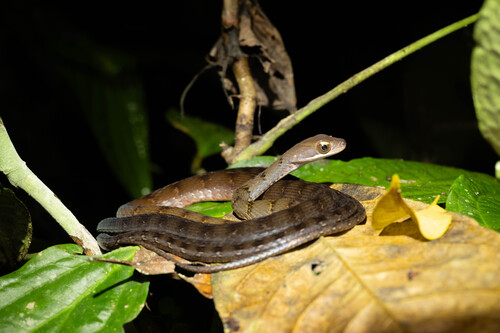
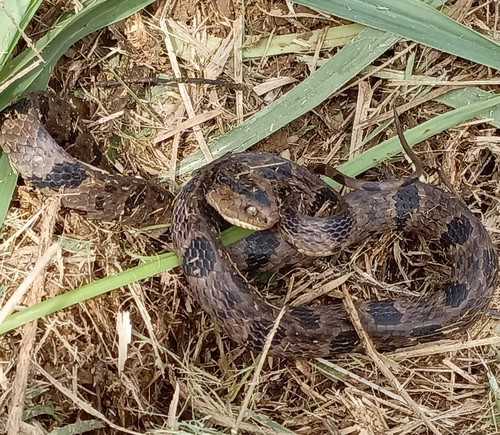
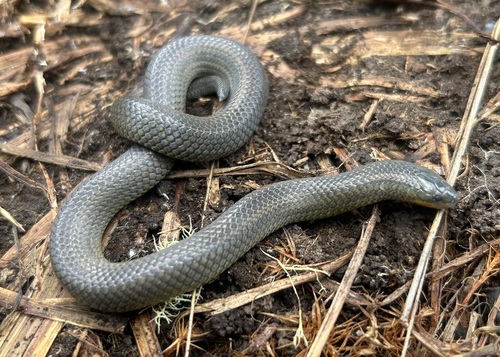
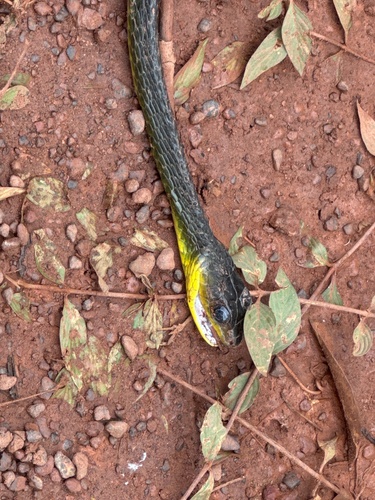
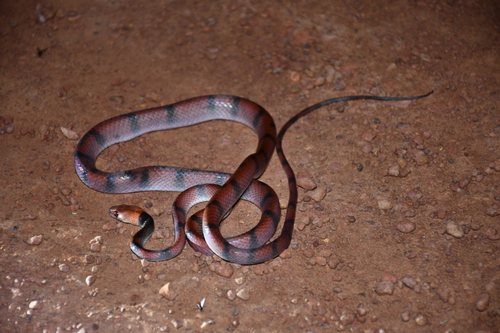
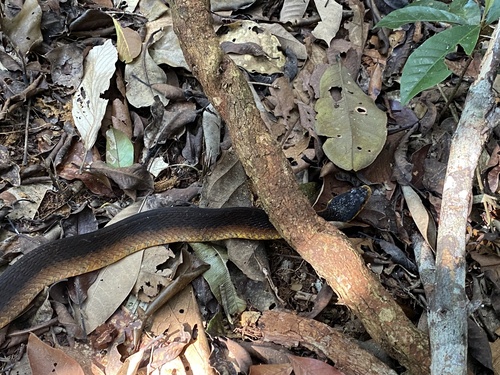
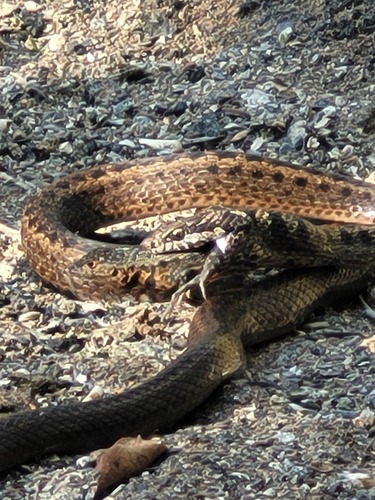
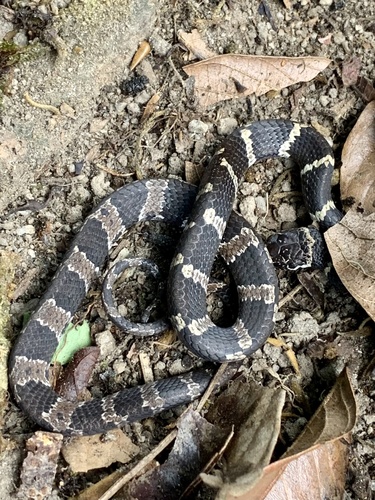
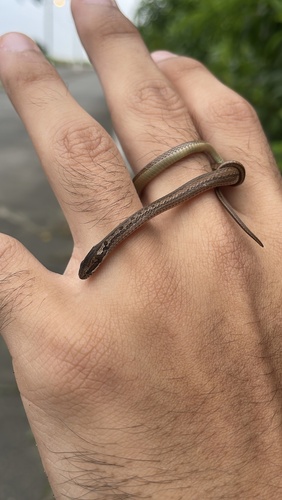
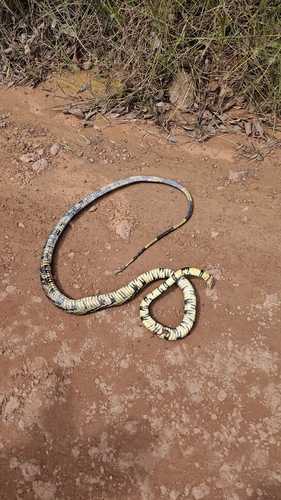
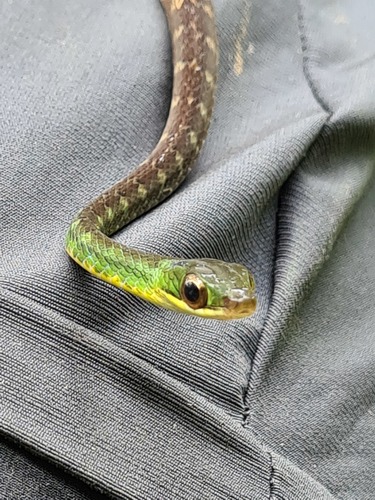
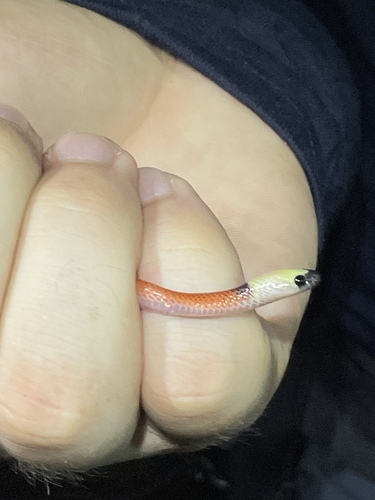

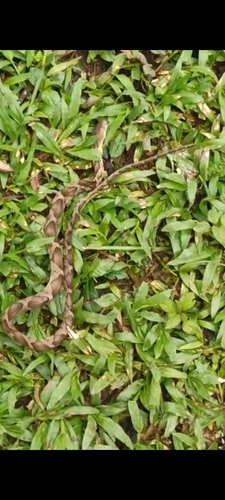
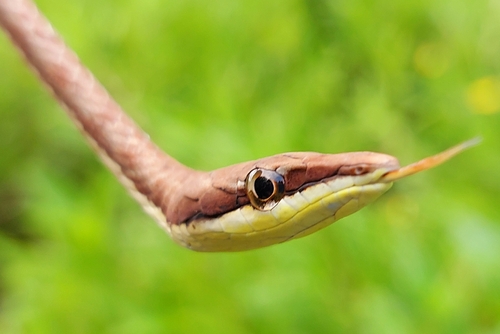
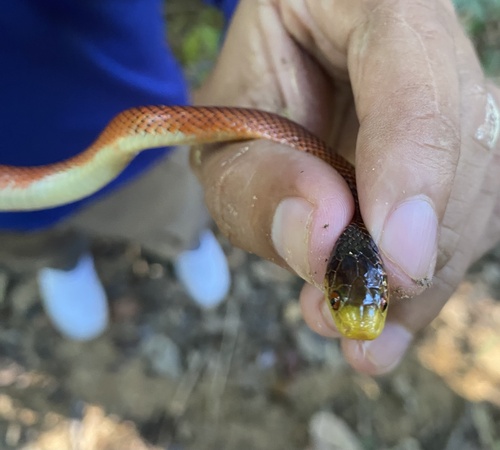
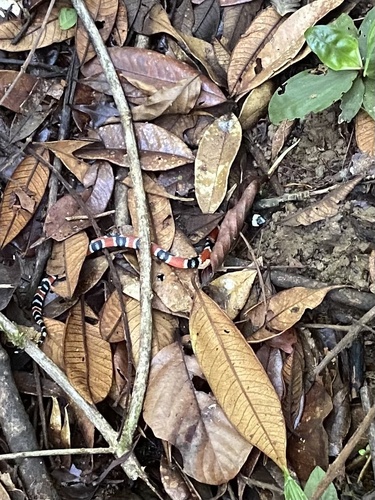
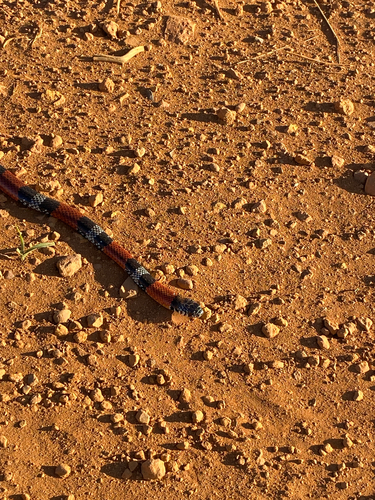
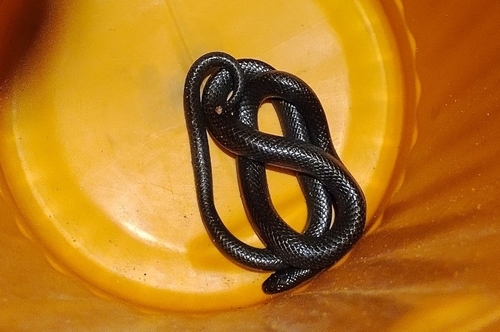
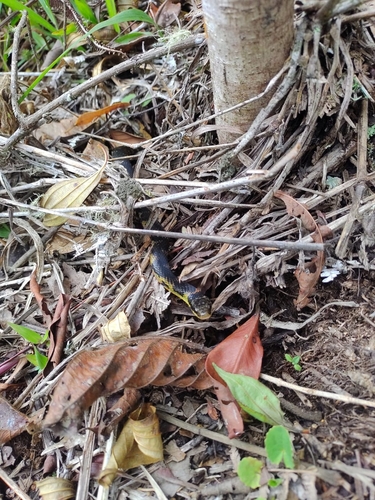
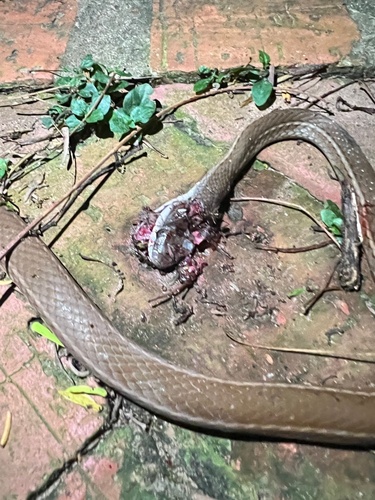
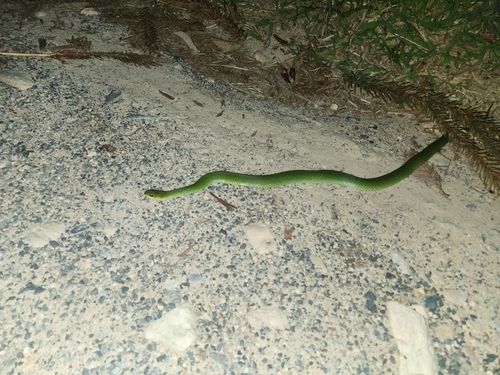
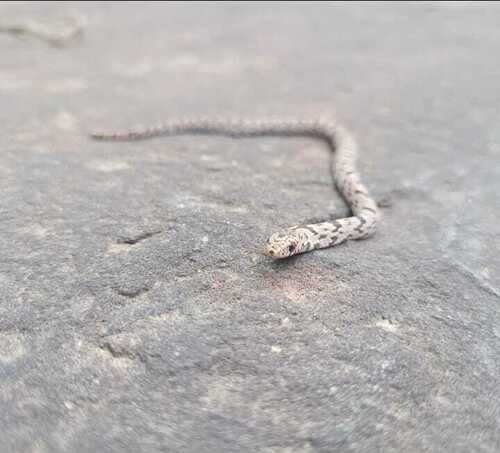
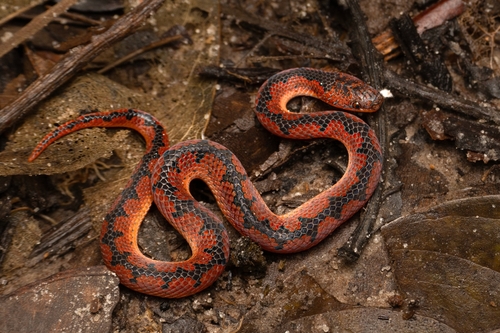
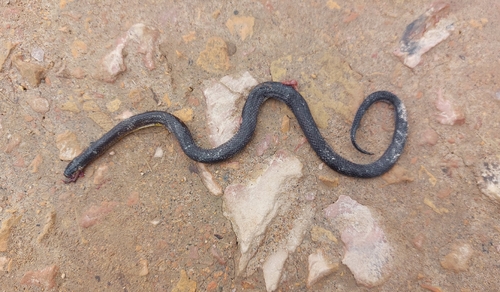

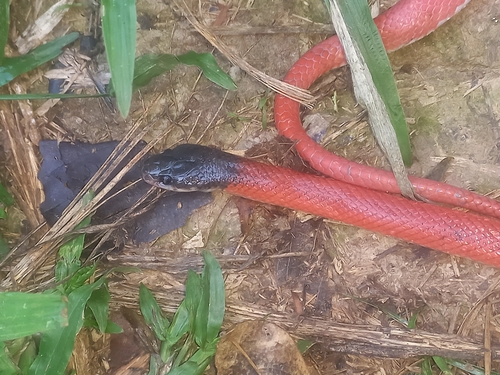
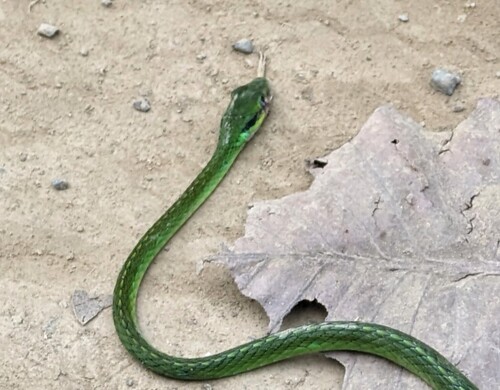
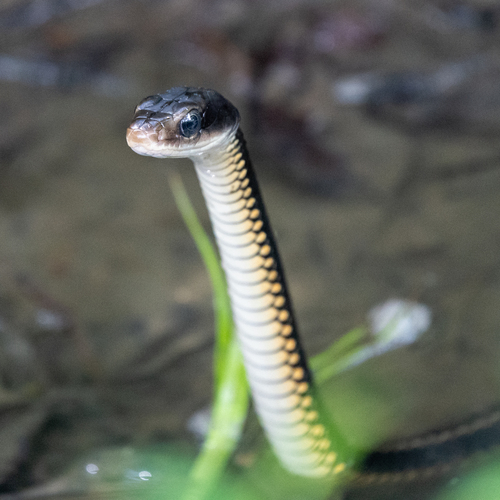
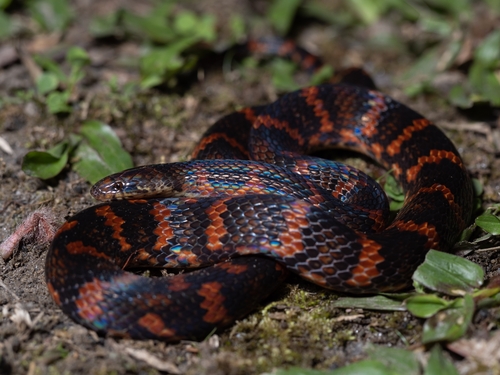
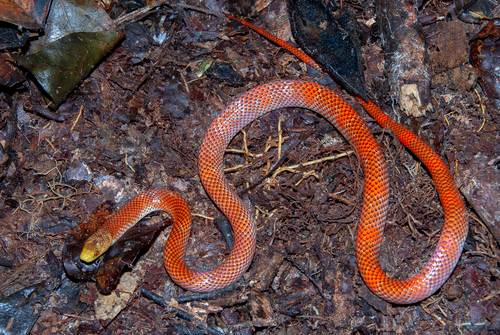
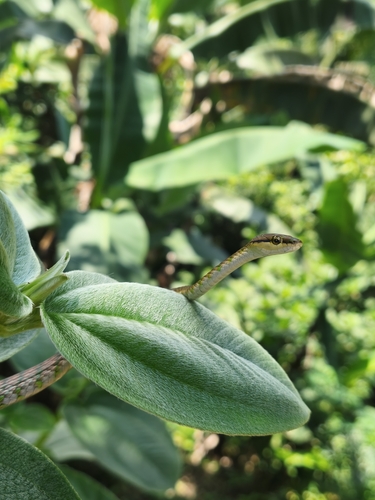
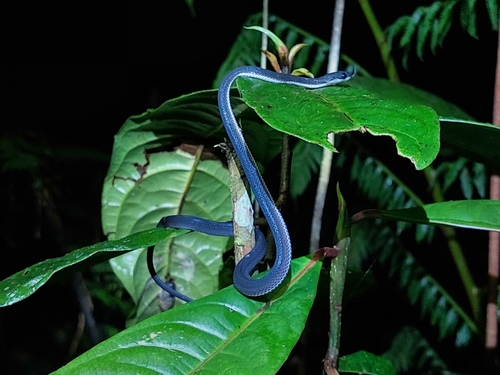
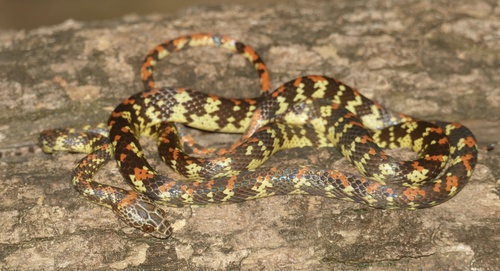
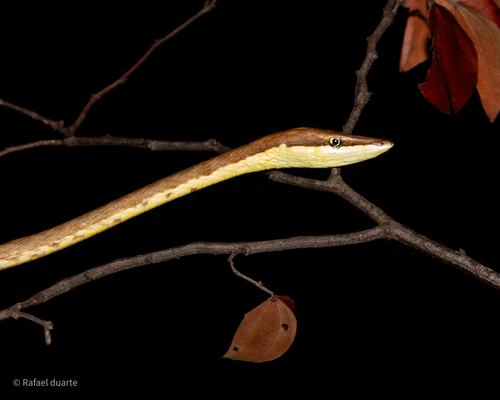
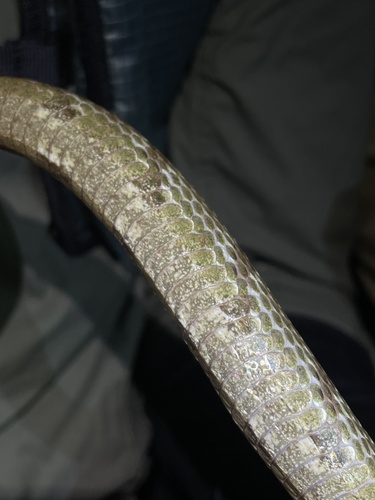
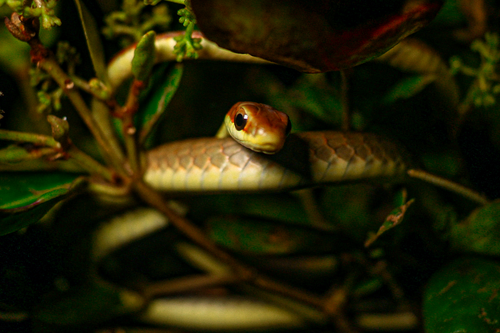
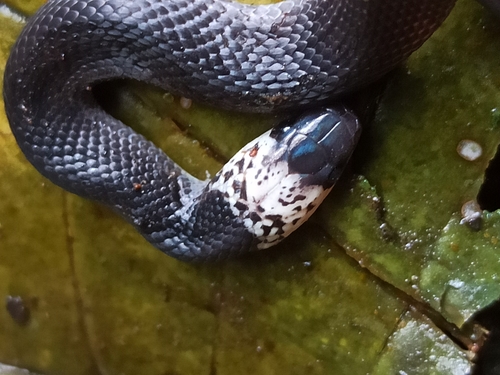
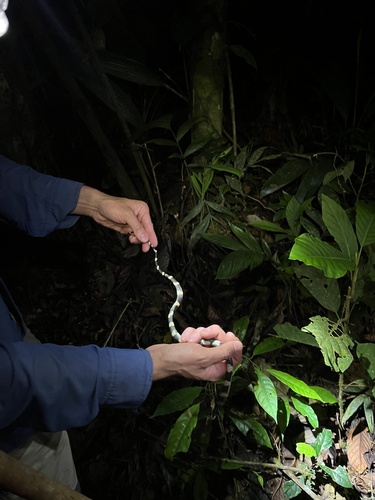
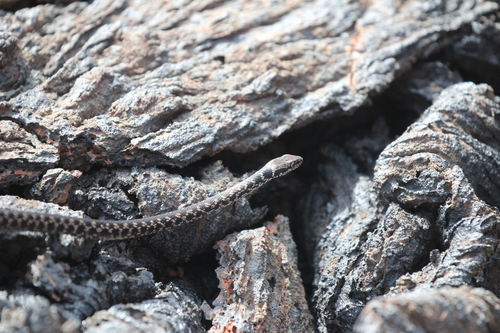
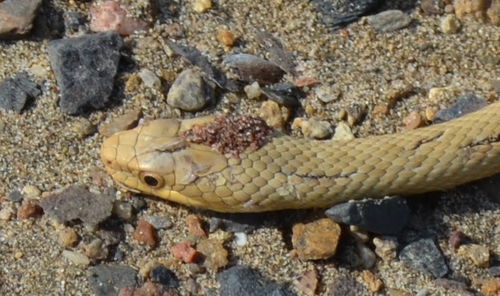
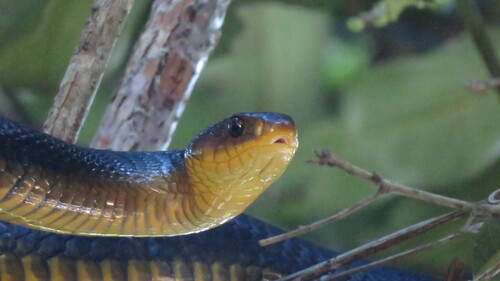

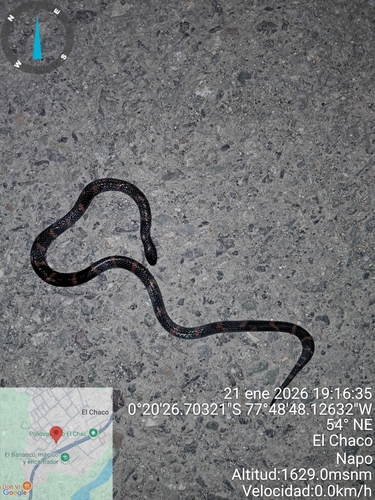

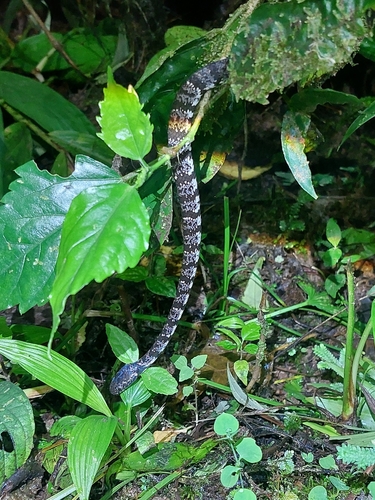
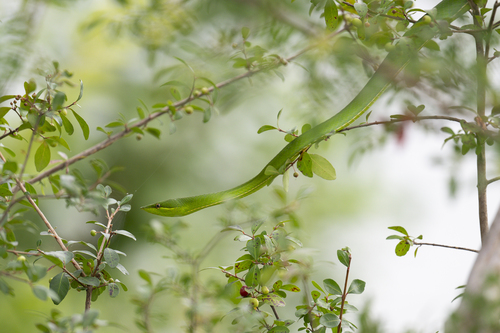
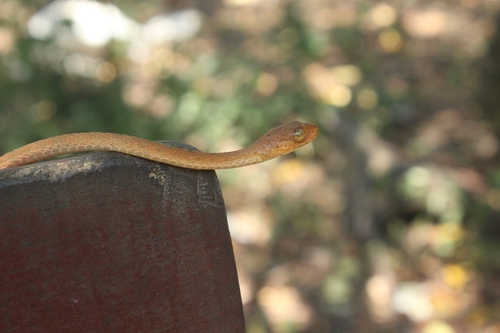

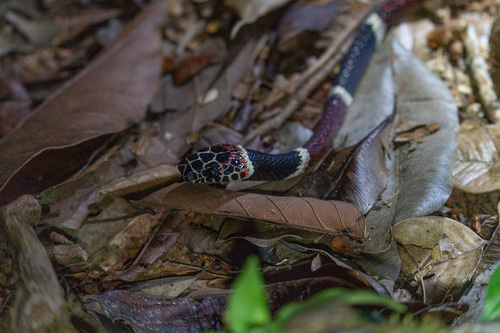
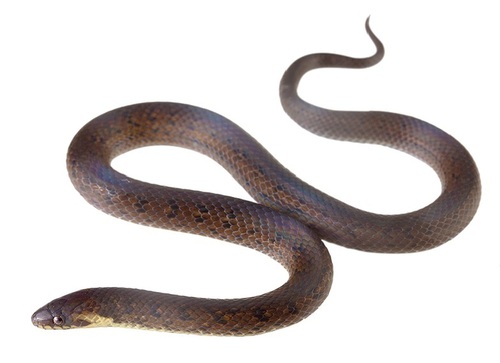

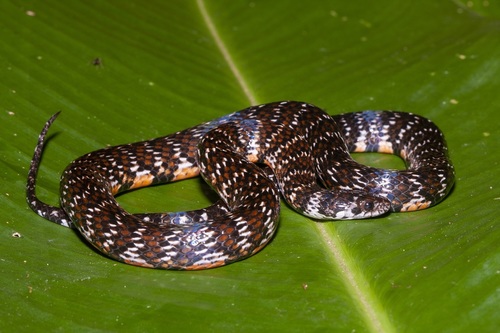
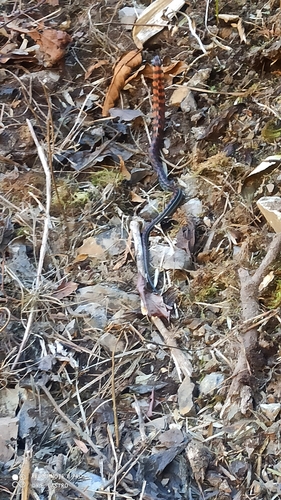
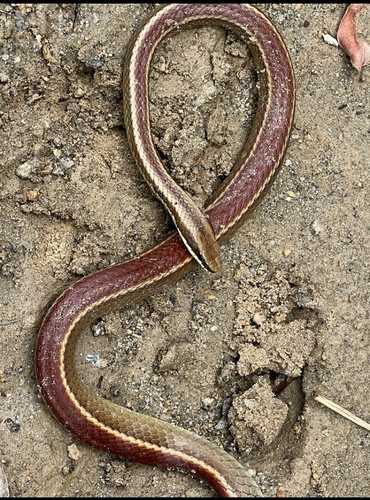
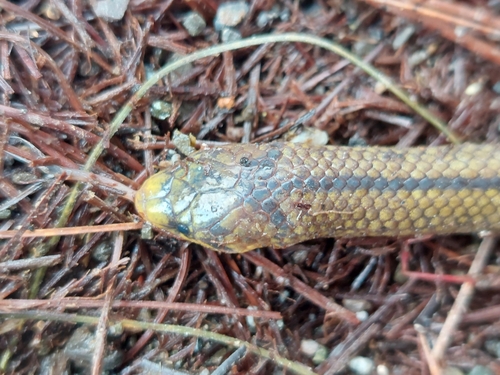

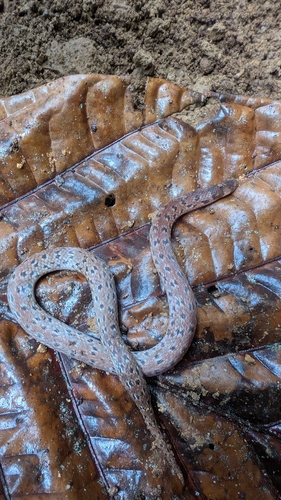
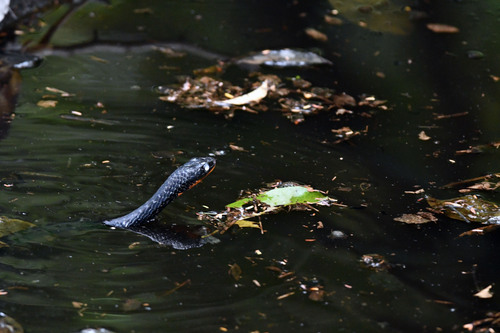
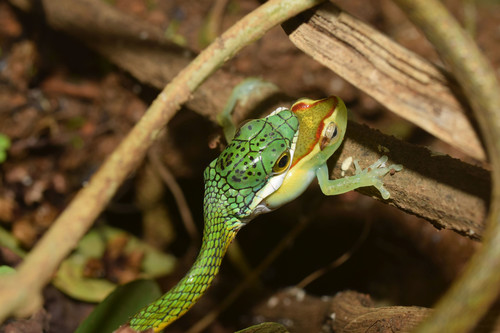
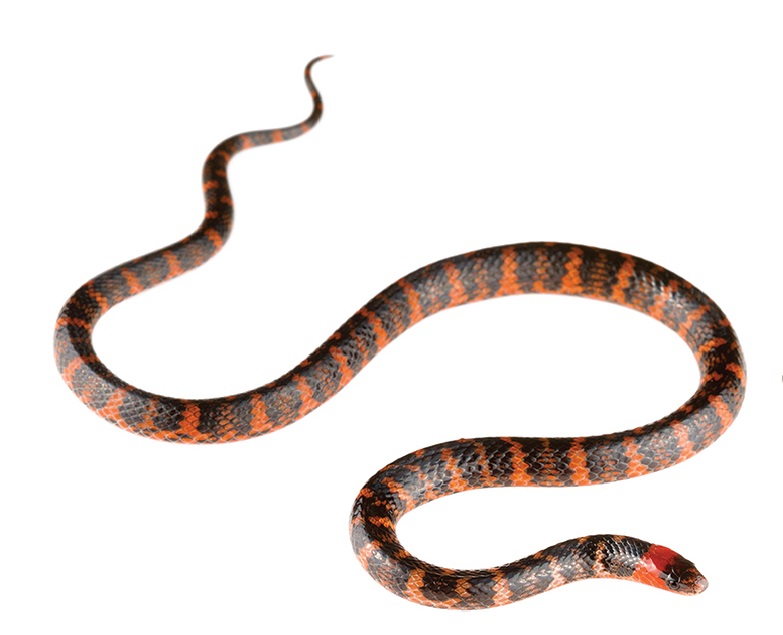


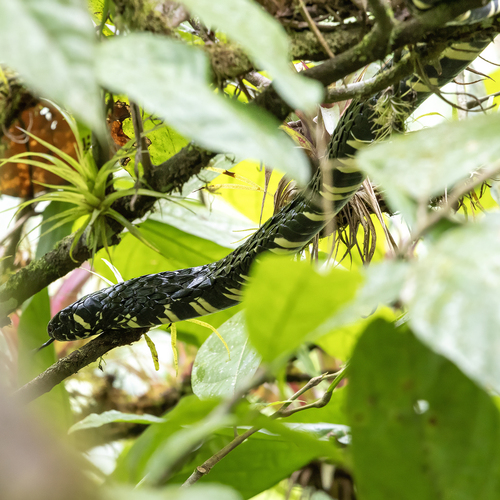
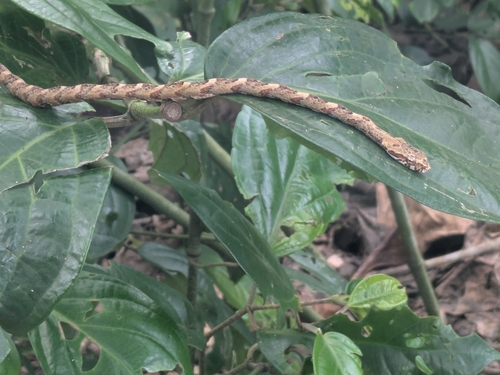
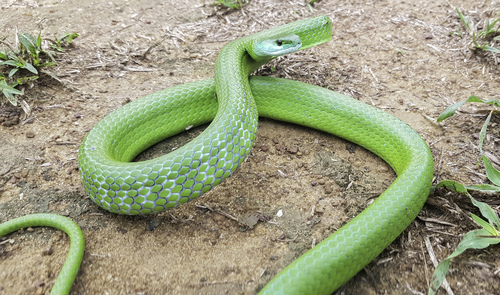
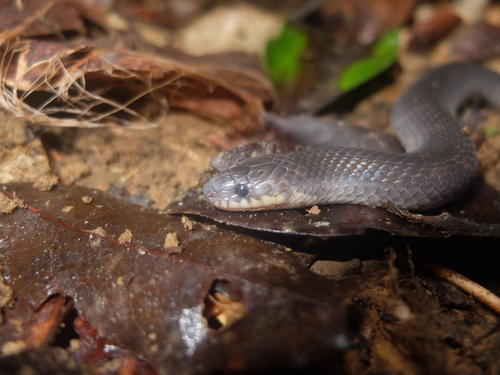
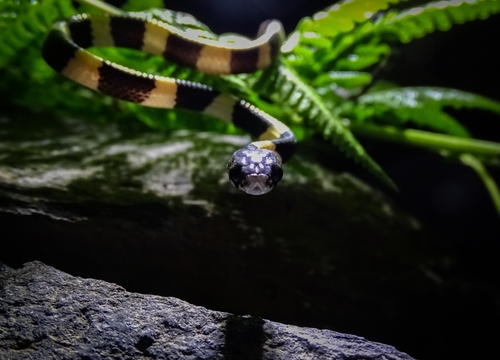

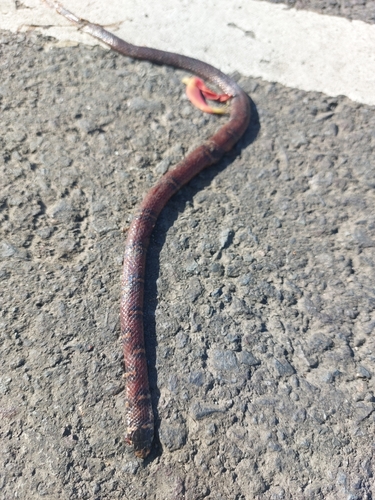
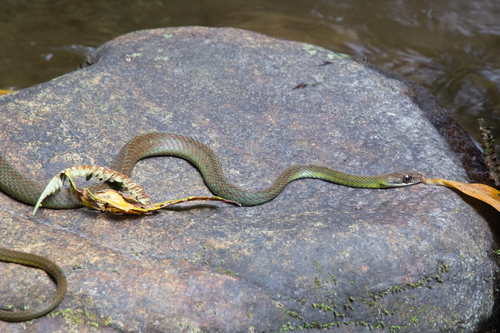

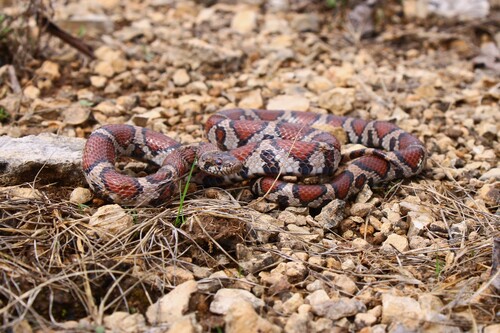
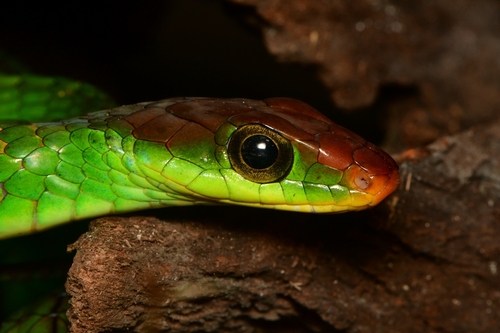
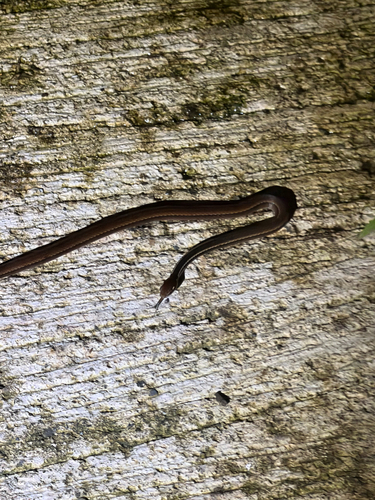
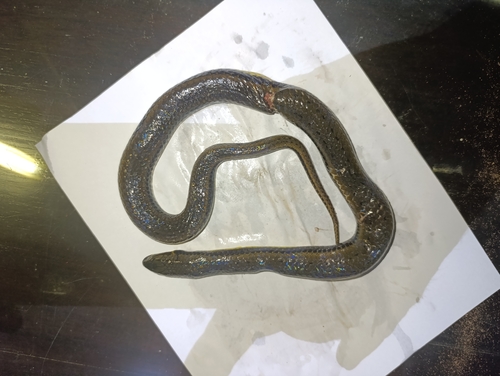
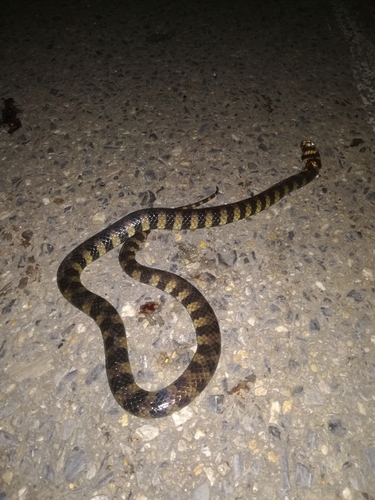
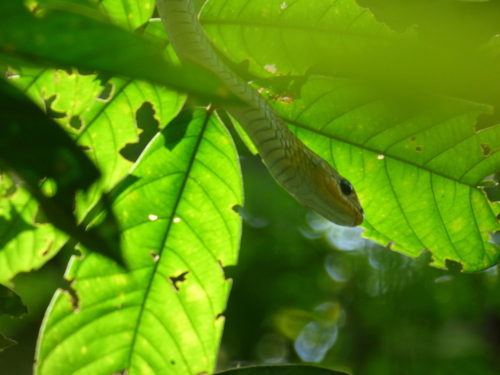


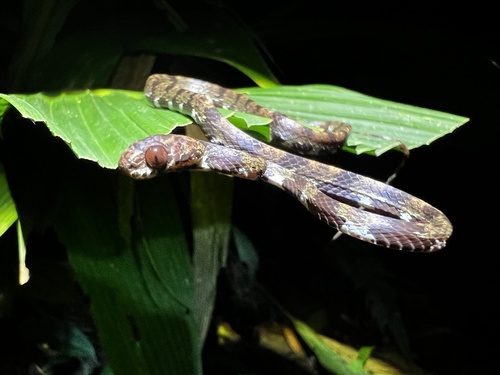
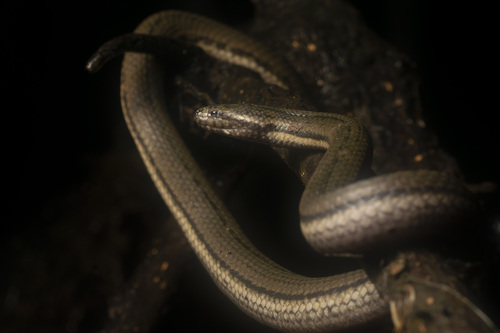
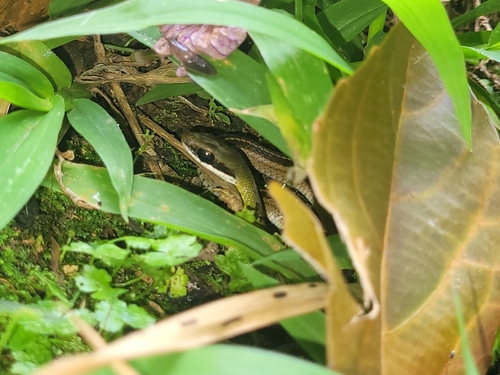
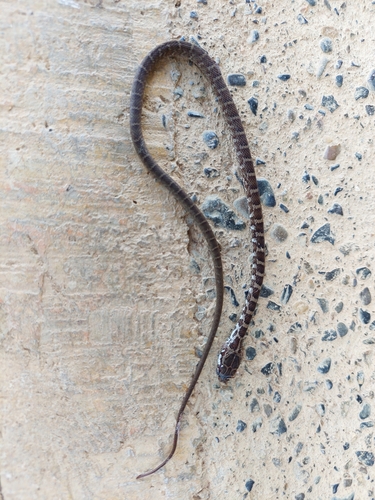


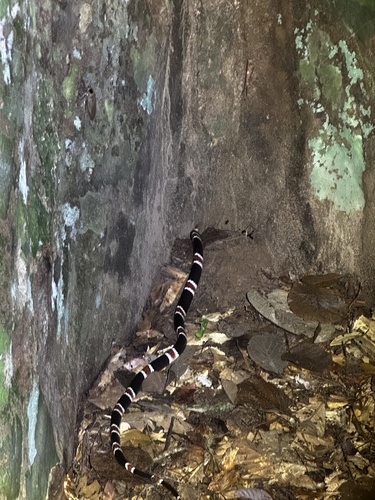
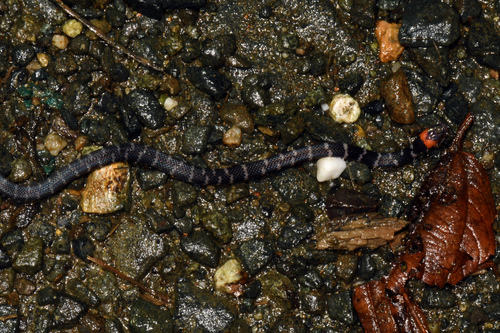
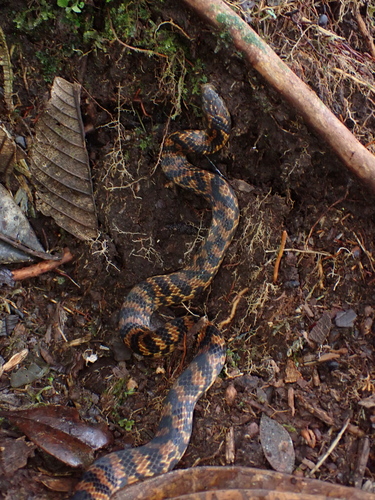
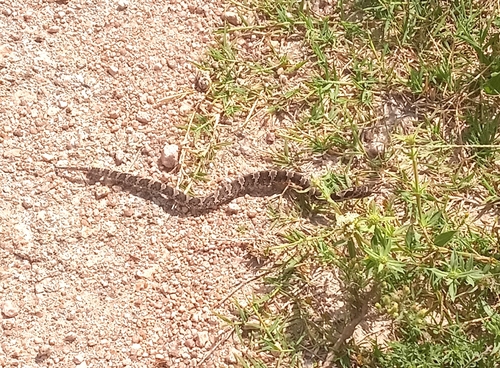
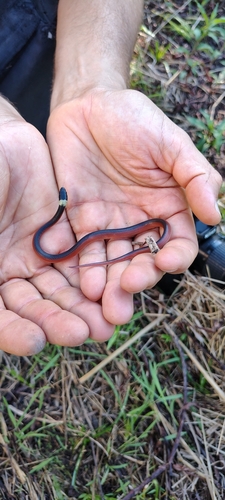
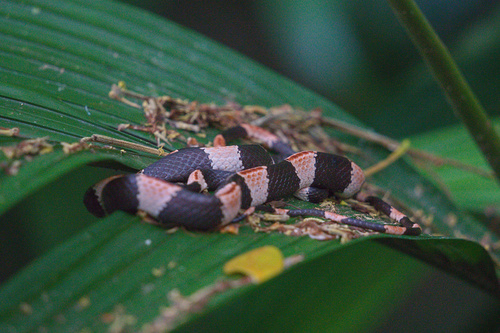

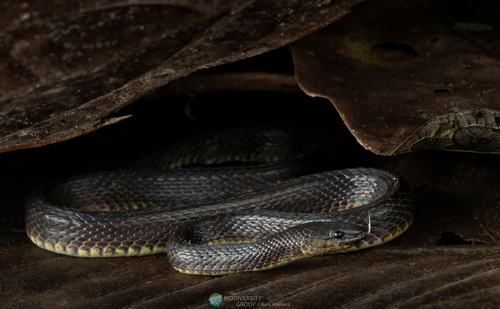
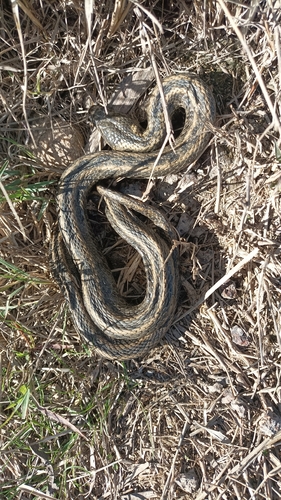
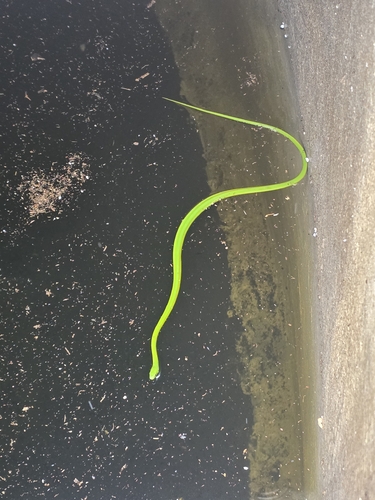
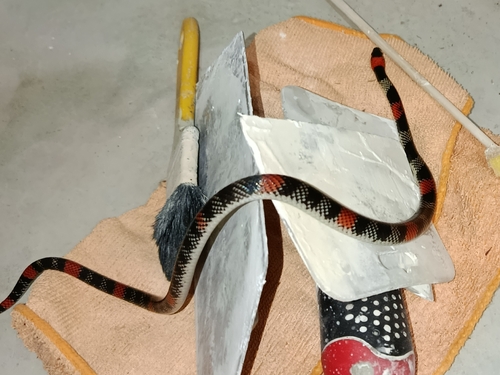
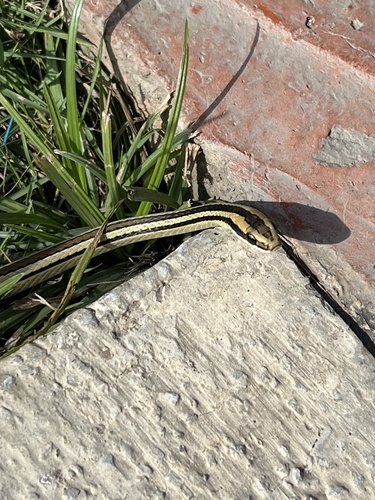
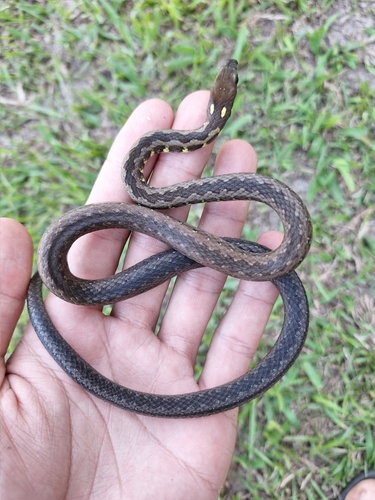
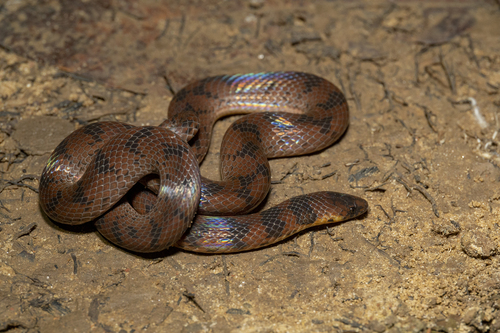
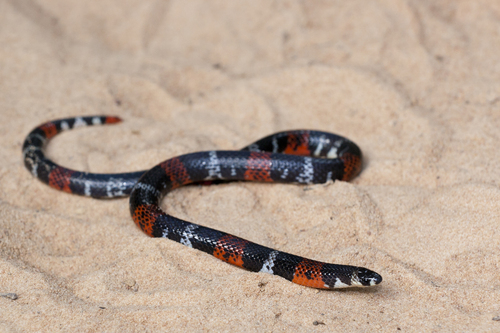
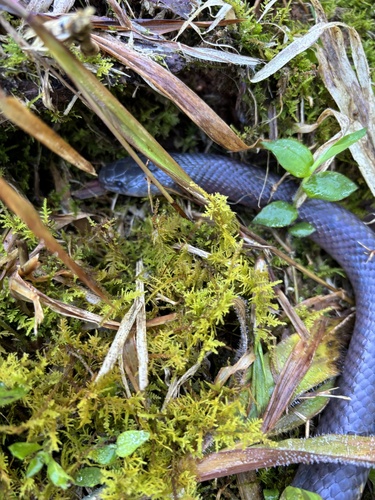
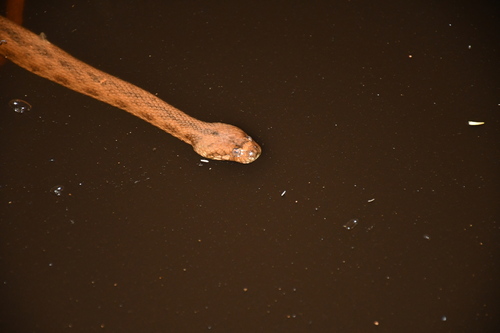
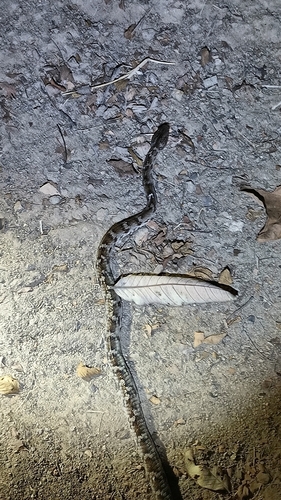
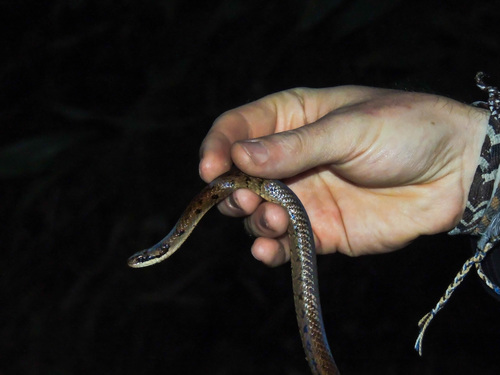
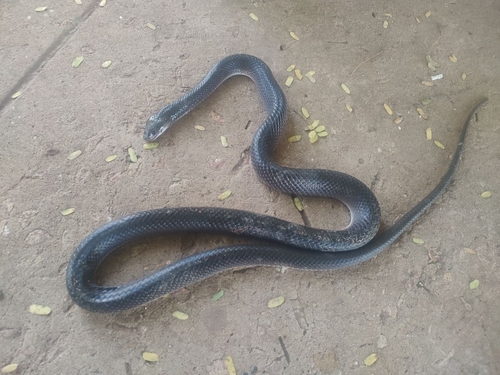


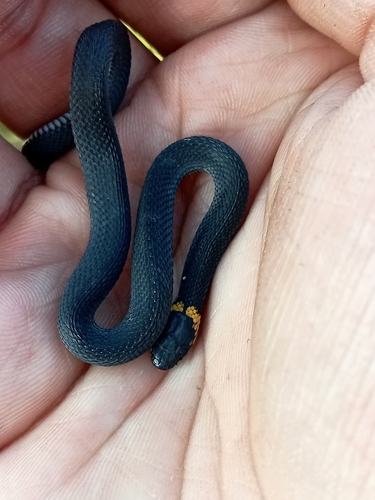
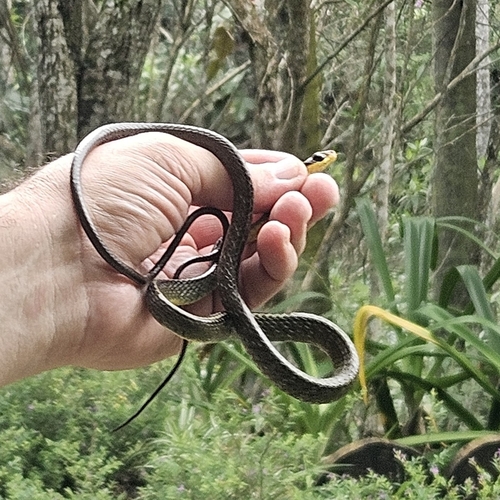
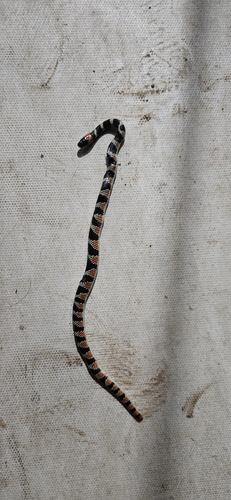
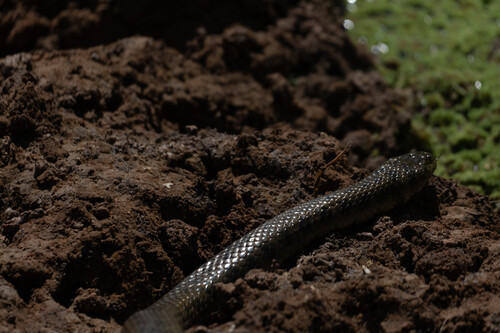
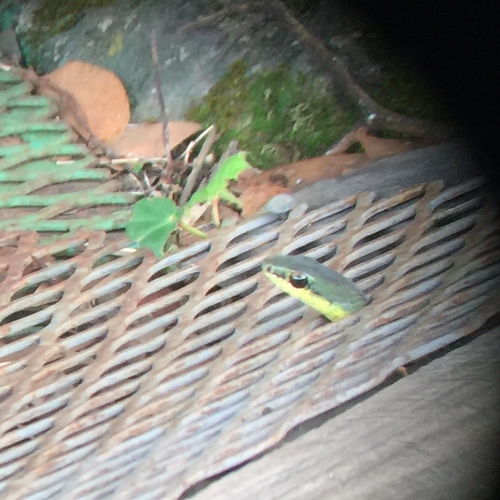
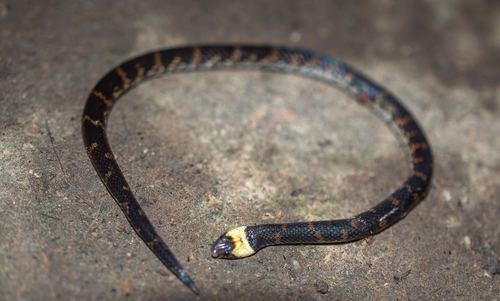
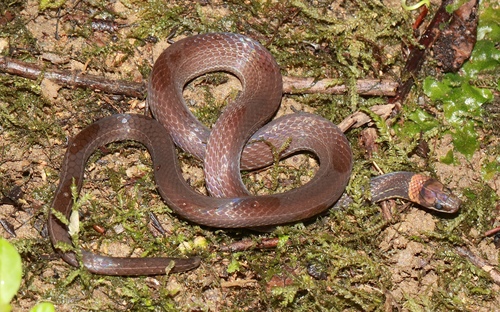
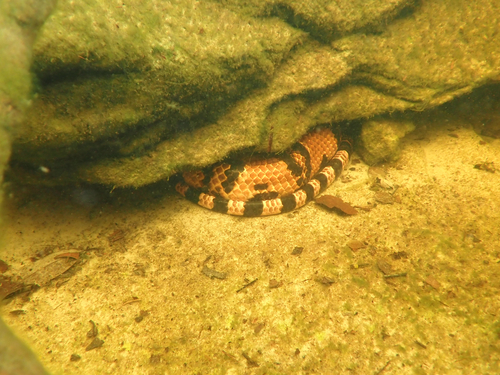
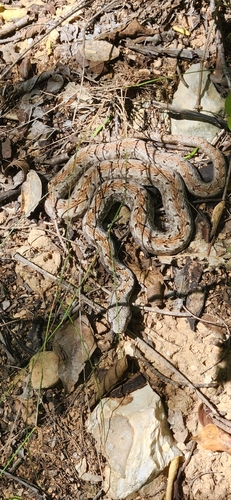
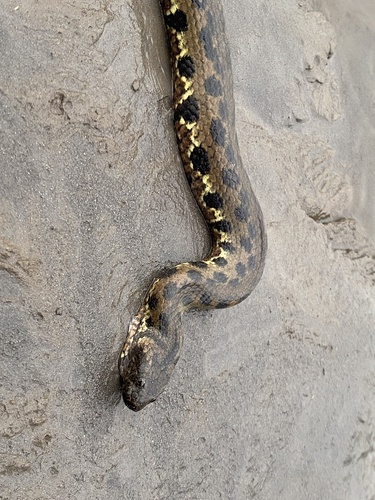
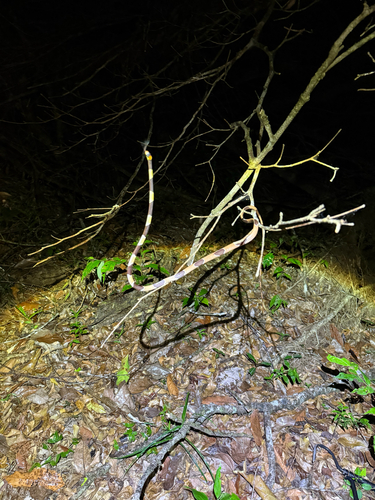
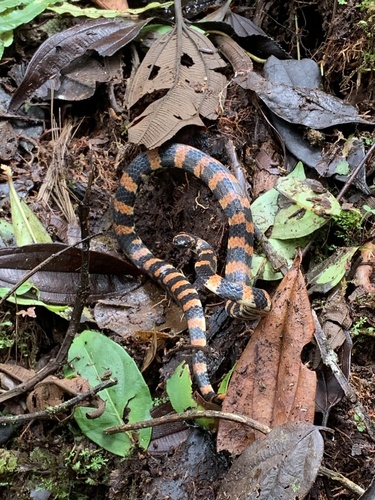
Elapidae (27)
Viperidae (20)
Boidae (11)
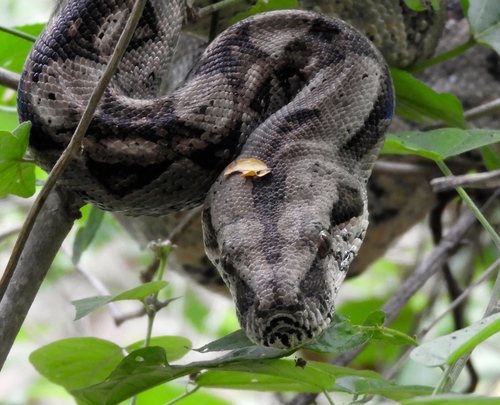
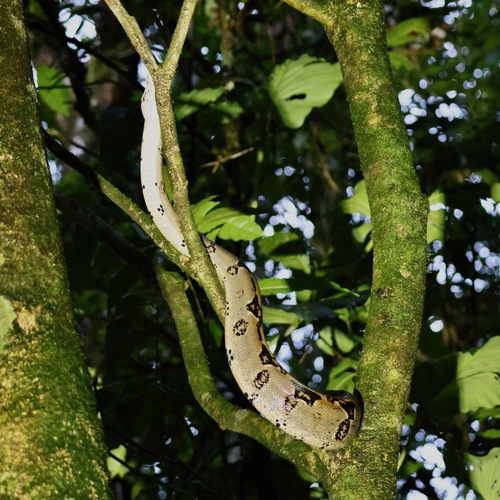
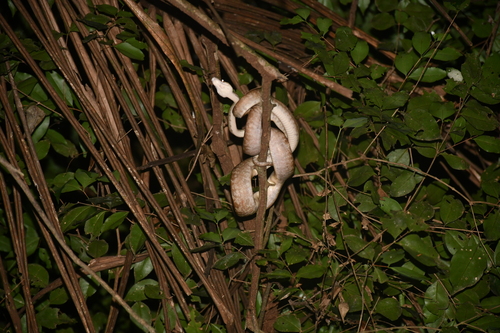
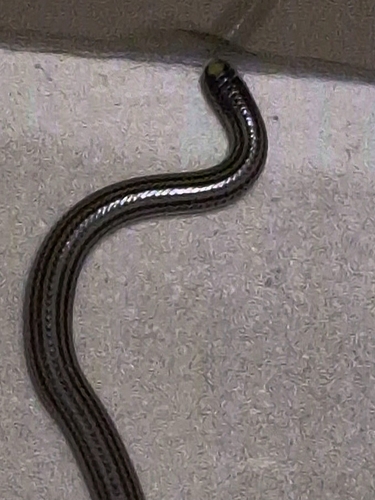
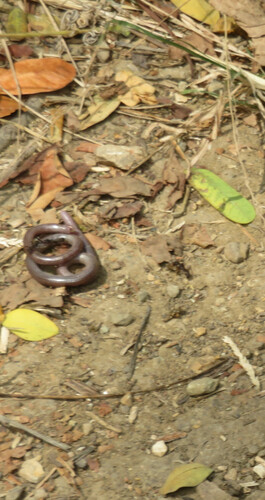
Leptotyphlopidae (7)

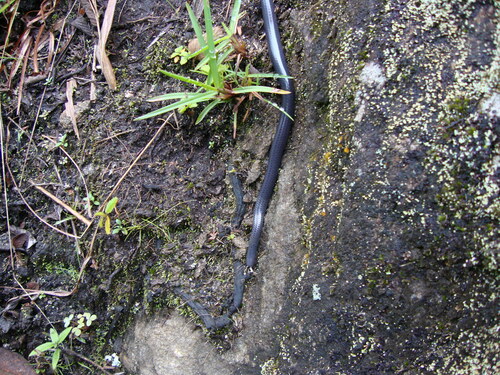
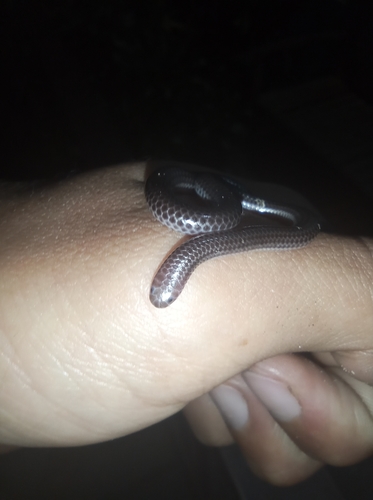
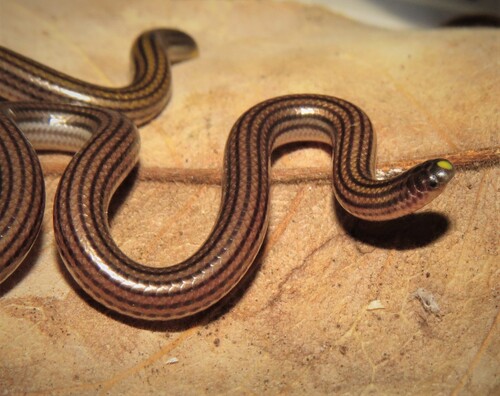
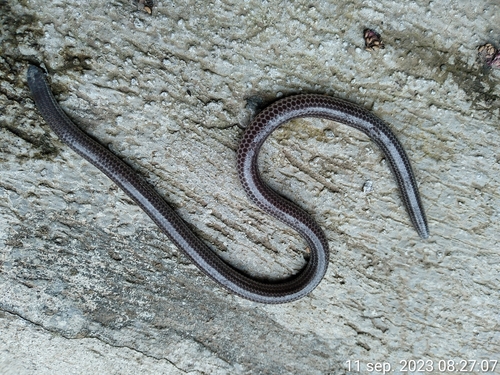
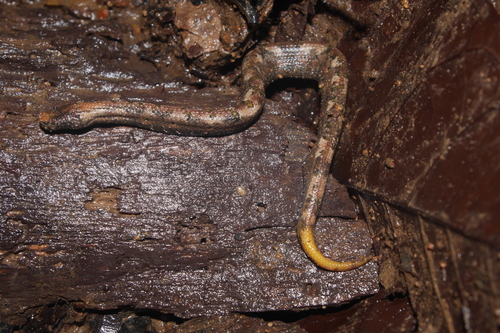
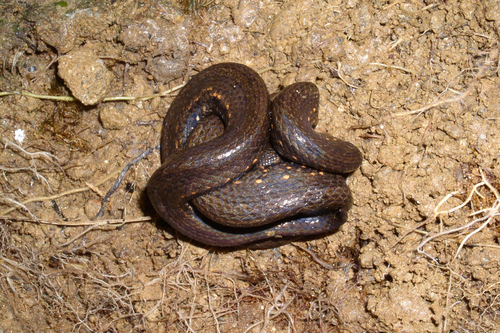
Tropidophiidae (4)

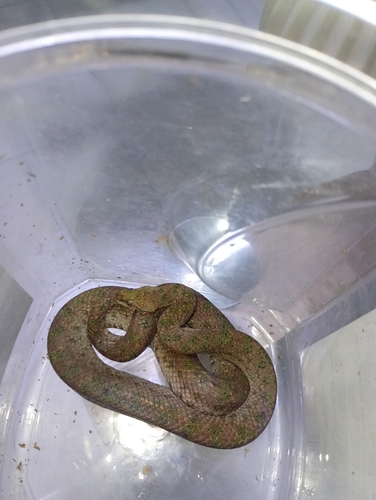
Typhlopidae (2)
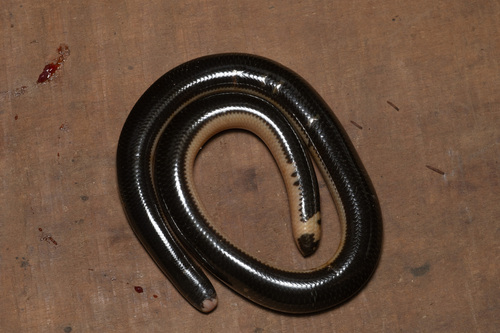
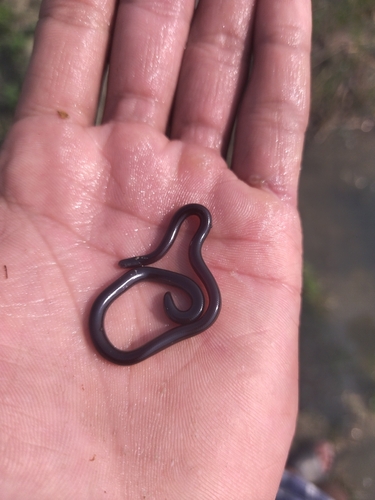
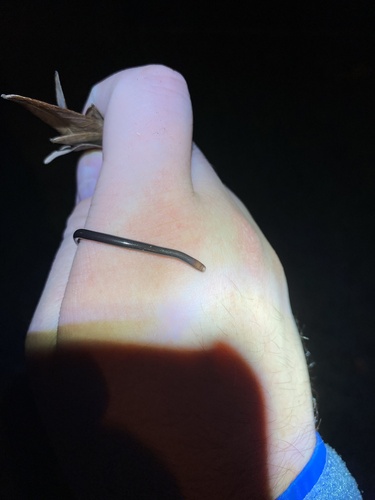
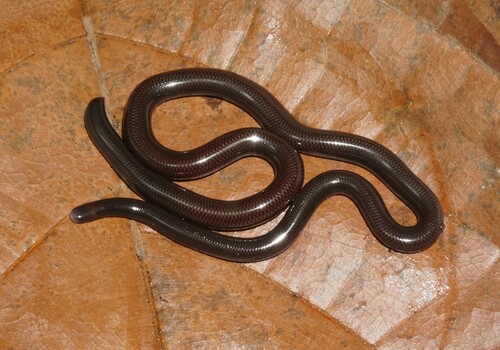
Aniliidae (1)
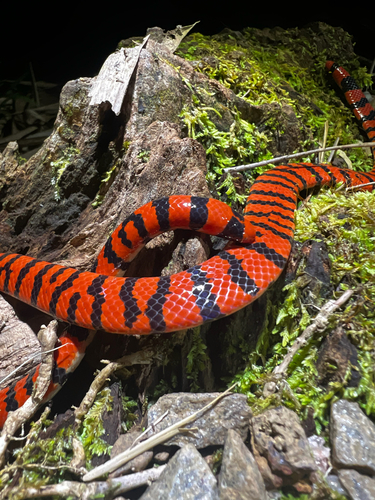
Compiled from verified GBIF & iNaturalist observations. "How often seen" reflects how frequently a snake is reported here, not how dangerous it is. Informational only.
Keep learning
- Are Snakes Dangerous? The Real Risk, in PerspectiveMost snakes are harmless and avoid people. Here is the honest picture of snakebite risk worldwide and how to lower your own.
- Snakebite First Aid: What to Do (and What Never to Do)A clear, CDC-based guide to snakebite first aid: the steps that help, the popular myths that hurt, and how to tell a serious bite from a minor one.
- Venomous vs Nonvenomous: How to Tell the DifferenceThe folk rules for telling venomous snakes apart, where each one fails, and why location-based identification beats guessing by sight.
- What to Do If You Find a SnakeFound a snake at home or on a trail? Here is how to stay calm, give it space, identify it safely, and know when to call a professional.