
Costa Rica
Snakes in Costa Rica
175+ snake species have been recorded in Costa Rica, 37 venomous.
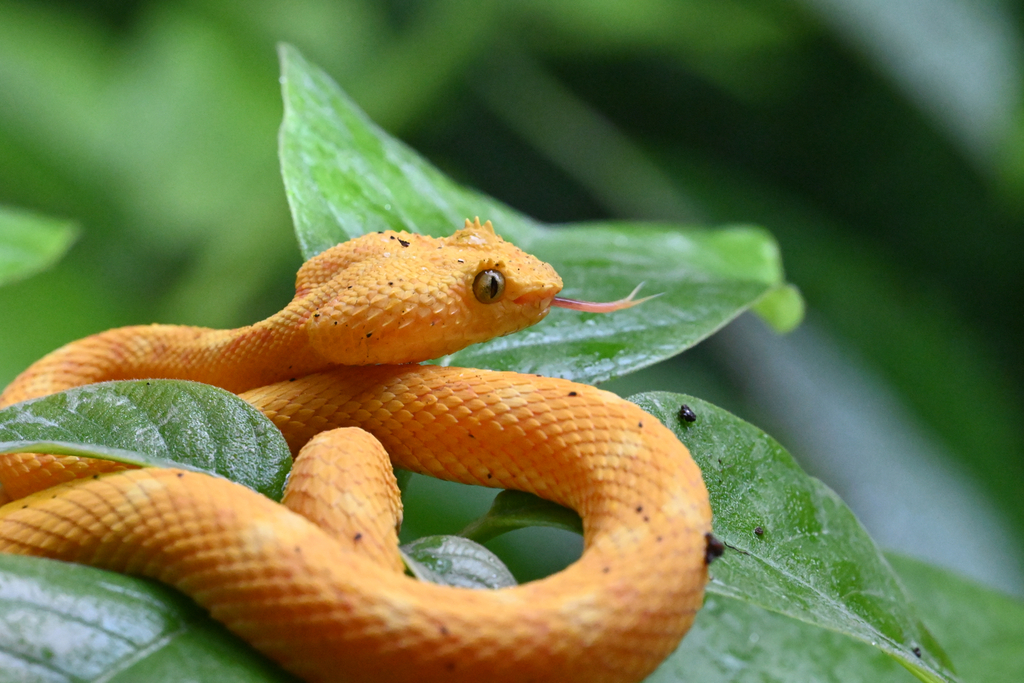
Snakes of Costa Rica
Costa Rica has 175+ snake species recorded in our database, of which 37 are venomous. That means the great majority of snakes in the country are non-venomous, a pattern that holds across the tropics. For such a small country, this is an extraordinary level of diversity, and it reflects the way Costa Rica packs many distinct environments into a narrow strip of land between two oceans.
The geography is what drives the variety. Costa Rica spans humid Caribbean lowlands, drier Pacific forests, mangroves and coastal scrub, and a central spine of mountains that climbs into cool cloud forest and high paramo. Each of these zones supports its own community of snakes adapted to specific temperatures, prey, and cover. Lowland rainforest holds the highest snake diversity, while higher elevations support fewer but specialized species. This range of habitats, from sea level to volcanic peaks, is the main reason so many species coexist in one place.
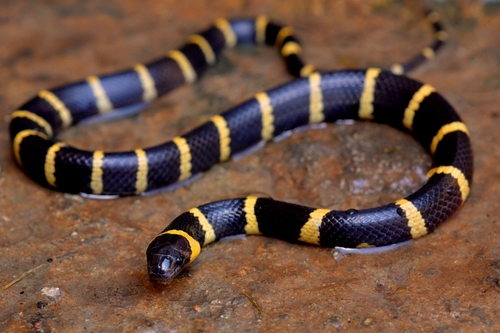
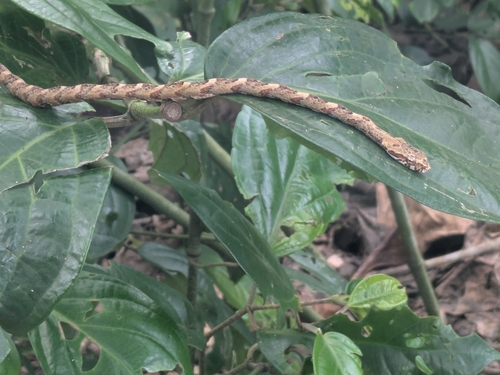
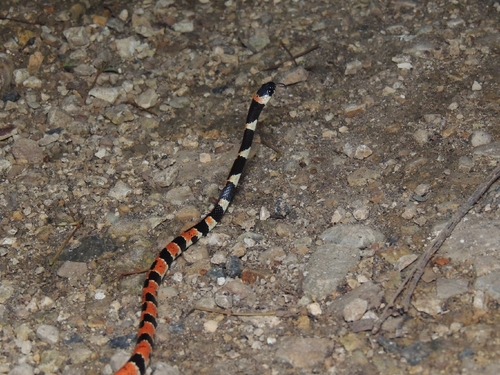
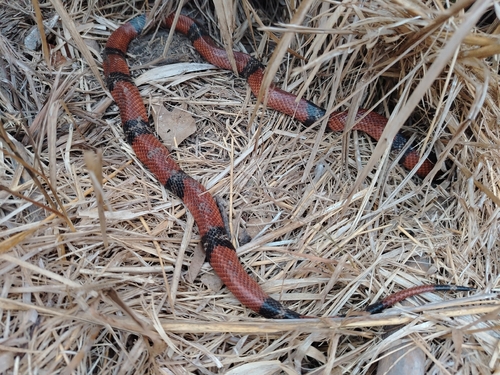
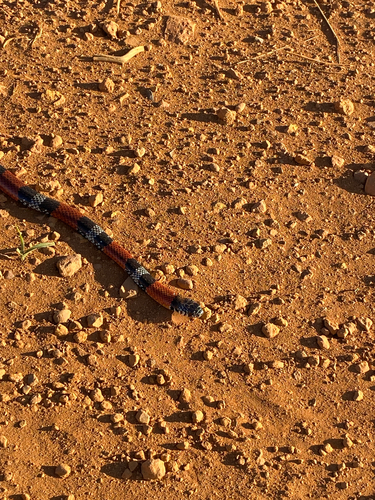
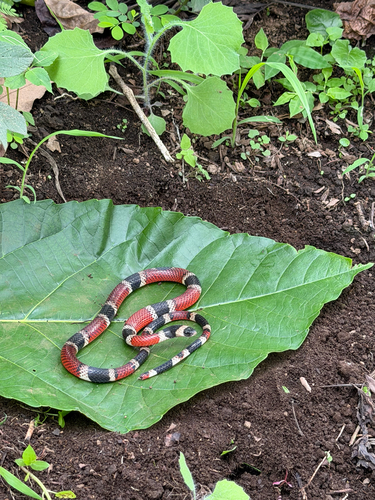
The medically important venomous snakes in Costa Rica come from two main groups. The pit vipers (family Viperidae) are the most significant. This group includes the terciopelo, also called the fer-de-lance, which is responsible for the majority of serious snakebites in the country, along with other lanceheads, the eyelash viper, the bushmaster, and the Central American rattlesnake found in drier Pacific regions. The second group is the coral snakes (genus Micrurus), brightly banded elapids with potent neurotoxic venom that are far less commonly encountered because they are secretive and not aggressive. Yellow-bellied sea snakes, also venomous elapids, occur in the Pacific waters off the coast. There are no cobras or mambas in Costa Rica; those groups belong to Africa and Asia.
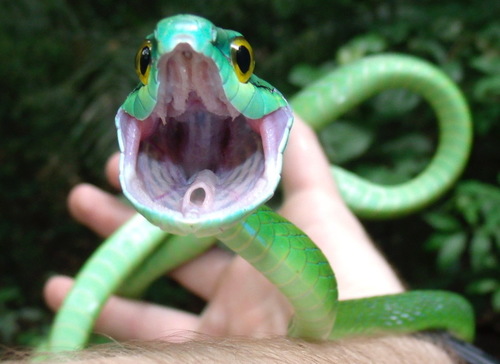
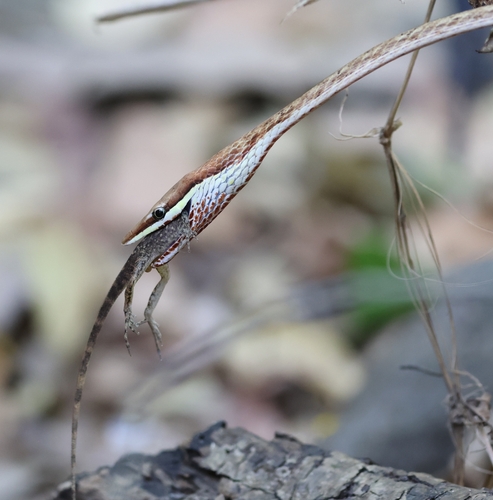
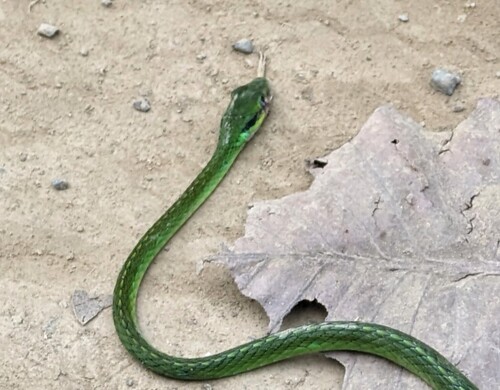
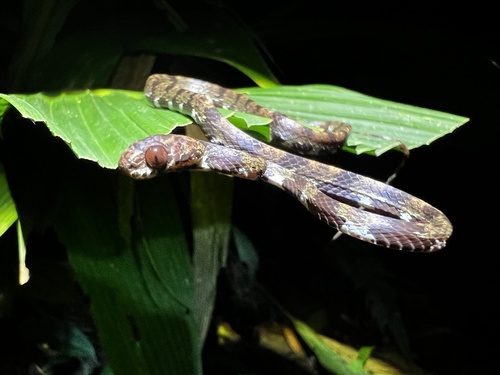
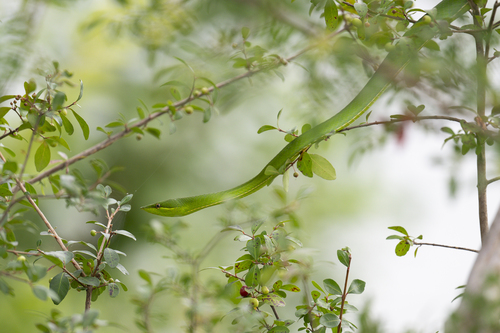
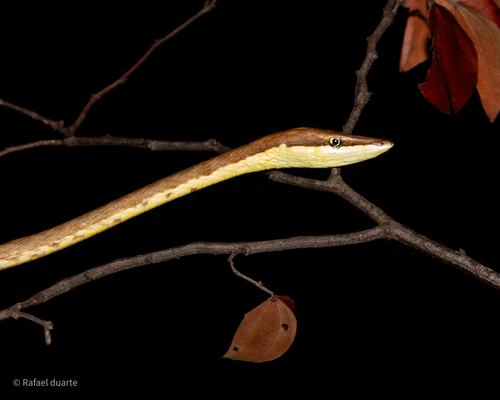
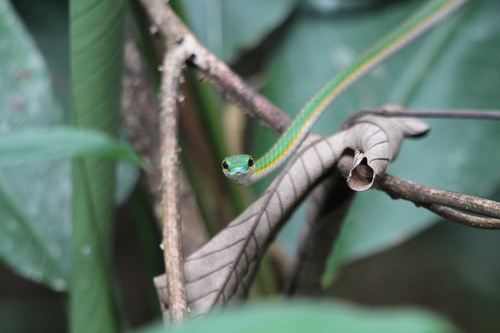
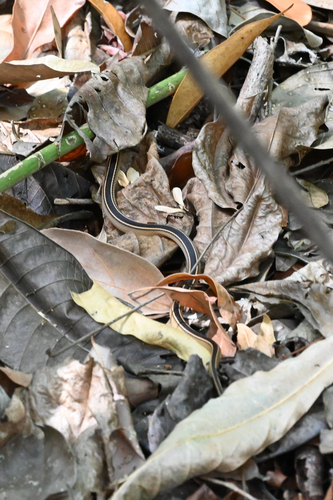
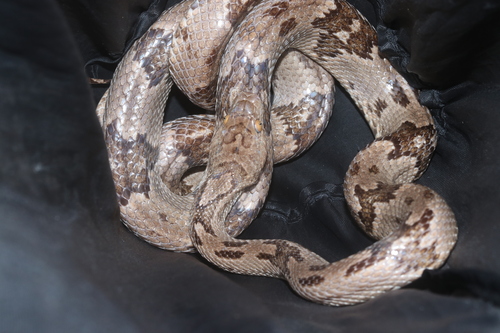
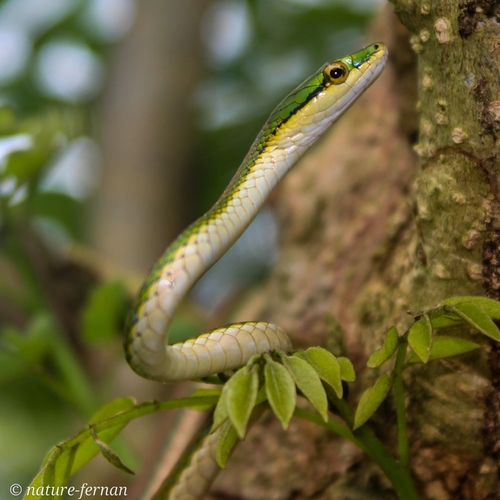
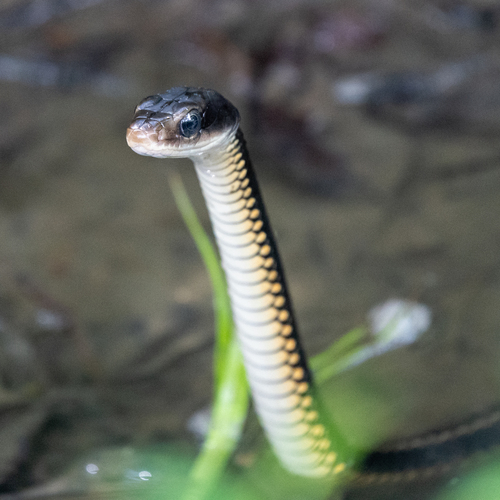
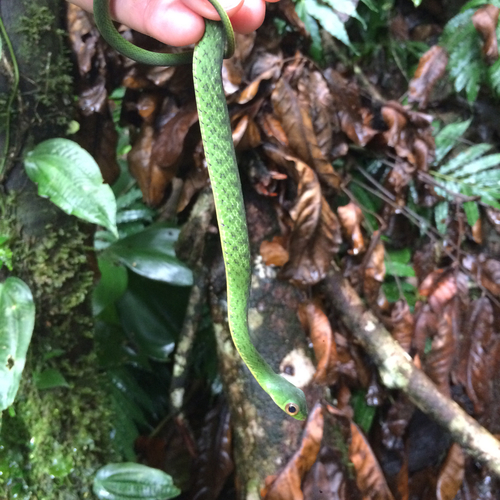
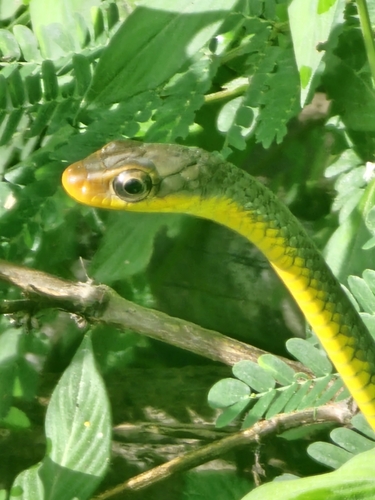
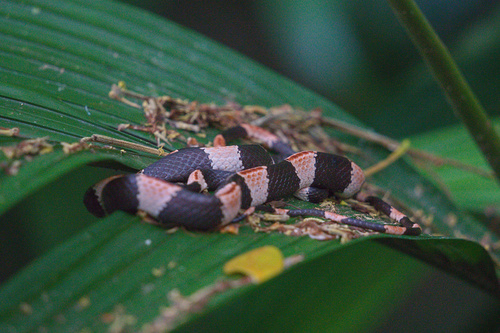
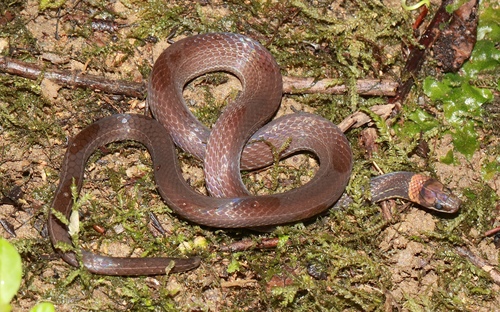
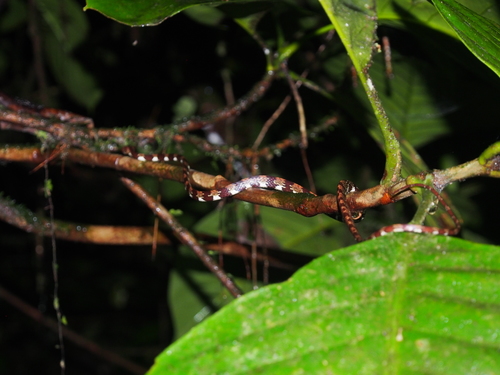
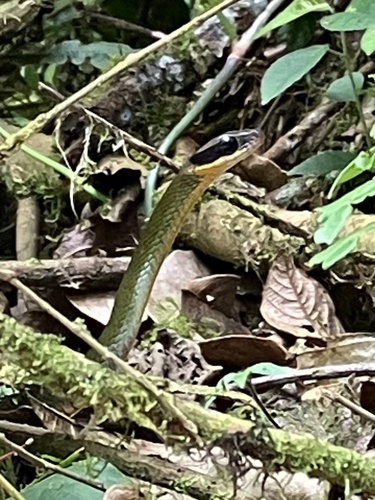
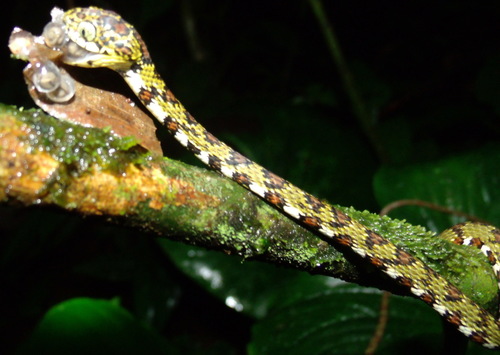
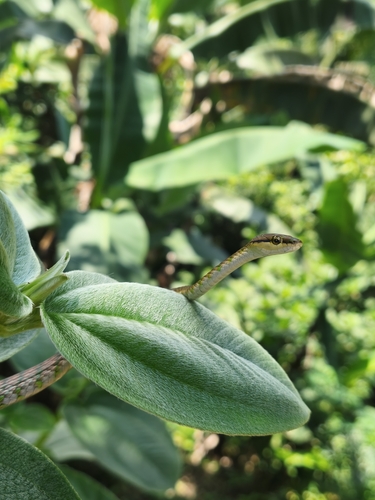
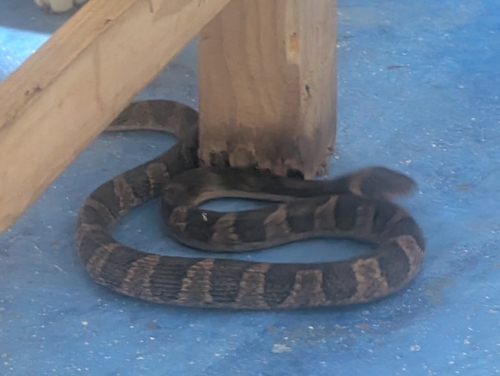
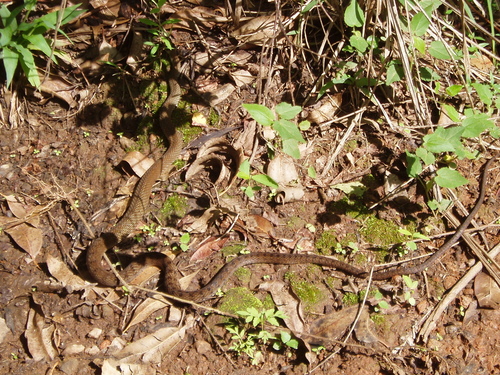
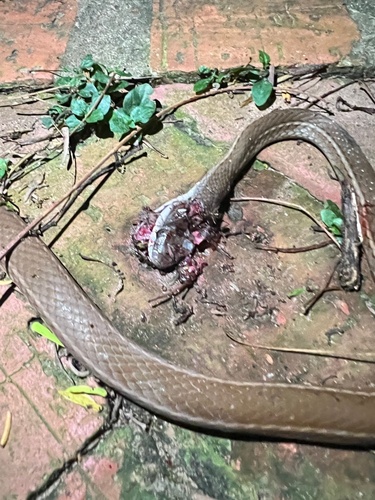
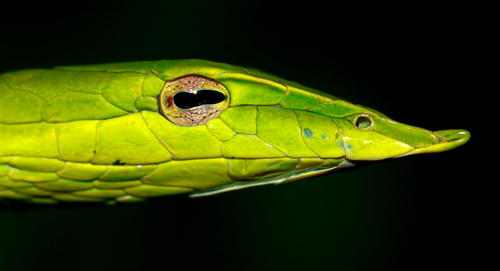
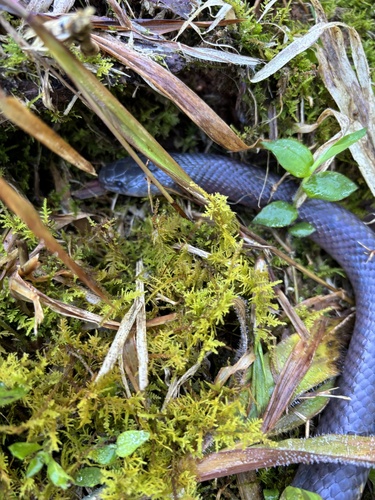
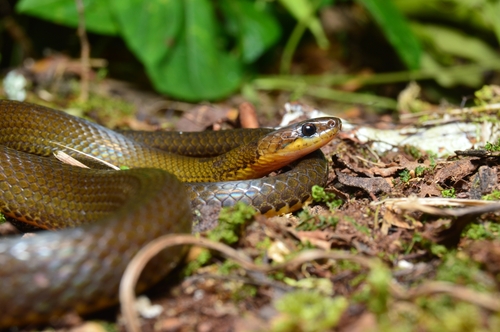
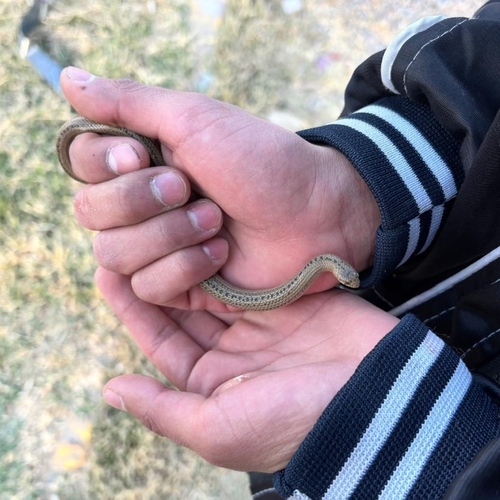
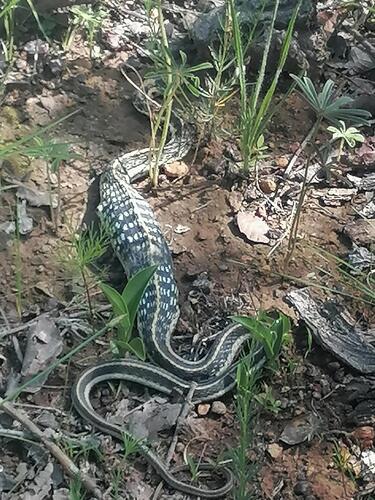
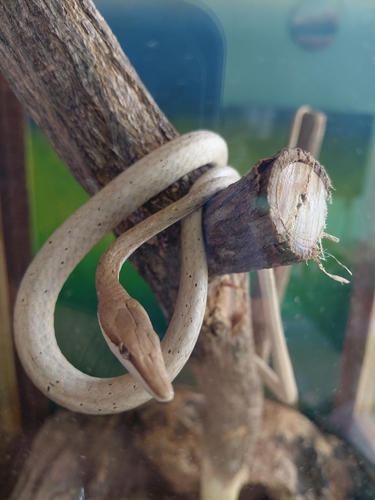
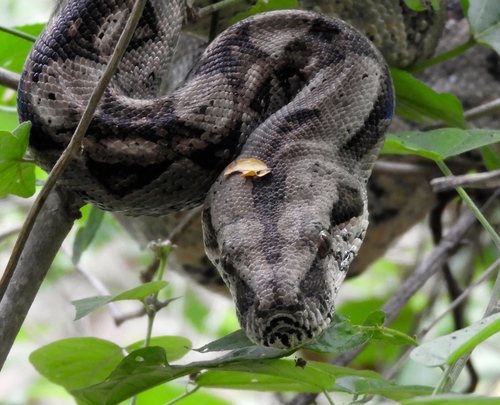
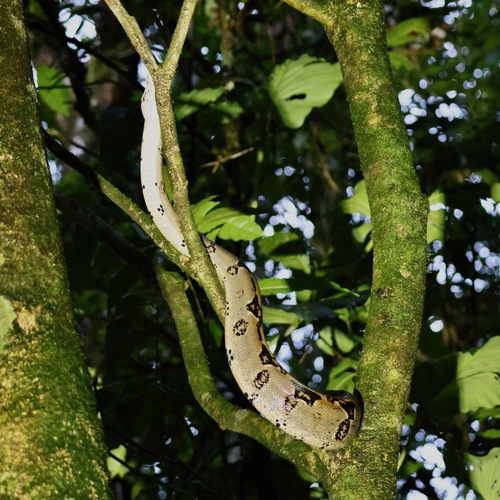
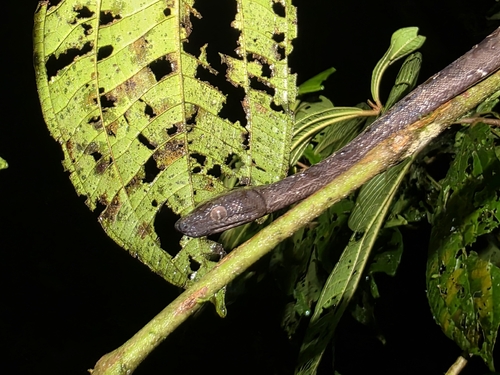
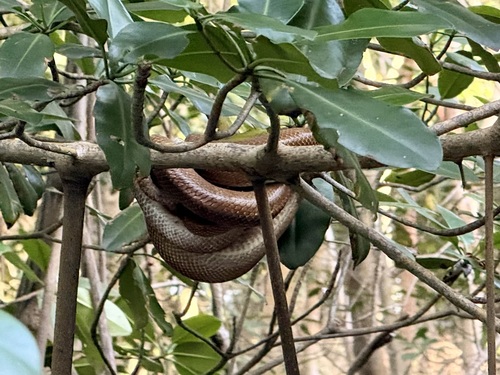
The non-venomous majority is where most of the country's snake fauna lives. These include colubrids such as the many racers, vine snakes, cat-eyed snakes, and the green and brown tree snakes that hunt in the canopy and along forest streams. Costa Rica is also home to boas, including the common boa constrictor, a large non-venomous snake that subdues prey by constriction rather than venom. Slender, big-eyed vine snakes and the vividly colored parrot snakes are among the more frequently photographed and recognizable species. Most of these snakes are harmless to people and play quiet, important roles in the forest.
Snakes are valuable to the ecosystems and to people who share the land with them. They are efficient predators of rodents and other small animals, which helps keep populations of rats and mice in check around farms, homes, and stored crops. By controlling these pests, snakes reduce crop loss and limit the spread of rodent-borne problems. Both venomous and non-venomous species feed on prey that would otherwise multiply unchecked, so a healthy snake population is a sign of a functioning, balanced environment.
On safety, the honest picture is reassuring but requires respect. The overwhelming majority of snakes you might encounter in Costa Rica are non-venomous and pose no threat. The main medical concern is the terciopelo and other pit vipers, which account for most serious bites. No wild snake should ever be handled, picked up, or approached, regardless of how harmless it appears, because identification mistakes are easy and dangerous. The correct response to any venomous snakebite is immediate professional medical care. Antivenom and hospital treatment are the proven, effective therapy. Do not attempt home remedies or field treatments. In an emergency call local emergency services, and in the United States you can reach Poison Control at 1-800-222-1222.
Snakes in Costa Rica: FAQ
- Are there venomous snakes in Costa Rica?
- Yes. 37 venomous snake species have verified records in Costa Rica, including Central American Eyelash-Viper, Terciopelo, Side-striped palm pit viper, Rainforest Hognose Viper. Most snakes in Costa Rica, however, are harmless.
- How many snake species live in Costa Rica?
- 175+ snake species have verified records in Costa Rica, of which 37 are venomous.
- What is the most commonly seen snake in Costa Rica?
- The Central American Eyelash-Viper is the most frequently reported snake in Costa Rica, based on verified wildlife observations.
- What should I do if I see a venomous snake in Costa Rica?
- Keep your distance and do not try to catch or kill it. Most bites happen when people handle or corner a snake. If someone is bitten, contact local emergency services or poison control immediately.
Venomous snakes in Costa Rica
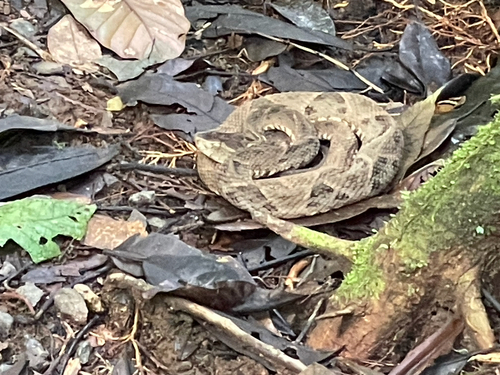
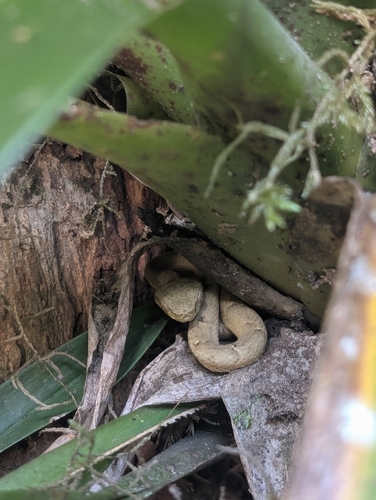
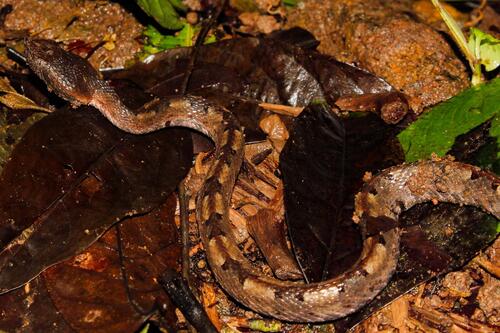
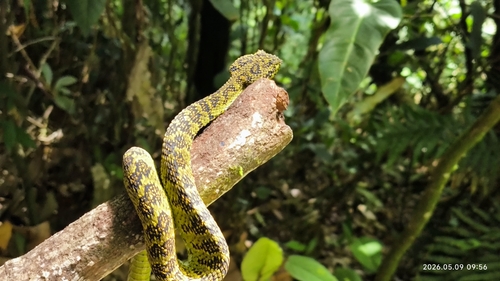
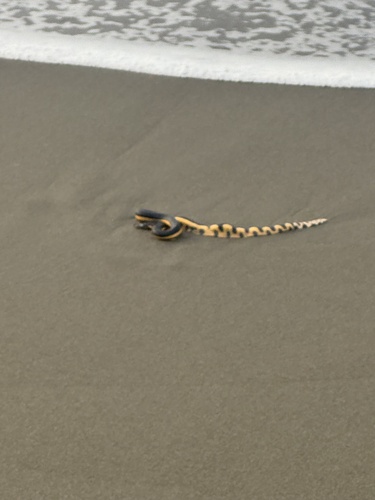
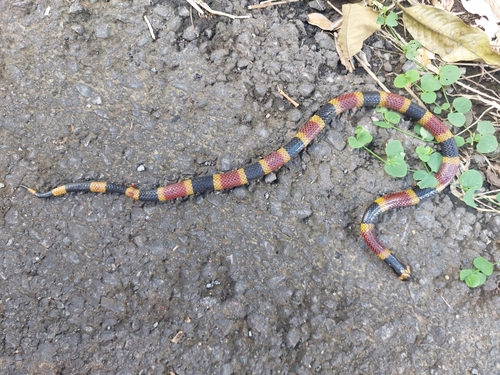
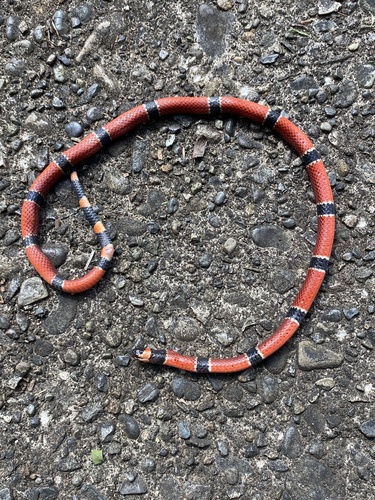 Central American CoralsnakeMicrurus nigrocinctusVenomous
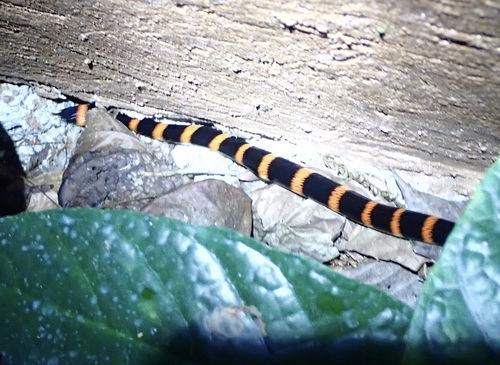
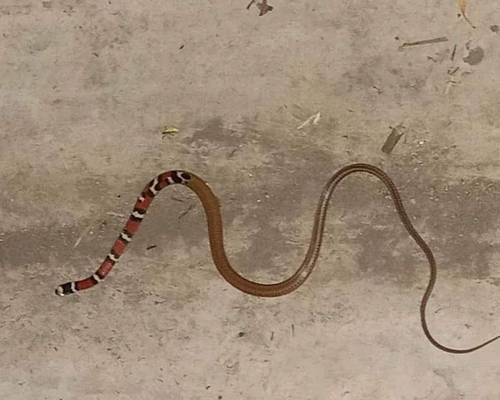
Rings of red, yellow, and black where red touches yellow; small rounded head and round pupils.
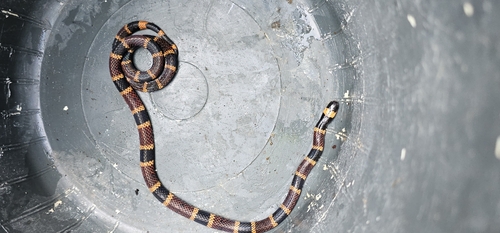
 Costa Rican CoralsnakeMicrurus mosquitensisVenomous
Rings of red, yellow, and black where red touches yellow; small rounded head and round pupils.
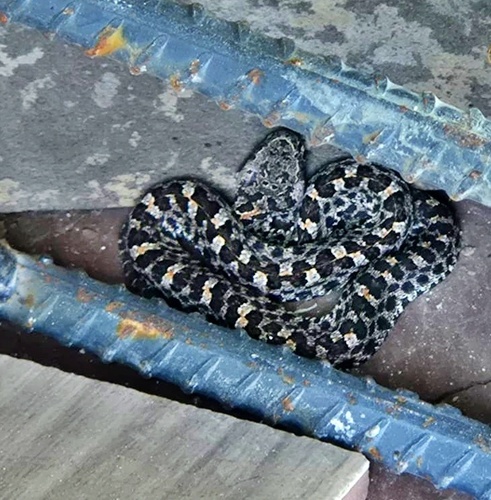
 Allen's CoralsnakeMicrurus alleniVenomous
Rings of red, yellow, and black where red touches yellow; small rounded head and round pupils.
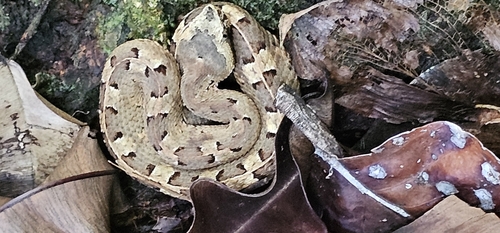
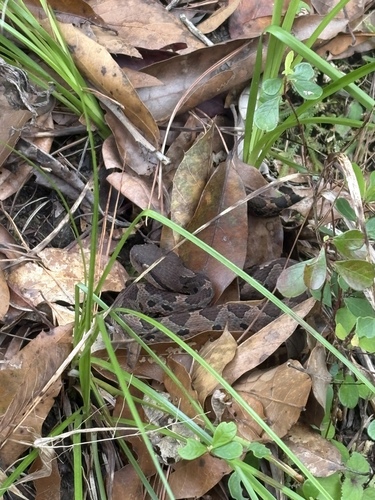
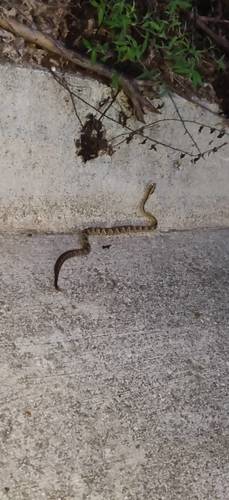 Central American RattlesnakeCrotalus simusVenomous
Heavy body, broad triangular head, vertical (cat-like) pupils, and a segmented keratin rattle at the tail tip.
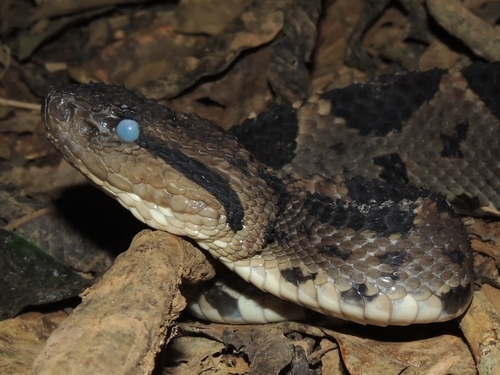
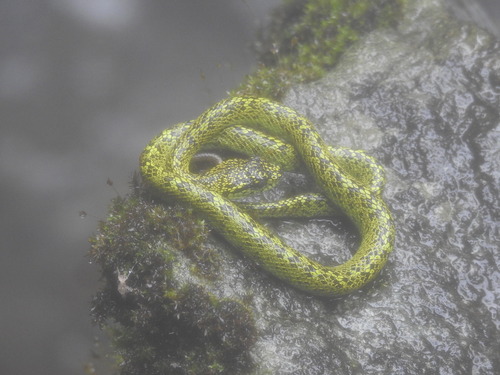
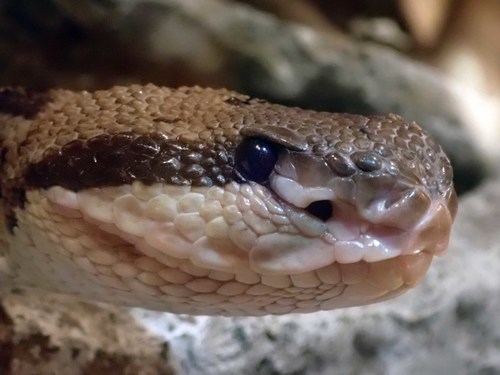
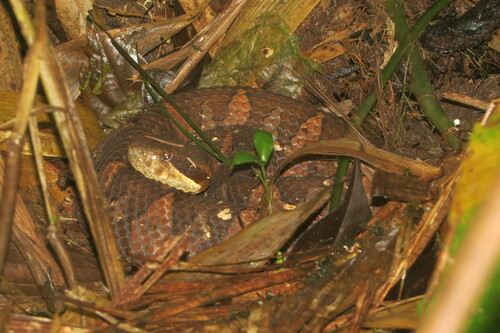
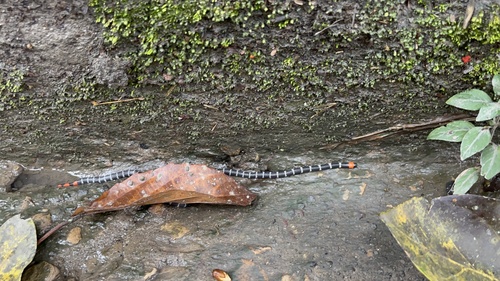 Redtail CoralsnakeMicrurus mipartitusVenomous
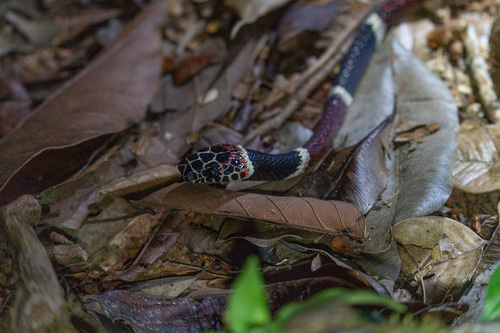
Rings of red, yellow, and black where red touches yellow; small rounded head and round pupils.
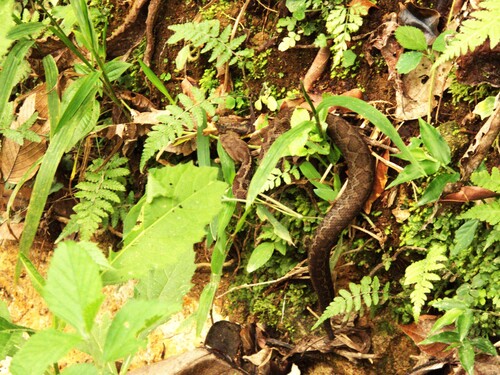
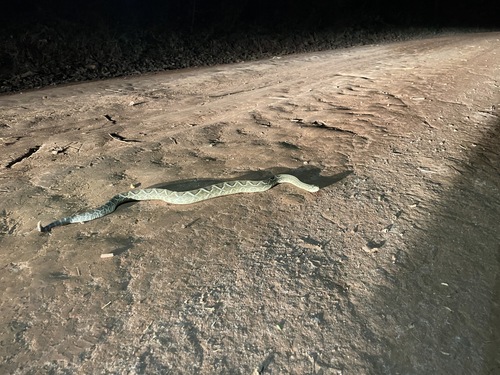 Neotropical RattlesnakeCrotalus durissusVenomous
Heavy body, broad triangular head, vertical (cat-like) pupils, and a segmented keratin rattle at the tail tip.
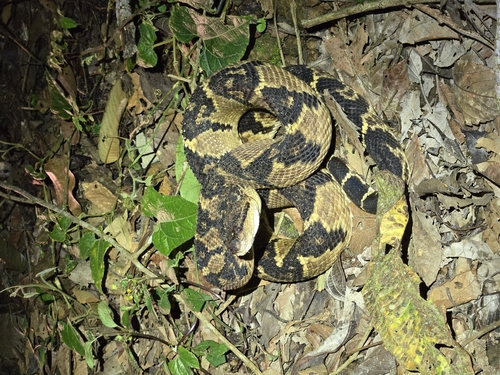
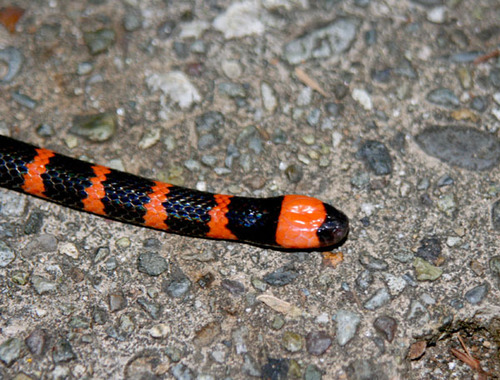 Many-banded CoralsnakeMicrurus multifasciatusVenomous
Rings of red, yellow, and black where red touches yellow; small rounded head and round pupils.
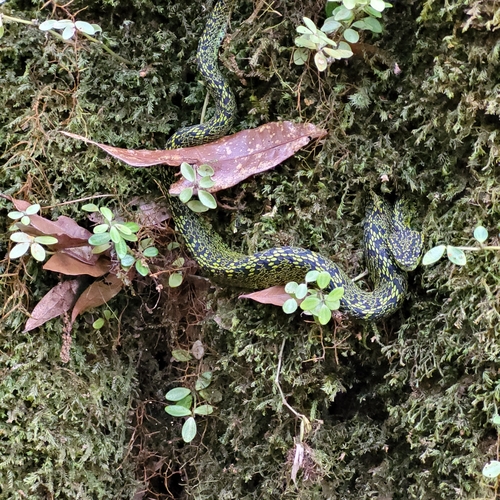
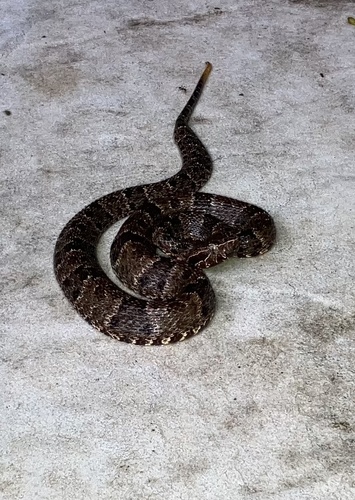
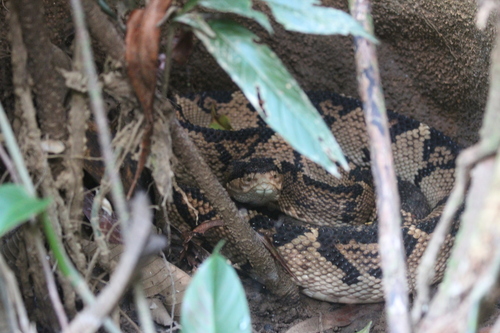
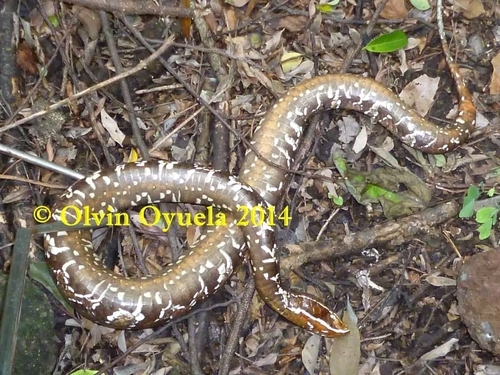 Southern CantilAgkistrodon howardgloydiVenomous
Heavy body, triangular head, vertical pupils, and a heat-sensing pit between each eye and nostril.

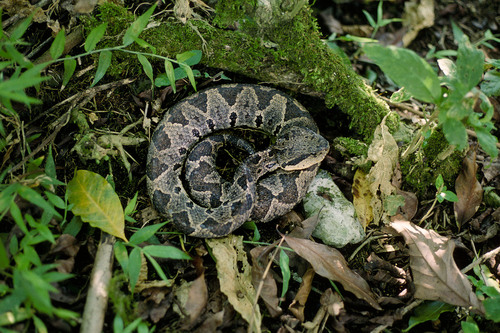
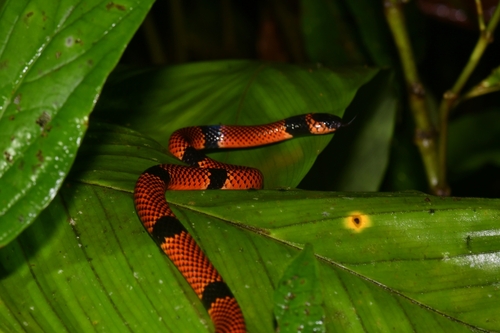 Clark's CoralsnakeMicrurus clarkiVenomous
Rings of red, yellow, and black where red touches yellow; small rounded head and round pupils.
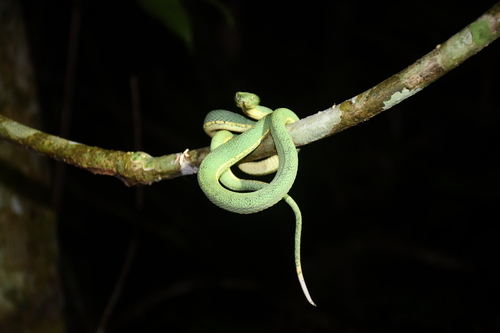
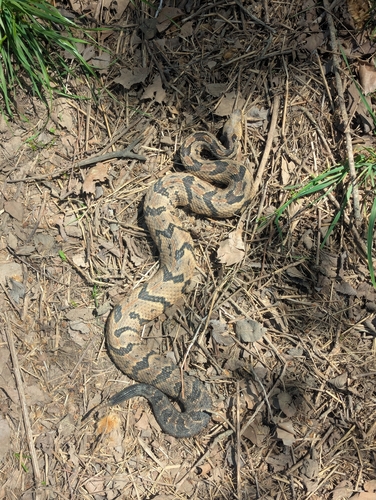 Timber RattlesnakeCrotalus horridusVenomous
Heavy body, broad triangular head, vertical (cat-like) pupils, and a segmented keratin rattle at the tail tip.
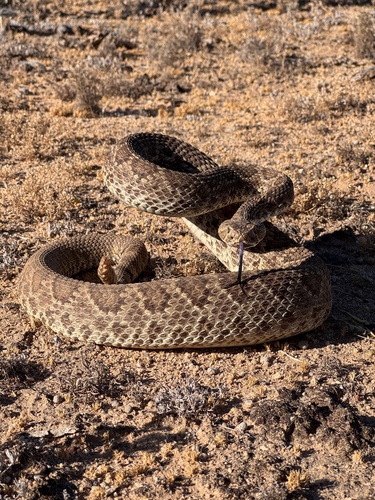 Mojave RattlesnakeCrotalus scutulatusVenomous
Heavy body, broad triangular head, vertical (cat-like) pupils, and a segmented keratin rattle at the tail tip.
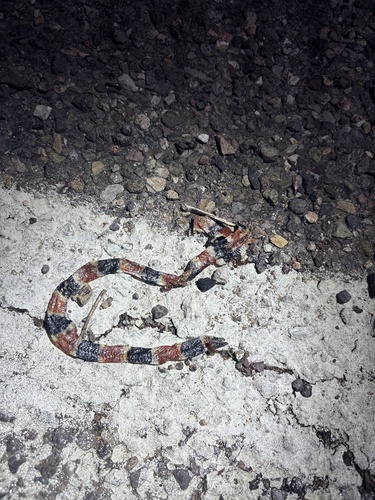 Sonoran CoralsnakeMicruroides euryxanthusVenomous
Red, yellow (whitish), and black rings with red touching yellow; blunt black snout.
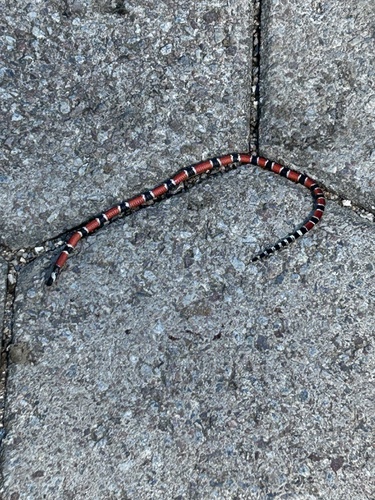 Painted CoralsnakeMicrurus corallinusVenomous
Rings of red, yellow, and black where red touches yellow; small rounded head and round pupils.
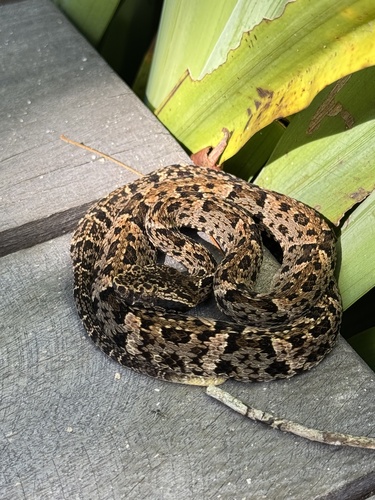
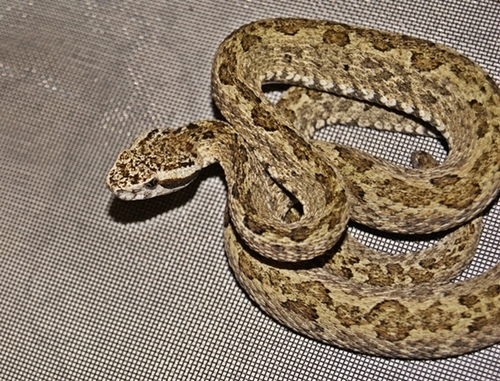
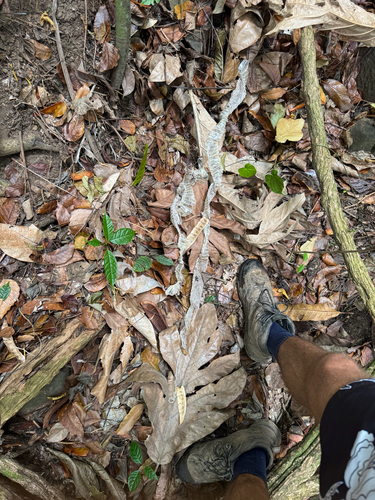
Every snake recorded in Costa Rica
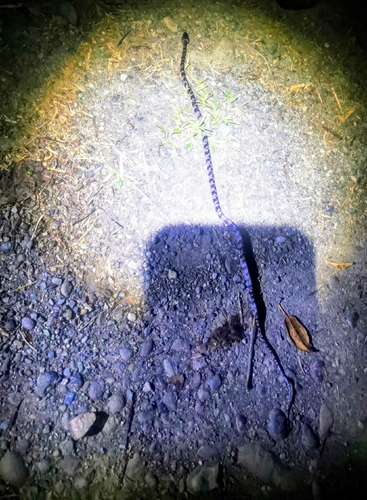
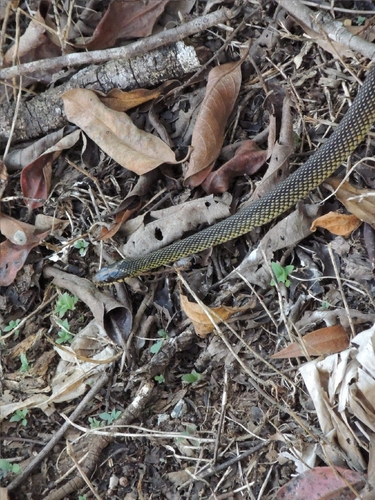
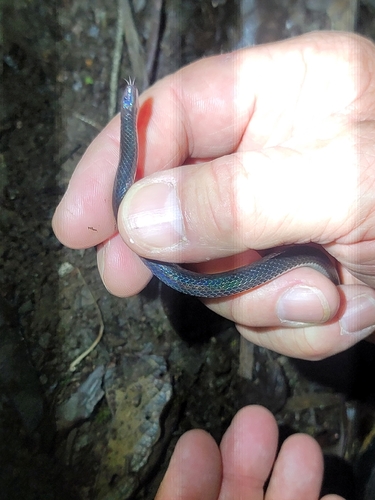
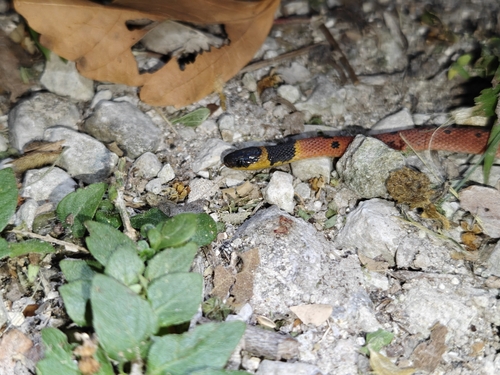
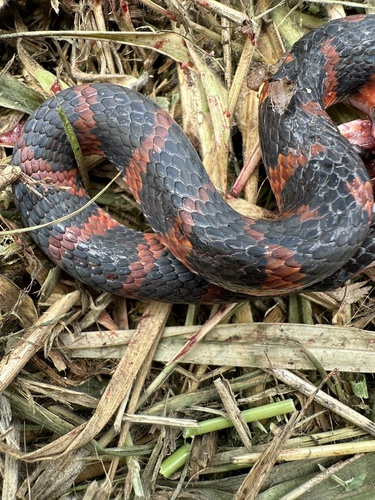
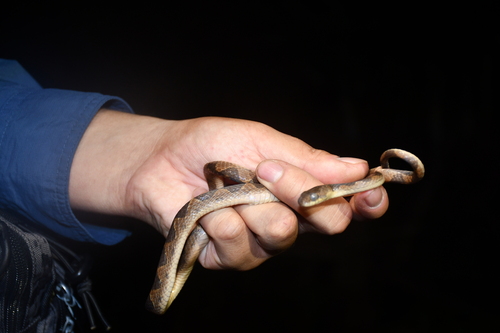
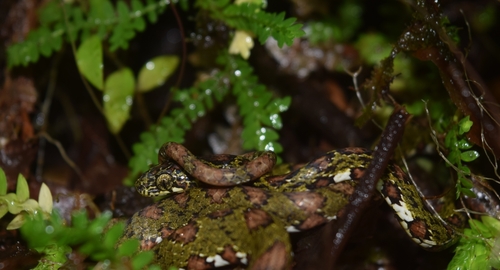
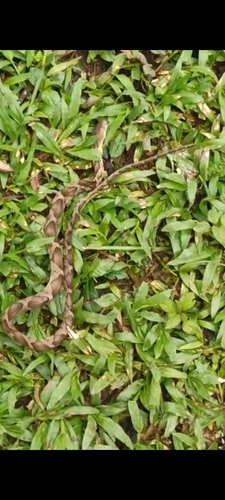
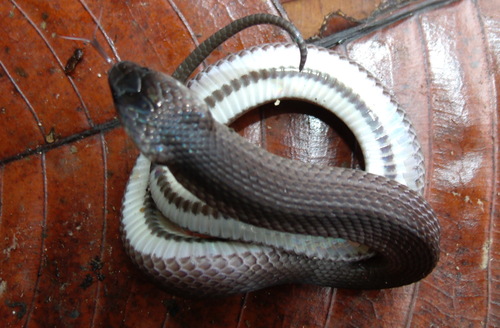
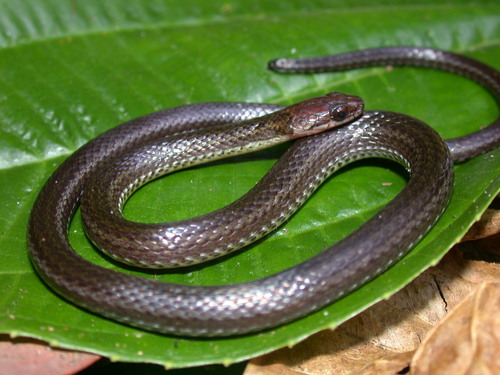
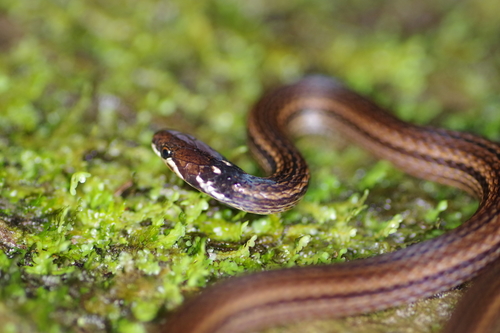
175+ species across 9 families, grouped by family. Venomous flagged.
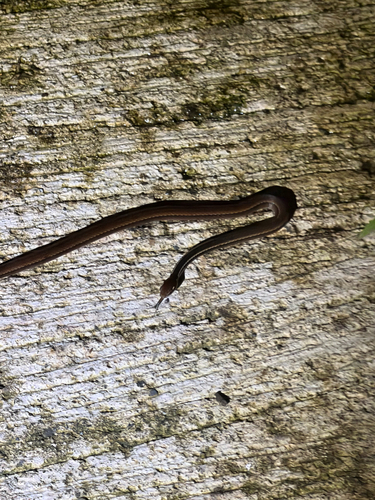
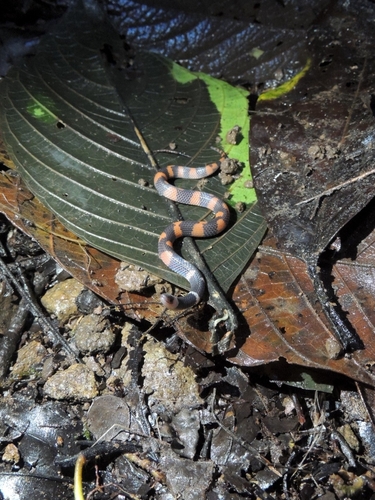
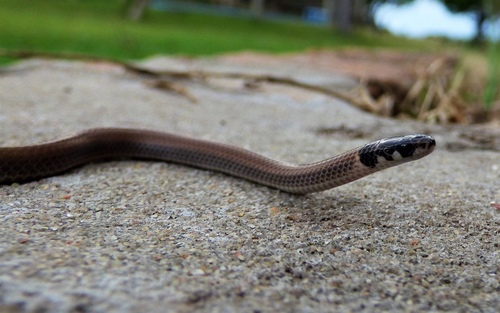
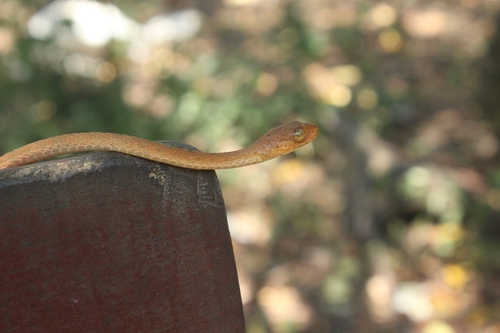
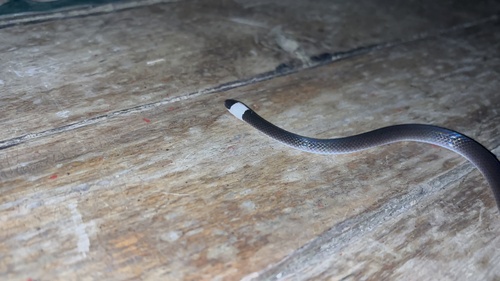
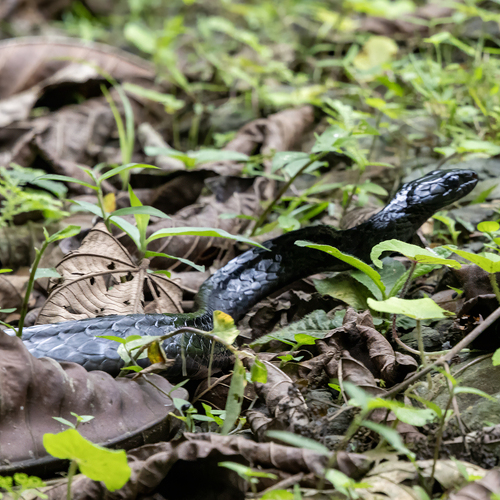
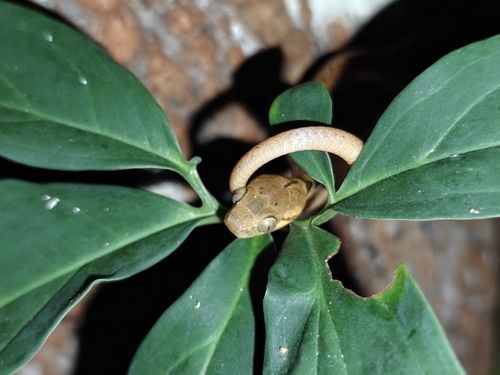
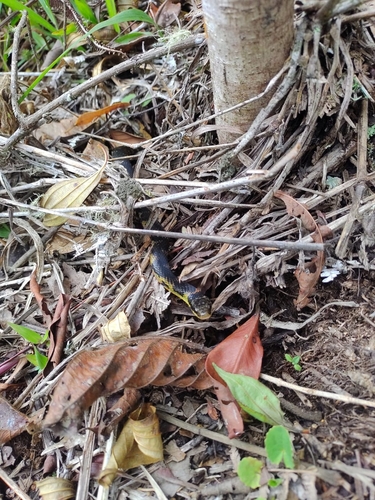
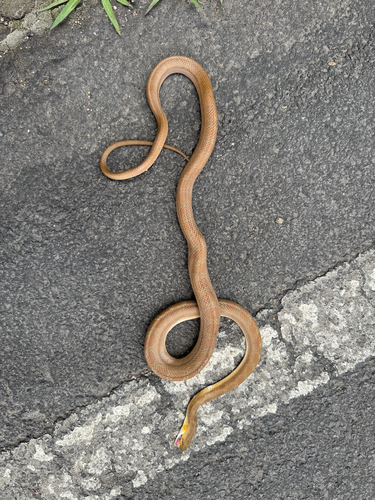
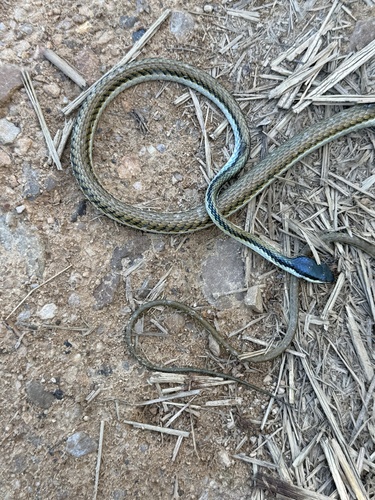
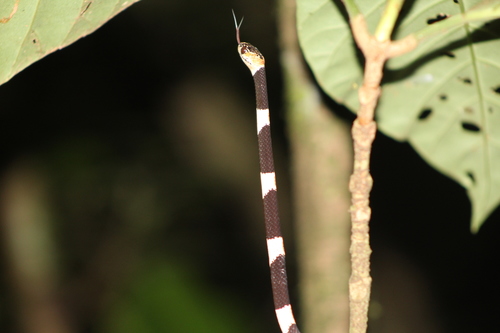
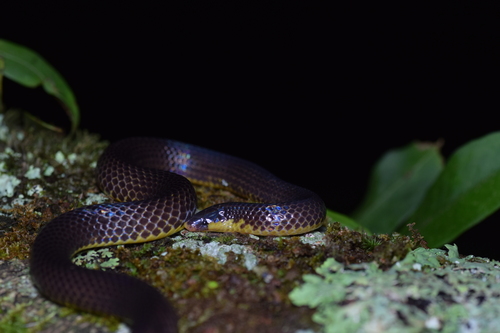
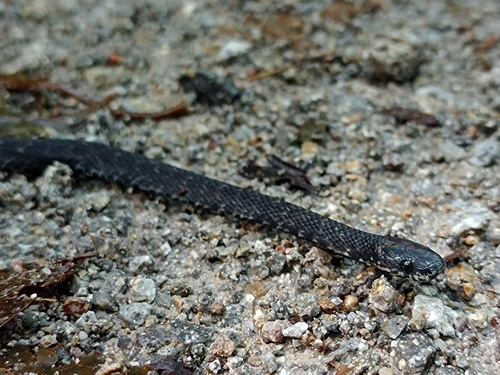
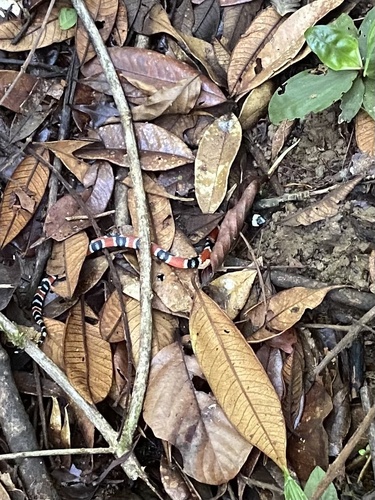
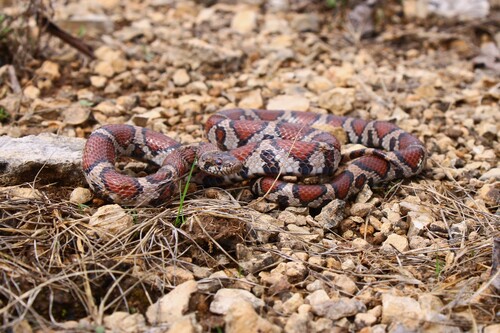
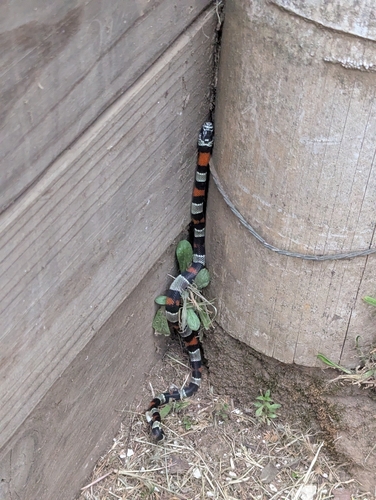
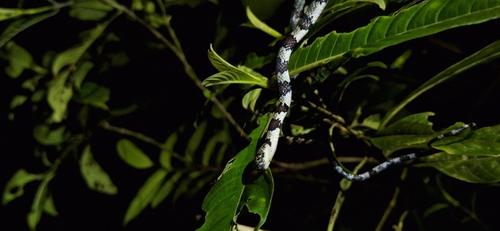
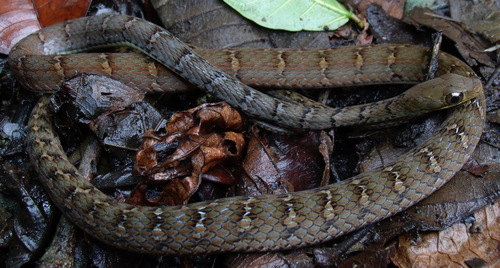
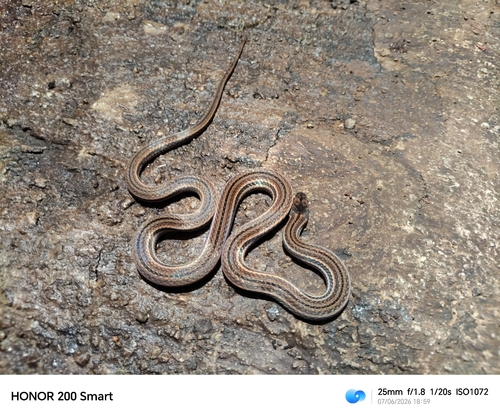
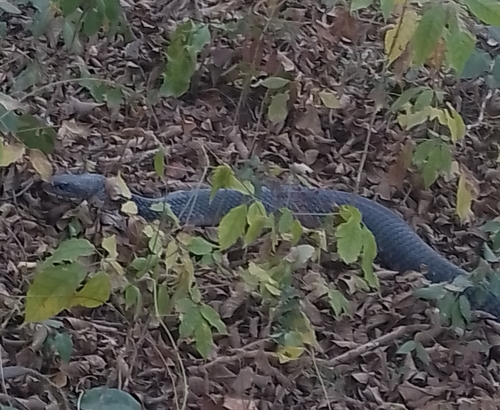
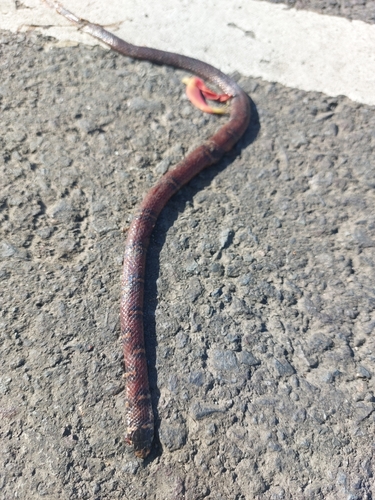
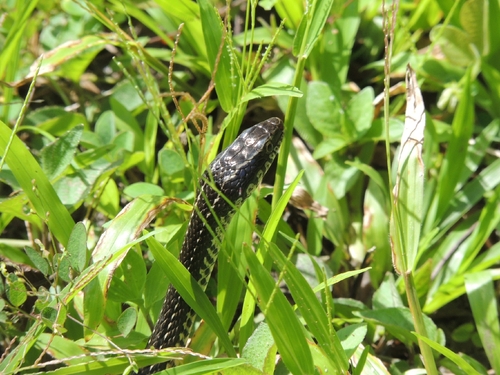
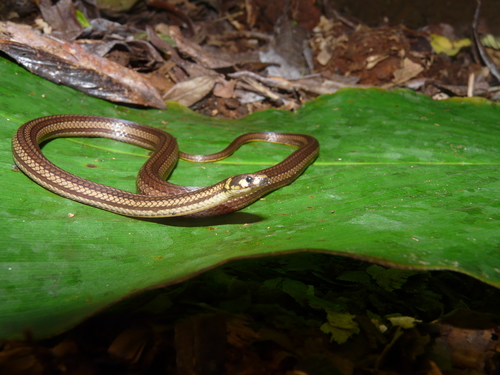
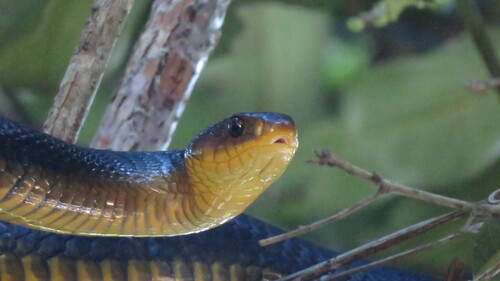
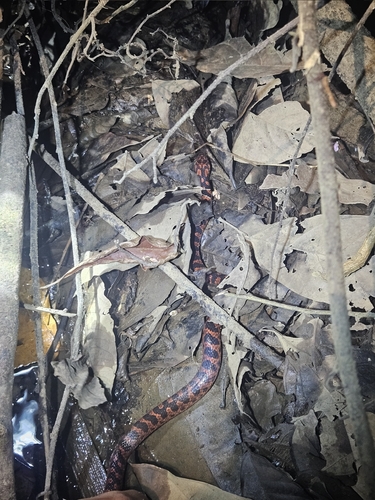
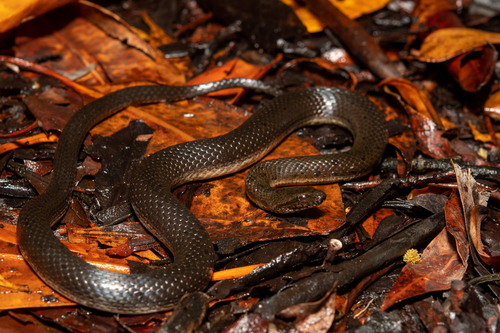
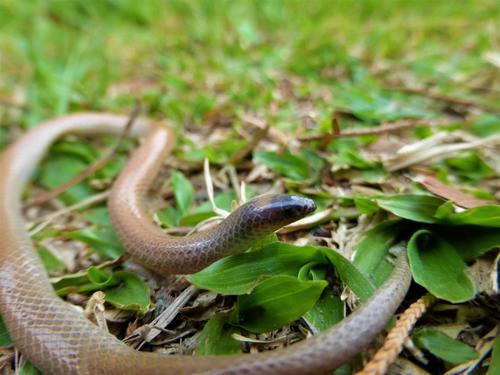
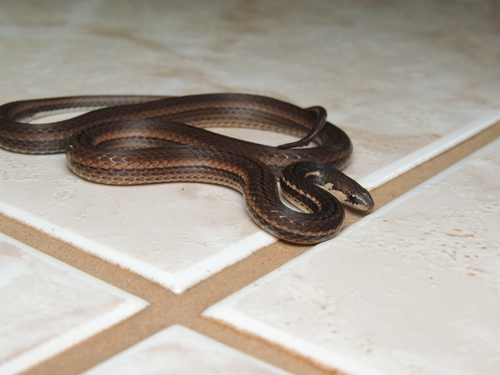
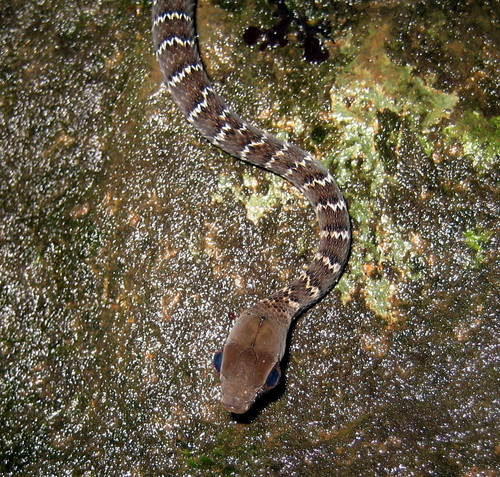
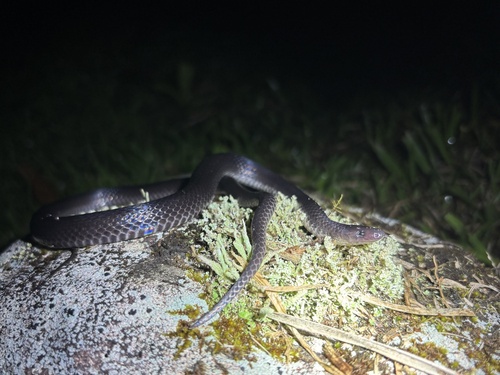
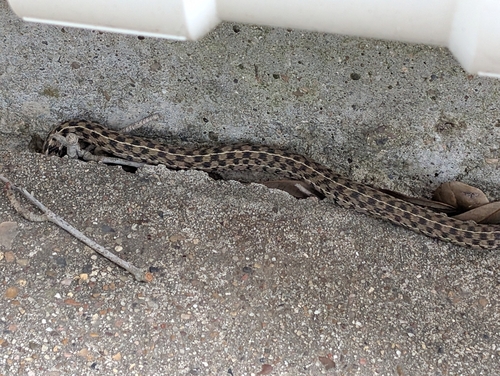
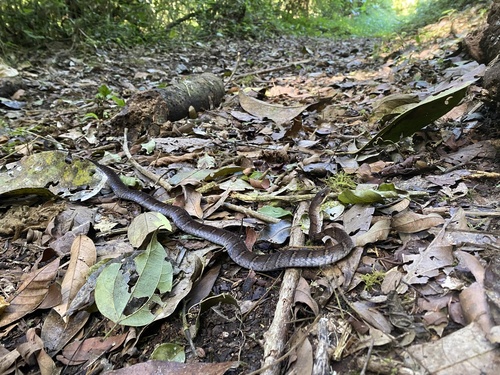
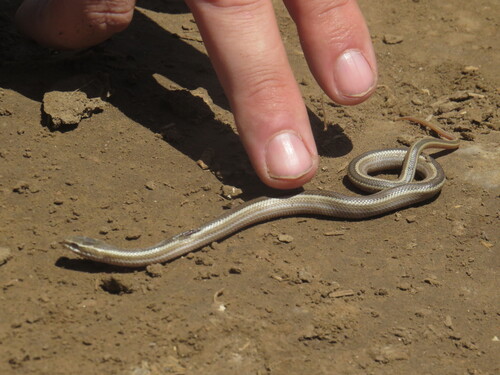
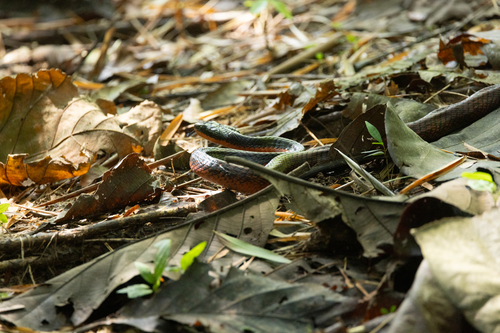
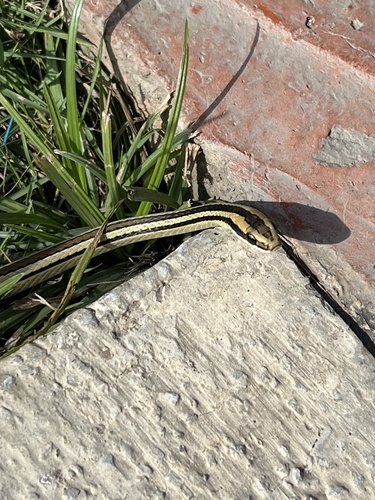
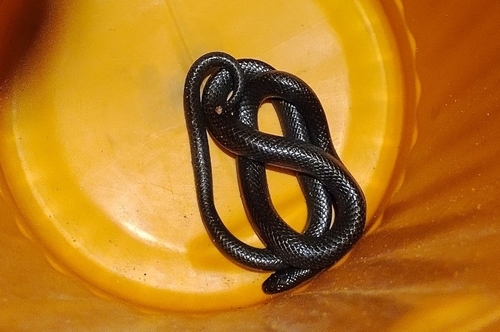
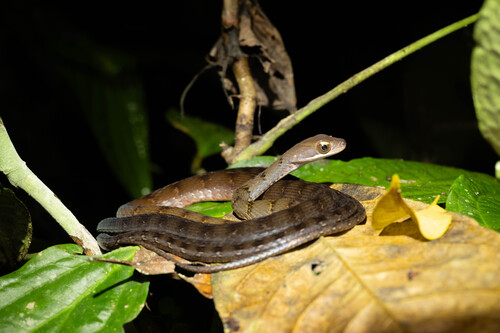
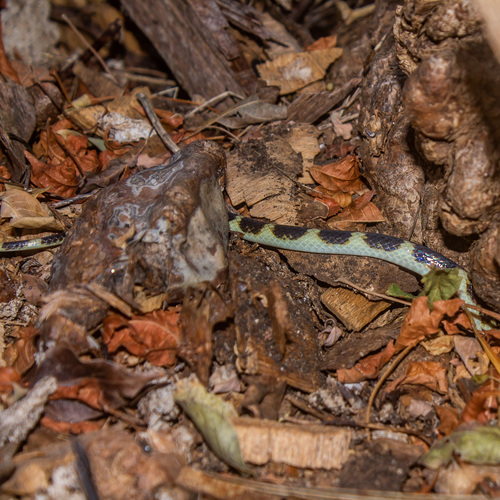
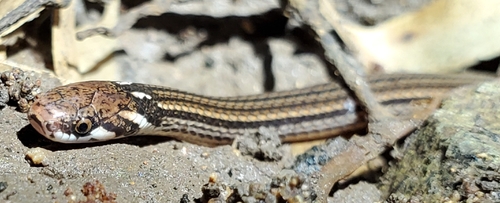
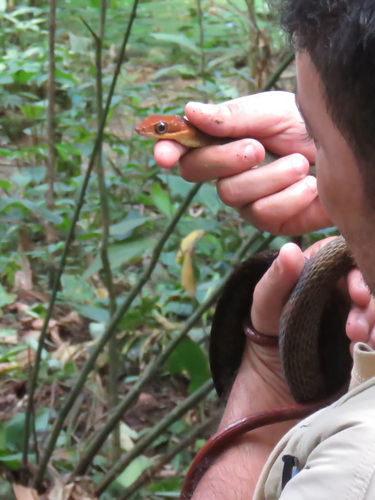
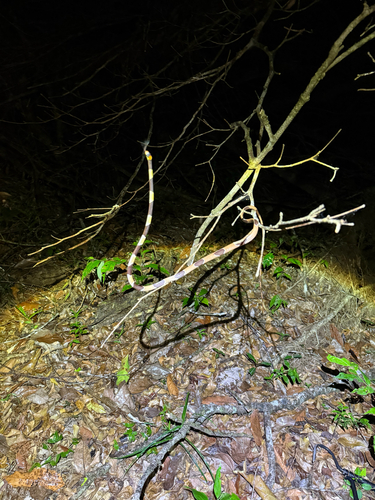
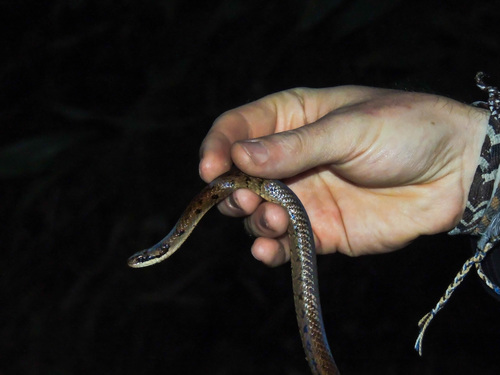
Colubridae (141)
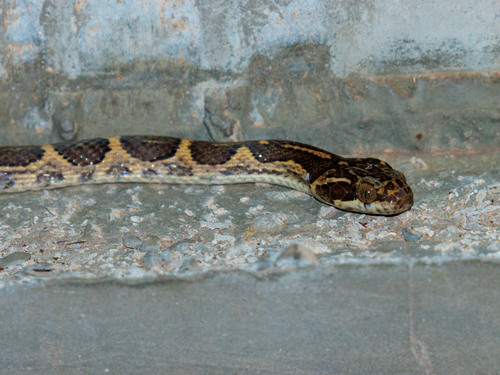
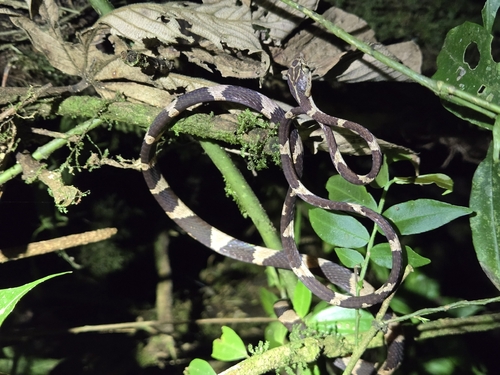
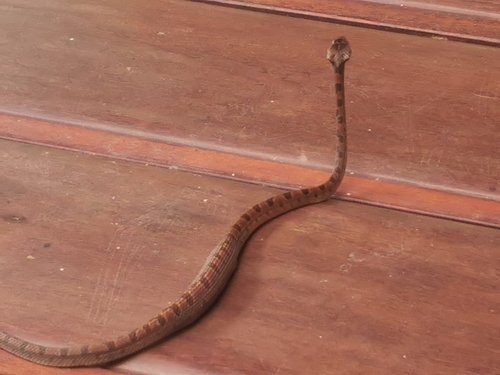
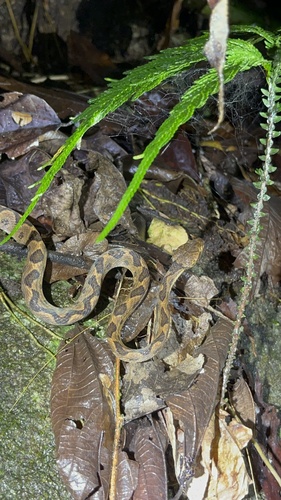
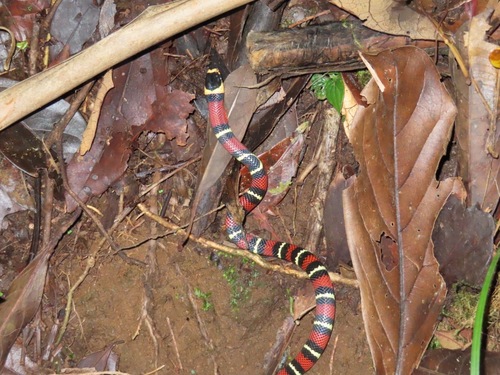
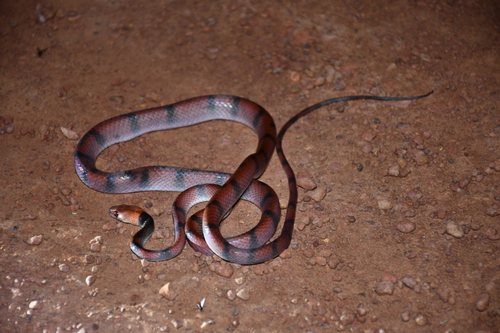
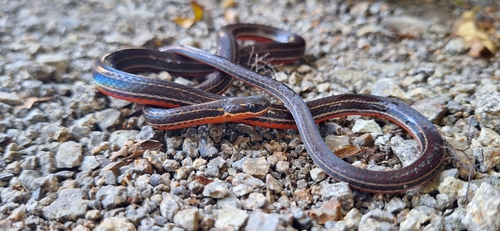
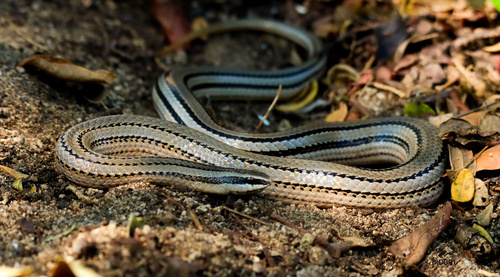
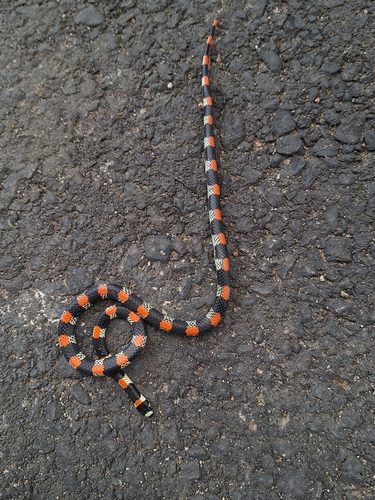


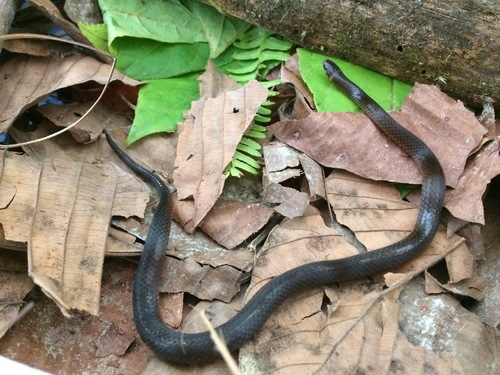
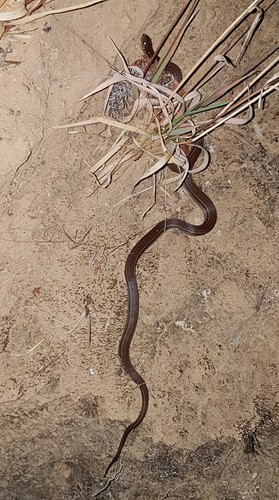
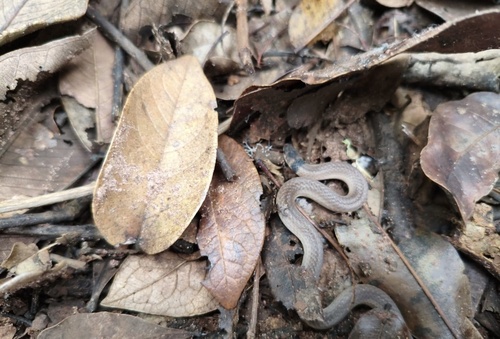
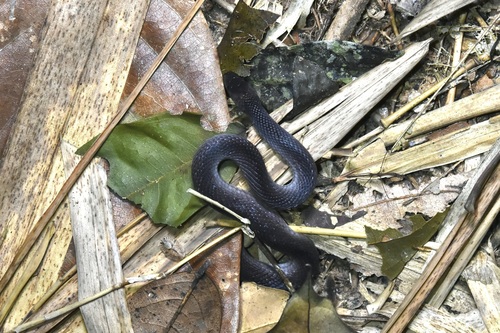
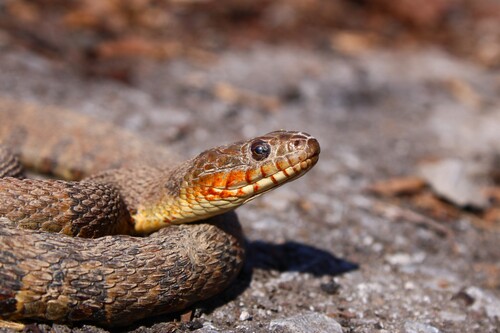
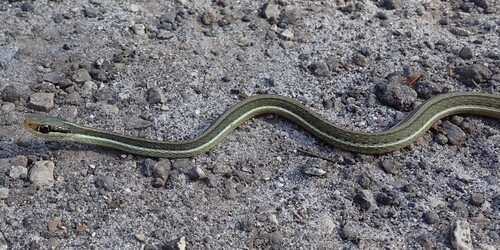
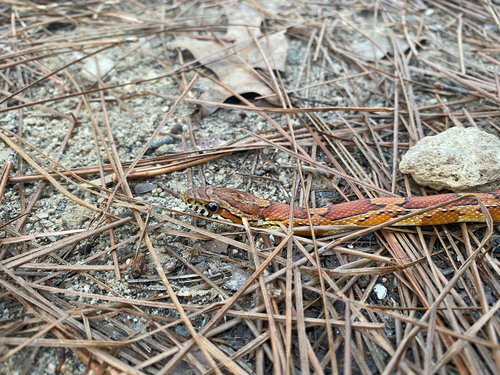
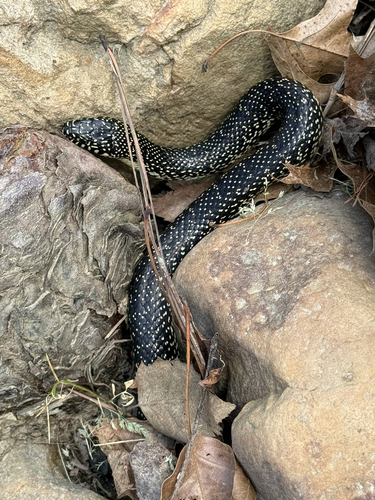
Viperidae (28)
Boidae (10)
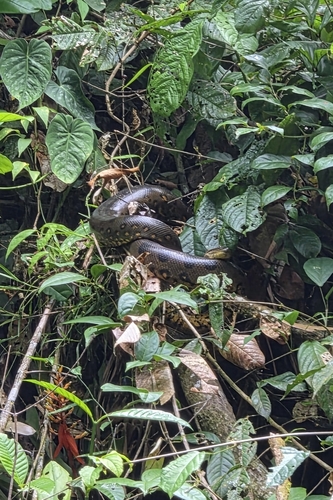
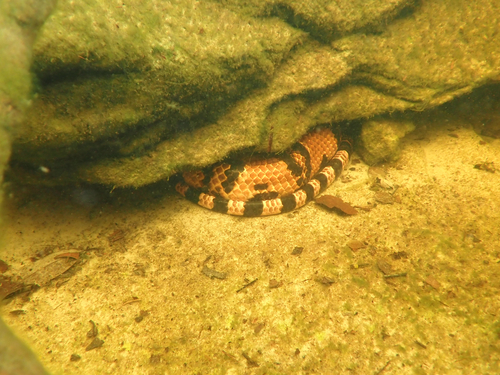
Elapidae (9)
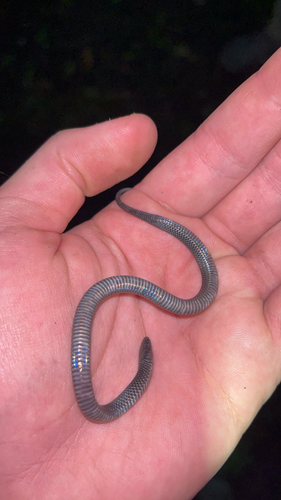
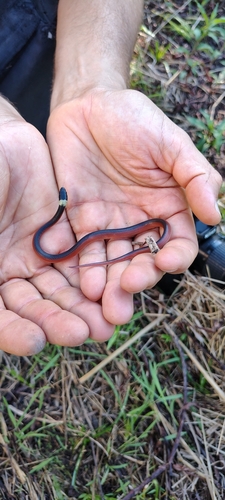
Anomalepididae (4)
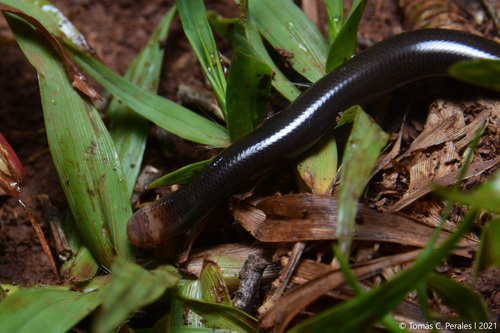
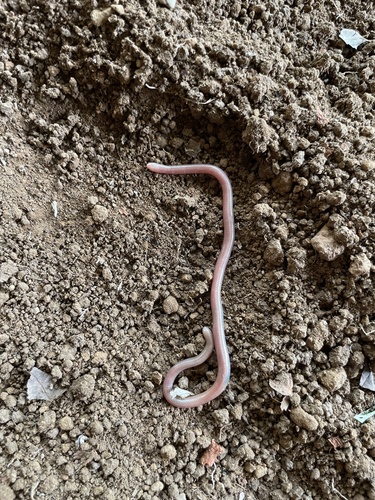
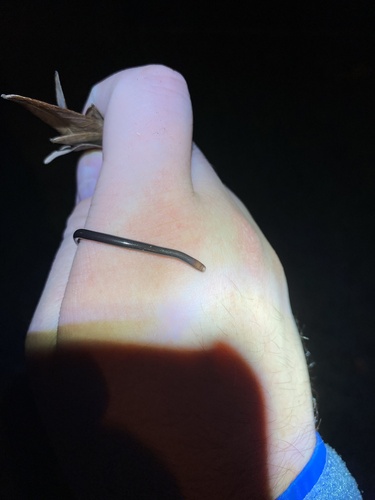
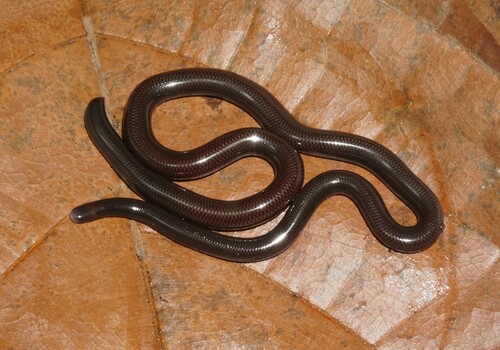
Leptotyphlopidae (2)
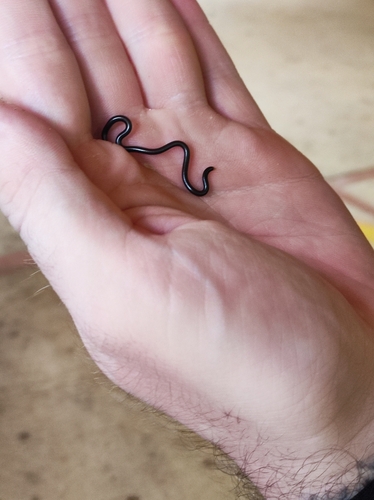
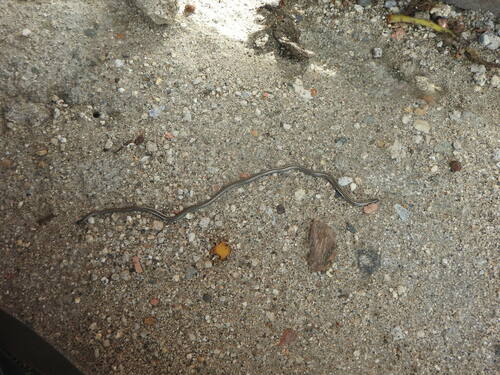
Typhlopidae (2)
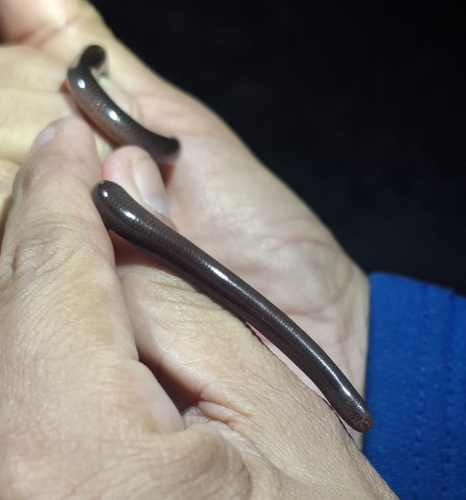
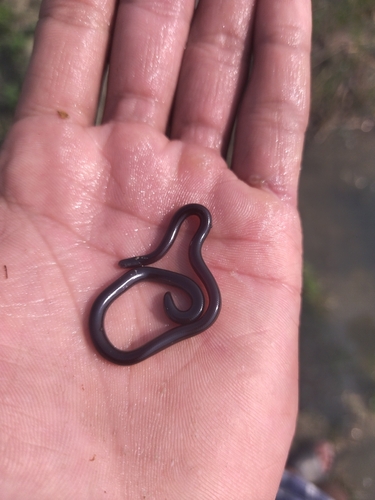
Loxocemidae (1)
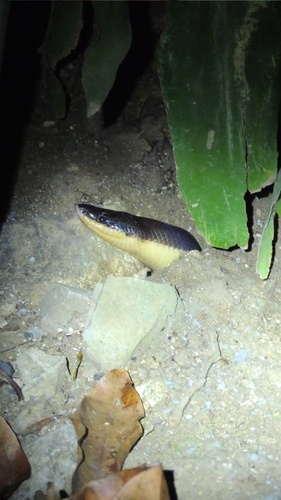
Homalopsidae (1)
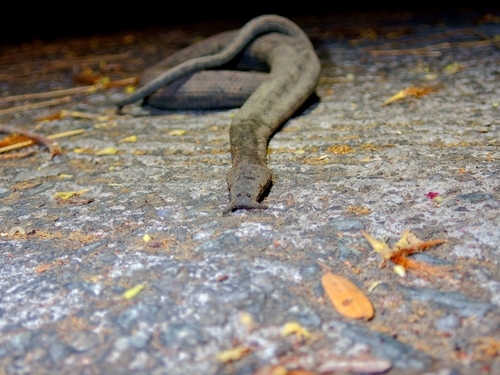
Compiled from verified GBIF & iNaturalist observations. "How often seen" reflects how frequently a snake is reported here, not how dangerous it is. Informational only.
Keep learning
- Are Snakes Dangerous? The Real Risk, in PerspectiveMost snakes are harmless and avoid people. Here is the honest picture of snakebite risk worldwide and how to lower your own.
- Snakebite First Aid: What to Do (and What Never to Do)A clear, CDC-based guide to snakebite first aid: the steps that help, the popular myths that hurt, and how to tell a serious bite from a minor one.
- Venomous vs Nonvenomous: How to Tell the DifferenceThe folk rules for telling venomous snakes apart, where each one fails, and why location-based identification beats guessing by sight.
- What to Do If You Find a SnakeFound a snake at home or on a trail? Here is how to stay calm, give it space, identify it safely, and know when to call a professional.