
Venezuela
Snakes in Venezuela
175+ snake species have been recorded in Venezuela, 32 venomous.
Snakes of Venezuela
Venezuela (Bolivarian Republic of) has 175+ snake species recorded in our database, 35 of them venomous. The great majority of species are non-venomous, which means that most snakes a person encounters in the country pose no venom threat to humans. Venezuela sits at the northern edge of South America, spanning the Caribbean and Atlantic coasts, the Orinoco basin, the Andes, and a large share of the Amazon, and this range of environments is what produces such a deep and varied snake fauna.
The country's geography is the main driver of its diversity. Lowland Amazon rainforest in the south holds the richest reptile communities, while the vast Llanos grasslands, the wetlands and gallery forests of the Orinoco, the cloud forests of the Andes and the Coastal Range, and the distinctive tepui highlands of the Guiana Shield each support their own assemblages. Mangrove coasts, dry scrub, rivers, and seasonal floodplains add further niches. Snakes occupy nearly all of these settings, from arboreal forest dwellers to burrowing, aquatic, and ground-living forms, so species composition shifts sharply from one region to another.
Among the venomous snakes, the medically important groups in Venezuela are the pit vipers and the coral snakes, both within the broad category responsible for the country's serious snakebites. The pit vipers include lanceheads of the genus Bothrops and their relatives, which are widespread across forest and agricultural land and account for the largest share of bites, along with the bushmaster (Lachesis), a very large forest viper, and rattlesnakes of the genus Crotalus found in drier open country. Coral snakes of the genus Micrurus are also present and carry potent venom, though they are secretive and bite people far less often. There are no cobras or mambas in Venezuela, as those are Old World groups. Venezuela's Caribbean and Atlantic waters are outside the natural range of the venomous sea snakes of the Indo-Pacific, so the venomous threat is overwhelmingly land based.
The non-venomous majority is large and ecologically central. It includes the green anaconda, one of the heaviest snakes in the world and a famous resident of the Llanos and Orinoco wetlands, along with boa constrictors and tree boas. Many slender, fast colubrid snakes hunt frogs, lizards, and rodents in forest and grassland, and there are racers, water snakes, blunt-headed tree snakes, and small burrowing species that are rarely noticed. These snakes are harmless to people and make up the bulk of what anyone is likely to see.
Snakes provide real ecological value. As predators they control populations of rodents and other small animals, which limits crop damage and reduces the spread of disease carried by rodents around farms and homes. They are also prey for birds, mammals, and larger reptiles, so they sit in the middle of the food web and help keep these systems in balance. A healthy snake population is a sign of a functioning landscape.
On safety, the honest picture is that most snakes in Venezuela are harmless and the main medical threat comes from the pit vipers, especially the lanceheads, with coral snakes and the bushmaster as additional but rarer concerns. No wild venomous snake should ever be handled, and no one should attempt to catch or kill one, since most bites happen during exactly those attempts. The correct response to a venomous bite is to get the person to a hospital as quickly as possible, where antivenom and supportive medical care are the treatment. In the United States contact Poison Control at 1-800-222-1222, and elsewhere call local emergency services. Do not rely on field first aid in place of professional care.
Snakes in Venezuela: FAQ
- Are there venomous snakes in Venezuela?
- Yes. 32 venomous snake species have verified records in Venezuela, including Common Lancehead, Neotropical Rattlesnake, Venezuela Lancehead, Redtail Coralsnake. Most snakes in Venezuela, however, are harmless.
- How many snake species live in Venezuela?
- 175+ snake species have verified records in Venezuela, of which 32 are venomous.
- What is the most commonly seen snake in Venezuela?
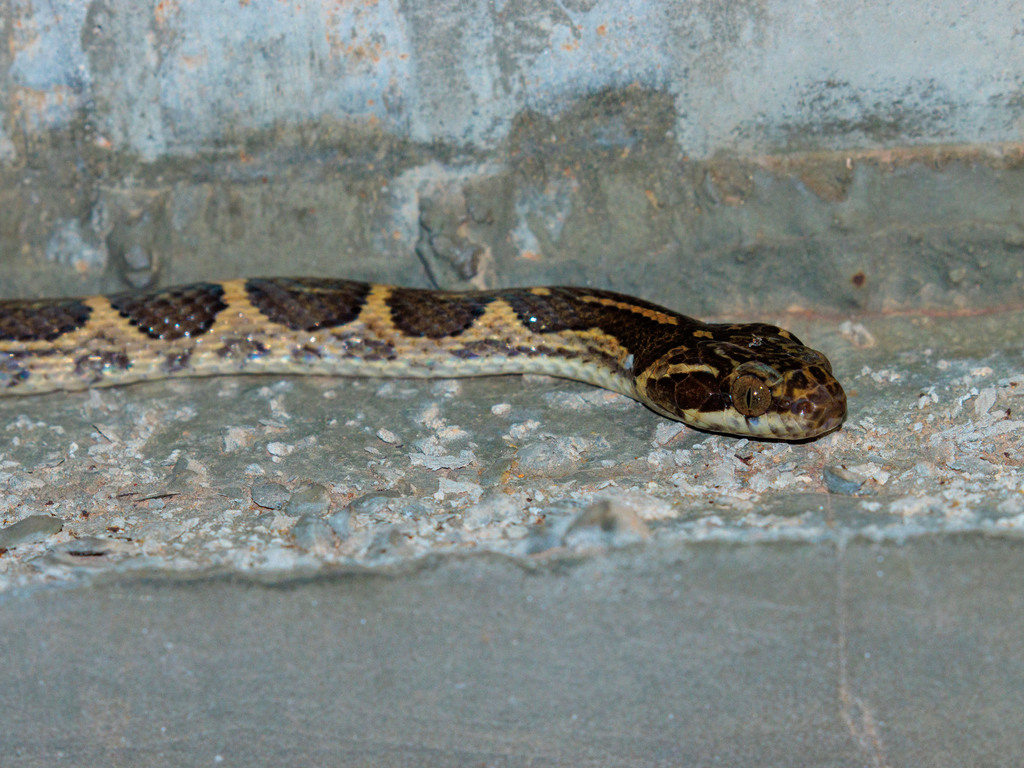
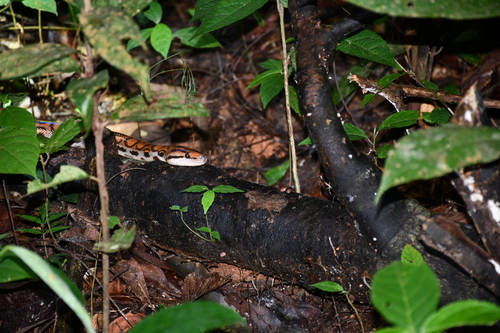
- The Paraiba Cat-eyed Snake is the most frequently reported snake in Venezuela, based on verified wildlife observations.
- What should I do if I see a venomous snake in Venezuela?
- Keep your distance and do not try to catch or kill it. Most bites happen when people handle or corner a snake. If someone is bitten, contact local emergency services or poison control immediately.
Venomous snakes in Venezuela
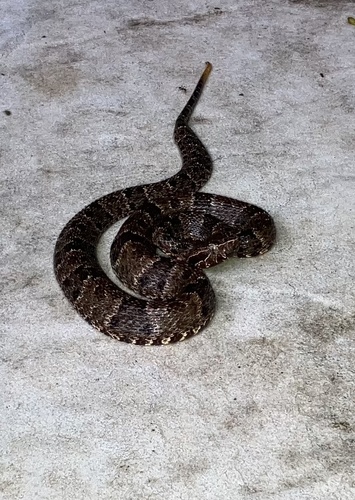
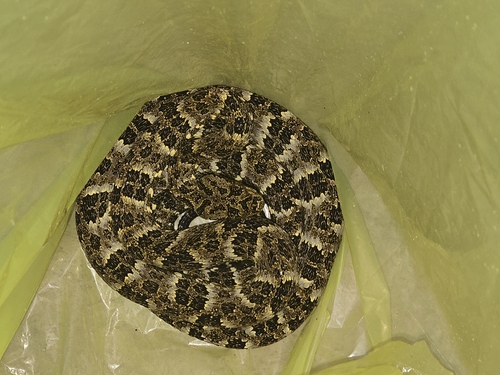
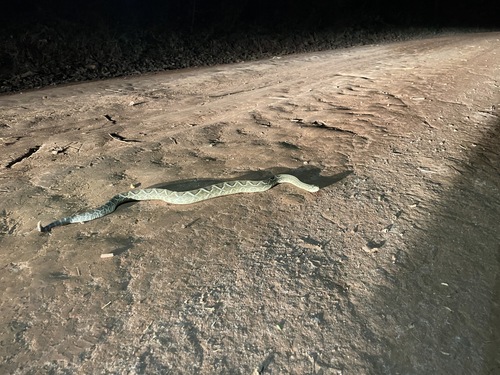 Neotropical RattlesnakeCrotalus durissusVenomous
Heavy body, broad triangular head, vertical (cat-like) pupils, and a segmented keratin rattle at the tail tip.
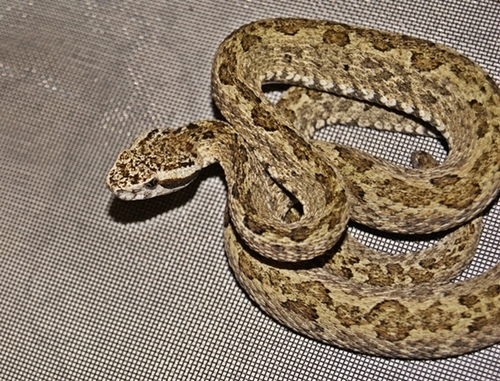
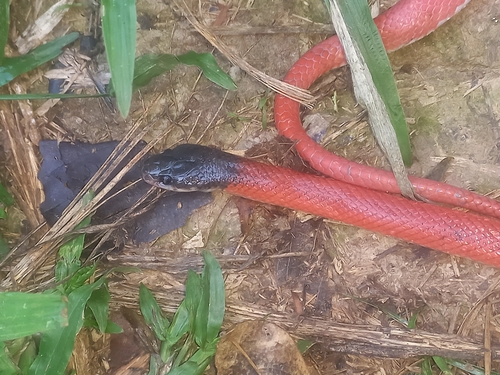
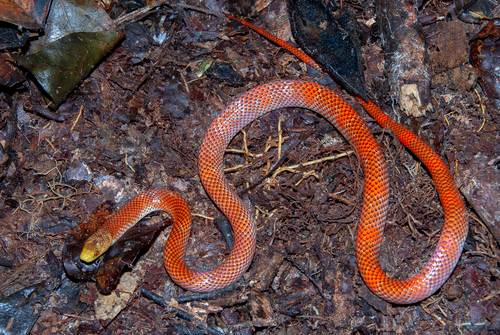
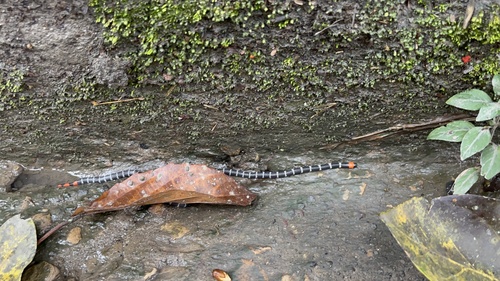 Redtail CoralsnakeMicrurus mipartitusVenomous
Rings of red, yellow, and black where red touches yellow; small rounded head and round pupils.
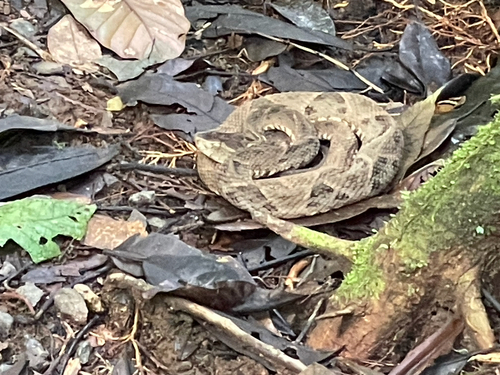
 Venezuelan CoralsnakeMicrurus isozonusVenomous
Rings of red, yellow, and black where red touches yellow; small rounded head and round pupils.
 Pygmy CoralsnakeMicrurus dissoleucusVenomous
Rings of red, yellow, and black where red touches yellow; small rounded head and round pupils.
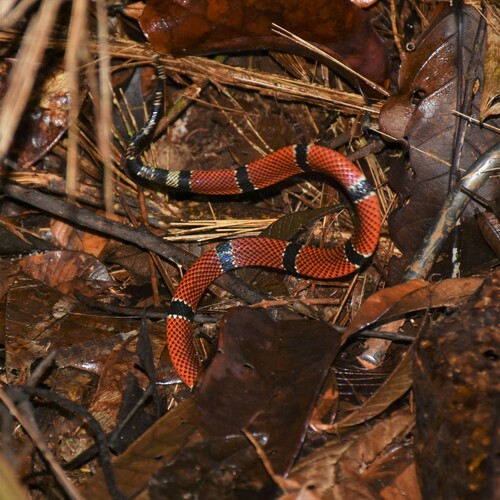 Transandean Capuchin CoralsnakeMicrurus dumeriliiVenomous
Rings of red, yellow, and black where red touches yellow; small rounded head and round pupils.
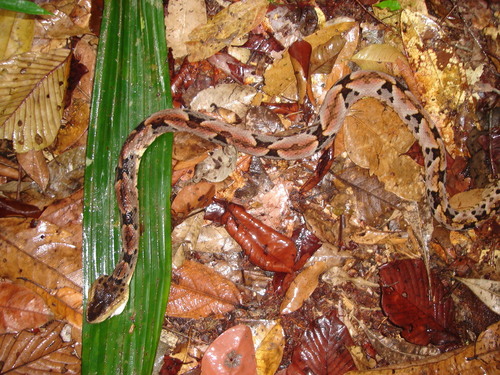
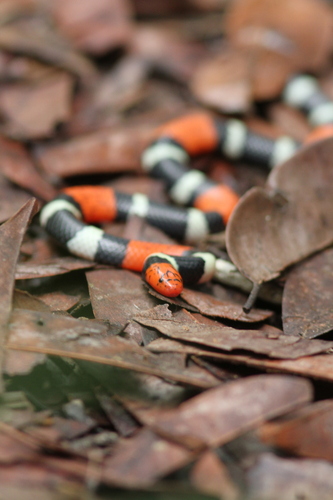 Natterer's CoralsnakeMicrurus nattereriVenomous
Rings of red, yellow, and black where red touches yellow; small rounded head and round pupils.
- No photo
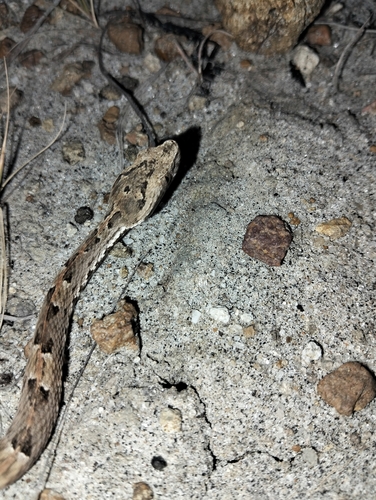
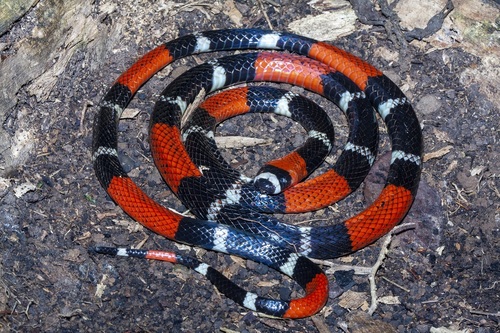 Ribbon CoralsnakeMicrurus lemniscatusVenomous
Rings of red, yellow, and black where red touches yellow; small rounded head and round pupils.
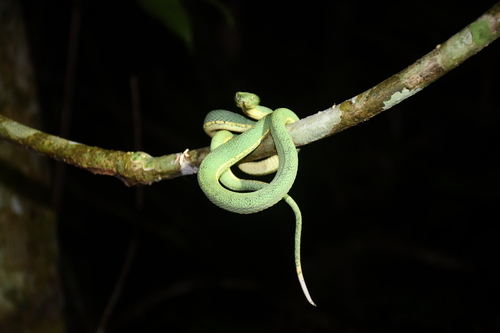
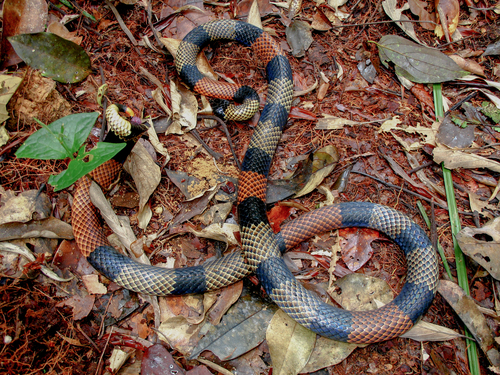 Amazon CoralsnakeMicrurus spixiiVenomous
Rings of red, yellow, and black where red touches yellow; small rounded head and round pupils.
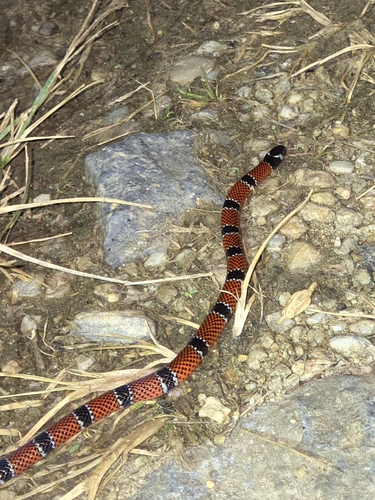 Trinidad Northern CoralsnakeMicrurus circinalisVenomous
Rings of red, yellow, and black where red touches yellow; small rounded head and round pupils.
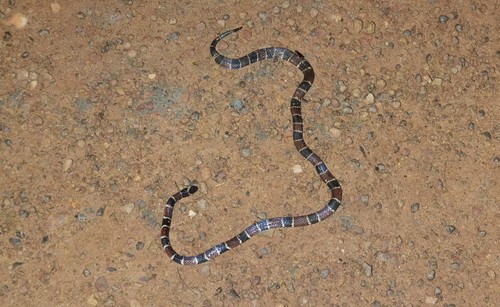 Carib CoralsnakeMicrurus psychesVenomous
Rings of red, yellow, and black where red touches yellow; small rounded head and round pupils.
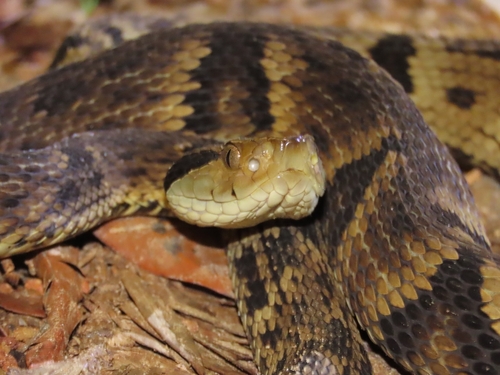
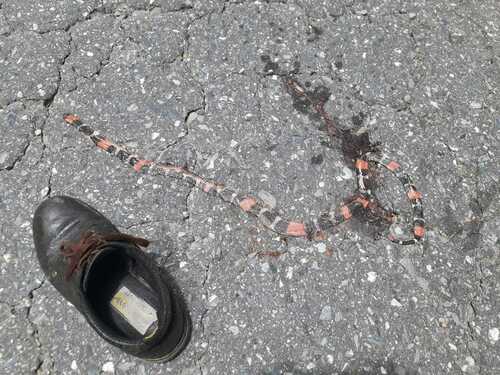 Trinidad Ribbon Coral SnakeMicrurus diutiusVenomous
Rings of red, yellow, and black where red touches yellow; small rounded head and round pupils.
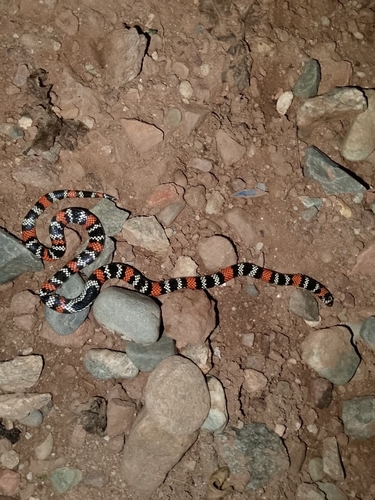 Merida CoralsnakeMicrurus meridensisVenomous
Rings of red, yellow, and black where red touches yellow; small rounded head and round pupils.
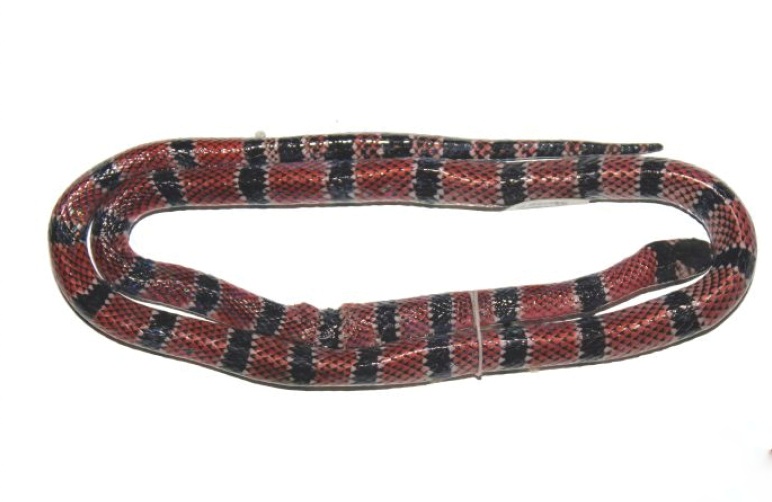 Neblina CoralsnakeMicrurus remotusVenomous
Rings of red, yellow, and black where red touches yellow; small rounded head and round pupils.
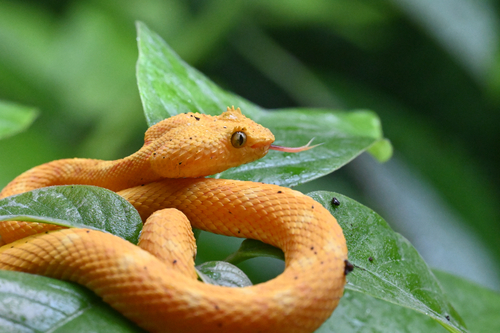
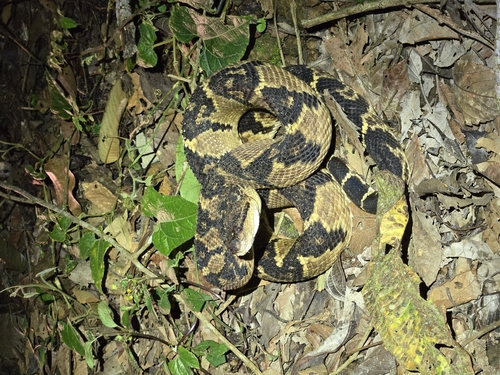
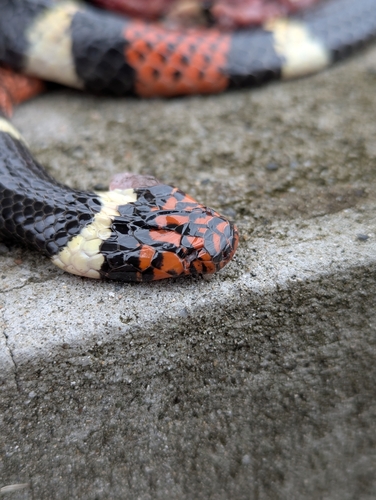 Aquatic CoralsnakeMicrurus surinamensisVenomous
Rings of red, yellow, and black where red touches yellow; small rounded head and round pupils.
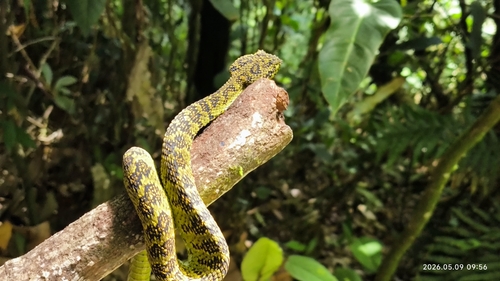
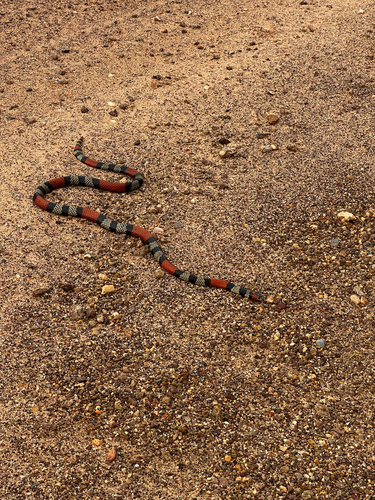 Southern CoralsnakeMicrurus frontalisVenomous
Rings of red, yellow, and black where red touches yellow; small rounded head and round pupils.
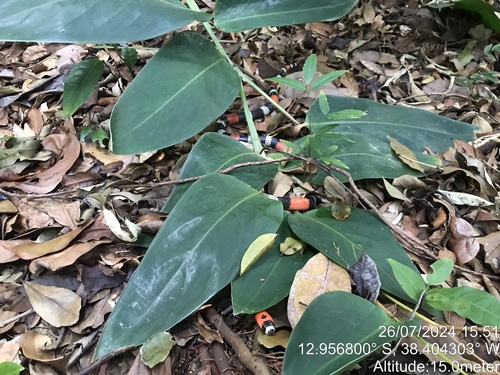 Caatinga CoralsnakeMicrurus ibibobocaVenomous
Rings of red, yellow, and black where red touches yellow; small rounded head and round pupils.
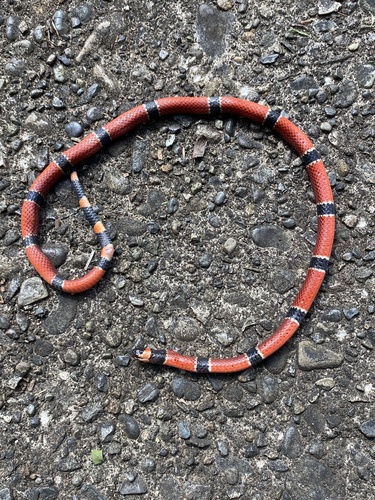 Central American CoralsnakeMicrurus nigrocinctusVenomous
Rings of red, yellow, and black where red touches yellow; small rounded head and round pupils.
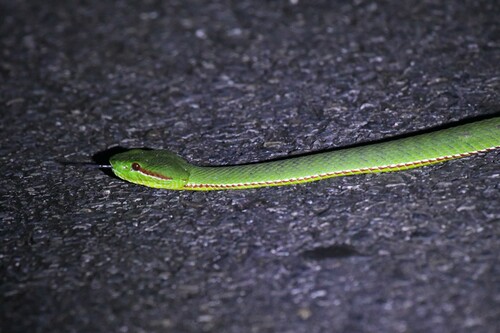
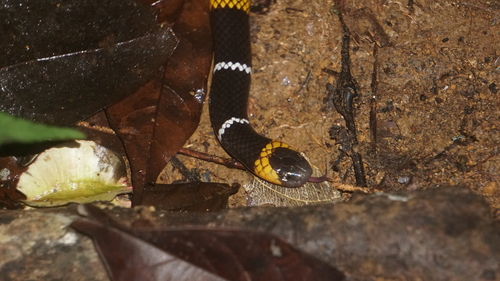 Hemprich's CoralsnakeMicrurus hemprichiiVenomous
Rings of red, yellow, and black where red touches yellow; small rounded head and round pupils.
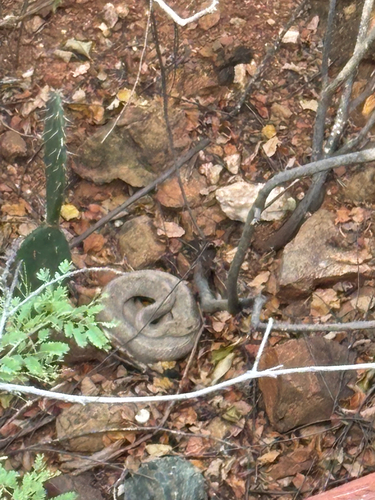 Aruba Island RattlesnakeCrotalus unicolorVenomous
Heavy body, broad triangular head, vertical (cat-like) pupils, and a segmented keratin rattle at the tail tip.
Every snake recorded in Venezuela
175+ species across 8 families, grouped by family. Venomous flagged.
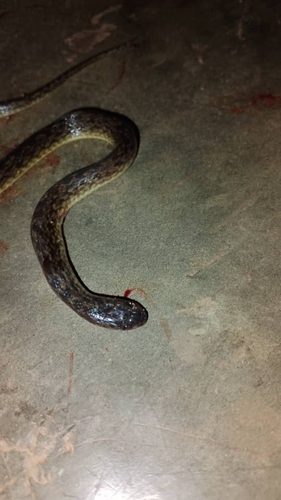
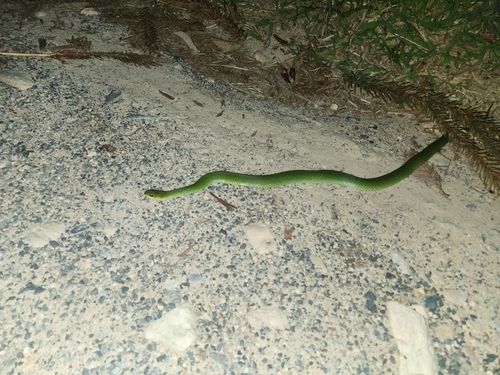
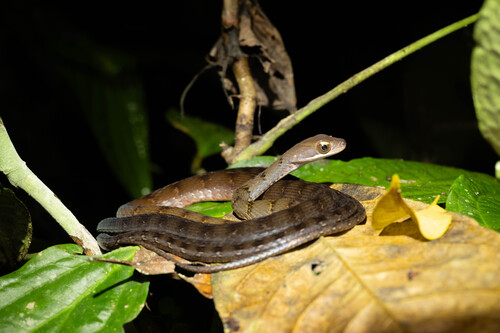
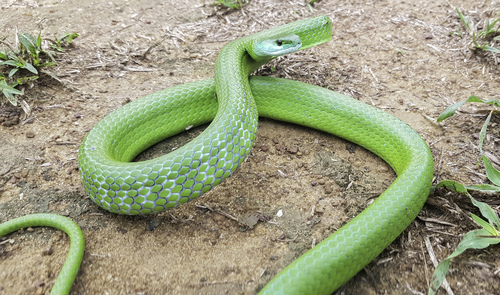
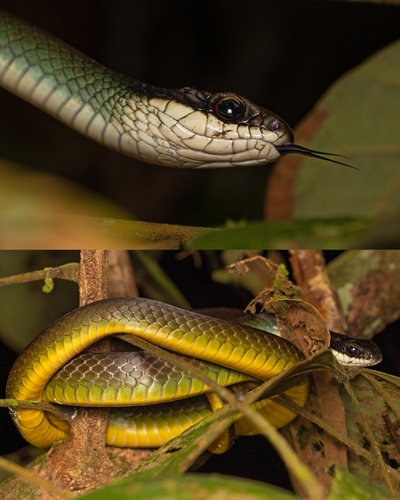
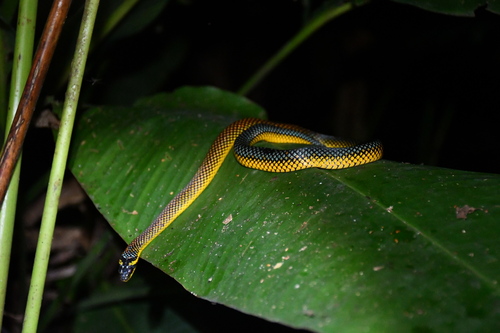
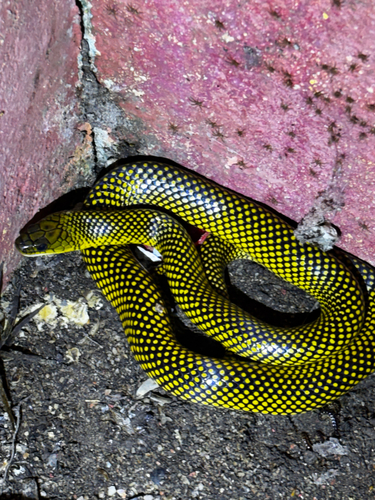
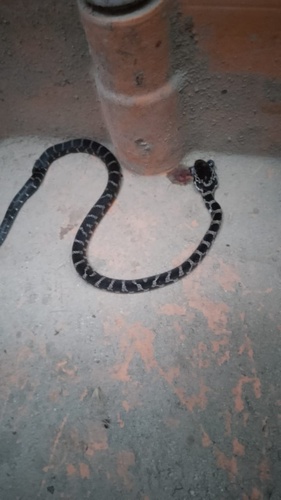
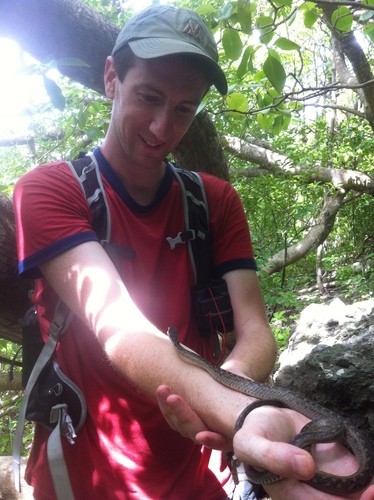
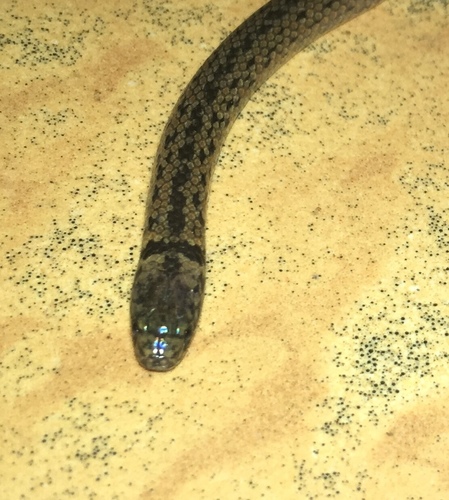
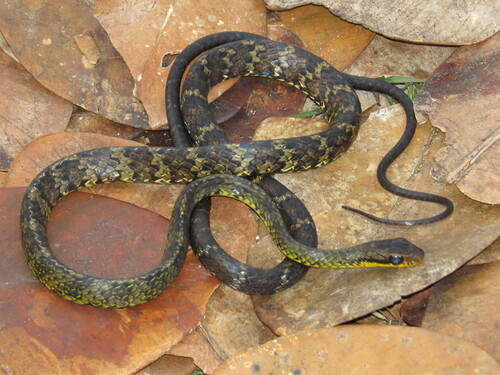
Colubridae (136)
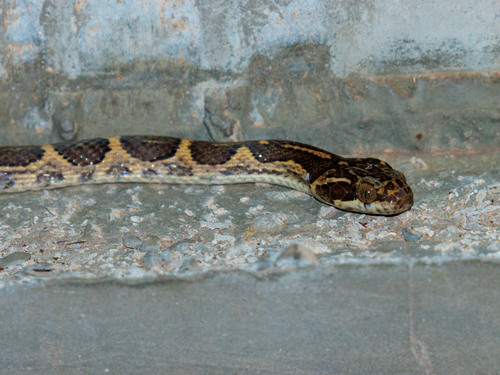
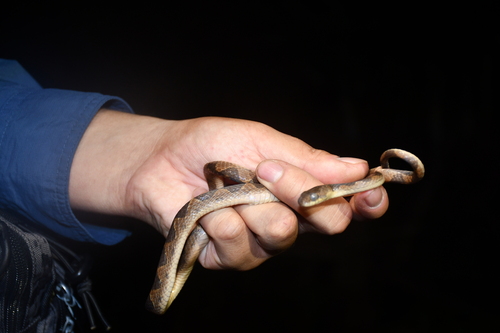
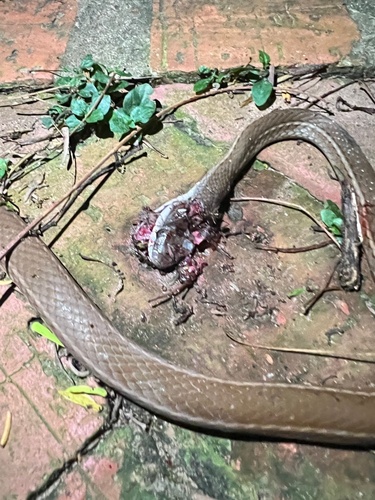
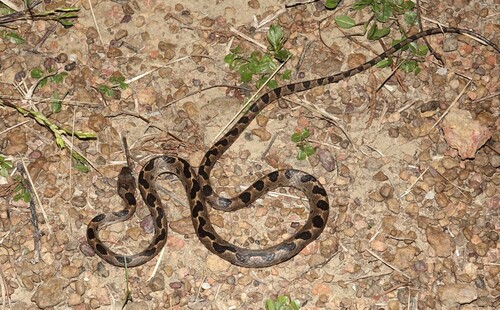
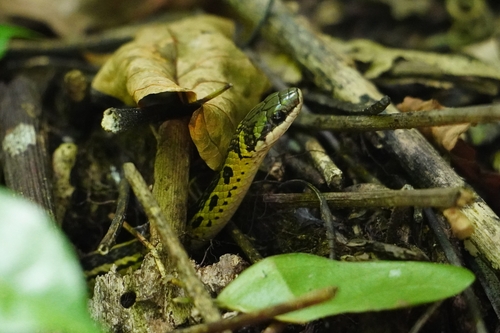
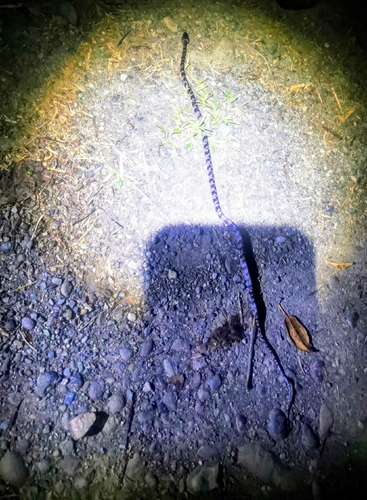
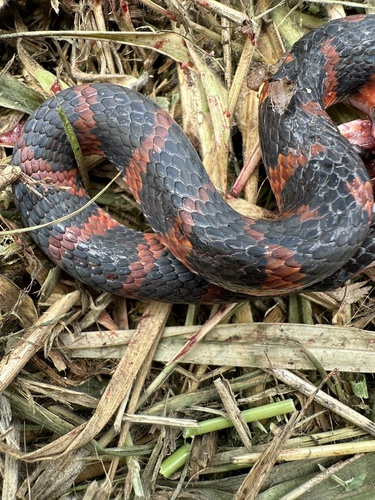
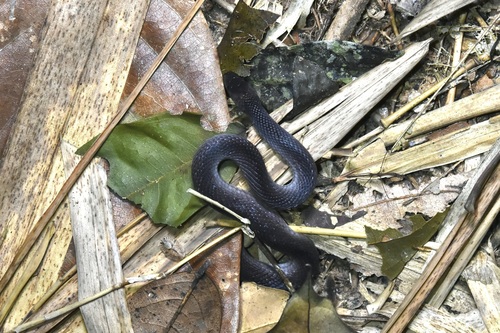
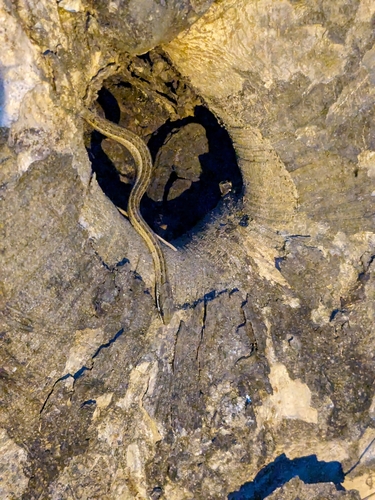
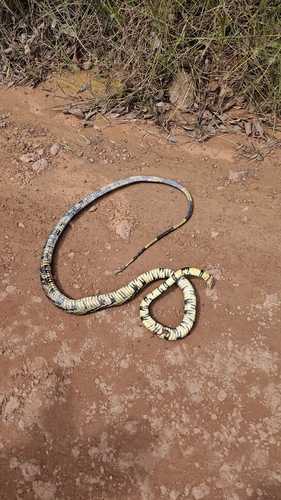
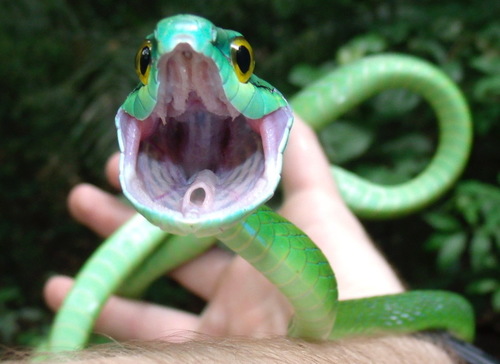
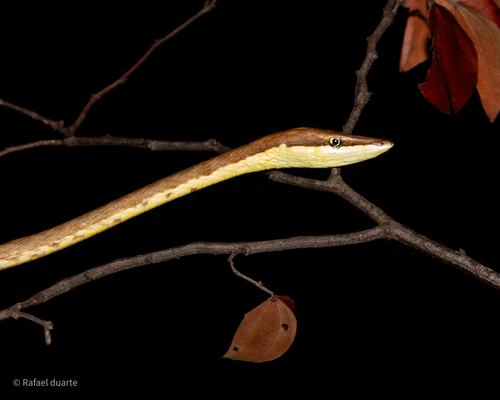
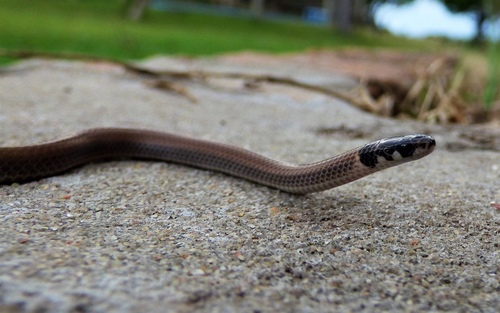
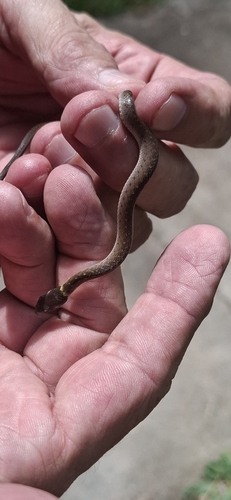
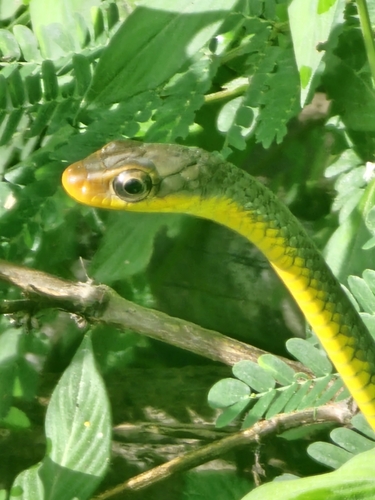
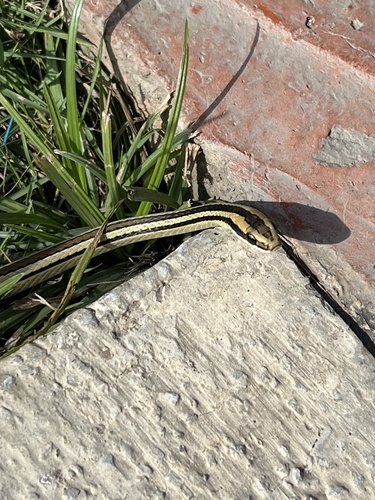
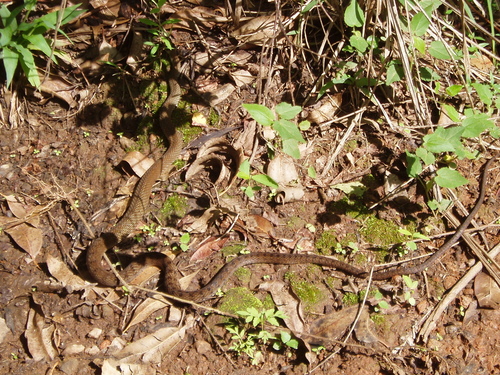
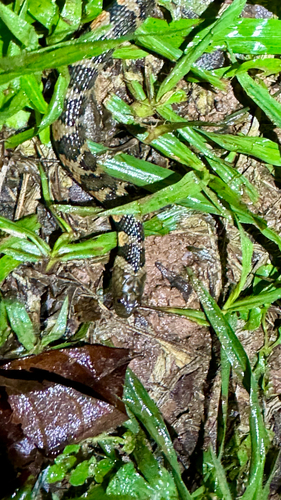
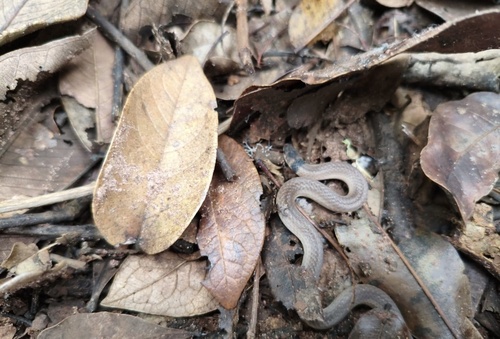
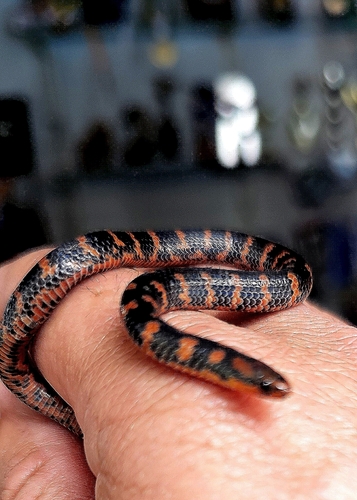
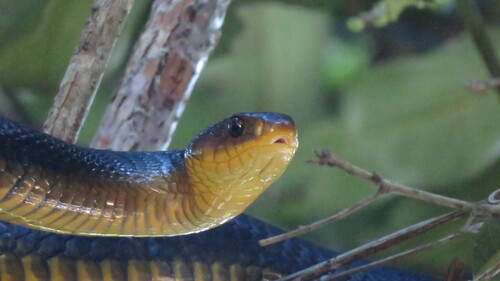
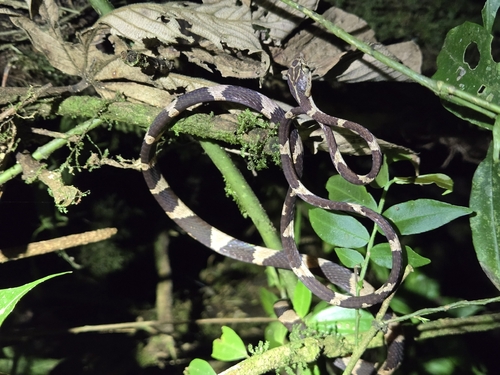
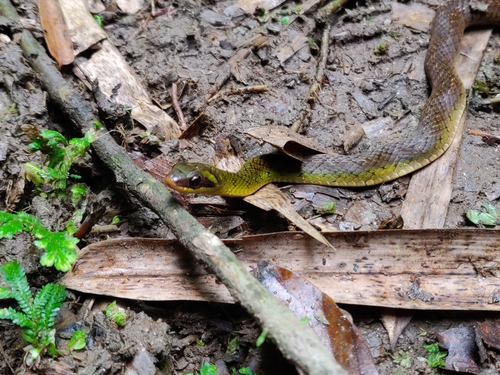
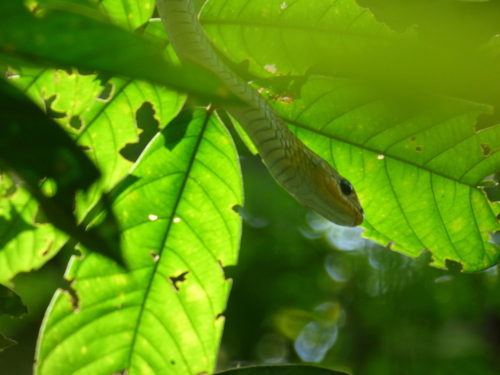
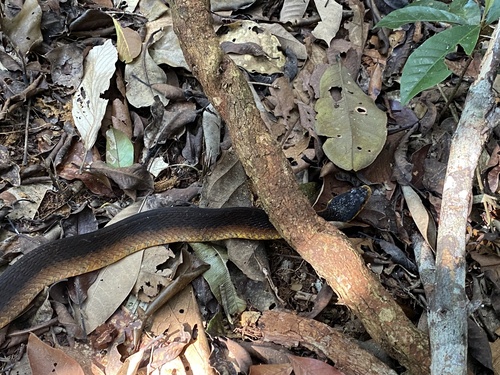
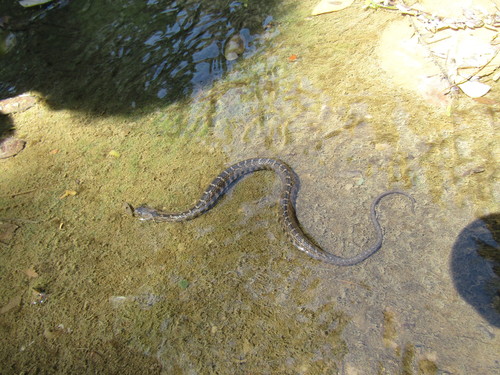
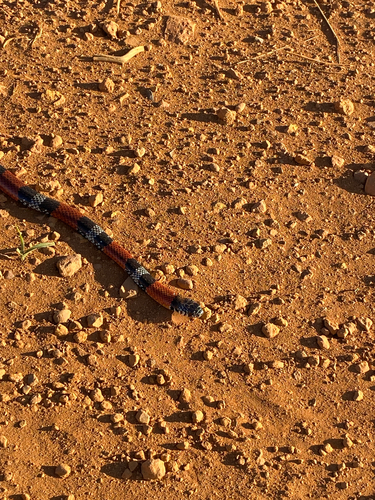
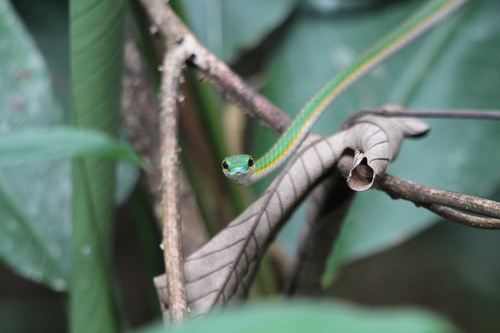
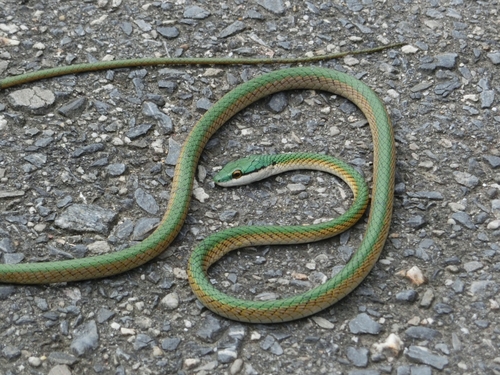
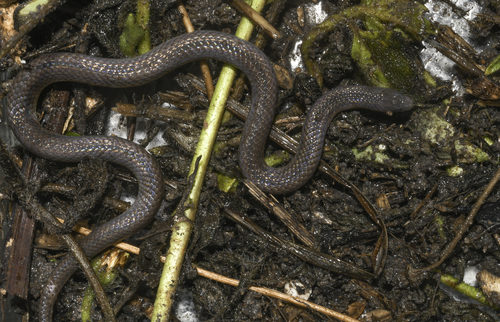
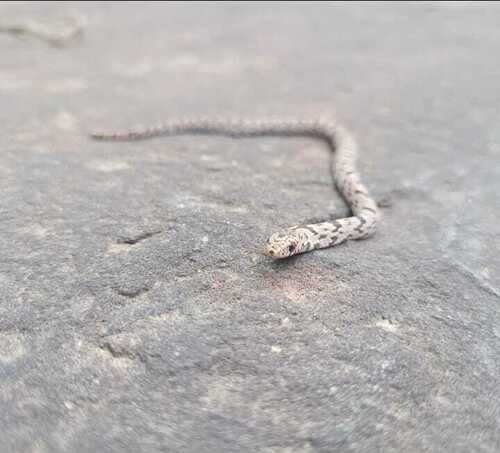
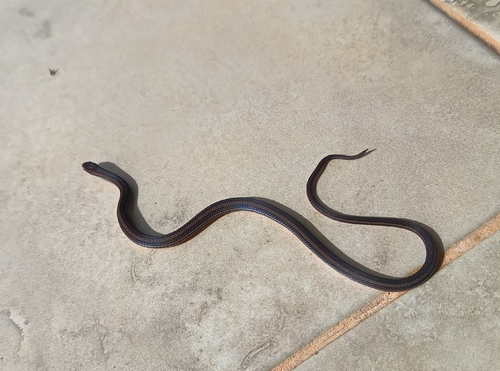
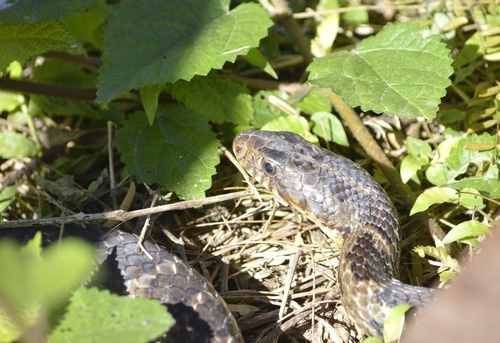
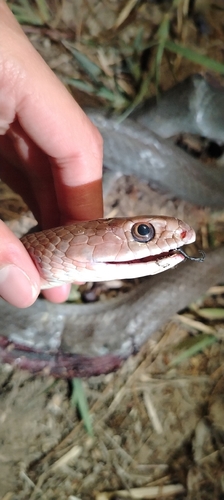
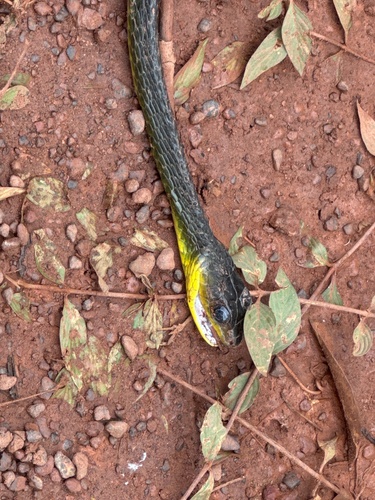
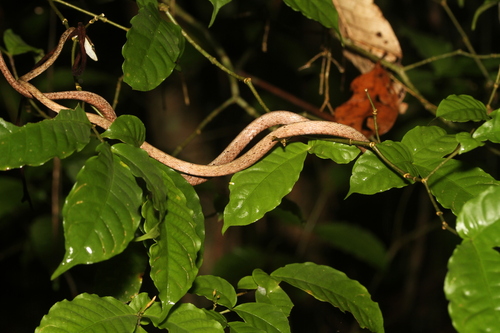
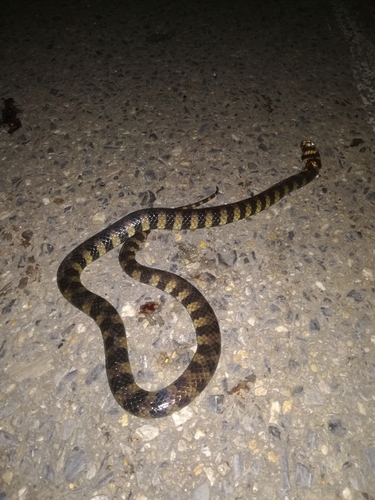
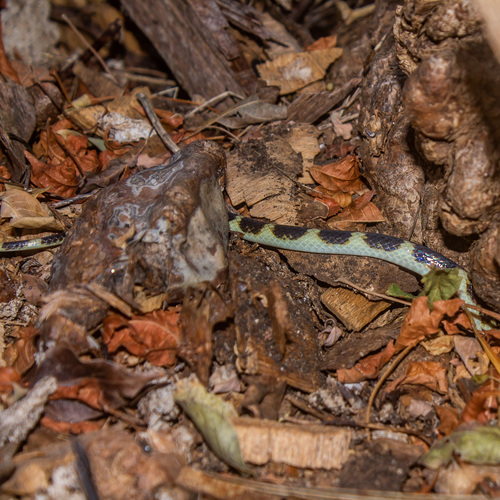
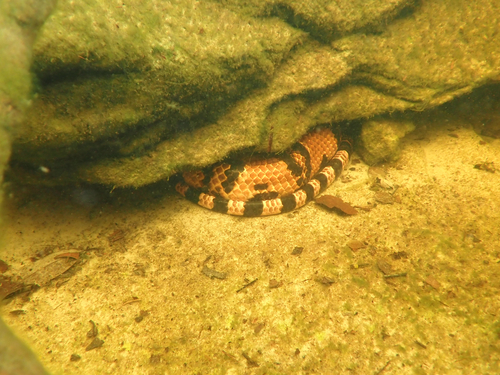
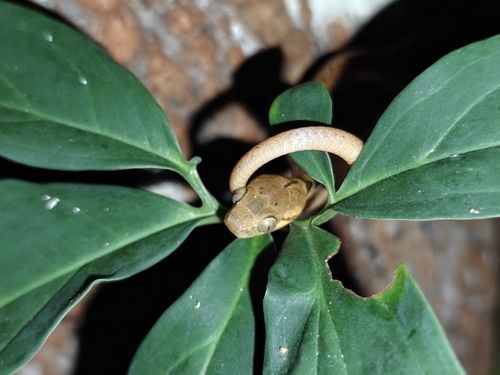
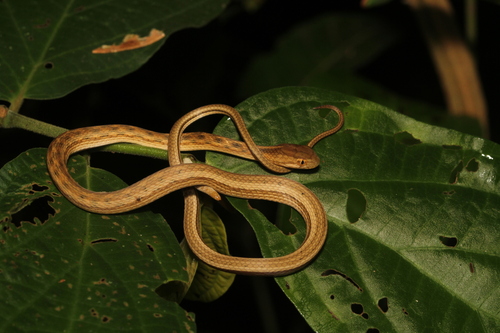
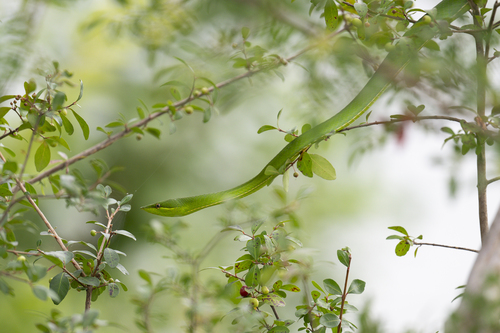
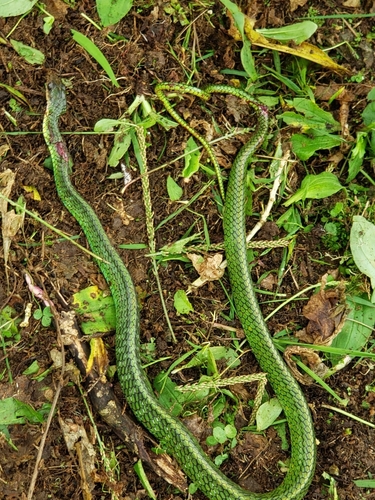
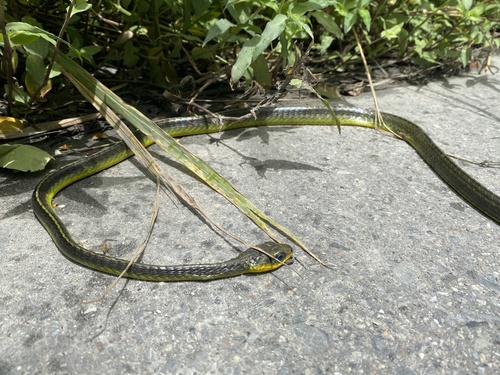
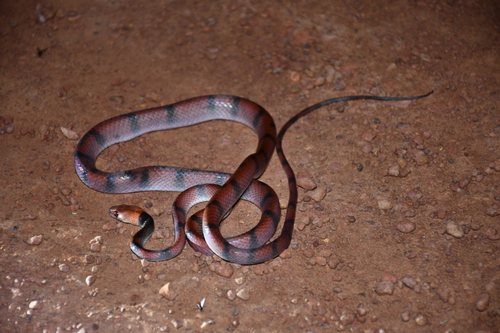
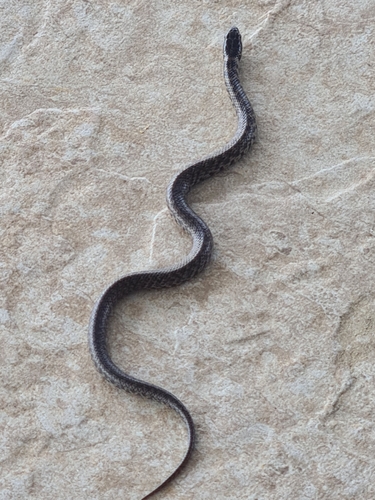
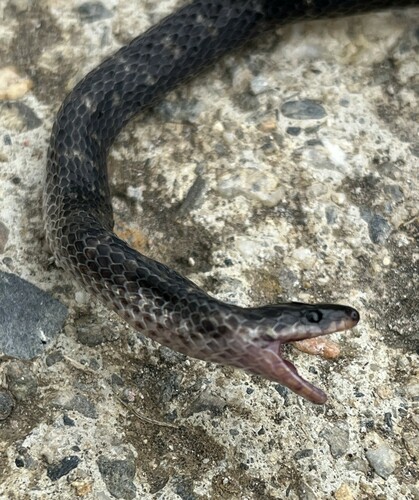
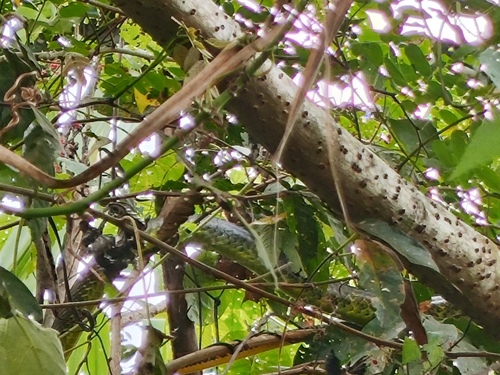
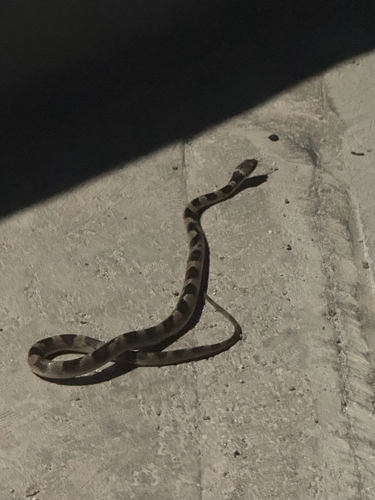
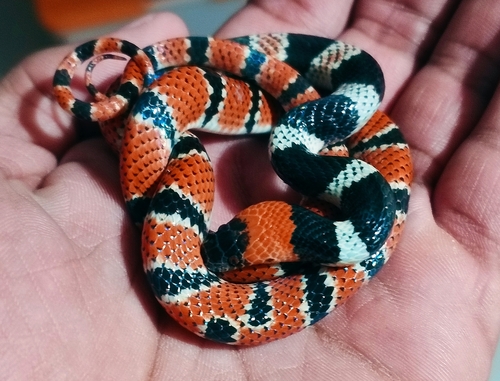
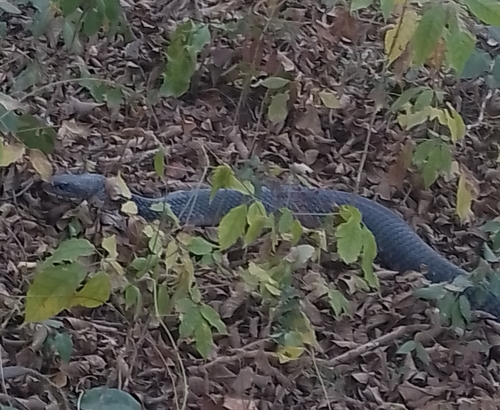
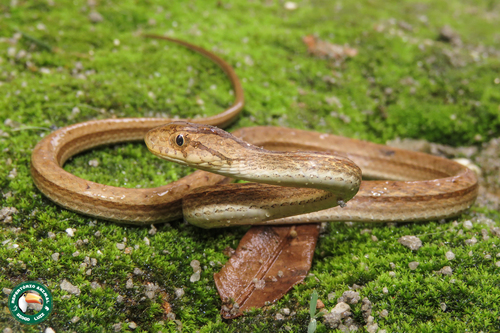
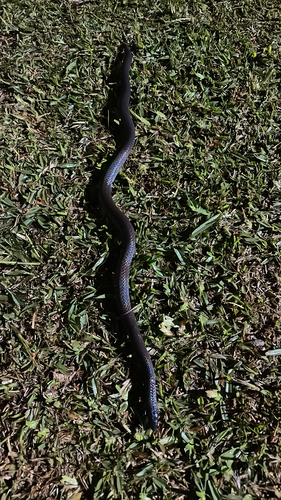

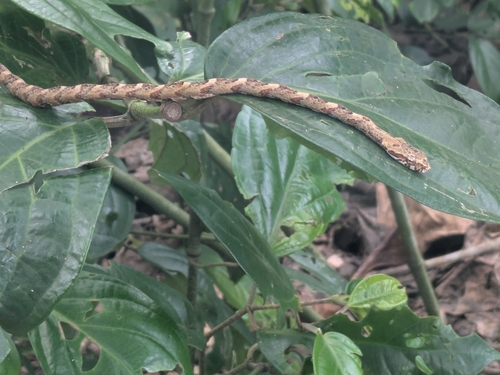
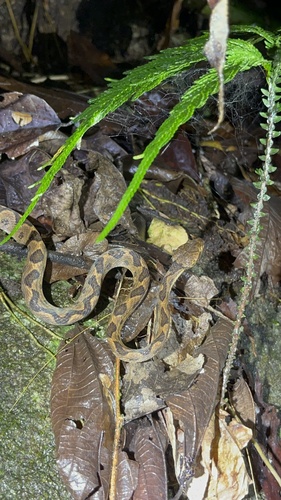
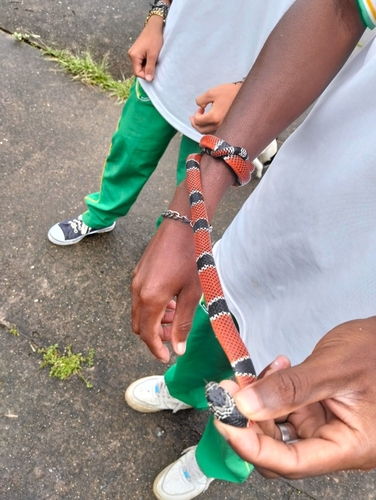
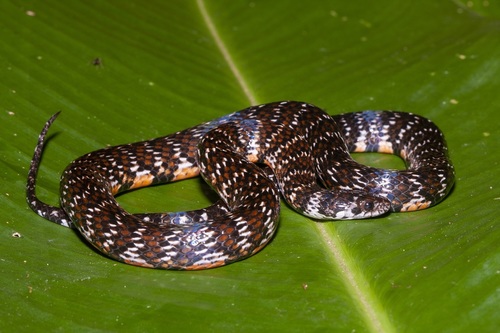
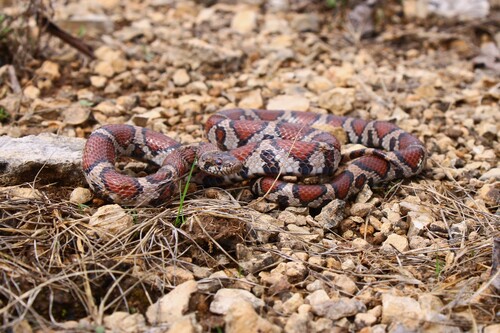
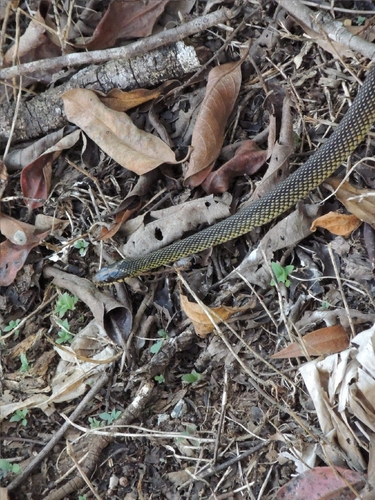
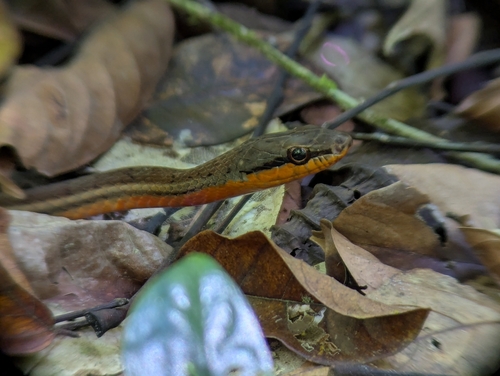
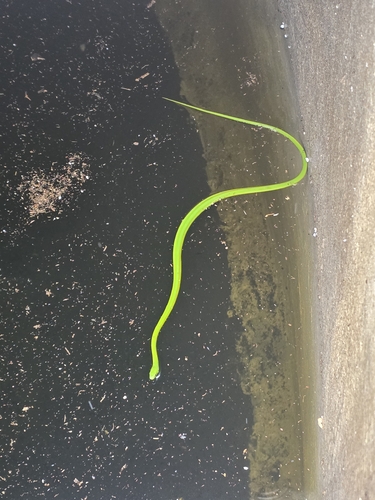
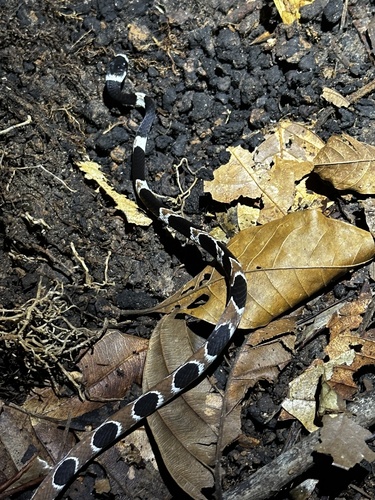
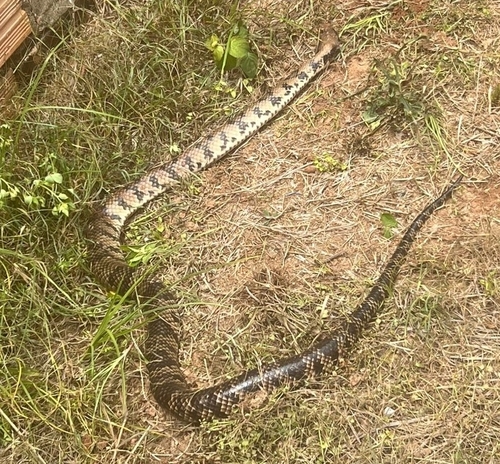
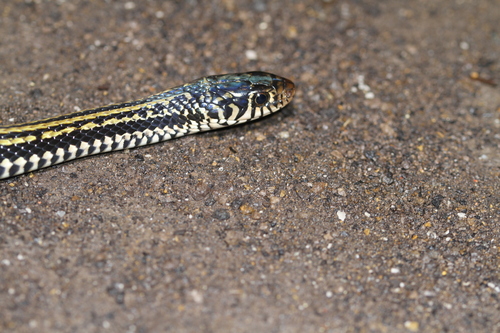
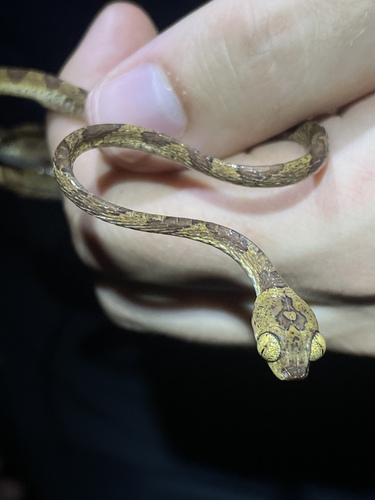
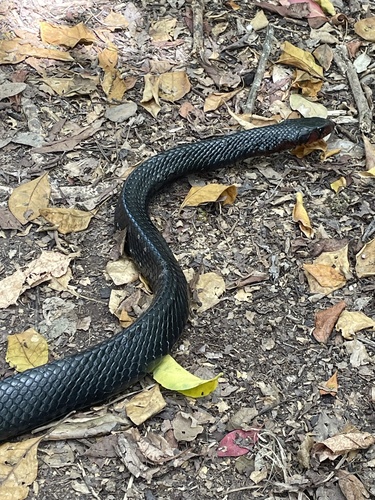
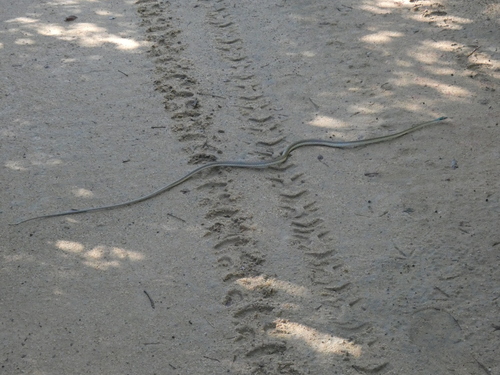
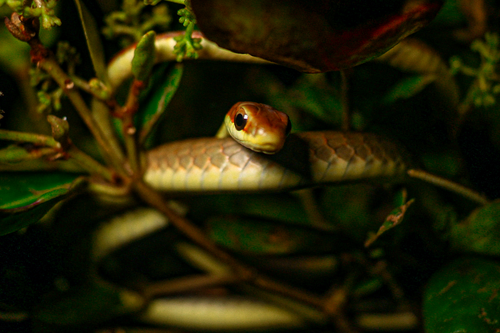
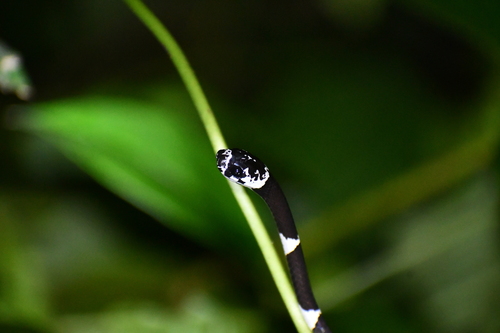
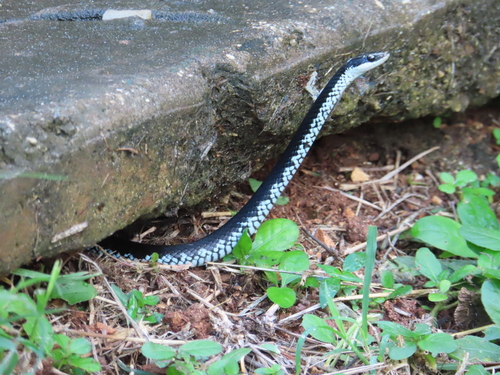
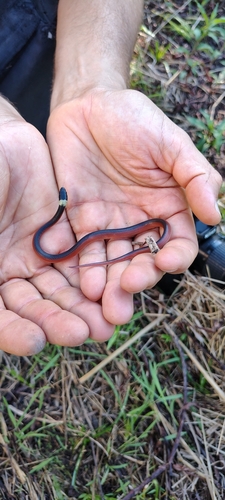
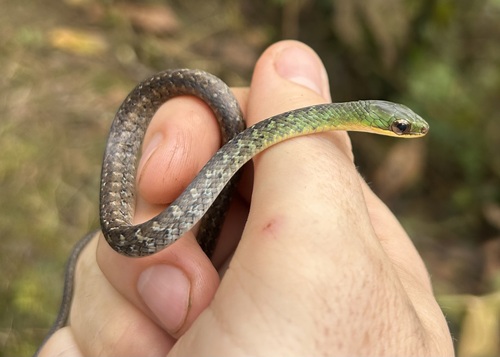
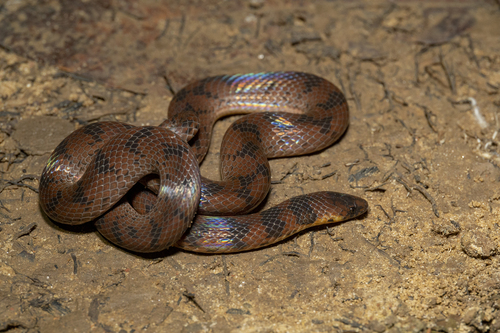
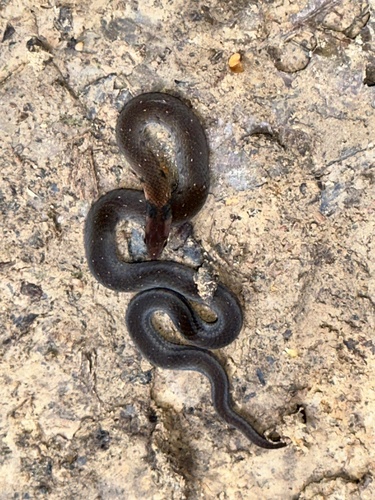
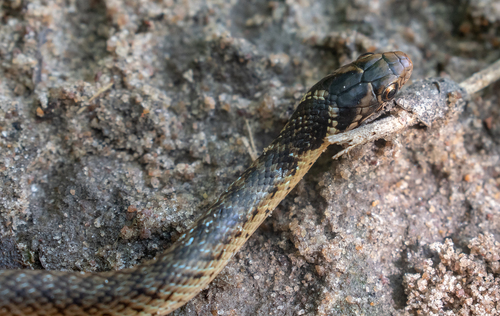
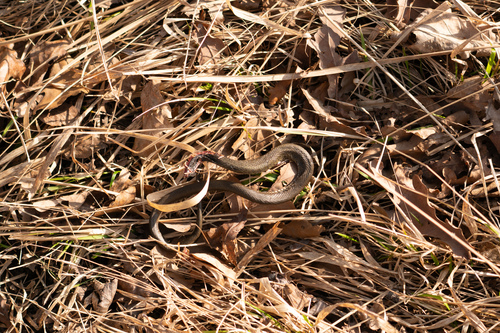
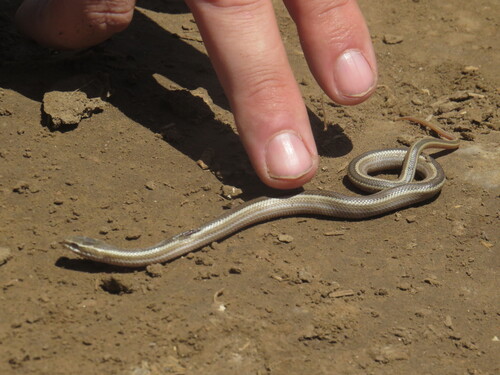
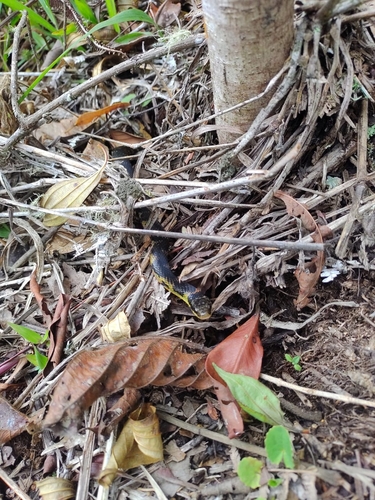
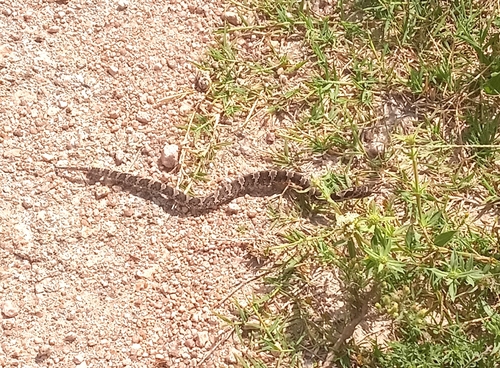
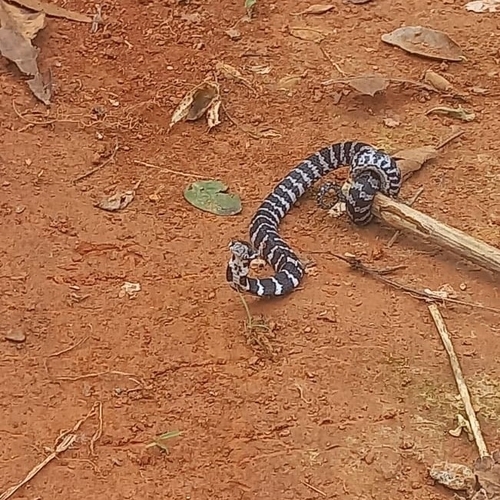
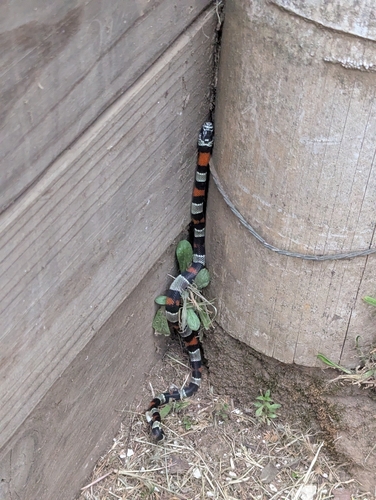
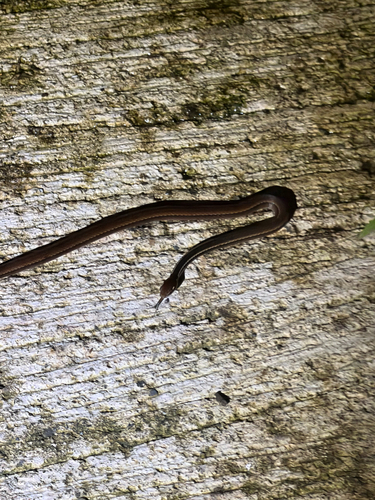
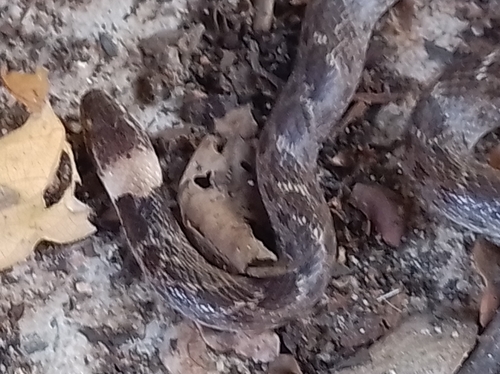
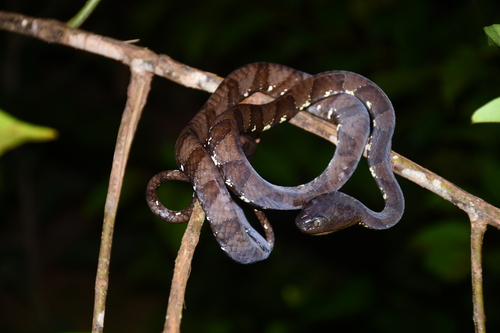
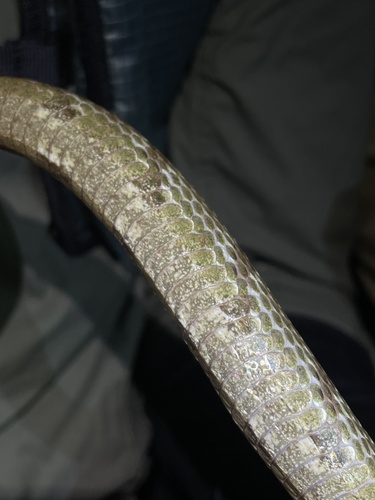
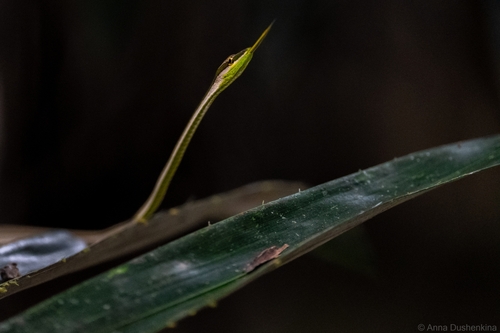
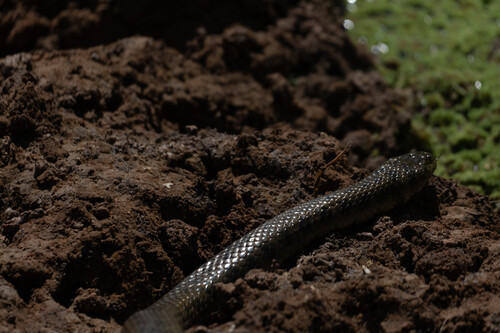
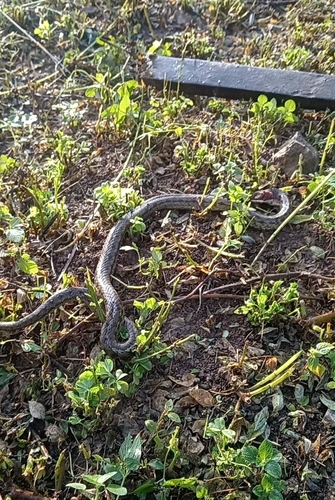
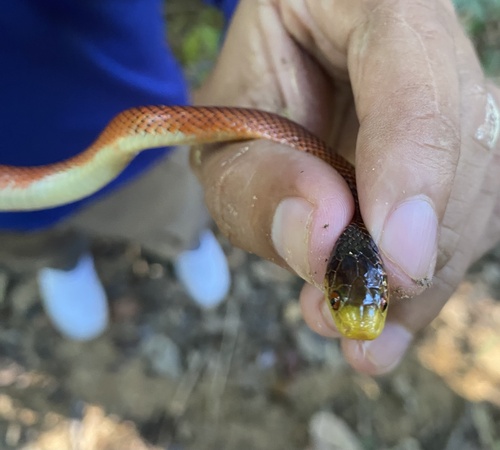
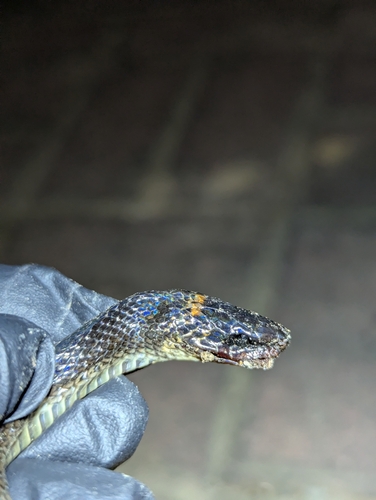
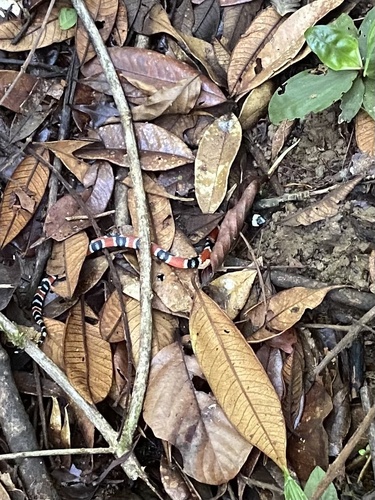
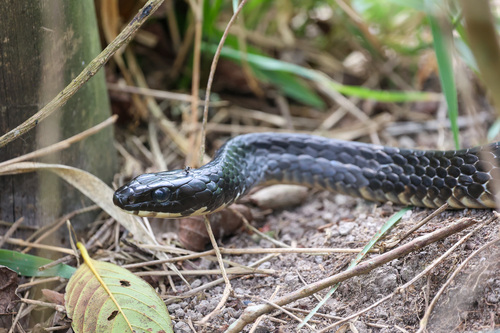
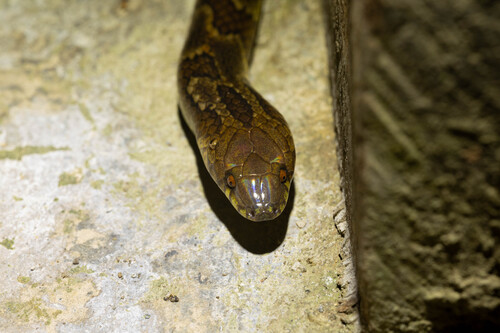
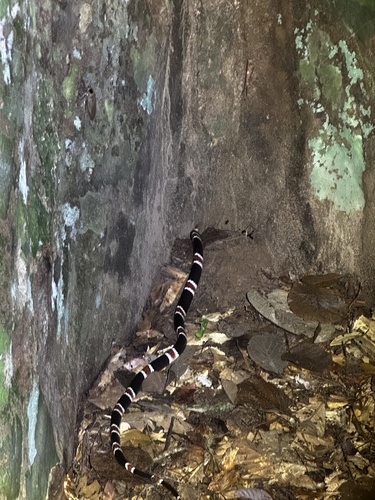
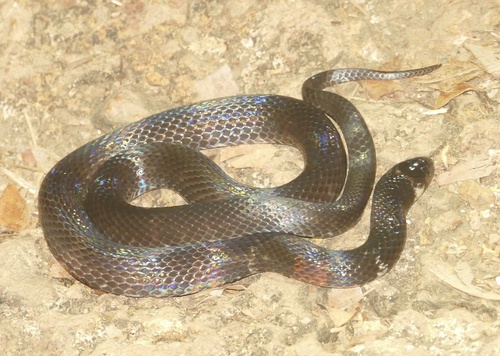
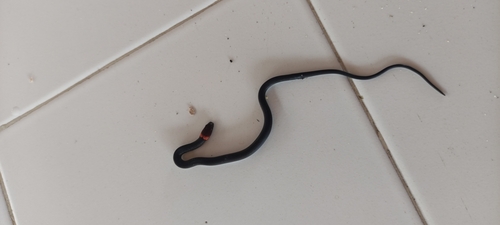
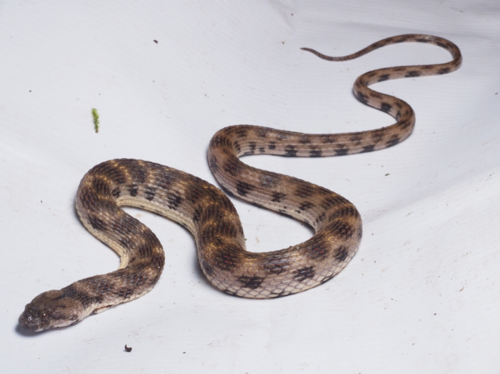
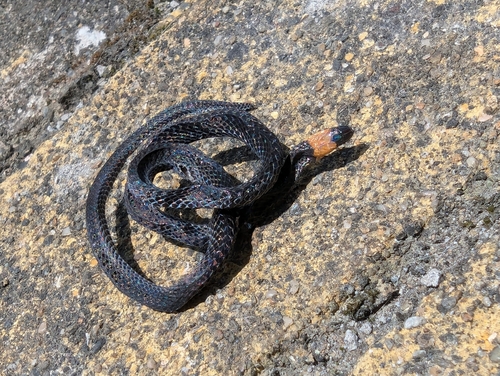
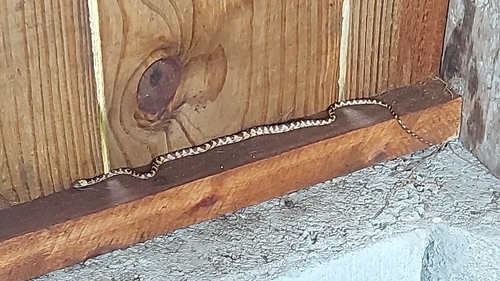
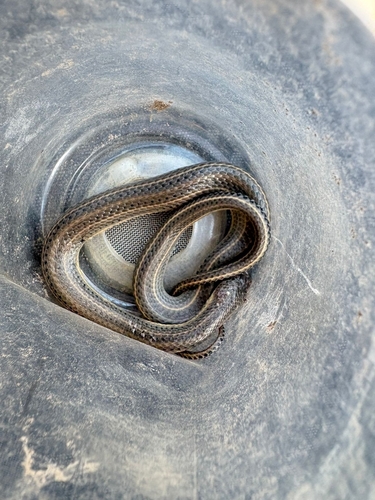
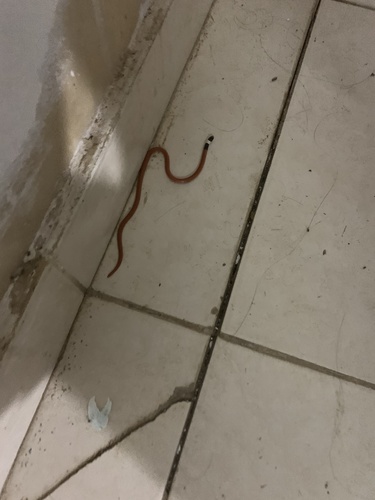
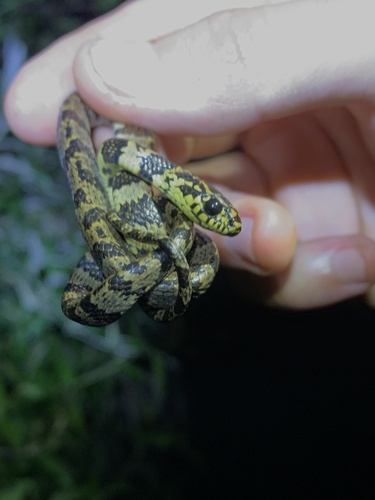
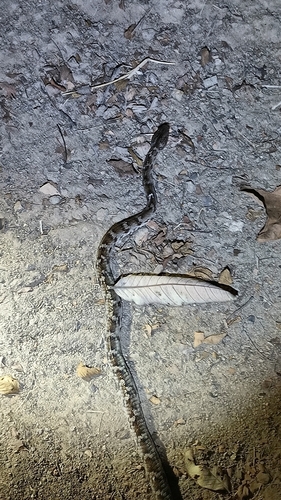
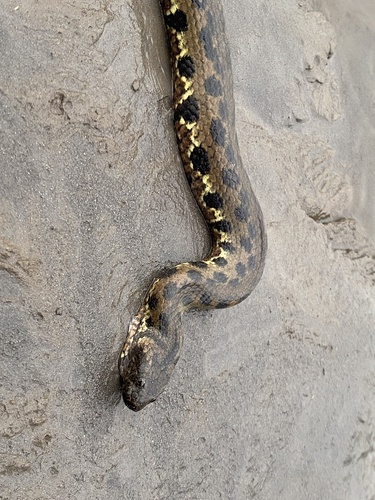
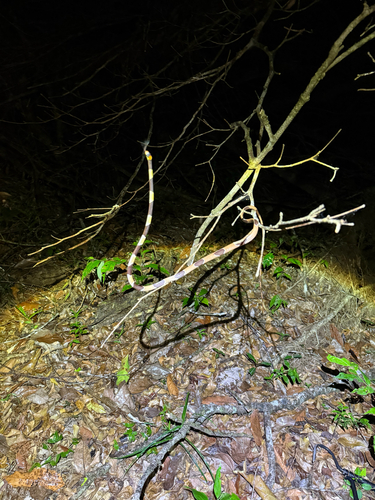
Elapidae (17)
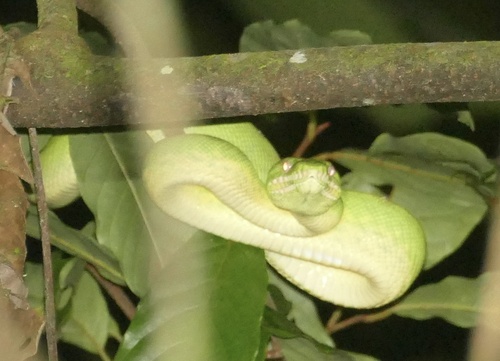
Viperidae (15)
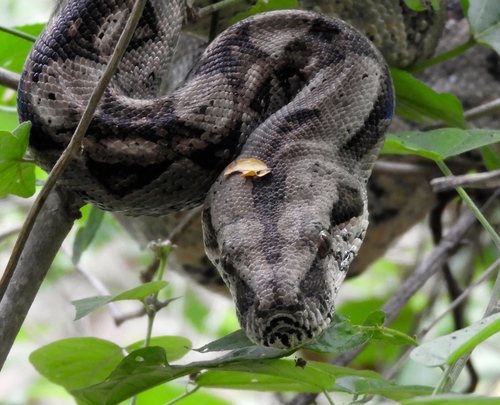
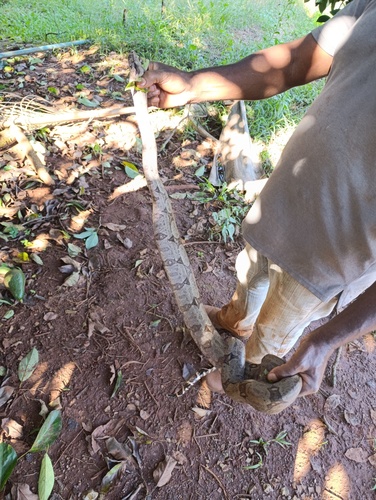
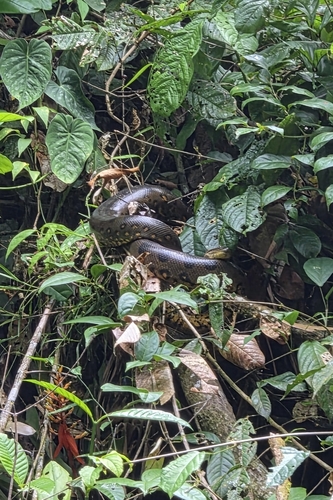
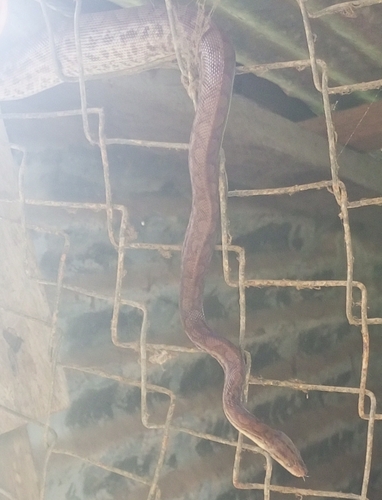
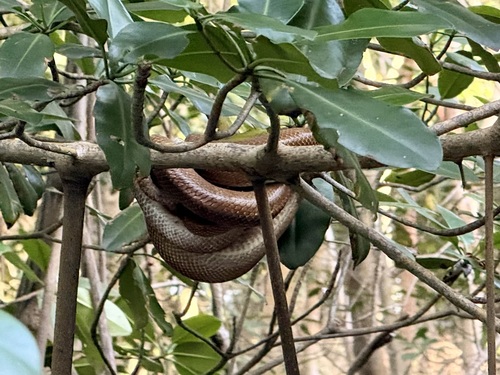
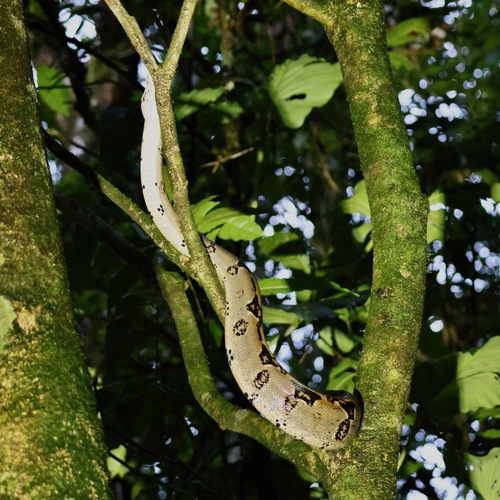
Boidae (10)
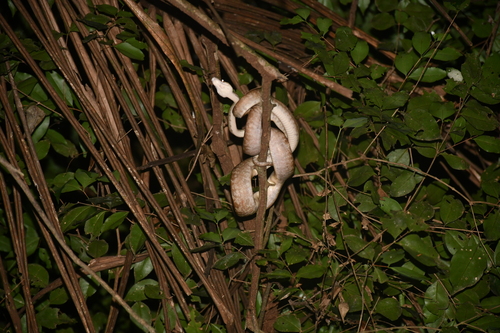

Leptotyphlopidae (9)
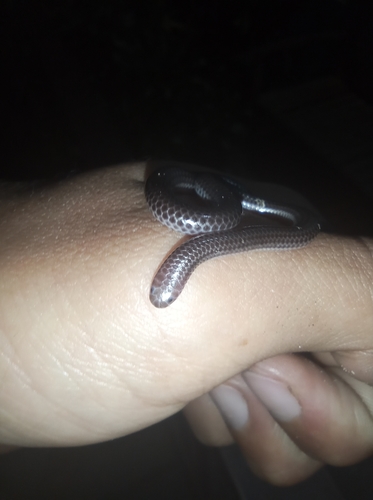
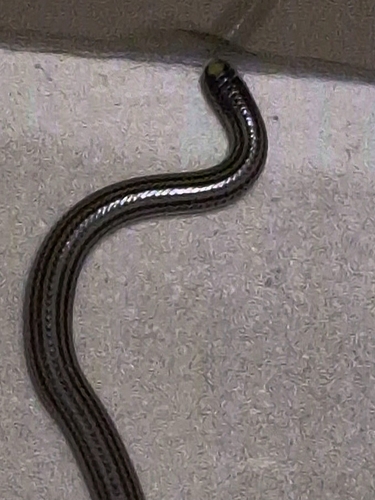
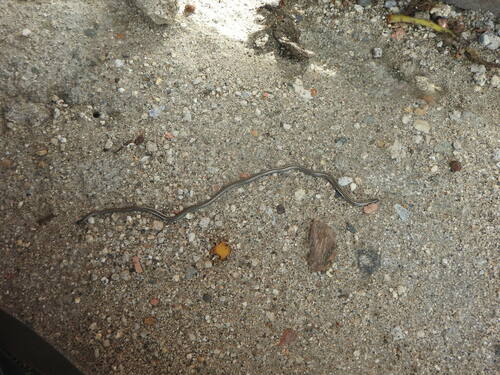
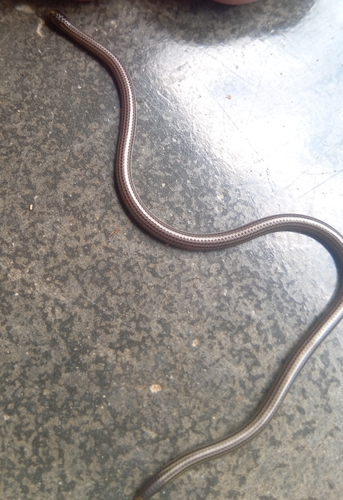
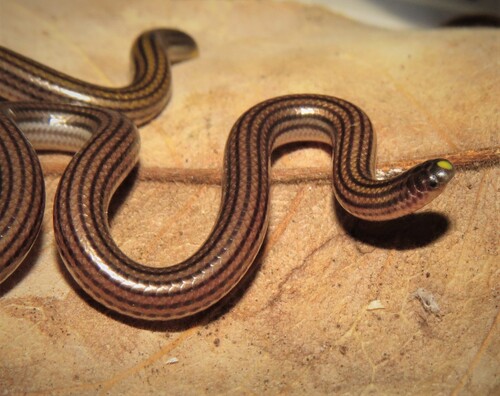
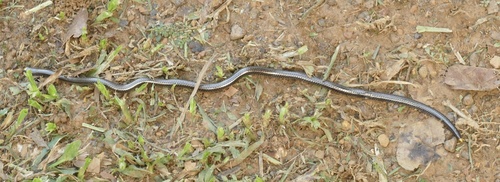
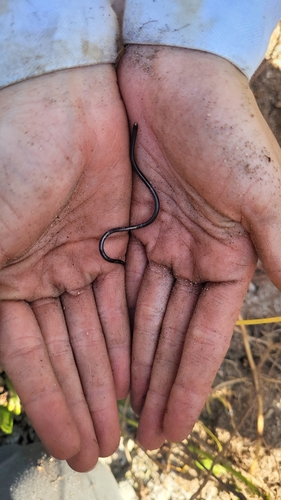
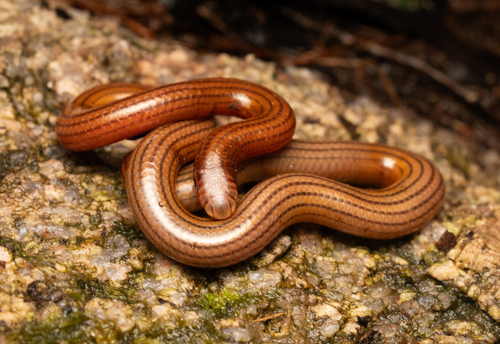
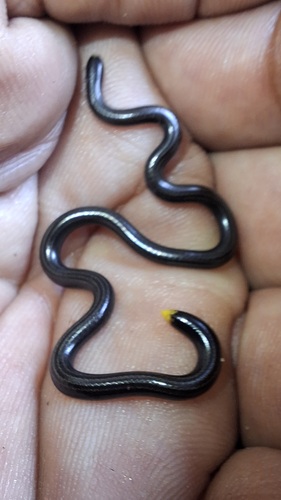
Anomalepididae (3)
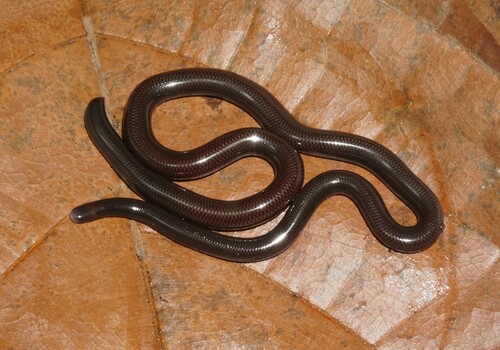
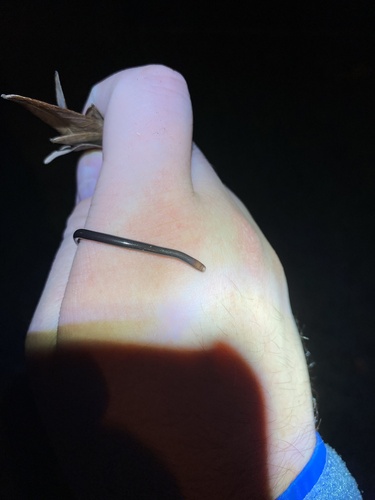
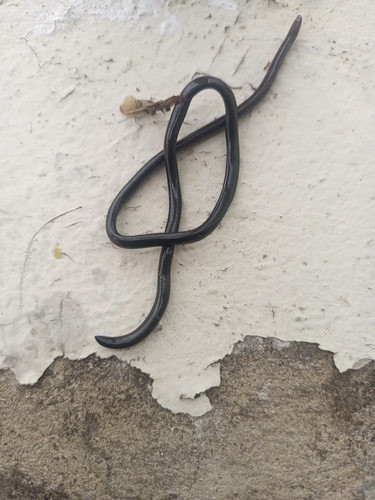
Typhlopidae (2)
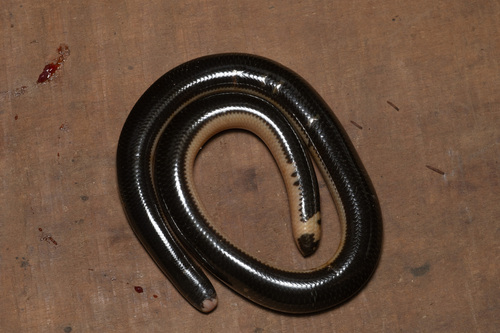
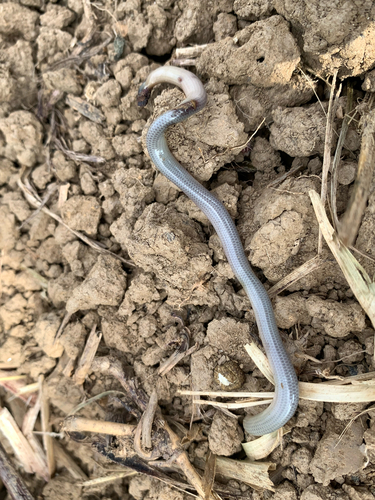
Aniliidae (1)
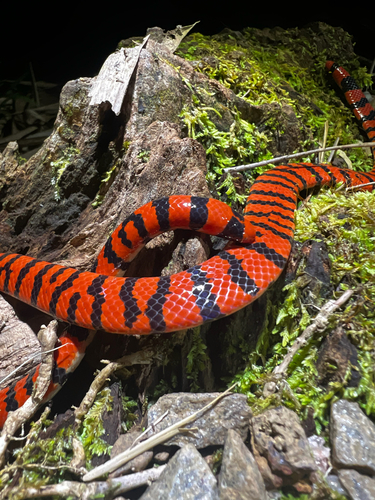
Compiled from verified GBIF & iNaturalist observations. "How often seen" reflects how frequently a snake is reported here, not how dangerous it is. Informational only.
Keep learning
- Are Snakes Dangerous? The Real Risk, in PerspectiveMost snakes are harmless and avoid people. Here is the honest picture of snakebite risk worldwide and how to lower your own.
- Snakebite First Aid: What to Do (and What Never to Do)A clear, CDC-based guide to snakebite first aid: the steps that help, the popular myths that hurt, and how to tell a serious bite from a minor one.
- Venomous vs Nonvenomous: How to Tell the DifferenceThe folk rules for telling venomous snakes apart, where each one fails, and why location-based identification beats guessing by sight.
- What to Do If You Find a SnakeFound a snake at home or on a trail? Here is how to stay calm, give it space, identify it safely, and know when to call a professional.