
Papua New Guinea
Snakes in Papua New Guinea
100+ snake species have been recorded in Papua New Guinea, 44 venomous.
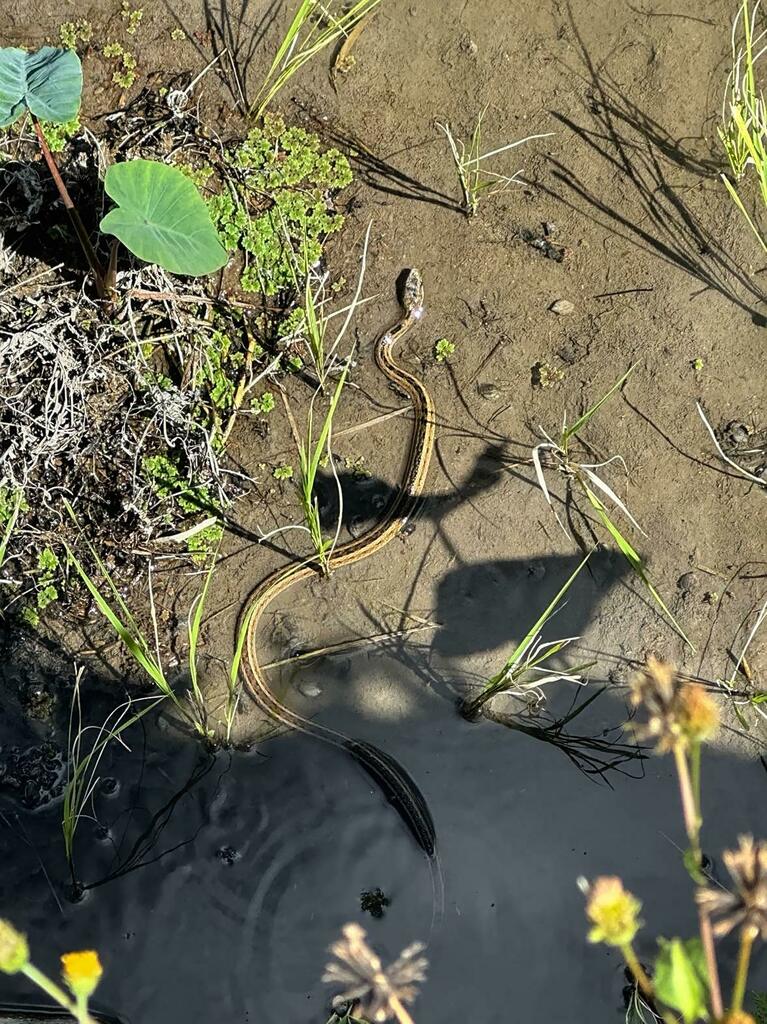
Snakes of Papua New Guinea
Papua New Guinea has 100+ snake species recorded in our database, 45 of them venomous. The great majority of the country's snake species are non-venomous. Most snakes a person is likely to encounter pose no threat to people, and the country's serpent fauna is far more diverse and ecologically important than its reputation for dangerous species suggests.
The country's snake diversity is driven by its geography. Papua New Guinea spans dense lowland rainforest, montane cloud forest, mangrove swamps, grassland savanna, river systems, and a long coastline with offshore reefs. This range of habitats, combined with the island's position within the Australo-Papuan region, supports a wide spread of species adapted to forest floor, tree canopy, freshwater, and marine environments. Many species are restricted to particular elevations or forest types, and the rugged, fragmented terrain has encouraged a high degree of local specialization.
The medically important venomous snakes of Papua New Guinea belong to the elapid family, the group that includes the front-fanged land snakes of the Australo-Papuan region. The most significant is the Papuan taipan, responsible for a large share of serious and fatal bites in the country, particularly in coastal and lowland areas where people farm and walk. Other elapids of medical concern include death adders, which are stout, ambush-hunting ground snakes despite the name, the small-eyed snake, and various black snakes and brown snakes within the same broad group. The seas around Papua New Guinea are home to true sea snakes, also elapids, which are venomous but generally not aggressive toward people. Papua New Guinea has no vipers, no pit vipers, no rattlesnakes, no cobras, and no mambas; those groups do not occur there, and the venomous threat comes from the elapid lineage described above.
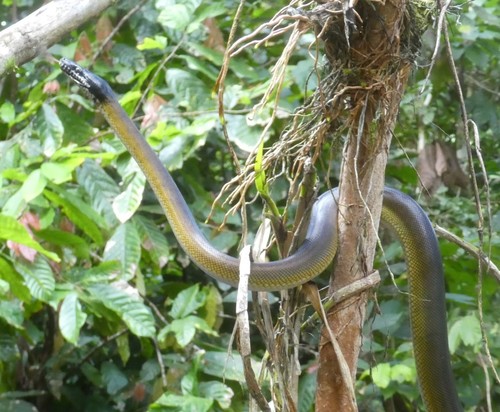
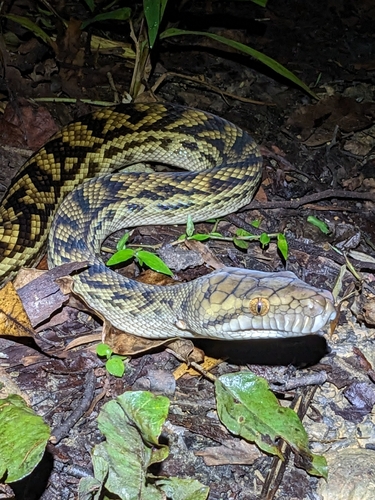
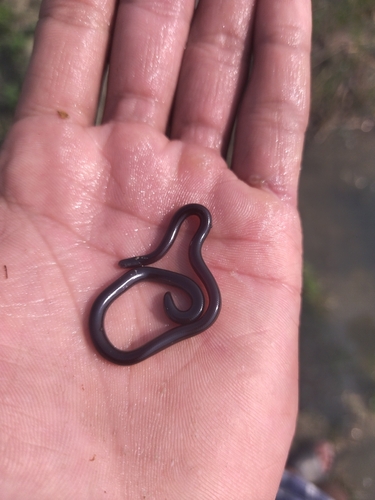
The large non-venonous majority covers most of what people actually see. Pythons are the country's most famous snakes, including the green tree python, an emerald arboreal species often coiled over branches, the scrub python, one of the longest snakes in the world, and several ground-dwelling and water-associated pythons. The country also hosts colubrid snakes such as tree snakes and water snakes, file snakes that live almost entirely in rivers and estuaries, and small burrowing blind snakes that are often mistaken for worms. These non-venomous species fill nearly every habitat and make up the bulk of the recorded fauna.
Snakes are valuable to the ecosystems and communities of Papua New Guinea. By preying on rats, mice, and other small animals, they help control rodent populations that damage crops, raid stored food, and spread disease. Pythons and other larger snakes are significant predators in forest and farmland food webs, and the smaller burrowing species help regulate insect and invertebrate numbers. Removing snakes from an area tends to allow pest populations to climb, so a healthy snake population is part of a healthy landscape.
Most snakes in Papua New Guinea are harmless, but the Papuan taipan and the other land elapids make this a place where venomous bites are a genuine rural health problem. The treatment for a serious bite is professional medical care: antivenom and supportive hospital treatment, given as quickly as possible. No wild snake should be handled, and a venomous snake is never safe to pick up, even when it appears calm or dead. If a bite occurs, treat it as an emergency and get to medical care without delay. In the United States contact Poison Control at 1-800-222-1222; elsewhere, call your local emergency services.
Snakes in Papua New Guinea: FAQ
- Are there venomous snakes in Papua New Guinea?
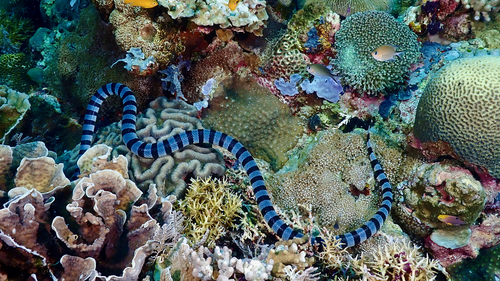
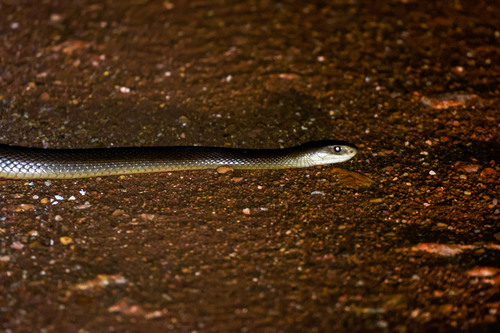
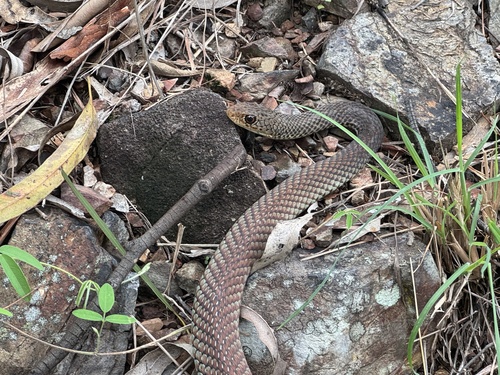
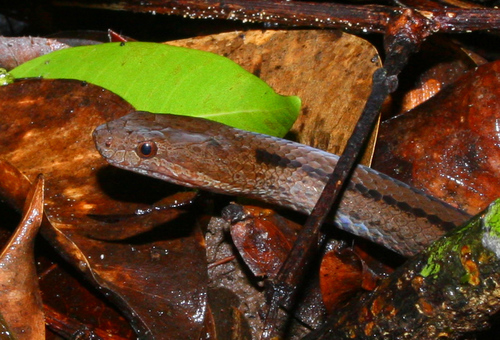
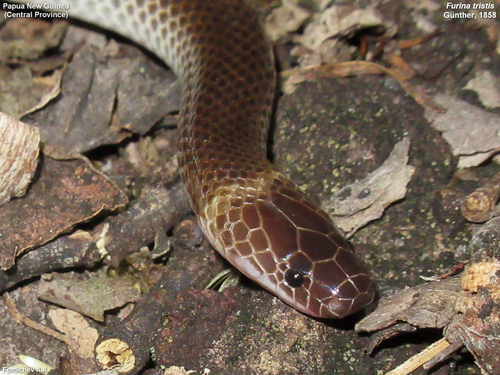
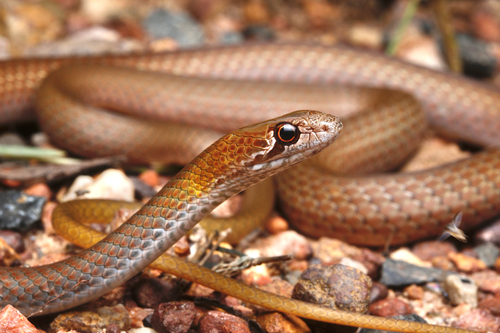
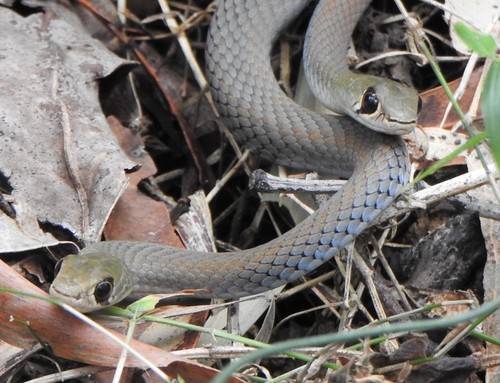
- Yes. 44 venomous snake species have verified records in Papua New Guinea, including Southern Death Adder, Central Whipsnake, Müller’s Crown Snake, Yellow-lipped Sea Krait. Most snakes in Papua New Guinea, however, are harmless.
- How many snake species live in Papua New Guinea?
- 100+ snake species have verified records in Papua New Guinea, of which 44 are venomous.
- What is the most commonly seen snake in Papua New Guinea?
- The Dendrelaphis thasuni is the most frequently reported snake in Papua New Guinea, based on verified wildlife observations.
- What should I do if I see a venomous snake in Papua New Guinea?
- Keep your distance and do not try to catch or kill it. Most bites happen when people handle or corner a snake. If someone is bitten, contact local emergency services or poison control immediately.
Venomous snakes in Papua New Guinea
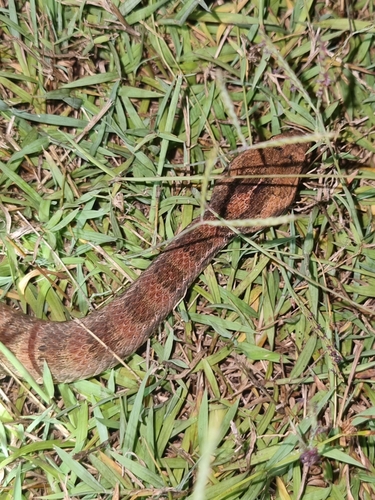
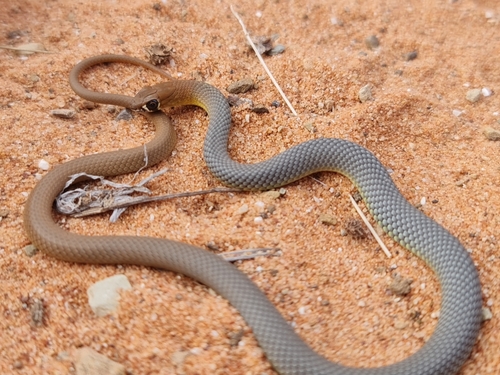
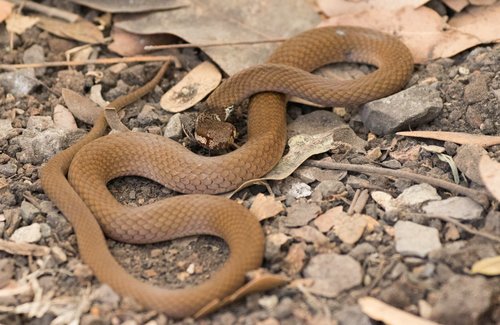
- No photo
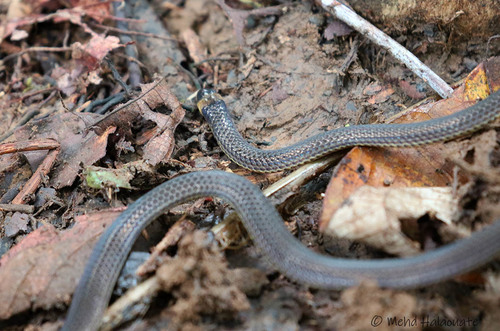
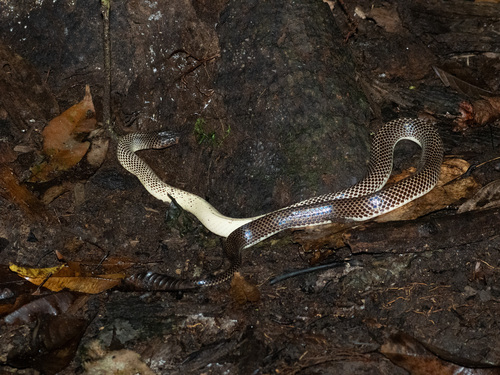
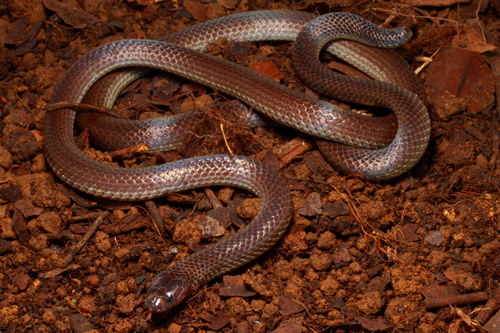
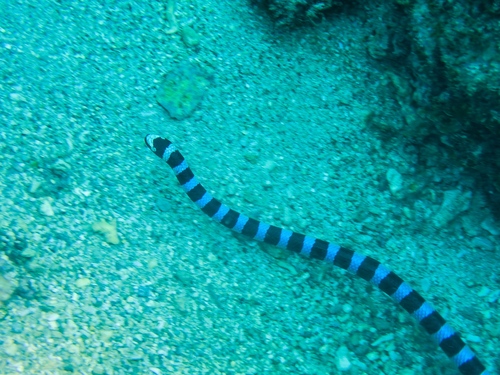
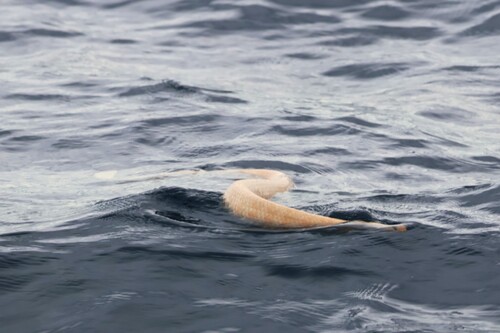
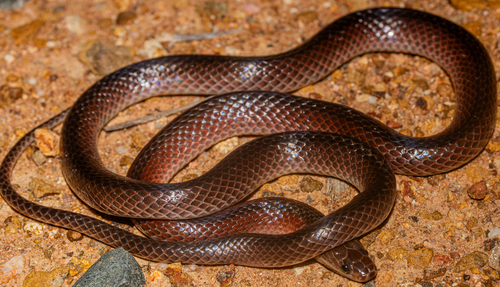
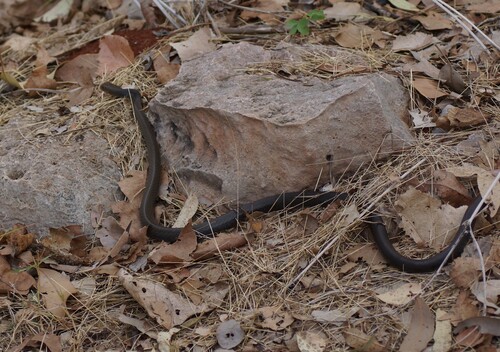

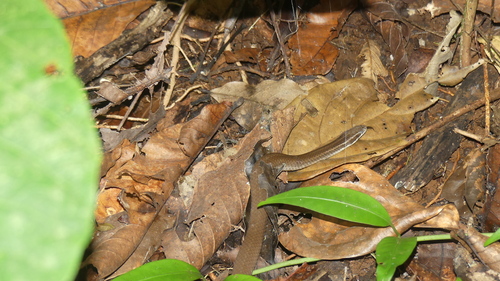
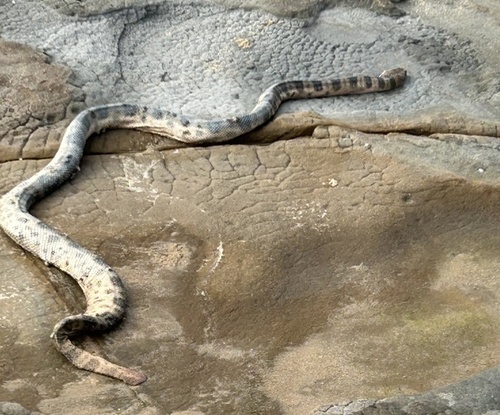
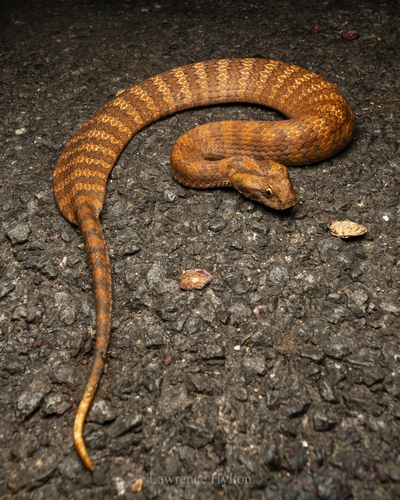
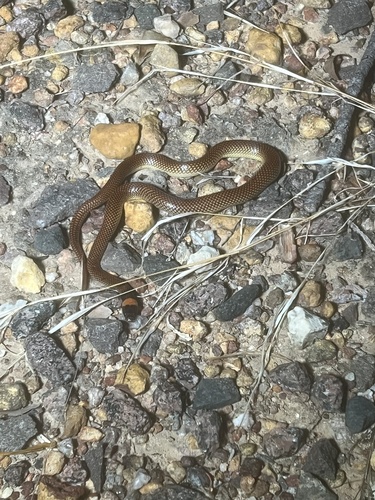
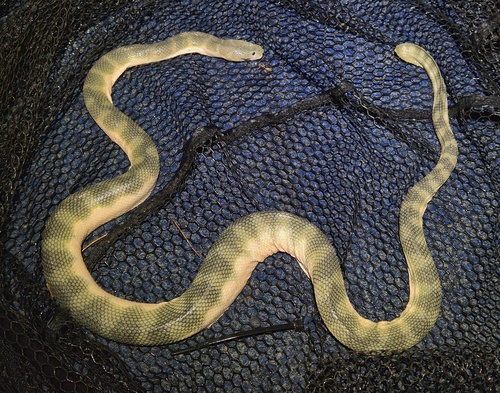
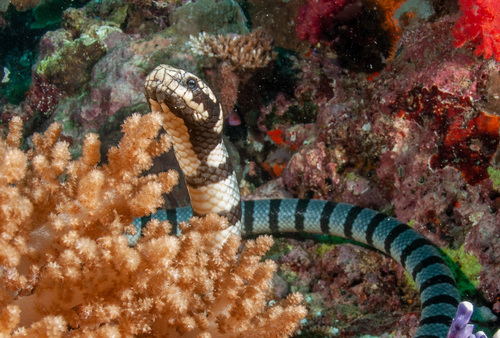
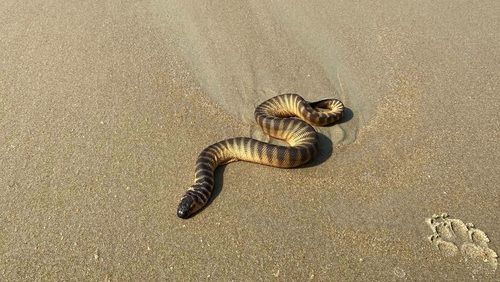
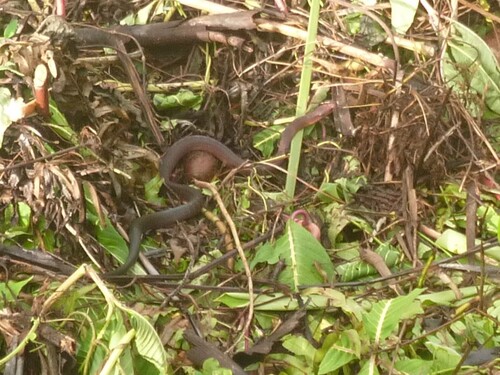

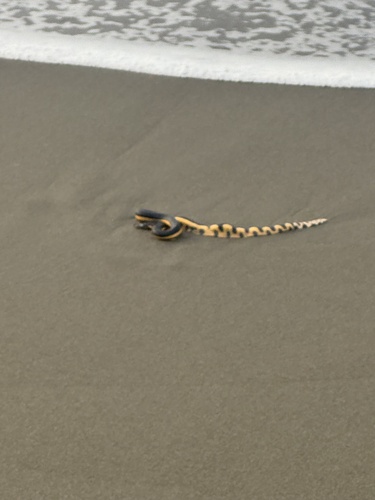
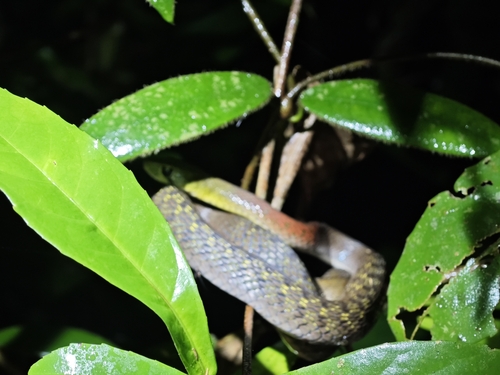
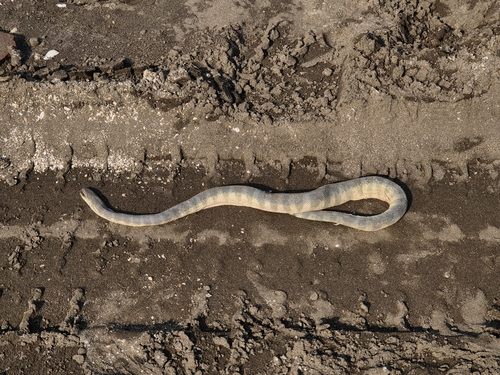
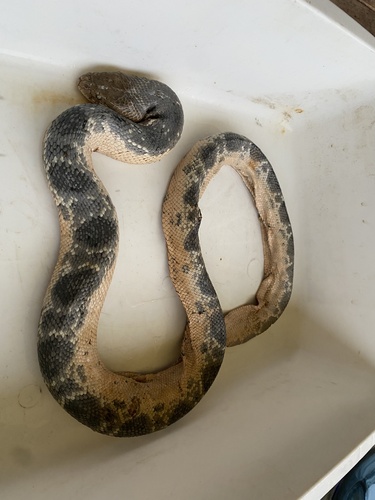
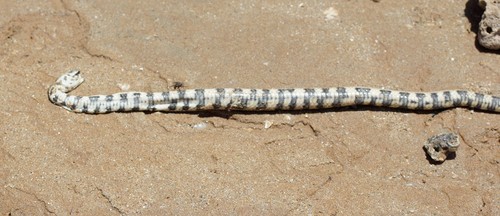
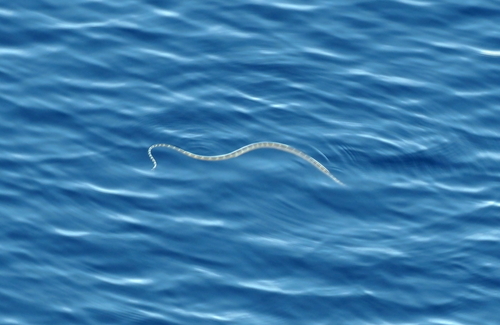

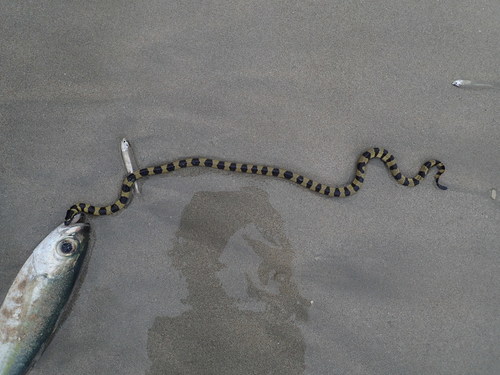
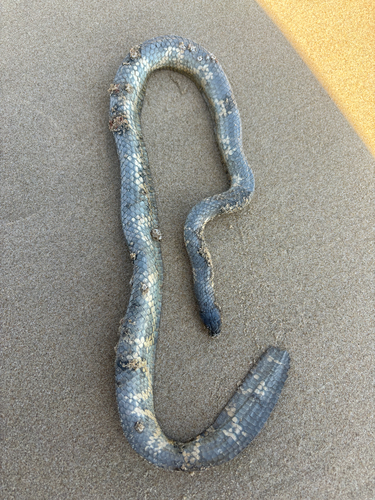


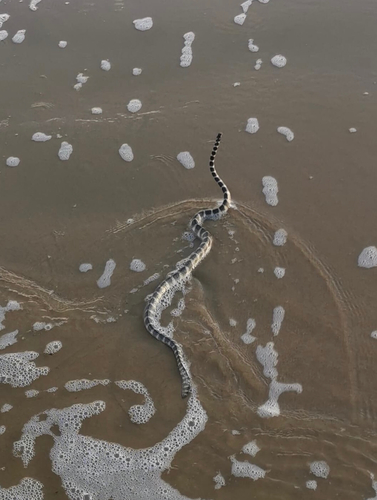
Every snake recorded in Papua New Guinea
100+ species across 7 families, grouped by family. Venomous flagged.
Elapidae (43)
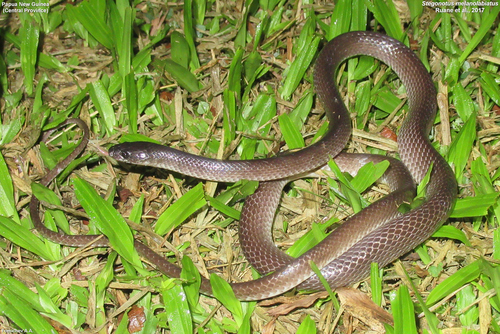
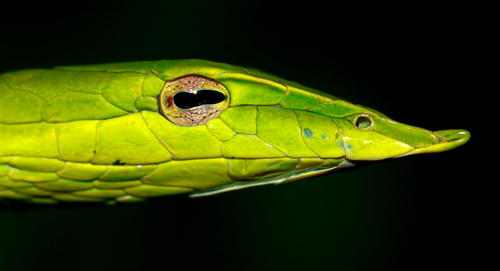
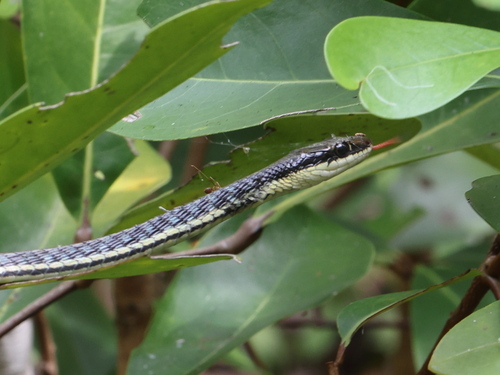
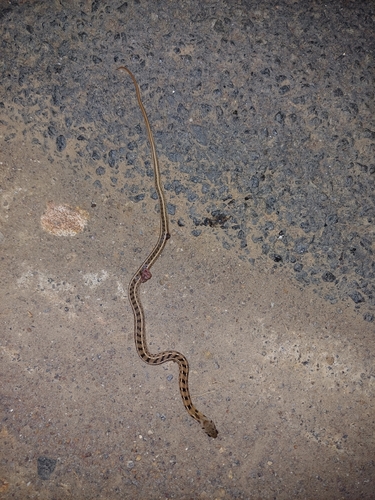
Colubridae (35)
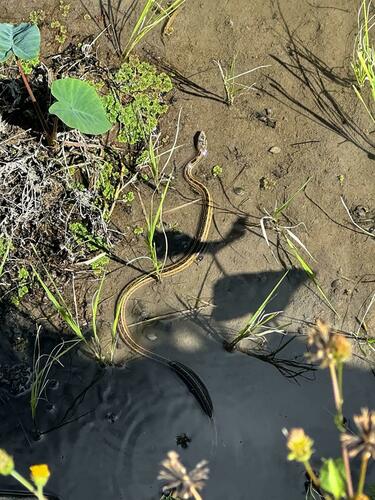
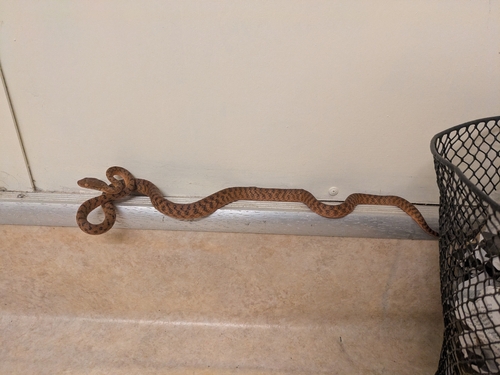
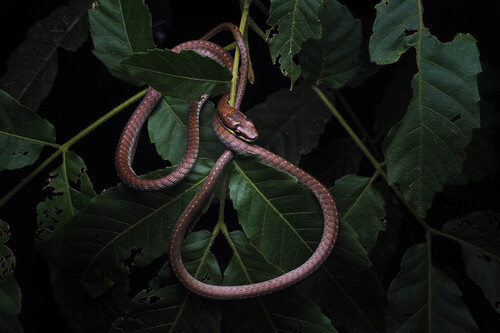
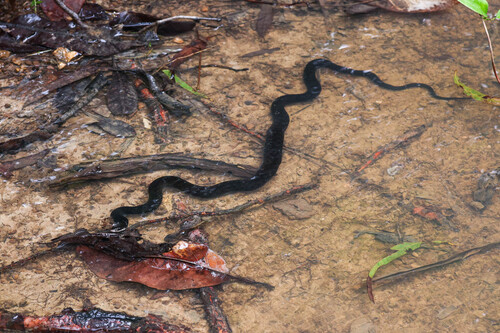
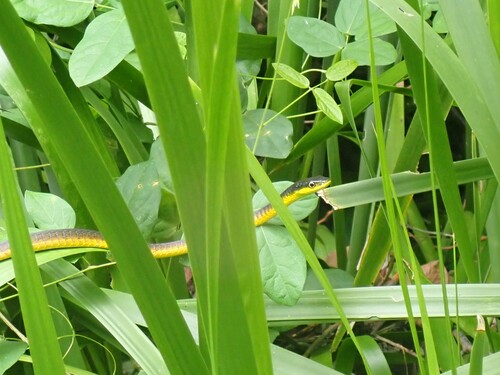
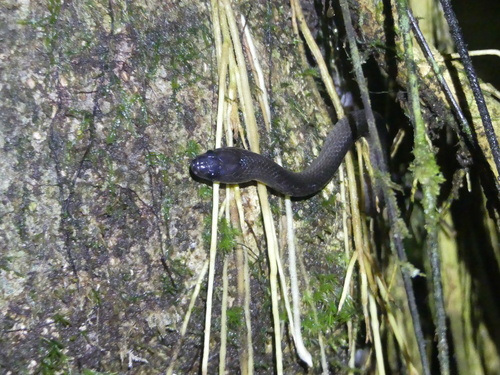
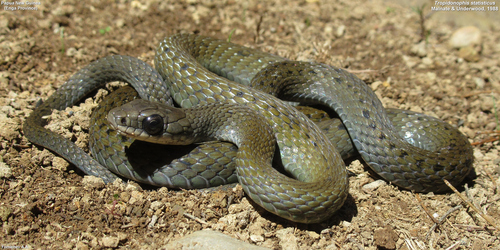
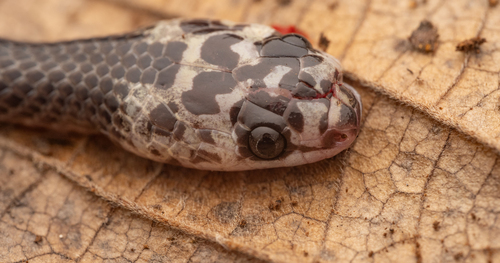
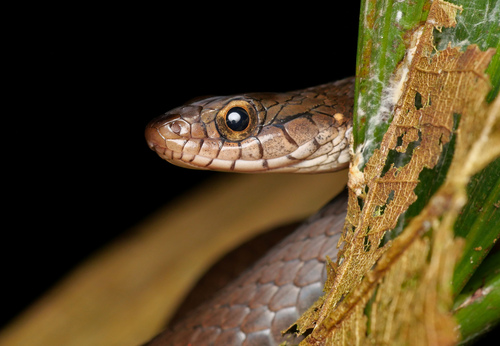
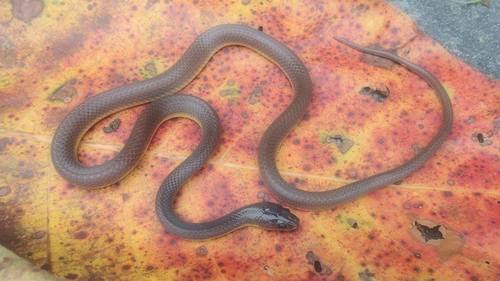

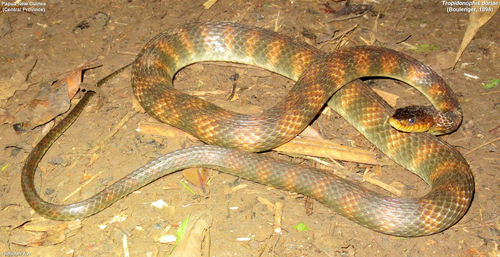
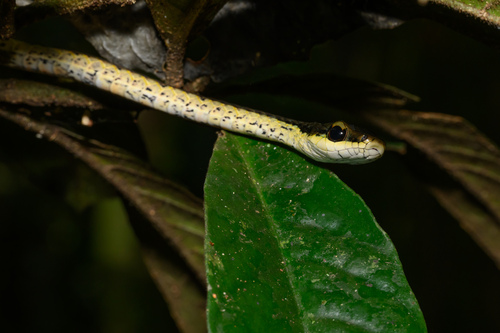
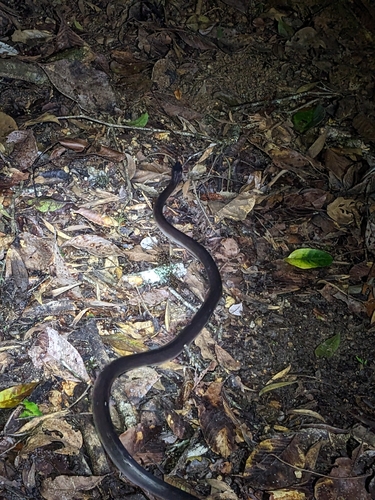
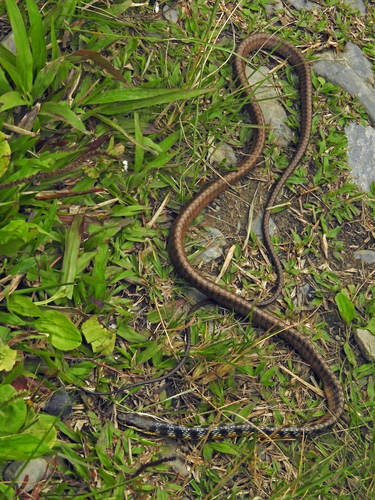
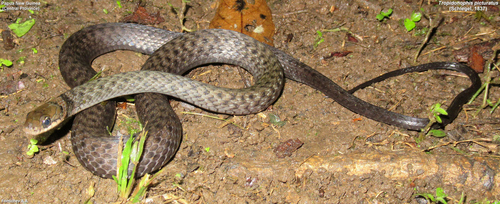
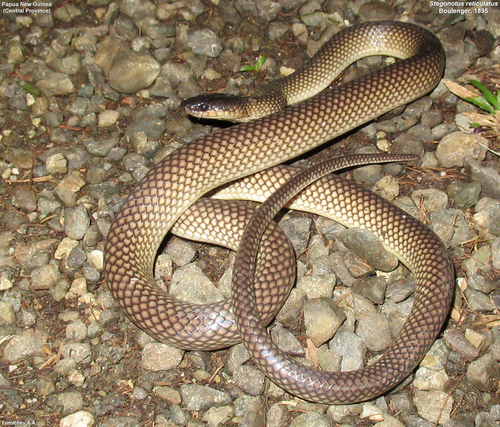
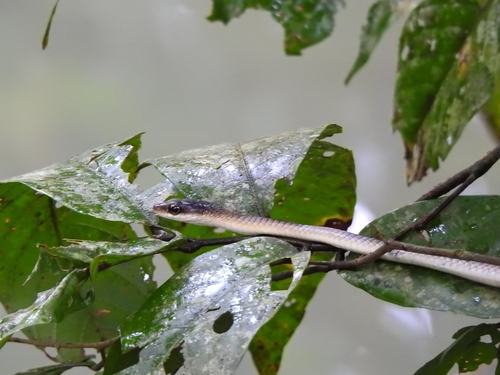
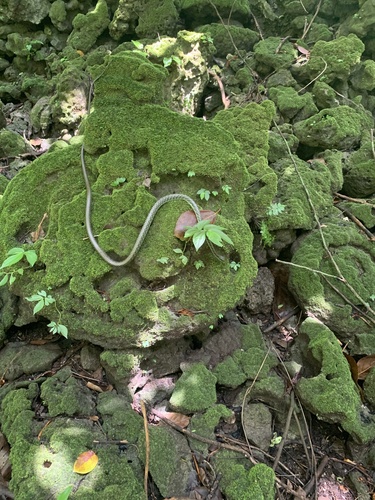
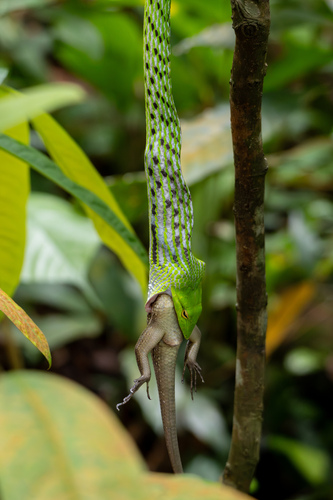
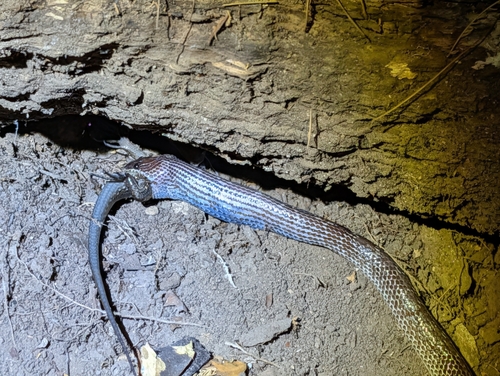
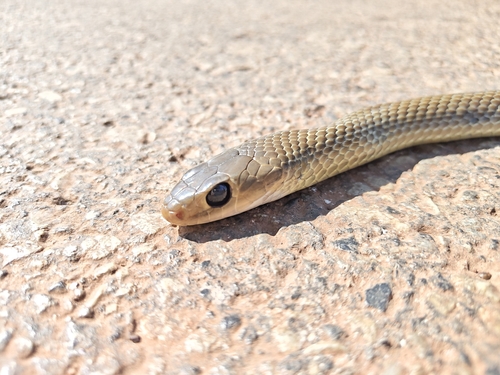
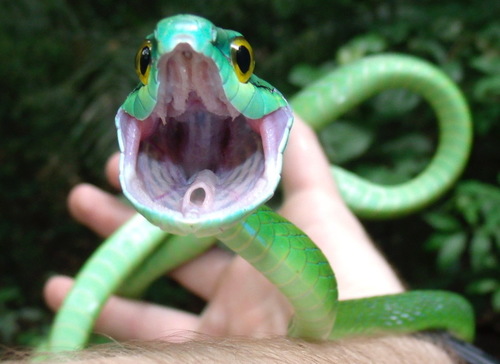
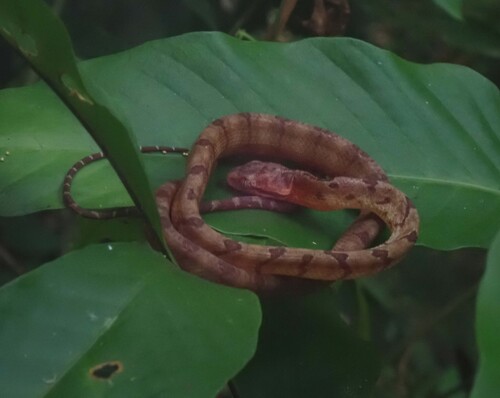
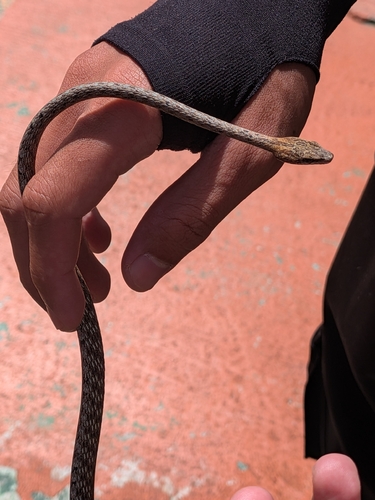
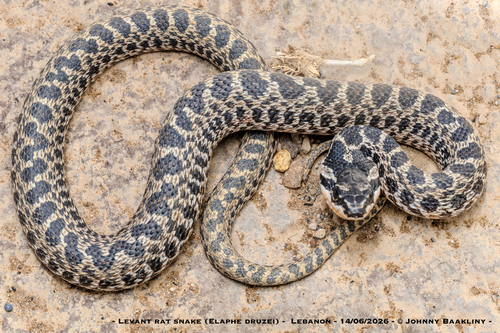
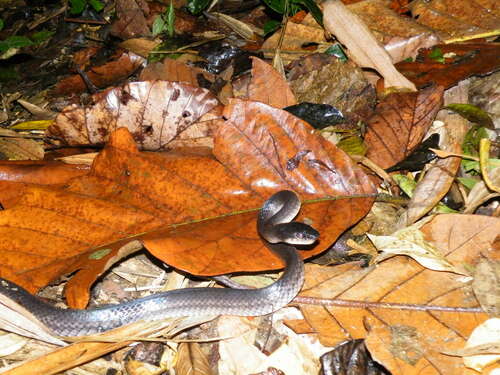
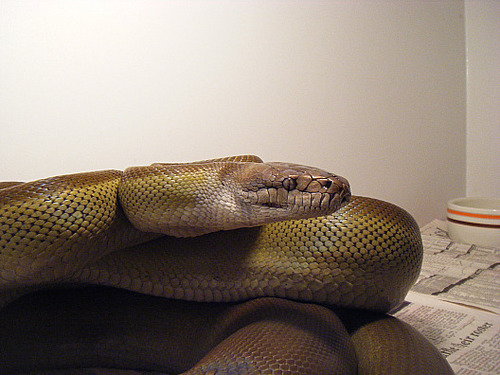
Pythonidae (11)
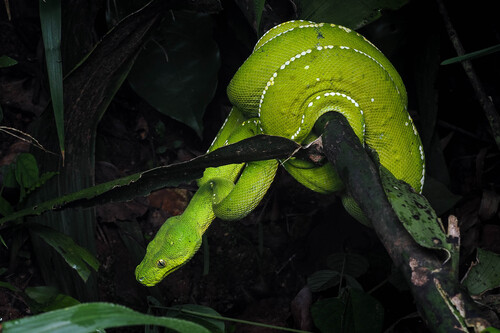
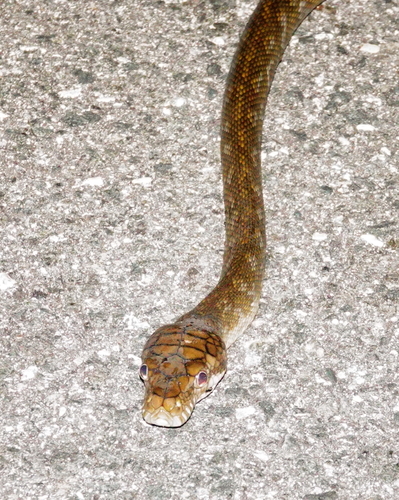
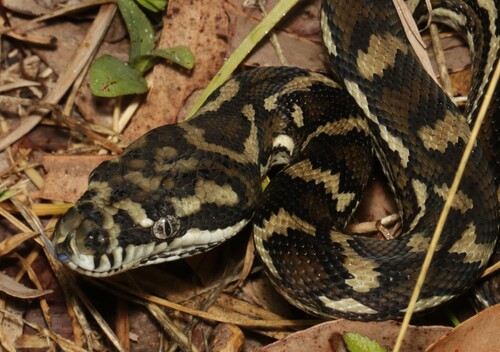
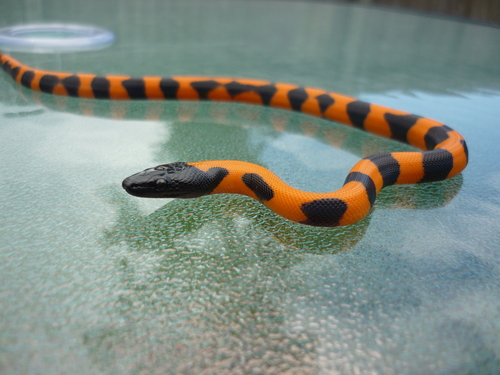
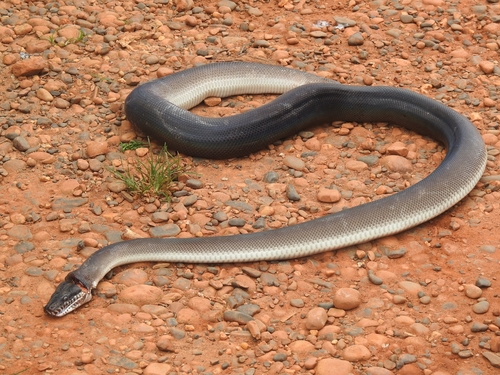

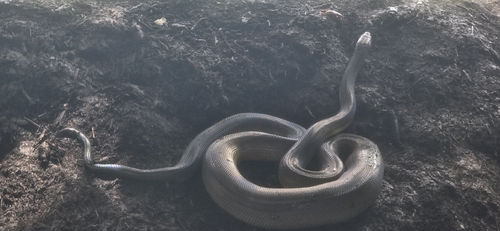
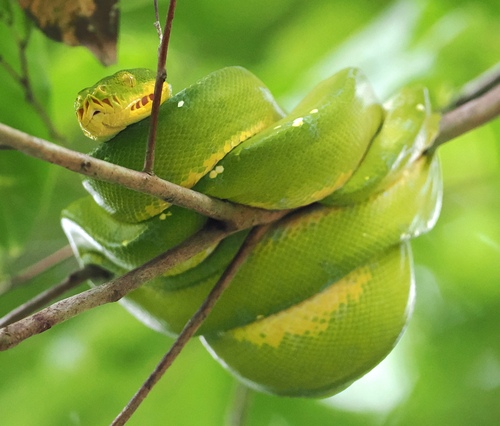
Typhlopidae (9)
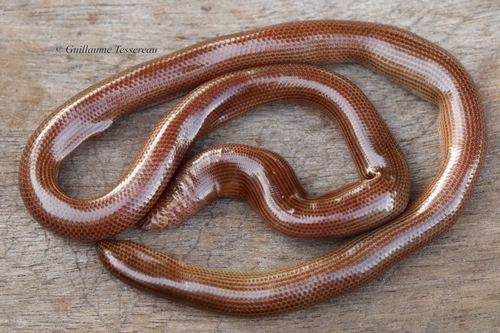
Homalopsidae (6)
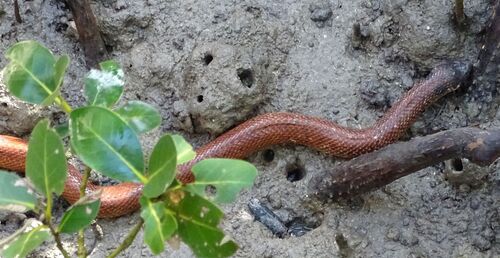
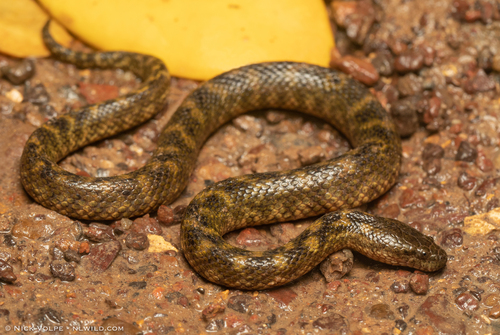
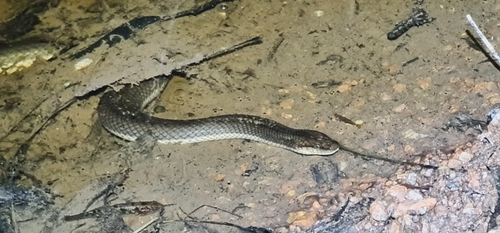
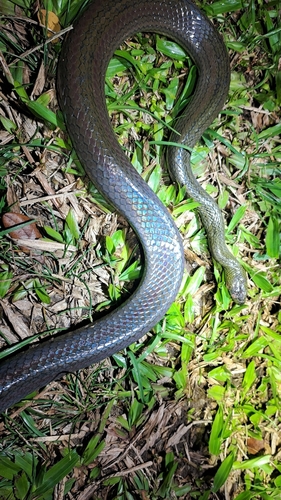
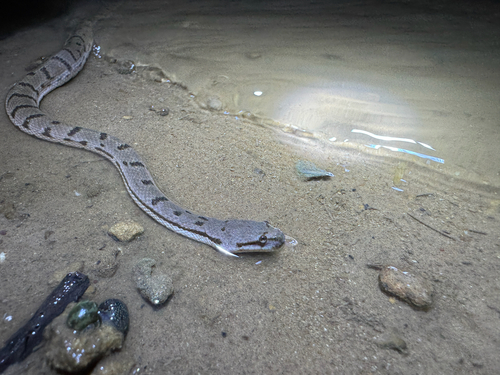
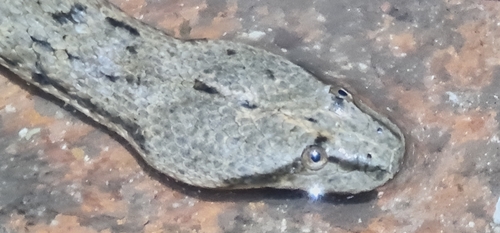
Boidae (5)
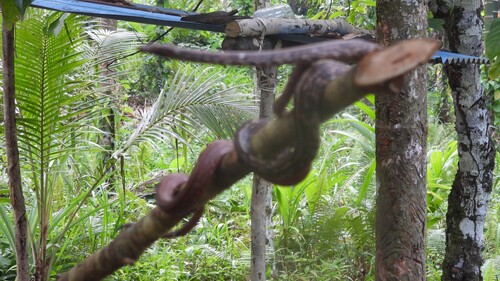
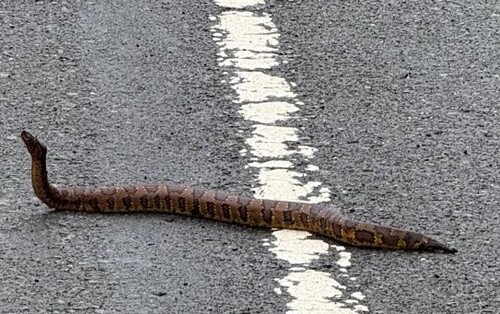
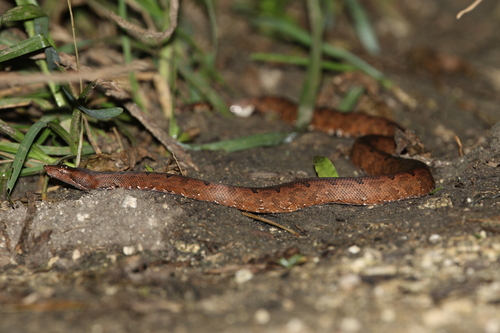
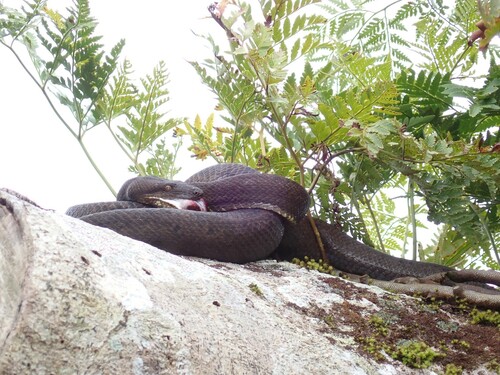
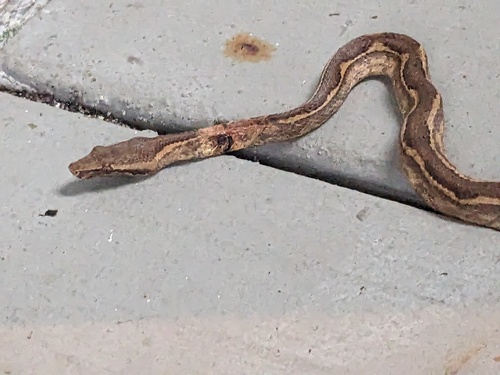
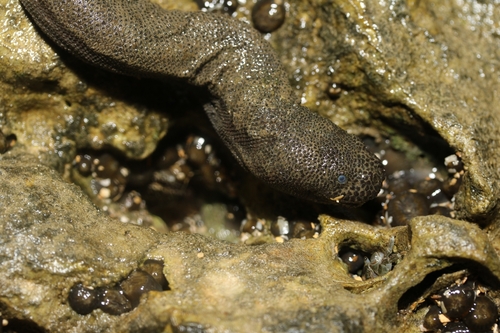
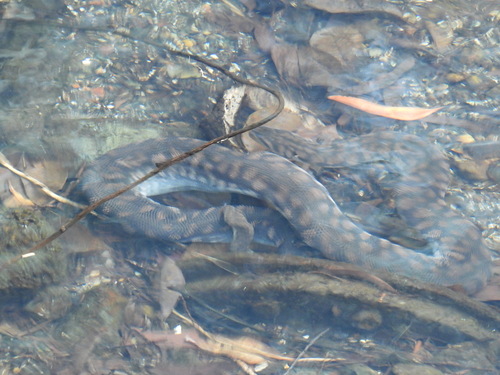
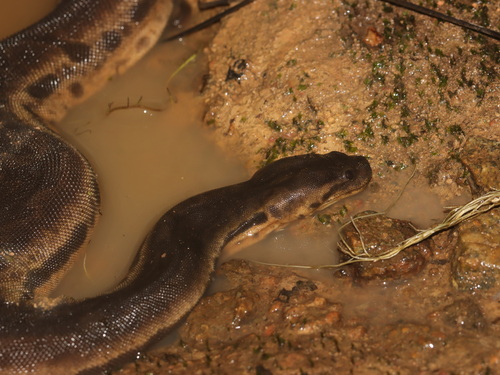
Compiled from verified GBIF & iNaturalist observations. "How often seen" reflects how frequently a snake is reported here, not how dangerous it is. Informational only.
Keep learning
- Are Snakes Dangerous? The Real Risk, in PerspectiveMost snakes are harmless and avoid people. Here is the honest picture of snakebite risk worldwide and how to lower your own.
- Snakebite First Aid: What to Do (and What Never to Do)A clear, CDC-based guide to snakebite first aid: the steps that help, the popular myths that hurt, and how to tell a serious bite from a minor one.
- Venomous vs Nonvenomous: How to Tell the DifferenceThe folk rules for telling venomous snakes apart, where each one fails, and why location-based identification beats guessing by sight.
- What to Do If You Find a SnakeFound a snake at home or on a trail? Here is how to stay calm, give it space, identify it safely, and know when to call a professional.