
Cambodia
Snakes in Cambodia
100+ snake species have been recorded in Cambodia, 28 venomous.
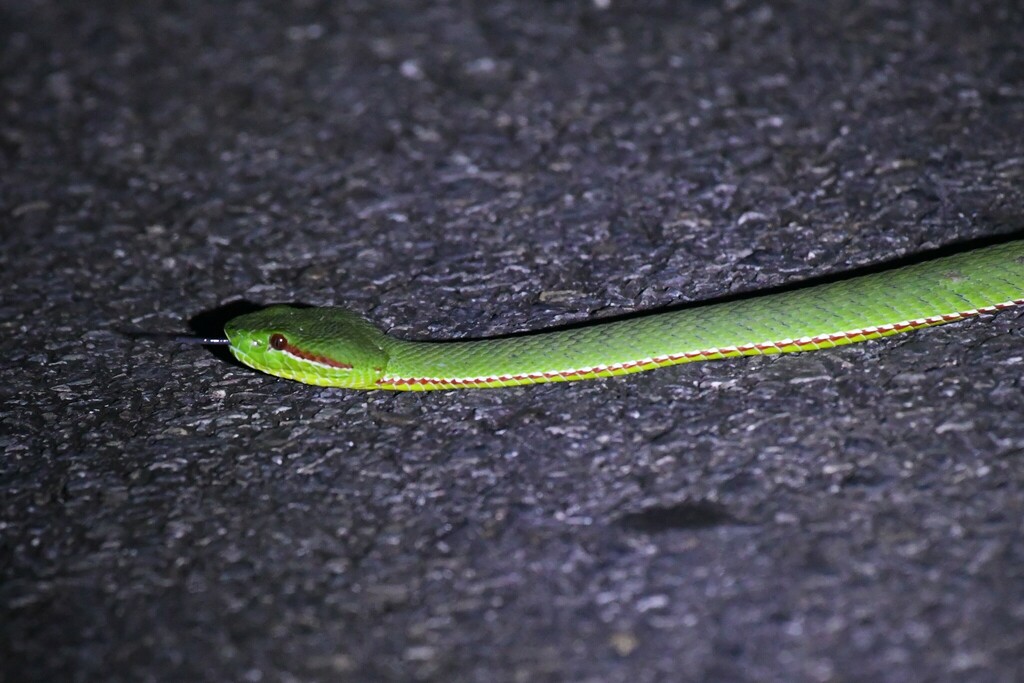
Snakes of Cambodia
Cambodia has 100+ snake species recorded in our database, 28 of them venomous. The great majority of species are non-venomous, which means that in everyday encounters the snake you meet is far more likely to be harmless than dangerous. Even so, the venomous minority includes several groups capable of causing serious harm, so identification matters and caution is always warranted.
Cambodia's snake diversity is driven by a wide range of habitats packed into a relatively compact country. The vast freshwater system of the Tonle Sap lake and its seasonal floodplain, the Mekong and its tributaries, and the rice paddies that cover much of the lowlands all support water-loving and semi-aquatic snakes. Inland, the Cardamom and Elephant mountains hold wet evergreen forest, while the northern and eastern plains carry dry dipterocarp forest. The long coastline and mangrove fringes add marine and estuarine habitats. This mix of wetland, forest, agricultural, and coastal environments, combined with a warm tropical climate and a strong monsoon, gives many species the conditions they need and explains why so many can live in one country.
The medically important venomous snakes in Cambodia fall into a few well-established groups. Elapids are represented by cobras, including spitting and monocled forms, and by the king cobra, along with kraits and coral snakes, all of which carry potent neurotoxic venom. True vipers and pit vipers are present, with green pit vipers and the Malayan pit viper among the species that cause bites with painful local tissue damage and bleeding effects. Coastal and offshore waters hold sea snakes, which are highly venomous but generally not aggressive toward people. There are no mambas in Cambodia, as mambas are an African group, and there are no rattlesnakes, which are confined to the Americas. Describing the groups this way is the honest approach where exact species ranges are uncertain.
The large non-venomous majority does most of the ecological work and accounts for the snakes people see most often. Pythons are the headline group, including the reticulated python, one of the longest snakes in the world, and the Burmese python, both powerful constrictors. Rat snakes, including the big and fast oriental rat snake, are common around farms and villages, while keelbacks, water snakes, and wolf snakes occupy wetlands, gardens, and homes. Many of these are excellent climbers or swimmers and are active hunters of rodents, frogs, fish, and other small animals.
Snakes are valuable to both wild ecosystems and to people. Rat snakes, pythons, and many smaller species are effective predators of rats and mice, which protects rice stores and reduces the rodents that damage crops and spread disease. By controlling pest populations and serving as prey for birds and mammals, snakes help keep the food web in balance. A healthy snake population is usually a sign of a healthy landscape, and removing snakes often leads to more rodent problems, not fewer.
On safety, the honest picture is that most snakes in Cambodia are harmless and most encounters end without incident if the snake is left alone. The main medical threats are the cobras, kraits, and king cobra among the elapids, and the pit vipers among the vipers, which is why any suspected venomous bite should be treated as an emergency. The treatment for a serious bite is professional medical care, including antivenom where indicated, given at a hospital, not home remedies. Never attempt to handle, catch, or kill a wild venomous snake, since most bites happen when people try to interact with the animal. If a bite occurs or is suspected, contact local emergency services right away, or in the United States reach Poison Control at 1-800-222-1222, and get the person to a hospital as quickly as possible.
Snakes in Cambodia: FAQ
- Are there venomous snakes in Cambodia?
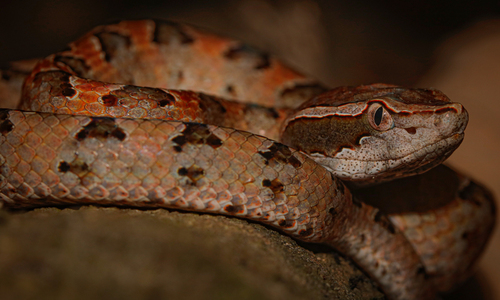
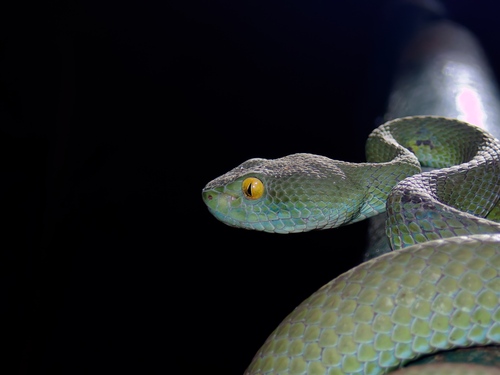
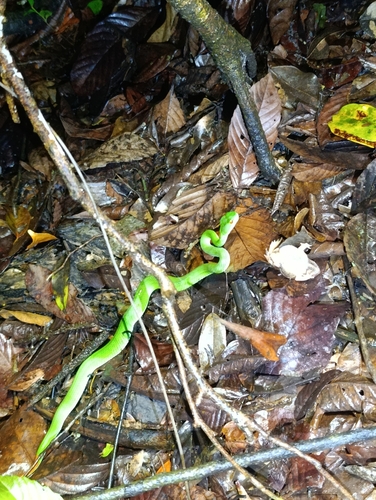
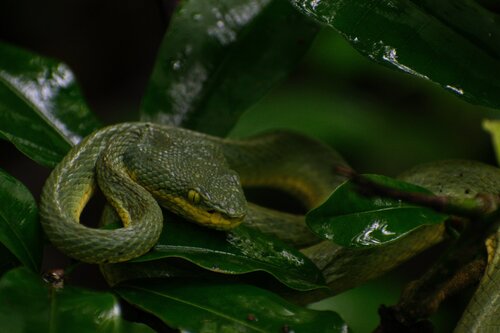
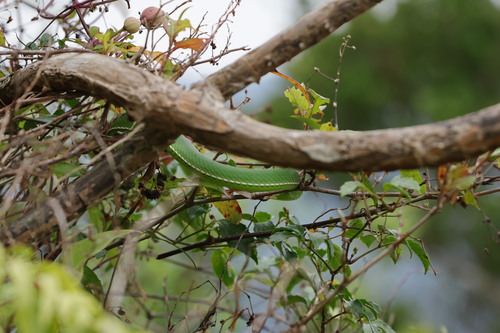
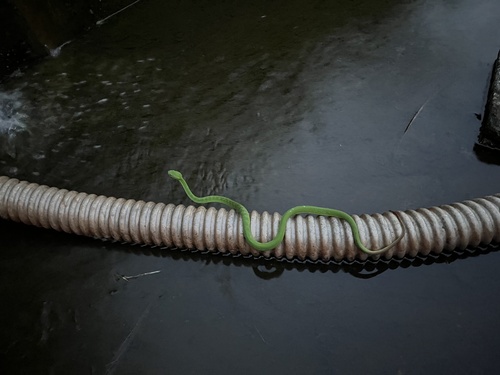
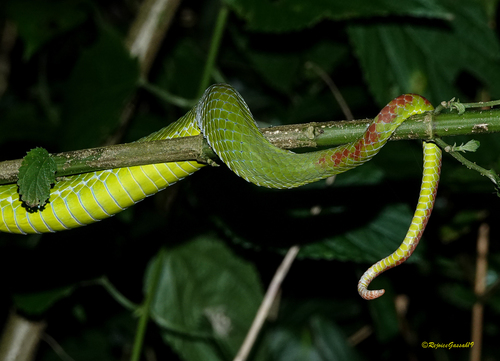
- Yes. 28 venomous snake species have verified records in Cambodia, including Lanna Green Pitviper, White-lipped Pit Viper, Cardamom Mountains Green Pitviper, Malayan Pit Viper. Most snakes in Cambodia, however, are harmless.
- How many snake species live in Cambodia?
- 100+ snake species have verified records in Cambodia, of which 28 are venomous.
- What is the most commonly seen snake in Cambodia?
- The Lanna Green Pitviper is the most frequently reported snake in Cambodia, based on verified wildlife observations.
- What should I do if I see a venomous snake in Cambodia?
- Keep your distance and do not try to catch or kill it. Most bites happen when people handle or corner a snake. If someone is bitten, contact local emergency services or poison control immediately.
Venomous snakes in Cambodia
Every snake recorded in Cambodia
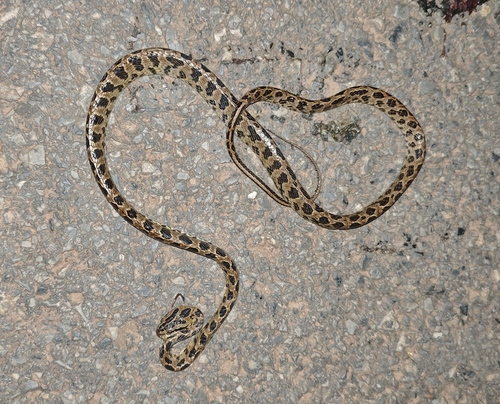
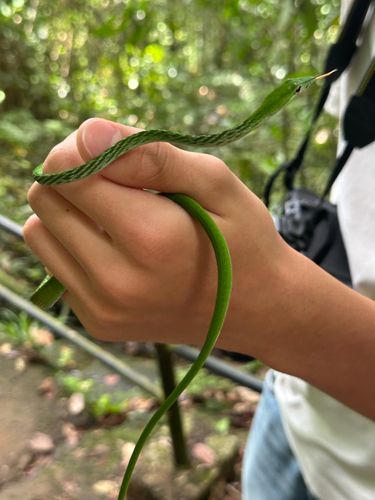
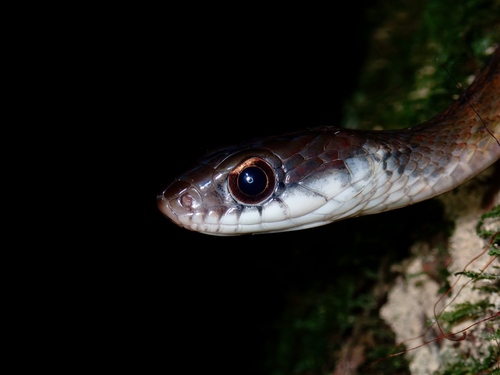
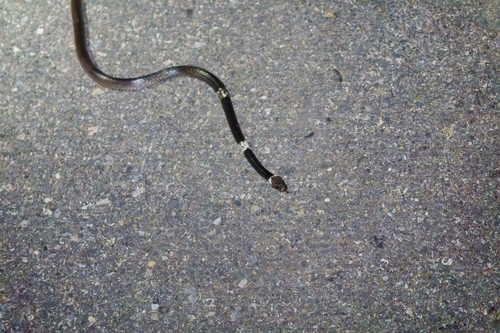
100+ species across 13 families, grouped by family. Venomous flagged.
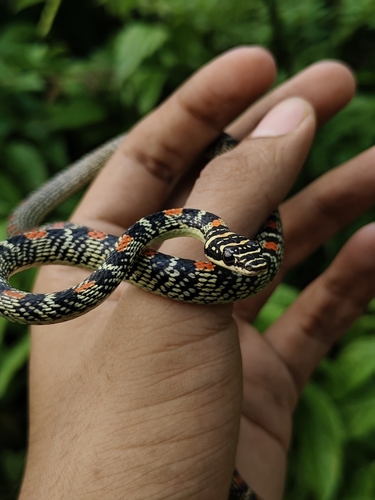
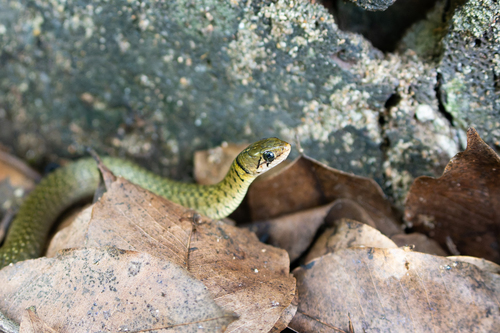
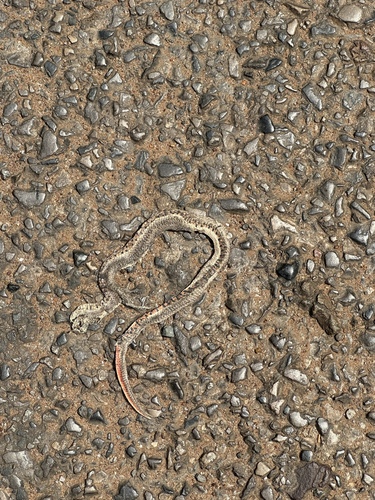
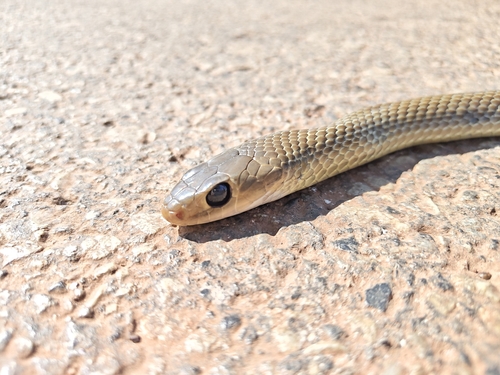
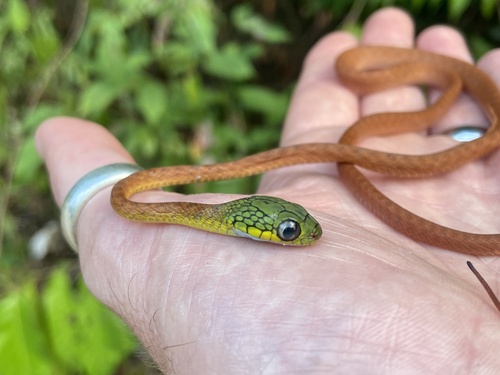
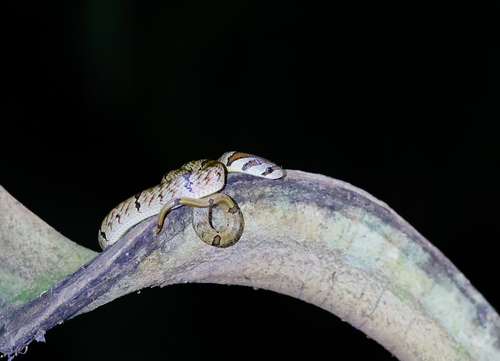
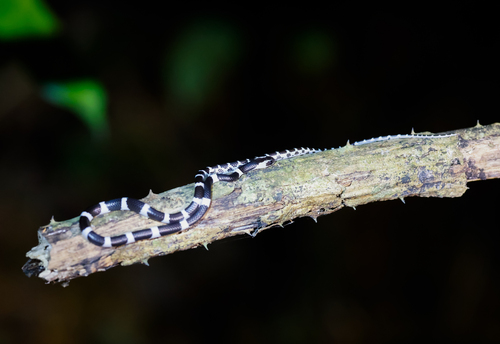
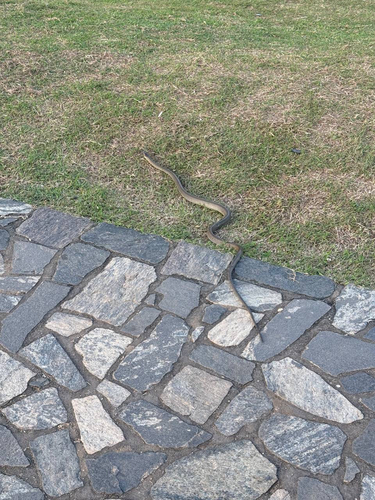
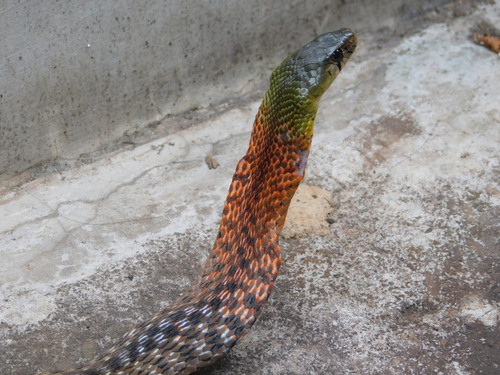
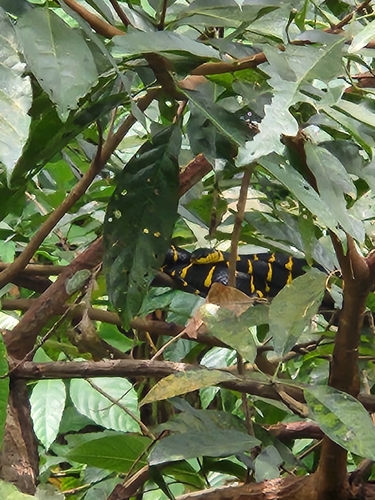
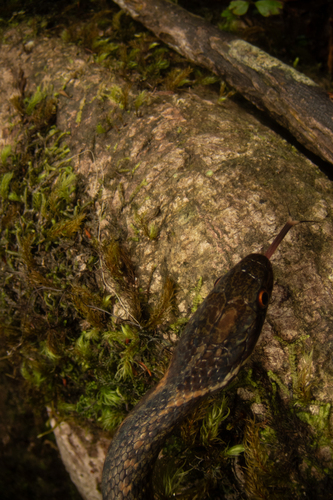
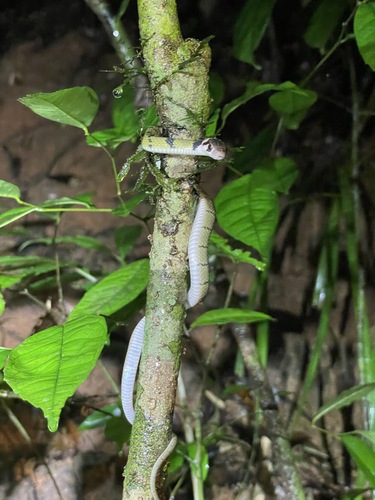
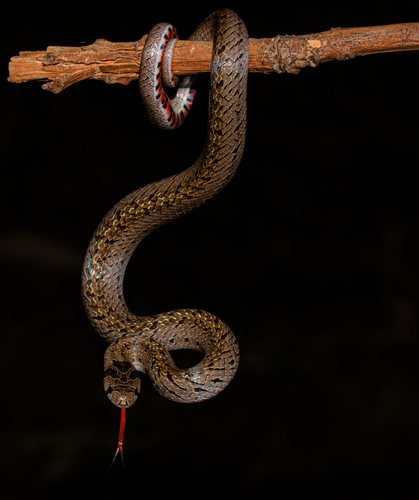
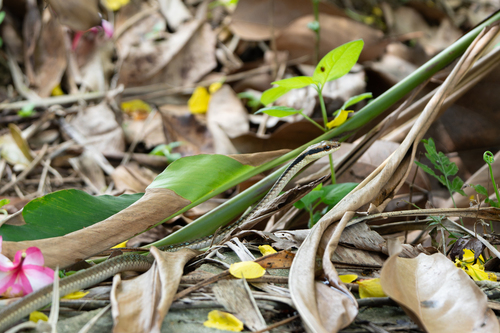
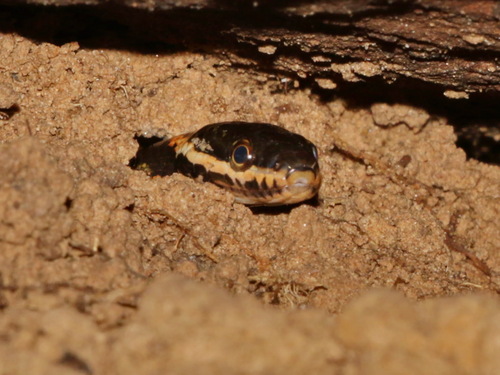
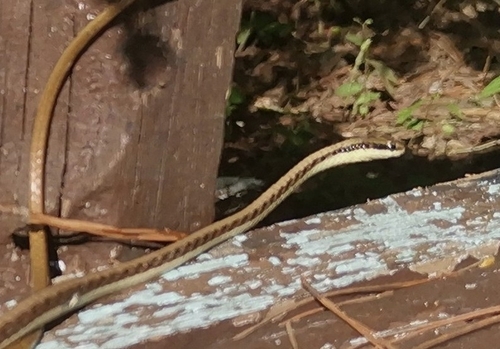
Colubridae (59)
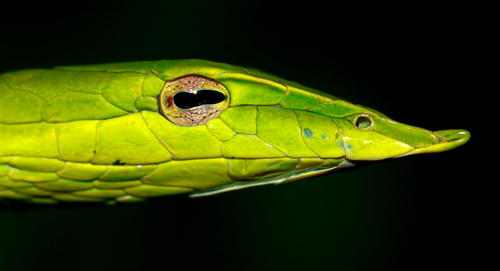
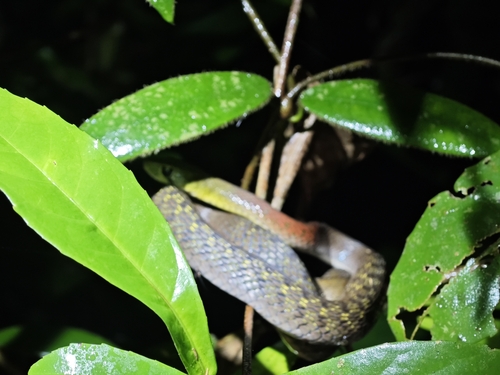
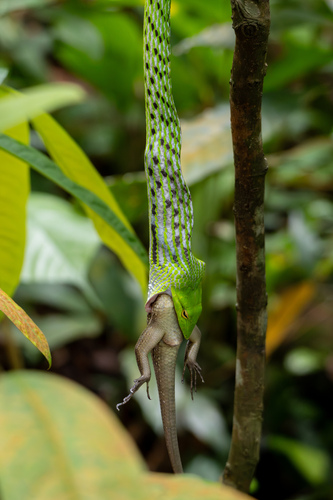
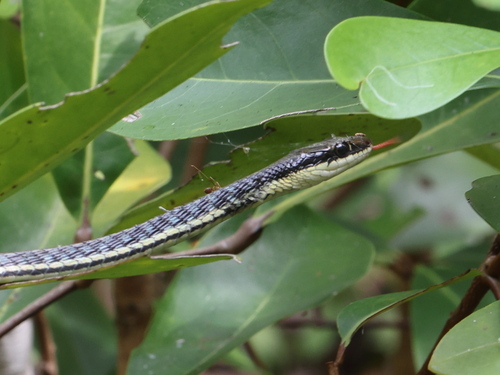
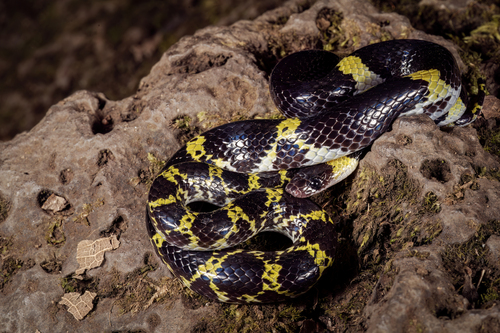
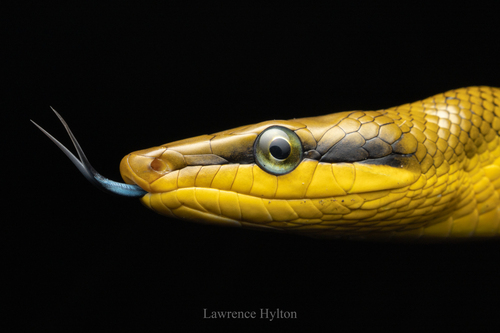
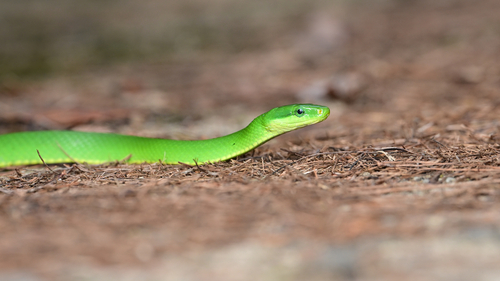
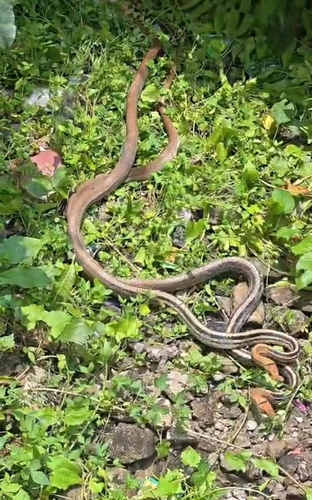
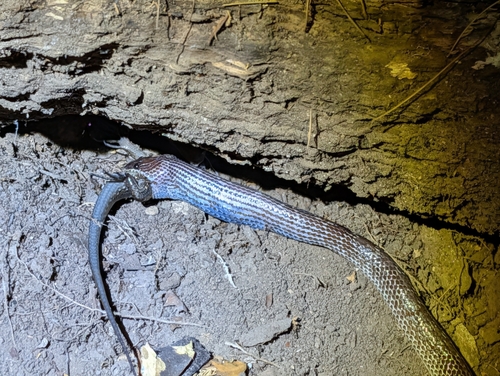
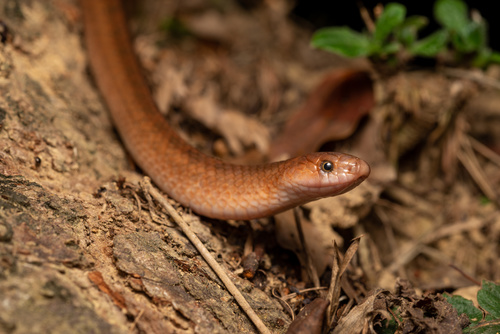
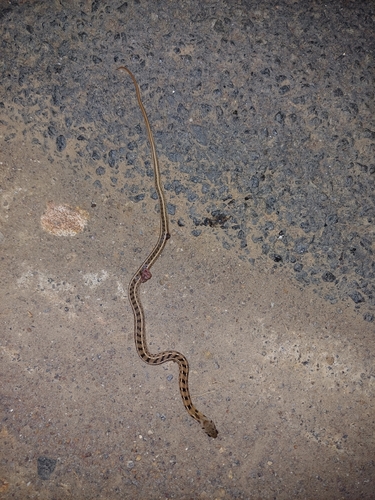
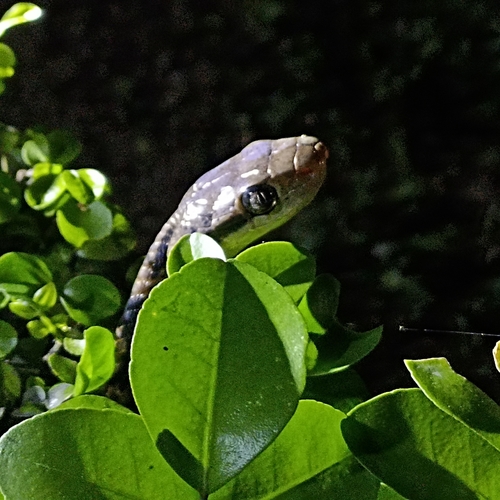
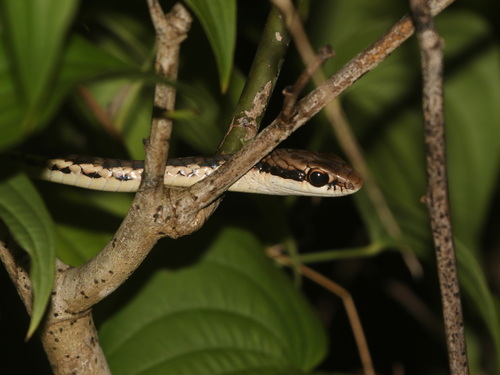
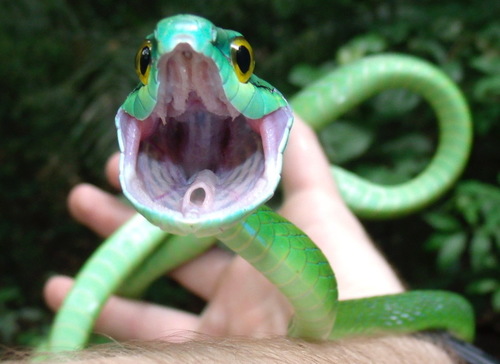
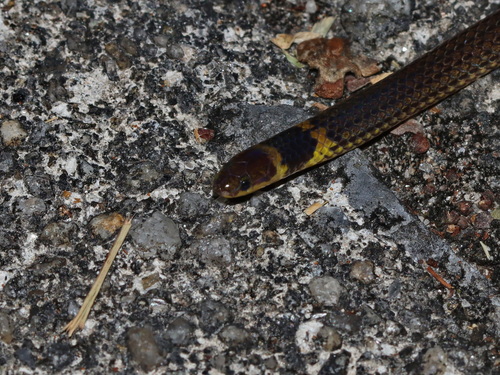
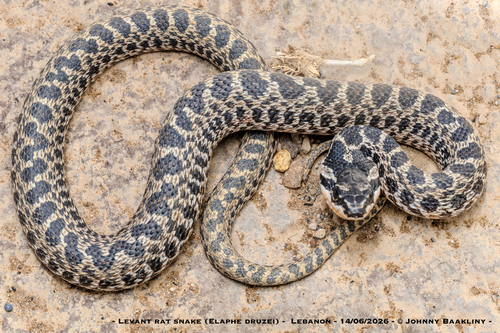
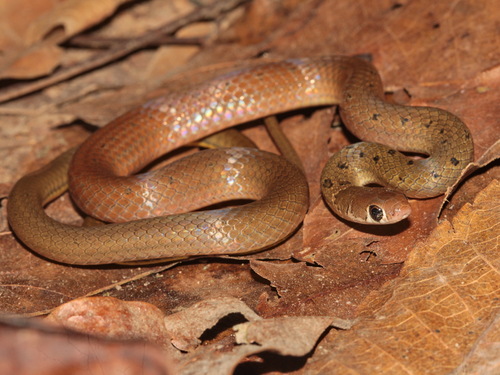
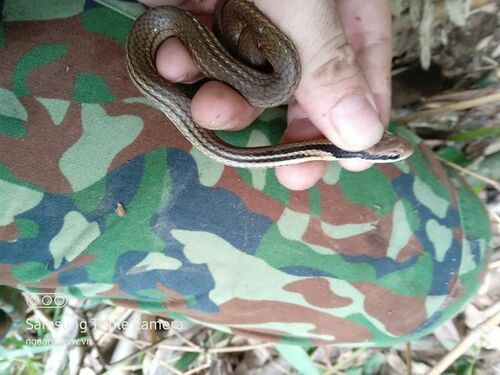
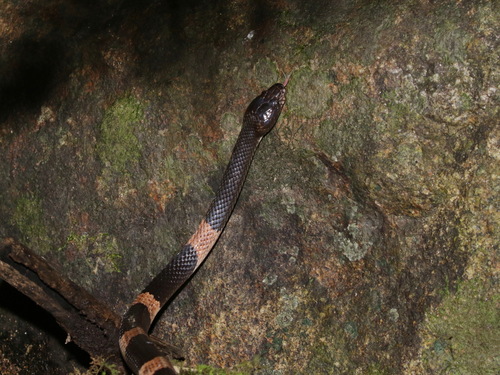
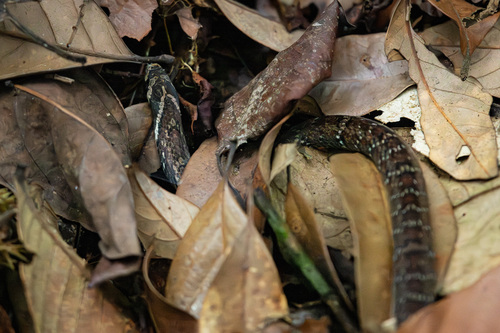
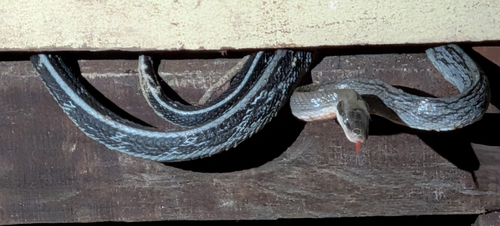
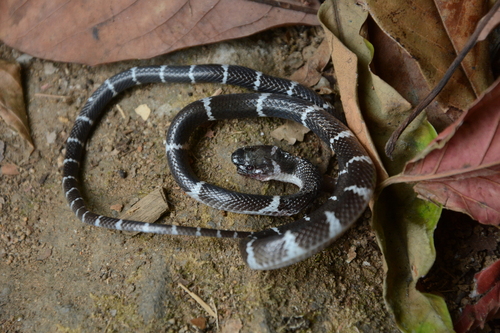
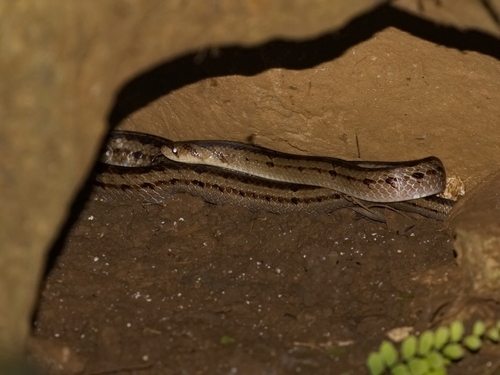

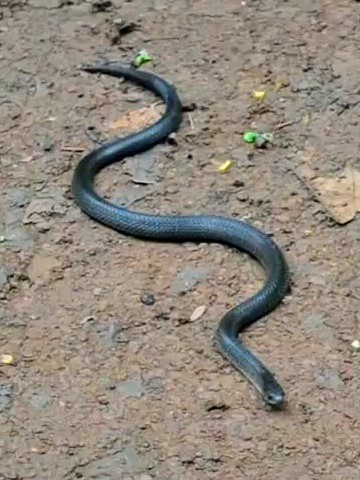
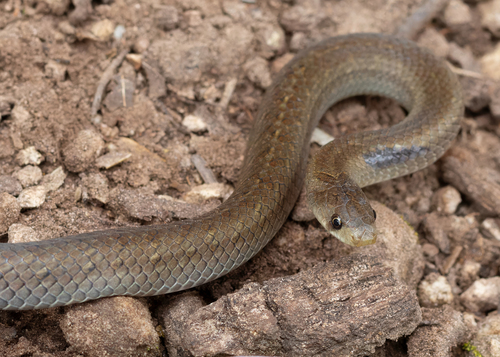
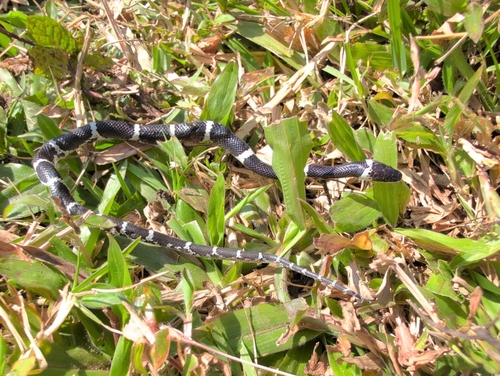
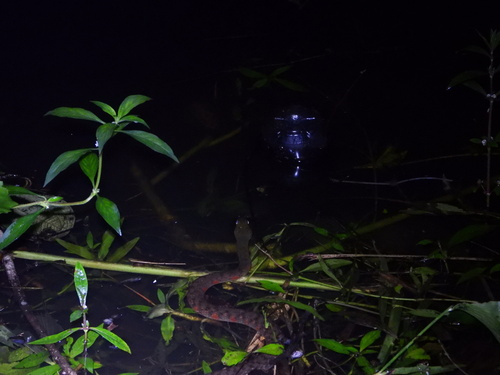
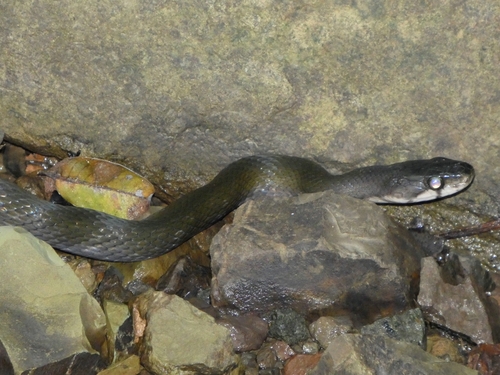
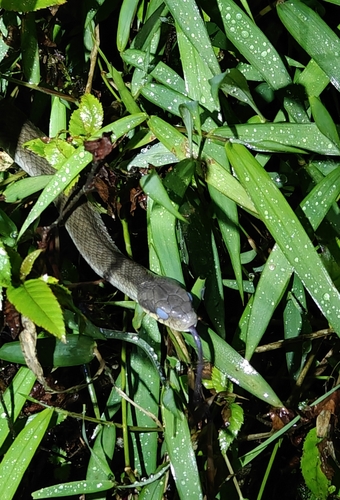
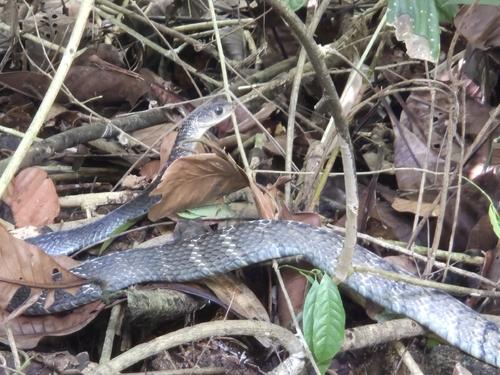
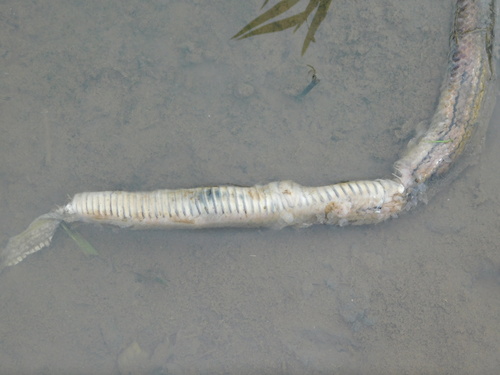
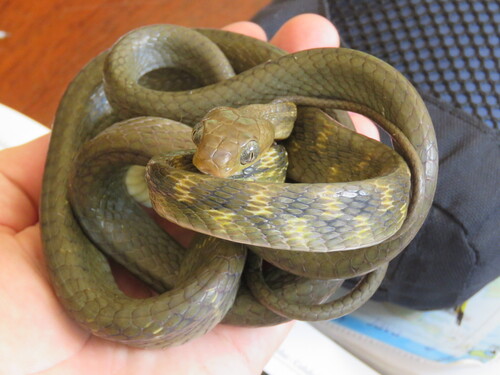
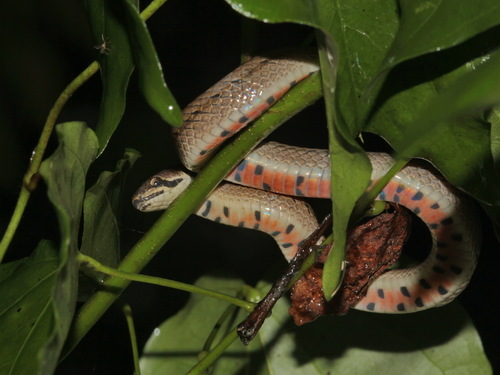
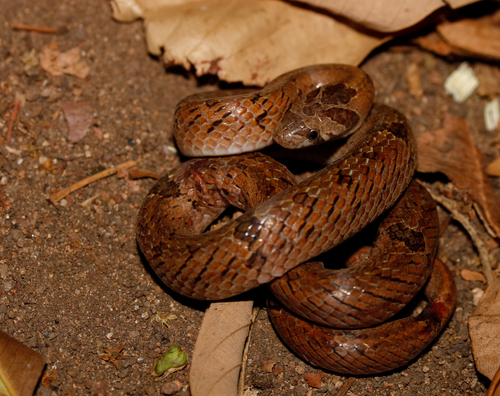
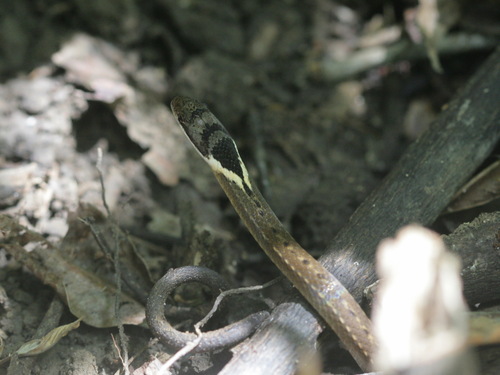
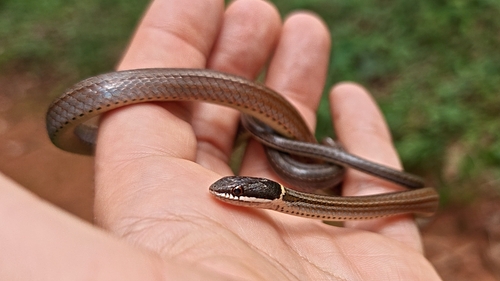
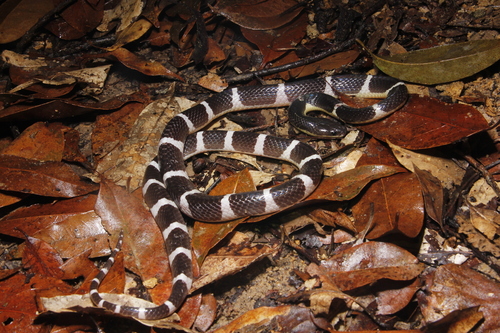
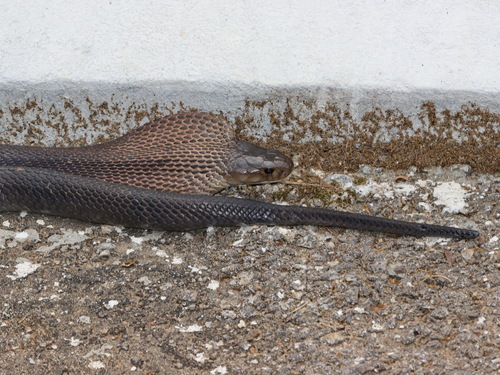
Elapidae (14)
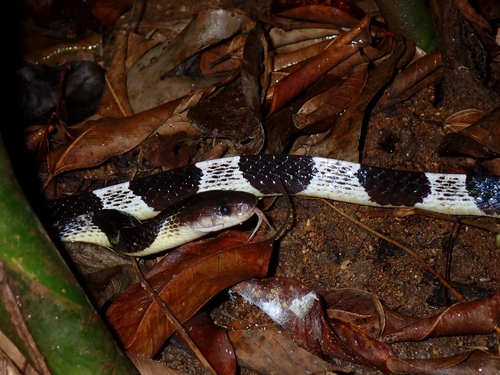
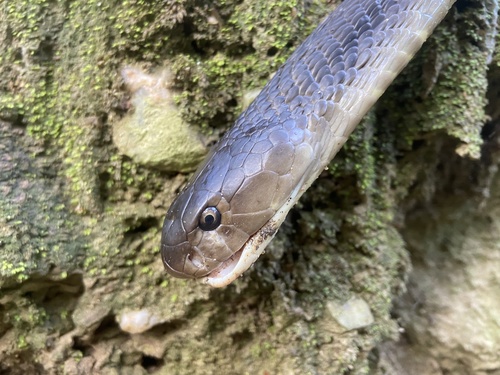
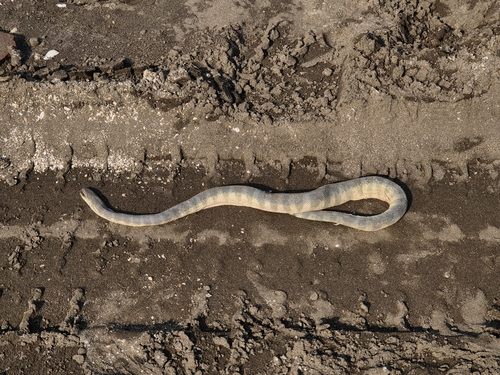
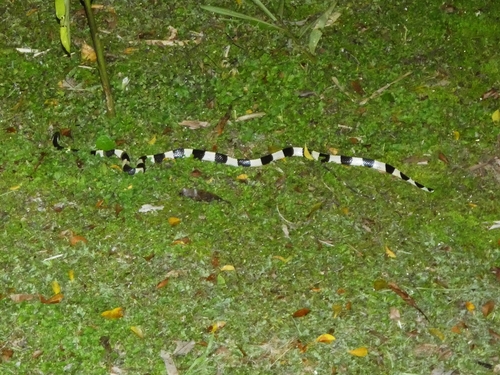
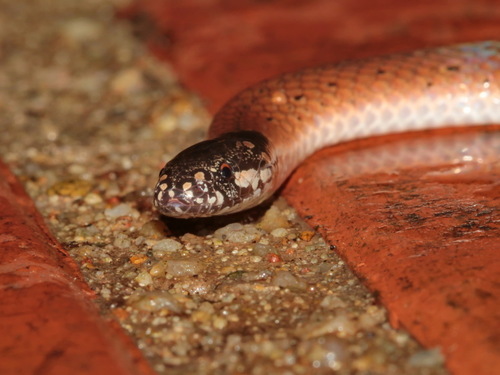
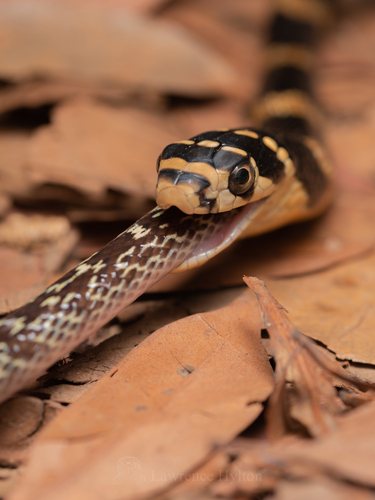
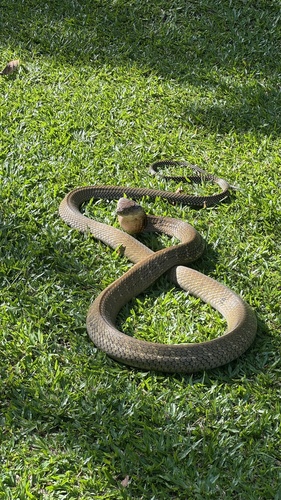
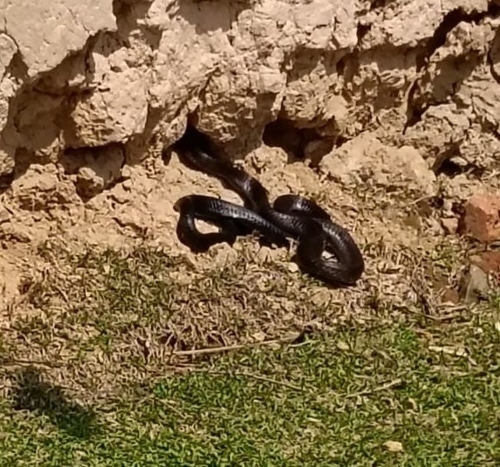

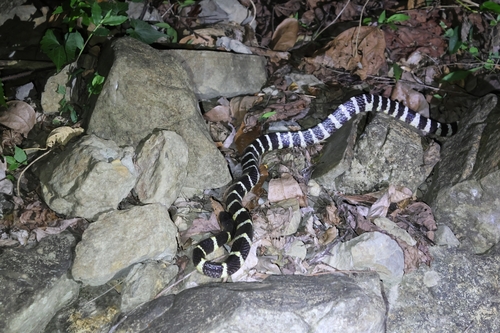
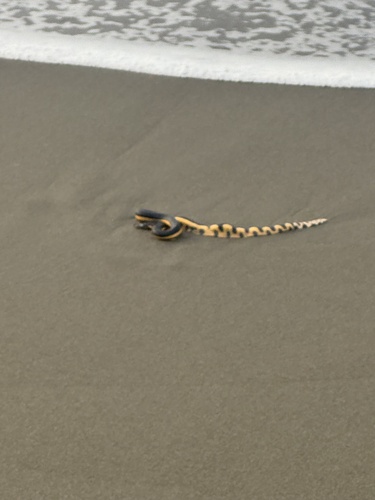

Homalopsidae (11)
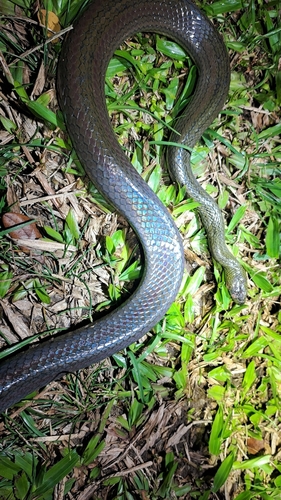
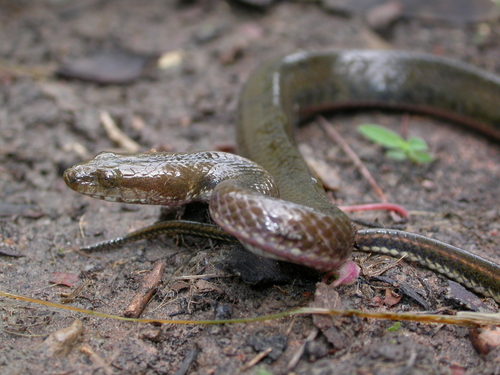
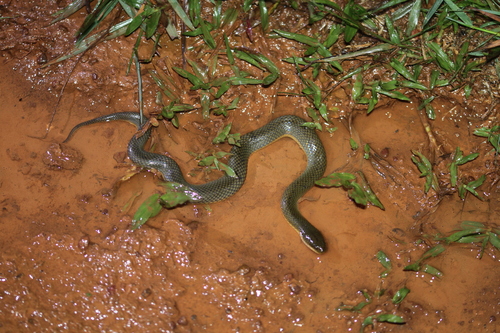
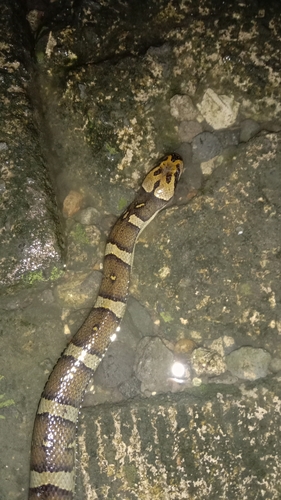
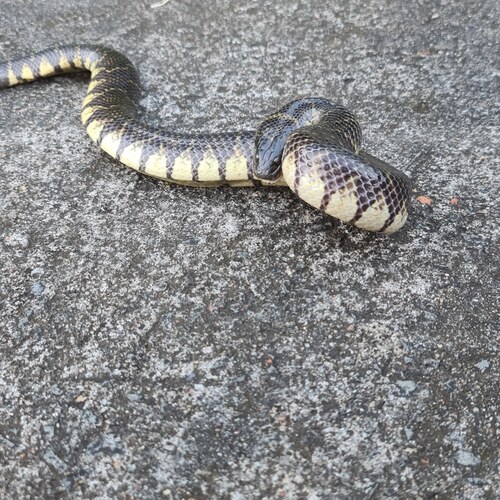
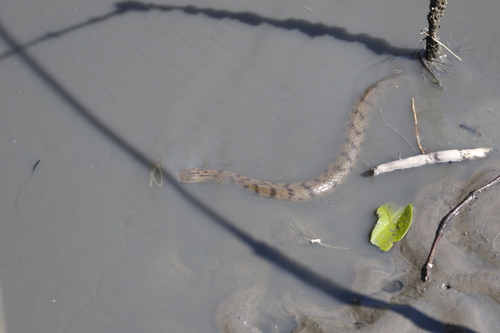
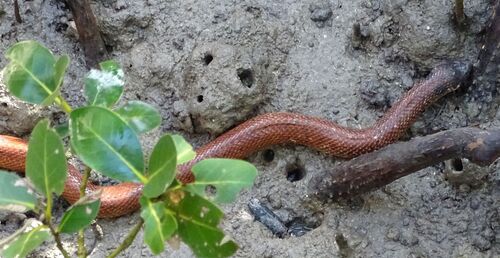
Viperidae (10)
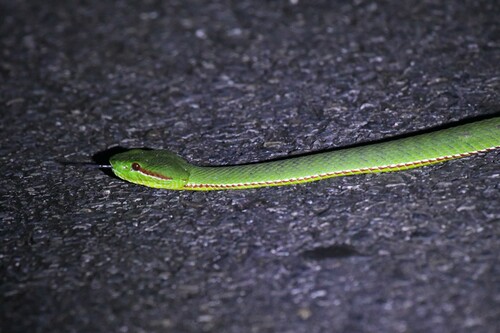
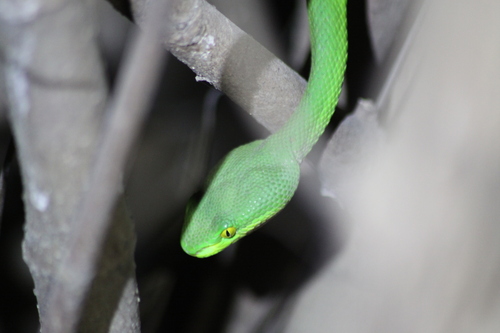
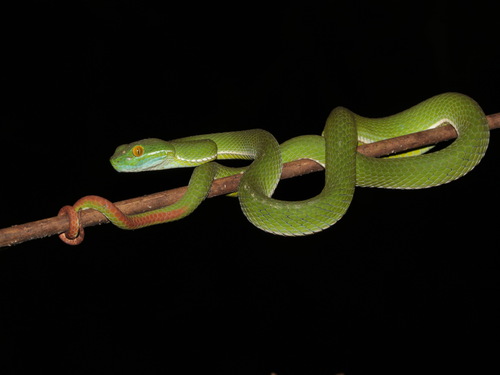
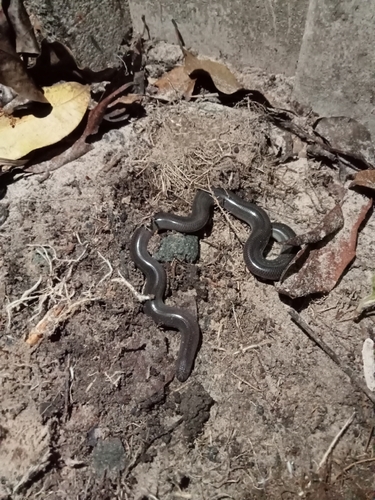
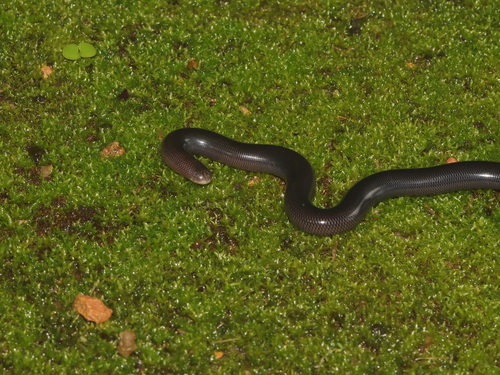
Typhlopidae (3)
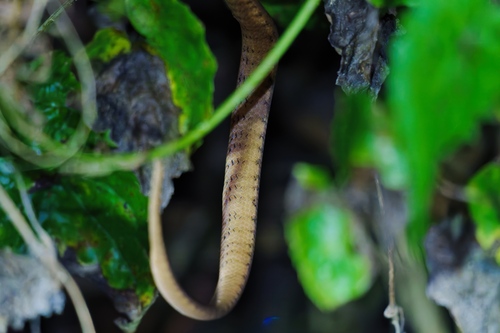
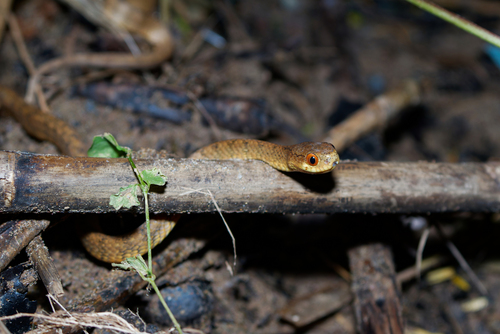
Pareidae (3)
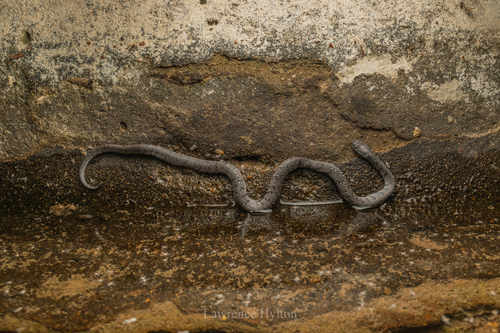
Pythonidae (3)
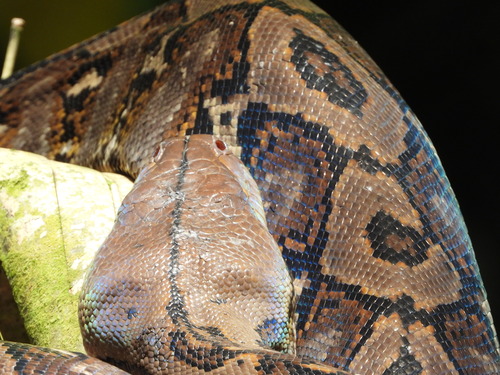
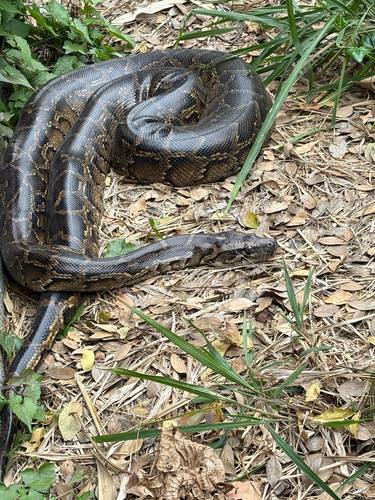
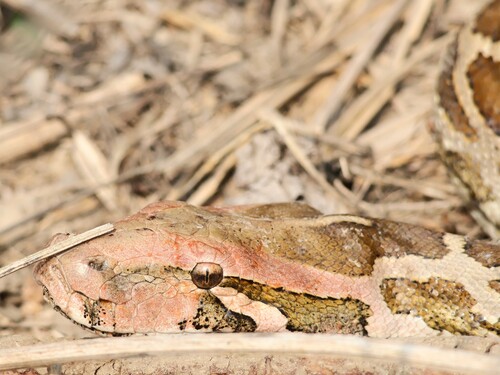
Cylindrophiidae (2)
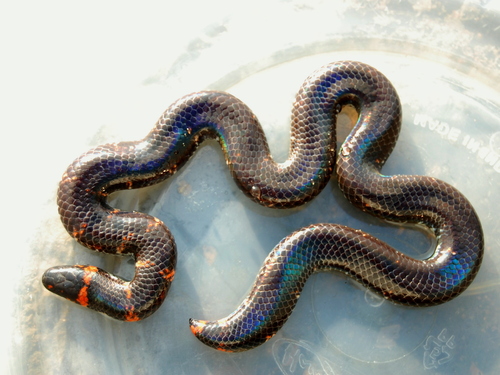
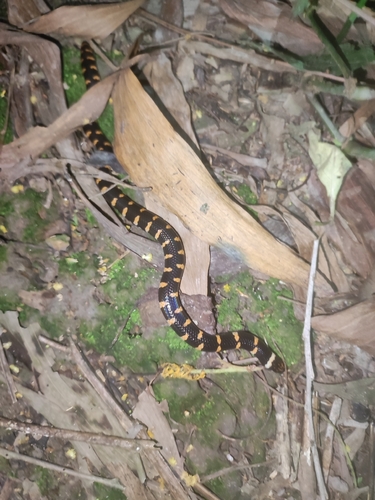
Pseudaspididae (1)
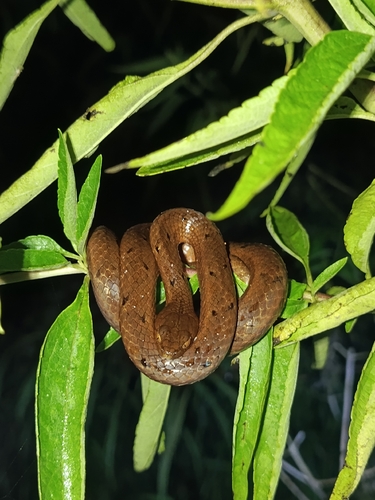
Xenopeltidae (1)
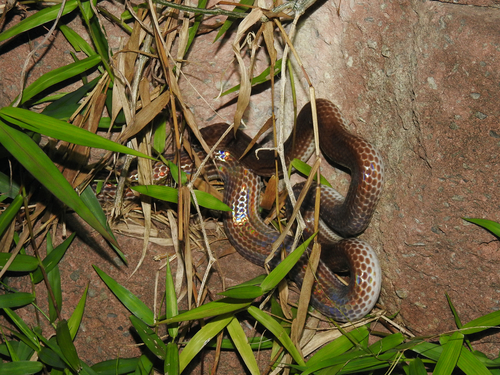
Acrochordidae (1)
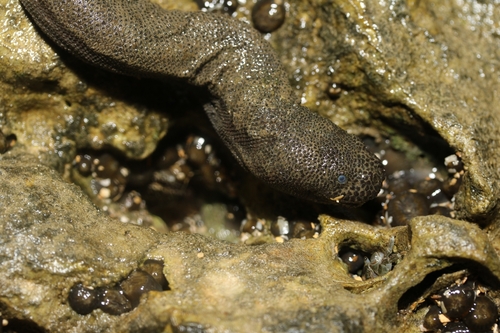
Xenodermidae (1)
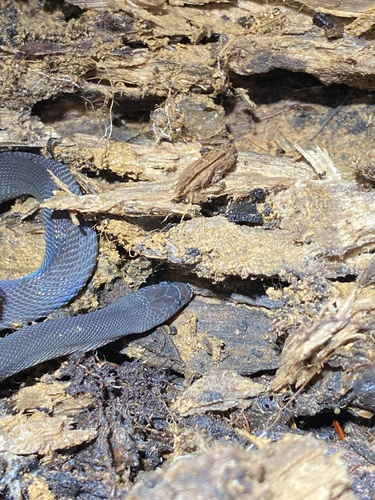
Psammophiidae (1)
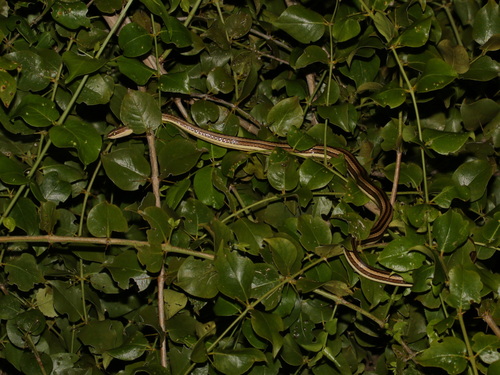
Compiled from verified GBIF & iNaturalist observations. "How often seen" reflects how frequently a snake is reported here, not how dangerous it is. Informational only.
Keep learning
- Are Snakes Dangerous? The Real Risk, in PerspectiveMost snakes are harmless and avoid people. Here is the honest picture of snakebite risk worldwide and how to lower your own.
- Snakebite First Aid: What to Do (and What Never to Do)A clear, CDC-based guide to snakebite first aid: the steps that help, the popular myths that hurt, and how to tell a serious bite from a minor one.
- Venomous vs Nonvenomous: How to Tell the DifferenceThe folk rules for telling venomous snakes apart, where each one fails, and why location-based identification beats guessing by sight.
- What to Do If You Find a SnakeFound a snake at home or on a trail? Here is how to stay calm, give it space, identify it safely, and know when to call a professional.