
Panama
Snakes in Panama
175+ snake species have been recorded in Panama, 30 venomous.
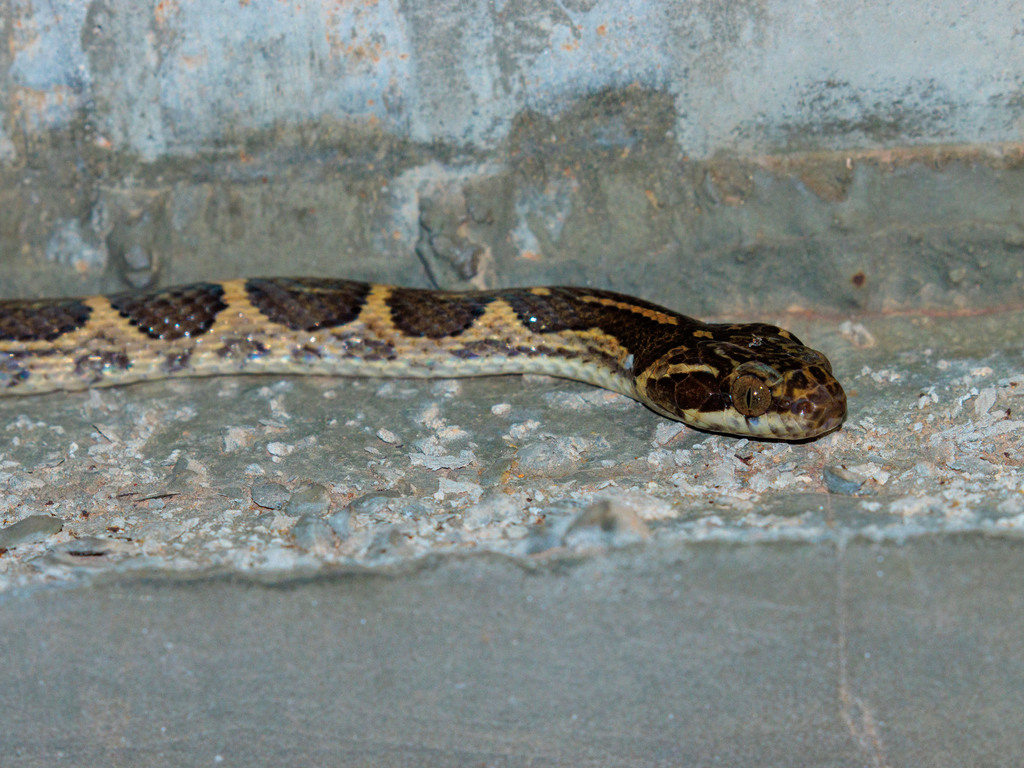
Snakes of Panama
Panama sits at the narrow land bridge between North and South America, and its snake fauna reflects that crossroads position. Our database records 175+ snake species in the country, of which 30 are venomous. The great majority, more than four out of five species, are non-venomous and pose no medical threat to people. This richness comes from a small country packed with very different environments, from Caribbean and Pacific coastlines to lowland rainforest, cloud forest in the western highlands, drier seasonal woodland on the Pacific slope, and mangrove estuaries. Each of these settings supports its own mix of snakes, which is why such a compact area holds so many species.
Geography and climate are the main engines of this diversity. Panama's mountain spine separates a wetter Caribbean side from a more seasonal Pacific side, and elevation ranges from sea level to high cloud forest. Warm, humid lowland forest favors a large number of arboreal, terrestrial, and semi-aquatic snakes, while cooler highlands host specialists found nowhere in the lowlands. The country's location as a corridor between two continents means species of both northern and southern origin meet and overlap here, layering different evolutionary histories into one national fauna.
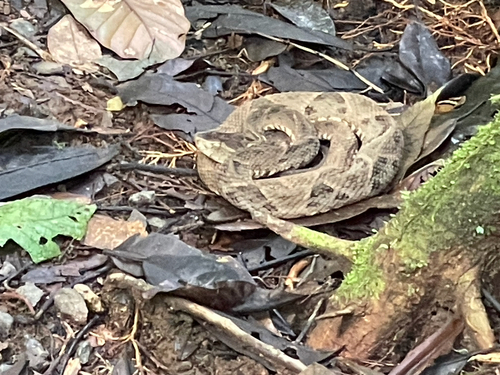
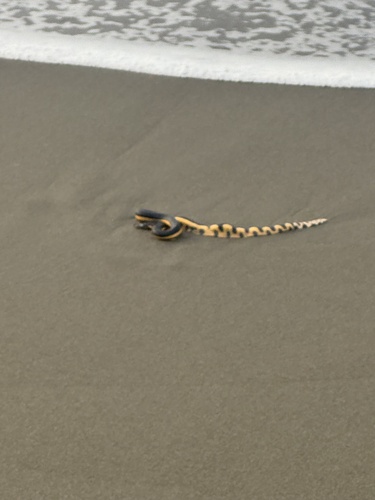
The medically important venomous snakes of Panama fall into two broad families. The first is the pit vipers, which include the lance-headed vipers of the genus Bothrops and their relatives, the larger bushmaster, and the eyelash palm pit viper that lives in vegetation. These pit vipers are responsible for most serious snakebites in Panama because they are widespread, well camouflaged, and sometimes found near farms and rural homes. The second group is the coral snakes, slender, brightly banded elapids whose venom acts on the nervous system. Coral snakes are secretive and bite far less often, but they are genuinely dangerous. Along Panama's Pacific coast, marine waters are also home to the yellow-bellied sea snake, a venomous open-ocean species. There are no cobras, mambas, or true rattlesnakes established across most of Panama; those groups belong to other regions, so the real concern here is pit vipers first and coral snakes second.
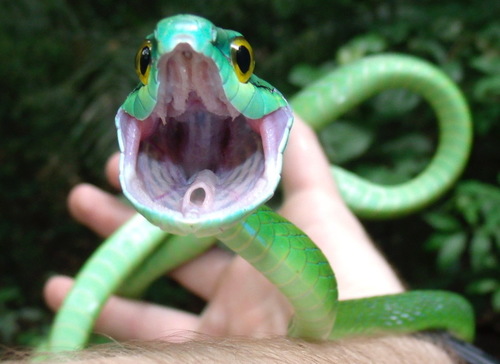
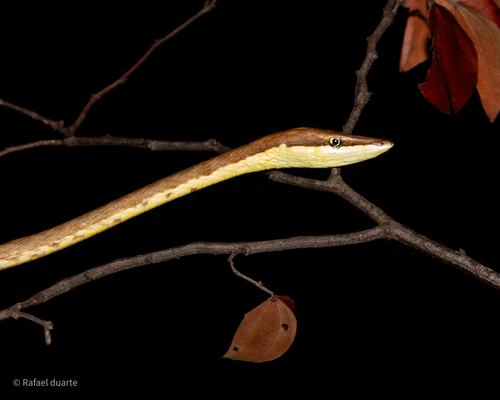
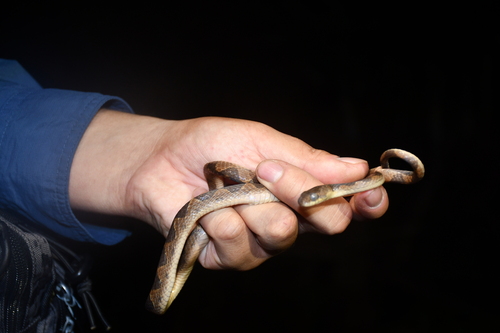
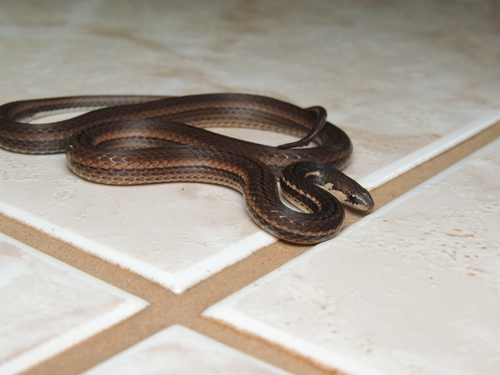
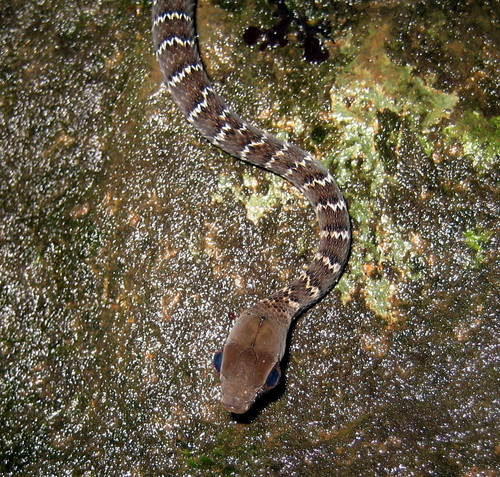
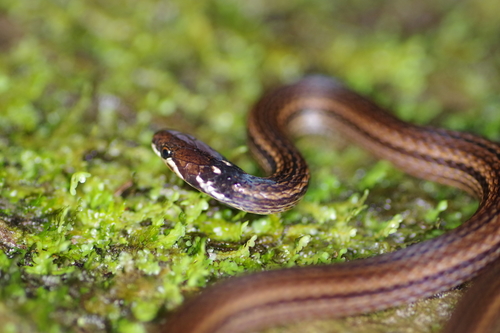
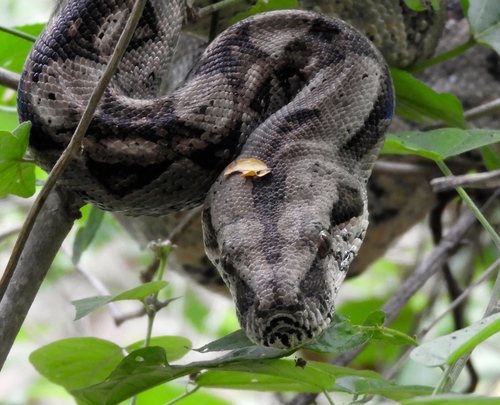
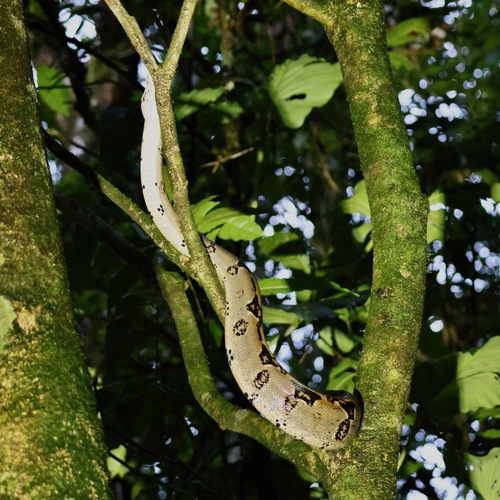
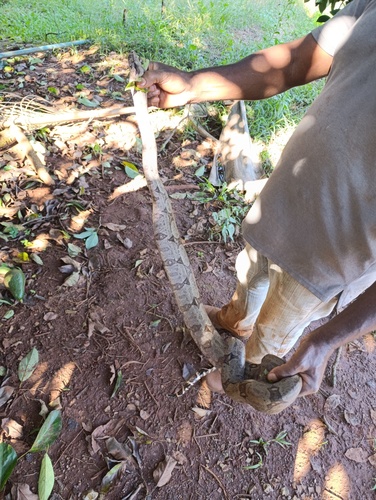
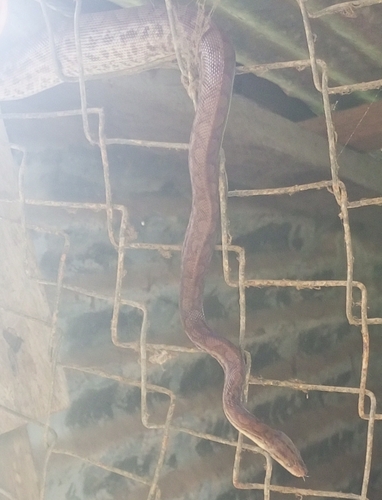
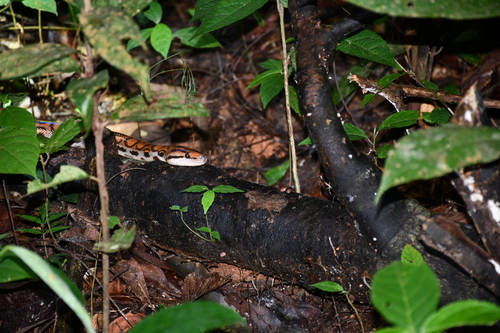
The non-venomous majority is where most of Panama's snake life actually sits. This includes the large family of colubrid and related snakes: fast-moving racers, slug-eating snakes, vine snakes, cat-eyed snakes, and many others, plus the boas. The common boa constrictor is one of the country's best-known snakes, a powerful non-venomous constrictor that subdues prey by coiling rather than venom. These harmless species fill nearly every niche, hunting frogs, lizards, insects, fish, birds, eggs, and small mammals across forest floor, canopy, and water.
Snakes are valuable members of Panama's ecosystems. Many species prey heavily on rodents, which helps limit populations of rats and mice that damage stored grain and crops and can carry disease. Others control insects, amphibians, and smaller reptiles, keeping those populations in balance. As both predators and prey for birds and mammals, snakes are woven into healthy food webs, and their presence is generally a sign of a functioning natural system rather than a problem to be eliminated.
On safety, the honest framing is that the large majority of snakes you may encounter in Panama are harmless, and even the venomous ones bite only when cornered, trodden on, or handled. The main medical threat is the pit vipers, with coral snakes a secondary concern. No wild snake should ever be picked up or handled, because reliable identification in the field is difficult and a mistake can be serious. If a bite occurs, the correct response is immediate professional medical care: antivenom and hospital treatment are what work, and the person should be taken to emergency services without delay. In the United States you can reach Poison Control at 1-800-222-1222; elsewhere contact local emergency services. Do not rely on home remedies in place of getting to a hospital.
Snakes in Panama: FAQ
- Are there venomous snakes in Panama?
- Yes. 30 venomous snake species have verified records in Panama, including Terciopelo, Central American Coralsnake, Yellow-bellied Sea Snake, Central American Eyelash-Viper. Most snakes in Panama, however, are harmless.
- How many snake species live in Panama?
- 175+ snake species have verified records in Panama, of which 30 are venomous.
- What is the most commonly seen snake in Panama?
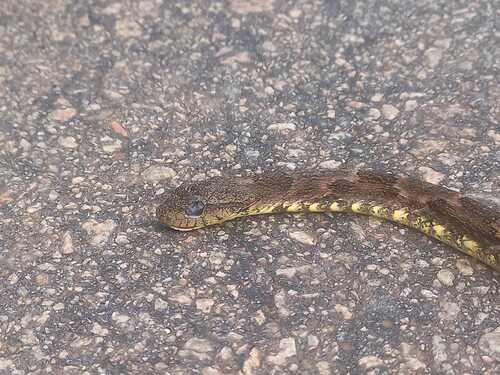
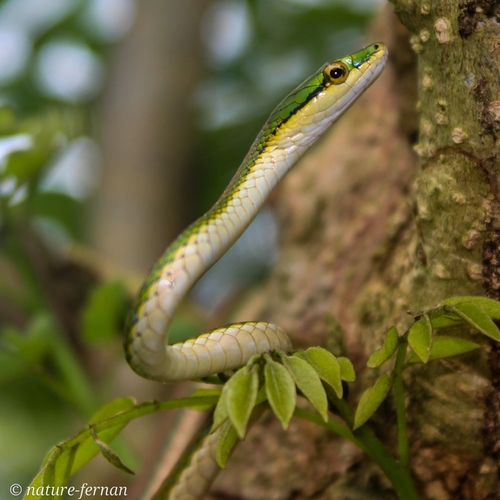
- The Paraiba Cat-eyed Snake is the most frequently reported snake in Panama, based on verified wildlife observations.
- What should I do if I see a venomous snake in Panama?
- Keep your distance and do not try to catch or kill it. Most bites happen when people handle or corner a snake. If someone is bitten, contact local emergency services or poison control immediately.
Venomous snakes in Panama
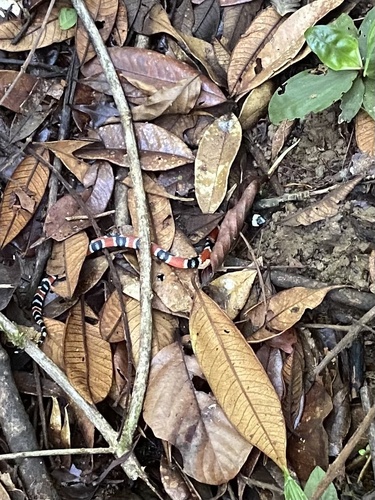
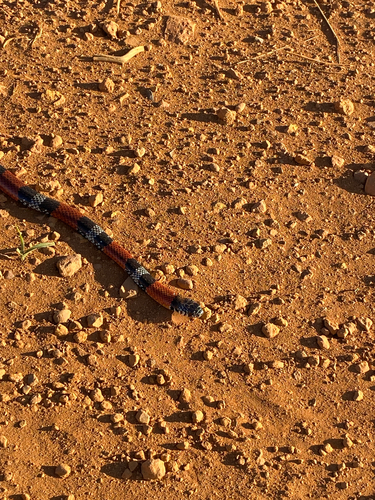
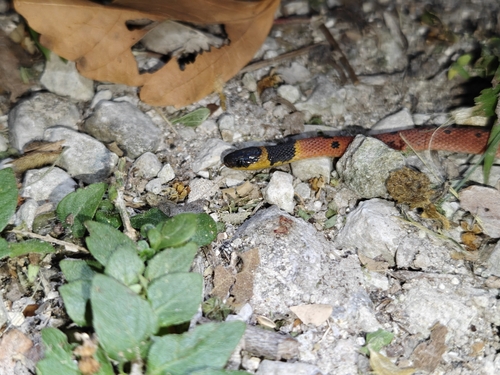
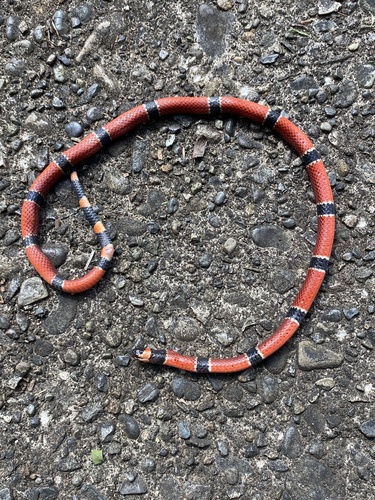 Central American CoralsnakeMicrurus nigrocinctusVenomous
Rings of red, yellow, and black where red touches yellow; small rounded head and round pupils.
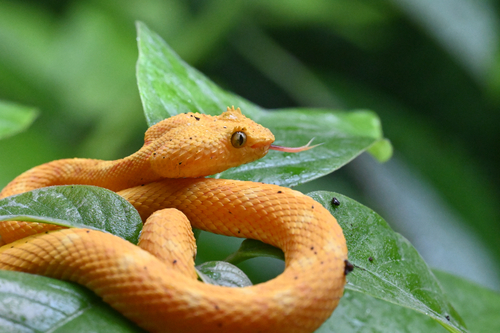
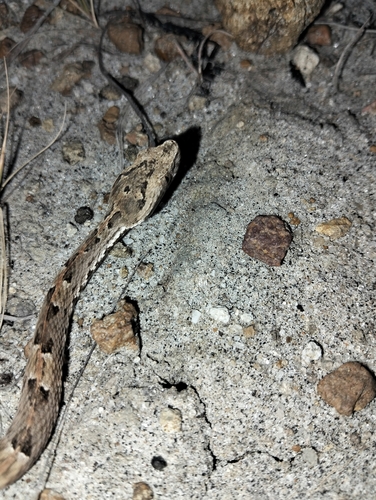
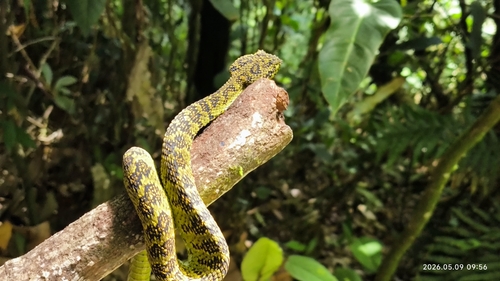
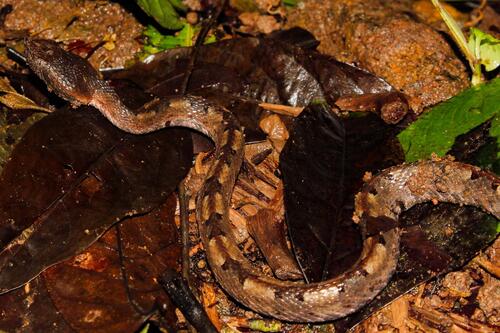
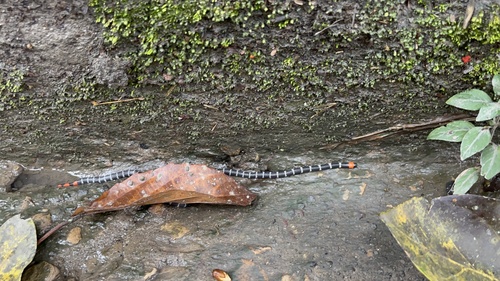 Redtail CoralsnakeMicrurus mipartitusVenomous
Rings of red, yellow, and black where red touches yellow; small rounded head and round pupils.
 Pygmy CoralsnakeMicrurus dissoleucusVenomous
Rings of red, yellow, and black where red touches yellow; small rounded head and round pupils.
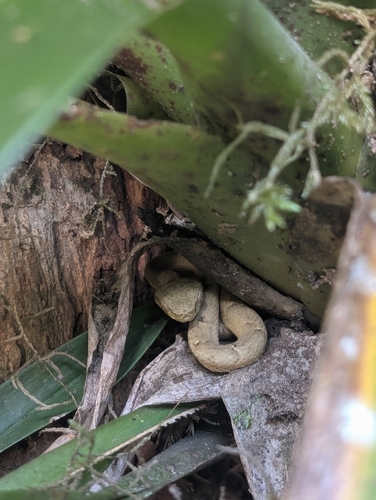
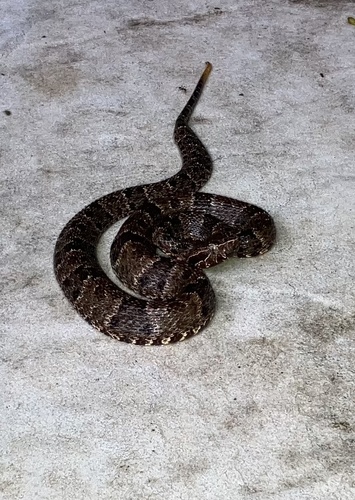
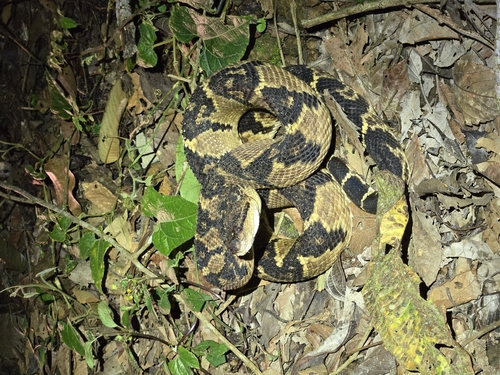
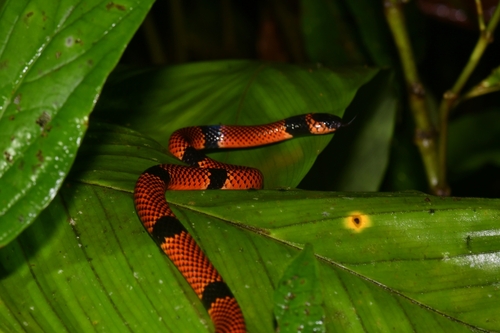 Clark's CoralsnakeMicrurus clarkiVenomous
Rings of red, yellow, and black where red touches yellow; small rounded head and round pupils.
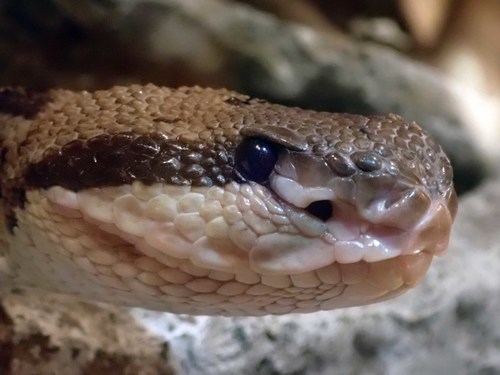
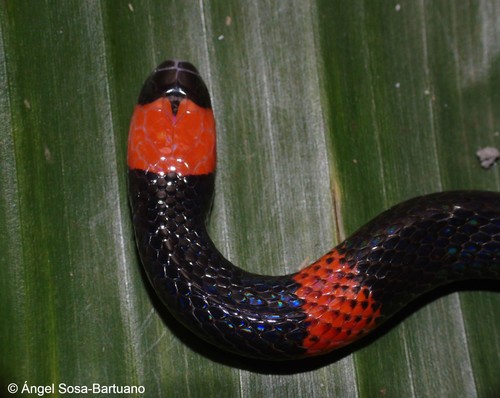 Panamenian CoralsnakeMicrurus stewartiVenomous
Rings of red, yellow, and black where red touches yellow; small rounded head and round pupils.
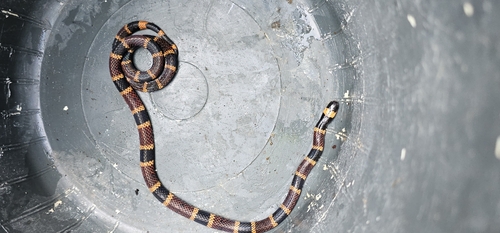 Allen's CoralsnakeMicrurus alleniVenomous
Rings of red, yellow, and black where red touches yellow; small rounded head and round pupils.
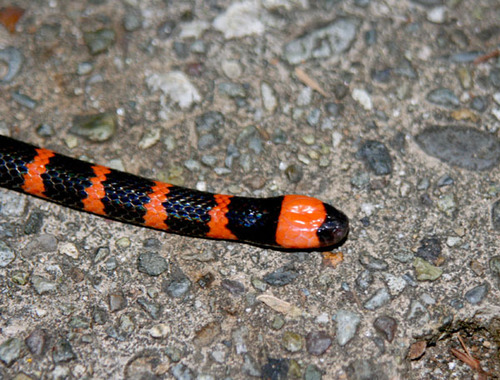 Many-banded CoralsnakeMicrurus multifasciatusVenomous
Rings of red, yellow, and black where red touches yellow; small rounded head and round pupils.
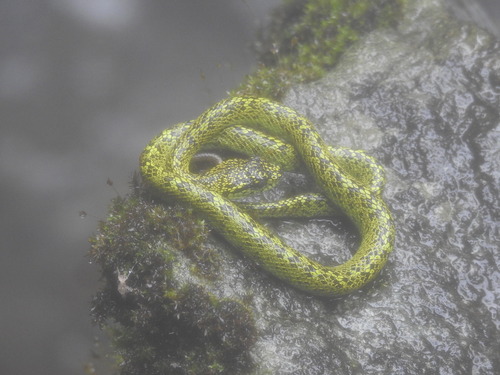
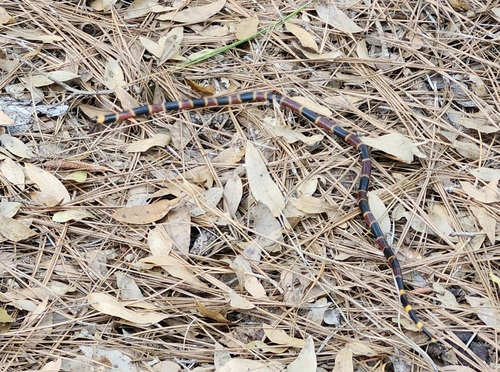 Eastern CoralsnakeMicrurus fulviusVenomous
Rings of red, yellow, and black where red touches yellow; small rounded head and round pupils.
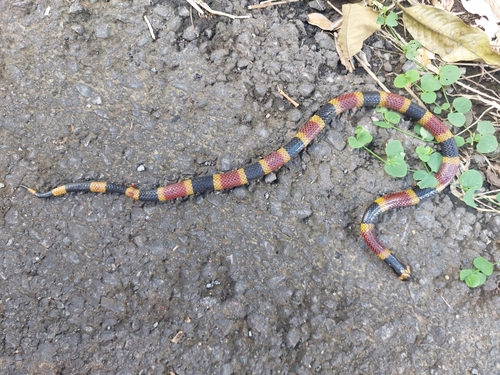 Costa Rican CoralsnakeMicrurus mosquitensisVenomous
Rings of red, yellow, and black where red touches yellow; small rounded head and round pupils.
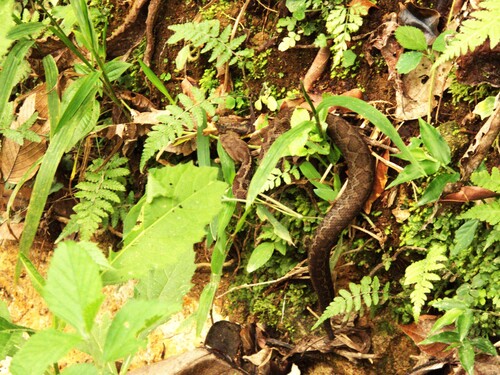
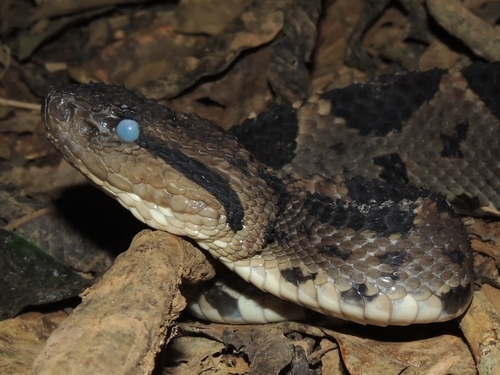
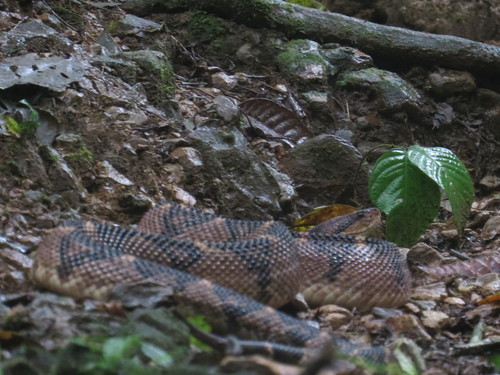
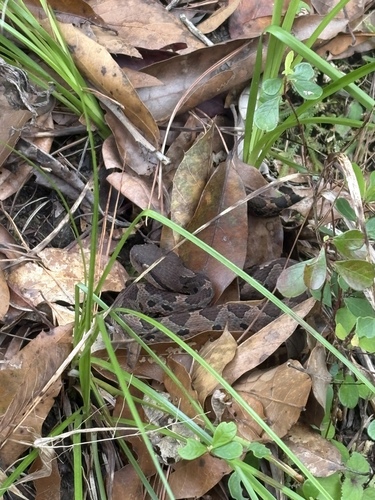
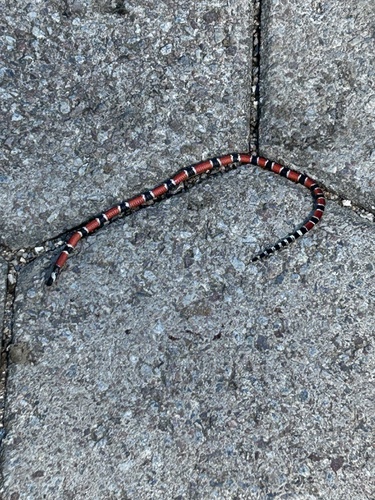 Painted CoralsnakeMicrurus corallinusVenomous
Rings of red, yellow, and black where red touches yellow; small rounded head and round pupils.

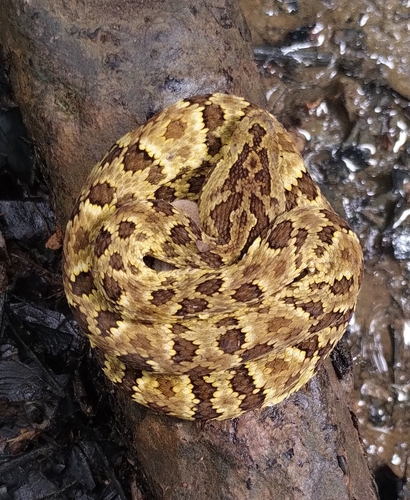
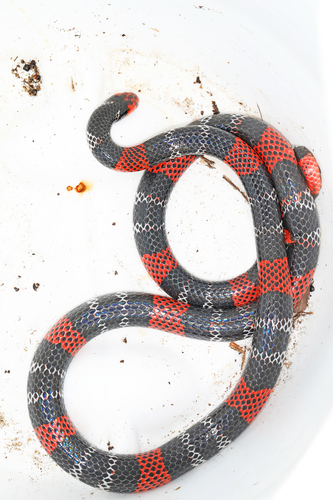 Regal CoralsnakeMicrurus ancoralisVenomous
Rings of red, yellow, and black where red touches yellow; small rounded head and round pupils.
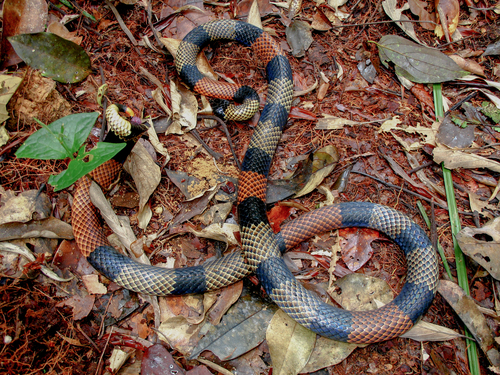 Amazon CoralsnakeMicrurus spixiiVenomous
Rings of red, yellow, and black where red touches yellow; small rounded head and round pupils.
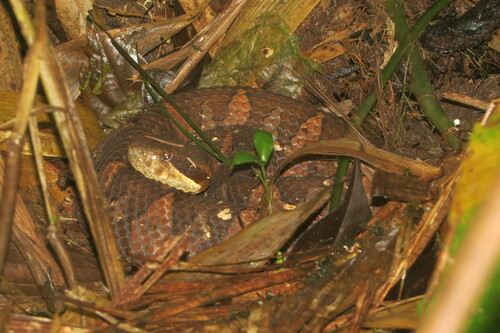
Every snake recorded in Panama
175+ species across 7 families, grouped by family. Venomous flagged.
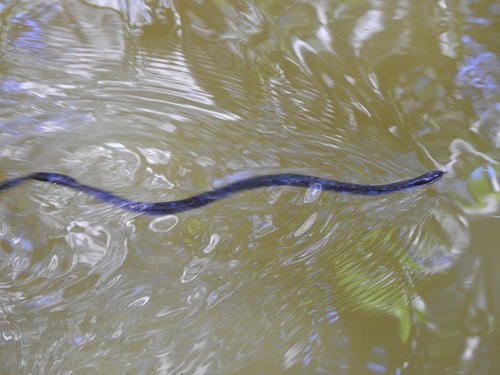
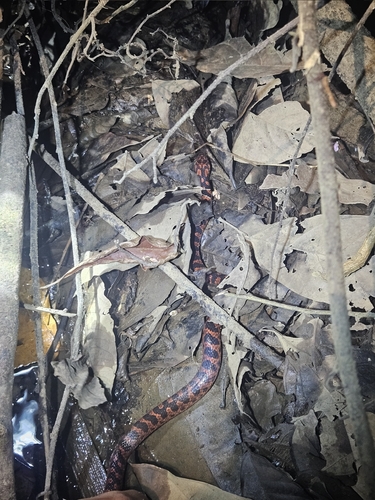
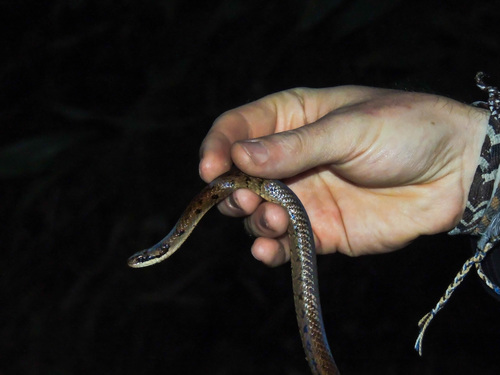
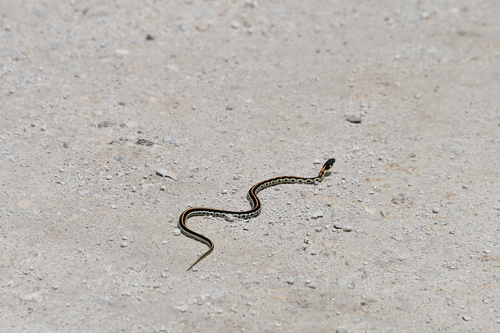
Colubridae (135)
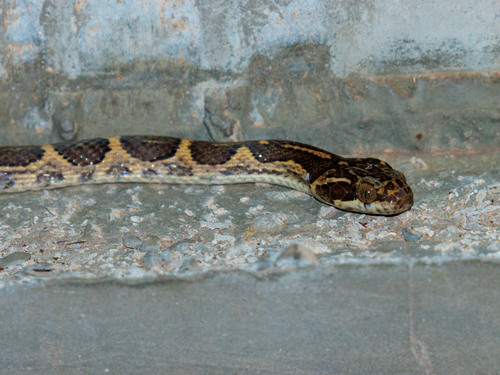
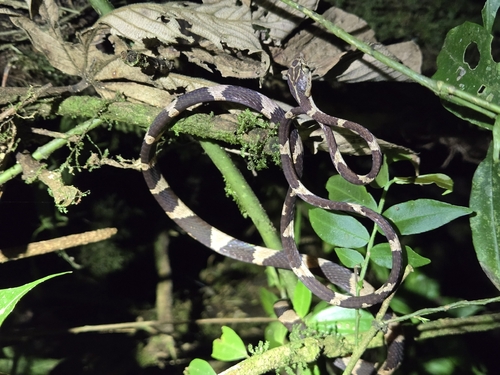
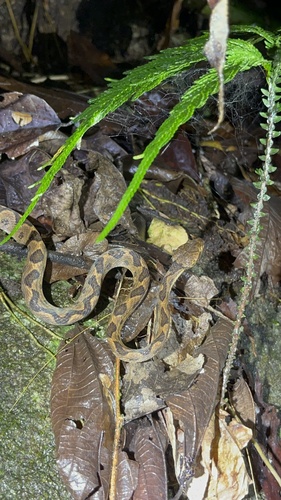
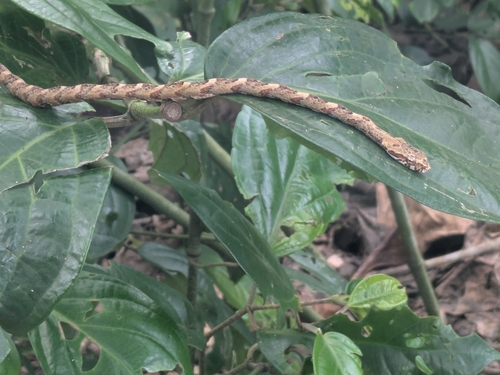
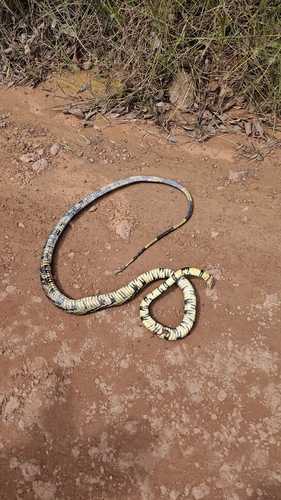
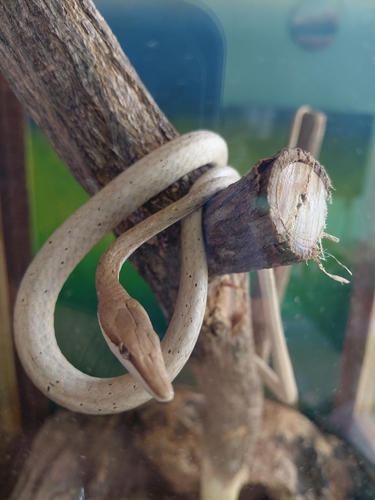
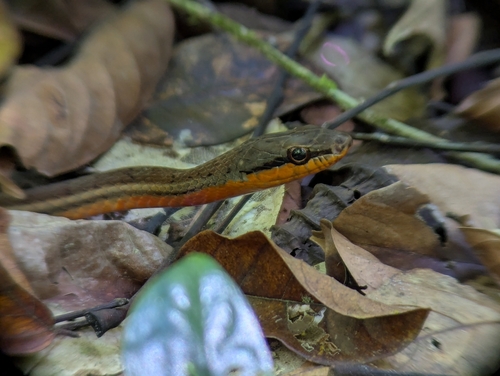
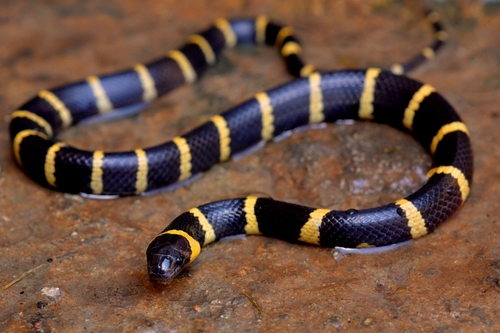
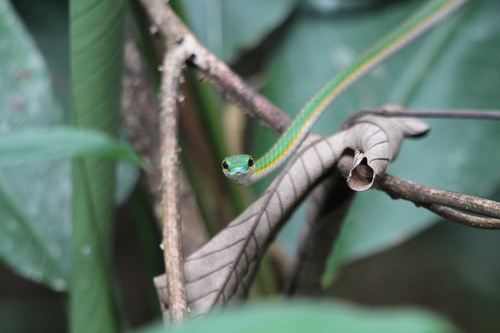
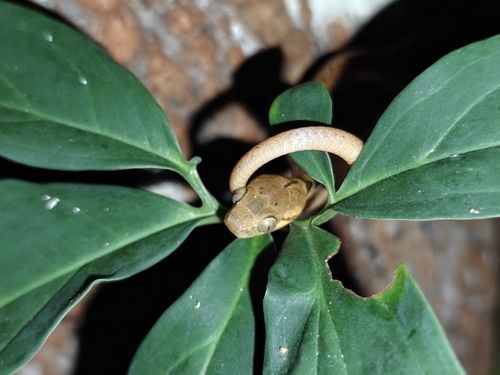
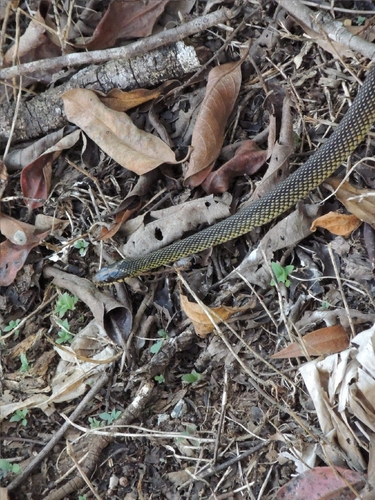
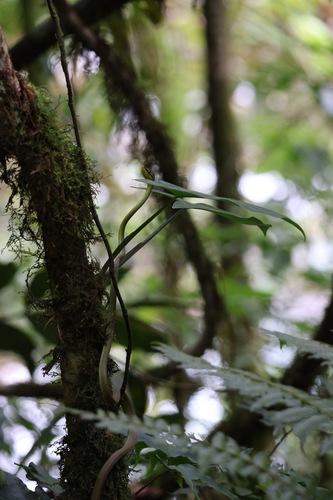
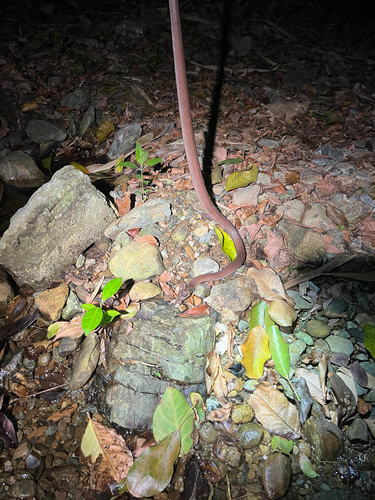
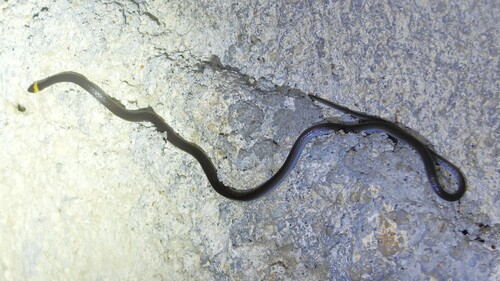
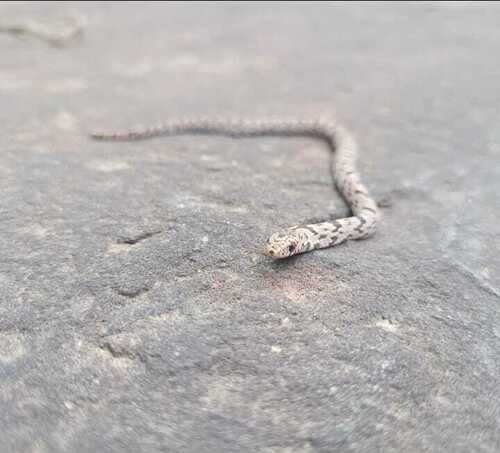
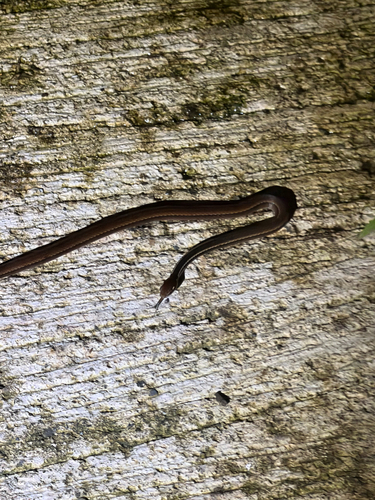
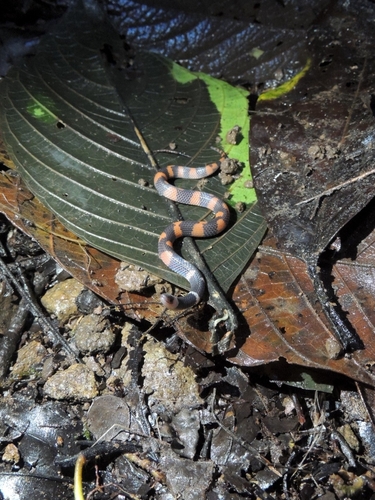
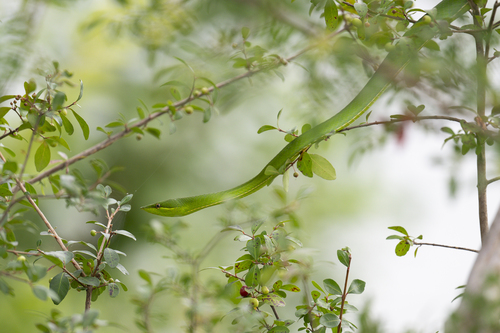
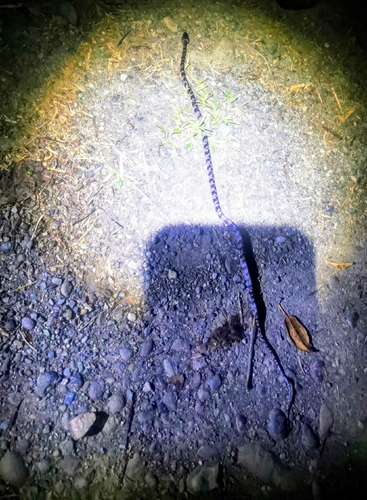
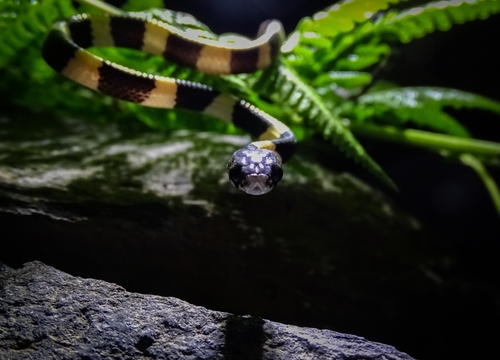
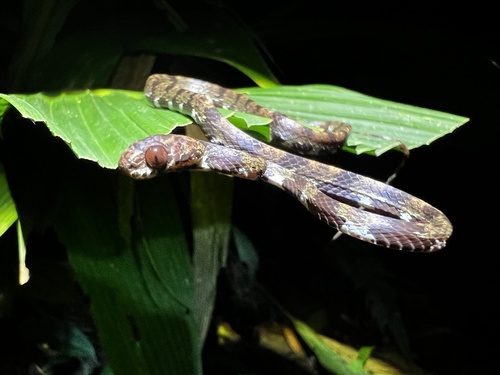
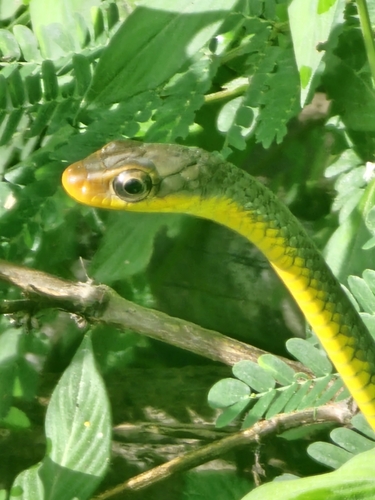
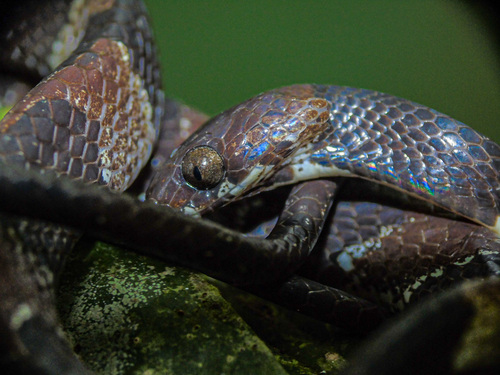
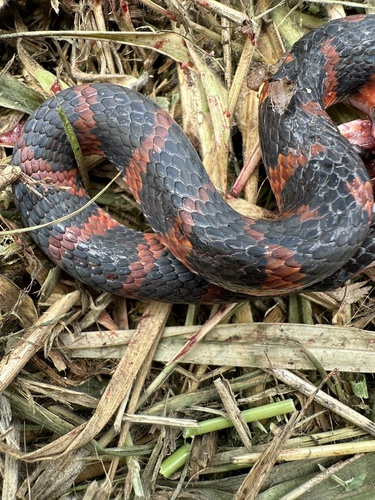
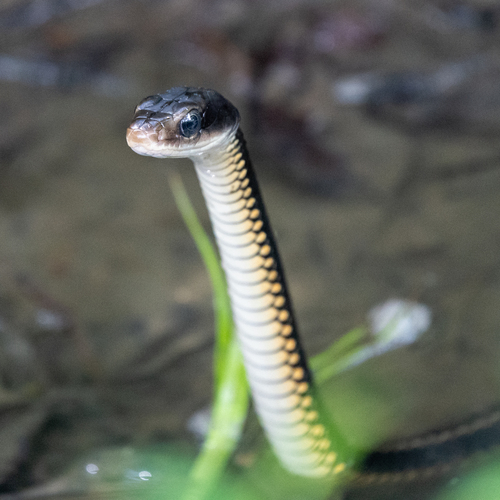
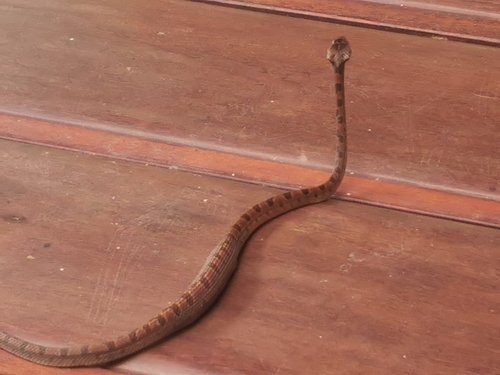
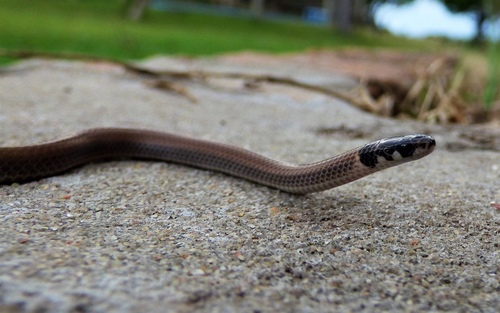
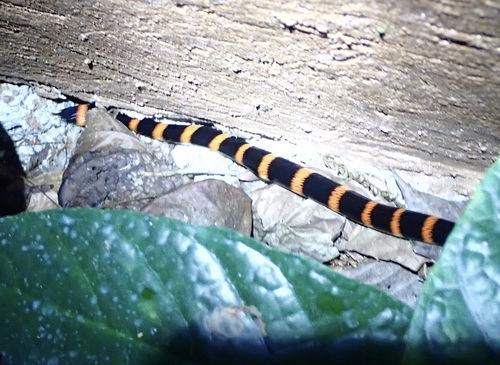
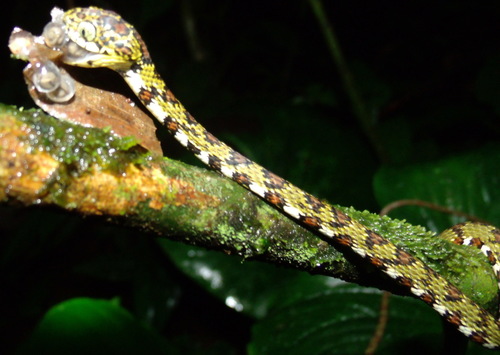
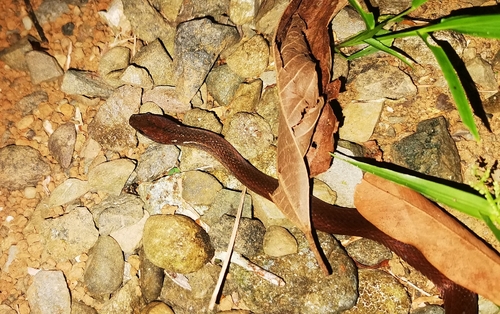
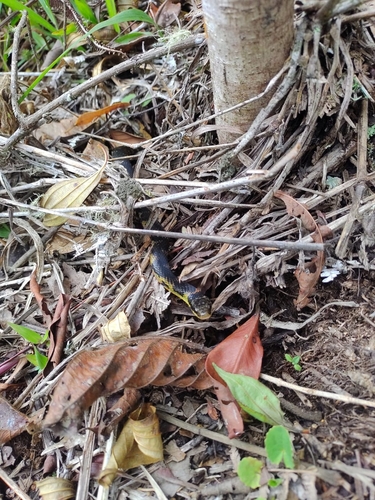
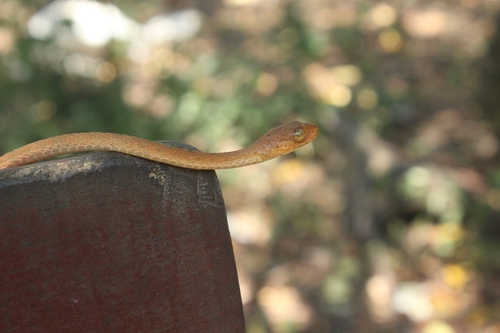
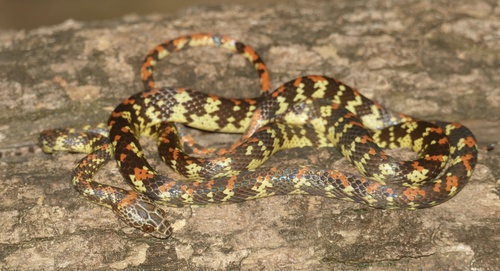
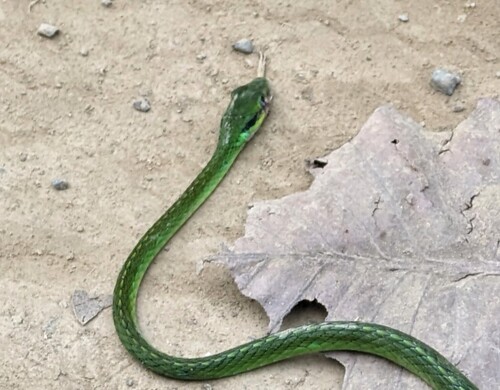
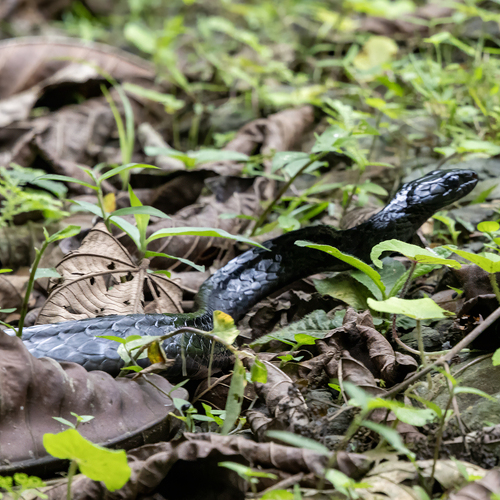
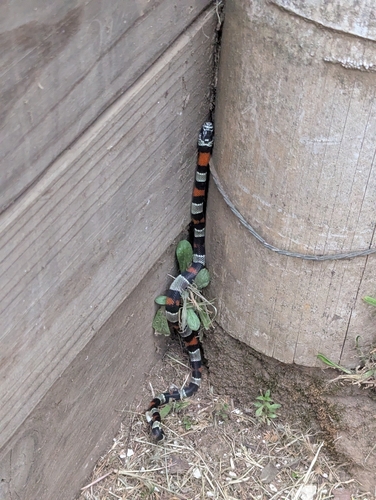
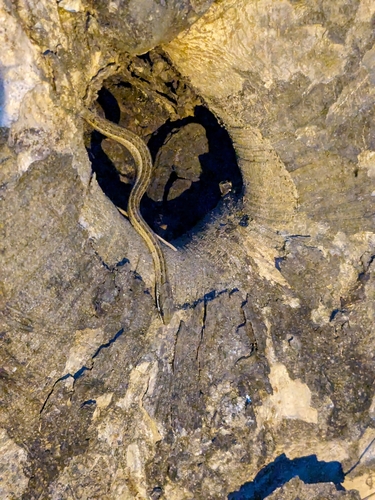
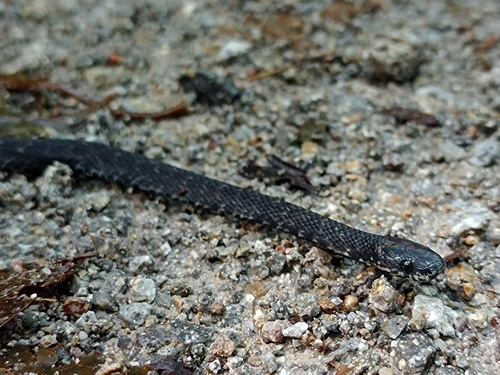
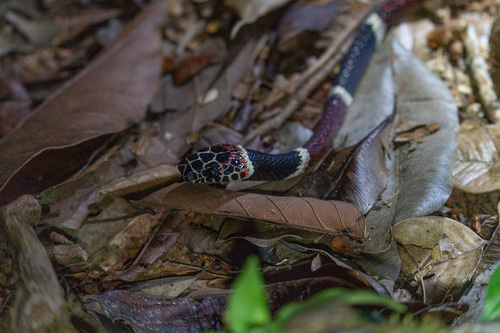
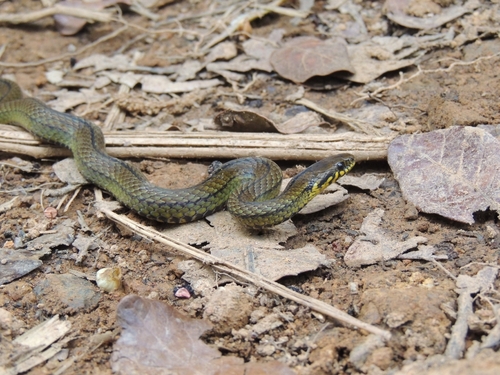
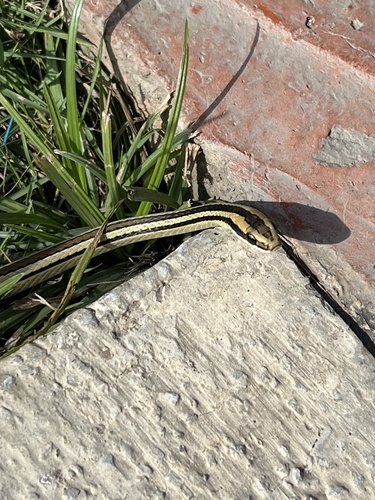
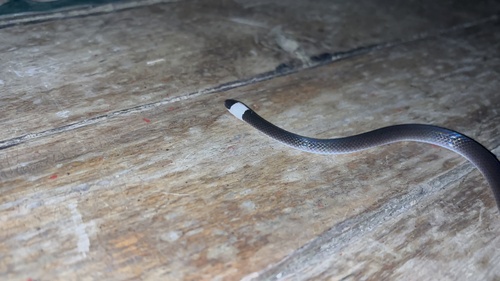
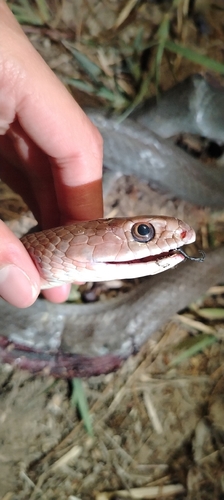
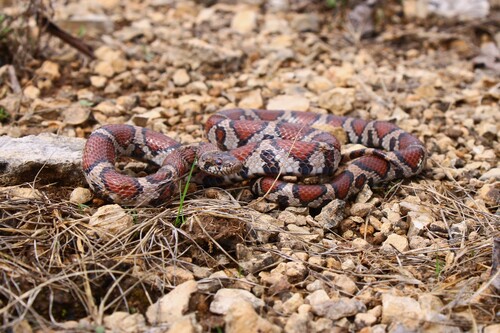
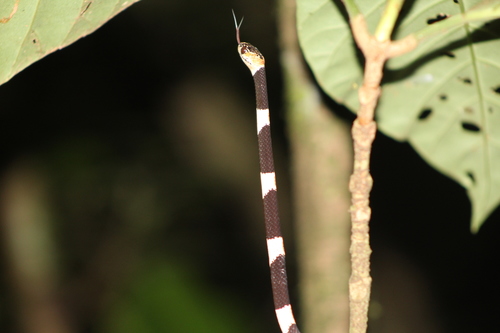
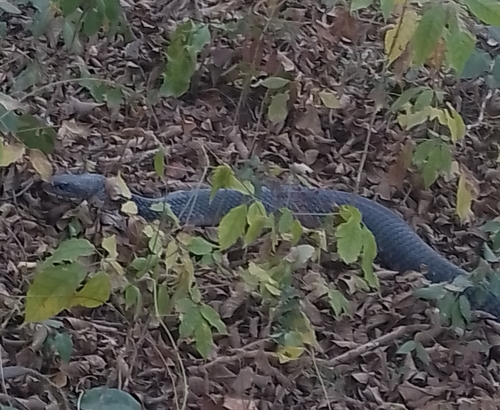
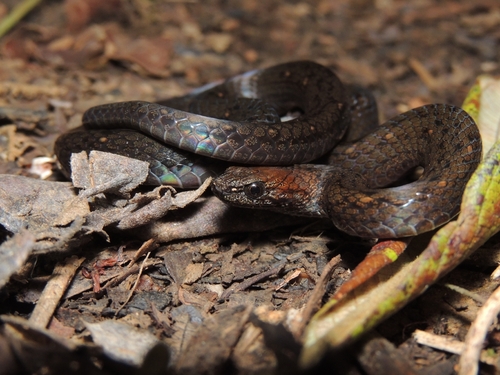
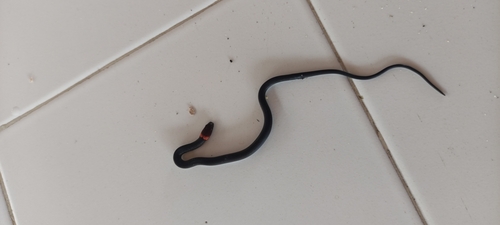
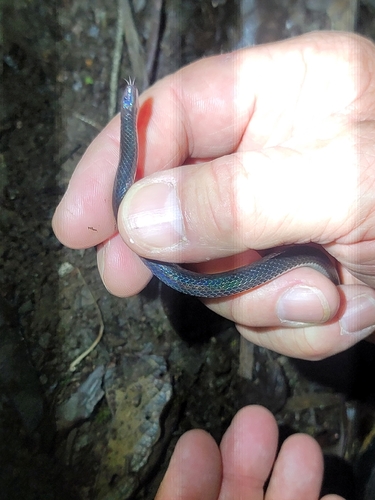
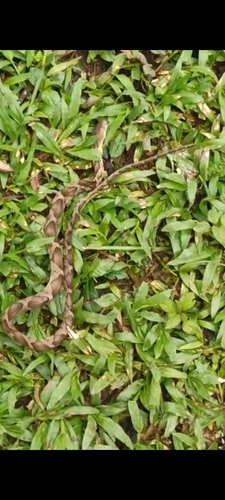
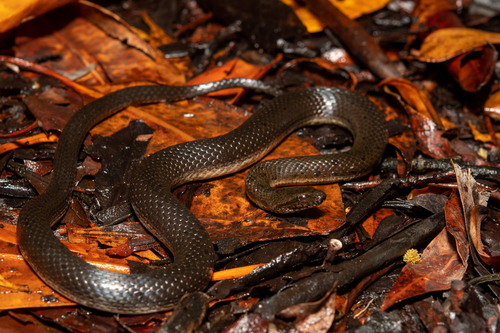
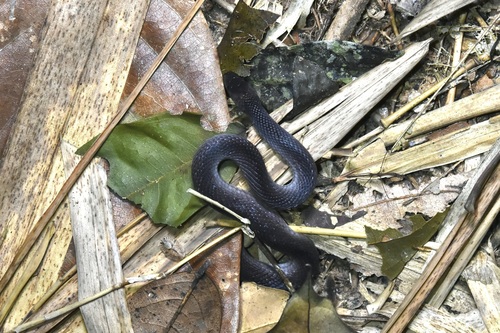
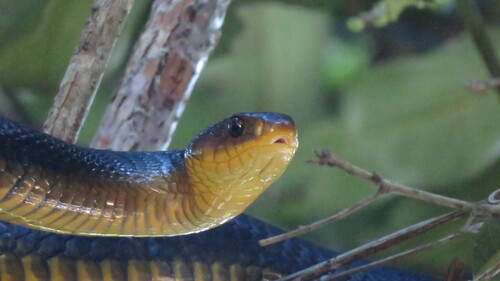
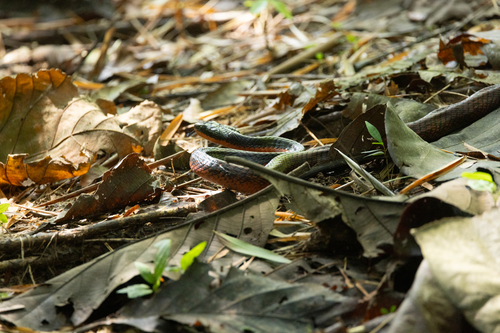
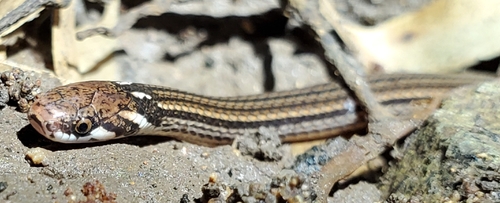
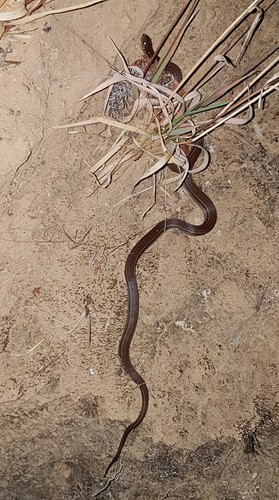
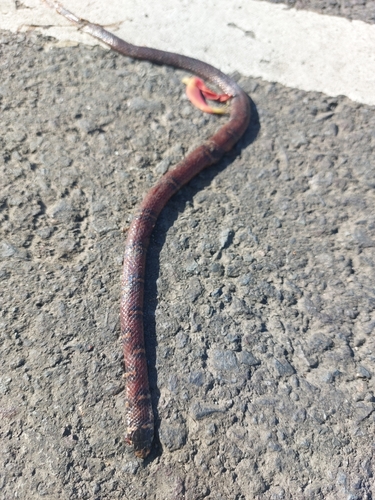
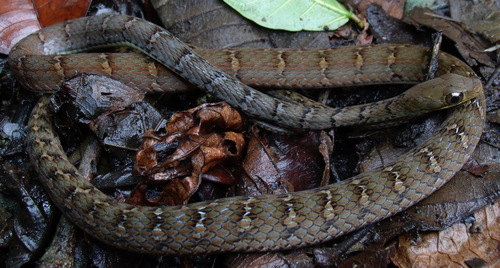
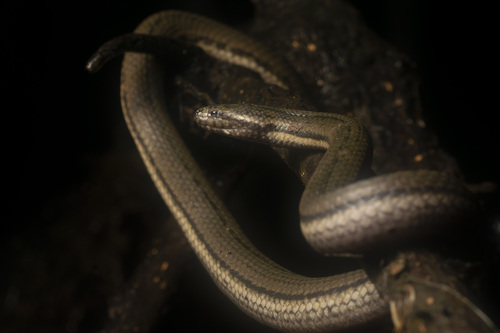
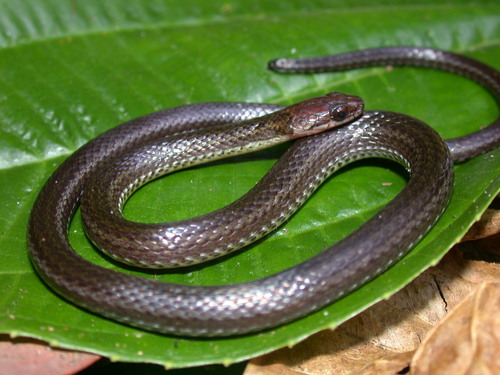
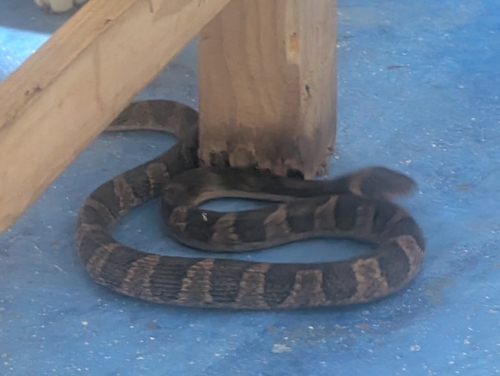
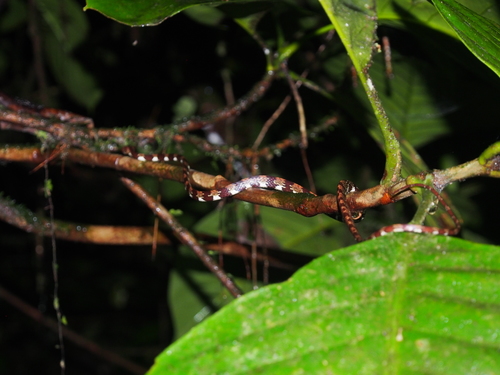
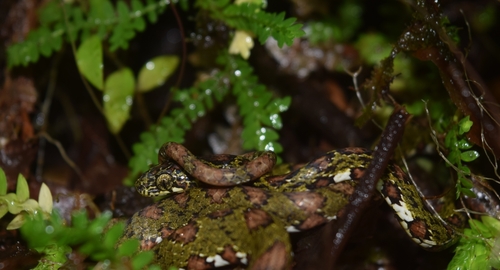
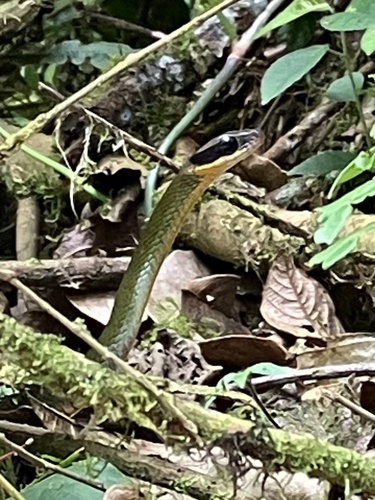
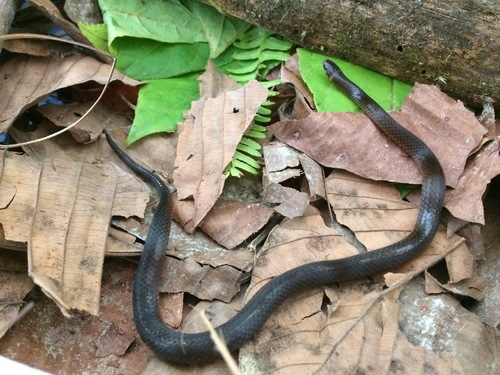
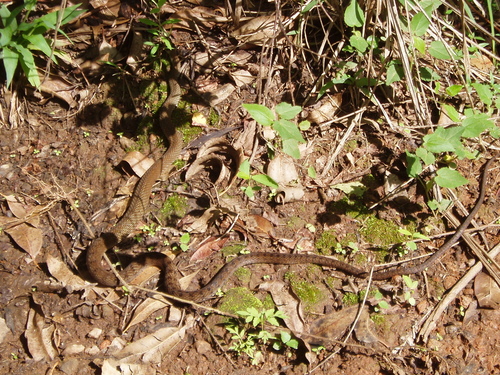
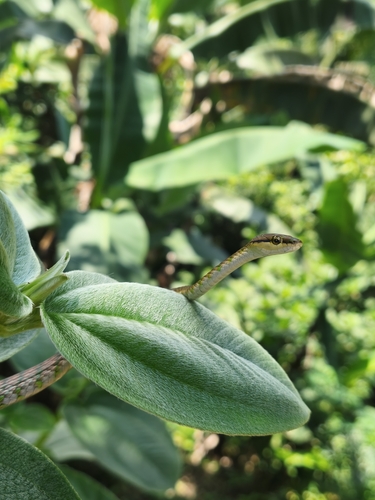
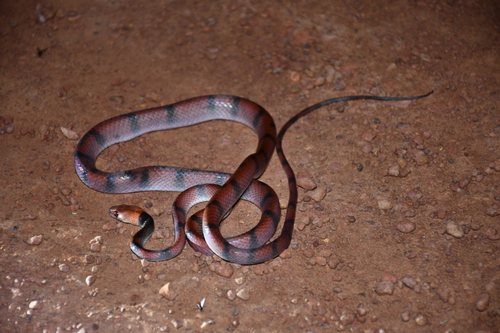
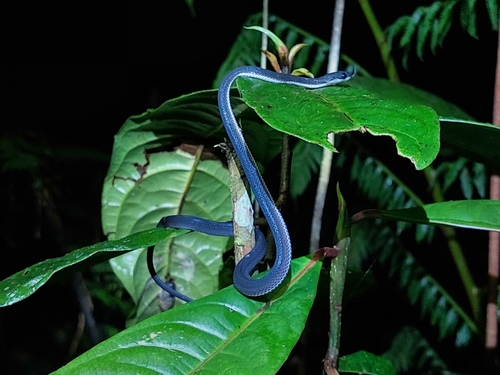

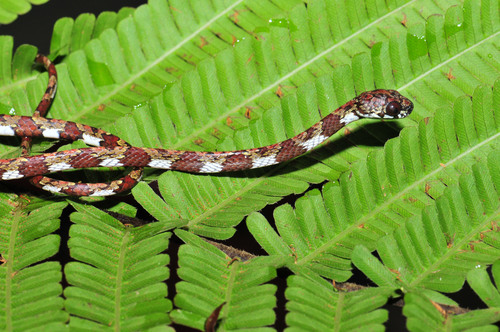
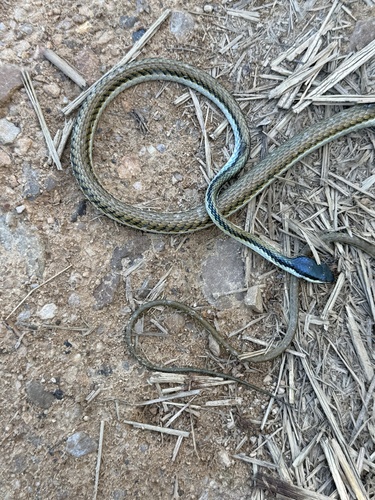
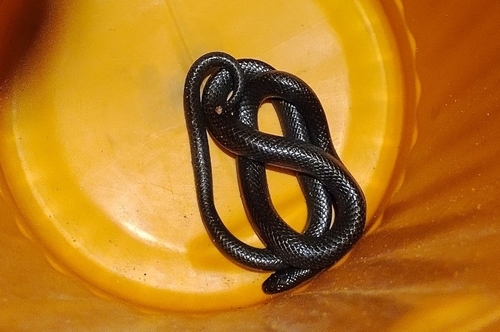
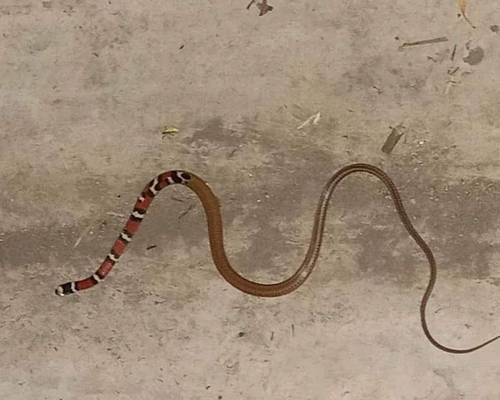
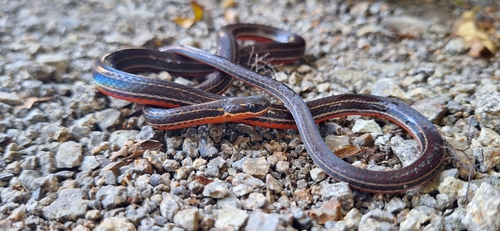
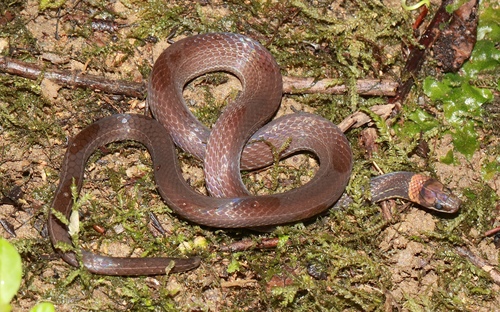
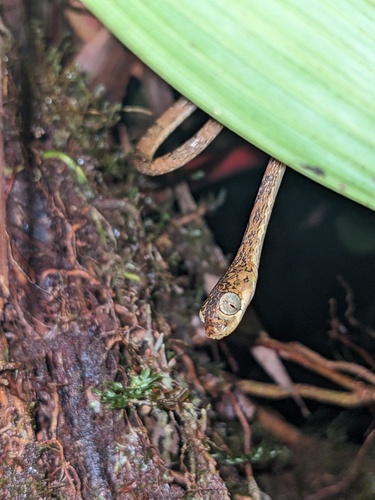

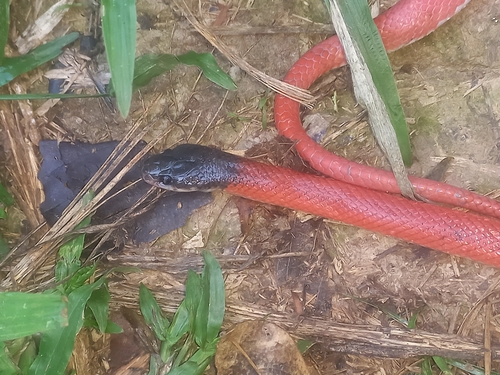
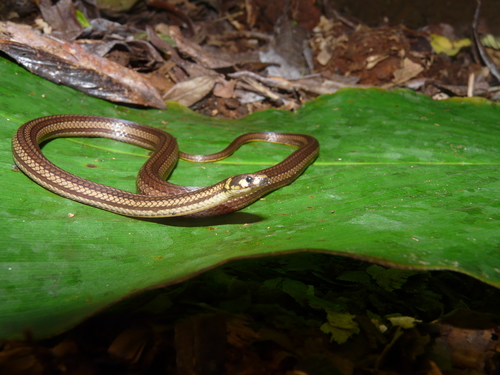
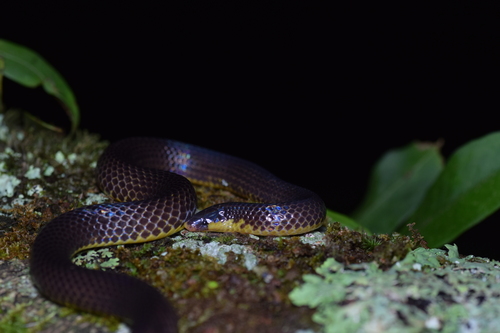
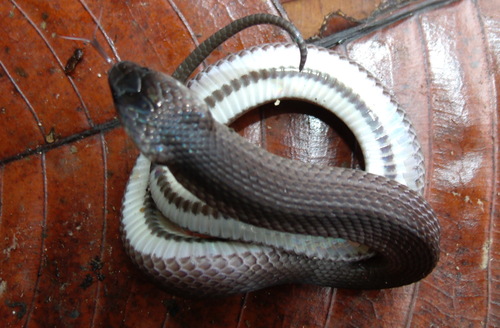
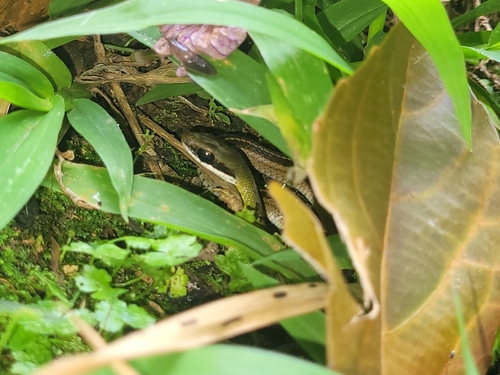
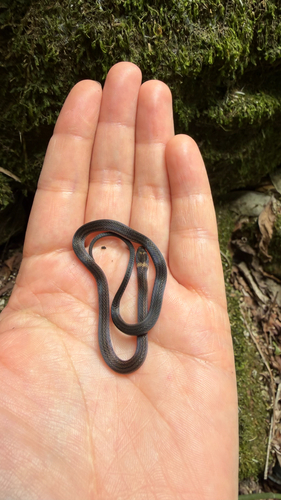

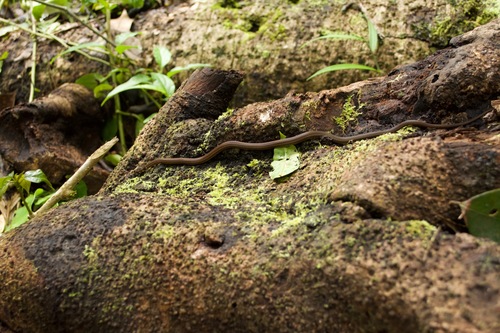
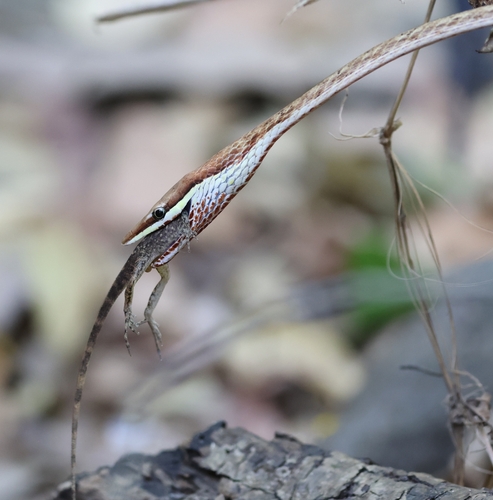
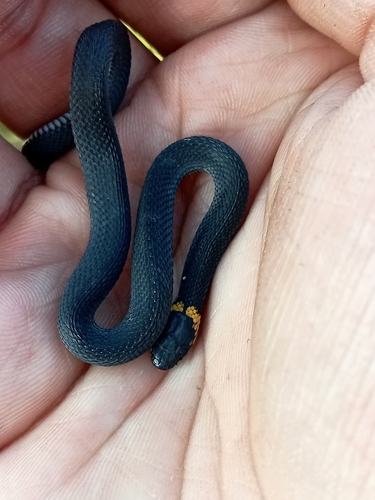
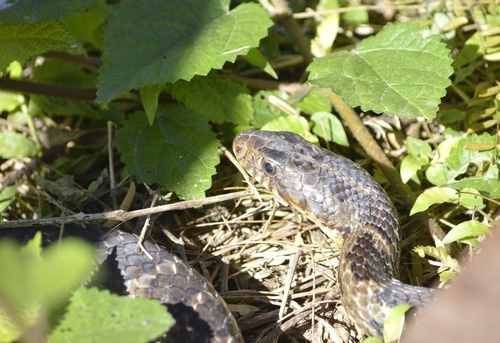
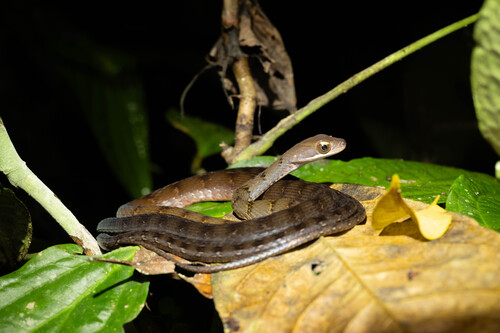
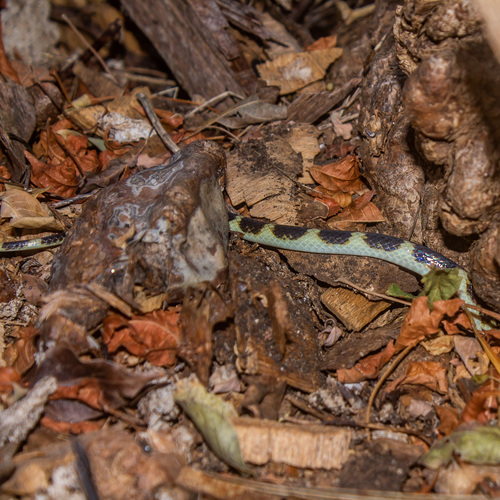

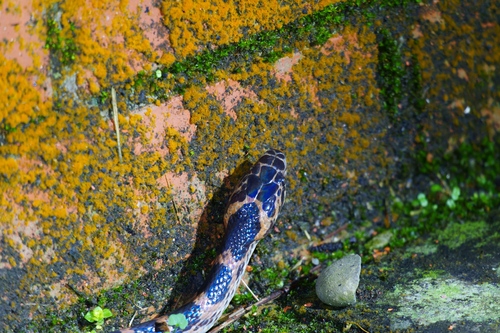
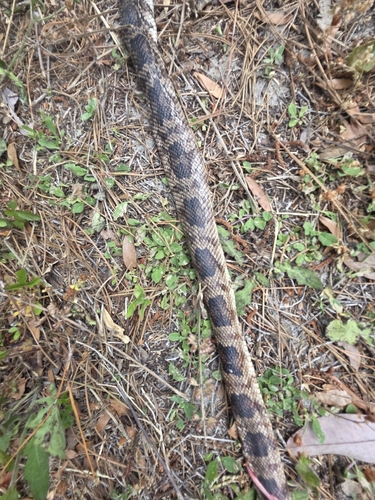
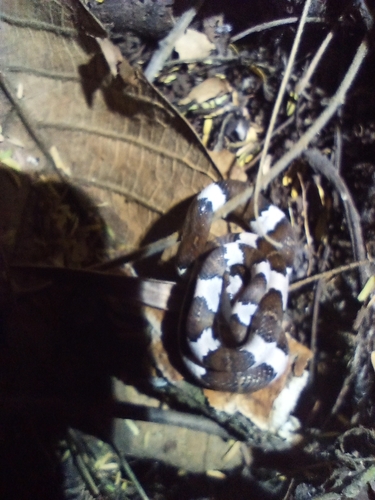
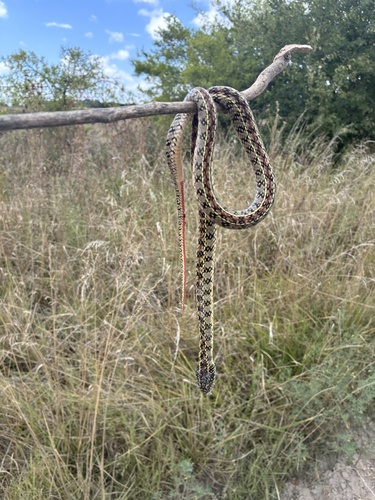
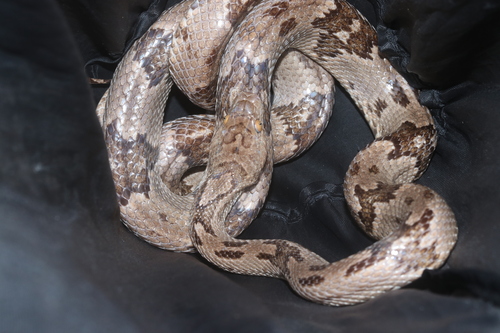
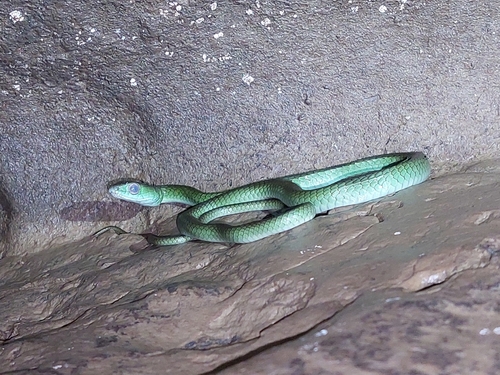
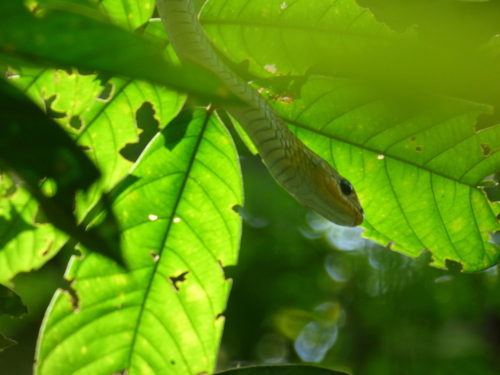
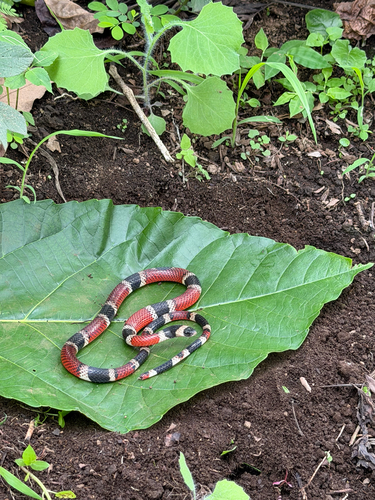
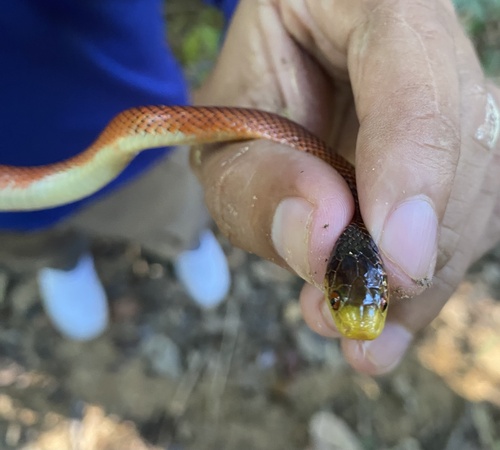
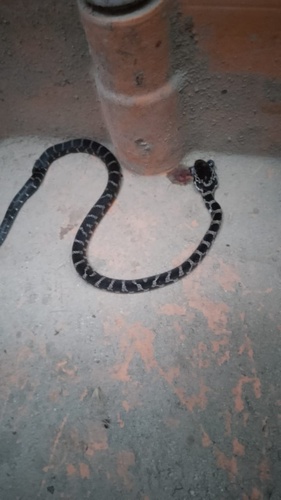
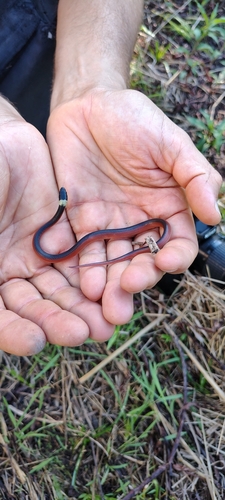
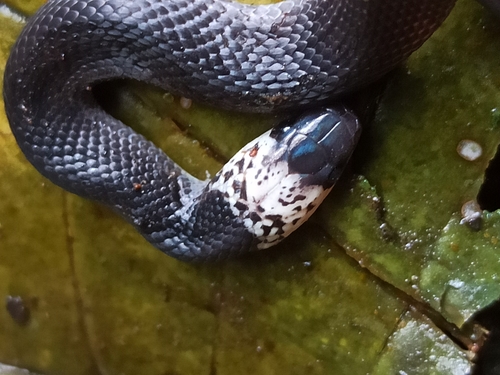
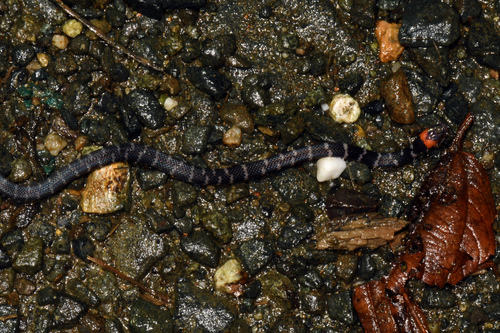
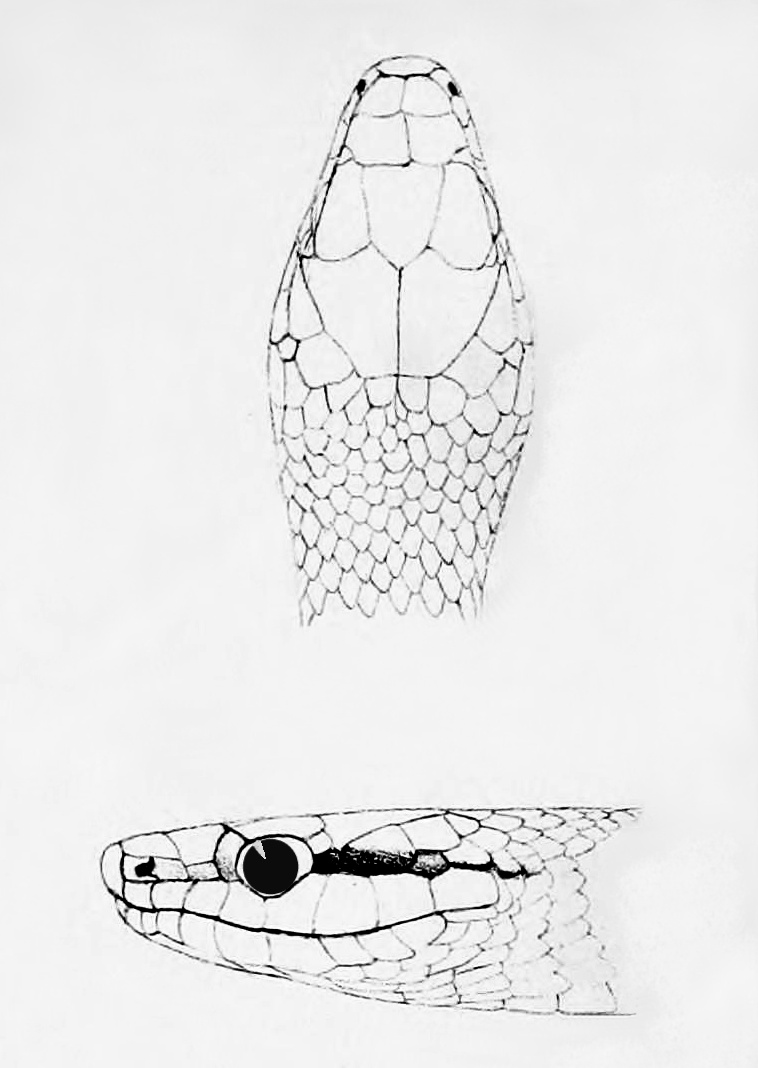
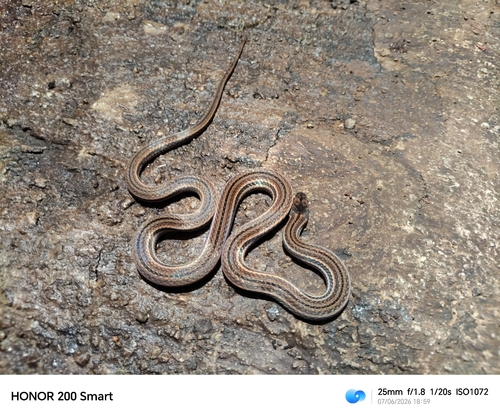
Viperidae (17)
Elapidae (13)
Boidae (11)
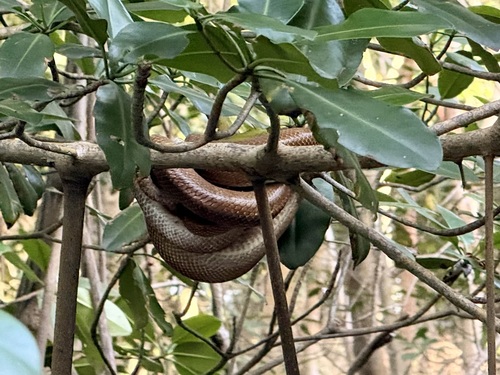
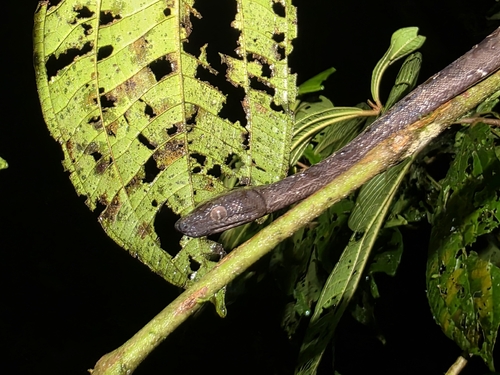
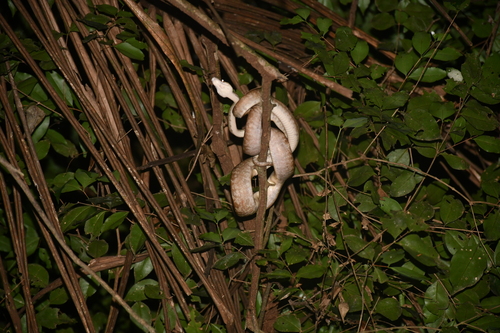
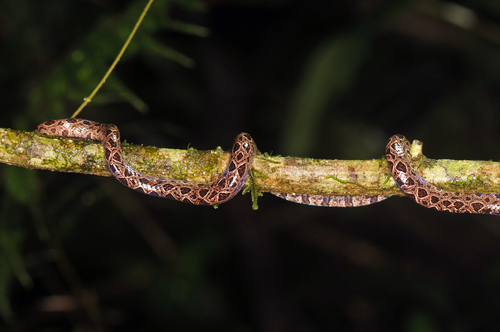

Anomalepididae (4)
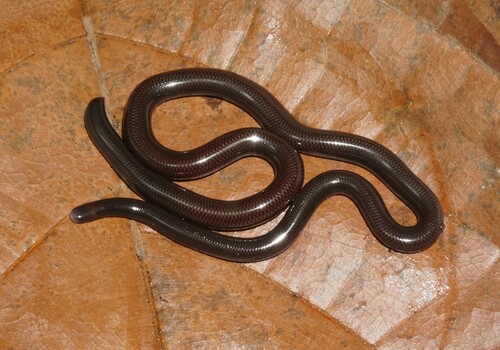
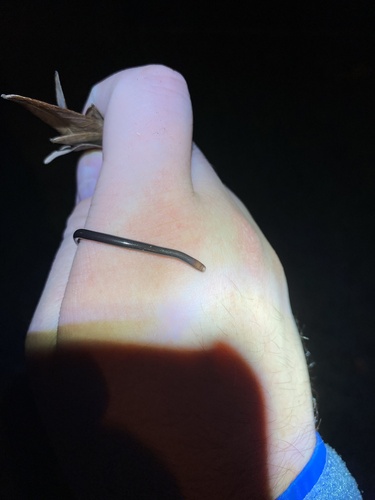
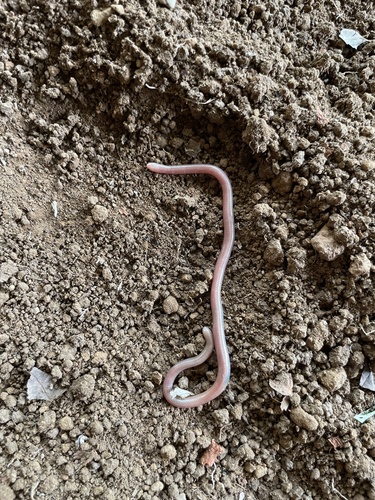
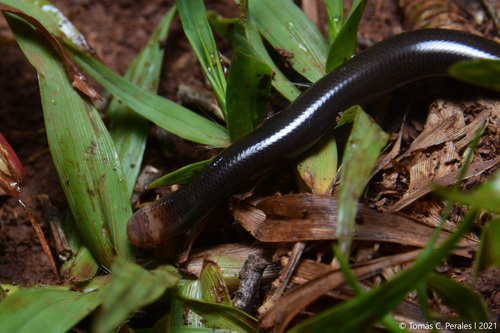
Leptotyphlopidae (4)
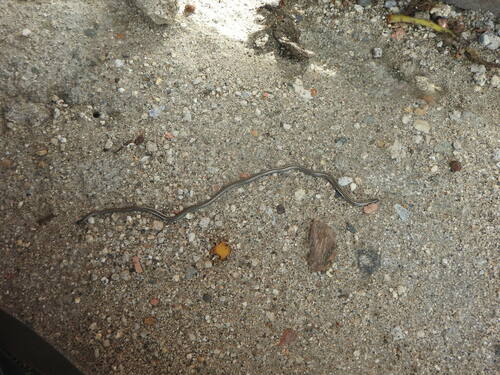
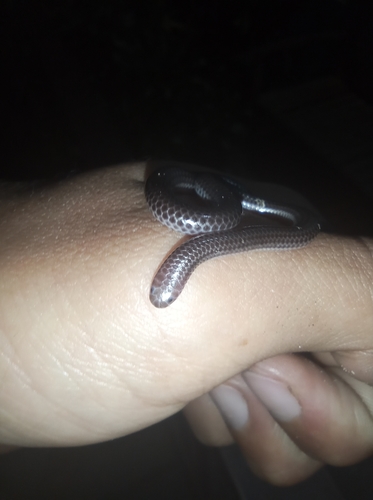
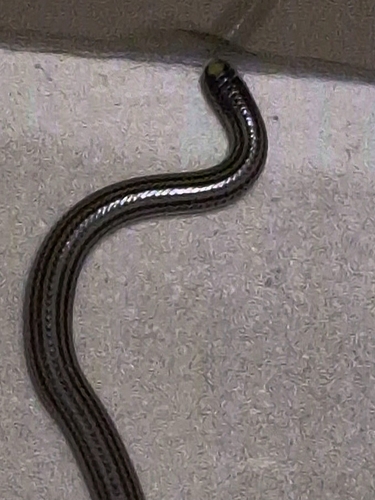
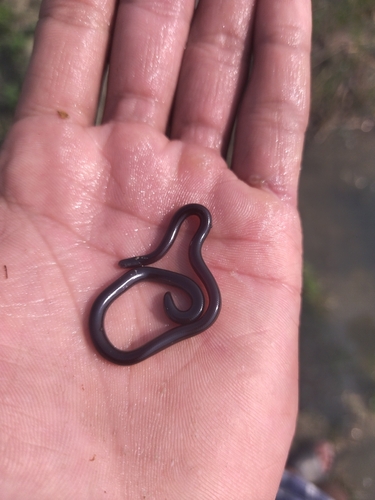
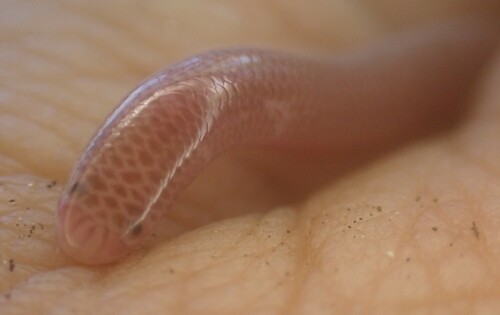
Compiled from verified GBIF & iNaturalist observations. "How often seen" reflects how frequently a snake is reported here, not how dangerous it is. Informational only.
Keep learning
- Are Snakes Dangerous? The Real Risk, in PerspectiveMost snakes are harmless and avoid people. Here is the honest picture of snakebite risk worldwide and how to lower your own.
- Snakebite First Aid: What to Do (and What Never to Do)A clear, CDC-based guide to snakebite first aid: the steps that help, the popular myths that hurt, and how to tell a serious bite from a minor one.
- Venomous vs Nonvenomous: How to Tell the DifferenceThe folk rules for telling venomous snakes apart, where each one fails, and why location-based identification beats guessing by sight.
- What to Do If You Find a SnakeFound a snake at home or on a trail? Here is how to stay calm, give it space, identify it safely, and know when to call a professional.