
Chinese Taipei
Snakes in Chinese Taipei
75+ snake species have been recorded in Chinese Taipei, 39 venomous.
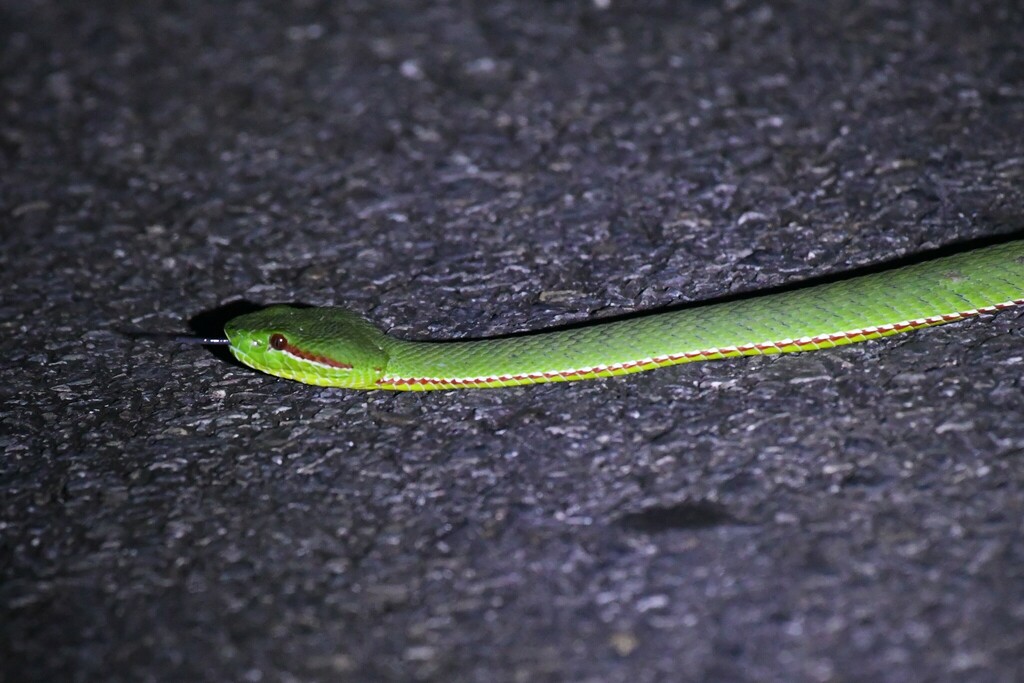
Snakes of Chinese Taipei
Chinese Taipei has 75+ snake species recorded in our database, 39 of them venomous. The great majority of species are non-venomous, a pattern that holds across the island and reflects how snake communities are built almost everywhere: a broad base of harmless species, with dangerous ones forming a smaller though medically important minority.
The island's snake diversity is driven by sharp contrasts in geography and habitat packed into a small area. A central spine of mountains rises to 3,000+ meters, banded into lowland tropical and subtropical forest, mid-elevation broadleaf forest, and cool montane forest near the peaks. Around this core lie coastal plains, rice paddies, rivers and wetlands, mangrove edges, and dense human settlement, plus warm offshore and coastal waters. Each of these zones supports its own mix of snakes, from arboreal forest species to wetland and agricultural specialists to fully marine forms, which is why so many species coexist on one island.
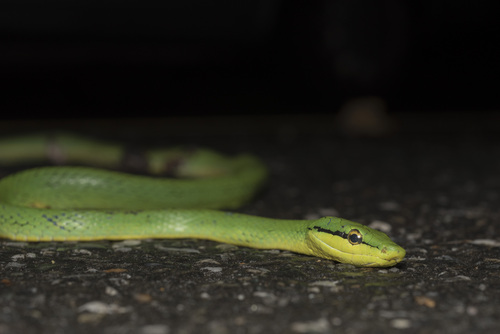
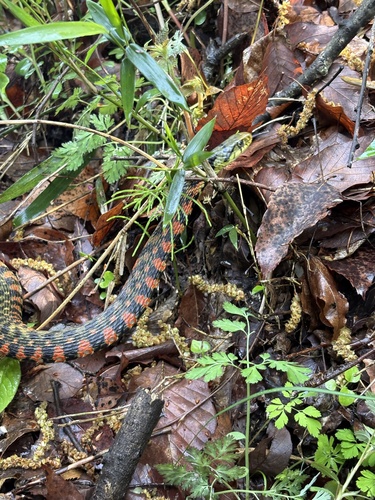
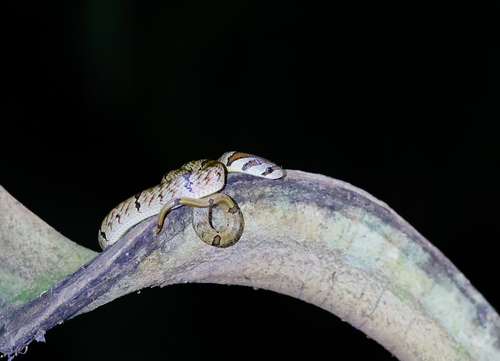
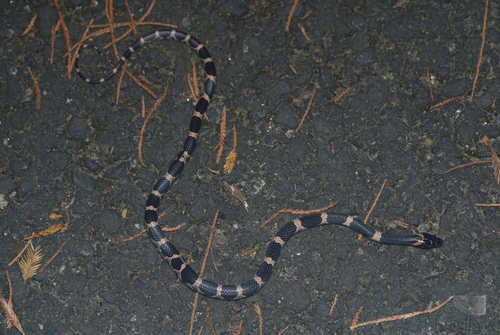
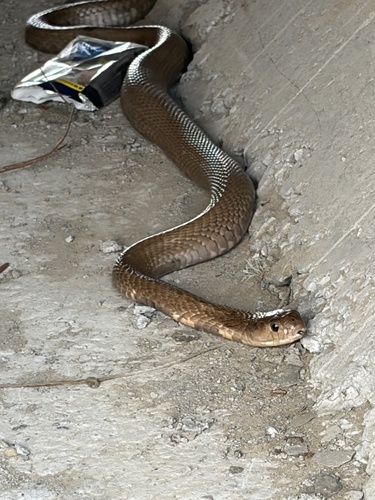
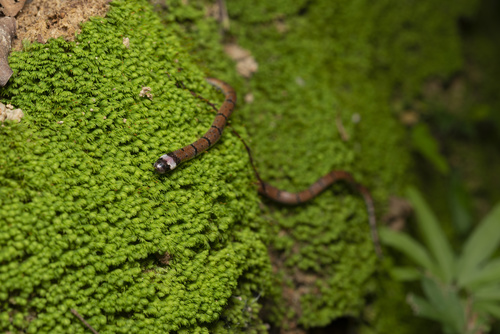
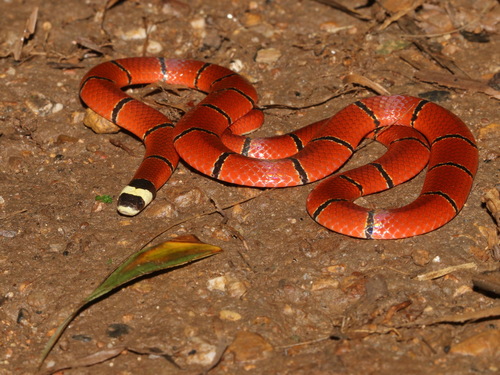
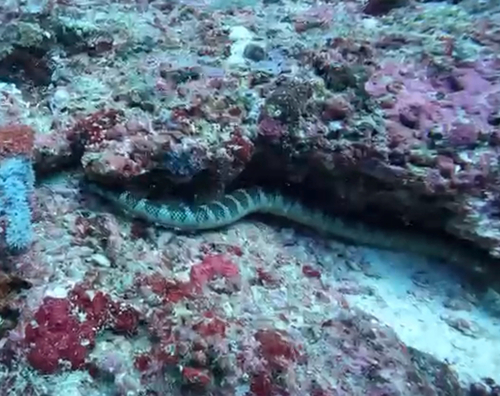
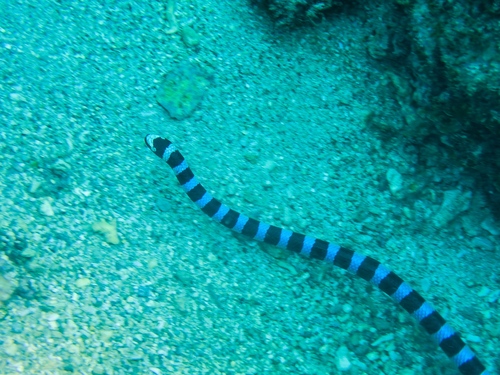
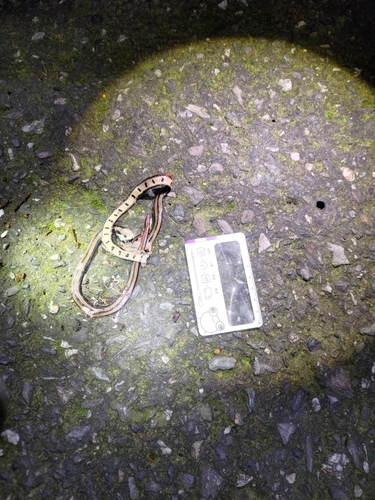
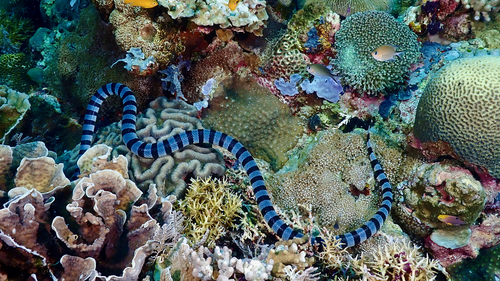
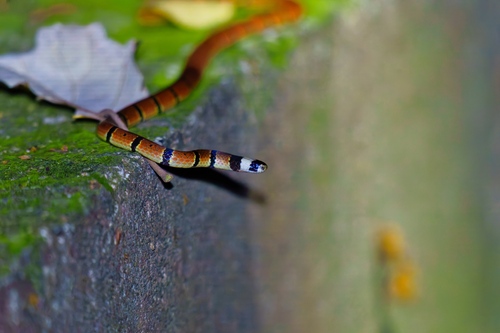
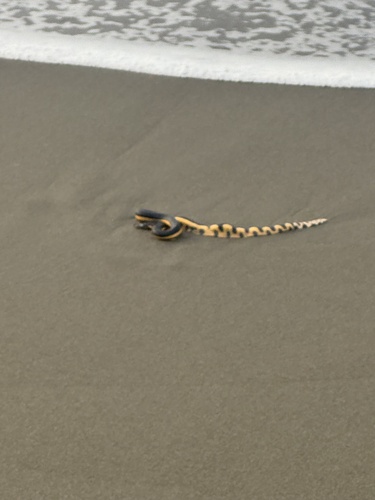
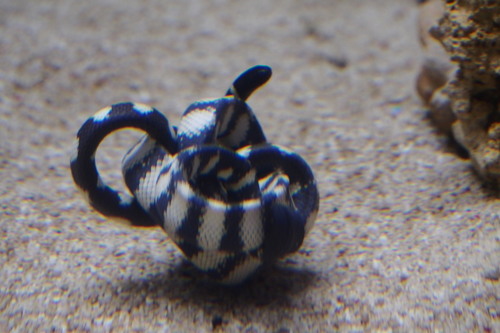
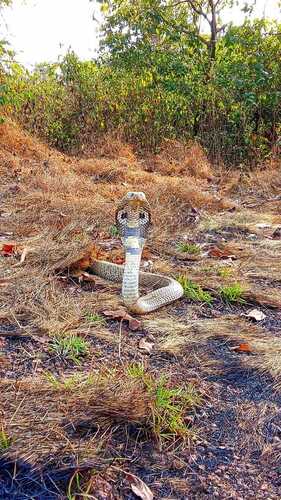
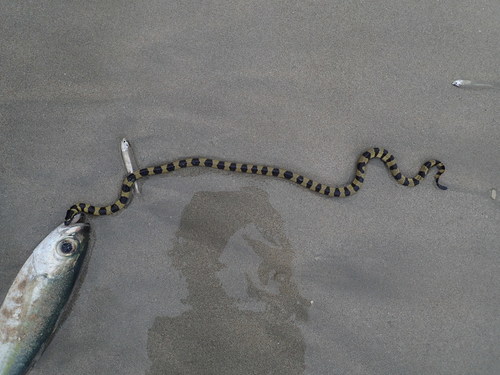
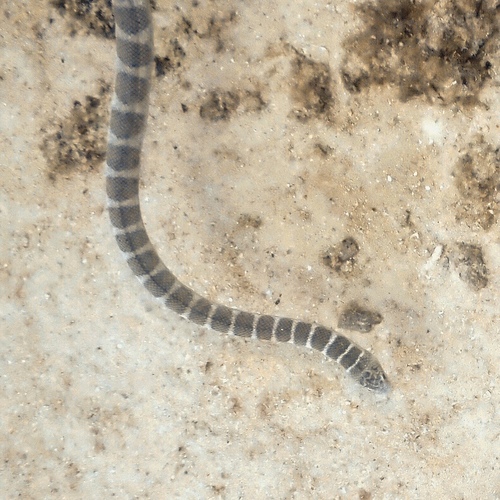
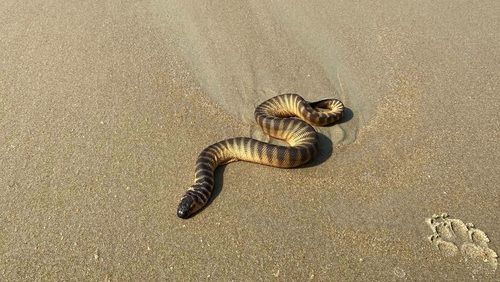
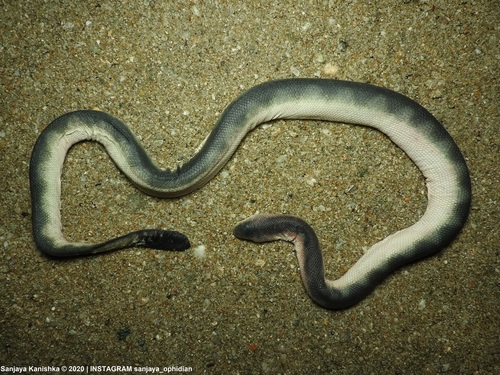
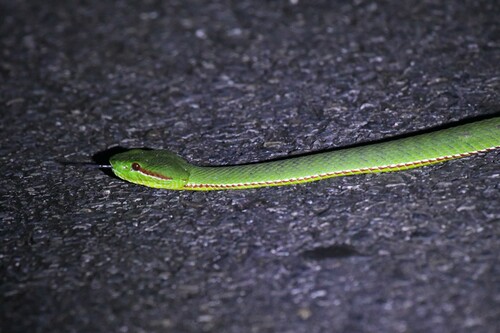
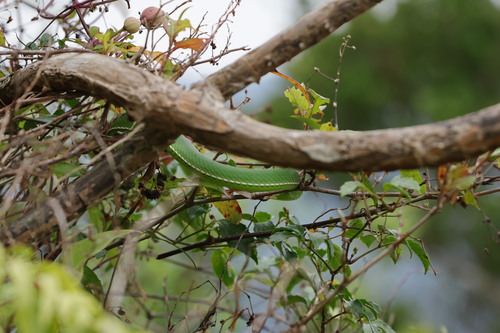
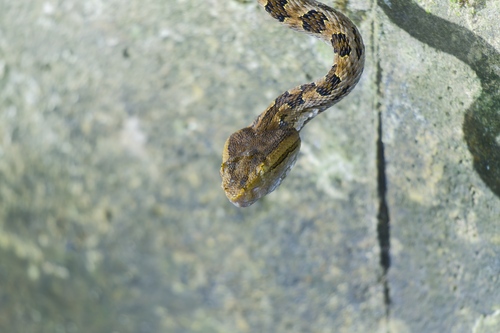
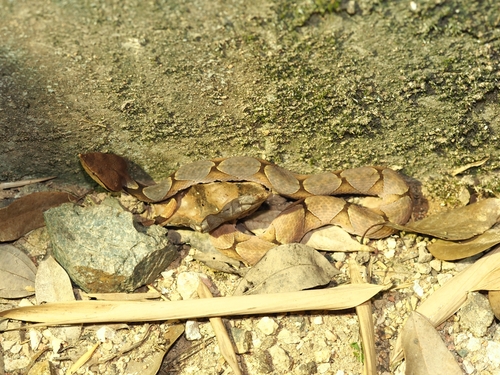
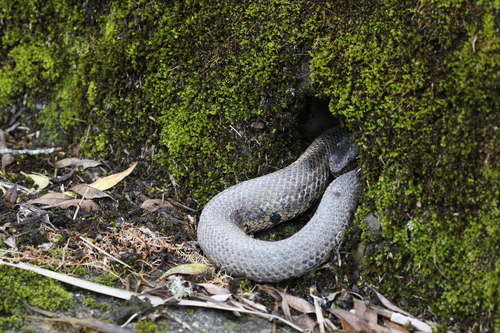
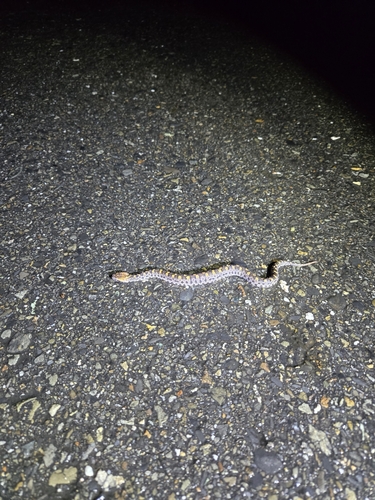
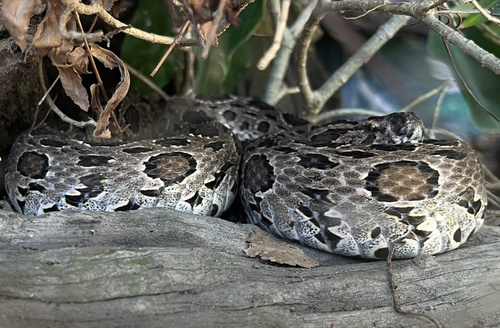
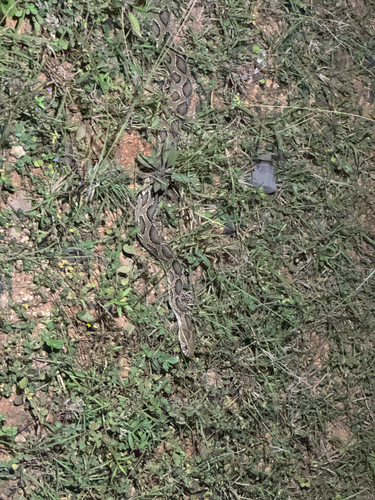
The medically important venomous snakes belong to a few well-established groups. Vipers, specifically pit vipers, are the most significant: green pit vipers found in vegetation and near water, brown spotted and lance-headed pit vipers in forest and farmland, and the large, heavy-bodied hundred-pace pit viper of hill forests. Elapids are represented by cobras, including the monocled or Chinese cobra, by kraits whose neurotoxic venom makes them dangerous despite a usually placid manner, and by coral snakes, which are secretive and rarely bite people. In the surrounding ocean, true sea snakes occur, also elapids and highly venomous, though encounters with people are uncommon. There are no mambas or rattlesnakes here, as those groups belong to other parts of the world.
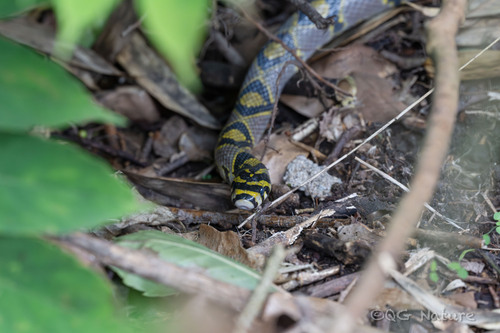
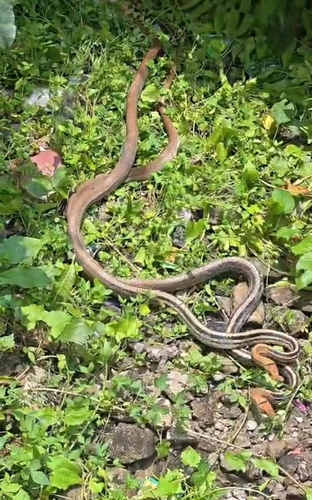
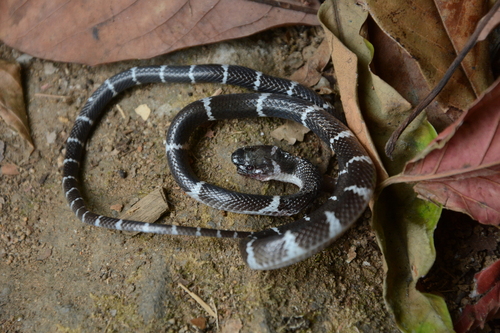
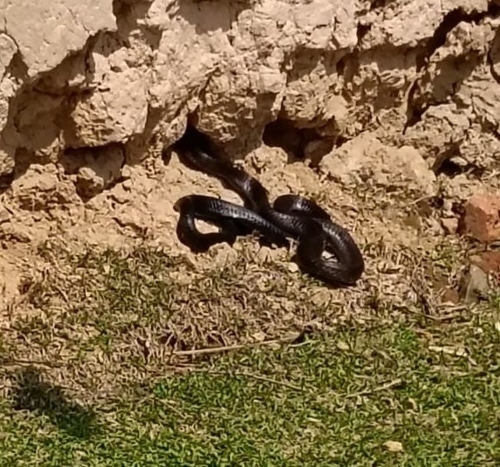
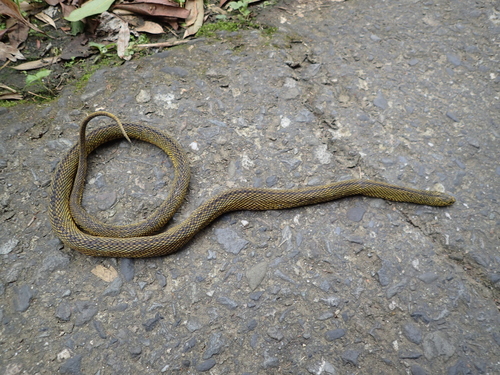
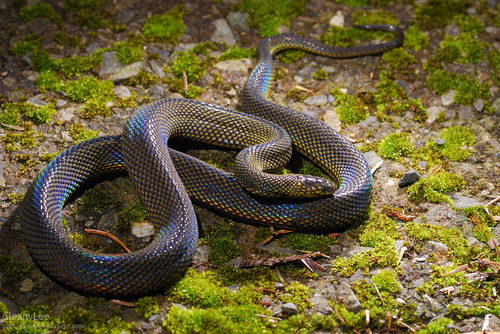
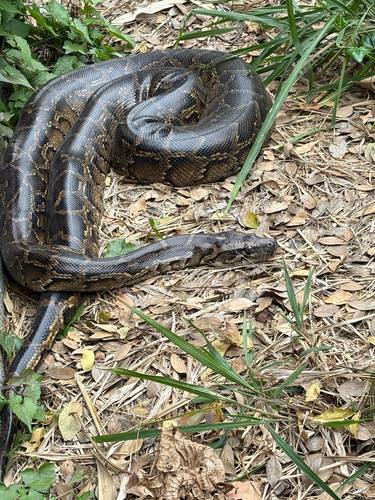
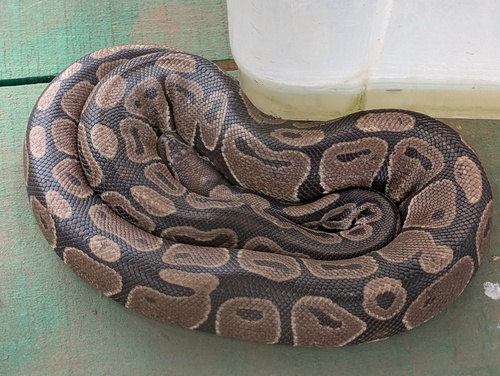
The non-venomous majority covers most of what you will actually meet. Rat snakes, including large and conspicuous species, hunt rodents around farms and buildings. Kukri snakes, keelbacks along streams and paddies, wolf snakes near houses, and various small forest and burrowing species fill out the community. Pythons reach the island as well, the largest of the resident snakes and entirely non-venomous, killing prey by constriction. Many of these harmless species are common and frequently seen, which means that the typical snake encounter on the island involves an animal that poses no venom threat at all.
Snakes earn their place in these ecosystems mainly through pest control. Rat snakes, kukri snakes, and other predators keep rodent populations in check across rice fields, orchards, and homes, reducing crop loss and the spread of rodent-borne disease. Others prey on frogs, lizards, insects, and even other snakes, helping balance the food web. Removing snakes from an area tends to let rodent and pest numbers climb, so a healthy snake population is a quiet form of free agricultural and public-health support.
Honest safety framing matters. Most snake species on the island are harmless, and even the venomous ones bite defensively rather than seeking people out. The main medical threats are the pit vipers, cobras, and kraits, with sea snakes a rarer concern near the coast. A venomous bite is a medical emergency: the treatment is antivenom and supportive hospital care delivered by professionals, not anything done in the field. Never assume a wild snake is safe to handle, even one you believe is harmless, because misidentification is easy and even non-venomous snakes can bite. If a bite occurs, get to emergency medical care immediately. In the United States contact Poison Control at 1-800-222-1222, and elsewhere call your local emergency services.
Snakes in Chinese Taipei: FAQ
- Are there venomous snakes in Chinese Taipei?
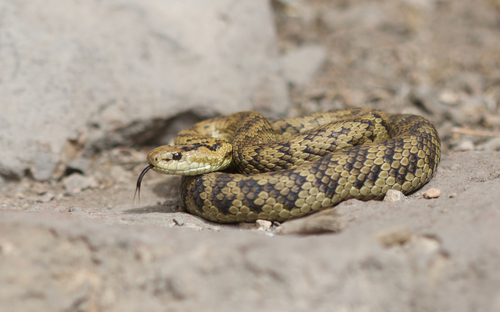
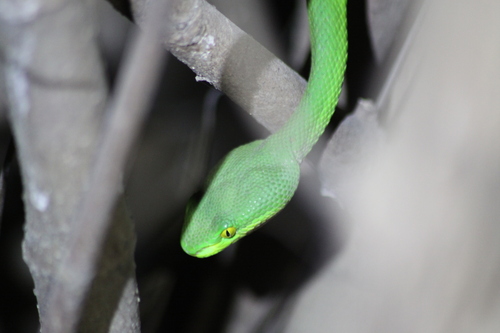
- Yes. 39 venomous snake species have verified records in Chinese Taipei, including Lanna Green Pitviper, Chinese Green Tree Viper, Vang Vieng lance-headed pit viper, Brown spotted pitviper. Most snakes in Chinese Taipei, however, are harmless.
- How many snake species live in Chinese Taipei?
- 75+ snake species have verified records in Chinese Taipei, of which 39 are venomous.
- What is the most commonly seen snake in Chinese Taipei?
- The Lanna Green Pitviper is the most frequently reported snake in Chinese Taipei, based on verified wildlife observations.
- What should I do if I see a venomous snake in Chinese Taipei?
- Keep your distance and do not try to catch or kill it. Most bites happen when people handle or corner a snake. If someone is bitten, contact local emergency services or poison control immediately.
Venomous snakes in Chinese Taipei
Every snake recorded in Chinese Taipei
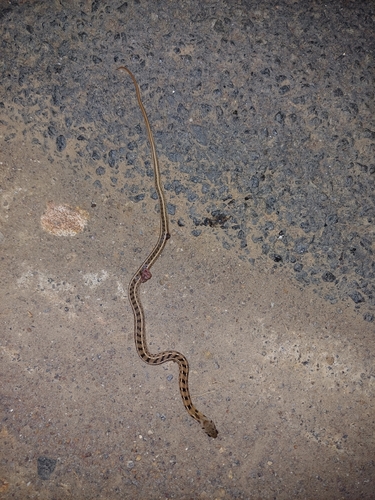
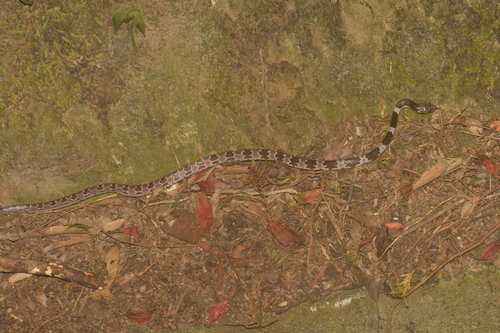
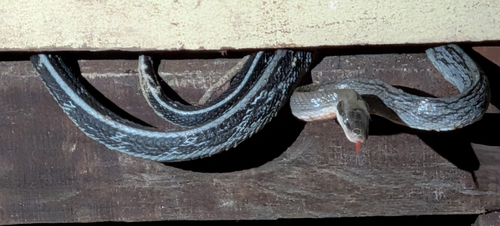
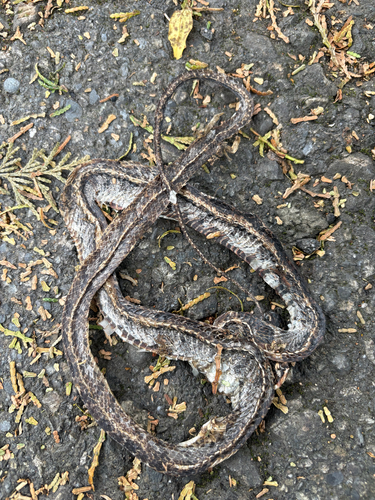
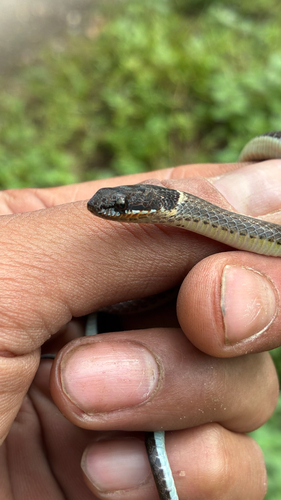
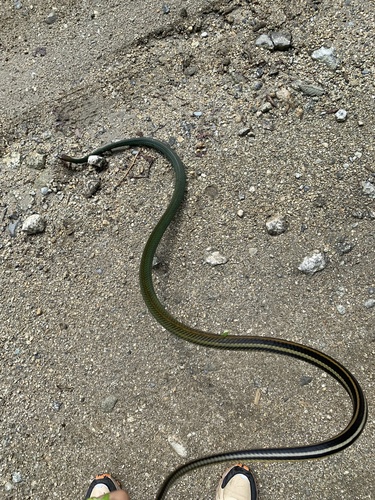
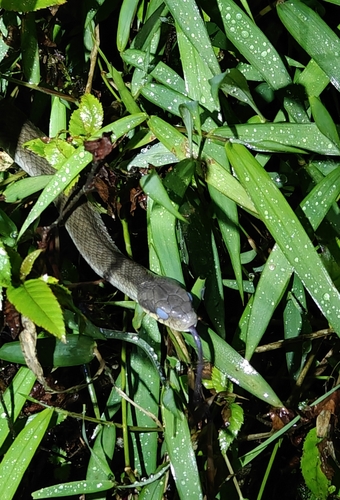
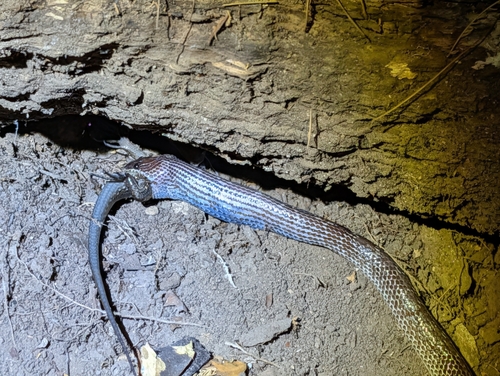
75+ species across 10 families, grouped by family. Venomous flagged.
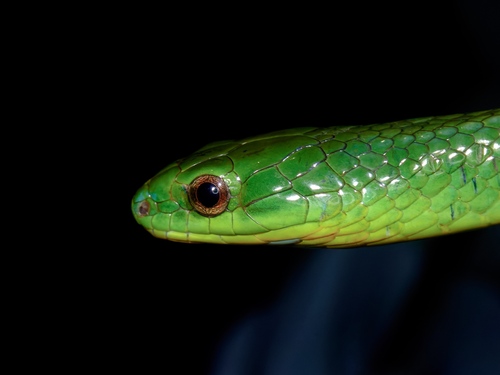
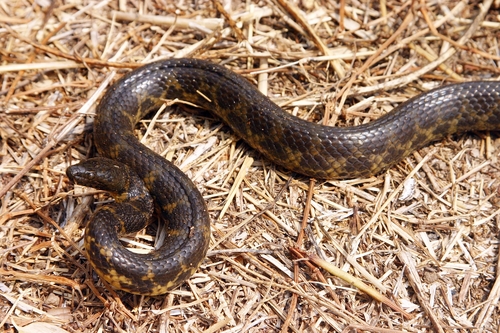
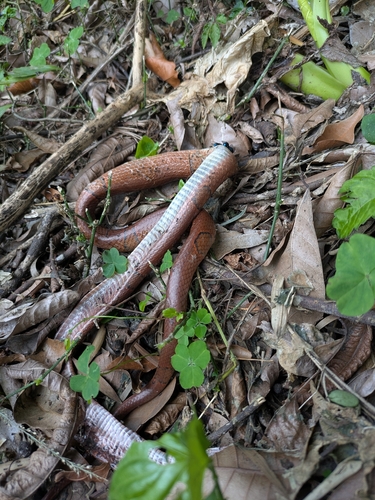
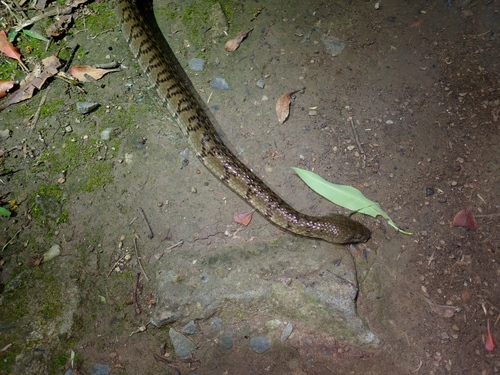
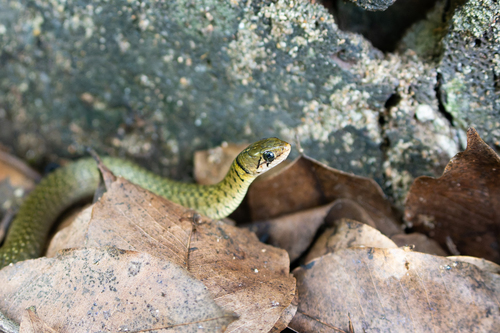
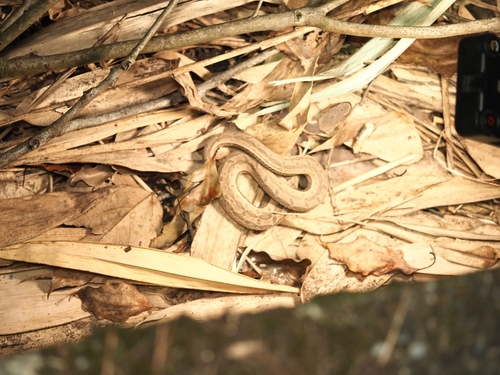
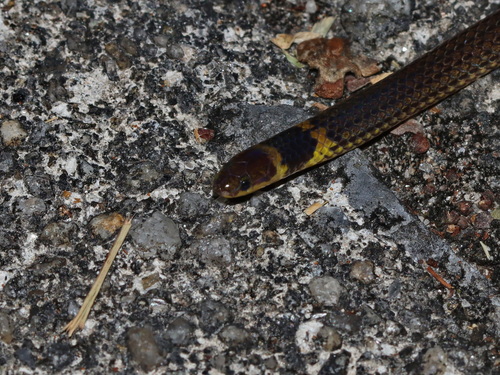
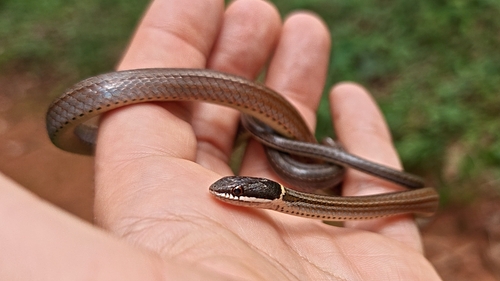
Colubridae (43)
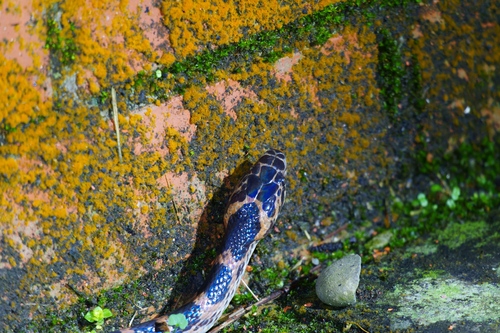
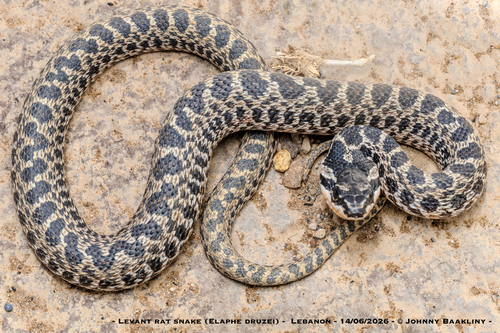
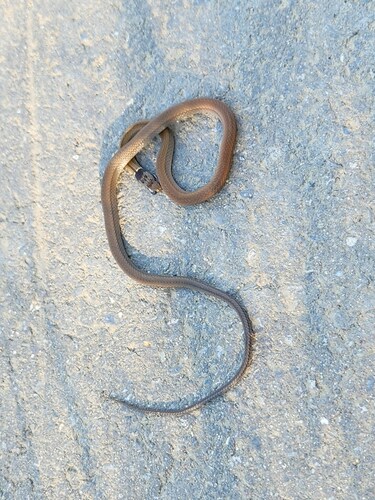
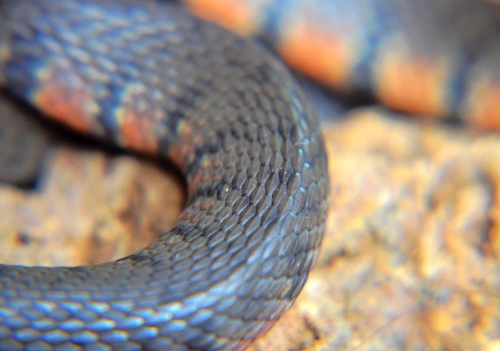
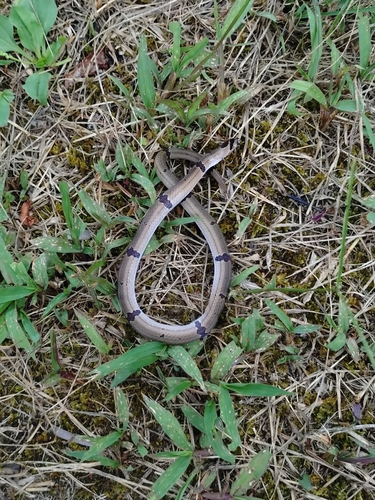



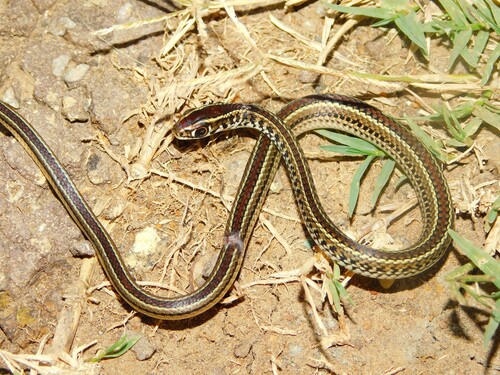
Elapidae (21)
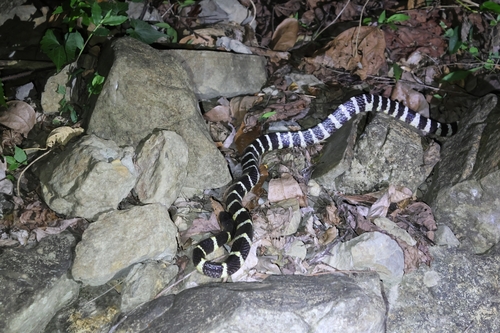
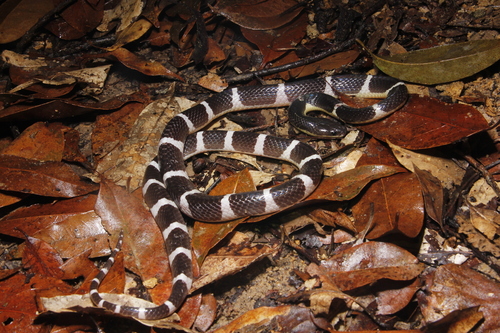
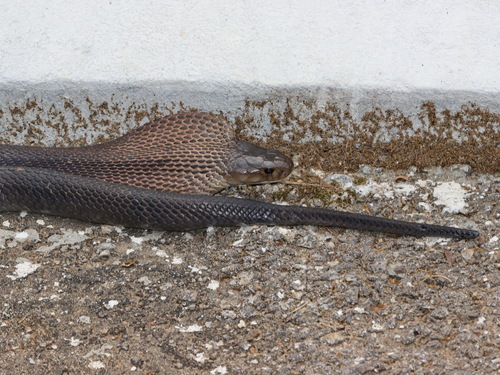


Viperidae (14)

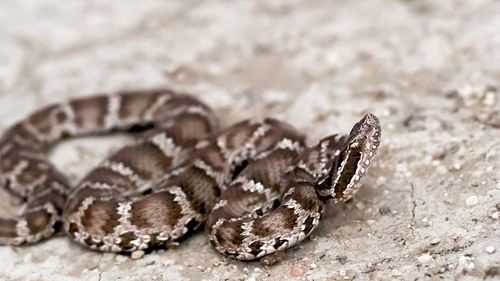
Homalopsidae (4)
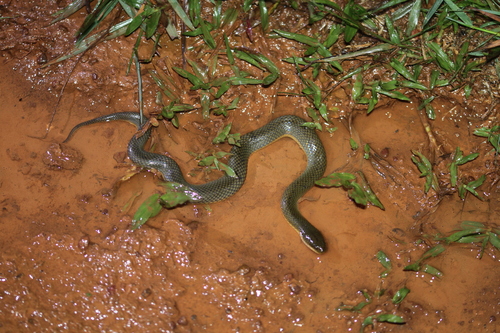
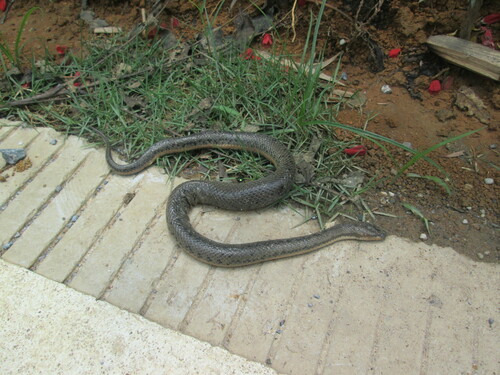
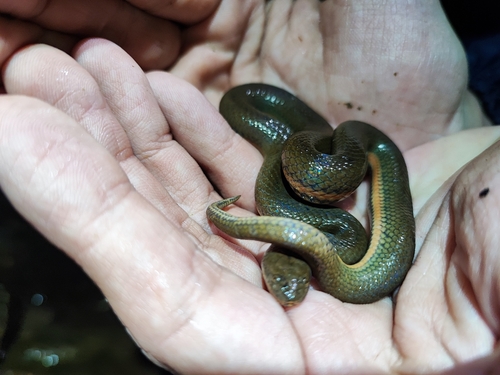
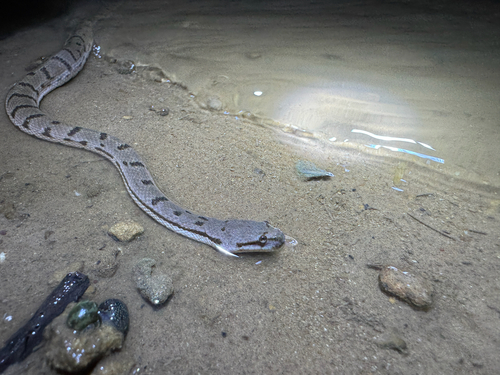
Pareidae (3)
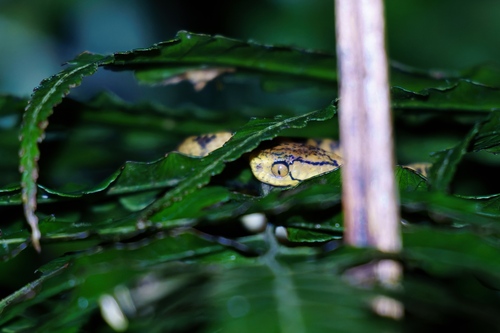
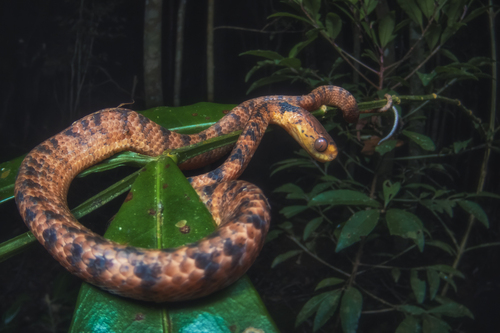
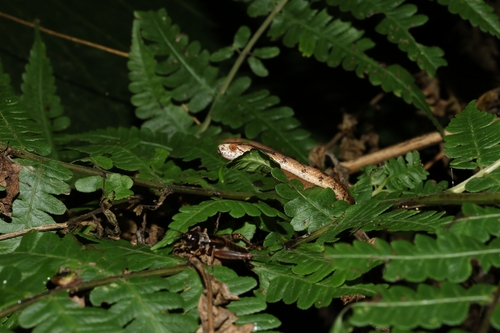
Xenodermidae (2)
Pseudaspididae (1)
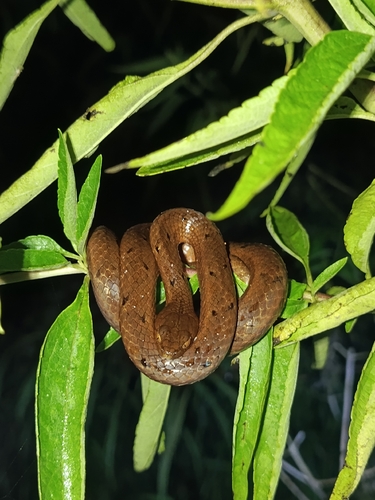
Typhlopidae (1)
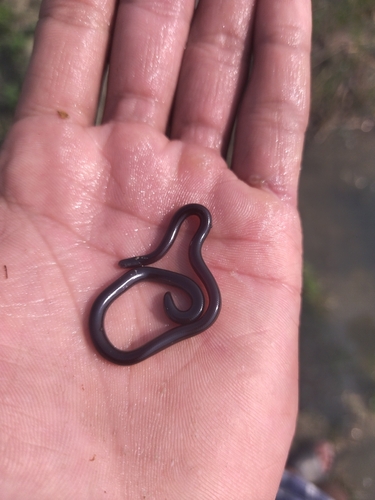
Leptotyphlopidae (1)
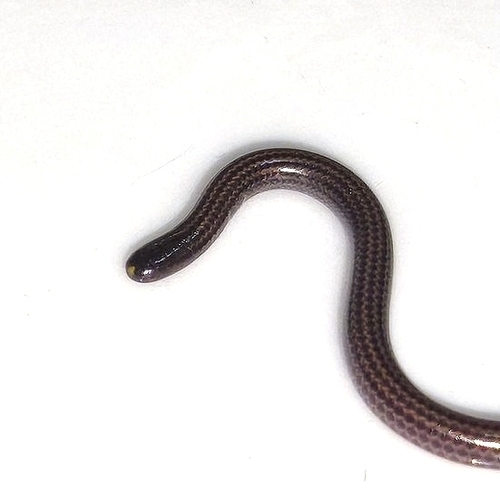
Compiled from verified GBIF & iNaturalist observations. "How often seen" reflects how frequently a snake is reported here, not how dangerous it is. Informational only.
Keep learning
- Are Snakes Dangerous? The Real Risk, in PerspectiveMost snakes are harmless and avoid people. Here is the honest picture of snakebite risk worldwide and how to lower your own.
- Snakebite First Aid: What to Do (and What Never to Do)A clear, CDC-based guide to snakebite first aid: the steps that help, the popular myths that hurt, and how to tell a serious bite from a minor one.
- Venomous vs Nonvenomous: How to Tell the DifferenceThe folk rules for telling venomous snakes apart, where each one fails, and why location-based identification beats guessing by sight.
- What to Do If You Find a SnakeFound a snake at home or on a trail? Here is how to stay calm, give it space, identify it safely, and know when to call a professional.