
Peru
Snakes in Peru
200+ snake species have been recorded in Peru, 45 venomous.
Snakes of Peru
Peru is one of the most snake-rich countries on Earth, with 200+ species recorded in our data, of which 45 are venomous. That diversity comes from the country's extraordinary range of habitats packed into a single nation. In the east lies the western Amazon basin, one of the most biodiverse regions anywhere on the planet, where warm, wet lowland rainforest supports an enormous variety of reptiles. The central Andes rise steeply through cloud forest and high grassland, creating cooler montane zones with their own specialized fauna. Along the west, the dry Pacific coast and its desert valleys host a separate set of species adapted to arid conditions. Few places concentrate so many distinct ecosystems, and snake life tracks that variety closely.
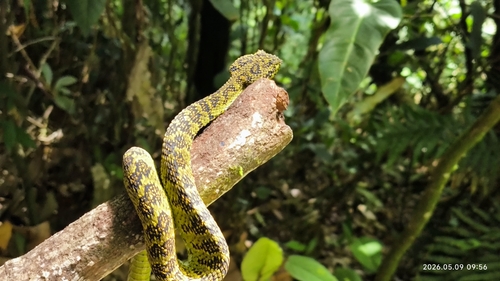
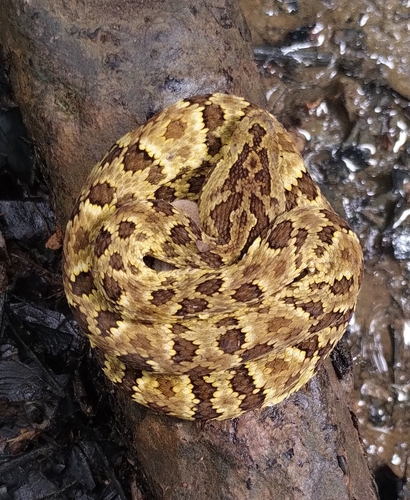
The venomous species in Peru fall into a few main groups. Pit vipers in the genus Bothrops, often called fer-de-lance or by local names like jergon, are the most important from a medical standpoint and are responsible for the majority of serious snakebites across Central and South America. The bushmaster, Lachesis muta, is the largest viper in the Americas and lives in remote lowland forest. Coral snakes of the genus Micrurus carry potent venom and are found in several regions, though they are secretive and rarely encountered. Peru is also home to rattlesnakes, including lowland and Andean forms, which round out the country's venomous fauna.
Despite those dangerous species, the large majority of Peru's snakes are non-venomous and pose no threat to people going about their day. The Amazon wetlands hold the green anaconda, the heaviest snake in the world, a massive aquatic constrictor that hunts in slow rivers, oxbow lakes, and flooded forest. The boa constrictor is another widespread non-venomous species, and a great many harmless colubrids fill out the count, occupying everything from forest floor to treetops. Most snakes a traveler or resident might see are far more interested in avoiding humans than confronting them.
An honest view of the risk is reassuring but not careless. Most snakes in Peru are harmless, and most encounters end with the snake retreating if left alone. Where bites do occur, Bothrops pit vipers account for the largest share of serious cases, particularly among agricultural workers and people moving through forest at night. Practical risk is shaped as much by geography as by biology: many bites happen in remote jungle areas where reaching medical care takes time, and travel out of those areas can be slow and difficult. Antivenom is stocked at regional hospitals, which is why timing and access matter so much.
If a bite happens, the single most important step is to reach professional emergency medical care as quickly as possible and let trained clinicians manage treatment, including the decision to administer antivenom. Knowing roughly which species inhabit an area can help responders, but treatment is always a job for medical professionals at a hospital. No wild snake should ever be handled or approached, regardless of whether it appears venomous, since even non-venomous species can bite and identification in the field is unreliable. Give snakes distance, watch where you step and reach in forested or grassy terrain, and treat any bite as a medical emergency that warrants immediate professional care.
Peru's combination of more than 220 recorded species, a handful of medically significant venomous groups, and a vast non-venomous majority makes it a fascinating place for anyone interested in snakes. Understanding which animals live where, respecting their space, and knowing that serious bites are concentrated among a small number of pit viper species turns a topic that often inspires fear into one that rewards informed caution. The goal is simple: appreciate this remarkable diversity from a safe distance, and rely on emergency medical services rather than improvisation if something goes wrong.
Snakes in Peru: FAQ
- Are there venomous snakes in Peru?
- Yes. 45 venomous snake species have verified records in Peru, including Common Lancehead, Green Jararaca, South American Bushmaster, Ribbon Coralsnake. Most snakes in Peru, however, are harmless.
- How many snake species live in Peru?
- 200+ snake species have verified records in Peru, of which 45 are venomous.
- What is the most commonly seen snake in Peru?
- The Common Lancehead is the most frequently reported snake in Peru, based on verified wildlife observations.
- What should I do if I see a venomous snake in Peru?
- Keep your distance and do not try to catch or kill it. Most bites happen when people handle or corner a snake. If someone is bitten, contact local emergency services or poison control immediately.
Venomous snakes in Peru
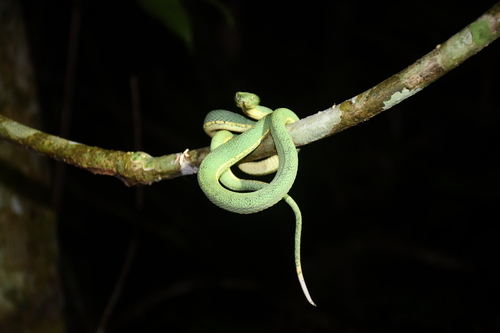
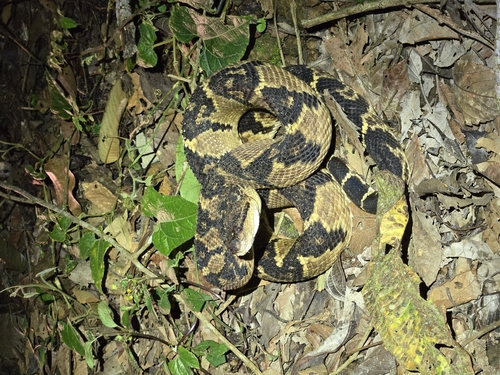
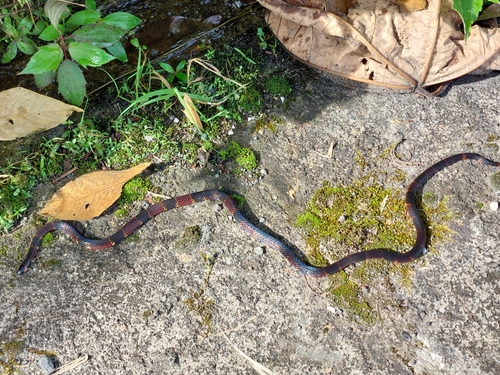
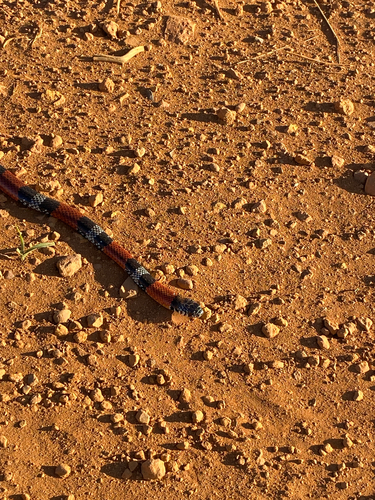
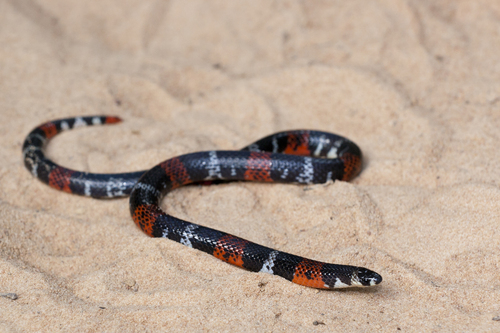
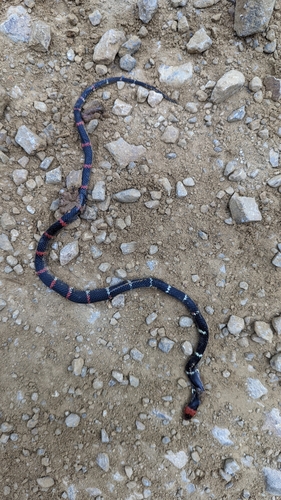
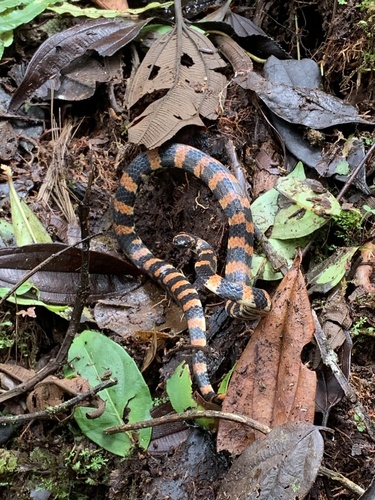
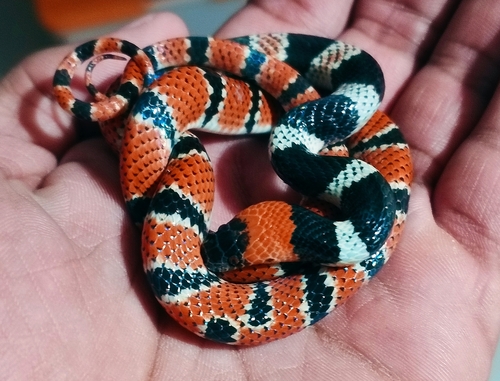
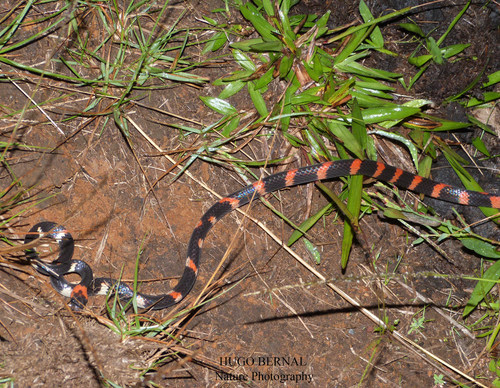
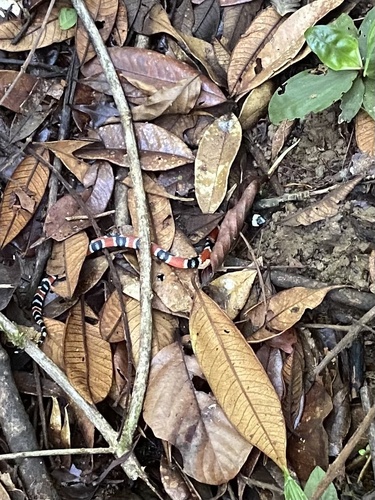
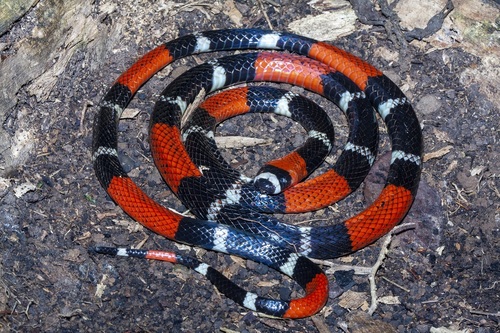 Ribbon CoralsnakeMicrurus lemniscatusVenomous
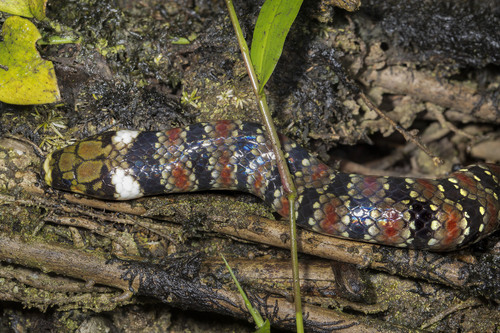
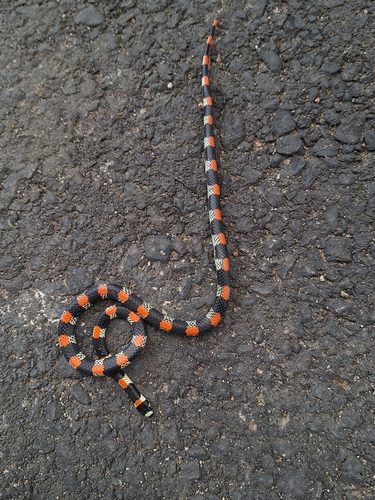
Rings of red, yellow, and black where red touches yellow; small rounded head and round pupils.
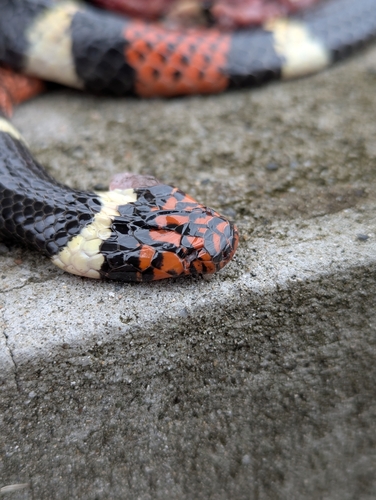 Aquatic CoralsnakeMicrurus surinamensisVenomous
Rings of red, yellow, and black where red touches yellow; small rounded head and round pupils.
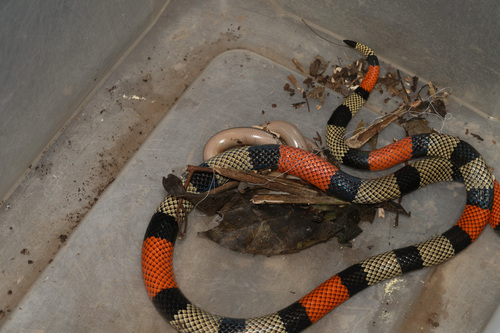 Black-necked Amazonian CoralsnakeMicrurus obscurusVenomous
Rings of red, yellow, and black where red touches yellow; small rounded head and round pupils.
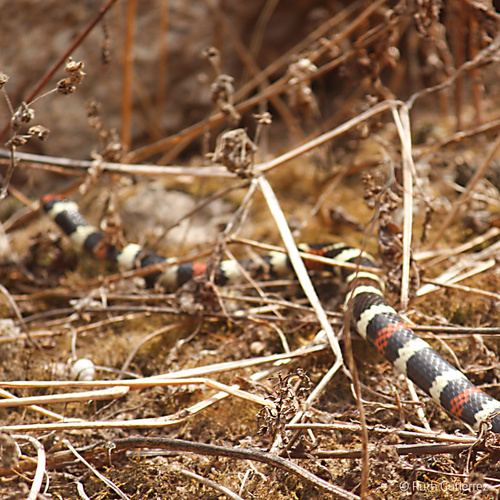 Desert CoralsnakeMicrurus tschudiiVenomous
Rings of red, yellow, and black where red touches yellow; small rounded head and round pupils.
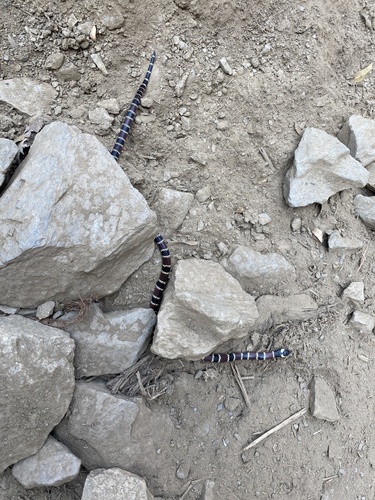 Annellated CoralsnakeMicrurus annellatusVenomous
Rings of red, yellow, and black where red touches yellow; small rounded head and round pupils.
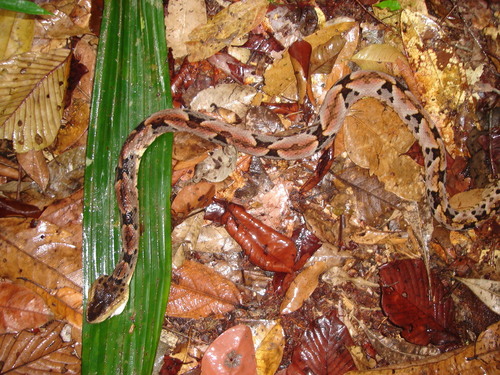
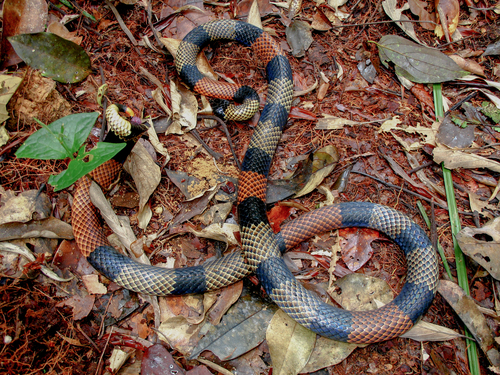 Amazon CoralsnakeMicrurus spixiiVenomous
Rings of red, yellow, and black where red touches yellow; small rounded head and round pupils.
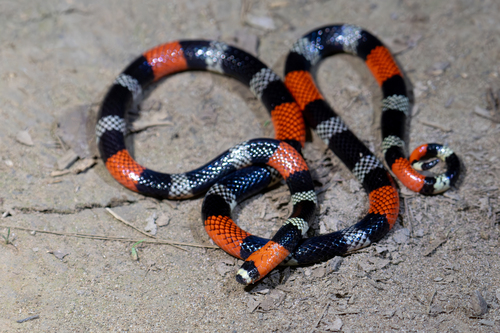 Western Ribbon CoralsnakeMicrurus helleriVenomous
Rings of red, yellow, and black where red touches yellow; small rounded head and round pupils.
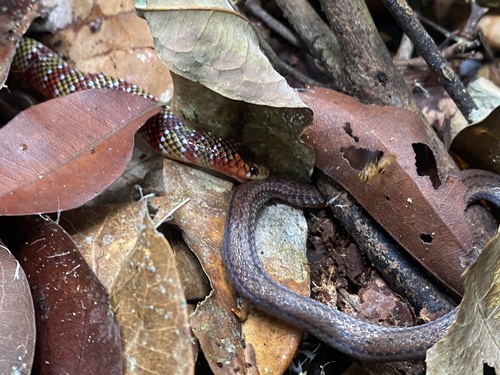 Langsdorff's CoralsnakeMicrurus langsdorffiVenomous
Rings of red, yellow, and black where red touches yellow; small rounded head and round pupils.
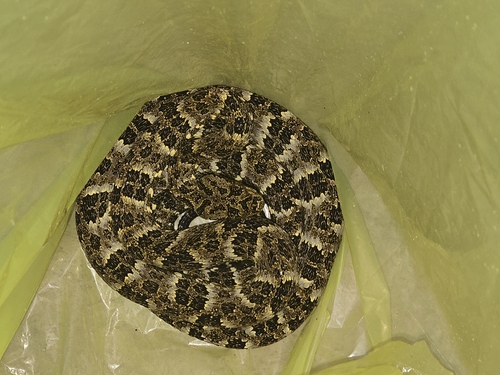
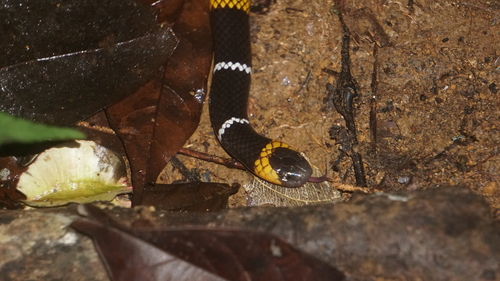 Hemprich's CoralsnakeMicrurus hemprichiiVenomous
Rings of red, yellow, and black where red touches yellow; small rounded head and round pupils.
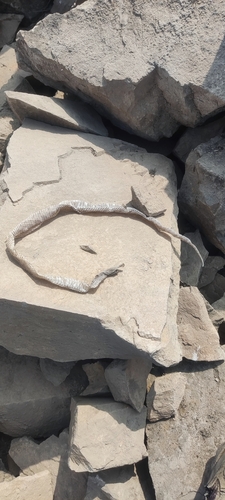
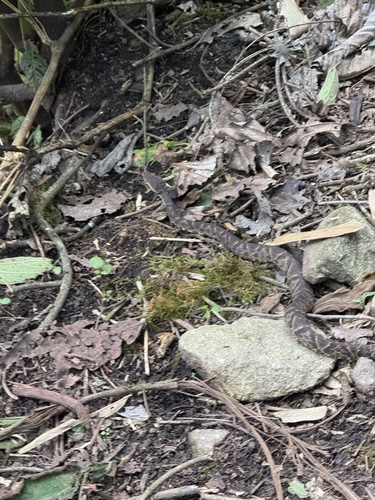
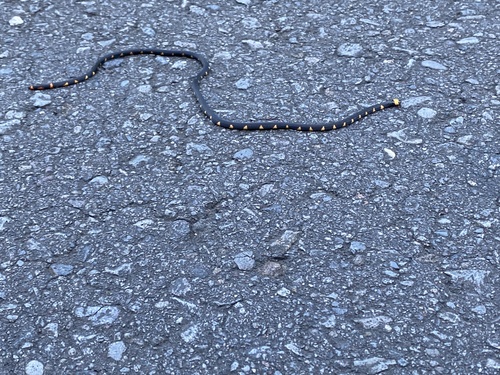 Andean Blackback CoralsnakeMicrurus narducciiVenomous
Rings of red, yellow, and black where red touches yellow; small rounded head and round pupils.
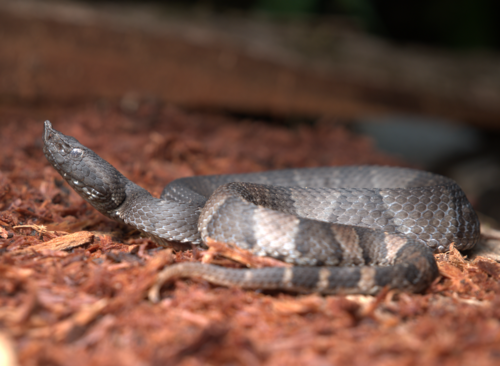
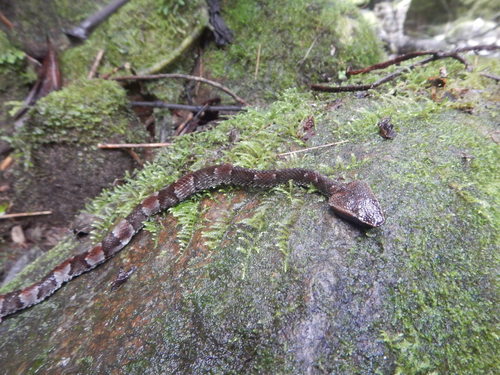
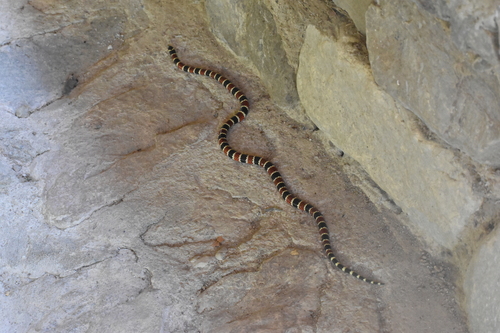 Mertens' CoralsnakeMicrurus mertensiVenomous
Rings of red, yellow, and black where red touches yellow; small rounded head and round pupils.
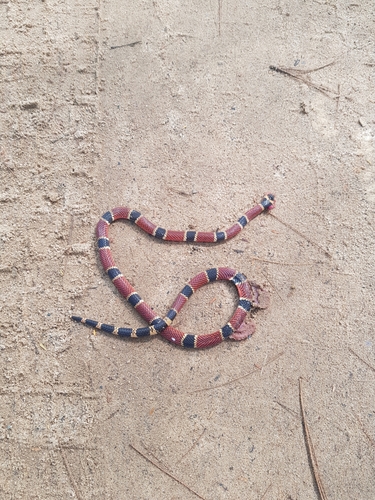 Peru CoralsnakeMicrurus peruvianusVenomous
Rings of red, yellow, and black where red touches yellow; small rounded head and round pupils.
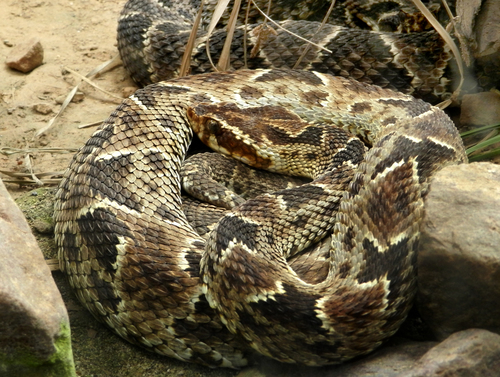
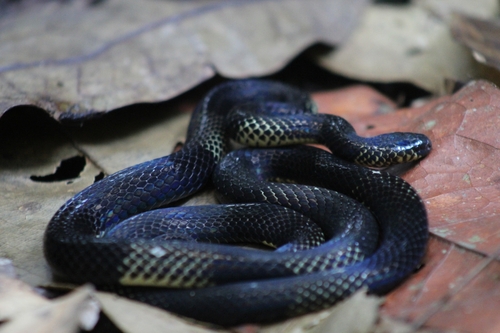 Putumayo CoralsnakeMicrurus putumayensisVenomous
Rings of red, yellow, and black where red touches yellow; small rounded head and round pupils.
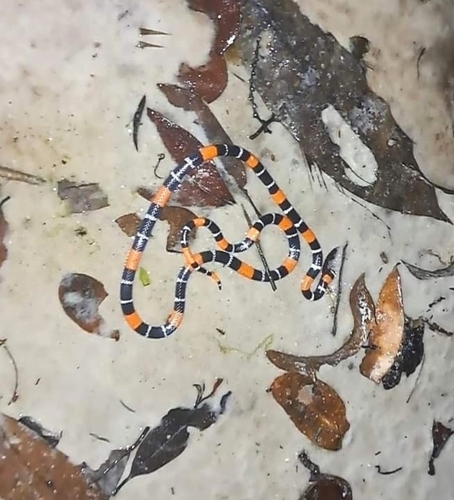 Slender CoralsnakeMicrurus filiformisVenomous
Rings of red, yellow, and black where red touches yellow; small rounded head and round pupils.
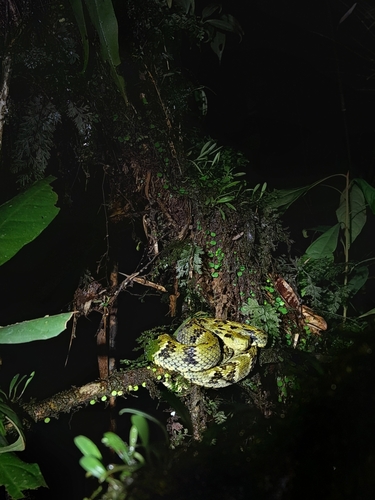
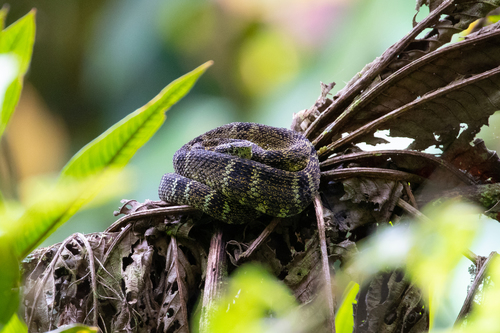
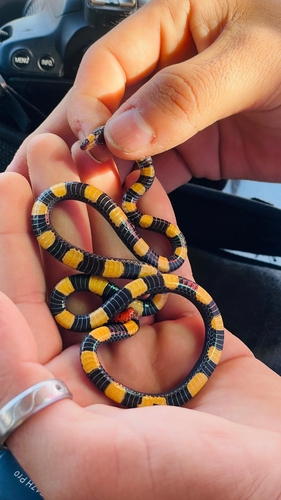 Pygmy Slender CoralsnakeMicrurus scutiventrisVenomous
Rings of red, yellow, and black where red touches yellow; small rounded head and round pupils.
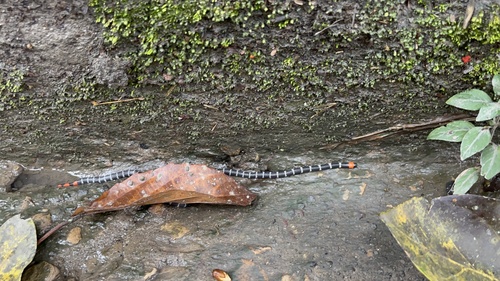 Redtail CoralsnakeMicrurus mipartitusVenomous
Rings of red, yellow, and black where red touches yellow; small rounded head and round pupils.
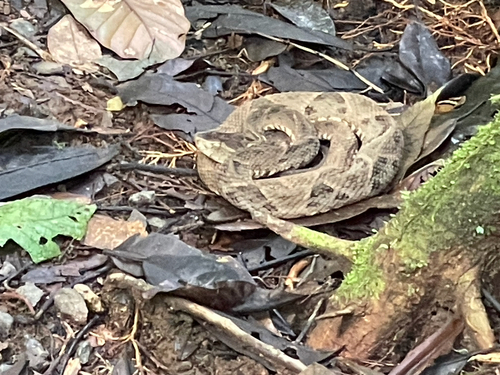
 Ecuador CoralsnakeMicrurus bocourtiVenomous
Rings of red, yellow, and black where red touches yellow; small rounded head and round pupils.
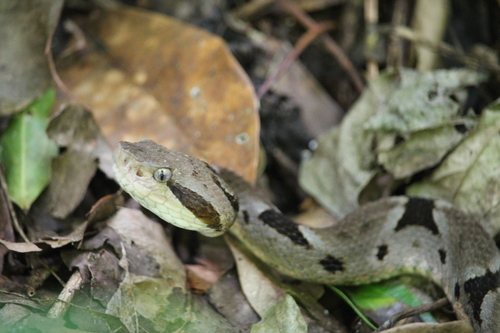
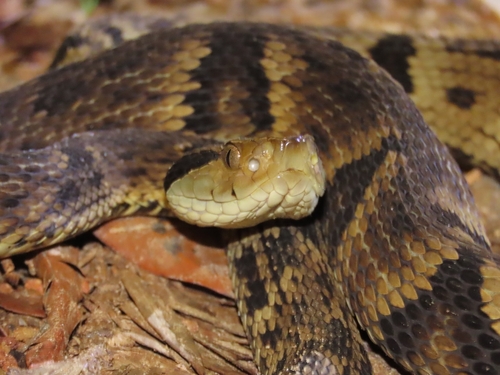
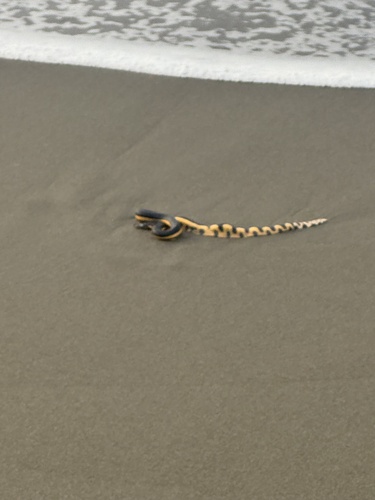
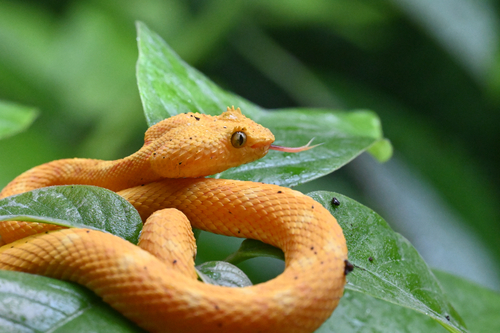
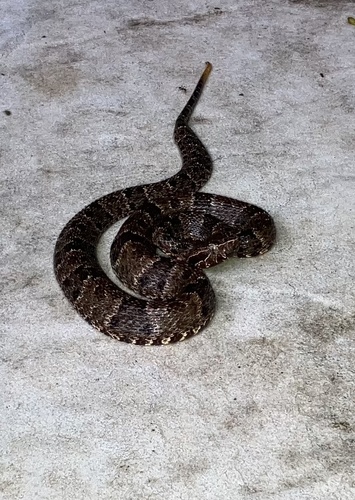
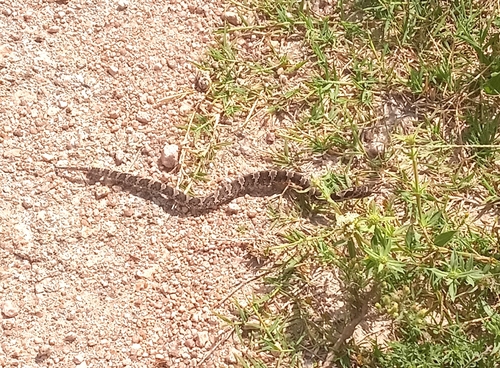
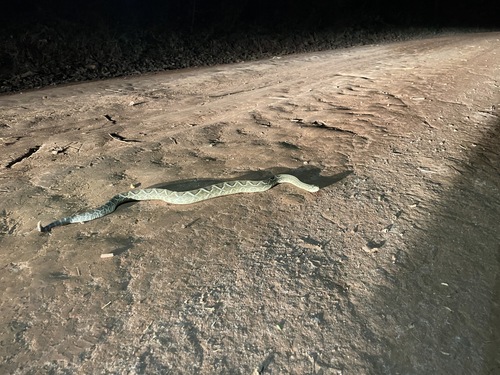 Neotropical RattlesnakeCrotalus durissusVenomous
Heavy body, broad triangular head, vertical (cat-like) pupils, and a segmented keratin rattle at the tail tip.
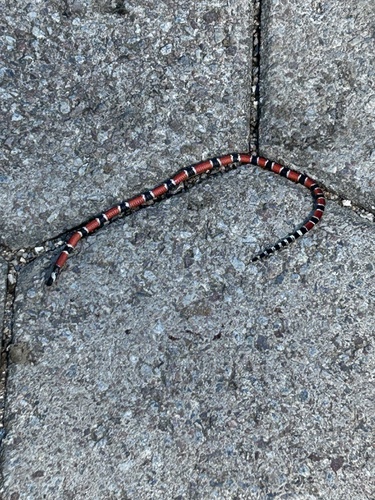 Painted CoralsnakeMicrurus corallinusVenomous
Rings of red, yellow, and black where red touches yellow; small rounded head and round pupils.
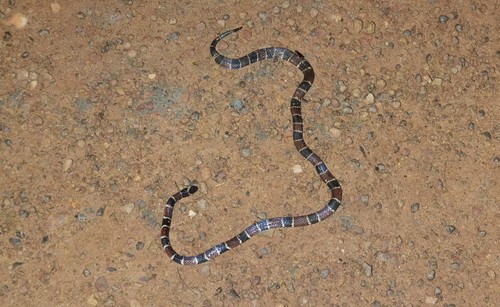 Carib CoralsnakeMicrurus psychesVenomous
Rings of red, yellow, and black where red touches yellow; small rounded head and round pupils.
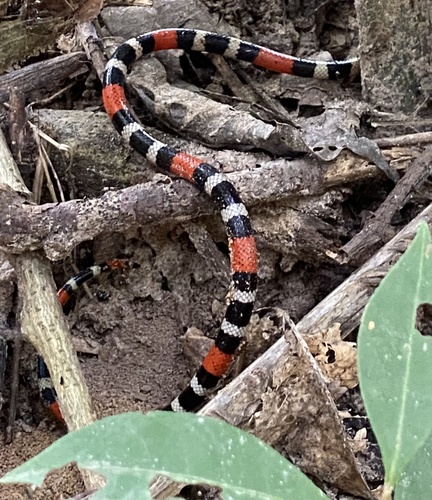 Bolivian Coral SnakeMicrurus frontifasciatusVenomous
Rings of red, yellow, and black where red touches yellow; small rounded head and round pupils.
- No photo
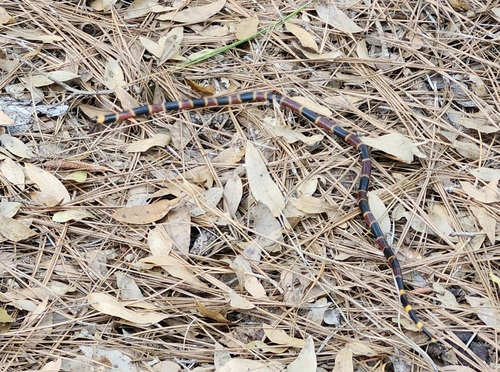 Eastern CoralsnakeMicrurus fulviusVenomous
Rings of red, yellow, and black where red touches yellow; small rounded head and round pupils.
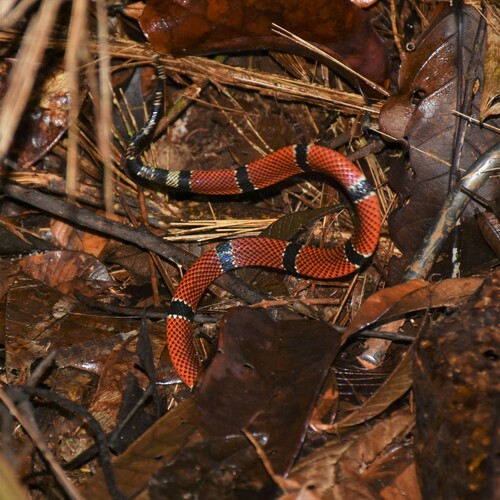 Transandean Capuchin CoralsnakeMicrurus dumeriliiVenomous
Rings of red, yellow, and black where red touches yellow; small rounded head and round pupils.
 Steindachner's CoralsnakeMicrurus steindachneriVenomous
Rings of red, yellow, and black where red touches yellow; small rounded head and round pupils.
 Venezuelan CoralsnakeMicrurus isozonusVenomous
Rings of red, yellow, and black where red touches yellow; small rounded head and round pupils.
Every snake recorded in Peru
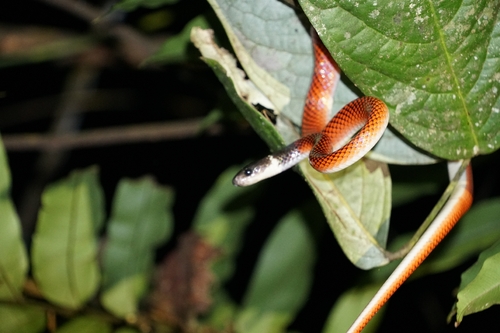
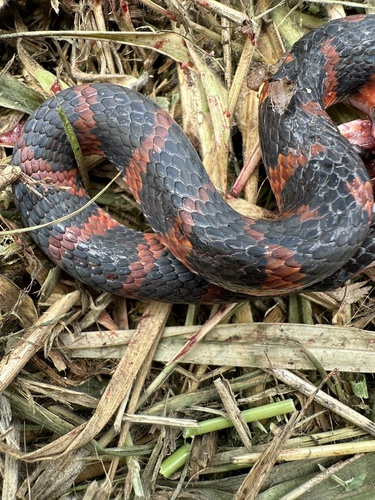
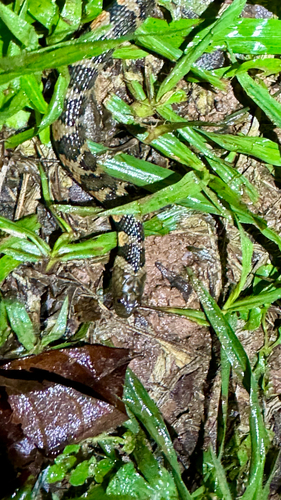
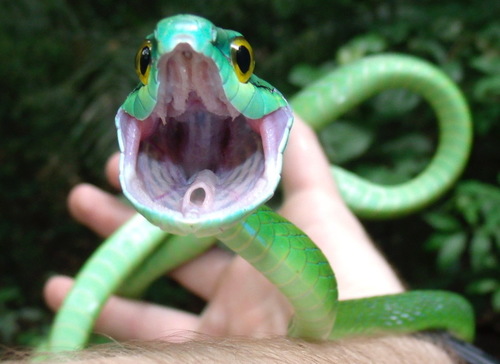
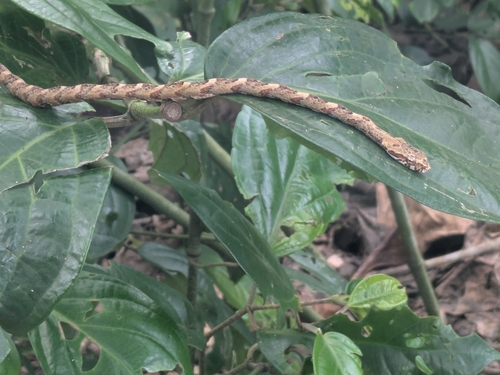
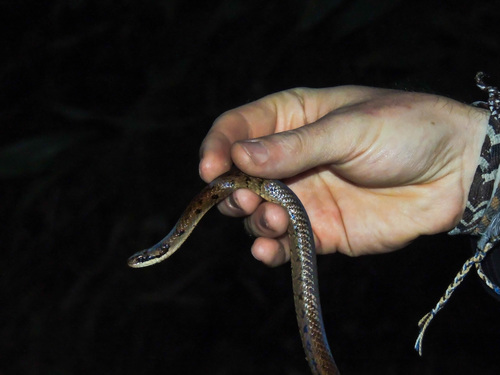
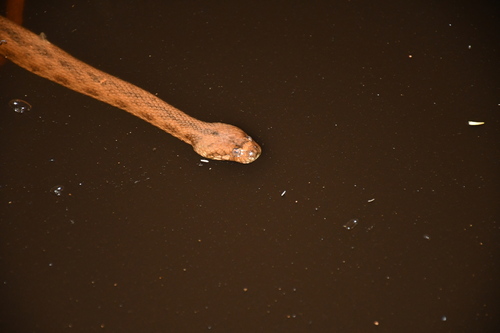
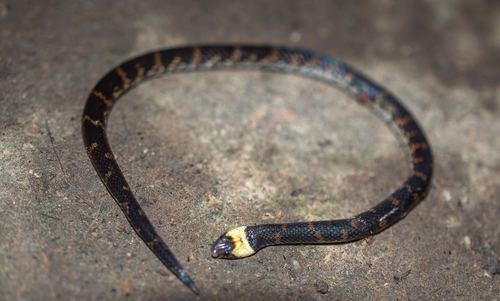
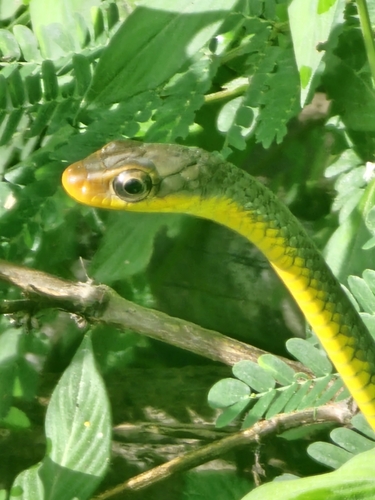
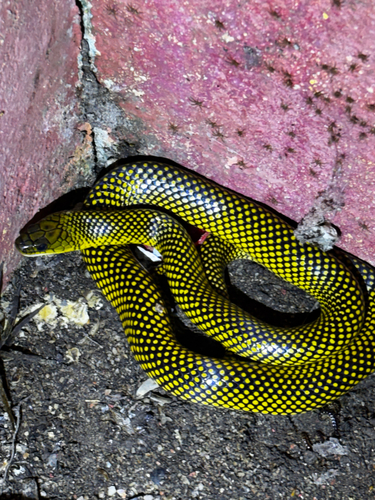
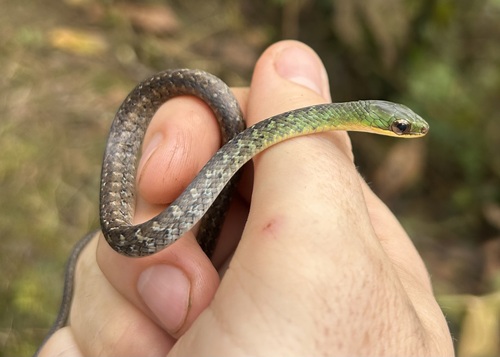
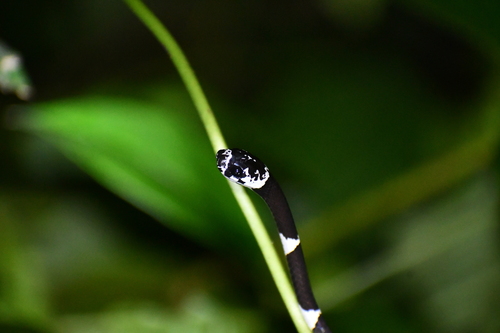
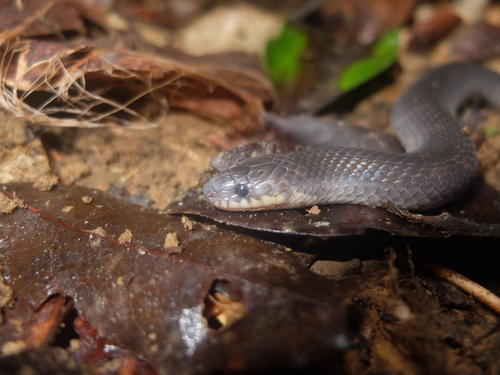
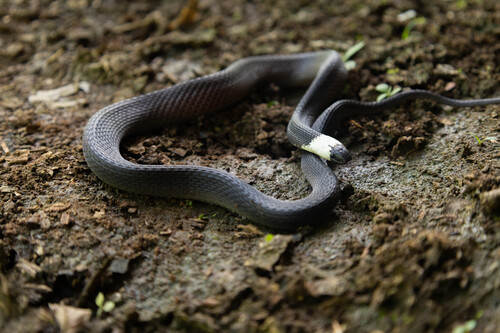
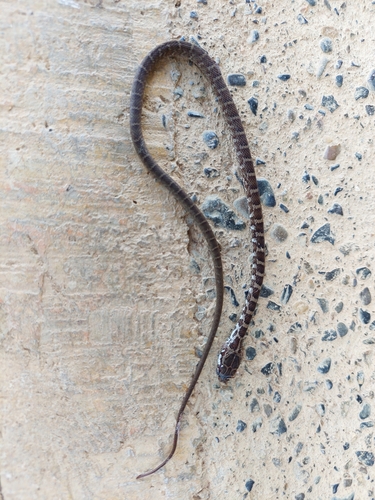
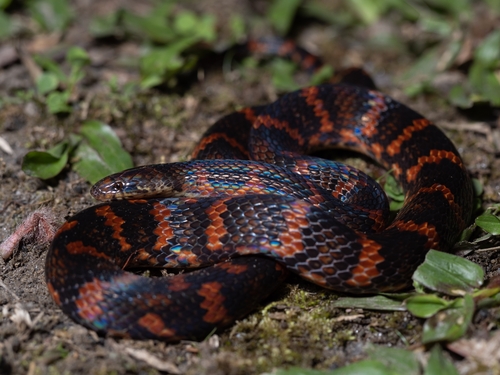
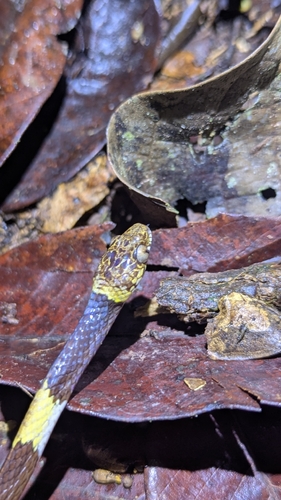
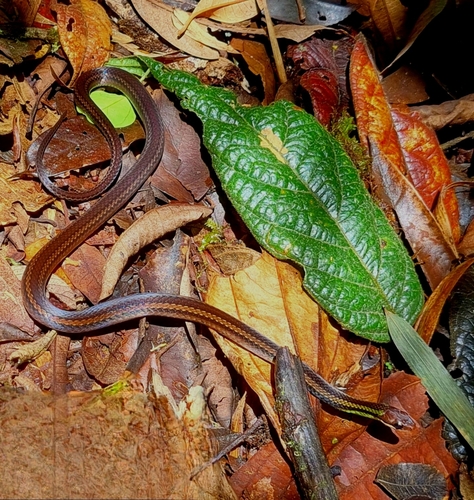
200+ species across 9 families, grouped by family. Venomous flagged.
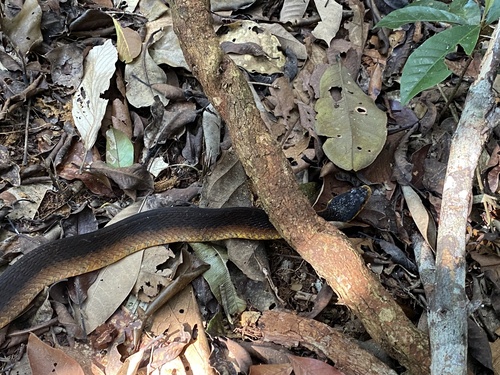
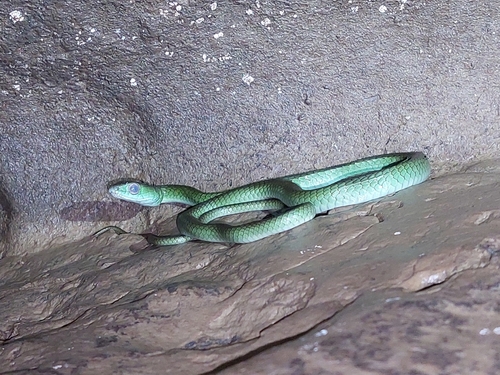
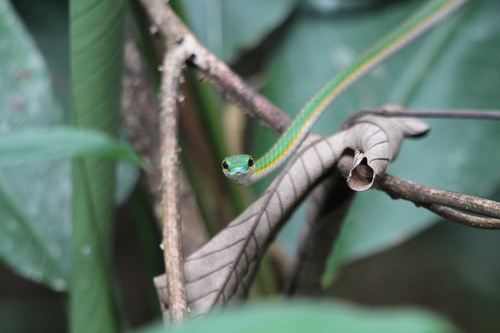
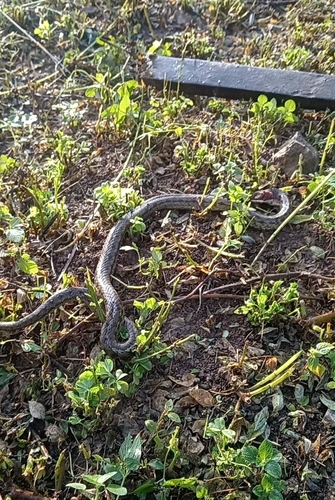
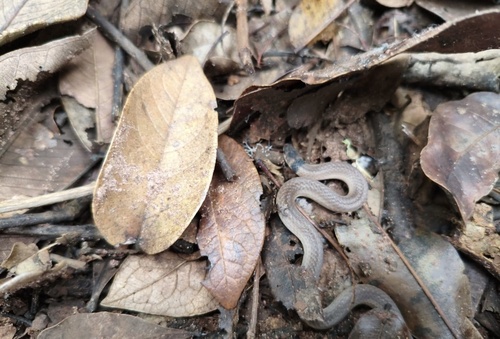
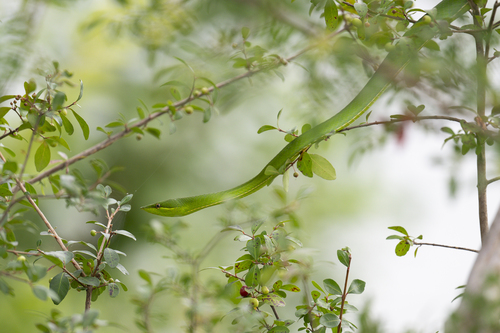
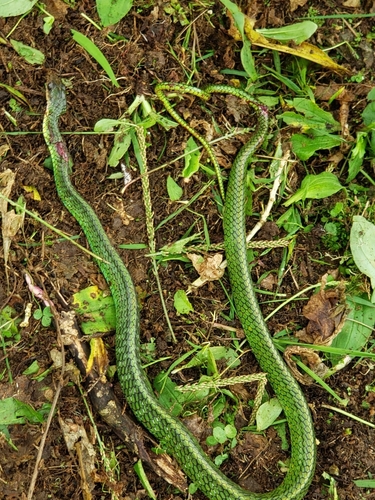
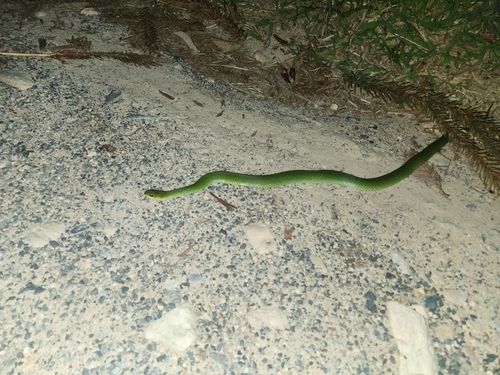
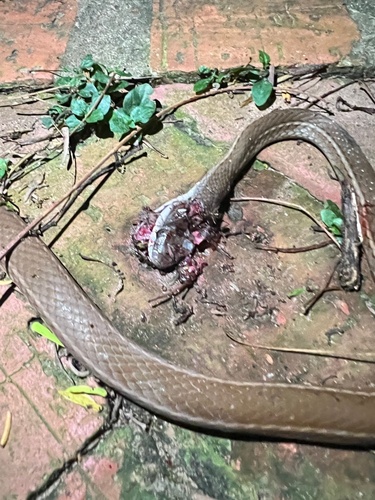
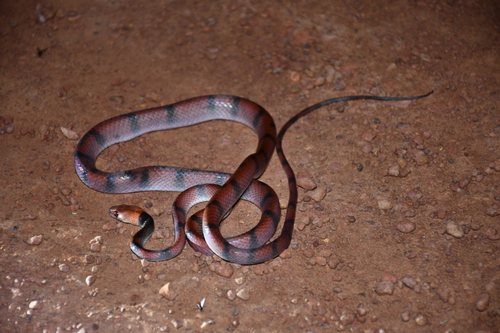
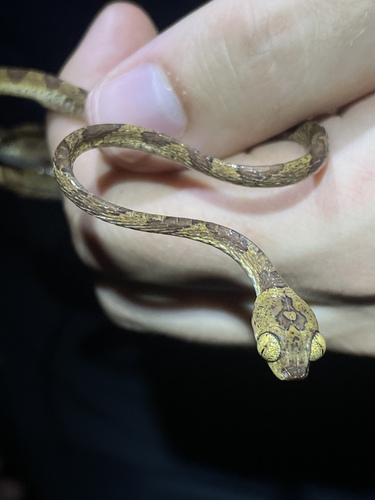
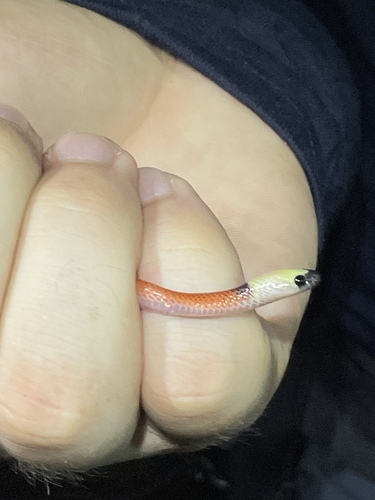
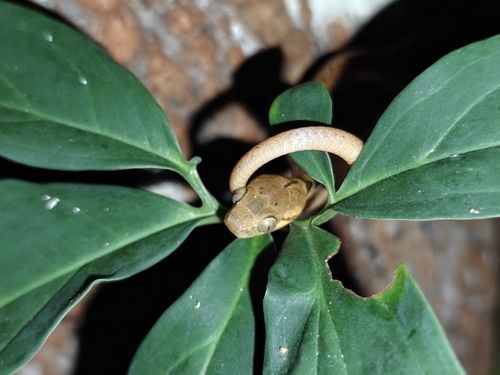
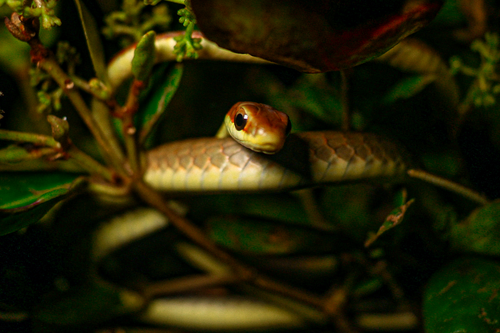
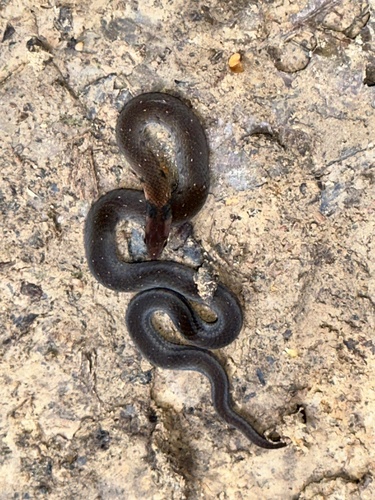
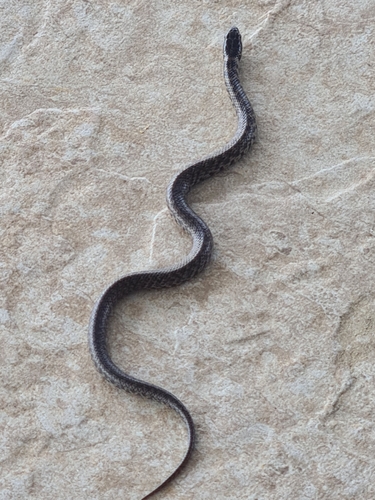
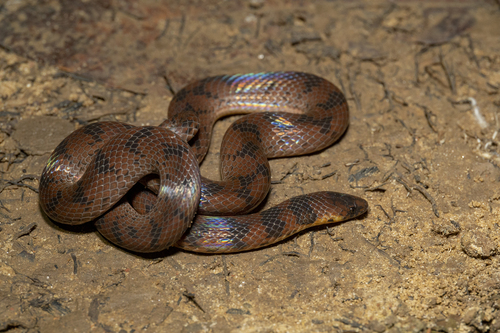
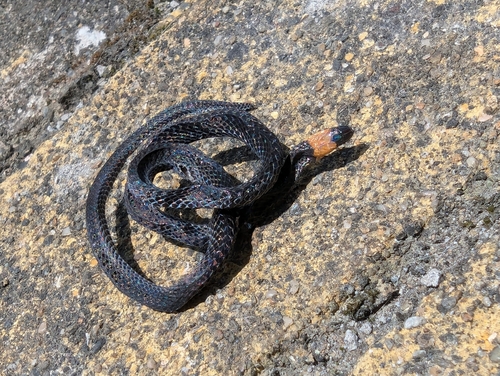
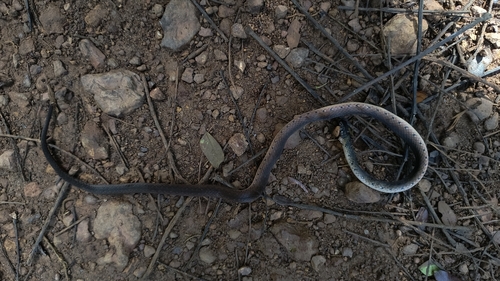
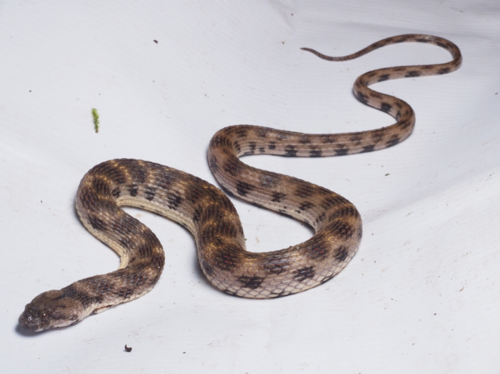
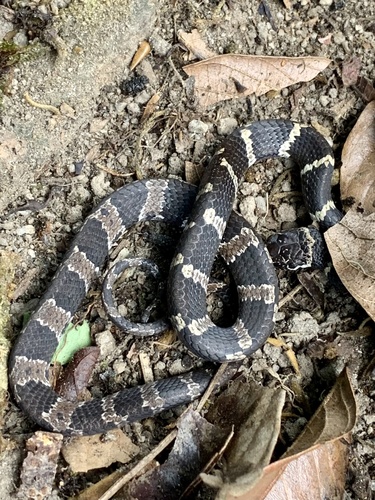
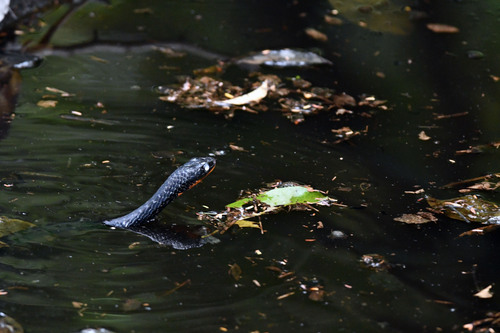
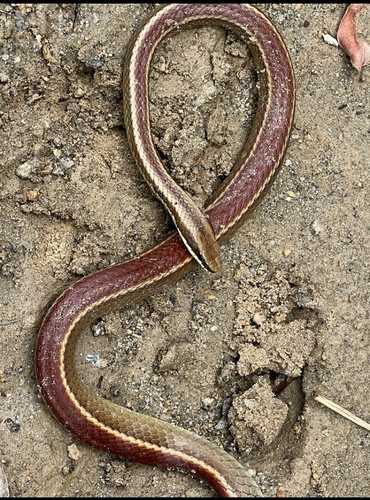
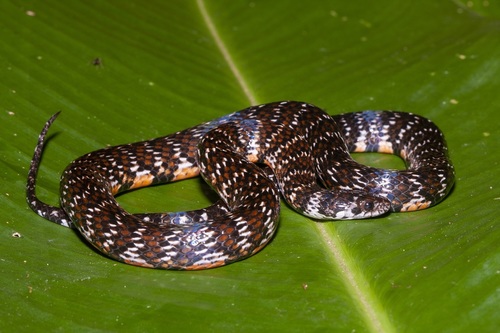
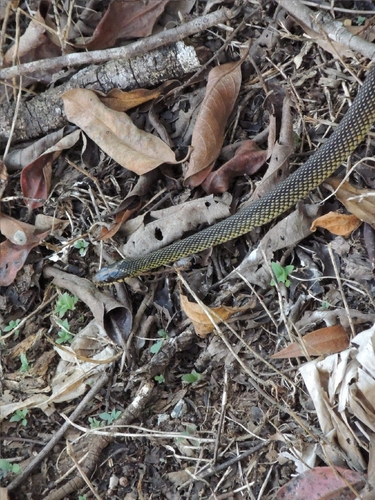
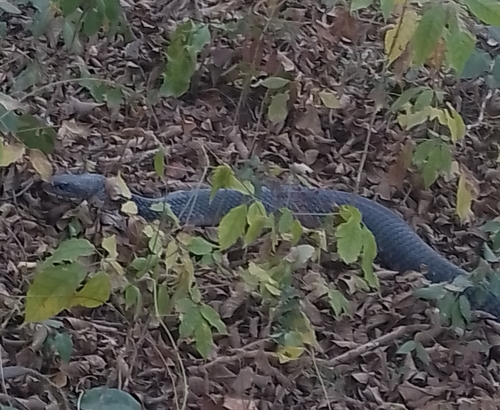
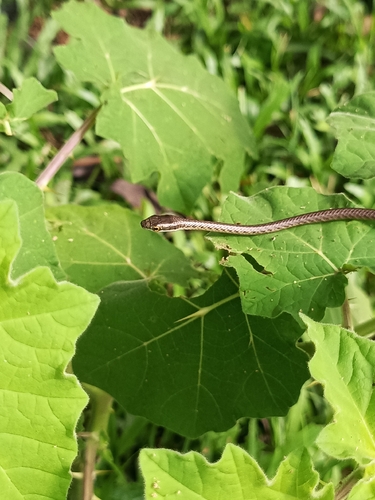
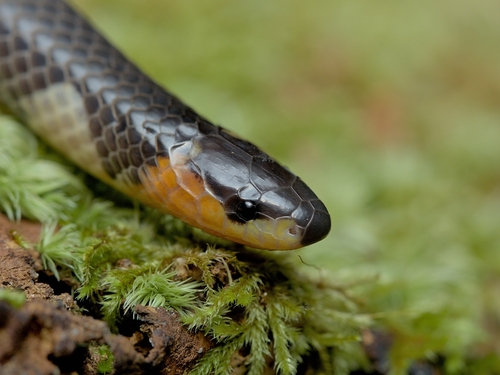
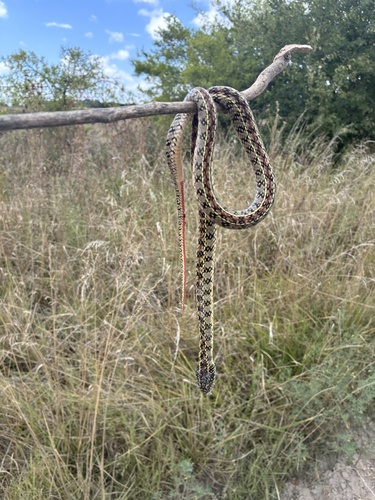
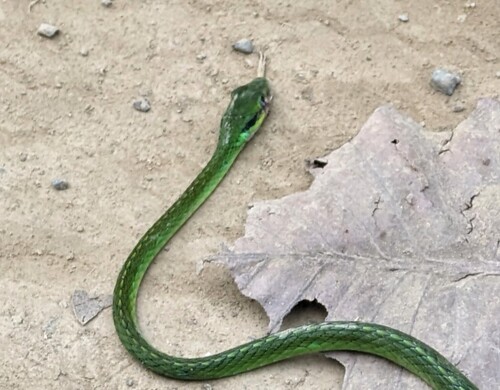
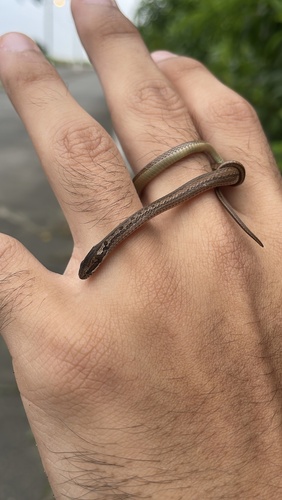
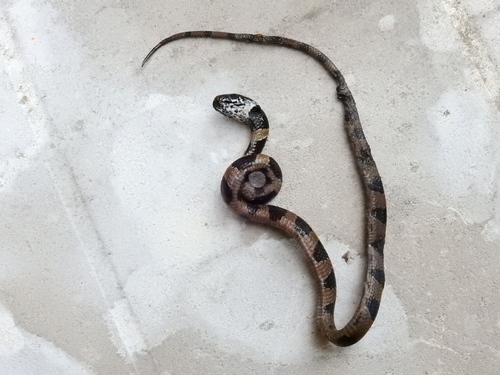
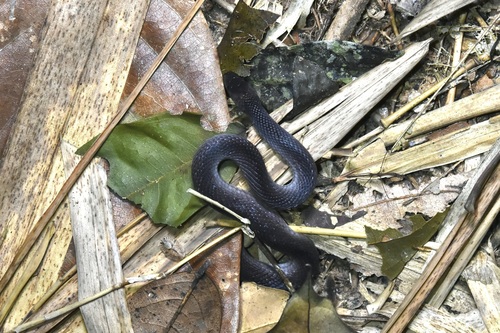
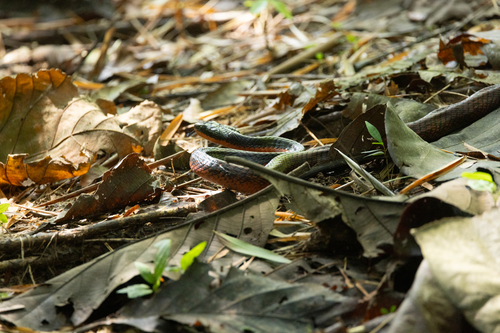
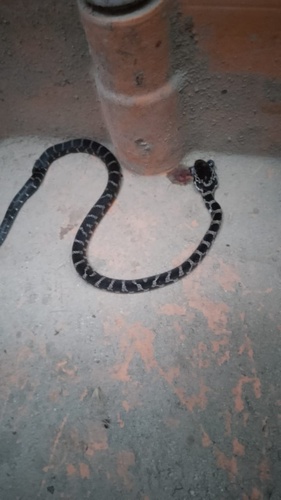
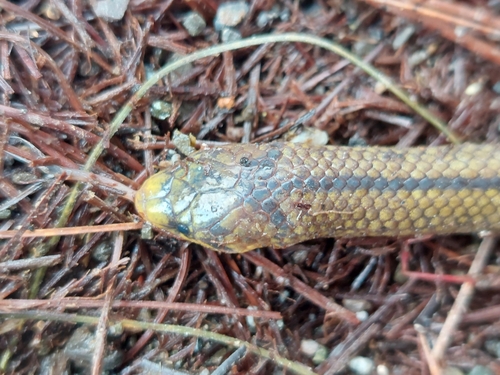
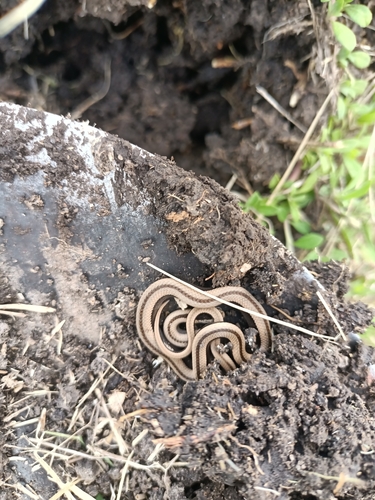
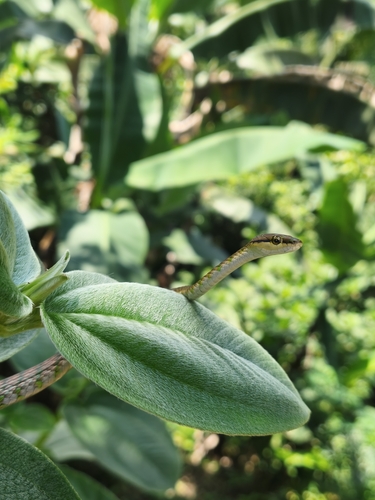
Colubridae (147)
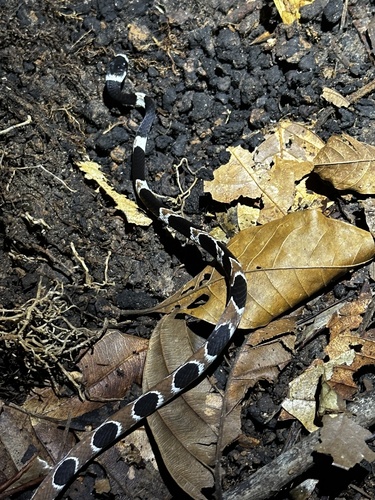
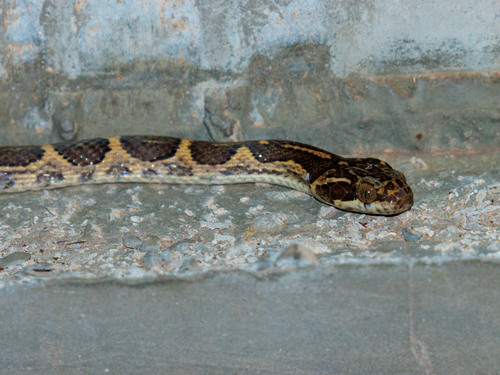
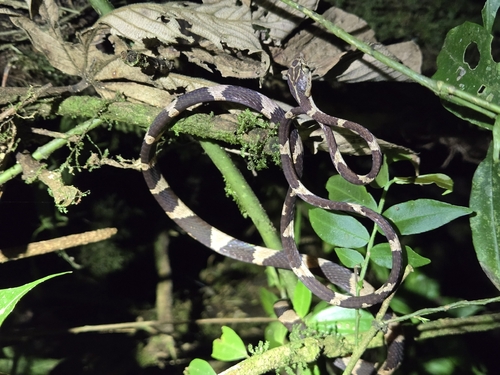
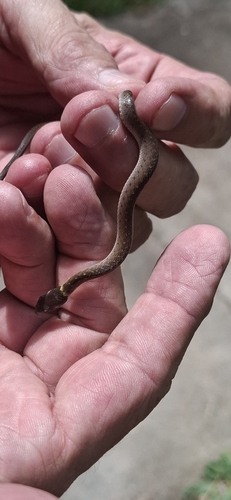
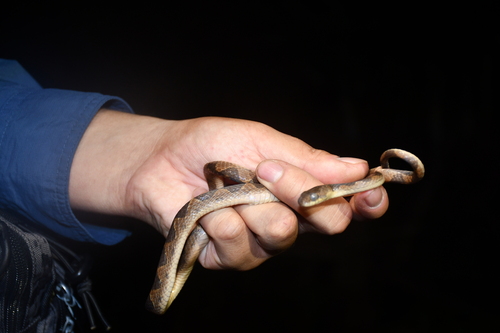
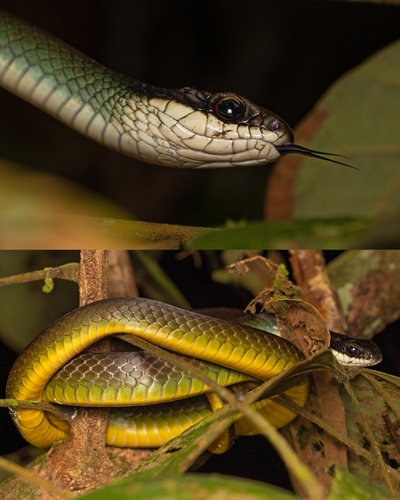
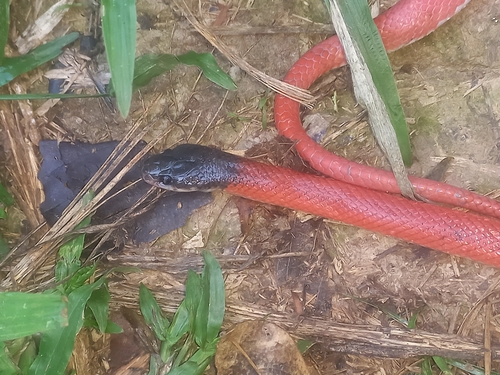
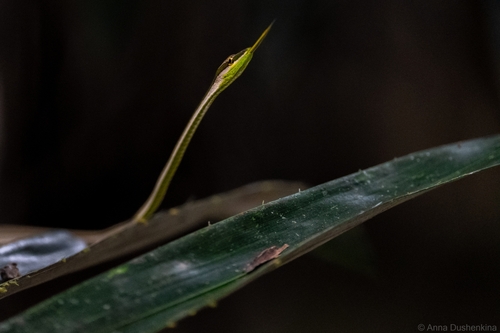
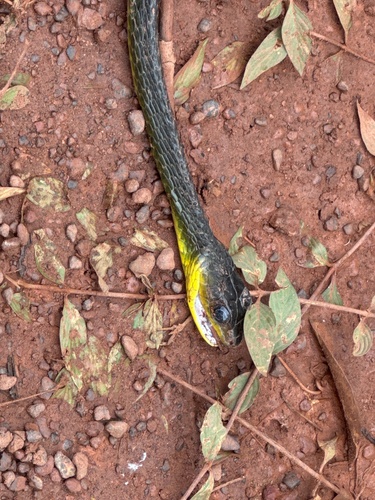
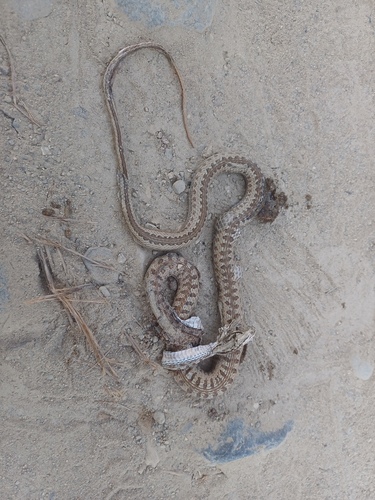
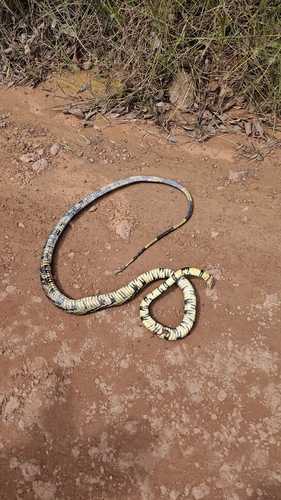
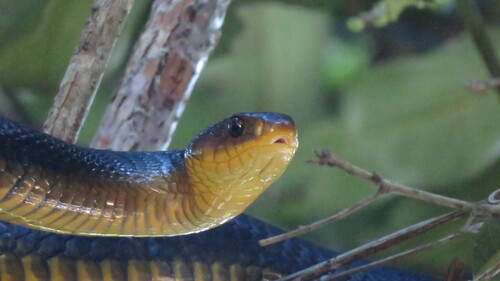
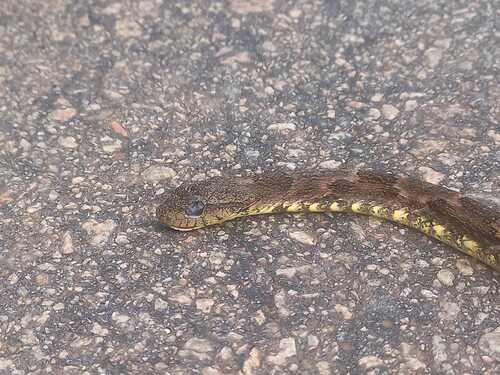
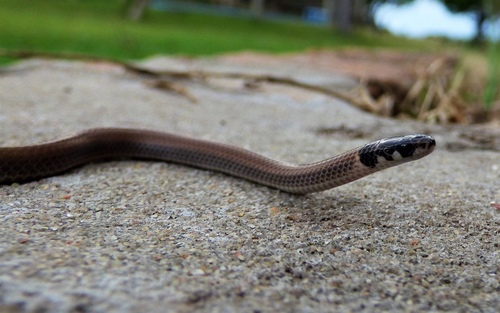
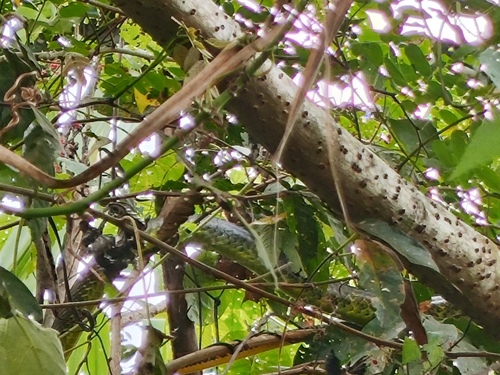
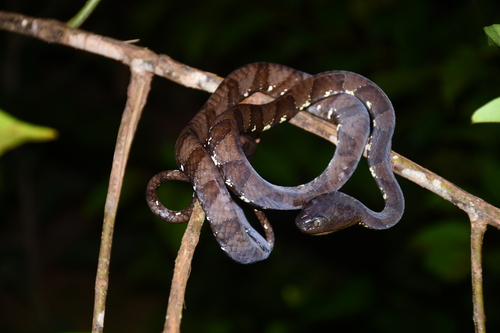
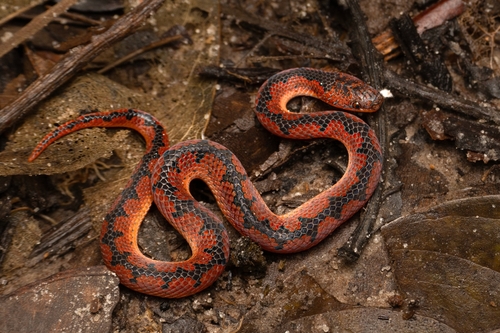
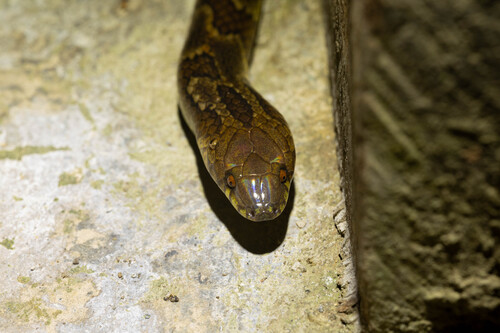
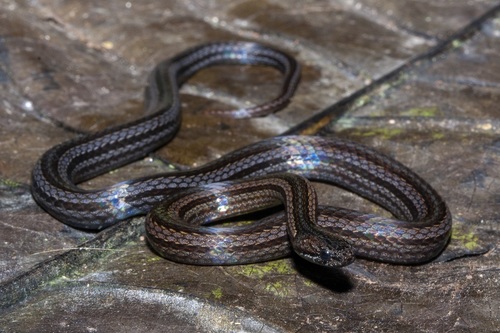
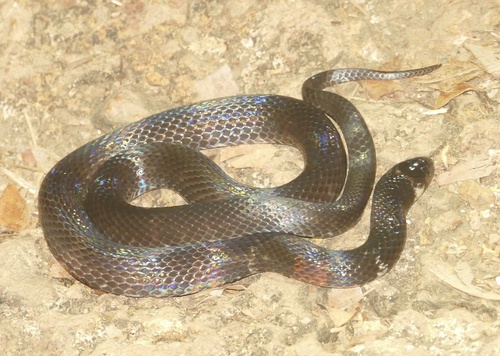
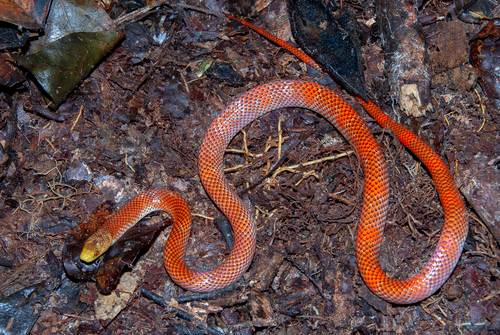
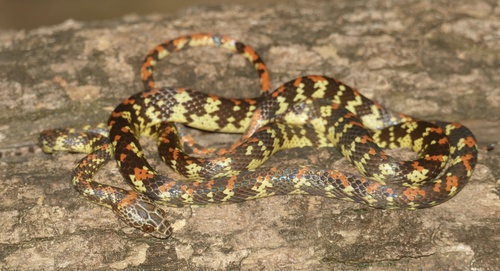
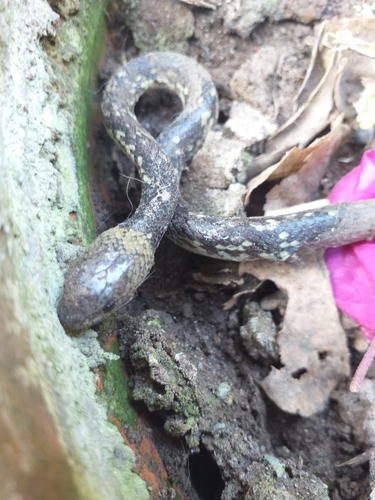
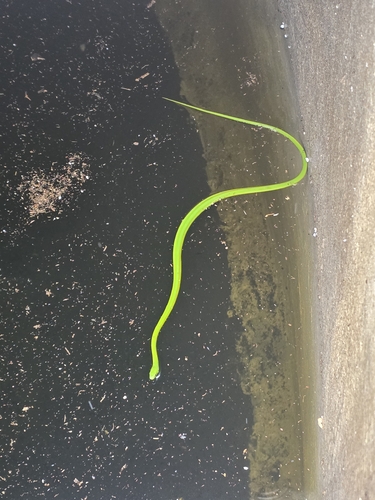
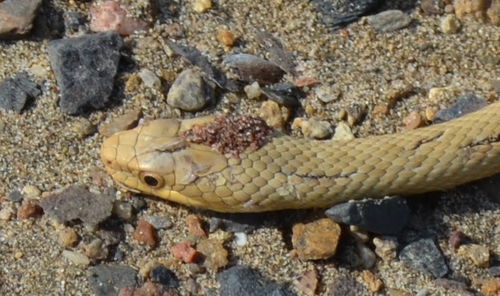
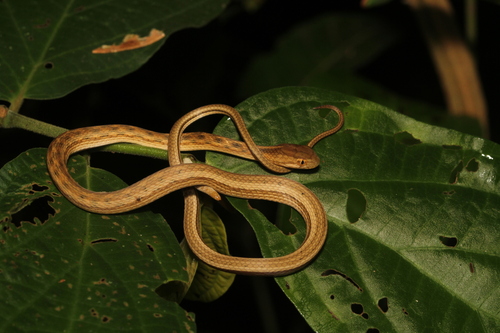
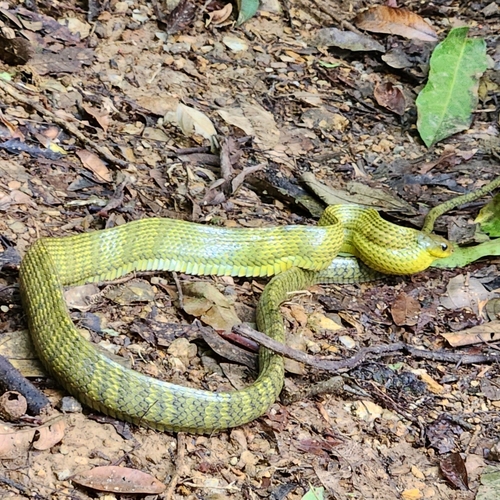
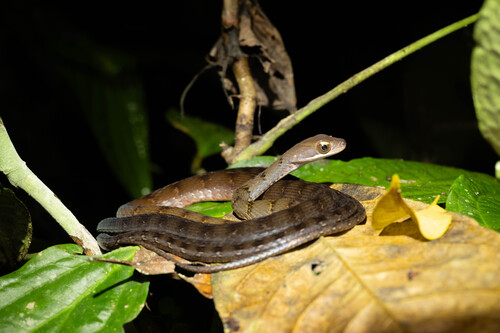
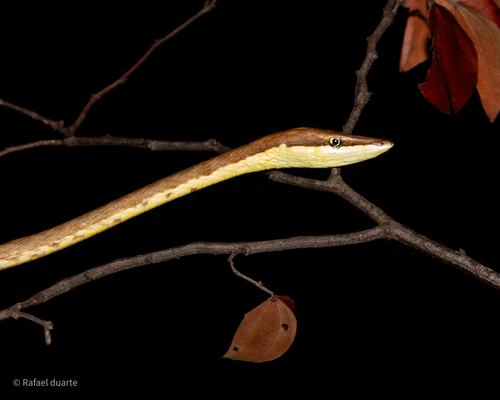
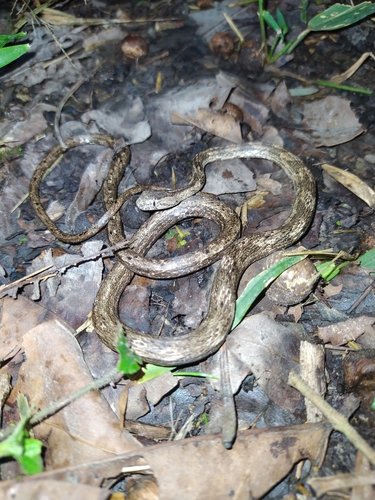
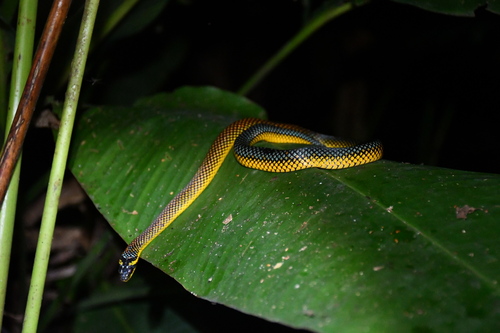
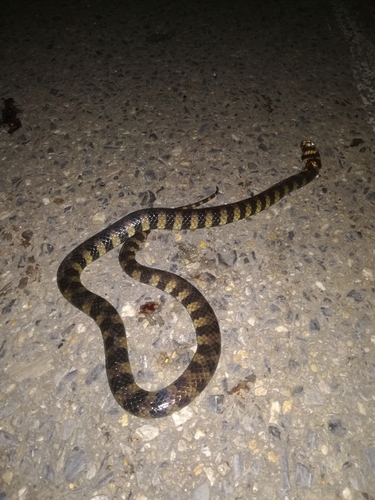
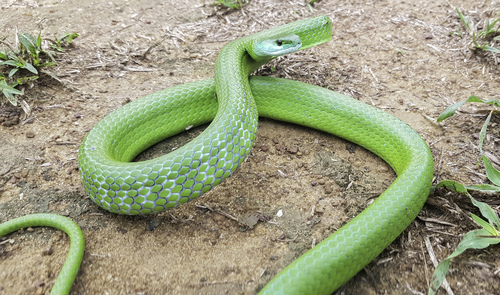
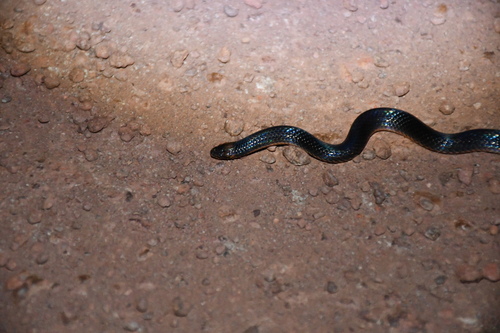

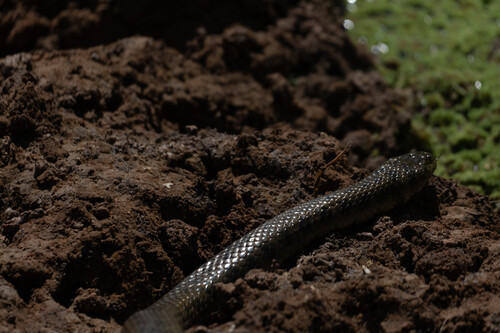
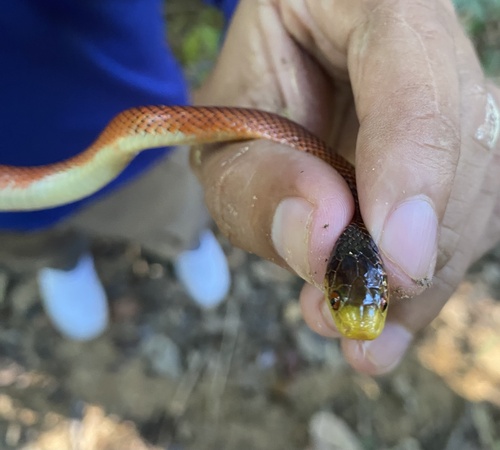
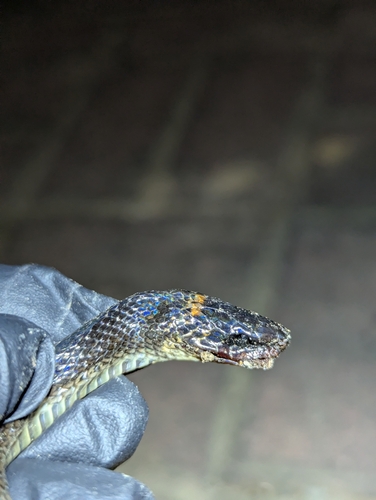
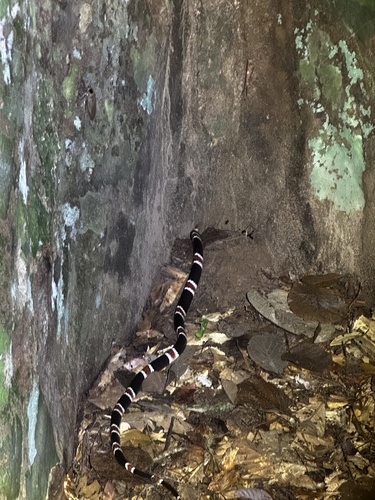
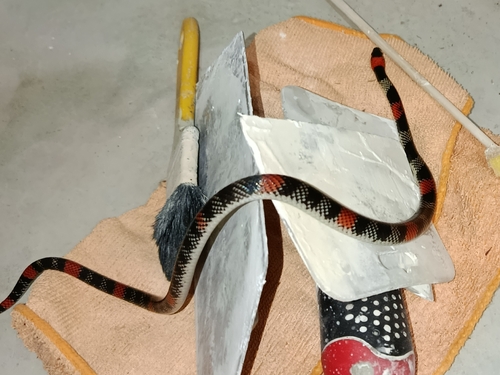
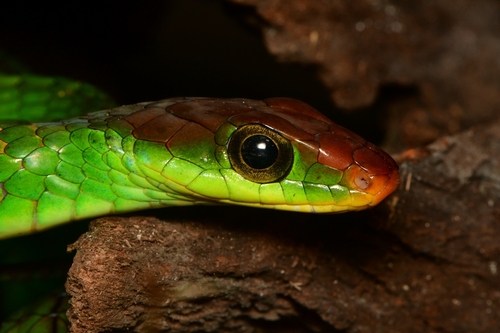
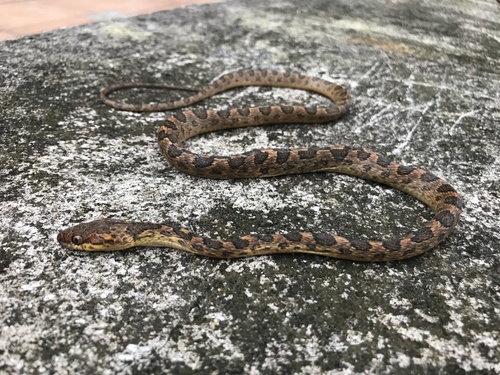
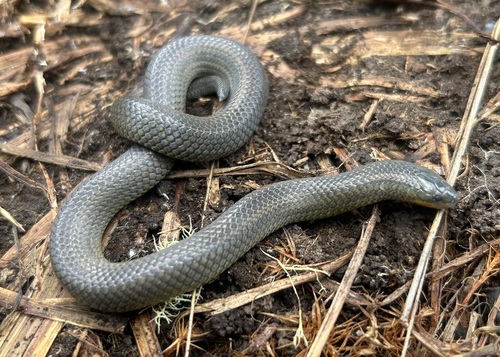
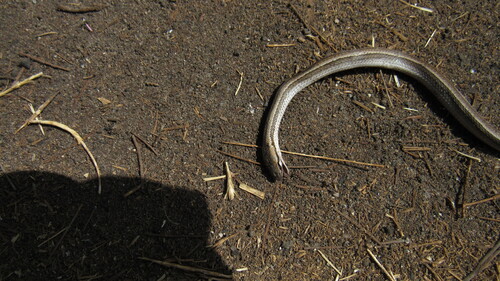
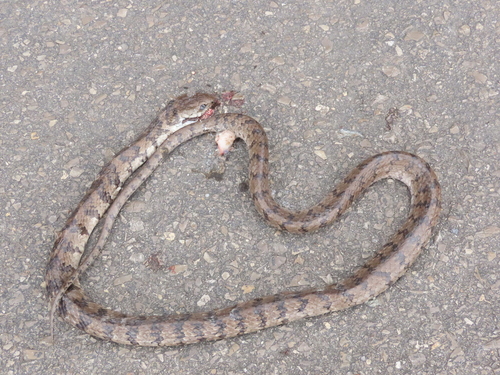
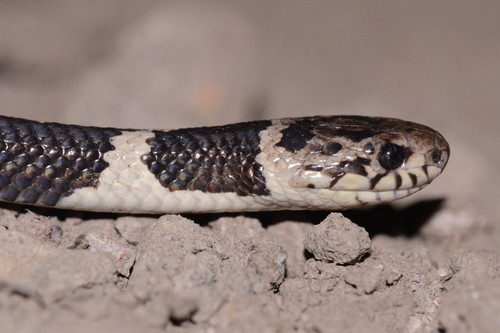


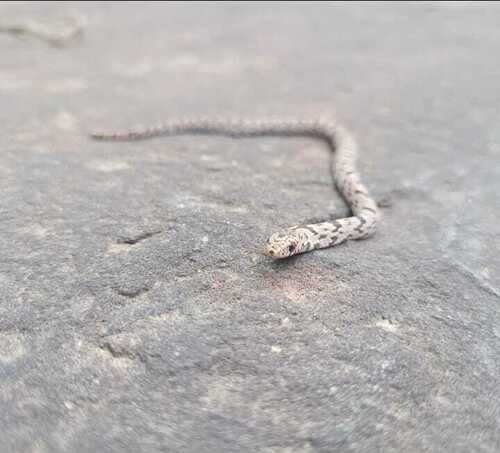
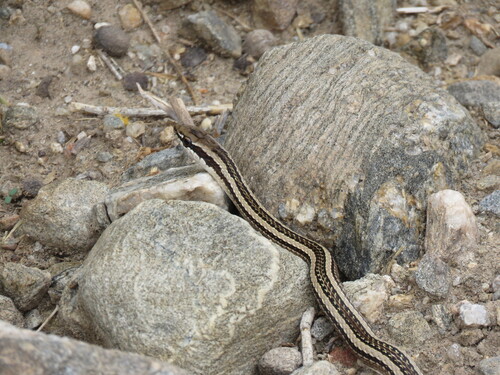

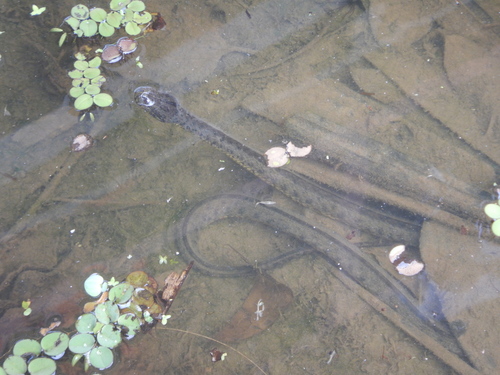
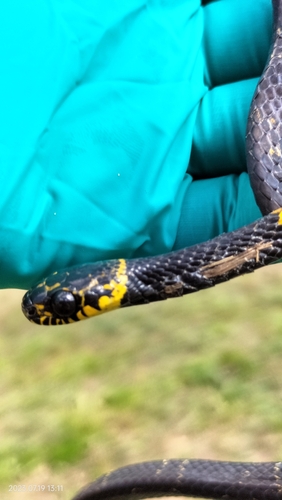
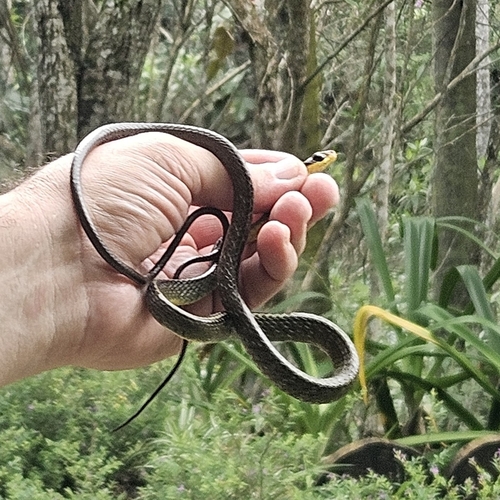

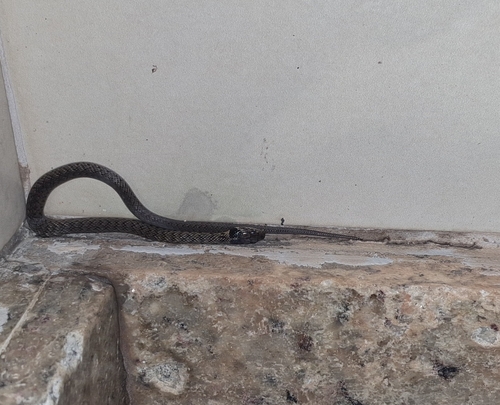
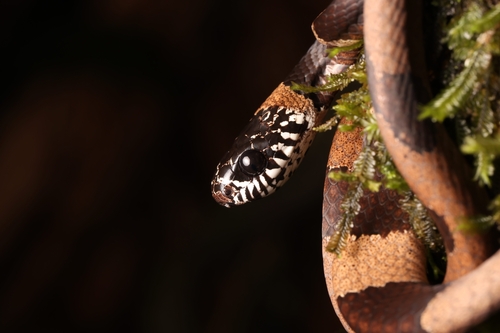

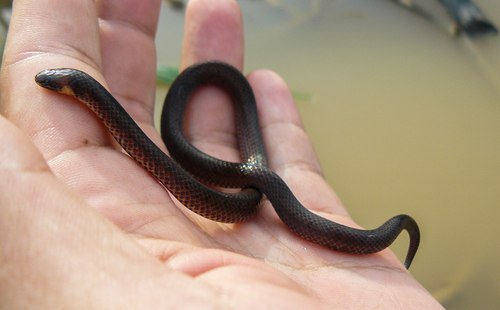
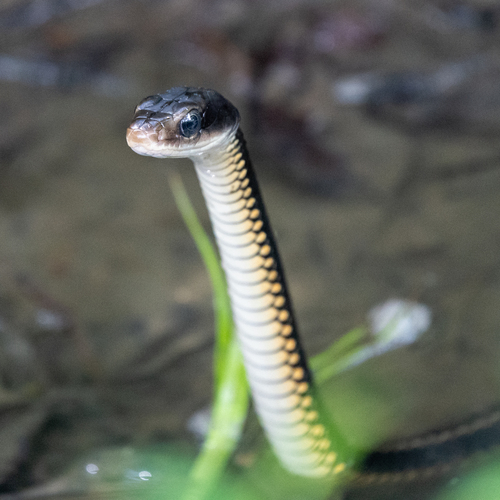

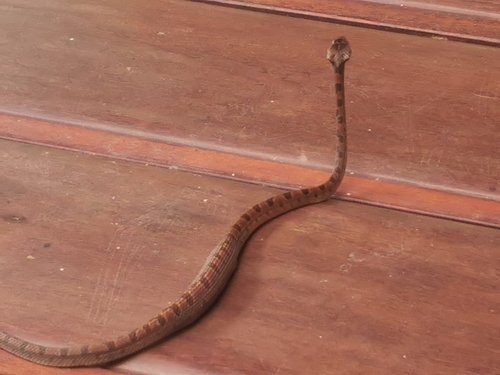
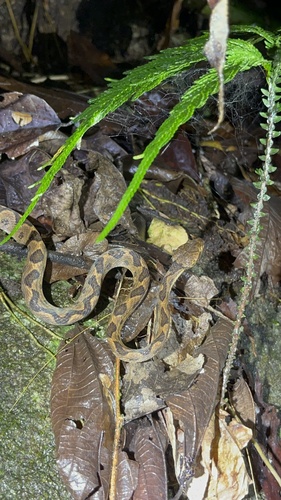
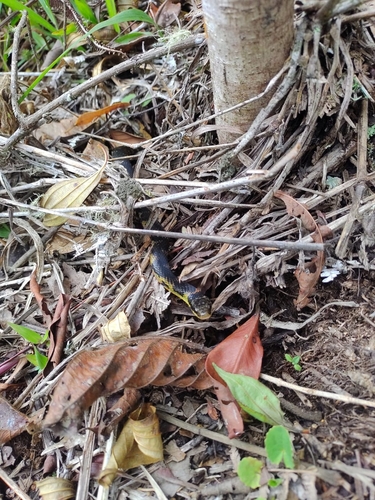
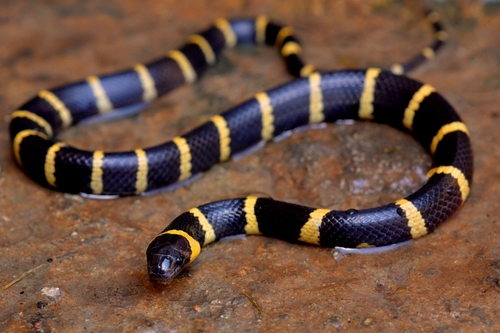
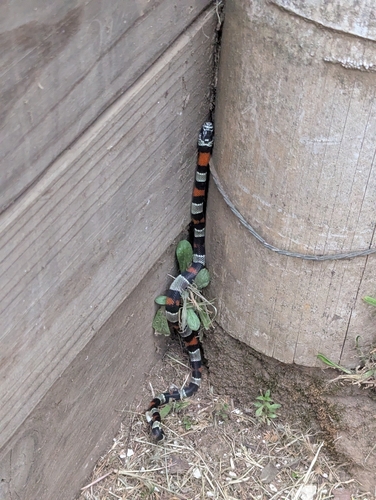
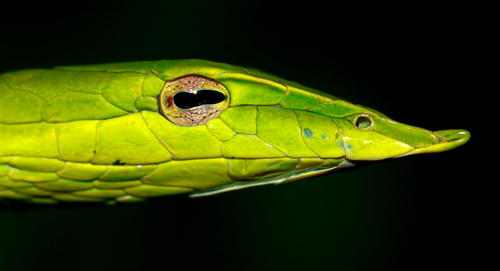
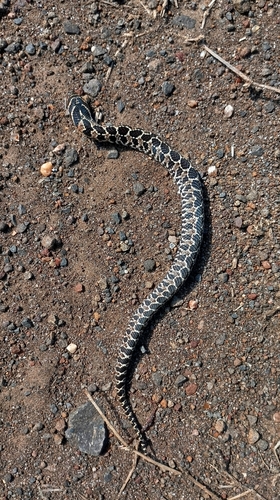
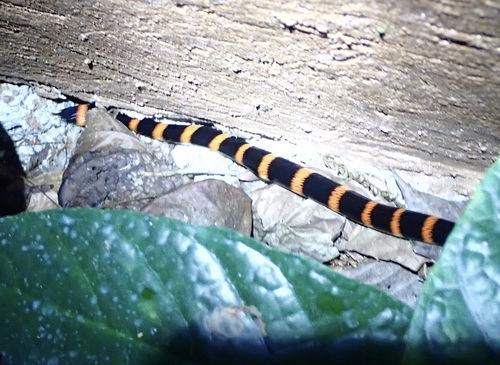

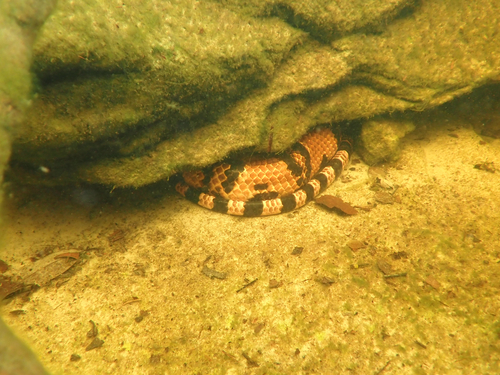

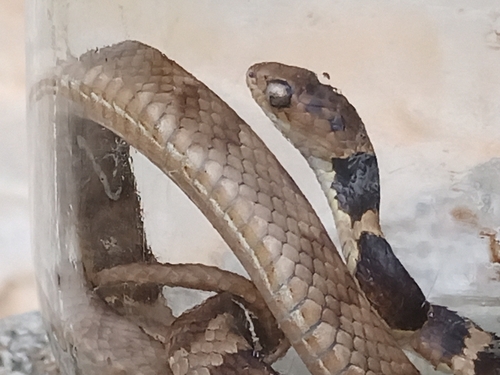
Elapidae (25)
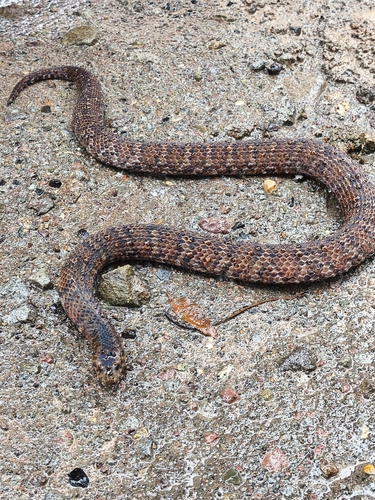
Viperidae (20)
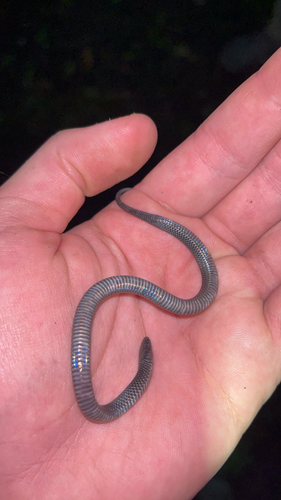
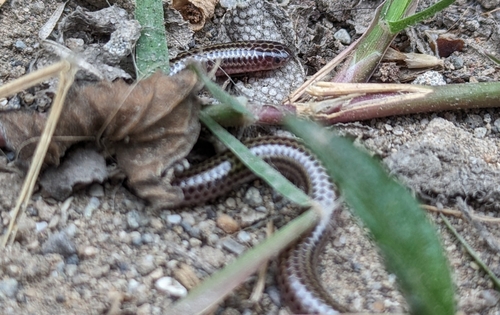
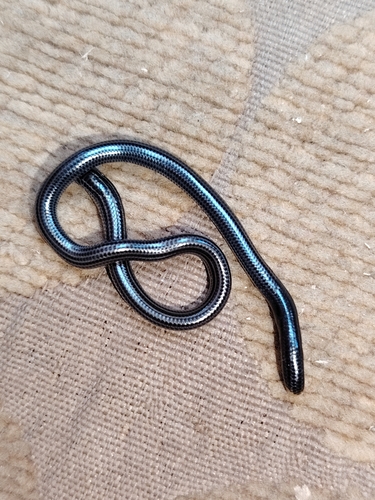
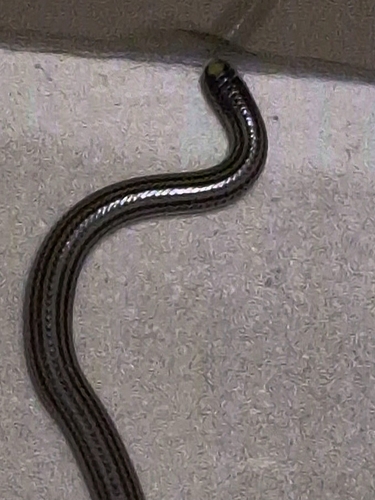
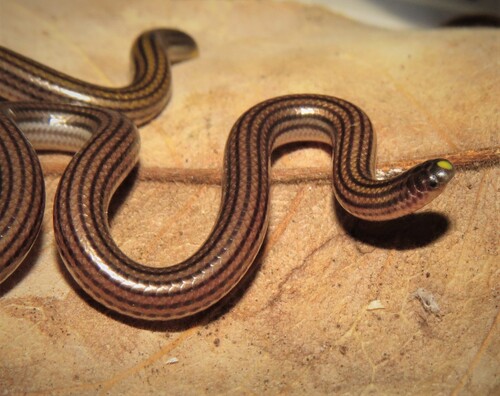
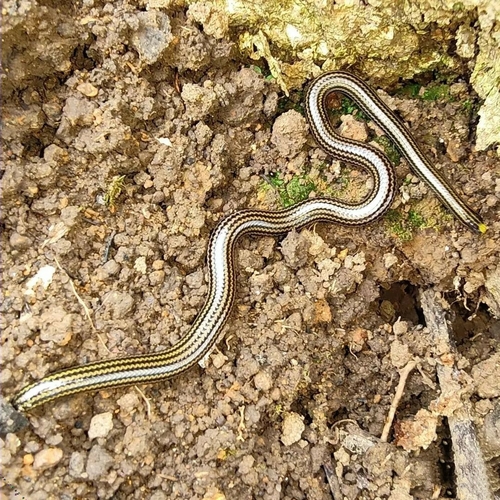
Leptotyphlopidae (13)
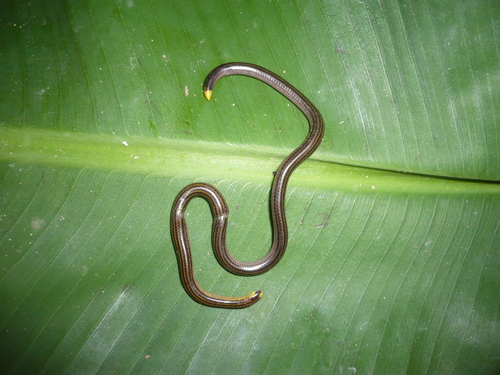

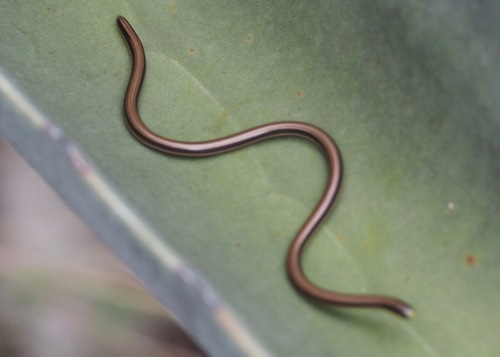
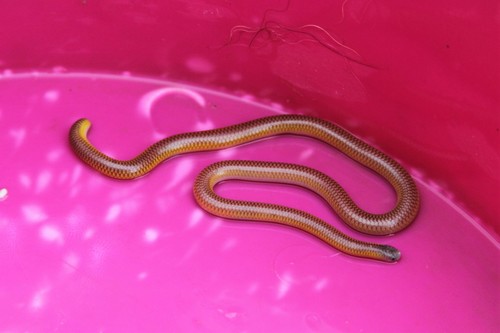
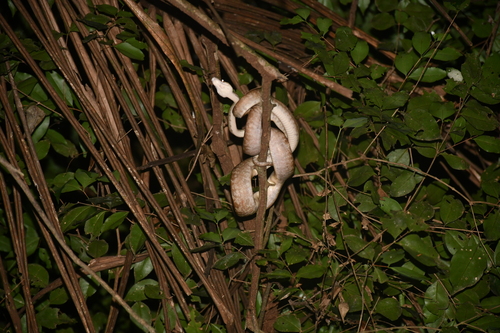
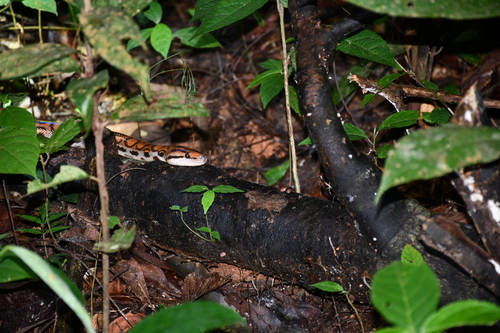
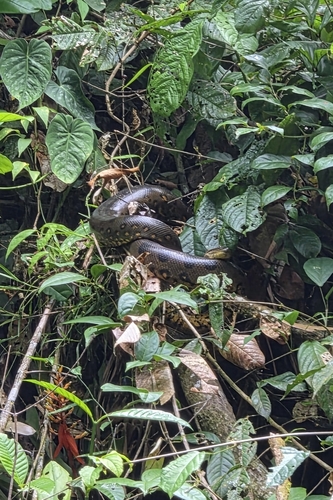
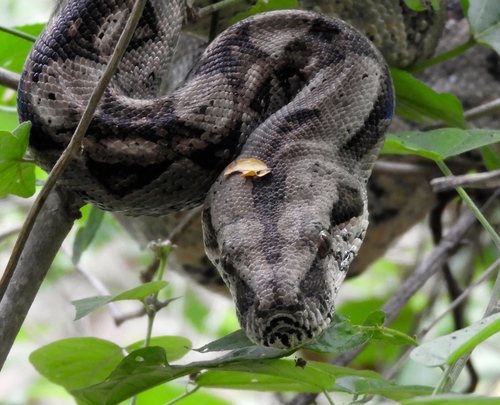
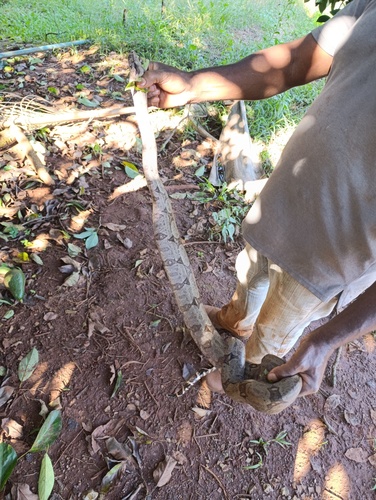
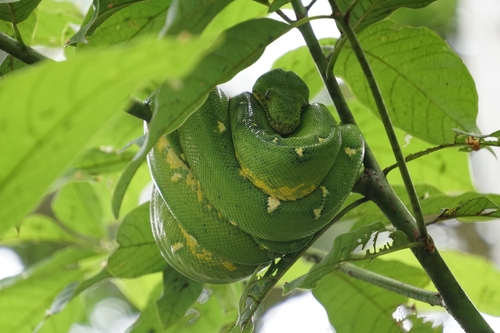
Boidae (9)
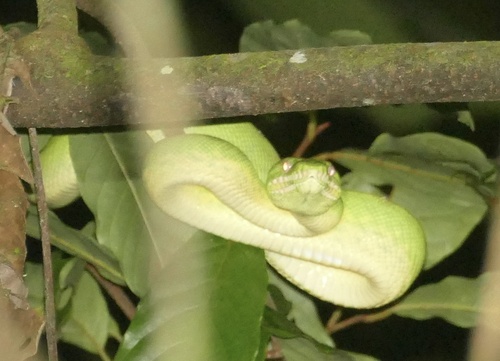
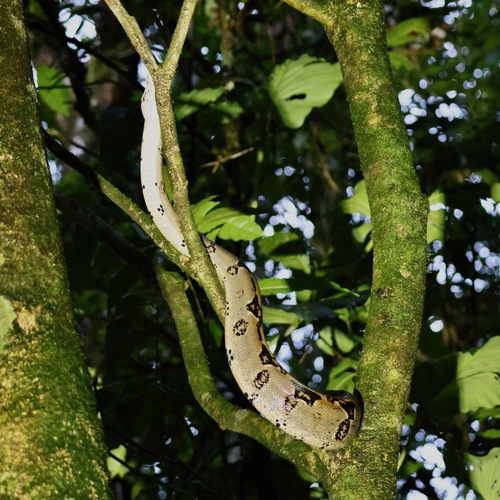

Typhlopidae (3)
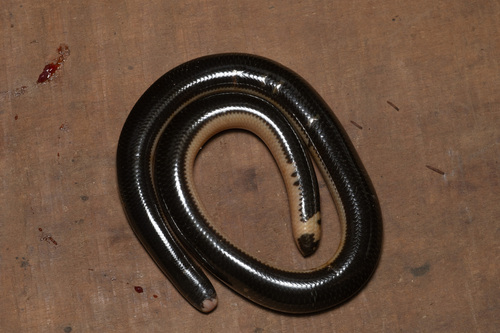
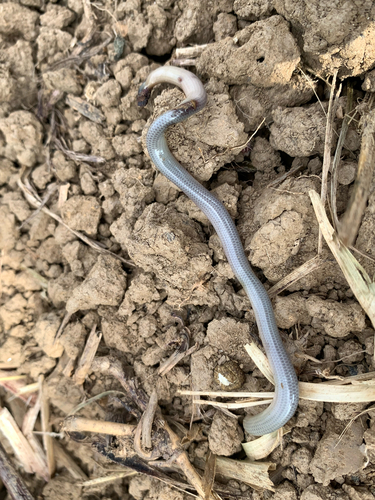
Tropidophiidae (2)
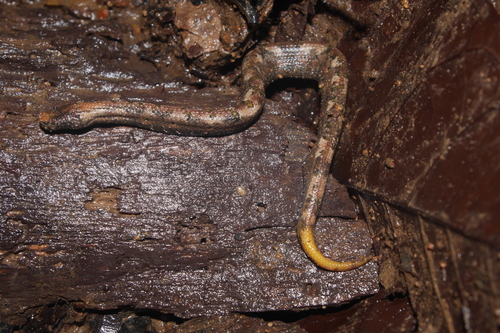
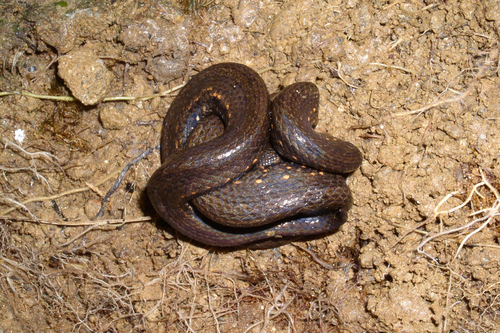
Anomalepididae (2)
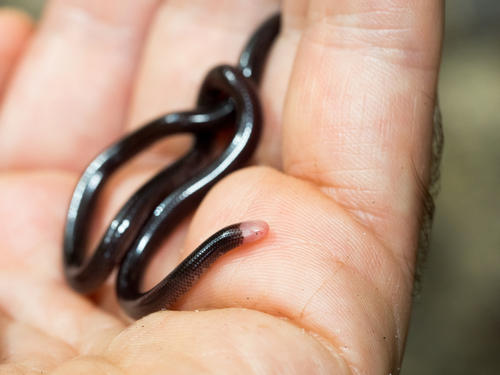
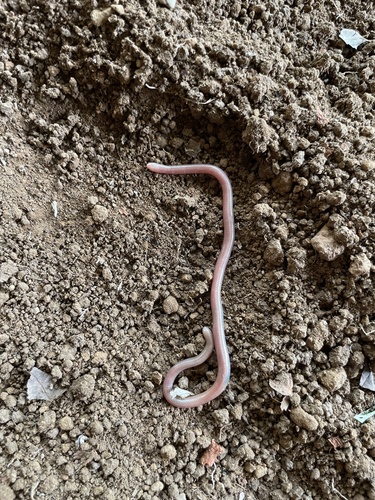
Aniliidae (1)
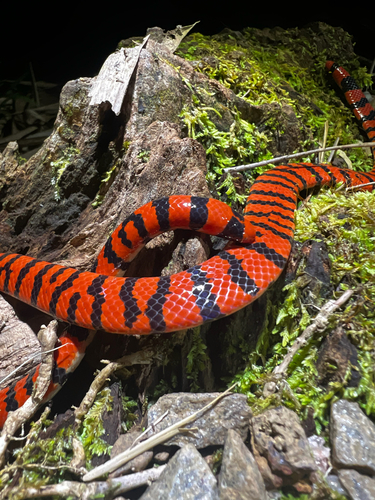
Compiled from verified GBIF & iNaturalist observations. "How often seen" reflects how frequently a snake is reported here, not how dangerous it is. Informational only.
Keep learning
- Are Snakes Dangerous? The Real Risk, in PerspectiveMost snakes are harmless and avoid people. Here is the honest picture of snakebite risk worldwide and how to lower your own.
- Snakebite First Aid: What to Do (and What Never to Do)A clear, CDC-based guide to snakebite first aid: the steps that help, the popular myths that hurt, and how to tell a serious bite from a minor one.
- Venomous vs Nonvenomous: How to Tell the DifferenceThe folk rules for telling venomous snakes apart, where each one fails, and why location-based identification beats guessing by sight.
- What to Do If You Find a SnakeFound a snake at home or on a trail? Here is how to stay calm, give it space, identify it safely, and know when to call a professional.