
Pakistan
Snakes in Pakistan
75+ snake species have been recorded in Pakistan, 31 venomous.
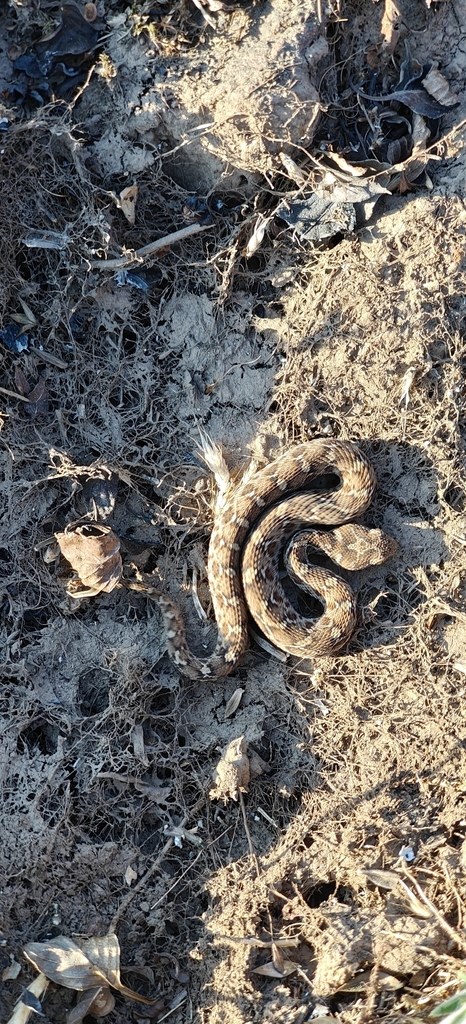
Snakes of Pakistan
Pakistan has 75+ snake species recorded in our database, of which 31 are venomous. As in most parts of the world, the great majority of the country's snakes are non-venomous and pose no medical threat to people. The venomous minority, however, includes several of the most dangerous snakes in South Asia, which is why snakes here are treated with respect rather than fear.
The country's snake diversity is driven by an unusually wide range of habitats. Pakistan spans the high mountains and valleys of the Himalaya, Karakoram, and Hindu Kush in the north, the arid plateaus and rocky deserts of Balochistan in the west, the Thar Desert in the southeast, the fertile floodplains of the Indus River through the center, and a long coastline along the Arabian Sea. Each of these zones supports its own mix of reptiles, from cold-adapted highland species to desert specialists, agricultural and wetland snakes, and marine species offshore. This geographic spread is the main reason a single country holds so many different snakes.
Pakistan's medically important venomous snakes fall into a few well-established groups. The elapids include cobras, with the spectacled cobra found across much of the country, and the highly venomous kraits, whose bites are especially serious because they often occur at night and may cause little local pain. The vipers are represented by the saw-scaled viper, a small but extremely significant species responsible for many bites in dry regions, and Russell's viper, a large, broad-bodied snake of farmland and grassland. Together the cobra, krait, saw-scaled viper, and Russell's viper are often referred to in South Asia as the snakes responsible for most serious envenomings. Along the Arabian Sea coast, venomous sea snakes occur in coastal and offshore waters. Pakistan has no mambas and no rattlesnakes, which are New World and African groups, so reports of those animals here are mistaken identifications.
The non-venomous majority covers a wide variety of forms. Rat snakes, including the large and fast Indian rat snake, are common around fields and villages and are valuable predators of rodents. Sand boas are stout, burrowing snakes of desert and scrub. The Indian python, a large constrictor, is among the most famous snakes of the country, along with various wolf snakes, kukri snakes, cat snakes, and water snakes found near rivers and wetlands. Many of these harmless species are mistaken for dangerous ones, which leads to snakes being killed needlessly.
Snakes provide real ecological and economic value. By preying heavily on rats, mice, and other rodents, they help protect stored grain and standing crops and reduce the spread of rodent-borne disease, which matters in a country with extensive agriculture. Snakes are also prey for birds and other wildlife, making them an important link in the food web. A landscape with healthy snake populations is generally a sign of a functioning ecosystem.
For safety, keep the situation in honest perspective. Most snakes in Pakistan are harmless, but the saw-scaled viper, Russell's viper, cobras, and kraits cause genuine, sometimes life-threatening bites, and the saw-scaled viper in particular accounts for a large share of serious cases. No wild snake should ever be handled, picked up, or cornered, even one that appears to be non-venomous, because identification mistakes are easy and dangerous. If a bite occurs, the correct response is to get the person to a hospital as quickly as possible, where antivenom and medical care are the proven treatment. Do not rely on home remedies. In an emergency, contact local emergency services, or in the United States call Poison Control at 1-800-222-1222.
Snakes in Pakistan: FAQ
- Are there venomous snakes in Pakistan?
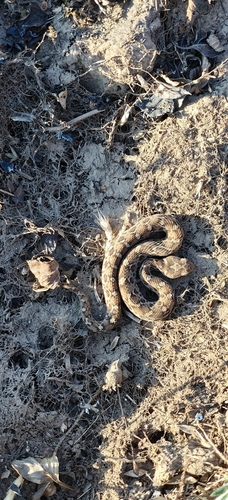
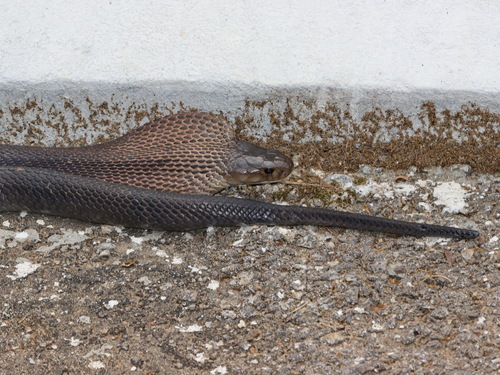
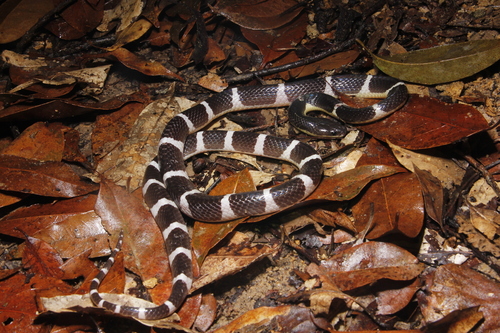
- Yes. 31 venomous snake species have verified records in Pakistan, including Saw-scaled Viper, Brown Banded Cobra, Bungarus sagittatus, Indian Cobra. Most snakes in Pakistan, however, are harmless.
- How many snake species live in Pakistan?
- 75+ snake species have verified records in Pakistan, of which 31 are venomous.
- What is the most commonly seen snake in Pakistan?
- The Saw-scaled Viper is the most frequently reported snake in Pakistan, based on verified wildlife observations.
- What should I do if I see a venomous snake in Pakistan?
- Keep your distance and do not try to catch or kill it. Most bites happen when people handle or corner a snake. If someone is bitten, contact local emergency services or poison control immediately.
Venomous snakes in Pakistan
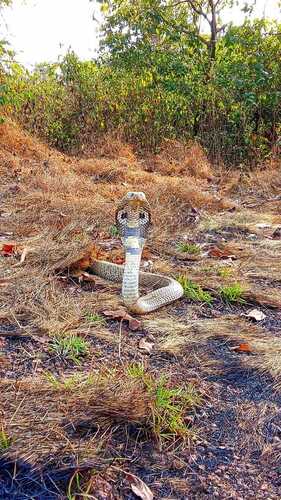
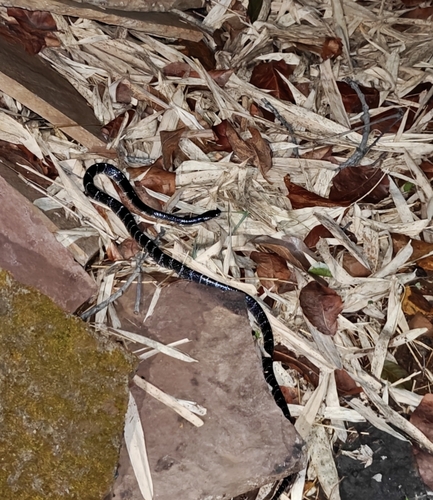
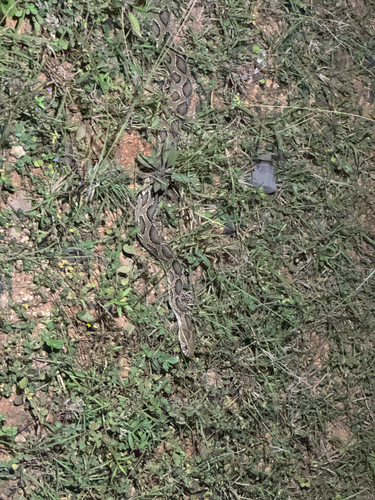
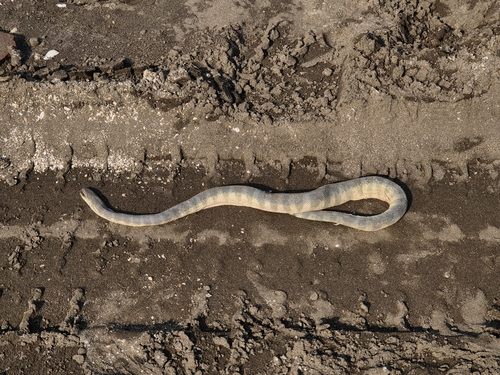
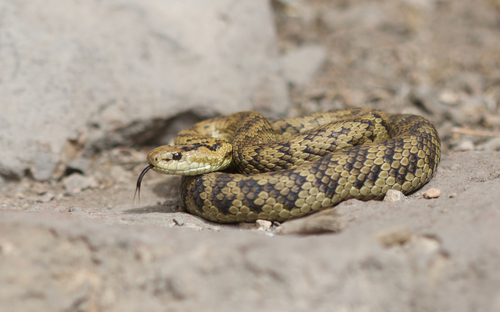
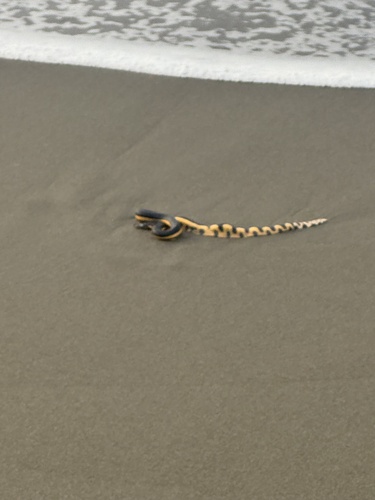
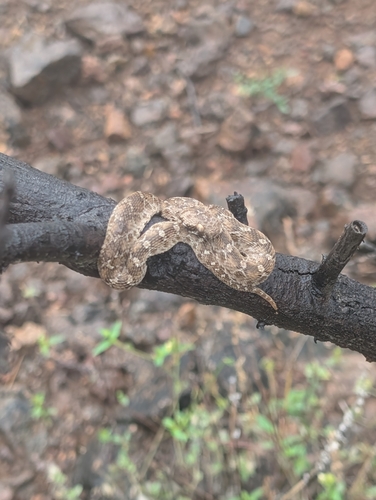
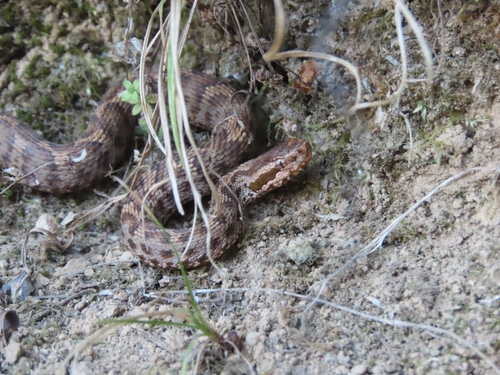
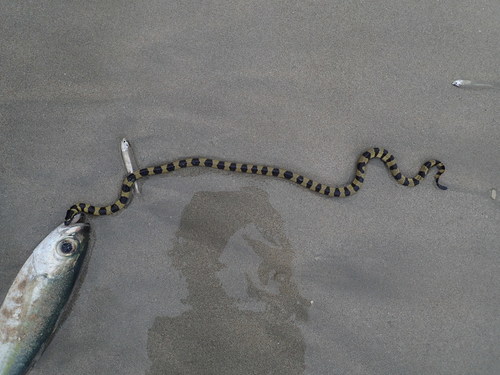

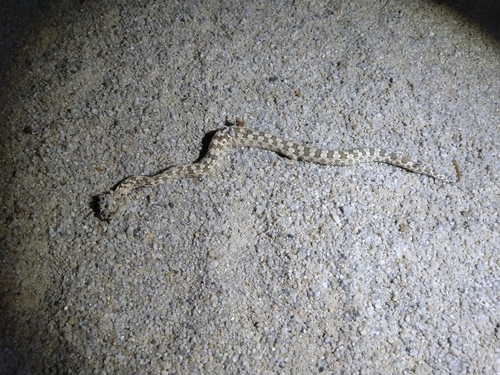
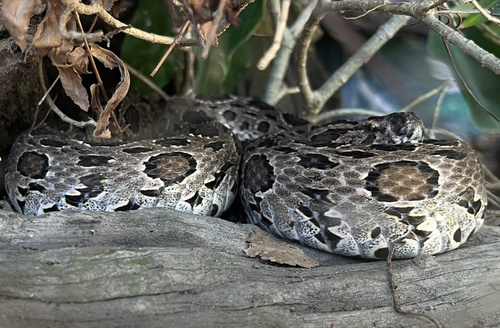
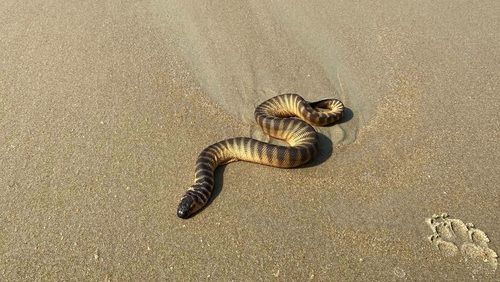
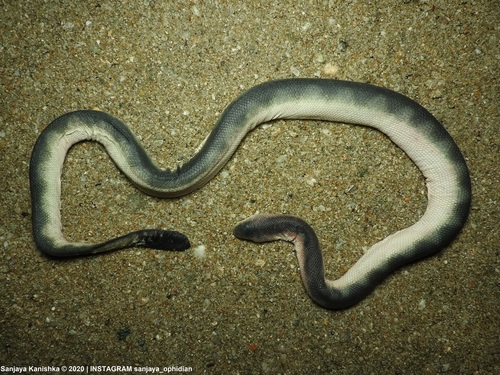
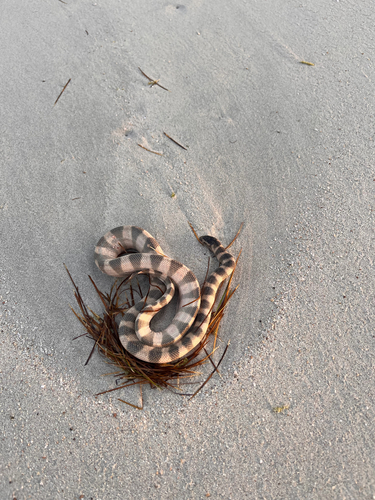
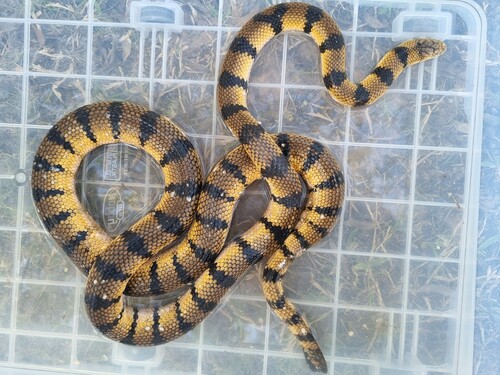
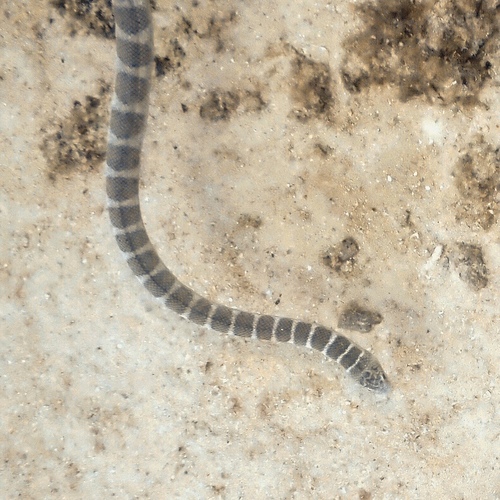
- No photo
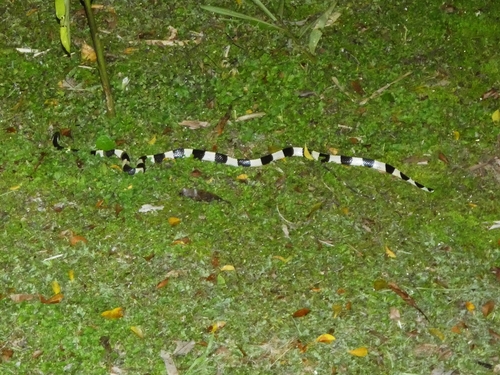
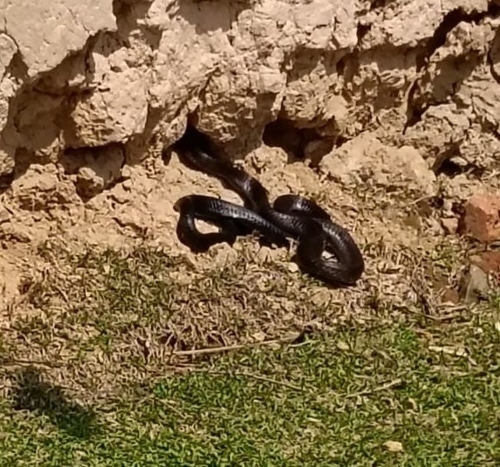
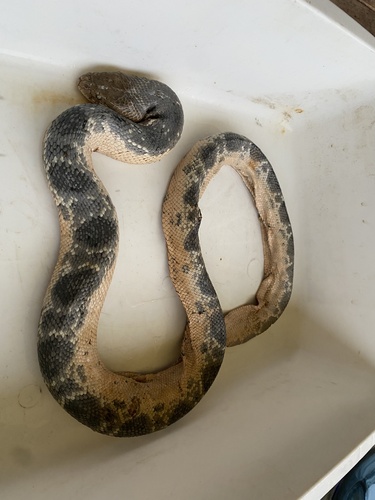

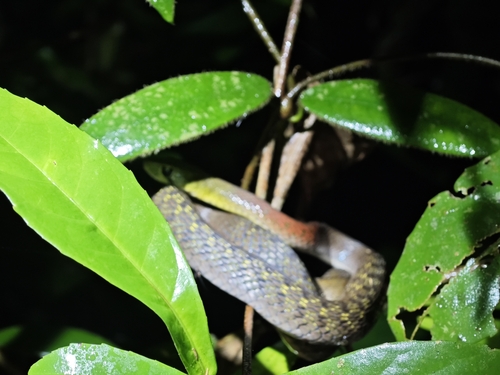
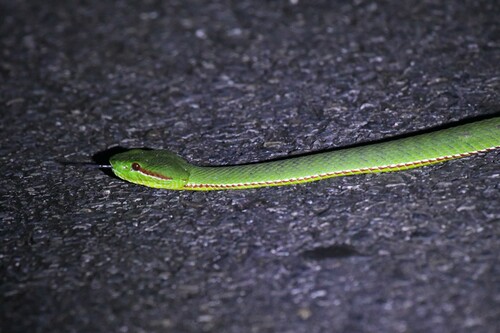
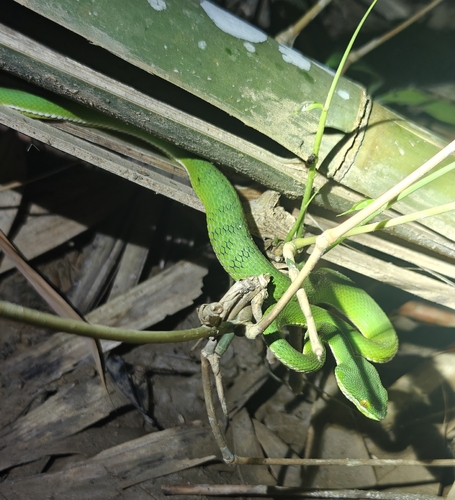

Every snake recorded in Pakistan
75+ species across 9 families, grouped by family. Venomous flagged.
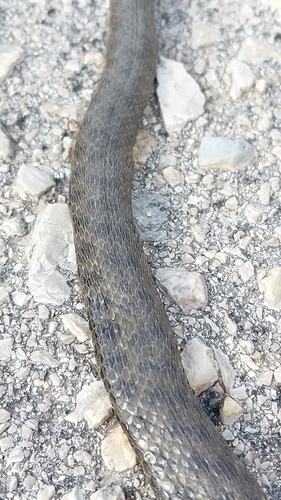
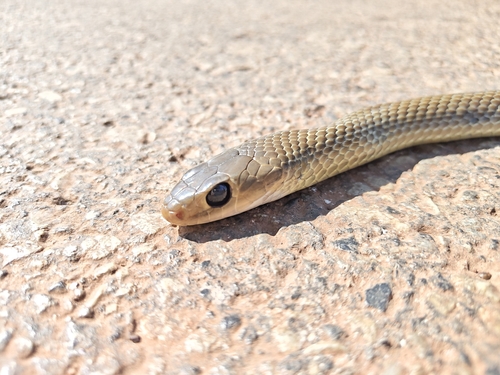
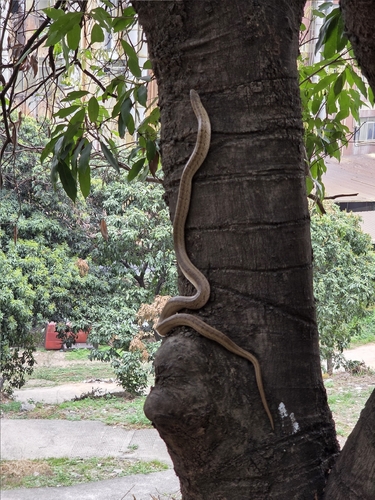
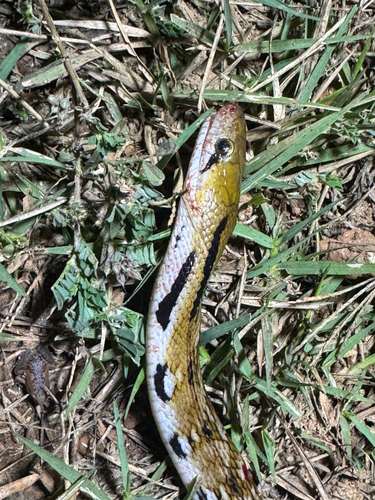
Colubridae (40)
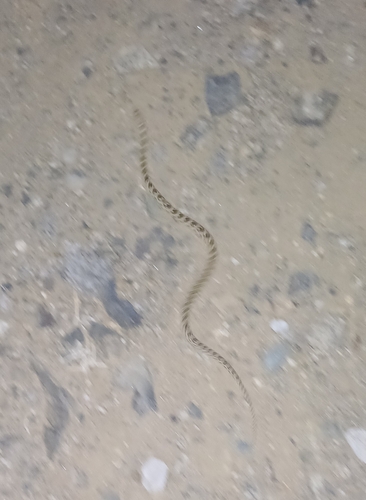
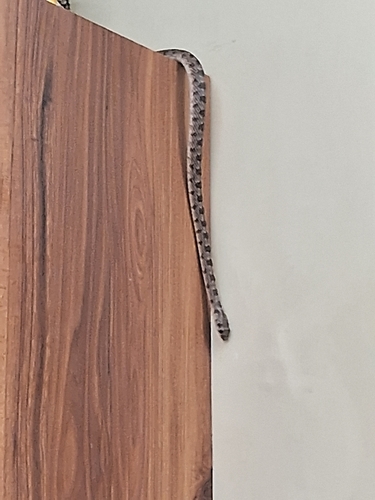
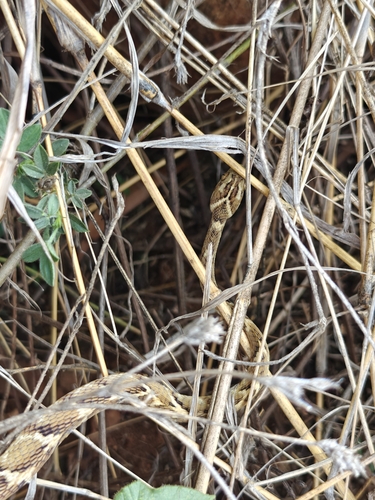
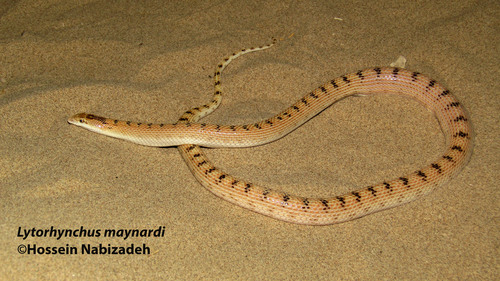

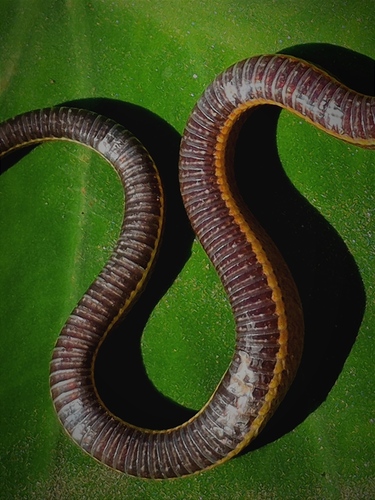
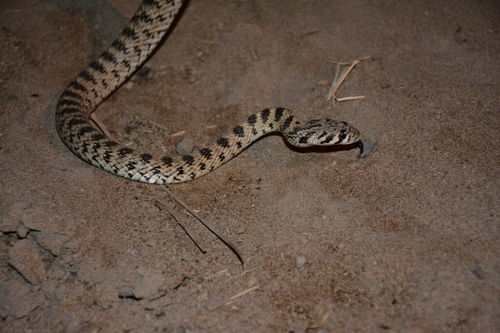
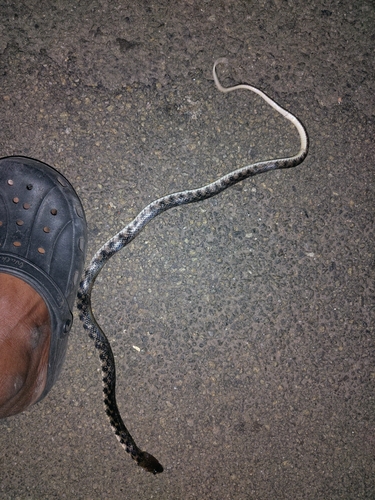
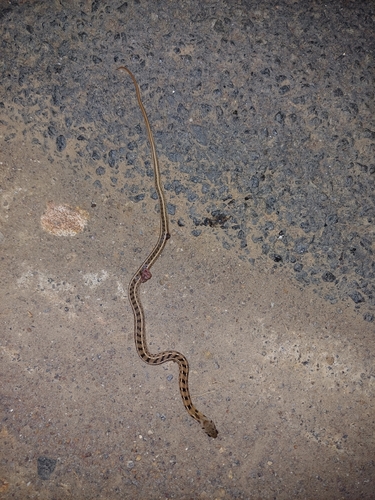
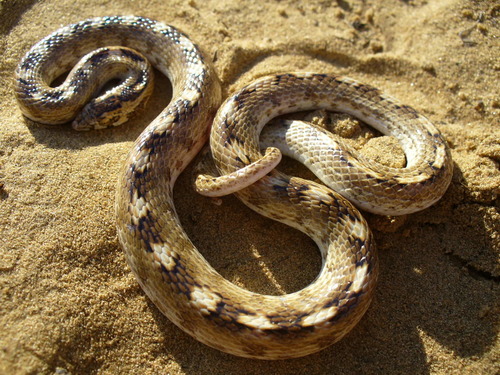
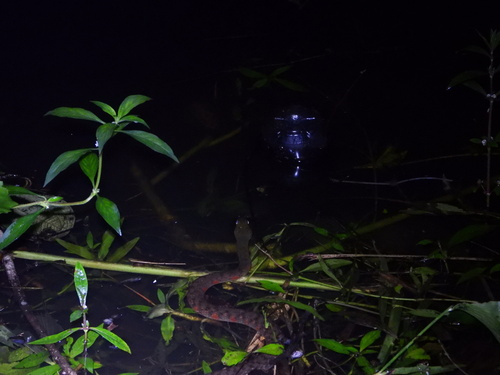
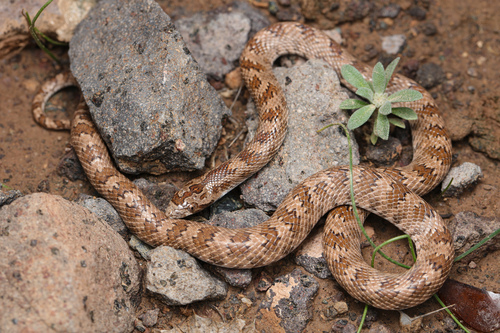
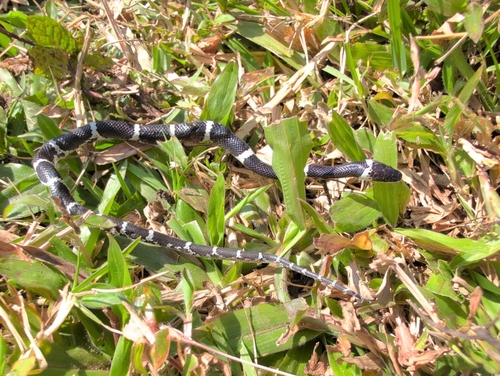

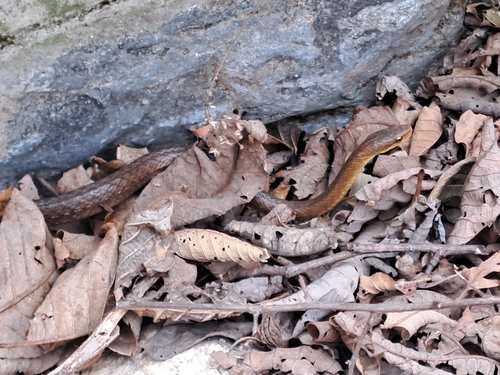
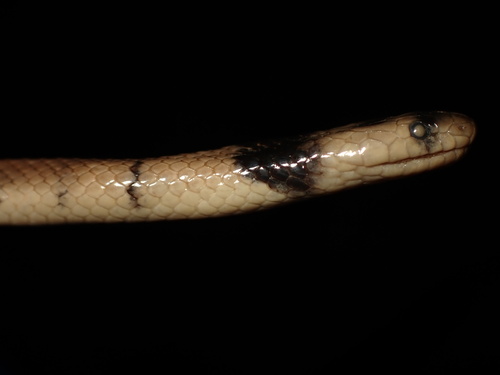
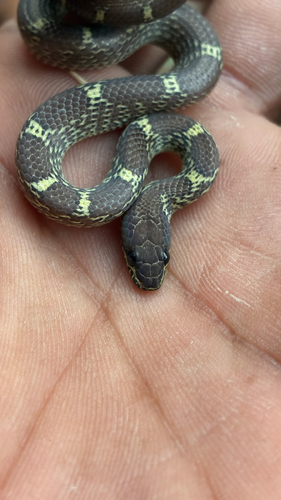
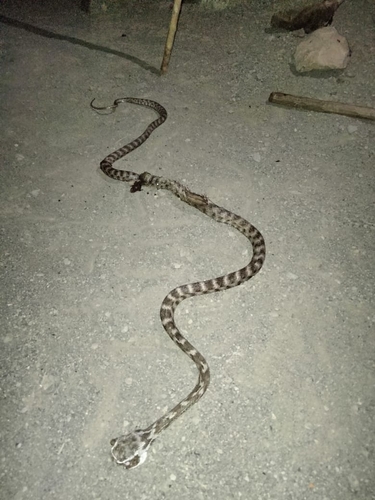

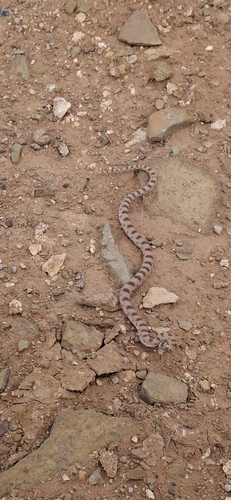
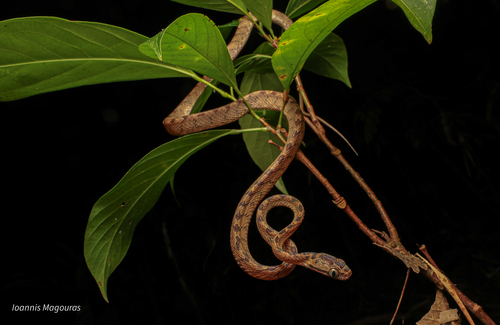
Elapidae (20)
Viperidae (9)
Boidae (4)
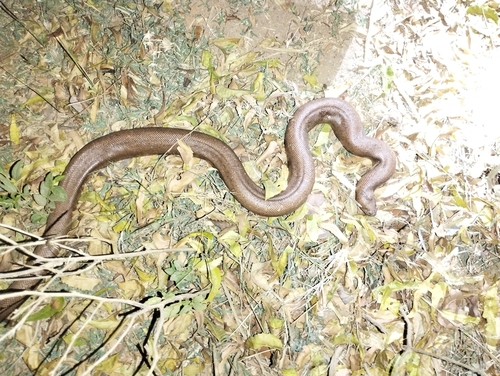
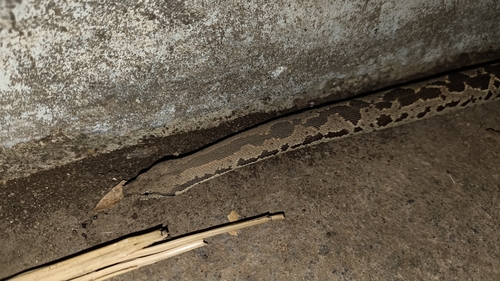
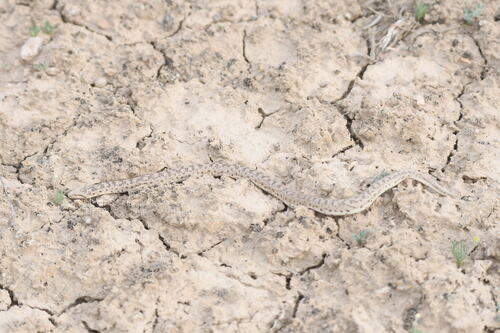
Psammophiidae (4)
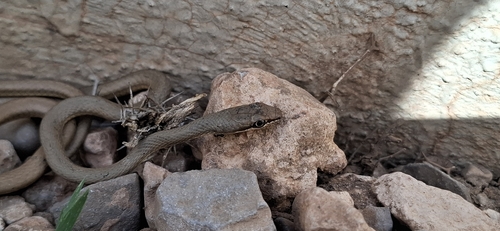
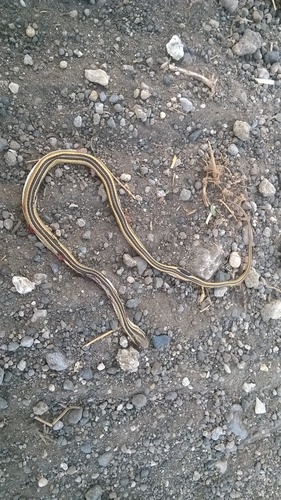

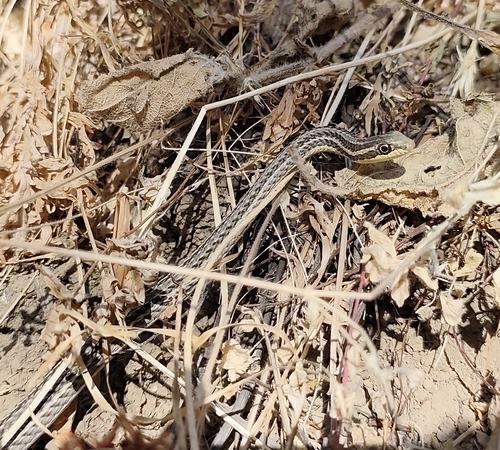
Typhlopidae (2)
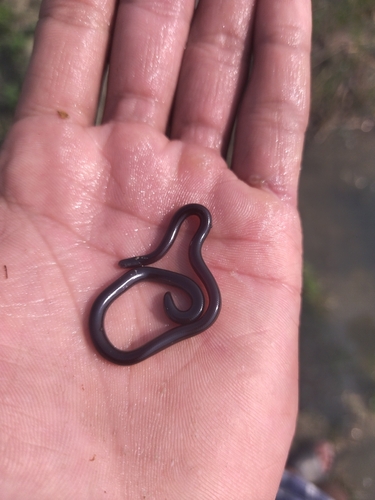
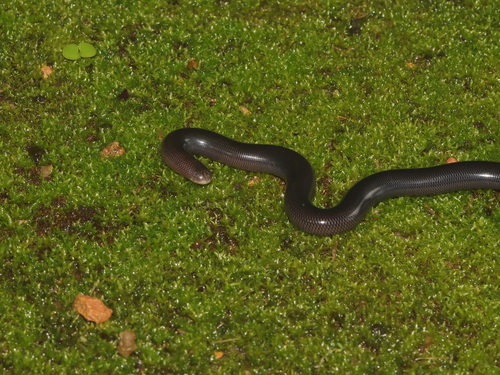
Leptotyphlopidae (2)
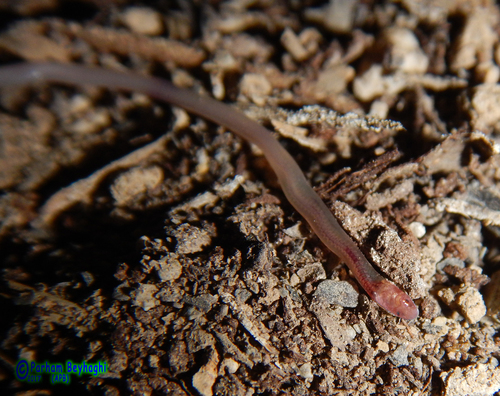
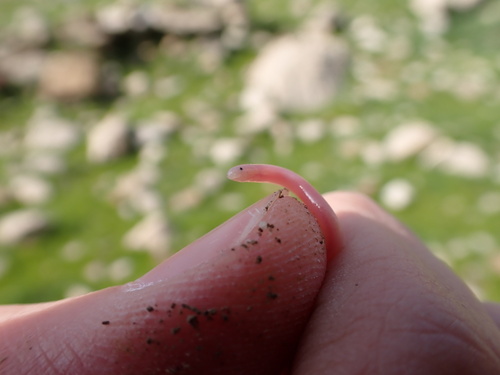
Pythonidae (1)
Compiled from verified GBIF & iNaturalist observations. "How often seen" reflects how frequently a snake is reported here, not how dangerous it is. Informational only.
Keep learning
- Are Snakes Dangerous? The Real Risk, in PerspectiveMost snakes are harmless and avoid people. Here is the honest picture of snakebite risk worldwide and how to lower your own.
- Snakebite First Aid: What to Do (and What Never to Do)A clear, CDC-based guide to snakebite first aid: the steps that help, the popular myths that hurt, and how to tell a serious bite from a minor one.
- Venomous vs Nonvenomous: How to Tell the DifferenceThe folk rules for telling venomous snakes apart, where each one fails, and why location-based identification beats guessing by sight.
- What to Do If You Find a SnakeFound a snake at home or on a trail? Here is how to stay calm, give it space, identify it safely, and know when to call a professional.