
Psammophiidae
Steppe Ribbon Racer
HarmlessPsammophis lineolatus
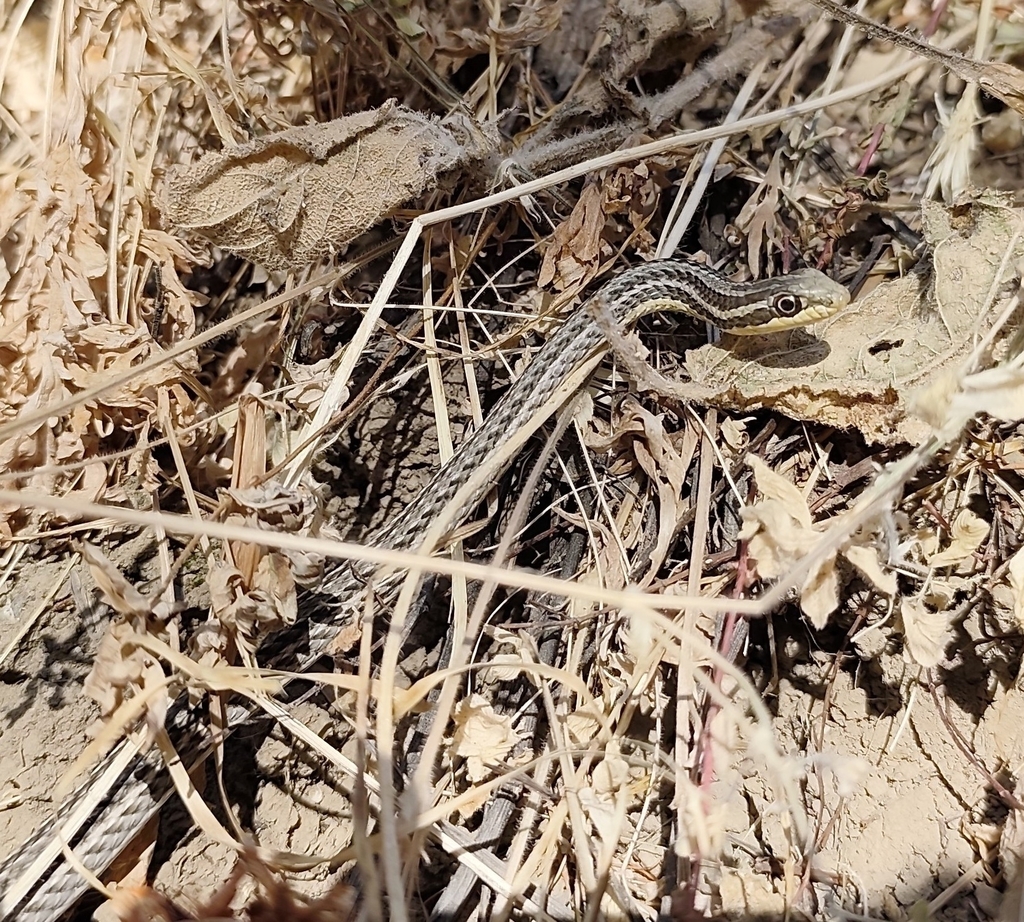
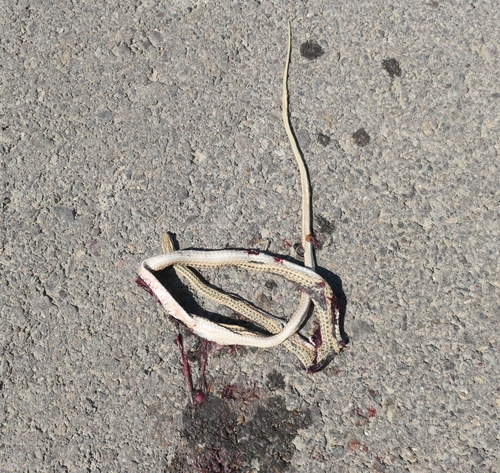
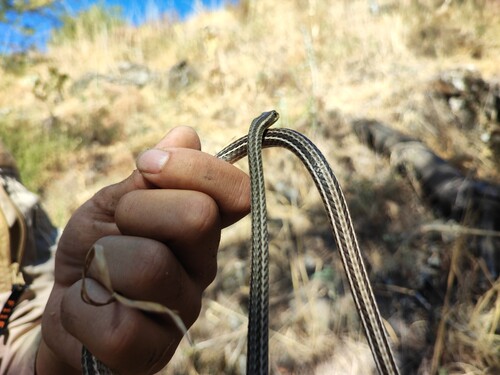
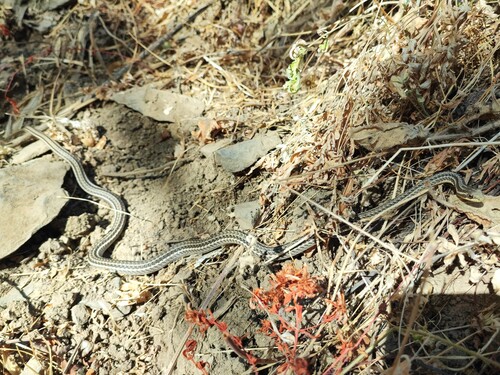
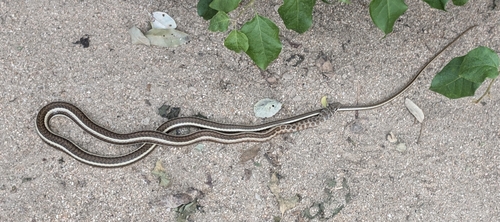
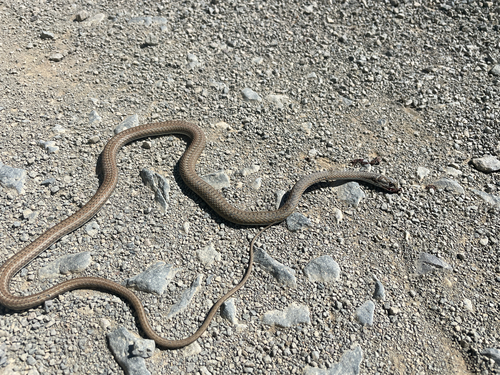
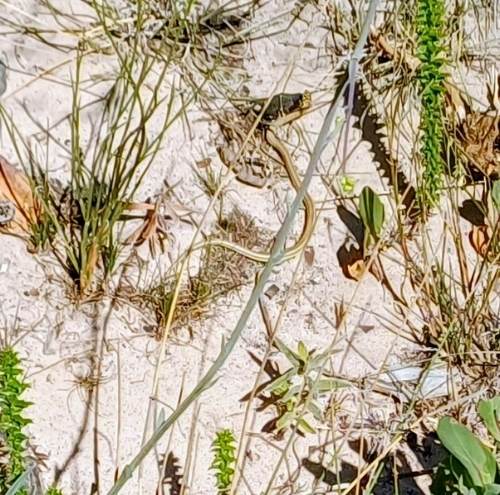
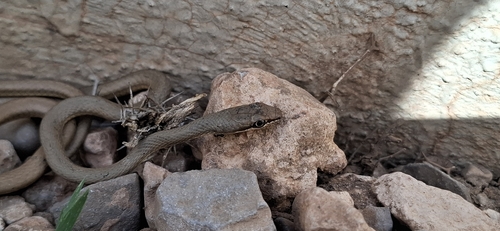
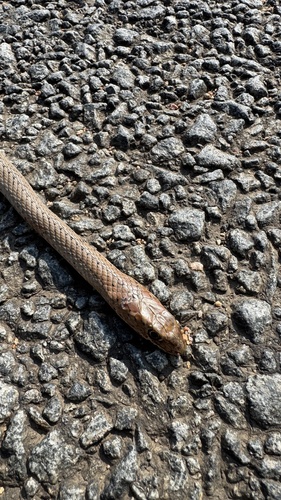
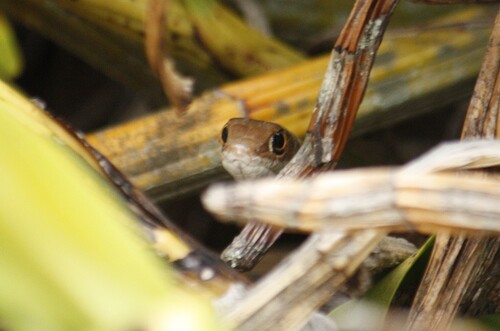
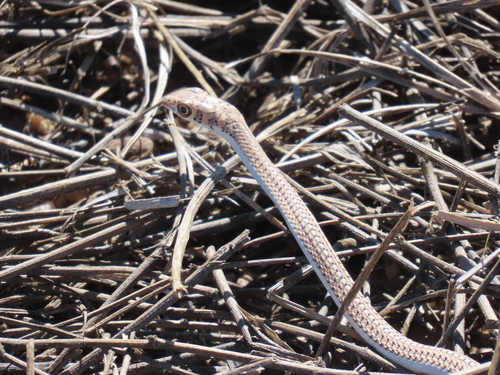
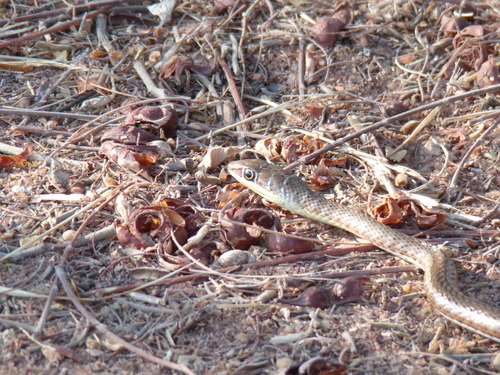
4 photographs of the Steppe Ribbon Racer. © Igor Karyakin.
The Steppe Ribbon Racer (Psammophis lineolatus) is a rear-fanged, mildly venomous snake in the Psammophiidae family, recorded in 12 countries.
- Family
- Psammophiidae
About the Steppe Ribbon Racer
Psammophis lineolatus, commonly known as steppe ribbon racer or arrow snake, is a species of mildly venomous snake (not harmful to humans) in the family Lamprophiidae. It is located in northern and central Asia, from north western China, Mongolia, Russia, Kazakhstan, Azerbaijan, Kyrgyzstan, Tajikistan, Turkmenistan, Uzbekistan, Afghanistan, Iran, and Pakistan. This snake has not been evaluated for conservation globally, but in Mongolia, it is categorized as Least Concern due to its large range and the fact that no decline in population has been detected.
Description
The total length of the body reaches 91 cm. The front end of the muzzle is bluntly rounded. The narrow head slightly separated from the neck. The frontal shield is long and very narrow. The upper surface of the muzzle is concave or with a longitudinal groove. The cheekbone shield is long and narrow. There are 17 smooth scales around the middle of the body. The pupil is large. The anal flap divided. The tail is short. The color of the upper side of the body is olive-gray, sandy or brownish-gray; the edges of the scales are slightly lighter than their middle. Along the body are 4 dark longitudinal stripes with black edges, sometimes absent or are only narrow, sometimes dotted stripes. The stripes begin on the head shields. The belly is white with grayish, brownish or olive-grey spots, which in some cases merge into a continuous stripe running through the middle of the anterior third of the body.
Reproduction
The arrow snake is an oviparous. Mating occurs in May and June. The female lays 3-11 strongly elongated eggs 30-55 mm long and 7.5—15 mm wide in late June and July. Young snakes with a body length of 25-330 mm appear in late July or August.
Adapted from Wikipedia, available under CC BY-SA.
Frequently asked: Steppe Ribbon Racer
- Is the Steppe Ribbon Racer venomous?
- The Steppe Ribbon Racer (Psammophis lineolatus) is rear-fanged and only mildly venomous. It is not considered dangerous to humans (its venom is weak and its fangs sit at the back of the mouth) but a bite can cause local swelling or irritation, so it should not be handled.
- Is the Steppe Ribbon Racer poisonous?
- Snakes are venomous, not poisonous. "Poisonous" means harmful to eat or touch; "venomous" means injecting toxins through a bite. The Steppe Ribbon Racer is neither poisonous nor venomous.
- Is the Steppe Ribbon Racer dangerous?
- The Steppe Ribbon Racer is not dangerous to humans. It has no medically significant venom and bites only defensively if cornered or handled.
- Where does the Steppe Ribbon Racer live?
- The Steppe Ribbon Racer has verified records in 12 countries, including Kazakhstan, Turkmenistan, Uzbekistan. See the distribution section below for its full range.
Where it is found
More Psammophiidae snakes
 Stripe-bellied Sand SnakePsammophis subtaeniatus
 Karoo Sand SnakePsammophis notostictus
 Cross-marked Sand SnakePsammophis crucifer
 Forskal Sand SnakePsammophis schokari
 Olive Whip SnakePsammophis mossambicus
 Short-snouted Whip SnakePsammophis brevirostris
 Cape Sand SnakePsammophis leightoni
 Eastern Stripe-bellied Sand SnakePsammophis orientalis
Classification
How scientists group this snake, from the broadest category down to the exact species. Each step narrows to its closest relatives.
- OrderThe broad group of scaled reptiles: all snakes and lizards
- Squamata
- FamilyA group of related snakes that share key traits
- Psammophiidae
- GenusA close-knit group of very similar species
- Psammophis
- SpeciesThis exact snake, named in the two-part scientific name
- Psammophis lineolatus
Keep learning
- What to Do If You Find a SnakeFound a snake at home or on a trail? Here is how to stay calm, give it space, identify it safely, and know when to call a professional.
- Venomous vs Nonvenomous: How to Tell the DifferenceThe folk rules for telling venomous snakes apart, where each one fails, and why location-based identification beats guessing by sight.
- What Is a Snake? Anatomy and the BasicsA clear overview of what makes a snake a snake: limbless body plan, anatomy, evolution from lizards, species diversity, and why they are ectothermic.
- How to Keep Snakes Out of Your Yard and HomeA practical guide to keeping snakes out of your yard and home using habitat changes that work, plus what to skip and what to do if one shows up.
Distribution from GBIF & iNaturalist. Venom status per CDC. Background: Wikipedia. Informational only. Never handle a snake to identify it.