
Honduras
Snakes in Honduras
175+ snake species have been recorded in Honduras, 29 venomous.
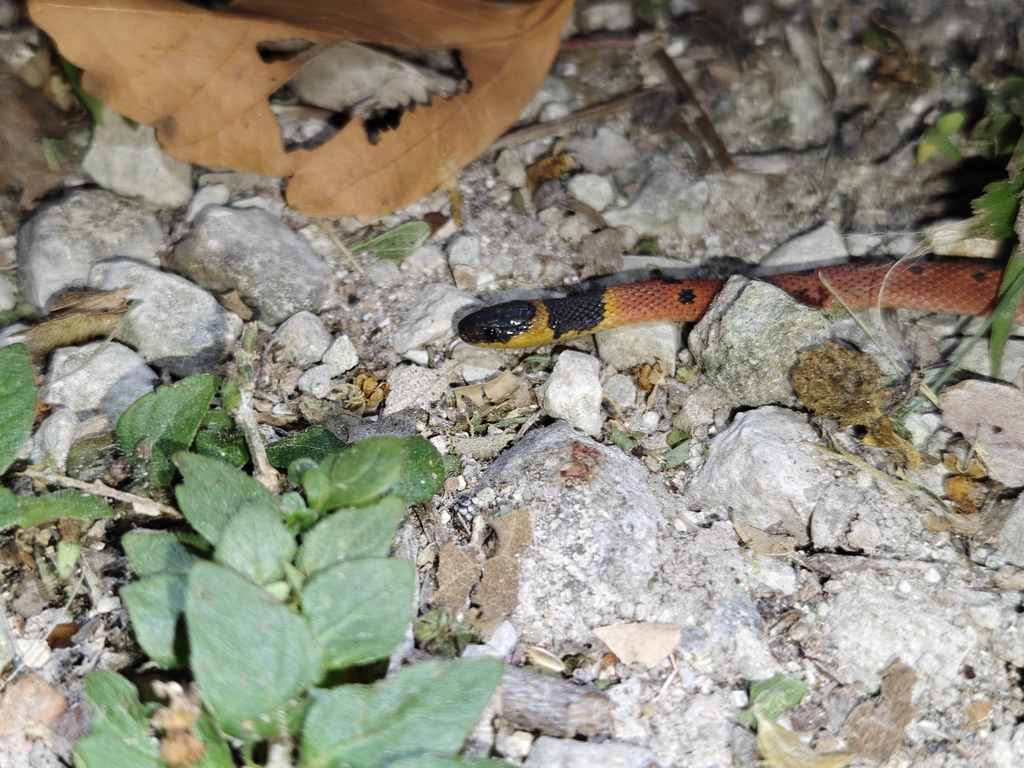
Snakes of Honduras
Honduras has 175+ snake species recorded in our database, and only 29 of them are venomous. The great majority of the country's snakes are non-venomous and pose no danger to people. Honduras sits in the heart of Central America, where snake diversity is driven by a wide range of habitats packed into a relatively small area. The country spans Caribbean lowland rainforest, Pacific dry forest, the cloud forests of high mountain ranges, mangrove coasts, pine savannas, and the offshore Bay Islands. This variety of elevations and climates, from sea level to peaks above 2,800 meters, creates many distinct ecological niches, and each one supports its own set of snakes.
The mountainous interior is a major reason for this richness. Isolated highland forests act like islands, where populations evolve apart and produce species found nowhere else. Lowland forests on both the Caribbean and Pacific sides hold a separate assemblage of species adapted to warm, humid conditions. Rivers, wetlands, and the long coastline add aquatic and semi-aquatic snakes to the mix, while the Bay Islands and other offshore areas have their own island fauna. Together these conditions explain why a country the size of Honduras can hold so many kinds of snakes.
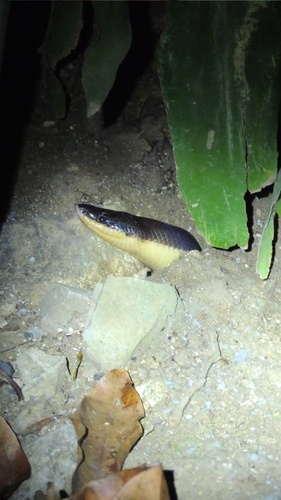
The medically important venomous snakes of Honduras fall into a few well-established groups. The pit vipers are the most significant. This group includes the terciopelo, a large and dangerous pit viper of the genus Bothrops that is responsible for most serious snakebites in the region, along with related lance-headed and palm pit vipers, hognosed pit vipers, and the jumping pit viper. The neotropical rattlesnake, a true rattlesnake, also occurs in drier parts of the country. The second important group is the coral snakes, brightly banded elapids that carry a potent venom but are secretive and account for far fewer bites. Honduras also borders both the Caribbean and the Pacific, and the venomous yellow-bellied sea snake, an elapid of the open ocean, occurs in Pacific coastal waters. There are no cobras or mambas in the Americas, so those groups are not part of the Honduran fauna.
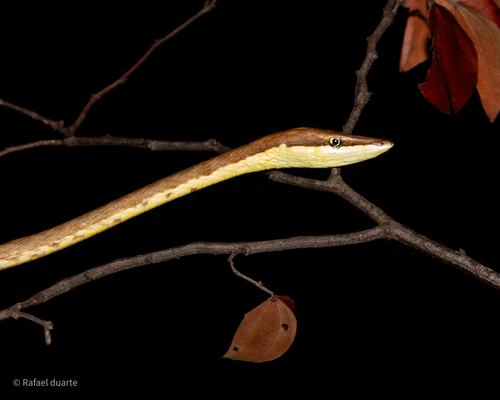
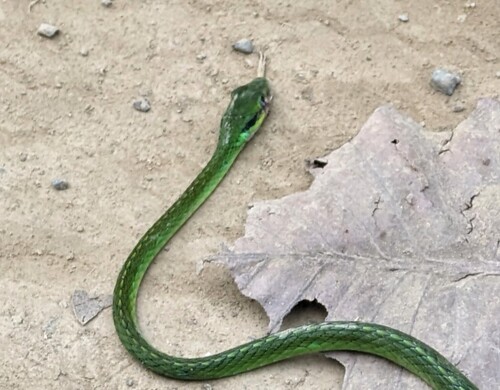
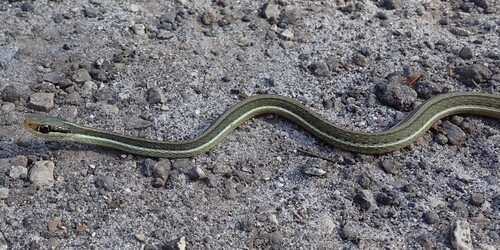
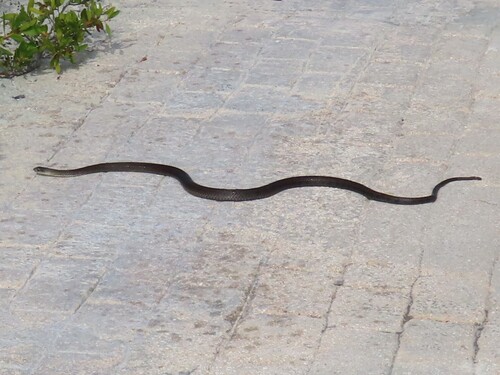
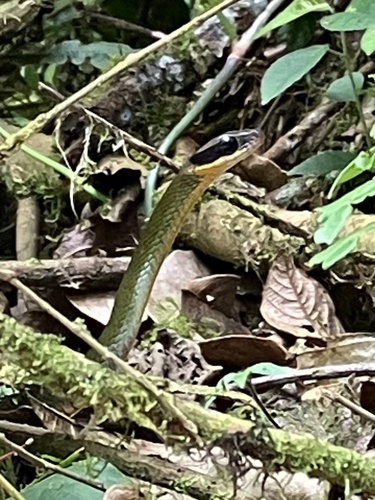
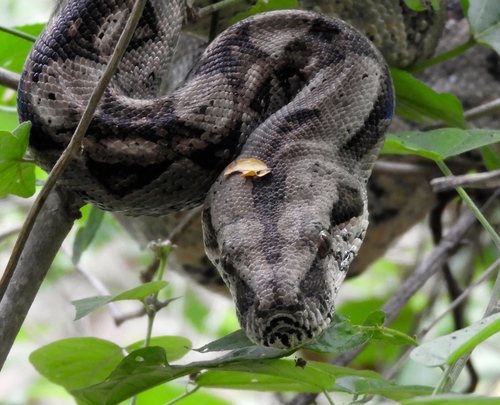
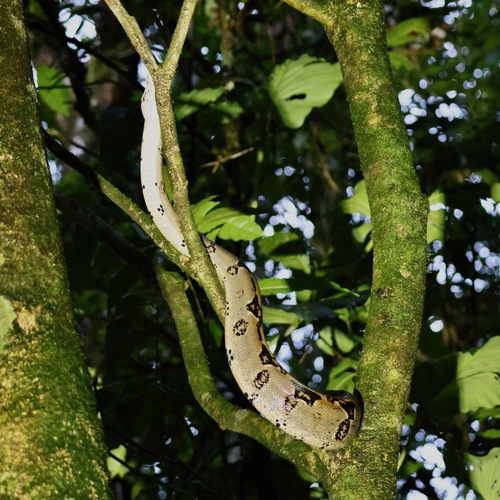
The non-venomous majority is what most people will actually encounter. Honduras is home to many colubrid snakes, including racers, ratsnakes, vine snakes, cat-eyed snakes, and an array of small leaf-litter and forest species. Larger non-venomous snakes include the boa constrictor, one of the most recognizable snakes in the country, which kills prey by constriction rather than venom. Aquatic and semi-aquatic species patrol streams, ponds, and wetlands. Many of these snakes are mistaken for dangerous species because of color or defensive behavior, but the vast majority are harmless to humans.
Snakes are valuable members of Honduran ecosystems. They are efficient predators of rodents and other small animals, and in doing so they help control populations of rats and mice that damage crops, contaminate stored food, and spread disease. Snakes that feed on other reptiles, amphibians, insects, and eggs help keep those populations in balance as well. A healthy snake population is a sign of a functioning ecosystem, and the pest-control service they provide has real value for farms and rural communities.
On safety, the honest picture is reassuring. Most snakes in Honduras are harmless, and the large majority of species you might see are not venomous. The main medical threat is the pit vipers, especially the terciopelo, with coral snakes a smaller concern. The correct treatment for a venomous bite is professional medical care: antivenom and supportive treatment delivered at a hospital. No wild venomous snake should ever be handled, picked up, or provoked, even by people who think they can identify it, and a snake should never be assumed safe to touch. If a bite occurs, treat it as an emergency and get to medical care immediately. In the United States, contact Poison Control at 1-800-222-1222, and anywhere else contact local emergency services or the nearest hospital.
Snakes in Honduras: FAQ
- Are there venomous snakes in Honduras?
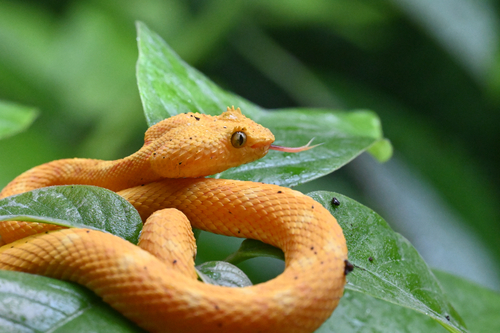
- Yes. 29 venomous snake species have verified records in Honduras, including Central American Eyelash-Viper, Central American Coralsnake, Terciopelo, Metlapilcoatlus borealis. Most snakes in Honduras, however, are harmless.
- How many snake species live in Honduras?
- 175+ snake species have verified records in Honduras, of which 29 are venomous.
- What is the most commonly seen snake in Honduras?
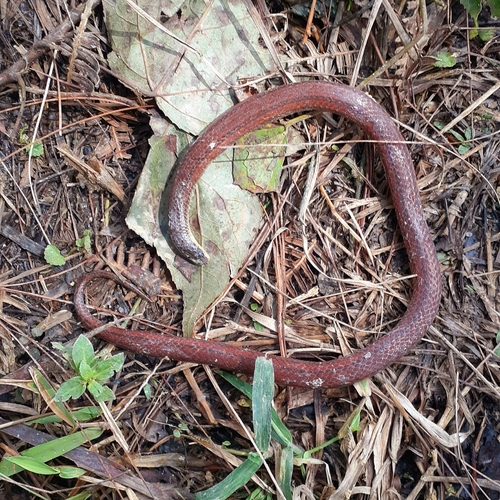
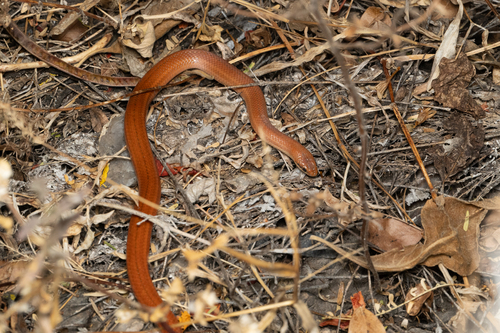
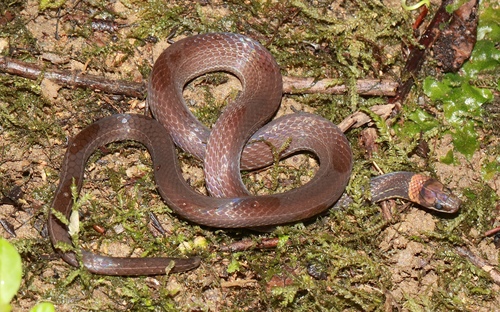
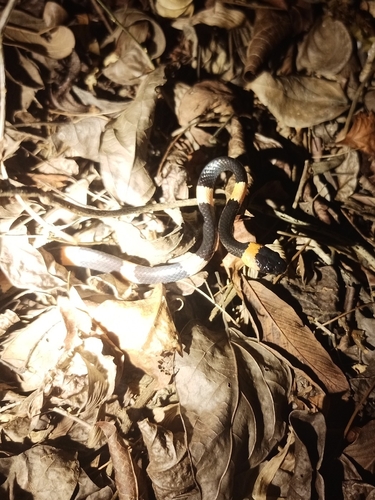
- The Red Coffee Snake is the most frequently reported snake in Honduras, based on verified wildlife observations.
- What should I do if I see a venomous snake in Honduras?
- Keep your distance and do not try to catch or kill it. Most bites happen when people handle or corner a snake. If someone is bitten, contact local emergency services or poison control immediately.
Venomous snakes in Honduras
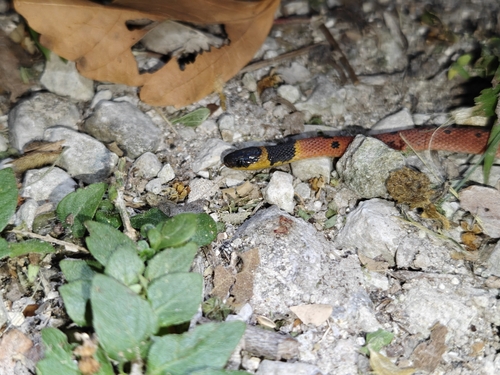
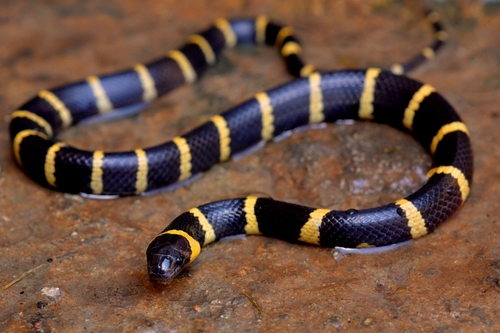
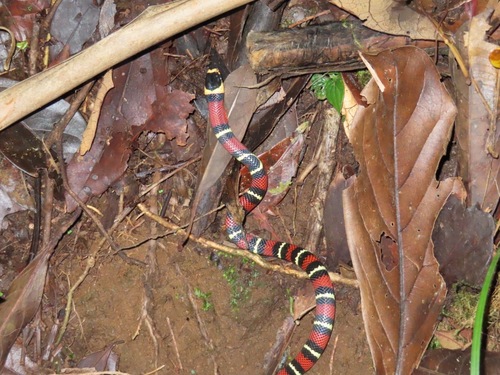
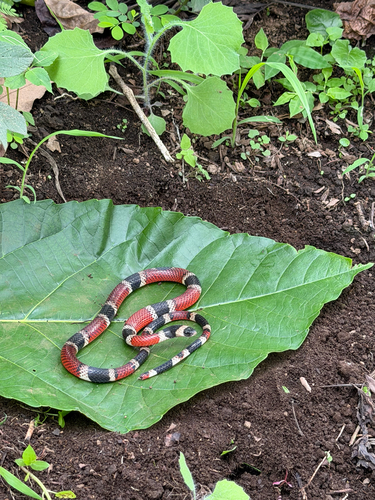
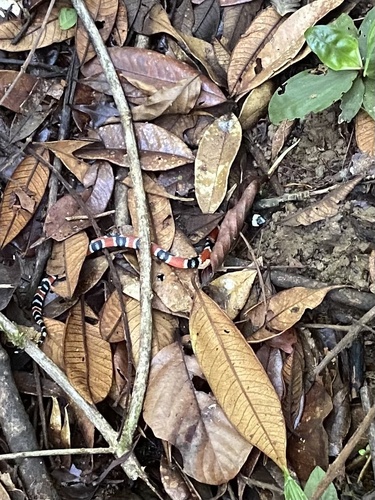
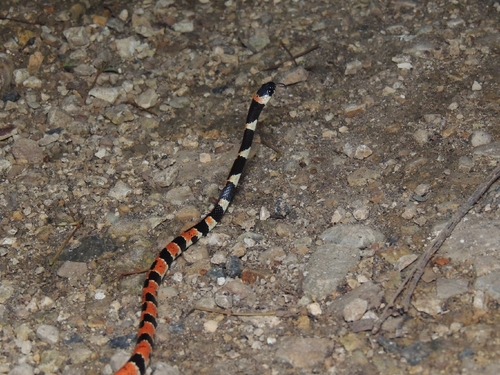
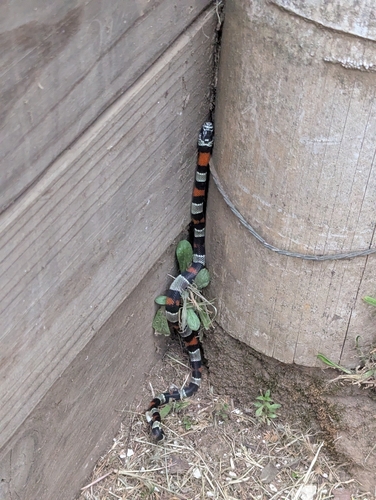
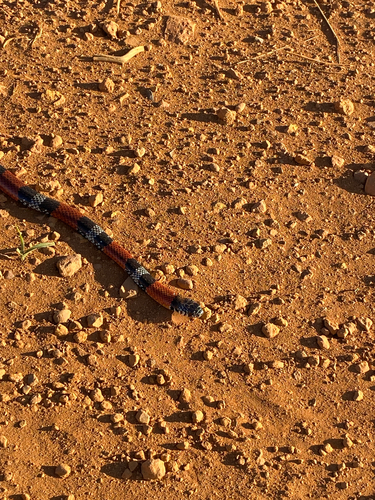
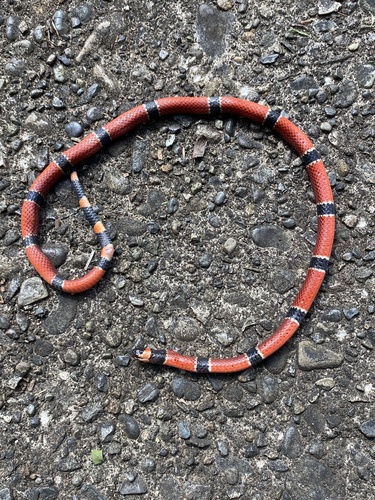 Central American CoralsnakeMicrurus nigrocinctusVenomous
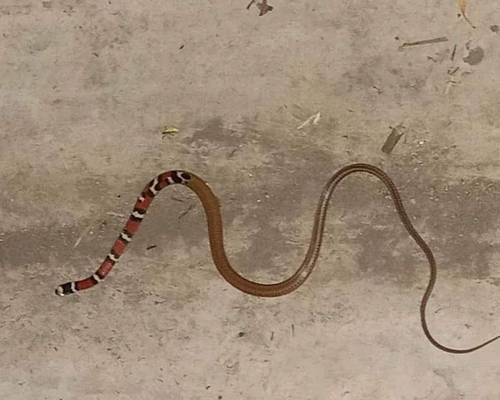
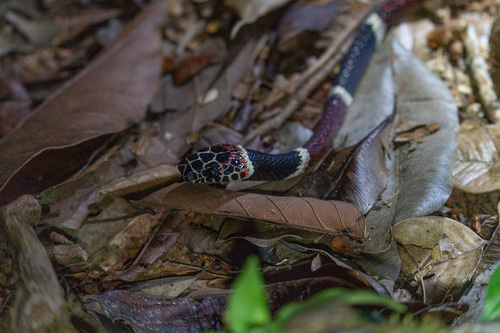
Rings of red, yellow, and black where red touches yellow; small rounded head and round pupils.
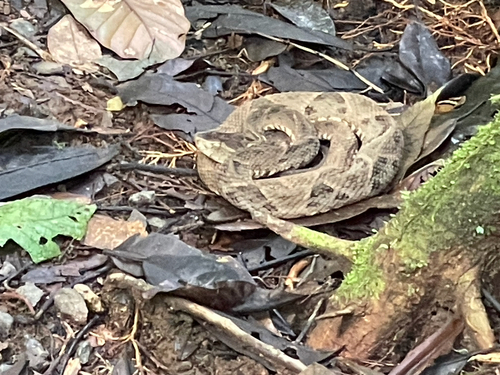
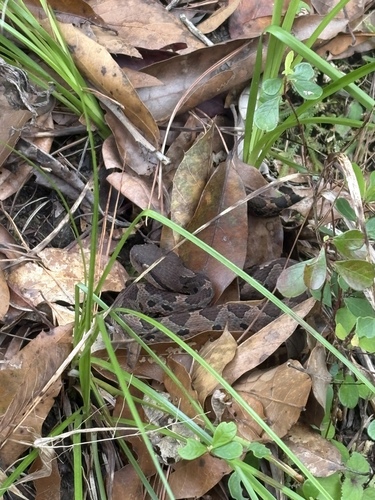
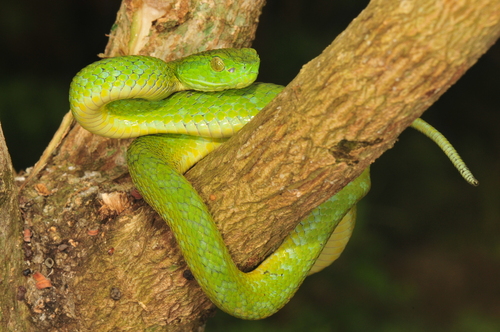
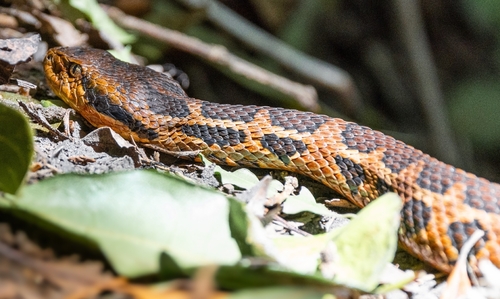
 Central American RattlesnakeCrotalus simusVenomous
Heavy body, broad triangular head, vertical (cat-like) pupils, and a segmented keratin rattle at the tail tip.
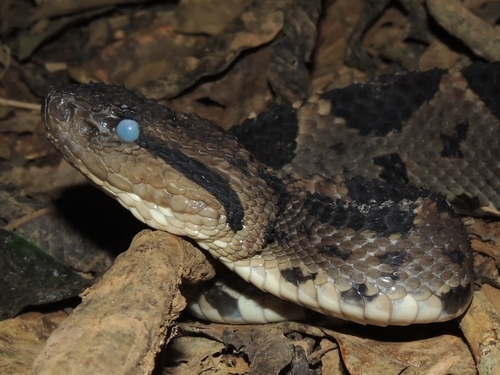
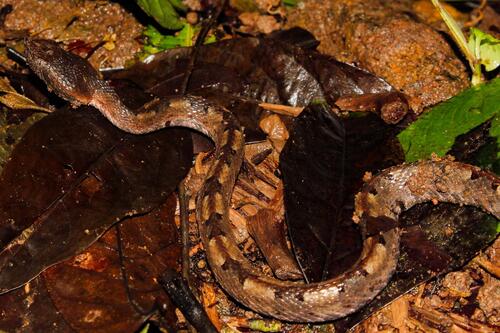
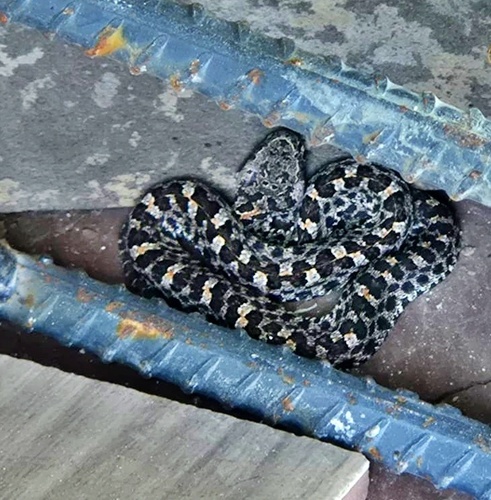
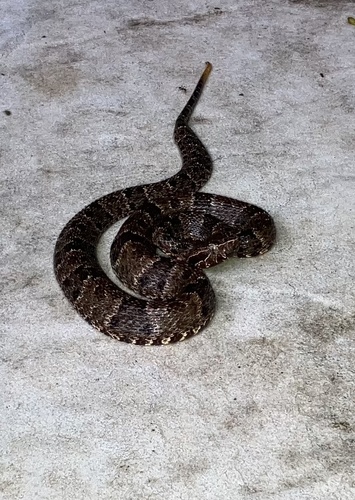
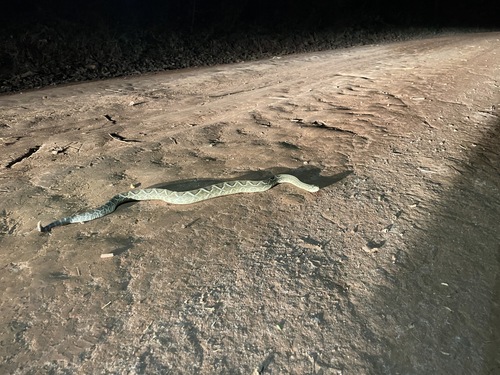 Neotropical RattlesnakeCrotalus durissusVenomous
Heavy body, broad triangular head, vertical (cat-like) pupils, and a segmented keratin rattle at the tail tip.
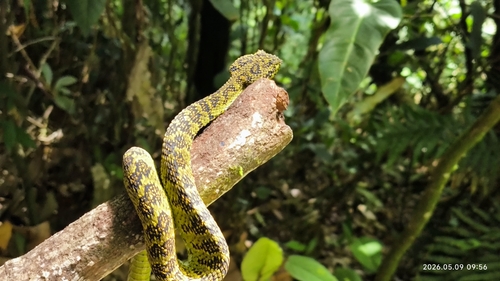
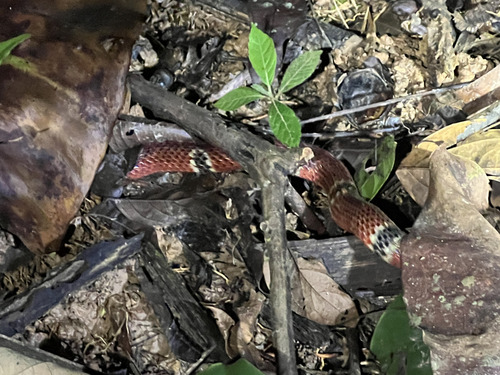 Variable CoralsnakeMicrurus diastemaVenomous
Rings of red, yellow, and black where red touches yellow; small rounded head and round pupils.


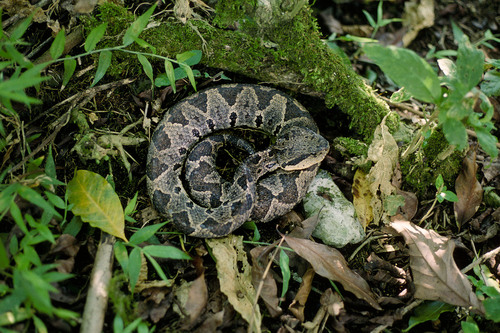
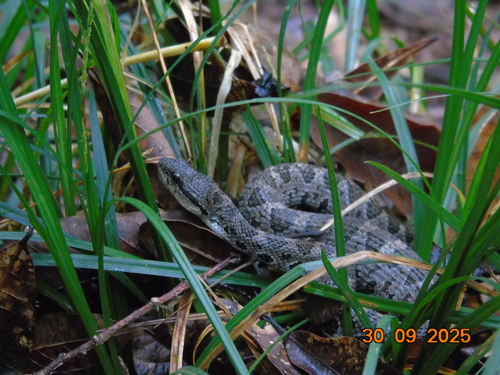
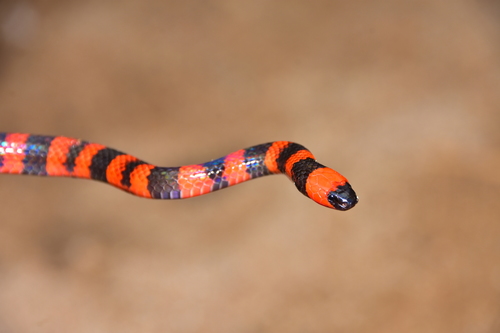 Roatán CoralsnakeMicrurus ruatanusVenomous
Rings of red, yellow, and black where red touches yellow; small rounded head and round pupils.
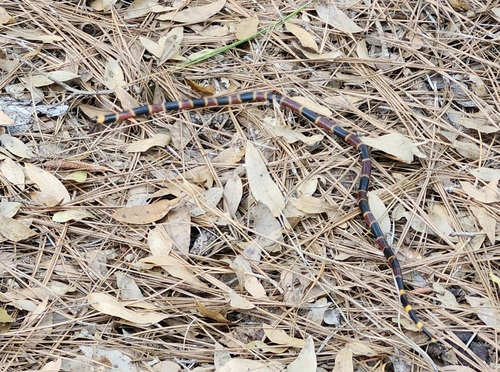 Eastern CoralsnakeMicrurus fulviusVenomous
Rings of red, yellow, and black where red touches yellow; small rounded head and round pupils.
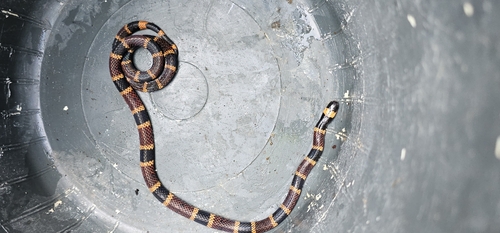 Allen's CoralsnakeMicrurus alleniVenomous
Rings of red, yellow, and black where red touches yellow; small rounded head and round pupils.
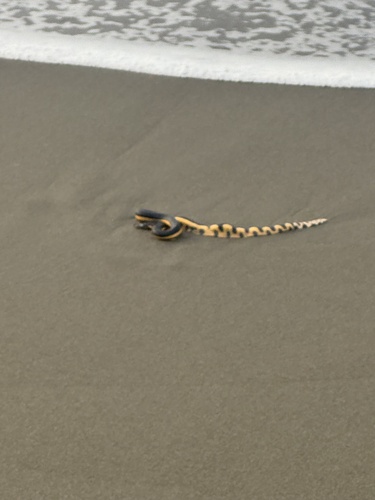
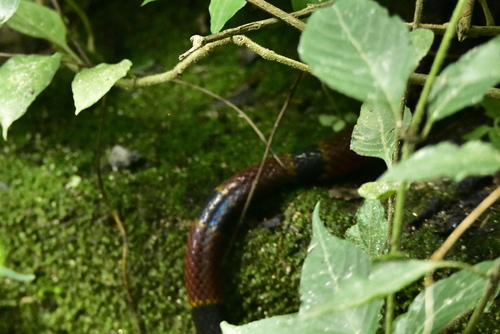 Brown's CoralsnakeMicrurus browniVenomous
Rings of red, yellow, and black where red touches yellow; small rounded head and round pupils.
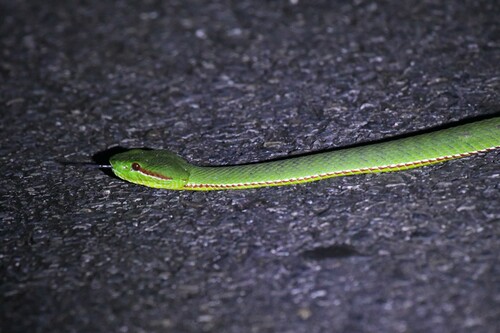
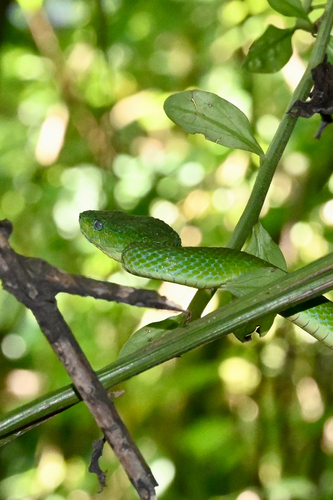
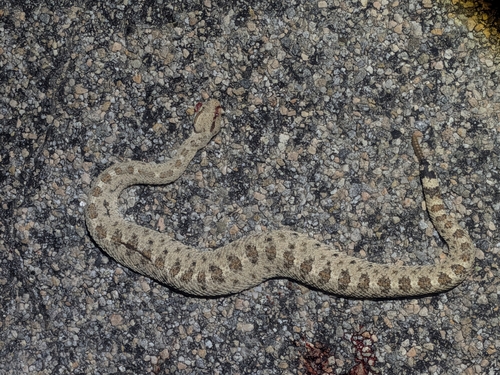 SidewinderCrotalus cerastesVenomous
Heavy body, broad triangular head, vertical (cat-like) pupils, and a segmented keratin rattle at the tail tip.
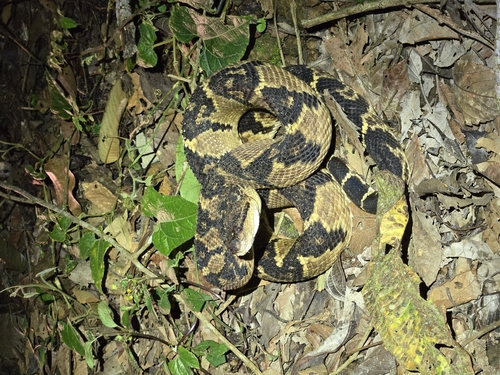
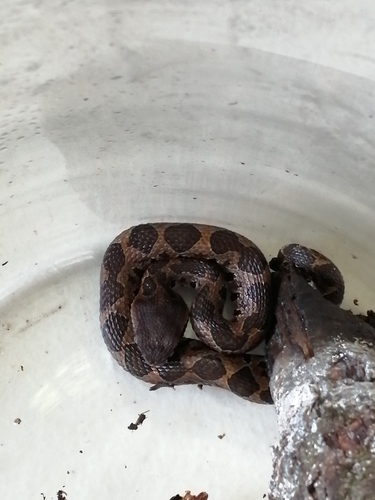
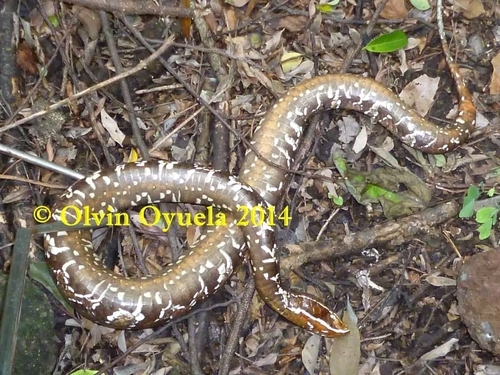 Southern CantilAgkistrodon howardgloydiVenomous
Heavy body, triangular head, vertical pupils, and a heat-sensing pit between each eye and nostril.
Every snake recorded in Honduras
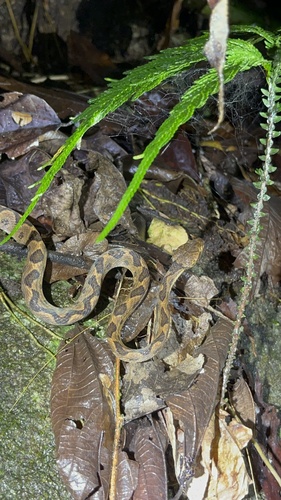
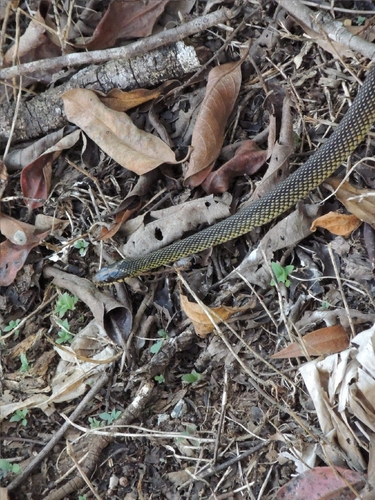
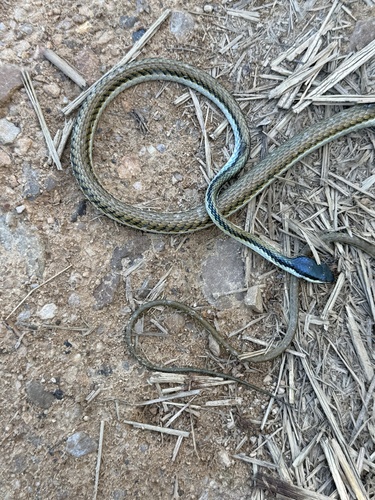
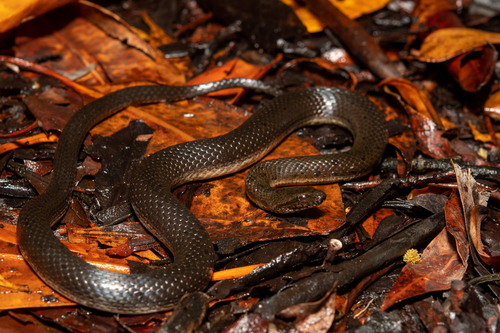
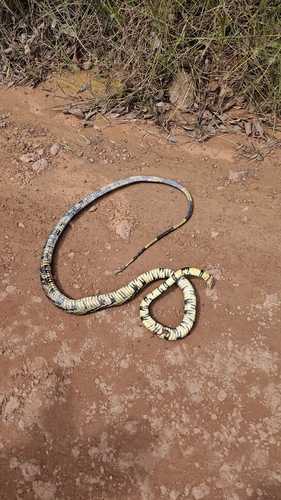
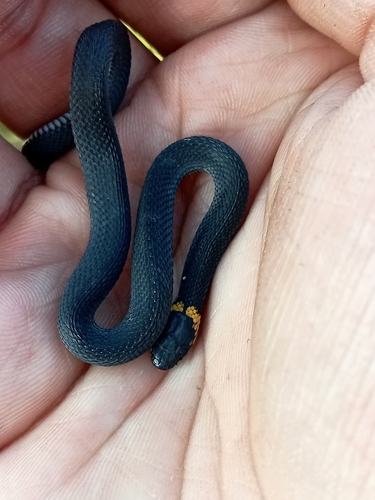
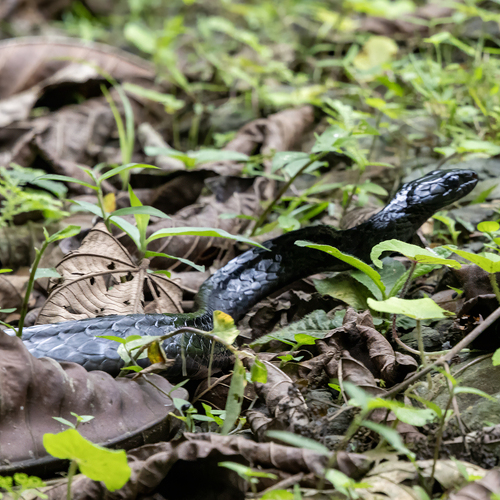
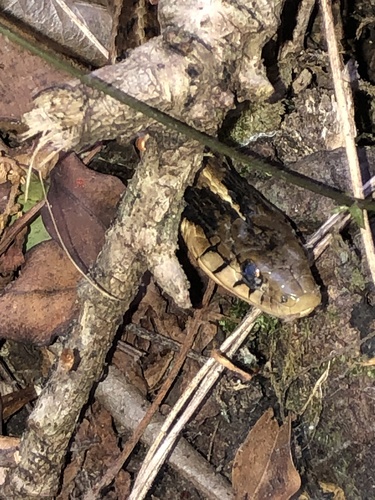
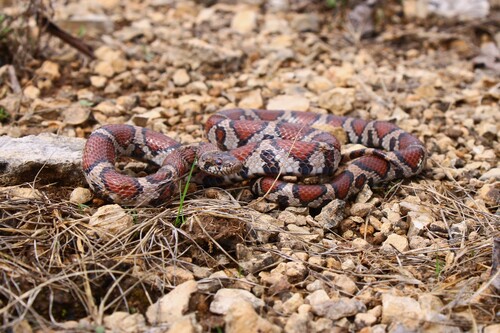
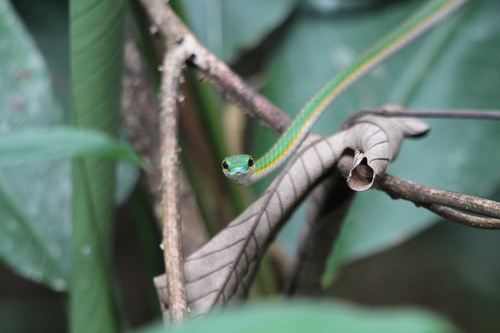
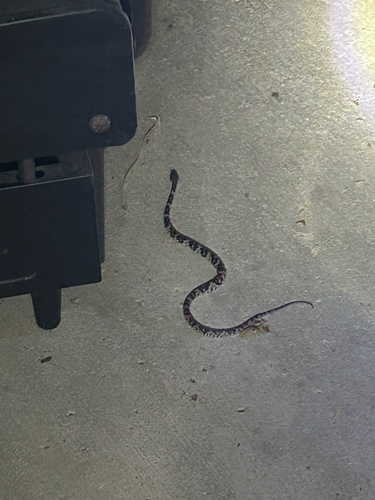
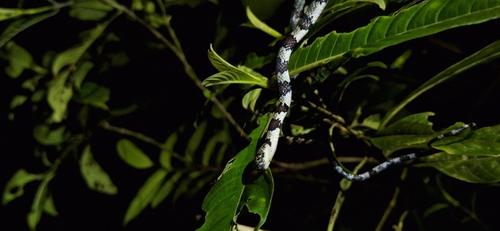
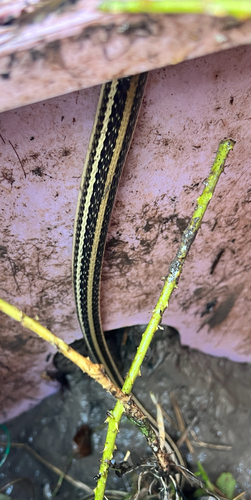
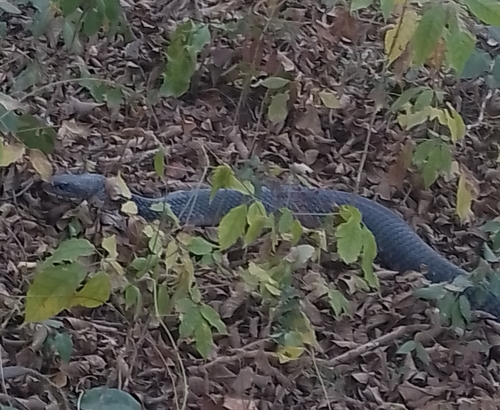
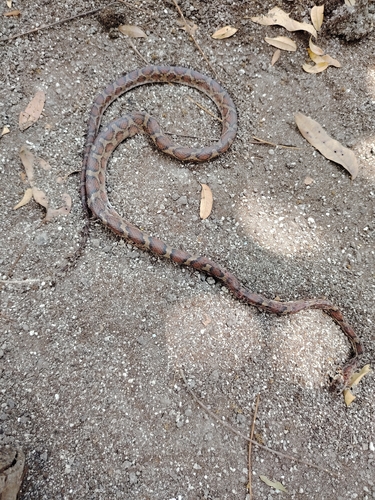
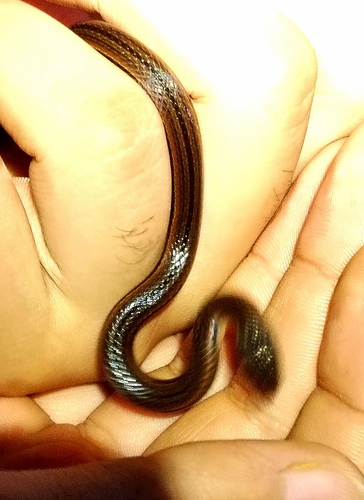
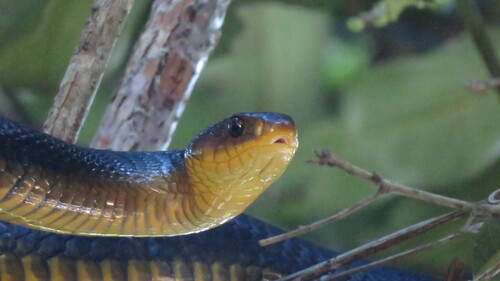
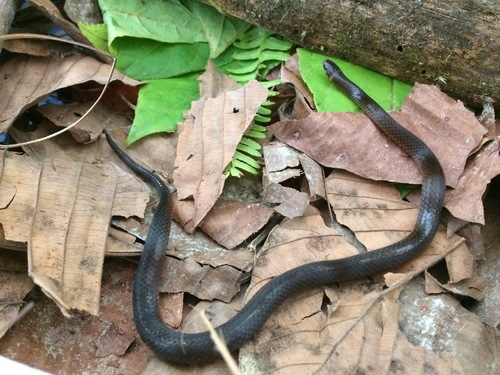
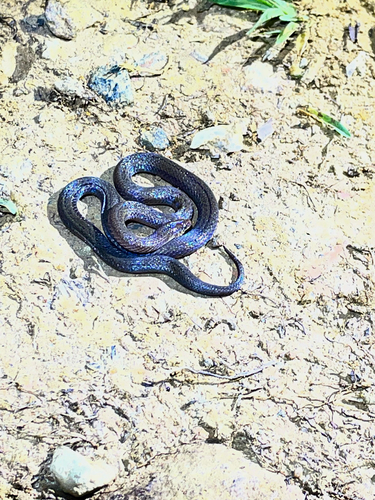
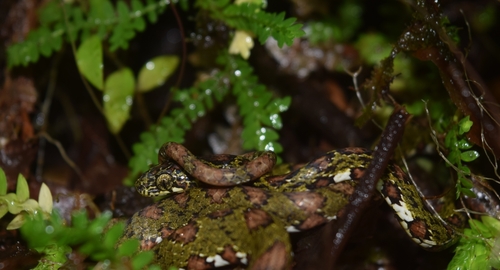
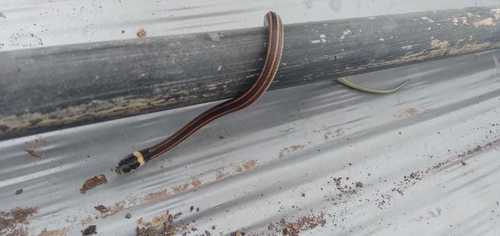
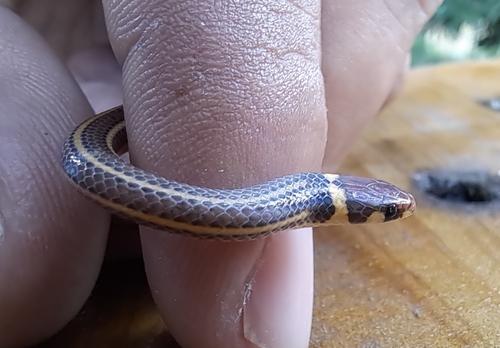
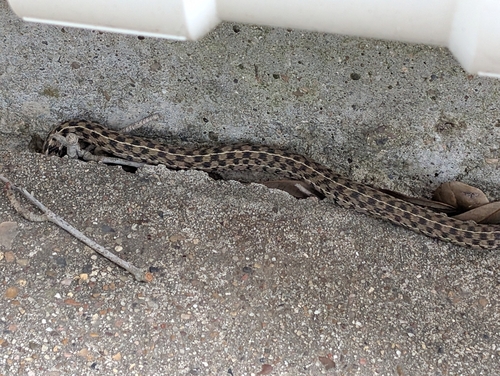
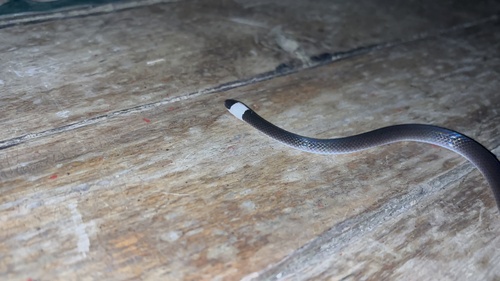
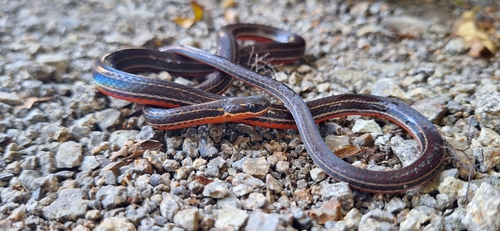
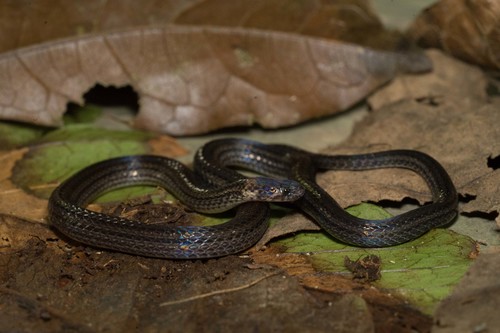
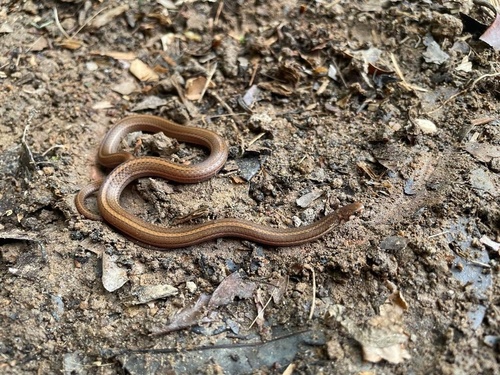
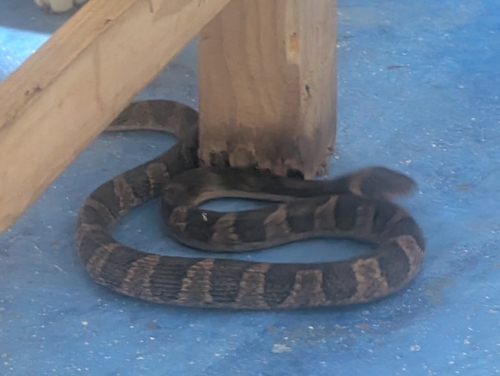
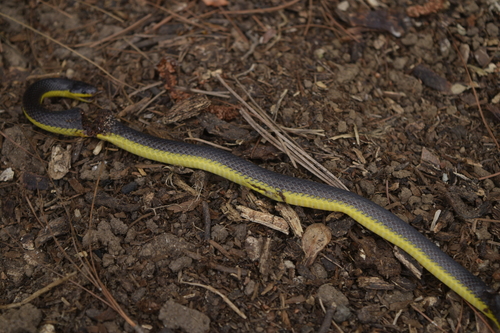
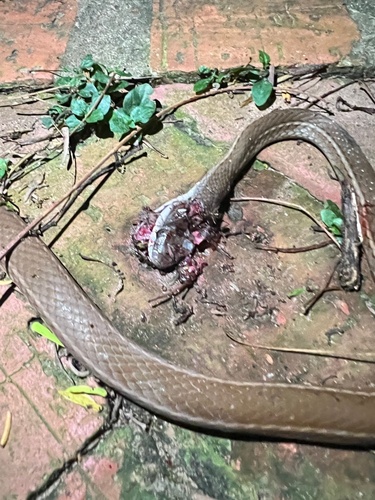
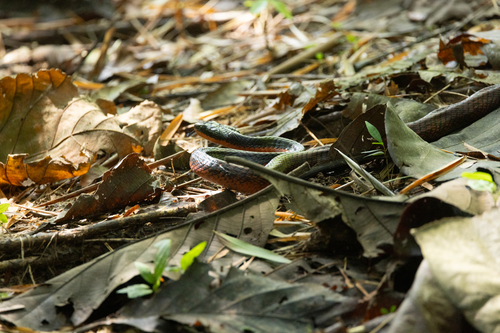
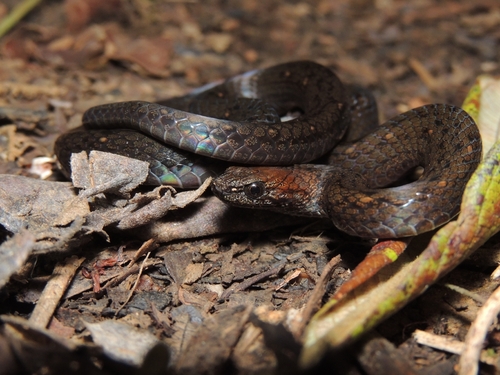
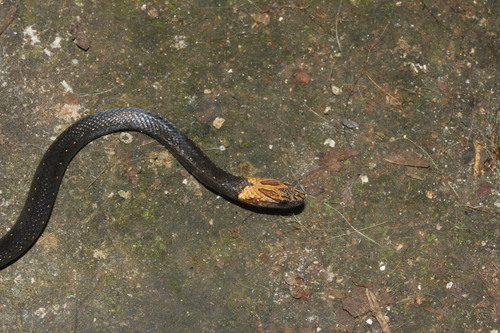
175+ species across 8 families, grouped by family. Venomous flagged.
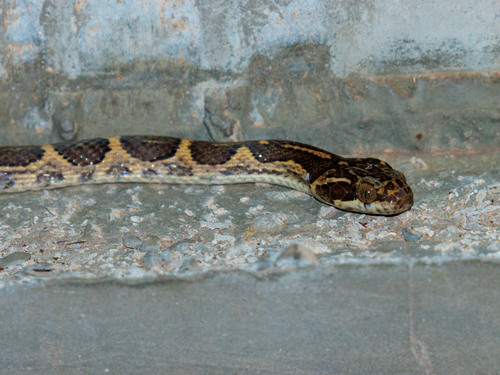
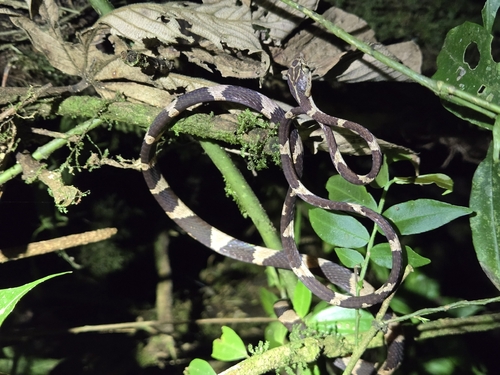
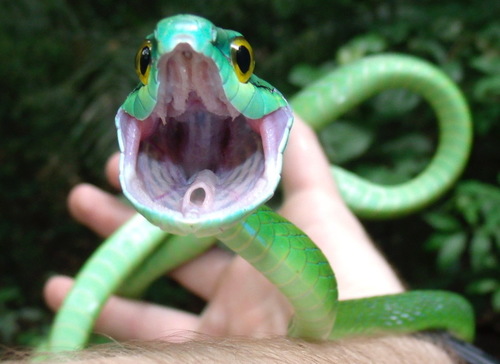
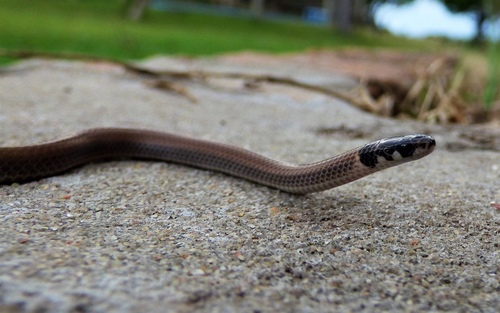
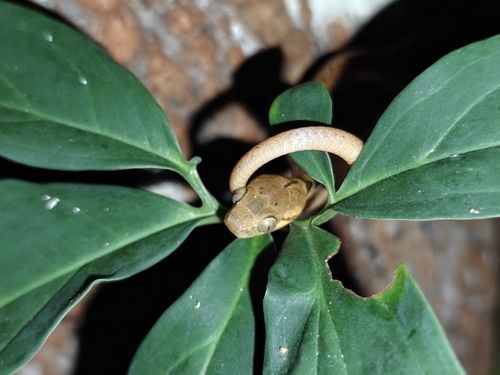
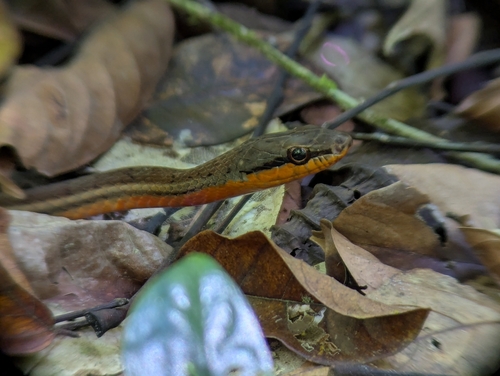
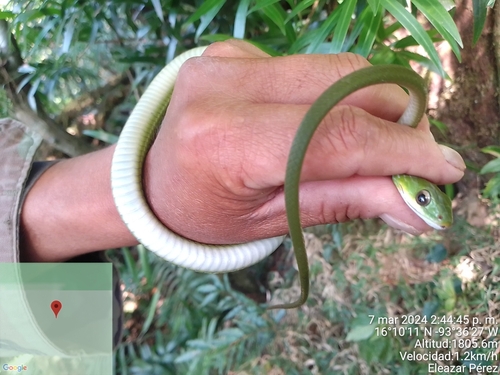
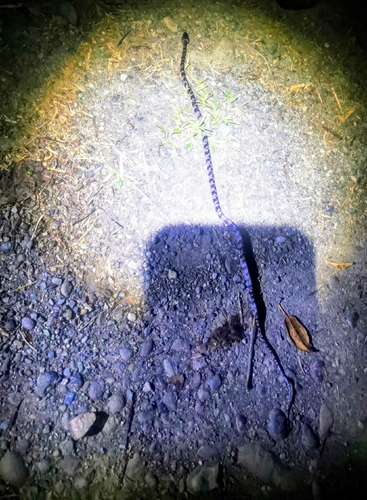
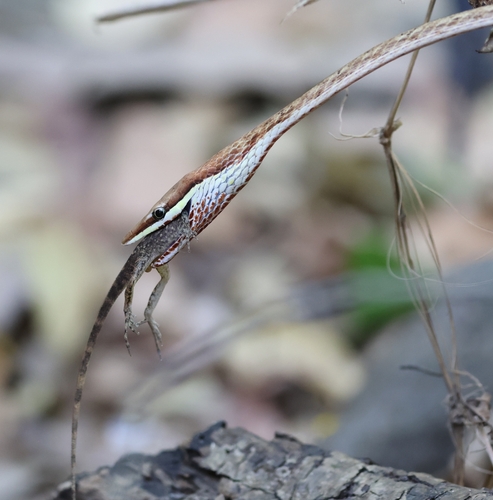
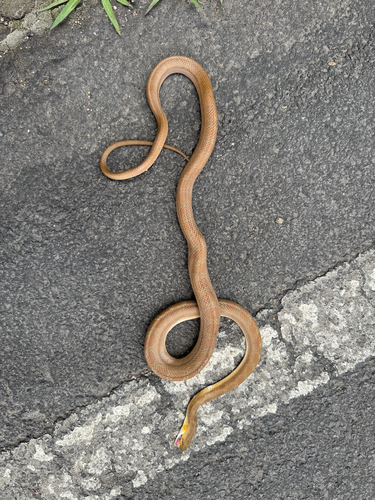
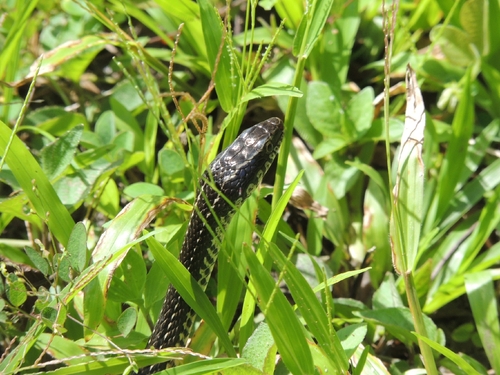
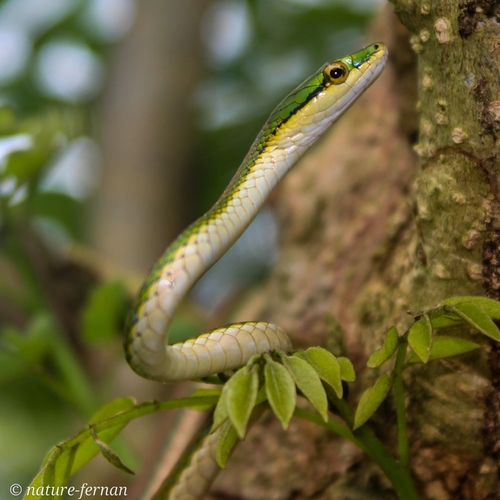
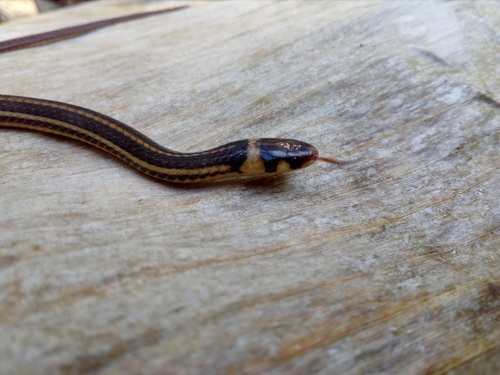
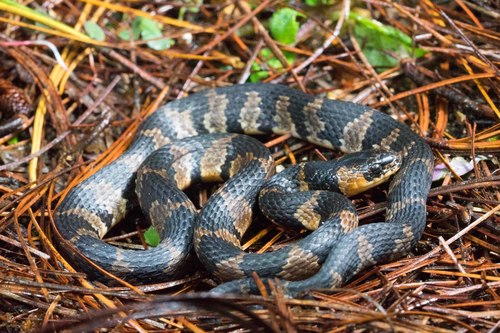
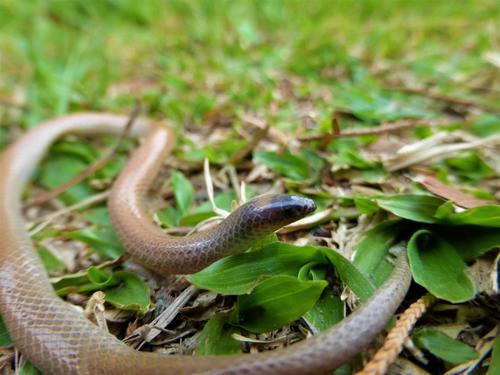
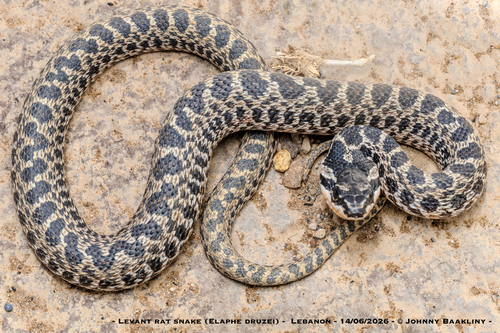
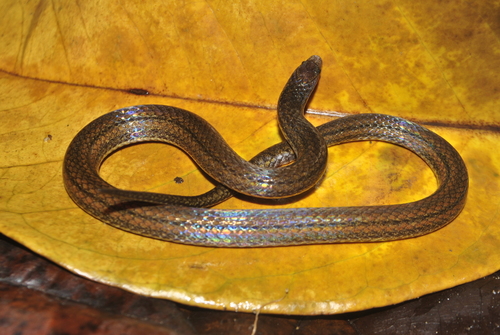
Colubridae (130)
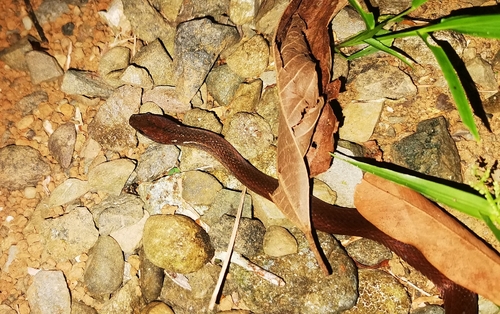
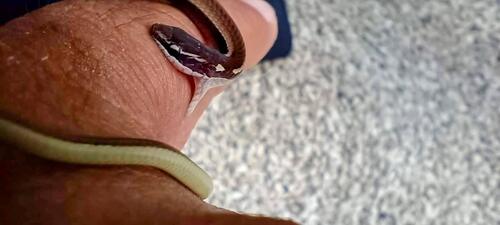
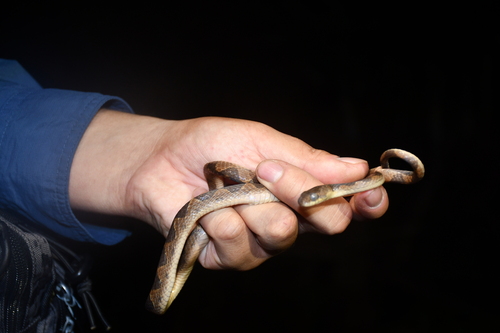
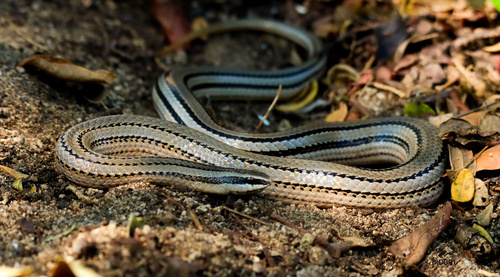
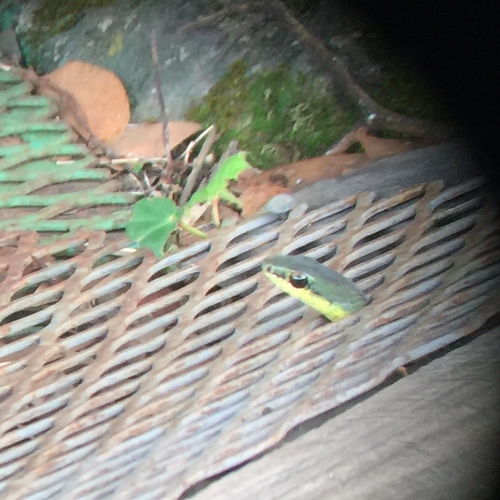
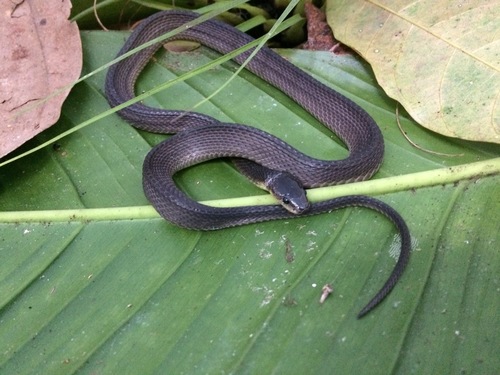
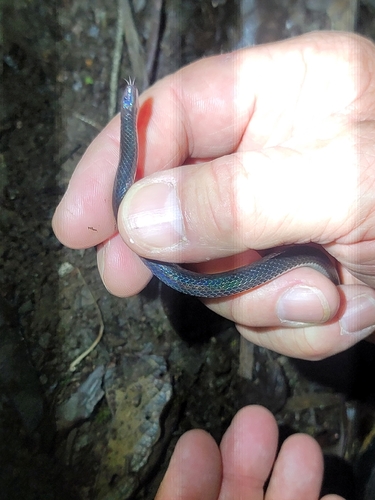
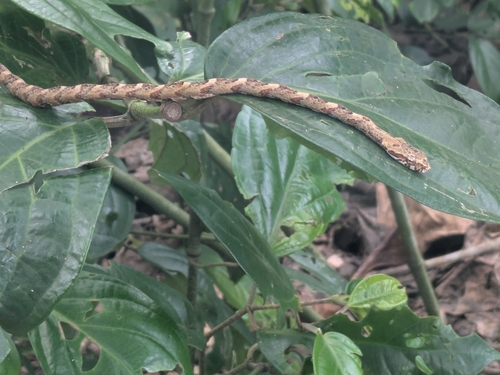
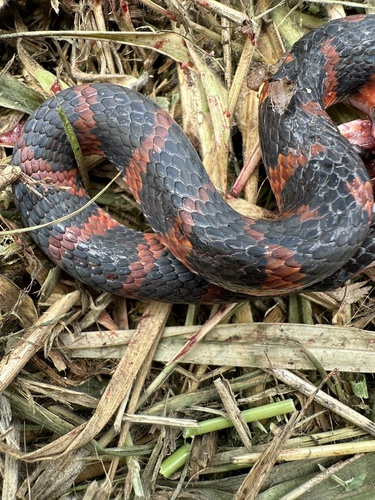
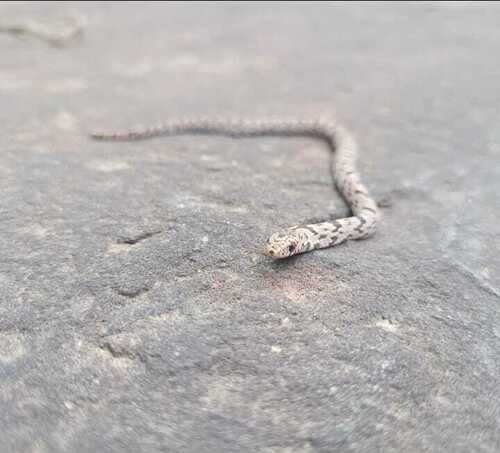
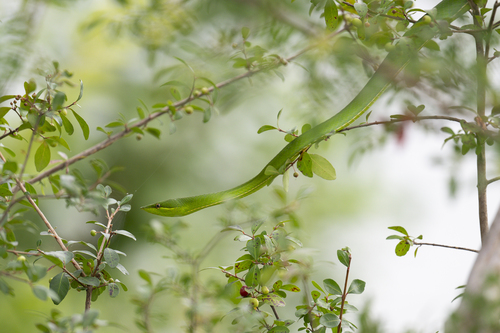
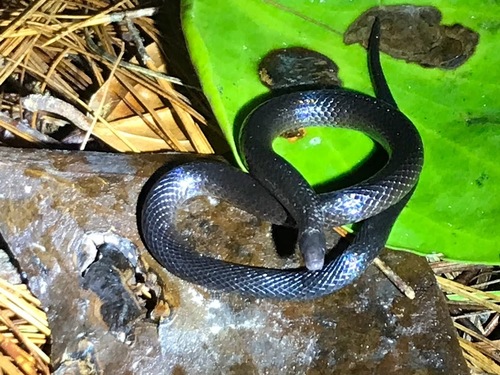
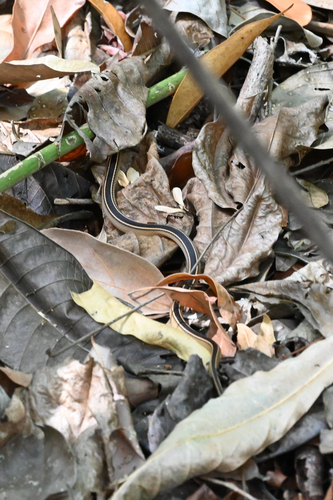
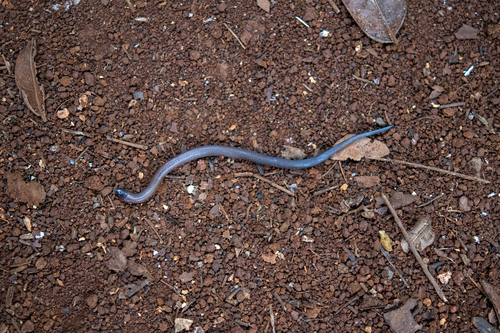
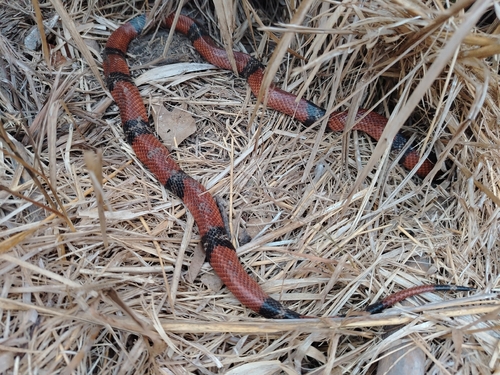
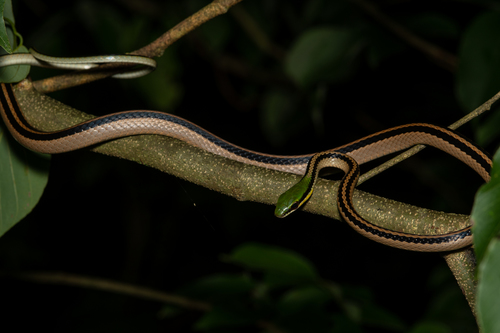
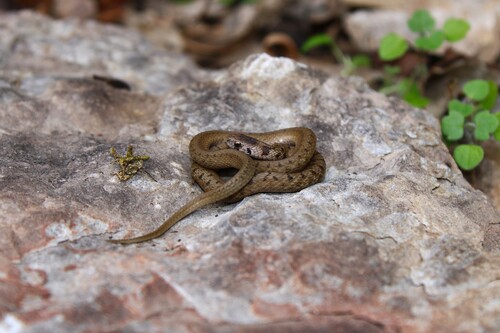
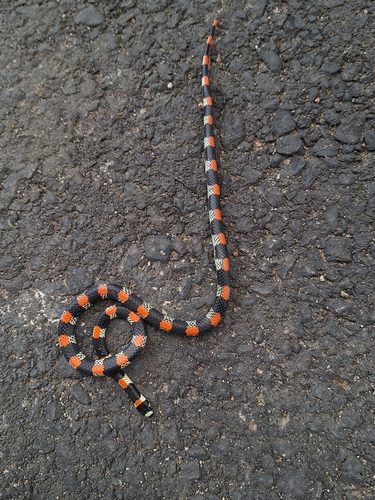
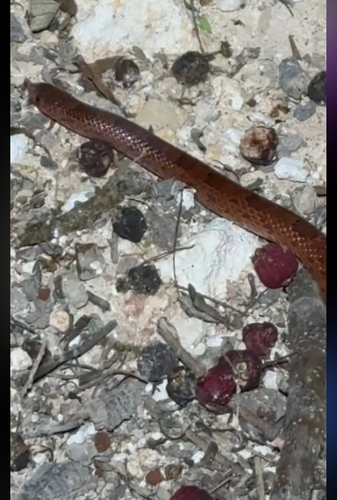
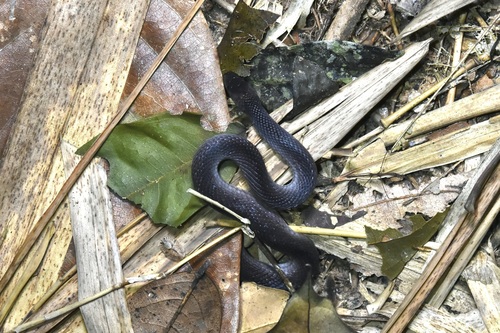
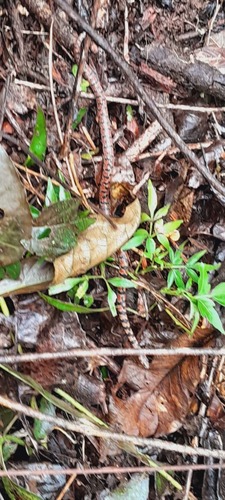
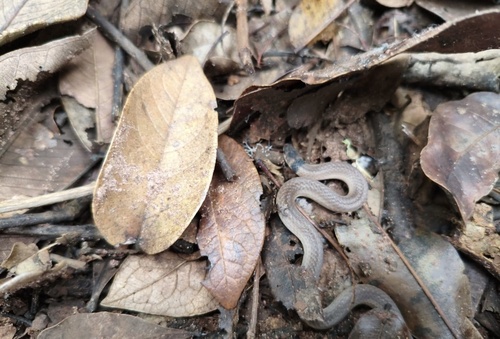
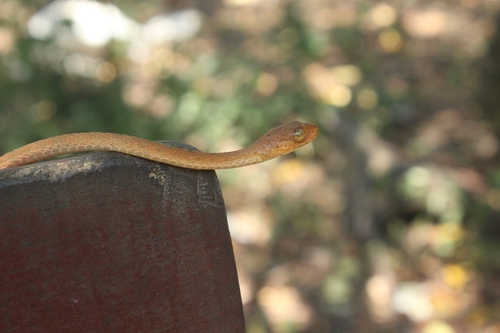
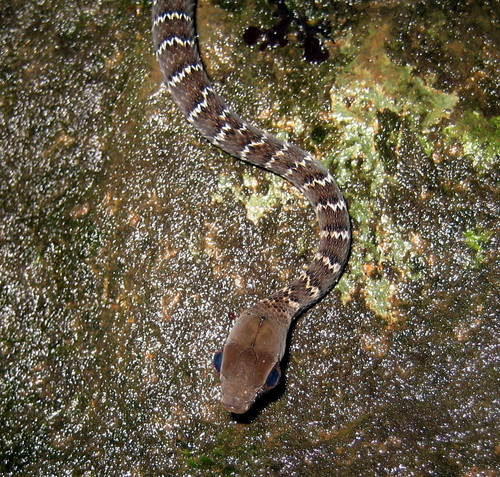
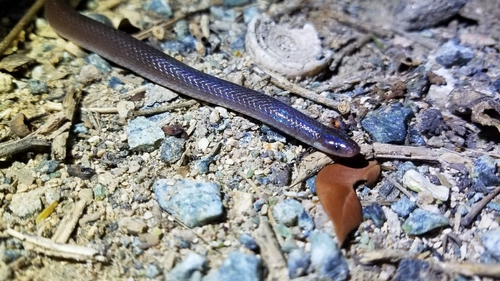
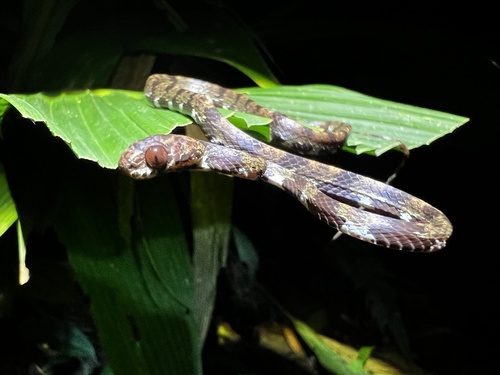
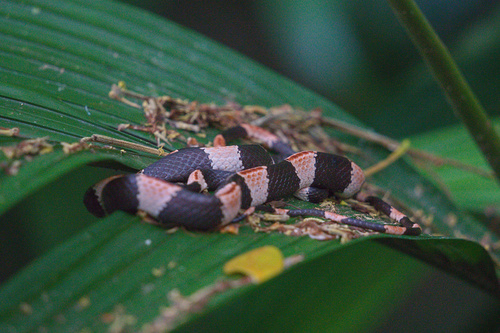
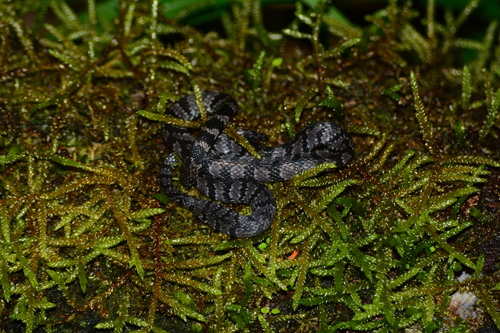
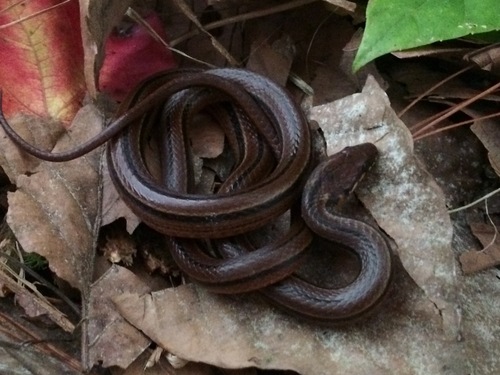
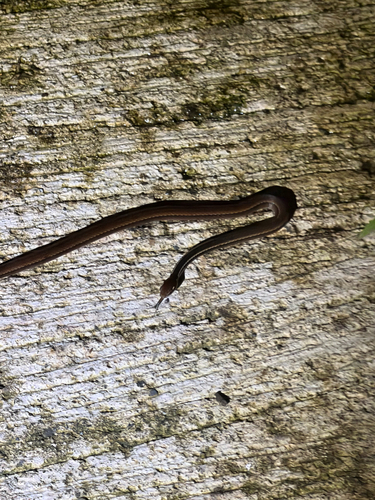
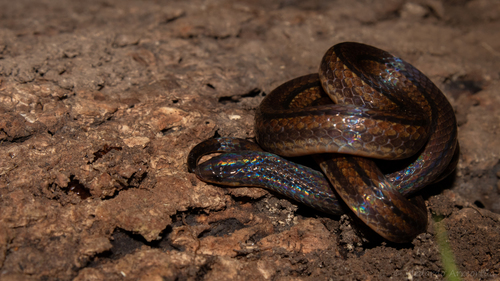
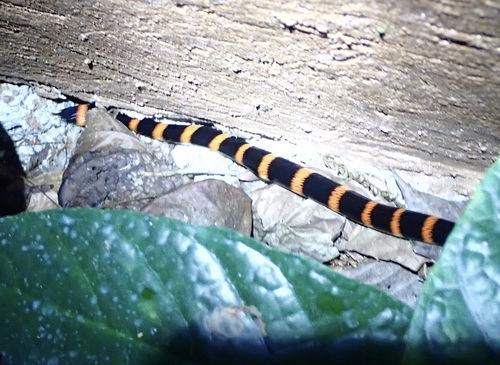
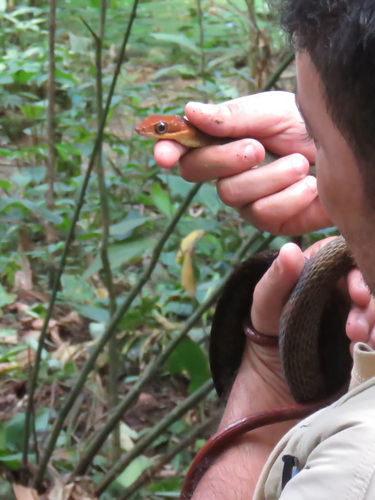
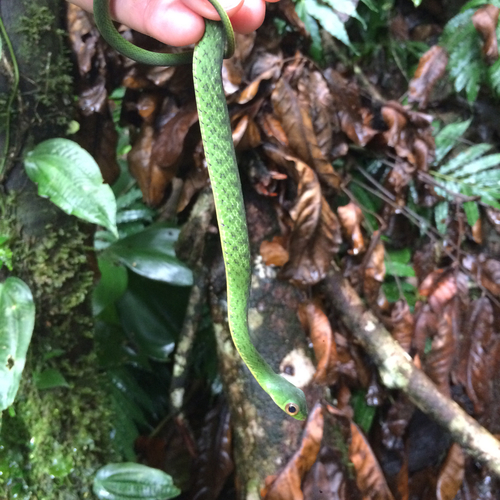
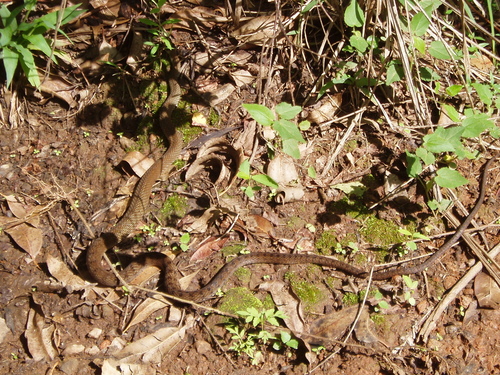
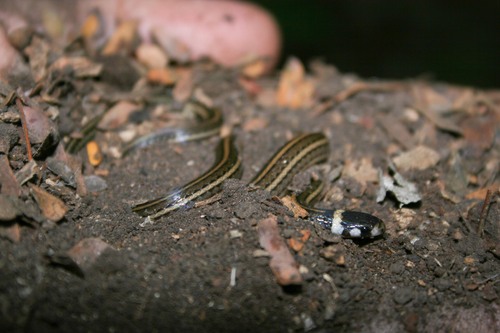
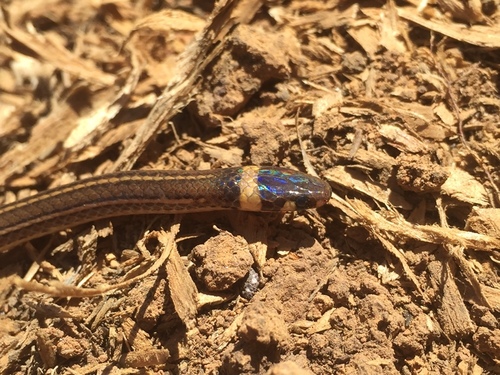

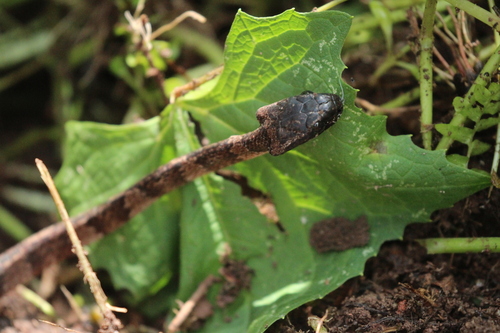
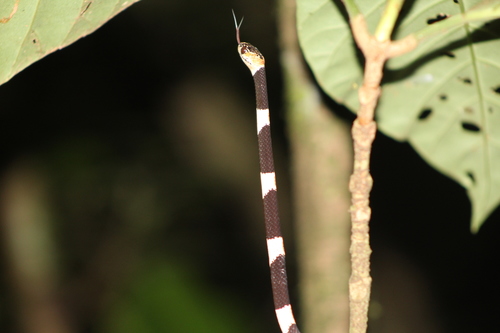
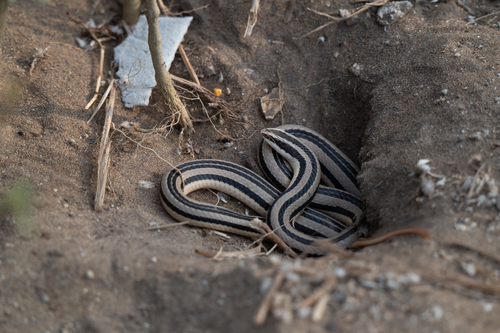
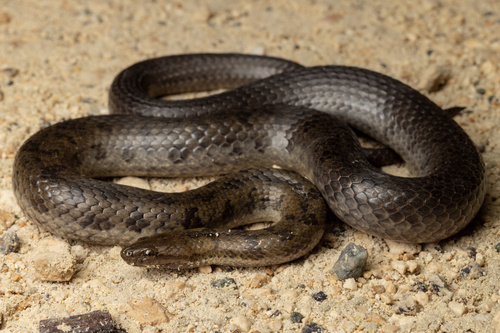
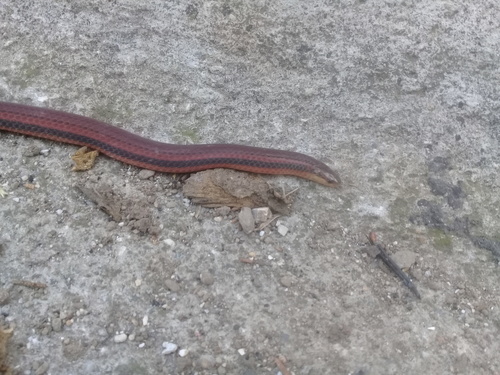
Viperidae (22)
Elapidae (7)
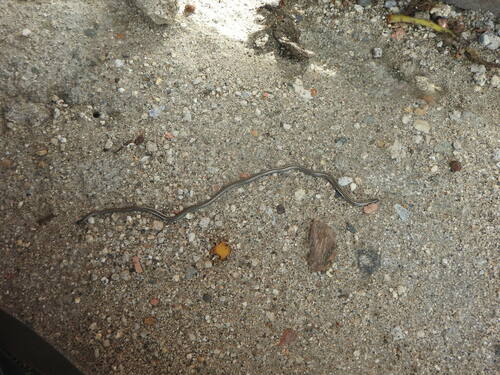
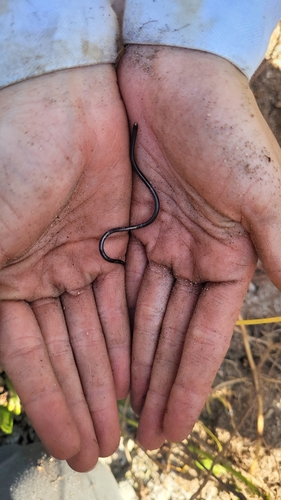
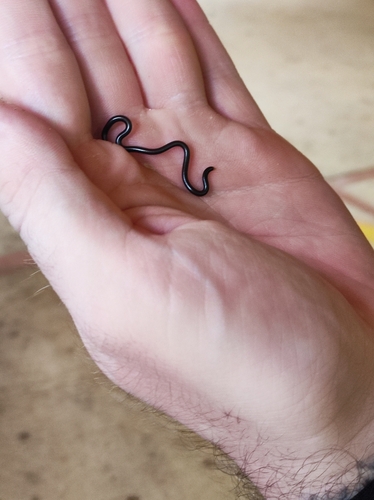
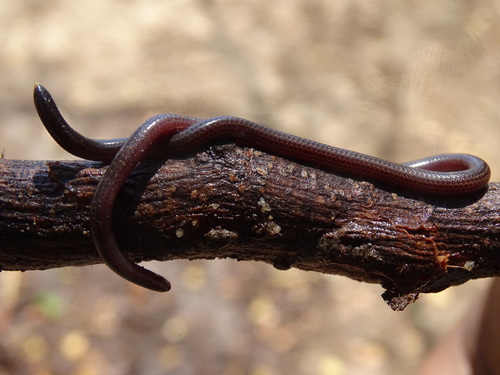
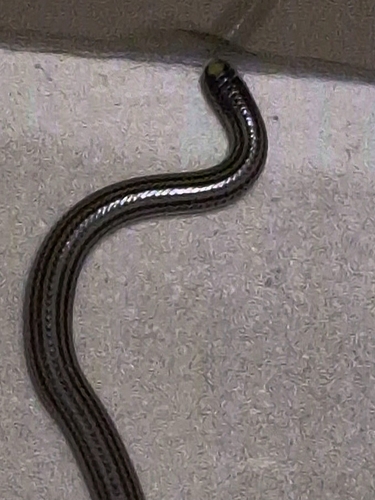
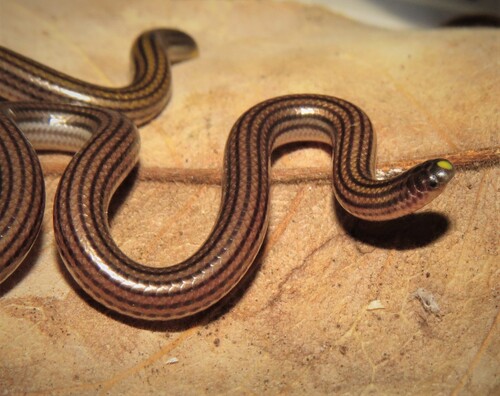
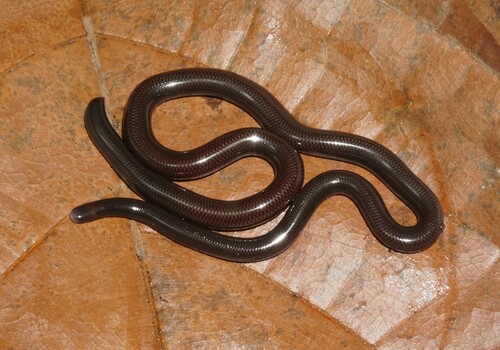
Leptotyphlopidae (6)
Boidae (5)
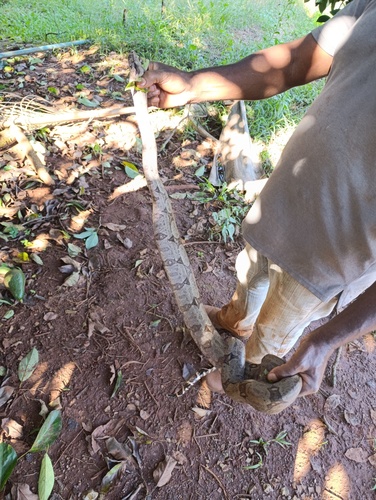
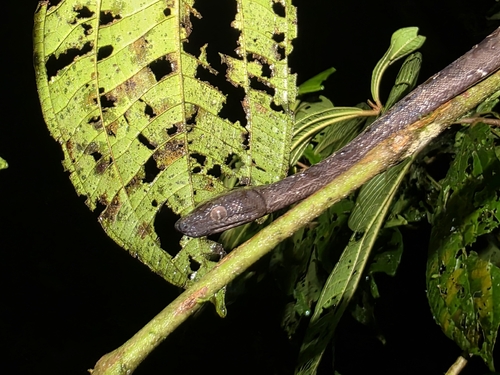
Typhlopidae (5)
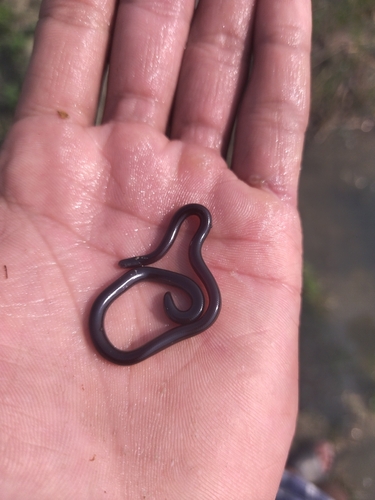
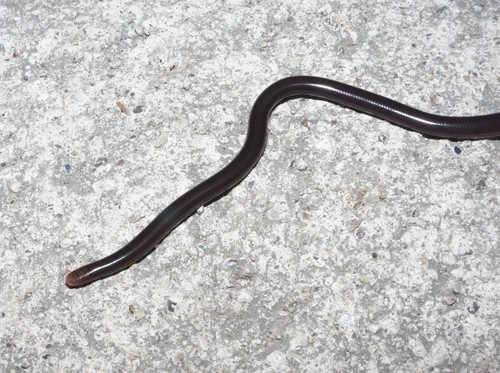
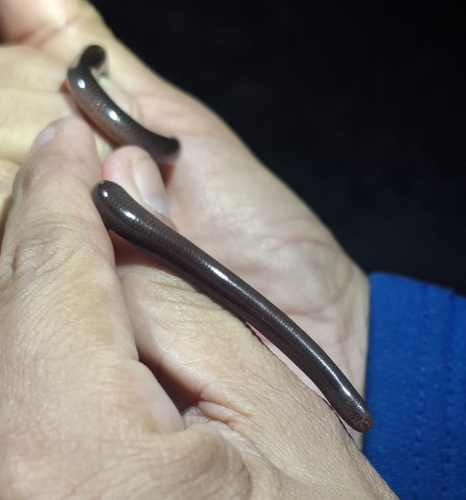
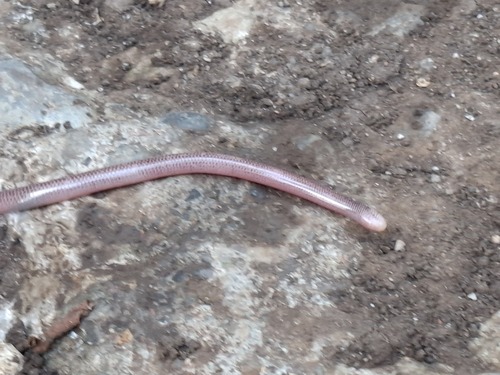
Anomalepididae (2)
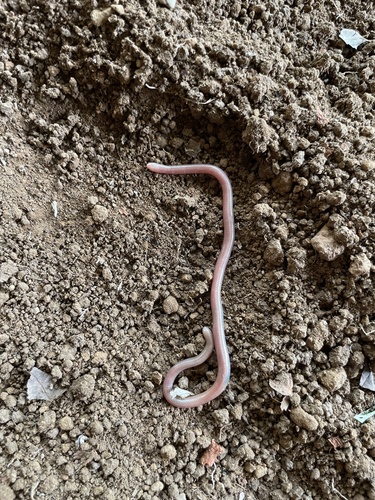
Loxocemidae (1)
Compiled from verified GBIF & iNaturalist observations. "How often seen" reflects how frequently a snake is reported here, not how dangerous it is. Informational only.
Keep learning
- Are Snakes Dangerous? The Real Risk, in PerspectiveMost snakes are harmless and avoid people. Here is the honest picture of snakebite risk worldwide and how to lower your own.
- Snakebite First Aid: What to Do (and What Never to Do)A clear, CDC-based guide to snakebite first aid: the steps that help, the popular myths that hurt, and how to tell a serious bite from a minor one.
- Venomous vs Nonvenomous: How to Tell the DifferenceThe folk rules for telling venomous snakes apart, where each one fails, and why location-based identification beats guessing by sight.
- What to Do If You Find a SnakeFound a snake at home or on a trail? Here is how to stay calm, give it space, identify it safely, and know when to call a professional.