
Viperidae
Wilson's Montane Pitviper
VenomousCerrophidion wilsoni
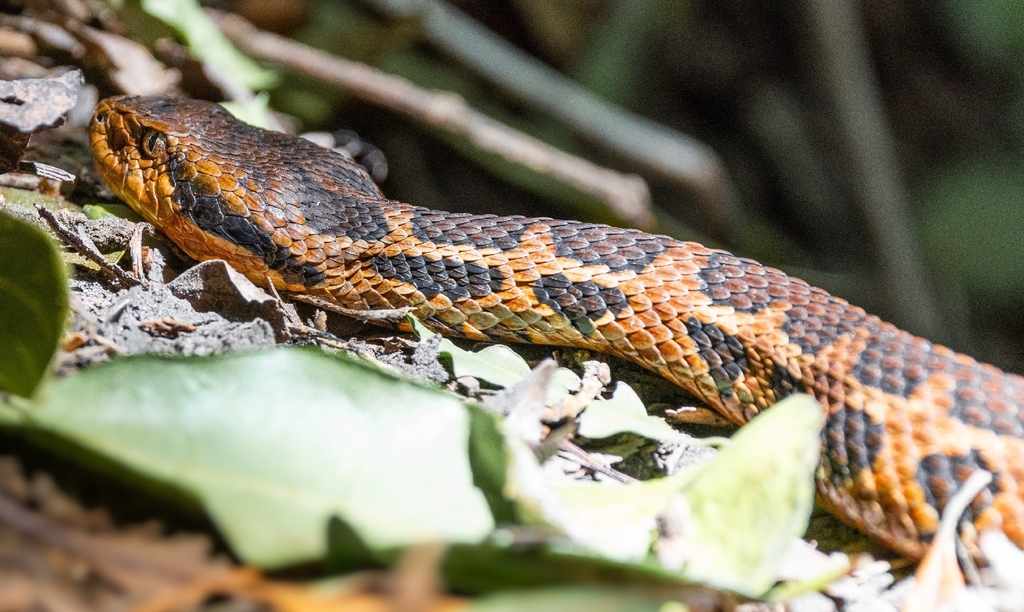
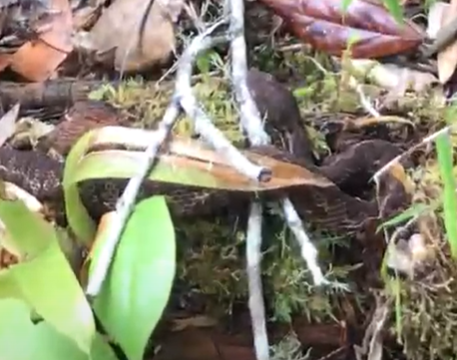
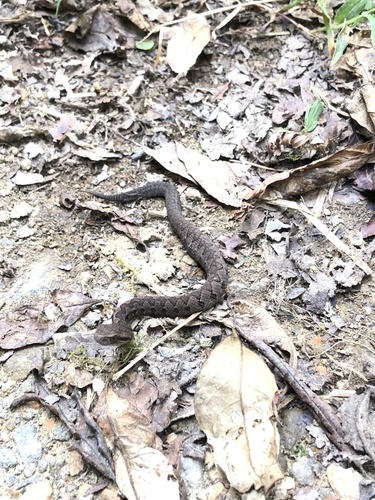
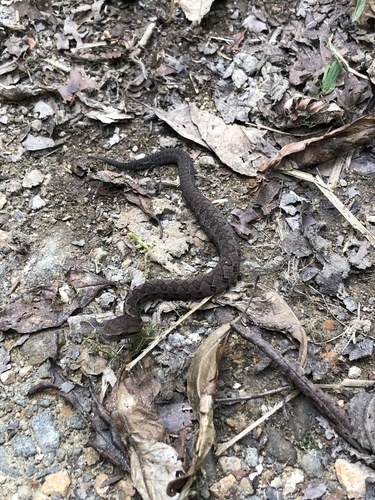
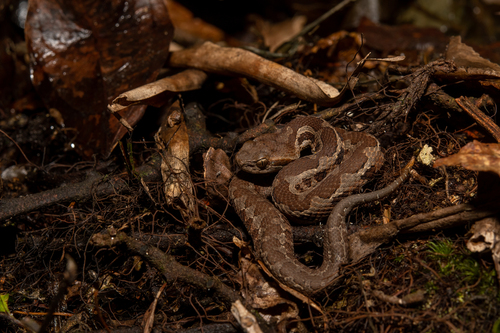
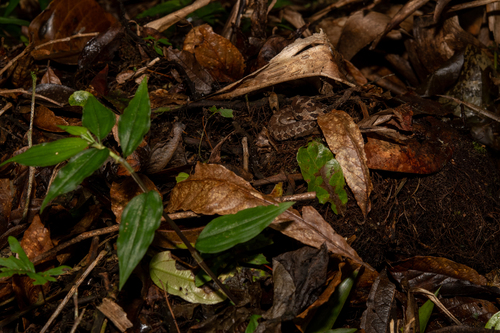
6 photographs of the Wilson's Montane Pitviper. © Janne Teivonen.
The Wilson's Montane Pitviper (Cerrophidion wilsoni) is a venomous snake in the Viperidae family, recorded in 3 countries.
If you are bitten
This is a venomous snake. Treat any bite as a medical emergency: stay calm, keep the bitten limb still and roughly level with the heart, remove rings and tight clothing, and get to emergency care immediately. Do not apply a tourniquet, cut the wound, apply ice, or try to suck out venom. Call your local emergency number or poison center.
- Family
- Viperidae
- Danger
- high
About the Wilson's Montane Pitviper
Cerrophidion wilsoni, the Honduras montane pitviper, is a species of venomous snake in the family Viperidae. It is endemic to Central America, where it is found in Honduras, El Salvador, and Nicaragua. It is widespread in highland cloud forests within its range, being found at elevations of 1,400 to 3,491 m (4,593 to 11,453 ft). The pitviper has a coffee-brown body color, with dark to chestnut brown splotches on the back, frequently fused to make a zig-zagging stripe. The sides have a series of blackish-brown, nearly round splotches, while the side of the head has a blackish-brown stripe from the eye to past the jaw, occasionally merging with the first of the dark patches on the sides. The underside is pale.
Taxonomy
Specimens of Cerrophidion wilsoni were formerly considered to belong to C. godmani, which was then considered to be a wide-ranging species distributed from Mexico south to Panama. Beginning in the 2000s, genetic evidence began suggesting that C. godmani as then defined was paraphyletic with regard to the other two species in its genus, with deep divergences between different clades included in the species.
Cerrophidion wilsoni was formally described in 2012 based on an adult female specimen collected from Montaña de Botaderos Carlos Escaleras Mejía National Park in the department of Olancho in Honduras. The species is named after Larry David Wilson, a noted researcher of Central American amphibians and reptiles who described more than 70 species over the course of his career. The species has the English common name Honduras montane pitviper.
C. wilsoni is most closely related to C. sasai, with the two species diverging 3.1–6.0 million years ago (mya). This clade diverged from the other species within the genus 7.7–11.5 mya.
Description
The species has a coffee-brown body color, with dark to chestnut brown splotches on the back, frequently fused to make a zig-zagging stripe. The head has a blackish-brown stripe from the eye to past the jaw, occasionally merging with the first of the dark patches on the sides. The sides have a series of blackish-brown, nearly round splotches, located alternately from where the splotches on the back are. The throat is pale orange or yellow, while the underside is pale.
Distribution and habitat
Like other species in its genus, Cerrophidion wilsoni is endemic to Central America, where it is found in Honduras, El Salvador, and Nicaragua. In Honduras, it is widespread throughout highland areas, with a lack of records from some montane protected areas likely being a result of undersampling rather than its true absence. The species was recorded from Nicaragua (as Cerrophidion godmani sensu lato) as far back as the 1960s, but due to a lack of photographs or specimens, the species' presence in the country was not confirmed until 2017. Localities in the Honduran and El Salvadorian border regions that harbor populations of C. wilsoni extend into Guatemala, making it likely that the species also occurs in the latter country.
Adapted from Wikipedia, available under CC BY-SA.
Local and regional names
The Wilson's Montane Pitviper is known by these names across the regions where it lives:
- Danish
- Honduransk Bjerghugorm
- English
- Honduras Montane Pitviper
- German
- Honduras-Bergglanzenotter, Honduras-Berggrubenotter
Frequently asked: Wilson's Montane Pitviper
- Is the Wilson's Montane Pitviper venomous?
- Yes. The Wilson's Montane Pitviper (Cerrophidion wilsoni) is venomous and belongs to the Viperidae family (viper). Its bite is considered high risk to people. Treat any bite as a medical emergency.
- Is the Wilson's Montane Pitviper poisonous?
- Snakes are venomous, not poisonous. "Poisonous" means harmful to eat or touch; "venomous" means injecting toxins through a bite. The Wilson's Montane Pitviper is venomous, delivering venom through a bite.
- Is the Wilson's Montane Pitviper dangerous?
- This is a venomous snake. Treat any bite as a medical emergency: stay calm, keep the bitten limb still and roughly level with the heart, remove rings and tight clothing, and get to emergency care immediately. Do not apply a tourniquet, cut the wound, apply ice, or try to suck out venom. Call your local emergency number or poison center.
- Where does the Wilson's Montane Pitviper live?
- The Wilson's Montane Pitviper has verified records in 3 countries, including Honduras, El Salvador, Nicaragua. See the distribution section below for its full range.
If you are bitten by the Wilson's Montane Pitviper
Do
- Get away from the snake and stay calm. Most bites worsen when people panic or try again to handle the snake.
- Call 911 or Poison Control (1-800-222-1222) right away. Antivenom works best when given early.
- Note the time of the bite and, from a safe distance, the snake's color and pattern, a phone photo is enough. Do not chase it.
- Keep the bitten limb still and at roughly heart level. Sit or lie down and limit movement.
- Remove rings, watches, and tight clothing near the bite before swelling starts.
- Gently wash the bite with soap and water and cover it with a clean, dry dressing.
Do not
- Do not cut the wound or try to suck out the venom.
- Do not apply a tourniquet or ice.
- Do not drink alcohol or caffeine.
- Do not take aspirin or ibuprofen, they can worsen bleeding. Acetaminophen is safer for pain.
- Do not try to catch or kill the snake. A dead snake can still bite by reflex.
First-aid guidance adapted from the U.S. Centers for Disease Control and Prevention (CDC NIOSH), Venomous Snakes. Educational only; always follow the instructions of emergency responders.
Where it is found
More Viperidae snakes
 Godman's Montane Pit ViperCerrophidion godmani
 Costa Rica Montane PitviperCerrophidion sasai
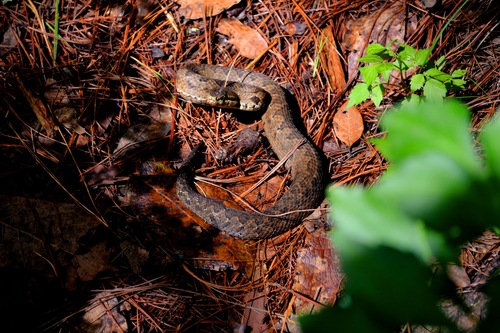 Tzotzil Montane Pit ViperCerrophidion tzotzilorum
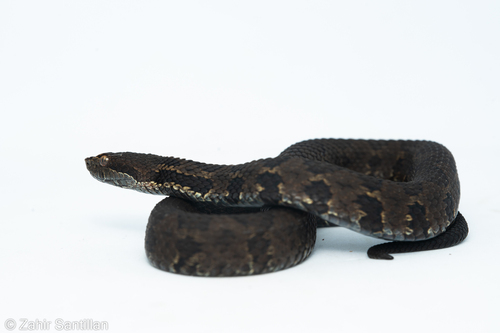 Cerrophidion petlalcalensisCerrophidion petlalcalensis
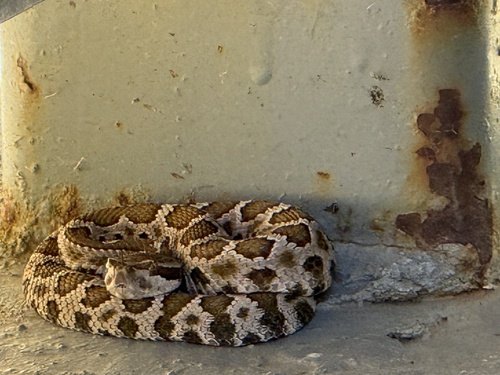 Western RattlesnakeCrotalus oreganus
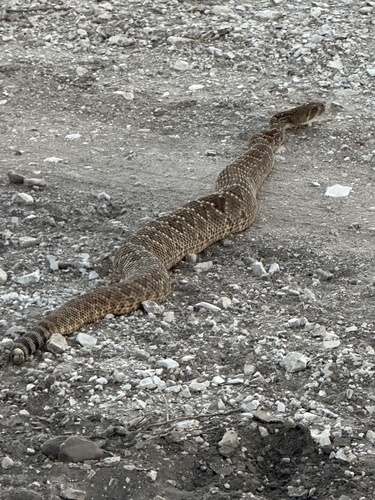 Western Diamond-backed RattlesnakeCrotalus atrox
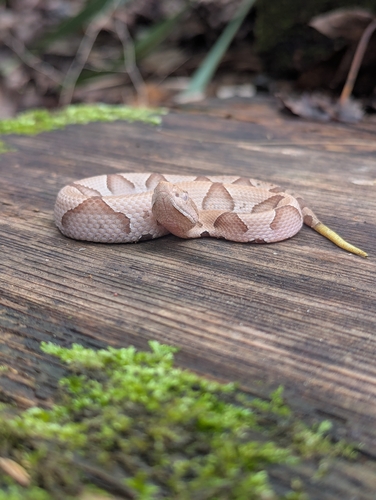 Eastern CopperheadAgkistrodon contortrix
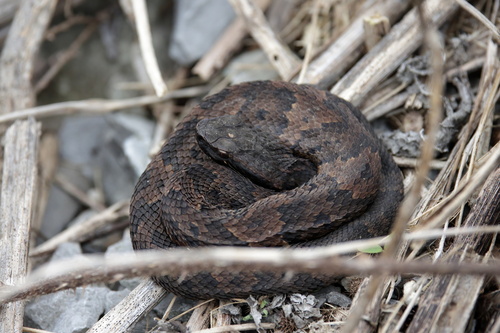 Northern CottonmouthAgkistrodon piscivorus
Classification
How scientists group this snake, from the broadest category down to the exact species. Each step narrows to its closest relatives.
- OrderThe broad group of scaled reptiles: all snakes and lizards
- Squamata
- FamilyA group of related snakes that share key traits
- Viperidae
- GenusA close-knit group of very similar species
- Cerrophidion
- SpeciesThis exact snake, named in the two-part scientific name
- Cerrophidion wilsoni
Keep learning
- Are Snakes Dangerous? The Real Risk, in PerspectiveMost snakes are harmless and avoid people. Here is the honest picture of snakebite risk worldwide and how to lower your own.
- Snakebite First Aid: What to Do (and What Never to Do)A clear, CDC-based guide to snakebite first aid: the steps that help, the popular myths that hurt, and how to tell a serious bite from a minor one.
- Venomous vs Nonvenomous: How to Tell the DifferenceThe folk rules for telling venomous snakes apart, where each one fails, and why location-based identification beats guessing by sight.
- What to Do If You Find a SnakeFound a snake at home or on a trail? Here is how to stay calm, give it space, identify it safely, and know when to call a professional.
Distribution from GBIF & iNaturalist. Venom status per CDC. Background: Wikipedia. Informational only. Never handle a snake to identify it.